
This package bundles a 7-day Machame Kilimanjaro ascent with a 5-day Tanzania safari in a single, bookable itinerary. You’ll ascend via the Machame route with a staged acclimatisation profile, descend to Moshi or a hotel before transferring to Arusha for a 5-day wildlife safari through key parks. Route details, lodge or camping options, and practical travel steps are outlined day-by-day, with realistic expectations for altitude, driving times, and safari opportunities. Availability and exact pricing must be confirmed with Climb 4 Africa, as departures vary by season.
Day 1: Arrival and warm welcome in Moshi or Kilimanjaro region
Begin with a briefing and gear check at your lodge. Time to adjust to altitude, review kit, and meet your Kilimanjaro guide. If you arrive early, a gentle orientation walk near town helps you acclimatise before the climb starts. Overnight in comfortable lodge accommodations with meals included.
Day 2: Machame Gate to Machame Camp — ascent starts
A scenic drive to Machame Gate, then registration and start of the climb. The first day follows forested terrain with gradual elevation gain. Pack weight is managed to support acclimatisation and comfort on the trail. Evening at Machame Camp with hot meals and a focus on rest to support the first night’s altitude adaptation.
Day 3: Machame Camp to Shira Camp — altitude gain and scenery
With a steady climb, you enter moorland zones and pass distinctive rocky outcrops. Your guide monitors pace for acclimatisation, offering short rests and a pace-friendly tempo. Camp above the Shira Plateau provides a strong base for the next day’s higher route options.
Day 4: Shira Camp to Lava Tower to Barranco Camp — acclimatisation and final day’s route choice
This day includes a short detour to Lava Tower for acclimatisation, then descent to Barranco Camp. The scenic Barranco Wall stretch tests balance and footing while keeping a measured pace. Overnight at Barranco Camp with proper hydration and rest to prepare for the Barranco-Karranga descent option the next day.
Day 5: Barranco Camp to Karanga Camp — higher elevation approach
A longer day with a steady climb through scree and moorland, staying mindful of altitude. Reaching Karanga Camp marks a higher-altitude stay with a focus on sleep quality and nutrition to support continued acclimatisation ahead of summit day. Evening briefing and early rest.
Day 6: Karanga Camp to Barafu Camp — summit push prep
Final acclimatisation day includes a short, direct climb to Barafu Camp, with a late-evening turnaround for the summit attempt. A light dinner, caffeine management, and rest are critical as you prepare for the midnight push. Barafu Camp serves as the launch pad for the actual summit window.
Day 7: Summit (Uhuru) and descent to Mweka Camp — finish Machame route
The early midnight push reaches Uhuru Peak at sunrise, followed by a descent to Mweka Camp. After a necessary rest, you finish with a final descent to the gate and transfer to Moshi for a celebratory night or continue directly to Arusha for the safari leg if logistics align. Expect a long but rewarding transfer with a chance to reflect on the summit and your acclimatisation work.
Day 8: Transfer to Arusha or wildlife lodges for the safari start
Travel from Moshi or Kilimanjaro region to Arusha or a near-edge lodge, depending on your safari itinerary. The journey sets the stage for a 5-day Tanzania safari, with a focus on wildlife viewing windows, landscapes, and rest stops as needed. Overnight near Arusha or a designated safari lodge.
Day 9: Arusha to Tarangire or Lake Manyara (Safari start)
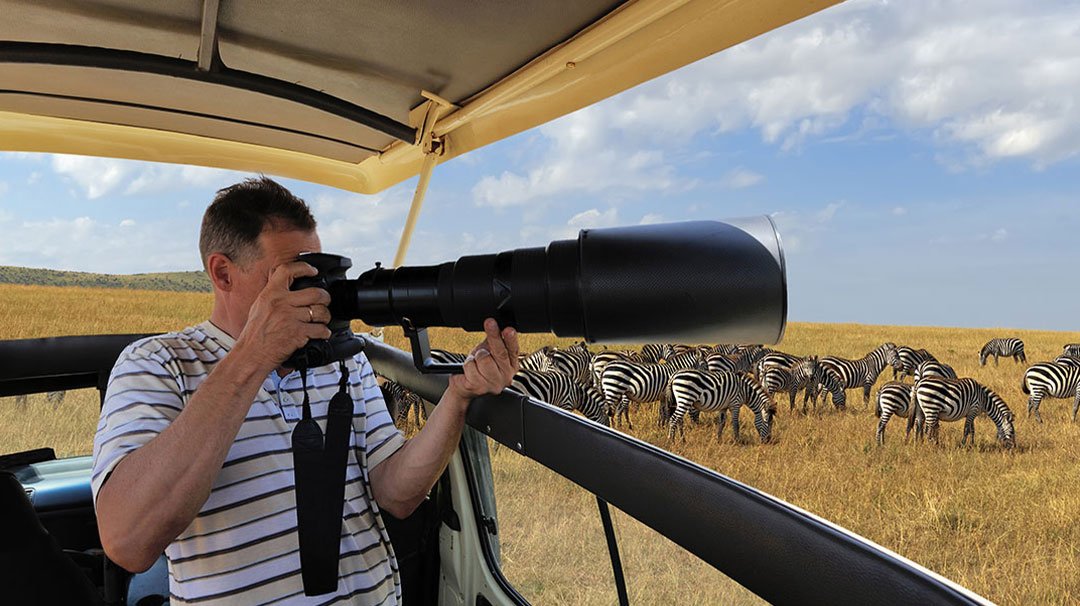
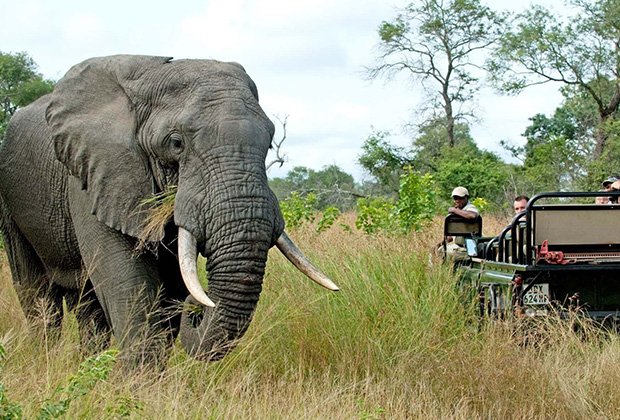
Begin the safari with a managed early-morning drive to a landmark park. Wildlife viewing depends on seasonal patterns; your guide provides practical tips for healthy, respectful observation and photography. A midday break and a relaxed afternoon game drive conclude the day with a comfortable camp or lodge stay.
Day 10: Tarangire or Lake Manyara to Serengeti ecosystem (full-day safari)
Drive through varied landscapes with potential wildlife sightings along the way. The Serengeti plains deliver expansive horizons and ongoing animal activity; your guide coordinates sightings and allows time for photography and short breaks. Overnight at a carefully selected safari camp or lodge in or near the Serengeti region.
Day 11: Full-day Serengeti safari with alternative routes
A second full day in the Serengeti increases chances to see predators and grazers in context, though wildlife is not guaranteed. Your itinerary balances morning and afternoon game drives, ensuring rest and meals at the lodge. Evening at camp with briefings for the next day’s transitions.
Day 12: Serengeti to Ngorongoro Crater area
Drive toward the Ngorongoro highlands with a last safari-style push in the morning if time allows. Arrive at a lodge near the crater rim, offering dramatic views and comfortable amenities after days in the field. Enjoy a relaxed evening and a briefing for crater day if you’re continuing to wrap-up or depart from Arusha later.
Day 13: Ngorongoro crater floor descent or transition to a closing area
Your day includes a crater descent for wildlife viewing in a contained environment, high likelihood of seeing large herbivores and predators, and a packed lunch timer allowing efficient movement. After crater activities, transfer to Arusha or an airport depending on flight plans and time availability.
Notes on planning and booking decisions
- Acclimatisation is built into the Machame route with a rising elevation profile designed to reduce the risk of acute mountain sickness. This affects the day-by-day pacing and overnight stops.
- Vehicle transfers between parks are staged to balance driving time with game-viewing opportunities. Realistic expectations are set for wildlife sightings; guides share knowledge of animal behavior and peak activity windows.
- Accommodations range from comfortable lodges near Moshi for the climb to well-sited safari lodges near Arusha and within park boundaries. Your choice of lodging can influence cost and comfort, as well as logistics for early-morning game drives.
- Perm
Enhancing the sequence: practical decisions for climbers and safari segments
Beyond the day-by-day milestones already outlined, there are concrete logistical decisions that can shape the experience when combining a Machame ascent with a Tanzania safari. This section provides additional, bookable-sequence details that help travellers understand how the logistics interlock without over-promising wildlife sightings or exact hotel names.
Transition buffers between ascent and safari are a practical reality. After the final Machame Camp descent and a restful night near Moshi, your transfer to Arusha typically occurs with a full day allocated for travel and onboarding into the safari phase. This buffer helps accommodate flight timings from Kilimanjaro International Airport (JRO) or domestic connections, time for a final kit check, and a briefing on park entry procedures. When scheduling, consider an arrival window that allows an afternoon or evening in Moshi for a light activity or a short acclimatisation walk, followed by an early morning departure toward the safari corridor the next day.
Acclimatisation and rest are not abstract concepts but operational choices that guide the sequence. On Machame Route day planning, the pace is calibrated by the guide to permit safe acclimatisation, with the option for a short acclimatisation stop at certain elevations. When you finish the climb, the transition to safari life should be framed by a light recovery day if needed. Some itineraries provide a brief spa or pool session at the lodge the evening of the lodge transfer to help travellers rehydrate, re-energise, and reorient after the physical exertion of the ascent.
Safari logistics rely on consistent driving times and park timing. In practice, the travel times between Moshi and Arusha, then onward to park entrances, can vary with road conditions and traffic. The booking approach should state clearly that driving times are estimates and include contingency windows for checkpoints, vehicle rest stops, and occasional wildlife-induced delays. This realism helps set expectations and reduces the pressure of “mile-stone” timelines on both the ascent and safari portions.
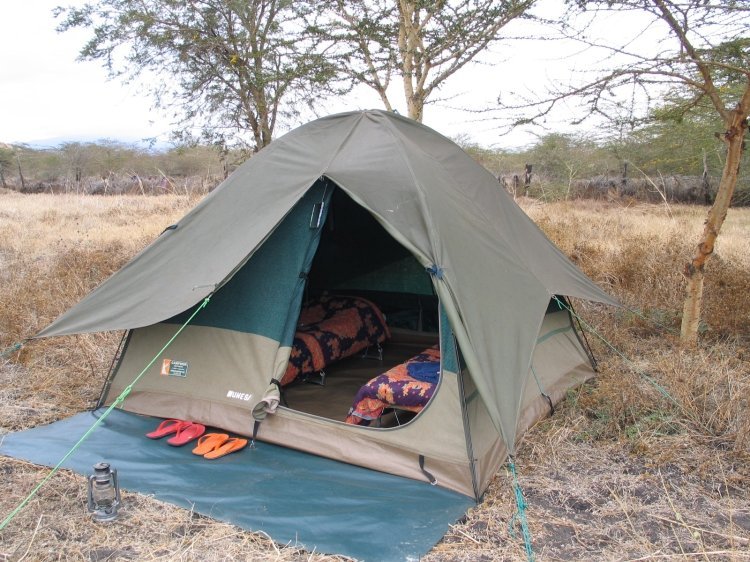
Accommodation and meal structure around the transition are another practical lever. The climb portion typically uses lodges or camping setups in the Moshi area; the safari phase leans toward lodge-based comfort within or adjacent to park boundaries. Your plan should indicate that the exact lodging will be confirmed at booking, but describe the general sizes, types, and amenity expectations: hot meals after daily game drives, the option for private or shared vehicle experiences, and the use of seasoned camp or lodge staff for safety and reliability in remote areas.
Day-by-day realities for the safari portion must be considered in context with the preceding climb. The initial safari drive from Arusha or Moshi to a gateway park commonly takes several hours, followed by a late-afternoon or evening game drive if time allows. The following full days in parks depend on the geography of the route: some itineraries prioritise Tarangire, Lake Manyara, or Arusha National Park as an entry, then progress to Ngorongoro Crater or Serengeti. The practical implication is that your travel plan should explicitly indicate the order of parks as a function of distance, road quality, and typical wildlife activity windows, rather than promising a uniform sequence of wildlife sightings.
Itinerary flexibility is a core feature of a bookable plan. If weather, park access, or climber energy levels influence a day’s feasibility, the operator often provides a policy or a pre-agreed alternative, such as rerouting a day’s drive to minimise backtracking or adjusting a game-drive schedule to maximise morning animal activity. The emphasis is on reliable access to a planned sequence while preserving safety and comfort for all participants.
Finally, safety and support infrastructure underwrite every booking decision. The plan should describe the role of the lead guide and safari guides, the availability of backup transport, and access to medical facilities if needed. For climbers, the presence of a trained guide, a well-equipped first-aid kit, and a communication plan for remote sections ensures that the ascent portion remains within the published acclimatisation logic. For safari guests, the emphasis remains on adhering to park rules, respectful wildlife observation, and trained drivers who understand animal behavior and driver-patient facilitation of comfortable, ethical wildlife viewing.
Notes on practical sequencing and booking decisions
- Acclimatisation remains embedded in the Machame route’s pacing; expect staged rest and gradual elevation gain, with the understanding that exact day-by-day stops are determined in the field by the guide for safety and comfort.
- Transfers between Moshi (or Kilimanjaro region) and Arusha are arranged to optimise rest time and driving feasibility; the itinerary should state that driving times are approximate and subject to road conditions.
- Accommodation types will be disclosed as part of the booking, but general expectations include comfortable lodges near Moshi for the climb and safari lodges near park boundaries for the wildlife portion; the choice of lodging can influence cost and logistics for early-morning departures.
- Park sequence and drive logistics are framed to balance time in the field with rest days and travel between parks; while wildlife sightings are not guaranteed, guides coordinate optimal viewing opportunities within the day’s context.

Bridging acclimatisation to safari logistics: a practical planning layer
Beyond the day-by-day ascent details and the briefing on park dynamics, a crucial gap for travelers merging a 7-day Machame climb with a 5-day Tanzania safari is the explicit linkage between acclimatisation momentum on the mountain and the wildlife itinerary in the plains. This section adds concrete, bookable-sequence decisions that leverage the trusted rhythm of Machame’s acclimatisation with the realities of broad, multi-park safari driving days. The goal is to translate the climb’s energy patterns into a safari plan that respects rest needs, driving fatigue, and morning activity windows that commonly determine what wildlife can be observed while staying within a realistic budget and timetable.
Starting from Day 2 on the mountain, climbers gradually accumulate altitude exposure with negotiated rest breaks. The corresponding safari segment should mirror that cadence: shorter, comfortable drives on arrival days, followed by longer, early-morning game drives when animal activity is typically highest. A practical bookable sequence aligns the following blocks: a recovery and briefing day in Moshi after descending, a travel day to Arusha or surrounding gateway towns with a planned overnight stop, then a staged transition into the safari parks with pre-booked lodge placements that allow for early alarms and efficient dawn departures. This alignment matters not just for comfort, but for maximizing chances to witness animal behavior before heat and mid-day slowdowns intensify in the plains.
One actionable decision is the timing of the safari window relative to park openings. If the tour structure allows, schedule the drive to Arusha or the first safari lodge such that the group checks in late afternoon, enjoys a restorative evening, and rises before dawn for the first wildlife drive. This arrangement minimises daytime fatigue from long travel and ensures that the ensuing full safari days begin with crisp morning light and animal activity. Practically, confirm with the operator whether the first game-drive in the Serengeti or Ngorongoro area can start at first light after a short hotel transfer, rather than waiting for the second sunrise. Booking a lodge or tented camp with an adjacent gate or early-dawn briefing area can further streamline the transition from rest to safari momentum.
Another concrete choice concerns the sequence of parks fed by the same flight or road network. A common, efficient arc is to descend Machame and rest in Moshi for a night, then transfer to Arusha to begin a northern circuit that can encompass Tarangire and Lake Manyara before pushing into the Serengeti. For travelers prioritising the southern plains, a route that incorporates Ngorongoro Crater as a first safari day can offer iconic viewing contexts in a compressed time frame, followed by a broader Serengeti loop. The exact park order should be dictated by road quality, seasonal wildlife movement patterns, and the start times of the domestic flights or long drives between parks. Ask the operator for a park-sequence memo that ties driving hours to daily activity windows and lodge check-in/out logistics.
Accommodation strategy during the safari segment should be chosen with view-shift practicality in mind. Book lodges or camps that offer early-riser meals or pre-dawn coffee service and pre-arranged sunrise transport to the gate. This reduces the friction of leaving at dawn with heavy backpacks or camera gear, while still preserving the climber’s need for restful mornings after ascent days. If the itinerary includes long travel days between Moshi and the first safari base, consider a short, restorative stop en route—either a boutique lodge with strong digestive comfort facilities or a mid-range tented camp with reliable vehicle access—to prevent fatigue from spilling into the first safari drives.
Logistics around gear and packing for this combined adventure should be tightened through a single, clear kit plan. The mountain portion demands layered clothing, windproof outer shells, and a daypack that the guide can assist in managing. The safari portion requires neutral-toned clothing suitable for wildlife viewing, a compact camera kit, binoculars, and a light, secure daypack for early-morning drives. Coordinate with the operator to have the same set of valuables kept in a secure, accessible place during both segments, with a common travel checklist that is shared in advance via email or a mobile app. This reduces the risk of last-minute gear swaps or forgotten essentials that could disrupt early morning departures or the safety briefing at the start of a drive.
Finally, a practical booking instruction often overlooked is the contingency framework for back-to-back days of early awakenings: confirm with the operator whether a rest day is feasible between the mountain descent and the first safari transition, and if a backup plan exists for switching a long road transfer to a short flight segment when weather or road conditions impede travel. A robust plan will specify a fixed buffer window—such as a 12–24 hour rest and rehydration period—before entering the safari loop. Operators who publish such buffers in their itinerary notes typically can adapt schedules with minimal cost impact, preserving safety and the ability to capitalise on the next day’s animal activity window.
Safarijska pragmatika: language and expectations for a mixed Kilimanjaro-safari itinerary
On the ground, field teams speak a practical language that binds the climb’s acclimatisation discipline to safari patience. The climbers’ guide and the safari guides coordinate by sharing a common daily rhythm—checking in on energy levels, weather changes, and road conditions that influence both the climb and the game-viewing plan. The bookable plan should include explicit cues for when to switch from a long drive to a shorter, more relaxed day in camp and when to prioritise late-morning rather than early-morning game drives due to fatigue or heat. By ensuring the sequence remains flexible yet clearly documented, travelers can enjoy the climb’s meticulous pace while still having meaningful wildlife experiences without compromising safety.
In sum, the value of these connected decisions lies in turning a two-part adventure into a coherent, bookable sequence that respects the physiology of high-altitude hiking and the logistics of a multi-park safari. The most effective itineraries explicitly state the mountain-to-safari transfer timing, park-sequence rationale, lodge- or camp-level characteristics aligned with early departures, and a contingency framework for weather- or energy-driven day changes. This level of detail helps travellers, guides, and operators align expectations, minimise the need for improvisation under pressure, and keep the experience within the realistic bounds of the terrain and season.
Related Guides and Packages
Combine The Challenge Of Kilimanjaro With Wild Beauty Of Tanzania’s Serengeti8 Days Kilimanjaro Climb And 4 Serengeti Safari8 Days Kilimanjaro Trek And 3 Tanzania Safari6 Days Kilimanjaro Climb And 3 Big Five Safari 20266 Days Kilimanjaro Trek And 2 Tanzania Safari: A Practical, Bookable RouteNovember Kilimanjaro Lemosho Vs Machame Group Climbing DatesCheck Availability for 7 Days Machame Kilimanjaro Climb And 5 Tanzania Safari
Ready to compare dates, prices, and the best option for your group? Send the package name and travel month so the team can reply with a clear quote, availability, and what is included.
12 closely related packages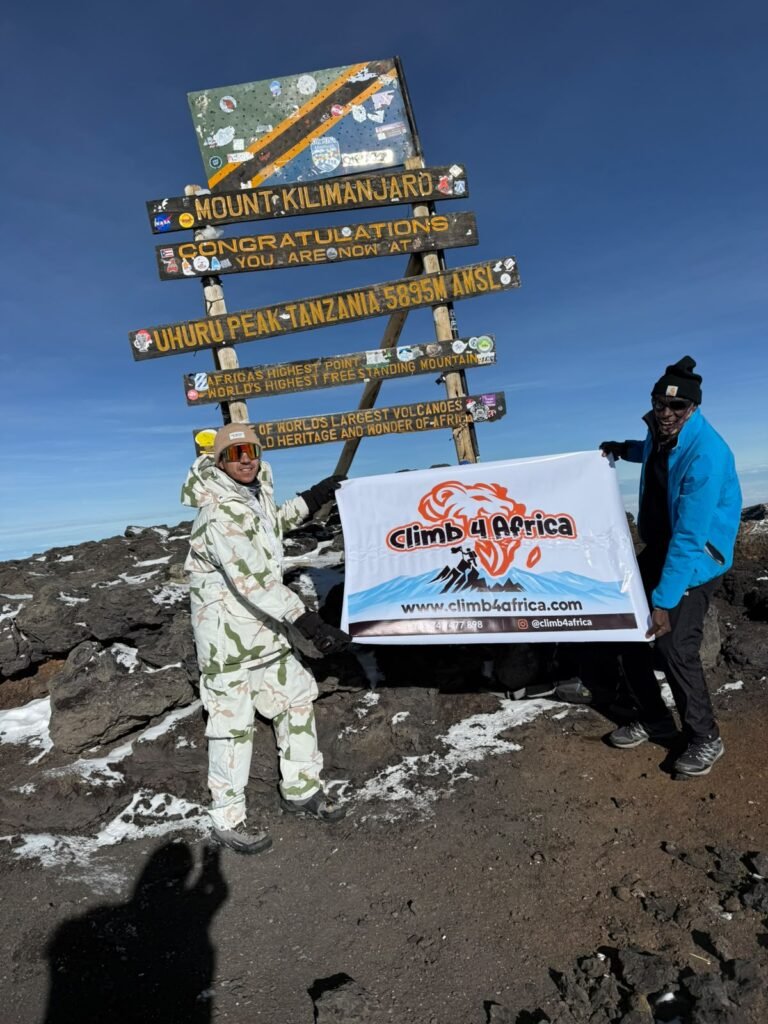
7 Days Kilimanjaro Trek And 3 Tanzania Safari 2026-2027
7 Days Kilimanjaro Trek and 3 Days Tanzania Safari.
View package details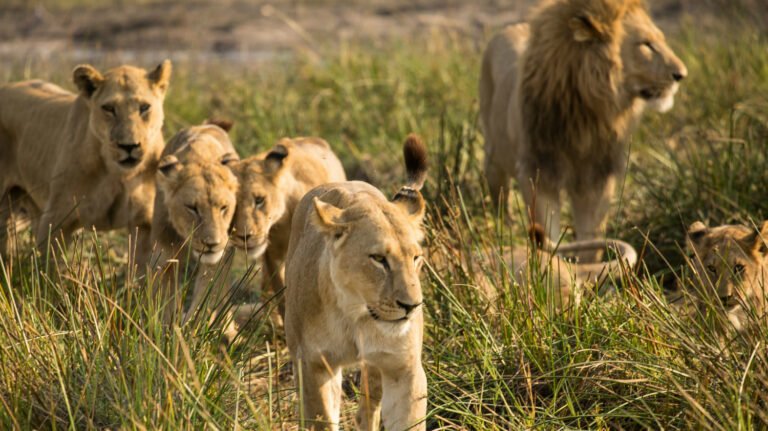
7 Days Kilimanjaro Climb And 4 Wildlife Safari
7 Days Kilimanjaro Climb and 4 Days Wildlife Safari.
View package details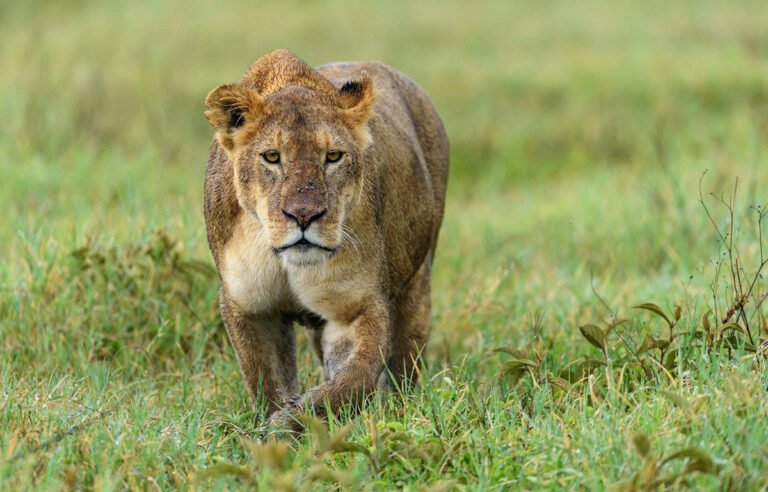
8 Days Kilimanjaro Group Climb And 4 Camping Safari
A practical, bookable 8-day plan combining Kilimanjaro Group Climb with a 4-day camping safari. Day-by-day route, acclimatisation logic, and realistic safari logistics without guaranteeing...
View package details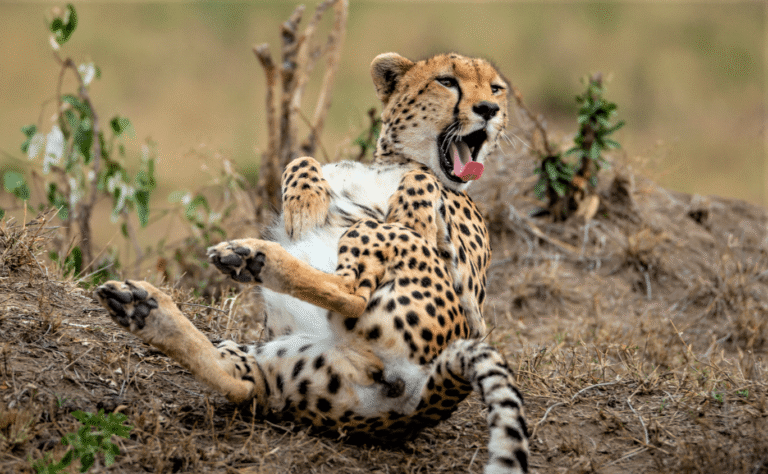
14 Days Kilimanjaro Climb And Tanzania Big Five Safari
14 Days Kilimanjaro Climb and Tanzania Big Five Safari.
View package details10 Days Kilimanjaro Climb And Tanzania Safari Package
10 Days Kilimanjaro Climb and Tanzania Safari Package.
View package details
6 Days Machame Kilimanjaro Climb And 2 Tarangire Ngorongoro Safari
6 Days Machame Kilimanjaro Climb and 2 Days Tarangire Ngorongoro Safari.
View package details
7 Days Kilimanjaro Group Joining Trek And 3 Safari
7 Days Kilimanjaro Group Joining Trek and 3 Days Group Safari.
View package details8 Days Kilimanjaro Lemosho Trek And 4 Serengeti Ngorongoro Safari
8 Days Kilimanjaro Lemosho Trek and 4 Days Serengeti Ngorongoro Safari.
View package details
17 Days Kilimanjaro Group Climb Safari And Zanzibar 2026-2027
17 Days Kilimanjaro Group Climb Group Safari and Zanzibar.
View package details
17 Days Kilimanjaro Climb Safari And Zanzibar Beach 2026-2027
17 Days Kilimanjaro Climb Safari and Zanzibar Beach.
View package details
14 Days Kilimanjaro Climb And Luxury Lodge Safari 2026-2027
14 Days Kilimanjaro Climb and Luxury Lodge Safari.
View package details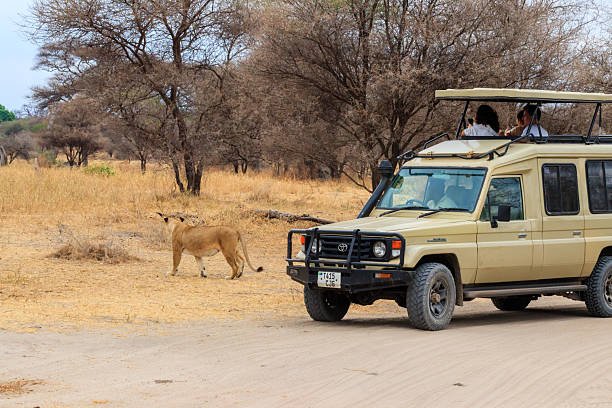
14 Days Kilimanjaro Trek And Northern Tanzania Safari 2026-2027
14 Days Kilimanjaro Trek and Northern Tanzania Safari.
View package detailsNo related package matches those filters. Clear one or more filters to see the other topic-matched options.



