
A 6-day Machame Route climb leads to the summit of Kilimanjaro, followed by a 3-day wildlife safari through Tanzania’s most iconic parks, including Serengeti National Park and Ngorongoro Conservation Area, offering a powerful mix of high-altitude trekking and in-depth wildlife viewing in one integrated journey.
The Best of Both Worlds: Summit and Savanna
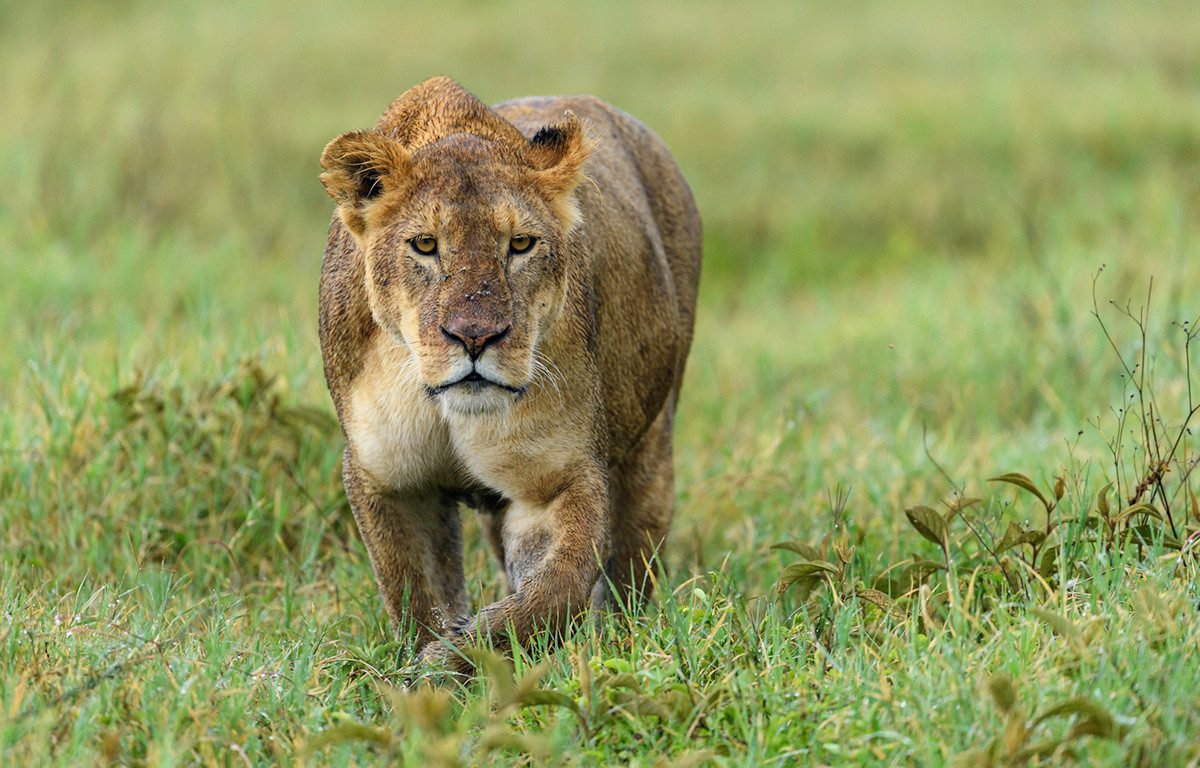
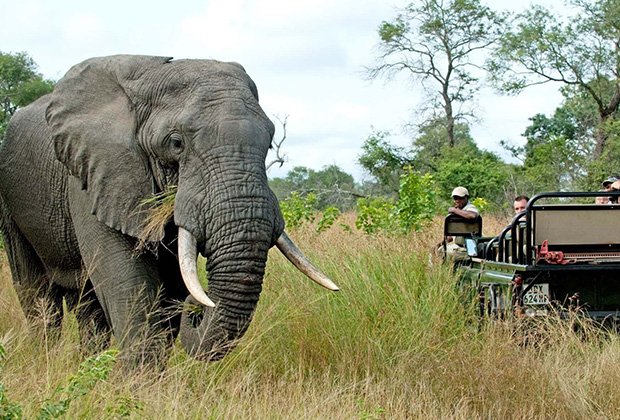
For travelers seeking a memorable African experience that spans the extremes of nature—from the icy summit of Africa’s tallest mountain to the endless plains teeming with wildlife—this 6-day Machame climb paired with a 3-day safari delivers a rare balance. The Machame Route, known as the ‘Whiskey Route’ for its steep gradients and scenic beauty, challenges climbers with varied terrain, high altitude, and changing ecosystems. After conquering the summit at Uhuru Peak, the journey shifts dramatically: from the rugged alpine desert to the sweeping grasslands of the Serengeti, where herds of wildebeest, lions, elephants, and giraffes roam freely.
Why the Machame Route Stands Out
The Machame Route is not just one of the most scenic paths to Kilimanjaro’s summit—it’s also one of the most effective for acclimatization. Over six days, trekkers pass through five distinct ecological zones: rainforest, heath, moorland, alpine desert, and arctic summit. This gradual transition helps the body adjust to altitude, increasing the chances of a successful summit attempt. Unlike shorter routes, the extended timeline allows for better acclimatization, more time to absorb the landscape, and a deeper connection with the mountain’s rhythm. The route’s dramatic switchbacks and panoramic views of the surrounding highlands make every step memorable.
Transitioning from Mountain to Savannah
After descending from the summit and completing the final descent to the base camp, the journey continues seamlessly into the wildlife experience. The transition from the high-altitude silence of Kilimanjaro to the thunderous roar of the Serengeti is striking. This shift isn’t just geographic—it’s sensory. The crisp mountain air gives way to the warm savanna breeze, the silence of the alpine zone is replaced by the calls of birds, the distant bellow of a bull elephant, and the distant thunder of hooves as a migration herd moves across the plains.
3-Day Safari: Where the Wild Roams
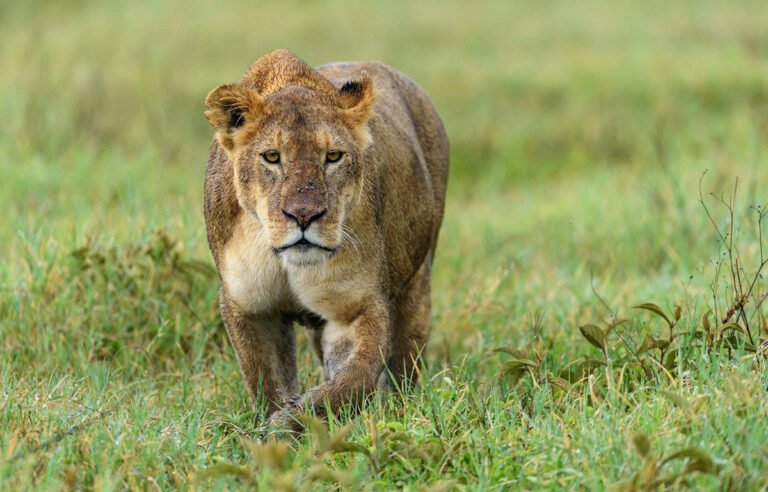
The 3-day safari component is designed to maximize wildlife encounters in Tanzania’s most renowned parks. The first day typically includes a drive from Moshi to Serengeti National Park, with game drives scheduled during the best times of day—early morning and late afternoon—to increase the chances of spotting predators, big cats, and migratory herds. The second day is spent deep in the Serengeti, with stops at key points like the Grumeti River or the kopjes, where lions, cheetahs, and leopards often rest in the shade. On the third day, the journey moves to Ngorongoro Crater, a UNESCO World Heritage Site and one of the world’s largest intact calderas. Inside the crater, wildlife density is unmatched—lions, hyenas, zebras, flamingos, and even endangered black rhinos can be seen in a single morning drive.
Logistics and Practical Considerations
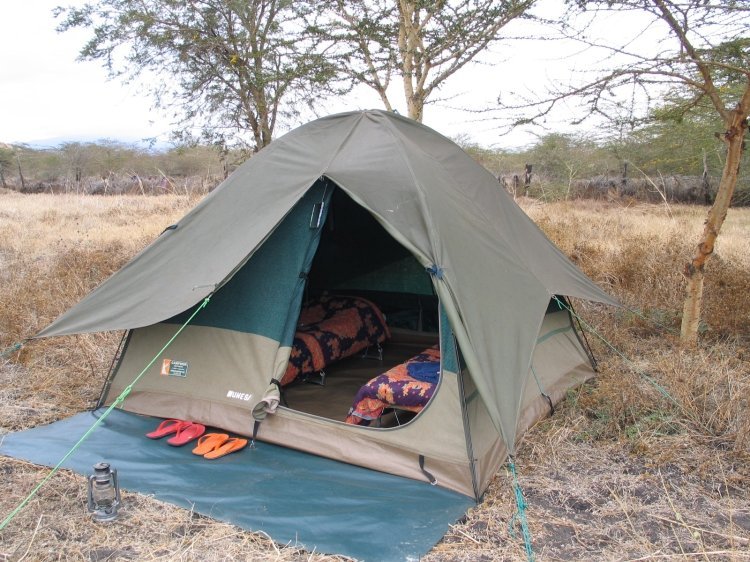
This combined itinerary requires careful coordination. The climb is usually scheduled in the dry season (late June to October and December to early March), when trails are stable and visibility is high. The safari component typically follows the climb, with transfer logistics managed by the operator. Travelers should expect early mornings, long drives, and a mix of camping and basic lodge stays. Proper gear for both mountain and safari environments is essential: layered clothing, sturdy hiking boots, a good sleeping bag, binoculars, camera equipment, and insect repellent.
Who Is This Journey For?
This package suits adventurers who are physically prepared for a challenging mountain climb and who appreciate deep immersion in African landscapes. It’s ideal for travelers seeking a meaningful, multi-layered experience—someone who wants to feel the physical reward of summiting Kilimanjaro and then witness the raw power of nature in the wild. It’s not for those seeking luxury resorts or short, easy excursions. The journey demands stamina, patience, and an open mind.
Planning Ahead
While the exact departure dates and pricing for this combined package in 2027 are not yet published, availability can be confirmed through Climb 4 Africa. The operator specializes in customizing such itineraries and often integrates the Machame climb with group or private safaris based on traveler preferences. Early booking is recommended, especially for the peak seasons. The operator provides experienced guides, certified porters, and all necessary equipment, ensuring a safe and well-supported journey.
What to Expect During the Final Descent and Park Transfers
After reaching Uhuru Peak and celebrating the summit, the descent on the Machame Route is just as demanding as the ascent—often steeper, with slippery terrain and lingering fatigue. The final leg from Barafu Camp to Mweka Gate typically takes 4 to 5 hours, traversing the same ecological zones in reverse: alpine desert, moorland, and rainforest. The change in elevation brings noticeable shifts in temperature and humidity, and trekkers often feel a mix of relief and exhaustion. Mweka Gate, located at the base of the mountain, serves as the official endpoint for the climb. Here, climbers receive their summit certificates and are met by the safari team for the transfer to Serengeti National Park.
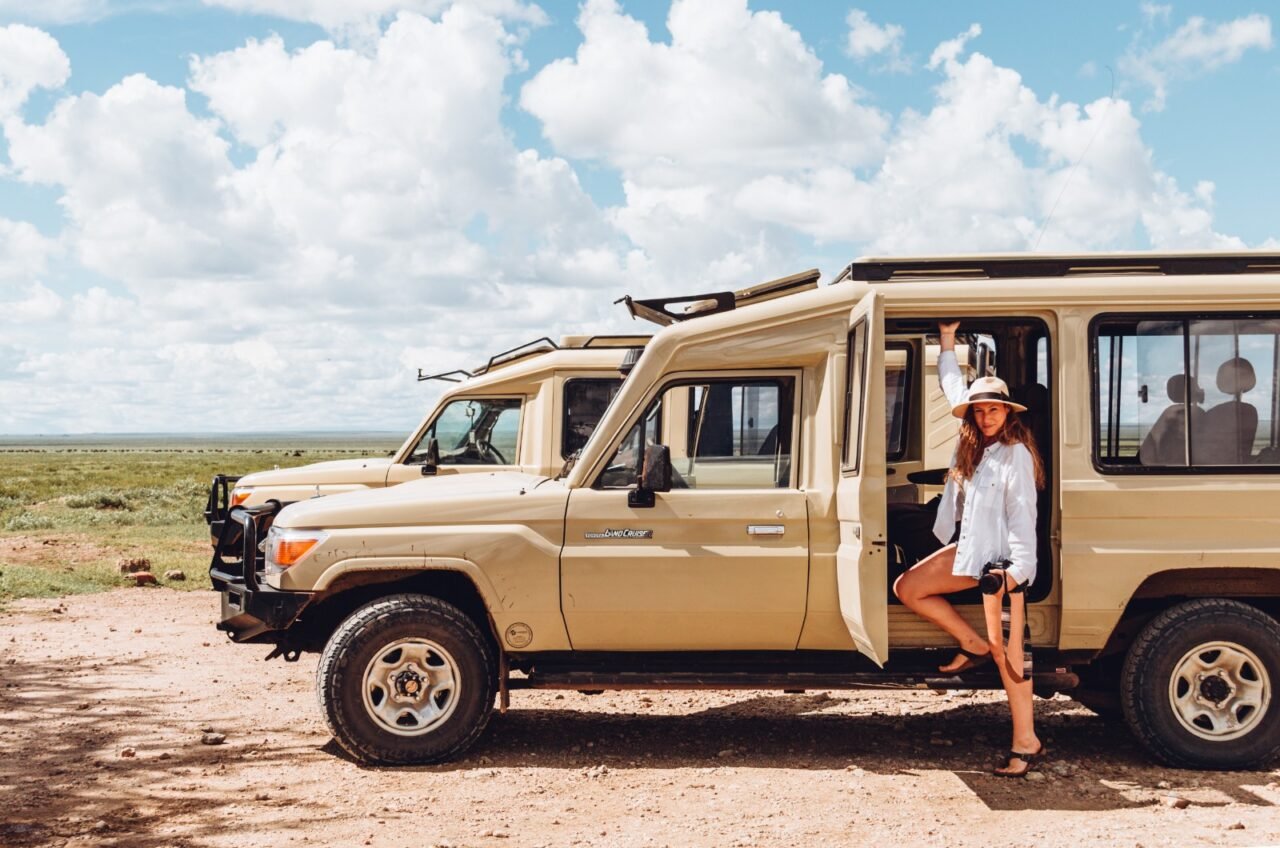
Transfers between Kilimanjaro and the Serengeti can take between 8 to 10 hours, depending on road conditions and weather. The journey begins in Moshi, where vehicles—usually 4×4 safari jeeps or minibuses—are waiting. The route follows the A105 highway through the foothills of Kilimanjaro, passing small villages, coffee farms, and occasional wildlife sightings such as dik-diks or bushbuck. As the landscape transitions from cultivated fields to open savannah, the atmosphere changes: the air becomes drier, the horizon widens, and the sounds of birds and insects evolve into the distant calls of baboons and the hum of cicadas. The drive is not merely logistical—it’s an in-depth transition, preparing the traveler mentally and sensorially for the wildlife experience ahead.
Upon arrival at the Serengeti, the safari camp or lodge is typically situated near the western or central corridor, areas known for high predator activity and seasonal migration patterns. The first game drive usually begins in the late afternoon, allowing travelers to witness the golden hour light filtering through acacia trees and observe animals emerging from shade. This initial drive is designed to be low-pressure, focusing on orientation and acclimatization to the rhythm of the savannah. Guides provide context about animal behavior, herd dynamics, and the broader ecosystem, helping travelers interpret what they see. The experience is intentionally slow, with frequent stops to observe tracks, listen for distant roars, or simply sit in silence and absorb the vastness.
Beyond the Summit: The Ripple Effects of a 6+3 Journey
Completing Kilimanjaro via the Machame Route and then shifting to a three-day Serengeti–Ngorongoro safari creates a layered travel experience that echoes far beyond the obvious thrill of reaching Uhuru Peak. Travelers often report that the physical ascent becomes a catalyst for a different kind of engagement with the African landscape—the shift from mountain-scale exertion to savannah-scale observation invites a recalibration of attention. On the trek, senses sharpen to micro-details—the texture of lichen on shale, the cadence of boot soles against earth, the scent of alpine air after a rain. After the descent, those same senses adjust to the macro-poetry of wide-open horizons, the chorus of birdlife at dawn, and the patient tempo of a genuinely uncrowded wildlife encounter.
The transition also reshapes expectations about time. On Kilimanjaro, time is a resource to be managed—acclimatization, pacing, and rest become practical currencies. In the Serengeti and Ngorongoro, time expands into intervals—moments where a single glance catches a hunter and its prey in a dust-swirl, or where the light lingers on acacia silhouettes long enough to sketch a scene in memory. This juxtaposition teaches travelers a nuanced gratitude: the mountain demands endurance and discipline, while the plains reward presence and attentiveness. The result is a trip that trains the eye to switch between micro-absence and macro-vastness, a habit that often persists as a lasting appreciation for how African ecosystems interlock.
Preparation for this dual encounter benefits from a few grounded practices. First, pack for adaptability. Layering remains essential on the climb, but once the safari begins, wardrobe choices shift toward neutral tones that blend with wildlife and protect against sun exposure. Second, invest in a reliable lens—whether a compact zoom or a longer telephoto—because some cinematic moments unfold at a distance: a lone cheetah sliding through tall grass, or a dawn-dusted herd moving under a baobab. Third, cultivate a mindset of pacing. The safari’s rhythm thrives on deliberate, unhurried drives and time for reflection between sightings. This contrasts with the climb’s strict schedule of camp movements and altitude-based milestones, but together they form a balanced tempo that enhances both experiences.
Guides become crucial in stitching the two halves into a coherent narrative. A Kilimanjaro guide with a background in wildlife interaction and cultural interpretation can frame the descent as a continuation of the mountain’s stories—how the alpine ecology and savannah ecosystems are linked by migratory animals and watershed connections. A safari guide, in turn, can reframe summit achievement as a launch point for understanding human–wildlife coexistence across landscapes. This collaborative storytelling turns the trip into a multi-sensory education rather than a sequence of checklists, helping travelers leave with a more integrated sense of Africa’s geography, biodiversity, and cultural textures.
For travelers seeking tangible takeaways, the itinerary’s second half supports practical, repeatable habits. Observe the day’s light plenty: early mornings on safari often reveal the most active behaviors, while late afternoons can deliver dramatic silhouettes and cloud-light that transform the landscape. Keep a simple notebook or voice memo to capture impressions—sounds of distant horns, the pattern of elephant footprints along a riverbank, or the way a campfire’s glow shifts the color of a campsite’s canvas. These scribbles become a personal atlas of memory, binding the ascent and the safari into one cohesive, revisit-able narrative.
Finally, consider the social dimension. A six-day climb followed by a three-day game drive naturally concentrates human energy in a short period. Be mindful of group dynamics, traveler pacing, and cultural sensitivity—both on the mountain and in the parks. Respect the rhythms of the guides, give wildlife space, and acknowledge the longer, interconnected history of the lands you traverse. The most memorable moments often arise not from dramatic sightings alone but from how strangers collaborate to observe and protect the wild places you’re privileged to witness.
Bridging the Peaks: A Conscientious Traveler’s Guide to the 6+3 Itinerary
Readers who are drawn to the fusion of high-altitude challenge and wildlife immersion often wonder how to approach the transition between Kilimanjaro’s summit day and the adrenaline of a Serengeti safari without losing momentum or perspective. This section offers a grounded, practical lens on pacing, acclimatization mindset, and cultural stewardship that aligns with the article’s spirit of balanced adventure.
First, acknowledge the mental shift required after Uhuru Peak. The mountain’s silence lingers in a traveler’s body long after the last camp routine. In the days that follow, carry that discipline into the savannah: meticulous attention to rest, hydration, and gradual exposure to heat and dust helps the body re-enter a different climate with the same respect given to the mountain’s altitude. A simple routine—nutritious meals timed around bright safaris, short afternoon naps, and gentle mobility stretches—supports the switch from mountain fatigue to safari energy.
Second, reframe time as a resource rather than a constraint. On Kilimanjaro, days are structured by altitude milestones and camp moves; on safari, time expands through lingering at a watering hole or selecting a park corner for a quiet dusk listen. The most meaningful wildlife moments often unfold when you pause. When the guide signals a late afternoon drive, consider the value of a longer, slower approach: staying with a herd as they feed, or watching a family of elephants navigate a river bend. This patience mirrors acclimatization patience on the slopes and rewards you with closer, more nuanced observations.
Third, recognize how landscape storytelling links the trip’s halves. The same watershed principles that sustain Kilimanjaro’s cloud forests also feed Serengeti plains and Ngorongoro’s crater ecosystem. Your guides—Kilimanjaro guides who understand wildlife behavior, and safari guides who appreciate altitude ecology—can help you connect these threads. Acknowledging these connections enriches your experience beyond sightings, transforming a sequence of locales into a narrative arc about movement, water, and seasonal rhythms across Tanzania’s diverse geographies.
Fourth, prepare for logistical continuity without feeling chained to a rigid timetable. The real magic of a 6+3 journey lies in smooth handoffs: a well-timed transfer from Machame’s trailhead to Kilimanjaro International Airport or a comfortable drive to a pre-arranged lodge near Arusha before your safari begins. Communicate your pace and preferences early with your operator so the transition can feel almost smooth. This isn’t about cutting corners; it’s about preserving the integrity of both experiences while maintaining personal well-being.
Finally, practice respectful engagement with people and places. The mountain’s remoteness and the parks’ protected status both demand humility and responsible travel choices. Carry reusable water bottles, minimize single-use plastics, and adhere to park rules on crowding and noise. Engage with local guides and communities mindfully—ask questions that illuminate how conservation, culture, and livelihoods interweave. The most enduring memories are often born from those respectful, reciprocal exchanges as much as from any animal sighting or summit photo.
In sum, the bridge between Kilimanjaro’s summit and Tanzania’s savannahs is built not only on timing and logistics but on a shared ethic of patience, observation, and stewardship. By carrying forward the mountain’s calm into the plains’ tempo, travelers can sustain a singular, memorable narrative through the whole 6+3 journey—one that honors the land’s extremes while honoring the traveler’s own well-being and curiosity.
Carrying Learnings Across the Regions: Skills Transfer from Summit to Savannah
As your journey moves from Kilimanjaro’s alpine air into the Serengeti’s vast horizons, you’ll notice a subtle, practical thread that ties the two environments together: the disciplined, calm attention to detail that each phase demands can be applied to both sides of the itinerary. This section highlights tangible skills you gain on the mountain that enrich your safari days, creating a more smooth, enjoyable experience without demanding a new toolkit.
First, pacing is the common currency. On Kilimanjaro, acclimatization teaches you to respect your body’s limits—to slow down when fatigue thickens your chest or when the air feels thinner than expected. That same discipline translates directly to safari days, where the best wildlife viewing often hinges on waiting for the light to soften and the animals to emerge rather than rushing from sighting to sighting. Your guide in the parks will appreciate travelers who can read the day’s tempo: when to rest, when to move, and how to balance energy with opportunity. This mindful tempo reduces stress, prevents fatigue, and increases the chance of witnessing a predator on the move or a family of elephants navigating a watercourse with patience rather than haste.
Second, safety mindfulness seamlessly migrates from high-altitude trekking to lowland wildlife encounters. On the mountain, you learn to manage the triple risks of exposure, dehydration, and fatigue—habits that foster sustained attention to hydration, sun protection, and nutrition. In the Serengeti and Ngorongoro, similar attention to safety underwrites your ability to navigate crowded vehicle queues, unpredictable animal behavior, and the occasional long drive between two park gates. By carrying a pre-blended approach—hydration, electrolyte balance, and a light but steady energy snack—you keep your energy consistent, reducing the odds of metabolic lows that can color an afternoon game drive with fatigue rather than fascination.
Third, observation becomes your most portable skill. Kilimanjaro teaches you to read micro-climates, track footprints, and notice the texture of a leaf for hidden moisture. Those same micro-observations sharpen your safari experience: you notice how a zebra’s tail flick signals irritation, how antelope decide when a herd will press forward, or how a lion’s ear twitch indicates attention to distant movement. The more you practice, the more you find details others might overlook—details that often lead to the most memorable sightings. Your guides will encourage this habit, inviting you to compare the mountain’s cloud patterns with the Serengeti’s dust plumes, revealing a broader narrative of ecosystems in motion across Tanzania’s landscape.
Finally, your sense of place—an awareness of conversation between land, people, and culture—deepens as you traverse both environments. Kilimanjaro’s route providers emphasize responsible travel, watershed principles, and respect for local communities; safari guides emphasize conservation status, park etiquette, and respectful engagement with Maasai and other communities you may encounter near Ngorongoro. Carrying this ethic forward into daily interactions with lodge staff, rangers, and fellow travelers creates a continuity of purpose: you’re not just passing through environments; you’re participating in their stewardship. This shared ethos, learned on the slopes, becomes a practical lens through which you approach every wildlife encounter, every cultural exchange, and every moment of quiet awe along the journey.
In practice, you can reinforce these cross-regional skills by adopting a simple, repeatable routine: begin each day with a brief self-check on hydration and energy; pause at key transition moments to observe the surrounding landscape for signs of change (from mist on a ridgeline to a cloud of dust on the savannah); and end the day with a short reflection—either aloud with your group or privately—on what you learned from the day’s terrain. This small ritual supports a cohesive experience that honors both halves of the itinerary and keeps you emotionally and physically prepared for what comes next.
Related Guides and Packages
Check Availability for Combine The Challenge Of Kilimanjaro With Wild Beauty Of Tanzania’s…
Ready to compare dates, prices, and the best option for your group? Send the package name and travel month so the team can reply with a clear quote, availability, and what is included.
6-Day Marangu Route And 2-Day Tanzania Safari
6-Day Marangu Route and 2-Day Tanzania Safari.
View package details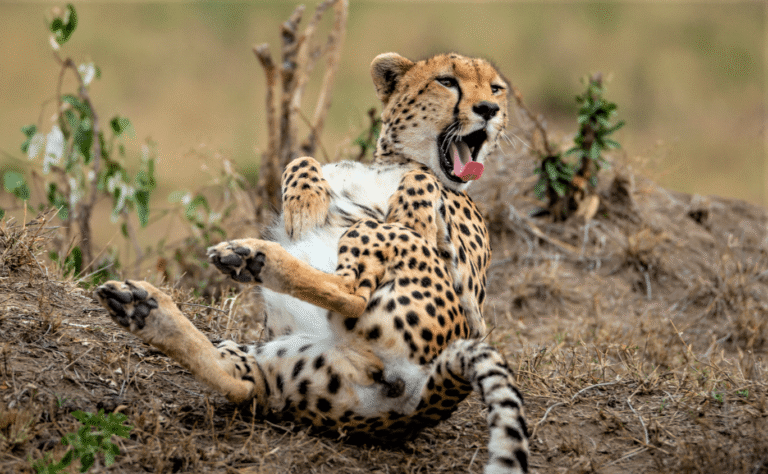
6 Days Kilimanjaro Trek And 2 Tanzania Safari: A Practical, Bookable Route
A practical, bookable 6-day Kilimanjaro trek paired with a 2-day Tanzania safari. Detailed day-by-day route, acclimatization steps, drive routing, and realistic safari opportunities.
View package details
6 Days Machame Kilimanjaro Climb And 2 Tarangire Ngorongoro Safari
6 Days Machame Kilimanjaro Climb and 2 Days Tarangire Ngorongoro Safari.
View package details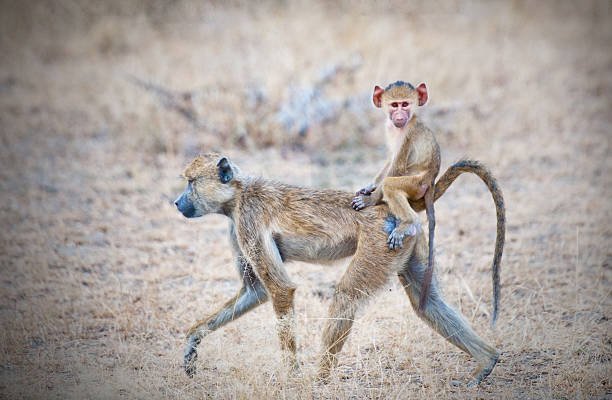
6-Day Marangu Route And 3-Day Big Five Safari
6-Day Marangu Route and 3-Day Big Five Safari.
View package details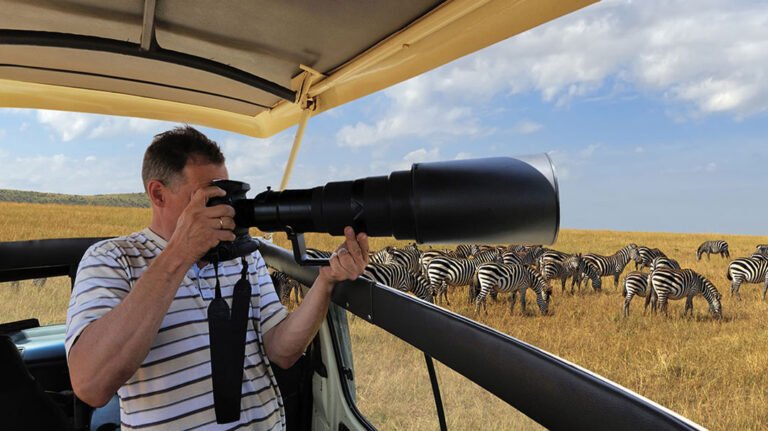
7 Days Machame Kilimanjaro Climb And 5 Tanzania Safari
7 Days Machame Kilimanjaro Climb and 5 Days Tanzania Safari.
View package details
7-Day Rongai Route And 3-Day Tanzania Safari
7-Day Rongai Route and 3-Day Tanzania Safari.
View package details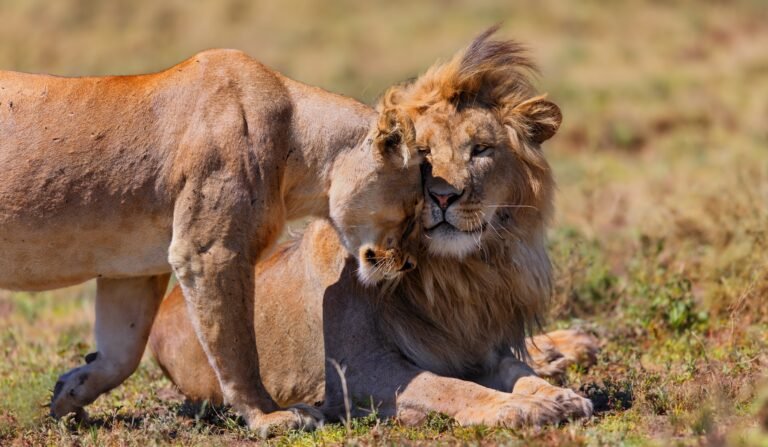
8-Day Lemosho Route And 4-Day Tanzania Safari
8-Day Lemosho Route and 4-Day Tanzania Safari.
View package details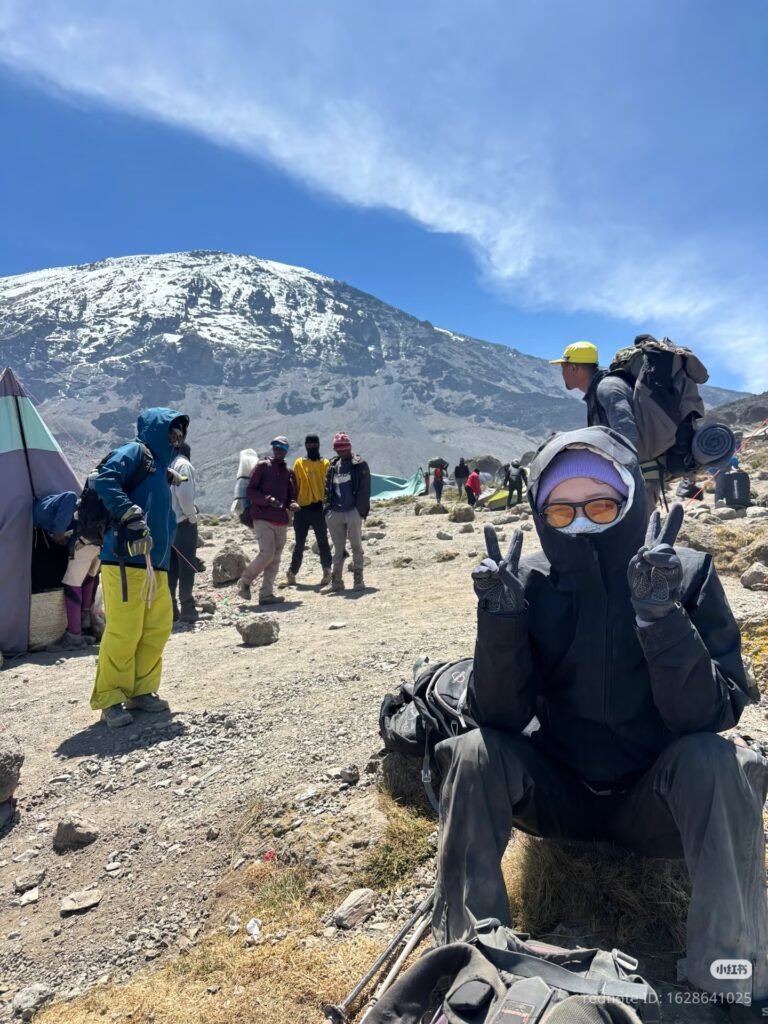
8-Day Lemosho Route And 3-Day Tanzania Safari
8-Day Lemosho Route and 3-Day Tanzania Safari.
View package details
7-Day Machame Route And 4-Day Serengeti Safari
7-Day Machame Route and 4-Day Serengeti Safari.
View package details7-Day Machame Route And 3-Day Big Five Safari
7-Day Machame Route and 3-Day Big Five Safari.
View package details6 Days Marangu Kilimanjaro Climb And 3 Tarangire Safari: A Practical
A focused, bookable 6-day Marangu Kilimanjaro climb followed by a 3-day Tarangire safari. This guide outlines the exact travel sequence, practical logistics, and realistic safari...
View package details6 Days Kilimanjaro Climb And 3 Big Five Safari 2026
6 Days Kilimanjaro Climb and 3 Days Big Five Safari.
View package detailsNo related package matches those filters. Clear one or more filters to see the other topic-matched options.



