
The Dec 10, 2026 – 5 Day Northern Tanzania Group Joining Safari is a scheduled small-group expedition designed to cover the essential highlights of the Northern Circuit—typically including Tarangire National Park, Lake Manyara, and the Ngorongoro Crater—in a cost-effective, shared format. This departure offers an efficient way to experience Tanzania’s wildlife density during the start of the short rains, providing a balance of game viewing and social travel dynamics, ideal for solo travelers, couples, or small groups looking to minimize costs without sacrificing the core safari experience.
When you look at the calendar for late 2026, mid-December stands out as a unique time to be in Tanzania. The Dec 10, 2026 departure for our 5-day Northern Tanzania group joining safari sits right at the beginning of the “short rains” season. For many, this is a preferred travel window because the landscape begins to turn a lush, vibrant green, the dust settles, and the migratory bird species arrive in force. More importantly, it is often a quieter time on the safari circuit compared to the peak summer months, allowing for a more focused wildlife viewing experience.
Choosing a group joining safari for this date is a practical decision for travelers who want to manage their budget effectively. By sharing the vehicle, fuel costs, and park entry logistics with other like-minded travelers, you access a high-quality, professional safari experience at a fraction of the cost of a private tour. This specific 5-day duration is carefully curated to hit the major biodiversity hotspots without requiring the extended time commitment of a 7-day or 8-day expedition.
The Logic of the 5-Day Northern Circuit
A 5-day itinerary is the “sweet spot” for many travelers. It is long enough to see the diversity of the Northern Circuit but short enough to fit neatly into a two-week vacation that might include other activities, such as a Kilimanjaro climb or a beach extension in Zanzibar. On this trip, we focus on maximizing time in the parks rather than spending it in transit.
Typically, a 5-day route from Arusha follows a logical geographic progression. You start by heading toward the most accessible parks and work your way toward the highlands. While exact daily schedules can shift based on wildlife movements and group preferences, the core pillars of this 5-day journey are:
- Tarangire National Park: Famous for its massive elephant herds and iconic baobab trees. In December, the Tarangire River remains a vital water source, making it a reliable place to spot large concentrations of animals.
- Lake Manyara National Park: Known for its groundwater forest, tree-climbing lions, and massive flocks of flamingos that congregate along the soda lake shores.
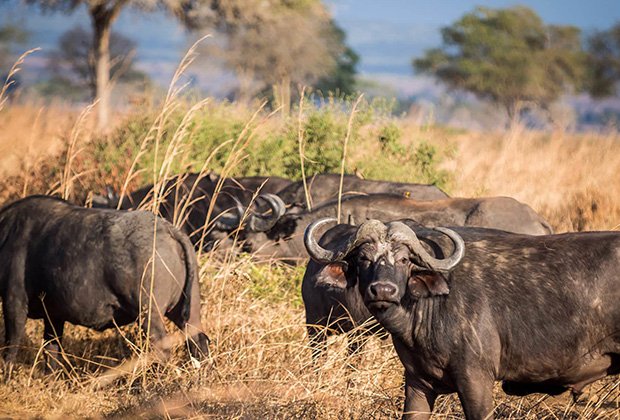
- Ngorongoro Crater: The crown jewel of the circuit. This UNESCO World Heritage site offers the best chance in East Africa to see the “Big Five” in a single day, given the dense concentration of wildlife within the crater floor.
By focusing on these three distinct ecosystems, you get a varied experience—savanna, dense forest, and volcanic caldera—all within 120 hours.
Why Group Joining Works for 2026 Travelers
Group joining isn’t just about splitting the bill; it is about the shared experience. We find that travelers who choose these departures are often looking for the camaraderie that comes with meeting people from around the world. You are in the same vehicle, eating meals together, and discussing the day’s sightings over dinner.
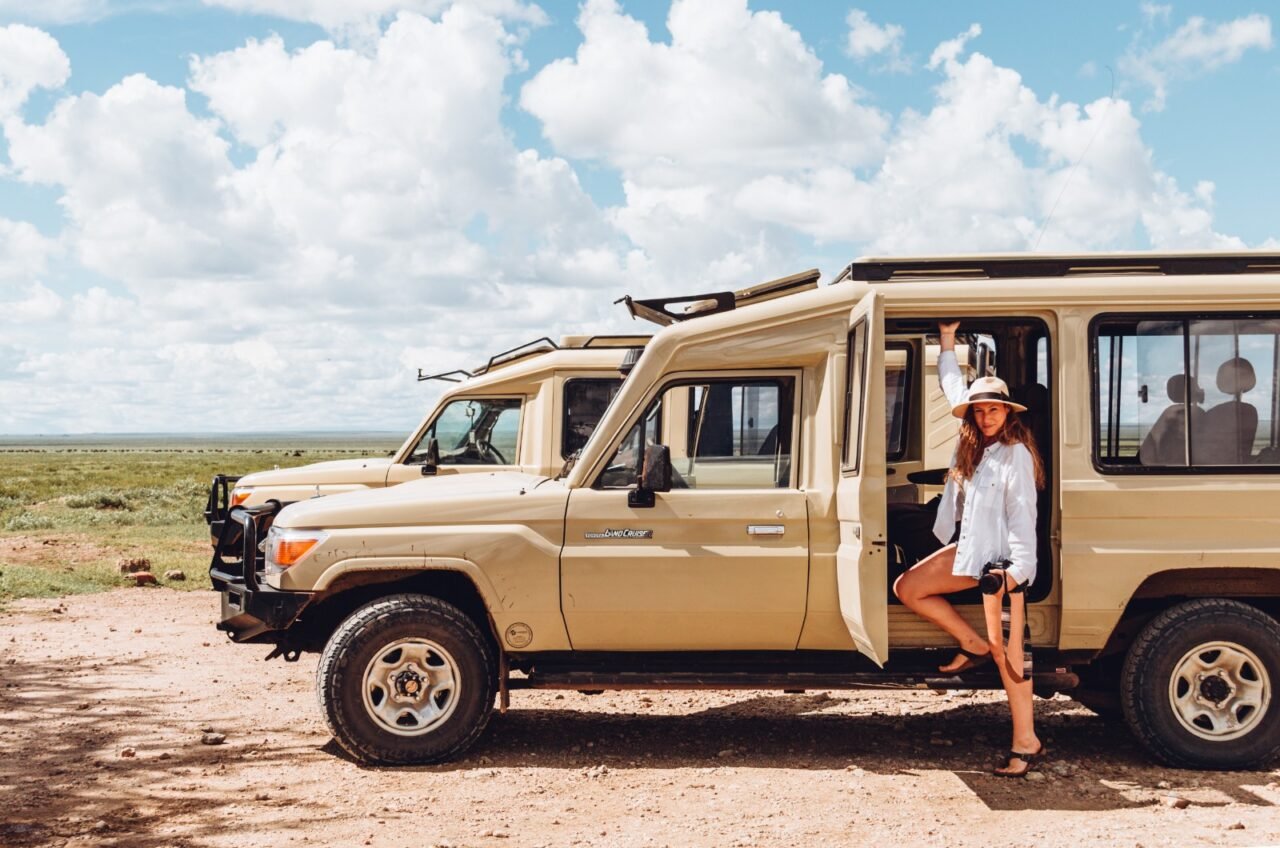
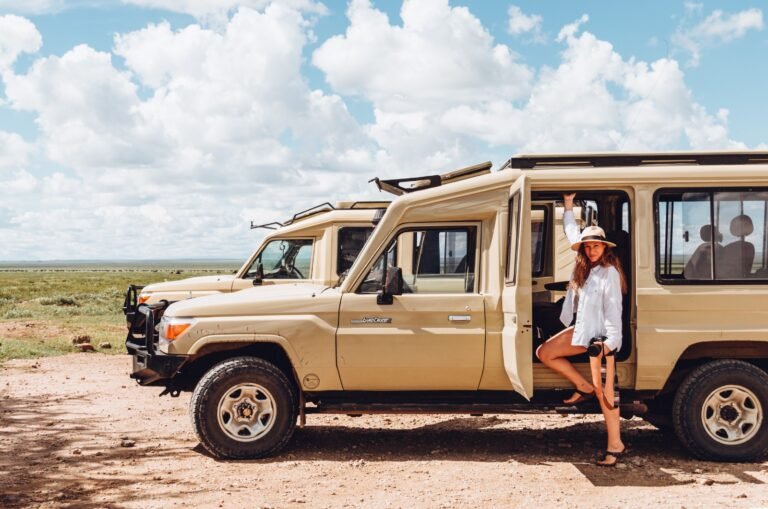
However, it is important to understand the realities of group travel. You will be in a 4×4 land cruiser with a pop-up roof, which is standard for these trips. Because it is a group, the itinerary is fixed to ensure fairness and efficiency. If you are a photographer who needs three hours to capture a single leopard, or if you prefer a very specific, luxury lodge style, you might find a private safari more flexible. But for those who want a structured, hassle-free, and high-value trip, the group joining format is the industry standard for a reason.
We manage these departures with a focus on reliability. We handle all the logistics: the park fees, the driver-guide coordination, the accommodation bookings, and the vehicle maintenance. Your only job is to be ready at the pickup point in Arusha on the morning of December 10.
Comparing 5-Day Options and Other Departures
Not every 5-day safari is identical. Some focus heavily on camping, while others are lodge-based. When you are looking at our schedule for late 2026, it is helpful to compare this trip against other options we operate. For instance, if you have more time, you might consider our 7-day Serengeti and Ngorongoro group joining safari, which adds significant time in the vast plains of the Serengeti. If you have less time, we also offer shorter, more intense trips like the 2-day Tarangire and Ngorongoro group joining safari.
The choice between these depends entirely on your travel goals. Are you trying to see the Great Migration? A 5-day trip might feel rushed if you try to push all the way to the Northern Serengeti. Are you trying to see as much as possible with limited leave days? The 5-day format is the most efficient way to see the crater and the surrounding parks.
Quick Comparison: 5-Day vs. Longer Itineraries
If you are debating the duration, consider the following trade-offs:
- 5-Day Safari: Perfect for a “greatest hits” tour. Efficient, cost-effective, and focuses on the high-density parks near Arusha.
- 7-Day+ Safari: Essential if you want to reach the Central or Northern Serengeti. It requires more driving time but offers a deeper, more in-depth wildlife experience.
- Budget Considerations: A 5-day trip significantly lowers the daily per-person cost because you spend less on accommodation nights and park entry day-passes compared to longer trips.
Logistics: Arrival and Departure
For the Dec 10, 2026 departure, you should plan to arrive in Arusha or at Kilimanjaro International Airport (JRO) at least one day before the safari starts. We always recommend this buffer in case of flight delays or lost luggage. If you arrive on the morning of the 10th, you risk missing the departure, which is a stressful start to any trip.
Our team at Climb 4 Africa provides support for these logistics. We can help arrange transfers from JRO to your hotel in Arusha. Once the safari concludes on the 5th day, we typically return you to Arusha by late afternoon. Please do not book an international flight that departs before 8:00 PM on the final day, as safari timings in the bush can be unpredictable due to road conditions, wildlife sightings, or weather.
Important Planning Considerations
When booking for December 2026, keep these factors in mind:
- Park Fees: Tanzania park fees are strictly regulated and subject to change. When you book your group joining safari, ensure your quote includes these fees so you don’t have unexpected costs on the ground.
- Packing: Even though it is the “short rains,” the weather can be variable. You might experience hot, sunny mornings and cool, wet afternoons. Pack layers and a light rain jacket.
- Health and Safety: Always check the latest requirements for yellow fever certificates (if you are traveling from an endemic country) and consult your doctor regarding malaria prophylaxis.
- Communication: Your driver-guide will be your primary source of information. They are trained to navigate the parks and handle the logistics, but they also act as your wildlife spotter. Don’t be afraid to ask them questions—they are the experts.
We see many travelers who worry about the “rainy” season in December. In reality, these are rarely all-day downpours. They are often brief, refreshing showers that clear up quickly, leaving the air crisp and the dust gone. The animals are still very active, and the lush landscape makes for incredible photography.
How to Secure Your Spot
Because these group departures have limited vehicle capacity, they do fill up. We do not use automated booking systems that might overbook a seat; we prefer to manage our bookings personally to ensure we have the right mix of travelers and space.
To secure your place on the Dec 10, 2026 departure, or to inquire about our other upcoming dates, the process is straightforward. We need to know the number of travelers in your party, your preferred accommodation level (budget camping vs. mid-range lodge), and any specific dietary requirements or health concerns.
You can reach out to our team directly. We are available to answer your questions about the itinerary, the vehicle types, or how to prepare for your trip to Tanzania. We pride ourselves on being a local company with practical support, not a faceless booking portal.
Contact our team to confirm availability and discuss your travel plan:
- WhatsApp: +255 747 477 898
- Email: climb4africa@gmail.com
- Backup Email: info@climb-4-africa.com
We recommend contacting us at least 3 to 6 months in advance for December travel, as this is a popular time for end-of-year holidays. Whether this is your first safari or your fifth, we look forward to helping you navigate the Northern Circuit and making the most of your 5 days in Tanzania.
Daily Itinerary Breakdown: A 5-Day Northern Circuit Flow
While the broader concepts of the Northern Circuit are well-documented, understanding the daily rhythm of this specific 5-day group departure is vital for managing your expectations. Because this is a group-joining expedition, the itinerary is fixed to ensure all participants experience the same high-density wildlife areas within the limited timeframe. This flow is designed to maximize time in the field while minimizing transit fatigue.
Day 1: Arusha to Tarangire National Park
Your journey begins in Arusha, where you will meet your fellow group members and driver-guide. After a briefing, you depart for Tarangire National Park. Known for its massive herds of elephants and iconic baobab trees, Tarangire is the perfect introduction to the Tanzanian bush. In December, the park begins to transform; the landscape turns green, and the elephants, which often congregate near the Tarangire River during the dry season, begin to spread out. You will spend the full afternoon on game drives before heading to your accommodation near the park boundaries.
Day 2: Tarangire to Lake Manyara National Park
The second day takes you toward the Great Rift Valley. Lake Manyara is distinct from the other parks due to its varied ecosystems—from groundwater forests to the alkaline lake itself. This park is famous for its tree-climbing lions and massive troops of baboons. Because the park is relatively compact, you can cover a significant amount of ground in a few hours. The afternoon is usually spent exploring the shoreline, where you can spot flamingos and other water birds that thrive during the short rainy season. You will spend the night in the Mto wa Mbu or Karatu area, positioning the group for an early entry into the Ngorongoro Conservation Area the following morning.
Day 3: The Ngorongoro Crater
Day three is widely considered the highlight of the 5-day circuit. You will ascend into the Ngorongoro Crater, a UNESCO World Heritage site and the world’s largest inactive volcanic caldera. The floor of the crater acts as a natural enclosure for a staggering variety of wildlife, including the rare black rhino. Because this is a shared-vehicle format, your guide will coordinate with other drivers to ensure you have the best vantage points for sightings without overcrowding the animals. You will enjoy a picnic lunch on the crater floor, surrounded by the dramatic walls of the caldera, before ascending in the late afternoon to head toward the Serengeti plains.
Day 4: Central Serengeti National Park
On the fourth day, you enter the Serengeti. The journey from the Ngorongoro highlands into the Serengeti plains is a scenic transition, moving from lush forests to the vast, open savannah. Central Serengeti (the Seronera area) is the heart of the park and offers some of the best year-round wildlife viewing. You will spend the entire day tracking predators—lions, leopards, and cheetahs are particularly active here. The December short rains often trigger localized movements of herbivores, which in turn draws out the big cats. This day is about patience and observation, utilizing the vehicle’s pop-up roof to get clear, 360-degree views of the plains.
Day 5: Serengeti Morning Game Drive and Return to Arusha
Your final day begins with an early morning game drive in the Serengeti, capitalizing on the hours when predators are most active before the heat of the day sets in. This is often the best time to witness hunting behavior or see lions resting on the granite kopjes. After a final morning of exploration, you will begin the journey back to Arusha. The drive is long but scenic, passing through the Ngorongoro highlands once more. You can expect to arrive back in Arusha by late afternoon, completing your 5-day circuit with enough time to connect to evening flights or transfer to your next destination.
Navigating Group Dynamics and Shared Vehicle Etiquette
Participating in a 5-day group joining safari requires a different mindset than a private expedition. Because you are sharing a Toyota Land Cruiser—typically fitted with a pop-up roof and seating for six to seven passengers—for nearly 120 hours, the success of the trip often depends on the unspoken social contract between travelers. Understanding how to manage these dynamics before you depart for your December 10, 2026, trip will ensure that the shared nature of the experience enhances, rather than detracts from, your wildlife viewing.
The Rotation System: Ensuring Fair Views
The most critical aspect of any group safari is the seating arrangement. In a standard safari vehicle, not every seat offers the same vantage point. Window seats are highly coveted for photography and unobstructed viewing, while the middle seats offer less visibility. To maintain group harmony, professional guides almost universally implement a rotation system. Typically, this involves moving seats every half-day or every morning. Before the first game drive begins on Day 1, confirm with your guide that a rotation schedule will be enforced. This simple administrative step prevents the friction that can arise if one traveler monopolizes the window seat for the duration of the trip.
Managing Power and Connectivity
Modern safari vehicles are equipped with inverters or USB ports, but they are not unlimited power sources. In a group of six, you are likely competing for charging priority for cameras, phones, and power banks. Do not assume that you can leave devices plugged in indefinitely. The vehicle’s battery relies on the engine running, and your guide will be mindful of battery drain. A practical strategy for the 5-day circuit is to bring a high-capacity power bank that you charge at your lodge or tented camp each night. This allows you to keep your camera equipment powered during the day without needing to plug into the vehicle’s electrical system, leaving that capacity available for others who may have urgent needs.
The “Quiet Zone” During Game Drives
While the social aspect of a group joining safari is a major draw, there is a time and place for conversation. When the vehicle approaches a predator sighting—such as a lion on a kill or a leopard in a tree—the atmosphere in the vehicle should shift to a “quiet zone.” Wildlife in the Serengeti and Tarangire are accustomed to vehicles, but they are sensitive to sudden movements and loud voices. Respecting the silence during these critical moments allows everyone to listen for the sounds of the bush and ensures the animals remain undisturbed. If you are traveling with a group that enjoys chatting, save the deeper conversations for the transit times between parks or during the evening meal.
Communication with Your Guide
In a group setting, it is easy for the most vocal traveler to dominate the guide’s attention, leaving quieter members of the group with unanswered questions. Be mindful of this imbalance. If you feel that your interests—whether they be birdwatching, photography, or learning about local flora—are being overlooked, communicate this politely to the guide during a break. Most guides appreciate knowing the diverse interests of the group. If the group has vastly different interests, the guide will often attempt to balance the itinerary by alternating focus, but they can only do this if they are aware of the group’s collective preferences.
Shared Logistics and Punctuality
The 5-day Northern Circuit itinerary is tight; you are covering significant distances, and every hour of daylight is valuable. Punctuality is the cornerstone of a successful group joining safari. If the group agrees to a 6:00 AM departure for a morning game drive, being ready five minutes early is a courtesy to your fellow travelers. Delays in one park can have a cascading effect, potentially forcing the group to rush through a later sightseeing opportunity or arrive at the next lodge after dark. Treat the group schedule as a shared commitment, and you will find that the flow of the trip remains efficient and stress-free.
Managing Dietary Requirements and Dining Expectations
On a group-joining safari, the dining experience is inherently communal. You will likely share tables with your fellow travelers at lodges and tented camps, making mealtimes an extension of the group dynamic. While the scenery and wildlife are the primary focus of your 5-day itinerary, understanding the logistical realities of food and beverage service in the Tanzanian bush is essential for a smooth trip. Unlike a private safari where you might have more control over meal times or specific menu requests, a group-joining itinerary operates on a fixed schedule to ensure the vehicle remains on track for game drives.
The Reality of Safari Meal Logistics
For the majority of your 5-day journey, you will encounter two types of dining: the structured lodge meals and the field lunch box. Lodge meals, typically breakfast and dinner, are usually buffet-style or a set menu. These are designed to serve large numbers of guests efficiently. Because you are often in remote locations—especially once you reach the Central Serengeti—the supply chain is complex. Lodges must bring in fresh produce and dry goods from Arusha or other regional hubs, meaning that last-minute requests for specific items are rarely possible. Expect hearty, international-style cuisine that caters to a broad palate, often featuring soups, salads, grilled meats, and starches like rice or potatoes.
The field lunch box is the standard for your mid-day meal. Because driving back to the lodge for lunch would consume valuable game-viewing time, your guide will typically provide a packed lunch to be eaten at a designated picnic site. These boxes generally contain a selection of cold items: a sandwich, a piece of fruit, a hard-boiled egg, a juice box, and perhaps a muffin or cookie. These are functional meals designed for energy and convenience, not gourmet dining. If you have specific dietary needs, it is vital to understand that the lunch box is the most difficult meal to customize. You should prepare to supplement these with your own high-energy snacks—such as nuts, protein bars, or dried fruit—which you can purchase in Arusha before departing.
Dietary Restrictions and Advanced Communication
If you have strict dietary requirements—whether for medical reasons, such as Celiac disease, or lifestyle choices, such as veganism or halal requirements—you must communicate these to your tour operator at the time of booking, not upon arrival. A request made a week before the safari allows the operator to coordinate with the lodges and the camp chefs to ensure they have the necessary supplies. If you arrive at a lodge in the middle of the Serengeti and announce a severe allergy, the kitchen staff will be severely limited in their ability to accommodate you, as they are often hours away from the nearest town. While most lodges are accustomed to handling vegetarian requests, more complex dietary needs require proactive planning. Always carry a written card in both English and Swahili detailing your allergies or dietary restrictions; this can be handed directly to kitchen staff or lodge managers to avoid any language-barrier misunderstandings.
Water, Hydration, and Beverage Policies
Hydration is critical during a 5-day safari. The combination of high altitude in the Ngorongoro highlands, the intense sun in the Serengeti, and the dry, dusty air can lead to rapid dehydration. While your safari vehicle will be stocked with bottled water, it is your responsibility to monitor your intake. Do not rely on tap water at any lodge or campsite; even if it is treated, it is not intended for drinking. Stick strictly to bottled water provided by your operator or purchased at the lodges.
Regarding other beverages, it is important to understand that in almost all group-joining safari packages, alcoholic drinks and specialty sodas are not included in the base rate. Lodges operate a “bar tab” system. When you order a beer, wine, or soda at the lodge, you will be asked to sign for it. You will settle this tab before checking out on the final morning. It is highly recommended to carry a small amount of local currency (Tanzanian Shillings) or small-denomination US dollars for these incidental expenses. Do not assume you can pay for these items with a credit card, as connectivity in the bush can be intermittent, rendering card machines useless.
Health and Wellness in the Bush
Beyond diet, managing your physical well-being is part of the safari experience. The most common minor ailment reported by safari travelers is the “safari cough,” which is not a virus but a reaction to the fine, volcanic dust kicked up by vehicles on the dry roads. If you are prone to respiratory sensitivity, bring a buff or a light scarf to cover your nose and mouth when the vehicle is moving on dry tracks. Furthermore, the constant exposure to the sun—especially when the roof of the Land Cruiser is popped up—can be deceptive. Even if it feels breezy, the equatorial sun is strong. Wear a wide-brimmed hat, apply sunscreen frequently, and wear lightweight, long-sleeved clothing. By managing these small health factors, you ensure that you remain energized and focused throughout all five days of the expedition.
Tipping Etiquette and Cultural Norms on a Group Safari
Tipping is a standard, albeit voluntary, practice in the Tanzanian tourism industry. On a group-joining safari, the approach to tipping differs slightly from a private tour because the financial responsibility is shared among all passengers in the vehicle. It is common for the group to pool their tips together on the final day, presenting a collective gratuity to the driver-guide. This approach is often more manageable and avoids the awkwardness of individual passengers calculating separate amounts.
When considering the appropriate amount, industry standards suggest a daily rate per vehicle, rather than per person. For a 5-day itinerary, it is customary to tip the driver-guide for the duration of the trip. If your group is camping, there is usually a separate cook who travels with you; it is standard practice to tip the cook separately from the driver. If you are staying in lodges, your primary tipping focus will be the driver-guide. While US Dollars are widely accepted, they should be in crisp, clean, and newer bills (post-2009 series). Smaller denominations are preferred as they are easier to exchange or use for local transactions. If you choose to tip in Tanzanian Shillings, it is equally appreciated and often more convenient for the staff.
Beyond the safari vehicle, consider the “lodge tip” culture. Most lodges have a communal tip box at the reception desk. This is intended for the entire staff—housekeeping, waitstaff, and kitchen crew—who work behind the scenes to keep the lodge running. Contributing to this box is a thoughtful way to acknowledge the service provided at each accommodation. Do not feel obligated to tip every individual staff member you encounter, as this can create confusion; utilizing the centralized tip box is the most efficient and fair method.
Maximizing Your Arusha Buffer: Pre- and Post-Safari Time
Because the December 10th departure requires you to arrive in the Arusha region at least one day early to mitigate the risk of flight delays, you will likely find yourself with significant downtime. Arusha is far more than just a transit hub; it is the vibrant gateway to the Northern Circuit and offers several accessible activities that can enrich your pre-safari experience.
If you have a full day before your safari begins, consider visiting the Cultural Heritage Centre. It functions as a museum, art gallery, and shopping center, housing an impressive collection of African artifacts, masks, and Tanzanian gemstones. It is an excellent place to gain context on the diverse ethnic groups you might hear about from your guide during the safari. Alternatively, Arusha is the heart of Tanzania’s coffee industry. Several coffee estates on the outskirts of the city offer tours where you can walk through the plantations, learn about the processing methods, and participate in a tasting session. This is a low-energy activity that helps you acclimate to the altitude and climate without exhausting yourself before the long days in the vehicle.
For those interested in social impact, the Shanga workshop, located on the grounds of the Arusha Coffee Lodge, is highly recommended. This social enterprise employs people with disabilities who create beautiful, high-quality glassware, jewelry, and textiles from recycled materials. It provides a meaningful look into local craftsmanship and offers a chance to purchase authentic, locally-made souvenirs that directly support the community. If you have an afternoon free, a visit to the local central market offers a sensory-rich experience, though it is best explored with a local guide if you are unfamiliar with the layout. By engaging with these local spots, you transform your “buffer day” from a period of waiting into an integrated part of your Tanzanian travel experience.
Strategic Packing for Shared Safari Vehicles
The success of a 5-day group joining safari is significantly influenced by your ability to manage your personal gear within the confined environment of a shared Toyota Land Cruiser. Unlike a private safari where you might have the luxury of spreading out, a group departure requires a disciplined approach to luggage and personal space. The physical constraints of the vehicle—specifically the storage capacity for six to seven passengers—mean that every item you bring impacts the comfort of the entire group. Understanding how to pack for this specific 2026 departure is not just about convenience; it is a fundamental aspect of group etiquette.
The “Soft-Sided Only” Mandate
The most critical rule for this itinerary is the absolute necessity of using soft-sided luggage. Hard-shell suitcases are incompatible with the storage compartments of safari vehicles. These compartments are designed to accommodate the irregular shapes of canvas duffel bags. A hard-shell suitcase does not compress; if all passengers arrive with standard airline-sized hard-shell carry-ons, you will physically run out of room in the vehicle’s rear storage bay. This forces the guide to place luggage on the roof or between seats, which is unsafe and creates unnecessary friction among the group. Aim for a duffel bag with a maximum capacity of 60 to 70 liters. This size is sufficient for a 5-day trip while remaining manageable for you and the logistics team to stow securely.
Managing Your “Personal Footprint”
In a shared vehicle, your “personal footprint”—the items you keep at your feet or in your immediate seating area—is a major factor in group harmony. Because you will be in the vehicle for several hours each day, you need your essentials (camera, water, light jacket, notebook) within reach. However, the floor space in a Land Cruiser is limited. Avoid bringing large, rigid backpacks that consume the footwell. Instead, utilize a small, flexible daypack or a sling bag that can be tucked neatly under your seat or hung from the back of the seat in front of you. If your daypack is too large, it will inevitably intrude into the space of the passenger sitting next to you, causing discomfort during long drives over rough terrain.
December-Specific Wardrobe: The Short Rains Strategy
Traveling on December 10th places you in the transition period known as the “short rains.” While this is not a monsoon, the environment is distinct from the dry, dusty winter months. The humidity is higher, and you may encounter brief, localized showers. Your clothing strategy should prioritize moisture-wicking synthetic fabrics over heavy cotton, which retains moisture and dries slowly. Pack light, breathable layers. While the midday sun is intense, the early morning game drives can be surprisingly cool, especially when the vehicle is moving and the wind chill factor is high. A lightweight, windproof jacket or a fleece is essential. Avoid heavy, bulky parkas; they are unnecessary for the Tanzanian climate and take up too much space in your luggage. Think in terms of modular layers: a t-shirt, a long-sleeve base layer, and a light jacket that can be peeled off as the day warms up.
The Binocular and Optics Protocol
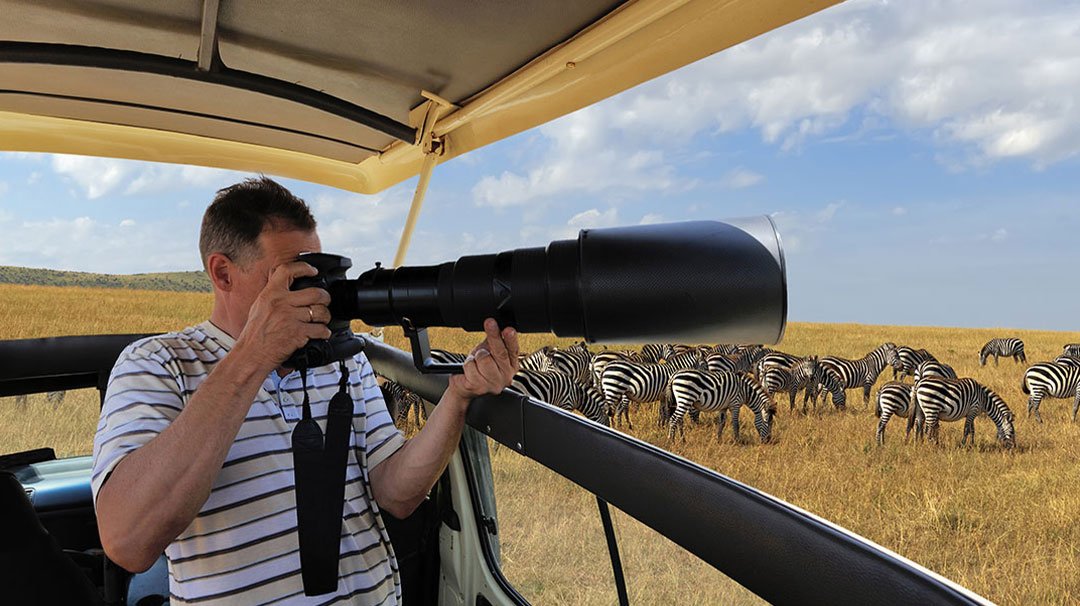
One of the most common points of contention in a shared vehicle is the sharing of optics. While your guide will likely have a pair of binoculars, relying on them exclusively is a mistake. In a group of six, waiting for the guide to pass their binoculars around means you will miss the sighting entirely. Bring your own pair. Compact, 8×42 binoculars are the industry standard for safari use—they offer a wide field of view and sufficient light transmission for dawn and dusk viewing. Keep these on a strap around your neck or in your small daypack. Do not bring large, tripod-mounted spotting scopes unless you are on a specialized photography safari; they are cumbersome, difficult to stabilize in a moving vehicle, and will obstruct the views of other passengers. If you are a serious photographer, keep your primary camera body and a versatile lens (like a 100-400mm) accessible in your lap or a small, padded bag at your feet. Do not store your camera gear in the main luggage bay, as access is restricted until you reach the lodge each evening.
The “Leave-Behind” Policy
Finally, recognize that a 5-day itinerary is relatively short, and you will be moving between different accommodations. Do not over-pack toiletries, excessive footwear, or redundant clothing. Most lodges provide basic amenities like soap and shampoo. If you are staying in tented camps, the storage space is even more limited than in hotels. If you have extra luggage—such as gear for a post-safari climb or beach holiday—arrange to leave this at your hotel in Arusha before you depart for the Northern Circuit. Most reputable hotels in Arusha offer secure luggage storage for a nominal fee or for free if you are returning to stay with them after your safari. Carrying only what you need for the 5-day loop will significantly improve your mobility and reduce the stress of managing your belongings in the shared vehicle.
Managing the Return Leg: The Reality of the Serengeti-Arusha Transit
While the focus of your 5-day Northern Circuit expedition is undoubtedly the wildlife, the logistics of the return journey on Day 5 are a critical, often underestimated component of the experience. Travelers frequently view the final day as a simple “return trip,” but in the context of a group-joining safari, this transit is a significant operation that requires patience and realistic expectation management. The drive from the Central Serengeti back to Arusha covers roughly 300 to 350 kilometers. Depending on road conditions—which can be significantly impacted by the short rains in December—and the volume of traffic as you approach the city, this journey can take anywhere from six to eight hours.
Understanding this transit is vital for your planning. You are transitioning from the absolute stillness of the bush, where the only sounds are the wind and wildlife, to the bustling, high-energy environment of Arusha. This shift can be jarring. Your driver-guide will likely make a few stops along the way—perhaps in the town of Mto wa Mbu for a quick bathroom break or to pick up supplies—but this is not a sightseeing day. It is a day of transit. It is common for group members to feel a sense of “safari hangover” during this drive; the adrenaline of the previous days begins to fade, replaced by physical exhaustion from the dust, the sun, and the constant motion of the vehicle. Plan to use this time for quiet reflection, organizing your digital photos, or simply resting. Avoid the temptation to push your guide for extra, unplanned game drives on the way out, as this will only delay the group’s arrival in Arusha and complicate logistics for those with onward commitments.
The “Safari Re-Entry”: Physical and Mental Adjustments
Re-entry into urban life after five days in the wilderness is a sensory experience that deserves preparation. During your safari, your circadian rhythm has likely synchronized with the sun—rising before dawn and winding down shortly after sunset. Upon returning to Arusha, you will encounter the sudden influx of modern stimuli: traffic, cell phone connectivity, street noise, and the demands of modern infrastructure. This transition can lead to a brief period of irritability or disorientation. To mitigate this, consider your immediate post-safari environment. If you are staying at a lodge in Arusha, prioritize a “low-stimulation” evening. Do not plan for a busy night out or a complex itinerary immediately upon arrival. Allow yourself the space to process the intensity of the wildlife sightings and the camaraderie of the group. Many travelers find that the most rewarding way to end the trip is with a quiet dinner at their hotel, followed by an early night, rather than rushing to a crowded restaurant or planning immediate onward travel.
Flight Scheduling and the “Day 5” Risk
One of the most frequent errors travelers make when booking a 5-day group-joining safari is scheduling an international departure flight on the evening of Day 5. Because the return journey from the Serengeti is subject to unpredictable variables—vehicle breakdowns, road closures, heavy traffic near Arusha, or even unforeseen wildlife blocking the exit routes—you should never assume a fixed arrival time. A safe rule of thumb is to allow for a buffer of at least 12 hours between your anticipated arrival in Arusha and your flight departure. If your flight is scheduled for the evening of Day 5, you are essentially gambling with your travel plans. If the vehicle is delayed by even two hours, the stress of potentially missing your flight will overshadow the incredible experiences of the previous four days. Ideally, your itinerary should include a final night in Arusha, allowing you to depart the following morning. This provides a necessary safety net and allows you to conclude your trip with a sense of calm rather than a frantic race to the airport.
Closing the Safari Circle: Final Group Logistics
As you approach the end of the 5-day loop, the social dynamic of your group will naturally shift. The intense focus on spotting wildlife will transition into a reflective phase. This is the time to finalize any outstanding logistics. If you have been running a “tab” for drinks at the lodges, ensure you settle these accounts well before the final checkout. Most lodges will not allow you to check out if your bar bill is unpaid, and holding up the entire group because one member is still settling a bill is a breach of the unspoken social contract of a shared safari. Additionally, use the final hours of the drive to exchange contact information with your fellow travelers. You have spent 120 hours in a confined space with these individuals; sharing photos or creating a group chat to exchange memories is a standard and appreciated gesture. Finally, check your seating area one last time before exiting the vehicle for the final time. It is remarkably common for travelers to leave behind chargers, sunglasses, or memory cards in the seat pockets or under the floor mats. A quick, thorough sweep of your “personal footprint” ensures you depart with everything you arrived with, leaving no trace behind in the vehicle.
Wildlife Dynamics and the December Migration Shift
The timing of your December 10th departure aligns with one of the most fascinating transition periods in the Serengeti ecosystem. Unlike the peak dry season, where wildlife is tethered to permanent water holes, the December arrival of the “short rains” triggers a fundamental change in animal behavior. During this period, the Great Migration—the massive herds of wildebeest and zebra—are typically completing their southward movement from the northern Serengeti and the Mara region, heading back toward the nutrient-rich short-grass plains of the southern Serengeti and the Ngorongoro Conservation Area.
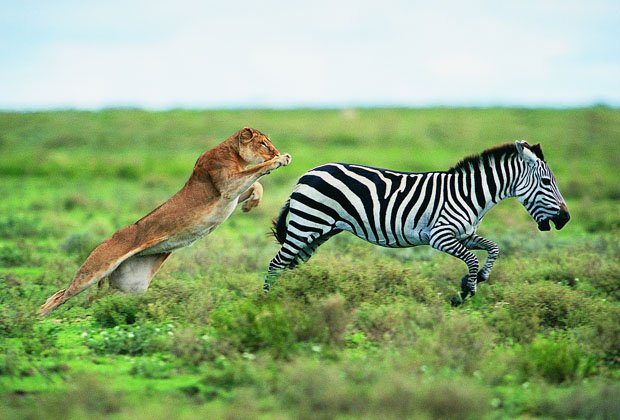
For a 5-day group joining safari, this means you are witnessing the “re-entry” of the herds. While you are not guaranteed to see a singular, monolithic column of animals, you are entering a landscape that is actively changing. The herds are dispersing, feeding on the newly sprouted, mineral-rich grasses. This behavior is critical for your game drives: because the animals are spread out across the plains rather than concentrated at a single river crossing, your guide will rely more heavily on tracking predator movements. Predators, particularly cheetahs and lions, are highly active during this time, capitalizing on the birth of calves among the gazelles and other plains game, which typically begins to ramp up in the southern sectors during this window.
The Green Season Advantage for Birders
While many safari itineraries focus exclusively on the “Big Five,” the December 10th departure offers a distinct advantage for birdwatchers and those interested in the broader biodiversity of the Northern Circuit. The onset of the short rains marks the arrival of Palearctic and intra-African migrants. As you traverse the diverse habitats—from the acacia woodlands of Tarangire to the crater floor of Ngorongoro—you will notice a marked increase in avian activity. The landscape, transitioning from a dusty brown to a vibrant, lush green, provides a stark, high-contrast backdrop for photography that is simply unavailable in the dry season.
For the group-joining traveler, this adds a layer of depth to the experience. When wildlife sightings are quiet or when the herds are grazing at a distance, the sheer volume of raptors, rollers, and bee-eaters provides constant visual stimulation. If you have a specific interest in birding, it is worth mentioning this to your guide early on Day 1. Because the group is sharing the vehicle, a slight shift in focus to include birdlife can provide a more comprehensive safari experience, ensuring that even during the lulls in mammal activity, the vehicle remains engaged and productive.
Photographic Considerations for the Short Rains
Photography on a December safari presents a different set of challenges and opportunities compared to the peak dry season. In the dry months, the primary photographic enemy is dust—the fine, volcanic silt that coats lenses and sensors. In December, while dust is significantly reduced, you must contend with humidity and the potential for localized showers. This shift requires a proactive approach to equipment care.
First, prioritize moisture control. While your safari vehicle will have a pop-up roof to protect you from the elements, the transition from an air-conditioned lodge to the humid outdoors can cause condensation inside your lens elements. When moving from a cool room to the field, allow your camera gear to acclimate to the ambient temperature before removing lens caps or opening battery compartments. Keep a supply of silica gel packets in your camera bag to absorb excess moisture. If you are using a DSLR or mirrorless camera, a simple, lightweight rain cover is an invaluable addition to your packing list. It does not need to be heavy-duty; a basic plastic cover will suffice to protect your gear during a sudden, brief downpour, allowing you to continue shooting while others are forced to retract their cameras.
Furthermore, the lighting in December is often softer and more diffused due to cloud cover, which is a significant advantage for portrait-style wildlife photography. The harsh, overhead shadows of the dry season are mitigated, allowing for more balanced light on your subjects. Use this to your advantage by focusing on the details—the texture of a lion’s mane, the patterns on a giraffe’s coat, or the intricate plumage of birds—which often look better in the soft, diffused light of a post-rain afternoon than in the high-contrast, harsh sun of the dry season.
Managing Expectations for Wildlife Visibility
It is important to manage your expectations regarding “visibility” during the short rains. Because the vegetation grows quickly after the first rains, the bush becomes thicker and greener. This can make spotting smaller or well-camouflaged animals more challenging than in the dry season, when the bush is sparse. You may find that you need to rely more on your binoculars and your guide’s expertise. In a group setting, this is where the “Rotation System” mentioned previously becomes even more vital. With the bush being greener, the window seats are even more critical for spotting movement in the thickets. If you are in a middle seat, do not hesitate to ask for a rotation, as your field of view into the denser vegetation is naturally more constrained. Understanding that the environment is “alive” and growing, rather than a barren stage for predators, will help you appreciate the December safari for its lush beauty rather than viewing the vegetation as an obstacle.
Navigating the Financial and Contractual Structure of Group Joining
One of the most significant, yet often overlooked, aspects of booking a group joining safari for December 10, 2026, is the distinction between a “scheduled” departure and a “guaranteed” departure. When reviewing tour operator websites or brochures, you will frequently encounter the term “minimum participants required.” This clause is the financial backbone of the group joining model; it ensures that the operator covers the fuel, guide salary, and vehicle maintenance costs for the five-day circuit. If you are a solo traveler or a couple, you must explicitly clarify with your provider whether your chosen date has already met this minimum threshold or if it is still subject to cancellation if others do not book.
For a December 10 departure, which falls during the transition into the short rains, booking at least three to four months in advance is advisable to ensure you are joining a group that is already confirmed. If you book a departure that has not yet met its minimum, you face the risk of a last-minute scramble—either the operator will cancel the trip, move you to a different, potentially less convenient date, or offer to run the trip as a private safari at a significantly higher surcharge. Always request a written confirmation that states your departure is “guaranteed to run” regardless of final group size. This single distinction can save you from the stress of last-minute itinerary adjustments.
The Tiered Accommodation Dilemma: Lodge vs. Tented Camp
Group joining safaris are rarely a monolith; they are almost always categorized into tiers, typically defined by the level of accommodation. Understanding these tiers is crucial because, unlike a private safari where you can customize your lodging, in a group setting, you are locked into the tier selected by the majority of the group or the operator’s standard package. The three primary categories you will encounter are budget public camping, mid-range lodges, and luxury tented camps. Each offers a vastly different experience during the short rains of December.
Budget public camping, while the most cost-effective, requires a high level of physical resilience. In December, the short rains can turn camping grounds into muddy environments. You will be sleeping in dome tents, often with shared bathroom facilities that are separate from your sleeping quarters. If you choose this tier, you must be prepared for the reality that the “safari experience” extends to the night; you will hear the sounds of the bush from inside a thin layer of canvas. Conversely, mid-range lodges offer solid, brick-and-mortar structures with en-suite bathrooms and reliable electricity, which is invaluable for charging camera batteries and managing your gear after a long day in the field. Tented camps, particularly those in the Serengeti, offer a middle ground: canvas walls but with raised wooden decks, en-suite bathrooms, and significantly more privacy. For a 5-day itinerary, the difference between a lodge and a tented camp is primarily one of atmosphere and comfort. If you are sensitive to humidity or are traveling with expensive photography equipment, the climate-controlled or more sealed environment of a lodge can be a significant advantage during the unpredictable weather of early December.
The Fly-Out Alternative: Assessing the Value of a Domestic Flight
The standard 5-day Northern Circuit itinerary concludes with a long drive from the Serengeti back to Arusha on Day 5. However, many operators offer a “fly-out” option, where you take a bush flight from a local airstrip (such as Seronera) back to Arusha or Zanzibar. This is a strategic decision that requires balancing your budget against your remaining time and physical stamina. The drive from the Serengeti to Arusha can take between 7 to 9 hours, depending on road conditions, which can be significantly impacted by the early December rains. If you have a tight connection for an international flight or simply wish to avoid a long, bumpy day in a vehicle, the flight is a superior alternative.
However, the fly-out option comes with two major considerations. First, it is an additional cost that is rarely included in the base price of a group joining safari. Second, it alters your group dynamic. On the final day, the camaraderie built over the previous four days often culminates in the shared experience of the drive back, where the group discusses the highlights of the trip. If you choose to fly, you will likely be dropped off at the airstrip while the rest of your group continues the drive. You lose that final period of group reflection. Furthermore, bush flights have strict luggage weight limits—often 15kg (33lbs) total, including carry-ons—which are much stricter than the weight allowances for the safari vehicle. If you have been traveling with heavy camera gear or multiple bags, you may face excess baggage fees or be required to ship your gear separately. Before committing to the flight, weigh the benefit of saving seven hours of travel time against the loss of the final group experience and the stricter luggage constraints.
Emergency Protocols and Backup Contingencies in Remote Areas
While the 5-day Northern Circuit is a well-trodden route, the reality of operating in remote wilderness areas like the Serengeti or the Ngorongoro Conservation Area means that mechanical or logistical issues can occasionally arise. Unlike a private safari where a backup vehicle is often dispatched from a nearby private fleet, group joining safaris operate on tighter margins and shared resources. Understanding how these situations are managed is critical for your peace of mind and safety.
Most reputable operators utilize a radio-network system and satellite communication protocols. In the event of a vehicle breakdown—which, given the rough terrain, is an inherent risk—the primary protocol is not immediate replacement, but on-site repair. Your guide is trained in basic mechanical troubleshooting and carries a toolkit for common issues such as flat tires, battery failures, or minor electrical faults. Because you are on a fixed 5-day schedule, the guide will prioritize getting the vehicle moving again as quickly as possible. If the issue is critical and renders the vehicle immobile, the operator will coordinate a “rescue” transfer. This often involves liaising with other vehicles in the area or dispatching a support vehicle from a nearby lodge or camp hub. It is important to remain patient; in the bush, “nearby” can still mean a two-hour drive for a replacement vehicle.
Furthermore, medical contingencies are handled through the Flying Doctors service (AMREF). Most group joining packages include a basic membership, but it is imperative to confirm this with your operator. This service provides emergency air evacuation to Arusha or Nairobi in the event of a serious injury or sudden illness. For minor health issues, your guide will have a basic first-aid kit, but they are not medical professionals. If you have specific medical conditions, such as asthma or severe allergies, you must carry your own emergency medication (EpiPens, inhalers) in your hand luggage. Do not rely on the vehicle’s first-aid kit to contain specialized or prescription-strength medication.
Finally, road closures due to the December short rains can occasionally force a change in the planned route. While the main arteries in the Northern Circuit are generally reliable, localized flooding in low-lying areas of the Serengeti or Tarangire can render certain tracks impassable. In such instances, the guide’s decision to detour is final and is made with the sole intention of ensuring the safety of the group and the integrity of the vehicle. Trusting the guide’s local knowledge during these unexpected route changes is essential for maintaining the momentum of your 5-day itinerary.
Operational Realities: Decoding the 5-Day Itinerary
While the 5-day Northern Circuit itinerary is designed to maximize wildlife exposure, the actual execution is governed by strict regulatory constraints that many travelers do not fully appreciate until they are on the ground. Understanding these operational realities is essential for managing your expectations and avoiding the frustration of feeling “rushed” through key areas. The Northern Circuit is not a continuous, fluid experience; it is a series of distinct park zones, each with its own entry requirements, time limitations, and logistical “clocks” that dictate your guide’s every move.
The Ngorongoro Crater’s Six-Hour Rule
Perhaps the most critical operational constraint on your 5-day journey is the regulation governing the Ngorongoro Crater. Unlike the Serengeti, which allows for extended, multi-day game drives, the Ngorongoro Conservation Area Authority (NCAA) enforces a strict six-hour permit limit for vehicles descending into the crater floor. This is not a suggestion; it is a hard rule designed to manage vehicle density and protect the fragile ecosystem. When you descend into the crater on Day 3, your clock begins the moment you pass the entry gate.
This reality has profound implications for your safari experience. You cannot simply “hang out” in the crater for the entire day. Your guide must strategically plan the descent to align with the best wildlife activity, typically early morning. Once you are on the floor, the pressure to find the “Big Five”—particularly the elusive black rhino—is high, and the six-hour window passes rapidly. Understanding this constraint helps you appreciate why your guide may skip certain areas or drive past specific sightings to ensure you remain within the permit window. If you exceed the six-hour limit, the penalties for the operator are severe, and the guide will not risk it. Viewing the crater as a high-intensity, time-sensitive sprint rather than a leisurely drive will significantly improve your engagement with the experience.
Distinguishing Between Transit and Game Viewing
A common point of confusion for first-time safari-goers is the distinction between “transit days” and “game viewing days.” On your 5-day itinerary, especially on the journey from Arusha to Tarangire (Day 1) and the return transit from the Serengeti (Day 5), a significant portion of your time is spent on paved or graded roads outside of protected wildlife areas. Travelers often express disappointment when they realize that the drive to the park gate is not a game drive. It is, however, a critical logistical necessity.
The transit legs are where you observe the changing landscape—from the bustling urban outskirts of Arusha to the rural villages of the Maasai steppe. These drives are necessary to reach the high-density wildlife zones. While your guide will occasionally stop for interesting cultural sights or scenic viewpoints, these are not game drives, and the “safari clock” for park entry fees is not ticking. Accepting that these transit hours are part of the “Tanzanian travel experience” rather than “lost safari time” is a vital mental shift. If you view the transit as a chance to witness local life, observe the geography, and prepare yourself for the intensity of the parks, you will find the travel days far more rewarding.
The “Park Entry” Clock and Its Impact on Your Schedule
Every national park in Tanzania operates on a 24-hour entry permit system. When your vehicle enters Tarangire or the Serengeti, the permit is stamped with the time of entry. This permit is valid for 24 hours. For a 5-day group joining safari, this means your guide is constantly balancing the “24-hour window” against the need to cover distance. If you enter the Serengeti at 2:00 PM, your permit expires at 2:00 PM the following day. This creates a “hard stop” that dictates when you must exit the park or pay for an additional day’s fees.
This timing is why punctuality is not just a social nicety but a financial and operational requirement. If a group is late leaving the lodge in the morning, the guide may be forced to cut the game drive short to ensure they reach the exit gate before the 24-hour permit expires. This is why you will see guides occasionally rushing past “lesser” sightings (like gazelles or zebras) to reach the high-value areas (like lion or leopard territories) within the permit window. Understanding that your guide is managing a complex, multi-variable puzzle involving permit windows, gate closing times, and fuel efficiency will help you appreciate the logic behind the pacing of your 5-day journey.
The Art of the “Preference Request”
While a group joining safari is a fixed product, it is not entirely rigid. Travelers often assume they have no agency, but there is a distinct “art of the request” that can enhance your experience without disrupting the group dynamic. The key is to communicate your preferences to your tour operator *before* the trip, rather than attempting to renegotiate logistics once the vehicle is already in the bush.
Defining Your Wildlife Focus
Most operators ask for a “preference sheet” or a simple email inquiry regarding your interests. Do not leave this blank. If you are a serious birdwatcher, mention it. If you have no interest in birding and only want to see large predators, state that clearly. While the guide cannot cater to one person at the expense of the group, they can use this information to balance the itinerary. If the guide knows that two people in the vehicle are avid photographers, they may prioritize positioning the vehicle for better light and angles during a sighting, which benefits everyone. Conversely, if you are a casual observer who prefers a faster pace, communicating that can help the guide manage the group’s expectations regarding how long to spend at each sighting.
Navigating the “Early Riser” Conflict
The most common source of friction on a 5-day safari is the “early riser vs. leisurely sleeper” dynamic. Wildlife is most active at dawn, and serious safari-goers want to be at the gate the moment it opens. Others may prefer a more relaxed breakfast. Because you are on a fixed 5-day schedule, the itinerary is almost always “early start.” If you are a night owl who struggles with 5:00 AM wake-up calls, you must accept that you are joining an early-start expedition. Trying to negotiate a later start time once the group is formed is unfair to the other passengers and will likely be rejected by the guide. By aligning your expectations with the “early bird” reality of the Northern Circuit before you book, you save yourself—and your fellow travelers—the stress of daily conflict.
The Mechanics of “Minimum Passenger” Clauses and Departure Guarantees
One of the most significant, yet frequently misunderstood, components of booking a group-joining safari for a specific date like December 10, 2026, is the operational vulnerability of your booking. Unlike a commercial airline flight that will fly regardless of whether the plane is at 10% or 100% capacity, a group-joining safari vehicle is a specialized asset. Operators rely on economies of scale; they need a minimum number of passengers—typically between two and four—to cover the fixed costs of the vehicle, the fuel, the guide’s salary, and the park entry fees for the vehicle itself. When you book a “group joining” slot, you are effectively entering into a conditional contract. If the operator fails to recruit enough travelers to fill the vehicle by a certain deadline (usually 30 to 45 days before the departure), the departure is at risk of being cancelled or modified.
You must proactively inquire about the “guaranteed departure” status of your December 10th booking. A “guaranteed” departure means the operator has committed to running the safari even if they do not meet the minimum passenger count, effectively absorbing the loss themselves. If the tour is not marked as guaranteed, you face three potential scenarios if numbers are low: first, the operator may offer to upgrade you to a private safari for a supplemental fee; second, they may attempt to merge your booking with another operator’s group (which can be logistically messy); or third, they may cancel the departure entirely and offer a refund or credit. To avoid the stress of a last-minute cancellation, prioritize operators who explicitly list the December 10th date as a “guaranteed departure.” If they do not, ask specifically for the date the decision to confirm or cancel the trip will be made. Knowing this date allows you to manage your own travel insurance and flight flexibility, ensuring you aren’t left stranded with non-refundable international airfare for a safari that never materialized.
Financial Transparency: Deciphering the “All-Inclusive” Label
The term “all-inclusive” in the context of a 5-day Northern Circuit group safari is often interpreted by travelers as “zero out-of-pocket expenses.” However, this is a dangerous assumption that leads to friction and logistical headaches on the ground. In reality, your booking fee covers the core operational costs: the vehicle, the guide, the accommodation, and the meals provided at the lodges or camps. It does not necessarily cover the “ancillary costs” that are standard in Tanzanian tourism. Understanding the distinction between what is included in your package and what you are responsible for paying on-site is essential for a smooth experience.
First, be prepared for the “Park Fee vs. Service Fee” distinction. While the base price includes the government-mandated park entry fees for Tarangire, Lake Manyara, the Ngorongoro Crater, and the Serengeti, it rarely includes the “extra” activities that occur within those parks. For example, if your group decides to engage a ranger for a walking safari in the Ngorongoro Conservation Area or a cultural visit to a Maasai village, these are almost always separate, cash-based transactions. These activities require specific permits and local payments that are not part of the standard 5-day vehicle package. If you arrive expecting these to be “free” because you paid for an all-inclusive tour, you will find yourself unable to participate or forced into an awkward negotiation with your guide.
Second, the “beverage policy” is a common point of contention. While your package will include water (often provided in the vehicle), it rarely includes soft drinks, beer, wine, or spirits at the lodges. In a group setting, this can become a logistical hurdle at the end of each day. When the group sits down for dinner, the bill for drinks is often presented to the table. If you have not clarified your budget or if the group has not agreed on how to handle the “bar tab,” you may end up paying for communal drinks or, conversely, feeling like you are subsidizing others. The best practice is to carry a small amount of local currency (Tanzanian Shillings) or USD for personal bar tabs and tips, and to have a quick, polite conversation with your group on the first night about whether everyone is paying for their own drinks or if you are splitting the bill. By separating your personal “fun money” from the pre-paid “safari package,” you maintain control over your expenses and avoid the resentment that can build when financial expectations are not aligned.
Related Guides and Packages
Check Availability for Dec 10, – 5 Day Northern Tanzania Group Joining Safari 2026
Ready to compare dates, prices, and the best option for your group? Send the package name and travel month so the team can reply with a clear quote, availability, and what is included.
Oct 30, – 5 Day Tanzania Northern Circuit Group Joining Safari 2026
Oct 30, 2026 – 5 Day Tanzania Northern Circuit Group Joining Safari.
View package details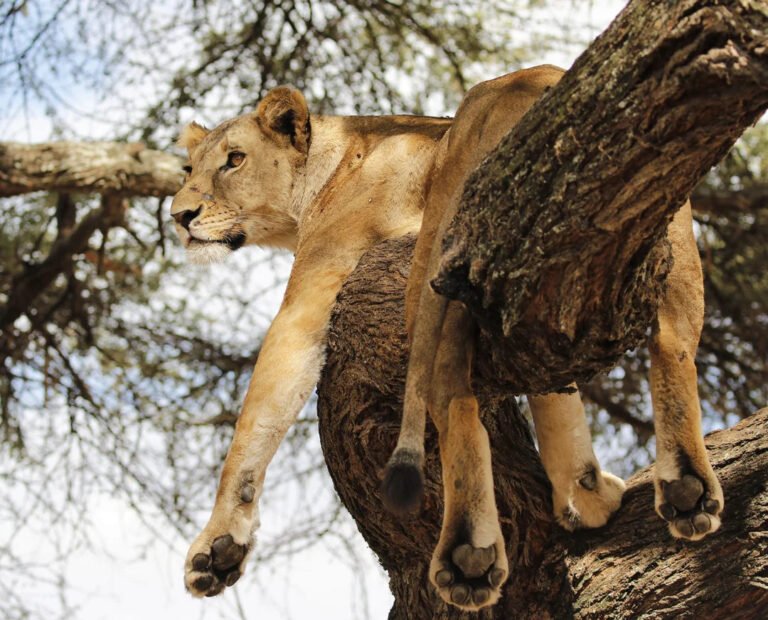
Dec 25, – 5 Day Christmas Tanzania Group Joining Safari 2026
Celebrate Christmas in the heart of the Tanzanian wilderness. Join our 5-day group safari departing December 25, 2026, and experience the iconic Northern Circuit.
View package detailsNov 14, – 5 Day Tanzania Lodge Group Joining Safari 2026
Join our November 14, 2026, 5-day Tanzania lodge safari. This group-joining itinerary offers a balanced, cost-effective way to explore the Northern Circuit.
View package details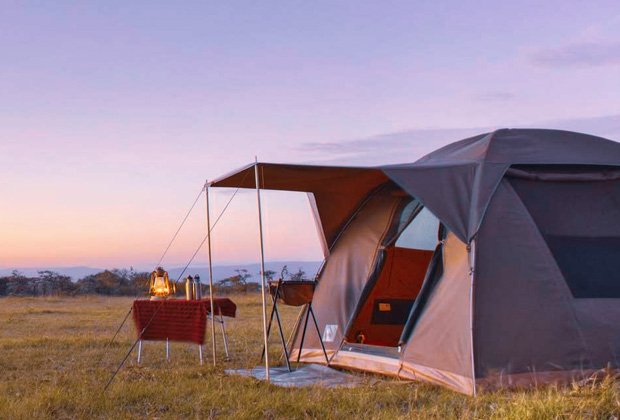
Nov 12, – 5 Day Tanzania Budget Camping Group Joining Safari 2026
A detailed guide to the November 12, 2026, 5-day budget camping group joining safari in Tanzania, covering route logistics, group dynamics, and planning essentials.
View package detailsNov 16, – 6 Day Tanzania Northern Circuit Group Safari 2026
Planning for November 2026? Join our 6-day group safari covering Tanzania's premier Northern Circuit parks. Expert-led, social, and cost-effective wildlife viewing.
View package detailsNov 26, – 4 Day Nyerere And Mikumi Group Joining Safari 2026
A detailed guide to the November 26, 2026, 4-day group joining safari covering Nyerere National Park and Mikumi National Park, including logistics, wildlife expectations, and booking steps.
View package details
Dec 30, – 7 Day New Year Tanzania Group Joining Safari 2026
A complete guide to our 7-day group joining safari for the 2026/2027 New Year season, covering the Northern Circuit, wildlife expectations, and how to secure your spot.
View package detailsDecember Tanzania Group Joining Safari Dates And Prices: Best Guide 2026
A detailed guide on planning your December 2026 Tanzania safari, covering group joining logistics, cost considerations, and how to prepare for this peak travel window.
View package details24–31 October Tanzania Group Joining Safari Departures: 2026
A detailed guide to navigating group-joining safari departures in Tanzania for late October 2026, focusing on wildlife patterns, logistical planning, and booking best practices.
View package detailsDec 14, – 7 Day Complete Tanzania Northern Circuit Group Safari 2026
Planning for December 2026? Join our 7-day complete Tanzania Northern Circuit group safari. A deep look at the Serengeti, Ngorongoro, and Tarangire with expert, locally-led logistics.
View package detailsDec 8, – 4 Day Tarangire, Serengeti And Ngorongoro Group Safari 2026
A detailed guide to our December 8, 2026 group joining safari, covering the itinerary, logistics, and what to expect during this 4-day wildlife adventure in Tanzania.
View package detailsNov 20, – 8 Day Complete Northern Tanzania Group Safari: Planning Your Trip
A comprehensive guide to the 8-day Northern Tanzania group safari departing November 20, 2026, covering logistics, route advantages, and planning essentials.
View package detailsNo related package matches those filters. Clear one or more filters to see the other topic-matched options.



