
Securing a spot on a Dec 30, 2026 – 7 Day New Year Tanzania Group Joining Safari is a strategy for travelers who want to experience the peak of the Northern Circuit without the prohibitive costs of a private vehicle. By choosing a group departure, you share the logistics—vehicle, fuel, guide fees, and park entry costs—with like-minded travelers, while still accessing the same wildlife-rich landscapes as private expeditions.
The end of December is a high-traffic season in Tanzania. Planning for a trip that begins on December 30 means you will be in the heart of the Serengeti as the clock strikes midnight on New Year’s Eve. This is a unique experience, but it requires early coordination regarding permits, accommodation availability, and group size.
Why a 7-Day Itinerary for Your New Year Safari?
When comparing safari durations, the 5-day trips are often standard, but a 7-day itinerary offers a significant advantage in terms of depth and pace. On a 5-day circuit, you are often rushing to cover the distance between Arusha, the Serengeti, and Ngorongoro. With 7 days, your pace slows down.
You gain an extra day in the Serengeti, which is critical for seeing the migration or finding predators, and you have more flexibility in how you spend your time. For a New Year’s trip, this extra time ensures you are not exhausted by the time the festivities begin. You can enjoy a relaxed game drive on December 31st rather than rushing into the park on a tight schedule.
The Itinerary: Dec 30, 2026 to Jan 5, 2027
This itinerary is designed to maximize wildlife viewing while balancing travel time. As with all group joining safaris, the exact flow can be adjusted based on wildlife movement reports from our field guides, but the structure remains the standard for the Northern Circuit.
Day 1: December 30, 2026 – Arrival and Briefing
Your safari begins in Arusha. We will pick you up and transfer you to your accommodation. This is the day to meet your group, check your gear, and have a thorough briefing with your lead guide. If you have any specific requests regarding dietary needs or camera equipment, this is the final moment to confirm them with our team.
Day 2: December 31, 2026 – Tarangire National Park
We depart Arusha early to beat the traffic. Tarangire is famous for its large elephant herds and iconic baobab trees. Even in the dry season, the Tarangire River acts as a magnet for wildlife. By the time we head to camp or a lodge for the night, you will be well-settled into the rhythm of the safari. We will ensure we are positioned close to the Serengeti gate tonight so that your New Year’s Eve celebration is quiet, in-depth, and surrounded by the sounds of the African bush.
Day 3: January 1, 2027 – Into the Central Serengeti
Happy New Year. We enter the Serengeti National Park. The drive through the Ngorongoro Conservation Area highlands provides stunning views before the landscape opens up into the vast plains. We spend the afternoon on a game drive in the Seronera Valley, the heart of the park, known for its high density of big cats.
Day 4: January 2, 2027 – Deep Serengeti Exploration
With a full day in the Serengeti, we have the flexibility to follow the wildlife. If the migration is in the southern or central plains, we will position the vehicle there. The focus today is on patience—spending hours watching a pride of lions or waiting for a leopard to descend from an acacia tree. This is the day that justifies the 7-day duration.
Day 5: January 3, 2027 – Serengeti to Ngorongoro
We conduct a morning game drive as we slowly make our way out of the Serengeti, heading toward the Ngorongoro Conservation Area. We will stop at the Olduvai Gorge if the group is interested in human history, or focus on the changing landscapes as we climb into the highlands. We overnight on the crater rim, where the air is significantly cooler.
Day 6: January 4, 2027 – Ngorongoro Crater Floor
We descend into the Ngorongoro Crater for a half-day game drive. This is a self-contained ecosystem, often referred to as the “Eighth Wonder of the World.” You have a high probability of seeing the Big Five here in a single morning. After lunch, we ascend the crater walls and head toward Lake Manyara or Karatu for our final night.
Day 7: January 5, 2027 – Lake Manyara and Return
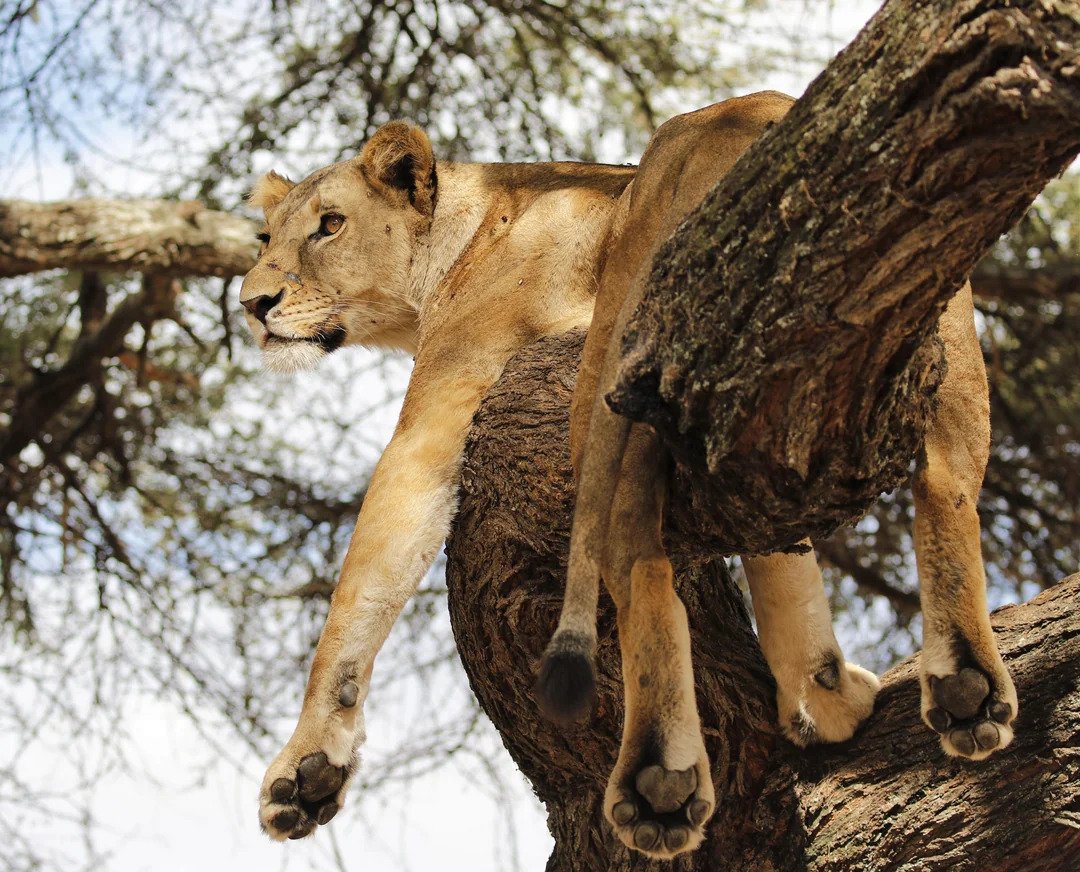
We visit Lake Manyara National Park, famous for its tree-climbing lions and flamingo-filled soda lake. After a final morning game drive, we begin the drive back to Arusha, typically arriving in the late afternoon. We can assist with transfers to Kilimanjaro International Airport (JRO) or to your hotel in Arusha.
Group Joining Safari Logistics
Many travelers worry that joining a group means sacrificing control. At Climb 4 Africa, we manage the group dynamic to ensure compatibility and efficiency. Here is how we handle the mechanics of this specific departure:
- Vehicle Allocation: Our safari vehicles are 4×4 Land Cruisers with pop-up roofs, designed for visibility. We limit the number of passengers per vehicle to ensure everyone has a window seat.
- The Meeting Point: We organize the meeting in Arusha. If you are arriving from a Kilimanjaro climb or a flight, let us know your schedule early so we can coordinate your pickup.
- What’s Included vs. Excluded: Typically, our group joining packages cover transport, park fees, accommodation (camping or lodge, depending on the chosen tier), and meals. Exclusions usually involve tips for the guide/cook, visa fees, and personal items like alcohol or laundry. Always confirm the specific inclusions for your booking date.
If you are looking for alternatives to this specific date, you can view our other Tanzania group joining safari departures to see if a different duration or route suits your schedule better.
Planning for the New Year Season
The turn of the year in Tanzania is a busy time. It is not just about the weather; it is about the logistics of accommodation. Here are three things you must consider:
- Accommodation Availability: Popular lodges and campsites in the Serengeti fill up months in advance. Booking the Dec 30 departure early is not just about getting a seat in the car; it is about securing the bed in the park.
- Weather and Packing: Early January can see short rains. The landscape is lush and green, which is beautiful, but you need a light raincoat and layers. The temperatures in the Ngorongoro highlands can drop significantly at night, so a fleece or light jacket is essential.
- Flexibility: The “group” aspect means we stick to the itinerary to keep everyone on schedule. If you are a photographer who needs four hours to wait for one cheetah, a private safari might be better. If you enjoy the social aspect of meeting people from around the world and want a structured, efficient way to see the animals, this group joining safari is the ideal choice.
Frequently Asked Questions
Is the Dec 30 group departure guaranteed?
We do not operate on a “guaranteed departure” model that creates fake availability. We operate based on confirmed bookings. When you inquire, we will tell you exactly how many seats are open for the Dec 30 trip. If the group is not yet formed, we can discuss the minimum number of participants required to run the vehicle.
What if I am a solo traveler?
Solo travelers are the primary users of our group joining system. You will be paired with other travelers, which is often the best way to keep costs down compared to a private safari. We ensure that our groups are balanced in terms of interests and energy levels.
How do I book this specific 7-day trip?
The process is straightforward: email us at info@climb-4-africa.com with your preferred travel dates and group size. We will send you the current availability, the detailed quote, and the booking steps. We require a deposit to secure your spot on the vehicle, which helps us reserve your accommodation in the parks.
Next Steps for Your Tanzania Safari
Planning a safari for the end of the year requires coordination. If you have read through this itinerary and the logistics match your vision for a 2026/2027 holiday, the next step is to get the current status of this group. We manage all our bookings with local support, ensuring that when you arrive in Arusha, everything from your vehicle to your park permits is ready.
You can reach out to us directly to discuss your preferences:
- Email: climb4africa@gmail.com or info@climb-4-africa.com
- WhatsApp: +255 747 477 898
Whether you are comparing this 7-day trip to our other options, such as the Dec 14, 2026 – 7 Day Complete Tanzania Northern Circuit Group Safari, or you are ready to book, let us know. We are here to help you navigate the logistics of the Northern Circuit and ensure your New Year’s Eve in the Serengeti is as smooth as possible.
Navigating the Safari Vehicle and Packing Essentials
When participating in a group joining safari, the vehicle becomes your primary environment for the duration of the trip. Understanding the logistics of the 4×4 Land Cruiser is crucial for comfort and photographic success. Our vehicles are equipped with pop-up roofs, which are essential for 360-degree viewing during game drives. In a group setting, we rotate seating arrangements daily to ensure that everyone has an equal opportunity for window seats and prime photographic angles. This rotation policy is strictly enforced to maintain group harmony.
Regarding packing, space is at a premium. Because you are sharing a vehicle with others, we strongly advise using soft-sided duffel bags rather than hard-shell suitcases. Hard luggage is difficult to stow in the limited cargo space of a safari vehicle and can damage other passengers’ gear. Additionally, consider the power requirements: while our vehicles are equipped with charging ports for cameras and phones, these are often limited. Bringing a high-capacity power bank is a practical necessity for long days in the field where you will be using your camera and GPS constantly.
Understanding Accommodation Standards in Group Joining Safaris
A frequent point of clarification for group travelers is the nature of the accommodation. On this 7-day itinerary, we utilize a mix of mid-range lodges and permanent tented camps. Unlike private safaris where you might select specific luxury properties, the group joining model relies on pre-booked accommodation that balances quality, location, and group size capacity. These venues are chosen for their reliability and proximity to park entrances, which minimizes the time spent driving to and from game viewing areas.
Expect comfortable, clean rooms or tents with en-suite bathrooms. Most lodges provide mosquito netting, hot water, and dining facilities that cater to international palates, including vegetarian and gluten-free options upon request. Because we book these well in advance for the New Year period, you are guaranteed a secure spot, but it is important to note that specific lodge names are typically confirmed only after your deposit is processed, as availability fluctuates rapidly during the peak holiday season.
Wildlife Expectations and Seasonal Realities
Traveling in late December and early January places you in the “short rains” season, though the climate is often unpredictable. The landscape is lush and green, which is visually stunning for photography but can make spotting wildlife slightly more challenging than in the height of the dry season. Predators remain active, and the plains are often filled with young animals, providing excellent opportunities to witness natural behaviors.
Your guide is the most valuable asset during this time. They are trained to interpret tracks, listen for alarm calls from birds, and communicate with other guides in the area to locate wildlife. While the Serengeti is vast and sightings are never guaranteed, the 7-day duration of this trip gives you the best statistical probability of success. We urge travelers to maintain realistic expectations: a safari is an organic experience, and the thrill lies in the search as much as the encounter.
Navigating Social Dynamics on a Group Joining Safari
One of the most significant, yet rarely discussed, aspects of a group joining safari is the social architecture of the experience. When you book a seat on a 7-day departure, you are not merely booking transport; you are entering a shared environment where the quality of your trip is influenced by the collective energy of your fellow travelers. Unlike a private safari where you dictate the pace and focus, a group joining safari relies on a consensus-based approach that requires a degree of flexibility and social awareness.
During the 7-day itinerary from December 30 to January 5, you will spend roughly 6 to 8 hours daily inside a 4×4 Land Cruiser. This proximity means that communication and mutual respect are essential. Our guides are trained to act as facilitators, not just drivers. They manage the group dynamic by ensuring that everyone gets a fair turn at the window seat and that the interests of the group—whether photography, bird watching, or simply observing the vast landscapes—are balanced. If one passenger is deeply interested in spending three hours tracking a leopard, while another prefers to move on to see elephants, the guide will navigate this by ensuring a rotation of focus throughout the day.
To ensure a harmonious experience, we recommend adopting a ‘team player’ mindset from the moment you meet your group on the evening of December 30. Sharing space effectively means being mindful of your gear. Large, rigid camera bags can be cumbersome in a shared vehicle; soft-sided bags are significantly easier to stow under seats or in the limited overhead compartments. Additionally, being conscious of conversation volume during game drives allows everyone to hear the guide’s commentary and listen for the subtle sounds of the bush, which are often drowned out by chatter.
Managing Expectations and Pace
The most common friction point in group travel is a mismatch in energy levels or interests. Some travelers wake up at 5:00 AM ready for a full day of intense game viewing, while others may prefer a slightly slower start. Because this is a fixed 7-day itinerary, the schedule is relatively rigid to ensure we reach the necessary destinations—such as the Central Serengeti and the Ngorongoro Crater—at the right times. Understanding that the schedule is predetermined helps mitigate frustration. When everyone in the group understands that the vehicle must depart at a specific time to reach the next lodge before dark or to maximize entry times into the national parks, the group dynamic typically becomes more cooperative and efficient.
If you have specific interests, such as a deep passion for ornithology or a requirement for frequent breaks for photography, it is helpful to communicate this to your guide during the initial briefing on Day 1. While the guide cannot fundamentally alter the route, they can often make small adjustments to accommodate specific interests during the game drives, provided it does not compromise the overall group schedule. This proactive communication prevents the ‘silent frustration’ that can sometimes occur when expectations are not aligned.
The Value of Shared Discovery
Despite the need for compromise, the group joining model offers a unique social benefit: the camaraderie of shared discovery. Witnessing the migration in the Serengeti or the dawn breaking over the Ngorongoro Crater rim is a profound experience, and sharing these moments with people from different parts of the world often creates lasting bonds. The dinner table in the evenings, particularly on New Year’s Eve, becomes a space for exchanging stories, comparing photos, and discussing the day’s sightings. This social element is frequently cited by our past travelers as one of the highlights of their trip, turning a simple safari into a shared adventure.
To maximize this, we encourage travelers to come with an open mind. You may find yourself sharing a vehicle with a professional photographer, a family on their first international trip, or a solo traveler seeking adventure. Embracing the diversity of your group is the secret to a successful 7-day safari. When you view your fellow passengers as partners in the search for wildlife rather than obstacles to your personal agenda, the entire journey becomes more rewarding. Remember, the wildlife does not care about your itinerary; it appears when it chooses, and having a group that is patient, observant, and supportive of one another is the best strategy for success.
Financial Transparency and Tipping Culture on Group Safaris
One of the most frequent sources of anxiety for travelers on a group joining safari—especially during the high-demand New Year season—is the ambiguity surrounding financial expectations. While the base cost of your 7-day safari is usually fixed and paid in advance, the daily reality of managing money in the field requires a clear strategy. Because you are sharing a vehicle and a guide with strangers, aligning on financial etiquette early is essential for maintaining group harmony.
Dissecting the “All-Inclusive” Model
Most group joining safaris are sold as “all-inclusive,” but it is vital to understand exactly where that definition ends. Typically, your pre-paid fee covers the core pillars of the trip: the 4×4 safari vehicle, the professional driver-guide, all park entrance fees, government taxes, conservation levies, accommodation, and three meals per day starting from lunch on Day 1 through to the end of the trip. However, almost every operator excludes specific items that you must account for in your travel budget.
These exclusions usually include international flights, Tanzania entry visas (which are often required to be paid online or upon arrival), travel insurance, alcoholic beverages (unless specified), laundry services at lodges, and personal items like snacks or souvenirs. During the New Year period, some luxury or mid-range lodges may apply a “festive season surcharge” for dinners on December 31st. Verify with your operator if this is included in your invoice or if it is a separate cost you will settle at the lodge reception. Knowing whether you are expected to pay for these extras individually or if the group will pool funds for shared expenses prevents confusion during check-out procedures.
The Tipping Protocol for Shared Vehicles
Tipping is an integral part of the Tanzanian tourism economy, and it is customary to tip your safari guide, the cook (if you are on a camping-based itinerary), and lodge staff. In a group joining scenario, the question of “who pays how much” can become awkward if not addressed early. The most efficient and fair approach is to treat the tip as a collective group expense.
By the second or third day, it is common practice for the group to discuss the total tip amount they intend to give the guide at the end of the trip. This eliminates the pressure on individuals to calculate percentages or feel obligated to over-tip to compensate for others. It is helpful to have this conversation openly. If you are part of a group of six, you can collectively decide on a total sum that reflects the quality of service provided. This amount is then divided by the number of travelers, ensuring everyone contributes equally. Always carry your contribution in small, crisp denominations, as you may not have access to an ATM once you are deep within the Serengeti or Ngorongoro Conservation Area.
Currency Management and the “New Bill” Rule
Tanzania operates on a dual-currency system, but for the purposes of a safari, the US Dollar (USD) is the standard for tips, park extras, and larger transactions, while the Tanzanian Shilling (TZS) is useful for small local purchases in Arusha. A critical piece of advice for any traveler arriving in Tanzania is the strict enforcement of the “New Bill” rule. Local banks and tourism operators in Tanzania generally only accept US Dollar banknotes printed in 2009 or later. Bills with older dates, or those that are torn, marked, or significantly worn, are frequently rejected by banks and currency exchanges.
Before you depart for your December 30th trip, visit your local bank and specifically request “pristine” banknotes. Do not rely on airport currency exchanges to provide these, as they may not have the specific inventory required. If you are planning to purchase local crafts or snacks in Arusha before the safari begins, having a small amount of TZS is helpful, but for the duration of the 7-day circuit, USD is the preferred currency for almost all tourist-facing transactions. By arriving prepared with the correct currency and a clear understanding of the group’s tipping plan, you remove the logistical friction that can otherwise detract from the joy of the wildlife experience.
Health, Safety, and Dietary Management in a Group Setting
Participating in a group joining safari adds a layer of complexity to health and dietary management that is absent from private travel. Because you are traveling in a shared vehicle and often dining in shared lodge facilities, your individual health and dietary needs must be communicated well in advance to ensure the entire group’s itinerary remains smooth. Understanding how these logistics function will help you navigate the 7-day circuit with confidence.
Managing Dietary Requirements for Diverse Groups
In a group joining scenario, you are not simply ordering from a menu at each meal. Many of the lodges and tented camps in the Serengeti and Ngorongoro Conservation Area operate on a set-menu or buffet basis, with supplies trucked in from Arusha or nearby towns days in advance. Consequently, the kitchen staff requires significant lead time to accommodate specific dietary needs such as vegan, gluten-free, lactose-intolerant, or nut-allergy requirements.
When you book your Dec 30 departure, you must provide your dietary restrictions at the time of booking—ideally at least 30 days before arrival. This allows the safari operator to coordinate with each lodge on your route. If you wait until you are in the vehicle on Day 2 to mention a severe allergy, the guides and lodge staff will be severely limited in their ability to assist you, as they cannot simply ‘run to the store’ in the middle of the Serengeti. Always verify that your dietary needs have been passed on to the ground team in Arusha during your initial briefing on Day 1.
Health Protocols and Emergency Preparedness
The health environment of a safari is distinct from urban travel. While the risk of disease is manageable, it requires proactive preparation. Tanzania requires proof of Yellow Fever vaccination if you are traveling from or transiting through a country with a risk of yellow fever transmission; ensure your vaccination card is in your carry-on luggage, not your checked bags. Regarding malaria, consult a travel clinic in your home country well before your December 30 departure to discuss the appropriate prophylaxis, as malaria is present in the low-lying areas of the Northern Circuit.
Beyond vaccinations, consider the ‘shared space’ aspect of your safari vehicle. You will be in close proximity to your group for seven days. Maintaining basic hygiene—such as using hand sanitizer before meals and after game drives—is a common courtesy that protects the entire group’s health. Hydration is equally critical; the dry heat of the Serengeti can lead to rapid dehydration, which is often mistaken for altitude sickness or fatigue. Drink bottled water provided by your operator, and avoid tap water entirely.
Finally, understand the emergency protocols. Reputable safari operators in Tanzania typically enroll their guests in an emergency evacuation service, such as the AMREF Flying Doctors. This service provides air ambulance transport from remote bush airstrips to medical facilities in Arusha or Nairobi in the event of a medical emergency. Before you depart, ensure your operator has confirmed your enrollment in such a scheme and that you have the emergency contact number saved in your phone. While the goal is a safe and healthy trip, having these protocols in place provides the peace of mind necessary to fully enjoy the wilderness.
Post-Safari Transitions: From the Bush to Kilimanjaro International Airport
The conclusion of your 7-day safari on January 5, 2027, is not merely the end of a trip; it is a logistics transition that requires as much planning as the first day of your arrival. By the time you depart Lake Manyara National Park for Arusha, your group will have spent nearly a week in the bush. The transition back to civilization—and for many, directly to the airport—is often underestimated in travel planning. Understanding how to manage this final afternoon ensures you do not miss your flight or spend unnecessary, stressful hours waiting in the terminal.
Timing Your Departure and Flight Scheduling
Most international flights departing from Kilimanjaro International Airport (JRO) leave in the late evening, typically between 8:00 PM and 11:00 PM. If your flight falls within this window, the itinerary is perfectly timed. After the final game drive in Lake Manyara, you will arrive in Arusha or the surrounding areas by late afternoon, usually between 4:00 PM and 5:00 PM. This allows ample time for a final shower, a quick meal, and a transfer to the airport, which is approximately 45–60 minutes from the city center.
However, if you have booked a flight departing earlier in the day on January 5, you will likely need to arrange a private transfer from the park exit rather than returning to Arusha with the group. Coordinate this with your operator at least 48 hours before the final day. If you have an overnight layover or an early morning flight on January 6, it is highly advisable to book a hotel in Arusha or closer to the airport for that final night. Trying to rush from the bush to the airport for an early morning flight is a recipe for logistical failure, especially given the unpredictable traffic conditions on the main roads leading toward the airport.
Post-Safari Day Use and Storage
For travelers with late-night flights, the “in-between” period—the hours between arriving in Arusha and departing for the airport—can be awkward. You will have your luggage, which has been stored in the safari vehicle for a week, and you may be dusty from the trail. Many operators can assist in booking a ‘day-use’ room at a hotel in Arusha. A day-use room allows you to keep your luggage in a secure location, freshen up with a proper shower, and relax in a comfortable environment before your long-haul flight. If you do not wish to pay for a full hotel room, confirm with your operator if they have a partner office or lodge where you can safely store your bags while you grab dinner in town.
The Final Debrief and Feedback Loop
The drive back to Arusha on January 5 is the final time you will be with your group and your guide. This is an excellent opportunity for a final debrief. While most of the feedback occurs via email after you return home, sharing your thoughts with the guide while the experience is fresh is invaluable. If there were specific moments that stood out, or if there were logistical hiccups, mentioning these constructively in person helps the operator improve for future groups. It is also the traditional moment to exchange contact information with your fellow travelers, as the camaraderie built over seven days of shared wildlife sightings often leads to lasting connections.
Managing Your Gear Before the Flight
After seven days of safari, your gear will likely be in a different state than when you arrived. Your camera lenses may be dusty, your clothing will need laundering, and your luggage will be packed differently. Use the final afternoon in Arusha to organize your carry-on items. Ensure that lithium batteries, power banks, and any fragile camera equipment are removed from your checked bags, as security protocols at JRO are strictly enforced. Having a final ‘packing session’ in a hotel room, rather than on the terminal floor, will significantly reduce your stress levels as you check in for your journey home.
Photographic Dynamics and Etiquette in a Group Setting
In a group joining safari, the vehicle is not just transport; it is a shared studio. The primary challenge for photographers is that you are rarely the sole decision-maker regarding how long the vehicle stays at a specific sighting. Navigating this environment requires a balance of assertiveness and consideration for your fellow travelers who may be there for the wildlife experience rather than the perfect portfolio shot.
Managing Sightlines and Vehicle Position
Most 4×4 Land Cruisers used for group joining safaris are configured with multiple rows of seats. The “window seat” is the gold standard for photography, but in a group of six or seven, not everyone can have a dedicated window at all times. The most equitable solution, which many experienced guides implement, is a rotation system. If you are serious about photography, discuss this with your guide on the morning of Day 1. Establishing a rotation schedule—where those in the middle seats swap with those at the windows every few hours or at each new park entry—prevents resentment and ensures everyone gets their turn at the best angles. Do not assume a seat assignment is permanent for the full seven days unless the group is small enough that everyone has a dedicated window.
Gear Constraints and Shared Space
Space is the most precious commodity in a shared safari vehicle. While you might want to bring a full arsenal of lenses, tripods, and specialized stabilizers, the reality of a group setting dictates a “minimalist footprint.” Large, bulky camera bags are difficult to maneuver in a crowded vehicle and can obstruct your neighbors. Opt for a camera backpack that fits under your seat or can be stowed easily. Avoid using heavy tripod setups, as they are impractical in a pop-up roof vehicle where space is limited; instead, use a beanbag that can be draped over the roof hatch frame for stability. This allows you to steady your lens against the vehicle frame without occupying floor space or tripping your fellow passengers.
The Art of the “Cooperative” Game Drive
The most effective way to ensure high-quality wildlife photography on a group safari is to align your expectations with the group’s collective interest. If you spot a leopard, communicate clearly but calmly. A common mistake is to shout instructions that startle the wildlife or annoy fellow travelers who may just want to observe rather than photograph. Understand that your guide is balancing the needs of the entire group. If you are the only one interested in waiting 45 minutes for a cheetah to wake up, you may need to defer to the group’s desire to keep moving. Embracing the “cooperative” nature of the game drive often leads to better social dynamics, which in turn makes the guide more likely to go the extra mile to position the vehicle for your shot when the opportunity arises.
The Reality of New Year’s Eve in the Serengeti
Spending New Year’s Eve in the Serengeti, as positioned by this December 30 departure, is a profound departure from the typical urban holiday experience. For many travelers, the mental image of New Year’s Eve involves countdowns, fireworks, crowded venues, and late-night revelry. In the Serengeti, however, the environment dictates a completely different rhythm. Understanding this shift is essential for managing your expectations and fully appreciating the unique privilege of being in the African bush as the calendar turns.
Managing the “Party” Expectation
It is vital to recognize that the Serengeti is a wilderness area governed by the rhythms of wildlife, not human entertainment schedules. There are no fireworks, loud music, or massive street parties. Instead, the celebration is intimate, grounded, and often communal. Most lodges and permanent tented camps will make a special effort for the evening of December 31, typically providing a slightly more elaborate dinner, perhaps a special dessert, or a gathering around a central campfire. The atmosphere is one of shared reflection and quiet camaraderie rather than high-octane festivities. If you arrive expecting a nightclub atmosphere, you will be disappointed; if you arrive seeking a meaningful, peaceful transition into the new year surrounded by the sounds of the African night, you will find it to be an unforgettable experience.
The Bush Dinner Protocol
On the evening of December 31, your lodge or camp will likely host a communal dinner. In a group joining setting, this is often the moment where the social dynamics of your vehicle truly solidify. Without the distraction of the game drive or the logistics of moving between parks, the dinner table becomes the central hub for conversation. You will likely be dining alongside other groups of travelers, creating a wider social circle than just those in your immediate 4×4. Expect the staff to be particularly attentive; they understand the significance of the date and often prepare traditional Tanzanian dishes or offer a toast to mark the occasion. It is customary for the camp manager to briefly welcome guests, but the evening usually winds down relatively early. The staff are aware that the following morning—January 1—is still a prime game-viewing day, and the camp will return to its standard operational silence to ensure that wildlife and guests alike are not disturbed.
The Morning-After Reality
The most distinct aspect of a Serengeti New Year’s Day is the contrast between the previous night’s celebration and the next morning’s wake-up call. Because January 1 is a full day of exploration, your guide will likely maintain the standard schedule: early wake-up, sunrise coffee, and heading out into the bush as soon as the park gates allow or the light permits. There is no “sleeping in” on a 7-day safari itinerary. The irony of the experience is that you may find yourself watching the sunrise over the Serengeti plains on New Year’s Day while feeling the effects of a late night—a sacrifice that is almost universally considered worth it once the first lion or leopard sighting occurs. This shared experience of “early-morning fatigue” often becomes a running joke among the group, serving as a bonding agent that strengthens the camaraderie for the remainder of the trip.
Safety and Wildlife Etiquette
A critical component of your New Year’s Eve experience is the absolute prohibition of noise pollution. Fireworks, loud music, or shouting are strictly forbidden within the national park boundaries, not only for the comfort of other guests but for the safety and well-being of the wildlife. The animals in the Serengeti are sensitive to human disturbance; loud, unnatural sounds can cause panic or behavioral shifts that disrupt the delicate balance of the ecosystem. By participating in this safari, you are agreeing to a code of conduct that prioritizes the environment. The “celebration” is essentially the absence of human noise, allowing you to hear the nightjars, the distant roar of lions, or the rustle of hyenas near the camp perimeter—a far more powerful soundtrack for the new year than anything man-made.
Social Bonding in the Wild
Because you are in a group joining safari, the New Year’s Eve experience acts as a crucible for group dynamics. By December 31, you will have spent 24 hours together on the road and in the vehicle. The holiday evening provides a relaxed space to move beyond the “safari talk” of sightings and gear and into deeper personal conversations. Many travelers find that the friendships formed on a New Year’s safari are deeper than those formed on other trips precisely because of this shared holiday experience. Whether you are swapping stories by the campfire or sharing a glass of wine under the vast, unpolluted Tanzanian sky, the isolation of the Serengeti forces a level of genuine human connection that is rare in modern life.
The Daily Rhythm of the Group Safari Vehicle
The 7-day safari is not merely a series of destinations; it is a cycle of repetitive, intense physical experiences confined within a single, shared 4×4 Land Cruiser. Understanding the daily rhythm of this vehicle—the “micro-climate” of your group—is essential for maintaining your comfort and energy throughout the week. Because you are sharing a vehicle for 168 hours, the way you manage your immediate environment significantly dictates your personal enjoyment of the trip.
The Morning Layering Ritual
Your days will almost universally begin before dawn, often around 5:30 AM or 6:00 AM. At this hour, the Serengeti plains are deceptively cold, particularly if the vehicle has an open-sided roof or if you are driving at speed. The “layering ritual” is a critical skill. You should dress in a base layer of moisture-wicking material, topped with a fleece or light jacket, and perhaps a windbreaker. Within three hours, as the sun rises and the equatorial heat intensifies, you will need to peel these layers off. In a crowded group vehicle, space to store these layers is limited. Pack a small, dedicated “layer bag” or a small daypack that sits at your feet, rather than relying on the overhead rack or the trunk, which is inaccessible while the vehicle is moving.
Navigating the Mid-Day Lull
Between 12:00 PM and 3:00 PM, wildlife activity typically slows down as predators seek shade and the heat becomes oppressive. In a group joining safari, this is often the most challenging time for passengers. You may be driving between regions or waiting for the temperature to drop. This is the “lull” period where group fatigue sets in. Do not feel obligated to maintain high-energy conversation during this time. It is perfectly acceptable—and often encouraged—to use this period for quiet contemplation, reading, or resting your eyes. If you are a photographer, this is the time to review your images from the morning, clear your memory cards, and organize your gear for the afternoon drive. Recognizing that everyone in the vehicle is experiencing the same heat-induced lethargy helps to normalize the silence, preventing the awkwardness of forced social interaction.
Hydration Strategy and “Bush Break” Logistics
Managing hydration is a paradox on a 7-day safari. You are advised to drink three liters of water daily to combat the dry, hot air and the altitude of the Ngorongoro Crater, yet toilet facilities are scarce. In the Serengeti, you cannot simply step out of the vehicle due to predator risk. You must rely on designated “picnic sites” or specific areas where the guide deems it safe to step out. Establish a rhythm with your group early: if you need a stop, communicate it clearly to the guide at least 30 minutes before the urgency becomes critical. Do not wait until you are desperate. Furthermore, keep your own supply of wet wipes and hand sanitizer in a side pocket of your seat. While the vehicle is cleaned daily, the dust of the Serengeti is persistent, and having your own hygiene kit is the single most effective way to maintain comfort.
The “Dust Mitigation” Protocol
By Day 3, the fine, red dust of the Tanzanian plains will have permeated every surface of the vehicle. This is unavoidable, but it can be managed. Keep a small microfiber cloth in your pocket to wipe down your seat area and your immediate window ledge. If you are sitting next to an open window, be mindful that the person behind you is receiving the dust cloud you are kicking up. A simple, polite gesture of closing your window when the vehicle is moving at high speed on dry roads—and opening it only when slowing down for game viewing—is a hallmark of a considerate safari traveler. This small adjustment preserves the air quality for the entire row and minimizes the grit that accumulates on your gear.
The Mechanics of Vehicle Rotation and Seating Equity
In a group joining safari, the vehicle is your home for seven days. While most operators strive for fairness, the physical configuration of a 4×4 Land Cruiser—typically featuring a front passenger seat, a middle row, and a back row—creates inherent disparities in comfort and viewing potential. Understanding how to navigate these seating dynamics without conflict is essential for maintaining group harmony from December 30 to January 5.
The front passenger seat offers the most legroom and the clearest view of the road ahead, making it ideal for those who suffer from motion sickness. However, it is the most restricted for photography, as you are facing forward and often blocked by the dashboard or the driver’s profile. The middle row offers the best compromise: a stable platform, good side views, and relative ease of entry and exit. The back row, while often the most cramped, provides the best vantage point for shooting out of the pop-up roof, as you have more space to stand and maneuver camera gear without bumping into others.
To avoid friction, the most successful groups implement a rotational seating policy. On the morning of December 31, as you head into Tarangire, agree on a simple rotation schedule with your fellow travelers. For example, those in the back row move to the middle, and those in the middle move to the front after each major park transition (e.g., when moving from Tarangire to the Serengeti, or from the Serengeti to the Ngorongoro Crater). This ensures that no single passenger is relegated to the “worst” seat for the entire duration of the trip. Approach this conversation early—ideally during the briefing on December 30—to establish a culture of cooperation rather than competition.
Charging Electronics and Power Management
With seven days of heavy photography and navigation, your battery management strategy is as critical as your packing list. Most group-joining safari vehicles are equipped with a central power inverter, but it is rarely powerful enough to charge six or seven devices simultaneously. Furthermore, power is usually only available while the vehicle engine is running. If you are relying on the vehicle to charge your camera batteries, phone, and power banks, you will quickly find yourself in a deficit.
Adopt a “power-first” mindset. Charge your primary camera batteries every evening at your lodge or tented camp. The in-vehicle charging ports should be treated as an emergency backup, not your primary power source. Bring a high-capacity power bank (20,000mAh or higher) that can hold a charge for several days. This allows you to top up your phone or mirrorless camera during long game drives without needing to plug into the vehicle’s limited outlets. If you are traveling with specialized gear like a drone or high-end video equipment, check with your operator beforehand; most standard group joining itineraries do not permit the use of drones due to strict national park regulations, and charging specialized gear may require a private power supply which is often unavailable in remote bush camps.
The Psychology of the ‘Safari Fatigue’ Curve
By Day 4 (January 2, 2027), you will likely experience what veterans call the “safari fatigue” curve. You have been waking up before sunrise, bouncing over corrugated dirt roads, and processing an overwhelming amount of visual information. It is common to see a shift in group energy: the initial excitement of December 30 and 31 begins to wane, replaced by a need for quiet. You may notice that the chatter in the vehicle dies down, and people become more introverted.
This is not a sign of a failing group dynamic; it is a natural biological response to the sensory overload of the Serengeti. Embrace this transition. If you find yourself wanting to stare out the window in silence rather than discuss the lion sighting from an hour ago, do so. Respecting the silence of your fellow travelers is just as important as engaging in conversation. If you are the one feeling the fatigue, give yourself permission to skip a mid-afternoon activity if your lodge offers a pool or a quiet lounge area. The goal of the 7-day itinerary is to pace yourself so that you are refreshed for the Ngorongoro Crater on Day 6, not exhausted by the sheer volume of sightings.
The Dynamics of ‘Bush-to-Airport’ Logistics: A Detailed Breakdown
While the final day of your safari—January 5, 2027—is technically a departure day, it functions as a logistical bridge between the wild environment of the Northern Circuit and the highly structured environment of Kilimanjaro International Airport (JRO). Understanding the specific flow of this day is essential for managing your expectations, particularly if you are flying out on the evening of the 5th.
The Early Morning Exit from Lake Manyara
Your final game drive in Lake Manyara National Park typically concludes by 11:00 AM or 12:00 PM. This timing is deliberate. Lake Manyara is geographically closer to Arusha than the Serengeti or Ngorongoro, which provides a safety buffer for your return journey. By exiting the park before the afternoon peak, your guide ensures you are clear of the park gates while the roads are still relatively manageable. This is the moment where the ‘safari mode’ begins to wind down. You will likely stop for a final lunch in Mto wa Mbu, a bustling town at the base of the Great Rift Valley escarpment. This lunch serves as a transition point: you are moving from the remote, self-contained world of the bush back into the infrastructure of Tanzanian towns.
The Arusha Transit and Day-Use Logistics
Upon arriving in Arusha, usually between 3:00 PM and 4:00 PM, you will encounter the reality of ‘day-use’ logistics. If your flight is late in the evening (a common scenario for international departures from JRO), you will have several hours to kill. Most reputable group-joining operators will have pre-arranged a day-use room at a local lodge or hotel on the outskirts of Arusha. This is not a full-night stay; it is a vital space for showering, repacking your gear, and resting away from the heat and dust. Do not assume this is included in every base price; confirm with your operator if a ‘day room’ is part of the package. If it is not, you will find yourself waiting in a hotel lobby or a common area, which is significantly less comfortable after seven days in the bush.
Navigating the Transition to Kilimanjaro International Airport
The drive from Arusha city to Kilimanjaro International Airport (JRO) takes approximately 60 to 90 minutes, depending on traffic, which can be unpredictable near the city center. Your operator will typically schedule your departure from the hotel around 5:00 PM or 6:00 PM for an 8:00 PM–10:00 PM flight. This allows for check-in procedures, which can be slow during the peak holiday season. Remember that JRO is a busy hub, and the security lines can become congested as multiple international flights depart in the same evening window. Being at the airport at least three hours before your flight is not an exaggeration; it is a necessity for a stress-free departure.
The End-of-Safari Debrief and Feedback Loop
The journey from the park to Arusha is the final, intimate window you have with your guide and your group. This is the ideal time for the ‘final debrief.’ While most formal feedback is handled via email or online platforms, sharing your thoughts with your guide in person is highly valuable. They have spent seven days managing the vehicle, the route, and the group dynamics. Acknowledging their effort—and providing constructive, specific feedback—helps them improve for the next group. If there were specific moments that stood out, or if there were logistical friction points that could be smoothed, mentioning these while the experience is fresh is helpful. It also closes the psychological loop of the safari; it allows you to transition from being a ‘safarian’ back to being a traveler, preparing you for the long flight home.
Managing Gear and Souvenirs for International Transit
After seven days of travel, your luggage will likely have expanded. You may have acquired souvenirs in Mto wa Mbu or Arusha, and your clothing will be in a state of disarray. The final afternoon in your day-use room is the time to audit your belongings. Ensure that any breakable items (like wooden carvings or stone sculptures) are properly wrapped in your clothing to survive the flight. If you have purchased large items, confirm with your airline’s baggage policy beforehand; many travelers find themselves with overweight luggage at the JRO check-in counter because they underestimated the weight of souvenirs collected along the route.
The ‘Dust Mitigation’ Final Check
Before you seal your bags for the final time, perform a ‘dust mitigation’ check. The fine red dust of the Serengeti is persistent. It will be inside your camera bag, your shoes, and the seams of your luggage. Shake out your gear in the day-room, not at the airport check-in counter. If you have camera equipment, use a dedicated cleaning kit to wipe down your lenses and sensor covers. Bringing your gear onto an international flight covered in bush dust can sometimes trigger closer inspections by airport security or customs, as it signals that you have been in rural, potentially agricultural areas. A quick wipe-down makes the airport experience significantly smoother.
Navigating the ‘Tanzania Visa and Entry’ Logistics for New Year Arrivals
While your primary focus during the planning phase is the safari itinerary itself, the entry logistics for a trip arriving on December 30 can be surprisingly complex due to the holiday peak. Most international travelers arriving at Kilimanjaro International Airport (JRO) require a visa. For many nationalities, the most efficient route is the Electronic Visa (e-Visa), which should be applied for at least three to four weeks prior to your departure. Do not wait until the final week of December to submit your application, as government processing times can slow significantly during the holiday period when administrative offices operate on reduced staffing schedules.
If you have not secured an e-Visa, the ‘Visa on Arrival’ service remains an option at JRO, but it is a notorious bottleneck. Upon arrival, you will find yourself in a queue with hundreds of other travelers arriving on international long-haul flights. During the final days of December, this queue can stretch significantly. To mitigate this, ensure you have your visa fee in crisp, clean, and relatively new US Dollars—specifically bills printed after 2009. Tanzanian immigration officials are notoriously strict about the condition of banknotes; a torn, marked, or older-series bill will likely be rejected, forcing you to find an alternative payment method or currency exchange, which only adds stress to your arrival.
The ‘Arusha Gateway’ and Pre-Safari Acclimatization
Your safari begins on December 30, but your actual arrival in Tanzania often happens a day or two earlier to buffer against flight delays. Arusha is the hub for your safari departure, and how you spend this time is critical to your success on the road. Do not underestimate the impact of jet lag combined with the altitude of the Northern Circuit. Arusha sits at an elevation of approximately 1,400 meters (4,593 feet). While not extreme, the combination of travel fatigue and the dry climate can leave you dehydrated and prone to headaches if you do not prioritize hydration immediately upon landing.
Use your pre-safari time in Arusha to finalize your ‘safari kit.’ While the tour operator provides the vehicle and the route, they do not provide personal toiletries or specific medical supplies. The pharmacies in Arusha are well-stocked, but they may not carry your preferred brand of sunscreen, insect repellent with DEET, or specific anti-malarial prophylaxis. If you arrive on December 29, use that morning to visit a local supermarket or pharmacy to restock any essentials you might have forgotten. This saves you from having to search for supplies in the smaller, less-equipped towns along the safari route, such as Mto wa Mbu or Karatu.
Understanding the ‘Group Joining’ Financial Mechanics
A frequent point of confusion for travelers booking a group joining safari is the distinction between what is covered in the initial booking fee and what remains ‘on the ground.’ While the itinerary is often marketed as ‘all-inclusive,’ this typically refers to the core safari costs: the 4×4 vehicle, the professional guide, park entry fees, accommodation (usually mid-range lodges or tented camps), and meals (breakfast, lunch, and dinner). It does not cover your personal incidentals.
You must budget for ‘discretionary spending,’ which includes alcoholic beverages at lodges (which are almost never included in standard safari packages), laundry services, and tips for your guide and lodge staff. Tipping is a cornerstone of the Tanzanian safari industry. For a 7-day group joining safari, the standard expectation is that the group will pool their tips for the guide at the end of the trip. Plan for a daily tip for your driver-guide (typically $20–$30 USD per day, split among the group) and separate tips for lodge staff. Carrying a dedicated envelope of small-denomination US bills or Tanzanian Shillings specifically for these tips is a sign of a well-prepared traveler and is highly appreciated by the staff who have served you throughout the week.
Understanding the Operational Mechanics of Group Joining Departures
When booking a group joining safari for a peak period like December 30, the legal and operational framework of your agreement is just as important as the itinerary itself. Unlike a private safari, where you hold a direct contract for a specific vehicle and guide, a group joining safari operates on a shared-risk model. Understanding these mechanics is essential for managing your expectations regarding the reliability and comfort of your trip.
Guaranteed Departures vs. Minimum-Number Requirements
The most critical distinction in the group joining market is between a “guaranteed departure” and a “minimum-number-based” departure. A guaranteed departure means the operator has committed to running the vehicle regardless of how many people book. This is the gold standard for New Year travelers because it eliminates the risk of your trip being cancelled two weeks before departure due to low interest. Conversely, many budget-friendly group joining options are conditional, requiring a minimum of four or six participants to break even on fuel, park fees, and accommodation costs. If you are booking a conditional departure, you must explicitly ask the operator for their “minimum number” threshold and the date by which they must confirm the trip is a go. If they cannot meet this number, you need to know the contingency plan: will they offer a surcharge to run the trip privately, or will they refund your deposit?
The “Group Size” Clause and Its Impact on Your Itinerary
While most 4×4 Land Cruisers are configured to carry up to six or seven passengers, the “group size” clause is a common point of contention. Some operators will fill a vehicle to its maximum capacity to maximize profit, while others cap groups at four or five to ensure every passenger has a window seat. During the high-traffic season of late December, the pressure to fill vehicles is immense. If your contract does not specify a maximum group size, you may find yourself in a vehicle with six other travelers, which significantly impacts your ability to move, photograph wildlife, and manage your gear. Always verify the maximum capacity of the vehicle before signing your booking agreement. A vehicle with six passengers is a fundamentally different experience than one with four, particularly when navigating the cramped, dusty conditions of the Serengeti plains.
Liability and Collective Responsibility in a Shared Setting
In a group joining environment, the “collective responsibility” of the group is an unspoken but vital operational reality. Because you are sharing a single vehicle, one person’s logistical or health issue can ripple across the entire itinerary. For instance, if one participant requires an emergency return to Arusha due to illness, the entire group’s schedule may be compromised. Most reputable operators have a clause in their terms and conditions regarding “group disruption.” It is vital to understand that the operator’s primary obligation is to the safety of the majority. If an individual’s needs conflict with the group’s itinerary, the operator may be forced to split the group or alter the route. Ensure your travel insurance covers not just your own medical issues, but also the potential for “trip interruption” should the group’s schedule be forced to change due to another traveler’s emergency.
Navigating Cancellations and Last-Minute Changes
The December 30 departure date falls during the absolute peak of the Tanzanian tourism calendar. Consequently, cancellations are rare, but they do happen. If a member of your group cancels at the last minute, it does not typically affect the operation of the safari—the operator will still run the trip—but it can change the social and logistical dynamic of the vehicle. However, if the operator themselves faces a mechanical failure or a logistical breakdown, they are often obligated to sub-contract another operator to fulfill the booking. This is a common industry practice, but it can be jarring if you have booked with a specific company expecting a specific standard of vehicle or guide. Before you finalize your payment, ask how the operator handles “sub-contracted” departures. You have the right to know if you will be riding in their branded vehicle or if you will be merged into a partner’s vehicle, as this affects the quality of the service and the accountability of the guide.
The ‘Solo Traveler’ Integration Protocol
Joining a group safari as a solo traveler presents a unique set of social and logistical dynamics that differ significantly from booking as a couple or a pre-existing group. Because the December 30 departure is a peak holiday period, the demographic of your vehicle will likely be diverse, ranging from international backpackers to solo professionals seeking a structured way to experience the Northern Circuit. Successfully integrating into this environment requires a proactive approach to both communication and shared space.
The first 24 hours are critical for establishing your role within the group. Upon meeting your fellow travelers at the pre-safari briefing in Arusha, be prepared to engage in the ‘logistical handshake.’ This involves clarifying your expectations regarding wildlife photography, dietary needs, and physical endurance. If you are a solo traveler, you are often the most flexible member of the group, which can be an asset. You may be asked to occupy the ‘middle’ seat or adjust your schedule to accommodate the majority; signaling your willingness to be a cooperative team player early on often results in better social standing and more inclusive decision-making during the safari.
From a lodging perspective, solo travelers in group joining safaris are typically paired in twin-share rooms with a traveler of the same gender. If you are uncomfortable with this arrangement, it is imperative to request a ‘single supplement’ at the time of booking, well before the December 30 start date. However, be aware that during the New Year peak, single rooms at lodges and tented camps are extremely limited. If you choose to share, view the room not as a private sanctuary, but as a shared logistical base. Keep your gear organized and compact—a massive, sprawling suitcase is the quickest way to create friction in a shared room. Use your daypack for your essentials and keep your main luggage locked and tucked away, respecting the limited square footage of safari accommodation.
Navigating the ‘Holiday Peak’ Booking Complexity
The December 30 start date places your safari directly in the crosshairs of the busiest travel week in Tanzania. This creates a specific ‘booking bottleneck’ that affects your itinerary’s reliability. Unlike off-season departures, where an operator might have flexibility to swap a lodge or change a route if a road is washed out or a camp is full, the New Year period leaves zero margin for error. Every lodge, campsite, and park permit is booked months in advance.
When reviewing your booking contract, look specifically for the ‘accommodation substitution’ clause. In the high season, it is standard industry practice for operators to reserve the right to move you to an ‘equivalent’ lodge if your primary choice becomes unavailable. In the Serengeti, ‘equivalent’ can be subjective. A lodge located 10 kilometers inside the park gate is fundamentally different from one located 40 kilometers deep in the bush. If your itinerary hinges on being in a specific region for the New Year’s Eve celebration, insist on written confirmation of the camp’s location. Do not accept vague terms like ‘Serengeti area’ or ‘Central Serengeti’ without verifying the specific distance from the prime game-viewing zones, as this will dictate your ability to reach the best wildlife areas on January 1.
Related Guides and Packages
Check Availability for Dec 30, – 7 Day New Year Tanzania Group Joining Safari 2026
Ready to compare dates, prices, and the best option for your group? Send the package name and travel month so the team can reply with a clear quote, availability, and what is included.

Nov 18, – 7 Day Serengeti And Ngorongoro Group Joining Safari 2026
A detailed guide to the 7-day group joining safari departing November 18, 2026, covering Serengeti, Ngorongoro, and the logistical advantages of shared travel.
View package details
Dec 25, – 5 Day Christmas Tanzania Group Joining Safari 2026
Celebrate Christmas in the heart of the Tanzanian wilderness. Join our 5-day group safari departing December 25, 2026, and experience the iconic Northern Circuit.
View package detailsDec 10, – 5 Day Northern Tanzania Group Joining Safari 2026
A detailed guide to our 5-day Northern Tanzania group joining safari scheduled for December 10, 2026. Learn about the route, group logistics, and how to book your spot.
View package detailsNov 14, – 5 Day Tanzania Lodge Group Joining Safari 2026
Join our November 14, 2026, 5-day Tanzania lodge safari. This group-joining itinerary offers a balanced, cost-effective way to explore the Northern Circuit.
View package details
Nov 12, – 5 Day Tanzania Budget Camping Group Joining Safari 2026
A detailed guide to the November 12, 2026, 5-day budget camping group joining safari in Tanzania, covering route logistics, group dynamics, and planning essentials.
View package detailsOct 30, – 5 Day Tanzania Northern Circuit Group Joining Safari 2026
Oct 30, 2026 – 5 Day Tanzania Northern Circuit Group Joining Safari.
View package detailsDecember Tanzania Group Joining Safari Dates And Prices: Best Guide 2026
A detailed guide on planning your December 2026 Tanzania safari, covering group joining logistics, cost considerations, and how to prepare for this peak travel window.
View package details24–31 October Tanzania Group Joining Safari Departures: 2026
A detailed guide to navigating group-joining safari departures in Tanzania for late October 2026, focusing on wildlife patterns, logistical planning, and booking best practices.
View package detailsDec 18, – 9 Day Tanzania Wildlife And Cultural Group Safari 2026
A deep look at our 9-day wildlife and cultural group safari departing December 18, 2026. This trip balances classic Northern Circuit game viewing with genuine cultural engagement.
View package detailsDec 14, – 7 Day Complete Tanzania Northern Circuit Group Safari 2026
Planning for December 2026? Join our 7-day complete Tanzania Northern Circuit group safari. A deep look at the Serengeti, Ngorongoro, and Tarangire with expert, locally-led logistics.
View package detailsNov 20, – 8 Day Complete Northern Tanzania Group Safari: Planning Your Trip
A comprehensive guide to the 8-day Northern Tanzania group safari departing November 20, 2026, covering logistics, route advantages, and planning essentials.
View package details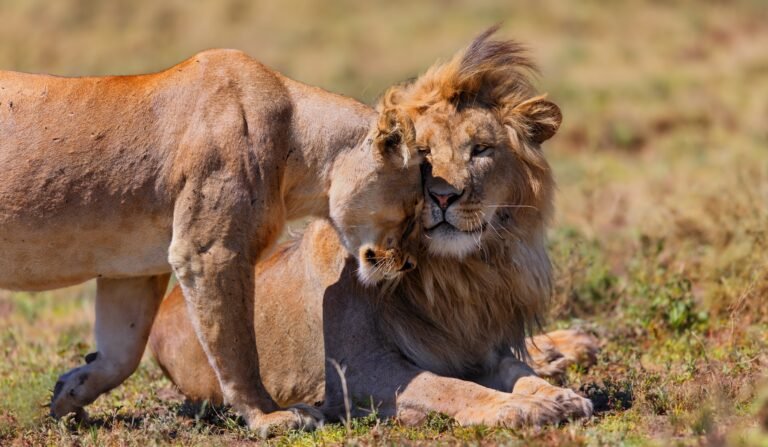
Dec 22, – 3 Day Nyerere Group Joining Safari
Dec 22, 2026 – 3 Day Nyerere Group Joining Safari.
View package detailsNo related package matches those filters. Clear one or more filters to see the other topic-matched options.



