
The Dec 18, 2026 – 9 Day Tanzania Wildlife and Cultural Group Safari is a specialized, pre-scheduled group departure designed for travelers looking to experience the Northern Circuit during the festive season. This itinerary spans nine days, focusing on a deliberate pace that combines iconic wildlife destinations—such as the Serengeti and Ngorongoro Crater—with authentic cultural interactions, including visits to the Hadza and Datoga tribes near Lake Eyasi. This group trip is ideal for those who want to avoid the rushed pace of shorter 4- or 5-day itineraries and prefer the shared costs and social atmosphere of a group environment.
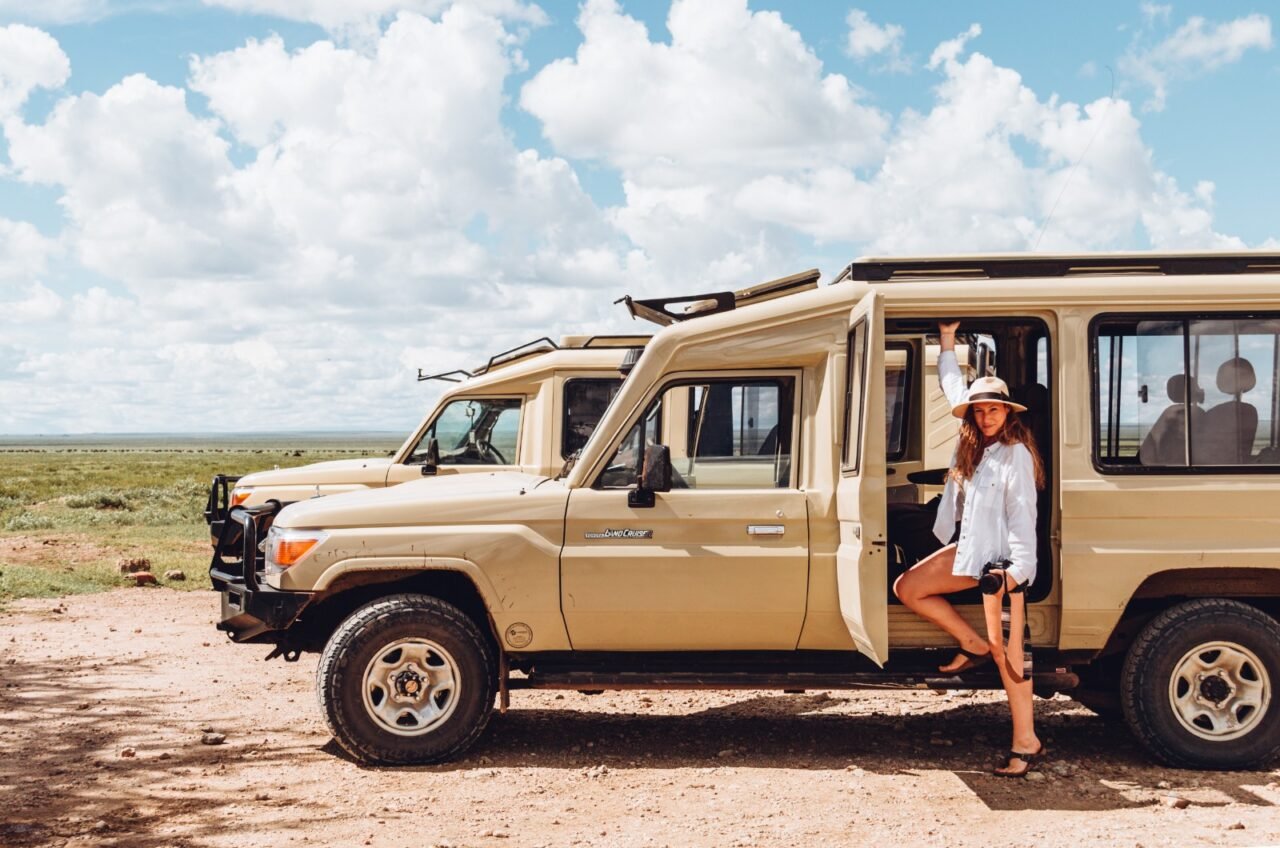
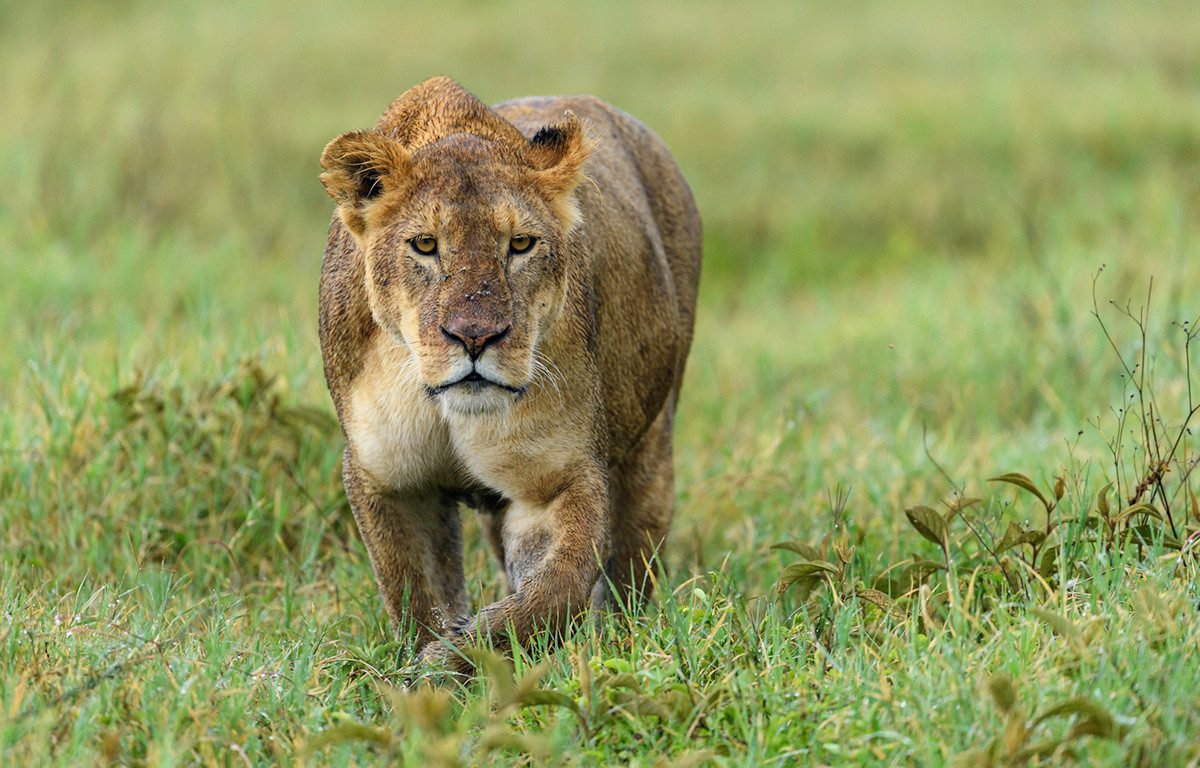
Planning a safari for mid-December requires a shift in perspective. You are traveling during a period when the landscape is transitioning. The “short rains” have typically softened the ground, bringing a lush green hue to the savannahs, which contrasts sharply with the dustier conditions of the peak dry season. For the Dec 18, 2026, 9-day group departure, we have structured the route to maximize wildlife viewing while providing the time necessary to engage with the communities that call this region home.
A nine-day duration is significantly different from the standard 5- or 6-day Northern Circuit options. In a 5-day trip, you are often spending half your day in the vehicle just to reach the next park gate. With nine days, we reduce the “car fatigue” factor. You get more time on the ground, more time to photograph, and the flexibility to adjust your day based on wildlife sightings rather than strict park gate closing times.
The Itinerary Logic: Why 9 Days?
Most travelers find that 9 days is the “sweet spot” for a comprehensive Northern Circuit experience. It allows for a logical flow without backtracking. When you join this specific group departure, you aren’t just checking off parks; you are moving through ecological zones, from the baobab-studded plains of Tarangire to the high-altitude rim of the Ngorongoro Crater.
Our standard approach for this 9-day schedule typically looks like this:
- Day 1: Arrival in Arusha. We handle your airport transfer and provide a pre-safari briefing. This is where you meet your fellow group members and your lead guide.
- Day 2: Tarangire National Park. Known for its dense elephant population and ancient baobab trees. In December, the riverbeds are active, making wildlife spotting more predictable.
- Day 3: Lake Manyara and Mto wa Mbu. A mix of groundwater forest and lake views. We include a stop at the local market town of Mto wa Mbu for a cultural lunch and interaction.
- Day 4: Central Serengeti. We move into the heart of the park. The Seronera area is excellent for big cats—lions and leopards are frequently spotted here.
- Day 5 & 6: Serengeti Deep Dive. With two full days in the Serengeti, we have the flexibility to follow the wildlife movements. Depending on the rains, the herds may be congregating in the southern plains or the central woodlands.
- Day 7: Serengeti to Ngorongoro. We exit the park with a game drive en route, heading toward the Ngorongoro Conservation Area, allowing for a relaxed evening on the crater rim.
- Day 8: Ngorongoro Crater and Cultural Visit. A morning descent into the crater—the best chance to see the endangered black rhino—followed by an afternoon dedicated to visiting local Datoga or Hadza settlements near Lake Eyasi.
- Day 9: Departure. A morning for last-minute souvenir shopping or a relaxed breakfast before your transfer back to the airport.
If you are comparing this to shorter options, such as our 5-day Northern Tanzania group joining safari, notice that the 9-day trip adds significant depth. While the 5-day option is efficient, the 9-day trip allows for the inclusion of the Hadza cultural experience and a more relaxed pace in the Serengeti, which is often the highlight for many travelers.
Integrating Cultural Experiences
Many group safaris focus exclusively on the “Big Five.” However, our December 18 departure emphasizes the human landscape of Tanzania. The Ngorongoro region and the area around Lake Eyasi are home to tribes with distinct traditions. The Hadza (or Hadzabe) are one of the last true hunter-gatherer groups in Africa. Spending time with them—observing their tracking skills and learning about their nomadic lifestyle—offers a stark, meaningful contrast to the wildlife-focused days.
We balance this by ensuring the cultural visits are respectful. These are not staged performances; they are opportunities to learn about local history, traditional ironwork with the Datoga, and the intricate social structures of the local villages. This requires a guide who is not just a driver, but a cultural liaison.
Logistics and Group Dynamics
Traveling in a group on December 18 offers several practical advantages. First, the cost-sharing model makes the trip more accessible compared to private luxury safaris. You share the vehicle, fuel, and guide costs with others, which is the primary driver of affordability for these dates.
However, group travel requires coordination. Here is what you should consider before booking:
- Vehicle Space: Our safari vehicles are 4×4 Land Cruisers with pop-up roofs. We limit group sizes to ensure everyone has a window seat.
- Pace: Because it is a group, the itinerary is fixed. If you prefer to wake up at 5:00 AM every day or sleep in until 9:00 AM, a group tour requires a degree of flexibility.
- Socializing: You will be spending 9 days in a vehicle with the same people. The group atmosphere is usually a highlight, but it is important to be prepared for the communal nature of the trip.
If you prefer a different pace or a specific focus, we also offer shorter, more intense trips like our 4-day Tarangire, Serengeti, and Ngorongoro group safari, which might suit those with tighter time constraints.
Planning Your December Safari
December is a transition month. You might experience bright, clear mornings followed by short afternoon showers. The dust settles, the air clears, and the landscape turns a vibrant green, which is excellent for photography. However, it also means you need to pack appropriately.
Packing Essentials:
- Layered Clothing: Mornings on the crater rim can be surprisingly cold, while the afternoons in the Serengeti can be hot.
- Rain Gear: A light, breathable rain shell is more useful than a heavy coat.
- Binoculars: While the vehicle is provided, having your own pair of binoculars significantly improves your experience, especially when tracking leopards in the Serengeti woodlands.
- Power Banks: While our vehicles are equipped with charging ports, having a backup power bank is always a smart move for long days in the park.
For those looking to extend their holiday, we often see travelers combining this safari with a few days on the coast. If you are interested in extending your trip to Zanzibar, let us know during the booking process so we can coordinate your return transfers to Arusha accordingly.
How to Secure Your Spot
Since this is a group departure, availability is determined by the number of open seats remaining in the vehicle. We do not overbook. If you are interested in the Dec 18, 2026, 9-day safari, the best first step is to get in touch with our team at Climb 4 Africa. We can provide you with the most current availability and answer any specific questions you have about the group composition or the exact lodges we are using for this departure.
You can reach us directly through the following channels:
- WhatsApp: +255 747 477 898 (Fastest for quick questions)
- Email: climb4africa@gmail.com or info@climb-4-africa.com
When you reach out, please include your travel dates, the number of people in your party, and any specific interests (e.g., bird watching, photography, or specific cultural interests). This helps us ensure that this 9-day group departure is the right fit for your expectations.
For those who might be considering other dates or durations, feel free to browse our full list of Tanzania group departures. Whether you are looking for a shorter, more condensed itinerary or a longer exploration, we have options throughout the 2026 and 2027 seasons.
We look forward to helping you plan your time in Tanzania. Whether it is your first time in Africa or you are a returning visitor, this 9-day itinerary provides a deep, balanced look at the wildlife and the culture that make this part of the world so compelling.
Frequently Asked Questions
The 9-Day Route: A Daily Progression
While the concept of a 9-day safari is established, understanding the day-by-day flow is essential for managing expectations and preparing for the pace of the trip. This route is designed as a circular progression, moving from the lush, baobab-studded landscapes of the south toward the expansive plains of the Serengeti, ensuring that travel time between destinations is minimized while maximizing wildlife viewing opportunities.
Day 1: Arrival in Arusha. Your journey begins in Arusha, the gateway to the Northern Circuit. This day is reserved for settling in, meeting your fellow travelers, and conducting a comprehensive pre-safari briefing. This is where your guide will outline the route, explain the group dynamics, and ensure everyone is prepared for the early start the following morning.
Day 2: Tarangire National Park. We depart for Tarangire, a park renowned for its massive baobab trees and high density of elephants. December brings the short rains, which makes the park particularly lush. This is a day for slow, methodical game viewing, allowing the group to adjust to the rhythm of the safari vehicle and the patience required for wildlife photography.
Day 3: Cultural Immersion at Lake Eyasi. We shift our focus from wildlife to the human landscape. Lake Eyasi is situated in the Rift Valley and provides a stark, fascinating contrast to the parks. This day is dedicated to meeting the Hadzabe and Datoga communities. Unlike a drive-through park experience, this day involves walking and active engagement, offering a rare glimpse into ancient hunter-gatherer lifestyles.
Day 4: Ascent to the Ngorongoro Highlands. We transition from the arid plains of the Rift Valley toward the cool, misty air of the Ngorongoro Highlands. This day is about altitude and landscape changes. We travel through lush coffee plantations and traditional villages, arriving at the crater rim by late afternoon. The elevation here is significant, and the temperature drop is noticeable, providing a refreshing change before the descent into the crater.
Day 5: The Ngorongoro Crater Floor. This is the highlight for many, often described as the ‘Garden of Eden.’ We descend early to avoid the crowds, spending the majority of the day on the crater floor. Because the crater is a contained ecosystem, the wildlife density is extraordinary. You are likely to see lions, hyenas, and—with a bit of luck—the endangered black rhino. The 9-day pace allows us to spend a full day here rather than rushing through in a few hours.
Day 6: Entering the Serengeti. We head west toward the Serengeti National Park. The drive itself is part of the experience, passing through the Olduvai Gorge, a site of immense paleoanthropological importance. Upon entering the Serengeti, we move into the central plains. This is the heart of big cat country, where leopards are frequently spotted in the acacia woodlands.
Day 7: Deep Serengeti Exploration. With a full day dedicated to the Serengeti, we have the flexibility to follow wildlife movements. Whether tracking a pride of lions or observing the early movements of the migration, this day is entirely dictated by what the wilderness offers. We focus on areas that are less frequented by the shorter, 3-day safari tours, allowing for a more intimate experience.
Day 8: Serengeti to Karatu. We begin our gradual return toward civilization, game driving as we exit the Serengeti. We make our way toward the Karatu area, located just outside the Ngorongoro Conservation Area. This is a time to reflect on the week’s sightings and enjoy a more relaxed evening in a comfortable, scenic setting.
Day 9: Departure. The final morning is a gentle drive back to Arusha. Depending on your flight schedule, there is time to visit local markets for souvenirs or simply enjoy a final Tanzanian coffee before your transfer to the airport.
Navigating Cultural Interactions: Respectful Engagement with the Hadza and Datoga
While the Serengeti and Ngorongoro Crater offer a spectacle of wildlife, the cultural visits to the Hadza and Datoga communities near Lake Eyasi represent the human core of this nine-day itinerary. Because this is a group departure, the collective behavior of the participants directly impacts the quality of the engagement and the sustainability of the interaction. Approaching these communities requires a shift in mindset: you are transitioning from a spectator of wildlife to a guest in a home. The following guidelines are intended to ensure that your presence is respectful, ethical, and mutually beneficial.
The Ethics of Photography
The most common point of friction during cultural visits is photography. It is easy to view members of indigenous communities through the same lens as a lion or an elephant—as subjects to be captured. However, the Hadza and Datoga people are not exhibits. Before raising a camera, always seek explicit permission. This is best facilitated through your guide, who can ask on your behalf. If a community member signals “no” or turns away, respect that boundary immediately without negotiation. Avoid the “drive-by” photography style where you snap photos from the vehicle window; this dehumanizes the interaction and creates a power imbalance. Instead, engage in a conversation first, show interest in their daily tasks, and let the camera remain in your bag until a rapport has been established.
The Gift-Giving Dilemma
Travelers often feel a natural urge to bring gifts, such as candy, school supplies, or money, to distribute in local villages. While the intent is generous, the impact is often detrimental. Unregulated distribution of gifts creates a “begging economy,” where children are incentivized to skip school or chores to wait for tourists, and social structures are disrupted. On this nine-day group safari, we operate on a strictly controlled policy regarding donations. If you wish to contribute to the community, do not hand items directly to individuals. Instead, consult with your guide about the community’s current, verified needs. Often, the most effective way to help is to donate through established community leaders or local cooperatives who can ensure resources are distributed equitably, such as providing bulk supplies to a school or a local health clinic rather than individual handouts.
Behavioral Norms and Communication
When entering a homestead or gathering space, observe the body language of your guide. There are often unspoken protocols regarding where to sit, how to greet elders, and the appropriate volume of conversation. In many rural Tanzanian cultures, humility and patience are highly valued. Avoid loud, boisterous behavior or aggressive questioning. If you do not understand a custom or a way of life, ask open-ended, respectful questions rather than making assumptions. For instance, instead of asking, “Why don’t you have modern appliances?”—which implies a deficiency—try, “Could you tell me how you manage food preservation in this environment?” This shifts the conversation to an exchange of knowledge rather than a critique of lifestyle.
The Role of the Guide as Mediator
On a group safari, your guide is the essential bridge between two vastly different worlds. They are not just drivers; they are cultural mediators. If you feel uncertain about how to behave in a specific situation, defer to your guide. They understand the specific history of the region, the internal politics of the local tribes, and the current sensitivities of the community. If you notice a group member behaving in a way that seems disrespectful, it is often best to speak with your guide privately rather than confronting the person directly. The guide has the experience to correct the behavior subtly, ensuring that the group dynamic remains positive and that the community continues to welcome future travelers.
Sustainable Tourism and Long-Term Impact
The sustainability of these cultural visits depends on the cumulative behavior of visitors over time. By adhering to these ethical standards, you ensure that the Hadza and Datoga communities retain their autonomy and dignity while benefiting from the economic opportunities that tourism provides. A successful cultural visit is not measured by the number of photos you take or the number of “exotic” interactions you can recount, but by the sense of shared humanity you feel when you leave. Remember that you are a visitor in a landscape that has been home to these cultures for millennia; your goal is to leave the community as you found it, with their traditions and daily rhythms undisturbed by your passage.
Physical Preparation and Health Considerations for a 9-Day Safari
While the allure of a nine-day safari often centers on the wildlife and cultural encounters, the physical reality of the trip is a critical factor for success. A nine-day commitment is significantly more demanding than a standard weekend getaway. The itinerary involves consecutive early mornings, long hours spent traversing bumpy terrain, and significant shifts in altitude and climate. Preparing your body for these conditions is essential to ensure you remain an active participant in your group rather than needing to opt out of excursions due to exhaustion or preventable health issues.
Managing the “Safari Fatigue” Factor
The most common oversight among first-time safari-goers is underestimating the cumulative effect of early rising. On a nine-day Northern Circuit route, you will frequently be up before dawn to catch the best light and observe predator activity before the heat of the day. Over nine days, this sleep deficit can manifest as irritability or physical malaise. To mitigate this, prioritize rest during the mid-afternoon hours when the group often returns to the lodge or campsite. Use this time for genuine recovery—napping, reading, or stretching—rather than trying to fill every hour with socializing or digital connectivity. A well-rested traveler is more resilient to the minor stressors of group travel, such as shared vehicle space and varying personal preferences.
Altitude, Hydration, and Respiratory Health
Your itinerary includes significant elevation changes, most notably when entering the Ngorongoro Conservation Area. The Crater rim sits at an altitude of approximately 2,300 meters (7,500 feet). While not extreme, travelers sensitive to altitude may experience mild headaches or fatigue during their first 24 hours at this elevation. Hydration is the most effective countermeasure. The dry, dusty air of the Tanzanian savannah, combined with the wind exposure in an open-top safari vehicle, causes rapid fluid loss that is often masked by the lack of humidity. Aim to drink significantly more water than you would at home, and do not wait until you feel thirsty to replenish. Additionally, because the air can be dry and filled with particulates, those with sensitive respiratory systems or allergies should consider bringing a light buff or scarf to cover their nose and mouth while driving on unpaved roads.
Navigating Vehicle Access and Terrain
Safari vehicles are purpose-built for rugged terrain, which means they are elevated and require physical agility to enter and exit. You will be climbing in and out of the vehicle multiple times a day for game drives, photography stops, and cultural visits. If you have existing mobility issues, joint concerns, or limited range of motion, it is imperative to communicate this to your guide at the start of the trip. While the guide cannot alter the vehicle’s height, they can assist you by selecting the most accessible seats or timing stops to minimize difficult terrain. Furthermore, the roads in parks like the Serengeti are often corrugated, causing intense vibration. If you have back or neck issues, consider bringing a small, inflatable lumbar support pillow to use during transit, as the standard vehicle seating may not provide sufficient ergonomic support for nine days of travel.
Health Protocols and Medical Preparedness
Tanzania is a malaria-endemic region. Regardless of the season, prophylactic medication is strongly advised by health authorities. Consult a travel clinic at least six weeks before your December 18 departure to discuss the appropriate regimen, as some medications require a lead time to build up in your system. Beyond malaria, be mindful of food and water hygiene. While the lodges and camps on this circuit maintain high standards, your digestive system may still be sensitive to local bacteria. Pack a basic medical kit containing rehydration salts, anti-diarrheal medication, and antiseptic wipes. In a group setting, hygiene is a collective responsibility; ensure you wash your hands frequently and utilize hand sanitizer before meals, especially when interacting with local communities where your immune system may encounter new environmental factors.
Navigating Financial Etiquette and Tipping Protocols
One of the most nuanced aspects of participating in a nine-day group safari is understanding the financial expectations beyond the initial booking. While your safari package covers the primary costs—transportation, accommodation, park fees, and guide services—tipping remains a significant, albeit informal, component of the Tanzanian tourism ecosystem. Because you are traveling in a group for nine days, the dynamics of tipping can feel complex, but establishing a clear approach early on will alleviate any social friction.
The primary recipient of your gratuity will be your safari guide, who serves as your driver, naturalist, cultural interpreter, and logistical manager throughout the entire nine-day journey. In Tanzania, it is customary to tip the guide at the end of the safari, rather than on a daily basis. The amount is subjective, but a standard benchmark often cited by seasoned travelers is between $15 and $25 USD per vehicle, per day, to be shared among the group. If you are part of a larger group, this amount is divided, making it a modest contribution per person. It is advisable to carry this amount in crisp, relatively new US dollar bills (post-2009 series), as older notes are often rejected by local banks and currency exchanges. While some travelers prefer to tip individually, many group members find that pooling the tip into a single envelope to present to the guide on the final day is a more meaningful gesture that acknowledges the collective experience.
Beyond the guide, you will encounter lodge and camp staff who provide service throughout your journey. Most established lodges and tented camps utilize a “tipping box” at the reception area. This is the most efficient and equitable way to ensure that the staff behind the scenes—the kitchen crew, housekeepers, and groundskeepers—receive a fair share of the gratuity. Contributing to this communal box is generally preferred over attempting to tip individual staff members, as it avoids any perceived favoritism and ensures that the entire team is supported. A general guideline is to set aside a small amount per night of your stay for these collective tips.
Cultural visits, such as those to the Hadza or Datoga communities, require a different approach. These are not standard service interactions; they are encounters with communities that maintain traditional livelihoods. Your guide will typically handle any agreed-upon community fees or donations as part of the excursion cost. However, if you wish to purchase locally made crafts, this is a direct economic transaction. It is vital to carry smaller denominations of Tanzanian Shillings (TZS) for these purchases. Attempting to pay for a small craft with a large USD bill can be logistically difficult for artisans who may not have ready access to change, and it can disrupt the flow of the visit. Respect the price established by the artisan; haggling is generally not practiced in these specific cultural contexts, as the items are often priced to reflect the time and resources invested in their creation.
Power Management and Connectivity Expectations
For a nine-day expedition, your relationship with technology will shift significantly. The Northern Circuit, while increasingly connected, is not an environment where you can rely on constant, high-speed access to power or cellular data. Managing your expectations regarding charging and connectivity is essential to avoiding frustration during your December safari.
Most safari vehicles used for group departures are equipped with charging ports, typically in the form of USB outlets or standard cigarette lighter sockets. However, these are often only active when the vehicle’s engine is running. If you are planning to charge cameras, tablets, or power banks while driving, ensure you have the appropriate car-charging adapters. It is a common mistake to rely solely on the vehicle for charging; on long transit days, the power draw from multiple passengers can overwhelm the vehicle’s electrical system. Consequently, bringing a high-capacity power bank (at least 10,000 to 20,000 mAh) is strongly recommended. This provides a reliable buffer for your devices, especially on days when you are on game drives from dawn until dusk and do not have access to a wall outlet.
When staying at lodges and tented camps, remember that many remote properties operate on solar power or generators that may be shut down during the night to conserve fuel and minimize noise pollution. You may return to your room expecting to plug in your devices for an overnight charge, only to find the power disconnected. Always prioritize charging your essential gear—cameras and phones—during the hours when the lodge is fully powered, usually in the early evening. Furthermore, Tanzania primarily uses Type G electrical outlets (the three-pin British style). While many lodges have multi-standard sockets, relying on this is risky. A universal travel adapter is an essential item in your daypack.
Connectivity is another variable that requires a tempered mindset. While major towns and some high-end lodges offer Wi-Fi, it is often satellite-based and bandwidth-limited. It is sufficient for checking emails or sending a quick message, but it will not support video streaming, large file uploads, or intensive web browsing. For those who need to remain reachable, purchasing a local Tanzanian SIM card (such as Vodacom or Airtel) at the airport upon arrival is the most effective solution. Coverage is surprisingly robust in many parts of the Serengeti and Ngorongoro, but it is never guaranteed. Treat this nine-day window as an opportunity for a “digital detox.” By managing your expectations and preparing your devices for intermittent power, you can focus on the landscape rather than the hunt for a signal.
Navigating Dietary Requirements and Bush Cuisine
A frequently overlooked aspect of a nine-day group safari is the management of dietary needs in remote wilderness environments. While many travelers assume that lodges and tented camps operate like standardized hotels, the reality of the Northern Circuit is far more logistical. Because you are traveling in a group, the lodge kitchens are often preparing meals for multiple parties simultaneously, making communication about your specific dietary requirements—whether they are medical, religious, or preference-based—a critical pre-trip task.
In the context of the December 18 departure, lodges are often operating near or at full capacity due to the festive season. This means that last-minute requests upon arrival at a remote tented camp are difficult, if not impossible, to accommodate. If you have a severe allergy, such as a nut or shellfish intolerance, you must ensure this is communicated to your booking agent at least four weeks before your departure date. This information needs to be relayed from the agent to the lodges in advance, as supply chains in areas like the Serengeti or Lake Eyasi are limited. You cannot simply walk to a grocery store if a specific ingredient is missing; lodges often rely on weekly supply trucks that travel long distances over rough roads.
For those with vegetarian, vegan, or gluten-free requirements, Tanzania is increasingly accommodating, but you should adjust your expectations for variety. You will find fresh fruits, vegetables, and local grains like ugali (maize porridge) or rice widely available. However, processed specialty items—such as gluten-free bread, plant-based meat substitutes, or specific dairy-free milk alternatives—are rare in the bush. If your diet relies on these specific products, it is highly advisable to pack non-perishable staples in your checked luggage. Bringing a small supply of protein bars, nut butters, or shelf-stable milk powder can provide a safety net during long transit days when the lodge menu might be limited.
The concept of “bush cuisine” also requires an open mind. Lunch on a nine-day safari is often served as a packed picnic box to maximize your time in the field. These boxes are designed to be portable and energy-dense, typically containing cold chicken, boiled eggs, fruit, and sandwiches. While functional, they are not gourmet. If you have specific dietary restrictions, ensuring that your tour operator understands these needs for your *packed lunches* is just as important as the dinners served at the lodges. Ask your guide on day one to verify that your specific dietary needs are clearly labeled on the picnic boxes assigned to the vehicle.
Finally, consider the hydration aspect of your diet. While bottled water is provided in your safari vehicle, you should be mindful of the environmental impact of plastic waste. Most reputable operators are moving toward using large, reusable water dispensers in the vehicles. Bringing your own durable, insulated water bottle is a simple way to reduce your plastic footprint while keeping your water cool in the equatorial heat. Always clarify with your guide if the water provided at the lodge is filtered and safe for drinking or if you should strictly rely on bottled water provided by the operator.
Managing Expectations: The Reality of Safari Meal Times
Safari life is dictated by the sun, not by conventional dining hours. Because your nine-day itinerary is designed to maximize wildlife viewing, your meal schedule will likely be unconventional. Breakfast is often served before dawn, sometimes as early as 5:30 AM, to ensure you are at the park gates or in the field when predators are most active. Lunch might be a late affair, happening at 2:00 PM after a long morning drive, or it might be a quick picnic on the hood of the Land Cruiser.
This erratic schedule can be taxing on the digestive system, especially when combined with the bumpy terrain of the Serengeti. If you are prone to motion sickness or indigestion, try to keep your meals relatively light during active game drive days. Avoid heavy, fried, or overly rich foods in the morning before heading out. Instead, focus on hydration and easily digestible carbohydrates. By aligning your dietary habits with the rhythm of the safari—rather than expecting a traditional 9-to-5 dining schedule—you will avoid the mid-day sluggishness that often catches travelers off guard during the longer, nine-day journeys.
Understanding the Nuances of Safari Clothing and Layering Systems
While the packing lists for a nine-day safari often emphasize wildlife gear like binoculars and cameras, the actual clothing system you employ is critical for comfort, hygiene, and health. The December 18 departure date falls during the transition period of the short rains, which creates a specific micro-climate challenge. You are not dealing with the extreme cold of a dry-season June morning, nor the oppressive heat of the peak dry season in September. Instead, you are managing a fluctuating environment where temperatures can swing from a brisk 15°C (59°F) at dawn to a humid 30°C (86°F) by midday.
The most effective strategy for this nine-day journey is a modular layering system. Avoid heavy, bulky jackets that are difficult to manage inside a shared vehicle. Instead, opt for a base layer of moisture-wicking synthetic or merino wool fabric. Cotton, while comfortable in casual settings, is poor for safari because it retains moisture, dries slowly, and can leave you feeling clammy after a long, humid game drive. A lightweight, long-sleeved shirt serves a dual purpose: it protects your skin from the harsh equatorial sun—which remains intense even on cloudy days—and provides a barrier against tsetse flies, which are particularly attracted to dark, solid colors like navy blue or black.
When selecting your color palette, stick to earth tones such as khaki, olive, sand, and tan. These colors are not merely aesthetic; they are functional. Bright colors can startle wildlife, and as mentioned, dark blues and blacks are known to attract tsetse flies, which can deliver a painful bite. A neutral-colored, breathable fleece or a light, insulated vest is an essential mid-layer for those early morning starts. You will likely be wearing it when the vehicle first departs camp at 6:00 AM, but by 9:30 AM, you will be peeling it off as the sun rises. Having a system that allows you to strip off layers without needing to change your entire outfit is the key to maintaining focus on the wildlife rather than your own discomfort.
Footwear and the Reality of Terrain
Footwear is often the most misunderstood component of safari preparation. Many travelers arrive with heavy-duty, over-the-ankle hiking boots, envisioning long treks through the bush. In reality, the vast majority of your nine-day experience will be spent seated in a 4×4 vehicle or walking on relatively flat, groomed paths around camps and cultural sites. Heavy, stiff boots can actually be a hindrance, making it difficult to maneuver your feet in the cramped, shared footwells of a safari vehicle.
A pair of sturdy, comfortable walking shoes or trail runners with good tread is generally superior to a heavy boot for this specific itinerary. You want a shoe that provides support for short walks, such as the cultural visits to the Datoga or Hadza homesteads where the ground may be uneven, rocky, or dusty, but is flexible enough for prolonged sitting. Ensure your footwear is “broken in” before you arrive; the worst time to discover a pressure point or blister is on day three of a nine-day trip. Additionally, consider a pair of comfortable, slip-on sandals or lightweight shoes for use exclusively within the lodge or camp. After a long day of game viewing, your feet will appreciate the chance to breathe and relax in a different type of footwear.
Managing Laundry and Personal Hygiene
On a nine-day itinerary, laundry logistics can become a stressor if not managed proactively. Most lodges and tented camps in the Northern Circuit offer laundry services, but you must be aware of the “turnaround time” and the limitations of these services. In remote areas, laundry is often done by hand and air-dried. It is not a high-speed, industrialized process. Delicate fabrics, including many high-tech synthetic base layers, may not be suitable for the local washing methods, which can be quite rigorous.
Plan your clothing rotation to ensure you have enough items to last 4–5 days without needing a full wash. If you do utilize lodge laundry, prioritize items like socks, underwear, and t-shirts, which are easier to wash and dry. Avoid sending out expensive technical gear or items that require specific cold-water cycles or gentle handling. It is also advisable to bring a small, portable “dry bag” or a dedicated, breathable mesh laundry bag to keep your worn, dusty clothes separate from your clean items. This prevents the dust of the Serengeti—which is pervasive and fine—from contaminating your entire wardrobe. By the end of day nine, you will have a collection of dusty gear; having a system to isolate this ensures that you aren’t bringing the savannah back into your suitcase more than necessary.
The Importance of Personal Grooming Kits
Beyond clothing, your personal grooming kit for a nine-day group safari should be streamlined. Space in the vehicle is at a premium, and you will be sharing the cabin with others. Avoid bringing large, heavy toiletry bags. Instead, use a hanging toiletry kit that can be easily accessed in the sometimes cramped bathroom facilities of tented camps. The air in the Northern Circuit, particularly during the transition months of December, can be incredibly drying. Pack a high-quality, non-greasy moisturizer and lip balm with SPF protection. The combination of wind exposure while driving with open windows and the sun can lead to chapped skin and lips very quickly.
Finally, consider the environmental impact of your grooming products. Many of the camps in the Ngorongoro and Serengeti rely on eco-friendly water treatment systems. Using biodegradable soaps, shampoos, and conditioners is not just a suggestion; it is a courtesy to the fragile ecosystems your waste water will eventually enter. Pack these in small, leak-proof, reusable silicone travel bottles. This reduces plastic waste and ensures you have exactly what you need for the duration of the trip without carrying unnecessary bulk.

Navigating Interpersonal Etiquette in a Shared Vehicle
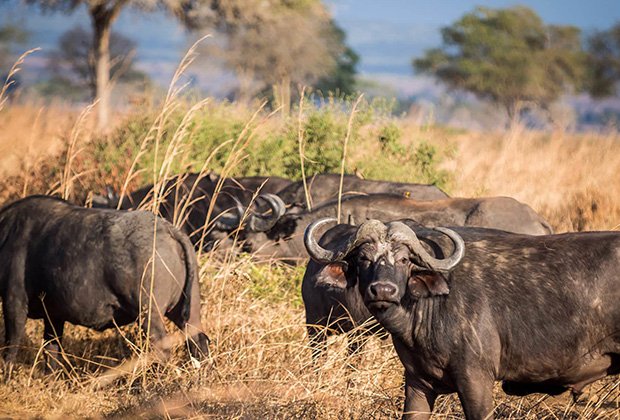
While the logistics of a nine-day safari are often discussed in terms of vehicle mechanics and route planning, the human element—specifically the etiquette of sharing a 4×4 vehicle—is the single most significant factor in the long-term success of your group experience. You will spend upwards of 60 to 70 hours inside the same vehicle over the course of nine days. This environment is an intimate, confined space where personal habits, preferences, and energy levels are magnified. Establishing a code of conduct early is essential for maintaining group harmony.
The Window Seat Rotation Protocol
The most common source of friction in any group safari is the perceived inequality of the “view.” Naturally, every traveler wants the best vantage point for photography and observation. To prevent resentment and ensure everyone gets an equitable experience, we strongly recommend implementing a daily, or even half-daily, rotation system. If your group does not self-organize this on the first morning, invite your guide to facilitate a simple, clockwise rotation schedule. By systematically changing seats—front passenger, middle row, and back row—you ensure that no single traveler is relegated to the “least desirable” seat for the entire duration of the trip. This rotation should be treated as a neutral, non-negotiable rule of the road, removing the need for daily negotiation or competition.
The Silent Observer Standard
Wildlife viewing is a sensory activity that requires intense focus. When a predator is spotted or a herd is migrating, the vehicle must become a “silent zone.” Excessive chatter, rustling of snack wrappers, or sudden movements can not only disturb the wildlife, causing them to retreat into the bush, but it also disrupts the experience for your fellow travelers who may be trying to listen for animal calls or focus their lenses. Adopt a “whisper-only” policy when the engine is off and you are in proximity to animals. If you need to communicate, use hand signals or brief, hushed tones. This discipline is particularly critical during the December season, when the lush vegetation can make spotting harder, requiring sharper senses and quieter engagement.
Micro-Clutter Management
In a 4×4, space is a zero-sum game. Every item you bring into the cabin—jackets, camera bags, water bottles, guidebooks—occupies space that someone else is sitting next to. The “micro-clutter” of daily life can quickly overwhelm the cabin. Adopt a strict “nothing on the floor” policy. Keep your immediate personal items in a small, soft-sided bag that can be tucked under your seat or in a designated compartment. Avoid hard-shell cases, which do not compress and are difficult to store in the tight gaps between seats. If you are using a camera, keep your lenses and accessories organized in a modular bag rather than spreading them across the seat. A tidy cabin is a calm cabin; at the end of every game drive, ensure you have cleared your “footprint” so the vehicle is ready for the next leg of the journey.
Managing Energy Mismatches
A nine-day safari brings together individuals with varying levels of stamina. You may find that some group members are “early birds” who want to be at the park gate the moment it opens, while others prefer a more leisurely start. Because this is a group departure, the schedule is fixed to ensure the group stays together. If you find yourself in a group with mismatched energy levels, the most respectful approach is to practice compromise. If you are the high-energy traveler, be mindful not to rush those who are moving slower in the mornings. If you are the more relaxed traveler, understand that the early start is a logistical necessity for predator activity, not a personal preference. Avoid complaining about the schedule; instead, focus on the shared goal of the day. If you truly need a “down day” or a break, communicate this to your guide early so they can coordinate a rest period without disrupting the group’s overall itinerary.
The “Pass-It-On” Snack Etiquette
Long days in the bush often involve shared snacks and water. When someone offers a snack, or when the group stops for a bush lunch, always ensure you are not the last person to finish or the one who leaves the remnants of the meal behind. If you bring snacks to share, offer them to the entire vehicle before you begin eating yourself. Conversely, never consume a strong-smelling or messy food item inside the vehicle without asking your seatmates if they are comfortable with it. The combination of heat, closed windows, and motion sickness can make strong odors particularly unpleasant in a confined cabin. Always carry a small, sealable trash bag for your own waste—never rely on the vehicle’s side pockets, which are difficult to clean and prone to trapping dust and debris.
Navigating the Transition: The “Short Rains” Landscape in December
The December 18 departure date situates your nine-day safari at a unique climatic juncture in Tanzania: the tail end of the “short rains.” While many travelers fixate on the dry season, the landscape you will encounter in late December is distinctly different—it is lush, vibrant, and biologically active. Understanding this transition is vital for managing your expectations regarding wildlife behavior and photographic opportunities. Unlike the parched, golden savannahs of August, the Northern Circuit in late December is often a mix of emerald green, as the short rains have typically replenished the water sources and triggered a flush of new growth.
This ecological shift changes the “game” of wildlife viewing. Because water is more widely available across the plains, wildlife does not need to congregate exclusively around permanent waterholes. You will find that herds of zebra, wildebeest, and gazelle are more dispersed. While this might mean you spend a bit more time scanning the horizon, it also offers a more authentic, “wild” viewing experience. You are seeing animals in their natural, expansive habitat rather than in the forced proximity of a drought-stricken water source. For the photographer, this provides a dramatic color palette: the deep, saturated greens of the Serengeti plains create a high-contrast backdrop for the tawny coats of lions or the stark black-and-white stripes of zebras.
Furthermore, December is a peak period for migratory birds. The short rains bring an influx of Palaearctic migrants, and the wetlands near Lake Manyara and the Ngorongoro Crater become hubs of avian activity. If you have even a passing interest in birdlife, this is arguably the most rewarding time of year to visit. However, the lush conditions also mean that vegetation is denser. Grasses can grow quite tall, which can occasionally obscure smaller predators like servals or cheetahs. Your guide’s role becomes even more critical during this time; they must rely on tracking skills—identifying alarm calls, dust patterns, and the movement of prey species—rather than simple visual spotting.
Finally, be prepared for the “unpredictability” of the weather. While the term “short rains” suggests a consistent pattern, in reality, it often manifests as brief, intense afternoon thunderstorms followed by brilliant sunshine. These storms are rarely prolonged enough to ruin a game drive, but they do require a flexible approach to your daily schedule. Embrace the rain as part of the ecosystem’s cycle. It clears the dust from the air, providing the crisp, high-clarity atmosphere that makes December photography so distinct. Always keep your rain cover for your camera gear accessible in the vehicle, and consider a lightweight, breathable rain shell that can be easily layered over your safari clothes.
Navigating the Festive Season on the Northern Circuit
Because your departure is fixed for December 18, you will inevitably find yourself in the heart of the Tanzanian wilderness on December 25. For many travelers, this creates a unique psychological and logistical pivot point in the nine-day itinerary. Unlike a holiday at home, which is often defined by consumerism, domestic rituals, and specific culinary traditions, a Christmas day on the Northern Circuit is defined by the rhythm of the ecosystem. It is essential to enter this day with managed expectations. While high-end lodges and tented camps will almost certainly acknowledge the date with a special meal—often a festive, multi-course dinner or a celebratory bush lunch—it is not a “resort” experience. The focus remains entirely on the wildlife and the landscape. Do not expect traditional decorations, carolers, or the commercial trappings of the holiday. Instead, embrace the “Safari Christmas” for what it is: a quiet, profound opportunity to witness the natural world in a state of grace, far removed from the pressures of the holiday season at home.
The logistical reality of the festive season also requires a shift in perspective regarding the lodge staff. While you are on vacation, the camp staff—the waiters, the chefs, the room stewards, and the housekeeping teams—are working. They are often away from their own families to facilitate your experience. This is a significant personal sacrifice. In the context of your nine-day group dynamic, this is an excellent time to foster a sense of collective appreciation. A small, thoughtful gesture from the group, such as a collective note of thanks or a slightly more generous tip to the general staff pool, is a culturally appropriate way to acknowledge their dedication during a time that is traditionally reserved for family and rest in Tanzanian culture. Avoid the temptation to “bring Christmas to them” by distributing gifts or items; this reverts to the previously discussed issues regarding the “gift-giving dilemma” and can disrupt the professional boundaries of the camp.
The Emotional and Social Dynamics of a Holiday in the Bush
By December 25, you will be on day eight of your nine-day journey. You and your fellow group members will have spent over a week in the confined space of a 4×4 vehicle, navigating the highs and lows of the safari experience. You have likely bonded over shared sightings, the minor frustrations of dust and heat, and the collective awe of the Serengeti. This shared history makes the holiday experience significantly more intimate than it would be if you were traveling solo. You are no longer strangers; you are a temporary “safari family.” It is common for emotions to surface on this day, as the contrast between the wild, expansive bush and the memory of home becomes stark. Some travelers may feel a sense of melancholy or “holiday blues.” This is a normal reaction to being disconnected from one’s usual support systems.
To navigate this, maintain the group’s focus on the present moment. If your group is prone to “energy mismatches” or interpersonal friction, use the holiday as a reset button. Suggest a collective activity that breaks the standard routine—perhaps a slightly slower morning, a longer lunch where conversation can drift away from wildlife spotting, or a group reflection on the journey thus far. However, be mindful that not everyone in your group may share the same emotional connection to the holiday. Some travelers may be “holiday-neutral” or even “holiday-averse,” viewing the date as just another day on the itinerary. Respect this diversity of perspective. The “Silent Observer Standard” remains as relevant on Christmas Day as it is on any other; do not force festive cheer upon those who prefer the quietude of the bush. The most successful safari holidays are those where the group allows each individual to experience the day in their own way, whether that means engaging in festive conversation or simply sitting in silence, watching the plains.
Finally, consider the “Festive Fatigue.” By the time you reach December 25, you will be nearing the end of your nine-day trip. You may be physically tired from the early starts and the “safari fatigue” factor. There is a temptation to push harder on this day, perhaps hoping for a “Christmas miracle” sighting of a leopard or a rhino. Resist this urge. If the wildlife is quiet, accept it. The landscape does not know it is a holiday, and the animals will not perform for the date. A successful day on the Northern Circuit is not measured by the number of species checked off a list, but by the quality of the immersion. If you find yourself in the Ngorongoro Crater or the Serengeti on this day, take the time to simply stop the vehicle, turn off the engine, and listen to the silence of the savannah. It is, perhaps, the most “festive” gift the landscape can offer: a moment of absolute, undisturbed peace.
The Ecological Shift: Wildlife Dynamics in the Late-December Landscape
The December 18 departure date places your nine-day safari at a pivotal moment in the Northern Circuit’s ecological calendar. While many travelers associate East African safaris with the golden, dusty landscapes of the dry season, the “short rains” have fundamentally altered the environment by late December. This is the beginning of the “Green Season,” a period that offers a distinct set of wildlife viewing opportunities that are often overlooked by first-time visitors.
As the short rains encourage the growth of fresh, nutrient-rich grasses across the southern Serengeti plains and the Ngorongoro Conservation Area, the wildlife behavior shifts in response. You will likely observe the early stages of the wildebeest migration as herds begin to congregate in the southern areas, preparing for the calving season that typically peaks in early February. The landscape is lush and vibrant, providing a dramatic, high-contrast backdrop for photography that is markedly different from the arid, monochromatic tones of the dry season. For the wildlife photographer, this is a time of “dramatic light.” The clouds that form during the short rains create soft, diffused lighting conditions, avoiding the harsh, flat shadows of the midday sun found in the peak dry months.
Furthermore, December is a prime time for birding enthusiasts. The Northern Circuit becomes a sanctuary for Palearctic migrants—birds that have traveled thousands of miles from Europe and Asia to escape the northern winter. You will frequently see raptors, such as the Steppe Eagle and the Pallid Harrier, soaring over the plains. The increased insect activity following the rains also brings out a flurry of colorful, insectivorous bird species. While predator viewing—specifically lions and cheetahs—remains consistent, the behavior of these predators often changes; they are more active during the cooler, overcast periods of the day, rather than being forced into complete lethargy by intense heat. Understanding this ecological rhythm allows you to appreciate the landscape not just as a static backdrop, but as a dynamic, living system that is responding to the seasonal rains.
The Logistics of Re-entry: Transitioning from the Bush
The final day of your nine-day safari is often the most psychologically and logistically challenging. After eight days of immersion in the “safari bubble”—a state characterized by early wake-up calls, constant sensory input, and the removal of typical societal stressors—the transition back to the urban environment of Arusha or the airport can be jarring. This is what seasoned travelers call “re-entry shock.” Managing this transition requires as much intentionality as your arrival.
First, address the physical reality of your gear. Over nine days, your vehicle will have accumulated significant amounts of dust. Before you reach your final destination, take the time to organize your luggage. If you have been utilizing the vehicle’s storage space for loose items like jackets, binoculars, and camera accessories, use the final drive back to Arusha to centralize your belongings. Many travelers make the mistake of leaving this until they reach their hotel or the airport terminal, leading to frantic repacking in public spaces. Use the final hours in the vehicle to wipe down your camera gear and shake out your clothing; the dust of the Serengeti is pervasive and, if left in your bags for the flight home, can permeate your entire suitcase.
Second, consider the importance of the “Arusha Buffer.” If your itinerary allows, avoid booking an international flight that departs within a few hours of your final game drive. The logistics of the Northern Circuit are unpredictable; road conditions can be affected by the same short rains that make the landscape green, potentially leading to delays on the route back to Arusha. A buffer period—ideally an afternoon or an evening in Arusha—serves as a necessary decompression phase. It allows you to process the intensity of the past nine days, settle your final tipping obligations, and engage in the essential post-safari health protocol. This includes continuing your malaria prophylaxis as prescribed by your travel clinic, as protection must be maintained for the duration recommended by your physician, even after you have left the endemic region. Use this time to hydrate properly and rest; the fatigue of a nine-day expedition is cumulative, and the final transition is often when travelers are most susceptible to illness or exhaustion.
Navigating Vehicle Reliability and Breakdown Protocols
While the focus of a nine-day safari is often on the wildlife and the cultural depth of the experience, the mechanical reliability of your 4×4 vehicle is the silent, critical infrastructure that makes the entire journey possible. In the context of a nine-day expedition, your vehicle is not merely a transport mode; it is your home, your observation deck, and your sanctuary. Understanding the realities of vehicle maintenance in the Northern Circuit is essential for maintaining a positive group dynamic, especially when the inevitable mechanical hiccup occurs in a remote location.
The Reality of Mechanical Stress in Remote Environments
The Northern Circuit, while a well-trodden tourist route, presents some of the most punishing driving conditions on the planet. Over nine days, your vehicle will traverse everything from smooth tarmac near Arusha to the bone-jarring, washboard-style corrugated roads of the Serengeti and the soft, deep dust of the Lake Eyasi region. The cumulative effect of these vibrations, combined with high ambient temperatures and the fine, abrasive dust that penetrates every seal, creates a high-stress environment for any mechanical system. Even the most meticulously maintained Toyota Land Cruiser—the industry standard for Tanzanian safaris—will experience wear. Recognizing that mechanical issues are a statistical probability rather than a failure of planning is the first step toward managing your own expectations.
The Communication Hierarchy: From Driver to Operations
When a vehicle experiences an issue, the protocol is immediate and structured. Your guide is trained not only in wildlife spotting but in basic roadside mechanics and, more importantly, in communication logistics. In the event of a breakdown, the guide will first assess the situation to determine if it is a minor fix (such as a flat tire or a loose sensor) or a deeper mechanical failure. If the issue cannot be resolved on the spot, the guide enters a pre-established communication hierarchy. They will contact the operations office in Arusha or the nearest lodge, which serves as a central hub. Because the Northern Circuit is increasingly well-connected via radio and cellular networks, help is rarely more than a few hours away. Understanding this hierarchy helps prevent group panic; you are never truly “stranded” in the wilderness, but you may be temporarily stationary while logistics teams mobilize.
Turning “Down Time” into “Bush Time”
The greatest test of a nine-day safari group is how they handle a vehicle delay. If you find yourself stationary due to a mechanical issue, your reaction will set the tone for the group. A breakdown is not a disaster; it is an unexpected opportunity to practice “slow safari.” If the vehicle is safe to exit—which your guide will determine based on local predator activity and park regulations—this is the perfect time to engage in birding, macro-photography of the surrounding flora, or simply enjoying the silence of the bush without the hum of an engine. If you are required to stay inside the vehicle, use the time to update your digital journals, review your photographs, or engage in conversation with your fellow travelers. The groups that handle delays with grace are those who view the safari as an in-depth experience rather than a checklist of sightings to be “achieved.”
The Safety-First Mandate
Regardless of the mechanical situation, the safety mandate remains absolute. Never attempt to assist with repairs unless explicitly asked by your guide, and never wander away from the vehicle to “stretch your legs” if the guide has advised you to stay inside. In the Serengeti or the Ngorongoro Conservation Area, wildlife is often closer than it appears, and the vehicle provides a necessary barrier between you and the environment. If your group is forced to wait for a replacement vehicle or a mechanic, your guide will manage the logistical transition. This may involve transferring you to another vehicle from the same company or arranging for a temporary transfer to a nearby lodge. Trust in this process; your operator’s primary goal is the continuity of your nine-day itinerary, and they have the logistical capacity to adapt to these variables without compromising your safety or the integrity of your trip.
Navigating Local Markets and Souvenir Etiquette
As your nine-day safari concludes, you will likely encounter opportunities to purchase local handicrafts, artwork, and gemstones, particularly in hubs like Mto wa Mbu or Arusha. While these interactions are part of the cultural experience, they require a different set of social skills than those used in the bush. Approaching these markets with a clear strategy will protect both your budget and your group’s schedule.
The Art of Fair Negotiation
In many Tanzanian markets, prices are not fixed. This is not an adversarial process; it is a traditional form of social engagement. If you are not comfortable bargaining, look for “fixed-price” galleries, which are common in Arusha and offer a stress-free environment where prices are displayed clearly. If you choose to engage in the open market, remember that the goal is a “win-win” outcome. Start with a friendly demeanor, express genuine appreciation for the craftsmanship, and propose a counter-offer that is reasonable. Avoid “hard-ball” tactics that aggressively drive the price down to a level that devalues the artist’s labor. A good rule of thumb is to negotiate until you reach a price that feels fair to you, then conclude the transaction with a smile, regardless of whether you achieved the “lowest possible” price.
Identifying Authentic Craftsmanship
The Northern Circuit is famous for Makonde wood carvings, Maasai beadwork, and Tinga Tinga paintings. However, mass-produced items designed for quick tourist sales are increasingly common. If you are seeking authentic work, ask your guide to recommend reputable cooperatives or community-run craft centers rather than roadside stalls. These centers often ensure that a higher percentage of the profit goes directly to the artisans. When buying wood carvings, inspect the weight and finish; high-quality ebony or mahogany will be heavy and well-sanded, whereas inferior, quickly carved pieces may be light, brittle, or painted to hide imperfections.
The Reality of Gemstone Purchasing
Tanzania is world-renowned for Tanzanite, a rare gemstone found only in the foothills of Mount Kilimanjaro. Because of its value, the market for Tanzanite is complex. Unless you are an expert, avoid purchasing loose stones from street vendors or unauthorized individuals, regardless of how “authentic” their certificates appear. If you wish to invest in Tanzanite, rely exclusively on established, licensed jewelers who can provide verifiable documentation, laser-inscribed serial numbers, and a clear return policy. A legitimate purchase should be an educational experience where the jeweler explains the grading system (color, clarity, cut, and carat) rather than a high-pressure sales pitch.
Ethical Purchasing and Prohibited Goods
Your responsibility as a traveler extends to the ecological impact of your purchases. Never purchase items made from wildlife products, including ivory, rhino horn, tortoise shell, or skins from protected species. Even if a vendor claims an item is “antique” or “old stock,” the purchase of such goods fuels demand and undermines conservation efforts. Tanzania has strict anti-poaching laws, and attempting to export these items can result in severe legal consequences, including fines and the confiscation of your goods at customs. Stick to sustainable, non-wildlife materials like wood, cloth, and semi-precious beads.
Related Guides and Packages
Check Availability for Dec 18, – 9 Day Tanzania Wildlife And Cultural Group Safari 2026
Ready to compare dates, prices, and the best option for your group? Send the package name and travel month so the team can reply with a clear quote, availability, and what is included.
Dec 30, – 7 Day New Year Tanzania Group Joining Safari 2026
A complete guide to our 7-day group joining safari for the 2026/2027 New Year season, covering the Northern Circuit, wildlife expectations, and how to secure your spot.
View package details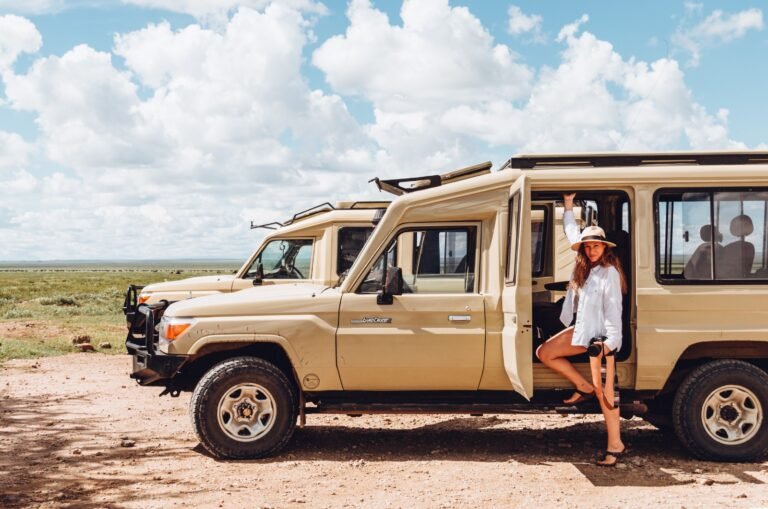
Dec 14, – 7 Day Complete Tanzania Northern Circuit Group Safari 2026
Planning for December 2026? Join our 7-day complete Tanzania Northern Circuit group safari. A deep look at the Serengeti, Ngorongoro, and Tarangire with expert, locally-led logistics.
View package detailsNov 20, – 8 Day Complete Northern Tanzania Group Safari: Planning Your Trip
A comprehensive guide to the 8-day Northern Tanzania group safari departing November 20, 2026, covering logistics, route advantages, and planning essentials.
View package details8 Day Serengeti And Ngorongoro Group Safari – December 16, 2026
Planning your December 2026 Tanzanian adventure? Our 8-day group safari offers a deep, unhurried exploration of the Serengeti and Ngorongoro Crater.
View package detailsNov 18, – 7 Day Serengeti And Ngorongoro Group Joining Safari 2026
A detailed guide to the 7-day group joining safari departing November 18, 2026, covering Serengeti, Ngorongoro, and the logistical advantages of shared travel.
View package details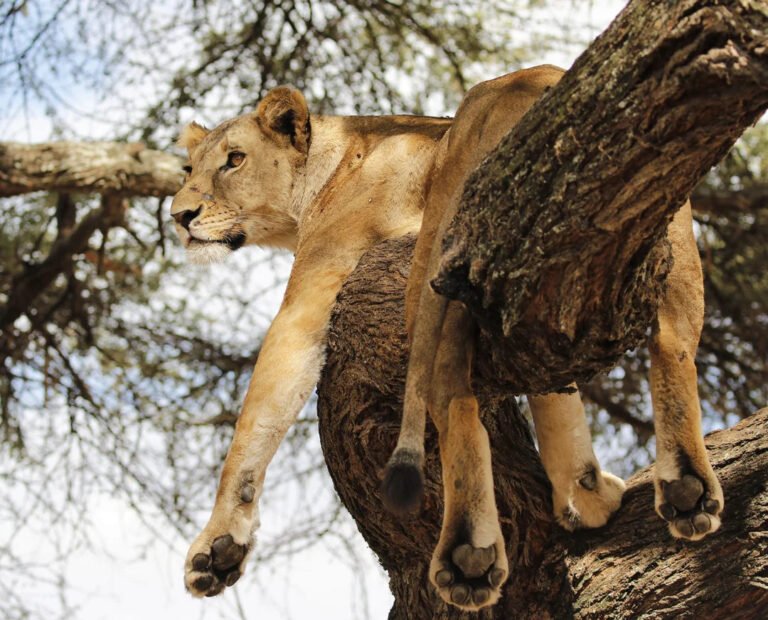
Dec 25, – 5 Day Christmas Tanzania Group Joining Safari 2026
Celebrate Christmas in the heart of the Tanzanian wilderness. Join our 5-day group safari departing December 25, 2026, and experience the iconic Northern Circuit.
View package detailsDec 10, – 5 Day Northern Tanzania Group Joining Safari 2026
A detailed guide to our 5-day Northern Tanzania group joining safari scheduled for December 10, 2026. Learn about the route, group logistics, and how to book your spot.
View package detailsNov 27, – Black Friday Tanzania Group Safari Deals 2026
Discover why group joining safaris are the best way to secure value for your 2027 Tanzania adventure, plus expert advice on route planning and booking.
View package detailsNov 16, – 6 Day Tanzania Northern Circuit Group Safari 2026
Planning for November 2026? Join our 6-day group safari covering Tanzania's premier Northern Circuit parks. Expert-led, social, and cost-effective wildlife viewing.
View package detailsNov 14, – 5 Day Tanzania Lodge Group Joining Safari 2026
Join our November 14, 2026, 5-day Tanzania lodge safari. This group-joining itinerary offers a balanced, cost-effective way to explore the Northern Circuit.
View package details
Nov 12, – 5 Day Tanzania Budget Camping Group Joining Safari 2026
A detailed guide to the November 12, 2026, 5-day budget camping group joining safari in Tanzania, covering route logistics, group dynamics, and planning essentials.
View package detailsOct 30, – 5 Day Tanzania Northern Circuit Group Joining Safari 2026
Oct 30, 2026 – 5 Day Tanzania Northern Circuit Group Joining Safari.
View package detailsNo related package matches those filters. Clear one or more filters to see the other topic-matched options.



