
The 2 Day Mikumi Christmas Group Safari from Dar es Salaam, scheduled for December 21, 2026, is a curated short-duration wildlife tour designed to offer an in-depth experience in Mikumi National Park during the festive season. This group departure provides an efficient, cost-effective way to witness Tanzania’s wildlife, including lions, elephants, and giraffes, with all-inclusive logistics handled from Dar es Salaam, making it an ideal choice for travelers looking to combine a holiday trip with a premier safari experience without the need for extensive travel time.
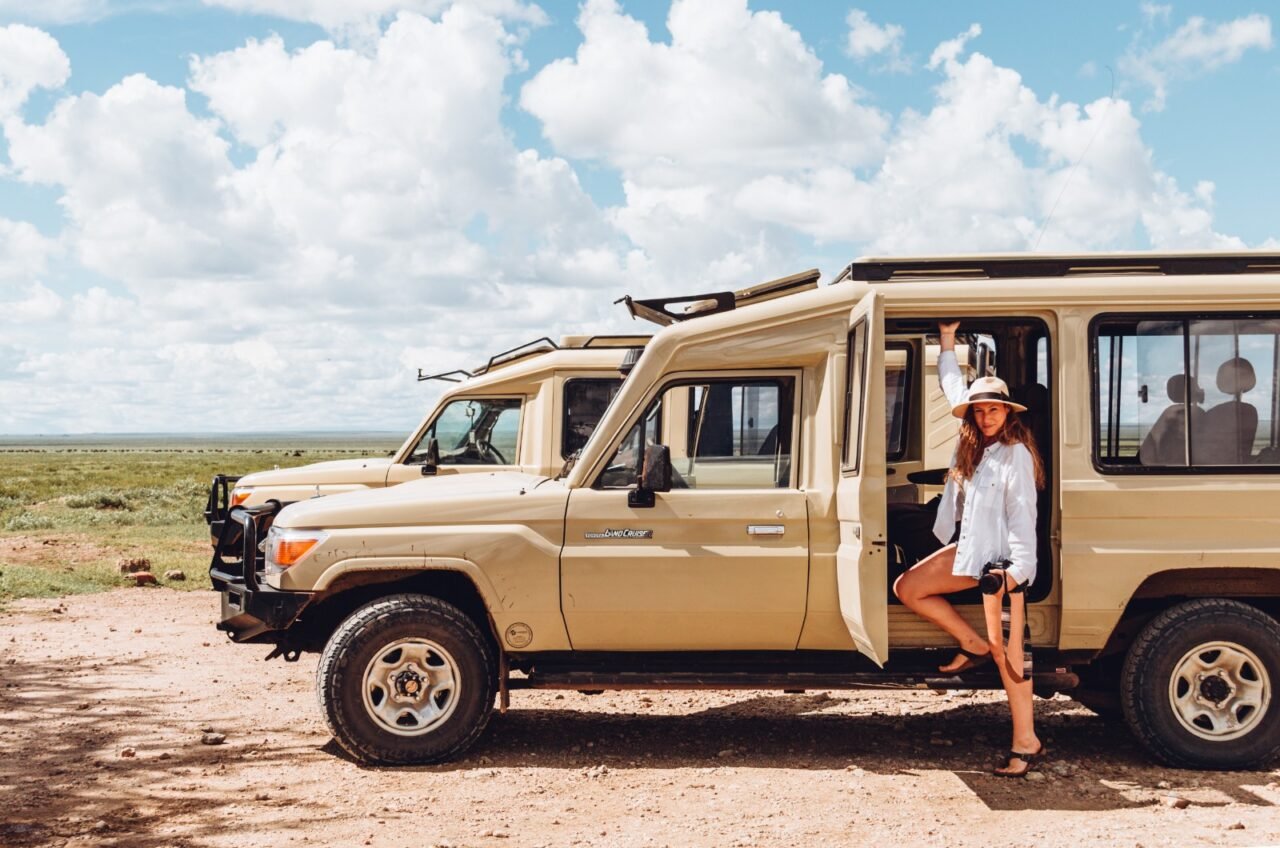
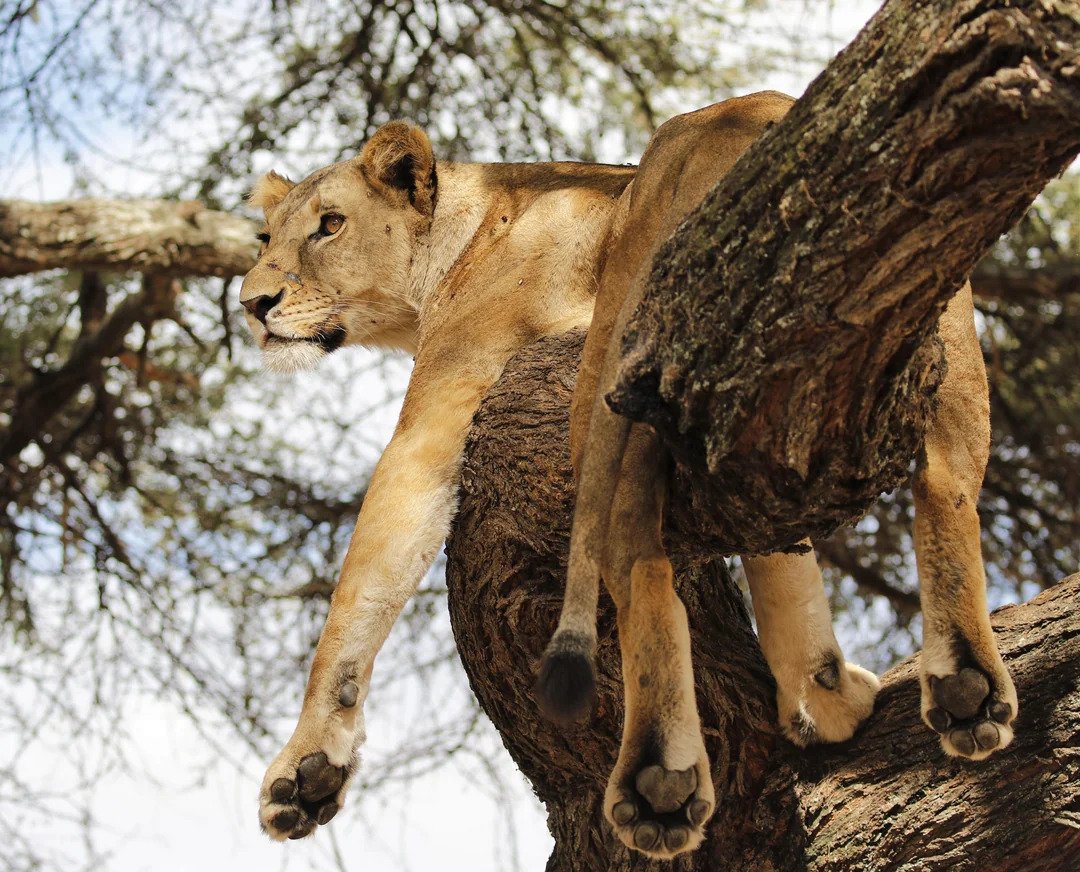
Planning a safari during the festive period requires balancing holiday spirit with practical logistics. If you are looking to escape the city bustle of Dar es Salaam for the holidays, our 2 Day Mikumi Christmas Group Safari is designed specifically for that purpose. By choosing a group departure on December 21, you ensure that the complexities of park permits, vehicle logistics, and accommodation bookings are managed by our local team, allowing you to focus entirely on the experience of being in the wild.
Mikumi National Park is often called the “gateway to the southern circuit” and serves as the most accessible major national park from Dar es Salaam. Its proximity—roughly a four-to-five-hour drive—makes it the only viable option for a high-quality 2-day wildlife experience that doesn’t feel rushed. On this specific December departure, you benefit from the lush, post-rain landscape, which often brings out vibrant colors and active wildlife, creating excellent opportunities for photography and observation.
Safari Logistics and Itinerary Structure
When participating in a group safari, understanding the flow of your two days is essential for managing expectations. We prioritize a start time that balances the need to get on the road early with the reality of Dar es Salaam traffic. Our 2 Day Mikumi Christmas Group Safari generally follows a proven sequence designed to maximize game viewing hours within the park boundaries.
Day 1: Departure and Afternoon Game Drive
We depart Dar es Salaam early in the morning, typically around 6:00 AM or 7:00 AM, to beat the city congestion. The drive takes you through the scenic Morogoro region. Upon arrival in Mikumi, we head straight for an afternoon game drive. This is often the most productive time for predator activity, as lions and leopards may begin to stir as the temperature drops slightly. You will check into your lodge or tented camp, which will be carefully selected for proximity to the park gates to reduce transit time.
Day 2: Morning Game Drive and Return
The second day begins before sunrise. We head into the Mkata Plains, the heart of Mikumi, to catch the wildlife during the golden hour. This is the best time to see giraffes, zebras, and impalas grazing, often with the backdrop of the Uluguru Mountains. After a substantial game drive, we begin the journey back to Dar es Salaam, typically arriving by late afternoon or early evening. This schedule is tight but efficient, ensuring you get the maximum possible wildlife exposure in just 48 hours.
Why Choose a Group Safari for Christmas?
Opting for a group joining safari on December 21 is a strategic decision for several reasons. Primarily, it is a matter of resource sharing. Safari costs in Tanzania—covering vehicle rental, fuel, park entry fees, and professional guides—are significant. By joining a group, you share these fixed costs with other travelers, making the trip significantly more affordable than a private safari without compromising the quality of the vehicle or the expertise of the guide.
Beyond the economics, there is the social aspect. Traveling during the holidays is often more enjoyable when shared. You will be in a vehicle with fellow travelers who share your interest in wildlife and conservation. It creates a camaraderie that is unique to group travel, where spotting a rare bird or a pride of lions becomes a shared triumph. For solo travelers, couples, or small groups of friends, these joining safaris provide a built-in social environment that makes the trip feel safer and more engaging.
Planning Your 2026 Holiday Travel
Booking for the December 21 departure should ideally be done well in advance. While we strive to accommodate late requests, the festive season is a peak period for domestic and international tourism in Tanzania. Securing your spot early ensures that we can guarantee your place in the group and coordinate any dietary requirements or special needs you might have for your Christmas safari.
If you have specific questions about this departure, please contact our team directly:
- WhatsApp: +255 747 477 898
- Email: climb4africa@gmail.com
- Backup Email: info@climb-4-africa.com
What to Expect in Mikumi National Park
Mikumi is a microcosm of the larger Selous (now Nyerere National Park) ecosystem, but much more accessible. The Mkata Floodplain is the central feature, often compared to the Serengeti for its open grasslands and high density of wildlife. During the December season, the park is transformed by the short rains, turning the landscape lush and green. This is a spectacular time for birdwatching, as migratory species arrive, and the park feels vibrant and alive.
You can expect to see significant populations of large mammals. Elephants are common, often seen crossing the main road or foraging in the woodlands. The park is also famous for its large buffalo herds and the elusive lions that are frequently sighted on the termite mounds, which serve as excellent vantage points for them. Because Mikumi is located on the highway, it is a managed environment, but it remains a true wilderness where the animals move freely according to their natural instincts.
Cost Factors and Booking Considerations
When considering the cost of a 2-day group safari, it is important to look at the total value, not just the base price. Our group packages typically include all the essential components of a stress-free trip:
- Transportation: 4×4 safari vehicle with a pop-up roof for optimal game viewing.
- Expert Guide: A professional, licensed safari guide who knows the park’s terrain and wildlife habits.
- Park Fees: All entry and conservation fees for Mikumi National Park.
- Accommodation: Full-board accommodation for the duration of the trip.
- Meals: Breakfast, lunch, and dinner, usually tailored to provide local and international variety.
The main factor that influences your final cost is the type of accommodation (e.g., standard lodge vs. tented camp) and the number of people in the group. Because this is a group joining safari, the price is optimized for efficiency. When you reach out to us to confirm this December 21 date, we will provide a clear, transparent breakdown of what is included, so you have no surprises. We recommend booking at least 3-4 months in advance for December departures to ensure availability at the best-rated lodges.
Comparing Your Tanzania Safari Options
While this 2-day Mikumi trip is perfect for a quick getaway, we understand that travelers have different needs. You might be weighing this against longer options or different regions. If you have more time, we often suggest looking at our 4 Day Nyerere and Mikumi Group Joining Safari, which offers a deeper look at the southern circuit. However, for those constrained by time or budget, the 2-day option is the gold standard for efficiency.
If you are considering Northern Tanzania instead, options like our 7 Day Complete Tanzania Northern Circuit Group Safari offer a completely different ecosystem, focusing on the Serengeti and Ngorongoro. The choice between North and South depends on your priorities: the North is famous for the Great Migration and vast plains, while the South (including Mikumi) is known for being less crowded, wilder, and more accessible from Dar es Salaam.
Preparing for Your December Safari
December in Tanzania is warm and humid. Packing should be practical. We recommend lightweight, breathable clothing, but also a light jacket or fleece for the early morning game drives, which can be surprisingly cool. A good pair of binoculars is essential; while our guides are experts at spotting wildlife, having your own pair allows you to see the details of the birds and predators at your own pace.
Don’t forget the essentials: sun protection (sunscreen, hat, sunglasses), comfortable walking shoes, and a power bank for your camera and phone. Since you are joining a group, keep your luggage compact—soft-sided bags are preferred as they fit more easily into the back of the safari vehicle. Being prepared helps you stay focused on the wildlife rather than managing gear.
Frequently Asked Questions About Mikumi Safaris
Is Mikumi suitable for children?
Yes, Mikumi is one of the most family-friendly parks in Tanzania due to the relatively short drive from Dar es Salaam, which minimizes travel fatigue for younger travelers.
What if I have specific dietary requirements?
We can accommodate most dietary needs, including vegetarian, vegan, and gluten-free diets, provided we are notified well in advance. Please include these details in your initial inquiry.
Are park fees included in the price?
Yes, our group safari packages are all-inclusive regarding park entry fees, vehicle costs, and accommodation, ensuring you have no hidden costs once the trip begins.
How many people will be in the vehicle?
Our group vehicles are designed for comfort and optimal viewing. We cap group sizes to ensure everyone has a window seat and sufficient space, maintaining a high-quality experience for every passenger.
What is the best way to book this trip?
The best way to book is to reach out to us via email or WhatsApp. Provide us with your travel dates, the number of people in your party, and any specific preferences. We will then guide you through the booking process, confirm availability, and secure your spot on the December 21 departure.
For those looking to explore more options, you can browse all our available trips at our Tanzania safari group departures page. We are committed to providing authentic, well-organized experiences that respect the environment and the local communities, ensuring your Christmas in Tanzania is memorable for all the right reasons.
Navigating the Wildlife Hotspots: A Day-by-Day Breakdown
While the broader logistics of a group safari are managed by your guide, understanding the specific rhythm of a two-day excursion helps you maximize your time in the field. The journey from Dar es Salaam to Mikumi National Park is not merely a transit; it is an introduction to the changing landscape of the Morogoro region. On the first day, the departure from the city typically occurs in the early morning to beat the congestion of the coastal plains. As you ascend the escarpment toward the park, the urban sprawl gives way to the lush, mountainous terrain of the Uluguru range. This drive, which takes approximately four to five hours, serves as a transition from the humid, tropical environment of the coast to the distinct, savannah-like ecosystem of the park. Upon arrival, the afternoon is usually dedicated to your first comprehensive game drive, focusing on the Mkata Floodplain, where the density of wildlife is highest.
The Mkata Floodplain is the heartbeat of Mikumi. During your late afternoon game drive on day one, you are likely to encounter large herds of impala, zebra, and buffalo, which congregate in the open grasslands to graze as the sun begins to lower. This is the optimal time for predator sightings; lions are frequently spotted patrolling the fringes of these herds, while leopards may be seen resting in the acacia trees that dot the landscape. Because this is a group safari, your guide will coordinate with other vehicles in the area to share information about recent sightings, significantly increasing your chances of locating elusive wildlife before the park gates close for the evening.
The second day of your December 21 itinerary begins with the sunrise. An early morning game drive is the most productive period for wildlife viewing, as the predators are still active from their nocturnal hunts and the herbivores are beginning their daily grazing patterns. This session offers a different perspective of the park compared to the previous afternoon. You may observe the interaction between different species at waterholes, which are critical hubs of activity during the warmer months. Birdlife is also particularly vibrant during this time of year; the lush, post-rain vegetation attracts numerous migratory species, making it a rewarding experience for birdwatchers.
Following the morning game drive, the return journey to Dar es Salaam commences. This drive back is often more relaxed, allowing you to reflect on the sightings from the previous 24 hours. While the return trip follows the same route, it provides a second opportunity to appreciate the scenic landscapes of the Morogoro region, which are often missed in the anticipation of the initial arrival. By mid-afternoon, you will typically find yourself back in the city, concluding your short-duration safari with a comprehensive overview of the southern circuit’s most accessible wildlife haven.
Cultural and Social Dynamics of the Holiday Season in Mikumi
While the focus of a 2-day safari is primarily on wildlife, travelers participating in a December 21st group departure often ask about the social atmosphere of the park and the surrounding Morogoro region during the holiday season. Unlike the northern circuit parks, which can feel intensely commercialized during peak holiday windows, Mikumi maintains a distinct, grounded character. Because this specific departure date aligns with the lead-up to Christmas, the experience is not just about game drives; it is about observing how local communities and the park ecosystem intersect during one of the most significant times of the year.
During the drive from Dar es Salaam, you pass through various settlements and market towns that serve as the lifeline for the region. In the days leading up to December 25th, these towns exhibit a unique vibrancy. You will likely observe preparations for the holiday, with local markets displaying an abundance of seasonal produce and festive decorations. This adds a layer of cultural immersion to the transit portion of your safari. While you remain in the safari vehicle, the window into these roadside communities provides a stark contrast to the quiet, wild interior of the national park, offering a holistic view of life in rural Tanzania during the holiday peak.
Interacting with the Group Environment
The decision to join a group safari on December 21st implies a willingness to share space and experiences with fellow travelers. This social dynamic is a significant component of the trip. Unlike private safaris, where the experience is curated exclusively for your party, a group departure fosters a communal atmosphere. This is particularly valuable during the December holidays, as travelers from diverse backgrounds often find themselves brought together by the shared goal of escaping the urban environment.
In the evenings, usually at the lodge or campsite near the park entrance, the social aspect of the safari truly comes alive. After the day’s game drive, guests often gather to share their observations. These interactions are where the “group” aspect pays off; one traveler might have spotted a leopard in a thicket that others missed, or another might have captured a rare bird species on camera. This exchange of information and excitement creates a camaraderie that is absent in solo travel. For those traveling during the Christmas season, this shared experience can act as a welcome social buffer, providing a sense of community even if you are far from your own home.
Respecting the Park Environment During Peak Traffic
Because December 21st falls within a busy travel window, it is vital for group participants to understand the etiquette of wildlife viewing in a shared environment. While your driver-guide is responsible for the vehicle’s positioning, passengers play a role in maintaining the quality of the experience. The Mkata Floodplain, while vast, can see a concentration of vehicles when a major predator sighting occurs. Being part of a group means you are one of several vehicles observing the same wildlife.
Adhering to the “quiet observation” rule is critical. Loud conversations or sudden movements inside the vehicle can disrupt the behavior of sensitive animals, particularly when they are close to the road. Furthermore, your guide will often coordinate with other drivers to ensure that vehicles do not crowd the wildlife. This unspoken “code of conduct” among guides is designed to minimize the impact on the animals while ensuring that every vehicle in the group gets a fair view. As a passenger, your patience during these moments—waiting for your turn to approach or allowing a vehicle to move on before pulling up—is essential to the professional operation of the safari.
Managing Expectations Regarding Park Facilities
It is important to remember that Mikumi National Park, while accessible and well-managed, operates with facilities that prioritize function over luxury. During the busy festive season, the demand on these facilities can be high. Rest stops, designated picnic areas, and the park entrance gates may experience queues. Your group guide is experienced in navigating these bottlenecks, often timing arrivals to avoid the busiest windows. However, travelers should be prepared for a slightly slower pace at these checkpoints. This is a normal part of the “African time” experience, where the focus shifts from rigid scheduling to flexibility and adaptation. Embracing this pace is key to enjoying the holiday, as it allows for unplanned sightings or spontaneous photo opportunities that a rigid schedule might preclude.
Wildlife Dynamics During the December Short Rains
For travelers joining a safari on December 21st, understanding the ecological state of Mikumi National Park is key to setting realistic expectations for wildlife sightings. December marks the period often referred to as the ‘vuli’ or short rains in Tanzania. This transition significantly alters the behavior of the park’s inhabitants compared to the dry season, shifting the focus from water-hole congregations to dispersed grazing patterns across the Mkata Floodplain.
The primary ecological shift during this time is the abundance of water and fresh vegetation. As the rains stimulate the growth of grasses, herbivores such as impala, wildebeest, and zebra disperse widely across the plains. While this means you may not see large herds clustered around a single water source, it often coincides with the birthing season for several ungulate species. The presence of newborns brings a heightened level of activity among predators. Lions, which are frequently spotted in the Mikumi landscape, are particularly active during this season as the vulnerability of young prey provides essential hunting opportunities. It is not uncommon to witness heightened territorial interactions during this period, as predators seek to secure their hunting grounds amidst the increased prey availability.
Birdwatchers will find December to be one of the most rewarding times to visit. The park becomes a sanctuary for migratory species escaping the winter in the northern hemisphere. The arrival of these birds, combined with the resident populations, turns the Mkata Floodplain into an active avian theater. You are likely to spot colorful bee-eaters, raptors, and various water birds near the pools and drainage lines that fill during the short rains. The lush, green landscape serves as a vibrant backdrop for photography, offering a stark contrast to the dusty, golden hues of the dry season.
However, travelers should be aware that the dense, green vegetation can make wildlife spotting more challenging. Animals are often camouflaged by tall grasses and dense foliage, requiring more patience and reliance on the expertise of your guide. Unlike the dry season, where animals are forced to stay near permanent water, the abundance of temporary water pools means wildlife is less predictable. This requires a more active approach to game viewing, where your guide will likely spend more time scanning the horizon and reading subtle environmental cues—such as the alarm calls of birds or the behavior of baboon troops—to locate predators and elusive species. Embracing this more ‘active’ style of game viewing is part of the charm of a December safari, rewarding those who take the time to observe the ecosystem’s nuances rather than just searching for the ‘Big Five’ in a static environment.
Maximizing Photographic Opportunities in the Short Rains
One of the most frequent questions from travelers booking the December 21st departure concerns the impact of the short rains on photography. While the dry season offers clear, dusty vistas, the December landscape provides a completely different, often more vibrant aesthetic. The primary challenge for photographers during this period is the interplay of light and moisture. The sky often features dramatic, towering cumulus clouds that create dynamic lighting conditions—shifting rapidly from brilliant, high-contrast sunlight to soft, diffused light during overcast spells. This variability is a boon for those who know how to adjust their camera settings, as it allows for moodier, more atmospheric wildlife portraits than the flat, harsh glare of the dry season.
To make the most of your 2-day trip, consider how the lush, green background affects your composition. Animals stand out differently against the verdant scrub of the Mkata Floodplain compared to the bleached grass of August or September. When photographing large mammals like elephants or giraffes, the green foliage provides a rich, saturated backdrop that makes the subject’s texture pop. However, because the vegetation is denser, your aperture settings become critical. Using a wider aperture (lower f-stop number) can help isolate your subject from the busy, leafy background, ensuring that the animal remains the clear focal point despite the surrounding greenery.
Furthermore, because wildlife is less concentrated at water holes, you will spend more time scanning the landscape. This is where a versatile lens setup is vital. While a long telephoto lens is standard for safari photography, having a mid-range zoom lens ready is surprisingly useful during the short rains. Often, the dramatic weather patterns, rainbows arching over the plains, and the contrast of the green landscape against the dark, rainy skies provide landscape photography opportunities that are just as compelling as the wildlife shots themselves. Do not neglect these wider compositions; they tell the story of the “green season” that defines the Mikumi experience in December.
The Role of the Guide in Wildlife Spotting
The success of a 2-day safari in Mikumi hinges heavily on the expertise of your driver-guide. In a group setting, the guide is not just a driver but an interpreter of the ecosystem. During the December period, their role shifts from simply locating animals to identifying the subtle signs of presence. Because the grass is taller and thicker, animals are often obscured. An experienced guide will frequently kill the engine to listen—not just for the animals themselves, but for the alarm calls of birds like the oxpecker or the distinctive chatter of baboons, which often signal the proximity of a predator like a lion or leopard.
On this specific December 21st group departure, your guide will likely prioritize “active scanning.” This involves constant communication with other vehicles in the park. Even in a group, there is a collaborative network among drivers; they share information over the radio about recent sightings. Do not be surprised if your guide suddenly changes direction or speeds up slightly—this is usually in response to a tip-off about a pride of lions that has been spotted by another vehicle. Trusting this process is essential. While you might feel like you are driving through empty brush, the guide is constantly processing environmental cues—broken branches, fresh tracks in the mud, or the sudden silence of prey animals—that indicate a sighting is imminent.
For group participants, this means the experience is a shared hunt for information. Feel free to ask your guide about what they are looking for. Understanding why they are pausing to look at a specific thicket or why they are observing the behavior of a particular bird adds a layer of depth to the safari. It transforms the trip from a passive viewing experience into an educational one, where you learn to read the bush alongside your guide. This collaborative engagement often makes the group dynamic more cohesive and rewarding, as everyone becomes invested in the search for wildlife.
The Reality of the 48-Hour Cycle: Transitioning Between Environments
The success of a 2-day Mikumi group safari is often determined by how quickly a traveler can mentally shift gears from the urban intensity of Dar es Salaam to the rhythmic pace of the bush. Because your time in the park is limited, the transition period—the journey itself and the immediate arrival—is not merely transit; it is a critical psychological recalibration. Understanding how to manage this transition is essential for ensuring that you do not spend the first half of your safari still mentally tethered to your inbox or the city’s traffic.
The A7 Corridor as a Prelude to the Wild
The drive from Dar es Salaam to Mikumi via the A7 highway serves as a sensory bridge between two vastly different worlds. As you leave the coastal humidity and the dense, vertical congestion of the city, the landscape undergoes a transformation that is best observed rather than ignored. The route takes you through the Pwani and Morogoro regions, where the topography shifts from flat, palm-fringed coastlines to the dramatic, rugged foothills of the Uluguru Mountains. Savvy travelers use this time to begin the process of ‘de-urbanization.’ This involves putting away devices, observing the changing architecture of the roadside villages, and noting the transition in vegetation.
While the guide is managing the vehicle and traffic navigation, your role as a participant is to observe the changing hues of the soil—from the dark, moisture-rich earth near the coast to the red, iron-rich clays of the interior. By the time you reach the park gates, this visual transition helps prime your brain for the shift in focus required for wildlife spotting. If you arrive at the park gate having spent the entire 4-hour drive on a laptop or phone, you will find it significantly harder to adjust your eyes to the subtle, slow-moving details of the savanna, such as the flick of a tail in the grass or the silhouette of a bird against the sky.
Navigating Connectivity and Digital Detachment
A common friction point for travelers on a short 2-day trip is the expectation of constant connectivity. While mobile signal is available in many parts of Mikumi National Park, it is notoriously inconsistent. The park’s topography, which includes open plains and dense woodland pockets, creates natural dead zones. For the December 21st departure, it is advisable to manage your expectations regarding your ability to stream, upload high-resolution content, or participate in urgent work calls while in the field.
Instead of viewing this as a limitation, successful safari-goers treat this as an opportunity for digital detoxification. The ‘short rains’ season in December often brings dramatic, localized weather patterns that can further degrade signal strength. If you have essential holiday communications to manage, prioritize completing these tasks during your rest stops in the town of Morogoro or at the park’s designated visitor centers where signal is generally more reliable. Once you enter the deeper sectors of the Mkata Floodplain, commit to the ‘offline’ experience. This shift not only improves your focus on wildlife but also prevents the frustration of constantly checking for a signal that may not be there.
The Logistics of the Return Leg
The return journey on December 22nd presents a different set of challenges compared to the departure. By late December, the flow of traffic on the A7 highway toward Dar es Salaam can be unpredictable as domestic holiday travel begins to ramp up. Unlike the drive into the park, which is fueled by anticipation, the drive back is often characterized by a post-safari ‘crash’—a combination of physical fatigue from two days of sun and excitement, and the psychological weight of returning to city responsibilities.
To manage this effectively, ensure your hydration levels remain high on the second day. The combination of the heat and the motion of the vehicle can lead to dehydration, which exacerbates fatigue. Additionally, use the return trip to organize your photographic memories. Most modern cameras and smartphones allow for quick sorting and deletion of blurred or redundant shots. This serves as a productive way to pass the time while keeping your mind engaged, rather than simply sleeping through the final leg of the journey. Arriving back in Dar es Salaam refreshed and organized—rather than exhausted and overwhelmed—is the hallmark of an experienced traveler who understands how to bookend their safari experience effectively.
Mastering Shared Vehicle Etiquette and Comfort
For the duration of your 2-day Mikumi group safari, the 4×4 safari vehicle acts as your primary environment, social hub, and viewing platform. Unlike a private tour where you dictate the pace and space, a group departure requires a collective commitment to vehicle etiquette. Understanding how to navigate this shared space is not just about politeness; it is a critical factor in ensuring that the 48-hour experience remains comfortable, organized, and stress-free for all participants.
The Mechanics of Seating Rotations
One of the most common sources of friction in group travel is the perception of ‘unfair’ seating. In a standard safari vehicle, not all seats are created equal. Window seats offer the best photographic angles, while middle seats can feel cramped and disconnected from the wildlife viewing experience. To mitigate this, most group safaris operate on a rotational basis. As a participant, it is standard practice to rotate seats at every major stop—such as after a coffee break, a lunch stop, or when moving from the park entrance to the Mkata Floodplain.
Proactive communication with your fellow travelers at the start of the trip establishes this rhythm. If your group does not immediately establish a rotation, do not hesitate to suggest one. It prevents the ‘territorial’ behavior that can spoil the mood of a short, high-intensity trip. Remember that the goal is for everyone to experience the park from the perimeter and the center; by rotating, you ensure that everyone gets their fair share of optimal viewing angles and photographic opportunities throughout the two days.
Managing Personal and Communal Space
Space in a 4×4 safari vehicle is at a premium. When you are traveling with a group, the interior can quickly become cluttered with daypacks, camera bags, binoculars, and layers of clothing removed as the day warms up. The golden rule for shared safari transport is minimalism. Keep your personal items contained within a single, soft-sided bag that can fit comfortably at your feet or in the designated storage areas provided by the vehicle. Avoid hard-shell suitcases, which are difficult to stow and often impossible to access once the journey begins.
Furthermore, be mindful of the ‘footprint’ your gear occupies. If you are a photographer with multiple lenses, ensure your equipment is organized in a way that does not spill over into the footwells of your neighbors. During game drives, the vehicle will often be in motion, and items left loose can become projectiles or simply get crushed. Keeping your gear compact allows for easier movement when standing up to use the pop-up roof, which is the most common time for accidental collisions or gear displacement.
Sensory and Environmental Considerations in Confined Quarters
The 48-hour cycle of a Mikumi safari involves long periods of proximity in a confined space. This makes sensory management essential. Be conscious of your use of strong-scented products, such as perfumes, colognes, or even heavy-duty sunscreens that might be overwhelming in a closed or partially enclosed vehicle. While the pop-up roof provides excellent ventilation, the airflow can sometimes circulate scents directly to other passengers. Similarly, consider your noise levels. While excitement at seeing a lion or an elephant is natural, keeping voices at a moderate level helps everyone hear the guide’s commentary and, more importantly, allows the group to remain quiet enough to actually hear the sounds of the bush—an often underrated aspect of the safari experience.
Food and drink also require consideration. While staying hydrated is vital, particularly in the humid December climate, choose spill-proof water bottles. Avoid eating messy or highly aromatic snacks inside the vehicle, as the combination of heat and motion can exacerbate queasiness for those prone to motion sickness. Save your snacks for designated picnic stops, where you can stretch your legs and enjoy the environment properly.
Mitigating Motion Sickness on the A7 Corridor
The transit from Dar es Salaam to Mikumi involves navigating the A7 highway, which can be winding and occasionally uneven. For many, this is the most challenging part of the trip. If you are prone to motion sickness, the rear seats are often the most stable, as they are positioned between the axles, while the front seats offer the best view of the road ahead, which can help synchronize your inner ear with visual input. Communicate your needs to your fellow group members early. Most travelers are happy to accommodate someone who needs a specific seat to feel better, provided the request is made before the journey begins rather than mid-drive.
Beyond seat selection, focus on looking at the horizon rather than down at phones or books. The constant shifting of the landscape in the Morogoro region, combined with the vehicle’s movement, is a recipe for nausea if you are distracted. If you feel unwell, inform your driver-guide immediately. They are accustomed to these situations and can adjust their driving speed or make unscheduled stops to allow you to recover. Managing your health is not a sign of weakness; it is a necessary step to ensure you are fully present and capable of enjoying the game drives once you reach the park.


Navigating the Dietary and Hydration Realities of the Bush
While the logistical focus of a 2-day Mikumi safari often centers on vehicle dynamics and wildlife spotting, the practical management of personal sustenance is frequently overlooked until the journey is underway. Because you are operating within a group setting, your dietary habits impact not just your own comfort but the efficiency of the entire group. In the remote environment of Mikumi, where the distance between your accommodation and the nearest town can be significant, access to specific food items or specialized dietary options is rarely as instantaneous as it is in Dar es Salaam.
For those with specific dietary requirements—such as vegetarian, vegan, halal, or gluten-free needs—it is imperative to communicate these clearly at the time of booking, well before your December 21 departure. While safari lodges and camps in the Mikumi area are generally adept at catering to international guests, the short-duration nature of a 2-day trip means there is little room for error. Kitchen staff often need advance notice to source specific ingredients from outside the park boundaries. Relying on last-minute requests upon arrival at the lodge is a common pitfall that can lead to frustration for both the traveler and the hospitality staff.
Hydration management requires a similar level of foresight. The December humidity in the Morogoro region can be deceptive; even if you do not feel excessively thirsty, the combination of high temperatures and the dust stirred up during game drives leads to rapid fluid loss. Relying solely on the bottled water provided by the tour operator is a standard practice, but seasoned safari-goers often supplement this. Bring a reusable, high-capacity water bottle. Not only does this reduce plastic waste—a critical consideration for maintaining the integrity of the national park—but it also ensures you have a consistent supply of water during long game drives when the vehicle may be far from the lodge’s main dining area.
Avoid the temptation to bring heavy, perishable snacks that require refrigeration or create significant waste. The heat inside a safari vehicle, especially when the pop-up roof is open and the vehicle is stationary for long periods during wildlife viewing, can quickly spoil items like dairy or fresh meats. Opt for energy-dense, shelf-stable snacks such as nuts, dried fruits, or granola bars. These provide quick energy without the risk of creating a mess or attracting insects into the vehicle, which can be an annoyance to other group members. If you must bring something that produces waste, such as wrappers or fruit peels, carry a small, sealable bag to store your trash until you reach a designated waste disposal point at your lodge or the park gate. Leaving waste in the bush, even something as seemingly harmless as an orange peel, disrupts the local ecosystem and encourages wildlife to approach vehicles, which is dangerous for both animals and visitors.
Understanding the ‘Vuli’ Rain Patterns and Gear Protection
The December 21 departure date places your safari directly within the ‘vuli’ or short rains. While these rains are often intermittent and rarely result in day-long washouts, they do necessitate a specific approach to gear protection. Unlike the dry season, where dust is the primary enemy of camera equipment and electronics, the short rains bring humidity and the potential for sudden downpours. Protecting your gear is not just about keeping it dry; it is about managing the transition between the humid, warm exterior and the often air-conditioned or cooler interior spaces of your vehicle or accommodation.
Condensation is a significant risk for optical equipment. When you move from a warm, humid game drive into a cooler environment, moisture can rapidly form inside your camera lenses or binoculars. To mitigate this, carry your equipment in a weather-resistant bag and, if possible, keep a few silica gel packets inside to absorb excess moisture. If you notice fogging on your lenses, do not attempt to wipe it off immediately, as this can trap moisture or scratch the glass. Instead, allow the equipment to acclimatize slowly to the new temperature. A simple dry cloth or a microfiber lens cleaning cloth should be kept in an accessible pocket, not buried at the bottom of your main luggage.
Your personal comfort during these rain showers is equally important. While the safari vehicle is equipped with a roof, a heavy downpour can still cause rain to spray into the sides of the vehicle, especially if the wind is blowing. A lightweight, breathable rain poncho is far more effective than a heavy, non-breathable raincoat. A poncho allows for airflow, preventing you from overheating in the humid conditions, while providing enough coverage to keep you and your camera gear dry during a sudden shower. Avoid umbrellas; they are cumbersome in the restricted space of a safari vehicle and will obstruct the view for other passengers.
Finally, consider the footwear you bring for a 2-day trip. While you will spend most of your time in the vehicle, you may have opportunities for short, guided walks or simply stepping out at designated picnic sites. These areas can become muddy and slippery very quickly during the short rains. Sturdy, closed-toe shoes with good traction are essential. Avoid flip-flops or sandals, as they offer no protection against mud or the occasional thorny vegetation you might encounter when stepping out of the vehicle. By preparing for the unpredictability of the weather, you ensure that a sudden rain shower becomes a memorable part of the experience rather than an inconvenience that cuts your game drive short.
Navigating Tipping Etiquette in a Group Safari Setting
One of the most frequently overlooked aspects of participating in a group safari is the etiquette surrounding tipping. In the Tanzanian tourism industry, gratuities for driver-guides are considered a standard component of the service experience rather than an optional bonus. For a 2-day Mikumi group safari, where you are sharing the vehicle and the guide’s expertise with strangers, determining how to manage this financial contribution can be a source of mild anxiety for many travelers. Establishing a clear understanding of these expectations before your departure on December 21st will ensure you are prepared and comfortable when the time comes to settle these social obligations.
In a group joining environment, the most efficient and culturally respectful method for tipping is to coordinate a collective contribution. Rather than each participant tipping the guide individually—which can lead to awkward discrepancies in amounts and potentially create a perception of uneven appreciation—it is standard practice for the group to pool their tips. This is typically handled at the conclusion of the second day, shortly before the vehicle drops the group back in Dar es Salaam. By pooling resources, the group can present a single, meaningful gratuity that reflects the collective appreciation for the guide’s efforts in navigating the A7 highway, spotting wildlife, and managing the group’s needs over the 48-hour period.
When calculating an appropriate tip, consider the industry standard for Tanzania, which generally suggests a per-day amount per traveler. While specific amounts are ultimately at your discretion and should be based on the quality of service provided, the focus should be on the guide’s performance as an educator, driver, and facilitator. If you choose to pool the tip, designate one person in the group to collect the funds discreetly. This avoids the public tallying of money, which can be uncomfortable for some travelers. If you feel the service was exceptional, you are free to add to the pool individually, but keeping the primary gesture unified maintains the group cohesion you have built over the two days.
It is also important to distinguish between the driver-guide and other service staff you may encounter. If your 2-day package includes an overnight stay at a lodge or tented camp, there may be a separate tip jar for the general staff—such as kitchen, housekeeping, or waitstaff. These individuals are often the unseen backbone of your holiday experience. While the driver-guide tip is specific to the person who spent the entire 48 hours with you, a small, separate contribution to the lodge’s communal tip box is a gracious way to acknowledge the work of the team that prepared your meals and maintained your accommodation during the busy festive season.
Navigating Potential Health and Safety Considerations in the Bush
While a 2-day Mikumi safari is generally a safe and well-regulated experience, the transition from the urban environment of Dar es Salaam to the wilderness requires a shift in how you approach personal health and safety. Because this trip occurs during the December festive season, the environment is characterized by high humidity and the potential for intermittent rain, which influences the biological activity within the park. Understanding these factors allows you to participate in the group safari with confidence rather than apprehension.
The most common health-related concern for travelers in this region is the presence of mosquitoes. Mikumi National Park, like much of Tanzania, is in a malaria-endemic zone. While the risk of transmission is generally lower in the open plains compared to the dense coastal vegetation of Dar es Salaam, it is never zero. The best defense is proactive prevention. Since you will be spending your daylight hours in the safari vehicle and your evenings at a lodge or camp, your primary exposure occurs during the dawn and dusk hours. During these times, ensure you are wearing long-sleeved shirts and long trousers, preferably in neutral colors like khaki or olive, which are less attractive to insects. The application of a DEET-based insect repellent on exposed skin is a standard practice that should be integrated into your morning and evening routines.
Beyond insect protection, hydration management is critical. The December heat, even when tempered by the ‘vuli’ rains, can be deceptive. You may not feel thirsty while riding in the airflow of a moving safari vehicle, but the combination of high humidity and the sun beating down through the vehicle’s pop-up roof accelerates fluid loss. Do not rely solely on thirst as an indicator of your hydration needs. It is advisable to carry a reusable water bottle that you can refill at your lodge. While most lodges provide safe, treated drinking water, always verify this with the staff upon arrival. If you have a sensitive stomach, sticking to bottled water—which is widely available—is the safest course of action for a short 2-day excursion.
Sun protection is another frequently underestimated factor. The equatorial sun is intense, even on overcast days. The reflection of sunlight off the savannah grass can increase your exposure to UV radiation. A wide-brimmed hat is significantly more effective than a baseball cap because it protects your ears and the back of your neck. Additionally, high-SPF sunscreen should be applied before you leave for your morning game drive. Because you will be standing in the vehicle to get the best views of wildlife, you are often more exposed than you would be in a standard passenger car. Reapplying sunscreen during your mid-day break is a simple habit that prevents discomfort for the remainder of the trip.
Regarding medical preparedness, the 2-day duration of this safari means you are never far from assistance, but you should still be self-sufficient for minor issues. Your guide will have a basic first-aid kit in the vehicle, but it is wise to carry a personal “bush kit.” This should include basic items such as antiseptic wipes, adhesive bandages for minor scrapes, antihistamines for unexpected allergic reactions, and perhaps a small supply of electrolytes. These items are often difficult to source once you are deep within the park boundaries. If you have any chronic health conditions or require specific daily medications, ensure you have an ample supply for the full 48 hours, plus an extra day’s worth in case of any unforeseen delays on the return leg to Dar es Salaam.
Finally, safety in the presence of wildlife is managed through strict adherence to your guide’s instructions. In Mikumi, the animals are accustomed to vehicles, which they view as a single, non-threatening object rather than a collection of humans. This dynamic is what allows you to get close to elephants, giraffes, and even lions. However, this safety is predicated on the vehicle remaining a boundary. Never stand up while the vehicle is in motion, and never attempt to feed or touch any wildlife. If a wild animal approaches the vehicle—which can happen, particularly with elephants that may cross the track—remain calm and quiet. Your guide is trained to read animal behavior and will reposition the vehicle if they sense any signs of distress or aggression. By trusting their expertise and maintaining a respectful distance, you ensure that your interaction with the wildlife remains a positive and safe experience for everyone involved.
Navigating the Post-Safari Transition to Urban Life
The transition from the open, rhythmic expanse of Mikumi National Park back to the dense, high-energy environment of Dar es Salaam is a significant psychological shift that many travelers overlook. After 48 hours of immersion in the bush, where your primary sensory inputs have been the sounds of wildlife and the visual landscape of the savannah, the sudden return to the urban intensity of Tanzania’s commercial capital can feel jarring. This is particularly true during the holiday season, when the city’s pace often intensifies with festive activity.
To manage this transition effectively, it is advisable to avoid scheduling high-stress commitments, such as immediate international flights or demanding social obligations, for the evening of your return on December 22nd. The A7 highway, which serves as the primary artery connecting the park to the city, can experience unpredictable traffic congestion as holiday travel peaks. By building a buffer of several hours into your arrival schedule, you mitigate the stress of potential delays, allowing you to settle back into the city environment at a manageable pace rather than rushing directly from the vehicle into another high-pressure situation.
Physically, the return to the city also requires a brief recalibration. The ‘bush’ environment, while exhilarating, is physically taxing due to the heat, the dust, and the constant, subtle vibrations of a 4×4 vehicle over varying terrain. Even after a short two-day trip, your body may be dehydrated or fatigued in ways that are masked by the excitement of wildlife viewing. Prioritize hydration immediately upon your return to Dar es Salaam. Many travelers find that a simple, quiet evening—focusing on rehydration and resting—is the most effective way to process the experience of the last two days before diving back into the holiday festivities.
Furthermore, consider the sensory shift. The transition from the muted, natural palette of the park to the vibrant, artificial lights and constant noise of the city can be overwhelming. Taking a moment to organize your gear, sort through your photographs, and perhaps jot down a few notes about your favorite sightings while the memories are fresh, serves as a grounding exercise. This practice helps bridge the gap between your brief, intense wildlife experience and your return to daily life, ensuring that the sense of discovery you gained in Mikumi is not lost in the immediate rush of the urban return.
Documenting Your December Safari: Beyond the Camera Lens
While much of the preparation for a 2-day Mikumi safari focuses on physical gear—camera lenses, binoculars, and protective rain covers—the most enduring souvenirs from a December 21st departure are often the intangible ones. Because this trip is compressed into a 48-hour window, the pace is rapid, and it is easy for the sensory overload of the bush to blur the edges of your memories. Developing a strategy for documenting your experience beyond simply snapping photographs can transform a quick getaway into a more meaningful narrative of your festive season.
The Value of Analog Journaling in the Bush
In an era dominated by digital photography, the act of writing down observations provides a necessary pause that allows you to process what you are seeing. During the drive through the Mkata Floodplain, your guide will likely point out numerous species—wildebeest, zebras, impalas, and perhaps the elusive leopard. While a camera captures the image, a journal captures the context. Consider keeping a small, physical notebook in your daypack to jot down not just the wildlife sightings, but the specific behaviors you observed. Did the elephants interact with the calves near the waterhole? How did the light change when the afternoon ‘vuli’ rain clouds gathered over the horizon? This observational practice forces you to slow down and look closer, turning you from a passive observer into an active participant in your own safari experience.
Curating Your Digital Footprint During the Trip
Managing your digital media while in the field is a balancing act. Many travelers feel the urge to share their holiday experiences in real-time, but the inconsistent connectivity in parts of Mikumi can lead to unnecessary frustration. Instead of attempting to upload high-resolution video or photos while in the park, treat your digital devices as capture tools rather than communication hubs. Dedicate specific times—perhaps during the lunch break at the park lodge or in the evening—to review your footage. This separation of “capture time” and “curation time” prevents you from missing the action while you are busy managing social media uploads. Furthermore, organizing your photos into folders by “Day 1” and “Day 2” while you are still on the ground helps you avoid the daunting task of sorting through hundreds of images once you return to the chaotic pace of Dar es Salaam.
The Art of Sensory Memory
Photographs are visual, but they rarely capture the full sensory profile of the Tanzanian bush. To truly document your 2-day experience, engage your other senses. The smell of the earth after a brief December rain shower, the sound of cicadas that intensifies as the sun sets, and the tactile sensation of the wind through the pop-up roof of the safari vehicle are all part of the story. When you are back at your accommodation in the evening, take five minutes to write down these sensory details. These notes will act as triggers, allowing you to mentally transport yourself back to the savannah long after the trip has concluded. This is particularly valuable for a short-duration trip, as it deepens the emotional resonance of the 48 hours you spent away from the city.
Sharing the Narrative Upon Your Return
When you return to Dar es Salaam on December 22nd, you will likely be asked, “How was the safari?” by friends and family. Having a structured way to share your experience is part of the documentation process. Instead of simply showing a gallery of photos, try to weave a narrative. Talk about the journey along the A7, the specific wildlife encounter that surprised you, or the social dynamics of meeting new people in your group. By framing your trip as a story rather than a collection of snapshots, you reinforce the memories in your own mind. This reflective process is the final step in the safari experience, turning a short 2-day excursion into a lasting holiday memory.
Navigating the Specifics of Cross-Cultural Group Dynamics
While the broader social dynamics of a group safari are often discussed in terms of shared vehicle space, the specific context of a December 21st departure introduces a unique cross-cultural dimension. As this trip originates from Dar es Salaam—a cosmopolitan, multicultural hub—your group will likely be a blend of local Tanzanian residents taking a holiday break, expatriates living in the city, and international tourists visiting during the festive season. This diversity is one of the strengths of the group safari model, but it requires a level of cultural awareness to ensure the experience remains cohesive and enjoyable for everyone.
In Tanzania, the concept of “pole pole” (slowly, slowly) is not just a phrase; it is a cultural approach to time and stress management. On a 2-day trip, where the itinerary is necessarily compressed to fit the travel time from Dar es Salaam, there can be an inherent friction between the urgency of the schedule and the relaxed pace of life in the bush. International travelers, often accustomed to rigid, time-bound tour structures, may find themselves frustrated by the “pole pole” pace of service at roadside stops or park gates. Conversely, local travelers may be more accustomed to the fluidity of Tanzanian travel logistics. Recognizing that the driver-guide is balancing these different cultural expectations is key. If you find yourself becoming impatient with a slow start or a leisurely lunch, pause to consider that the pace is often dictated by the need to manage vehicle maintenance and safety in the bush, rather than a lack of professionalism.
Communication styles also vary significantly within a mixed group. Some cultures prioritize direct, efficient communication, while others prefer a more indirect, polite approach to feedback. In the confined space of a safari vehicle, direct criticism of the guide’s decisions or the group’s pace can inadvertently cause tension. If you have a concern—such as wanting to stop for a specific photograph or needing a break—it is often more effective to frame your request as a question to the group rather than a demand to the driver. Phrases like, “Would anyone mind if we took a quick photo here?” or “Is everyone comfortable with our current pace?” invite consensus and respect the collective experience. This approach fosters a collaborative environment where the group feels like a team rather than a collection of individuals competing for the guide’s attention.
Furthermore, be mindful of the different motivations for the trip. For a local family, this might be a rare opportunity to show children the wildlife of their own country; for an international tourist, it might be the culmination of a year of planning. Respecting these different emotional investments is part of being a good travel companion. Engaging in conversation about the wildlife or the journey is a wonderful way to bridge these gaps, but be sensitive to those who may prefer quiet observation. The most successful group safaris are those where travelers treat their fellow passengers as temporary companions in an adventure, rather than obstacles to their personal itinerary. By embracing this shared, cross-cultural experience, you transform the logistics of a 2-day trip into a richer, more nuanced holiday memory.
The Strategic Advantage of a Pre-Holiday Safari
Choosing a departure date of December 21st places your safari in a unique temporal window: the final, high-pressure stretch of the year. For many, this is the most stressful week, characterized by the culmination of professional deadlines and the frantic logistical preparation for Christmas Day. Opting for a 2-day Mikumi group safari at this precise moment is not merely a travel decision; it is a strategic act of decompression. By choosing to step away from the urban environment of Dar es Salaam exactly when the city’s intensity peaks, you create a psychological buffer that allows for a genuine reset before the holiday festivities begin.
The Calm Before the Festive Storm
There is a distinct psychological difference between a safari taken in the middle of a holiday and one taken as a precursor to it. When you are in the bush on December 21st and 22nd, you are effectively opting out of the final 48-hour sprint of holiday shopping and social obligation. This creates a rare form of stillness. While the rest of the world is accelerating, your environment is forcing a deceleration. This contrast is the primary value of this specific departure date. You are not just observing wildlife; you are observing the transition from the frantic pace of the Gregorian calendar’s end to the timeless, rhythmic pace of the Mkata Floodplain. This helps in compartmentalizing your year, allowing you to return to Dar es Salaam on the 22nd with a clearer head and a renewed capacity to engage with the holiday season on your own terms.
Utilizing the Safari as a Mental Reset
To maximize this strategic advantage, it is helpful to consciously ‘offload’ your mental to-do list before the vehicle departs the city limits. Many travelers find that the first few hours of the drive are spent mentally drafting emails or worrying about holiday logistics. To truly benefit from the 2-day cycle, try to treat the A7 corridor drive as a transitional ritual. Use this time to intentionally disconnect from the digital noise of the holiday season. By the time you reach the park gate, your focus should be entirely on the present—the immediate sights, sounds, and rhythms of the bush. This mental shift is what transforms a standard 2-day tour into a restorative experience that carries over into your holiday celebrations, providing you with a sense of perspective that is often lost in the annual year-end rush.
Maintaining Personal Hygiene and Comfort in Tropical Humidity
While the broader logistics of the trip focus on wildlife and group dynamics, the reality of a 2-day bush trip in December involves managing personal comfort in a high-humidity, high-heat environment. The ‘vuli’ rains, while providing a beautiful, lush backdrop for your safari, also bring significant atmospheric moisture. Maintaining a sense of personal hygiene and physical comfort in these conditions is a practical skill that significantly enhances your overall enjoyment of the trip.
The Reality of ‘Bush’ Hygiene Standards
It is important to manage your expectations regarding the facilities you will encounter. In a group safari setting, your accommodation will be functional and designed to provide a comfortable base, but it is not a luxury spa. You will be in a tropical environment where humidity levels can be high, and the rapid pace of the 48-hour itinerary means you have limited time for extensive personal grooming. The most effective approach is to adopt a ‘minimalist efficiency’ mindset. Carry a dedicated ‘go-bag’ with your essential toiletries—biodegradable wipes, high-SPF sunscreen, insect repellent, and a small, quick-drying towel. These items should be easily accessible, as you may need them during brief stops or at the lodge before the next game drive. Prioritizing hygiene in this way ensures you remain comfortable without feeling the need to constantly access your main luggage, which should remain packed and stored safely.
Tactical Clothing Choices for the ‘Vuli’ Climate
Your choice of clothing is the most significant factor in managing your comfort during the December rains. The heat is often compounded by humidity, making heavy fabrics or non-breathable synthetics uncomfortable. Opt for lightweight, moisture-wicking materials that dry quickly. Even if you get caught in a light shower, these fabrics will regulate your body temperature and prevent the feeling of dampness that can persist with cotton. Additionally, consider the ‘layering’ principle even in the heat. A light, long-sleeved shirt is often more effective than a T-shirt; it protects your skin from the sun and insect bites while the loose fit allows for airflow. By dressing with the specific environmental realities of the December ‘vuli’ in mind, you remove the physical distractions that often prevent travelers from fully immersing themselves in the wildlife experience. Comfort is a prerequisite for observation; when you are not focused on being too hot or too damp, your attention is free to focus on the landscape and the wildlife, which is the entire purpose of your journey.
Related Guides and Packages
Check Availability for Dec 21, – 2 Day Mikumi Christmas Group Safari From Dar Es Salaam 2026
Ready to compare dates, prices, and the best option for your group? Send the package name and travel month so the team can reply with a clear quote, availability, and what is included.
Nov 22, – 2 Day Mikumi Group Joining Safari From Dar Es Salaam 2026
A practical guide to our November 22, 2026, group joining safari to Mikumi National Park, covering logistics, expectations, and booking details for travelers starting from Dar es Salaam.
View package details
Nov 15, – 2 Day Mikumi Fly-In Group Safari From Zanzibar 2026
A practical guide and booking overview for the November 15, 2026, group fly-in safari to Mikumi National Park, departing from Zanzibar.
View package detailsNov 24, – 3 Day Mikumi And Udzungwa Group Safari: Trip Planning Guide 2026
Join our scheduled group departure on November 24, 2026, for a 3-day safari through Mikumi National Park and the Udzungwa Mountains. This guide covers logistics, park highlights, and what...
View package details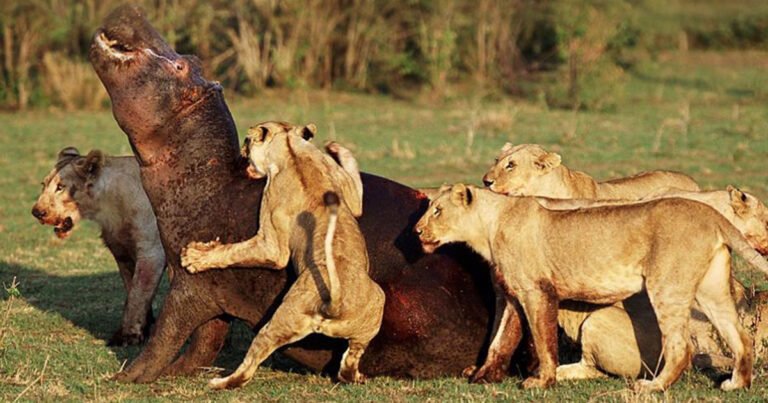
Dec 5, – 1 Day Mikumi Fly-In Group Safari From Zanzibar 2026
A practical guide to the December 5, 2026, group fly-in safari to Mikumi National Park. Learn about the itinerary, group logistics, and how to book your seat.
View package detailsNov 26, – 4 Day Nyerere And Mikumi Group Joining Safari 2026
A detailed guide to the November 26, 2026, 4-day group joining safari covering Nyerere National Park and Mikumi National Park, including logistics, wildlife expectations, and booking steps.
View package details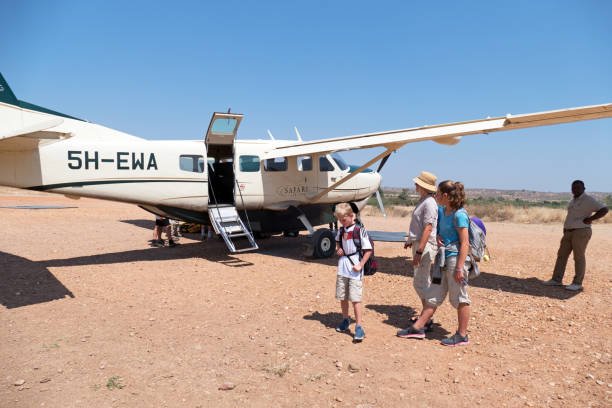
Zanzibar To Mikumi Safari By Flight: Prices & Travel Options 2026-2027
A practical guide to the logistics, costs, and planning steps for flying from Zanzibar to Mikumi National Park.
View package details
Dec 13, – 2 Day Nyerere Fly-In Group Safari From Zanzibar 2026
A detailed guide to the December 13, 2026 group fly-in safari from Zanzibar to Nyerere National Park, covering the itinerary, logistics, and planning for your trip.
View package detailsDec 6, – 3 Day Tarangire, Lake Manyara And Ngorongoro Group Safari 2026
Dec 6, 2026 – 3 Day Tarangire, Lake Manyara and Ngorongoro Group Safari.
View package detailsDec 2, – 2 Day Tarangire And Ngorongoro Group Joining Safari 2026
Planning a trip for December 2, 2026? Join our 2-day shared safari to Tarangire and Ngorongoro. Perfect for travelers seeking an efficient, cost-effective wildlife experience.
View package details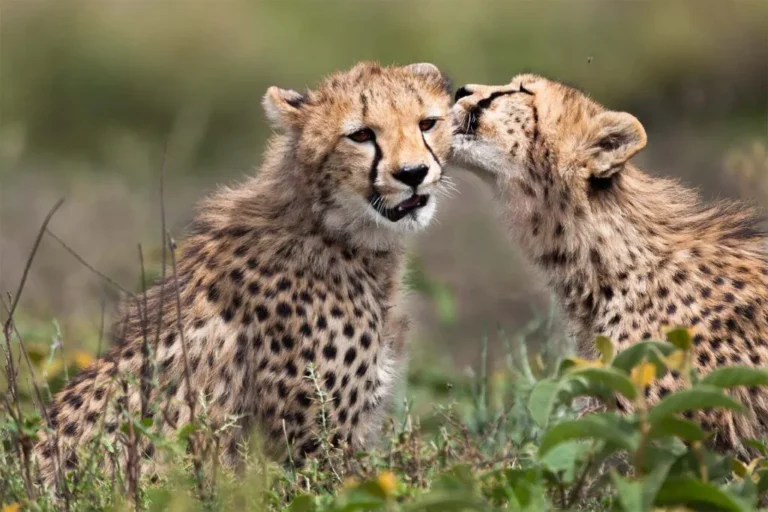
Nov 28, – 3 Day Fly-In Serengeti Group Safari From Zanzibar 2026
A detailed look at the 3-day fly-in Serengeti group safari departing November 28, 2026, including logistics, itinerary highlights, and travel tips for your Tanzania adventure.
View package detailsNov 6, – 3 Day Serengeti And Ngorongoro Budget Group Safari 2026
A detailed look at our November 6, 2026 group departure for a 3-day Serengeti and Ngorongoro safari, including planning tips and route logistics.
View package detailsOct 27, – 3 Day Serengeti And Ngorongoro Group Safari 2026
Planning for a short, high-impact wildlife adventure? Our October 27, 2026, group safari offers a direct route through the Serengeti and Ngorongoro Crater, perfect for travelers with...
View package detailsNo related package matches those filters. Clear one or more filters to see the other topic-matched options.



