
The Nov 15, 2026 – 2 Day Mikumi Fly-In Group Safari from Zanzibar is a structured, shared-cost excursion designed to get travelers from the island of Zanzibar to the wildlife-rich plains of Mikumi National Park with minimal transit time. By choosing a fly-in group departure, you bypass the long ferry and road journey, maximizing your time for game drives. This specific November departure aligns with the ‘short rains’ season, which often brings vibrant green landscapes and excellent birdlife, making it a distinct choice for those visiting Tanzania in late 2026. Because this is a group departure, availability is limited; we recommend contacting our team via WhatsApp at +255 747 477 898 to confirm current seat availability for this specific date.
Understanding the 2-Day Mikumi Fly-In Concept
When you are based in Zanzibar, the biggest logistical hurdle to visiting a national park is the distance. Mikumi is technically the closest park to the coast, but road travel involves a ferry crossing and hours of driving. For a 2-day trip, road travel is inefficient—you would spend more time in a vehicle than watching wildlife. This is why we operate the fly-in format.
The flight from Zanzibar to the Mikumi airstrip takes approximately one hour. This allows you to land in the park, complete your check-in, and be on a game drive by the afternoon of your first day. It effectively turns a standard 2-day trip into a high-intensity wildlife experience rather than a travel-heavy marathon. By joining a group departure like the one scheduled for November 15, 2026, you share the costs of the bush plane charter, the park entry fees, and the 4×4 safari vehicle, making the trip significantly more accessible than a private booking.
The Itinerary: What Happens on Your 2-Day Trip
This itinerary is built for efficiency. We do not waste time on unnecessary stops. Below is the typical flow of operations for our 2-day group departures.
Day 1: Zanzibar to the Heart of Mikumi
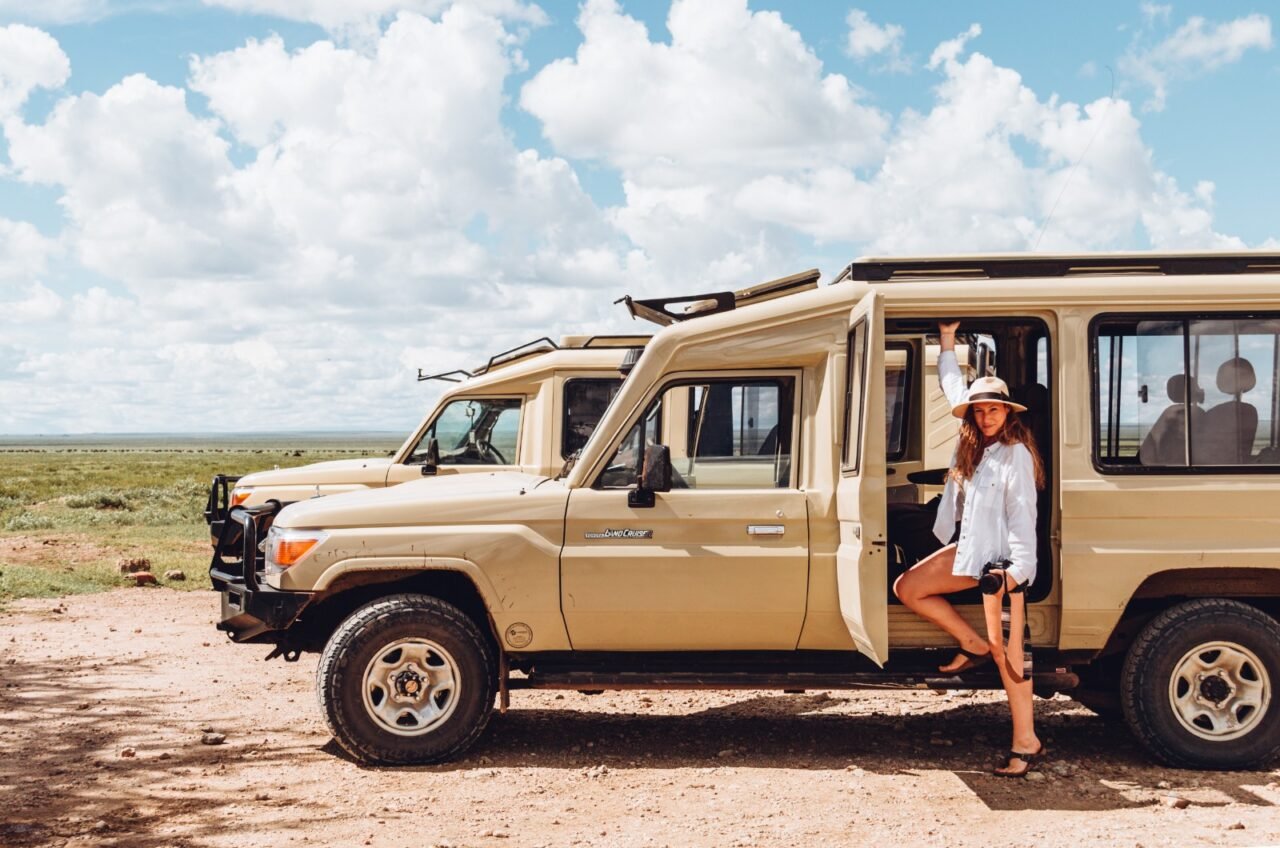
Your journey begins early at the Zanzibar airport (ZNZ). We facilitate the transfer and flight logistics to ensure you arrive at the Mikumi airstrip in time for a mid-morning pick-up. Upon landing, you will meet your professional safari guide, who will be waiting in a 4×4 land cruiser with a pop-up roof.
After a quick briefing, you head straight into the park. Mikumi is famous for its open plains, which are often compared to the Serengeti. You will spend the afternoon tracking herds of buffalo, elephants, and giraffes. Lunch is usually served at a lodge or a designated picnic site within the park boundaries. The afternoon game drive continues until sunset, followed by dinner and an overnight stay at a lodge inside or just on the edge of the park.
Day 2: Morning Wildlife and Return Flight
The second day starts before sunrise. This is when the predators—lions, leopards, and hyenas—are most active. The cooler morning temperatures also mean that animals are more likely to be on the move rather than hiding in the shade. You will spend the morning exploring different sectors of the park, perhaps visiting the Mkata Floodplain, which is the primary wildlife viewing area.
After a final lunch in the bush, your guide will drive you back to the Mikumi airstrip for your afternoon flight back to Zanzibar. You will arrive back on the island in time for dinner, having completed a full safari experience in just 48 hours.
Why Join a Group Departure?
The November 15, 2026, date is a group joining departure. This means you are not paying for the entire vehicle or plane charter yourself. If you are a solo traveler or a couple, this is the most cost-effective way to see Tanzania’s wildlife. Here are the key advantages:
- Shared Costs: The expenses for the bush plane and the 4×4 safari vehicle are divided among the group, which significantly lowers the price per person compared to a private tour.
- Social Atmosphere: Group safaris are a great way to meet like-minded travelers from all over the world. It’s a shared adventure where you get to compare photos and experiences.
- Expert Guidance: You still get the same high-quality guide and the same vehicle access as a private group. The service level is identical; only the logistics are shared.
However, it is important to note that group sizes are capped. We do not pack vehicles to their maximum capacity because we prioritize your comfort and viewing ability. If you have specific concerns about group size or privacy, please reach out to us at climb4africa@gmail.com to discuss the current roster for the November 15th trip.
Planning for November: The Short Rains
Many travelers ask about the weather in November. In Tanzania, this is the period of the ‘short rains.’ It is not a monsoon; it is typically characterized by short, refreshing afternoon showers that clear up quickly. From a safari perspective, this is a fantastic time to visit.
The rain turns the landscape lush and green, which is excellent for photography. Dust levels drop significantly, improving visibility. While some people prefer the dry season, the ‘short rains’ offer a more vibrant, emerald-colored backdrop for wildlife viewing. Furthermore, the parks are less crowded than during the peak July-August season, meaning you often have better sightings without the cluster of other safari vehicles.
Practical Logistics for Your Trip
Because this is a fly-in safari, there are strict logistical rules you must follow to ensure the trip goes smoothly.
Luggage Restrictions
Bush planes have very strict weight and space limits. You must pack in soft-sided duffel bags. Hard-shell suitcases are often impossible to fit into the cargo holds of small aircraft. Aim for a maximum of 15kg (33 lbs) per person. If you are staying on Zanzibar before or after your safari, most hotels will allow you to store your main luggage with them while you take only the essentials to the park.
Visa and Entry Requirements
Ensure your Tanzania visa is in order before you arrive. If you are already in Zanzibar, you have already cleared immigration for Tanzania, but always carry your passport. Park fees are included in our standard group package, so you do not need to worry about paying these at the gate.
Health and Safety
Mikumi is a malaria-endemic area. Please consult with your doctor regarding anti-malarial medication before your trip. Additionally, while the park is safe, always follow your guide’s instructions when you are in the 4×4 vehicle. Never exit the vehicle unless you are in a designated area or specifically instructed that it is safe to do so.
How to Book Your Spot
Since the November 15, 2026, departure is a scheduled group trip, seats are allocated on a first-come, first-served basis. To secure your place, follow these steps:
- Verify Availability: Send a message to our team via WhatsApp at +255 747 477 898 or email info@climb-4-africa.com. Mention the date (Nov 15, 2026) and the number of people in your party.
- Receive the Quote: We will confirm if there are still seats available and provide the current package price, which includes your return flights, park fees, accommodation, and guiding services.
- Confirm and Book: Once you are ready, we will guide you through the booking process to lock in your spot for that specific group departure.
If this date is already fully booked or doesn’t align with your Zanzibar itinerary, do not worry. We operate regular fly-in safaris throughout the year. We can also look at alternative dates or suggest other parks like Nyerere National Park, which is another excellent destination for short fly-in trips from the island. For more options, you can view our full list of Tanzania group departures to see if another date fits your travel window better.
Frequently Asked Questions
Is the flight included in the package price?
Yes. Our fly-in safari packages from Zanzibar are all-inclusive regarding the logistics. This covers your return flights between Zanzibar and the Mikumi airstrip, the 4×4 vehicle, the driver-guide, and the park entry fees.
What is the accommodation like?
For our group fly-in safaris, we use established mid-range lodges or tented camps located inside or near the park. These provide comfortable beds, en-suite bathrooms, and dining facilities, ensuring you have a restful night after a long day of game viewing.
Can I bring my camera equipment?
Absolutely. Photographers love the fly-in safaris because of the access they provide. However, remember the luggage limit. If you have heavy professional gear, please let us know during the booking process so we can manage the weight allowance with the flight operator.
What if the flight is canceled due to weather?
While rare, weather can occasionally affect small aircraft schedules. We monitor conditions closely. If a flight is delayed or rescheduled, our team in Zanzibar and on the ground in Mikumi will handle the rebooking and logistical adjustments, keeping you informed at every step.
Whether you are a solo traveler looking to join a group or a pair seeking a smooth adventure, the November 15, 2026, Mikumi Fly-In Safari offers an efficient, high-value way to experience Tanzania’s wildlife. We look forward to helping you plan your 2026-2027 adventure. Get in touch with us today to secure your place.
Exploring the Mkata Floodplain: The Heart of Your Safari
The core of your Mikumi experience centers on the Mkata Floodplain, often referred to by seasoned travelers as a ‘mini-Serengeti.’ Unlike the dense, forested environments found in some other Tanzanian parks, the Mkata Floodplain is characterized by vast, open grasslands that provide exceptional visibility. This geography is the primary reason why Mikumi is so effective for a short 2-day trip; you do not need to spend hours searching through thick bush to find wildlife. The open nature of the plains makes the animals stand out against the horizon, allowing for consistent and rewarding game viewing from the comfort of your 4×4 vehicle.
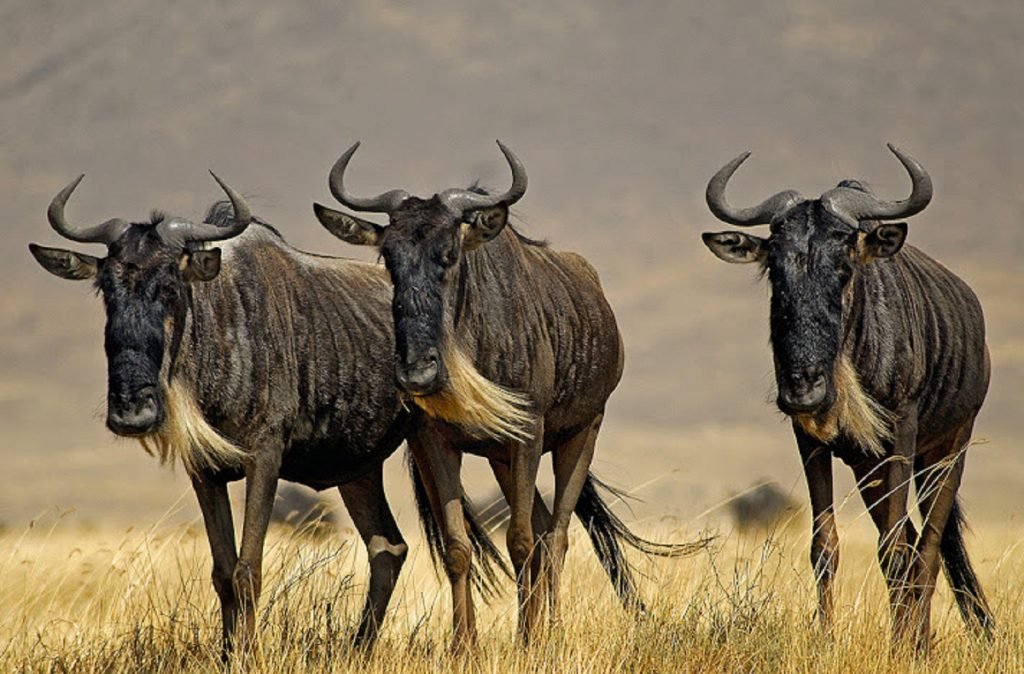
In this ecosystem, you will frequently encounter large herds of buffalo, wildebeest, and zebra grazing in the open. The floodplain is also a stronghold for elephants, which are often seen moving in family groups near the water holes or crossing the main tracks. Because the area is relatively flat, your guide can spot predators like lions or, more rarely, leopards from a distance, allowing you to position the vehicle for the best possible photographic angles without disturbing the natural behavior of the wildlife.
Transitioning from Zanzibar: From Coast to Savannah
Traveling from the Zanzibar archipelago to the Mikumi interior involves more than just a change in location; it involves a distinct shift in environmental conditions. While Zanzibar is defined by its humid, tropical coastal climate and sea-level elevation, Mikumi sits on a plateau at a higher altitude. This inland location generally experiences a drier climate with more pronounced temperature fluctuations.
When you land at the Mikumi airstrip, you will likely notice that the air feels less humid and the heat can be more intense during the midday sun. However, because you are on a plateau, the early mornings and evenings can be surprisingly crisp, especially during the ‘short rains’ period in November. It is essential to dress in layers. A lightweight, breathable long-sleeved shirt is ideal for protection against the sun and insects during the day, while a light fleece or windbreaker is highly recommended for the early morning game drives when the vehicle is moving and the wind chill factor is significant. This transition from the relaxed, beach-centric atmosphere of the island to the active, observational nature of a safari is part of the unique appeal of the 2-day fly-in format.
The Sensory Shift: From Zanzibar’s Coast to the Bush at Night
The transition from the Zanzibar archipelago to the Mikumi interior involves more than just a change in geography; it represents a profound shift in your sensory environment. While your time on the island is likely defined by the rhythmic, constant sound of the Indian Ocean, the gentle breeze, and the background hum of coastal life, the bush environment operates on an entirely different frequency. Understanding this difference is key to enjoying your two-day excursion.
When you settle into your accommodation in Mikumi—whether it is a lodge or a permanent tented camp—you will notice that the “silence” of the bush is rarely silent. As the sun sets, the environment comes alive with a complex soundscape. You may hear the distant whoop of a spotted hyena, the chirping of cicadas, or the rustle of bushbabies in the trees near your room. If you are staying in a tented camp, these sounds are more pronounced, as the canvas walls provide a unique, in-depth connection to the surroundings. This is not a disturbance; it is the heartbeat of the ecosystem you have traveled to witness. Travelers who are accustomed to the sound-dampened environments of urban hotels often find this transition jarring at first, but seasoned safari-goers view it as the highlight of the trip. Embracing these nocturnal sounds is part of the authentic African experience.
Furthermore, the lighting conditions in the bush are drastically different from the coastal resorts. Light pollution is virtually non-existent in Mikumi. This creates an unparalleled opportunity for stargazing. On a clear November night, the Milky Way is often visible with the naked eye. We recommend stepping outside your accommodation after dinner to observe the night sky, but always remain within the designated camp boundaries. The proximity of wildlife to the camp perimeter is a reality of the park, and for your safety, night-time movement must be restricted to escorted paths.
Navigating the Group Dynamic in Your 4×4
Since the November 15, 2026, departure is a group-joining safari, the quality of your experience is partially dependent on the group dynamic within your 4×4 vehicle. You will be sharing a confined space with fellow travelers for the better part of two days, and following basic “safari etiquette” ensures that everyone has a productive and enjoyable trip.
The most important rule in a shared vehicle is the management of sightlines. When your guide stops for a lion, elephant, or leopard, the excitement is palpable. However, crowding to one side of the vehicle can cause the 4×4 to tilt or block the view for others. Always be mindful of your fellow passengers. If you are sitting on the right side of the vehicle and the animal is on the left, resist the urge to lean across your seatmate. Instead, wait for your turn or ask to rotate positions if the vehicle is not full. Most vehicles have pop-up roofs; if you are standing to take photographs, be aware of the “elbow space” you are occupying. If you have a large telephoto lens, try to keep it within your designated window area to avoid bumping into others.
Communication is equally vital. If you have a specific interest—such as birdwatching or landscape photography—let your guide know early on the first day. The guide manages the vehicle’s pace, but they are also juggling the interests of everyone in the group. If you are part of a group that prefers to spend an hour watching a pride of lions, while you would prefer to keep moving to see more, try to be patient. Safari is a game of patience, and often, the most rewarding sightings occur when the vehicle remains stationary for a prolonged period. If there is a genuine conflict in interests, speak to your guide during a break; they are experienced in balancing these demands to ensure the group remains satisfied.
Finally, remember that the 4×4 vehicle is your “safe zone.” While it can feel like a mobile viewing platform, it is also a tool for wildlife management. Never stand up while the vehicle is in motion, and avoid making loud, sudden noises when you are close to wildlife. Animals in Mikumi are accustomed to the shape and sound of the vehicles, but they can be spooked by erratic human behavior. By maintaining a calm, observant presence, you ensure that the wildlife remains relaxed, allowing for much better, more natural sightings for everyone in your group.
Maximizing Your Game Drive Success: The Art of the Safari Spotting
Many first-time safari-goers assume that wildlife viewing is a passive activity—a belief that you simply sit in the vehicle and wait for the guide to point out the animals. While your guide is a trained expert with years of experience, the most successful and memorable safari experiences are collaborative. In Mikumi, the terrain is vast and varied, ranging from the open Mkata Floodplain to the miombo woodlands. To truly get the most out of your game drives, you need to shift your visual focus from a broad scan to a more granular, active search.
Instead of scanning the horizon for a full silhouette of a lion or elephant, start looking for “interruptions” in the landscape. A flick of an ear, a rhythmic twitch of a tail, or a patch of color—like the unnatural shade of an impala’s coat against the dry grass—are the cues that lead to the best sightings. When you are in the vehicle, use your binoculars constantly, even when the engine is running and you are moving. If you spot something, do not shout or make sudden movements, as this can spook the wildlife. Instead, point with your whole arm in the direction of the sighting or use the clock-face method (e.g., “three o’clock, near the base of that acacia tree”) to help your guide locate it quickly.
The relationship between you and your guide is a feedback loop. If you are particularly interested in birdlife, mention it early. If you want to spend more time observing a specific behavior, such as a giraffe feeding or a group of baboons interacting, communicate that. However, be prepared for the guide to decline if they know that lingering too long might cause you to miss a more significant sighting elsewhere. The guide is managing the vehicle’s position to ensure you have the best photographic angles, but they are also reading the animals’ body language. If the guide tells you to be quiet or to sit down, do so immediately; they are often reacting to subtle signals of agitation in the animals that you might not yet have learned to recognize.
Understanding Wildlife Behavior During the Short Rains
The November 15 departure falls squarely into the period of the ‘short rains’ in Tanzania. For a safari traveler, this requires a shift in expectations regarding wildlife behavior. In the dry season, animals are forced to congregate around permanent water sources, making them predictable and easy to find. In November, as the rains begin to replenish the landscape, water becomes available in temporary pools throughout the park. This causes the wildlife to disperse.
You will notice that the game is more spread out. While this might seem like a disadvantage, it actually provides a much more authentic and rewarding experience. You are not simply driving to a crowded waterhole to see a lineup of animals; you are exploring the ecosystem as it comes to life. The vegetation begins to green up, providing excellent camouflage for predators. This is why the ‘art of spotting’ mentioned earlier becomes so critical during this season. You will need to look harder, but the reward is seeing animals in their natural, undisturbed state rather than in a desperate search for water.
Furthermore, November is a period of high activity for birdlife. Many migratory species arrive in Tanzania during this time, and the insect population explodes, which in turn triggers a flurry of activity among insectivorous birds and small mammals. If you have an interest in photography, this is a fantastic time for macro shots or capturing the vibrant colors of birds like the lilac-breasted roller or various kingfishers, which are often more active and visible than the larger mammals during the midday hours.
The Post-Safari Transition: Returning to the Island Rhythm
The return flight to Zanzibar is often a moment of quiet, intense reflection. You are moving from the high-octane sensory input of the bush—the smell of dry earth, the sound of cicadas, the adrenaline of spotting a predator—back to the rhythmic, humid, and salt-laden atmosphere of the coast. It is a jarring, albeit wonderful, shift. Many travelers report a sense of ‘safari withdrawal’ upon landing at the Zanzibar airport, where the immediate transition back into the island’s bustling, tropical environment can feel disorienting.
To manage this transition, it is helpful to have a plan for your arrival. You will likely be covered in a fine layer of ‘safari dust,’ which is a badge of honor but can be uncomfortable. Upon landing, don’t feel pressured to jump immediately into a tour or a crowded beach party. Give yourself an hour to decompress. If your hotel allows, aim for a late afternoon check-in or have a quiet dinner planned. The contrast between the silent, vast plains of Mikumi and the vibrant, noisy streets of Stone Town or the rhythmic waves of the coast is profound. Taking a moment to process the transition allows you to appreciate the unique beauty of both environments without letting one experience blur into the other.
Lastly, remember that your gear will need attention. The dust of the Mikumi plains is fine and pervasive. Before you put your camera equipment or clothing back into your main suitcase, give them a quick wipe down. If you have a professional camera lens, ensure you check the seals. The transition from the dry, dusty interior back to the humid, salty air of Zanzibar can cause condensation inside sensitive equipment if not managed correctly. Keeping your gear in a sealed bag during the flight back is a simple but effective way to protect your equipment from the sudden change in humidity.
Dining and Dietary Accommodations in the Bush
One of the most frequent logistical questions for travelers joining a group safari is how meal arrangements function when you are deep in the park, away from the infrastructure of Zanzibar’s resorts. On a 2-day Mikumi fly-in, your meals are typically handled by your lodge or tented camp, but the structure of these meals is tailored to the safari schedule rather than standard hotel operating hours. Understanding this allows you to better prepare for the days ahead.
Breakfasts are almost always early—often before sunrise—to align with the prime wildlife viewing hours. Expect a continental-style breakfast at the lodge before departure, or in some cases, a ‘bush breakfast’ if the itinerary dictates a longer morning game drive. Lunch is usually a buffet-style meal served back at the lodge or camp, providing a necessary break during the hottest part of the day when wildlife activity naturally dips. Dinner is the main social event of the day, where you will likely dine with your fellow group members, sharing stories of the day’s sightings.
Crucially, if you have specific dietary requirements—such as vegetarian, vegan, gluten-free, or halal—you must communicate these well in advance. Because your lodge in Mikumi may be remote, they do not have the same access to the diverse, on-demand supply chains found in Zanzibar’s Stone Town. The kitchens plan their inventory based on the guest list provided by the tour operator. When you book your November 15 spot, ensure your dietary needs are explicitly noted in your booking correspondence. While lodges are accustomed to catering to international travelers, last-minute requests upon arrival are extremely difficult to accommodate due to the logistical challenges of restocking supplies in a national park.
The Role of the Driver-Guide as Your Safari Navigator
Your driver-guide is the single most important variable in the success of your 2-day safari. In a group setting, this individual acts as your navigator, wildlife expert, and logistical coordinator. On a fly-in trip, you are not just hiring a driver; you are hiring someone who understands the micro-geography of the Mkata Floodplain. They know where the lion prides tend to rest during the short rains and which waterholes are currently attracting the most elephant activity.
During your game drives, the guide’s role is to balance the interests of the group. If one passenger is particularly interested in birdwatching while another wants to track predators, the guide must manage these competing priorities to ensure everyone leaves satisfied. They do this by constantly scanning the horizon, listening to the bush for alarm calls from impalas or baboons, and communicating via radio with other guides in the park. This network of communication is vital; if another vehicle spots a leopard, your guide will know about it immediately and adjust your route accordingly. To get the most out of this dynamic, engage with your guide early. Ask questions about the ecosystem, the park’s history, and the behavior of the animals you see. The more you interact, the more they can tailor the drive to the group’s collective curiosity.
Preparing for the Bush: Essential Gear and Clothing Strategy
One of the most common oversights for travelers transitioning from the tropical climate of Zanzibar to the interior of Mikumi is clothing selection. While Zanzibar is defined by high humidity and the expectation of beachwear, the safari environment requires a completely different approach. Because you are flying into the park, you have limited space, so your wardrobe must be functional, versatile, and suitable for the specific conditions of mid-November.
The climate in Mikumi during November, being the start of the short rains, is dynamic. You will likely experience hot, sunny mornings followed by sudden, cooling afternoon showers. The most effective strategy is layering. Start with lightweight, breathable fabrics like linen or moisture-wicking synthetics. Avoid dark blue or black clothing, as these colors are known to attract tsetse flies, which can be present in parts of the park. Instead, opt for neutral tones—khaki, beige, olive, or light brown. These colors not only help you blend into the environment, which is less disruptive to wildlife, but they also hide the dust of the bush much better than white or bright colors.
Footwear is another critical consideration. You will not be doing extensive trekking on foot, as all game drives are conducted from within the 4×4 vehicle, but you do need shoes that are comfortable for climbing in and out of the vehicle and walking around your lodge. A sturdy pair of closed-toe walking shoes or lightweight hiking sneakers is ideal. Avoid sandals or flip-flops for the game drives; the bush can be thorny, and the ground around the vehicle can be uneven or muddy if it has recently rained. Additionally, if your lodge offers a guided nature walk, you will absolutely need closed shoes for safety.
Beyond clothing, your “day bag” is the most important item you will carry. Since you are sharing a vehicle in a group setting, space is at a premium. A compact, soft-sided backpack is perfect for storing your essentials. Inside, you should prioritize a few key items: a high-quality pair of binoculars, a wide-brimmed hat, polarized sunglasses, and a reliable sunscreen. Even on cloudy days, the equatorial sun is intense. Furthermore, bring a small power bank for your phone or camera batteries. While some lodges have charging ports, they may not be available inside the safari vehicle, and you do not want to run out of battery just as a lion pride emerges from the tall grass.
Finally, consider your insect protection strategy. Mikumi is a malaria-endemic area, and while your primary defense is your prescribed anti-malarial medication, physical barriers are equally important. Pack an insect repellent with a high DEET concentration and apply it before you head out for your morning and evening game drives, as these are the peak times for mosquito activity. Long sleeves and long trousers, especially during the early morning and after sunset, provide an excellent final layer of protection against both insects and the occasional brush with thorny acacia branches.
Ethical Wildlife Observation and Photography Etiquette
Once you are in the field, the experience of encountering wildlife is often intense and fleeting. While it is natural to want to capture the moment, there is a distinct etiquette to wildlife observation that ensures both the welfare of the animals and the quality of the experience for everyone in your group. The primary rule of any safari, particularly in a shared-vehicle setting like our Mikumi fly-in, is the ‘observe first, photograph second’ principle. Many travelers make the mistake of immediately raising their camera or phone the moment an animal appears. By doing so, you risk missing the raw, unmediated behavior of the animal—the flick of an ear, the tension in a predator’s muscles, or the subtle interaction between herd members. Take the first thirty seconds to watch with your own eyes; the memory of the actual encounter is often more vivid than the photograph you might capture.
In a shared 4×4 environment, shutter noise and equipment management become part of the collective experience. If you are using a professional DSLR or mirrorless camera with a high-speed burst mode, be mindful of the noise. While it is a natural part of photography, a barrage of rapid-fire clicking can be distracting to fellow passengers who are trying to enjoy the silence of the bush. Furthermore, be conscious of your equipment’s footprint. Long lenses can easily bump into the person sitting next to you or block their line of sight. If you are using a large telephoto lens, communicate with your seatmates before the game drive begins to establish a protocol for who takes the ‘window’ seat for specific sightings, or simply rotate your position if the vehicle occupancy allows. This prevents the friction that can arise when one person dominates the best viewing angle for an extended period.
Perhaps the most critical aspect of your conduct involves the ‘guide’s authority’ regarding the vehicle’s position. You may be tempted to ask your driver to drive off the marked track to get a closer shot of a lion or elephant. In Mikumi National Park, off-road driving is strictly prohibited to protect the delicate soil and vegetation of the floodplain. Your driver-guide is legally and ethically bound to stay on the designated tracks. Pushing your guide to break these rules not only risks heavy fines and the potential loss of their guiding license but also causes unnecessary stress to the wildlife. If an animal is moving away, accept it; following or ‘chasing’ wildlife is counterproductive and often causes the animal to retreat further into the bush, ending the sighting for everyone.
Finally, understand the necessity of silence during critical sightings. When the vehicle engine is cut, the bush is remarkably quiet. Whispering is acceptable, but loud conversations or phone notifications can alert the animals to your presence, causing them to become skittish or leave the area. The ultimate goal of your game drive is to witness the animals in their natural state, behaving as if you are not there. By adhering to these standards of behavior, you maximize the chances of extended, peaceful sightings and ensure that your presence in the park remains low-impact and respectful.
Understanding the Mikumi Fly-In Airstrip Logistics
One of the most critical, yet often overlooked, aspects of your 2-day fly-in safari is the nature of the airstrip itself. Unlike major international airports where you disembark onto a jet bridge and walk into a climate-controlled terminal, the Mikumi airstrip is a remote, unpaved bush strip located directly within the park boundaries. Understanding this arrival experience is key to managing your expectations and preparing for the immediate transition from air travel to safari mode.
When your bush plane touches down on the gravel runway, the engine noise cuts, and you are immediately greeted by the silence of the savannah. There is no formal terminal building. Instead, your driver-guide will be waiting for you right at the edge of the airstrip, often with the 4×4 vehicle already positioned to receive your luggage. This transition is instantaneous. You are not checking into a hotel or navigating customs; you are effectively stepping off the plane and into the wilderness. It is common for wildlife, such as impalas or warthogs, to be grazing within a few hundred meters of the landing strip, meaning the safari experience begins the moment your feet hit the ground.
Because these airstrips are not high-traffic commercial hubs, the flight operations are highly dependent on daylight and weather conditions. This is why our 2-day itinerary emphasizes early morning departures from Zanzibar. In aviation terms, these are ‘VFR’ (Visual Flight Rules) operations. Pilots navigate by sight, which means they must land before sunset and during daylight hours to ensure safety. If you are delayed at the Zanzibar airport due to late arrivals or transit issues, it directly impacts the pilot’s ability to land in Mikumi. This is why arriving at the Zanzibar airport at least 90 minutes before your scheduled domestic flight is not a suggestion—it is a strict requirement for the group dynamic.
Furthermore, the airstrip serves as a logistical nexus for your entire 2-day trip. Your driver-guide uses this location as a base of operations. Should there be any last-minute changes to park access or sudden road closures due to the November rains, the airstrip is the primary communication point. It is where you will likely return on the second day for your departure flight. Keeping your luggage organized and accessible for quick loading and unloading is essential here. Since you will be transferring directly from the small aircraft to your safari vehicle, having your day pack—containing your camera, sunscreen, hat, and water—ready to go ensures you don’t waste time rummaging through your main bag while the plane is being serviced or unloaded.
Managing Expectations at Remote Airstrips
It is important to recognize that the ‘facilities’ at the airstrip are non-existent. There are no restrooms, cafes, or waiting lounges. You are in the middle of a protected wildlife area. If you need to use the facilities, you must do so before leaving your hotel in Zanzibar or wait until you arrive at the lodge or camp. This lack of infrastructure is part of the charm and the raw nature of a fly-in safari, but it requires a mindset shift. You are visiting a wild place, and your comfort depends on the preparation you do before you board that plane.
Lastly, ensure your communication with the driver-guide is clear upon arrival. When you land, you may be sharing the airstrip with other travelers on different itineraries. Your guide will typically hold a sign or be clearly identified by the company uniform. If you land and do not immediately see your guide, remain near the aircraft and wait for the ground staff to assist you. Never wander off into the bush to take photos of distant animals while waiting; the area around the airstrip is still active wildlife territory, and staying close to the vehicle or the plane is the standard safety protocol for all incoming flights.
The Evening Lodge Experience: Immersing Yourself in the Bush After Dark
After the adrenaline of your final afternoon game drive, arriving at your lodge is not merely a check-in procedure; it is a profound shift in your environmental reality. Unlike the coastal resorts of Zanzibar, where the evening is often marked by the rhythmic, predictable sound of the Indian Ocean tides and the hum of distant beach activity, the evening in Mikumi is defined by the sudden, heavy silence of the wilderness. As the sun dips below the horizon—a process that happens with startling speed in the tropics—the bush undergoes a rapid transformation. The heat of the day dissipates, replaced by a cooling breeze, and the daytime chorus of birds is replaced by the complex, often mysterious nocturnal symphony of the savannah.
For many travelers, this transition is the most memorable part of the two-day safari. As you step out of your 4×4, you will notice the dust of the Mkata Floodplain clinging to your clothes—a tangible souvenir of the day’s adventure. The lodge environment is designed to bridge the gap between the wild and the comfortable. Most mid-range accommodations used for these group fly-in safaris are unfenced or semi-fenced, meaning the boundary between your living space and the wild is porous. This is not a deterrent; it is the entire point. You are not observing nature from a distance; you are sleeping within it.
The social dynamic of the evening meal is entirely different from a standard hotel dinner. In the group setting, the dining area becomes the hub for processing the day’s intensity. You will find yourself sitting with fellow travelers—people you likely did not know forty-eight hours ago—sharing digital cameras and phones to compare photographs of the lions, elephants, or giraffes you spotted. There is a palpable sense of camaraderie that builds quickly in the bush. The conversation is rarely about the mundane; it is focused on the “what-ifs” and the “did-you-sees” of the game drive. This shared experience creates a bond that is unique to the short-duration safari format.
However, the most critical aspect of the evening is the “bush routine.” In the city or on the beach, the night is a time for activity, dining, and perhaps socializing until late. In the bush, the rhythm is dictated by the sunrise. Because the most productive wildlife viewing occurs at dawn—when predators are still active and temperatures are low—you will find that the lodge culture encourages an early night. By 9:00 PM, most of the camp is quiet. This is not a restriction; it is a necessity for maximizing your second day. You will likely find yourself retreating to your room or tent earlier than you would on a beach holiday, lulled by the sounds of the night.
Speaking of the night, you must manage your expectations regarding the “darkness.” When you walk from the dining area to your room, you will be escorted by a staff member with a flashlight. This is standard safety protocol. While the lodge grounds are safe, you are in an area where wildlife is active. It is common to hear the distant, haunting call of a hyena or the rustle of bushbuck moving through the camp perimeter. Do not be alarmed; this is the authentic sound of the African interior. The staff are highly trained in wildlife behavior and will ensure your path is clear. Always follow their instructions, walk in a group if you are moving between structures, and never attempt to wander beyond the lit pathways of the camp after dark. The bush at night is not a place for exploration; it is a place for observation from the safety of your accommodation.
Finally, consider the mental transition. The “Safari High” is real—the adrenaline of spotting wildlife leaves you mentally stimulated even when physically exhausted. As you lie in bed, listening to the sounds of the night, you are effectively recalibrating your senses. You are moving from the high-octane sensory input of the game drive to a state of heightened awareness. This quiet time is when the reality of the experience settles in. It is the perfect moment to journal, review your camera settings for the following morning, or simply sit in silence and appreciate the vastness of the landscape you traversed just hours earlier. By embracing this evening rhythm rather than fighting it, you ensure that you wake up on the second day refreshed, alert, and ready for the early morning game drive, which is often the highlight of the entire trip.
Photographic Etiquette and Efficiency in a Group Safari
One of the most frequent sources of friction in a group-joining safari is the disparity in photographic ambition between passengers. You are sharing a vehicle with strangers, each with different priorities: some travelers are professional-grade photographers looking for the perfect lighting and behavioral shot, while others are content to simply observe the wildlife with their own eyes. In a 2-day, time-constrained itinerary, this difference in pace can become a logistical challenge.
To ensure a harmonious experience, it is essential to establish a ‘photographic protocol’ within the first hour of your drive. If you are the photographer, understand that you are not in a private vehicle. The most successful approach is to be ‘ready-to-shoot’ at all times. This means having your camera settings adjusted for the light conditions before you even leave the airstrip or lodge, and ensuring your batteries are charged and memory cards are clear. A photographer who fumbles with lens caps or settings while a cheetah is on the move is often the cause of frustration for the entire group. By minimizing your ‘setup time,’ you maximize the group’s ‘viewing time,’ which naturally reduces the need for the vehicle to remain stationary for long periods.
Conversely, if you are not a photographer, practice patience. A driver-guide will often stop for a significant amount of time because they see a unique behavior—perhaps a bird interacting with a mammal or a predator scanning the horizon. These moments are the essence of a safari. If you find yourself becoming impatient, try to view the scene through the photographer’s lens; often, the stillness required for a great photo is exactly what is needed to truly witness the subtle, fascinating behaviors of the bush that you would otherwise miss if you were driving past at speed.
Finally, trust your driver-guide to mediate. They are trained to balance the needs of the group. If a particular sighting is exceptional, they will naturally allow more time. If the sighting is common—such as a distant herd of impala—they will likely keep the vehicle moving to ensure you cover more ground and increase your chances of seeing more diverse wildlife. Avoid the temptation to instruct the driver to ‘stop here’ or ‘move on’ based on your personal preference; instead, communicate your interests at the start of the drive, and let the guide manage the vehicle’s pace according to the collective group interest and the park’s current wildlife activity.
Navigating the Airstrip-to-Lodge Transfer: The First Hour in the Bush
Upon landing at the Mikumi airstrip, the transition from the aircraft to your safari vehicle is often the most exhilarating moment of your trip. Unlike the structured arrival process at an international airport, this is a raw, immediate immersion into the park environment. The airstrip itself is typically unpaved, and you will likely see your 4×4 vehicle waiting near the edge of the runway as you disembark. This transfer is not just a drive to your accommodation; it is your first unofficial game drive.
Because your vehicle is already within the park boundaries, the engine will start the moment you stow your luggage, and the drive to your lodge will begin immediately. Travelers often make the mistake of assuming this transit is merely ‘travel time’—a period to relax or check their phones. In reality, this is prime wildlife viewing territory. The airstrip is located within the park, meaning animals are frequently encountered within minutes of leaving the tarmac. Giraffes, zebras, and impalas are common sights near the airstrip perimeter, and because you are moving from the open sky of the flight to the dense, earthy reality of the bush, your eyes will need a few minutes to adjust to the light and scale of the landscape.
During this first hour, your driver-guide will be balancing two objectives: getting you to the lodge for check-in and ensuring you don’t miss any immediate sightings. It is helpful to have your camera accessible—not buried in your main luggage—during this transit. Keep your gear ready, but do not feel pressured to photograph everything. This is a critical time to listen to your guide, who will provide the first of many briefings on the specific wildlife activity currently occurring in the park. They may mention where a pride of lions was spotted that morning or which watering holes are currently attracting the most elephant activity.
Logistically, this transfer is also when you should finalize your comfort needs for the afternoon. If you need to apply sunscreen, adjust your clothing layers, or hydrate, do so quickly while the vehicle is in motion or during a brief stop. Once you arrive at the lodge, the afternoon game drive itinerary usually commences shortly thereafter. By treating the transfer from the airstrip as an active part of your safari, you gain an extra hour of exploration that many less-prepared travelers inadvertently waste by being mentally disengaged.
Understanding the ‘Short Rains’ Impact on Road Conditions
Since your trip is scheduled for mid-November, you are traveling during the onset of the ‘short rains’ (known locally as the vuli). While this season is celebrated for turning the Mkata Floodplain into a lush, vibrant green, it does change the operational reality of the park’s road network. Unlike the long, heavy rains of April and May, the November rains are typically brief, intense, and followed by sunshine. However, even short bursts of rain can transform the dusty, hard-packed tracks of the park into slick, muddy surfaces.
Your driver-guide is highly experienced in navigating these conditions, but you should expect the pace of your game drives to be slightly different than in the bone-dry months of August or September. The vehicle may need to traverse deeper puddles or navigate around stretches of road that have become temporarily waterlogged. This is part of the authentic safari experience. You might find that the vehicle slows down in certain areas to ensure safety and traction, which actually works in your favor as a wildlife observer; a slower-moving vehicle provides a steadier platform for photography and a more thorough opportunity to scan the tall grasses for camouflaged predators.
It is important to trust your driver’s judgment if they decide to avoid a specific track or deviate from a planned route. They are constantly communicating with other guides in the park via radio, sharing information on which roads are passable and where the wildlife is congregating. If the group encounters a muddy patch, the driver may need to engage the 4×4 system or take a detour. This is standard procedure and should not be viewed as a delay, but rather as a necessary adjustment to the environment. In the short rains, the landscape changes daily, and your guide’s ability to read the terrain is what ensures you reach the best viewing spots without getting stuck.
Synchronizing the Group: The Morning of Departure at Zanzibar Airport
For many travelers, the concept of a ‘group departure’ implies a coordinated meeting point, yet the reality of flying out of Zanzibar International Airport (ZNZ) requires a specific logistical mindset. Unlike commercial airline travel, where you navigate a centralized check-in desk, baggage drop, and security gate, your fly-in safari departure is a more intimate, operator-managed process. On the morning of November 15, 2026, your group will not be converging at a random gate; you will typically be met by a designated operator representative at a pre-arranged meeting point, often near the private charter or VIP section of the airport. This individual is the lynchpin of your departure, responsible for checking your documentation, verifying your luggage weight against the aircraft’s manifest, and escorting the group through the necessary security checks.
The importance of punctuality in this context cannot be overstated. Because you are part of a shared-cost group charter, the aircraft’s departure time is often tightly integrated with the pilot’s flight plan for the rest of the day. If one participant is delayed, it creates a ripple effect that can shorten the time available for your afternoon game drive in Mikumi. When you receive your final briefing from the operator, note the exact ‘meet time’ rather than the ‘flight time.’ Aiming to arrive at the meeting point 15 to 20 minutes before the scheduled meet time allows you to settle in, meet your fellow travelers, and ensure your soft-sided bags are ready for the swift loading process that defines bush aviation.
Once the group is assembled, the transition to the aircraft is usually direct. You will be escorted to the tarmac, where your 4×4 or light aircraft will be positioned away from the heavy commercial traffic. This process removes the standard airport ‘waiting game,’ but it also removes the amenities you might be used to. There are no duty-free shops or cafes once you move into the charter area. Consequently, ensure you have your water, snacks, and any personal items for the one-hour flight in your carry-on before you reach the meeting point. This phase of the trip is the first moment where the ‘group dynamic’ is established; use this time to introduce yourself to your fellow travelers, as you will be sharing the same vehicle and lodge for the next 48 hours. A cohesive group that communicates well at the airport is almost invariably one that enjoys a more smooth and collaborative safari experience once they land in the bush.
The Dynamics of the ‘Mini-Serengeti’ Landscape: Navigating the Mkata Floodplain
While the Mkata Floodplain is frequently described as a ‘mini-Serengeti,’ this comparison often leads travelers to anticipate vast, unchanging savannahs. In reality, the geography of Mikumi National Park is far more complex, and understanding the terrain is essential for maximizing your two-day safari. The floodplain is a mosaic of habitats: open grasslands, acacia woodlands, miombo forests, and rocky outcrops. During your November 15, 2026, visit, the ‘short rains’ will have begun to transform this landscape. The grass will be transitioning from a dry, golden hue to a vibrant, verdant green. This shift is not merely aesthetic; it dictates where wildlife chooses to congregate and how your driver-guide will navigate the park.
In the open grasslands of the Mkata Floodplain, visibility is high. This is where you will likely spot the park’s famous herds of buffalo, zebra, and wildebeest. However, the short rains bring challenges to these open areas. As the ground saturates, the ‘black cotton’ soil—a heavy, clay-rich earth characteristic of the region—can become incredibly slick and sticky. Your driver-guide is trained to navigate these routes, but you may notice them avoiding certain tracks that would be easily passable in the dry season. Trusting their judgment is paramount; attempting to push through water-logged black cotton soil is the fastest way to get a 4×4 stuck, which would cut your game drive short. When the guide suggests an alternative route, it is almost always a calculated decision based on the current ground conditions, not a lack of effort to find animals.
The acacia woodlands, which border the floodplain, offer a different experience. Here, the canopy provides shade and shelter, and the density of the vegetation increases the difficulty of spotting wildlife. This is where the ‘art of the search’ truly comes into play. You are no longer looking for large herds in the open; you are scanning for movement in the dappled light of the acacia branches. Look for flicking tails, the glint of an eye, or the sudden flight of a bird. In these areas, the ‘short rains’ can actually be an advantage. The vegetation is lush, providing ample food for browsers like giraffes and elephants, which are often found in these wooded belts during the late morning hours when the sun begins to heat the open plains.
The Role of Termite Mounds in Mikumi’s Ecosystem
As you traverse the park, you will notice countless earthen structures rising from the ground: termite mounds. These are not just geological features; they are the architectural anchors of the Mikumi ecosystem. On your game drive, pay close attention to these mounds. They often serve as elevated vantage points for predators. Lions, in particular, are known to use these mounds as lookout posts to survey the surrounding plains for potential prey. If you see your guide slowing down near a large termite mound, it is likely because they are scanning the top for a pride of lions or a basking leopard.
Furthermore, these mounds are essential for the park’s smaller inhabitants. They provide drainage in the saturated soil and shelter for various reptiles and insects, which in turn attract birds. If you are a bird enthusiast, the termite mounds and the surrounding trees are your best bet for spotting the diverse avian life that thrives in the park during the November wet season. Do not be surprised if your guide pauses near these mounds; they are hotspots of biodiversity that are often overlooked by travelers focused solely on the ‘Big Five.’
Understanding the ‘Short Rains’ Water Dynamics
The arrival of the short rains in November fundamentally alters the water distribution in the park. In the dry season, wildlife is tethered to permanent waterholes, making them predictable. With the rains, temporary pools and wallows appear across the floodplain. This decentralizes the wildlife population. Animals no longer need to travel long distances to reach a central water source; they can graze and drink in smaller, more dispersed areas.
For the safari-goer, this means you must be more patient. You will not see the massive, congested wildlife gatherings you might find in the peak of the dry season. Instead, you will experience a more ‘natural’ distribution of animals. You might find a small group of elephants near a newly formed puddle or a herd of impala grazing in a remote corner of the floodplain that was inaccessible or dry just weeks prior. This dispersal is a testament to the park’s resilience and vitality. While it may require more ‘searching’ time, the reward is seeing wildlife in a more natural, less stressed state, unbothered by the intense competition for scarce resources. This is the authentic, wild experience of Mikumi that many visitors miss by focusing only on the high-density viewing zones.
Navigating Tipping Etiquette on a Group-Joining Safari
One of the most frequent sources of quiet anxiety for travelers on a group-joining safari is the social and logistical complexity of tipping. While the cost of your 2-day Mikumi package covers the flight, vehicle, fuel, and park fees, gratuities are a separate, essential component of the Tanzanian safari experience. In a group setting, this becomes a nuanced exercise in social coordination. Unlike a private safari where you are the sole decision-maker, joining a group means you are part of a collective experience, and understanding how to navigate this without awkwardness is key to a smooth trip.
The primary beneficiary of your gratuity is your driver-guide. This individual is not merely a chauffeur; they are your navigator, wildlife spotter, and logistical coordinator for the entire duration of your 48-hour journey. Because you are sharing the vehicle with strangers, you may find yourself wondering whether to tip individually or as a group. There is no hard-and-fast rule, but the most common and effective practice is to discuss this briefly with your fellow travelers on the second day. A collective tip for the driver-guide is often appreciated, as it simplifies the process and ensures the driver receives a meaningful sum that reflects the group’s appreciation for their service. If the group dynamic is such that you prefer to tip individually, that is also perfectly acceptable and common. The driver will not be offended by an individual gesture of thanks.
When it comes to the lodge staff—waiters, housekeeping, and kitchen crew—the standard practice is to use the communal tip box located at the reception area. Do not attempt to tip individual staff members during your stay; this can create confusion and is often against lodge policy. By using the communal box, you ensure that the entire team, including those working ‘behind the scenes’ in the kitchen or laundry, benefits from your generosity. It is advisable to bring small denominations of Tanzanian Shillings or clean, crisp US Dollars for this purpose. Avoid bringing very old or torn US bills, as these are difficult to exchange locally. If you find yourself without local currency, most lodges can assist with change, but arriving prepared allows you to focus on the experience rather than logistical errands.
Post-Safari Logistics: Re-integrating into Island Life
The return flight to Zanzibar is a distinct logistical event that requires as much preparation as the departure. When you land back at Zanzibar International Airport (ZNZ) on the second day, the transition back to island life can feel sudden. For many travelers, the most significant logistical challenge is the ‘re-entry’ process, particularly regarding your luggage and your onward hotel transfer. Because you have likely left your main luggage at your Zanzibar hotel for the duration of the 2-day trip, your arrival at the airport is the first step in a multi-stage process of reclaiming your belongings and returning to your vacation rhythm.
Before you depart for Mikumi on the first day, ensure you have communicated clearly with your Zanzibar hotel regarding your return. Most reputable hotels are well-versed in the ‘safari-departure’ routine and will happily store your large suitcases in a secure luggage room. When you land back in Zanzibar, do not expect your hotel to automatically know your flight has arrived. It is a proactive and wise move to send a quick message to your hotel concierge or front desk once you have landed, confirming your arrival time and requesting your airport transfer. This prevents unnecessary waiting at the arrivals terminal.
Furthermore, consider the ‘decompression’ factor. Returning from the dusty, adrenaline-filled plains of Mikumi to the humid, coastal environment of Zanzibar is a sensory shift. You will likely be tired, potentially covered in a fine layer of dust from the game drives, and perhaps a bit dehydrated. Plan your evening in Zanzibar accordingly. Do not schedule high-intensity activities or late-night dinners for the evening of your return. Allow yourself the grace of a slow, quiet evening to process the sights and sounds of the bush. Your body will appreciate the transition time, and it allows you to fully appreciate the contrast between the vast, open Mkata Floodplain you just left and the intimate, rhythmic tides of the Zanzibar coast. By managing your return logistics with the same attention to detail as your departure, you ensure that the end of your safari is as smooth and enjoyable as the journey itself.
The Aerial Perspective: Navigating the Bush Flight Experience
The flight from Zanzibar to Mikumi is often the most underrated component of the safari experience. Unlike commercial jet travel, where you are insulated from the landscape by high altitudes and pressurized cabins, a bush flight is an intimate, visual journey. You will likely be traveling in a light aircraft, such as a Cessna Caravan, which is the workhorse of the East African safari industry, specifically designed for short, rugged airstrips. Because these planes cruise at a much lower altitude than commercial jets, the transit provides a dramatic, unfolding map of Tanzania. You will start by seeing the turquoise hues of the Zanzibar channel, followed by the jagged, winding coastline of the mainland, and finally, the vast, undulating green canopy of the interior regions. It is, in effect, an aerial game drive before you even touch the ground.
From a passenger experience standpoint, be prepared for a louder, more tactile flight. These aircraft are not soundproofed like commercial airliners; the hum of the engine is constant and the ride can be more sensitive to thermals and wind currents. Most operators provide basic ear protection, but bringing your own noise-canceling headphones can make the hour-long transit significantly more comfortable. Furthermore, there is no cabin crew in the traditional sense. The pilot serves as both your navigator and your flight attendant. Listen closely to the pre-flight briefing—which covers weight distribution and safety protocols—as it is critical for the balance of the aircraft.
You may be asked to sit in a specific seat to balance the plane’s weight. Please do not view this as a suggestion; it is a non-negotiable safety requirement. By embracing the unrefined, utilitarian nature of the bush flight, you arrive at the Mikumi airstrip not just as a passenger, but with a heightened sense of anticipation, having watched the terrain shift from the Indian Ocean to the rugged heart of the African interior. This transition is not merely a transfer; it is the first act of your wilderness experience.
Related Guides and Packages
Check Availability for Nov 15, – 2 Day Mikumi Fly-In Group Safari From Zanzibar 2026
Ready to compare dates, prices, and the best option for your group? Send the package name and travel month so the team can reply with a clear quote, availability, and what is included.
Dec 5, – 1 Day Mikumi Fly-In Group Safari From Zanzibar 2026
A practical guide to the December 5, 2026, group fly-in safari to Mikumi National Park. Learn about the itinerary, group logistics, and how to book your seat.
View package details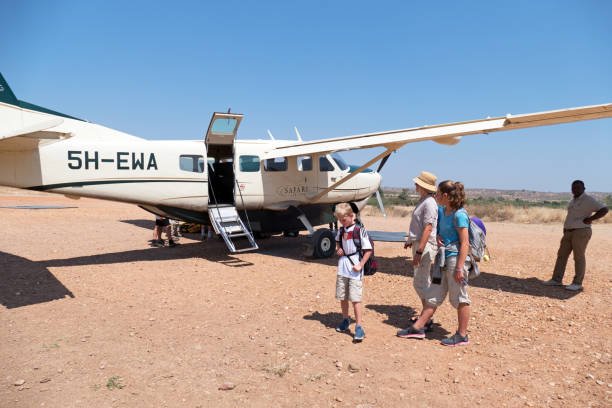
Zanzibar To Mikumi Safari By Flight: Prices & Travel Options 2026-2027
A practical guide to the logistics, costs, and planning steps for flying from Zanzibar to Mikumi National Park.
View package details
Dec 13, – 2 Day Nyerere Fly-In Group Safari From Zanzibar 2026
A detailed guide to the December 13, 2026 group fly-in safari from Zanzibar to Nyerere National Park, covering the itinerary, logistics, and planning for your trip.
View package details
Nov 28, – 3 Day Fly-In Serengeti Group Safari From Zanzibar 2026
A detailed look at the 3-day fly-in Serengeti group safari departing November 28, 2026, including logistics, itinerary highlights, and travel tips for your Tanzania adventure.
View package details
Oct 25, – 1 Day Nyerere Fly-In Group Safari From Zanzibar 2026
Secure your spot for the October 25, 2026, group fly-in safari to Nyerere National Park. A professional, time-efficient wildlife experience from Zanzibar.
View package details2-Day Serengeti Safari From Zanzibar By Flight: Price & Booking Guide
A practical guide to booking a 2-day Serengeti safari from Zanzibar by flight, covering itinerary logistics, cost considerations, and how to maximize your short time in the bush.
View package details2-Day Nyerere Safari From Zanzibar: Flight-Inclusive Package Prices 2026-2027
An expert guide to planning a 2-day Nyerere safari from Zanzibar, covering flight-inclusive package structures, cost drivers, and the practical rhythm of a short-stay wildlife adventure.
View package details2-Day Tarangire & Ngorongoro Safari From Zanzibar: Flight Package Cost 2026
A detailed guide on the logistics, cost factors, and itinerary realities for a 2-day fly-in safari from Zanzibar to Tarangire National Park and the Ngorongoro Crater.
View package details
3-Day Serengeti & Ngorongoro Safari From Zanzibar By Flight 2027
3-Day Serengeti & Ngorongoro Safari From Zanzibar by Flight is explained with current 2027 planning, price, itinerary and booking information.
View package details3-Day Serengeti Fly-In Safari From Zanzibar: All-Inclusive Package Prices 2027
Plan your ultimate Tanzanian adventure, combining Zanzibar's beaches with the Serengeti's wildlife. This guide details all-inclusive package pricing and logistics for a 3-day fly-in safari...
View package details
Luxury Fly-In Safari From Zanzibar: Private Packages For 2026-2027
Experience the ultimate Tanzanian getaway with a luxury fly-in safari from Zanzibar. Discover private, all-inclusive packages tailored for smooth wildlife encounters.
View package detailsBudget Fly-In Safari From Zanzibar: Best Packages & Prices 2026-2027
Discover how to plan a budget-friendly fly-in safari from Zanzibar to Tanzania's top parks without sacrificing the quality of your wildlife experience.
View package detailsNo related package matches those filters. Clear one or more filters to see the other topic-matched options.



