
The 3-day fly-in Serengeti group safari departing on November 28, 2026, is an accelerated, time-efficient itinerary that replaces the traditional 8-to-10-hour drive from Arusha with a short bush flight, allowing you to maximize actual time spent on game drives in the Serengeti ecosystem. This package is specifically designed for travelers based in Zanzibar who wish to experience the world’s most famous national park without spending two full days on the road.
For many travelers, the biggest barrier to a Serengeti safari is the geography of Tanzania. The main gateway, Arusha, is a significant distance from the Serengeti plains. When you are based on the coast or in Zanzibar, the travel time becomes even more pronounced. Choosing a fly-in safari for November 28, 2026, effectively eliminates the “lost days” of travel. Instead of a long, dusty road journey, you will board a light aircraft in Zanzibar, land directly on a bush airstrip, and often be in the presence of wildlife within thirty minutes of landing.
Why Choose a Fly-In Safari from Zanzibar?
The primary advantage of this 3-day itinerary is time efficiency. In a three-day window, every hour counts. A road safari requires driving from Arusha to the Serengeti, which consumes nearly the entire first day and a significant portion of your final day. By flying from Zanzibar, you arrive in the Serengeti in time for an afternoon game drive on your first day and can maximize your final day before your flight back to the island.
Beyond speed, the perspective is different. The flight from Zanzibar offers an aerial view of the Tanzanian landscape, crossing over the lush landscapes of the mainland before descending into the vast, open savannah of the Serengeti. It is a logistical trade-off: you pay a premium for the flight, but you gain the equivalent of an extra day of safari time. For travelers with limited holiday time, this is almost always the preferred choice.
The Itinerary: November 28 – November 30, 2026
This group safari is structured to balance movement with observation. Please note that exact airstrips and lodge locations are subject to the specific flight routes available on your departure date and the current migration patterns, but the core flow remains consistent.
Day 1: Arrival and Afternoon Game Drive (Nov 28)
Your journey begins with a morning flight from Zanzibar (ZNZ) to one of the Serengeti airstrips (such as Seronera or Kogatende). Upon arrival, you will be met by your driver-guide and your safari vehicle. After a brief introduction and perhaps a picnic lunch, you will immediately head out for an afternoon game drive. This is the perfect time to acclimatize to the landscape. In late November, the plains are beginning to change as the short rains arrive, often resulting in vibrant, lush scenery and active wildlife.
Day 2: Full Day in the Serengeti
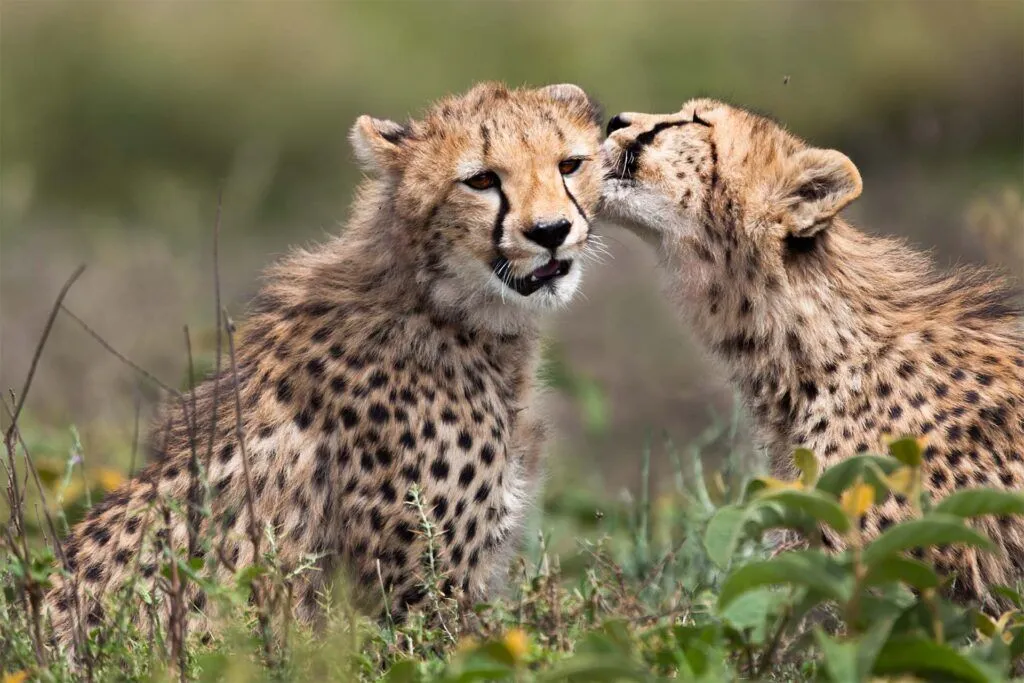
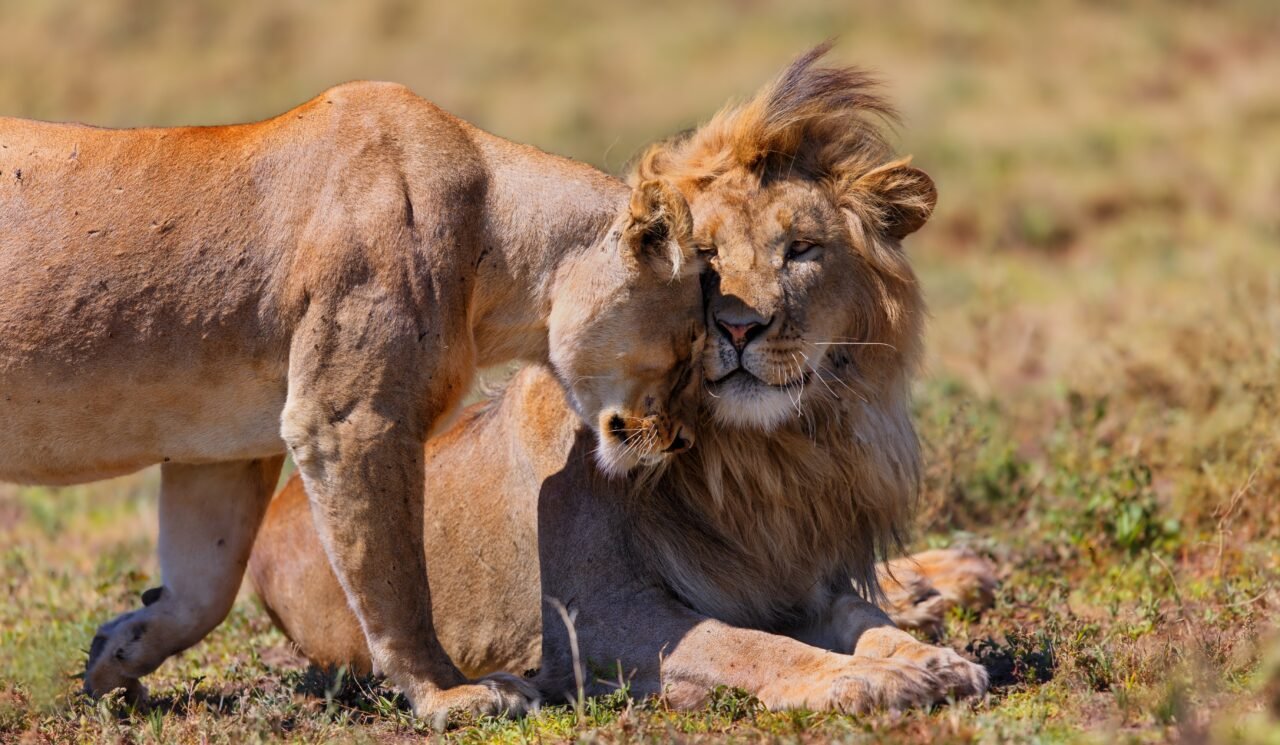
With a full day ahead, you have the flexibility to explore deeper into the park. Your guide will track the movement of the resident predators—lions, leopards, and cheetahs—which are particularly active during the transitions between seasons. You will spend the day traversing different habitats, from the kopjes (rock outcrops) where lions often rest, to the open plains where herds of zebras and wildebeest graze. A full day allows for a picnic lunch in the bush, a quintessential safari experience that keeps you closer to the action.
Day 3: Final Game Drive and Return (Nov 30)
Your final morning is dedicated to a sunrise game drive. This is often the most productive time for wildlife viewing, as predators are still active from the night and the temperature is cool. After a morning of tracking and photography, you will head to the airstrip for your flight back to Zanzibar, concluding your 3-day adventure.
What to Expect in Late November
Planning your trip for November 28 means you are visiting during the “short rains” season in Tanzania. This is a fascinating time to visit the Serengeti. The landscape is not the dry, golden-yellow often seen in documentaries; instead, it is transforming into a lush, green environment. The short rains generally consist of brief, sporadic showers rather than prolonged downpours, meaning they rarely disrupt game drives significantly.
For the wildlife, this season is a period of transition. Migratory birds are returning, and many ungulates begin to give birth as the new grass emerges. For predators, this abundance of vulnerable young animals means that hunting activity is high. It is a dynamic time for photography, with dramatic skies and clear, dust-free air following the rain.
Logistics: The “Soft Luggage” Rule
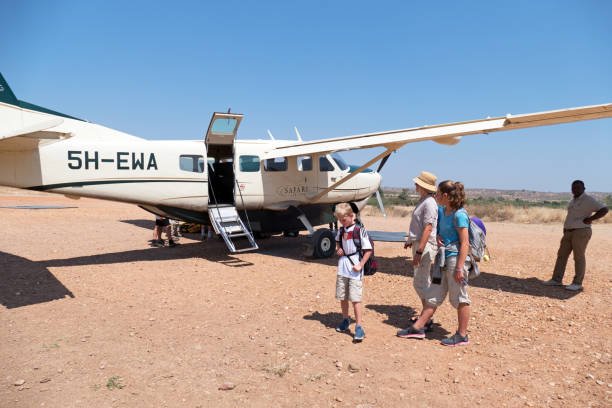
Because this is a fly-in safari, you will be traveling on small, light aircraft (such as Cessna Caravans). These planes have strict weight and space limitations. It is not just about the weight; it is about the shape of the bags. You must use soft-sided duffel bags for your luggage. Hard-shell suitcases cannot be compressed to fit into the cargo holds of these small planes. If you arrive with a hard-shell suitcase, you may be asked to leave it at the airport in Zanzibar or pay for an extra seat to accommodate it. Aim for a weight limit of 15kg (33 lbs) per person, including your hand luggage.
The Value of a Group Joining Safari
Joining a group safari is an excellent way to share the costs of the vehicle, the fuel, and the guide’s services. When you book a spot on a scheduled departure like this one, you are essentially pooling resources with other travelers who have similar itineraries. This reduces the per-person cost significantly compared to a private safari, while still providing the same access to the Serengeti.
The social aspect is often a highlight for our guests. You will be spending three days in a vehicle with a small group of like-minded travelers. It is a shared experience of discovery, where everyone contributes to spotting wildlife and discussing the day’s sightings. If you prefer a completely private experience, we can arrange that, but for those looking for value and camaraderie, the group joining format is the standard choice. You can view more options for shared adventures on our group departures page.
Planning and Preparation
Booking a fly-in safari requires slightly more coordination than a standard road trip. Here are the key factors you should clarify with us before finalizing your booking:
- Flight Timing: Your flights from Zanzibar are scheduled to align with the safari start times. Ensure your arrival in Zanzibar allows enough buffer time before the domestic flight departs.
- Visas and Health: Ensure your Tanzania visa is secured in advance. Regarding health, speak to your local travel clinic about malaria prophylaxis and any required vaccinations for Tanzania.
- Packing: Beyond the soft-sided bag, remember that the bush can be cool in the early mornings. Bring layers: a light jacket or fleece is essential for the sunrise game drives, even if the midday sun is hot.
Booking Your November 28 Departure
This 3-day itinerary is a popular choice for those wanting a high-impact, short-duration safari. Because flight seats on small aircraft are limited, we recommend securing your spot as early as possible. We manage the domestic flight bookings as part of your package, ensuring that your connection from Zanzibar is smooth.
To check availability for November 28, 2026, or to ask about specific lodge inclusions and group sizes, please reach out to us directly. We provide transparent, practical advice to ensure your safari meets your expectations. You can contact our team at Climb 4 Africa via WhatsApp at +255 747 477 898 or send an email to climb4africa@gmail.com. For detailed administrative inquiries, you may also reach us at info@climb-4-africa.com.
If you find that three days is too short, or if you want to explore other regions like the Ngorongoro Crater or Tarangire, we have other options available, such as our 4-day Serengeti safari which provides a slightly more relaxed pace. Let us know your travel goals, and we will help you select the departure that fits your schedule best.
Navigating the Great Migration in Late November
One of the most frequent questions regarding a late November safari is the location of the Great Migration. By November 28, the Serengeti is in a state of transition. The herds, having spent the dry season in the northern reaches of the Serengeti and across the Mara River in Kenya, are typically responding to the onset of the ‘short rains’ (known locally as the Vuli). These rains trigger the growth of fresh, nutrient-rich grasses in the southern Serengeti and the Ngorongoro Conservation Area.
You should not expect to see the migration as a single, static point on a map. Instead, think of it as a moving front. In late November, the wildebeest and zebra are often on the move, migrating southward through the central Serengeti plains toward the southern plains of Ndutu. While your specific game drive routes will be determined by your guide’s daily intelligence on wildlife movements, you are likely to be in a prime position to intercept these herds as they traverse the central corridors. Because the Serengeti is a vast ecosystem, the herds can be spread out over hundreds of kilometers. Your guide will communicate with other drivers in the area to locate the largest concentrations, ensuring your time in the vehicle is spent tracking active wildlife rather than guessing their location.
Wildlife Photography and Group Etiquette on Safari
Participating in a group joining safari means sharing a vehicle with fellow travelers, which requires a shared understanding of safari etiquette to ensure everyone has a productive and enjoyable experience. Wildlife photography is a primary draw for many visitors, but the dynamics of a shared vehicle differ significantly from a private safari.
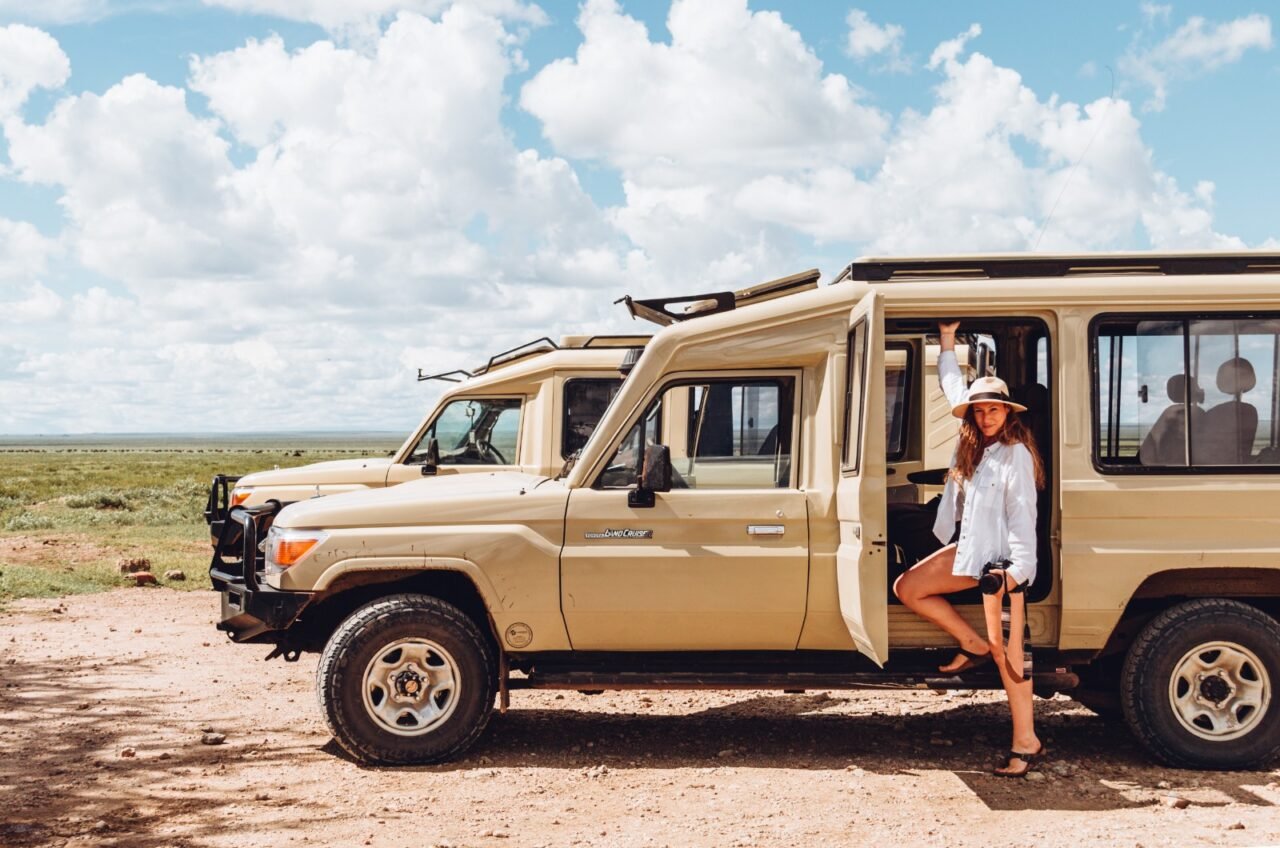
First, understand the physical constraints of the vehicle. Safari Land Cruisers are designed with pop-up roofs, but space is finite. When a significant sighting occurs—such as a lion pride on a kill or a leopard in a tree—the vehicle will stop. To maximize everyone’s experience, rotate positions if possible, or agree to take turns at the window. Avoid standing up simultaneously if it blocks the view of others, and always keep your elbows inside the vehicle to avoid startling animals or obstructing your fellow passengers. If you are using professional camera gear, be mindful that large tripods are generally unusable inside a safari vehicle. Instead, bring a ‘beanbag’ which can be filled with rice or beans at your lodge or in Arusha before you fly; this provides a stable, flexible rest for your camera lens on the roof hatch or the window frame.
Second, silence is your greatest tool. While excitement is natural, loud conversations can disturb the animals, particularly predators who rely on their hearing to hunt. When approaching a sighting, your guide will often kill the engine. This is the moment to whisper or remain completely silent. This practice not only keeps the animals relaxed, allowing for longer viewing times, but it also demonstrates respect for your fellow travelers who may be trying to record video or capture specific shots. If you have specific interests—such as a focus on birdlife or a desire to spend more time with a particular predator—communicate this to your guide at the start of the day. While the guide must balance the group’s interests, they are usually happy to accommodate specific requests if the group is in agreement.
Health, Safety, and Gear for the Short Rains Season
Traveling to the Serengeti in late November, during the period known as the ‘short rains,’ requires a specific approach to health, safety, and gear management. While the landscape is transforming into a vibrant, lush green, this transition also brings specific environmental factors that travelers should proactively manage to ensure their three-day safari remains comfortable and productive. Because you are on a tight, three-day schedule, minor inconveniences like a misplaced item or a preventable health issue can significantly disrupt your experience.
The most significant, yet often overlooked, safety consideration in the Serengeti is the presence of the Tsetse fly. These insects are particularly active in the wooded and bush-heavy areas of the park, which are common transit points. Unlike mosquitoes, Tsetse flies are active during the day, particularly in the mid-morning and late afternoon. They are attracted to movement, the scent of animals, and, crucially, specific colors. They are highly drawn to dark blue and black, as well as metallic, shiny surfaces. To minimize your exposure, prioritize wearing long-sleeved shirts and trousers made of breathable, light-colored fabrics like khaki, beige, or light olive green. Avoid wearing dark colors entirely while in the vehicle or on any bush walks. If you find yourself in an area with high Tsetse activity, your guide will likely keep the vehicle windows rolled up while driving; follow this advice, as these flies are persistent and can easily enter a moving vehicle.
Regarding health protocols, both Zanzibar and the Serengeti are malaria-endemic zones. Because the short rains increase humidity and create temporary pools of standing water, mosquito activity can rise. It is essential to consult with a travel medicine specialist or your physician well before your departure on November 28 to discuss appropriate malaria prophylaxis. Beyond medication, the most effective defense is physical barrier protection. During the dusk and dawn hours, when mosquitoes are most active, ensure you are wearing insect repellent containing DEET or Picaridin. Many lodges in the Serengeti are well-equipped with mosquito netting, but always inspect your netting upon arrival to ensure it is intact and tucked securely under the mattress.
The ‘short rains’ season also necessitates a change in how you pack and protect your equipment. Humidity in the Serengeti during this time can be high, which poses a risk to sensitive electronics, particularly camera lenses. If you are bringing a DSLR or mirrorless camera, moisture can quickly condense inside the lens glass if you move from an air-conditioned environment to the hot, humid outdoor air. To prevent lens fungus and internal fogging, always keep your camera gear in a sealed, moisture-resistant bag with silica gel packets. Do not store your camera in the hotel’s cold storage or directly in front of an air conditioning vent. Furthermore, while the rain in late November usually manifests as short, intense afternoon showers rather than all-day downpours, you should have a dedicated ‘dry bag’ for your electronics. A heavy-duty plastic bag is a poor substitute; a roll-top dry bag will provide the necessary seal against sudden rain and the fine, pervasive dust that is still present even during the rainy season.
Finally, understand the mechanics of your park entry permits. The Serengeti National Park operates on a strict 24-hour permit system. Your entry fee covers you for exactly 24 hours from the moment you pass through the park gate. For a three-day fly-in safari, your operator will time your arrival and departure flights to align with these permit windows. It is vital that you do not deviate from the scheduled pick-up times at the airstrip. If your flight is delayed or you are late to the vehicle, you risk pushing your itinerary into a new 24-hour block, which can trigger additional park fees. By adhering to the schedule, you ensure that your permit remains valid for the duration of your stay, allowing your guide to maximize your time in the park without needing to exit and re-enter, which would result in unnecessary logistical delays.
Understanding the Bush Aviation Experience: Aboard the Serengeti Air Network
The transition from Zanzibar’s international airport to a Serengeti airstrip is more than just a change in geography; it is a shift in aviation culture. Unlike the standardized, high-volume operations of international carriers, bush aviation in Tanzania is highly responsive, intimate, and entirely dependent on the conditions of the savannah. When you board your flight on November 28, you are stepping into a specialized network that operates differently from commercial aviation. These light aircraft, typically Cessna Grand Caravans, are the workhorses of the Tanzanian safari industry, designed specifically for short-field takeoffs and landings on unpaved surfaces.
Because these flights operate at lower altitudes than commercial jets, the journey itself is a scenic extension of your safari. You will likely fly at an altitude that allows for clear views of the changing topography, from the turquoise waters of the Zanzibar Channel to the sprawling plains of the Serengeti. However, it is essential to understand that these flights are visual flight rules (VFR) operations. This means that pilots navigate primarily by sight. During the “short rains” season in late November, this is a critical detail. While the rains usually manifest as short, afternoon bursts, they can create localized cloud cover that may necessitate minor adjustments to flight paths or departure times. Your pilot’s primary directive is safety; if a thunderstorm is directly over an airstrip, the flight may hold or divert until the weather clears. This is a normal, safety-first procedure in bush flying, not a sign of operational failure.
Airstrip Realities and Safety Protocols
Upon landing, you will realize that Serengeti airstrips are not terminals in the traditional sense. They are, effectively, cleared and maintained strips of earth or gravel located within the park ecosystem. There are no jet bridges, baggage carousels, or security checkpoints on the ground. When the plane touches down, the pilot will often execute a quick taxi to a designated parking area—essentially a patch of grass or dirt—where your safari vehicle will be waiting. It is common for wildlife to be present near these strips. It is not unheard of for a pilot to perform a low-altitude pass over the runway before landing to ensure that a herd of zebras or a pride of lions has not claimed the strip as a resting place. This is part of the standard operating procedure and ensures the safety of both the aircraft and the local fauna.
Because the airstrip is an open environment, you must remain vigilant. Never wander from the immediate vicinity of the aircraft or your safari vehicle. The Serengeti is a wild, unfenced ecosystem, and predators do not distinguish between the “safe zone” of an airstrip and the open bush. Always wait for your pilot to signal that it is safe to disembark, and once off the plane, move directly to your waiting vehicle. Your guide will handle the offloading of your soft-sided luggage, which will be stowed in the vehicle’s storage compartment. This transition is usually smooth, but it requires passengers to be ready to move quickly and efficiently to keep the aircraft on schedule for its next leg.
The Criticality of Airstrip Transfers
For a short, 3-day itinerary, the “handoff” at the airstrip is the most vital logistical point. Your guide is tracking your flight’s progress via radio or satellite communication, and they will be positioned at the airstrip well before your arrival. However, because this is a group joining safari, there may be instances where the vehicle is collecting other guests arriving on different flights or finishing a morning game drive nearby. Clear communication with your booking agent regarding your flight number and expected arrival time is essential. If you are arriving on a flight that lands at a different airstrip than the rest of your group, you must ensure that your transfer arrangements are confirmed in writing. In the Serengeti, logistical errors can consume hours, and on a three-day trip, you cannot afford to lose that time.
When you arrive, the meeting process is straightforward. Your guide will have a sign or will be known to the local bush pilots, who often coordinate arrivals at the strips. Do not attempt to walk into the bush to find your vehicle; stay at the airstrip “waiting area”—often just a shaded tree or a small, open-sided structure. This is the designated rendezvous point. If your flight is the first of the day for your group, your guide will be waiting with the vehicle ready, allowing you to begin your game drive immediately upon clearing the aircraft. If you are joining a group that is already in the park, the vehicle may arrive shortly after your landing, having just completed a segment of the morning game drive. Use this time to observe the immediate surroundings; even at the airstrip, you are already in the heart of the Serengeti, and birdlife or smaller mammals are frequently visible just meters from the runway.
Dining and Dietary Accommodations in the Serengeti Bush
While the focus of your 3-day fly-in safari is primarily on wildlife observation and the logistics of movement, the reality of dining in the bush is a significant component of the experience. Because you are traveling on a group-joining basis, meals are typically pre-arranged by the camp or lodge to ensure efficiency. It is critical to understand how dietary restrictions are managed in remote locations where grocery supply chains are limited to bush flights and specialized 4×4 supply runs.
Most safari camps in the Serengeti operate on a set menu or a buffet system. Given the remote nature of the ecosystem, chefs rely on fresh, locally sourced produce that is flown or driven into the park on a strict schedule. If you have specific dietary requirements—such as vegan, gluten-free, halal, or severe allergy-related needs—you must communicate these at the time of booking, weeks before your November 28 departure. Unlike hotels in Zanzibar or mainland cities, safari kitchens cannot simply “run to the store” to accommodate last-minute requests. Once you are in the Serengeti, your options are limited to what has been pre-stocked for your group.
The Bush Picnic and Sundowner Culture
On this 3-day itinerary, you will likely experience a mix of lodge dining and “bush meals.” A bush picnic is a standard feature of a full-day game drive, allowing you to maximize time in the field without returning to camp for lunch. These meals are typically packed in insulated containers and consist of cold salads, fresh fruit, sandwiches, and sometimes warm items like quiche or skewers. Being a member of a group means these meals are served buffet-style in a designated picnic area—often a site with a view of the plains or near a hippo pool.
Sundowners are another essential tradition. As the sun begins to set on November 28 or 29, your guide will often find a safe, scenic location to stop the vehicle. This is not a formal meal, but rather an opportunity to enjoy a drink and light snacks while the light changes over the savannah. Because you are in a group, this is a social time to debrief on the day’s sightings. However, please be aware that alcohol and beverage policies vary by camp; some packages include house drinks, while others operate on a pay-per-item basis. Clarifying this with your booking agent beforehand prevents confusion when settling your bill at the end of the trip.
Water Consumption and Hydration
Hydration is a frequent concern for travelers in the Serengeti, particularly during the humid, transitionary weather of late November. While your safari vehicle will always be stocked with bottled water, it is important to understand the environmental impact. Many camps and operators have moved away from single-use plastic bottles. You will likely be provided with a reusable water bottle or a refill station at your lodge. If you prefer your own brand of water, you may need to carry it with you from Zanzibar, though this adds weight to your luggage allowance. Relying on the provided, filtered water is standard, safe, and encouraged to reduce waste in this sensitive ecosystem.
Tipping Etiquette and Financial Logistics in the Bush
Navigating the financial customs of a Tanzanian safari is a frequent point of anxiety for first-time visitors, particularly on a short, 3-day itinerary where you have little time to “feel out” the culture. In the context of a group-joining safari, tipping is a standard and expected practice, serving as a significant portion of the income for your driver-guide and lodge staff. Because you are traveling with a group, the question of how to handle gratuities often arises: should you tip individually or as a collective?
For the driver-guide, who stays with your group for the duration of the three days, it is common practice to offer a collective tip at the end of the safari on November 30. Discussing this with your fellow travelers on the second day is a polite way to ensure everyone feels comfortable with the amount, though you are never obligated to follow the group consensus if you wish to tip differently. When providing tips, US Dollars are the preferred currency, but there is a strict, unwritten rule that every traveler must know: the bills must be crisp, clean, and printed in or after 2009. Tanzanian banks and local businesses will frequently reject older or torn notes, and your guide or lodge staff will have no way to exchange them. Carrying small denominations ($5, $10, $20) is essential, as you may not be able to get change for a $100 bill in the bush.
Beyond the guide, lodges often have a “tip box” at reception for the general staff—the housekeepers, chefs, and waiters who make your stay possible. While the guide is the face of your safari, the lodge staff operate behind the scenes to keep your tent clean and your meals served. If you are unsure of the appropriate amount, most reputable lodges have a suggested guideline posted at the front desk. Avoid the urge to over-complicate this; simple, direct, and appreciative gestures are the standard.
Digital Connectivity and Communication Realities
In the age of hyper-connectivity, the Serengeti presents a unique challenge. While many lodges in the Serengeti now offer Wi-Fi, it is crucial to temper your expectations for a 3-day trip. Connectivity is typically limited to the main reception or lounge area; it rarely extends to the individual tents or guest rooms. Furthermore, the bandwidth is often insufficient for video calls, large file uploads, or streaming. For a 3-day itinerary, it is highly recommended to view this as a period of digital detox rather than a remote work opportunity.
During your game drives, mobile signal is patchy at best. While modern vehicles often have charging ports, you should not rely on having a consistent 4G connection to navigate or communicate with the outside world. If you have urgent matters that require attention, address them in Zanzibar before you board your bush flight. Once you land at the airstrip on November 28, the primary focus of your communication should be with your driver-guide via the vehicle’s radio system, not with the digital world. Informing family or colleagues that you will have limited availability is a vital part of your pre-trip planning, preventing unnecessary anxiety when they do not receive an immediate response.
The Vehicle Day-Pack Strategy
Because you are limited by the “soft luggage” rule on your bush flight, you will likely leave your main duffel bag at the lodge or in the vehicle’s storage compartment while you are out on game drives. This necessitates a “day-pack” strategy—a smaller, manageable bag that you keep with you in the safari vehicle at all times. On a 3-day trip, your vehicle is your temporary home; you will not be returning to your room for lunch, and you will be spending hours in the field.
Your day-pack should be lightweight and easily accessible. Include the following essentials: a power bank (as vehicle charging ports can sometimes be occupied or slow), a light jacket or fleece for the early morning game drives when the wind chill is significant, a hat, and high-SPF sunscreen. Even in the “short rains” season of late November, the equatorial sun is intense. Do not forget to pack your binoculars and camera gear in this bag; keeping these items in a padded, dust-proof case within your day-pack is the best way to protect them from the fine, volcanic dust that characterizes the Serengeti. By keeping your essentials organized in one place, you avoid the clutter of loose items in the vehicle, which is particularly important when you are sharing the space with other travelers.
Navigating Serengeti Ecosystems: Kopjes, Plains, and Riverine Zones
A common misconception for first-time visitors is that the Serengeti is a uniform landscape of endless grass. On your 3-day itinerary, you will quickly discover that the park is a mosaic of distinct micro-environments, each supporting different wildlife behaviors. Understanding these zones will significantly enhance your ability to spot animals, as your guide will constantly shift strategies based on which environment you are traversing.
The Kopjes are perhaps the most iconic feature of the Serengeti. These are granite rock formations that rise abruptly from the surrounding plains, created by volcanic activity and erosion. For the wildlife, they are vital sanctuaries. Kopjes act as natural lookouts for predators; lions and leopards frequently use these high points to survey the plains for prey. During your game drives, your guide will almost certainly slow down when approaching these outcrops. If you see a cluster of rocks, do not just look at the base—scan the tops and the shaded crevices. In late November, as the rains begin to fill the small pools of water trapped in the rock depressions, these kopjes become magnets for smaller mammals and birds as well.
In contrast, the endless plains (the short-grass plains) are the heart of the grazing ecosystem. These are the areas where you are most likely to see the massive herds of wildebeest and zebra. Because the grass here is shorter and more nutrient-dense, it is the preferred feeding ground for grazers. In late November, these plains are undergoing a rapid transformation. As the short rains take hold, the landscape shifts from a dusty, parched brown to a vibrant green. This is the time when herbivores are often calving, and the open visibility of the plains makes it easier for you to spot cheetahs, which rely on speed and clear lines of sight to hunt in these open areas.
Finally, the riverine forests—the ribbons of dense, tall trees that trace the paths of the Serengeti’s rivers—provide a critical third habitat. These corridors offer shade, water, and refuge. If the plains are hot and exposed, you will often find predators and elephants retreating to the riverbanks. These zones are denser, making wildlife spotting more challenging and requiring more patience. You may find yourself peering into thick foliage to catch a glimpse of a leopard resting in a sausage tree or a family of elephants drinking at the water’s edge. Recognizing these three distinct zones allows you to adjust your own expectations: on the plains, you are looking for movement and large herds; at the kopjes, you are looking for silhouettes and stillness; in the riverine forests, you are looking for movement within the shadows.
The Role of the Driver-Guide: Your Safari Interpreter
On a 3-day group-joining safari, the relationship between you and your driver-guide is the single most important factor in the success of your trip. It is easy to view the guide merely as a driver—someone tasked with navigating the terrain and ensuring you reach the airstrip on time. However, in the context of a short, 3-day Serengeti experience, your guide is actually an interpreter, a tracker, and a crucial node in a vast, informal information network.
Your guide possesses a deep, often lifelong knowledge of animal behavior. While you are looking for wildlife, your guide is reading the landscape. They are observing the alarm calls of birds, the direction of the wind, and the behavior of other animals to predict where a predator might be. When a guide stops the vehicle to stare into a seemingly empty patch of bush, it is rarely a guess. They are usually tracking subtle cues—a flick of a tail, a change in the posture of a nearby impala, or a distant dust cloud—that the human eye, unaccustomed to the bush, would completely overlook.
Furthermore, your guide is part of a sophisticated radio and informal communication network. Throughout your game drives, you will notice your guide frequently communicating with other vehicles over the radio. This is not casual chatter; it is a tactical exchange of information. If a leopard is spotted near a river crossing, that information is relayed across the network. This collective intelligence is what makes a professional safari so effective; it ensures that even in a park as vast as the Serengeti, the chances of encountering significant wildlife events are maximized. On a 3-day trip, this network is your greatest asset. It bridges the gap between the limited time you have and the vastness of the park, ensuring that your limited hours are spent in the most productive locations.
Finally, your guide is the primary safety officer. They understand the limits of the vehicle, the temperament of the animals, and the regulations of the park. When your guide instructs you to stay inside the vehicle, keep your voice low, or avoid certain movements, it is based on years of experience. Respecting these instructions is not just about etiquette; it is about maintaining the safety of the group and ensuring that the wildlife remains undisturbed, which in turn allows for better, more natural sightings for everyone in the vehicle.
The Dynamics of Multi-Generational and Solo Travel in Group Settings
While the technical logistics of a 3-day fly-in safari are critical, the social composition of your group is a variable that significantly impacts the overall experience. Because this November 28 departure is a “group joining” safari, you will likely be sharing the vehicle with travelers who have booked independently. Understanding the dynamics of this environment is essential for managing your expectations, particularly when groups are composed of a mix of solo travelers, couples, and multi-generational families.
For solo travelers, the group-joining model is often the most cost-effective and socially engaging way to experience the Serengeti. Unlike a private safari, where you might spend three days in isolation with only your guide, a group setting provides built-in camaraderie. You will be sharing meals, game drive observations, and the excitement of wildlife sightings with others. However, it requires a degree of social flexibility. You may find yourself sharing a vehicle with a family who has a different pace of interest—perhaps they are focused on photographing birds, while you are eager to find the big cats. Successful solo travelers in this environment practice patience and open communication. If you have specific photographic goals, it is helpful to express these to your guide early on, but remain respectful of the group’s collective itinerary.
Multi-generational groups present a different set of considerations. It is not uncommon for a family group to occupy several seats on a shared vehicle. If you are traveling as part of a smaller unit within this larger group, be mindful of the “energy budget” of the other passengers. Children, for instance, may have shorter attention spans for long, static stakeouts waiting for a lion to wake up. Conversely, elderly travelers may require more frequent stops or may be less comfortable with the rapid, bumpy off-road driving that sometimes occurs during a high-speed chase or a tracking maneuver. When booking a group-joining safari, it is standard practice to assume that the vehicle will move at a pace dictated by the group’s collective interest and physical requirements. If you are a serious wildlife photographer who needs total stillness for hours, or a traveler with limited mobility, a private safari is usually the better logistical choice. However, if you are comfortable with the ebb and flow of a shared environment, the social aspect of a group safari often adds a layer of depth to the experience, as you gain multiple perspectives on the sightings you encounter.
Managing the “Safari Fatigue” Factor on Short-Duration Trips
A 3-day safari is an intense, high-octane experience. Because you are flying into the Serengeti on November 28, you are essentially compressing the “discovery phase” of a safari into just a few hours. This leads to a phenomenon often called “safari fatigue,” which is distinct from physical exhaustion. It is a sensory overload caused by the constant scanning of the horizon, the intense focus required to spot camouflaged animals, and the sheer volume of new information provided by your guide.
On a 3-day itinerary, you do not have the luxury of a “recovery day” mid-trip. You arrive, you drive, you sleep, and you repeat. To mitigate this, it is vital to pace yourself. Many travelers make the mistake of trying to document every single animal they see with a camera. While capturing memories is important, “viewfinder syndrome”—where you experience the safari entirely through a lens—can prevent you from actually absorbing the environment. Allow yourself periods where you put the camera down. The Serengeti is as much about the smell of the rain on the dry grass, the sound of the wind across the plains, and the silence of the bush as it is about the visual spectacle of a predator.
Furthermore, recognize that the “short rains” season in late November can bring fluctuating temperatures. You may start the day in a cool, misty morning that requires a jacket, only to be in intense, humid heat by noon. This cycle can drain your energy faster than you expect. Dehydration is a silent contributor to safari fatigue. Even if you don’t feel thirsty, the combination of the dry air, the sun, and the constant movement of the vehicle requires you to be proactive about water intake. If you find yourself becoming irritable or unable to focus on the landscape, take a break from the binoculars, drink water, and lean back. The best sightings often happen when you are relaxed and attentive, rather than when you are straining to see every distant movement.
Navigating the Departure Process: From Zanzibar Stone Town to the Bush Airstrip
While much of the planning for this 3-day excursion focuses on the Serengeti experience, the logistical transition from Zanzibar—specifically the departure process—is a crucial, often overlooked component that can dictate the mood of your entire trip. Because your November 28, 2026, journey begins with a domestic bush flight, you are not merely flying between airports; you are transitioning between two distinct Tanzanian travel cultures. Zanzibar’s Abeid Amani Karume International Airport (ZNZ) functions as a hybrid hub, handling both international long-haul traffic and the smaller, regional carriers that serve the national parks.
For a departure on November 28, you must account for the specific check-in protocols of bush aviation. Unlike international flights where you might arrive two or three hours early, bush flight operators often require a more synchronized arrival. Arriving too early can leave you stranded in a terminal area with limited amenities, while arriving too late risks missing the strict departure windows that bush pilots must adhere to in order to clear park entry gates before sunset. Most operators will provide a specific “show time” for your flight; treat this as a non-negotiable deadline. If your flight is scheduled for an early morning departure, arrange your transfer from your Zanzibar hotel or Stone Town accommodation the evening before. Relying on island traffic or last-minute taxi arrangements on the morning of November 28 is a significant risk, as the road to the airport can be unpredictable.
Once at the airport, you will navigate a different security and boarding process than you would for a major commercial flight. You will likely check in at a dedicated desk or a general aviation terminal area. This is where your “soft luggage” rule becomes critical once more. The ground crew will weigh your bags, and because these aircraft operate on precise weight-and-balance calculations, they may be stricter than commercial airlines. If your bag is overweight, you may be asked to remove items or pay for an extra seat, which may not be available on a fully booked group departure. Dress in layers for the flight; bush planes are not pressurized like jetliners, and the temperature at cruising altitude can be surprisingly cool, especially in the early morning hours, contrasting sharply with the humidity you will encounter upon landing in the Serengeti.
Finally, understand the “flight routing” reality. Your flight from Zanzibar to the Serengeti is rarely a direct, straight-line journey. It is often a “milk run”—a series of hops that may include stops at other airstrips (such as Arusha, Manyara, or Grumeti) to drop off or pick up other passengers. Do not be alarmed if the plane descends and lands at an airstrip that is not your final destination. Stay seated unless instructed otherwise by the pilot. This multi-stop nature is standard for bush aviation and is the primary reason why your flight time can vary. Use this time to observe the changing topography from the air—the transition from the turquoise waters of the Zanzibar Channel to the rugged, volcanic landscapes of the Ngorongoro Conservation Area and finally the vast, rolling plains of the Serengeti is one of the most spectacular aerial views in East Africa.
The Mechanics of “Internal Park Transfers”: Why Your Serengeti Arrival Point Matters
While the broader article covers the flight from Zanzibar to the Serengeti, a critical, often overlooked detail for the November 28 traveler is the precise selection of your landing airstrip—and how that choice dictates your first 24 hours. The Serengeti is not a single, monolithic destination; it is a massive ecosystem spanning nearly 15,000 square kilometers. When booking a 3-day fly-in safari, the specific airstrip assigned to your flight (such as Seronera, Kogatende, Lobo, or Grumeti) is the single most significant variable in your itinerary’s success.
Because you are on a group-joining safari, the operator usually bundles you into a pre-set loop. However, understanding why you land where you land is vital. In late November, the short rains are underway. This weather pattern often dictates the “migration corridor”—the movement of the herds as they transition from the northern areas toward the southern plains. If your flight lands at Kogatende in the north, you are positioning yourself to potentially see the tail end of the herds moving south. If you land at Seronera, you are in the central hub, which is the most reliable year-round location for predator sightings (lions, leopards, and cheetahs) regardless of where the migratory herds are currently grazing. Do not assume that “Serengeti” implies a single, uniform experience; your airstrip choice is your primary geographical anchor.
Furthermore, consider the “transfer time” from the airstrip to your lodge. On a 3-day trip, every minute spent in a transfer vehicle is a minute taken away from game viewing. Some airstrips are located within 15 minutes of primary lodge clusters, while others may require a 90-minute game-drive-transfer just to reach your accommodation. When reviewing your itinerary, ask your operator: “Is the transfer to the lodge a direct drive, or is it a game drive?” A direct transfer is faster but less scenic; a game-drive transfer is slower but turns your logistical travel into an immediate safari experience. On a tight 3-day schedule, you should aim for the latter. If your airstrip is distant, ensure your driver-guide has factored in the “short rain” road conditions, which can turn dry, dusty tracks into slick, muddy paths, significantly slowing down transit times.
Managing the “Short Rains” Vehicle Environment: Dust vs. Mud
The transition period of late November presents a unique challenge for vehicle maintenance and passenger comfort that differs significantly from the dry season. You are likely to encounter two extremes: the residual dust of the departing dry season and the unpredictable, localized downpours of the short rains. This creates a “dust-mud-dust” cycle that impacts how you interact with the safari vehicle.
In the dry, dusty patches, the fine volcanic soil of the Serengeti penetrates every crevice. If you are carrying camera gear, the standard advice is to keep it in a sealed, dust-proof bag when not in use. However, when the short rains hit—often in sudden, localized afternoon thunderstorms—the environment shifts instantly. The “pop-top” roof of your safari vehicle, which you will keep open for visibility, must be closed rapidly. This is a coordinated team effort in a group-joining vehicle. If you are seated in the back, be prepared to assist your guide in latching the roof mechanism quickly. Do not wait for the guide to ask; if you see dark clouds gathering or feel the temperature drop suddenly, alert the group.
Furthermore, the mud factor changes the “game drive” strategy. Your driver-guide is highly skilled, but they are bound by park regulations that strictly forbid driving off-road to protect the fragile, rain-softened ecosystem. During the dry season, you might see vehicles straying slightly from tracks to get closer to a sighting; in the rainy season, this is strictly prohibited to prevent vehicle immobilization and habitat destruction. Accept that your sightings may be slightly further from the vehicle than you might see in online brochures. This is not a failure of your guide; it is a necessary adherence to conservation ethics during the sensitive rainy season.
The “Sundowner” Protocol in the Wet Season
The “sundowner”—that classic tradition of enjoying a drink as the sun sets over the savanna—takes on a different character in late November. In the dry season, this is a predictable, golden-hour affair. In the rainy season, you must be more flexible. The sky can shift from brilliant sunshine to heavy cloud cover in minutes. Your guide will likely monitor the horizon closely. If they suggest moving the sundowner location or shortening the duration to head back to camp before a storm hits, trust their judgment. The roads can become treacherous very quickly, and being caught in a storm in an open-sided vehicle is a memory you want to avoid. The “best” sundowner in November is often the one that happens safely near the lodge or a protected, elevated kopje, rather than deep in the plains where you might be exposed to the elements.
The Serengeti “Game Drive” Pacing: Understanding the 3-Day Intensity
Because your fly-in itinerary is limited to three days, the pacing of your game drives will be significantly more intense than on a standard 5-to-7-day overland safari. When you land on the Serengeti airstrip on November 28, you are entering a high-tempo environment where every hour is accounted for. It is critical to understand that “game driving” is not merely a leisurely cruise through the park; it is an active, often fatiguing pursuit of wildlife that requires physical and mental stamina.
On a three-day schedule, you will likely engage in “all-day” game drives. This means departing the lodge shortly after breakfast—or even before dawn—and staying out in the vehicle until late afternoon or sunset. This strategy is employed to maximize your chances of witnessing predator activity, which is most frequent during the cooler morning and evening hours. Unlike longer itineraries that might allow for a mid-day siesta at the lodge, your 3-day window requires you to remain in the field during the heat of the day. You will eat your bush lunch while parked in the shade of an acacia tree or near a riverbank, keeping your eyes on the horizon.
This intensity can be physically demanding. The roads in the Serengeti are rugged, and the vehicle will bounce, sway, and jolt as it navigates the terrain. For those with back issues or limited physical endurance, this is a vital consideration. You will spend upwards of six to eight hours per day seated in a safari vehicle. While the “pop-top” roof allows you to stand for better visibility, it also exposes you to the sun and wind. Manage your physical output by alternating between sitting and standing, and ensure you utilize the scheduled stops for stretching and restroom breaks, which are strictly regulated by park authorities and must be taken at designated areas.
Furthermore, the “search” aspect of the game drive requires collective patience. You may spend hours driving through vast plains without spotting a specific “big cat” or the migration herds. This is the reality of the Serengeti. Your guide will be in constant radio communication with other drivers, sharing sightings, but there is no guarantee of immediate results. The intensity of a 3-day trip means that the pressure to “see everything” can sometimes lead to frustration. Adopting a mindset of appreciation for the landscape, the smaller wildlife, and the sheer scale of the ecosystem—rather than focusing solely on the “Big Five” checklist—will significantly enhance your enjoyment of this accelerated schedule.
The Physiological Shift: Navigating the Zanzibar-to-Serengeti Transition
While much of the preparation for your November 28 fly-in safari focuses on logistical hurdles—such as luggage weight and flight timing—there is a subtle but critical factor that often goes overlooked: the physiological impact of moving rapidly from Zanzibar’s coastal environment to the Serengeti’s high-altitude savanna. On a 3-day itinerary, your body has no time to gradually acclimatize. You are essentially shifting your environment within a few hours, and understanding how to manage this transition is key to maintaining the energy required for high-tempo game drives.
Understanding the Altitude and Humidity Delta
Zanzibar is situated at sea level, characterized by high, consistent tropical humidity and a climate that remains relatively stable throughout the day. In contrast, the Serengeti sits on a high plateau, with the central and eastern regions averaging between 1,500 and 1,800 meters (roughly 5,000 to 6,000 feet) above sea level. While this is not high enough to cause severe altitude sickness, it is high enough to induce mild dehydration, increased respiratory rates, and faster fluid loss than you would experience at the coast.
When you arrive on November 28, you are also entering the ‘short rains’ season. This creates a unique environmental paradox: the air can feel heavy and humid during the day, yet the altitude means the air is thinner and potentially drier than the coastal air you left behind. This combination can lead to rapid, unnoticed fluid loss. For a 3-day traveler, this is not a matter of long-term health, but of immediate performance. If you arrive at your airstrip already dehydrated from your flight or the coastal heat, you are starting your game drive at a disadvantage.
Managing the ‘Short Rains’ Temperature Swing
One of the most jarring aspects of the Serengeti in late November is the temperature volatility. In Zanzibar, the temperature rarely fluctuates significantly between day and night. In the Serengeti, however, the temperature can drop sharply at night and during early morning game drives, only to spike by midday.
During your 3-day trip, you will likely be in an open-sided or pop-top vehicle. This exposes you to the wind chill factor, which is amplified when the vehicle is moving. A common mistake is to dress for the midday heat, only to find yourself shivering during the pre-dawn drive on Day 2. Conversely, dressing too warmly can lead to overheating once the sun rises and the humidity builds. The key is a ‘layering system’ that you can adjust while seated in the vehicle. Do not wait for a scheduled stop to add or remove layers; learn to manage your clothing while in the seat to avoid the energy drain of constant temperature stress.
Mitigating the Impact on Your Three-Day Schedule
Because your itinerary is condensed, ‘safari fatigue’ is not just a mental state—it is a physical reality. The combination of altitude, rapid environmental change, and the physical exertion of riding on rugged roads can catch up with you by the afternoon of Day 2. To counter this, consider these three tactical adjustments:
- Pre-emptive Hydration: Do not wait until you are thirsty. The dry, thin air of the Serengeti plateau can suppress your thirst mechanism while accelerating fluid loss. Drink water consistently throughout the flight from Zanzibar and during the first hour of your initial game drive.
- The ‘Rest in Motion’ Strategy: When the vehicle is moving between game viewing points, use that time to rest your eyes and relax your muscles. The Serengeti roads are unforgiving; bracing yourself against every bump for six hours a day is exhausting. Learn to ‘go with’ the sway of the vehicle rather than fighting it.
- Monitor Your Energy Intake: The ‘bush picnic’ lunch is often a heavy affair. If you feel sluggish in the afternoon, opt for lighter snacks or fruit, which are typically available. Digestion requires significant energy, and a heavy lunch in the heat of the day can trigger the ‘afternoon slump’ just when the predator activity might be picking up as the sun begins to lower.
By treating your body’s adaptation to the Serengeti as a logistical component of your trip—just as important as your flight or your packing list—you ensure that you remain alert, comfortable, and ready to engage with the environment. You are not just visiting a new location; you are moving between two distinct ecosystems, and a proactive approach to your physical well-being will significantly elevate the quality of your 3-day experience.
The Art of Active Observation: Reading the Serengeti Landscape
On a truncated 3-day fly-in itinerary, the difference between a memorable safari and a frustrating one often comes down to your level of engagement. Because your time is limited, you cannot afford to be a passive passenger waiting for the guide to point out every sight. To truly maximize your November 28 departure, you must transition from a spectator to an active participant in the search for wildlife. This requires developing a basic fluency in the language of the bush—a skill set that allows you to anticipate action before it happens.
Decoding Animal Behavior and Alarm Calls
The Serengeti is never silent; it is a complex, layered environment where every sound conveys information. Learning to interpret these signals is the most effective way to turn a quiet game drive into a high-action event. The most critical indicators are alarm calls. When you hear the sharp, sneezing snort of an impala, or the raucous, rhythmic barking of a baboon, you are receiving a real-time broadcast of a predator’s presence. These animals are not making noise for the sake of it; they are notifying their group—and you—that a leopard, lion, or cheetah is currently stalking or moving through the vicinity.
Similarly, pay attention to the body language of the ungulates. Wildebeest and zebras are the primary prey species, and their behavior is a roadmap for predator activity. If you see a cluster of gazelles all facing the same direction, ears swiveled forward, and standing perfectly still, they are locked onto something you have not yet seen. By focusing your binoculars in the exact direction of their gaze, you often find the predator long before the vehicle reaches the sighting. On a 3-day trip, training your eyes to track these subtle environmental cues prevents you from missing the action that occurs in the periphery.
Landscape Clues: Predicting Predator Movement
Beyond animal behavior, the physical landscape of the Serengeti offers clues to predator movement, particularly during the transitionary weather of late November. Predators are energy-efficient creatures; they rarely move unnecessarily during the heat of the day. Instead, they position themselves strategically. Look for ‘shadow lines’—the thin strips of shade cast by acacia trees or the rocky overhangs of a kopje. In the late morning and early afternoon, lions and leopards will almost exclusively be found in these pockets of shade. If you are scanning the horizon, ignore the open, sun-baked plains and focus your search on the tree lines and the bases of rocky outcrops.
Furthermore, understand the ‘drinking schedule’ of the ecosystem. In the dry-to-wet transition, water is the primary magnet for all life. When you are on a game drive, your guide will prioritize water holes and riverine zones. However, you can assist by scanning the vegetation *around* these water points. Predators know that prey must visit the water to survive, so they often lie in wait in the tall grass just a few hundred meters from the water’s edge. By observing the tension in the area—watching for birds that are silent or nervous, or watching for the way the grass moves—you can often spot the ‘ambush’ before the guide has even slowed the vehicle.
The Sensory Shift: From Zanzibar Coast to Savannah Interior
The transition from the coastal humidity of Zanzibar to the high-altitude, open plains of the Serengeti is not just a change in temperature; it is a total sensory reset. In Zanzibar, your senses are accustomed to the consistent, rhythmic sounds of the ocean and the dense, enclosed atmosphere of the spice plantations and narrow Stone Town streets. In the Serengeti, the sensory input is vast and horizontal. The horizon is infinite, and the silence is punctuated by sudden, sharp sounds.
To adapt quickly, allow yourself to ‘wide-angle’ your vision. Many first-time visitors get ‘tunnel vision,’ focusing only on the road ahead or the immediate vicinity of the vehicle. This is a mistake. The Serengeti rewards the wide-angle gaze. By keeping your eyes scanning the horizon, the ridgelines, and the distant tree lines, you increase your chances of spotting movement that occurs kilometers away. This wide-angle approach also helps mitigate the ‘safari fatigue’ discussed earlier; it keeps your brain engaged and scanning rather than zoning out, which is a common byproduct of long hours in a vehicle. By actively looking for the ‘break’ in the pattern—a tail twitching in the grass, a change in the color of a rock that turns out to be a lion, or a sudden flight of birds—you transform the safari from a series of passive sightings into an in-depth, detective-like experience.
The Philosophy of ‘Patience in the Bush’
Finally, on a 3-day trip, there is a temptation to rush. If you see a vehicle ahead, you might feel the urge to ask your guide to drive there, assuming that is where the action is. This is the ‘herd mentality’ of safari tourism. However, some of the most rewarding experiences occur when you pull away from the crowd. If your guide suggests waiting at a specific spot—perhaps near a den or a crossing point—trust that instinct. The best sightings are rarely the result of chasing other vehicles; they are the result of patience and positioning. When you commit to a spot and wait, you allow the environment to settle. The animals, sensing that the vehicle is no longer a threat, will often return to their natural routines, providing you with a much more authentic and intimate wildlife encounter than you would get by simply ‘checking the boxes’ of popular sightings.
The Post-Safari Transition: Re-acclimating to the Zanzibar Coast
Returning to Zanzibar on November 30 after three days in the Serengeti is a jarring experience that many travelers underestimate. You are moving from an environment of extreme, focused sensory input—where your eyes are constantly scanning for movement in the tall grass—back to the rhythmic, horizontal, and often monotonous beauty of the Indian Ocean. This transition, often referred to by seasoned travelers as the “Safari Hangover,” involves more than just physical fatigue; it is a psychological recalibration.
Upon landing back in Zanzibar, you will likely find that the coastal humidity feels heavier than it did before you left. Your internal clock, which has spent 72 hours operating on the “bush schedule”—waking up before dawn and navigating by the movement of wildlife—will suddenly be confronted with the leisurely, “pole pole” (slowly, slowly) pace of island life. Do not schedule a high-intensity excursion, such as a full-day Stone Town tour or a scuba diving trip, for the afternoon of your return. The most effective way to manage this transition is to plan for a period of “active rest.” Spend your first few hours back at the beach simply observing the tide or reading; allow your eyes to adjust from the vast, golden-brown horizons of the Serengeti plains to the vibrant, blues and greens of the Zanzibar coastline. This buffer period prevents the sudden sensory crash that can leave you feeling disoriented or unnecessarily exhausted.
Furthermore, there is a logistical “de-brief” that should happen immediately upon your return to your coastal hotel. You will likely have accumulated a significant amount of dust and grime on your gear, even if you were diligent with your day-pack strategy. Take fifteen minutes to unpack and wipe down your camera lenses, binoculars, and electronics. The fine, volcanic dust of the Serengeti is persistent and can be corrosive if left to settle in the humid, salty air of the coast. By cleaning your equipment immediately, you protect your gear from the combination of residual safari dust and coastal salt air, ensuring that your equipment remains functional for the remainder of your trip.
Related Guides and Packages
Check Availability for Nov 28, – 3 Day Fly-In Serengeti Group Safari From Zanzibar 2026
Ready to compare dates, prices, and the best option for your group? Send the package name and travel month so the team can reply with a clear quote, availability, and what is included.
2-Day Serengeti Safari From Zanzibar By Flight: Price & Booking Guide
A practical guide to booking a 2-day Serengeti safari from Zanzibar by flight, covering itinerary logistics, cost considerations, and how to maximize your short time in the bush.
View package details
3-Day Serengeti & Ngorongoro Safari From Zanzibar By Flight 2027
3-Day Serengeti & Ngorongoro Safari From Zanzibar by Flight is explained with current 2027 planning, price, itinerary and booking information.
View package details
3-Day Serengeti Fly-In Safari From Zanzibar: All-Inclusive Package Prices 2027
Plan your ultimate Tanzanian adventure, combining Zanzibar's beaches with the Serengeti's wildlife. This guide details all-inclusive package pricing and logistics for a 3-day fly-in safari...
View package details4-Day Serengeti Safari From Zanzibar With Return Flights: A Planning Guide
A deep look at planning a 4-day fly-in safari from Zanzibar to the Serengeti, covering flight logistics, itinerary structures, and the critical decisions needed for a successful 2026 or...
View package details1-Day Serengeti Safari From Zanzibar By Flight: Cost & Itinerary 2026-2027
Is a 1-day Serengeti safari from Zanzibar feasible? Get the expert breakdown on the flight logistics, cost factors, and how to manage your expectations for this intense, one-day wildlife...
View package detailsZanzibar To Serengeti Safari By Flight: Prices & Packages 2026-2027
A practical guide to booking a Zanzibar to Serengeti safari by flight in 2027, covering route options, baggage logistics, and how to choose the right itinerary length.
View package details
Zanzibar To Serengeti Flight Price –: Planning Your Safari Transfer 2027
Navigate the complex flight and transfer options between Zanzibar and the Serengeti. This deep guide breaks down expected costs, seasonal variables, and optimal routing for 2026 and 2027...
View package detailsSerengeti To Zanzibar Vs Arusha To Which Is Better After Safari? 2027
Choosing the right transfer to Zanzibar after a safari—Serengeti to Zanzibar or Arusha to Zanzibar—depends entirely on your safari route, time constraints, and budget. This guide breaks...
View package details
Serengeti To Zanzibar Flight Baggage Limits And Transfer Costs Guide () 2027
This deep-dive guide covers everything you need to know about baggage restrictions and transfer expenses when flying from the Serengeti region to Zanzibar, ensuring smooth travel planning.
View package detailsSerengeti To Zanzibar One-Way Flight Costs: Your Complete Guide 2027
Planning the transition from the Serengeti plains to the beaches of Zanzibar requires careful consideration of flight options and associated costs. This guide provides expert analysis on...
View package details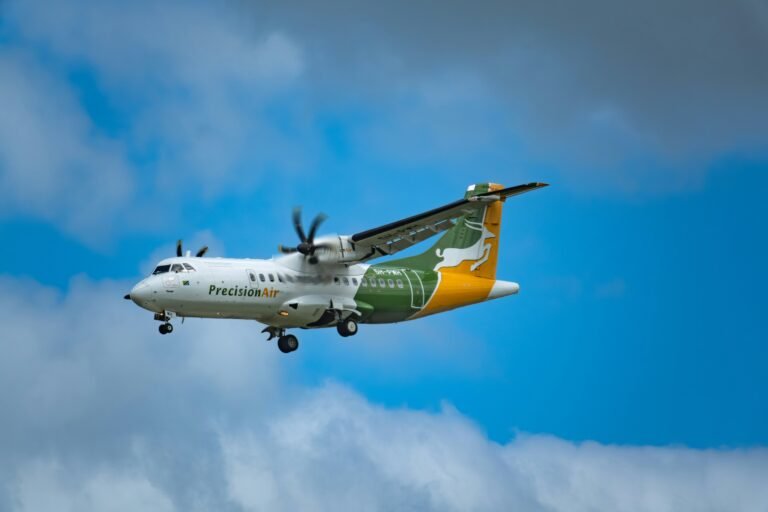
How Much Is A Flight From Serengeti To Zanzibar? 2027
How Much Is a Flight From Serengeti to Zanzibar? is explained with current 2027 planning, price, itinerary and booking information.
View package details
Serengeti To Zanzibar Flight Price : Tickets & Airline Logistics Guide 2027
A comprehensive guide to managing the complex travel logistics and expected flight costs when transitioning from the Serengeti National Park to Zanzibar Island in 2027.
View package detailsNo related package matches those filters. Clear one or more filters to see the other topic-matched options.



