
A 3 Day Serengeti and Ngorongoro Group Safari is an intensive, cost-effective wildlife itinerary that maximizes time in Tanzania’s premier parks by sharing transport and accommodation costs with other travelers. Starting on October 27, 2026, this specific group departure focuses on the northern circuit’s highlights—Serengeti National Park and the Ngorongoro Crater—offering a condensed, high-impact wildlife experience for those with limited time who want to see the Big Five without a complex planning process.
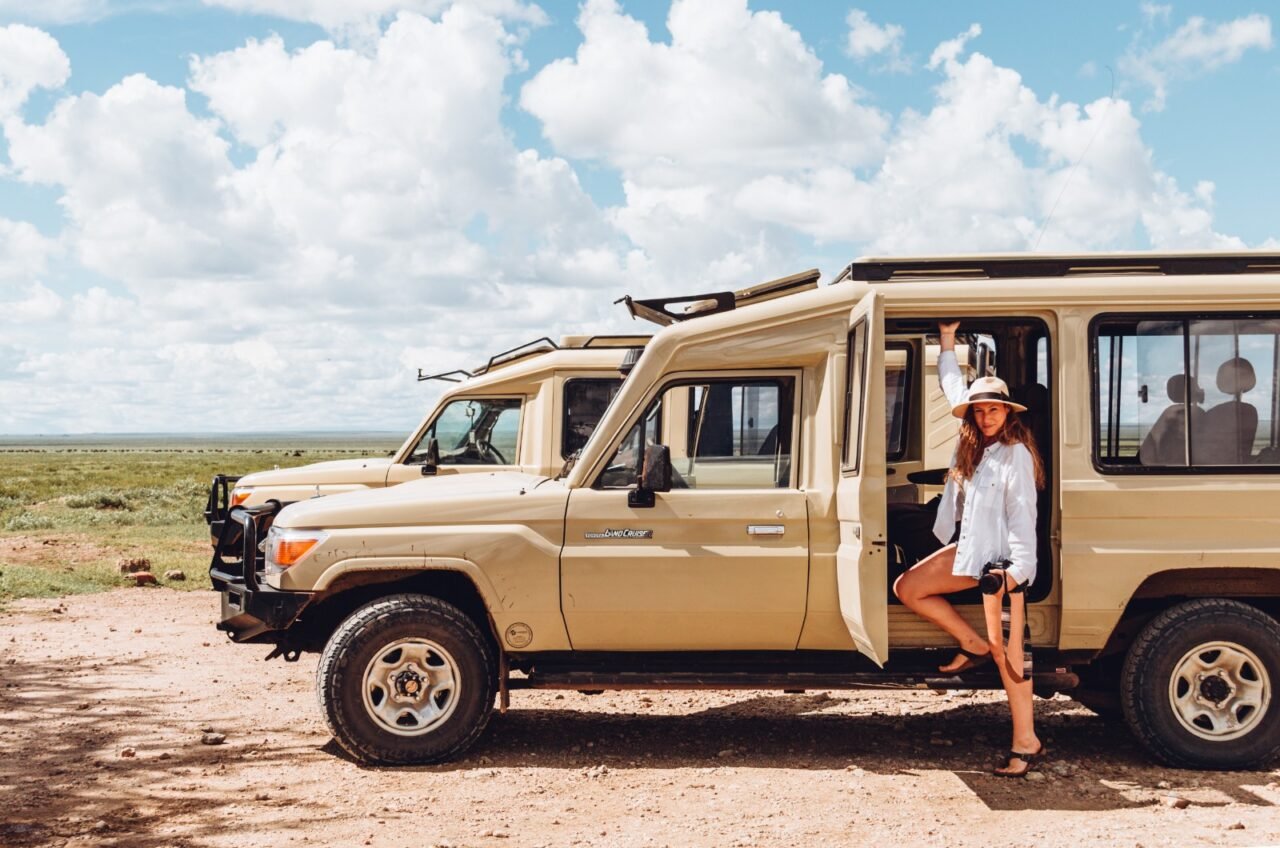
When you have limited time in Tanzania, every hour counts. A 3-day itinerary is not for the faint of heart; it is a fast-paced, purposeful journey designed for travelers who want to see the best of the Northern Circuit without the overhead of a private, custom-built expedition. By joining our group safari departing on October 27, 2026, you are choosing a logistical solution that balances efficiency with the raw experience of the African bush.
This specific date falls at the tail end of the dry season, a time when wildlife is highly concentrated around permanent water sources. The transition toward the short rains means the landscape is changing, yet the game viewing remains excellent. If you are balancing a Kilimanjaro climb, a Zanzibar beach holiday, or a strict vacation window, this 3-day route provides the necessary access to the Serengeti plains and the Ngorongoro Crater floor in a single, cohesive package.
The Logistics of a 3-Day Northern Circuit Safari
The primary challenge of a 3-day trip is the driving distance. The Serengeti is vast, and reaching it from Arusha requires a significant commitment on the road. Our group departures are structured to minimize downtime while maximizing your time in the parks.
Typically, the route is broken down to ensure you hit the most critical zones. You are not just driving; you are traversing the Ngorongoro Conservation Area to enter the Serengeti. This transit itself is often a game drive, as the road passes through habitats where zebras, wildebeests, and gazelles are frequently visible. By grouping with other travelers on October 27, you share the costs of the 4×4 land cruiser, the professional driver-guide, the park entrance fees, and the accommodation, which is the most effective way to keep your budget predictable.
Why the Serengeti and Ngorongoro Pairing?
You might wonder if adding a third park is possible in three days. While we offer options like the 3 Day Tarangire, Lake Manyara and Ngorongoro Group Safari, our Serengeti-focused 3-day itinerary is distinct because it prioritizes the sheer scale of the Serengeti. If your goal is to see the iconic kopjes, the vast grasslands, and the high predator density of the Serengeti, this is the route you choose. Pairing this with the Ngorongoro Crater—often described as the “eighth wonder of the world” for its high density of wildlife within a collapsed caldera—gives you the most diverse wildlife experience possible in just 72 hours.
What to Expect on October 27, 2026
Late October in Tanzania is a transitional period. The long dry season is ending, and the short rains are usually just beginning to hint at their arrival. For the traveler, this means the dust is settling, the vegetation is beginning to turn a lush green, and the animals are often active. You are avoiding the peak crowds of July and August, yet you are still getting prime wildlife viewing.
On this specific departure, your group will consist of like-minded travelers who have also prioritized a concise, high-value safari. The social dynamic of a group joining safari is a significant part of the experience. You will share meals, swap stories from the road, and navigate the logistics together. If you prefer more solitude, you might look into a private tour, but for those who enjoy the camaraderie of a shared expedition, this is the optimal format.
Itinerary Flow: A Condensed View
While every group safari is subject to real-time adjustments based on animal migration patterns and road conditions, the 3-day flow is generally consistent:
- Day 1: Arusha to Serengeti. Your morning begins early in Arusha. The drive takes you through the Ngorongoro highlands. You will enter the Serengeti in the afternoon for an introductory game drive, heading toward your campsite or lodge.
- Day 2: Serengeti to Ngorongoro. This is your full immersion day. You will spend the morning exploring the central or southern Serengeti plains. In the afternoon, you will begin the drive back toward the Ngorongoro Conservation Area, staying at the crater rim or nearby to prepare for an early start.
- Day 3: Ngorongoro Crater to Arusha. You descend into the crater floor at sunrise. This is the best time to spot the black rhino and the high concentrations of lions and hyenas. By the afternoon, you ascend and make the return drive to Arusha, typically arriving in the early evening.
If this itinerary feels too rapid, you may want to compare it with our 5 Day Tanzania Northern Circuit Group Joining Safari, which allows for a more relaxed pace and an extra day of exploration.
Understanding the “Group Joining” Concept
Many travelers are new to the concept of a group joining safari. It is not a rigid tour with forced schedules; it is a shared-cost model. We consolidate individual travelers or smaller groups into a single vehicle to reduce the per-person cost of the 4×4, the fuel, and the guide’s services. This is not just about price—it is about sustainability and community. You are sharing the experience with others who are equally excited about the wildlife.
However, this requires a degree of flexibility. You are part of a team. Your driver-guide will make decisions based on the group’s collective interest and the best wildlife sightings of the day. If you have specific, inflexible photographic requirements or private needs, a group safari might require more compromise than a private, tailor-made trip.
The Financial Logic of Group Safaris
Safari costs in Tanzania are heavily driven by vehicle and park fees. By filling a 6- or 7-seater land cruiser, the per-person cost drops significantly compared to a private hire. When you book our October 27 departure, you are locking in a price that includes the shared infrastructure of the trip. We encourage you to reach out for a custom quote based on the current group size, as the more travelers joining the vehicle, the more efficient the cost structure becomes.
For those interested in other dates or broader options, you can view our full list of Tanzania Safari Group Departures.
Essential Preparation for Your October Safari
Even for a short 3-day trip, preparation is key. Here are the practicalities you need to manage before October 27:
- Packing: Layers are your best friend. The Ngorongoro Crater rim is cold in the early morning, while the Serengeti plains can be hot by midday. Bring a light jacket, a hat, and comfortable, neutral-colored clothing.
- Visa & Documentation: Ensure your e-visa is processed well in advance. Do not rely on visa-on-arrival if you can avoid it, to save time at the airport.
- Health: Check with your local travel clinic regarding yellow fever certificates (if coming from a risk country) and malaria prophylaxis.
- Camera Gear: You don’t need a professional rig, but a camera with a decent zoom lens is recommended. The wildlife is often closer than you think, but a 200mm to 300mm zoom helps with shy animals.
Common Questions About Our October Departures
What if the group doesn’t fill up?
We manage our group departures to ensure they are viable. If a specific group size threshold isn’t met, we will communicate with you well in advance to offer alternatives, such as joining another group or upgrading to a private safari.
Is accommodation included?
Yes, all our group safaris include accommodation. Depending on the package you choose, this will be either mid-range lodges or budget-friendly tented camps. We provide these details when you request your booking.
How do I book this specific date?
Booking is a straightforward process. Because this is a group departure for October 27, 2026, space is limited. We recommend reaching out as early as possible to secure your seat. You can contact us via WhatsApp at +255 747 477 898 or email us at climb4africa@gmail.com. Alternatively, you can use our backup contact at info@climb-4-africa.com.
Planning Your Next Step
Choosing a 3-day safari is a commitment to an active, observation-heavy few days. It is the perfect “taster” of what Tanzania has to offer. Whether you are adding this to a Kilimanjaro climb or making it the centerpiece of a short Tanzanian visit, our goal is to ensure the logistics are smooth so you can focus entirely on the Serengeti and the Ngorongoro Crater.
If you are still weighing your options, look at our broader End of October 2026 Tanzania Group Joining Safaris page to see if a different duration or route fits your schedule better. Once you have a date in mind, send us a message. Include your preferred travel dates, the number of people in your party, and any specific accommodation preferences (camping vs. lodge). We will handle the rest, providing you with a clear, honest assessment of availability and the next steps to confirm your spot on the October 27 departure.
Deep Dive: Navigating Your Three-Day Wildlife Schedule
While the previous overview provided a high-level summary of your trip, a 3-day safari is effectively a sprint. Understanding the rhythm of these three days is essential for managing your energy and expectations. Because you are covering significant ground, each day has a distinct environmental focus that changes how you interact with the landscape and the wildlife.
Day 1: The Transition from Highlands to Plains
Your journey begins in Arusha, a city that sits at the base of Mount Meru. As you depart, the first few hours are defined by the ascent into the Ngorongoro Conservation Area highlands. This is not yet the safari; this is the approach. You will notice the climate shift as you climb in altitude—the air becomes crisper, and the vegetation turns lush and green, often shrouded in a light mist. This highland region is home to traditional Maasai settlements, and you will likely see pastoralists grazing cattle along the roadside, offering a glimpse into the human side of the Tanzanian ecosystem.
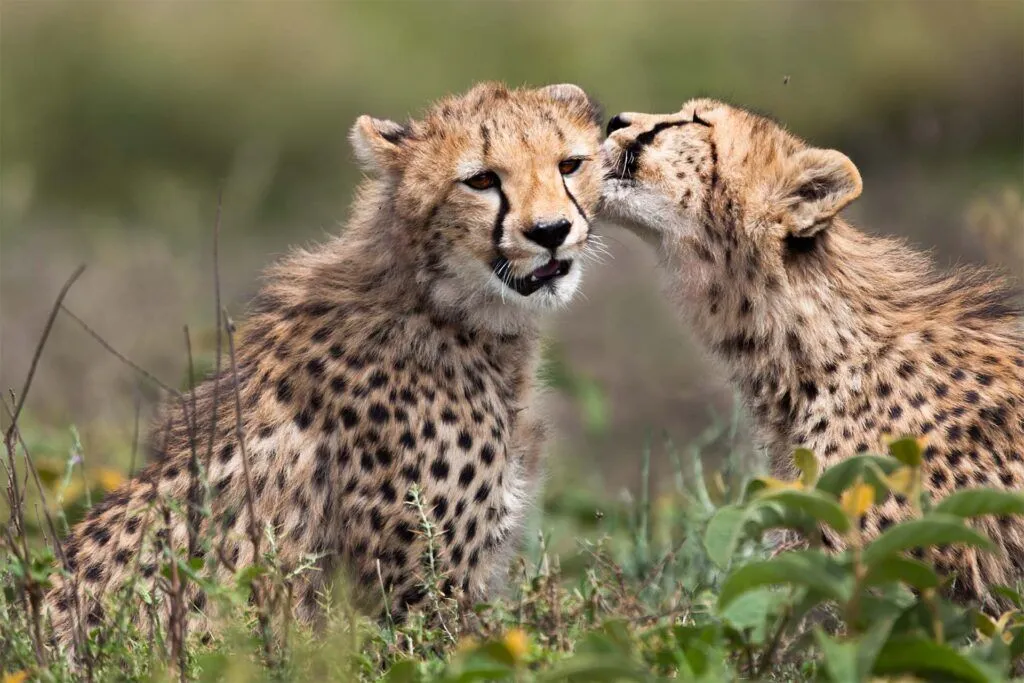
As you cross the Ngorongoro Conservation Area, you are essentially driving on the “roof” of the region. The highlight of this transit is the moment you reach the Naabi Hill Gate. This is the official entrance to the Serengeti. The transition here is dramatic: the high-altitude forests give way abruptly to the short-grass plains of the southern Serengeti. This is where your game drive officially begins. Because you are entering the park in the afternoon, your focus is on the “en route” game drive toward your accommodation. This is often the best time to spot predators like lions or cheetahs, who are beginning to stir as the midday heat wanes. The landscape here is iconic—vast, golden grasslands dotted with flat-topped acacia trees, providing the classic silhouette of the African bush.
Day 2: The Heart of the Serengeti
Day two is your dedicated Serengeti day. By staying within or near the Seronera Valley, you are positioned in the epicenter of the park’s wildlife activity. The Seronera area is unique because of its permanent water sources and rocky outcrops, known as kopjes. These rock formations act as natural vantage points for predators.
During this full day, your guide will prioritize the search for the “Big Five,” but the experience is about more than just checking off a list. You will spend hours traversing the riverbanks where leopards are frequently spotted resting in the branches of sausage trees. The density of wildlife here is high, and because it is a group safari, you benefit from the “radio network”—guides communicate with one another about recent sightings, allowing your vehicle to quickly pivot toward a pride of lions feeding or a herd of elephants crossing the path. This day is about immersion. You are not just driving; you are observing the complex social dynamics of the Serengeti, from the territorial disputes of impala to the patient stalking of lions in the tall grass.
Day 3: The Crater Floor and the Return
The final day is perhaps the most physically compact but visually dense. You will depart the Serengeti early, heading back toward the Ngorongoro Crater. The Crater is a UNESCO World Heritage site and a self-contained ecosystem. Unlike the open plains of the Serengeti, the Crater floor is a enclosed caldera. This geography means animals are concentrated in a much smaller area, making it one of the best places in Africa to see the endangered black rhinoceros.
The descent into the Crater is a thrill in itself, as you drop 600 meters from the rim to the floor. Once inside, the game viewing is almost instantaneous. You might find yourself surrounded by herds of wildebeest and zebra within minutes. Because the Crater is a bowl, you can often see animals from a great distance, allowing for dramatic photography. After a morning of intensive exploration, you will begin the ascent back up the crater walls, providing one final, impressive view of the interior before the long drive back to Arusha. This day is a high-octane conclusion to the trip, designed to pack as much wildlife density as possible into your final hours before returning to civilization.
Understanding the Wildlife Dynamics in Late October
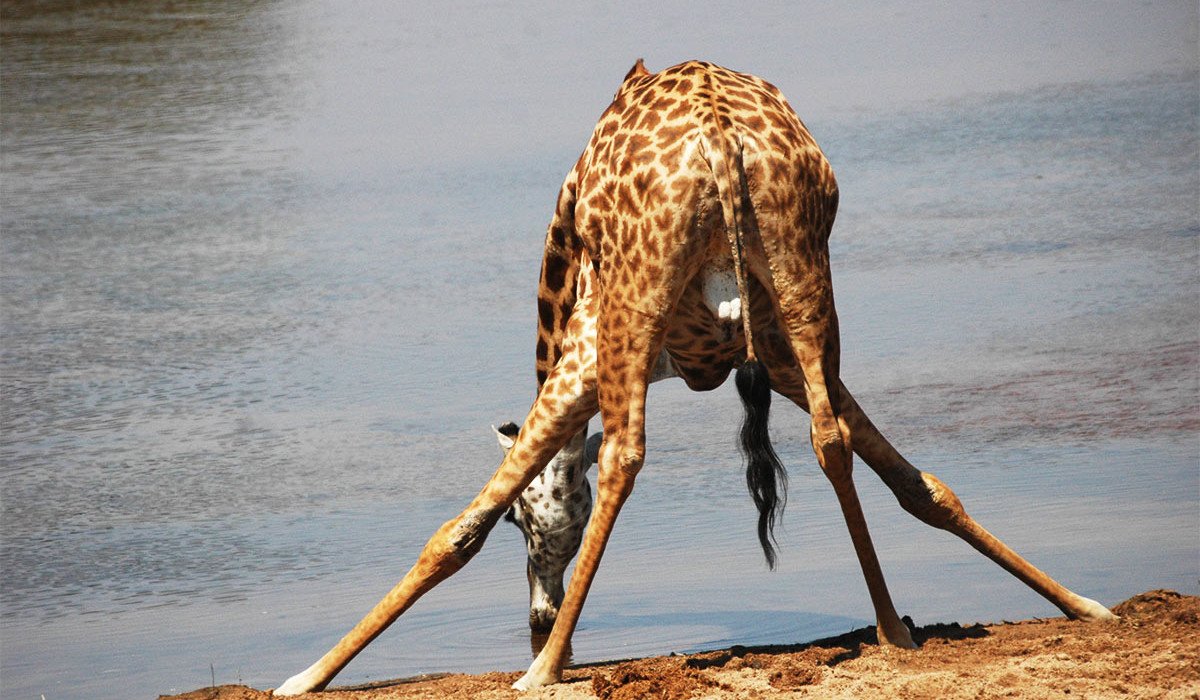
For those departing on October 27, it is helpful to understand why the animals behave the way they do at this specific time. October is the end of the long dry season. Water is scarce, and for the wildlife, life revolves entirely around permanent water holes and river systems. This is an advantage for you. You do not need to spend hours searching the vast, empty plains; instead, you head to the places where the animals must congregate to drink.
In the Serengeti, this means the Seronera River and other permanent pools become magnets for game. You will see large concentrations of herbivores, which in turn attract the predators. It is a time of high tension in the bush. The dust can be significant, but the visibility is excellent because the vegetation is sparse, making it much easier to spot animals that would otherwise be hidden in thick, rainy-season foliage. By late October, the ecosystem is preparing for the “short rains” of November. You might notice the first signs of green shoots appearing, or the sky darkening in the afternoons, adding a dramatic backdrop to your wildlife photographs. This transitional period offers a perfect balance: the reliability of dry-season game viewing with the anticipation of the coming rains.
The Social Dynamics of Shared Safari Vehicles
When you commit to a 3-day group joining safari, you are agreeing to share a confined space with fellow travelers for the duration of your wildlife expedition. While the logistics of the route are managed by the operator, the success of the trip often hinges on the social dynamics within the 4×4. Understanding the unspoken etiquette of these vehicles ensures that every participant, regardless of their photography skills or experience level, has an equitable and enjoyable experience.
Mastering the 3-Day Vehicle Rotation
In most group-joining configurations, the vehicle is a 6- or 7-seater land cruiser equipped with a pop-up roof. To prevent any single passenger from monopolizing the prime window seats, it is standard practice to rotate seating positions. Ideally, this should be established on the morning of Day 1. A common approach is to rotate clockwise or counter-clockwise after every major game drive or at the start of each new day. By agreeing to this rotation early, you eliminate the potential for friction and ensure that everyone gets their turn at the best vantage points for spotting leopards in the trees or lions near the road.
Photography Etiquette in Close Quarters
The interior of a safari vehicle is tight, especially when you factor in camera bags, long lenses, and binoculars. The most important rule of etiquette here is spatial awareness. Avoid leaning over your seatmate to capture a shot, as this often blocks their view and can cause the vehicle to tilt or shift. When the vehicle stops for a sighting, communicate with your group before standing up. If you are using a large telephoto lens, try to keep it within the footprint of your seat. Remember that the vehicle itself acts as a “blind”—the animals are accustomed to the shape of the car, but they are not accustomed to humans suddenly popping up or moving erratically. Keep your movements fluid and quiet to avoid spooking the wildlife.
Navigating National Park Regulations and Wildlife Ethics
Tanzania’s national parks are strictly regulated environments. While you are there to observe, you are also there to protect the ecosystem. Your guide is legally responsible for the group’s conduct, and adhering to their instructions is not merely a suggestion—it is a requirement of your entry permit.
The “No-Exit” Policy and Safety Protocols
You will frequently hear the phrase “stay in the vehicle” throughout your three days. This is not a suggestion for your comfort; it is a critical safety protocol. In the Serengeti and Ngorongoro, animals do not perceive the vehicle as a threat, but they do perceive a human stepping out of it as an entirely different entity—either a potential prey item or a threat to be neutralized. Whether you are in the middle of the Serengeti plains or on the Crater floor, never attempt to exit the vehicle unless you are in a designated picnic area or campsite. Furthermore, never lean out of the windows or stand on the seats while the vehicle is in motion, as the terrain can be uneven and unpredictable.
Why Silence is Your Best Tool for Game Viewing
Many travelers underestimate the importance of noise control. Wildlife, particularly predators like lions and cheetahs, have highly acute hearing. Loud conversations, ringing phones, or even the rustling of plastic bags can carry across the open plains and alert animals to your presence long before you get close enough for a good view. During game drives, maintain a low volume. If you need to communicate with your group or the guide, do so in whispers. This silence allows the guide to hear the subtle cues of the bush—the alarm call of a bird or the distant rumble of an elephant—that signal where the action is happening.
The Zero-Trace Philosophy
The Serengeti and Ngorongoro Crater are fragile ecosystems. Littering is strictly prohibited and carries heavy fines, but this extends beyond just trash. Do not discard fruit peels, food scraps, or tissues, as these can introduce non-native bacteria or attract animals to roadsides, which puts them at risk of vehicle collisions. Always keep a small personal trash bag in your daypack to store your refuse until you reach your accommodation, where it can be disposed of properly. By adhering to these standards, you contribute to the sustainability of the parks you have traveled so far to see.
The Human Element: Tipping and Local Interaction
A question that frequently arises in group safaris is the protocol for tipping. While gratuities are entirely at your discretion, they are a deeply ingrained part of the Tanzanian safari culture. The guide is the lynchpin of your 3-day experience; they act as your driver, wildlife spotter, translator, and educator. A standard practice is to pool tips as a group at the end of the final day, rather than tipping individually. This simplifies the process and ensures the guide is fairly recognized for the effort of managing the group’s logistics and safety throughout the journey. Beyond the guide, if your group stays at a lodge or tented camp, there is often a communal tip box at the reception for the support staff, which is a wonderful way to acknowledge the chefs and housekeeping teams who work behind the scenes to make your stay comfortable.
Navigating the Physical and Environmental Realities of Your 3-Day Sprint
While the logistical flow of your three-day safari is designed to minimize travel time, the physical reality of spending three consecutive days inside a 4×4 vehicle is a factor that every traveler must prepare for. The roads within the Ngorongoro Conservation Area and the Serengeti are primarily unpaved, consisting of corrugated dirt, gravel, and, in some sections, deep sand. This terrain creates a constant, rhythmic vibration—often affectionately referred to by seasoned guides as an ‘African massage’—that can be physically fatiguing over long hours. To manage this, prioritize hydration, but be mindful of your intake; while your guide will plan stops, long stretches of game viewing may keep you in the vehicle for several hours at a time. It is wise to utilize the ‘bush toilet’ stops strategically when the guide deems it safe to exit the vehicle in designated areas, rather than waiting for the next lodge.
Dust is another omnipresent element of the October landscape. As the dry season concludes, the soil is fine and powdery. When the vehicle moves, this dust infiltrates even the most well-sealed windows. Protect your sensitive equipment, such as camera sensors and lenses, by keeping them in dust-proof bags when not in use. For your personal comfort, a buff or lightweight scarf is essential for covering your nose and mouth during transit between game viewing locations. Additionally, if you are prone to motion sickness, the combination of winding highland roads and bumpy plains can be challenging. Pack appropriate medication and take it before the drive begins, as the winding roads of the Ngorongoro highlands are particularly prone to inducing nausea in sensitive passengers.
Tented Camps vs. Lodges: Understanding Your Accommodations
In the context of a 3-day group safari, you will likely encounter two primary styles of accommodation: permanent lodges and luxury tented camps. Understanding the difference is vital for managing your expectations regarding comfort and connectivity. Permanent lodges are constructed from concrete, stone, or timber. They function much like standard hotels, offering reliable 24-hour electricity, private bathrooms with hot running water, and often, dining halls with expansive views. These are ideal if you prioritize creature comforts and a more structured, hotel-like environment after a long day in the field.
Conversely, tented camps—a staple of the Serengeti experience—offer a more in-depth connection to the bush. These are not campsites in the traditional sense; they feature canvas walls, proper beds, and en-suite bathrooms, but they are designed to be temporary and eco-friendly. The key trade-off is often power and connectivity. Many tented camps rely on solar power or generators that may only run during specific hours in the morning and evening. This means you may not have constant electricity to charge multiple devices throughout the night. If you rely on high-drain electronics, bring a portable power bank to ensure your camera batteries and phones remain charged regardless of the camp’s power schedule. Furthermore, the ‘walls’ of a tented camp are canvas; you will hear the sounds of the Serengeti—the distant whoop of a hyena or the rustle of grass—much more clearly than in a lodge. This is part of the allure, but it requires a mindset shift for those accustomed to soundproofed, urban hotel rooms.
Managing Expectations: The ‘Big Five’ vs. The Ecosystem
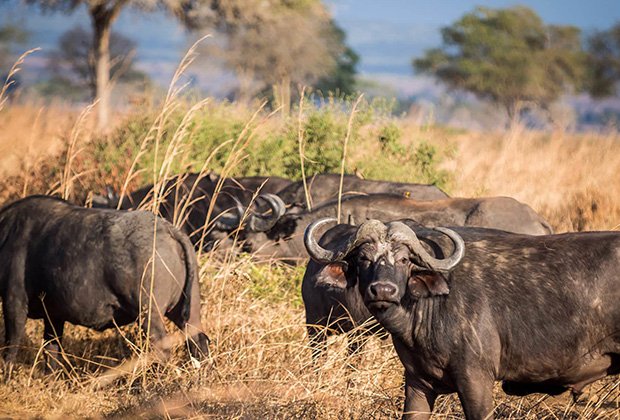
A frequent point of friction for first-time safari-goers is the ‘Big Five’ checklist. The term, which originally referred to the animals most difficult to hunt on foot—lion, leopard, elephant, buffalo, and rhino—has become a marketing benchmark for safari success. However, treating your three-day safari as a scavenger hunt can detract from the experience. The Serengeti is an ecosystem, not a zoo. Wildlife behavior is dictated by the season, the weather, and the individual animal’s needs, not by the group’s desire for a photo opportunity.
On your October 27 departure, you may find the migration has moved to specific sectors, or perhaps a leopard is hiding deep within the thickets of a riverine forest. If you spend your limited three days exclusively demanding the ‘Big Five,’ you risk missing the spectacular, smaller-scale dramas: the intricate social interactions of a baboon troop, the patience of a raptor waiting for a thermal, or the resilience of the plains game as they navigate the dry season. Approach your safari with a philosophy of observation rather than acquisition. Ask your guide about the ecology, the plants, and the birdlife. Often, the most memorable moments of a short safari are not the sightings of the ‘Big Five,’ but the unexpected, quiet encounters with the Serengeti’s less-heralded residents. By releasing the pressure to ‘collect’ sightings, you open yourself to a more authentic and rewarding wildlife experience.
The Mechanics of Connectivity: Digital Limitations in the Bush
One of the most frequent sources of friction during a 3-day group safari is the disconnect between modern expectations of constant digital access and the reality of the Tanzanian bush. When you depart on October 27, you are entering regions—particularly deep within the Serengeti and the Ngorongoro Conservation Area—where cellular infrastructure is sparse, inconsistent, or entirely non-existent. Understanding how to manage your digital life during this 72-hour window is crucial to avoiding frustration and staying present in the experience.
Most lodges and permanent tented camps in the Serengeti offer Wi-Fi in their main communal areas, such as the dining tent or lounge. However, it is essential to adjust your expectations regarding speed and reliability. These connections are typically satellite-based or dependent on remote cellular towers, meaning bandwidth is limited. They are generally sufficient for sending a quick text-based message or uploading a single low-resolution photo to social media, but they are rarely capable of supporting video calls, streaming services, or large file uploads. If you attempt to back up your entire photo library to the cloud during your stay, you will likely overwhelm the local network for everyone else in the lodge.
Furthermore, connectivity within the safari vehicle itself is effectively zero for long stretches of the day. While your guide will have a radio for communication with other drivers—a vital safety tool for locating wildlife and coordinating logistics—this does not provide internet access for passengers. Relying on your phone’s cellular data roaming is rarely a viable solution; once you leave the outskirts of Arusha or Karatu, signal strength drops rapidly. In the vast, flat plains of the Serengeti, you might catch a faint signal on a hilltop, but it is too sporadic to rely on for work emails or critical travel arrangements.
To prepare for this digital isolation, we recommend the following steps:
- Download Offline Maps and Content: Before leaving Arusha, download any maps, playlists, podcasts, or reading materials you might want for the long drives between locations.
- Notify Essential Contacts: Inform family or colleagues that you will be effectively unreachable for three days. This prevents unnecessary worry and allows you to fully disengage.
- Manage Cloud Syncing: Turn off “Auto-Backup” for your photos and videos on your phone. These processes run in the background and can drain your battery rapidly as your device constantly searches for a signal that isn’t there.
- Bring Physical Entertainment: A notebook, a physical book, or a deck of cards is often more reliable than an e-reader or tablet. The downtime at the camp in the evening is a perfect time to reflect on the day’s sightings without the distraction of a screen.
By treating these three days as a planned digital detox rather than a period of “interrupted service,” you shift your perspective. The lack of connectivity is not a flaw in the safari experience; it is a feature that allows you to disconnect from the digital noise of your daily life and reconnect with the environment you have traveled thousands of miles to witness.
Hydration and Altitude: Managing Your Physical Well-being
The 3-day Northern Circuit itinerary involves significant shifts in altitude and climate that can catch unsuspecting travelers off guard. Your journey begins in Arusha, located at approximately 1,400 meters (4,600 feet) above sea level, and quickly ascends into the Ngorongoro Conservation Area, where the crater rim sits at over 2,300 meters (7,500 feet). While these altitudes are generally not high enough to cause severe altitude sickness, the rapid change in elevation, combined with the arid, dusty conditions of the late-October dry season, can cause dehydration and mild headaches if not managed properly.
The air in the Serengeti and the Crater is remarkably dry in October. You may not feel like you are sweating, as the moisture evaporates almost instantly in the heat, but your body is losing fluids rapidly. A common mistake is waiting until you feel thirsty to drink water. By the time you feel thirst, you are likely already mildly dehydrated. We recommend carrying a reusable water bottle that holds at least 1.5 liters and making a conscious effort to sip throughout the day, even during the long game drives.
Additionally, the “dust factor” is a significant physical reality of late October. As the dry season concludes, the roads are covered in fine, powdery dust. When vehicles pass, or when the wind picks up, this dust enters the cabin of the 4×4. If you wear contact lenses, you may find them uncomfortable during the drive; bringing a pair of glasses and eye drops is highly advisable. Similarly, if you have any respiratory sensitivities, a buff or a light scarf to cover your nose and mouth when driving on particularly dusty stretches can make a world of difference in your comfort levels.
Navigating the Departure Logistics: Arusha vs. Moshi
A frequent point of confusion for travelers booking a 3-day safari is the distinction between Arusha and Moshi as starting points. While both are primary hubs for northern Tanzania tourism, they serve very different roles regarding your October 27 departure. Because your safari begins with an early morning transit through the Ngorongoro Conservation Area, your choice of pre-safari accommodation is a critical factor in your ability to meet the group on time.
Arusha is the logistics capital of the northern circuit. It is situated significantly closer to the western gate of the Ngorongoro Conservation Area (the Loduare Gate). If your 3-day group safari departs at 7:30 AM or 8:00 AM, staying in Arusha is standard. It allows for a shorter morning drive to the meeting point or pick-up location. Many group operators coordinate pickups from centrally located Arusha hotels, making the transition into the safari vehicle smooth.
Moshi, by contrast, is located approximately 80 to 100 kilometers east of Arusha, typically a 1.5 to 2-hour drive depending on traffic. Travelers often confuse the two because Moshi is the base for most Kilimanjaro expeditions. If you are arriving in Tanzania to climb the mountain and then immediately head to the Serengeti, you must account for this buffer. Starting your safari day from Moshi requires an extremely early start—often departing your hotel by 5:00 AM—to reach the Arusha meeting point in time. This adds unnecessary fatigue to the start of your three-day sprint. Whenever possible, plan to transfer from Moshi to Arusha the evening before your safari begins. This ensures you are rested, localized, and ready for the early departure, rather than spending your first safari morning navigating highway traffic between towns.
The Reality of Shared Luggage Space
When you join a group safari vehicle, you are not just sharing the cabin space; you are sharing the storage capacity of a 4×4 Land Cruiser. These vehicles are designed for off-road durability and passenger visibility, not for transporting large amounts of luggage. Every group member is limited to one soft-sided duffel bag and a small daypack. Hard-shell suitcases are notoriously difficult to stow in the rear compartments of safari vehicles and can cause damage to the vehicle’s interior trim or to the gear of other passengers.
If you are traveling with large suitcases—perhaps because you are on a longer trip or have just finished a Kilimanjaro climb—you must arrange for luggage storage before you depart. Most reputable hotels in Arusha or Moshi offer secure, long-term luggage storage for a nominal fee or as a courtesy for guests returning to the hotel after the safari. Do not assume you can bring your full travel kit into the vehicle. Simplifying your packing to a single soft bag not only ensures you comply with the group’s space constraints but also makes the daily loading and unloading process at lodges and campsites significantly faster, which is vital for maintaining the tight schedule of a three-day itinerary.
Navigating On-the-Ground Practicalities
As you prepare for your October 27 departure, it is essential to move beyond the logistics of the vehicle and the route and consider the nuanced, daily realities of living in the bush for three days. Because your group safari is designed to be efficient and in-depth, you will encounter specific challenges regarding power, cultural interactions, and nutrition that differ significantly from a standard hotel-based vacation. Preparing for these small, manageable hurdles will drastically improve your comfort and enjoyment.
Power Management and Device Charging in Remote Camps
One of the most frequent points of friction for travelers in the Serengeti and Ngorongoro regions is the expectation of constant electrical access. In many remote tented camps and mid-range lodges, electricity is not a 24-hour utility. Instead, these facilities often operate on a combination of solar power and diesel generators. Generators are frequently switched on only during specific “power hours,” typically in the early morning (to assist with getting ready) and in the evening (for lighting and dinner service). During the middle of the day, when you are out on game drives, the power is often cut to conserve fuel and minimize noise pollution in the park.
Because your group vehicle is a shared space, it may not always be equipped with universal power outlets for charging cameras, phones, and power banks while in transit. Relying on the lodge to charge your devices can be risky if you are only there for a short window. The most effective strategy for your three-day sprint is to bring a high-capacity portable power bank (at least 20,000 mAh). This allows you to charge your devices overnight or while on the move, ensuring you are never left with a dead camera battery when the migration appears or a pride of lions is spotted. Additionally, ensure your power bank is fully charged before leaving Arusha, as the first night in the bush may be your only time to top it up before the second day’s activities.
Cultural Etiquette: The Maasai Boma Experience
Between the Serengeti and the Ngorongoro Crater, many three-day itineraries include an optional visit to a Maasai boma (a traditional village). This is a unique opportunity to gain a snapshot of the local pastoralist culture, but it requires a high degree of cultural sensitivity. These visits are often organized as part of the transit day, and it is important to remember that you are visiting a functioning community, not a theme park exhibit. The Maasai people are proud of their heritage, and the entry fees collected at these stops are vital for community development, school funding, and water projects.
When visiting a boma, etiquette is paramount. Always ask for permission before taking photographs, especially of the elderly or children. While many Maasai are accustomed to tourists, snapping photos without asking can be perceived as intrusive or disrespectful. If you are invited to view a home or participate in a traditional dance, engage with genuine curiosity. Avoid the urge to rush through the experience to get back to the vehicle; the value of the visit lies in the brief human connection. If you plan to purchase crafts, remember that bargaining is culturally acceptable but should be done with respect and fairness. Understand that the prices you see are often the primary income source for the families in that village.
Managing Dietary Requirements in Group Settings
On a three-day group safari, your meals are often communal, and the logistical challenge of catering to specific dietary needs in the bush is substantial. Because your guide is responsible for managing the group’s schedule, they must coordinate lunch boxes or camp meals that are prepared in bulk. If you have specific dietary restrictions—such as severe allergies, veganism, or religious dietary requirements—you must communicate these to your operator at the time of booking, not upon arrival.
Picnic lunches, which are standard for the second and third days of your trip, are typically prepared in advance and carried in the vehicle. These usually consist of a standard pack: a sandwich, a piece of fruit, a boiled egg, a juice box, and a muffin. If you have a strict allergy, do not assume the kitchen will have an alternative on hand if you haven’t requested it weeks in advance. If you are a picky eater or have complex dietary needs, consider packing a few shelf-stable snacks from Arusha—such as nuts, energy bars, or dried fruit—to supplement your meals. This ensures that you maintain your energy levels for the long hours of game viewing without relying entirely on the pre-packaged group meals, which are designed for the average traveler, not for specialized diets.
The Final Transition: Post-Safari Logistics and Departure Planning
While much of the pre-trip focus is placed on the excitement of game viewing, the final hours of your three-day itinerary—specifically the transition from the Ngorongoro Crater floor back to the urban centers of Arusha or Kilimanjaro International Airport (JRO)—are where logistical errors most frequently occur. Travelers often underestimate the sheer physical and temporal distance between the Crater floor and their onward connection. On Day 3, you are not simply finishing a tour; you are navigating a four-to-five-hour drive that requires patience, especially as you encounter the increasing traffic density as you approach Arusha.
The most critical logistical trap for the uninitiated is the ‘evening flight’ assumption. Many travelers mistakenly believe that because the safari ‘ends’ in the afternoon, they can easily catch a flight departing from JRO at 6:00 PM or 7:00 PM. This is a high-risk strategy. The road from the Ngorongoro Conservation Area to Arusha is subject to variable traffic, construction, and the inevitable slow-down of heavy transport trucks. If your group is delayed by a flat tire, a slow-moving herd of cattle, or simply the time required to navigate the park exit gates, you may find your schedule tightening significantly. A safe rule of thumb is to avoid booking any onward flight—whether domestic to Zanzibar or international—before 9:00 PM. This buffer provides the necessary margin to account for the unpredictable nature of road travel in Northern Tanzania.
The Strategy of the ‘Day-Use’ Room
Because you will have checked out of your accommodation on the morning of Day 3, you will spend the entire final day in the safari vehicle, accumulating dust and fatigue. By the time you reach Arusha in the late afternoon, you will likely feel the need to shower, repack your luggage, and change into clean clothes before heading to the airport or your next destination. This is where a ‘day-use’ room becomes an invaluable investment. Many hotels in the Arusha area offer this service, allowing you to access a room for a few hours in the late afternoon and early evening at a fraction of the cost of a full night’s stay.
Securing a day-use room solves several problems simultaneously. First, it provides a secure space to store your luggage while you grab a final dinner. Second, it allows you to transition from ‘safari mode’—characterized by dusty hiking boots and neutral-colored, functional clothing—to ‘travel mode.’ Third, it provides a private, quiet environment to charge your devices one last time and organize your digital photos before your long journey home. Do not assume your tour operator will automatically provide this; inquire about day-use options at the time of booking so that your driver can drop you off at a hotel that facilitates this transition, rather than leaving you at the airport terminal several hours too early.
The ‘Safari Hangover’ and Post-Trip Fatigue
The final drive back to civilization is often a quiet one, frequently referred to by guides as the ‘safari hangover.’ After three days of high-intensity observation, constant movement, and the adrenaline of spotting wildlife, the physical reality of the journey begins to set in. The vehicle, once a source of excitement, can feel confined, and the dust that permeates the cabin will be noticeable. It is important to manage your expectations for this final leg. You will not have the energy for a city tour or an elaborate evening out. Prioritize rest, hydration, and a simple meal. If your plans include an immediate flight, accept that you will be arriving at the airport tired and dusty; having a change of clothes easily accessible in your day pack, rather than buried deep in your main luggage, will make your airport experience significantly more comfortable.
Navigating the ‘Bush-to-Boarding’ Transition: The Logistics of Late-Night Departures
For many participants on the October 27 group safari, the return to Arusha is not the end of the journey but merely the penultimate hurdle before an international flight. Because the 3-day itinerary concludes with a late-afternoon return to the city, you may find yourself facing a significant time gap between your arrival at the hotel and your departure for Kilimanjaro International Airport (JRO). Understanding how to bridge this gap is critical to avoiding a stressful conclusion to an otherwise smooth experience.
Most international flights departing from JRO to Europe, the Middle East, or the Americas leave in the late evening (typically between 8:00 PM and 11:00 PM) or the very early morning hours. If you are on an evening flight, you will arrive back in Arusha around 5:00 PM or 6:00 PM. This leaves you in a logistical limbo: you are too late to do anything productive in the city, yet too early to check in for your flight. Relying on airport lounges is often insufficient, as JRO’s airside facilities are limited compared to major global hubs. Therefore, your strategy must focus on securing a ‘staging ground’—a place where you can safely store luggage, shower, and manage your final hours in Tanzania without the anxiety of being stranded in a public space.
The Role of Airport Transfers in Your Final Hours
When booking your group safari, verify whether your operator includes a transfer to the airport as part of the package or if it is an add-on. In the context of a 3-day group trip, the vehicle usually returns to the operator’s base or a central drop-off point in Arusha. If your international flight is the same night, you must ensure that your transfer from the drop-off point to the airport is pre-arranged. Attempting to hail a taxi or negotiate with ride-hailing services while carrying three days of safari gear and dust-covered luggage can be a chaotic end to a trip. A pre-booked transfer allows your driver to handle the logistics, ensuring you arrive at JRO exactly three hours before your flight, which is the standard recommendation for international departures from this airport.
Managing the ‘Dust Factor’ Before Your Flight
Three days in the Serengeti and Ngorongoro will leave you covered in a fine, pervasive red dust. This is not merely cosmetic; it permeates clothing, hair, and even electronics. If you are heading directly to the airport, your comfort—and the comfort of your fellow passengers—depends on your ability to refresh. If a day-use room is unavailable or budget-prohibitive, inquire with your safari operator about ‘transit facilities.’ Some operators maintain partnerships with local lodges that allow their guests to use shared shower facilities for a nominal fee. Even if you cannot secure a private room, having access to a clean bathroom and a place to change into fresh, non-safari clothing can drastically improve your experience during the long flight home. Pack a dedicated ‘travel set’ of clothing—lightweight, clean, and breathable—in your carry-on bag specifically for this moment, keeping it separate from the gear you used during the safari.
Digital Hygiene and Finalizing Your Safari Media
The final hours in Arusha are an ideal time to manage your digital footprint. Safari photography generates massive amounts of data, and the intermittent connectivity in the bush often prevents real-time backups. Use this time in your day-use room or transit lounge to perform a final offload of your memory cards to a laptop or cloud storage. This serves two purposes: it ensures your photos are backed up before you face the risks of international travel (such as lost luggage or damaged gear), and it allows you to charge your devices fully. Charging outlets in the bush are often limited to solar banks or generator-dependent wall sockets; take advantage of the reliable grid power in Arusha to ensure your phone, camera batteries, and power banks are at 100% before you head to the airport.
Navigating JRO Airport Security and Check-In
Kilimanjaro International Airport is a relatively compact facility, but it can become congested during the evening departure window. When you arrive at the airport, you will first go through a security screening before reaching the check-in counters. Be prepared for this; ensure your passport, flight tickets, and any required health documentation are easily accessible. Because you are coming from a group safari, you may be tempted to rush, but JRO procedures are methodical. After check-in and immigration, the airside area offers limited dining and shopping. If you have not had a proper meal in Arusha, do not assume you will find high-quality food inside the terminal. It is often safer to have a substantial dinner in Arusha before heading to the airport, ensuring you are not relying on airline snacks for your long-haul journey.
Due Diligence: Vetting Your Group Safari Operator
While the concept of a group-joining safari is straightforward, the operational reality varies wildly between companies. Because you are committing three days to a single vehicle and guide, your experience is entirely dependent on the quality of the operator you choose. Many travelers fall into the trap of selecting a provider based solely on the lowest price, only to discover later that the operational standards—such as vehicle maintenance, fuel policies, and guide expertise—are compromised. Vetting your operator requires looking beyond the brochure to understand the structural integrity of the company running your October 27 departure.
Identifying the ‘Owner-Operator’ vs. The Middleman
In the Northern Circuit, you will encounter two types of companies: direct owner-operators and booking agencies (middlemen). An owner-operator owns their fleet of Land Cruisers, employs their own drivers, and manages their own logistics. A middleman, conversely, is often a sales platform that consolidates bookings from various travelers and then ‘outsources’ the actual safari to a third-party ground handler. For a 3-day sprint, an owner-operator is almost always preferable. When you book with an owner-operator, the chain of communication is short; if a vehicle breaks down or a scheduling conflict arises, the person you are talking to has the authority to solve it immediately. When dealing with a middleman, you are often at the mercy of multiple layers of subcontracting, which can lead to communication gaps or a lack of accountability if your expectations are not met.
The Criticality of the ‘Guaranteed Departure’ Clause
One of the most significant risks in group-joining safaris is the ‘minimum passenger’ requirement. Many operators will list a 3-day itinerary at a highly attractive price, but these departures are often contingent on filling the vehicle. If the operator does not secure enough bookings for your specific date—October 27—they may cancel the trip or attempt to merge you into a different, perhaps less ideal, itinerary at the last minute. Before finalizing your booking, explicitly ask for a ‘guaranteed departure’ confirmation. A reputable operator will often guarantee the departure once a minimum number of travelers (usually two or three) are booked, or they will honor the price even if the group size is smaller than expected. If an operator refuses to provide this assurance, you are essentially gambling with your vacation dates.
Verifying Vehicle Maintenance Records
On a 3-day itinerary, your vehicle is your lifeline. The roads from Arusha to the Serengeti and back through the Ngorongoro Conservation Area are punishing. They are characterized by deep corrugations, loose gravel, and steep, rocky inclines. A vehicle that is not rigorously maintained will inevitably face mechanical issues, which can cost you precious hours of game viewing. When vetting, do not be afraid to ask about the age and maintenance schedule of the fleet. While you cannot inspect the vehicle personally before booking, a professional operator will be able to provide details about their maintenance cycle. Look for companies that emphasize preventative maintenance rather than ‘fix-on-failure’ models. A vehicle that is serviced after every trip is significantly less likely to suffer a breakdown in the middle of the Serengeti plains, where help can be hours away.
Assessing the ‘Hidden’ Cost Structure
When comparing quotes for your October safari, ensure you are comparing ‘apples to apples.’ Some operators provide a ‘base price’ that excludes mandatory park entry fees, camping fees, or crater service fees, which can add hundreds of dollars to the final cost. These fees are set by the Tanzania National Parks Authority (TANAPA) and the Ngorongoro Conservation Area Authority (NCAA), and they are non-negotiable. A transparent operator will provide an all-inclusive quote that lists these government fees separately from their service fee. Be wary of quotes that seem significantly cheaper than the market average; these often rely on cutting corners on the quality of food, the standard of the accommodation, or the experience level of the guide. In the context of a 3-day trip, where time is your most valuable asset, paying a premium for a high-quality, reliable operator is an investment in the success of your wildlife viewing, not just a luxury expense.
The Dynamics of ‘Single Supplement’ vs. ‘Group Joining’ in Three-Day Itineraries
A frequent point of confusion for travelers booking a three-day Serengeti and Ngorongoro group safari is the pricing structure surrounding room occupancy. When you book a spot on a group departure, the base price is almost universally calculated based on double occupancy. This means the operator assumes you will share a tent or lodge room with another traveler in your group. However, for solo travelers who prefer the privacy of their own space, the ‘single supplement’ fee becomes a critical financial consideration. Understanding why this exists—and how it affects your three-day budget—is essential for avoiding last-minute friction during check-in.
The single supplement is not merely a profit-margin markup; it is a direct reflection of the fixed costs inherent in Tanzanian safari logistics. Most lodges and tented camps in the Serengeti and Ngorongoro regions charge per room, not per person. When a solo traveler occupies a double room, the operator must cover the full cost of that room, which the camp charges regardless of whether one or two people are sleeping in the bed. Because your three-day safari package is priced as a shared-cost product, the operator has factored in the splitting of room costs between two people. When you request a private room, you are essentially asking the operator to absorb the cost of the empty bed, or to pay the full room rate that would otherwise have been shared.
For a three-day safari, this cost can be significant. It is important to ask your operator exactly what the single supplement covers. Does it grant you a private room for all three nights? Does it imply a private tent, or will you still be sharing facilities at a basic campsite? In many group-joining scenarios, the ‘single supplement’ is mandatory if you are a solo traveler and no other compatible person is available to share your room. This is a common occurrence on group departures, and it is a point of policy that should be clearly outlined in your booking terms and conditions before you confirm your October 27, 2026, travel date.
Navigating Group Dynamics and Shared Vehicle Etiquette
While the logistics of the room are straightforward, the social dynamics inside the 4×4 Land Cruiser are arguably the most impactful part of your three-day experience. You will be spending approximately 20 to 25 hours over three days in close proximity to the same five or six people. This environment can either enhance your safari or create unnecessary tension if ground rules are not established early. The most successful group safaris are those where passengers quickly align on priorities regarding game viewing, photography stops, and the use of the vehicle’s pop-up roof.
One of the most common sources of conflict is the ‘pop-up roof’ etiquette. During game drives, the vehicle’s roof is raised to allow passengers to stand and view wildlife. However, space at the roof opening is finite. If all passengers crowd the same side of the roof to photograph a leopard, the vehicle becomes unstable and unbalanced, which is dangerous on uneven terrain. A seasoned guide will manage this, but you can facilitate a better experience by rotating positions. If you are sitting on the left side of the vehicle for the morning game drive, offer to switch to the right side after lunch. This ensures that everyone gets a fair vantage point, regardless of where they are seated in the cabin.
Furthermore, consider the ‘noise discipline’ within the vehicle. While excitement is natural when spotting a lion or elephant, excessive chatter or loud movements can disturb the wildlife, particularly in the quiet of the Serengeti plains. Your guide needs to hear the radio communications from other drivers and the subtle sounds of the bush. Establishing a ‘quiet zone’ during intense game viewing moments—where conversation is kept to whispers—is a mark of a respectful safari participant. This not only improves your chances of seeing elusive predators that are sensitive to human noise but also ensures that everyone in the group has the opportunity to fully experience themselves in the sounds of the African wilderness.
The Mechanics of Park Permits and Entry Fees
While much of the focus for your October 27 departure centers on the wildlife and the vehicle, the operational backbone of your three-day safari is dictated by a strict, time-sensitive regulatory framework: the park entry permit system. Understanding how these permits function is essential for comprehending why your itinerary is so rigid and why your guide cannot simply ‘stay a little longer’ to find that last elusive leopard. In Tanzania, the Serengeti National Park and the Ngorongoro Conservation Area operate under different fee structures and time constraints, and both directly influence the pace of your group journey.
The 24-Hour Serengeti Permit Cycle
The Serengeti National Park operates on a strict 24-hour permit system. When your vehicle enters the park gate—whether it is the Naabi Hill gate from the direction of Ngorongoro or the western entry points—a clock begins ticking. Your entry fee grants you exactly 24 hours of access. If your group enters the park at 10:00 AM on the second day of your safari, your permit expires at 10:00 AM on the third day. This is not a suggestion; it is a hard regulatory limit enforced by TANAPA (Tanzania National Parks Authority) rangers. If your vehicle is found inside the park boundaries after your permit has expired, your operator faces severe fines, and the guide risks losing their license. This is why your guide will be disciplined about departure times from your lodge or camp. If the group is slow to pack or lingers too long at breakfast, you are quite literally burning the clock on your game viewing time.
The Ngorongoro Crater ‘Per-Entry’ Constraint
The Ngorongoro Conservation Area (NCA) operates differently than the Serengeti. While the Serengeti is a time-based permit, the Ngorongoro Crater floor entry is a ‘per-entry’ fee. This means that once you descend into the crater, you are permitted to stay until the designated closing time (usually 6:00 PM), but you cannot leave and re-enter on the same fee. Furthermore, there is a maximum time limit for vehicles on the crater floor, often capped at six hours to prevent overcrowding and environmental degradation. This is the primary reason your third day is structured as a ‘one-shot’ experience. You descend early in the morning to catch the predators while they are still active, complete your circuit of the crater floor, and ascend by mid-afternoon. There is no logistical capacity to return to the rim for lunch and go back down; the fee structure and the park regulations effectively prohibit a ‘split’ day.
Why This Makes Your Itinerary Rigid
The convergence of these two systems—the 24-hour clock of the Serengeti and the per-entry limit of the Ngorongoro Crater—is the reason why your three-day schedule feels like a finely tuned machine. When you are part of a group, these constraints are magnified. If one person in the vehicle requires an extra hour to manage their luggage or complete a morning routine, it doesn’t just delay the breakfast conversation; it eats into your actual time spent observing wildlife. If you miss your window for entering the Serengeti, you cannot simply ‘make it up’ later in the day. The permit validity is fixed. This is also why, if you encounter a major wildlife sighting—like a pride of lions on a kill—your guide will be constantly calculating the time. They are not being dismissive of your desire to watch; they are balancing the incredible experience of the sighting against the very real, very expensive, and legally binding reality of the permit expiration. Being an informed participant means understanding that when your guide says ‘we must move now,’ it is likely because the park authorities are watching the clock, and the group’s legal status inside the park depends on their strict adherence to the schedule.
The Logistics of the ‘Bush Picnic’ and Mid-Day Wildlife Viewing
For the traveler on a three-day itinerary, the concept of a ‘lunch break’ undergoes a radical transformation. You are not checking into a dining room; you are participating in a highly coordinated, logistical event known as the ‘bush picnic.’ Because your 3-day schedule is compressed to maximize time in the Serengeti and the Ngorongoro Crater, the mid-day meal is almost exclusively taken as a pre-packed lunch box provided by your accommodation. Understanding the mechanics of this meal is essential for maintaining group harmony and adhering to the strict park regulations governing waste and wildlife interaction.
These picnic sites are designated areas—often unfenced clearings near park gates like Naabi Hill or specific zones on the Ngorongoro Crater floor—where vehicles are permitted to park and passengers can stretch their legs. However, these are not parks in the Western sense; they are active wildlife habitats. When you exit your vehicle, you are entering a space shared with opportunistic wildlife, most notably vervet monkeys and baboons. These animals have learned that tourist vehicles equate to food. Maintaining a ‘zero-feed’ policy is not merely a suggestion; it is a critical safety and conservation mandate. Feeding wildlife alters their natural behavior, creates aggressive dependency, and can lead to dangerous encounters where animals associate humans directly with food sources.
The social dynamic within your group becomes particularly evident during these lunch hours. Picnic sites often feature limited seating—perhaps a few wooden benches or stone tables—that are shared among dozens of other safari vehicles. In the high season or during busy periods in late October, these areas can become crowded. Your guide will likely coordinate with other drivers to secure a spot, but you should be prepared to be flexible. If seating is unavailable, many travelers opt to eat near their vehicle or even standing, which is a common, accepted reality of the 3-day sprint. The ‘dust factor’ mentioned earlier is at its peak here; the red dust of the Serengeti plains is pervasive, and it will settle on your food and water bottles within minutes. Using your vehicle’s pop-up roof or staying inside the vehicle if the wind is particularly strong is a pragmatic choice many experienced travelers make.
Furthermore, the ‘trash-in, trash-out’ philosophy is absolute. Every piece of plastic, foil, and organic waste must be returned to the vehicle’s waste bin. There are no public trash receptacles in the bush. Your guide is responsible for ensuring that not a single wrapper is left behind, as park rangers conduct spot checks to enforce these cleanliness standards. By respecting these boundaries, you ensure that the picnic sites remain usable for the groups arriving after you, preserving the integrity of the ecosystem that you have traveled so far to witness.
Related Guides and Packages
Check Availability for Oct 27, – 3 Day Serengeti And Ngorongoro Group Safari 2026
Ready to compare dates, prices, and the best option for your group? Send the package name and travel month so the team can reply with a clear quote, availability, and what is included.
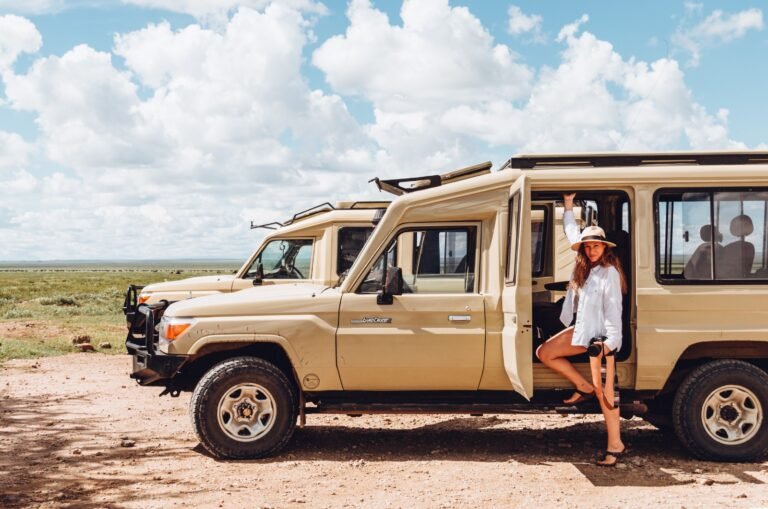
Nov 6, – 3 Day Serengeti And Ngorongoro Budget Group Safari 2026
A detailed look at our November 6, 2026 group departure for a 3-day Serengeti and Ngorongoro safari, including planning tips and route logistics.
View package details
Dec 29, – 6 Day Ndutu, Serengeti And Ngorongoro Group Safari 2026
A detailed guide to our 6-day group safari departure on December 29, 2026, focusing on the Ndutu plains, the Serengeti, and the Ngorongoro Crater.
View package details8 Day Serengeti And Ngorongoro Group Safari – December 16, 2026
Planning your December 2026 Tanzanian adventure? Our 8-day group safari offers a deep, unhurried exploration of the Serengeti and Ngorongoro Crater.
View package details
Dec 12, – 6 Day Serengeti, Ngorongoro, Tarangire And Manyara Group Safari 2026
Dec 12, 2026 – 6 Day Serengeti, Ngorongoro, Tarangire and Manyara Group Safari.
View package detailsDec 8, – 4 Day Tarangire, Serengeti And Ngorongoro Group Safari 2026
A detailed guide to our December 8, 2026 group joining safari, covering the itinerary, logistics, and what to expect during this 4-day wildlife adventure in Tanzania.
View package detailsNov 18, – 7 Day Serengeti And Ngorongoro Group Joining Safari 2026
A detailed guide to the 7-day group joining safari departing November 18, 2026, covering Serengeti, Ngorongoro, and the logistical advantages of shared travel.
View package detailsNov 10, – 4 Day Serengeti, Ngorongoro And Tarangire Group Safari 2026
Join our group safari on November 10, 2026, for an intensive 4-day tour of Tanzania's Northern Circuit. Perfect for those with limited time who want to experience the best of the Serengeti...
View package detailsOct 31, – 6 Day Serengeti, Ngorongoro, Tarangire And Manyara Group Safari 2026
A detailed look at the 6-day Northern Circuit group safari departing October 31, 2026, covering Tarangire, Manyara, Serengeti, and Ngorongoro Crater.
View package detailsOct 29, – 4 Day Tarangire, Serengeti And Ngorongoro Group Safari 2026
Plan your October 2026 Tanzania adventure. This 4-day group safari covers Tarangire, Serengeti, and Ngorongoro Crater with reliable local support.
View package details
3-Day Serengeti & Ngorongoro Safari From Zanzibar By Flight 2027
3-Day Serengeti & Ngorongoro Safari From Zanzibar by Flight is explained with current 2027 planning, price, itinerary and booking information.
View package detailsDec 14, – 7 Day Complete Tanzania Northern Circuit Group Safari 2026
Planning for December 2026? Join our 7-day complete Tanzania Northern Circuit group safari. A deep look at the Serengeti, Ngorongoro, and Tarangire with expert, locally-led logistics.
View package details
Fly-In Safari To Ngorongoro And Serengeti: Flights & Transfer Costs 2026-2027
Discover the logistics and cost breakdown for a fly-in safari to Ngorongoro and the Serengeti, including airstrip transfers, baggage limits, and vehicle positioning.
View package detailsNo related package matches those filters. Clear one or more filters to see the other topic-matched options.




One comment
july
October 23, 2026 at 1:55 am
thank you, you are the best