
A fly-in safari to Ngorongoro and Serengeti is a premium travel strategy that uses light aircraft to bypass the 6-to-8-hour road transfer from Arusha, significantly increasing your time on game drives. Costs are not just the price of a flight ticket; they are structured as the sum of scheduled bush flight fares and the necessary ‘dead mileage’ fee for your private safari vehicle, which must be driven to the airstrip by your guide to meet you upon arrival.
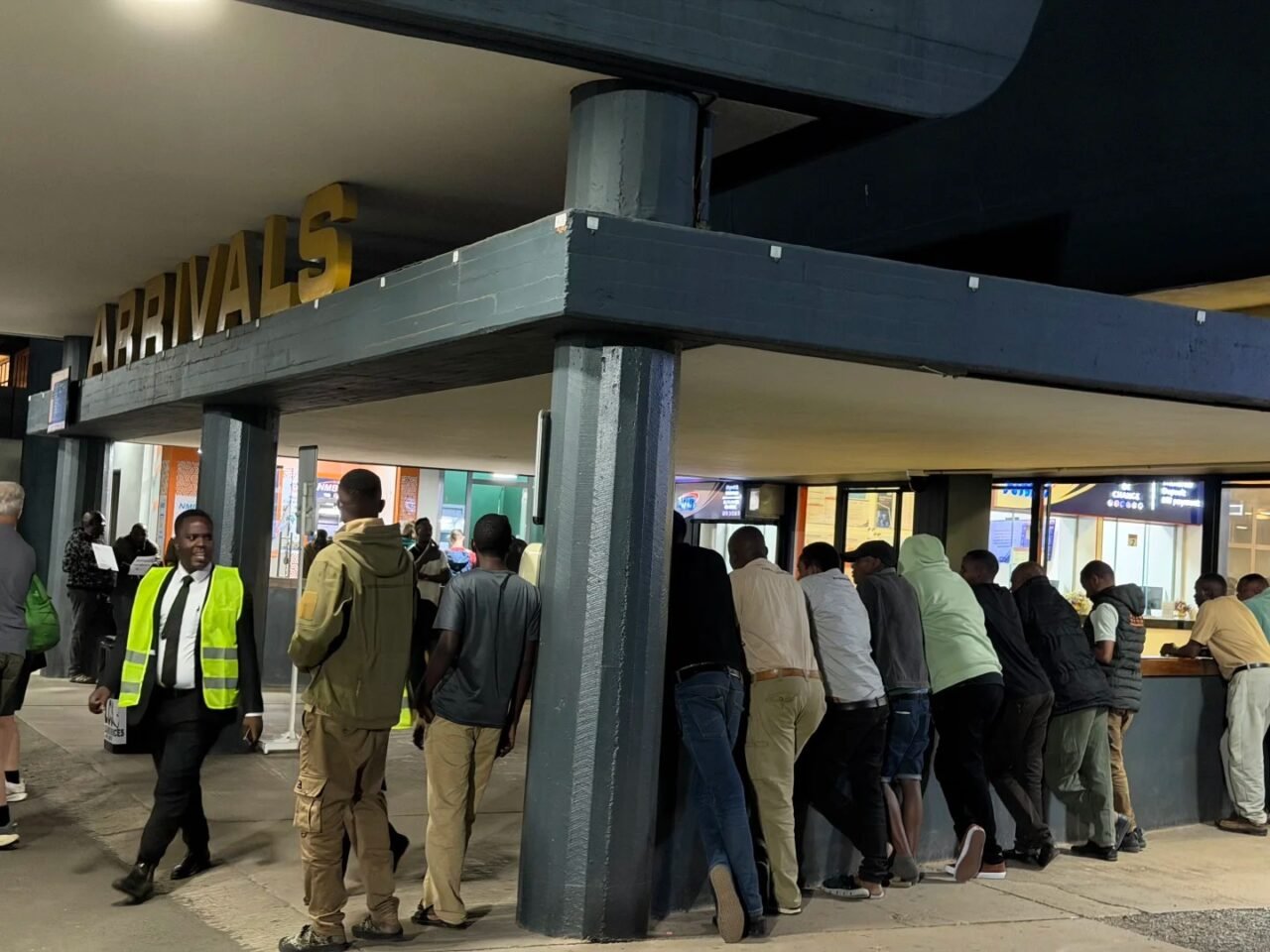
For travelers planning their Tanzanian adventure in 2026 or 2027, the choice between driving and flying often comes down to a trade-off between budget and time. While the road journey offers a chance to see local villages and shifting landscapes, the fly-in approach is the standard for those with limited vacation days who want to maximize their time in the Crater and the Serengeti plains.
The Logistics of a Fly-In Safari
A fly-in safari isn’t as simple as booking a commercial flight. It is a synchronized operation. When you book a fly-in package, you are effectively coordinating two separate services that must meet at a remote location. The flight gets you to the bush, but the flight alone does not give you access to the park. You need a 4×4 safari vehicle and a guide waiting for you at the airstrip the moment your wheels touch down.
Most travelers flying into the Northern Circuit will start their journey from Arusha Airport (ARK) or Kilimanjaro International Airport (JRO). From here, the light aircraft (usually Cessna Caravans) take off towards the bush. It is important to remember that these are not standard airline schedules; they are bush-pilot routes that may make multiple stops at different airstrips before reaching your destination.
Choosing Your Airstrips: Manyara vs. Serengeti
Your choice of destination dictates your landing strip, and these choices impact both the flight cost and the subsequent road transfer time. Understanding the geography of the Northern Circuit is the first step in planning.
Flying to Ngorongoro
There is no airstrip inside the Ngorongoro Crater floor. The closest entry point is the Lake Manyara Airstrip. From there, your driver will meet you and proceed to drive up the Great Rift Valley escarpment. This drive takes approximately 1.5 to 2 hours, depending on where your lodge is located on the crater rim. This is a critical detail: the flight is only the beginning of your journey to the crater.
Flying to the Serengeti
The Serengeti is massive, and choosing the right airstrip is essential to avoid unnecessary driving. We generally categorize them by region:
- Seronera Airstrip: The hub for Central Serengeti. Best for year-round game viewing and access to the big cat territories.
- Kogatende Airstrip: Essential if you are tracking the Great Migration in the Northern Serengeti (typically July through October).
- Grumeti or Sasakwa Airstrips: Often used for high-end luxury lodges in the Western Corridor.
For more details on specific route logistics, our guide on Serengeti Airstrip Transfer Prices breaks down how the distance from the strip to the lodge affects your total cost.
Understanding the Real Cost: More Than Just a Flight
When you request a quote for a fly-in safari, the price you see will be a composite. It is rarely just the cost of the plane seat. To give you an accurate estimate for 2026 or 2027, we must calculate several layers:
- The Flight Fare: These are set by the airline operators and fluctuate based on season (high season vs. green season).
- The Vehicle Positioning Fee: This is often the most misunderstood cost. Your safari vehicle and guide must be present at the airstrip to meet you. If you are starting your safari in the Serengeti, the vehicle must be driven from Arusha to the Serengeti—a journey that can take an entire day. You are paying for the fuel, the guide’s time, and the vehicle wear-and-tear for that transit day.
- Park Entry Fees: These remain constant regardless of whether you fly or drive.
- Lodge Transfers: If your lodge is far from the airstrip, there may be a surcharge for the transfer.
Pro Tip: The “Dead Mileage” Factor
Many travelers assume they can land at a strip and rent a car. This is not how it works in Tanzania. You must have a pre-booked vehicle. When you fly, you are essentially paying for the ‘dead mileage’—the time the vehicle spends getting to your location without you in it. This is why flying to the Serengeti is significantly more expensive than driving: you are effectively paying for two days of vehicle use just to get the car to the park gate.
The Reality of Private Vehicle Positioning
When you choose a fly-in itinerary, you are opting for convenience, but you are also paying for the logistics of positioning. At Climb 4 Africa, we often advise clients to consider the ‘hybrid’ approach: fly into the Serengeti to save time, but drive back to Arusha via Ngorongoro. This allows you to experience the transition of the landscape while still enjoying the speed of a bush flight for the longest leg of the journey.
If you are interested in a custom itinerary that balances flight costs with road transfers, feel free to reach out to us at WhatsApp +255 747 477 898 or email climb4africa@gmail.com. We can help you compare the cost of a full fly-in versus a hybrid route for your specific 2026 or 2027 travel dates.
Baggage Restrictions and Why They Matter
This is the most common pitfall for travelers. Safari bush planes are small, and they have strict weight limits. The standard allowance is usually 15kg (33 lbs) per person, and this must be in a soft-sided bag. Hard suitcases will not fit in the cargo hold of a Cessna Caravan.
If you arrive at the Arusha airport with a heavy hard-shell suitcase, you may be forced to leave items behind or pay for an extra seat to accommodate your luggage. Always check your booking confirmation for the specific baggage rules of the airline operating your route. We always recommend packing light—you will be spending most of your time in safari gear, and most lodges offer laundry services.
Planning Your 2026-2027 Itinerary
Planning a safari for 2026 or 2027 requires early coordination, especially if you intend to visit during the peak migration months (July-October) or the festive season. Flight seats on popular routes like the Arusha to Seronera hop sell out months in advance.
When you contact us to plan your trip, please provide the following details so we can give you an accurate cost estimate:
- Number of travelers: This affects whether we can offer a shared or private transfer.
- Preferred travel dates: Seasons drastically change flight availability.
- Accommodation preferences: Are you staying in tented camps or luxury lodges? This changes which airstrips are accessible.
- Total duration: How many days do you have for the safari portion?
For those looking for established itineraries, our group departures page is a great place to see how different route combinations are structured. If you have any specific questions about connecting your flights to your lodges, don’t hesitate to reach out to our team at info@climb-4-africa.com.
Frequently Asked Questions
Is it cheaper to fly or drive to the Serengeti?
Driving is significantly cheaper, especially for groups of 3 or more, because the vehicle positioning cost is shared across the group. Flying is a premium cost that adds the price of plane tickets per person to your safari package.
Can I fly directly from Zanzibar to the Serengeti?
Yes, there are direct flights from Zanzibar to various Serengeti airstrips. This is a popular route for those combining beach and bush. You can read more about the Zanzibar to Serengeti flight options here.
What happens if my flight is delayed?
Bush flights are subject to weather conditions and visibility. If a flight is delayed, your guide (who is already waiting for you) will be notified. This is why booking your safari through a local operator is vital—we manage the communication between the airline and your driver on the ground.
Do I need to carry my own luggage from the plane to the vehicle?
No. At most airstrips, your driver will meet the plane on the tarmac and assist with your luggage immediately. This is part of the service included in your private safari booking.
The Anatomy of a Bush Flight: What to Expect Onboard
Many travelers conceptualize a bush flight as an extension of their international travel—a standard, albeit smaller, aviation experience. However, the reality of flying into the Serengeti or the Ngorongoro Conservation Area via light aircraft is fundamentally different from commercial airline travel. Understanding these nuances is essential for managing expectations and ensuring a smooth transition from the clouds to the savannah.
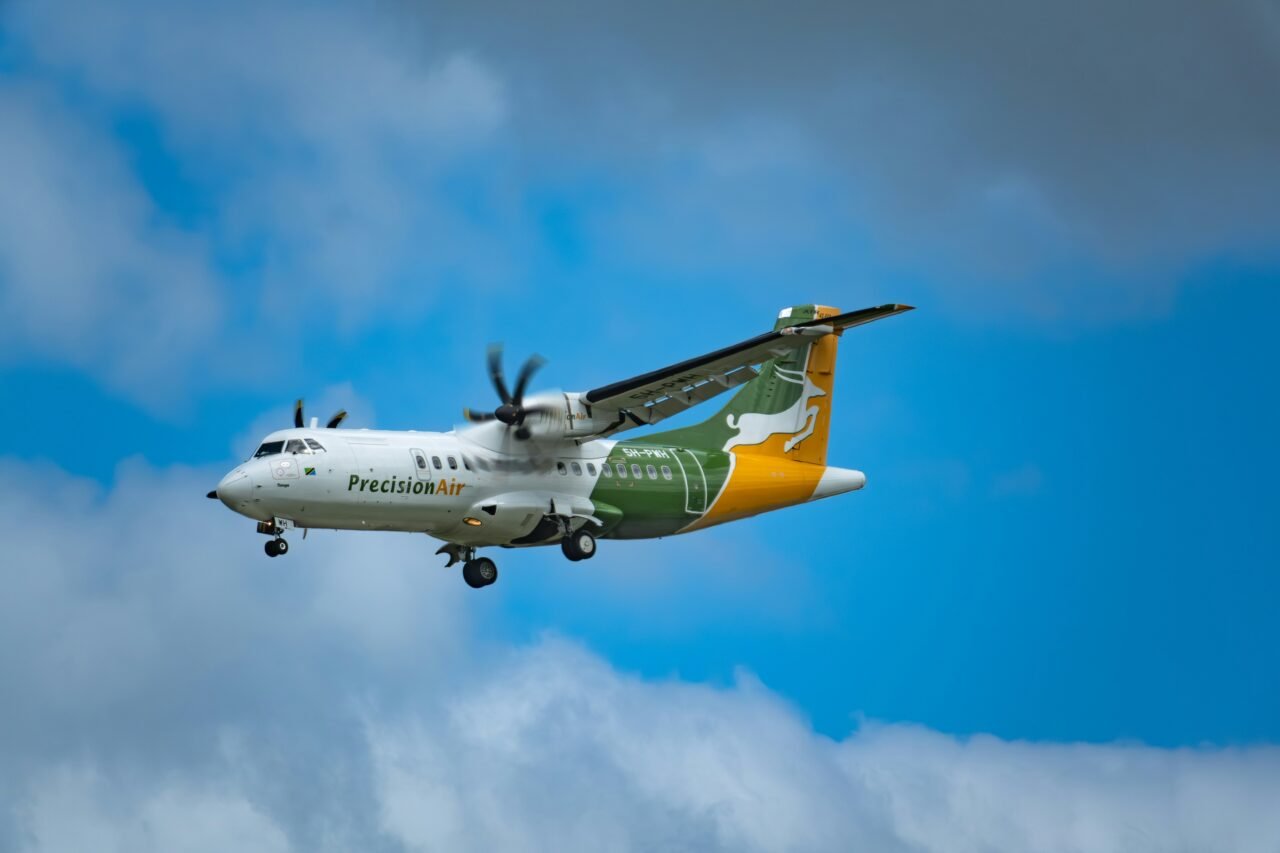
Most bush flights in Tanzania are operated by companies using Cessna Caravan or similar single-engine turboprop aircraft. These planes are rugged, utilitarian, and designed for short take-offs and landings on gravel or dirt strips. Unlike commercial jets that fly at high altitudes, bush planes typically cruise at lower altitudes, offering a spectacular, bird’s-eye view of the Tanzanian landscape. You are not just a passenger; you are a participant in a logistical network that connects remote wilderness areas to the outside world.
The “Milk Run” Reality
One of the most important aspects of bush flying is the concept of the “milk run.” Because these aircraft are expensive to operate, airlines rarely fly direct routes between two points unless the demand is exceptionally high. Instead, a single flight from Arusha to the Serengeti often involves multiple stops at various airstrips along the way. Your flight might touch down at Lake Manyara, then Seronera, and finally Kogatende, dropping off and picking up passengers at each stop.
This reality impacts your travel time significantly. While a flight might be advertised as a 60-minute journey, the actual time spent in the air can be double that if you are the final passenger on the route. These stops are brief—often lasting only 10 to 15 minutes—but they are a standard part of the operation. Embracing the milk run is part of the charm; it allows you to see different airstrips and observe the logistical efficiency of bush travel firsthand.
Navigating Airstrip Procedures
Airstrips in the Ngorongoro and Serengeti are vastly different from international airports. There are no jet bridges, no security scanners, and no duty-free shops. In many cases, the “terminal” is nothing more than a small, thatched-roof structure or simply a shaded bench under an acacia tree. This environment requires a specific set of protocols for passengers:
- Arrival Timing: You are expected to be at the airstrip at least 30 minutes before your scheduled departure. Because bush flights are often ahead of schedule if all passengers are accounted for, being late can result in missing your flight entirely.
- Weight Verification: Pilots take weight and balance very seriously. Even if your luggage meets the standard weight limit, the pilot may ask for your body weight to ensure the aircraft is within its safety parameters. Be prepared to be discreetly weighed.
- Boarding Procedures: When the plane lands, stay well back from the runway until the pilot gives the signal to approach. The propellers can be dangerous, and the airstrips are often active areas with wildlife nearby.
Weather and Visibility: The Unpredictable Variable
Bush aviation is strictly governed by Visual Flight Rules (VFR). This means pilots must be able to see the ground and the horizon clearly to navigate. Unlike large commercial jets that can rely on sophisticated instrument landing systems (ILS) to land in thick fog or heavy rain, bush pilots cannot fly if visibility is compromised. This is the primary cause of delays in the Northern Circuit.
During the rainy seasons, localized storms can pop up rapidly over the Ngorongoro highlands or the Serengeti plains. A flight might be delayed by an hour or two while a storm cell passes. While this can be frustrating, it is a non-negotiable safety measure. When planning your itinerary, it is wise to build in a “buffer” if you have tight international connections, though most reputable operators will prioritize getting you to your lodge as soon as the weather clears.
The Transition: From Air to Land
The most critical moment of your fly-in safari is the handoff at the airstrip. As the plane taxies to a stop, your safari guide will be waiting nearby with your private vehicle. This transition is usually smooth. The guide will assist with your bags, offer you a cold drink, and often provide a quick briefing on the wildlife sightings they have seen on their way to meet you. This is where your safari truly begins. The “dead mileage” fee you paid during the booking process is what makes this personalized service possible, ensuring that your vehicle is not just sitting at the lodge, but is actively positioned to meet you the moment you arrive, maximizing your time in the field.
FAQs
Are bush planes pressurized?
No, bush planes like the Cessna Caravan are not pressurized. You will fly at lower altitudes, which generally eliminates the need for pressurization. However, if you have specific medical conditions related to altitude or air pressure, it is advisable to consult with your physician before booking.
Is there a bathroom on the plane?
No, these aircraft are small and do not have onboard lavatories. Ensure you use the facilities at the lodge or the airstrip terminal before boarding. The flights are generally short enough that this is rarely an issue, but it is a good logistical detail to keep in mind.
Do I need to tip the pilot?
Tipping the pilot is not standard practice in the same way it is for your safari guide or camp staff. However, if you have a particularly smooth flight or the pilot goes above and beyond to point out landmarks, a small gesture is always appreciated, though certainly not expected.
Can I request a window seat?
Seating on bush flights is often assigned by the pilot based on weight distribution for safety. While you can certainly express a preference, the pilot’s decision on where you sit is final to ensure the aircraft remains balanced during takeoff and landing.
Navigating Luggage Logistics in the Bush
One of the most frequently overlooked aspects of a fly-in safari is the stringent baggage policy enforced by bush airlines. Unlike commercial carriers where you might be accustomed to checking large suitcases, light aircraft—typically the Cessna Caravan or similar single-engine turboprops—operate under strict weight and balance limitations. Because these planes are small, every kilogram counts. Operators are not merely being difficult; they are adhering to aviation safety regulations that dictate exactly how much weight can be carried based on the number of passengers and the specific atmospheric conditions of the day.
The standard allowance on most Tanzanian bush flights is 15 kilograms (approximately 33 pounds) per person. Crucially, this weight includes your carry-on items, camera equipment, and any personal day bags. It is not just the total weight that matters, but the physical dimensions of the luggage. Hard-sided suitcases are almost universally prohibited on these flights. Their rigid frames cannot be squeezed into the narrow, flexible cargo pods of a light aircraft. You must use soft-sided duffel bags without wheels or frames. If you arrive at the Arusha airstrip with a hard-shell suitcase, you may find yourself forced to leave it behind at the airport storage facility, scramble to buy a duffel bag at the last minute, or, in worst-case scenarios, pay for an extra seat just to accommodate your luggage.
For photographers, this restriction is particularly challenging. High-end camera gear, heavy lenses, and tripod setups can quickly exceed the 15-kilogram limit. If you are a professional or enthusiast photographer, you should communicate this to your tour operator well in advance. Some operators can arrange for an extra baggage allowance by purchasing an additional seat on the flight specifically for your equipment, but this must be booked during the initial planning phase, not at the check-in counter. Do not assume you can pay a simple fee at the airstrip to carry extra weight; if the plane is full, the pilot may refuse the extra load regardless of your willingness to pay, simply because the aircraft cannot physically lift off with the added weight.
The Multi-Leg Flight Experience: Understanding “Bush Time”
When you book a fly-in safari, it is vital to adjust your expectations regarding punctuality. In the world of commercial aviation, a flight schedule is treated as a rigid contract. In the bush, a flight schedule is treated as a flexible guideline. This is often referred to as “bush time.” Because these flights often service multiple lodges in a single circuit, your pilot may be stopping at several different airstrips before reaching your destination. Each stop involves landing, taxiing to the designated parking area, offloading passengers and cargo, picking up new passengers, and re-calculating the weight and balance for the next leg.
Delays are common and should be factored into your mindset. A passenger at a previous stop might be late arriving from their morning game drive, or a minor mechanical check might be required. Weather, as previously noted, is the ultimate arbiter of the schedule. This variability means that if you have a tight connection to an international flight at Kilimanjaro International Airport (JRO) on your departure day, you are taking a significant risk. Most experienced planners recommend spending your final night in Arusha or at a lodge near the airport, rather than relying on a bush flight to get you from the Serengeti to JRO in time for an evening international departure. The stress of potentially missing an international flight due to a delayed bush plane is a common pitfall that can be easily avoided with a well-structured itinerary.
The Role of Airstrip Transfers and “Bush Terminals”
Arriving at a bush airstrip is an experience far removed from the sterile environment of major international hubs. Most airstrips in the Ngorongoro and Serengeti regions are essentially gravel or dirt strips carved into the savanna. There are no jet bridges, no baggage carousels, and rarely any climate-controlled lounges. When you land, you will walk directly from the aircraft onto the runway, where your guide will meet you. This is the moment where the safari truly begins, but it is also where the logistical complexity of your trip is most visible.
If you are flying into a busy area, such as Seronera in the central Serengeti, you might see several planes arriving and departing in quick succession. This creates a bustling, albeit primitive, hub of activity. Your guide needs to navigate this environment to find your specific aircraft. This is why clear communication with your operator is essential. Ensure that your flight itinerary—including the flight numbers and estimated arrival times—is shared with your ground operator at least 48 hours before your flight. If there is a schedule change, it is your responsibility (or your agent’s) to ensure the message reaches the guide on the ground. A guide waiting at the wrong airstrip is a classic, avoidable error that can cost you precious hours of game viewing time.
Managing Expectations: The Reality of Wildlife Sightings
A frequent misconception among travelers who opt for a fly-in safari is that the speed and efficiency of the transfer will somehow translate into an accelerated wildlife experience. While bypassing the six-hour road journey saves you time, it does not guarantee immediate wildlife action the moment you step off the Cessna. In fact, the transition from an airstrip to your lodge is often your first game drive, but it is rarely the highlight of the trip. Understanding the inherent unpredictability of the bush is essential to maintaining the right mindset for your safari.
The Serengeti and the Ngorongoro Conservation Area are vast, dynamic ecosystems, not zoos. Wildlife is constantly moving in response to rainfall, grazing patterns, and predation pressure. Even with a private guide who has decades of experience, sightings are fundamentally a game of chance. You might land at Seronera Airstrip and see a pride of lions within ten minutes, or you might drive for three hours without seeing anything more than zebra and wildebeest. This variance is the nature of the wild, and fly-in travelers should resist the urge to view their safari as a series of “check-boxes” to be completed.
The “Transfer Drive” vs. The Dedicated Game Drive
It is important to distinguish between a transfer drive and a dedicated game drive. When you land at an airstrip, your guide is tasked with two primary objectives: transporting your luggage safely to the lodge and getting you into the field as efficiently as possible. While they will certainly stop if they spot a leopard in a tree or a cheetah on the prowl, they are often navigating the most direct route to your accommodation to ensure you can check in, freshen up, and maximize your afternoon game drive. Do not be surprised if your guide bypasses certain loops or viewpoints on the way from the airstrip; they are likely prioritizing your comfort and the lodge’s check-in schedule.
Furthermore, the vehicles used for transfers are often the same ones used for game drives, but the configuration matters. Ensure your operator knows if you prefer an open-sided vehicle or one with pop-up roofs, as this affects your ability to photograph wildlife during that initial transfer drive. If you are landing mid-day, the sun will be high and the light harsh, which is generally poor for photography. The animals are likely seeking shade under acacia trees or in thickets, making them harder to spot. Lower your expectations for “National Geographic moments” during the mid-day transfer and focus on the landscape, which is often spectacular in its own right.
The Role of Radio Communication in Sightings
Once you are settled and begin your dedicated game drives, you will notice that guides are constantly communicating via radio. This network of information is the lifeblood of a successful safari. If a rare sighting occurs—such as a black rhino in the Ngorongoro Crater or a wild dog pack in the Serengeti—the news spreads rapidly through the guide community. However, this also means that a “hot” sighting can become crowded very quickly.
Fly-in travelers sometimes arrive at a sighting expecting exclusivity, only to find several other vehicles already parked nearby. This is a common reality of high-traffic areas like the Central Serengeti. Your guide’s ability to navigate these crowds, find a good angle, and respect the animal’s space is a far better indicator of their skill than their ability to find a leopard hidden in a dense thicket. Always discuss your preferences with your guide on the first day: do you prefer to spend an hour observing one animal, or would you rather cover more ground in search of a wider variety of species? This simple conversation can significantly improve the quality of your experience.
Navigating the “Bush Terminal” and Airstrip Etiquette
For the uninitiated, the term “bush terminal” can be misleading. In the Northern Circuit of Tanzania, these are rarely buildings in the conventional sense. Instead, they are often simple, graded dirt or gravel strips carved into the savanna, sometimes with a thatched-roof shelter or a solitary park ranger hut. Understanding the nuance of these locations is critical to managing your expectations during the transfer process. When your pilot announces the descent, you are not landing at a hub; you are landing in the middle of a wildlife habitat. This means that the airstrip itself is often part of the ecosystem, and on occasion, pilots must perform a low-level flyover to ensure that zebras, wildebeest, or even lions are not currently occupying the runway before they commit to a landing.
Upon landing, the process is streamlined but requires your active participation. Unlike commercial airports where you follow signage to baggage claim, a bush landing is a coordinated hand-off. Your pilot will taxi to a designated parking area—often just a patch of hard-packed earth—and shut down the engines. It is vital that you remain seated until the pilot explicitly instructs you to disembark. Propellers are dangerous, and in the excitement of landing, passengers often forget that the airstrip is an active environment. Once the propellers stop, you will be directed to the side of the aircraft to retrieve your luggage from the cargo pod. This is the moment where your guide will meet you. It is a smooth transition, but it can be jarring to go from the roar of a Cessna Caravan engine to the profound silence of the Serengeti plains in a matter of seconds.
The “Dead Mileage” Conundrum: Why You Pay for the Drive You Don’t Take
One of the most frequent points of confusion for travelers is the concept of “dead mileage” or “positioning fees.” When you opt for a fly-in safari, you are effectively paying for two distinct modes of transport that exist in parallel. While you are in the air, your 4×4 vehicle and guide are driving from Arusha, Moshi, or a previous camp to meet you at your designated airstrip. This drive is essential because your guide needs the vehicle to conduct your game drives for the remainder of your stay. The cost of this transfer—which covers fuel, the guide’s time, wear and tear on the vehicle, and park entry fees for the vehicle itself—is often bundled into your overall safari quote, but it remains a significant line item.
It is important to view this cost not as a penalty, but as a logistical necessity. If your guide were to drive you from Arusha to the Serengeti, you would spend the better part of a day on the road. By flying, you save those hours, but the vehicle must still make the journey. Some travelers mistakenly assume that because they are flying, the vehicle is somehow “teleported” or that the guide is already stationed at the airstrip. In reality, the guide is often driving for six to eight hours to rendezvous with you. This is why the timing of your flight is so crucial. If your flight is delayed due to weather, your guide may be waiting at the airstrip for hours, or conversely, you may land to find your vehicle is still an hour away due to road conditions. Flexibility is your greatest asset in these scenarios.
Managing the “Transfer Drive” Expectations
The drive from the airstrip to your camp is often your first taste of the safari experience, yet it is rarely a formal game drive. It is a transit. However, because you are in a safari vehicle inside a national park, the distinction between “transit” and “game drive” is fluid. Your guide is focused on getting you to the lodge, typically before the sun sets or before you miss lunch. This creates a unique dynamic: you are in the middle of the wilderness, potentially seeing giraffes or elephants just meters from the track, but your guide is checking their watch. It is helpful to clarify this dynamic with your guide the moment you meet. Ask them: “Is this a transfer or a game drive?” If you are tired from the flight, you might prefer a direct route to the lodge to settle in. If you are energized and the light is good, you might ask for a slightly slower pace to take a few photos. Setting this tone early prevents frustration and ensures you feel in control of your itinerary.
The Role of Airstrip Transfers and “Bush Terminals”
While the airstrip itself is basic, the logistics surrounding it are highly regulated. You will find that your guide is often required to check in at a park gate or a ranger station near the airstrip. Do not be alarmed if your guide disappears for ten minutes to handle paperwork. This is standard procedure for tracking vehicle movements within the park. These ranger stations are also where the “dead mileage” and vehicle entry permits are validated. Being patient during these administrative pauses is part of the rhythm of a bush safari. Furthermore, these stops are excellent opportunities to use the facilities, as they are often the only reliable restrooms between the airstrip and your accommodation. Always carry a small amount of cash for tips and a reusable water bottle, as these remote stops rarely have amenities like shops or cafes.
The Impact of Accommodation Choice on Flight Logistics
The location of your chosen lodge or camp dictates more than just the view from your bedroom; it fundamentally alters the flight-to-lodge logistics chain. A common misconception is that all airstrips serve all lodges equally. In reality, the Tanzanian bush is segmented into specific zones, and choosing a property deep within a particular sector—such as the Northern Serengeti or the remote Ngorongoro Conservation Area highlands—significantly changes your flight routing and the subsequent ground transfer.
When booking a fly-in safari, you must consider the “last mile” cost. If your accommodation is situated in a remote corner of the Serengeti, your guide may need to drive two or three hours from the nearest airstrip to reach you. This adds a substantial “dead mileage” fee to your quote, as the vehicle must be positioned at that specific airstrip well before your plane arrives. Some luxury lodges offer their own private airstrips, which can seem like a cost-saver by eliminating long transfer times. However, these private strips are often served by fewer scheduled flights, potentially forcing you to charter a private plane rather than booking a seat on a scheduled bush flight. The cost difference between a seat-in-plane flight and a private charter can be thousands of dollars, effectively negating any savings you might have gained on the ground.
Tiered Comfort: How Lodge Access Affects Transfer Times
The standard of your accommodation often correlates with the accessibility of the airstrip. Mid-range properties tend to cluster near high-traffic airstrips like Seronera (central Serengeti), which are served by multiple daily flights. This makes logistics straightforward and keeps transfer costs predictable. Conversely, high-end, exclusive-use tented camps are frequently located in more secluded areas to ensure privacy and proximity to wildlife corridors. While this offers a superior safari experience, it complicates the fly-in process. You are essentially paying a premium for isolation, and that premium extends to the logistics: you are paying for the time it takes your guide to traverse the distance from the main hub to your secluded camp.
Consider the trade-off between “centralized” and “remote” accommodation:
- Centralized Airstrips (e.g., Seronera, Manyara): High frequency of flights, lower transfer costs, higher traffic on game drives. Best for travelers prioritizing budget and time efficiency.
- Remote/Sector-Specific Airstrips (e.g., Kogatende, Lobo, Ndutu): Lower frequency of flights, higher transfer costs, more exclusive game viewing. Best for travelers prioritizing wildlife density and privacy over flight flexibility.
It is crucial to request a “transfer breakdown” from your operator when comparing quotes. Ask them specifically: “How long is the drive from the airstrip to the lodge?” If the answer is anything over 90 minutes, ensure that this transfer time is factored into your itinerary. A long, bumpy transfer immediately after a bush flight can be exhausting, especially if you are traveling with children or have limited mobility. In some cases, it may be worth paying more for a lodge closer to the airstrip to ensure you arrive fresh and ready for your first afternoon game drive.
The “Fly-Out” Dilemma: Ending Your Safari
The final leg of your journey presents a different set of challenges. Most international flights depart from Kilimanjaro (JRO) late in the evening. This creates a “dead time” gap between checking out of your lodge and your international departure. If you are flying out of the bush, you must coordinate your flight times so that you arrive at the bush airstrip with enough time for the flight, but not so early that you are stranded at a remote terminal for hours. Many lodges will allow you to keep your room for a “day use” rate or provide a communal area for freshening up before your afternoon flight. Clarifying this with your operator during the booking phase is essential to avoid spending your final day of vacation sitting on a suitcase at a dusty airstrip.

Navigating the ‘Bush Terminal’ and Airstrip Etiquette
For the uninitiated, the term ‘bush terminal’ can be misleading. Travelers often conjure images of airport lounges, security checkpoints, and orderly boarding queues. In the context of the Serengeti or the Ngorongoro Conservation Area, a ‘terminal’ is often little more than a hardened gravel strip, a windsock, and perhaps a small, thatched-roof structure—or, more commonly, nothing at all. Understanding the etiquette and realities of these remote landing strips is vital for a smooth transition between the air and the wilderness.
When your aircraft descends toward a bush airstrip, the pilots are essentially conducting a visual landing. They are scanning for wildlife on the runway, which is a genuine and frequent hazard. It is not uncommon for a pilot to perform a low-level flyover to clear zebra, wildebeest, or even lions from the landing strip before circling back to land. This is not a delay; it is a safety necessity. As a passenger, your role is to remain seated and patient. Once the aircraft comes to a complete halt, do not unbuckle your seatbelt until the pilot has cut the engines and given the signal. The propellers continue to spin with significant momentum, and the area around the aircraft remains a ‘hot’ zone until the pilot declares it safe to disembark.
Disembarkation is rapid. Bush pilots operate on strict schedules to maximize the number of stops they can make before the midday thermals make flying uncomfortable or the afternoon weather rolls in. You should have your carry-on luggage organized and ready to grab immediately. There is no baggage claim carousel; your luggage will be offloaded onto the dirt or grass runway. Your guide, who has been waiting in the safari vehicle, will typically approach the aircraft once the pilot gives the thumbs-up. This is the moment where your ‘transfer’ begins, but it requires a level of coordination. If you have multiple pieces of luggage, ensure you know exactly what belongs to you, as other passengers may be offloading at the same strip for different lodges.
Airstrip Etiquette and Safety Protocols
The airstrip is technically a restricted zone, yet it often sits in the middle of open plains where wildlife roams freely. Never wander away from the immediate vicinity of the aircraft or the waiting vehicle. While it might be tempting to snap photos of the plane against the backdrop of the savanna, you must stay within the safety perimeter defined by your guide. Predators are often habituated to the sound of aircraft engines, meaning they may be lurking in nearby thickets, curious about the activity. Your guide is there to ensure your safety from the moment you step onto the tarmac; defer to their instructions without question.
Furthermore, avoid the temptation to assist with the luggage loading process unless explicitly asked. The ground around the aircraft can be uneven, and the aircraft itself has sensitive areas—such as the flaps and the under-wing fuel tanks—that should not be touched. Let the pilot and the ground crew handle the logistics. Your only responsibility is to move yourself and your belongings from the aircraft to your waiting vehicle as efficiently as possible.
The Multi-Leg Flight Experience: Understanding ‘Bush Time’
A common friction point for travelers is the concept of ‘bush time.’ A scheduled commercial flight between major hubs is governed by strict, minute-by-minute air traffic control. A bush flight, however, is a fluid operation. If you are flying from Arusha to the Northern Serengeti with stops in Manyara and Seronera, you are part of a ‘milk run.’ This means your aircraft is effectively a bus with wings, picking up and dropping off passengers at various points along the route.
Do not be alarmed if your flight departs 20 minutes late or arrives 30 minutes early. These flights are subject to weight-and-balance calculations that happen in real-time. If a group of passengers at a previous stop has more luggage than anticipated, or if a passenger fails to show up, the flight plan adjusts. This flexibility is what allows these remote airstrips to function, but it requires a ‘go with the flow’ mindset. If you are booked on a multi-leg flight, treat the journey as part of the safari experience. You will get aerial views of the Ngorongoro Highlands, the Rift Valley escarpment, and the vast, golden plains of the Serengeti—views that are impossible to replicate from the ground.
However, this multi-leg nature necessitates a buffer in your planning. Never schedule a connecting international flight with a tight turnaround time at the end of your safari. Always allow for a minimum of four to five hours between your bush flight landing and your international departure. While bush flights are generally reliable, unexpected weather patterns, technical delays, or even an aircraft change can shift your arrival time at the main airport. By building in a ‘cushion,’ you transform a potential stressor into a relaxed transition.
Managing Expectations: The Reality of Wildlife Sightings
A frequent misconception is that the flight itself acts as a game drive. While you will certainly see large herds of animals from the air, you are flying at an altitude where individual identification is difficult, and the speed of the aircraft prevents detailed observation. The ‘transfer drive’—the drive from the airstrip to your lodge—is where your safari truly begins. Many travelers treat this drive as a chore, a mere transit period. This is a mistake. The best guides use this time to conduct an initial briefing, identify local birdlife, and explain the topography of the specific sector you have entered. If you treat the drive as a chore, you will miss the first opportunity to spot wildlife, which often congregates near the airstrips to take advantage of the open, cleared ground.
Communicate with your guide early. If you see something interesting during the transfer, do not hesitate to ask them to stop. While the lodge may be your ultimate destination, the game drive starts the moment the vehicle is in motion. If you have a specific interest—perhaps photography or birding—mention this to your guide during the transfer. They can adjust their driving speed and route to accommodate your interests, turning a routine transfer into a productive, albeit short, game drive.
Aligning Your Flight Strategy with Wildlife Migration Patterns
While the logistics of flying into the Serengeti and Ngorongoro are governed by airstrip availability and aircraft schedules, the success of your trip is ultimately dictated by the timing of your arrival in relation to the Great Migration. Understanding the relationship between seasonal wildlife patterns and your flight itinerary is critical, as the ‘best’ airstrip changes throughout the year. Flying into the wrong sector during the wrong season can add hours of unnecessary transit time, negating the very time-saving benefits for which you booked a fly-in safari.
The Serengeti is not a static destination; it is a fluid ecosystem. From January to March, the migration is typically concentrated in the southern Serengeti and the Ndutu area, which borders the Ngorongoro Conservation Area. During this window, flying into airstrips like Ndutu or Kusini is far more efficient than landing in the northern sectors. Conversely, if you are traveling between July and October, the migration moves toward the Mara River in the far north. Booking a flight into the Central Serengeti (Seronera) during this period forces your guide to drive three to five hours north just to reach the primary wildlife action, effectively wasting half a day of your safari. Always verify with your operator which airstrip offers the most direct access to the current location of the herds before confirming your bush flight tickets.
The Impact of Seasonal Weather on Flight Reliability
Tanzania experiences two distinct rainy seasons: the ‘long rains’ (typically April to May) and the ‘short rains’ (November to December). These periods introduce a layer of unpredictability to fly-in safaris that road-based travelers do not face. While road transfers are occasionally delayed by muddy tracks, flight operations are subject to stricter safety minimums regarding cloud ceiling and visibility. During the long rains, it is not uncommon for airstrips in the Serengeti to become temporarily waterlogged, rendering them unusable for light aircraft. In such instances, pilots may be forced to divert to alternative, all-weather strips—usually those with gravel or paved runways—which might be significantly further from your lodge.
This is where the ‘fly-in’ strategy requires a mental buffer. If your flight is diverted due to rain, your transfer time from the new airstrip to your lodge may increase substantially. It is advisable to maintain a flexible itinerary during these months. Avoid booking back-to-back flights with tight connections, as a weather delay in the bush can cascade into missed international departures. Furthermore, ensure your ground operator is aware of your flight details well in advance; they often monitor real-time weather reports and can preemptively adjust your transfer vehicle’s positioning if a specific airstrip is trending toward closure.
Maximizing Your Time in the Ngorongoro Crater: The Altitude Factor
Unlike the Serengeti, which is defined by vast, rolling plains, the Ngorongoro Crater is a contained ecosystem. When flying into this region, you are typically landing at the Manyara Airstrip or the Lake Manyara/Ngorongoro airstrip. The critical distinction here is the ascent. The Crater floor sits at approximately 1,700 meters, while the rim is significantly higher. A fly-in safari to Ngorongoro is essentially a flight to the base of the highlands, followed by a steep climb by vehicle.
Be aware that the flight-to-drive transition here is physically demanding. Because the Crater is a protected conservation area with strict vehicle movement regulations, you cannot simply land and drive anywhere. You must enter through designated gates. If you fly into Manyara, you must account for the drive time up the escarpment and through the gate before you even reach the rim of the Crater. This is not ‘wasted’ time, however; the ascent provides some of the most dramatic panoramic views in East Africa. When planning your flight, factor in that the Ngorongoro Conservation Area has strict ‘entry’ and ‘exit’ times for vehicles. If your flight arrives late in the afternoon, you may not have enough time to descend into the Crater floor that same day. Always coordinate your flight arrival time to ensure you reach your lodge with enough daylight to enjoy the sunset, saving the full-day Crater exploration for the following morning.
The Strategic Advantage of ‘Split-Sector’ Flying
For those with a longer duration—five days or more—the most effective strategy is often the ‘split-sector’ flight. Rather than flying into one central hub and driving across the entire ecosystem, you fly into one region, game drive through the transition zone, and fly out from a different airstrip. For example, you might fly into the Southern Serengeti to catch the calving season, drive north toward the Central Serengeti over the course of two days, and then fly out from the Seronera airstrip. This strategy minimizes ‘dead mileage’ because your vehicle is effectively repositioning itself as you move, rather than driving empty to meet you. This requires careful coordination with your safari outfitter, as it necessitates dropping off and picking up the vehicle at different points, but it is the gold standard for maximizing wildlife viewing time while utilizing the speed of light aircraft.
The Mechanics of Airstrip Coordination: Meeting Your Guide
While the flight itself is a straightforward logistical event, the ground-side coordination is where the complexity of a fly-in safari truly resides. Unlike a standard airport transfer where you simply meet a driver with a sign, the bush airstrip environment is fluid and lacks the rigid infrastructure of an international terminal. Your safari vehicle and guide are not perpetually stationed at the airstrip; they are effectively “deployed” to meet you. This requires precise timing and a clear understanding of what happens when a flight is delayed or diverted, which is a common occurrence in the unpredictable weather of the Northern Circuit.
When your bush pilot initiates the final descent, they are often communicating with your lodge or the camp manager via radio. This is the crucial link. Your guide, who has likely been waiting in the vicinity or finishing a morning game drive, receives the updated arrival time. This synchronization is vital because airstrips in the Serengeti and Ngorongoro regions are rarely “staffed” in the traditional sense. There is no arrivals board, no baggage claim, and often no permanent structure beyond a windsock and a gravel or grass runway. If your flight is delayed by thirty minutes due to air traffic control at Arusha or weather en route, your guide must adjust their own schedule to ensure they are idling at the runway edge exactly as the wheels touch down.
The “Radio Silence” Challenge and Contingency Planning
In remote areas of the Serengeti, mobile network coverage is spotty at best. This makes the reliance on radio communication or satellite phones paramount. If you are flying into a remote airstrip like Kogatende or Lobo, there is a distinct possibility that your guide may not know of a flight delay until the aircraft is already on its final approach. This is why the “transfer buffer” is a standard operational practice. Most reputable outfitters build a significant buffer into their guide’s schedule. They don’t aim for the guide to arrive at the airstrip at the exact time of the flight; they aim for them to arrive thirty to forty-five minutes early. This buffer accounts for the “bush factor”—the unexpected wildlife sighting on the road to the airstrip, a flat tire on a rough track, or a temporary vehicle breakdown.
For travelers, this means you should not panic if you land and do not immediately see your vehicle. Airstrip etiquette in the bush dictates that you wait near the aircraft until the pilot confirms the situation. If your guide is not there, the pilot—who is in constant communication with the bush network—will almost certainly know where your vehicle is or if there has been a logistical hiccup. Patience is a requirement of the fly-in experience; the “instant service” mindset of urban travel does not apply here.
Navigating the ‘Bush Terminal’ Environment
The concept of a “terminal” in the Serengeti is purely functional. In some cases, it might be a small wooden shelter, but more often, it is simply an open space under a shade tree. Navigating these spaces requires a different set of expectations regarding luggage handling and personal comfort. When the aircraft door opens, the heat and the immediate environment of the savannah hit you instantly. You are not walking through a climate-controlled jet bridge; you are stepping directly onto the earth of the park.
Luggage logistics are handled manually. The pilot and the ground crew (if available) or your guide will unload the soft-sided bags directly from the cargo hold. Because these planes have strict weight and balance requirements, your bags are often packed in a specific sequence. As a passenger, your role is to identify your bags as they are unloaded and ensure they are transferred directly to your safari vehicle. Do not walk away from the aircraft until you have confirmed your luggage is accounted for. In the excitement of the landing and the first sight of the landscape, it is easy to become distracted by the wildlife or the view, but the “transfer of custody” for your luggage is your responsibility to monitor.
Airstrip Safety and Wildlife Proximity
It is not uncommon for wildlife to be present on or near the airstrip. Airstrips are frequently used as open corridors for grazing animals, particularly zebras and wildebeest, who are attracted to the short grass. Pilots perform a “low pass” over the runway before landing specifically to clear animals from the landing zone. Once you land, the environment remains wild. You are not in a secure zone. Never wander away from the airstrip area to take photographs without the explicit permission and supervision of your pilot or guide. Predators are aware that airstrips are open areas, and they may use the perimeter for hunting or patrol. The airstrip is a transit point, not a game viewing location, and maintaining a high level of situational awareness is essential for your safety.
Furthermore, the transition from the aircraft to the safari vehicle is the moment when your “game drive” mindset must be switched on. Ensure you have your camera gear, binoculars, and water easily accessible in your carry-on before you land. You will not have time to reorganize your bags once you are at the airstrip. The goal is to move from the aircraft to the vehicle with efficiency so that you can begin your game drive immediately. Every minute spent fumbling with luggage at the airstrip is a minute lost in the bush.
The Economics of Shared Versus Private Fly-In Logistics
A critical, often overlooked component of the fly-in safari budget is the distinction between shared and private transfer logistics. While travelers often focus on the price of the air ticket itself—which is relatively standardized across the major bush airline operators—the ground logistics can vary significantly based on whether you are booking as part of a group tour or a private, tailor-made safari. Understanding these distinctions is essential for managing your expectations regarding flexibility, timing, and the ultimate “cost-per-hour” of your game viewing time.
The Efficiency of Private Charter Transfers
For those opting for a private safari, the logistics are highly streamlined. In a private arrangement, your vehicle and guide are dedicated solely to your party. This means that the “dead mileage” fee—the cost of driving the vehicle to your specific airstrip—is fully absorbed into your private tour cost. The primary advantage here is synchronization: the flight schedule is built around your specific itinerary, and your guide is waiting at the airstrip precisely when you arrive. There is no waiting for other passengers, no consolidating luggage from different hotels, and no compromise on the game drive route. You dictate the pace from the moment you step off the plane. While this is the most expensive option, it eliminates the “wait time” variables that often plague group-joining safaris, essentially buying you more “boots-on-the-ground” time in the Serengeti or Ngorongoro.
The Dynamics of Group-Joining Bush Transfers
Conversely, group-joining safaris operate on a different efficiency model. If you are part of a larger group, or if your lodge is coordinating transfers for multiple arrivals, the logistics become more communal. In these scenarios, the airstrip transfer is often shared with guests heading to different accommodations within the same sector of the park. This can lead to a “hub-and-spoke” style of transfer. You might land at Seronera Airstrip, but your lodge might be an hour away in a different direction. If other passengers on your flight are staying at a lodge closer to the airstrip, your vehicle may be tasked with dropping them off first, or your guide might be coordinating a rendezvous with another vehicle.
This shared approach can lead to “transfer friction.” You are at the mercy of the collective schedule. If another passenger on your flight has a delayed connection or a luggage issue at the departure airport, the entire transfer sequence is delayed. Furthermore, when sharing a vehicle for the transfer, you lose the ability to stop for wildlife sightings on your own schedule. If you spot a leopard near the road, but your fellow passengers are eager to reach the lodge for lunch, the democratic nature of the shared vehicle usually dictates that you keep moving. The cost savings of a group-joining safari are significant, but they are paid for in lost autonomy and potential delays during the transit phase.
The Hidden Cost of Airstrip Proximity
When selecting your accommodation, the proximity of the lodge to the airstrip is often marketed as a luxury feature, but it is also an economic one. Lodges located within 15–20 minutes of an airstrip significantly reduce the logistical overhead. When you book a remote, “deep-bush” camp that is two hours away from the nearest airstrip, you are essentially paying for an extra “transfer game drive.” While this can be a beautiful experience, it is important to realize that for every hour you spend driving from the airstrip to your lodge, you are not in the primary game viewing area you paid to visit. In a private safari, this is a conscious choice. In a shared transfer, it is a logistical reality that often leads to frustration if your fellow travelers have different priorities for their time.
Strategic Planning: The “Split-Sector” Approach
For travelers looking to maximize their time, some operators offer a “split-sector” flight strategy. This involves flying into one airstrip (e.g., in the Northern Serengeti) and flying out of another (e.g., in the Central Serengeti). This avoids the need to drive back across the park to your original entry point. While this strategy involves coordinating two different flight segments and potentially two different vehicle setups, it eliminates the “dead mileage” of the return drive. The cost of this approach is higher due to the complex vehicle positioning—you essentially need two different sets of vehicles and guides or a complex “drop-off” arrangement—but the benefit is a smooth, linear journey that covers more ground without the repetition of driving over the same tracks twice.
Managing the Transfer-to-Game-Drive Transition
Regardless of whether you are in a private or shared vehicle, the most important transition is the mental one. The transfer drive from the airstrip to the lodge is, by default, your first game drive. Many travelers make the mistake of treating this as a “commute” and keep their cameras packed away. This is a missed opportunity. Wildlife is often most active near the airstrips because these areas provide open, flat ground. Experienced guides will often begin “game driving” the moment the engine starts at the airstrip. If you are in a shared transfer, communicate your interest in wildlife viewing to your guide immediately upon boarding. Even in a group setting, a quick mention that you are “ready to stop for anything” can change the tone of the drive from a simple transfer to an active, engaging wildlife experience.
Deconstructing the Safari Quote: What Transparency Looks Like
A fly-in safari quote is rarely a single, monolithic number. Because it involves the intersection of third-party aviation services and internal ground logistics, a transparent quote should function like a ledger, clearly separating fixed costs from variable operational expenses. When you receive a proposal, the most critical step is to distinguish between what you are paying for the flight (which is essentially a pass-through cost from the airline) and what you are paying for the ground operation (which is the service-heavy component). A well-structured quote should itemize these distinct elements to allow for an accurate financial audit.
The Danger of the “All-Inclusive” Label
Many travelers fall into the trap of assuming an “all-inclusive” package covers every fiscal requirement. In the context of a fly-in safari, this is a dangerous assumption. An all-inclusive quote typically covers accommodation, meals, drinks, and game drives, but it often glosses over the specific mechanics of park fees and government levies. You must verify if your quote includes the specific 24-hour park entry fees for the Serengeti and Ngorongoro. Because these fees are calculated on a rolling 24-hour cycle from the moment of entry, a flight schedule that lands you in the park at 10:00 AM on Day 1 and departs at 2:00 PM on Day 3 creates a three-day fee liability, even if you are only spending two nights in the lodge. A transparent operator will calculate this based on your precise flight times; an opaque quote may simply estimate a flat daily rate, which can lead to unexpected surcharges upon arrival.
Auditing Your Vehicle Positioning Fees
The “vehicle positioning fee” is the most common point of friction in safari billing. When you fly into the Serengeti, your vehicle and guide cannot magically materialize at the airstrip. They must be driven there. A transparent quote should clearly state whether this is a “one-way transfer fee” or a “full-day vehicle positioning cost.” If you are flying into a remote airstrip, the operator may charge for the fuel and driver time required to get the vehicle from the main base to your arrival point. You should ensure that you are not being charged a “full-day game drive” rate for the time the vehicle is simply driving empty from the base to the airstrip. Ask your operator to break out the “ferry” or “positioning” cost separately from your “game drive” cost to ensure you are paying for the service provided rather than a flat, inflated daily rate.
Comparing Quotes: The “Bush Flight” vs. “Ground Package” Distinction
When comparing two different safari operators, you might notice a significant price disparity. Often, this is not because one operator is more expensive, but because their quoting methodology differs. Operator A might provide a “Ground Package” (excluding flights), while Operator B provides a “Fly-In Package” (including flights). To compare them fairly, you must extract the flight costs from Operator B’s quote. Flight prices in Tanzania are strictly regulated and generally consistent across operators; if one operator’s flight quote is significantly higher than another’s for the same route, they may be adding a “handling fee” or “booking commission” on top of the airfare. Transparency dictates that these should be disclosed. If you are booking your own flights, ensure that you provide your operator with the exact flight numbers and arrival times at least 60 days in advance, as last-minute flight changes can invalidate the vehicle positioning logistics, leading to “dead mileage” costs that are passed directly to you.
The “Hidden” Costs of Airstrip Taxes and Concession Fees
Beyond the flight and the vehicle, there is a third category of costs often buried in the fine print: airstrip taxes and private concession fees. Some remote airstrips in the Serengeti are privately managed by lodge consortiums or conservancies. Landing at these strips often incurs a “landing fee” or “infrastructure levy” that is distinct from the national park entry fee. A transparent quote will explicitly list these. If they are not listed, ask: “Are there any private airstrip landing fees or conservation levies that are not included in the total?” Knowing this upfront prevents the awkward scenario of being asked for cash payments at the lodge reception for fees that should have been prepaid.
The Psychological Transition: Adapting to ‘Bush Time’ and Vehicle Etiquette
Moving from the structured environment of a commercial airport to the open-air reality of a bush airstrip requires a mental shift that many first-time fly-in safari travelers underestimate. When you land on a dirt runway in the Serengeti, you are not arriving at a terminal; you are arriving in a wildlife habitat. The transition from the aircraft door to your safari vehicle is immediate, and the etiquette required during this phase is crucial for both safety and the quality of your experience.
Upon landing, avoid the urge to immediately stand up or wander toward the bushveld to snap photos of the landscape. Airstrips are active wildlife zones; it is not uncommon for zebras, wildebeest, or even predators to be near the runway. Wait for your guide’s explicit signal that it is safe to disembark. Once you are in the vehicle, recognize that your guide is balancing two competing priorities: getting your luggage secured and ensuring you see wildlife immediately. Do not feel compelled to rush the “meet and greet” process. This is the moment to establish communication with your guide regarding your specific interests—whether you prefer photography-focused stops, which require slower movement, or tracking specific species, which demands faster, more decisive driving.
Furthermore, understand the “vehicle fatigue” factor. After a flight, you may feel refreshed, but your guide may have been driving for hours to reach the strip. Acknowledge that the first hour in the vehicle is often a “transit game drive” as you head toward your lodge. While this is technically a game drive, it is also a relocation. If you see something spectacular, communicate clearly, but be mindful that the vehicle needs to reach the lodge before sunset, as park regulations strictly prohibit driving after dark. Maintaining a respectful, collaborative relationship with your driver during this initial transfer sets the tone for the rest of your safari, transforming a simple logistical pickup into the first successful chapter of your wildlife adventure.
Navigating the ‘Bush Terminal’ Environment
The concept of a ‘terminal’ in the bush is largely administrative rather than physical. Most airstrips consist of a windsock, a small wooden hut, and a patch of cleared earth. When multiple flights arrive simultaneously, the parking area can become congested with vehicles from various lodges. It is vital to stay near your assigned vehicle. Wandering between vehicles to check if another driver is yours can cause confusion and delays, potentially holding up the flight departure for other guests. Always confirm your guide’s name and lodge affiliation before loading your luggage. If your lodge is part of a larger group or conservancy, your vehicle might be one of several waiting at the strip; keeping your bags together and waiting for the “all clear” from your specific guide prevents the common logistical headache of luggage being loaded into the wrong 4×4, which can take hours to rectify in the remote bush.
Related Guides and Packages
Check Availability for Fly-In Safari To Ngorongoro And Serengeti: Flights & Transfer Costs…
Ready to compare dates, prices, and the best option for your group? Send the package name and travel month so the team can reply with a clear quote, availability, and what is included.

3-Day Serengeti & Ngorongoro Safari From Zanzibar By Flight 2027
3-Day Serengeti & Ngorongoro Safari From Zanzibar by Flight is explained with current 2027 planning, price, itinerary and booking information.
View package details
Is Serengeti Or Ngorongoro Better For A First Tanzania Safari? 2027
Is Serengeti or Ngorongoro Better for a First Tanzania Safari? is explained with current 2027 planning, price, itinerary and booking information.
View package details
Zanzibar To Serengeti Flight Price –: Planning Your Safari Transfer 2027
Navigate the complex flight and transfer options between Zanzibar and the Serengeti. This deep guide breaks down expected costs, seasonal variables, and optimal routing for 2026 and 2027...
View package details
Serengeti Airstrip Transfer Prices: From Plane To Safari Lodge 2027
Serengeti Airstrip Transfer Prices: From Plane to Safari Lodge is explained with current 2027 planning, price, itinerary and booking information.
View package detailsSerengeti To Zanzibar Vs Arusha To Which Is Better After Safari? 2027
Choosing the right transfer to Zanzibar after a safari—Serengeti to Zanzibar or Arusha to Zanzibar—depends entirely on your safari route, time constraints, and budget. This guide breaks...
View package details
Zanzibar To Ngorongoro Crater: Flight And Road Transfer Costs ( Guide)
A detailed guide on navigating the logistical chain between Zanzibar and the Ngorongoro Crater, covering flight options, airport choices, and the cost variables involved.
View package details
Serengeti To Zanzibar Flight Baggage Limits And Transfer Costs Guide () 2027
This deep-dive guide covers everything you need to know about baggage restrictions and transfer expenses when flying from the Serengeti region to Zanzibar, ensuring smooth travel planning.
View package details
Lake Manyara Airstrip Vs Arusha Airport: Which Is Best For Ngorongoro In ?
Deciding between Lake Manyara Airstrip and Arusha Airport for your Ngorongoro Crater safari? We compare the transfer times, costs, and travel styles to help you choose the right gateway for...
View package detailsHow To Fly To Ngorongoro Crater: Nearest Airports & Transfer Prices 2026-2027
Planning a trip to the Ngorongoro Crater? Discover the reality of air access, why there is no airstrip inside the crater, and how to coordinate your ground transfers.
View package detailsFly From Arusha To Serengeti For A 3-Day Safari: Flights & Package Prices 2027
Discover the most efficient ways to fly from Arusha to the Serengeti for a concentrated 3-day safari. This guide breaks down airstrip choices, flight costs, and package structures for 2027.
View package details
Arusha To Serengeti Direct Flights: Costs, Schedule, And Travel Planning Guide
A deep look at planning the direct flight from Arusha to Serengeti, covering costs, schedules, airline options, and essential safari logistics for 2027.
View package detailsLamai Airstrip Flights: Prices & Northern Serengeti Safari 2027
Lamai Airstrip Flights: Prices & Northern Serengeti Safari is explained with current 2027 planning, price, itinerary and booking information.
View package detailsNo related package matches those filters. Clear one or more filters to see the other topic-matched options.



