
The journey from the Serengeti to Zanzibar involves complex logistics, meaning there is no single fixed cost or limit; instead, baggage limits are dictated by the specific charter or commercial airline used for the bush flight, typically requiring strict adherence to weight restrictions (often 15-20kg per person for safari flights), while transfer costs depend entirely on the ground logistics (e.g., domestic flight + internal transfers) and can range widely, generally starting from a few hundred US dollars depending on the required transfers and level of comfort for your 2027 travel plans.

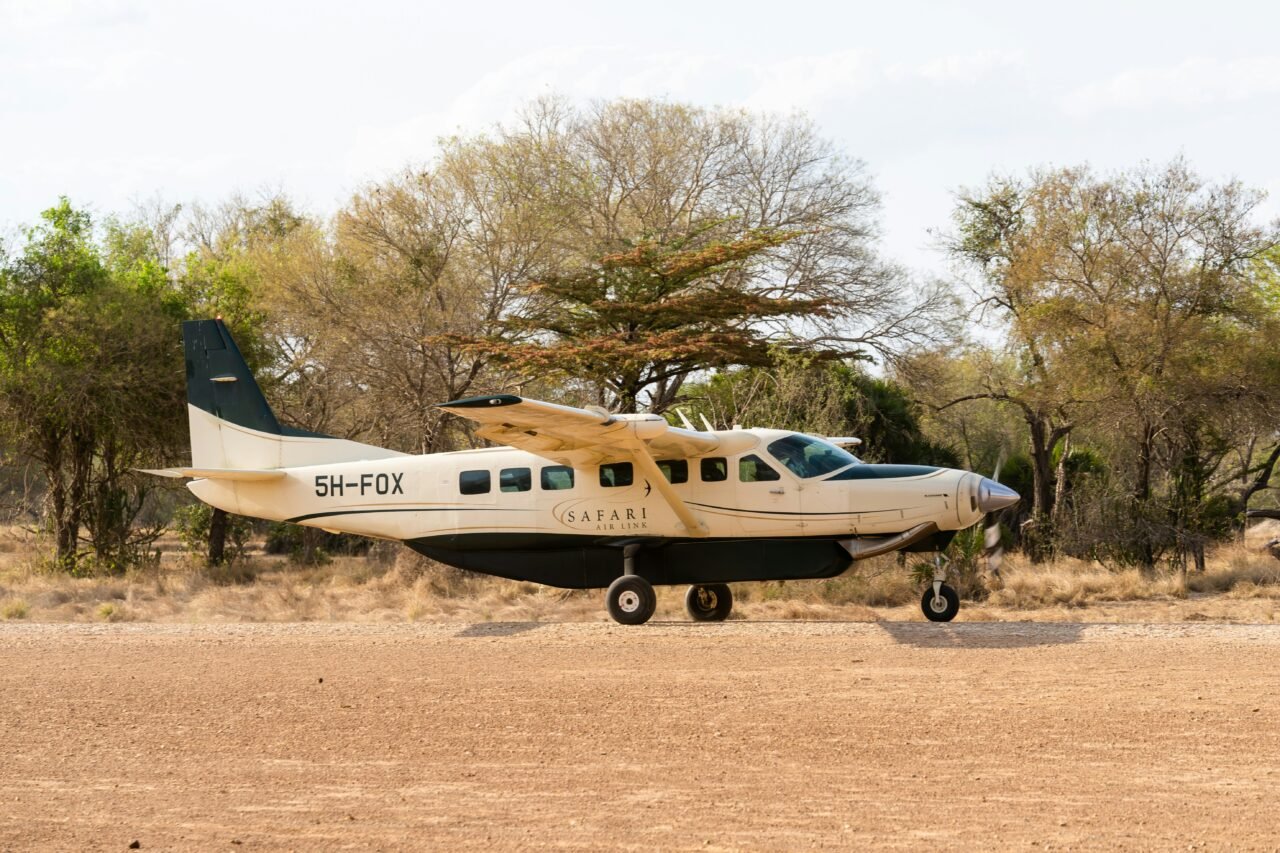
Understanding the Serengeti to Zanzibar Logistics
Navigating the travel path from the vast plains of the Serengeti National Park to the coastal paradise of Zanzibar requires more than just booking a flight; it demands a nuanced understanding of Tanzania’s fragmented travel infrastructure. This isn’t a single, direct commercial route like flying from Dar es Salaam to Stone Town. Instead, the journey typically involves a sequence of domestic flights, road transfers, and sometimes multiple connection points, which is why understanding the specific nature of the Serengeti to Zanzibar flight baggage limits and transfer costs is so complex. As a local travel specialist, I must emphasize that what you pay for in terms of baggage and transfers depends heavily on the precise mode of transport you select: are you taking a small, specialized charter flight from a remote airstrip, or are you connecting via a major airport like Arusha or Dar es Salaam?
The Serengeti experience is defined by its remote nature. Most safari activities take place at small, private airstrips (like Kogatende or Seronera), which operate on a different logistical framework than major international airports. These bush flights are often smaller, more flexible, and inherently have stricter rules regarding what you can carry. Contrast this with the transfer to Zanzibar, which usually requires a final hop from a mainland hub (like Arusha) to Zanzibar’s Abeid Amani Karume International Airport (ZNZ), which operates under more standard commercial airline regulations.
Baggage Rules: The Crucial First Step for Bush Flights
When discussing the Serengeti to Zanzibar flight baggage limits and transfer costs, the baggage rules for the safari leg are the most critical point of failure for unprepared travelers. Unlike international flights where airlines adhere to standardized global rules, bush flights operate under constraints related to aircraft size, landing strip capacity, and fuel efficiency. The rule of thumb is always to pack light—significantly lighter than you think you need to.
Safari Flight Baggage Standards: The Light Pack Mandate
For the domestic safari flights departing from the Serengeti airstrips, the standard allowance is typically very low. Most safari operators and charter airlines enforce a limit of 15 to 20 kilograms (33 to 44 lbs) per person. This limit is not arbitrary; it is a practical necessity for the small aircraft used for these regional hops. Exceeding this limit can result in refusal to board, and while some operators might charge a fee for excess baggage, it is almost always best to avoid this entirely.
Crucially, the baggage allowance often covers only the main cabin bag. Hand luggage rules are also strict. Travelers must be mindful that many safari camps provide internal baggage handling, but this does not excuse you from adhering to the flight restrictions. When planning for 2027, it is vital to confirm the specific airline’s current policy, as policies can shift based on fuel prices and operational needs.
Connecting Flight and International Baggage: The Transition Point
The baggage situation changes significantly once you land on the mainland and transition to the flight to Zanzibar. If your itinerary includes a connection through a larger hub (like Kilimanjaro International Airport – JRO), you will be flying on commercial carriers (such as Coastal Aviation or regional airlines) that adhere to more conventional weight limits. However, even these flights are often smaller than major international carriers, so keeping the weight reasonable is still advisable.
A key logistical consideration is whether your baggage is checked through the entire journey. If you are booking a comprehensive package through a specialized tour operator like Climb 4 Africa, the ground transfer and flight segments are coordinated, and the operator manages the logistics of transferring your luggage from the safari camp to the mainland connection point. If you are booking separate components, you are responsible for ensuring your baggage transfers correctly and within the stipulated limits for each segment of the Serengeti to Zanzibar flight baggage limits and transfer costs.
Essential Baggage Checklist for Serengeti Travel
- Focus on Function: Pack clothing that is quick-drying, neutral in color, and suitable for both dusty safari drives and humid island evenings.
- Weight Distribution: Distribute weight evenly and avoid bulky items; prioritize compact packing.
- Essential Documents: Always keep passports, visas, and cash in carry-on luggage, regardless of weight limits.
- Confirm with Operator: Before departure, always confirm the exact weight and size restrictions with your specific tour operator for the 2027 dates.
Transfer Costs: Breaking Down Ground Travel Expenses
The Serengeti to Zanzibar flight baggage limits and transfer costs involve a major component of ground transportation, and this is where the variability begins. Since the Serengeti itself is inaccessible by road from Zanzibar, the transfer must be planned in stages. The total transfer cost is not a single fee; it is the sum of several necessary legs: Safari Camp to Airstrip, Airstrip to Mainland Hub, and Mainland Hub to Zanzibar Airport.
Stage One: Camp to Airstrip (Included in Safari Package)
The initial transfer from your accommodation (safari camp) to the nearest operational airstrip is almost always included within your safari package price. This is handled by the lodge or the safari operator. The cost here is factored into the overall safari experience, but it is essential to confirm that the transfer is provided and what time frame it operates within.
Stage Two: Mainland Transfer and Connection (The Variable Cost)
This stage is the most complex and cost-sensitive. If you are flying from a Serengeti airstrip, you will land at a regional airport (like a small airstrip near Arusha or Ngorongoro). From there, you need ground transport to the major commercial hub (usually Kilimanjaro International Airport, JRO). The cost of this ground transfer—from the small airstrip to JRO—varies based on the distance and whether you hire a private vehicle or use a shared shuttle. For 2027, expect private transfers to be more comfortable but significantly higher in cost than shared options. Expect this ground transfer component to cost between $50 and $150 USD, depending on whether you opt for a private or group service.
Stage Three: Mainland to Zanzibar Flight and Final Transfer
The final leg involves the flight from the mainland hub (JRO or another suitable regional airport) to Zanzibar (ZNZ). This domestic flight cost is highly dependent on the airline and booking lead time. Once you arrive at ZNZ, a final transfer to your Zanzibar accommodation is required. This transfer, which can involve a drive from the airport to Stone Town or a remote beach resort, adds another layer of cost. These final ground transfers are generally straightforward, with costs ranging from $30 to $80 USD, depending on the location of your Zanzibar stay.
Local Expert Insight: The Hidden Cost of Timing
When calculating the total Serengeti to Zanzibar flight baggage limits and transfer costs, never treat the costs as fixed. The most significant cost modifier is time. Booking your entire itinerary—from Serengeti to Zanzibar—as a single, coordinated package through a local expert helps immensely. Why? Because the operator manages the complex transfer logistics, minimizes waiting times, and often secures better rates for the domestic flights, mitigating potential transfer delays and unforeseen costs.
Flight Options and Their Impact on Total Cost
The final price and logistical complexity of your journey depend entirely on the flight type you choose. There are generally three distinct approaches to achieving the transition from the Serengeti region to Zanzibar, each with different cost implications and baggage realities.
Option 1: The Full Package Coordination (Recommended)
This involves booking your entire itinerary—safari, domestic flights, and Zanzibar stay—through one established Tanzanian tour operator. This is the most stress-free approach. The operator manages the transition, ensuring your baggage moves smoothly between the safari camp and the final airport. While the overall package price will be higher than booking fragmented components, it removes the risk of missed connections, unexpected transfer fees, and confusion over the Serengeti to Zanzibar flight baggage limits and transfer costs.
For those planning their trip for 2027, utilizing a full package ensures that the operator has up-to-date knowledge of airline scheduling and any regulatory changes regarding baggage weight or dimensions, providing peace of mind.
Option 2: DIY Fragmented Booking (High Risk, Potentially Lower Cost)
This approach requires you to book the safari, the internal flight to the mainland, and the Zanzibar flight separately. While this *can* result in a lower raw ticket price, the risk factor is extremely high. You are responsible for coordinating the ground transfers between airstrips and major airports. You must personally manage the baggage transfer process, which increases the likelihood of delays or lost luggage, especially given the strict Serengeti to Zanzibar flight baggage limits and transfer costs on bush flights.
This option is only suitable for highly experienced travelers who are comfortable managing complex, multi-modal travel logistics across a large country like Tanzania.
Option 3: Connecting via a Major Hub (Arusha/JRO)
The most common and practical method is flying from the Serengeti region to a major mainland hub like Arusha (ARK) or Kilimanjaro (JRO), and then booking the commercial flight from that hub to Zanzibar. This allows you to utilize the more robust infrastructure of the mainland airports. However, remember that the ground transfer from the remote Serengeti airstrip to Arusha/JRO still incurs the transfer cost mentioned earlier, and you must still adhere to the strict safari baggage limits for the first leg.
For those looking at detailed mainland travel, resources like the Zanzibar to Moshi: Flight Cost and Airport Transfer Guide can provide insight into the general cost structure of domestic air travel in Tanzania, which is relevant for the final leg of your journey.


Planning and Booking Decisions for 2027
Effective planning for the Serengeti to Zanzibar flight baggage limits and transfer costs in 2027 requires looking beyond just the price tags. It requires evaluating risk, convenience, and the overall travel experience. Since the logistical chain is so delicate, the time of year you travel is a major factor in determining both costs and convenience.
Seasonal Travel and Cost Adjustments
The dry season (typically June to October) is peak season, offering the best wildlife viewing and often commanding higher costs for both flights and transfers. The shoulder seasons (April/May and November/December) offer a balance of good weather and slightly lower operational costs. If your priority is minimizing the Serengeti to Zanzibar flight baggage limits and transfer costs, traveling outside of peak season is a wise decision. Always confirm the 2027 seasonal pricing structure with your chosen provider.
When you are ready to commit to your dates for 2027, consider what level of logistical support you need. If you prefer the simplicity of a single point of contact who handles every transfer and baggage movement, the coordinated package is superior. If you prefer the control of independent booking, you must dedicate significant time to cross-referencing airline schedules and ground transfer providers, always keeping the weight restrictions in mind.
What to Confirm Before Paying for Your Trip
Before you commit to any booking, especially when dealing with the complexities of the Serengeti to Zanzibar flight baggage limits and transfer costs, ensure these specific details are clearly documented in your contract:
- Specific Baggage Allowance: Not just a general rule, but the exact maximum weight (in kg) for the specific airstrip flights.
- Transfer Inclusions: Explicitly confirm which ground transfers (Camp-to-Airstrip, Airstrip-to-Mainland) are included and which are charged separately.
- Connection Buffer Time: Ask what the recommended buffer time is between the Serengeti flight and the mainland flight. Delays in the bush can be unpredictable.
- Cancellation Policy: Understand the flexibility regarding changes, especially if weather impacts the safari flights.
We specialize in providing this level of detailed logistical planning. Instead of navigating the fragmented system yourself, you can discuss your exact needs—whether you prioritize minimizing transfer costs or maximizing travel comfort—with our local experts. Contact us via WhatsApp at +255 747 477 898 or email us at climb4africa@gmail.com to start building a customized, risk-mitigated itinerary for 2027.
Minimizing Costs While Maximizing Convenience
It is a classic travel trade-off: do you prioritize the lowest possible price, or do you prioritize the smoothest, most reliable experience? For the Serengeti to Zanzibar flight baggage limits and transfer costs, the lowest price often correlates with the highest logistical risk. However, there are strategies to achieve a better balance.
Cost vs. Convenience Decision Matrix
If your budget is the primary driver, you must accept a higher risk of delays and need to personally manage the transfers. If convenience is the priority, investing in a coordinated package simplifies the entire journey, ensuring your baggage adheres to all limits and transfers without incident.
For mid-range comfort and reliable logistics, look for operators who use established, reputable local transfer providers. This adds a modest cost but drastically reduces the stress associated with a complex international travel transition.
A practical way to manage costs without sacrificing too much convenience is to look at the shared transfer options for the mainland portion of your journey. Instead of a private vehicle from the Serengeti airstrip to JRO, opting for a shared shuttle can significantly reduce that specific transfer expense while still maintaining a reliable schedule, especially when booked through a professional tour operator. This is a subtle detail that can make a difference in your overall budget for the Serengeti to Zanzibar flight baggage limits and transfer costs.
Furthermore, remember that the choice of safari camp itself influences the transfer experience. Some high-end camps have dedicated logistics teams that handle everything flawlessly, while others might rely on more basic arrangements. When inquiring about your trip for 2027, ask about the level of logistical support provided by the specific camp you are considering.
Whether you are planning a full safari experience, like those detailed in our Tanzania Safari Tours blog, or focusing solely on the transition between the two destinations, a detailed consultation is key. Don’t let the complexity of the Serengeti to Zanzibar flight baggage limits and transfer costs turn your dream trip into a logistical headache. Let Climb 4 Africa handle the intricate details so you can focus on the adventure.
Frequently Asked Questions on Serengeti to Zanzibar Travel
While the core of this article addresses the specific baggage and cost questions, travelers often have related logistical concerns. Here are answers to some common queries regarding the transition from the Serengeti to Zanzibar.
Is there a direct flight from Serengeti to Zanzibar?
Generally, no. There are no regular, direct commercial flights from the remote airstrips within the Serengeti National Park to Zanzibar International Airport (ZNZ). The journey requires at least one domestic connection, typically through a major mainland hub like Arusha (ARK) or Kilimanjaro (JRO), making the transfer and coordination of your luggage the primary logistical challenge.
What happens if I exceed the baggage limit on the safari flight?
If you exceed the strict 15-20kg limit on a bush flight, the operator has the right to refuse boarding. The consequences can range from being denied travel to incurring a high excess baggage fee, which is often disproportionately expensive. The safest practice is to pack significantly less than the maximum allowed.
Is the transfer cost fixed for the Serengeti to Zanzibar route?
No, the transfer cost is highly variable. It depends on whether you choose a private or shared vehicle for the ground legs, the specific starting and ending points (e.g., remote camp vs. major town), and the mode of transport (private driver vs. shuttle service). Only a coordinated package booking can provide a reliable, all-inclusive transfer cost estimate.
Planning a multi-destination journey like Serengeti to Zanzibar requires an expert eye for detail. For tailored advice, including specific cost estimates for 2027 and ensuring your baggage requirements are met for every leg of the journey, please reach out to Climb 4 Africa via email at climb4africa@gmail.com or call us at +255 747 477 898. We are ready to help you make the best travel decision for your African adventure.
Related Guides and Packages
Check Availability for Serengeti To Zanzibar Flight Baggage Limits And Transfer Costs Guide () 2027
Ready to compare dates, prices, and the best option for your group? Send the package name and travel month so the team can reply with a clear quote, availability, and what is included.
Zanzibar To Serengeti Flight Price –: Planning Your Safari Transfer 2027
Navigate the complex flight and transfer options between Zanzibar and the Serengeti. This deep guide breaks down expected costs, seasonal variables, and optimal routing for 2026 and 2027...
View package details
Serengeti To Zanzibar Vs Arusha To Which Is Better After Safari? 2027
Choosing the right transfer to Zanzibar after a safari—Serengeti to Zanzibar or Arusha to Zanzibar—depends entirely on your safari route, time constraints, and budget. This guide breaks...
View package detailsSerengeti To Zanzibar One-Way Flight Costs: Your Complete Guide 2027
Planning the transition from the Serengeti plains to the beaches of Zanzibar requires careful consideration of flight options and associated costs. This guide provides expert analysis on...
View package details3-Day Serengeti & Ngorongoro Safari From Zanzibar By Flight 2027
3-Day Serengeti & Ngorongoro Safari From Zanzibar by Flight is explained with current 2027 planning, price, itinerary and booking information.
View package details
How Much Is A Flight From Serengeti To Zanzibar? 2027
How Much Is a Flight From Serengeti to Zanzibar? is explained with current 2027 planning, price, itinerary and booking information.
View package details
Serengeti To Zanzibar Flight Price : Tickets & Airline Logistics Guide 2027
A comprehensive guide to managing the complex travel logistics and expected flight costs when transitioning from the Serengeti National Park to Zanzibar Island in 2027.
View package details
Kogatende To Zanzibar Flights: Northern Serengeti Departure Guide 2027
Kogatende to Zanzibar Flights: Northern Serengeti Departure Guide is explained with current 2027 planning, price, itinerary and booking information.
View package detailsDirect Flights From Serengeti To Zanzibar: Prices & Schedule 2027
Direct Flights From Serengeti to Zanzibar: Prices & Schedule is explained with current 2027 planning, price, itinerary and booking information.
View package details3-Day Serengeti Fly-In Safari From Zanzibar: All-Inclusive Package Prices 2027
Plan your ultimate Tanzanian adventure, combining Zanzibar's beaches with the Serengeti's wildlife. This guide details all-inclusive package pricing and logistics for a 3-day fly-in safari...
View package details
Tanzania Flight Costs By Month: Cheapest And Most Expensive Seasons 2027
Planning your trip to Tanzania involves understanding the ebb and flow of flight prices throughout the year. Knowing when to book can significantly impact your budget for adventures in...
View package detailsZanzibar To Ngorongoro Crater: Flight And Road Transfer Costs ( Guide)
A detailed guide on navigating the logistical chain between Zanzibar and the Ngorongoro Crater, covering flight options, airport choices, and the cost variables involved.
View package detailsZanzibar To Moshi: Flight Cost And Airport Transfer Guide For 2027
A comprehensive guide detailing the flight options, estimated costs, and necessary ground transfers when traveling from Zanzibar to Moshi, Tanzania.
View package detailsNo related package matches those filters. Clear one or more filters to see the other topic-matched options.



