
A Zanzibar to Tarangire safari by flight refers to a multi-leg travel route connecting the island of Zanzibar with the Northern Circuit’s elephant stronghold of Tarangire National Park. Because no direct commercial flights exist between Zanzibar and the specific bush airstrips serving Tarangire, the route requires a domestic flight from Zanzibar to either Arusha (ARK) or Lake Manyara (LKY), followed by a 2-to-3-hour road transfer into the park. This approach is significantly faster than land-based travel, which requires a ferry to the mainland followed by an 8-to-10-hour drive, making the fly-and-drive option the preferred choice for travelers maximizing time in the bush.

Understanding the Fly-and-Drive Logistics
When you search for a “flight” to Tarangire, it is essential to clarify what that journey entails. Tarangire National Park is primarily served by the Kuro Airstrip, which handles light aircraft charters and scheduled bush flights. However, these flights do not originate from Zanzibar. They operate within the Northern Circuit network. Consequently, your journey is always a combination: you fly from Zanzibar to a major northern hub, and then your guide meets you there for the drive into the park.
For most travelers, the logistics are split into two distinct segments. First, the flight from Zanzibar (ZNZ) to either Arusha (ARK) or Kilimanjaro (JRO). Arusha is the most common gateway for safari departures. Second, the ground transfer from the airport to the Tarangire park gate. This road journey typically takes between two and three hours, depending on traffic and your specific lodge location. At Climb 4 Africa, we coordinate these connections to ensure your transfer vehicle is waiting on the tarmac, minimizing wait times and ensuring a smooth transition from the island coast to the savanna.
Comparison: Flight vs. Traditional Overland Travel
Deciding between flying to the mainland or taking the traditional ferry-and-drive route depends entirely on your available time and budget. The overland route—involving a ferry from Zanzibar to Dar es Salaam and then a long drive or regional flight—is often fraught with delays and fatigue. Below is a comparison to help you weigh the decision.
| Factor | Fly-and-Drive (Recommended) | Overland/Ferry Route |
|---|---|---|
| Travel Time | approx. 3–5 hours total | 10–14+ hours |
| Comfort Level | High (short flight, private transfer) | Low (long wait times, road congestion) |
| Reliability | High (standardized schedules) | Variable (ferry cancellations/traffic) |
| Cost | Higher (airfare + private transfer) | Lower (public transport/ferry) |
If you are planning a short safari, the flight from Zanzibar to Arusha is almost always the superior choice. It allows you to arrive in the Northern Circuit by mid-morning, providing enough time to reach Tarangire for an afternoon game drive. This effectively turns a “travel day” into a “safari day.”
Choosing Your Arrival Airport: Arusha vs. Manyara
You have two primary options for the first leg of your flight from Zanzibar. Your choice should be dictated by where your safari itinerary officially begins.
Flying into Arusha (ARK)
Arusha Airport is the hub for most Northern Circuit safaris. If you are doing a multi-park itinerary that includes the Ngorongoro Crater or the Serengeti after Tarangire, flying into Arusha is standard. It provides the most flexibility for vehicle departures. From Arusha, you drive south toward Tarangire. This route takes you past local villages and offers a glimpse into the northern highlands before you reach the park gates.
Flying into Lake Manyara (LKY)
Lake Manyara Airstrip is physically closer to Tarangire than Arusha is. If your itinerary is exclusively focused on Tarangire or if you are staying at a luxury lodge near the northern section of the park, flying into Manyara can reduce your road transfer time. However, flight availability into Manyara is more limited than into Arusha, and schedules can be less frequent. We recommend this option primarily for travelers who have already booked their lodge and want to minimize time spent in a vehicle.
Seasonal Considerations for 2026-2027
Tarangire National Park is defined by its seasonal wildlife migrations, particularly the elephant herds that congregate around the Tarangire River during the dry season. When planning your flight-based safari for 2026 or 2027, timing is as important as the logistics themselves.
The dry season, running from June through October, is when the park is at its peak. During these months, the river acts as a magnet for wildlife. If you book your safari for this period, expect higher demand for both flights and lodge accommodation. We advise finalizing your travel dates at least 4 to 6 months in advance to secure seat availability on the smaller aircraft operating these routes.
Conversely, the green season (November to May) offers a different experience. The park is lush, birdlife is prolific, and visitor numbers are significantly lower. While flights are easier to book during this time, some lodges may have seasonal closures. If you are traveling during the rainy season, discuss road conditions with us, as the “short rains” in November and the “long rains” in April can sometimes impact transit times on the ground.
Practical Planning and Booking Guidance
When booking a Zanzibar to Tarangire safari, the biggest mistake travelers make is attempting to self-manage the connection. Because these are separate tickets (Zanzibar to Arusha/Manyara and then a land transfer), a delay on your first flight can cascade into a missed safari window.
At Climb 4 Africa, we handle the entire package. We ensure that your flight times align with your driver’s arrival at the airport. If a flight is delayed, our local team is already aware and adjusting the transfer schedule, so you are not left stranded at the airport. To get started, we need a few key details:
- Preferred travel dates: Knowing if you have flexibility helps us find better flight connections.
- Total group size: This dictates whether we use a private 4×4 Land Cruiser or a larger vehicle for your transfer.
- Accommodation preferences: Are you looking for luxury lodges, tented camps, or budget-friendly options?
- Full itinerary: Are you heading to the Serengeti or Ngorongoro after Tarangire? Knowing your next destination helps us optimize the pickup/drop-off logistics.
You can reach out to our team via WhatsApp at +255 747 477 898 or email us at climb4africa@gmail.com (or our backup address info@climb-4-africa.com) to discuss your 2026 or 2027 travel plans. We can provide current flight frequency data and help you structure a trip that maximizes your time in the bush.
What to Pack for Bush Flights
Flying from Zanzibar to the Northern Circuit involves small aircraft (often Cessna Caravans or similar). Unlike international jets, these planes have strict weight limits. We always advise our guests to pack soft-sided duffel bags rather than hard-shell suitcases. Hard luggage is difficult to load into the cargo holds of bush planes and may be rejected at the gate.
Furthermore, ensure your carry-on includes essential items like your passport, camera gear, and any medication. While flights are generally smooth, the climate in the highlands (Arusha/Tarangire) can be cooler than the coastal humidity of Zanzibar. Pack a light jacket or fleece for early morning game drives, even if you are coming straight from the beach.
Next Steps: Structuring Your Safari
If you are in the early stages of planning, we recommend reading our other guides on combining Tarangire with other Northern Circuit parks. Often, a single flight from Zanzibar can serve as the jumping-off point for a 3-to-5-day safari that covers multiple ecosystems, not just Tarangire. By flying into Arusha, you open up the possibility of visiting the Ngorongoro Crater or Serengeti, making the cost of the flight more efficient over the course of your entire holiday.
We do not publish fixed price lists because flight costs fluctuate based on the season, airline demand, and fuel surcharges. Instead, we provide customized quotes that bundle your flights, park fees, accommodation, and private ground transfers into one comprehensive package. This approach protects you from the stress of booking multiple disjointed services and ensures that your entire journey—from the Zanzibar beach to the Tarangire savanna—is managed by a single local operator.
Navigating the Airstrip Experience: What to Expect Upon Arrival
The transition from a coastal runway in Zanzibar to a bush airstrip in the Northern Circuit is more than just a change in altitude; it is a shift in operational pace. When you land at an airport like Arusha (ARK) or Lake Manyara (LKY), you are not entering a bustling international terminal with baggage carousels and taxi queues. Instead, you are stepping into a streamlined, often open-air environment designed for rapid transit. Understanding the cadence of these arrival points is crucial for managing expectations, particularly if you are accustomed to the structured chaos of international airports.
At smaller airstrips like Lake Manyara, the ‘terminal’ might consist of a simple structure or even just a shaded waiting area. Your pilot will taxi to a stop, often near a collection of waiting safari vehicles. Unlike larger airports where you might walk through a gate, here you often disembark directly onto the tarmac or grass. Your luggage is unloaded by hand, usually placed on a trolley or directly into the back of your waiting safari vehicle. This process is efficient but intimate; you will likely be standing just a few feet from your luggage as it moves from the aircraft to your guide’s 4×4. It is essential to keep your hand luggage close and ensure you have identified your checked bag as it emerges from the cargo hold.
The Arusha (ARK) airport offers a slightly more formal experience compared to the bush strips. As a regional hub, it sees higher traffic and offers more facilities, such as small cafes and better restroom access. However, even here, the safari culture prevails. You will typically be met at the arrival point by your driver-guide, who will have a name board. Because parking at these smaller airports is limited, guides are often directed to specific holding areas. If your flight is delayed—a common occurrence due to weather patterns or air traffic control adjustments in the bush—your guide will be monitoring your flight status remotely. There is no need for panic if you do not see them immediately; they are often parked a short distance away and will move to the arrival point as soon as your aircraft touches down.
The Impact of Weather and Runway Conditions
One of the most significant variables in your Zanzibar-to-Tarangire flight plan is the weather, particularly during the rainy seasons. Tanzania’s bush airstrips are frequently unpaved or semi-prepared surfaces. Heavy rainfall can render these strips muddy or, in extreme cases, waterlogged. While modern bush pilots are highly skilled at assessing runway safety, flight schedules can be fluid. It is not uncommon for flights to be rerouted, delayed, or canceled on short notice if a runway is deemed unsafe for a specific aircraft type.
This environmental reality is why the fly-and-drive option requires a degree of flexibility. If a flight is diverted to a different airstrip, your ground transfer logistics must be recalculated instantly. This is where booking through an operator becomes invaluable. Instead of you navigating transport changes, the operator manages the communication between the pilot, the ground crew, and your safari guide. They ensure that wherever you land, your transport is redirected to meet you. When planning your trip, particularly during the months of April, May, and November, it is wise to build a buffer into your itinerary. Avoid scheduling tight connections where a two-hour flight delay would cause you to miss a significant activity or a pre-booked park entry slot.
Ground Transfer Dynamics: The Final Leg
Once you have landed and met your guide, the final leg to Tarangire begins. This is not merely a shuttle service; it is the beginning of your safari. The drive from Arusha or Manyara to the Tarangire National Park gate is a transition from the semi-urban landscape of northern Tanzania into the rugged, baobab-studded wilderness. This journey, which typically lasts between two and three hours, allows you to adjust to the altitude and the heat. It is also the perfect time to discuss your priorities with your guide. If you have specific interests—such as photography, birdwatching, or a focus on the park’s massive elephant herds—letting your guide know during this drive helps them tailor the day’s game drive route.
The road conditions vary. You will likely transition from paved tarmac to graded gravel roads as you approach the park boundaries. These roads can be dusty during the dry season and bumpy throughout the year. If you have any concerns regarding motion sickness or physical comfort, communicate this to your guide. They can adjust their driving speed and frequency of stops. Furthermore, these transfers often pass through local villages and agricultural landscapes. It is a fantastic opportunity to observe the local way of life, from small-scale farming to roadside markets, providing a cultural context that you would entirely miss if you were simply flying directly into the park (which is rarely an option anyway). By the time you reach the Tarangire gate, you will feel acclimated to the environment, ready to transition immediately from the transfer vehicle to the elevated pop-up roof of your safari cruiser for your first game drive.
Strategic Itinerary Design: Balancing Coastal Relaxation with Bush Intensity
The transition from the azure waters of Zanzibar to the dusty, baobab-filled plains of Tarangire National Park represents a significant shift in both climate and pace. Designing an itinerary that bridges these two extremes requires more than just booking flights; it requires a strategic approach to travel fatigue and acclimatization. When flying from Zanzibar, you are effectively shifting from a sea-level, humid, and relaxed environment to a higher-altitude, arid, and highly active safari environment. The most successful itineraries account for this physiological and psychological shift by ensuring the first day in Tarangire is not overloaded with aggressive scheduling.
For travelers prioritizing wildlife density, the arrival day should be treated as a soft entry. Even though you may have spent several hours in transit—first navigating the Zanzibar airport, enduring the flight, and then completing the two-to-three-hour ground transfer—the temptation is often to rush straight into a full-day game drive. However, Tarangire is famous for its large elephant herds and the iconic baobab trees that dominate the landscape, and these are best appreciated when you are alert. Consider scheduling a shorter, late-afternoon game drive upon arrival. This allows you to settle into your lodge, unpack, and shake off the travel stiffness while still catching the “golden hour,” when the light hits the baobabs and the wildlife becomes more active.
The Role of Lodge Selection in Itinerary Flow
Where you choose to stay in or near Tarangire significantly influences the “fly-and-drive” experience. The park is long and narrow, and lodges are positioned either within the park boundaries or just outside the main gate. If your flight lands at Arusha (ARK) in the early afternoon, a lodge located closer to the main gate or within the northern section of the park is advisable to minimize the final drive time. Conversely, if you have a morning flight, you have the luxury of staying deeper in the park, such as near the Silale Swamp area, which offers exceptional game viewing but requires a longer drive from the gate.
Lodge location also dictates your flexibility for subsequent days. Staying inside the park allows you to start your game drives at dawn, the moment the gates open. This is crucial during the peak dry season (June to October) when wildlife congregates around the Tarangire River. If you stay outside the park, you must factor in the time it takes to process entry at the gate, which can sometimes be busy. Your fly-and-drive itinerary should reflect this: if you have limited time—for example, a two-night stay—prioritizing an inside-the-park lodge is highly recommended to maximize every hour of daylight.
Adapting Activities to Your Transit Schedule
Your transit schedule should dictate the intensity of your activities. If your flight arrives mid-day, you are essentially losing half a day to logistics. Rather than trying to force a full-day game drive, utilize this time for specialized activities that don’t require deep-bush penetration. Many lodges near the Tarangire periphery offer guided bush walks or cultural visits to nearby Maasai or Barabaig villages. These activities provide a grounded, sensory experience that contrasts beautifully with the flight you just completed. Walking in the bush, even if it is just around the lodge grounds, allows you to notice the smaller details—tracks, dung, insects, and flora—that are often missed when moving quickly in a safari vehicle.
Furthermore, if your itinerary includes multiple parks beyond Tarangire (such as Ngorongoro or Lake Manyara), the fly-and-drive route from Zanzibar acts as the gateway to the entire Northern Circuit. Ensure that your flight booking aligns with the direction of your next destination. If you intend to head toward the Ngorongoro Crater next, look for lodges on the western side of Tarangire or near the Sangaiwe Gate. This reduces backtracking and ensures that your transit time is always moving you forward into the wilderness, rather than circling back toward your arrival point.
Managing Expectations: The “Bush Flight” Reality
It is vital to manage expectations regarding the flight portion of your journey. Unlike international commercial flights, domestic bush flights are fluid. They often operate on a “circuit” basis, meaning the aircraft may stop at multiple airstrips before reaching your destination. Your flight from Zanzibar might touch down in Dar es Salaam or another airstrip before heading to Arusha. While this can extend the total travel time, it also provides a unique aerial perspective of the Tanzanian landscape, often flying low enough to spot geographical features that are invisible from a commercial jet. Treat the flight as part of the safari experience itself, rather than just a necessary chore. Pack your camera in your carry-on bag, as the views of the Rift Valley escarpment during the final approach into the Arusha or Manyara region can be spectacular.
Synchronizing Your Coastal Base with Safari Logistics
While the “Zanzibar to Tarangire” flight is the primary transit mechanism, the journey effectively begins at your coastal hotel. Zanzibar is not a monolithic destination; its geography is diverse, and the time required to reach Zanzibar International Airport (ZNZ) varies significantly depending on whether you are based on the northern, eastern, or western coasts. For travelers planning a smooth transition from the beach to the bush, selecting a base that aligns with your flight departure time is a critical, often overlooked logistical step.
The North Coast: Nungwi and Kendwa
The northern tip of the island, encompassing Nungwi and Kendwa, is arguably the most popular choice for “beach-first” travelers and families. These areas are characterized by deep, turquoise waters that are less affected by the dramatic tidal swings seen elsewhere on the island, allowing for swimming at almost any hour. For families, the abundance of resort infrastructure and calm water makes this an ideal relaxation anchor before the rigors of a safari. However, logically, this is the furthest point from ZNZ airport. A transfer from Nungwi to the airport typically requires 90 to 120 minutes, depending on road conditions and traffic. If your bush flight to Arusha or Manyara is scheduled for an early morning departure—often the case to maximize safari time—staying in the North necessitates a very early “bush-style” wakeup call, often before dawn, to ensure you clear security and check-in protocols.
The East Coast: Matemwe, Paje, and the Diver’s Constraint
The East Coast is the epicenter for water sports, particularly kitesurfing in Paje and world-class scuba diving near Mnemba Atoll. For travelers whose primary motivation is underwater exploration, this coast is the logical choice. However, there is a critical safety constraint that dictates your safari itinerary: the “no-fly” rule. If you are planning a diving expedition, you must strictly adhere to the recommended 18-to-24-hour surface interval between your last dive and your flight to the mainland. Many travelers unknowingly book a morning bush flight to Tarangire the day after a deep dive, which poses a significant health risk. If your safari itinerary is fixed, you must schedule your final dive no later than the morning of the day preceding your flight. Furthermore, transfers from the East Coast to the airport take roughly 60 to 90 minutes. If you are a couple seeking a romantic, quiet escape, the boutique lodges here are exceptional, but ensure your transport is pre-booked to account for the longer drive time to the airport hub.
Stone Town and the West: The Transit-Focused Choice
For travelers who prioritize efficiency over beach time, or those whose flight schedule is dictated by rigid bush-flight connections, Stone Town and the western coast offer the most strategic proximity to ZNZ. A stay here reduces your airport transfer time to a mere 15 to 20 minutes. This is particularly advantageous for travelers arriving on late-night international flights or those who have an early-morning domestic connection to the Northern Circuit. While Stone Town lacks the expansive white sands of the North, it provides a deep cultural immersion into Swahili history, which serves as a compelling, grounded contrast to the raw wilderness of Tarangire. For those with a tight, high-intensity safari schedule, spending the final night before your bush flight in Stone Town eliminates the anxiety of potential road delays, ensuring you reach the tarmac with time to spare.
Strategic Departure Timing: The Coastal-to-Bush Buffer
Regardless of where you stay, the most successful fly-and-drive itineraries build in a “buffer morning.” Rather than attempting to check out of a beach hotel and drive to the airport for a mid-morning flight, consider moving closer to the airport hub the night before. This transition removes the variable of island traffic—which can be unpredictable due to road works or local events—and allows you to approach the ZNZ-to-ARK flight with the relaxed mindset required for the safari experience ahead. Your coastal base should be chosen for the type of relaxation you need, but your final 24 hours on the island should be dictated solely by the mechanics of your flight schedule.
Optimizing the Final Mile: The Nuances of the Tarangire Road Transfer
Once your bush flight lands at Arusha (ARK) or Lake Manyara (LKY), the safari transition is not yet complete. The final leg—the road transfer from the airstrip to your lodge—is often the most underestimated variable in travel planning. While flight times are fixed, road transit times are subject to the fluid nature of rural infrastructure, park gate procedures, and the specific location of your accommodation within or adjacent to the park. Understanding these dynamics allows you to manage expectations regarding arrival times and game-viewing potential on your first day.
The Arusha (ARK) to Tarangire Corridor
Arriving at Arusha Airport places you on the outskirts of the city, requiring a drive that traverses the bustling suburban sprawl before transitioning into the rural landscape leading toward the Tarangire region. This transfer typically takes between two and three hours, depending on the specific gate you are targeting. The route is paved for the majority of the way, which offers a relatively smooth journey compared to the rugged tracks found inside the park itself. However, travelers should be aware that the final approach to the park gates often involves unpaved, corrugated roads that can significantly slow down your vehicle. It is common for visitors to experience a “bumpy” transition that serves as an immediate introduction to the bush environment.
Because this transfer is essentially a transit day, it is strategic to arrange for a vehicle that allows for comfort. Private transfers are the standard, as they provide the flexibility to stop for refreshments or photography along the way. If your flight lands in the early afternoon, factor in the likelihood of arriving at your lodge just before sunset. This timing is critical because driving inside the park after dark is generally prohibited, and navigating the final stretch from the park gate to your lodge in the dark can be challenging for drivers and less enjoyable for guests.
Lake Manyara (LKY) Airstrip Dynamics
For those prioritizing proximity, flying into Lake Manyara Airstrip reduces the transit time to the northern sector of Tarangire significantly. This airstrip is strategically positioned to serve both the Lake Manyara National Park and the northern reaches of Tarangire. The drive from LKY to the Tarangire park gate is generally shorter, often under 90 minutes, depending on your lodge’s exact coordinates. This option is frequently chosen by travelers who wish to maximize their time at the lodge or those who want to begin a game drive immediately upon arrival.
However, the convenience of the LKY airstrip comes with the requirement of careful coordination. Because this is a smaller airstrip, ground transfer vehicles must be pre-arranged with precise timing. Unlike major airports where a fleet of taxis might be waiting, bush airstrips rely on scheduled pickups. If your flight is delayed due to weather or air traffic control, your driver will likely be waiting on the tarmac, but it is vital to have open communication lines with your safari operator to ensure they are tracking your flight’s progress in real-time.
Navigating Park Entry and Gate Logistics
Regardless of your arrival airport, your entry into Tarangire involves administrative procedures that can impact your schedule. Park entry gates are not merely checkpoints; they are the points where permits are processed, and identification is verified. During peak season, queues at the Tarangire main gate can form, particularly in the mid-morning hours when other groups are also arriving. Experienced drivers understand the flow of these gates and may adjust departure times from the airstrip to avoid the busiest windows, or they may recommend specific gates that are less congested.
Furthermore, the “game drive” often begins the moment you enter the park gate. It is a common misconception that the safari only starts when you reach the lodge. The drive from the gate to your accommodation is often your first opportunity to spot elephants, giraffes, and impalas. When planning your flight arrival, try to ensure you land early enough to allow for a leisurely drive to the lodge. Rushing through the park to reach your accommodation before dark deprives you of this first, essential wildlife experience. If your flight schedule forces a late arrival, discuss with your operator the possibility of a direct, non-game-viewing transfer to the lodge to ensure you reach safety before the park’s strict closing times.
Pacing Your Safari: The Spectrum of Intensity
The transition from the relaxed, sun-drenched pace of Zanzibar to the high-alert environment of Tarangire requires a deliberate decision regarding your itinerary’s intensity. Travelers often fall into one of two camps: the “Slow Safari” approach, which prioritizes immersion and downtime, and the “Activity-Packed” approach, which seeks to maximize wildlife sightings in a condensed window. Understanding which category you fit into is crucial before booking your bush flights, as your choice dictates not only your flight timing but also your ground transfer strategy.
The Slow Safari: Prioritizing Immersion and Recovery
For travelers coming from the Zanzibar coast, the “Slow Safari” is designed to mitigate the fatigue that often accompanies international travel combined with island hopping. This itinerary structure typically favors mid-morning flights from Zanzibar (ZNZ) to Arusha (ARK) rather than early dawn departures. By choosing a later flight, you allow for a leisurely breakfast on the coast, ensuring you are not rushed during check-out procedures. This approach assumes that the safari is a marathon, not a sprint.
The benefits of this pace are psychological and physical. Upon arrival at the airstrip, you are not immediately thrust into a high-speed game drive. Instead, your transfer is viewed as a scenic transit. You arrive at your lodge in the late afternoon, leaving just enough time to settle into your room, enjoy a sundowner on the deck, and acclimate to the higher elevation and drier air of the Northern Circuit. This allows you to wake up the next morning fully refreshed, ready for a full day of game viewing without the residual exhaustion of a travel day. This style is ideal for couples, photographers looking for golden-hour light without the stress of transit, and families with younger children who need a predictable, low-pressure schedule.
The Activity-Packed Safari: Maximizing the Bush Window
Conversely, the “Activity-Packed” safari is for the traveler who views every hour in the bush as a precious commodity. If your total time in Tarangire is limited to 48 or 72 hours, the logistics of your flight become aggressive. These travelers typically book the earliest possible flight out of Zanzibar, often departing at dawn. The goal is to touch down at the bush airstrip by mid-morning, allowing for an immediate transition into a game drive en route to the lodge.
This strategy requires a high tolerance for logistical complexity. You must have your gear packed and ready for immediate access upon landing, as you will likely be heading straight into the park. The advantage here is significant: you gain an extra half-day of wildlife viewing that would otherwise be lost to hotel check-in procedures. However, the trade-off is higher fatigue. Navigating the dusty, bumpy roads of the park immediately after a flight can be taxing. This approach is best suited for seasoned safari-goers who are comfortable with the rugged nature of the bush and whose primary motivation is ticking off as many species as possible in a short timeframe.
Assessing Your Travel Temperament
Deciding between these two modes of travel involves an honest assessment of your own energy levels. Consider the following factors:
- The “Travel-to-Safari” Recovery Gap: How well do you handle changing climates and altitudes? The coastal humidity of Zanzibar is vastly different from the arid, dusty environment of Tarangire. A “Slow Safari” gives your body 24 hours to adjust to the drier air and potential altitude shifts before you commit to long hours in an open-sided vehicle.
- Gear Management: If you are traveling with significant camera equipment, the “Activity-Packed” approach requires you to have your kit ready for immediate use. If you need time to clean lenses, organize batteries, or set up tripods, the “Slow Safari” provides the necessary downtime in the lodge to prepare without missing the action.
- The “Early Bird” vs. “Night Owl” Dynamic: Early flights from Zanzibar often require waking up before dawn. If you are not an early riser, the stress of a 5:00 AM transfer to the airport can start your safari on a negative note. If you are naturally a night owl, consider whether the “Activity-Packed” pace is truly sustainable, or if you will be too tired to enjoy the afternoon game drives.
Ultimately, the flight logistics act as the framework for your entire experience. A “Slow Safari” itinerary often benefits from a private transfer that can stop for scenic photos or a quick lunch, whereas an “Activity-Packed” itinerary relies on a direct, efficient transfer that prioritizes speed. Communicate your desired pace clearly to your operator; they can adjust the flight timing to ensure your arrival aligns perfectly with the energy level you intend to maintain throughout your stay.


Vetting Your Service Providers: Critical Pre-Payment Verification
The complexity of a fly-and-drive safari necessitates a high degree of coordination between three distinct entities: the airline carrier, your ground transfer service, and the safari lodge itself. Because these operations are often run by independent companies, the “seams” in your itinerary are where logistical failures most frequently occur. Before finalizing any payment, you must move beyond generic confirmation emails and demand specific, actionable details regarding how these entities communicate and execute your transit.
The “Meet and Greet” Protocol Verification
Never assume that a “transfer included” label on a brochure guarantees a smooth handoff. When dealing with regional bush flights, the most common point of failure is the communication gap between the pilot and the ground driver. Verify the specific protocol for your arrival at the airstrip. Ask your operator for the name of the driver or the specific vehicle branding that will meet you. More importantly, ask what happens if your flight is delayed. Does the operator monitor flight tracking software in real-time, or are they reliant on you to call them upon landing? In remote airstrips where cellular signal can be inconsistent, you want a provider who proactively manages the schedule rather than one who waits at the gate for you to initiate contact.
Validating Luggage Constraints and Weight Policies
The transition from a coastal beach holiday to a bush safari creates a unique luggage challenge. Travelers often carry more gear than is strictly necessary for a safari, including beachwear and bulky electronics. Light aircraft operators in Tanzania enforce strict weight limits—often 15 kilograms (33 pounds) total, including hand luggage—and mandate the use of soft-sided bags. Before paying, confirm that your operator has clearly communicated these specific weight limits to you in writing. If you plan to carry heavy camera lenses or specialized equipment, ask if the operator can arrange a “buy-a-seat” option to accommodate the extra weight, or if they have a mechanism to store your excess luggage at the coastal base or the Arusha office. Failing to verify this can result in your bags being left on the tarmac at the Zanzibar airport.
The “Exclusive Use” vs. “Shared Transfer” Distinction
When booking your road transfer from the Arusha or Manyara airstrip to Tarangire, the price often dictates the quality of the experience. A shared transfer is cost-effective but requires waiting for other passengers to arrive on different flights, which can add hours of idling time to your journey. Before paying, explicitly ask: “Is my transfer exclusive to my booking, or is it a shared shuttle?” If it is shared, ask for the maximum number of passengers and the maximum wait time for other arrivals. If you are on a tight schedule, paying a premium for an exclusive transfer is almost always worth the investment to ensure you are moving immediately toward the park gate.
Clarifying the “Game Package” vs. “Vehicle Hire” Structure
Many lodges offer “game packages” that include all activities, while others operate on a “bed and breakfast” basis with vehicle hire charged separately. This distinction is vital when flying into the bush. If you are on a bed and breakfast plan, you must verify who is responsible for the game drive vehicle. Does the lodge have its own fleet, or do they contract vehicles from Arusha? If the vehicle comes from Arusha, you need to know if the driver is included in the price or if there are additional daily “driver sustenance” fees that are not immediately obvious. Ensure your quote itemizes the game drive vehicle, the fuel, the park entry fees, and the guide’s service fee so that you are not presented with unexpected “hidden costs” upon checkout.
Emergency Contingency Planning
The most responsible operators will discuss the “what-ifs” before you pay. Ask for their specific policy regarding flight cancellations due to weather—a frequent occurrence during the wet season. Does the operator have a contingency plan for re-routing to an alternative airstrip, or will they provide road transport if the flights are grounded? Furthermore, confirm their policy on medical evacuations. While reputable safari companies carry AMREF Flying Doctors coverage, you should verify that your specific itinerary is registered and that the lodge has a clear evacuation protocol for the specific region of Tarangire you are visiting. Do not settle for a vague “we take safety seriously” response; ask for the name of the evacuation provider and the contact number that will be provided to you in your final travel documents.
The “Last Mile” Communication Check
Finally, perform a “last mile” check. Ask your operator to provide the direct mobile number of the camp manager or the lead guide who will be responsible for your stay. Having this contact information allows you to bypass the central booking office if you are stuck at an airport or delayed by transit issues. If an operator is hesitant to provide direct contact details for the on-the-ground staff, consider it a red flag. A transparent, confident operator understands that the best way to ensure guest satisfaction is to facilitate direct communication between the traveler and the people actually running the safari on the ground.
Navigating Seasonal Activity Trade-offs: The Dry vs. Wet Bush Experience
While the fly-and-drive logistics remain consistent throughout the year, the nature of your safari experience in Tarangire changes dramatically with the seasons. Travelers often fixate on the flight schedule without fully considering how the timing of their transit impacts the quality of their game viewing. When flying from Zanzibar, you are compressing your travel time, which is a strategic advantage, but you must align your expectations with the ecological reality of the park during your specific travel window.
The Dry Season Paradox: High Density, High Traffic
From June through October, Tarangire is defined by the Tarangire River, which acts as a magnet for wildlife. This is the period when elephant herds congregate in massive numbers. Because the vegetation is sparse and the river is the primary water source, game viewing is exceptionally predictable. However, the popularity of this season means that the “bush flight” experience is also at its peak density. When you land at your chosen airstrip and transfer into the park, you will likely encounter a higher volume of safari vehicles near the riverbanks and waterholes.
For the traveler, this necessitates a more deliberate approach to activity scheduling. If you are flying in during these months, avoid the temptation to squeeze in a game drive immediately upon arrival if your flight lands late in the afternoon. The roads near the main gates and popular waterholes can become congested during the golden hour. Instead, consider requesting a “private zone” transfer where your driver takes you directly to a more remote sector of the park, bypassing the high-traffic areas near the main entrance gates. This ensures that your first impression of the bush is one of solitude rather than a parade of vehicles.
The Green Season Transition: The Shift in Safari Dynamics
Traveling between November and May offers a completely different experience. As the rains arrive, the herds disperse from the river, moving into the wider savanna. While this makes spotting animals slightly more challenging—as they are no longer concentrated at waterholes—the park transforms into a lush, vibrant landscape. The birdlife is spectacular, and you are far more likely to have sightings to yourself. For those flying from Zanzibar, this season often allows for more flexibility in your itinerary.
During the wet season, the “last mile” transfer takes on new complexity. Roads that are easily navigable in July can become muddy or impassable in April. If you are booking a flight during these months, you must ensure your ground operator has a 4×4 vehicle specifically equipped for mud terrain, not just a standard safari van. Furthermore, be prepared for flight schedule shifts. Bush airlines are more prone to delaying departures during the rainy season due to visibility issues or waterlogged runways. Your itinerary should always include a “buffer morning” in Arusha if you are planning to connect to an international flight back home, as the transition from the bush to the airport can be less predictable than in the dry months.
Activity Trade-offs: Walking Safaris vs. Vehicle-Based Viewing
Your choice of arrival airstrip—Arusha (ARK) vs. Lake Manyara (LKY)—can influence the activities available to you upon arrival. If you land at Lake Manyara, you are positioned closer to the escarpment and the lake itself, which opens up opportunities for guided nature walks or cultural visits to Mto wa Mbu village before you even enter Tarangire proper. If your goal is to maximize walking safaris, which are a specialized activity in Tarangire, you need to coordinate this with your lodge well in advance.
Walking safaris require a certified park ranger to accompany your guide. This is not a service that can be spontaneously added upon arrival. When finalizing your flight-to-lodge transfer, clarify if the lodge provides the walking safari directly from the property or if you need to drive to a specific “walking zone.” If you are flying in for a short, high-intensity three-day safari, spending half a day navigating these logistics can eat into your limited game-viewing time. Always prioritize lodges that offer “on-property” walking access if immersion is your primary goal.
Strategic Pacing: The Impact of Transit Fatigue
Even though flying from Zanzibar to the Northern Circuit is significantly faster than driving, it is not effortless. You are navigating the humidity of the coast, the bustle of the domestic terminal, the transition to a light aircraft, and finally the bumpy road transfer into the park. This sequence can be physically taxing. For travelers who are sensitive to travel fatigue, we recommend a “slow arrival” strategy.
Instead of rushing into a full-day game drive the moment you arrive at your lodge, treat the first afternoon as a “soft landing.” Use the time to acclimate to the altitude and the heat. Many lodges offer sundowner setups that require only a short drive from camp. This allows you to witness the bush landscape without the pressure of a marathon search for the “Big Five.” By pacing yourself, you ensure that you have the energy for the longer, more demanding full-day excursions that define the middle of your safari.
Navigating the Domestic Terminal: The Zanzibar Departure Protocol
The transition from the relaxed, humid atmosphere of a Zanzibar beach resort to the rugged, high-altitude environment of the Northern Circuit requires navigating one of the most critical logistical bottlenecks of your trip: the domestic departure at Zanzibar International Airport (ZNZ). Unlike international flights, which often operate on fixed, predictable schedules, domestic bush-hopping flights are highly sensitive to weight, weather, and aircraft availability. Understanding the specific protocols of the ZNZ domestic terminal is essential to ensuring your connection to the mainland—and subsequently your Tarangire transfer—remains intact.
Domestic check-in procedures in Zanzibar differ significantly from the international terminal experience. While international flights allow for standardized luggage allowances and automated processing, domestic carriers frequently operate smaller, regional aircraft where weight distribution is a matter of flight safety rather than just policy. Arriving at the terminal at least 90 minutes before your scheduled departure is not merely a suggestion; it is a necessity. During peak safari months, the terminal can become congested with travelers moving between the coast and the bush. Your operator or ticketing agent will likely require you to check in your main luggage, but be prepared for a secondary weighing process at the boarding gate. If you have purchased extra luggage weight for camera gear or specialized equipment, ensure you have the original receipt or booking confirmation physically available, as digital systems in regional airports can occasionally experience connectivity lags.
The “Weight and Balance” Reality: Managing Luggage Constraints
One of the most frequent points of friction for travelers flying from Zanzibar to the Northern Circuit is the strict luggage policy. Most bush flight operators enforce a strict 15-kilogram (33-pound) limit per passenger, inclusive of hand luggage. This is not arbitrary; it is determined by the payload capacity of the Cessna or Caravan aircraft used for domestic legs. Because these planes are smaller and often fly at higher altitudes where air density changes, exceeding weight limits can force the airline to offload bags to a later flight, which creates an immediate ripple effect, potentially leaving you without your gear upon arrival at your Tarangire lodge.
To mitigate this, use soft-sided bags exclusively. Hard-shell suitcases are notoriously difficult to pack into the compact cargo holds of light aircraft. Even if your suitcase meets the weight requirement, its rigid dimensions may prevent it from fitting into the hold, leading to delays. If you are traveling with extensive photography equipment, inquire about purchasing an “extra seat” for your baggage well in advance. This is a common practice for professional photographers and serious hobbyists, effectively doubling your weight allowance while ensuring your gear remains in the cabin with you, away from the dust and potential rough handling of the tarmac.
The Transit Gap: Managing Delays Between Zanzibar and Arusha
Even with the most meticulous planning, delays are an inherent feature of light aircraft travel. A Zanzibar-to-Arusha flight might be delayed by coastal fog, air traffic control congestion, or technical maintenance requirements. Because your subsequent leg involves a road transfer from the Arusha airport to Tarangire, these delays can push your arrival into the park past the standard gate closing times. Tarangire National Park, like many Tanzanian reserves, enforces strict entry and exit times to protect wildlife and ensure visitor safety. If your flight arrives at Arusha (ARK) after 3:00 PM, you may not have enough daylight hours to reach your lodge before the park gates close or before it becomes unsafe to drive on the unpaved interior roads.
When booking, always verify your “Plan B” with your ground handler. If a flight delay prevents you from reaching the park before dark, where will you stay? Reputable operators will have pre-arranged contingency options in Arusha or at a lodge just outside the park boundary. Knowing that your operator has a “fallback” location prevents the panic that often accompanies transit disruptions. It is also wise to ensure your mobile phone is roaming-capable or that you have a local SIM card active before you leave Zanzibar, as the ability to communicate your updated ETA to your waiting driver is the single most effective way to prevent your transfer vehicle from leaving the airport prematurely.
The “Meet and Greet” Verification: Securing Your Ground Connection
Upon landing at Arusha or Lake Manyara, the “meet and greet” process is the final bridge between your air transit and your bush experience. In the chaos of a busy bush airstrip, multiple vehicles may be waiting for various groups. Do not assume your driver will automatically identify you. Ensure your operator has provided you with a clear description of the vehicle, the driver’s name, and a contact phone number. If you are traveling during the high season, multiple safari companies often use the same landing strip simultaneously, creating a crowded environment. Having a printed or clear digital copy of your itinerary, including the name of the lodge where you are staying, is vital. Your driver needs this information to confirm they are taking you to the correct location, especially if you have booked a multi-lodge itinerary within the Tarangire ecosystem.
Cultural Etiquette: Transitioning from Coastal Swahili to Maasai Heartland
The journey from Zanzibar to Tarangire is not merely a change in geography; it is a profound cultural shift. Travelers often overlook the stark differences in social norms between the island, which is deeply rooted in Swahili and Islamic traditions, and the inland savanna, which is the ancestral home of the Maasai and other pastoralist communities. Understanding these distinctions is crucial for respectful engagement, particularly when your safari involves moving from the coastal resorts directly into the bush.
Navigating Zanzibar’s Modesty Standards
While Zanzibar’s beach resorts are international enclaves where swimwear is the norm, stepping outside these properties—whether for a transfer to the airport or a quick visit to Stone Town—requires a shift in attire. The island is predominantly Muslim, and local culture values modesty highly. When you are preparing for your flight to the mainland, ensure your travel attire covers your shoulders and knees. This is not just a sign of respect; it is a practical way to avoid unwanted attention and show appreciation for the local community that facilitates your transit. If you are transiting through Stone Town before your flight, avoid wearing beachwear in public spaces. Carrying a lightweight sarong or scarf is a versatile solution for quickly covering up when moving between the resort and the airport.
Interaction Dynamics in the Bush: The Maasai Perspective
As you transition from the coastal environment to Tarangire, the cultural landscape changes to one dominated by Maasai traditions. Unlike the tourist-facing interactions in Zanzibar, where the economy is heavily built on hospitality and trade, interactions in the Tarangire ecosystem often revolve around pastoralist life. When visiting villages or encountering Maasai communities near the park boundaries, it is essential to remember that you are a guest in their ancestral territory. Avoid the urge to treat the landscape as a backdrop for photography without first establishing a rapport. Always ask for permission before taking photographs of individuals, especially elders or children. A simple, polite inquiry—often facilitated by your guide, who acts as a cultural bridge—is the standard protocol. If you wish to purchase handicrafts, engaging in a respectful negotiation is common, but remember that these items often support local livelihoods; aggressive bargaining can be perceived as devaluing the artisan’s labor.
The Role of Your Guide as a Cultural Translator
Your driver-guide is your most valuable asset for navigating these cultural nuances. In the transition from the airport to Tarangire, your guide is not just a chauffeur; they are a mediator. If you are curious about local customs, ask your guide during the drive. They can explain the significance of the boma (homestead) structures you see along the roadside or clarify the local rules regarding wildlife interaction. Because your guide likely has deep roots in the region, they will know how to navigate encounters with local communities in a way that is mutually respectful. If you feel uncomfortable or uncertain about how to behave during a community visit, defer to your guide’s lead. They will understand the unspoken social cues that a visitor might miss, ensuring that your presence remains unobtrusive and positive.
Tipping Culture: Distinguishing Coastal and Safari Norms
Tipping etiquette is another area where the Zanzibar-to-Tarangire route presents a dual reality. In Zanzibar, service charges are often included in hotel bills, but tipping for specific services like porters or excursion guides is appreciated in cash. Once you reach the safari phase in Tarangire, the tipping culture becomes more structured. Safari guides and lodge staff rely on tips as a significant portion of their income. It is customary to tip your driver-guide at the end of your safari, usually calculated on a per-day basis rather than a percentage of the total trip cost. Because you are traveling from the coast, you may not have access to a bank or ATM in the bush. Ensure you have sufficient Tanzanian Shillings or US Dollars (in crisp, recent denominations) before you leave Zanzibar. Planning your tipping budget while still on the coast is a vital part of your pre-departure logistics, preventing the awkwardness of being unable to reward excellent service at the end of your bush experience.
Environmental Stewardship and Respect for Wildlife
Cultural etiquette in Tarangire extends beyond human interactions to include how you engage with the environment. The park is a fragile ecosystem, and the Maasai people have coexisted with this wildlife for generations. Avoid behaviors that disrupt the natural order, such as loud talking during game drives, playing music, or littering—even with organic waste. The wildlife in Tarangire is wild, not habituated, and your behavior directly influences the safety and comfort of both the animals and other travelers. Respecting the “no-off-road” driving policies is not just a park rule; it is a sign of respect for the land’s conservation. By adhering to these guidelines, you align yourself with the conservation-minded values held by the local communities who protect this wilderness.
Optimizing the Multi-Modal Transit Strategy: The Hub-and-Spoke Model
While the Zanzibar-to-Tarangire route is often simplified as a single flight-and-drive combination, the reality for experienced travelers involves a more nuanced approach known as the ‘hub-and-spoke’ strategy. This method treats Arusha (ARK) or Lake Manyara (LKY) not merely as transit points, but as critical buffers that dictate the entire rhythm of your safari. When planning, you must decide whether to treat these hubs as rapid transit zones or as integral components of your acclimatization process. Rapid transit, while time-efficient, carries the risk of ‘transit fatigue,’ where the cumulative stress of security checks, baggage transfers, and road transfers diminishes the impact of your first game drive. Conversely, treating these hubs as temporary rest stops allows for a slower transition from the humid, sea-level atmosphere of Zanzibar to the drier, higher-altitude climate of the Northern Circuit.
For those opting for the Arusha (ARK) hub, the proximity to the city offers a logistical advantage but introduces the variable of urban traffic. Arusha is the pulsating heart of the Northern Circuit, and arriving here requires a mental recalibration. The transit from the airport to the Tarangire gate is not just a drive; it is a movement through diverse agricultural and semi-urban landscapes that serve as a preamble to the wilderness. If you are flying in from Zanzibar, you are effectively shifting from a maritime culture to an agricultural and pastoral one. Recognizing this shift can help you manage your expectations regarding the ‘start’ of your safari. Your safari does not truly begin at the airstrip; it begins when you leave the paved roads behind and enter the park boundaries. Planning your schedule to account for this ‘decompression’ period—perhaps by allowing for a buffer afternoon in Arusha if your flight arrives late—can significantly improve your overall experience.
The Strategic Value of the ‘Split-Transfer’ Approach
A sophisticated alternative to the standard direct airport-to-park transfer is the ‘split-transfer’ approach. This involves breaking the journey from your arrival airport into two distinct phases: a short transit to a nearby lodge for an overnight stay, followed by an early morning entry into Tarangire. This strategy is particularly beneficial if your flight from Zanzibar arrives in the afternoon. Attempting a three-hour drive to Tarangire immediately upon arrival in the late afternoon often results in reaching the park gates just as the sun begins to set. This leaves little time for a meaningful game drive and forces a rushed check-in process at your lodge. By opting for a night in Arusha or the outskirts of the park, you preserve the ‘first-day magic’ for the following morning, when the animals are most active and the light is optimal for photography.
Furthermore, the split-transfer allows for a critical ‘gear check.’ Upon arriving at your overnight stop, you have the opportunity to reorganize your luggage. Safari vehicles have specific storage constraints, and transferring your belongings from a suitcase suited for a beach resort to a soft-sided duffel—if required by your specific operator—is far less stressful in a hotel room than on the side of a dusty road. This downtime also allows you to review your safari itinerary with your guide, clarify any dietary requirements, and ensure that all necessary park permits and entry documentation are in order before the formal entry process begins.
Managing the ‘Micro-Climate’ Transition
Travelers often overlook the physiological impact of the shift from Zanzibar to Tarangire. Zanzibar is characterized by high humidity and coastal heat, while Tarangire sits at an elevation that can feel significantly cooler, especially during the early morning and late evening hours. This transition is exacerbated by the air-conditioned environments of airports and transfer vehicles. A common mistake is to dress for the destination while still on the coast. Your transit strategy should include a layering system. Having a light, breathable layer accessible during your transfer is essential, as the temperature drop between the tarmac at Arusha and the bush landscape of Tarangire can be surprising. This is not merely a matter of comfort; it is about maintaining your energy levels. Arriving at your lodge feeling ‘weather-shocked’ can detract from your ability to appreciate the initial game drives. By viewing the transit not as a chore to be endured, but as a period of gradual acclimatization, you arrive at your lodge prepared to engage fully with the environment.
Logistical Redundancy: The Importance of Communication Loops
In the context of multi-leg journeys, the primary point of failure is rarely the flight itself, but the ‘handoff’ between the flight operator and the ground transport provider. To mitigate this, establish a ‘communication loop’ with your service provider. This involves confirming your flight details with your ground handler at least 24 hours prior to departure from Zanzibar. Even if you have already provided these details at the time of booking, a re-confirmation ensures that any last-minute scheduling changes—common in the domestic flight network—are accounted for. Ask your provider for the name and contact number of the specific driver who will meet you at the airport. Having this information gives you a direct line of communication, which is invaluable if your flight is delayed. In the remote areas surrounding Tarangire, mobile connectivity can be intermittent, but having a designated contact person who is monitoring your flight status provides peace of mind that a generic ‘meet and greet’ service cannot match.
The Resilience Factor: Navigating Transit Disruptions
Even the most meticulously crafted itinerary can encounter friction when operating within the Tanzanian bush aviation network. Unlike international commercial aviation, where rigid schedules are the norm, bush flights are governed by the immediate realities of weather, runway saturation, and aircraft availability. Acknowledging this volatility is not an exercise in pessimism, but a prerequisite for a stress-free safari. When clouds descend over the Northern Circuit or localized storms render a dirt airstrip muddy and unsafe, flight operators will prioritize safety over schedules, leading to delays or diversions. The traveler who anticipates this as a possibility—rather than a failure of service—is the one who remains composed when plans shift.
When a flight is delayed or rerouted, your immediate reaction should be to consult with your ground handler rather than the airline staff. While the airline manages the flight, your ground handler manages the ‘big picture’ of your safari. If a flight from Zanzibar is diverted to Arusha instead of a closer bush airstrip, or if a departure is pushed back by several hours, your ground operator is the one who must re-coordinate the transfer vehicle, notify your lodge of your adjusted arrival time, and adjust your game drive schedule. Maintaining a proactive ‘what-if’ conversation with your provider before you leave the coast—asking specifically, “If the flight is cancelled, what is the protocol?”—is the most effective way to ensure that a logistical hiccup does not turn into a ruined day.
The “Soft Landing” Strategy: Mitigating Transit Fatigue
Transit fatigue is a frequently underestimated element of the Zanzibar-to-Tarangire journey. You are moving from a low-altitude, high-humidity coastal environment to an elevated, arid savanna interior, often involving an early morning departure, a check-in process, a flight, and a multi-hour road transfer. By the time you reach your lodge, the physical toll of these transitions can be significant. The most common mistake is attempting to ‘power through’ by scheduling an afternoon game drive immediately upon arrival. While the desire to maximize safari time is understandable, arriving at your lodge in a state of exhaustion often diminishes the quality of your first encounter with the bush.
A more sustainable approach is the ‘soft landing’ strategy. View your arrival day as a period of acclimatization. If you arrive in the mid-afternoon, prioritize a relaxed check-in, a slow lunch, and perhaps a short, low-intensity activity—such as a guided walk around the lodge grounds or a sundowner on the deck—rather than a full-scale game drive. This allows your body to adjust to the change in elevation and climate. By prioritizing recovery, you ensure that you are fully present, alert, and capable of appreciating the wildlife when you head out for your first full-day game drive the following morning. This pacing adjustment is not ‘wasted’ time; it is a strategic investment in the quality of your entire safari experience.
Proactive Contingency Planning
To truly optimize your multi-modal transit, you must move beyond passive participation. Before departing Zanzibar, clarify the ‘handover’ points of your journey. Ensure you have the direct contact details for your driver in the Northern Circuit, not just the generic office number of the tour operator. In the event of a flight delay, direct communication between you and the driver allows for real-time adjustments. If your flight is grounded due to weather, knowing whether your provider has the capacity to switch to a road transfer—and at what cost—is vital information. Some operators include ‘all-weather’ guarantees in their premium packages, while others may require you to authorize a last-minute road transfer fee. Clarifying these financial and logistical contingencies while you are still on the coast, rather than while you are sitting in a departure lounge, provides the clarity needed to make rapid decisions without the pressure of a looming deadline.
Related Guides and Packages
Check Availability for Zanzibar To Tarangire Safari By Flight: Prices & Travel Options 2026-2027
Ready to compare dates, prices, and the best option for your group? Send the package name and travel month so the team can reply with a clear quote, availability, and what is included.

Zanzibar To Ngorongoro Crater Safari By Flight: Price & Travel Options 2027
A deep look at the logistics, costs, and planning decisions required for flying from Zanzibar to start your Ngorongoro Crater Safari, designed for the experienced traveler.
View package details
Zanzibar To Lake Manyara Flights: Prices & Safari Transfers 2026-2027
Zanzibar to Lake Manyara Flights: Prices & Safari Transfers is explained with current 2026-2027 planning, price, itinerary and booking information.
View package details3-Day Serengeti & Ngorongoro Safari From Zanzibar By Flight 2027
3-Day Serengeti & Ngorongoro Safari From Zanzibar by Flight is explained with current 2027 planning, price, itinerary and booking information.
View package details
3-Day Serengeti Fly-In Safari From Zanzibar: All-Inclusive Package Prices 2027
Plan your ultimate Tanzanian adventure, combining Zanzibar's beaches with the Serengeti's wildlife. This guide details all-inclusive package pricing and logistics for a 3-day fly-in safari...
View package details
Zanzibar To Serengeti Flight Price –: Planning Your Safari Transfer 2027
Navigate the complex flight and transfer options between Zanzibar and the Serengeti. This deep guide breaks down expected costs, seasonal variables, and optimal routing for 2026 and 2027...
View package detailsBest Flights From Arusha To Zanzibar After Safari In 2027
A comprehensive guide to selecting the optimal flight from Arusha to Zanzibar, detailing route options, timing considerations, and practical tips for maximizing your transition from safari...
View package detailsZanzibar To Arusha Same-Day Flights For Safari Travellers 2027
Zanzibar to Arusha Same-Day Flights for Safari Travellers is explained with current 2027 planning, price, itinerary and booking information.
View package detailsBest Flights To Tanzania For Safari And Zanzibar Holidays In 2027
Planning your dream safari and Zanzibar getaway in Tanzania involves securing the best flights. This guide covers everything from choosing the right airport and airline to timing your...
View package details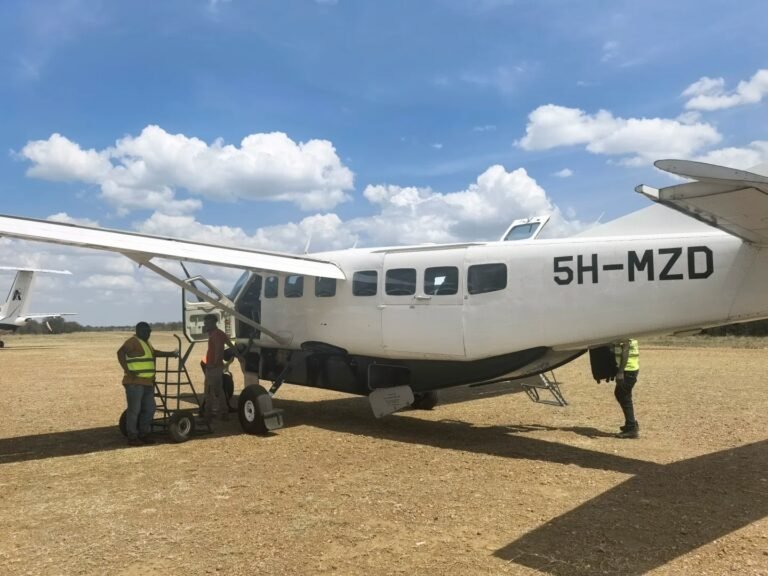
Arusha To Zanzibar Flight Price : Airlines, Tickets & Booking Guide 2027
Essential guide for booking flights from Arusha to Zanzibar in 2027. Learn about typical prices, available airlines, how to find the best tickets, and essential booking advice for a smooth...
View package details
Direct Flights To Tanzania: Airlines, Airports & Ticket Prices For 2027
Planning a trip to Tanzania in 2027? Discover the most convenient ways to get there with direct flight options, key airports, and insights into ticket prices. Learn which airlines serve...
View package detailsSerengeti To Zanzibar Vs Arusha To Which Is Better After Safari? 2027
Choosing the right transfer to Zanzibar after a safari—Serengeti to Zanzibar or Arusha to Zanzibar—depends entirely on your safari route, time constraints, and budget. This guide breaks...
View package detailsIs It Cheaper To Book A Tanzania Safari From Arusha Or Zanzibar? 2027
Is It Cheaper to Book a Tanzania Safari from Arusha or Zanzibar? is explained with current 2027 planning, price, itinerary and booking information.
View package detailsNo related package matches those filters. Clear one or more filters to see the other topic-matched options.



