
The Arusha to Tarangire Fly-In Safari is a highly efficient way to reach Tarangire National Park from Arusha, minimizing road travel time and maximizing game viewing hours. While exact package costs vary significantly based on luxury level, duration, and season, travelers should expect costs to range from mid-range to high-end, covering internal flights, park fees, accommodation, and guided safaris. The practical answer is that the total cost depends heavily on the chosen accommodation type (tented camp vs. lodge) and whether the package includes transfers and private guiding.
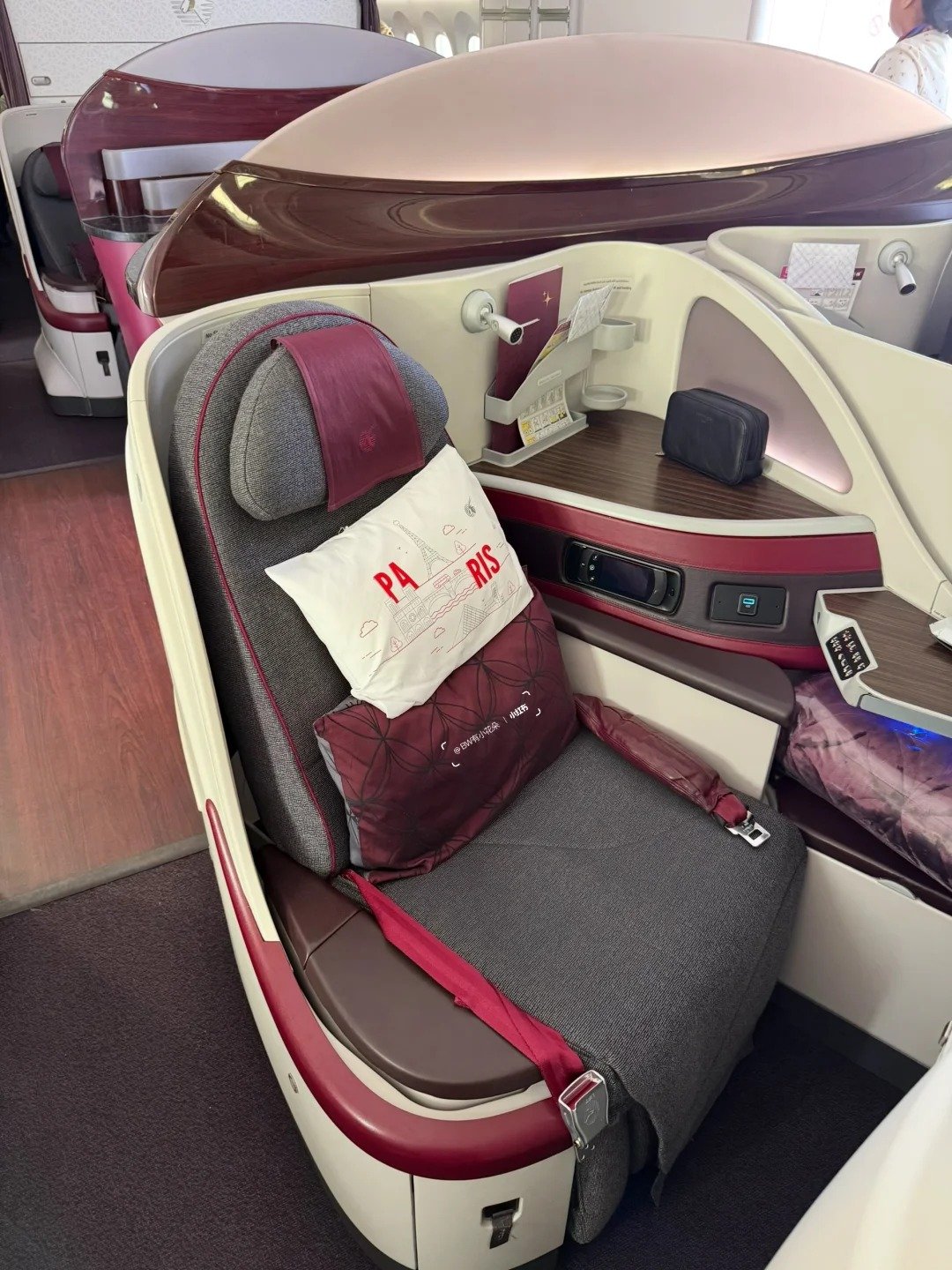

For many safari travelers starting their journey in Arusha, the idea of a direct flight into Tarangire National Park is appealing. It eliminates the often long and dusty transfer drive, offering a quicker, more comfortable transition from the cultural hub of Arusha to the wild landscapes of Tarangire. This efficiency is one of the primary reasons why the fly-in option has become so popular, especially for those with limited time or those prioritizing smooth logistical flow. However, navigating the cost and logistical variables—from the specific airstrip used to the type of flight and accommodation—requires careful planning.
Understanding the Fly-In Logistics: Arusha to Tarangire
When discussing the “Arusha to Tarangire Fly-In Safari,” it is crucial to understand that the journey is not a single flight from Arusha City to the heart of the park. Instead, the process involves a short ground transfer from Arusha to a regional airport (often Kilimanjaro International Airport or a closer regional hub), followed by a domestic charter flight to one of the smaller, designated airstrips within or near Tarangire National Park. This localized flight structure is what makes the fly-in concept so practical for safari logistics.
The Role of the Airstrip and Domestic Charter Flights
Tarangire National Park is vast, and access points are strategically managed. Domestic flights are typically short hops, lasting perhaps 30 to 50 minutes, depending on the specific airstrip used. These flights are usually operated by specialized safari aviation companies. When you book a package, the cost of this internal flight is integrated, but it is vital to know that these are generally not scheduled commercial airline flights; they are chartered services tailored to the safari itinerary.
The selection of the airstrip often dictates the final cost and the style of accommodation available. Some airstrips might be closer to more rustic, tented camps, while others may service more established lodges. A knowledgeable operator will align the flight route with the specific camp or lodge you have chosen, ensuring the shortest and most convenient transfer.
Practical Caution: Flight Schedules and Weather
Unlike major international flights, domestic safari charter schedules are highly dependent on weather conditions. Dust storms, rain, or unexpected air traffic can cause delays or cancellations. When planning for 2026 or 2027, always confirm the operator’s contingency plan for flight delays. A reliable local specialist will have established protocols for rerouting or rescheduling, which is a critical detail often overlooked by first-time travelers.
Deconstructing the Costs: What Influences the Price Tag?
The query “Arusha to Tarangire Fly-In Safari: Flight and Package Costs” is complex because the cost is a composite of several distinct factors. It is rarely just the flight price; it is the entire logistical chain. To provide meaningful guidance, we must break down the cost components.
1. The Flight Component (The ‘Fly-In’)
The cost of the internal flight itself is a variable based on the operator’s arrangement. It depends on whether the flight is part of a private charter (meaning the plane flies only for your group) or if it is part of a shared group transfer. For a private, bespoke experience, the flight cost is higher but offers maximum flexibility. For group departures, the cost is amortized across multiple guests, making the per-person flight component significantly lower. When requesting a quote, always specify if you are interested in a private group or a shared group safari.
2. Accommodation Style and Quality
This is often the single largest variable. Tarangire offers a range of lodging, from basic, functional tented camps that provide a close connection to nature, to luxurious, full-service lodges with pools, fine dining, and exclusive amenities. A budget-conscious traveler will find excellent value in mid-range tented accommodations, while those seeking high comfort will need to budget for premium lodge experiences. The choice of accommodation dictates the entire feel and budget of the trip.
3. Safari Inclusions and Service Level
A true package cost covers much more than just the plane ticket and the bed. It must include: park entry fees (which are non-negotiable and set by the Tanzanian government), the services of a professional, licensed guide, 4×4 vehicle use, fuel, and the logistics of the transfer between the airstrip and the accommodation. The level of service—whether the guide is dedicated solely to your group, or if you are part of a larger convoy—also affects the final price.
Guidance for Planning in 2026-2027: Due to fluctuating park entry fees and aviation fuel costs, it is essential to receive a comprehensive, current quote. Do not rely on old online price lists. The best approach is to outline your preferences (duration, accommodation tier, travel dates) and request a detailed breakdown from a local expert like Climb 4 Africa.
Comparing Safari Durations: 3 Days vs. 6 Days
Since the fly-in option is inherently efficient, travelers often ask whether a shorter, intense trip is sufficient, or if they need a longer stay to truly experience the park. Tarangire is famous for its massive elephant herds and baobab trees, and while it is incredibly rewarding in short bursts, longer stays allow for deeper exploration and adaptation to the rhythms of the bush.
Short Stay (e.g., 3 Days/2 Nights)
This is ideal for travelers with limited vacation time who want a concentrated dose of African wildlife. A typical 3-day itinerary might involve flying into the park, dedicating two full days to game drives, and then flying out. The focus is on maximizing sightings in a short period. This option is often the most cost-effective if flying in a shared group.
Best Suited For: First-time visitors to Tanzania, short-stay vacationers, or those prioritizing the fly-in convenience over deep immersion.
Extended Stay (e.g., 6 Days/5 Nights or More)
A longer trip allows you to experience different ecological zones within Tarangire, especially if your itinerary includes a transfer to another nearby park or reserve. It also allows for a more relaxed pace, enabling early morning and late afternoon drives without the pressure of rushing to the next destination. Extended stays also provide a better opportunity to experience different types of camps or lodges, adding variety to the trip.
Best Suited For: Wildlife enthusiasts, travelers wanting a deeper sense of the environment, or those combining Tarangire with other destinations like Ngorongoro or the Serengeti. This duration allows for a much more relaxed, ‘slow travel’ approach.
The Operational Flow: Step-by-Step Planning Guide
Booking an Arusha to Tarangire Fly-In Safari is a sequence of logistical decisions. Understanding the flow demystifies the process and ensures you are asking the right questions when you contact an operator.
- Define Scope: Determine your desired duration (3 days, 5 days, etc.), travel season (dry season vs. wet season), and budget tier (budget, mid-range, luxury).
- Choose Accommodation Type: Decide between a tented camp experience or a permanent lodge. This is the single biggest cost determinant.
- Request Customized Itinerary: Provide your scope and accommodation choice to a specialized operator. They will then map out the required airstrip, flight duration, and park logistics.
- Review and Confirm Inclusions: Scrutinize the quote to ensure park fees, guide fees, all internal flights, and specified meals/drinks are explicitly included.
- Book and Confirm: Once satisfied, confirm the booking. Local specialists ensure all necessary permits and flight arrangements are locked in well ahead of the travel year (e.g., 2027).
Crucial Considerations for the Traveler
- Park Fees: National Park fees are subject to change by the Tanzanian government and are often separate from the tour operator’s quoted price, though reputable operators will clarify this upfront.
- Best Time to Go: The dry season (roughly June to October) offers the most reliable game viewing due to lower vegetation and concentrated water sources.
- Flexibility in Transfers: While the fly-in saves time, the initial ground transfer from Arusha to the regional departure airport still needs to be factored into your overall travel budget.
Beyond the Flight: Practical Safari Details for Tarangire
The appeal of the fly-in is efficiency, but the safari experience itself relies on practical knowledge of Tarangire. It is not just about the travel method; it is about the destination.
What to Expect in Tarangire National Park
Tarangire is renowned for its iconic giant baobab trees and, most famously, its colossal elephant populations. The park’s landscape is drier and more open than some of Tanzania’s other parks, offering vast plains perfect for tracking wildlife. The game drives are generally conducted in sturdy 4×4 vehicles, allowing the guide to navigate the terrain and maximize viewing opportunities.
Packing and Health Logistics
As with any African safari, preparation is key. Practical packing involves layers of clothing—light, breathable fabrics for the daytime heat, but warm layers for early morning and late evening game drives. Binoculars are non-negotiable. Health-wise, standard travel precautions, including comprehensive vaccinations and appropriate anti-malaria prophylaxis, must be confirmed with a travel health specialist well in advance of your planned trip to Tanzania in 2026 or 2027.
How Climb 4 Africa Supports Your Tarangire Fly-In Journey
Selecting a reliable partner is the most important step in managing the complexity of the fly-in safari. A local specialist acts as the logistical bridge between the global traveler and the highly regulated Tanzanian safari environment. They manage the intricate coordination of domestic flights, park permits, and ground transfers, ensuring that the smooth experience you expect from the ‘fly-in’ concept is delivered.
We understand that the costs and logistics for an Arusha to Tarangire Fly-In Safari can feel overwhelming. Our role is to simplify that complexity. By leveraging local knowledge, we can provide tailored options that match your precise budget and desired level of comfort, ensuring you receive the most transparent and accurate quote possible for your travel year.
To begin mapping out your perfect Tarangire adventure—whether you are looking at a quick 3-day fly-in or a more extensive 6-day exploration—we invite you to share your preliminary travel preferences. Contact our team to discuss your requirements via WhatsApp (+255 747 477 898) or email us at climb4africa@gmail.com. We will provide you with a detailed, customized plan and cost breakdown, ensuring your planning for 2026 or 2027 is grounded in local expertise.
Strategic Timing and Seasonal Cost Fluctuations
While the fly-in logistics remain relatively consistent, the financial landscape of a Tarangire safari changes dramatically based on the season. Understanding the ‘why’ behind these price shifts is essential for any traveler looking to maximize value without compromising on the quality of their experience. The Tanzanian safari industry operates on a tiered pricing model, where the cost of internal flights, park entry fees, and lodge rates are pegged to the demand cycle of the Northern Circuit.
The High Season Premium (June to October)
During the peak dry season, which spans from June through October, Tarangire National Park experiences its highest volume of visitors. This is the time when the Tarangire River becomes the primary water source for wildlife, drawing massive herds of elephants and buffalo from the surrounding Maasai Steppe. Because demand for light aircraft seats and premium lodge accommodation is at its zenith, flight costs and package rates are at their maximum. Operators often face higher logistical pressures, as domestic carriers prioritize scheduled routes over private charters, leading to less flexibility in pricing. Travelers opting for a fly-in safari during this window should expect to pay a premium for both the convenience of the flight and the exclusivity of the accommodation.
The Green Season Advantage (November to May)
Conversely, the ‘Green Season’ or low season offers a starkly different financial proposition. As the rains arrive, the landscape transforms, and the herds disperse, making wildlife sightings more challenging but arguably more rewarding for those who enjoy solitude. Many lodges significantly reduce their nightly rates, and domestic airlines often run promotional pricing to maintain load factors on their smaller aircraft. For a fly-in safari, this can translate into a total package cost reduction of 20% to 35% compared to peak season rates. It is a strategic time for budget-conscious travelers to experience the luxury of a fly-in safari without the premium price tag, provided they are comfortable with the unpredictability of the weather.
The Hidden Dynamics of Charter vs. Scheduled Flights
A critical component often overlooked in package quotes is the distinction between scheduled domestic flights and private charters. Your package price is heavily influenced by which of these you are utilizing.
- Scheduled Flights: These operate like a bus service in the sky. They follow a fixed timetable, stopping at multiple airstrips (e.g., Arusha to Kuro Airstrip in Tarangire, potentially stopping in Manyara first). This is the most cost-effective method for a fly-in safari because you are only paying for your seat on the aircraft.
- Private Charters: These offer point-to-point travel on your own schedule. While this provides unparalleled convenience, the cost is significantly higher because you are essentially paying for the entire aircraft’s operating costs, regardless of whether you fill all the seats. This is typically reserved for high-end, bespoke itineraries where time efficiency is the absolute priority.
When reviewing a quote, always clarify whether the flight component is a ‘seat-in-plane’ scheduled service or a private charter. If you are a solo traveler or a couple, a private charter can drastically inflate your budget. Conversely, if you are a larger family or group, the cost difference between a private charter and individual seats on a scheduled flight may narrow, potentially making the private charter a viable and more comfortable option.
Evaluating Ground Transfer Integration
Even with a fly-in safari, ground transfers remain a necessary, if minor, part of the equation. Once you land at an airstrip like Kuro or Tarangire, you are not instantly at your lodge. The ‘last mile’ of the journey is handled by a 4×4 safari vehicle. In a well-structured package, the lodge or the tour operator will have a vehicle waiting on the tarmac. However, it is vital to verify if this transfer is included in your package or if it is an extra cost payable upon arrival. Some high-end lodges include these transfers as part of their ‘full board’ rate, while mid-range operators might list them as a separate logistical fee. Ensuring this is explicitly stated in your contract prevents unexpected expenses upon landing in the bush.
Navigating Luggage Restrictions and Weight Limits on Bush Flights
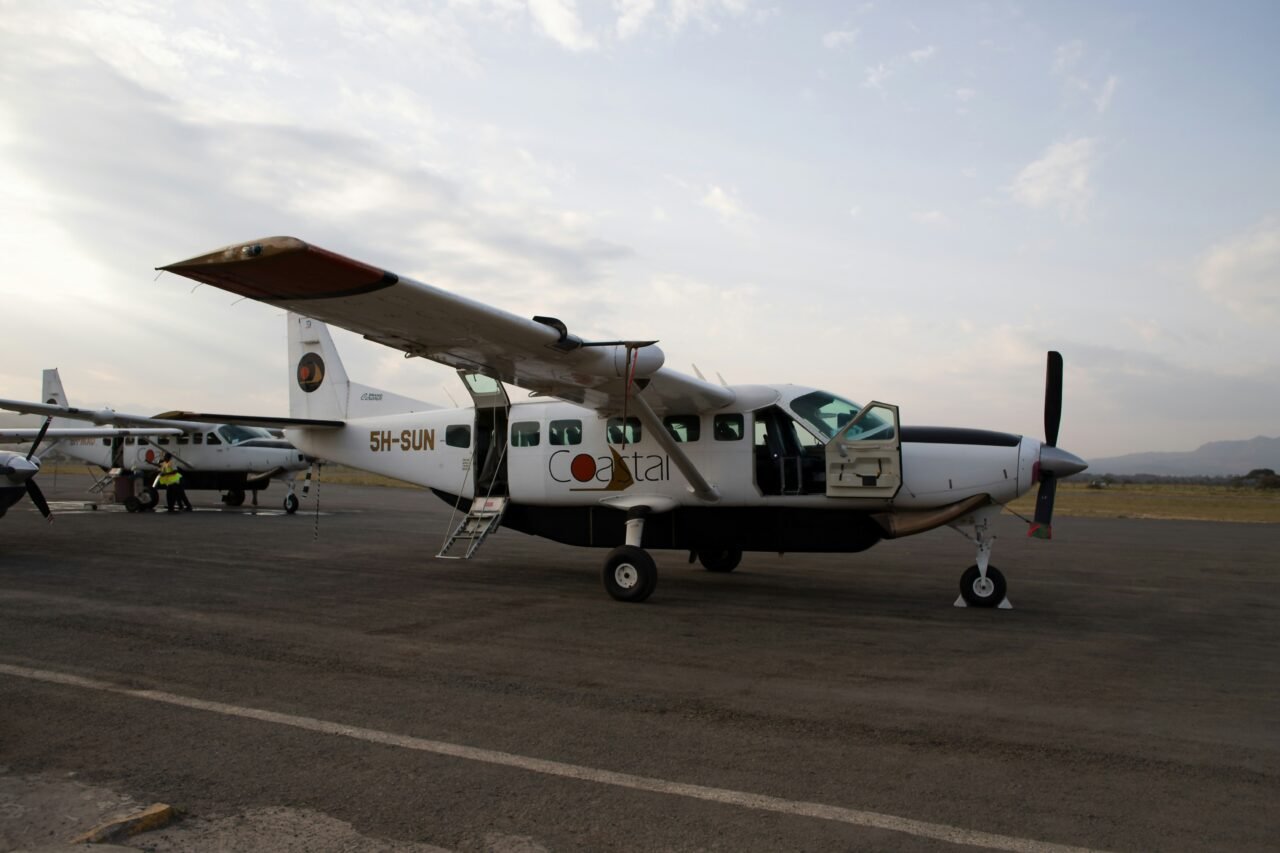
One of the most frequently underestimated logistical hurdles when planning an Arusha to Tarangire fly-in safari is the stringent baggage policy enforced by domestic bush airlines. Unlike international carriers that allow for significant weight allowances, bush planes—typically small Cessna Caravans or similar light aircraft—operate under strict payload limits to ensure safety during takeoff and landing on remote, unpaved airstrips. Ignoring these limits is not merely a matter of paying an extra fee; it can result in your luggage being left behind at the Arusha hangar, arriving a day or two later than you do.
The Reality of Soft-Sided Luggage
The primary constraint is not just weight, but the physical shape and structure of your bags. Most bush aircraft operators mandate the use of soft-sided luggage. The cargo holds on these smaller planes are irregular in shape and lack the rigid compartments found in commercial jets. Hard-shell suitcases, with their rigid frames and fixed dimensions, are notoriously difficult to stow and are frequently rejected by pilots at the point of departure. Travelers are strongly advised to invest in high-quality, collapsible duffel bags. These bags can be compressed to fit into tight spaces, allowing the pilot to distribute weight evenly throughout the aircraft—a critical factor for flight stability.
Weight Thresholds and ‘Seat-in-Plane’ Realities
Standard weight limits for domestic flights in Tanzania typically hover around 15 kilograms (33 pounds) per person, including carry-on items. While this may seem generous for a short safari, it must encompass everything: camera equipment, heavy safari gear, toiletries, and clothing. It is essential to check the specific baggage policy of the airline your operator has booked. If you are traveling with professional camera gear or specific medical equipment that pushes you over the limit, you have two options: pre-booking an ‘extra seat’ for your luggage or shipping the excess gear via road transfer separately. Pre-booking an extra seat is the most reliable method, as it guarantees the space on the plane, though it effectively doubles the cost of the flight component for that specific passenger.
The Impact of ‘Total Aircraft Weight’
It is important to understand that the weight limit is calculated based on the total payload capacity of the aircraft, not just your individual bag. If you are a group of four traveling together, the airline looks at the combined weight of all passengers and luggage. If the total exceeds the safety threshold for the specific runway length or weather conditions of the day, the pilot may refuse to load the excess weight. This is why accurate reporting of body weight during the booking phase is not just a formality—it is a critical safety calculation. Providing an honest weight estimate helps your operator ensure the right size aircraft is chartered, or that the flight is scheduled during the optimal time of day when cooler temperatures provide better lift.
Understanding Airstrip Transfers and ‘The Last Mile’
The efficiency of a fly-in safari is often judged by the transition from the runway to the game drive vehicle. However, the quality of this experience varies significantly based on the airstrip’s location relative to your accommodation. Not all airstrips are created equal, and understanding the nuances of your arrival point can save you hours of transit time.
Kuro Airstrip vs. Remote Private Strips
Kuro Airstrip is the main gateway for Tarangire National Park. It is well-maintained and serves as the primary hub for scheduled flights. If your lodge is located near the park’s central corridor, your transfer will be brief—often starting the moment you step off the plane. However, if you are staying at a lodge in the northern or southern extremities of the park, your ‘last mile’ transfer could turn into a two-hour game drive. While this can be a blessing—offering an unexpected game drive upon arrival—it is crucial to clarify this with your operator beforehand. If you are tired from an international flight, a long, bumpy transfer might be less desirable than a quick, ten-minute drive to your camp.
The ‘Meet and Greet’ Protocol
In the context of a high-end fly-in package, the ‘meet and greet’ is a standardized service. Upon landing, you should expect your guide to be waiting on the tarmac with a cool towel and refreshments, ready to assist with your soft-sided luggage. If you are booked on a mid-range package, however, the logistics may be slightly more fluid. Ensure your itinerary explicitly states that the ground transfer is pre-arranged. In remote airstrips, there are no taxis or public transport options; if your transfer vehicle does not arrive, you are effectively stranded. A reliable operator will provide you with a 24/7 contact number for their local operations manager specifically for this transfer window.
Managing Expectations: The Reality of Game Drives and Wildlife Sightings
While the fly-in logistics are designed to maximize your time in the field, it is imperative to align your expectations regarding wildlife encounters. A common misconception among first-time safari travelers is that the convenience of a fly-in package—which saves hours of driving—correlates directly to a higher density of wildlife sightings. While flying into Tarangire certainly grants you more hours in the park, wildlife remains wild and unpredictable. Understanding the nuances of game viewing behavior, particularly in the context of a short-duration fly-in, will significantly improve your overall satisfaction.
The ‘Guaranteed Sighting’ Fallacy
No reputable safari operator will ever guarantee a sighting of the ‘Big Five’ (lion, leopard, rhinoceros, elephant, and buffalo) within a specific timeframe, regardless of how you arrive at the park. Tarangire is world-renowned for its massive elephant herds and iconic baobab trees, making elephant sightings highly probable during the dry season. However, predators like leopards and lions are notoriously elusive. A fly-in safari provides you with the logistical advantage of being in the right place at the right time, but it does not alter the fundamental nature of the bush. If a pride of lions has moved into deep cover to escape the midday heat, even the most experienced guide cannot conjure them for a photo opportunity. Embracing the ‘luck of the draw’ is an essential component of the safari experience.
The Role of the Guide in Wildlife Success
When you book a fly-in package, the quality of your guide is often more influential than the specific flight or the luxury of your camp. A skilled guide acts as the interface between you and the wilderness. They are trained to interpret subtle clues—the alarm call of a bird, the direction of the wind, or the specific behavior of impalas—that often lead to significant sightings. In a fly-in safari, where your time is precious, a proactive guide will work with other vehicles in the area to share information via radio, effectively expanding your ‘eyes’ across a much larger section of the park. When evaluating your package inclusions, prioritize the reputation of the guiding team over the brand name of the lodge. A high-end lodge with mediocre guides will rarely outperform a mid-range camp staffed by seasoned, expert trackers.
Game Drive Duration and ‘The Golden Hours’
The primary advantage of the fly-in approach is the ability to capitalize on ‘golden hours’—the early morning and late afternoon when wildlife is most active. Road-based travelers coming from Arusha often arrive in the park by midday, missing the crucial dawn activity when predators are still hunting. As a fly-in guest, you are already inside the park boundary. You should ensure your package includes ‘full-day’ game drives or specific morning and afternoon sessions. Be wary of packages that list ‘game viewing’ as a generic inclusion without specifying the duration. A standard afternoon game drive might only be two hours long, which is barely enough time to penetrate the deeper, more remote areas of the park where wildlife density is often higher. Negotiating for longer, more in-depth drives is a standard practice for those who want to maximize their investment.
The Impact of Seasonality on Wildlife Behavior
The cost of your fly-in safari is heavily influenced by the season, but the wildlife experience changes even more drastically. In the dry season (June to October), Tarangire’s wildlife congregates around the Tarangire River, the park’s primary water source. This makes sightings predictable and relatively easy to achieve. Conversely, during the Green Season (November to May), the animals disperse throughout the park as water becomes widely available. While this creates a stunning, lush landscape and is perfect for birdwatching, it makes finding large mammals significantly more challenging. If you are flying in during the Green Season, you must adjust your expectations. You may drive for hours without seeing a single elephant, only to encounter a massive herd around the next bend. This is the authentic rhythm of the African bush, and it is a stark contrast to the ‘zoo-like’ concentrations seen during the peak dry months.
Wildlife Ethics and Vehicle Etiquette
Finally, as a fly-in guest, you will likely be sharing the park with other visitors. Ethical wildlife viewing is paramount. High-quality operators strictly adhere to park regulations, which include maintaining a respectful distance from animals, not off-roading (unless in private concessions), and limiting the number of vehicles at a single sighting. During peak season, popular spots like the riverbanks can become crowded. If you find yourself in a cluster of vehicles, encourage your guide to move on to quieter areas. The most memorable sightings are often the ones you have all to yourself, not the ones where you are fighting for a view over a dozen other safari trucks. A good guide will prioritize your comfort and the animal’s welfare over the pressure to join a crowd.
The Anatomy of a Travel Day: Balancing Air Time and Ground Transit
For many travelers, the allure of the fly-in safari is the perceived elimination of the “travel day.” While it is accurate that flying from the Arusha vicinity to a Tarangire airstrip is exponentially faster than driving, the reality is that a travel day remains a travel day. It is not merely the time spent in the air that dictates the flow of your safari; rather, it is the integration of the flight with the ground logistics—the “last mile” connection—that often surprises first-time visitors. Understanding the trade-offs between these modes of transport is essential for managing your energy levels and maximizing your time in the bush.
The journey begins long before you board a light aircraft. Even with a fly-in package, you must account for the transit from your hotel in Arusha to the regional airfield. This segment is frequently overlooked in promotional materials. Depending on your accommodation location in Arusha—whether you are staying in the city center or further out in the coffee plantations—this ground transfer can vary significantly in duration. Traffic patterns in Arusha are notoriously unpredictable, and what might be a short distance on a map can easily double in time during peak morning hours. This is why seasoned safari planners often recommend scheduling your flight departure for later in the morning, allowing a buffer for these localized road conditions.
The Trade-off: Convenience vs. The ‘Safari Start’
The primary trade-off in choosing a fly-in safari versus a road transfer is the loss of the “scenic transition.” When you drive from Arusha to Tarangire, you pass through villages, local markets, and changing landscapes, which provides a gradual immersion into the Tanzanian lifestyle. You see the transition from urban density to rural farmland and, eventually, to the savannah. By flying, you bypass this entirely. You are, in effect, transported from an airport terminal to a wilderness airstrip in a matter of minutes. While this is efficient, it means you miss the opportunity to acclimate to the environment slowly. Your body and mind arrive in the park instantly, and you may find yourself needing a few hours to adjust to the heat, the altitude, and the sheer scale of the landscape once you land.
Furthermore, consider the “waiting game” inherent in bush aviation. Light aircraft operations are not like commercial airline schedules. They are subject to the dynamics of shared charters, where your flight might make multiple stops to pick up or drop off passengers at other airstrips in the Northern Circuit. This means your flight time might be longer than expected, or you might find yourself waiting on a tarmac for a connecting aircraft. These variables are part of the operational reality of flying in remote areas. When you opt for a fly-in, you are trading the predictability of a private vehicle—which you control entirely—for the efficiency of air travel, which is subject to the collective logistics of the bush flying network.
Evaluating the ‘Last Mile’ Logistics
Once you land at your designated Tarangire airstrip, the “last mile” begins. This is the transfer from the airstrip to your lodge or tented camp. It is a mistake to assume this is always a quick hop. Depending on where your accommodation is located within or adjacent to the park, this transfer can be a game drive in itself, lasting anywhere from twenty minutes to over an hour. This is a critical factor to discuss with your operator. If your lodge is deep within the park, the transfer is an opportunity for early wildlife viewing. If it is located outside the park boundaries, the transfer is purely functional transit.
You should clarify with your operator whether this transfer is conducted in a specialized safari vehicle or a standard transfer vehicle. A safari vehicle allows for immediate game viewing the moment you leave the airstrip. A standard transfer vehicle, while comfortable, is often enclosed and less conducive to photography or spotting wildlife. For the true enthusiast, ensuring that your arrival transfer is a “game drive transfer” is a subtle but significant detail that elevates the experience from simple logistics to an integrated safari event.
Managing Energy on Arrival
Finally, consider the physiological impact of the travel day. Flying in a small, unpressurized bush plane can be tiring. The noise, the vibration, and the cramped quarters are quite different from the experience of a large commercial jet. Many travelers arrive at their lodge by midday, eager to head out for a game drive immediately. However, the heat of the midday sun in Tarangire can be intense, and the wildlife is often less active during these hours. It is often a wiser strategy to treat your arrival day as a period of acclimatization. Enjoy the lodge, take in the view from the deck, and perhaps enjoy a late afternoon game drive when the light is softer and the animals are beginning to stir. By pacing yourself, you ensure that you are fully refreshed for the longer, more intensive game drives that you have invested so much to experience.
Navigating Accommodation Tiers: Impact on Fly-In Safari Economics
The cost structure of an Arusha to Tarangire fly-in safari is rarely defined by the flight itself, but rather by the accommodation tier selected. Because a fly-in safari inherently targets the premium segment of the tourism market, the accommodation options typically fall into three distinct categories: luxury tented camps, permanent lodges, and high-end bush suites. Understanding the nuances of these choices is essential for travelers who want to align their budget with their expectations for comfort, immersion, and service.
The Economics of Tented Camps vs. Permanent Structures
Tented camps in Tarangire offer a unique, in-depth experience that is often synonymous with the classic African safari. These are not simple camping setups; they are sophisticated, semi-permanent structures featuring solid floors, en-suite bathrooms with hot running water, and canvas walls that allow guests to hear the sounds of the bush at night. From a cost perspective, these camps are often positioned as mid-to-high range. The logistical expense of operating a remote tented camp—such as bringing in fresh water, solar power equipment, and daily provisions—is higher than that of a permanent lodge located closer to the park entrance. Consequently, the “all-inclusive” nature of these camps means your daily rate covers not just the room, but also high-quality meals and often private game drives, which can actually simplify your overall safari budget.
Conversely, permanent lodges—built with stone, wood, or brick—offer a different value proposition. These properties often feature larger common areas, swimming pools, and more robust infrastructure. While they provide a sense of permanence and security that some travelers prefer, they can sometimes lack the intimate, “in-the-wild” feeling of a tented camp. The pricing for lodges is often tiered based on their proximity to the park boundary. A lodge located within the park gates carries a premium due to the land concession fees paid to the park authorities. Choosing a lodge outside the park boundary can significantly reduce the nightly rate, but this cost saving must be weighed against the increased transit time required to reach the park entrance each morning.
The “All-Inclusive” Package Model and Hidden Value
When booking a fly-in package, it is critical to dissect what the “inclusive” label actually covers. In the context of Tarangire, a true all-inclusive package should cover accommodation, all meals, park entrance fees, concession fees, and game drive activities. However, travelers should scrutinize the specific inclusions regarding beverages and laundry services. In remote bush camps, the cost of transporting bottled water, soft drinks, and alcoholic beverages is significant. Some packages include “house wines and beers,” while others operate on a strictly “a la carte” basis. For a multi-day safari, these extra costs can accumulate rapidly, potentially shifting the final bill by several hundred dollars.
Furthermore, the service level is a major driver of price. A package that includes a private vehicle and a dedicated guide for your entire stay will naturally command a higher price than one where you share a vehicle with other lodge guests. The private vehicle option is not just a luxury; it is a strategic logistical choice. It allows you to dictate your schedule—leaving for game drives at dawn, returning for lunch, or staying out all day if the wildlife viewing is exceptional. If you are a photographer or a wildlife enthusiast, the flexibility provided by a private vehicle is often worth the additional cost, as it removes the “compromise factor” inherent in shared safari excursions.
Evaluating the ROI of Proximity and Concession Fees
A significant portion of your safari budget goes toward park fees and concession fees. These are mandatory levies that are often bundled into your package price. It is important to understand that these fees are not static. Concession fees are charged by private conservancies or specific areas within the national park to support conservation efforts and community projects. While these fees increase the total cost of your stay, they also ensure that you are staying in less crowded areas of the park. From a logistical standpoint, choosing a property that charges higher concession fees often means you are staying in a more exclusive, less trafficked part of Tarangire. This results in a better quality of wildlife viewing, as you are not competing with dozens of other vehicles for a sighting. When evaluating quotes, do not view these fees as mere overhead; view them as an investment in the quality of your safari experience.
Seasonal Shifts and Accommodation Availability
Finally, the interplay between season and accommodation choice is a critical factor in budget management. During the peak season (June through October), the most desirable lodges and camps operate at near-full capacity. Prices are at their highest, and there is little room for negotiation. However, during the shoulder or green seasons, many high-end lodges offer “stay longer, pay less” deals or discounted rates to attract travelers. If your schedule is flexible, targeting these periods can allow you to access a higher tier of accommodation for the same price you might pay for a mid-range property during the peak season. When planning, ask your operator specifically about seasonal promotions and whether there are any “last-minute” availability discounts for properties that might otherwise be outside your budget.
Optimizing the Itinerary: The “Circuit Fly-In” Cost Logic
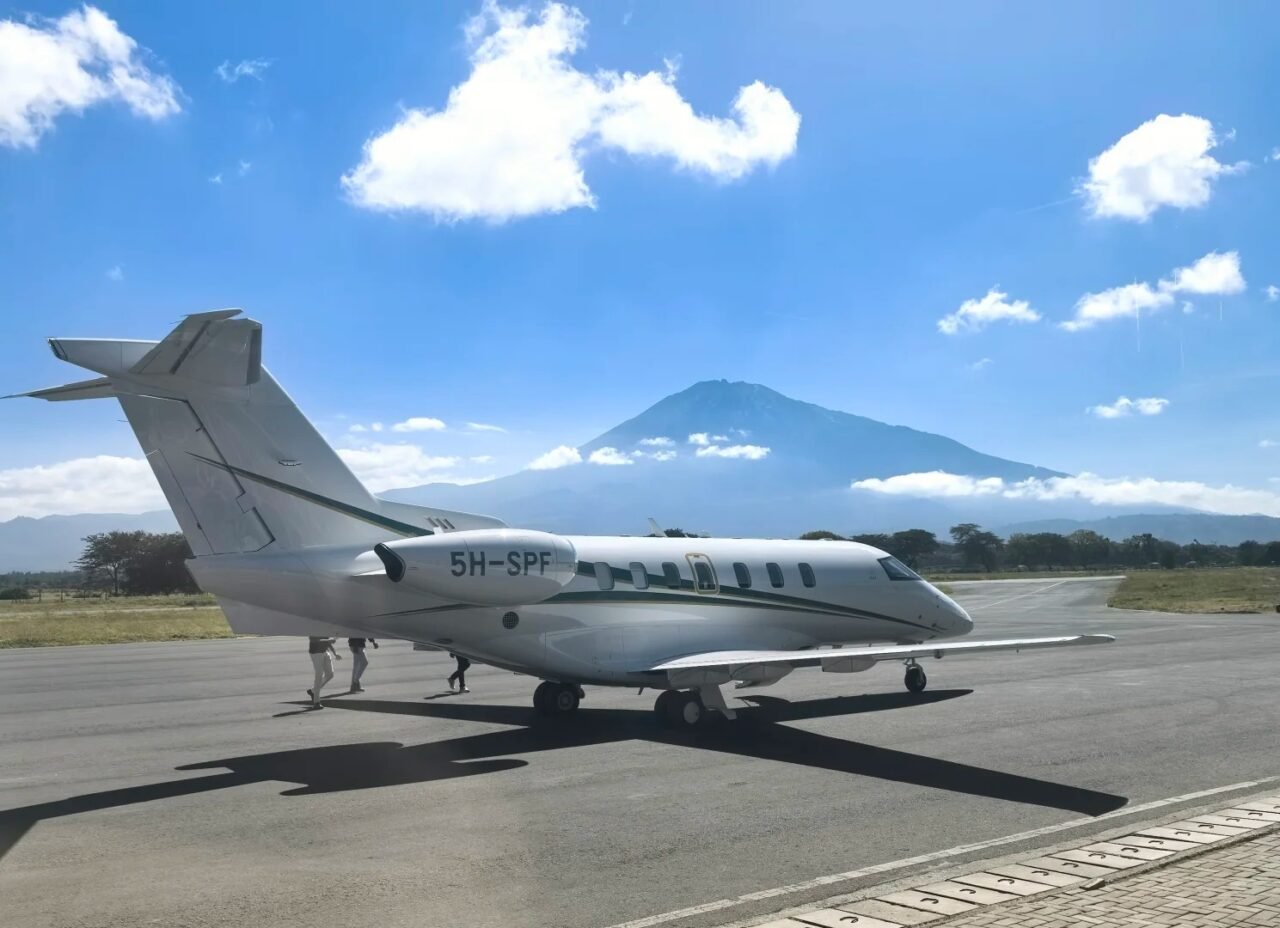
While many travelers view the Arusha to Tarangire flight as a standalone logistical bridge, the most cost-effective way to utilize air travel in Northern Tanzania is through the “circuit” model. Safari charter operators typically manage a fleet of aircraft that move between multiple hubs—Arusha, Tarangire, Lake Manyara, and the Serengeti—throughout the day. When you book a flight exclusively for one leg, such as Arusha to Tarangire, you are often paying for the aircraft’s positioning costs or a significant portion of the charter fee. However, when you integrate Tarangire into a multi-stop itinerary, you leverage the economies of scale inherent in regional bush aviation.
By structuring your safari to move sequentially through the parks—flying from Arusha to Tarangire, and then onward to the Serengeti or Ngorongoro via a connecting bush flight—you often avoid the “deadhead” costs associated with an aircraft flying empty to pick you up or return to base. This circuit approach effectively distributes the flight costs across a longer, more comprehensive journey. For travelers planning a safari of five days or longer, this is frequently the most fiscally responsible way to incorporate fly-in logistics. It transforms the flight from an expensive, isolated luxury into a streamlined, integrated component of your total travel plan.
The “Safari Hour” Metric: Analyzing Value-Based Expenditure
To truly evaluate whether a fly-in safari is worth the premium, it is helpful to look past the raw dollar amount and utilize the “Safari Hour” metric. A typical road transfer from Arusha to Tarangire can take anywhere from three to four hours, depending on traffic exiting the city and the condition of the road as you approach the park gates. This is time spent in transit, not in the field. Conversely, a fly-in transfer reduces this travel time to approximately 20 to 30 minutes of actual airtime, plus the brief “last mile” transfer from the airstrip to your lodge.
When you calculate the cost of the flight, do not compare it against the cost of a road transfer; compare it against the value of the time saved. If the flight costs $400 and saves you six hours of round-trip driving time, you are essentially paying roughly $66 per hour to reclaim that time for game viewing. For a traveler on a short, three-day itinerary, reclaiming those six hours is often the difference between a rushed experience and a relaxed, in-depth one. If your itinerary is longer, say 10 days, the marginal utility of those hours decreases, making the road option more economically viable. This metric helps remove the emotion from the decision, allowing you to align your budget with your specific time constraints.
Contingency Planning: The Economics of Weather and Delay
A frequently overlooked factor in the fly-in cost structure is the financial implication of weather-related disruptions. While flying is efficient, it is also subject to the realities of East African weather patterns, particularly during the shoulder seasons. Low cloud cover, heavy rain, or even temporary airstrip maintenance can occasionally force a flight cancellation or diversion. When evaluating your package, it is essential to clarify the operator’s “Plan B” protocol. Does the package include a guaranteed backup road transfer if the flight is grounded? If not, you may find yourself facing an unexpected, out-of-pocket expense for a private vehicle to drive you to or from the park.
Some high-end operators include “weather contingency” clauses in their contracts, which stipulate that the cost of an emergency road transfer is covered by the flight operator or the safari company. This is a critical piece of the financial puzzle. If you are booking flights independently of your safari package, you are assuming the risk of these disruptions. When the flight is bundled into a comprehensive package by a reputable safari outfitter, that risk is usually absorbed or mitigated by the operator’s broader logistical network. Always ask if your flight cost includes a “recovery service”—meaning, if the plane cannot land, the operator has a vehicle on standby to complete the journey. This is a hidden value that can prevent a logistical headache from becoming a significant unplanned expense.
Navigating the Wildlife Calendar: Seasonal Variables and Cost Implications
While the fly-in logistics provide the structural framework for your journey, the biological rhythm of Tarangire National Park dictates the actual experience. Understanding the interaction between seasonal wildlife patterns and your budget is essential. It is a common misconception that the most expensive time to visit is always the best time for wildlife viewing; in reality, the value proposition shifts depending on what you prioritize—be it sheer density of megafauna or the tranquility of a private safari experience.
The dry season, typically spanning from June to October, is widely regarded as the peak period for Tarangire. During these months, the Tarangire River becomes the lifeblood of the park, drawing vast herds of elephants and plains game from the surrounding Maasai Steppe. From a logistical and cost perspective, this is when demand for bush flights is highest. Aircraft availability becomes tighter, and landing slots at the popular Kuro Airstrip are in high demand. Because of this, the ‘fly-in’ premium is often at its highest during these months. You are not just paying for the flight; you are paying for the privilege of accessing the park at the precise moment when wildlife concentrations are at their absolute peak.
However, there is a distinct financial and experiential argument to be made for the ‘shoulder seasons’—late May or early November. During these transition periods, the landscape is often lush and green, offering a starkly different aesthetic compared to the dusty, golden hues of the dry season. While the wildlife density may be lower than in the height of August, the cost of accommodation and charter flights can be significantly more flexible. Operators, eager to maintain occupancy during these transition months, often bundle fly-in packages with added value—such as complimentary extra nights or private game drive upgrades—that are rarely available during the peak season. If your primary goal is to avoid crowds rather than to witness the maximum density of elephants, these shoulder months offer a superior ‘value-to-experience’ ratio.
The ‘Green Season’ Paradox: Balancing Cost and Accessibility
The Green Season, running roughly from November to May, presents a unique set of variables for the fly-in traveler. Many travelers are deterred by the prospect of rain, which leads to lower demand for both lodges and light aircraft charters. Consequently, this is the season where you will find the most competitive pricing. However, the logistical reality is more complex. While the cost of the flight itself might not drop as drastically as the accommodation rates, the overall package cost can be substantially lower.
The challenge here is the airstrip condition. Tarangire’s terrain is largely black cotton soil, which becomes notoriously difficult to navigate when saturated with rain. While the main airstrips are generally well-maintained, heavy precipitation can occasionally make them muddy or, in extreme cases, soft enough to restrict heavy aircraft. This introduces a subtle risk: the possibility of a diversion to a further, more stable airstrip, which could necessitate a longer ground transfer upon arrival. When booking a Green Season fly-in, it is prudent to discuss the specific maintenance status of the airstrip with your operator. A reputable company will have up-to-the-minute data on runway conditions and will be able to advise if a specific lodge’s proximity to a reliable all-weather strip is a better choice during the wetter months.
The Hidden Cost of ‘Private’ vs. ‘Shared’ Game Drives
A critical, often overlooked element of the fly-in safari cost is how the game drive component is structured upon arrival. Many travelers assume that a fly-in package automatically includes a private vehicle. This is rarely the case. Most standard fly-in packages utilize the lodge’s own vehicles, which are often shared with other guests. If you are flying in to save time and maximize your experience, sharing a vehicle can feel like a bottleneck to the efficiency you paid to achieve.
Upgrading to a private vehicle is a significant cost multiplier, but it fundamentally changes the nature of the safari. With a private guide and vehicle, you are not bound by the schedules of other guests. You can stay out for the full day, return to the camp for a midday rest, or pivot your route based on radio reports of wildlife sightings. When evaluating the total cost of your fly-in, compare the price of a ‘standard’ package against one that explicitly guarantees a private vehicle. The difference is not just monetary; it is the difference between a structured tour and a bespoke wildlife expedition. For many, the decision to fly in is driven by a desire for luxury and exclusivity; therefore, opting for a shared vehicle upon arrival can undermine the very reason for choosing the air-transfer route in the first place.
Navigating the ‘Last Mile’ and Park Entry Protocols
Once the aircraft touches down on the dusty, often sun-baked strip serving Tarangire, the fly-in experience shifts from an aviation logbook entry to a ground-based safari operation. A common misconception is that the flight lands directly inside the core wildlife zone, allowing for an immediate game drive. In reality, the logistics of the ‘last mile’—the distance between the airstrip and your specific camp or lodge—is a critical factor in how your safari day actually unfolds. Understanding this transition is essential for managing expectations regarding time, comfort, and the immediate start of your wildlife experience.
Most airstrips servicing Tarangire are situated on the periphery or within the park boundaries but remain distinct from the lodge locations themselves. This necessitates a ‘meet and greet’ transfer. Unlike a standard airport transfer in a city, where a taxi might be waiting at a curb, the safari transfer is often the first game drive of your trip. The vehicle that collects you is usually the same one you will use for your excursions. It is vital to clarify with your operator whether this transfer is a ‘direct-to-lodge’ transit or a ‘game-drive-en-route’ transfer. If you have had a long morning of travel, a direct transfer might be preferable to freshen up and settle in. However, if you are eager to maximize your time, opting for a game drive en route allows you to start spotting wildlife from the moment you step off the plane, effectively turning a logistical necessity into a wildlife opportunity.
The Regulatory Landscape: Park Entry and Conservation Fees
Entry into Tarangire National Park is governed by strict regulations, and the fly-in method does not grant any exemption from these protocols. When you land at a park airstrip, you are essentially entering a controlled conservation zone. Your guide will typically handle the park entry formalities, which involve registering the vehicle and the passengers at the nearest park gate or ranger post. This process is mandatory and can occasionally cause a short delay, especially if there are multiple aircraft arriving around the same time.
It is important for travelers to understand that park entry fees are almost always calculated on a 24-hour basis. This is a crucial financial detail for the fly-in traveler. If you land at 2:00 PM on your arrival day, your entry permit is valid until 2:00 PM the following day. This structure incentivizes careful planning of your arrival time. Arriving early in the morning allows you to maximize your first day, whereas a late afternoon arrival might mean you are paying a full day’s fee for only a few hours of game viewing. Discussing flight timings with your operator is not just about convenience; it is about optimizing the value of your conservation fee expenditure.
Vehicle Logistics and Guide Expertise
The vehicle you encounter at the airstrip is the lifeline of your safari. In the context of a fly-in package, the quality, maintenance, and suitability of this vehicle cannot be overstated. Because you are arriving by air, you are entirely dependent on the lodge’s fleet or the private operator’s vehicle. Unlike a road-based safari where you might be driving in a vehicle from Arusha, a fly-in safari means you are inheriting the assets of the local camp. Ask your provider specific questions about the vehicle type: Is it a 4×4 Land Cruiser with a pop-up roof? Is it equipped with charging ports, a fridge, and binoculars? These are not luxury frills; they are functional necessities for a successful, comfortable, and productive safari.
Furthermore, the guide is the singular most important variable in your safari success. On a fly-in trip, you don’t have the luxury of ‘trying out’ a guide or switching vehicles if the chemistry isn’t right. The guide is your host, navigator, and wildlife spotter. A skilled guide understands the nuances of Tarangire—the seasonal movements of the elephant herds, the hidden leopard dens, and the best vantage points for the park’s famous baobab trees. When booking, inquire about the guide’s tenure at the specific lodge or with the operator. A guide who knows the specific terrain around the airstrip and the lodge’s concession area intimately will provide a far superior experience than one who is new to the park. This expertise is a significant part of what you are paying for in a high-end fly-in package.
Managing the ‘Arrival Fatigue’ Factor
Even with the efficiency of a fly-in, travel is inherently tiring. The transition from the high-energy environment of Arusha to the quiet, vast expanse of the Tarangire bush can be jarring. Many travelers make the mistake of scheduling an intense, full-day game drive immediately upon landing. This often leads to burnout by the second day. A more sustainable approach, which many seasoned safari-goers adopt, is to treat the arrival afternoon as a ‘soft landing.’ Use this time for a shorter game drive or a guided nature walk near the lodge if permitted. This allows you to acclimatize to the environment, adjust to the heat, and prepare your gear without the pressure of a marathon safari session. Your package cost remains the same, but the value you derive from the experience increases when you are well-rested and alert for the prime wildlife viewing hours that follow.
The Dynamics of Group vs. Private Fly-In Packages
One of the most significant cost drivers in a fly-in safari package is the distinction between a group-joining safari and a private, tailor-made itinerary. While the flight component is often fixed—the aircraft seats are either booked or they are not—the ground component, which constitutes the bulk of the safari experience, is highly elastic. Understanding the economics of this choice is essential for travelers trying to balance their budget with their desire for exclusivity.
In a group-joining fly-in package, you are essentially purchasing a seat on a shared vehicle and a bed in a shared camp environment. The cost savings here are substantial because the operator amortizes the vehicle, fuel, park fees, and guide salary across multiple travelers. However, the trade-off is a loss of spontaneity. In a shared vehicle, the game drive route is determined by the majority consensus or a pre-set lodge schedule. If the group wants to return to the lodge for lunch, you return. If they prefer to spend three hours watching a herd of elephants, you are committed to that decision. For budget-conscious travelers, this is often an acceptable trade-off, but it is vital to recognize that the cost-efficiency comes at the expense of control.
Conversely, a private fly-in package offers a bespoke experience where the vehicle, the guide, and the itinerary are dedicated solely to your party. While the price tag is higher, the ROI (Return on Investment) is often realized in the quality of the wildlife viewing. A private guide can pivot instantly based on your interests—whether you are a photography enthusiast who needs to spend hours waiting for the perfect light on a baobab tree, or a family with young children who require shorter, more frequent breaks. This level of customization is the hallmark of the high-end fly-in sector, and it fundamentally changes the value proposition of the safari.
Analyzing the ‘Fixed Cost’ vs. ‘Variable Cost’ Split
When reviewing a quote for an Arusha to Tarangire fly-in safari, it is helpful to mentally separate the costs into fixed and variable categories. The flight component (the bush plane charter) is a fixed cost. Whether you are on a private or group tour, the aircraft operator charges a specific rate per seat or per aircraft. This cost is relatively static, regardless of the level of luxury you choose on the ground. However, the ground component is where the variables accumulate.
Accommodation is the primary variable. A fly-in package that utilizes a permanent lodge with swimming pools, extensive staff, and high-end dining will always be more expensive than one using a seasonal, mobile tented camp. Yet, it is important to note that even within the same camp, the ‘package’ can differ. Some packages include ‘soft-inclusive’ options (meals and water), while others are ‘fully inclusive’ (including premium spirits, laundry services, and private sundowners). When comparing two quotes, ensure you are looking at the ‘inclusions matrix’ rather than the bottom-line price. A cheaper quote may look attractive until you realize it excludes the very park fees or private game drive supplements that make a fly-in safari worthwhile.
The Hidden Economics of Concession Fees
A critical, often overlooked aspect of fly-in safari pricing is the distinction between lodges located inside the national park boundaries and those situated in private concessions bordering the park. This location choice has a direct impact on your costs. Lodges located within the national park pay standard park entry fees, which are mandated by the Tanzania National Parks Authority (TANAPA). These fees are non-negotiable and apply to every visitor, every 24-hour period.
However, lodges situated on private concessions or wildlife management areas (WMAs) often charge a ‘concession fee’ in addition to the standard park fees. While this increases the total cost of your package, it also changes the safari dynamics. Concessions often allow for activities that are prohibited inside the national park, such as night game drives, off-road driving, and guided bush walks. If your goal is to experience Tarangire’s nocturnal wildlife—such as leopards or genets—you must pay the premium for a concession-based lodge. The extra cost here is not merely an overhead; it is a direct payment for access to a wider range of safari activities that are legally restricted within the main park boundaries.
Evaluating the ‘Per-Hour’ Value of Your Safari
To truly assess the value of a fly-in safari, consider the ‘safari hour’ metric. Calculate the total cost of your trip and divide it by the number of hours you will spend in the field on game drives. A road-based safari from Arusha might be cheaper, but if you spend six hours of your day in transit on bumpy roads, your ‘cost per effective safari hour’ may actually be higher than a fly-in trip where you land at the airstrip and are in the bush within 20 minutes.
The efficiency of the fly-in model effectively buys you time. If your vacation is limited to five days, a fly-in safari allows you to spend nearly every waking hour of those five days in the park. By contrast, a road-based itinerary might consume two of those five days in transit. When viewed through this lens, the higher upfront cost of the flight is often justified by the massive gain in productive wildlife viewing time. This is particularly relevant for travelers coming from overseas, where the cost of international flights and the limited nature of vacation time make every hour of the safari experience precious.
Decoding the Financial Architecture of Your Safari Quote
When you receive a quotation for an Arusha to Tarangire fly-in safari, the document serves as more than just a price tag; it is a blueprint of your operational reality. A professional, transparent quote should provide a granular breakdown of costs, distinguishing between fixed logistics and variable services. If a quote is presented as a single, lump-sum figure without itemization, you lack the leverage to understand exactly what you are paying for—or where potential cost-cutting might compromise your experience. A robust safari proposal must clearly separate the flight component, the ground handling, the accommodation, and the statutory fees.
The Anatomy of a Transparent Safari Quote
To avoid “bill shock” or service misunderstandings upon arrival, ensure your quote explicitly itemizes the following categories. First, the Aviation Component should be separated from the ground package. Flight prices can be volatile due to fuel surcharges and aircraft availability. A transparent operator will provide the flight cost as a distinct line item, allowing you to see if the price is based on a scheduled service or a private charter. If the quote lumps the flight into a “total package,” you may be unable to verify if you are paying market rates for the air travel.
Second, scrutinize the Statutory Fees. These include TANAPA (Tanzania National Parks Authority) park entry fees, concession fees, and government taxes, including the 18% Value Added Tax (VAT). Tanzania’s tax structure is complex, and reputable operators include these in their quotes to ensure the final price is accurate. If a quote is marked as “plus taxes,” you are effectively looking at an incomplete financial picture. Ensure the quote explicitly states that park fees are included, as these are often subject to government-mandated increases that occur with little notice.
Third, verify the Vehicle and Guiding Logistics. A quote should specify whether your game drives are conducted in a shared vehicle with other lodge guests or a private, dedicated vehicle for your party. This is a massive cost driver. A private vehicle offers flexibility—you decide when to leave for the morning drive and when to return—whereas a shared vehicle operates on the lodge’s fixed schedule. If your quote does not specify the vehicle type, you may find yourself restricted to the lodge’s group itinerary.
Managing Variable Costs and Hidden Surcharges
Even with a comprehensive quote, certain variable costs can arise, particularly in the context of remote bush operations. Understanding these before you commit is essential for financial planning. The most common variable is the Single Supplement. If you are traveling solo, you will almost certainly incur a single supplement fee, which covers the cost of the entire room or tent that would otherwise be occupied by a second guest. Some lodges waive this during the low season, but it is rarely negotiable during peak months. Always confirm if the quote includes this or if it is a “per person sharing” rate.
Another variable is the Fuel Surcharge. Aviation fuel prices in Tanzania can fluctuate. While most operators absorb minor variances, a significant spike in global oil prices may lead to a fuel surcharge being added to your flight cost, even after a booking is confirmed. Check the terms and conditions of your quote for a “price guarantee” clause; a professional operator will often lock in the price once a deposit is paid, protecting you from mid-season increases.
Finally, be wary of Luggage Surcharges. As discussed in logistics, bush planes have strict weight limits. If you arrive at the Arusha airstrip with luggage exceeding the allowance, you may be required to purchase an additional “freight seat” to accommodate your bags. This is not a hidden fee charged by the operator, but a safety mandate of the aviation authority. A transparent quote should clearly state the weight limit (usually 15kg in soft-sided bags) to prevent this costly surprise at the terminal.
Decoding Safari Terminology: What ‘Included’ Actually Means
The terminology used in safari packages can be deceptively simple. Understanding the industry-standard definitions will help you compare “apples to apples” when evaluating different quotes.
- Full Board: Typically includes accommodation, all meals, and sometimes tea/coffee. It often excludes alcohol, laundry, and game drives.
- All-Inclusive: This usually covers accommodation, all meals, local drinks (house wines, beers, sodas), laundry, and often the scheduled game drives. However, “All-Inclusive” can vary by lodge; some may exclude premium spirits or specialized activities like night walks.
- Game Package: This is a specific pricing tier that includes the accommodation plus the game drives. If a quote is for “Full Board” only, you will likely have to pay for your game drives as an extra “activity fee” when you arrive at the lodge, which can significantly inflate your final expenditure.
When reviewing your itinerary, look for the specific designation of the activity. Does the quote say “Game Drives Included” or “Game Package”? If it is the latter, ensure the number of game drives per day is specified. A high-quality quote will detail whether you are entitled to one long full-day drive or two shorter drives (morning and afternoon). This level of detail ensures that your expectations align with the service provided, allowing you to focus on the wildlife rather than the administrative nuances of your safari contract.
Mastering the Safari Vehicle Environment: Comfort and Conduct
While the fly-in logistics get you to the doorstep of Tarangire in record time, the reality of your safari experience is defined by the hours spent inside a 4×4 vehicle. Understanding the mechanics of these vehicles and the etiquette expected of passengers is essential for a smooth, enjoyable trip. Safari vehicles in Tarangire are typically modified Toyota Land Cruisers or similar heavy-duty chassis, designed to handle deep sand, uneven terrain, and the occasional mud of the wet season. Most are equipped with pop-up roofs, which are indispensable for standing up to get a clear, unobstructed view of wildlife. However, these vehicles are not climate-controlled in the traditional sense; they are open-air environments. Even if you are flying in from a luxury lodge, the vehicle experience is intentionally rugged to bring you closer to the ecosystem.
Preparation for the vehicle environment starts with clothing. Because you will be standing in the pop-up roof for photography or sitting for long periods, consider the layering principle. Early morning game drives in Tarangire can be surprisingly chilly, particularly during the dry season (June to October), while midday temperatures can climb rapidly. A lightweight, wind-resistant jacket is often more valuable than a heavy coat, as it can be easily stored in the vehicle’s side pockets. Furthermore, dust is a constant companion in Tarangire. Protect your camera gear with dust-proof covers, and consider bringing a light scarf or buff to cover your nose and mouth when the vehicle is traversing dry, sandy tracks between wildlife sightings.
Vehicle Etiquette and Wildlife Viewing Dynamics
The success of your game drive relies heavily on cooperation within the vehicle. If you are on a group fly-in package, you will be sharing space with other travelers. Establishing a “rotation policy” for seating is a standard professional practice. For example, if your vehicle has three rows of seats, those sitting in the back row for the morning drive should rotate to the front or middle for the afternoon session. This ensures that everyone gets a fair chance at the “window seat” and the best angles for photography. Always communicate your photographic needs to your guide early in the drive; if you are a serious photographer needing a low-angle shot, the guide can position the vehicle accordingly, provided they know your intent.
Wildlife ethics are non-negotiable. While the thrill of spotting a pride of lions or a herd of elephants is intense, maintaining a respectful distance is paramount. Professional guides are trained to read animal behavior—flicking tails, flattened ears, or nervous pacing are all signs that an animal is stressed. If you notice these behaviors, avoid the urge to pressure your guide to move closer. A guide who prioritizes the welfare of the animal is a guide who will ultimately provide a better, more ethical experience for you. Never lean out of the vehicle windows or doors, and keep voices low, especially when parked near a sighting. The acoustics in the bush can carry sound much further than you might expect, and loud conversation is the fastest way to drive off skittish wildlife.
Managing the Physical Demands of Game Drives
It is a common misconception that safari game drives are passive, relaxing activities. In reality, they can be physically demanding. The constant vibration of the vehicle on corrugated roads, combined with the act of bracing oneself while standing in the pop-up roof, can lead to fatigue. If you have any history of back or neck issues, inform your safari operator during the booking phase. They can often request a vehicle with better suspension or advise the driver to take a smoother, albeit longer, route. Additionally, hydration is critical. The dry air of Tarangire, combined with the sun, can cause dehydration faster than you might realize. Most high-end safari operators provide ample bottled water, but make it a habit to drink regularly, even if you do not feel thirsty.
Finally, embrace the “slow safari” philosophy. Many first-time visitors feel the need to tick off the “Big Five” as quickly as possible, leading to a frenetic pace where the vehicle rushes from one sighting to the next. The most rewarding experiences in Tarangire often come from parking the vehicle near a waterhole and waiting. Patience is a skill that pays dividends; watching elephant families interact at a water source for an hour provides a deeper, more intimate understanding of their social structures than a ten-minute drive-by photo opportunity. By adjusting your expectations to favor quality of observation over quantity of sightings, you transform your safari from a simple tour into a genuine wildlife immersion.
Related Guides and Packages
Check Availability for Arusha To Tarangire Fly-In Safari: Flight And Package Costs 2026-2027
Ready to compare dates, prices, and the best option for your group? Send the package name and travel month so the team can reply with a clear quote, availability, and what is included.
Zanzibar To Tarangire Safari By Flight: Prices & Travel Options 2026-2027
A detailed breakdown of the logistics, flight connections, and road transfers required to travel from Zanzibar to Tarangire National Park for a safari.
View package detailsFlights To Tarangire National Park: Kuro Airstrip Prices & Planning ()
A deep look at the logistics of flying into Tarangire National Park, understanding the difference between scheduled bush flights and private charters, and how to plan your 2026-2027 safari...
View package detailsShould I Visit Tarangire Or Lake Manyara On A Short Safari? 2027
Choosing between Tarangire and Lake Manyara for a short safari in Tanzania involves weighing their unique strengths in wildlife viewing, landscapes, and accessibility. This guide helps you...
View package details
Fly From Arusha To Serengeti For A 3-Day Safari: Flights & Package Prices 2027
Discover the most efficient ways to fly from Arusha to the Serengeti for a concentrated 3-day safari. This guide breaks down airstrip choices, flight costs, and package structures for 2027.
View package details
Arusha To Ndutu Airstrip Flight Prices & Safari Transfers 2027
Arusha to Ndutu Airstrip Flight Prices & Safari Transfers is explained with current 2027 planning, price, itinerary and booking information.
View package details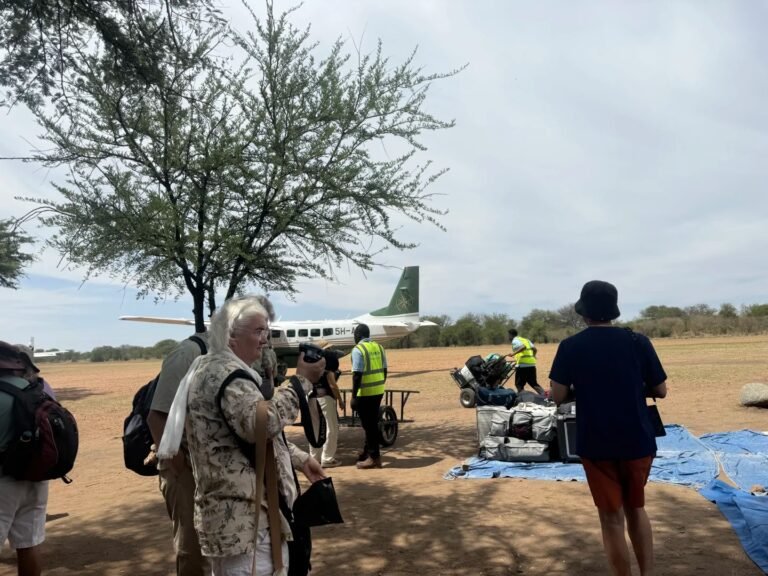
Arusha To Serengeti Direct Flights: Costs, Schedule, And Travel Planning Guide
A deep look at planning the direct flight from Arusha to Serengeti, covering costs, schedules, airline options, and essential safari logistics for 2027.
View package detailsArusha To Serengeti Flight Price : Tickets & Safari Airstrips 2027
Arusha to Serengeti Flight Price 2027: Tickets & Safari Airstrips is explained with current 2027 planning, price, itinerary and booking information.
View package detailsBest Flights From Arusha To Zanzibar After Safari In 2027
A comprehensive guide to selecting the optimal flight from Arusha to Zanzibar, detailing route options, timing considerations, and practical tips for maximizing your transition from safari...
View package detailsZanzibar To Arusha Same-Day Flights For Safari Travellers 2027
Zanzibar to Arusha Same-Day Flights for Safari Travellers is explained with current 2027 planning, price, itinerary and booking information.
View package detailsArusha To Serengeti Flying Safari Vs Road Full Cost Comparison 2027
Arusha to Serengeti Flying Safari vs Road Safari: Full Cost Comparison is explained with current 2027 planning, price, itinerary and booking information.
View package details
Arusha To Grumeti Airstrip Flights: Detailed Pricing And Booking Guide 2027
Planning your safari requires understanding the internal flight logistics. This guide details the process, costs, and best timing for flying from Arusha to Grumeti Airstrip.
View package detailsArusha To Northern Serengeti Flight Prices & Booking Guide () 2027
A comprehensive guide detailing the logistics, costs, and best practices for flying from Arusha to the Northern Serengeti for your 2027 safari.
View package detailsNo related package matches those filters. Clear one or more filters to see the other topic-matched options.



