
Choosing between an Arusha to Serengeti Flying Safari and a Road Safari involves a trade-off between speed, comfort, and cost; the flying safari is significantly faster and offers greater access to remote migration hotspots, but the road safari provides a more traditional, lower-cost, and often more intimate ground-level experience. For a balanced experience in 2027, a hybrid approach is often recommended, using internal flights to bridge long distances and then road travel within the park.

The Logistics of Traveling to the Serengeti
Before diving into the specific costs, it’s vital to understand the logistical landscape of getting from Arusha, the gateway city, to the vast expanse of the Serengeti ecosystem. These two methods—driving versus flying—are not just transportation choices; they fundamentally alter the pace, scope, and overall experience of your safari.
Arusha is the logistical hub for Northern Tanzania, providing easy access to Kilimanjaro and being the primary starting point for most safaris. The Serengeti, conversely, is an immense, sprawling landscape, and its migration patterns dictate where you need to be at any given time of year. The travel time and the internal logistics of your safari depend heavily on the specific location within the Serengeti you wish to visit (e.g., the Southern Plains, the Grumeti region, or the Northern Serengeti).
When planning your trip for 2027, you must consider not only the mode of transport from Arusha but also the required internal transfers within the park. A road safari requires navigating extensive dirt tracks, which can be slow, especially during the wet season. A flying safari bypasses this ground travel time entirely, allowing you to reach precise, remote airstrips near key wildlife concentrations much faster.
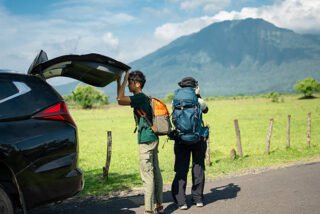
Road Safari: The Traditional Tanzania Journey
The road safari, often referred to as a ground safari, represents the classic, traditional Tanzanian travel experience. It involves driving a dedicated 4×4 safari vehicle, often with a knowledgeable guide, directly from Arusha or a nearby lodge into the park boundaries. This method is inherently connected to the landscape, offering a steady, deliberate rhythm that allows for observation of the surrounding Tanzanian bush and local life outside the core protected areas.
What to Expect Logistically:
- Pace: Slower, dictated by road conditions, park regulations, and the need to stop and observe wildlife.
- Immersion: High level of ground-level immersion; you see the environment transition from foothills to savannah.
- Access: Limited by road networks; reaching the most remote, prime viewing locations during peak migration can be time-consuming and requires significant driving.
For travelers who prefer the steady, ground-level perspective, the road safari is highly rewarding. It allows for a deeper appreciation of the geography of Tanzania itself. However, the trade-off is time. A journey that might take a few hours by air can take a full day or more by road, depending on the starting point and the specific destination within the Serengeti. This means less time dedicated to actual wildlife viewing and more time spent in transit.
A common misconception is that the road safari is always the cheapest option. While it generally offers a lower base price for transport, the inclusion of longer, more complex ground transfers can sometimes elevate the total cost, especially if you are traveling during high-demand periods in 2027.
Flying Safari: Speed and Access in the Serengeti
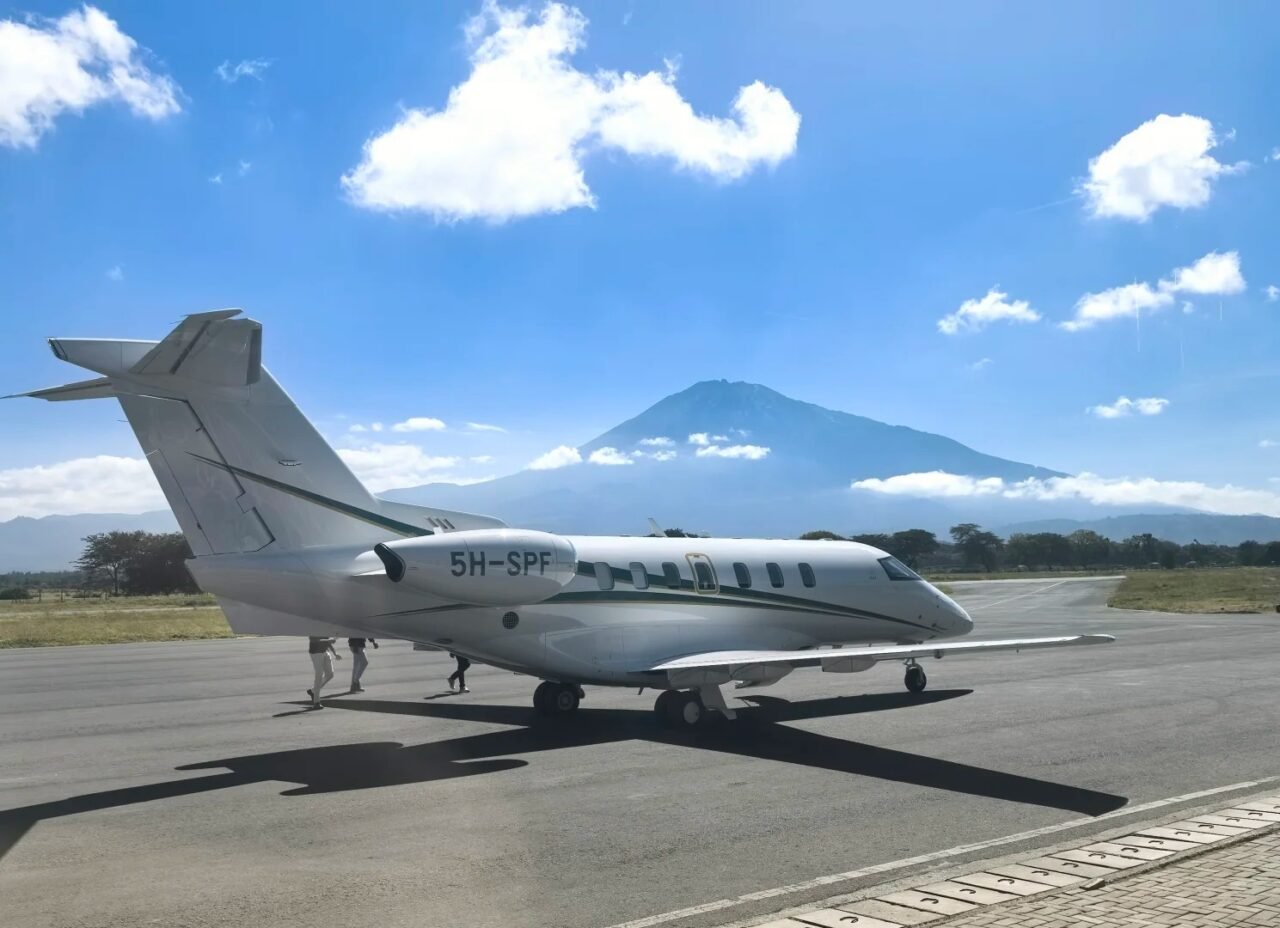
The flying safari fundamentally changes the equation by utilizing small, light aircraft that operate out of various airstrips across the Serengeti and its surrounding conservancies. Instead of driving from Arusha, you fly directly from an Arusha airstrip (or sometimes directly from Kilimanjaro International Airport) into the heart of the action.
The Advantages of Aviation:
- Time Efficiency: This is the biggest advantage. Travel time from Arusha to various points in the Serengeti is drastically reduced, maximizing time spent viewing wildlife.
- Geographical Reach: Flights allow access to remote areas that are difficult or impossible to reach by road, putting you directly in the path of the Great Migration herds, which are constantly shifting.
- Comfort: While the flight itself is short, the transition from a lodge to an airstrip and back is generally quicker and less stressful than a long, bumpy drive.
The flying safari style is ideal for the traveler whose primary goal is maximizing viewing time and seeing the migratory herds in their prime locations. It’s a choice driven by efficiency and access to the most dynamic parts of the ecosystem. This mode of travel is often chosen by those with limited vacation time or those who prefer a more streamlined, high-impact itinerary. For more information on specific air routes, you can review options like the Arusha to Ndutu Airstrip Flight Prices & Safari Transfers.
Full Cost Comparison: Flying vs. Road Safari in 2027
When conducting a full cost comparison, it is crucial to look beyond the simple “transportation fee.” The cost of a safari package is holistic; it includes accommodation, park fees, vehicle hire, guide services, and internal transfers. The choice of flying or driving impacts the transfers, which then cascades through the entire package price.
Understanding the Cost Variables:
1. Internal Transfers: This is the primary difference. Road safaris incorporate the cost of multiple days of ground driving; flying safaris incorporate the cost of flights (which are priced per person, per segment, and vary based on demand and aircraft type).
2. Accommodation Placement: Flying safaris often allow lodges to be situated in more remote, strategically advantageous locations, which may sometimes correlate with higher-end accommodations, although this is not always the case. Road safaris are often situated along established, accessible routes.
3. Time Value: The cost of a flying safari implicitly includes the value of saved time. If you are paying for a short, intensive trip, the faster route is often more valuable, even if the sticker price is higher.
To give you a clear decision point, here is a comparison of the expected cost structures for a mid-range, 5-day Serengeti experience in 2027:
| Feature | Road Safari (Ground) | Flying Safari (Air) |
|---|---|---|
| Base Package Cost (5 Days) | Mid-Range: $3,500 – $5,500+ | Mid-Range: $4,500 – $7,000+ |
| Internal Transfer Cost | Included in Vehicle Hire / Daily Cost | Separate Flight Cost (per segment) |
| Time Efficiency | Lower (more time spent driving) | Higher (maximizes viewing time) |
| Optimal Traveler Profile | Budget-conscious, relaxed pace | Time-sensitive, focused on prime locations |
As the table illustrates, while the road safari has a lower entry point, the flying safari’s higher cost is essentially a premium placed on convenience, speed, and geographical access. When budgeting for your 2027 adventure, remember that the true cost difference often comes down to how much value you place on time.

Decision Making Guide: Which Safari is Right for You?
The choice between flying and driving is intensely personal and depends entirely on your travel priorities, your physical stamina, and how much time you have available. There is no single “better” option, only the option that aligns perfectly with your travel goals.
The Road Safari is the better fit if:
You are a traveler who prioritizes a slower, more deliberate pace and wants to feel deeply connected to the journey from Arusha into the park. You are interested in the transition of the landscape and are comfortable with the idea of long drives, perhaps spending time observing villages or the varied terrain outside the main protected areas. Your budget is a primary constraint, and you are willing to sacrifice some speed for a lower overall package cost. This style often suits travelers looking for a classic, grounded African experience.
The Flying Safari is the better fit if:
Your vacation window is tight, and every hour spent in the Serengeti must be dedicated to wildlife viewing. You want guaranteed access to specific, remote areas known for high concentrations of wildlife (like the Northern Serengeti during migration peaks). You value efficiency and comfort during transit, preferring to fly between high-quality camps rather than spend days traversing dirt roads. This option suits the dedicated wildlife enthusiast who wants maximum impact in minimum time.
A Critical Caveat for 2027 Planning: During the peak migration season, the Serengeti herds are constantly moving. Even with a flying safari, you must book with an operator who can dynamically adjust your airstrip landings based on real-time herd movements. This is where local expertise becomes invaluable. Contacting specialists like Climb 4 Africa allows us to manage these complex logistical shifts, ensuring your itinerary maximizes viewing opportunities, whether you choose the road or air route.
Understanding the Hidden Costs and Inclusions
A thorough comparison requires scrutinizing what is included and what is excluded in both safari styles. It is a common error for travelers to assume that the package price is all-inclusive. This is especially true when comparing ground travel to air travel.
Road Safari Inclusions Checklist:
- Vehicle: Dedicated 4×4 vehicle with pop-up roof (essential).
- Guide: Professional, experienced local guide included for the duration of the park stay.
- Park Fees: Generally included in the quoted package rate.
- Fuel/Maintenance: Covered by the operator.
- Ground Transfers: All driving between camps/lodges is included.
What to Confirm: Always confirm the type of vehicle, the maximum number of passengers allowed, and the specific fuel/maintenance inclusions. Some lower-cost operators may include basic transfers but exclude specialized high-end park fees.
Flying Safari Inclusions Checklist:
- Flights: Air transfers between designated airstrips are the core component.
- Accommodation: Camps/Lodges are typically high-quality and strategically placed.
- Guide/Game Drive: Local guides are still present for game drives, though the focus shifts from driving to observation.
- Park Fees: Included, but ensure the specific airstrip fees are covered.
What to Confirm: The most critical detail is whether the quoted price includes the flights from Arusha (or Kilimanjaro) to the first airstrip, and all subsequent inter-camp flights. Always clarify if the price covers domestic flights or if you are responsible for booking the initial international flight into Tanzania.
Optimizing Your Serengeti Safari Travel Strategy
Given the significant differences in logistics and cost, the most sophisticated approach for a discerning traveler is often the hybrid model. This strategy blends the benefits of both methods to create a perfect itinerary for 2027.
The Hybrid Advantage:
You might drive from Arusha to a gateway town near the Serengeti (e.g., Ngorongoro or a southern border town) for the first one or two days to experience the transition into the bush and save on initial flight costs. Then, once you are in the wider region, you transition to a flying safari to access the prime migration areas in the North, dramatically cutting down on the travel time during the most critical viewing periods. This balances the budget constraints of the road safari with the time efficiency of the flying safari.
This strategy allows you to gain the ‘feel’ of the ground journey while dedicating the most precious time of your trip to the wildlife action, which is where the bulk of the budget should be allocated. It is a way to maximize the return on your investment in the safari experience.
If you are considering a multi-part adventure, remember that your safari might be part of a larger Tanzanian experience. For example, pairing the Serengeti safari with a Kilimanjaro climb requires careful logistical planning to ensure the transition between high-altitude trekking and low-altitude wildlife viewing is smooth. Our team at Climb 4 Africa specializes in tailoring these complex itineraries, ensuring smooth transitions whether you are flying or driving. You can explore our range of group safari departures or request a fully customized plan.
Planning Considerations for the 2027 Travel Window
Timing is everything in the Serengeti. The migration’s location changes drastically throughout the year. A road safari might take you to a location that is currently sparse, while a flying safari allows you to pivot quickly to where the herds are congregating. When finalizing your dates for 2027, ensure your chosen operator has up-to-date knowledge of the migration patterns. Don’t just book a “Serengeti trip”; book a “Serengeti trip optimized for the current migration location.”
If you are interested in seeing the iconic Great Migration, the months of July to October are prime, but these are also the peak season for all travel modes, driving up costs for both flying and driving. Conversely, the shoulder seasons offer better value while still providing excellent wildlife viewing opportunities.
Booking Guidance and Next Steps
The decision between the flying safari and the road safari is less about which is objectively cheaper, and more about which best fits your personal priorities regarding time versus budget. Both options, when booked with a reputable, locally informed operator, can deliver an extraordinary experience.
To move forward with your Arusha to Serengeti Flying Safari vs Road Safari: Full Cost Comparison decision, the next step is to define your parameters: How many days? What is your ideal budget tier (budget, mid-range, luxury)? And what is your absolute priority—time or cost?
We recommend sending us a detailed inquiry outlining these preferences. Our local experts can then provide a transparent breakdown, showing you not just the final package price, but a line-by-line comparison of how the internal transfers (flights vs. ground transport) affect the total cost for your specific dates in 2027.
For practical assistance with tailoring your African adventure, please contact us directly via WhatsApp at +255 747 477 898 or by email at climb4africa@gmail.com. We are here to help you navigate the nuances of the Tanzania safari logistics and ensure your journey is perfect.
Related Guides and Packages
Check Availability for Arusha To Serengeti Flying Safari Vs Road Full Cost Comparison 2027
Ready to compare dates, prices, and the best option for your group? Send the package name and travel month so the team can reply with a clear quote, availability, and what is included.

Fly From Arusha To Serengeti For A 3-Day Safari: Flights & Package Prices 2027
Discover the most efficient ways to fly from Arusha to the Serengeti for a concentrated 3-day safari. This guide breaks down airstrip choices, flight costs, and package structures for 2027.
View package details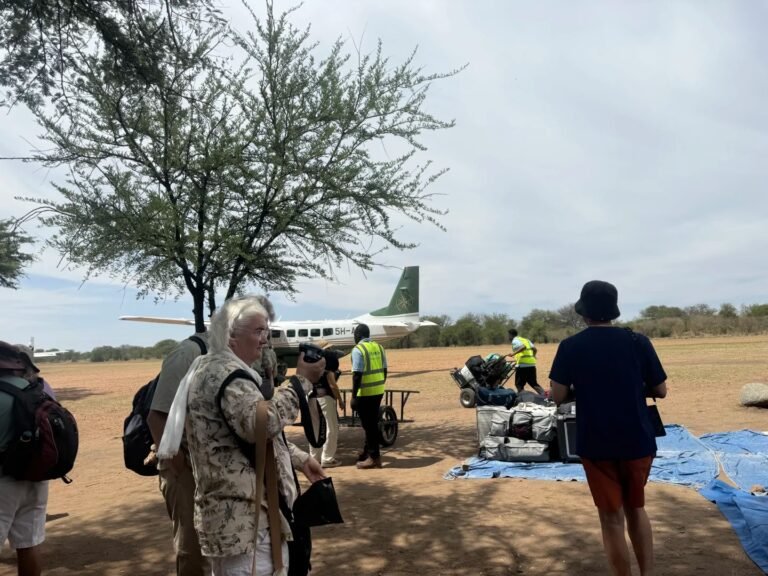
Arusha To Serengeti Direct Flights: Costs, Schedule, And Travel Planning Guide
A deep look at planning the direct flight from Arusha to Serengeti, covering costs, schedules, airline options, and essential safari logistics for 2027.
View package detailsArusha To Serengeti Flight Price : Tickets & Safari Airstrips 2027
Arusha to Serengeti Flight Price 2027: Tickets & Safari Airstrips is explained with current 2027 planning, price, itinerary and booking information.
View package detailsFly Into Serengeti Or Drive From Arusha? The Ultimate Tanzania Safari
Choosing between flying directly into the Serengeti or driving from Arusha is a pivotal decision for any Tanzania safari. This guide breaks down the advantages and disadvantages of each...
View package detailsSerengeti To Zanzibar Vs Arusha To Which Is Better After Safari? 2027
Choosing the right transfer to Zanzibar after a safari—Serengeti to Zanzibar or Arusha to Zanzibar—depends entirely on your safari route, time constraints, and budget. This guide breaks...
View package detailsArusha To Northern Serengeti Flight Prices & Booking Guide () 2027
A comprehensive guide detailing the logistics, costs, and best practices for flying from Arusha to the Northern Serengeti for your 2027 safari.
View package details
Fly-In Safari To Ngorongoro And Serengeti: Flights & Transfer Costs 2026-2027
Discover the logistics and cost breakdown for a fly-in safari to Ngorongoro and the Serengeti, including airstrip transfers, baggage limits, and vehicle positioning.
View package detailsLake Manyara To Serengeti Flight Price & Safari Connections 2026-2027
A practical guide to connecting Lake Manyara and the Serengeti by air, covering flight pricing factors, logistical trade-offs, and how to optimize your safari schedule.
View package details3-Day Serengeti & Ngorongoro Safari From Zanzibar By Flight 2027
3-Day Serengeti & Ngorongoro Safari From Zanzibar by Flight is explained with current 2027 planning, price, itinerary and booking information.
View package details3-Day Serengeti Fly-In Safari From Zanzibar: All-Inclusive Package Prices 2027
Plan your ultimate Tanzanian adventure, combining Zanzibar's beaches with the Serengeti's wildlife. This guide details all-inclusive package pricing and logistics for a 3-day fly-in safari...
View package details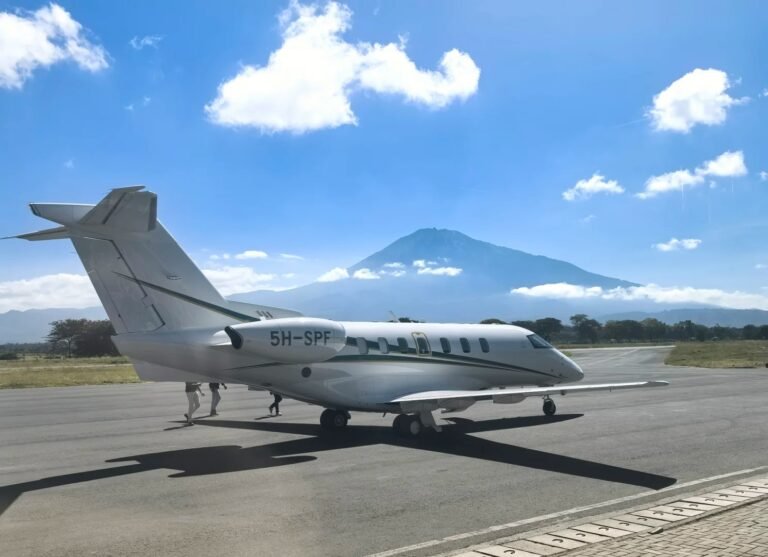
Zanzibar To Serengeti Flight Price –: Planning Your Safari Transfer 2027
Navigate the complex flight and transfer options between Zanzibar and the Serengeti. This deep guide breaks down expected costs, seasonal variables, and optimal routing for 2026 and 2027...
View package details4 Day Serengeti Safari Vs. 2 Fly-In Which Is Better For You? 2027
Choosing between a 4-day Serengeti safari and a 2-day fly-in safari involves trade-offs between time, cost, and depth of experience. A 4-day trip offers more immersion, while a 2-day fly-in...
View package detailsNo related package matches those filters. Clear one or more filters to see the other topic-matched options.



