
The question of whether it is better to fly into the Serengeti or drive from Arusha hinges on your priorities: speed and maximizing game drive time versus a more in-depth, budget-conscious overland experience. For most travelers prioritizing time in the wildlife areas, especially for shorter safaris, flying directly into a Serengeti airstrip is generally considered better. However, driving from Arusha offers a scenic journey, a chance to see more of the Tanzanian landscape, and is often more economical, making it a strong contender for those with more time or a tighter budget, particularly when planning for 2027.
The Advantages of Flying Directly into the Serengeti
Opting to fly directly into the Serengeti, typically to one of its many strategically located airstrips, offers undeniable benefits, primarily centered on time efficiency and immediate immersion into the wildlife experience. For many visitors, especially those on a limited schedule, this is the defining factor. Imagine landing after your flight into Kilimanjaro International Airport (JRO), a short transfer to the local airstrip, and then a scenic 45-minute to 1.5-hour flight directly into the heart of the Serengeti National Park. This bypasses the long overland journey, allowing you to begin your game drives on the very first day of your safari, maximizing your precious hours with the wildlife.
This approach is particularly beneficial if your safari is a shorter duration, perhaps 3-5 days. Driving from Arusha can consume a significant portion of your first and last days, effectively reducing your time spent on game drives. Flying ensures that almost your entire safari duration is dedicated to exploring the vast plains, searching for the Big Five, and witnessing the incredible natural spectacles the Serengeti offers. It’s also a more comfortable option, especially after a long international flight into Tanzania. Instead of several hours on dusty roads, you’re in a smaller bush plane, enjoying aerial views of the changing landscapes below.
For those planning a 2027 safari and aiming to experience peak migration seasons, such as the calving season in February-March or the river crossings in July-October, flying can be crucial. These events often occur in specific, sometimes remote, areas of the park. Flying directly to an airstrip closest to the action means you can be on the ground and heading towards these wildlife hotspots with minimal delay. It’s about getting you closer to the action, faster.
Drawbacks of Flying into the Serengeti
While flying into the Serengeti offers convenience and speed, it comes with its own set of considerations. The most significant drawback is the cost. Internal bush flights within Tanzania are considerably more expensive than overland travel. These flights are typically operated by small charter companies, and the price reflects the specialized nature of the service, the logistics involved, and the limited passenger capacity. This increased cost can significantly impact the overall budget for your safari, especially if you are traveling in a group where costs can be shared but still substantial.
Another point to consider is the luggage restrictions. Small bush planes have strict weight and size limits for baggage. Typically, you’ll be restricted to a soft-sided duffel bag weighing around 15-20 kg (33-44 lbs). This means you might need to pack lighter or make arrangements for excess luggage, which can add complexity. Hard-sided suitcases are usually not permitted. This is a crucial detail to confirm when booking your 2027 safari flights.
Furthermore, flying means you miss the overland journey. The drive from Arusha to the Serengeti, while long, is an experience in itself. You pass through different ecological zones, witness rural Tanzanian life, and can stop at points of interest like the Great Rift Valley or Maasai villages. By flying, you bypass this part of the journey and the cultural and scenic insights it provides. You also have less flexibility for spontaneous stops or detours that might occur during a drive.
Finally, weather can sometimes impact flight schedules. While generally reliable, small aircraft operations can be subject to delays or cancellations due to adverse weather conditions, particularly during the rainy seasons. This is a rare occurrence but a possibility to keep in mind when planning your travel for 2027.
The Appeal of Driving from Arusha to the Serengeti
Driving from Arusha to the Serengeti presents a fundamentally different, yet equally rewarding, safari experience. The most compelling advantage of this option is its economic appeal. Overland travel is significantly more budget-friendly than flying. For travelers managing their expenses for a 2027 safari, particularly groups or those opting for mid-range or budget accommodations, the savings can be substantial. This allows for a longer safari duration, more luxurious accommodation, or simply a more accessible overall trip.
The journey itself is an integral part of the adventure. The drive from Arusha takes you through the diverse landscapes of northern Tanzania. You’ll traverse the Great Rift Valley, pass through agricultural lands, and eventually enter the Ngorongoro Conservation Area. Depending on your route, you might even have opportunities for brief stops at viewpoints or small towns. This overland passage allows for a gradual acclimatization to the safari environment and a deeper appreciation for the vastness of the region. It’s a chance to see more than just the wildlife within the park boundaries.
Driving also offers greater flexibility. Your safari vehicle and guide are with you for the entire duration of your journey. This means you can make spontaneous stops for photos, visit local markets (time permitting), or adjust your route based on recommendations or local conditions. It fosters a sense of exploration and allows for more interaction with the local environment and culture. This extended time on the road, though lengthy, can feel more authentic and exploratory for some travelers.
Moreover, the driving experience allows for more flexibility in terms of entry and exit points into the Serengeti. You can choose to enter the park via different gates, potentially stopping at the Maasai boma or other cultural sites en route. This makes it easier to combine a Serengeti visit with other nearby attractions like Lake Manyara or Tarangire National Park without needing additional internal flights or transfers. For those who are not keen on flying in small aircraft, driving offers a more grounded and perhaps less intimidating way to reach the Serengeti.
Considerations When Driving from Arusha
While driving offers many advantages, it’s crucial to acknowledge its significant trade-offs, primarily concerning time and comfort. The drive from Arusha to the main gates of the Serengeti is long – typically 6 to 8 hours, depending on your destination within the park and road conditions. This means your first day of safari will be largely consumed by travel, with game drives usually commencing late in the afternoon once you’ve reached your lodge or camp. Similarly, your last day will involve a long drive back to Arusha, reducing your final hours in the park.
Road conditions can also be a factor. While major routes are generally well-maintained, especially during the dry season, the roads within the Serengeti can be rough, bumpy, and dusty. This can make for an uncomfortable journey, especially for those not accustomed to such terrain or for travelers with back issues. The vehicle you travel in and the skill of your driver-guide are paramount in mitigating this discomfort.
The extended travel time also means less actual game viewing time within the park for shorter safaris. If you have only 3 or 4 days for your Serengeti experience, dedicating a significant portion of two of those days to driving means you have considerably less time for actual game drives. This is a key reason why many opt to fly, especially for shorter trips.
Finally, the drive is tiring. After a long international flight into Kilimanjaro, embarking on an immediate 6-8 hour drive can be exhausting. While tour operators usually plan for breaks and lunch stops, it’s still a substantial commitment of energy. This is why some travelers opt for an overnight stay in Arusha before beginning their overland safari to the Serengeti.
Key Factors for Your 2027 Decision
When planning your 2027 Tanzania safari, several critical factors will guide your decision on whether to fly into the Serengeti or drive from Arusha. Understanding these elements will help tailor the safari experience to your specific needs and preferences.
1. Safari Duration: This is arguably the most influential factor. For shorter safaris (3-5 days), flying is often the superior choice to maximize game drive time. For longer safaris (7+ days), the time lost to driving is less impactful, and the cost savings of driving can be significant, allowing for more extensive exploration or additional destinations. For example, a week-long Kilimanjaro and Serengeti Calving Safari in February 2027 might be more economically feasible with driving, while a focused 4-day Serengeti-only trip would benefit greatly from flying.
2. Budget: The cost difference between flying and driving is substantial. Internal flights can add hundreds of dollars per person to your safari cost. If budget is a primary concern, driving from Arusha is the more economical option. This saving can be reallocated to higher-tier accommodation, longer safari duration, or additional activities. If budget is less of a constraint and time is of the essence, flying becomes a more attractive proposition.
3. Personal Preferences and Travel Style: Do you enjoy long road trips and the gradual immersion they offer? Or do you prefer to get straight to the heart of the action? Some travelers relish the overland journey, seeing the landscape unfold. Others find long drives arduous and prefer the efficiency and comfort of a short flight. Consider your tolerance for bumpy roads and long hours in a vehicle versus the constraints of luggage and flight costs.
4. Time of Year & Specific Interests: If you are targeting specific wildlife events, like the Great Migration river crossings in July or August, and know the migration is in a particular area, flying directly to an airstrip near that location can be invaluable. For instance, if the Grumeti migration is active in the western Serengeti in June 2027, flying directly to an airstrip in that region saves considerable travel time. For general wildlife viewing across the park, both options work, but time savings still apply.
5. Luggage: If you tend to overpack or have bulky equipment, the strict luggage limits on bush flights might be a deterrent. Driving allows for much more generous luggage allowances. This is a practical consideration that can influence the comfort and convenience of your journey.
6. Combination Safaris: If your itinerary includes multiple parks or destinations, such as Serengeti, Ngorongoro, Tarangire, and Lake Manyara, the logistics of overland travel become more complex but are often integrated seamlessly by experienced operators. However, if you are flying into the Serengeti, you might then fly out to another destination or drive back to Arusha, requiring careful planning to avoid backtracking and wasted time.
How the Choice Affects Your Itinerary
The decision between flying and driving profoundly impacts the structure and flow of your safari itinerary. Let’s look at how.
Itinerary with Flying into the Serengeti:
* Day 1: Arrive at Kilimanjaro International Airport (JRO). Transfer to Arusha Airport (ARK) for your domestic flight to a Serengeti airstrip. Upon landing, you’ll be met by your safari guide and vehicle. Enjoy an afternoon game drive en route to your lodge/camp. Evening at leisure.
* Day 2-X: Full days of game drives within the Serengeti, exploring different sectors based on wildlife movements and your interests.
* Last Day: Morning game drive. Transfer to the airstrip for your flight back to Arusha. Connect to your international departure from JRO or onward travel.
This structure maximizes your time within the Serengeti itself, dedicating almost every full day to game drives. It’s ideal for those who want to experience themselves deeply in the park’s wildlife for a concentrated period.
Itinerary with Driving from Arusha:
* Day 1: Pick up from your Arusha hotel. Begin the scenic drive towards the Serengeti, possibly stopping at a viewpoint or Lake Manyara for a brief look (depending on the operator and route). Enter the Serengeti in the afternoon. Enjoy a late afternoon game drive en route to your lodge/camp. Evening at leisure.
* Day 2-X: Full days of game drives. If your itinerary includes other parks like Ngorongoro, you might drive from the Serengeti to Ngorongoro on Day X+1, with game drives in between.
* Last Day: Morning game drive. Begin the long drive back to Arusha, arriving in the late afternoon or early evening. You might need an overnight stay in Arusha before your international flight.
This driving itinerary incorporates the journey as part of the experience. It’s more suitable for longer safaris where the daily travel time is less of a percentage of the total trip, or for travelers who appreciate the overland journey. For example, a Nairobi to Tanzania safari with Serengeti and Ngorongoro often involves significant driving between locations.
Cost Implications: Flying vs. Driving
Understanding the financial differences is crucial for planning your 2027 safari. The cost of getting to the Serengeti from Arusha is a significant component of your safari package.
Flying:
* Internal Flights: Expect to pay anywhere from $350 to $600+ per person for a round-trip flight from Arusha to a Serengeti airstrip. This price can fluctuate based on the operator, the specific airstrip, and booking time.
* Airstrip Fees: Small fees may apply for landing at park airstrips.
* Overall Package: When flying is included, your safari package price will be considerably higher, reflecting the flight costs. This can add $700 to $1200+ per person to a typical 5-day Serengeti safari compared to driving.
Driving:
* Vehicle and Fuel: The cost of a 4×4 safari vehicle, fuel, and the driver-guide’s fees are spread across the safari days. This is typically a per-vehicle cost, which becomes more economical per person when traveling in a group.
* Park Entry Fees: These remain the same regardless of whether you fly or drive into the park. However, if driving, you will pay entry fees for the Ngorongoro Conservation Area (if transiting) and the Serengeti National Park.
* Overall Package: Driving is the more economical choice. For a comparable 5-day safari, the driving option might be $1000 to $2000+ cheaper per person than a flying option, depending on the luxury level of accommodation and the number of people in the vehicle.
Example Scenario (Estimates for 2027):
For a 4-day Serengeti safari:
* Flying Option: Might start from $2,500 – $3,500+ per person (including flights).
* Driving Option: Might start from $1,500 – $2,500+ per person (without internal flights).
These are rough estimates and actual costs depend heavily on the quality of accommodation, the number of people in your safari vehicle, and the specific inclusions of the tour operator. It’s always best to get a detailed quote for your planned 2027 dates.
Logistics and Booking Your Serengeti Transport
Regardless of whether you choose to fly or drive, proper planning and booking are essential for a smooth safari experience in 2027. Both options are typically arranged by your tour operator.
Booking Internal Flights:
* Operator Arrangement: Most reputable tour operators like Climb 4 Africa will handle all internal flight bookings for you. You simply need to confirm your preference and provide passenger details.
* Airstrips: The Serengeti has numerous airstrips (e.g., Seronera, Kogatende, Ndutu, Grumeti). Your operator will book you into the most appropriate airstrip based on your lodge location and the time of year (e.g., Kogatende for northern migration crossings).
* Luggage: Reiterate the 15-20kg soft-duffel bag limit. Ensure your packing list adheres to this. Your operator can advise on excess luggage handling if necessary.
* Flight Schedules: Flights typically depart from Arusha Airport (ARK) in the morning. Be prepared for early starts.
Booking Overland Travel:
* Vehicle Type: Ensure your operator provides a well-maintained 4×4 safari vehicle with a pop-up roof for optimal game viewing. A comfortable vehicle is key for long drives.
* Driver-Guide: Your driver-guide is crucial. An experienced guide makes the drive more enjoyable and informative, and their expertise in spotting wildlife is invaluable.
* Route Planning: Your operator will plan the most efficient and scenic route. This might involve transiting through the Ngorongoro Conservation Area, which incurs separate fees.
* Accommodation: Booking lodges or camps in advance is vital, especially during peak seasons in 2027. The location of your accommodation will influence the driving time within the park.
Recommendation for 2027 Planning:
When contacting Climb 4 Africa for your 2027 safari inquiry, be clear about your priorities. State whether time in the park is paramount (suggesting flights) or if you’re more budget-conscious and enjoy the journey (suggesting driving). This will help us craft the perfect itinerary for you. You can reach us via WhatsApp at +255 747 477 898 or email at climb4africa@gmail.com.
Alternatives and Combinations
It’s also worth noting that the choice isn’t always strictly black and white. There are hybrid approaches and other considerations for your Tanzania safari in 2027.
Fly-Drive Combinations:
Some travelers opt for a combination. For instance, you might fly into the Serengeti for a shorter, time-intensive wildlife viewing period, and then drive to your next destination (like the Ngorongoro Crater or Lake Manyara) to save costs and experience the overland journey for the subsequent part of your trip. This can offer a balance between maximizing time in the Serengeti and managing costs.
Flying into Kilimanjaro, then Driving:
This is the standard entry point. Most international flights land at Kilimanjaro International Airport (JRO). From JRO, you have the choice: either transfer to Arusha Airport for an internal flight to the Serengeti, or begin your overland drive to the Serengeti directly from JRO (a slightly longer initial drive than from Arusha town).
Other Airports:
While Kilimanjaro (JRO) is the primary gateway for northern Tanzania safaris, some travelers might consider flying into Nairobi, Kenya, and then transferring overland or by flight to Tanzania. This is a common route, especially for those coming from East Africa or seeking specific flight deals, but it adds complexity and travel time. The Nairobi to Arusha for Serengeti safari best travel options article details this further.
Considering the Ngorongoro Crater:
If your itinerary includes the Ngorongoro Crater, the logistics of driving become more integrated. The drive from Arusha to Ngorongoro is shorter than to the Serengeti, and then you would drive from Ngorongoro to the Serengeti. Many operators plan a route that flows logically, such as Arusha -> Lake Manyara -> Ngorongoro -> Serengeti -> Arusha (or fly out from Serengeti). The decision to fly or drive into the Serengeti often depends on how much time you have allocated to the Serengeti itself within this broader itinerary.
Ultimately, the best approach for your 2027 Serengeti adventure depends on a careful evaluation of your time, budget, and personal travel style. Both flying and driving offer unique advantages, and understanding these differences is the first step toward planning an unforgettable Tanzanian safari with Climb 4 Africa.
Related Guides and Packages
Check Availability for Fly Into Serengeti Or Drive From Arusha? The Ultimate Tanzania Safari
Ready to compare dates, prices, and the best option for your group? Send the package name and travel month so the team can reply with a clear quote, availability, and what is included.

Serengeti To Zanzibar Vs Arusha To Which Is Better After Safari? 2027
Choosing the right transfer to Zanzibar after a safari—Serengeti to Zanzibar or Arusha to Zanzibar—depends entirely on your safari route, time constraints, and budget. This guide breaks...
View package detailsArusha To Serengeti Flying Safari Vs Road Full Cost Comparison 2027
Arusha to Serengeti Flying Safari vs Road Safari: Full Cost Comparison is explained with current 2027 planning, price, itinerary and booking information.
View package detailsFly From Arusha To Serengeti For A 3-Day Safari: Flights & Package Prices 2027
Discover the most efficient ways to fly from Arusha to the Serengeti for a concentrated 3-day safari. This guide breaks down airstrip choices, flight costs, and package structures for 2027.
View package details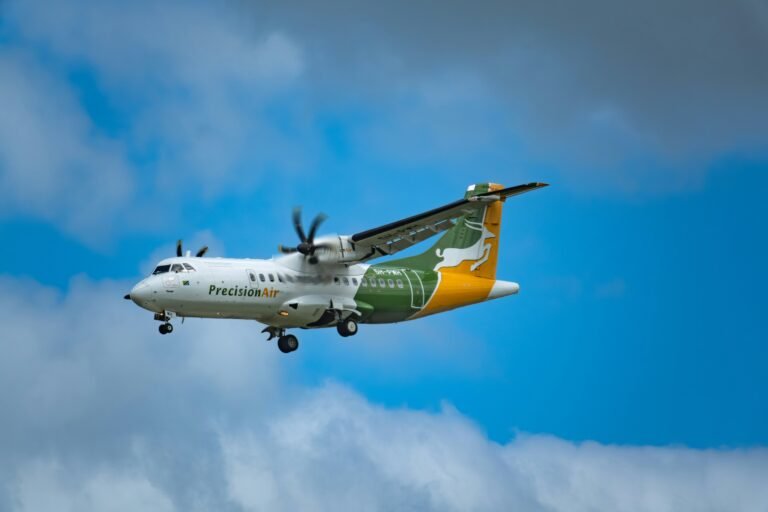
Arusha To Serengeti Return Flights: Airfare & Booking 2027
Arusha to Serengeti Return Flights: Airfare & Booking is explained with current 2027 planning, price, itinerary and booking information.
View package details
Arusha To Northern Serengeti Flight Prices & Booking Guide () 2027
A comprehensive guide detailing the logistics, costs, and best practices for flying from Arusha to the Northern Serengeti for your 2027 safari.
View package details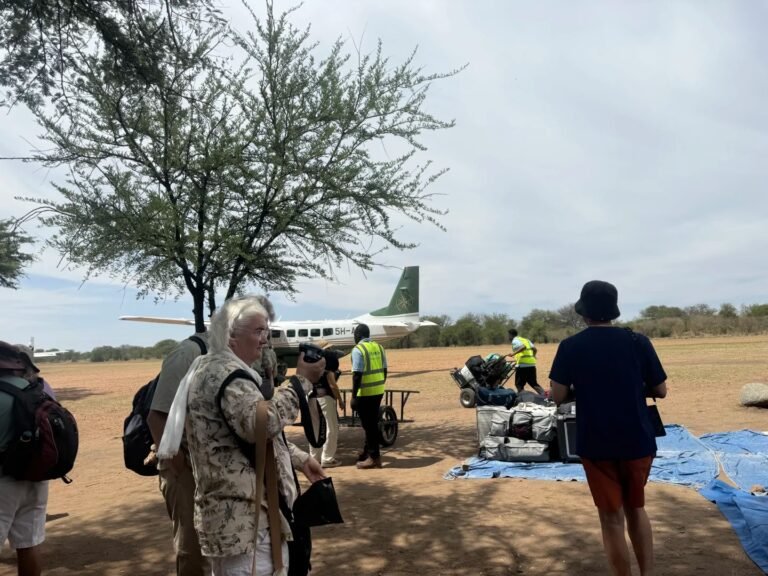
Arusha To Serengeti Direct Flights: Costs, Schedule, And Travel Planning Guide
A deep look at planning the direct flight from Arusha to Serengeti, covering costs, schedules, airline options, and essential safari logistics for 2027.
View package details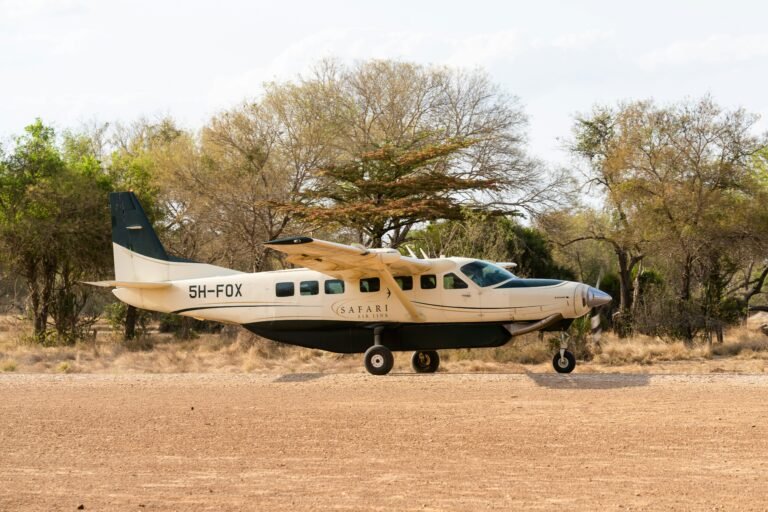
Cheap Flights From Arusha To Serengeti: Prices & Booking 2027
Cheap Flights From Arusha to Serengeti: Prices & Booking is explained with current 2027 planning, price, itinerary and booking information.
View package details
How Much Is A Flight From Arusha To Serengeti? 2027
How Much Is a Flight From Arusha to Serengeti? is explained with current 2027 planning, price, itinerary and booking information.
View package detailsArusha To Serengeti Flight Price : Tickets & Safari Airstrips 2027
Arusha to Serengeti Flight Price 2027: Tickets & Safari Airstrips is explained with current 2027 planning, price, itinerary and booking information.
View package details
Is Serengeti Or Ngorongoro Better For A First Tanzania Safari? 2027
Is Serengeti or Ngorongoro Better for a First Tanzania Safari? is explained with current 2027 planning, price, itinerary and booking information.
View package details4 Day Serengeti Safari Vs. 2 Fly-In Which Is Better For You? 2027
Choosing between a 4-day Serengeti safari and a 2-day fly-in safari involves trade-offs between time, cost, and depth of experience. A 4-day trip offers more immersion, while a 2-day fly-in...
View package detailsLake Manyara To Serengeti Flight Price & Safari Connections 2026-2027
A practical guide to connecting Lake Manyara and the Serengeti by air, covering flight pricing factors, logistical trade-offs, and how to optimize your safari schedule.
View package detailsNo related package matches those filters. Clear one or more filters to see the other topic-matched options.



