
The best travel options from Nairobi to Arusha for a Serengeti safari typically involve a combination of flights or a scenic overland journey, with the choice depending on your budget, time constraints, and preference for adventure. Flying directly from Nairobi (NBO) to Kilimanjaro International Airport (JRO) is the fastest, while overland travel via bus or private transfer offers a more in-depth experience of the East African landscape and is often more budget-friendly for 2026-2027 travel plans. Regardless of your chosen method, arranging your onward Serengeti safari from Arusha is a critical next step.
Understanding Your Nairobi to Arusha Journey for a Serengeti Safari
For many travelers, the journey from Nairobi, Kenya, to Arusha, Tanzania, is the essential prelude to experiencing the iconic Serengeti National Park. Nairobi is a major international hub, often the most accessible and affordable entry point into East Africa. Arusha, on the other hand, is Tanzania’s de facto safari capital, the gateway to the Northern Circuit parks including the Serengeti, Ngorongoro Crater, and Tarangire National Park. Successfully bridging these two cities is key to unlocking your Tanzanian wildlife adventure, especially as you plan for trips in 2026 and 2027.
The decision of how to travel from Nairobi to Arusha isn’t just about logistics; it’s about shaping the beginning of your safari experience. Do you prioritize speed and efficiency, or do you relish the chance to soak in the changing landscapes and local life along the way? Each method of transport presents its own set of advantages and considerations, from the sheer convenience of flying to the cultural immersion offered by overland travel. Understanding these differences is crucial for tailoring your trip to your personal travel style, budget, and timeline. This guide will walk you through the primary options, helping you make an informed choice for your Nairobi to Arusha for Serengeti safari adventure.
Flying from Nairobi to Arusha (Kilimanjaro International Airport)
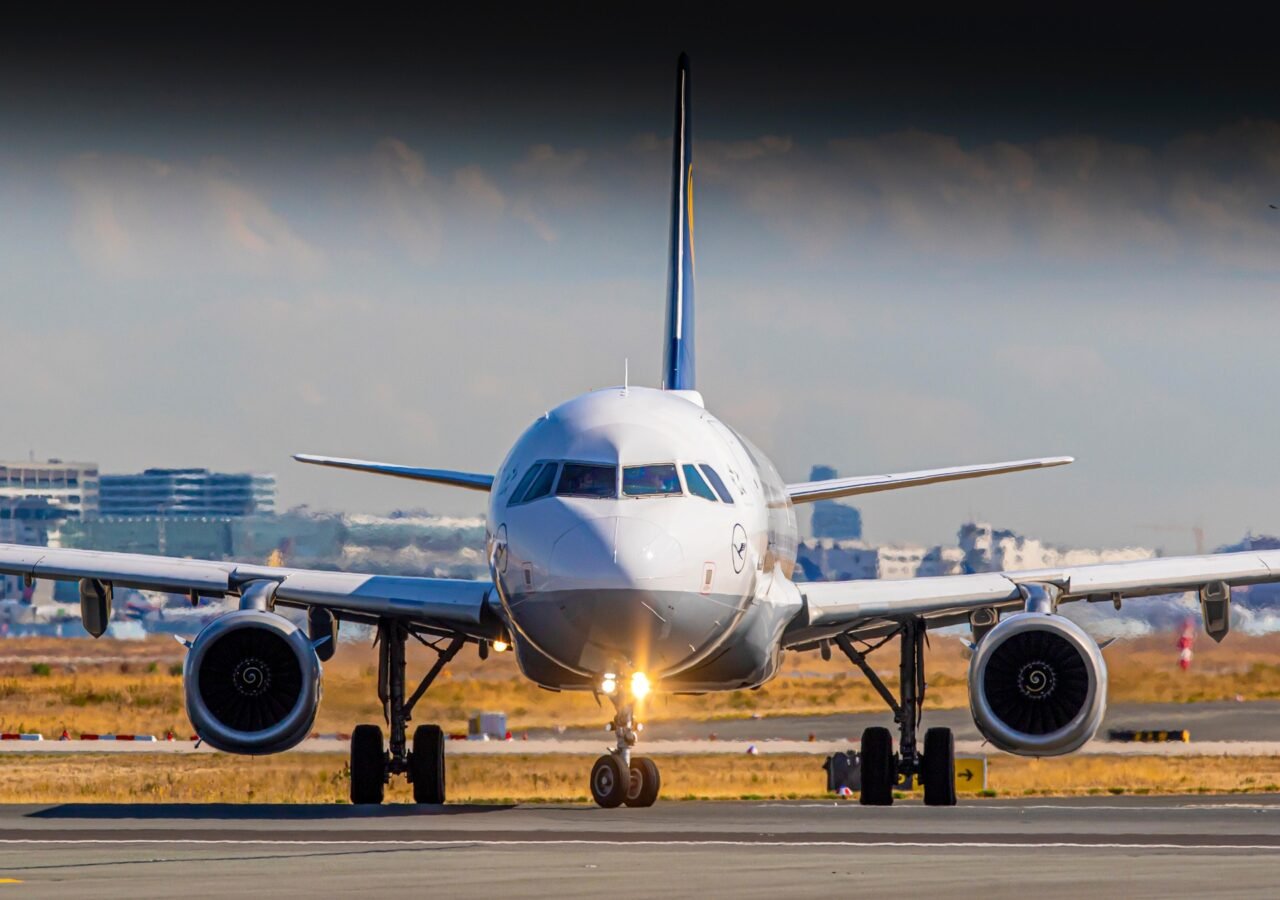
For travelers prioritizing time and convenience, flying from Nairobi to Arusha is the most direct route. The primary airport serving Arusha is Kilimanjaro International Airport (JRO), located approximately 40-50 kilometers east of Arusha town. Several airlines operate flights between Jomo Kenyatta International Airport (NBO) in Nairobi and JRO.
Flight Duration and Frequency: Direct flights typically take around 1 hour to 1 hour and 30 minutes. While there might not be daily direct flights from every carrier, services are generally consistent, especially during peak safari seasons. It’s always advisable to check schedules for your specific travel dates in 2026 or 2027, as flight patterns can change.
Airlines and Booking: Major carriers like Kenya Airways often operate this route, sometimes in codeshare with other airlines. Precision Air is another possibility. Booking in advance is highly recommended, particularly for travel during the popular dry seasons (June to October and December to February) in 2026-2027, as prices can increase significantly closer to the departure date.
Cost Considerations: Flight prices can vary widely based on the airline, how far in advance you book, and the time of year. Generally, expect to pay anywhere from $200 to $450+ per person for a one-way ticket. This is often the most expensive option compared to overland travel but saves considerable time. When comparing costs for your Nairobi to Arusha for Serengeti safari, factor in the value of the time saved, which can be critical if you have a tight itinerary.
Pros of Flying:
- Speed: The quickest way to get from Nairobi to Arusha, minimizing travel time.
- Convenience: Avoids long hours on the road and border crossing procedures.
- Comfort: Generally more comfortable than bus travel, especially for longer journeys.
Cons of Flying:
- Cost: Typically the most expensive option.
- Missed Scenery: You bypass the opportunity to see the landscapes and rural life between Kenya and Tanzania.
- Airport Transfers: You’ll still need to arrange transfers from JRO to your Arusha accommodation, adding to the total travel time and cost.
Important Note: When booking flights, ensure your itinerary allows sufficient buffer time. International flight delays in Nairobi can impact your connection, and similarly, you’ll need to be at JRO with enough time before your onward safari vehicle or transfer picks you up. Always confirm the luggage allowance for your chosen airline, as safari vehicles often have weight and space limitations.
Overland Adventures: Bus and Private Transfers from Nairobi to Arusha
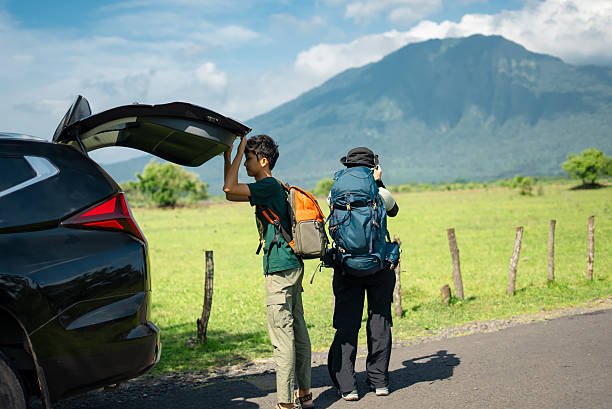
For those who prefer a more grounded experience, or if budget is a primary concern, overland travel from Nairobi to Arusha is a popular and viable choice. This route allows you to witness the diverse landscapes of Kenya and Tanzania firsthand. The journey involves crossing the border between the two countries, typically at the Namanga border post.
Bus Travel: The Budget-Friendly Option
Several reputable bus companies operate services between Nairobi and Arusha. These are often modern, air-conditioned coaches designed for intercity travel in East Africa. Companies like Modern Coast and Scandinavia Express are well-regarded for their service and safety standards.
Journey Duration: The bus journey typically takes between 5 to 8 hours, depending on traffic, road conditions, and the time spent at the border crossing. The border crossing itself can sometimes add significant delays, particularly if there are many travelers or if documentation checks are thorough.
Cost: Bus tickets are considerably more affordable than flights. You can expect to pay approximately $30 to $50 per person for a one-way ticket, depending on the company and class of service. This makes it an excellent option for budget-conscious travelers planning their Nairobi to Arusha for Serengeti safari in 2026-2027.
Booking Bus Tickets: Tickets can usually be purchased online through the bus company websites or directly from their offices in Nairobi. It’s advisable to book a few days in advance, especially during busy periods, to secure your preferred seat.
Pros of Bus Travel:
- Affordability: The most economical way to travel between Nairobi and Arusha.
- Scenery: Offers a chance to see the East African countryside, from Kenyan plains to Tanzanian highlands.
- Cultural Insight: Provides an opportunity to interact with locals and observe daily life.
Cons of Bus Travel:
- Time-Consuming: Significantly longer than flying.
- Comfort Variability: While modern buses are good, comfort can vary, and the journey can be tiring.
- Border Delays: The border crossing can be unpredictable and add substantial time to the journey.
Private Transfers: The Premium Overland Experience
For a more comfortable, flexible, and personalized overland journey, a private transfer is an excellent choice. This involves hiring a dedicated vehicle and driver for the trip from Nairobi directly to your accommodation in Arusha. This can be arranged through tour operators or specialized transfer companies.
Journey Duration: Similar to bus travel, a private transfer typically takes 5 to 8 hours, including the border crossing. However, a private driver can often navigate the border more efficiently, and you have the flexibility to stop for breaks or photo opportunities as needed.
Cost: This is a more expensive option than the bus but often more affordable than flying, especially for groups. Prices can range from $250 to $500+ for the entire vehicle (one-way), depending on the vehicle type and the company. This cost is often split among passengers, making it an attractive option for families or small groups traveling together for their Nairobi to Arusha for Serengeti safari in 2026-2027.
Booking Private Transfers: It’s best to book private transfers in advance through a reputable tour operator. This ensures the vehicle is reliable, the driver is experienced with the route and border crossing, and all necessary arrangements are made. Climb 4 Africa can assist with these arrangements, ensuring a smooth transition from Nairobi to your Arusha base.
Pros of Private Transfers:
- Comfort and Flexibility: Travel in a private vehicle, stop when you wish, and enjoy a more relaxed journey.
- Efficiency: A good driver can often expedite border crossings and navigate traffic effectively.
- Door-to-Door Service: Direct transfer from your Nairobi location to your Arusha hotel.
- Group Friendly: Cost-effective when shared among multiple travelers.
Cons of Private Transfers:
- Cost: More expensive than bus travel if traveling solo.
- Still Time-Consuming: It’s still a long drive, though more comfortable.
Arranging Transfers from JRO Airport: If you choose to fly into JRO, you will still need to arrange a transfer to your Arusha accommodation. This is typically a 45-60 minute drive. Tour operators like Climb 4 Africa can easily arrange this airport pick-up as part of your overall safari package, ensuring a smooth connection.
Nairobi to Arusha: Comparing Travel Styles for Your Safari Kick-off
Choosing between flying and overland travel for your Nairobi to Arusha for Serengeti safari isn’t a one-size-fits-all decision. It hinges on your priorities, budget, and what kind of travel experience you seek. Let’s break down the key differences to help you decide which path is best for your 2026-2027 adventure.
| Factor | Flying (NBO to JRO) | Bus (Nairobi to Arusha) | Private Transfer (Nairobi to Arusha) |
|---|---|---|---|
| Speed | Fastest (approx. 1-1.5 hrs flight time) | Slowest (approx. 5-8 hrs including border) | Moderate (approx. 5-8 hrs including border) |
| Cost (One-Way Per Person) | $200 – $450+ | $30 – $50 | $250 – $500+ (per vehicle, shared cost) |
| Comfort | High (standard flight comfort) | Moderate (can be tiring) | High (private vehicle, flexible stops) |
| Scenery/Experience | Minimal (airport views) | Good (roadside views, cultural glimpses) | Excellent (flexible stops for photos, tailored experience) |
| Border Crossing | Avoided (fly over) | Directly managed by passengers (can be slow) | Managed by driver (potentially more efficient) |
| Best For | Time-sensitive travelers, those prioritizing ease, luxury travelers. | Budget travelers, solo backpackers, those seeking authentic local experience. | Families, small groups, travelers seeking comfort and flexibility on a budget. |
Who Should Fly? If your time in East Africa is limited, or if you’ve had a long international flight and want to reach your safari destination as quickly as possible, flying is the logical choice. It bypasses the complexities of border crossings and the potential discomfort of a long road journey. This is particularly true for those with packed schedules for 2026 or 2027 who want to maximize their safari days.
Who Should Take the Bus? For the adventurous traveler on a tight budget, the bus offers an authentic East African travel experience. You’ll see more of the country and meet local people. Be prepared for a long day, and ensure you have your visa documentation ready for the border. It’s a popular choice for backpackers and those seeking a more grassroots travel style.
Who Should Opt for a Private Transfer? Families, couples, or small groups often find private transfers to be the best balance of cost, comfort, and convenience. You get the overland experience without the cramped conditions of a bus, and you can tailor the journey to your liking. It’s also a great option if you want to start your safari experience the moment you leave Nairobi, with opportunities for stops at scenic points or local markets.
Crucial Consideration: Regardless of your chosen transport from Nairobi to Arusha, ensure your safari operator in Tanzania is aware of your arrival time and method. They will arrange for your pick-up in Arusha to begin your Serengeti adventure. For smooth planning in 2026-2027, coordinating this transfer with your safari booking is essential.
Navigating the Kenya-Tanzania Border Crossing (Namanga)
The overland journey from Nairobi to Arusha necessitates crossing the Kenya-Tanzania border, most commonly at the Namanga One-Stop Border Post. This process requires careful attention to detail to ensure a smooth transition.
Visa Requirements:
Kenya Visa: If you are flying into Nairobi and have not already entered Kenya, you will need to ensure you meet Kenya’s visa requirements. Many nationalities can obtain a visa on arrival or apply for an e-visa in advance. Check the latest regulations for your nationality well before your 2026-2027 travel dates.
Tanzania Visa: Upon arrival at the Namanga border or Kilimanjaro International Airport (JRO), you will need a Tanzanian visa. Many nationalities can obtain a visa on arrival. The cost typically ranges from $50 to $100 USD, depending on your nationality. Alternatively, you can apply for an e-visa online through the Tanzanian immigration website prior to your travel. Having the correct currency (USD is widely accepted for visas) and passport photos can expedite the process.
Recommendation: For a smoother border crossing, especially if you are on a bus or private transfer, it is highly recommended to have your Tanzanian visa arranged in advance via the e-visa system. This can save considerable time and hassle at the border. Always check the official Tanzanian immigration website for the most up-to-date visa information for 2026-2027.
The Namanga Border Process:
At Namanga, you will typically go through immigration procedures for Kenya first (departing), and then for Tanzania (entering). If you are on a bus, the driver will usually guide you through the process. For private transfers, your driver will assist you. Be prepared for potential queues and administrative procedures.
Tips for a Smooth Border Crossing:
- Have all documents ready: Passport, visa application/confirmation (if applicable), yellow fever certificate (if required), and any other identification.
- Carry USD: For visa fees, it’s best to have crisp, new US dollar bills in the required denominations.
- Be patient: Border crossings can be slow and bureaucratic.
- Stay with your driver/guide: If you have a private transfer, your driver will be invaluable in navigating the process.
- Be aware of touts: Be cautious of individuals offering unsolicited help at the border, as they may charge inflated fees.
Alternative Border Posts: While Namanga is the most common, other border crossings exist, but they are less direct for travel between Nairobi and Arusha and are generally not recommended for this specific route.
Yellow Fever Vaccination: Depending on your travel history (e.g., if you’ve recently been in a country with a risk of yellow fever transmission), you may be required to present a Yellow Fever International Certificate of Vaccination. It’s best to check the latest requirements from Tanzanian immigration authorities for your 2026-2027 travel plans.
Planning Your Serengeti Safari from Arusha: The Next Crucial Step
Once you’ve arrived in Arusha, your focus shifts to the main event: the Serengeti safari. Arusha is the operational hub for most Northern Circuit safaris, and your choice of safari operator is paramount. Climb 4 Africa specializes in creating unforgettable Tanzanian safari experiences, including smooth transitions from your Nairobi to Arusha journey.
Choosing Your Safari Style:
From Arusha, you can start various safari types:
- Group Safaris: These are often the most budget-friendly option, joining other travelers in a safari vehicle. Climb 4 Africa offers group safari departures which can be a great way to experience the Serengeti and meet fellow adventurers. Check out their group safari departure dates for 2026-2027.
- Private Safaris: For a more personalized experience, a private safari offers flexibility in itinerary, pace, and game drives. You’ll have a dedicated vehicle and guide. This is ideal for families, couples, or anyone wanting a tailored wildlife viewing experience.
- Camping Safaris: For a more rustic and in-depth experience, camping safaris put you closer to nature. This can range from public campsites within the parks to more exclusive tented camps.
- Luxury Lodge Safaris: For ultimate comfort, these safaris involve stays in high-end lodges and tented camps, often with premium amenities and service.
Typical Itinerary Flow:
A common safari starting from Arusha might include:
- Day 1: Arrive in Arusha, meet your guide, briefing, overnight in Arusha.
- Day 2: Drive to Tarangire National Park or Lake Manyara National Park. Game drive. Overnight in the park or nearby.
- Day 3: Drive to the Ngorongoro Conservation Area. Descend into the crater for a game drive. Overnight on the crater rim or Karatu.
- Day 4-6: Drive into the Serengeti National Park. Spend multiple days exploring different regions of the Serengeti, following the wildlife movements (e.g., Central Serengeti, Northern Serengeti during migration season). Overnight in tented camps or lodges within the park.
- Day 7: Final morning game drive in the Serengeti, then drive back to Arusha.
This is a sample, and itineraries can be customized. For instance, if your primary focus is the Great Migration, your guide will tailor the route and timing accordingly, especially crucial for 2026-2027 planning.
What’s Typically Included in a Tanzania Safari Package?
When booking a safari package from Arusha, expect the following to be included:
- Park entrance fees (Serengeti, Ngorongoro, etc.)
- Accommodation before and after the safari in Arusha (sometimes) and during the safari.
- All meals during the safari (breakfast, lunch, dinner).
- A professional, English-speaking safari guide.
- A 4×4 safari vehicle with a pop-up roof for game viewing.
- Unlimited mileage game drives.
- Bottled drinking water during game drives.
- Contingency plans and support.
Exclusions often include: Flights to/from Nairobi to Arusha (or JRO), Tanzanian visa fees, travel insurance, tips for guides and staff, drinks from the lodge bar, and personal expenses.
Working with Climb 4 Africa:
Climb 4 Africa is a Tanzanian-based company with deep local knowledge. They understand the nuances of safari planning, including the best times to visit specific areas of the Serengeti for wildlife viewing, how to manage logistics from Nairobi, and how to create custom itineraries. They can arrange your transfer from Nairobi to Arusha and then seamlessly transition you into your chosen safari package. This integrated approach simplifies your planning considerably for trips in 2026-2027.
To discuss your dream Serengeti safari and how to best connect it with your arrival in Nairobi, reach out to Climb 4 Africa via WhatsApp +255 747 477 898 or Email climb4africa@gmail.com.
Key Factors for Your 2026-2027 Nairobi to Arusha & Serengeti Trip Planning
Planning a safari is exciting, but ensuring a smooth transition from Nairobi to Arusha and into the Serengeti requires attention to several key details, especially as you look ahead to 2026 and 2027. Here are the critical elements to consider:
Best Time to Travel:
The timing of your trip significantly impacts the wildlife viewing experience, particularly in the Serengeti. While the Serengeti is a year-round destination, different periods offer unique advantages:
- June – October: The dry season, considered peak safari time. This is when the Great Migration is typically in the western and northern Serengeti, crossing rivers. Wildlife congregates around water sources, making game viewing excellent. This is also the busiest and most expensive period for 2026-2027 travel.
- December – February: The short rains and calving season. The wildebeest are usually in the southern Serengeti, with large numbers of newborns. It’s a spectacular time for predator action. The landscape is greener.
- March – May: The long rains. This is the low season, meaning fewer crowds and lower prices. Game viewing can still be good, but rain can make roads muddy and game drives challenging. The migration is typically moving northwards during this period.
Your choice of travel time will influence your Nairobi to Arusha for Serengeti safari logistics, especially regarding flight availability and pricing, and the type of wildlife viewing experience you can expect.
Budget Considerations for 2026-2027:
The total cost of your trip will depend on several factors:
- Transport from Nairobi to Arusha: As detailed, flights are most expensive, followed by private transfers, with buses being the most budget-friendly.
- Safari Duration and Style: Longer safaris and luxury lodge accommodations will increase costs, while shorter trips and camping safaris are more economical.
- Park Fees: Serengeti and Ngorongoro crater fees are significant and are usually included in safari packages. These fees are subject to change annually, so confirm rates for 2026-2027.
- Time of Year: Peak season travel (June-Oct, Dec-Feb) is always more expensive than the low season (Mar-May).
When budgeting for your Nairobi to Arusha for Serengeti safari, factor in all these components. A rough estimate for a 7-day Northern Circuit safari (including Serengeti and Ngorongoro) can range from $2,000 to $6,000+ per person, excluding international flights and the Nairobi-Arusha transfer, depending heavily on accommodation and safari style.
Booking Lead Times:
For popular travel times in 2026 and 2027, especially during peak seasons, booking well in advance is crucial. Aim to book your safari at least 6-12 months ahead. This is important for:
- Securing preferred accommodation, particularly in the Serengeti where options can be limited.
- Ensuring availability of specific safari vehicles and guides.
- Getting better prices on flights or transfers if booking early.
- Allowing ample time for visa applications and any necessary vaccinations.
Health and Safety:
Consult your doctor about necessary vaccinations (e.g., Yellow Fever, Hepatitis A, Typhoid) and malaria prevention well in advance of your 2026-2027 trip. Travel insurance is non-negotiable; ensure it covers medical emergencies, evacuation, trip cancellation, and lost baggage. Your safari operator will provide safety briefings regarding wildlife encounters and general camp/lodge safety.
Connectivity:
Mobile reception can be spotty in national parks. In Arusha, you can purchase local SIM cards if needed. Some lodges and camps offer Wi-Fi, but it’s often slow or limited. Embrace the opportunity to disconnect and focus on the incredible wildlife and landscapes.
Booking Your Nairobi to Arusha & Serengeti Safari Experience
Successfully transitioning from Nairobi to Arusha and onto the Serengeti requires a coordinated effort. The most effective way to ensure a smooth and memorable experience is by partnering with a reputable and experienced local tour operator. Climb 4 Africa, with its deep roots in Tanzania, is ideally positioned to manage your entire journey.
Why Choose a Local Operator for Your 2026-2027 Safari?
- Local Expertise: They know the parks, the best times to visit, the wildlife patterns, and the logistics inside out.
- Value for Money: Local operators often offer better value as they work directly with lodges, camps, and transport providers, cutting out middlemen.
- Customization: They can tailor every aspect of your trip to your specific interests, budget, and timeframe.
- Support: You have direct access to support throughout your journey, from arrival in Nairobi to your departure from Tanzania.
How Climb 4 Africa Can Help:
Climb 4 Africa can:
- Arrange your transfer from Nairobi to Arusha: Whether you prefer a flight or a comfortable private overland transfer, they can book and manage this for you.
- Plan your entire Serengeti safari: From choosing the right parks and accommodations to selecting the best safari vehicle and guide, they ensure a top-tier experience.
- Provide guidance on visa and health requirements.
- Offer transparent pricing and detailed itineraries for 2026-2027.
Your Next Step:
To begin planning your unforgettable Nairobi to Arusha for Serengeti safari, the best approach is to get in touch with the experts. Share your travel dates, budget, and any specific interests you have. Climb 4 Africa is ready to help you craft the perfect East African adventure.
Connect with Climb 4 Africa today:
WhatsApp: +255 747 477 898
Email: climb4africa@gmail.com
They are dedicated to providing practical local support and creating tailor-made African travel experiences. Let them handle the logistics so you can focus on the magic of the Serengeti.
Check Availability for Nairobi To Arusha For Serengeti Safari: Best Travel Options & Planning
Ready to compare dates, prices, and the best option for your group? Send the package name and travel month so the team can reply with a clear quote, availability, and what is included.

Serengeti Safari Tours: Prices, Packages & Best Time To Visit In 2026-2027
Discover everything you need to know for planning your Serengeti safari tour, from understanding pricing and package variations to identifying the ideal travel times in 2026-2027. This...
View package details
3-Day Serengeti And Ngorongoro Safari: Your Ultimate Tanzania Wildlife
start a concise yet unforgettable 3-day Serengeti and Ngorongoro safari, designed to maximize wildlife encounters in Tanzania's most celebrated parks. This compact adventure offers a taste...
View package details
Serengeti Safari And Zanzibar Beach Holiday: The Ultimate Tanzania
Combine the thrill of a Serengeti safari with the relaxation of a Zanzibar beach holiday. This guide covers everything you need to know for an unforgettable Tanzania adventure in 2026-2027...
View package details
Zanzibar To Serengeti Safari Packages 2026-2027
Zanzibar to Serengeti Safari Packages is explained with current 2026-2027 planning, price, itinerary and booking information.
View package details
Serengeti Great Migration Safari Packages: Your Guide To Witnessing The Wonder
start an unforgettable journey with our comprehensive guide to Serengeti Great Migration safari packages for 2026-2027. Understand the best times to go, optimal viewing locations, and how...
View package details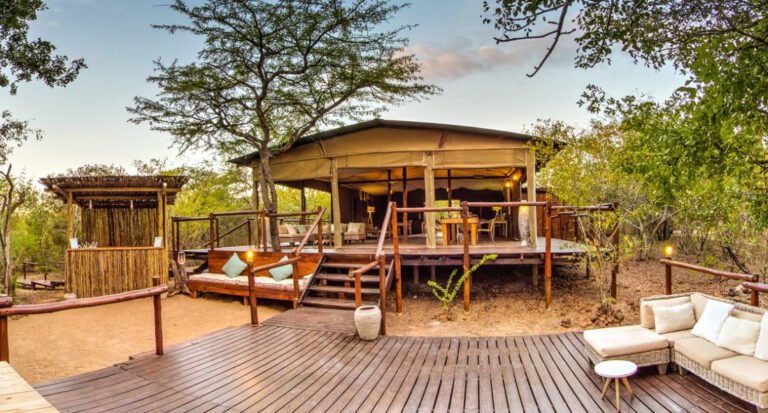
7-Day Tanzania Safari: Serengeti, Ngorongoro, And Tarangire In 2026-2027
A comprehensive guide to a 7-day Tanzania safari adventure, focusing on the iconic Serengeti National Park, the Ngorongoro Crater, and Tarangire National Park. Learn about optimal...
View package details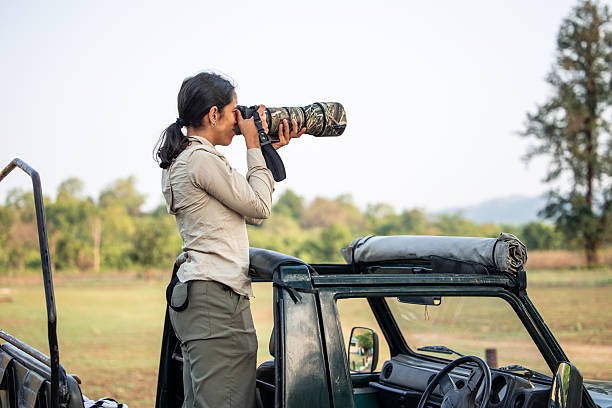
All-Inclusive African Safari Vacations Guide
start an all-inclusive African safari vacation in Tanzania, a premier destination for wildlife viewing in 2026-2027. This comprehensive guide covers everything from iconic parks like the...
View package detailsTanzania Safari Tours & Packages /: Your Ultimate Wildlife Adventure 2026-2027
Discover the magic of Tanzania with expertly crafted safari tours and packages for 2026 and 2027. From the vast plains of the Serengeti to the depths of the Ngorongoro Crater, find your...
View package details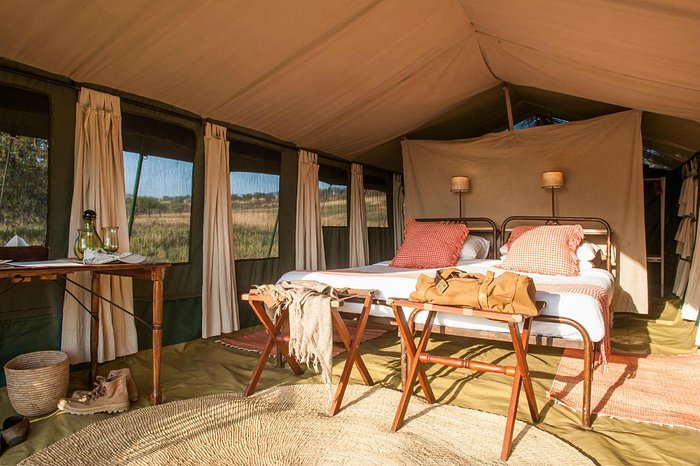
Best African Safari Tours & Vacation Packages /: Your Ultimate Tanzania
start an unforgettable African safari adventure in 2026/2027 with expertly curated tours and vacation packages in Tanzania's most iconic wildlife destinations. From the Serengeti to the...
View package details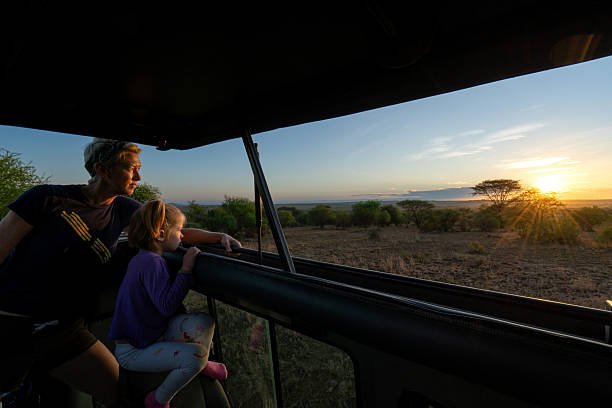
Private Tanzania Safari Packages: Your Ultimate Guide For 2026-2027
Discover the unparalleled freedom and personalized experience of a private Tanzania safari package. This comprehensive guide for 2026-2027 explores custom itineraries, key destinations like...
View package detailsBest Places To See Wild Animals In Tanzania: Your Ultimate Safari Guide
Planning a safari to witness incredible wildlife? Tanzania offers some of the planet's most spectacular viewing opportunities. This guide explores the top destinations for seeing wild...
View package detailsWhat Is The Best Month To Visit Serengeti? 2026-2027
What Is the Best Month to Visit Serengeti? is explained with current 2026-2027 planning, price, itinerary and booking information.
View package detailsNo related package matches those filters. Clear one or more filters to see the other topic-matched options.



