The best month to visit the Serengeti for a safari depends on your priorities, but generally, the dry season from June to October offers the most reliable wildlife viewing and is ideal for witnessing the Great Migration river crossings. However, the shoulder months of May and November can provide excellent game viewing with fewer crowds and potentially lower costs. For calving season and lush landscapes, the wet season from January to March is superb, especially in the southern Serengeti.

Serengeti: Timing Your Ultimate Safari Adventure
Planning a safari to the Serengeti National Park is a dream for many, and the question of what is the best month to visit Serengeti is paramount. This vast ecosystem, famous for the Great Migration, offers incredible wildlife viewing year-round, but specific months align better with different visitor interests. Whether you’re chasing the dramatic river crossings, hoping for newborn wildebeest and zebra, or simply seeking abundant predators in comfortable weather, understanding the Serengeti’s seasonal rhythm is key to a successful and memorable trip in 2026 or 2027.
At Climb 4 Africa, we’ve guided countless travelers through the Serengeti, and we know that the ‘best’ month is deeply personal. It’s about matching your expectations with the park’s natural cycles. This guide will walk you through each month, detailing the weather, wildlife activity, migration status, and crowd levels, so you can make an informed decision for your 2026-2027 safari.
January: The Southern Serengeti and Calving Season
When asking what is the best month to visit Serengeti, January often surprises people. While the Great Migration is not typically associated with dramatic river crossings in January, this month marks the beginning of the calving season in the southern Serengeti. This period is a wildlife photographer’s paradise, with abundant prey attracting a high concentration of predators.
Weather: January falls within the wet season, though the rains in the Serengeti are often described as ‘showers’ rather than prolonged downpours. You can expect warm days (around 27-30°C or 80-86°F) and cooler nights. Rainfall is more common in the afternoons, leaving mornings clear and ideal for game drives. The landscape is lush and green, offering a beautiful backdrop.
Wildlife: This is the heart of the calving season. Approximately 8,000 wildebeest are born each day, making the southern plains teeming with vulnerable newborns. This creates fantastic opportunities to witness lion prides, cheetahs, hyenas, and leopards actively hunting. Large herds of wildebeest and zebras dominate the southern Serengeti plains around Seronera and Ndutu. While river crossings are absent, the sheer density of game, especially predators in action, is a major draw.
Migration: The Great Migration herds are primarily concentrated in the Moru Kopjes and Seronera areas of the central and southern Serengeti. They are grazing on the fresh, nutrient-rich grasses that have sprung up after the rains.
Crowds: January is part of the high season for many safari destinations in Tanzania, but the Serengeti can feel less crowded than during peak dry season months, especially if you venture slightly away from the main Seronera hub. However, it’s still advisable to book accommodations and safari vehicles in advance, especially for 2026-2027 travel.
Who should visit in January? Photographers, those interested in predator-prey dynamics, and travelers who enjoy lush, green scenery. It’s an excellent time for families with children, as the abundance of young animals is interesting.
January Safari Tip:
Focus your safari on the southern Serengeti and the Ngorongoro Conservation Area’s Ndutu region. This is where the majority of the calving action occurs. While rains can occur, they rarely disrupt full-day game drives, and clear mornings are common.
February: Peak Calving and Predator Action
February is arguably one of the most exciting months for wildlife enthusiasts visiting the Serengeti, continuing the theme of the calving season. If your primary interest lies in observing predators and the drama of life and death on the plains, February is a strong contender for what is the best month to visit Serengeti.
Weather: Similar to January, February is within the wet season. Expect warm temperatures (27-30°C / 80-86°F) with a good chance of afternoon showers. The landscape remains vibrantly green and is at its most picturesque. The rains are crucial for the growth of the grasses that sustain the massive migration herds.
Wildlife: This month often sees the peak of the calving season. With thousands of young wildebeest, zebras, and gazelles on the plains, predators are at their most active and successful. It’s prime time for spotting lion prides feeding, cheetahs on the hunt, and jackals scavenging. The central and southern Serengeti, particularly the Seronera and Ndutu areas, are exceptionally rich in wildlife. Birdwatching is also excellent during this period, with migratory birds present.
Migration: The vast herds of the Great Migration are spread across the southern Serengeti plains and the areas around the Moru Kopjes. They are moving slowly, grazing extensively to support the new calves and pregnant females.
Crowds: February is still considered a popular time due to the calving season and good weather. While not as packed as the dry season, expect a good number of safari vehicles, especially in prime wildlife areas. Booking well in advance for 2026 or 2027 safaris is recommended to secure your preferred lodges and guides.
Who should visit in February? Wildlife photographers, serious birdwatchers, and anyone fascinated by predator-prey interactions. This is an incredible month for observing the ‘circle of life’ unfolding.
February Safari Tip:
Stay in camps or lodges in the southern Serengeti or Ndutu area for the best access to calving grounds and predator activity. Be prepared for occasional afternoon rain showers by packing appropriate gear, but don’t let it deter you; the wildlife viewing is phenomenal.
March: Transition and Moving North
As March progresses, the Serengeti begins its transition out of the peak wet season. While still experiencing rain, the intensity often decreases, and the herds start to shift their focus. For those wondering what is the best month to visit Serengeti to witness the tail end of calving and the initial movements of the migration, March offers a dynamic experience.
Weather: March is typically the last month of the significant rainy season. You’ll still encounter warm days (around 27-29°C / 80-84°F) and the possibility of afternoon thunderstorms. However, the rains usually become less frequent towards the end of the month, and skies clear up for game drives. The landscape remains lush and green.
Wildlife: Predator activity remains high as they take advantage of the remaining young, vulnerable animals. However, as the grasses in the south begin to dry and the herds prepare to move, the concentration of wildlife starts to spread out. You’ll still see excellent game in the central and southern Serengeti, but the herds are beginning to stir.
Migration: The Great Migration herds begin their journey northwards from the southern plains. They often move through the Moru Kopjes and towards the central Serengeti (Seronera area) and then begin to fan out towards the western corridor. This is a period of movement and dispersal, rather than concentrated grazing in one spot.
Crowds: March is generally a good time for fewer crowds compared to the peak dry season. It’s considered a shoulder month, and you might find better rates. However, Easter holidays can sometimes fall in late March, leading to a temporary increase in visitors.
Who should visit in March? Travelers looking for good wildlife sightings with fewer crowds than the dry season, and those interested in seeing the initial stages of the migration’s northward movement. It’s a great time for photographers appreciating the green scenery.
March Safari Tip:
If you are interested in the calving season, focus on the early part of March in the south. If you want to see the migration beginning its move, focus on the central Serengeti. Be prepared for potentially muddy tracks in some areas.
April: The ‘Long Rains’ and Quieter Parks
April is generally considered the wettest month in the Serengeti, and for many, this makes it less appealing when asking what is the best month to visit Serengeti for optimal game viewing. However, this is precisely why it can be an excellent choice for budget-conscious travelers seeking a more exclusive experience.
Weather: April is firmly within the ‘long rains’ season. Expect frequent and sometimes heavy rainfall, often in the afternoons. Temperatures are warm, typically between 25-29°C (77-84°F). The landscape is incredibly verdant, and the air is fresh and clean. While rain can make some tracks difficult to navigate, it rarely stops game drives entirely.
Wildlife: With lush vegetation and water readily available, wildlife disperses throughout the park. While the sheer density of animals might decrease in certain areas compared to the dry season, the wildlife is still abundant. Predators might be harder to spot initially due to the tall grass, but they are still present. The central Serengeti remains a reliable spot for resident game.
Migration: The Great Migration herds are typically spread out across the western and central Serengeti, grazing on the abundant green grass. They are generally moving northwards but are not yet concentrated for dramatic river crossings.
Crowds: April is one of the quietest months in the Serengeti. This means fewer vehicles on game drives, offering a more intimate wildlife experience. It’s also a time when safari operators may offer lower prices, making it an attractive option for those on a tighter budget for their 2026-2027 trips.
Who should visit in April? Budget travelers, photographers who love lush green landscapes, and those seeking a more private and uncrowded safari experience. It’s also a good time for birdwatchers.
April Safari Tip:
The western corridor can be challenging to access due to heavy rains, so focusing on the central Serengeti (Seronera area) is often recommended. Be prepared for rain and pack accordingly. The lack of crowds can be a significant advantage.
May: The Shoulder Season Advantage
May marks the end of the long rains and the beginning of the dry season, making it a fantastic shoulder month. If you’re looking for a balance between good wildlife viewing, fewer crowds, and potentially better value, May is a compelling answer to what is the best month to visit Serengeti.
Weather: May sees a significant reduction in rainfall. While occasional showers are still possible, they are much less frequent. The landscape is transitioning from lush green to drier, golden hues. Temperatures are pleasant, typically ranging from 24-28°C (75-82°F) during the day and cooler at night.
Wildlife: As the land begins to dry, animals start to concentrate around permanent water sources. This makes spotting them easier. Predator sightings remain good, and the resident game in areas like Seronera is always impressive. The receding rains also mean that the tall grass starts to flatten, improving visibility.
Migration: The Great Migration herds are typically moving from the western corridor towards the northern Serengeti. They are spread out but will start to gather momentum as they head towards the Mara River.
Crowds: May is generally considered a low to shoulder season month. You’ll find fewer tourists than in the peak dry season, leading to a more relaxed safari experience. This can also translate to better availability and potentially more competitive pricing for lodges and camps for your 2026-2027 planning.
Who should visit in May? Travelers seeking a good balance of wildlife viewing, comfortable weather, fewer crowds, and better value. It’s an excellent month for those who prefer a less intense safari experience but still want to see plenty of game.
May Safari Tip:
The central and western Serengeti offer good game viewing in May. Keep an eye on the migration’s progress as it moves towards the northern sector. This is a great month to consider a more private safari experience.
June: Migration Heads West and North
June is when the Serengeti truly enters its dry season, and the Great Migration begins its most dramatic movements. If witnessing large herds and the build-up to river crossings is your priority, June is a prime candidate for what is the best month to visit Serengeti.
Weather: June marks the start of the dry season. Expect sunny days with cooler temperatures, especially in the mornings and evenings (around 15-25°C or 59-77°F). Rainfall is minimal. The landscape becomes drier, and the grass turns golden brown. This is generally considered ideal safari weather.
Wildlife: With water sources becoming scarcer, animals tend to congregate around permanent water holes, making them easier to spot. The resident game in the central Serengeti remains excellent. Predators are often seen actively hunting, as prey is more concentrated.
Migration: The Great Migration herds are typically moving from the central Serengeti towards the western corridor and then begin to head north towards the Mara River. This is a period of significant movement, and you can witness vast numbers of wildebeest and zebras traversing the plains. While major river crossings might not be in full swing yet, the sheer scale of the herds is awe-inspiring.
Crowds: June is the beginning of the peak tourist season. While not as crowded as July or August, visitor numbers start to increase significantly. It’s advisable to book accommodations and safari vehicles well in advance, especially for popular lodges and for 2026-2027 trips.
Who should visit in June? Travelers prioritizing dry-season game viewing, comfortable temperatures, and the initial stages of the Great Migration’s movement towards the northern rivers. It’s excellent for general wildlife viewing and photography.
June Safari Tip:
Focus on the central and western Serengeti for excellent game viewing and to track the migration’s progress. The cooler temperatures make for comfortable game drives. Booking early is crucial for June.
July: The Iconic River Crossings Begin
July is often cited as the absolute best month to visit the Serengeti, particularly for those who dream of witnessing the Great Migration’s dramatic river crossings. If seeing wildebeest and zebras brave the crocodile-infested waters of the Mara River is on your bucket list, July is a prime time.
Weather: July is in the heart of the dry season. Expect cool mornings and evenings (around 14-24°C or 57-75°F) and warm, sunny days. Rainfall is very scarce. The landscape is dry and dusty, concentrating wildlife around the remaining water sources.
Wildlife: Game viewing is exceptional across the Serengeti. Predators are highly visible, often seen near waterholes or hunting the weakened or young animals. The central Serengeti, as always, offers fantastic resident game. The concentration of animals is high, and visibility is excellent due to the dry conditions.
Migration: This is the prime time for the Great Migration to reach the Mara River in the northern Serengeti. Thousands, sometimes hundreds of thousands, of wildebeest and zebras attempt to cross the river. These crossings are unpredictable and can happen at any time of day, creating thrilling wildlife spectacles. The herds will spend considerable time in the northern Serengeti grazing.
Crowds: July is peak tourist season. The Serengeti will be busy, particularly in the northern sector where the migration is concentrated. Expect to share sightings with other vehicles. Booking far in advance (6-12 months or more for 2026-2027) is essential for securing desirable accommodations and safari packages.
Who should visit in July? Those who want to witness the iconic Mara River crossings, travelers seeking excellent dry-season game viewing, and those who don’t mind sharing sightings with other tourists. It’s ideal for photographers capturing dramatic migration scenes.
July Safari Tip:
Base yourself in the northern Serengeti (Kogatende or Lamai areas) to maximize your chances of witnessing river crossings. Be patient, as crossings can be sporadic. Pack layers for the cooler mornings and evenings.
August: Peak River Crossings and Dry Conditions
August continues the theme of dramatic river crossings and excellent game viewing. If you couldn’t make it in July or want to ensure the highest probability of witnessing this natural wonder, August is an equally strong contender for what is the best month to visit Serengeti for migration spectacles.
Weather: August is firmly in the dry season. Temperatures are similar to July, with cool mornings and evenings (around 13-23°C or 55-73°F) and warm, dry days. Rain is virtually non-existent. The landscape is parched, concentrating wildlife around water sources.
Wildlife: Wildlife viewing remains outstanding. The dry conditions mean animals are easily spotted, and predators are very active. The central Serengeti continues to offer superb resident game viewing. The northern Serengeti, with the migration herds, is a hotspot for predator activity.
Migration: The Great Migration herds are still predominantly in the northern Serengeti, with many remaining in the area to graze. River crossings of the Mara River are still possible and frequently occur. Some herds may begin to move southwards towards the end of the month, but the northern sector remains the focus for many.
Crowds: August is also peak tourist season, often considered the busiest month. Visitor numbers are high, especially in the northern Serengeti. Advance booking for 2026 or 2027 is absolutely critical to secure prime locations and availability. Expect a lively atmosphere.
Who should visit in August? Travelers determined to see the Mara River crossings, those who prefer dry, predictable weather for game drives, and visitors who don’t mind high season crowds. It’s a phenomenal month for photography.
August Safari Tip:
Stay in the northern Serengeti (Kogatende/Lamai) for the best chance of seeing river crossings and the migration herds. Be prepared for early morning starts to catch the best action. Book your safari at least a year in advance for 2026-2027.
September: Dry Season Continues, Predator Focus
September is another excellent month for dry-season game viewing in the Serengeti. While the dramatic river crossings might start to lessen as the herds begin their southern movement, the concentration of predators and general wildlife viewing remains superb.
Weather: September is still very much within the dry season. Expect pleasant, cool mornings and evenings (around 13-23°C or 55-73°F) and warm, sunny days. Rainfall is minimal, and the landscape remains dry and dusty.
Wildlife: Game viewing is excellent throughout the park. The dry conditions concentrate animals around the limited water sources, making them easier to spot. Predators are highly visible and active. The central Serengeti offers consistent sightings of lions, leopards, cheetahs, and elephants. The northern Serengeti still holds significant numbers of the migration, particularly young wildebeest and zebras.
Migration: The Great Migration herds are typically moving south from the northern Serengeti. While major river crossings become less frequent as the herds move away from the Mara River, they can still occur. The herds will be spread out across the northern and central Serengeti.
Crowds: September is still considered part of the peak season, though visitor numbers might start to slightly decrease from the August peak. It remains a very popular month. Booking well in advance for 2026 or 2027 is still highly recommended.
Who should visit in September? Travelers looking for excellent dry-season game viewing, especially predator sightings, and those who want to catch the tail end of the migration’s northern presence. It’s also a good month for photographic opportunities with clear skies.
September Safari Tip:
The central Serengeti is excellent for resident game, while the northern Serengeti still offers chances to see the tail end of the migration. The cooler, dry weather is very comfortable for game drives.
October: Moving Towards the East and South
October marks a transition month as the Serengeti moves from the dry season towards the beginning of the short rains. The Great Migration begins to move more definitively towards the eastern and southern sectors of the park.
Weather: October can be a mix. The early part of the month is still largely dry, with warm days (around 25-29°C or 77-84°F) and cooler nights. Towards the end of the month, the short rains may begin, bringing occasional afternoon showers. The landscape starts to show signs of greening up in some areas.
Wildlife: Game viewing remains good across the Serengeti. The central and western areas continue to offer excellent resident wildlife. As the migration herds begin to move south, they pass through different regions, offering varied viewing opportunities. The eastern Serengeti, near the Ngorongoro Conservation Area, can also be a good area to focus on.
Migration: The Great Migration herds are typically moving southwards from the northern Serengeti, often heading towards the eastern plains and then further south towards the Ndutu area. This movement can be widespread, so tracking the herds requires good local knowledge.
Crowds: October is considered a shoulder month. Visitor numbers tend to decrease compared to the peak dry season months, offering a more relaxed experience. Prices might also be slightly more favorable for 2026-2027 bookings.
Who should visit in October? Travelers looking for a good balance of game viewing and fewer crowds, those interested in seeing the migration’s southern movement, and visitors who appreciate pleasant weather with a chance of occasional rain.
October Safari Tip:
Consider focusing on the central Serengeti for resident game, and track the migration as it moves through the eastern or western corridors towards the south. The change in scenery as the landscape greens up can be beautiful.
November: The Short Rains and Return South
November marks the arrival of the short rains, which can bring a beautiful transformation to the landscape. For those wondering what is the best month to visit Serengeti for a combination of decent wildlife and fewer people, November is a strong contender.
Weather: November is the start of the short rainy season. Expect warm days (around 26-29°C or 79-84°F) with a higher chance of afternoon showers. These rains are often brief but can be intense, followed by sunshine. The landscape becomes greener and more vibrant.
Wildlife: The rains bring fresh grass, and wildlife disperses throughout the park to take advantage of the new growth. While game viewing can be slightly more challenging due to the taller grass and scattered animals, it remains excellent, especially in the central Serengeti. Predators are still active.
Migration: The Great Migration herds are typically in the eastern and central Serengeti, grazing on the fresh pastures. They are moving southwards, often congregating in the Seronera Valley and towards the Ndutu area.
Crowds: November is a shoulder month. Visitor numbers are typically lower than in the peak dry season, offering a more serene safari experience. This can also mean better availability and potentially more competitive pricing for your 2026-2027 safari planning.
Who should visit in November? Travelers seeking a quieter safari experience, those who enjoy lush, green landscapes after the rains, and visitors looking for good value. It’s also a good month for birdwatchers as migratory birds arrive.
November Safari Tip:
The central Serengeti is a reliable area for game viewing. The short rains can make the landscape stunningly beautiful. Be prepared for potential rain showers, but don’t let it deter you from this excellent shoulder season month.
December: Festive Season and Early Migration Movements
December is a popular month for safaris, especially for families traveling during school holidays. The Great Migration begins its movement back towards the southern Serengeti, and while calving hasn’t peaked, there’s a sense of anticipation in the air.
Weather: December marks the beginning of the short rainy season. Expect warm days (around 27-30°C or 80-86°F) with a good chance of afternoon showers. The landscape starts to become greener. The weather is generally pleasant for game drives, with clear mornings often followed by rain later in the day.
Wildlife: Wildlife viewing is excellent in December. The central Serengeti is a hotspot for resident game, including lions, leopards, and cheetahs. As the migration herds start to gather in the south, they attract predators. Birdlife is also good, with resident and migratory species present.
Migration: The Great Migration herds are moving south from the central Serengeti, heading towards the calving grounds in the southern plains and Ndutu area. This means large herds can be found spread across the central and southern Serengeti.
Crowds: December is part of the high season, largely due to festive holidays and school breaks. The Serengeti can be busy, especially in popular areas. It’s crucial to book your 2026-2027 safari well in advance to secure your preferred lodges and vehicles.
Who should visit in December? Families traveling during holidays, those who want to see the migration moving south, and travelers who don’t mind busy parks and higher prices associated with the festive season.
December Safari Tip:
Focus on the central and southern Serengeti to witness the migration’s southward movement. Be prepared for potential afternoon rain. Booking extremely early is essential for December travel.
Comparing Months: Which is Right for You?
Understanding the nuances of each month is crucial for answering what is the best month to visit Serengeti for your specific safari desires. Here’s a comparative breakdown to help you decide:
| Month | Key Highlight | Wildlife Focus | Migration Status | Weather | Crowds | Best For |
|---|---|---|---|---|---|---|
| January | Calving Season | Predators, newborn animals | Southern plains, grazing | Warm, wet (afternoon showers) | Moderate | Photographers, predator enthusiasts |
| February | Peak Calving | Intense predator action | Southern plains, grazing | Warm, wet (afternoon showers) | Moderate | Serious wildlife enthusiasts, photographers |
| March | End of Rains, Migration Moves | Predators, initial migration movement | Moving north from south | Warm, still wet but easing | Low to Moderate | Budget travelers, early migration watchers |
| April | Long Rains | Dispersed wildlife, lush scenery | Western/Central, grazing | Wettest month, can be challenging | Low | Budget travelers, photographers (green), solitude seekers |
| May | Shoulder Season | Good resident game, improving visibility | Moving towards north | Pleasant, easing rains | Low to Moderate | Value seekers, fewer crowds, good balance |
| June | Dry Season Starts, Migration Moves North | Excellent resident game, migrating herds | Western corridor, heading north | Cooler, dry, sunny | Moderate to High | Early migration, dry season comforts |
| July | River Crossings Begin | Exceptional game viewing, predators | Northern Serengeti, Mara River | Cool, dry, sunny | High | River crossing enthusiasts, peak dry season |
| August | Peak River Crossings | Exceptional game viewing, predators | Northern Serengeti, Mara River | Cool, dry, sunny | High (Peak) | River crossing enthusiasts, best dry season |
| September | Dry Season Continues | Excellent game viewing, predators | Moving south from north | Cool, dry, sunny | High | Predator focus, dry season comforts |
| October | Migration Moves East/South | Good game viewing, migrating herds | Moving south via east/central | Warm, dry to short rains | Moderate | Migration tracking, fewer crowds |
| November | Short Rains, Greening Landscape | Good game viewing, dispersing wildlife | Eastern/Central plains, moving south | Warm, wet (afternoon showers) | Moderate | Value seekers, green landscapes, quieter |
| December | Festive Season, Migration South | Excellent resident game, migrating herds | Moving south towards Ndutu | Warm, wet (afternoon showers) | High | Families, festive travelers, migration start |
Key Considerations for Your 2026-2027 Trip:
- Witnessing the Great Migration River Crossings: If this is your absolute priority, aim for July, August, or early September. Be prepared for crowds and higher prices.
- Calving Season and Predator Action: For the drama of newborn animals and intense predator sightings, January, February, and early March are unparalleled.
- Fewer Crowds and Better Value: Consider the shoulder months like May, October, and November. You’ll often find more competitive pricing and a more relaxed safari experience.
- Lush Green Scenery: If you love the vibrant green landscapes, the wet season months (January to April) offer stunning backdrops, though game viewing can be more dispersed.
- Comfortable Weather: The dry season months (June to October) generally offer the most pleasant weather, with cooler mornings and evenings and minimal rain.
Planning Your Serengeti Safari in 2026-2027
Now that you have a clearer understanding of what is the best month to visit Serengeti based on your interests, the next step is planning. Successful safari planning for 2026-2027 involves several key elements:
Essential Planning Steps:
- Define Your Priorities: Are you set on river crossings, calving season, or just general incredible wildlife viewing? Your priority will dictate the best month and therefore the best region within the Serengeti to focus on.
- Choose Your Safari Style: Will you opt for a lodge-based safari, a mobile tented camp that moves with the migration, or a mix? Each offers a different experience and has varying availability, especially during peak seasons.
- Book in Advance: For popular months like July, August, and December, booking 9-12 months ahead for 2026-2027 is essential. Even for shoulder seasons, booking 4-6 months in advance is wise.
- Consider Flight Schedules: International flights to Kilimanjaro International Airport (JRO) or Zanzibar (ZNZ) should be booked in conjunction with your internal flights or road transfers to the Serengeti.
- Safari Vehicle and Guide: A good safari vehicle and an experienced local guide are crucial. They know the park, the animals, and the best times and places to find them. Ensure your operator provides this.
- Pack Appropriately: Depending on the month, you’ll need layers for cooler mornings/evenings, sun protection, rain gear, and comfortable walking shoes for camp.
- Understand Inclusions: Clarify what your safari package includes – accommodation, meals, park fees, game drives, park transfers, and any special activities.
Choosing Your Region in the Serengeti:
The Serengeti is vast, and the best region to visit often depends on the month:
- Northern Serengeti (Kogatende/Lamai): Best for Mara River crossings (June-October).
- Central Serengeti (Seronera): Excellent year-round for resident game, and a key transit point for the migration.
- Southern Serengeti/Ndutu: Ideal for calving season and predator action (December-March).
- Western Corridor (Grumeti River): Good for migration transit and resident game, can be challenging in peak rains (May-July).
- Eastern Serengeti: Offers a quieter experience with good resident game and can be part of the migration’s southern movement (especially October-November).
Customizing Your 2026-2027 Safari with Climb 4 Africa:
At Climb 4 Africa, we specialize in crafting tailor-made Tanzanian safari experiences that align perfectly with your interests and the Serengeti’s natural rhythms. We understand that what is the best month to visit Serengeti is a question with a unique answer for every traveler.
We can help you navigate the complexities of migration patterns, choose the most suitable camps or lodges for your chosen month, and ensure you have the best possible wildlife viewing opportunities. Whether you’re dreaming of dramatic river crossings in July 2026, the calving season in February 2027, or a value-packed shoulder season adventure, we’re here to guide you.
Ready to plan your unforgettable Serengeti adventure? Contact us to discuss your ideal safari dates and tailor-make an itinerary that captures the magic of the Serengeti. We can provide detailed advice for 2026 and 2027 travel, ensuring you make the most of your trip.
Reach out to Climb 4 Africa today:
- WhatsApp: +255 747 477 898
- Email: climb4africa@gmail.com
Let us help you find your perfect month and create a safari that exceeds your expectations.
Frequently Asked Questions
Q1: Is the Serengeti worth visiting in the wet season (April-May)?
A1: Absolutely. While it’s the wet season, the rains are often short and localized, leaving plenty of time for game drives. The landscape is incredibly lush and green, providing beautiful backdrops. Wildlife is dispersed but still abundant, and predator sightings can be excellent. The biggest advantage is significantly fewer crowds and potentially lower prices, offering a more exclusive experience. For 2026-2027, these months can offer great value.
Q2: When is the best time for birdwatching in the Serengeti?
A2: The best time for birdwatching is during the wet season, from November to April. This is when European migratory birds are present, supplementing the resident species. The lush vegetation also means more insects, which attract insectivorous birds. February and March are particularly good months.
Q3: How do I avoid crowds in the Serengeti?
A3: To avoid the peak crowds, aim for the shoulder seasons: May, October, and November. The wet season months of April also offer the quietest experience. Traveling during the Christmas/New Year period (December) or during school holidays in Europe and North America (July/August) will mean more visitors.
Q4: Can I see the Great Migration in the Serengeti year-round?
A4: No, the Great Migration is a continuous cycle, but the herds are in specific locations at different times of the year. You can see large herds in the Serengeti year-round, but the iconic migration spectacle, especially river crossings, is concentrated in specific periods and locations, primarily in the north from June to October. The calving season is in the south from January to March.
Q5: What are the temperature ranges for visiting the Serengeti in different months?
A5: Temperatures vary, but generally, expect daytime highs between 24°C and 30°C (75°F and 86°F) and nighttime lows between 12°C and 18°C (54°F and 64°F). The dry season (June-October) tends to be cooler, especially in the mornings and evenings, while the wet season is warmer and more humid. Always pack layers.
Q6: If I want to combine the Serengeti with Kilimanjaro, what’s the best timing?
A6: For climbing Kilimanjaro, the best months are generally January-March and June-October, which align with drier periods. These dry periods also overlap well with the best times for Serengeti safaris. For instance, combining a June-October climb with a Serengeti safari in July or August is very popular. We can help coordinate these logistics for your 2026-2027 adventures.
“,
“faq_schema”: [
{
“question”: “Is the Serengeti worth visiting in the wet season (April-May)?”,
“answer”: “Absolutely. While it’s the wet season, the rains are often short and localized, leaving plenty of time for game drives. The landscape is incredibly lush and green, providing beautiful backdrops. Wildlife is dispersed but still abundant, and predator sightings can be excellent. The biggest advantage is significantly fewer crowds and potentially lower prices, offering a more exclusive experience. For 2026-2027, these months can offer great value.”
},
{
“question”: “When is the best time for birdwatching in the Serengeti?”,
“answer”: “The best time for birdwatching is during the wet season, from November to April. This is when European migratory birds are present, supplementing the resident species. The lush vegetation also means more insects, which attract insectivorous birds. February and March are particularly good months.”
},
{
“question”: “How do I avoid crowds in the Serengeti?”,
“answer”: “To avoid the peak crowds, aim for the shoulder seasons: May, October, and November. The wet season months of April also offer the quietest experience. Traveling during the Christmas/New Year period (December) or during school holidays in Europe and North America (July/August) will mean more visitors.”
},
{
“question”: “Can I see the Great Migration in the Serengeti year-round?”,
“answer”: “No, the Great Migration is a continuous cycle, but the herds are in specific locations at different times of the year. You can see large herds in the Serengeti year-round, but the iconic migration spectacle, especially river crossings, is concentrated in specific periods and locations, primarily in the north from June to October. The calving season is in the south from January to March.”
},
{
“question”: “What are the temperature ranges for visiting the Serengeti in different months?”,
“answer”: “Temperatures vary, but generally, expect daytime highs between 24°C and 30°C (75°F and 86°F) and nighttime lows between 12°C and 18°C (54°F and 64°F). The dry season (June-October) tends to be cooler, especially in the mornings and evenings, while the wet season is warmer and more humid. Always pack layers.”
},
{
“question”: “If I want to combine the Serengeti with Kilimanjaro, what’s the best timing?”,
“answer”: “For climbing Kilimanjaro, the best months are generally January-March and June-October, which align with drier periods. These dry periods also overlap well with
Check Availability for What Is The Best Month To Visit Serengeti? 2026-2027
Ready to compare dates, prices, and the best option for your group? Send the package name and travel month so the team can reply with a clear quote, availability, and what is included.
I Am On A Budget—What Is The Cheapest Serengeti Group Safari?
I Am on a Budget—What Is the Cheapest Serengeti Group Safari?
View package details
Afcon Private Serengeti Safari With Lodges
AFCON 2027 Private Serengeti Safari with Lodges.
View package detailsAfcon Luxury Serengeti Safari Packages
AFCON 2027 Luxury Serengeti Safari Packages.
View package details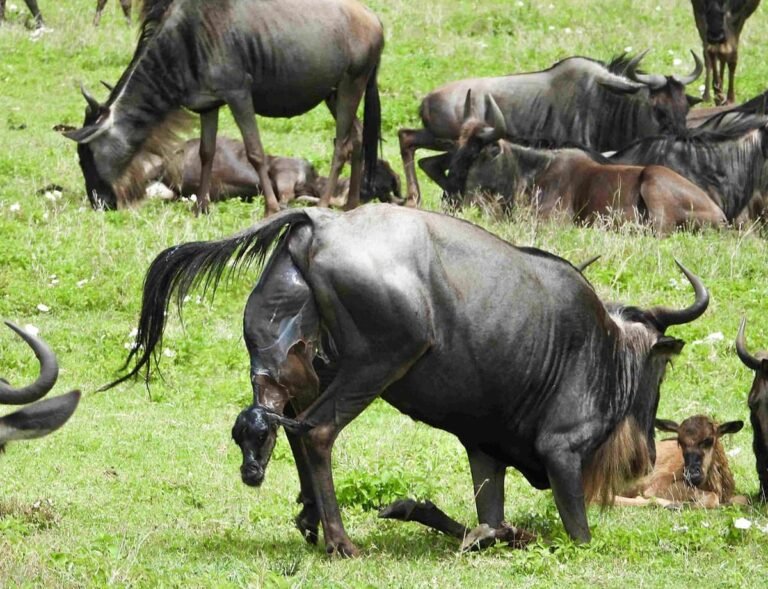
Serengeti Great Migration Safari During AFCON 2027
Mwongozo wa kina kwa safari ya Serengeti Great Migration wakati wa AFCON 2027, ukilenga kuelewa maeneo, kipindi cha mwendo wa mnyama, na mapendekezo ya mipango ya kiutendaji.
View package details
Four Day Serengeti na Ngorongoro Safari During AFCON 2027
Mwongozo wa safari ya siku 4 kwenye Serengeti na Ngorongoro wakati AFCON 2027; jinsi ya kupanga, nini cha kujali, na jinsi ya kuandaa,”
View package detailsThree Day Serengeti Safari During AFCON 2027
Mwongozo wa kiutendaji kwa safari ya siku tatu ya Serengeti wakati AFCON 2027, ukijumuisha mwelekeo wa maeneo, ratiba ya siku, na ushauri wa ubashiri wa kupanga pamoja na jinsi ya...
View package details
Afcon Mount Kilimanjaro And Serengeti Package
AFCON 2027 Mount Kilimanjaro and Serengeti Package.
View package details
Dec 24, – 3 Day Christmas Serengeti And Ngorongoro Group Safari
Dec 24, 2026 – 3 Day Christmas Serengeti and Ngorongoro Group Safari.
View package details
Nov 23, – 3 Day Serengeti And Ngorongoro Safari From Zanzibar
Nov 23, 2026 – 3 Day Serengeti and Ngorongoro Safari from Zanzibar.
View package details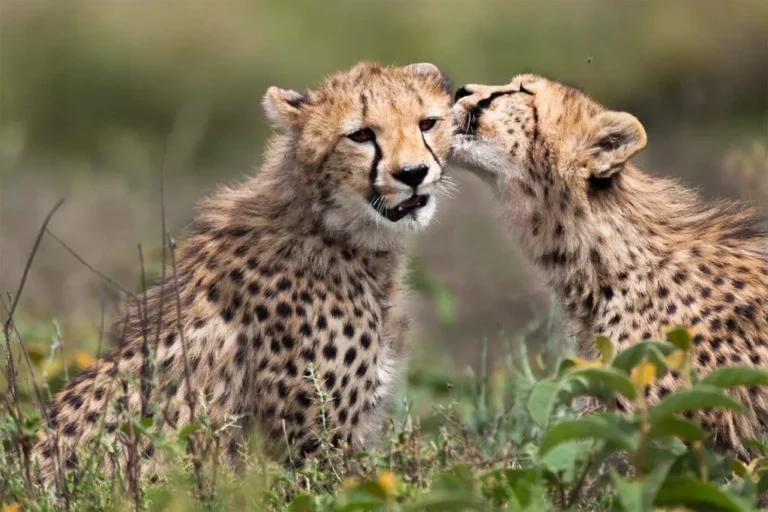
Dec 31, : New Year’s Eve Serengeti Group Safari Planning Guide
This guide provides essential planning details for a group safari trip to the Serengeti for New Year's Eve 2026, covering logistics, seasonal highlights, and what to expect.
View package details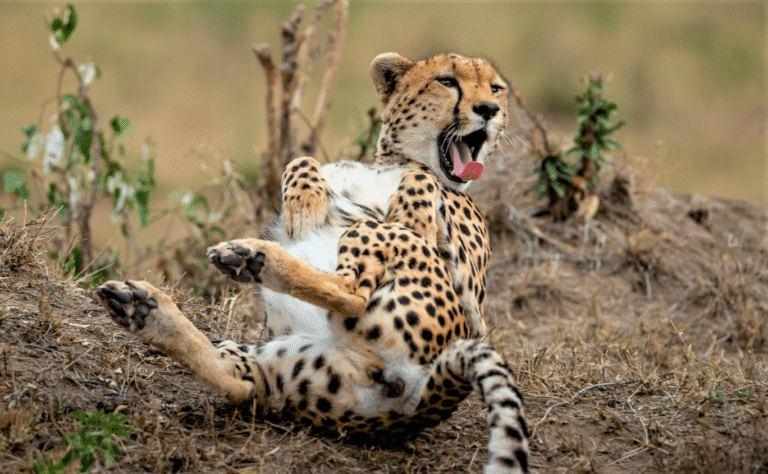
Dec 29, – 6 Day Ndutu, Serengeti And Ngorongoro Group Safari 2026
A detailed guide to our 6-day group safari departure on December 29, 2026, focusing on the Ndutu plains, the Serengeti, and the Ngorongoro Crater.
View package details8 Day Serengeti And Ngorongoro Group Safari – December 16, 2026
Planning your December 2026 Tanzanian adventure? Our 8-day group safari offers a deep, unhurried exploration of the Serengeti and Ngorongoro Crater.
View package detailsNo related package matches those filters. Clear one or more filters to see the other topic-matched options.