
Finding the cheapest Serengeti group safari is less about finding a single ‘lowest price’ and more about making strategic decisions regarding duration, travel timing, and what exactly is included in the package. As a practical local specialist, I can tell you that the most economical way to experience the Serengeti—and the vast majority of Tanzania’s best wildlife—is by joining a well-organized, shared group safari that strategically balances park time with ground travel efficiency.
If your primary goal is to see the iconic plains, the big cats, and the massive herds without breaking the bank, you need to look beyond the glossy brochure photos and focus on the logistics that drive the price down. The cheapest options typically involve shorter itineraries, utilizing shared transportation and lodging, and often strategically avoiding the absolute peak season months.
The Core Budget Strategy: The most affordable Serengeti group safaris usually fall into the 3 to 5-day range. These shorter trips often prioritize the main viewing areas of the Serengeti and sometimes include a quick stop in Ngorongoro Crater for maximum impact, while omitting longer, more remote excursions. When seeking the absolute best value, always ask for a detailed breakdown of inclusions, especially regarding park fees and accommodation standards.
Understanding What Truly Drives the Cost of a Serengeti Safari
Before diving into specific itinerary types, it’s vital to understand the factors that make one safari package significantly more expensive than another. Serengeti safaris are high-value experiences, and the cost is determined by a confluence of variables, not just the initial quoted price.
1. The Length of the Trip (Duration)
The most obvious factor is duration. A 3-day safari will naturally cost less than an 8-day circuit, but it is crucial to weigh the cost against the experience. A shorter trip means less time in the park, which can limit your chances of seeing specific behaviors or wildlife populations. A slightly longer trip (e.g., 5 days versus 3) might offer a better return on investment if those extra days allow you to visit different migration zones or have more flexible game drive times.
2. Seasonality and Timing
Timing is perhaps the most powerful lever for budget travelers. The absolute peak season (typically July through October, coinciding with the Great Migration’s major movements) commands the highest prices due to high demand and operational costs. Conversely, the ‘shoulder seasons’—such as late January/February or May/early June—often offer significantly reduced rates. While the wildlife is still magnificent, the absolute concentration of herds might be less predictable than in the high season. This is a trade-off: you sacrifice peak concentration for lower costs and sometimes fewer crowds.
3. Accommodation Standard (Tented Camp vs. Lodge)
Budget safaris almost universally rely on tented camps or mid-range lodges. These are comfortable, private, and designed for the safari experience, but they are not five-star luxury resorts. The lower the lodging standard, the lower the overall price point. If the quote mentions “basic accommodation” or “tented camp,” it generally means comfortable but simple, which is ideal for a budget-conscious traveler looking to spend more on game drives and less on plush amenities.
4. Group Size and Logistics
This is the definition of a group safari. By joining a group, you benefit from shared costs for vehicles, guides, and drivers. Private safaris, while offering unparalleled flexibility, are inherently much more expensive because you are paying for the entire operation solely for your party. When researching the cheapest options, ensure the operator clearly states it is a group departure. This confirms shared logistics.
Practical Tip for Budgeting: Always ask what is included in the quoted price. Some low-cost quotes may exclude park entry fees, fuel surcharges, or even transfers, which can dramatically inflate the final bill. A comprehensive quote should clearly itemize everything.
Comparing Budget Safari Formats: Short vs. Extended Value
When looking at the various options available in the Tanzanian circuit, you are usually choosing between a quick, high-impact trip or a slightly more relaxed, geographically broader experience. Here is a comparison guide to help you decide which format aligns best with your budget and travel goals.
| Safari Type | Typical Duration | Cost Profile | Best Suited For |
|---|---|---|---|
| Short Serengeti Focus (3-4 Days) | 3-4 Days | Lowest Budget Tier | Travelers with limited time or a strict, minimal budget. High focus on core Serengeti action. |
| Mid-Range Circuit (5-6 Days) | 5-6 Days | Optimal Value Tier | Travelers who want to see the Serengeti and Ngorongoro, plus another park (e.g., Tarangire) without excessive travel time. |
| Extended Northern Circuit (7+ Days) | 7+ Days | Higher Budget Tier | Travelers prioritizing deep exploration, more diverse landscapes, and less rushing between parks. |
Deep Dive: The Practicalities of a Budget Group Safari
A budget group safari requires certain practical compromises and expectations. Knowing these details beforehand prevents disappointment and allows you to book with confidence.
The Group Joining Process Explained
When you book a group safari, you are joining a pre-set itinerary with other travelers. The joining process is usually straightforward: you pay for your seat, and the tour operator manages the logistics of meeting the group at the agreed-upon arrival point (often Arusha or Kilimanjaro International Airport). The group size can vary, but budget tours often accommodate groups ranging from 4 to 12 people, depending on vehicle capacity. Always confirm the typical group size with the operator, as this affects the social dynamic of the trip.
What to Expect in the Vehicle and Game Drives
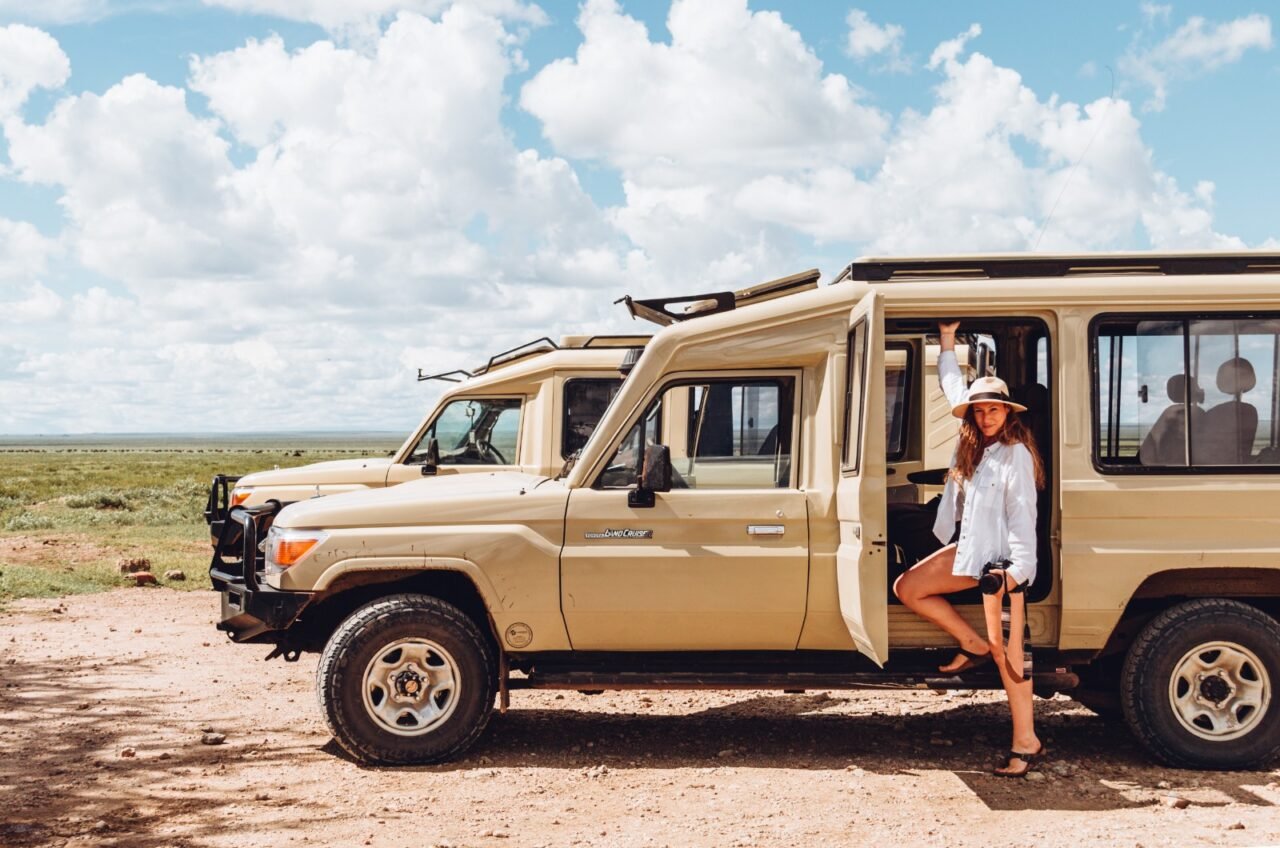
The standard vehicle is usually a 4×4 safari jeep. For budget group tours, these are reliable, functional vehicles. You will spend a significant amount of time in the vehicle, which is part of the experience. Guides are professional and highly experienced, but they are focused on managing the group and ensuring the schedule is met. The game drives are timed to maximize viewing opportunities, usually starting early morning and ending late afternoon.
Accommodation Reality Check
On a budget, your accommodations will likely be functional and clean. They will provide the necessary comforts—a comfortable bed, en-suite bathroom, and a place to sleep—but they will not offer the lavish amenities of a high-end luxury lodge. Tented camps provide the ‘safari feel’ while keeping costs manageable. This is a trade-off: you gain the authentic wildlife experience at a lower price point, accepting a more rustic setting in exchange.
Before You Book: When you inquire about the cheapest Serengeti group safari, specify your travel window (e.g., “October 2027”) and your maximum acceptable budget range. This allows the tour operator to provide you with accurate, current options rather than generic price points. You can start your detailed inquiry by contacting Climb 4 Africa via their main site or through their direct contact lines: WhatsApp +255 747 477 898 or Email climb4africa@gmail.com.
Optimizing Your Budget: Smart Planning Decisions
To truly maximize your value when seeking the cheapest Serengeti group safari, your planning must be meticulous. Think of yourself as a logistics manager, balancing desires against the realities of cost.
The Importance of Park Fees vs. Tour Cost
It is critical to distinguish between the cost of the safari package (transport, guide, lodging) and the park fees (Serengeti National Park entrance fees, Ngorongoro Crater fees). These fees are mandatory government charges and are substantial. Many budget quotes may present a lower tour price, but if they exclude park fees, the total cost will be significantly higher. Always confirm whether the quoted price is all-inclusive, meaning it covers the safari operator’s costs AND the required entry permits for all parks visited.
The Power of Shorter Seasons (The ‘Off-Season’ Advantage)
While the Great Migration is spectacular, the absolute highest prices coincide with its most concentrated movements. If you are flexible, targeting the low or shoulder season can save you substantial money. For example, a trip in the wet season (March to May) might be cheaper, though you must be prepared for possible rain and slightly more challenging ground conditions. If you prefer drier conditions, look at the periods immediately following the peak migration movements.
Logistics Trade-Offs: Flying vs. Driving
A huge cost determinant is how you get around. The cheapest safaris rely on ground transfers, driving between parks. This is the most budget-friendly way. If you opt for a fly-in option (like flying into Serengeti), you are immediately adding significant cost due to internal flights. For a budget-conscious traveler, ground transport is the clear winner.
A Look at Sample Budget Circuit Options (Conceptual Comparison)
Since specific prices and availability change daily, I cannot provide a confirmed price list. However, I can outline the common types of budget group safaris available and what each generally entails, allowing you to compare the structure of the trips. These examples reflect typical operational structures, and you must request a live quote for accurate planning.
What a 3-Day Budget Serengeti Trip Might Look Like:
- Focus: Intensive wildlife viewing in the main Serengeti plains.
- Logistics: Arrive in Arusha, transfer to Serengeti, 2-3 nights in a mid-range tented camp, one major game drive per day.
- Trade-off: Very fast pace; limited park diversity.
What a 6-Day Budget Northern Circuit Trip Might Look Like:
- Focus: Broader view—Serengeti, Ngorongoro Crater, and often Tarangire or Manyara.
- Logistics: Includes more driving days and more varied lodging experiences, allowing for deeper exploration outside the main Serengeti plains.
- Trade-off: Longer overall time commitment, but offers better value by diversifying the wildlife viewing experience.
For travelers who are serious about maximizing their experience while adhering to a strict budget, the 5-to-6-day mid-range circuit often provides the best balance. It gives you enough time to acclimatize to the pace, see the diversity of the Northern Circuit, and enjoy the Serengeti without the extreme financial outlay of a full 10-day expedition.
Beyond the Price Tag: What Makes a ‘Good’ Budget Safari?
The danger of chasing the absolute lowest price is booking a trip that is cheap for the wrong reasons—poor logistics, subpar guides, or hidden fees. A good budget safari is one that provides reliable service and genuine value.
Guide Quality and Local Expertise
The guide is arguably the most important person on your safari. A high-quality guide will not only drive the vehicle but will also provide detailed knowledge of the ecosystem, animal behavior, and local culture. When vetting a budget operator, ask specifically about the qualification and experience level of the assigned safari guide. A competent guide can turn a simple game drive into an educational, memorable experience, regardless of the accommodation standard.
Operator Reliability and Local Support
Choosing an established operator like Climb 4 Africa means you benefit from local knowledge and operational stability. A reliable company handles the complex logistics of park permits, vehicle maintenance, and emergency planning—all of which are crucial in the often remote Serengeti environment. When you contact them, providing your specific travel needs and budget constraints upfront allows them to tailor a package that meets your criteria without compromising safety or essential service quality.
The Importance of Flexibility and Booking Windows
If you are planning for 2027, remember that the ideal booking window is often 6 to 12 months in advance, especially for group departures, as this allows the operator to secure the best availability and group sizes. Being too last-minute, even for a budget trip, can lead to inflated prices or less desirable group arrangements.
Ultimately, the cheapest Serengeti group safari is found through disciplined planning, an understanding of what constitutes value in the safari experience, and by making strategic compromises on duration and accommodation while never compromising on the core quality of the guiding and logistics. We encourage you to reach out to a specialist to review your exact requirements. To get accurate, up-to-date quotes for the 2027 season, please contact Climb 4 Africa via WhatsApp at +255 747 477 898 or by email at climb4africa@gmail.com. They can help you structure the perfect budget adventure.
The Hidden Costs of ‘Budget’ Safaris: What’s Often Left Out of the Quote
While the advertised price of a budget group safari may seem attractively low, savvy travelers know that the true cost is revealed not just in the headline number, but in the often-unspoken inclusions and exclusions. A major gap in understanding for many budget-conscious safari seekers is the distinction between what’s covered by the tour operator and what remains the traveler’s responsibility—especially when it comes to essential travel components like international flights, travel insurance, visas, and tipping. These are not part of the safari package, even if the operator’s quote includes park fees and basic lodging.
For example, a 5-day group safari priced at $850 per person may appear to offer exceptional value, but this figure typically excludes round-trip international airfare (which can easily exceed $1,200–$1,800 depending on origin), a Tanzania visa (currently $50 for most nationalities), and comprehensive travel insurance (recommended at $120–$200 for a 7-day trip). Additionally, many operators do not include tips for guides and drivers, which are customary in East Africa and typically range from $10–$20 per person per day. If you don’t budget for these, your total out-of-pocket cost can rise by 30–50% above the quoted rate.
Another frequently overlooked expense is the cost of pre- and post-safari accommodation in Arusha. If you arrive a day early or need to stay overnight after the safari ends, budget hotels start at $40–$60 per night. For a group safari departing from Arusha, you may be expected to book this separately, even if the tour operator mentions a ‘pickup from the airport’—this pickup is usually only for the official start date of the tour, not for arrival days outside the itinerary.
Moreover, some budget operators may offer a seemingly low daily rate but charge extra for essential services like bottled water, laundry, or even the use of a personal flashlight during night drives. While these are small items, they add up over a 5-day trip. Always request a fully transparent breakdown of what’s included and what’s not—ideally in writing—before confirming your booking. A reputable operator will provide this clearly, without hiding behind vague phrases like ‘all meals’ or ‘all park fees’.
Finally, consider the cost of flexibility. If you need to change your travel dates due to personal reasons, many budget group safaris have strict no-refund or no-change policies. This means you could lose your entire payment if you’re unable to join the departure. While this isn’t a direct cost, it represents a financial risk that’s often not discussed in promotional materials. The cheapest safari isn’t always the safest bet when it comes to travel uncertainty.
Related Guides and Packages
Check Availability for I Am On A Budget—What Is The Cheapest Serengeti Group Safari?
Ready to compare dates, prices, and the best option for your group? Send the package name and travel month so the team can reply with a clear quote, availability, and what is included.
Nov 6, – 3 Day Serengeti And Ngorongoro Budget Group Safari 2026
A detailed look at our November 6, 2026 group departure for a 3-day Serengeti and Ngorongoro safari, including planning tips and route logistics.
View package details
Dec 31, : New Year’s Eve Serengeti Group Safari Planning Guide
This guide provides essential planning details for a group safari trip to the Serengeti for New Year's Eve 2026, covering logistics, seasonal highlights, and what to expect.
View package details
Dec 29, – 6 Day Ndutu, Serengeti And Ngorongoro Group Safari 2026
A detailed guide to our 6-day group safari departure on December 29, 2026, focusing on the Ndutu plains, the Serengeti, and the Ngorongoro Crater.
View package details8 Day Serengeti And Ngorongoro Group Safari – December 16, 2026
Planning your December 2026 Tanzanian adventure? Our 8-day group safari offers a deep, unhurried exploration of the Serengeti and Ngorongoro Crater.
View package detailsDec 12, – 6 Day Serengeti, Ngorongoro, Tarangire And Manyara Group Safari 2026
Dec 12, 2026 – 6 Day Serengeti, Ngorongoro, Tarangire and Manyara Group Safari.
View package detailsDec 8, – 4 Day Tarangire, Serengeti And Ngorongoro Group Safari 2026
A detailed guide to our December 8, 2026 group joining safari, covering the itinerary, logistics, and what to expect during this 4-day wildlife adventure in Tanzania.
View package detailsNov 28, – 3 Day Fly-In Serengeti Group Safari From Zanzibar 2026
A detailed look at the 3-day fly-in Serengeti group safari departing November 28, 2026, including logistics, itinerary highlights, and travel tips for your Tanzania adventure.
View package detailsOct 27, – 3 Day Serengeti And Ngorongoro Group Safari 2026
Planning for a short, high-impact wildlife adventure? Our October 27, 2026, group safari offers a direct route through the Serengeti and Ngorongoro Crater, perfect for travelers with...
View package detailsNov 18, – 7 Day Serengeti And Ngorongoro Group Joining Safari 2026
A detailed guide to the 7-day group joining safari departing November 18, 2026, covering Serengeti, Ngorongoro, and the logistical advantages of shared travel.
View package detailsNov 10, – 4 Day Serengeti, Ngorongoro And Tarangire Group Safari 2026
Join our group safari on November 10, 2026, for an intensive 4-day tour of Tanzania's Northern Circuit. Perfect for those with limited time who want to experience the best of the Serengeti...
View package detailsOct 31, – 6 Day Serengeti, Ngorongoro, Tarangire And Manyara Group Safari 2026
A detailed look at the 6-day Northern Circuit group safari departing October 31, 2026, covering Tarangire, Manyara, Serengeti, and Ngorongoro Crater.
View package detailsOct 29, – 4 Day Tarangire, Serengeti And Ngorongoro Group Safari 2026
Plan your October 2026 Tanzania adventure. This 4-day group safari covers Tarangire, Serengeti, and Ngorongoro Crater with reliable local support.
View package detailsNo related package matches those filters. Clear one or more filters to see the other topic-matched options.



