
The Dec 13, 2026 – 2 Day Nyerere Fly-In Group Safari from Zanzibar is a curated, efficient travel package designed for travelers who want to experience the raw wilderness of Nyerere National Park (formerly Selous Game Reserve) without the long, arduous travel times associated with road safaris. By opting for a flight from Zanzibar, you bypass the coastal congestion and arrive directly in the heart of one of Africa’s largest protected areas. This specific departure is structured as a group-joining trip, which significantly optimizes costs for vehicles, park entry, and local logistics, making it an ideal choice for solo travelers, couples, or small groups looking for a high-value, short-duration safari experience. To secure your seat for this December date, we recommend contacting our team directly to confirm availability and current group size.
Why Choose a Fly-In Safari to Nyerere?
When you are based in Zanzibar, time is your most valuable asset. A road-based safari to Nyerere would require a long ferry ride to Dar es Salaam followed by a grueling drive of six to eight hours. By selecting a fly-in package, you trade travel fatigue for convenience. The flight from Zanzibar to the Nyerere airstrip takes approximately 45 to 60 minutes, delivering you into the bush while the day is still young.
Nyerere National Park offers a distinct advantage over Northern Circuit parks like Serengeti or Ngorongoro: it is less crowded and offers a more intimate encounter with wildlife. The park is defined by the Rufiji River, which serves as a lifeline for hippos, crocodiles, and the massive herds of elephants that define the region. For a 2-day itinerary, flying allows you to hit the ground running with a full afternoon game drive on your arrival day, rather than spending the entire day in transit.
Your 2-Day Nyerere Itinerary Breakdown
This group safari is paced to maximize your exposure to wildlife while respecting the logistics of regional light aircraft travel. While exact timings can shift slightly due to airline schedules and local conditions, the structure remains consistent.
Day 1: Arrival and The First Safari Experience
Your journey begins with a morning flight from Zanzibar’s Kisauni Airport. As you touch down in the Nyerere bush, you will be met by your professional guide. After a short transfer to your lodge or camp, you will settle in for lunch. The afternoon is dedicated to a game drive. This is when the park comes alive as the heat of the day begins to wane. You are likely to spot lions, giraffes, and impalas navigating the savannah. Because you have arrived by air, you are already deep within the ecosystem, saving you hours of travel time.
Day 2: River Safaris and Departure
The second day focuses on the unique water-based activities that make Nyerere famous. You will head out for an early morning game drive to catch predators while they are still active. Following this, you will experience a boat safari on the Rufiji River. This is a highlight of the Nyerere experience, allowing you to glide past pods of hippos and basking crocodiles at close range without disturbing them. After lunch, you will head to the airstrip for your flight back to Zanzibar, arriving in time for a late afternoon relaxation on the beach.
The Advantages of a Group Joining Safari
The 2-Day Nyerere Fly-In Group Safari is not just a tour; it is a shared experience. Joining a group departure on December 13th offers several practical benefits:
- Cost Efficiency: Safari vehicles and park entry fees are expensive. By sharing these costs with other travelers, you access the same high-quality vehicle and guide services at a fraction of the price of a private safari.
- Camaraderie: You will be sharing the experience with like-minded travelers. It is common for groups to share stories from the day over dinner at the camp, creating a social environment that solo travelers often appreciate.
- Verified Logistics: When you join a group, the logistics are pre-arranged. You do not need to worry about coordinating flights, drivers, or park permits—our team at Climb 4 Africa handles the entire sequence.
If you prefer a more private experience, we also offer tailor-made private fly-in safaris, but for the specific date of December 13, the group option provides the best balance of value and social engagement.
Planning for Your December 2026 Trip
December is a dynamic time in Tanzania. It often falls within the “short rains” season, which means the landscape is lush and green, and birdlife is particularly active. However, this also means that wildlife can be a bit more dispersed as water is readily available throughout the park. Your guide will be essential during this time; they know the hidden waterholes and movement patterns that allow for consistent wildlife sightings even when the bush is thick.
Packing for a 2-day trip requires precision. Since you are flying, baggage weight limits on light aircraft are strict (usually 15kg in soft-sided bags). Focus on lightweight, neutral-colored clothing, a good pair of binoculars, and a high-quality camera. We provide all the necessary gear for the game drives, but your personal comfort items should be kept to a minimum.
Booking Your Spot
To join the group departing on December 13, 2026, the process is straightforward but requires advance planning. Because we coordinate flight seats and lodge bookings, we cannot hold spots indefinitely. The steps are simple:
- Inquiry: Email us at info@climb-4-africa.com or message us on WhatsApp at +255 747 477 898 with the number of travelers in your party.
- Confirmation: We will confirm the availability of seats for the December 13th departure and provide a clear quote for the package, which includes flights, park fees, accommodation, and meals.
- Deposit: Once you are ready, a deposit secures your place in the group.
- Pre-Departure: We will send you a detailed briefing document, including flight numbers, meeting points in Zanzibar, and what to expect on the day of travel.
If this date does not fit your schedule, explore our other group departure options, which span various dates and destinations across Tanzania. Whether you are looking for a 2-day Mikumi experience or a longer 3-day Serengeti excursion, we have a network of shared trips designed to fit different travel styles.
Frequently Asked Questions
Is the flight from Zanzibar included in the price?
Yes, our fly-in packages are designed to be all-inclusive from your departure point in Zanzibar. This includes the return flights to the Nyerere airstrip, park entry fees, all game drives, accommodation, and meals as specified in your itinerary.
What is the group size for this safari?
Group sizes vary depending on the bookings, but we keep them small to ensure a high-quality experience. Typically, you will be in a 4×4 safari vehicle with a maximum of 6 passengers, ensuring everyone has a window seat for optimal viewing.
What if the weather is bad in December?
December is a beautiful time to visit, but the weather can be unpredictable. While rain is possible, it usually comes in short, refreshing bursts. Our safari vehicles are equipped to handle various road conditions, and we prioritize routes that are accessible throughout the season.
Can I book this as a solo traveler?
Absolutely. Group joining safaris are perfect for solo travelers. You get the benefit of a shared vehicle and a social atmosphere without the high cost of a private safari. Contact us early to ensure we can pair you with a group.
What should I pack for a 2-day fly-in trip?
Keep it light. Bring a soft-sided bag, comfortable neutral-colored clothing for game drives, a light jacket for early mornings, sunscreen, a hat, and your camera gear. We provide water and meals, but you may want to bring personal snacks or specific toiletries.
Preparing for the Nyerere Bush Experience
Transitioning from the white sands of Zanzibar to the interior of Nyerere National Park involves more than just a change in geography; it requires a mental shift in expectations. While Zanzibar is defined by its relaxed, social beach culture, Nyerere is defined by the rhythm of the wilderness. Understanding this environment before you land is crucial for a comfortable and rewarding 2-day experience.
Upon arrival at the bush airstrip, you will notice the immediate absence of airport infrastructure. There are no luggage carousels, long terminals, or bustling crowds. Instead, your safari guide will meet you directly at the aircraft. This intimacy is the hallmark of the fly-in experience. Your luggage will be loaded directly into a 4×4 safari vehicle, and you will begin your immersion into the park immediately. It is vital to remember that in the bush, the vehicle is your primary sanctuary; while you will have opportunities to stretch your legs, you must remain within the vehicle during game drives to ensure both your safety and the comfort of the wildlife.
Regarding accommodation, most fly-in packages utilize luxury tented camps rather than traditional concrete hotels. These structures offer a unique “glamping” experience where you are separated from the sights and sounds of the bush only by canvas walls. This design is intentional; it allows you to hear the night calls of lions, hyenas, or hippos, which is an integral part of the Nyerere experience. These camps are fully serviced with en-suite facilities, hot showers, and comfortable beds, but they operate on a different power schedule—often relying on solar power or generators—so be prepared to charge your devices when the camp generator is running.
Wildlife Dynamics During the December Season
December in Nyerere sits at the threshold of the “emerald season.” For travelers, this creates a distinct viewing experience compared to the peak dry months of July or August. The landscape is transforming; the arrival of the short rains turns the savannah from dusty gold to lush, vibrant green. This transformation impacts wildlife viewing in two specific ways.
First, the density of the vegetation means that wildlife can be more elusive. Animals are not as reliant on specific waterholes because water is more widely available throughout the park, which encourages them to disperse. However, this is balanced by the incredible activity of the birdlife. December is a prime time for migratory birds, and the Rufiji River ecosystem becomes a hive of activity. Second, the river remains the primary focal point. Because the boat safari is a core component of your 2-day itinerary, you are well-positioned to see the park’s giants—crocodiles and hippos—who remain tethered to the river regardless of the season. Patience is your greatest tool; your guide will prioritize “slow tracking,” allowing you to observe the subtle behaviors of the bush rather than rushing between sightings. By setting your expectations for an observational, in-depth experience rather than a frantic checklist of big cats, you will find the December bush environment deeply rewarding.
Navigating the Bush Flight Experience
Flying into Nyerere National Park is as much a part of the safari experience as the game drives themselves. Unlike commercial travel that connects large international hubs, your transit from Zanzibar involves light aircraft—typically bush planes like the Cessna Caravan. These flights are designed for efficiency and scenery, offering a low-altitude perspective of the coastline and the sprawling Rufiji basin that you simply cannot get from a commercial jet. Because these aircraft are smaller, the flight is intimate; you will likely see the pilot’s controls and have an unobstructed view of the changing landscape as the turquoise Indian Ocean fades into the deep, earthy greens and browns of the southern Tanzanian interior.
The logistics of these flights require specific preparation that differs from standard air travel. Most importantly, baggage regulations are strictly enforced. Because the cargo compartments in light aircraft are shaped to fit the fuselage, hard-shell suitcases are generally prohibited. You must use soft-sided duffel bags that can be compressed to fit into the hold. Attempting to bring a rigid suitcase can result in it being left behind at the Zanzibar terminal, as it physically will not fit through the cargo door. Furthermore, weight limits are usually capped at 15kg (33 lbs) per person, including your camera gear. Given that your 2-day trip is short, packing light is not just a suggestion—it is a necessity for the flight’s weight and balance safety requirements.
Upon arrival, the “bush terminal” experience is entirely different from what you might expect. There are no security queues, boarding gates, or baggage carousels. Instead, the plane lands on a dirt or gravel airstrip carved directly into the savannah. As the engines power down, you will step directly onto the ground, where your guide will be waiting by a 4×4 vehicle just a few meters from the runway. This transition from the air to the wild is instantaneous. It is common to see wildlife near the airstrip upon landing, so keep your camera accessible but stowed safely until the plane has come to a complete stop. Ensure you have your passport and identification documents easily accessible in your daypack, as you may be required to present them to park authorities upon arrival or departure.
Understanding Your Wilderness Accommodation
For a 2-day fly-in safari, the accommodation you choose—or that is allocated to your group—fundamentally shapes your experience of Nyerere National Park. In this region, you will typically encounter two primary styles of lodging: permanent tented camps and traditional safari lodges. It is important to understand that in the context of the Nyerere bush, a ‘tented camp’ is rarely a ground-level tent you pitch yourself. Instead, these are usually semi-permanent structures featuring canvas walls and roofs, often set on raised wooden platforms. These accommodations are designed to offer an in-depth connection to the environment; you will hear the sounds of the bush—the distant whoop of hyenas or the rustle of leaves—much more clearly than in a brick-and-mortar lodge. Most of these camps provide en-suite bathrooms with hot running water and flush toilets, ensuring that you do not sacrifice basic comfort for the sake of location.
Because you are in a remote, protected area, power management is a critical operational reality. Many bush camps operate on solar power or a combination of solar and generator backup. While you will have electricity for lights and basic charging, do not expect the same 24-hour, high-voltage supply you might find in a city hotel. You should bring a power bank if you have multiple camera batteries or devices that require constant power, as electricity may be switched off during the night or during the heat of the day to conserve energy. Furthermore, connectivity is minimal. While some camps offer limited Wi-Fi in the main lounge area, the primary goal of this trip is to disconnect from the digital world. Inform your family or workplace that you will be largely unreachable for these 48 hours, allowing you to fully engage with the rhythm of the park.
Group Safari Etiquette: Maximizing the Shared Experience
Since your December 13th trip is a group-joining safari, the quality of your experience relies partly on the social dynamics within your 4×4 vehicle. You will be sharing space with other travelers, and adhering to simple safari etiquette ensures that everyone has an equal opportunity to enjoy the sightings and the environment. The most important rule in the bush is the ‘whisper policy’ when near wildlife. Engines are often turned off to allow for better photography and observation; during these moments, loud conversations can disturb the animals and prevent others from hearing the guide’s insights or the natural sounds of the bush. Keep your voice low, and avoid sudden movements, which can spook nervous wildlife like impala or birds.
Vehicle seating is another area where fairness is key. In a group of six, not everyone can have the ‘best’ seat at the same time. While it is standard practice to rotate seating positions after each major stop or activity, this should be done quickly and without fuss. If you are a photographer with bulky equipment, be mindful of your neighbors’ space. Keep your gear organized in a small bag at your feet rather than spreading it across the bench seat. Finally, respect the guide’s authority regarding the vehicle’s position. Guides are trained to place the vehicle in the best spot for viewing while adhering to park regulations that prohibit off-roading in sensitive areas or getting too close to predators. If the guide advises that a vehicle must move or maintain a certain distance, trust their judgment; they are balancing your viewing experience with the long-term protection of the park’s fragile ecosystem.
Health, Safety, and Wilderness Awareness in Nyerere
While Nyerere National Park is a premier wildlife destination, it is also a remote, untamed ecosystem. Unlike a city holiday, your safety and comfort here depend on your adherence to specific health and behavioral guidelines. Because your trip is a short, 48-hour engagement, maintaining your well-being is critical to ensuring you do not lose valuable time to preventable issues.
Managing Tsetse Flies and Insect Protection
Nyerere is home to tsetse flies, which are more than just a nuisance; their bite is sharp and can be painful. Unlike mosquitoes, which are primarily active at dawn and dusk, tsetse flies are active during the day. They are notably attracted to dark colors, particularly dark blue and black. For your 2-day safari, pack clothing in light, neutral tones—khaki, beige, or olive green—which are significantly less attractive to these insects. While insect repellent is standard, it is often less effective against tsetse flies than it is against mosquitoes, making your choice of clothing your primary line of defense. Keep your arms and legs covered while in the vehicle, particularly when driving through wooded areas where these flies tend to congregate.
Health Protocols and Sun Safety
The Tanzanian sun is intense, especially when reflected off the water during river safaris or game drives in open-sided vehicles. High-factor sunscreen, a wide-brimmed hat, and polarized sunglasses are essential to prevent heat exhaustion and severe sunburn, which can quickly ruin a short trip. Regarding health, malaria prophylaxis is strongly recommended for travel to this region. Consult your doctor or a travel clinic at least four to six weeks before your December 13th departure to discuss the appropriate medication regimen. Furthermore, while the lodges and camps included in this package provide safe, filtered drinking water, never drink water directly from taps or streams. Stick to bottled water or purified water provided by your lodge, which is standard practice to prevent gastrointestinal issues that could otherwise derail your short 48-hour excursion.
Wildlife Interaction and Camp Safety
Safety protocols inside the park are designed to keep both guests and wildlife undisturbed. During game drives, you must remain inside the vehicle at all times unless the guide explicitly states that you are in a safe, designated area. If you are participating in a walking safari—a popular activity in Nyerere—you will be accompanied by an armed park ranger. Follow their instructions implicitly. If you are staying in a tented camp, be aware that these are not typically fenced. It is common to hear wildlife moving near your tent at night, from hippos grazing to the distant call of hyenas. Do not walk outside your tent after dark without a camp escort; most lodges provide an ‘askari’ or guard who will accompany you to and from the dining area. Always keep your tent zipped shut to prevent insects or opportunistic small animals from entering your living space.
Managing Luggage and Airport Logistics: The Zanzibar-Nyerere Connection
When planning a short, two-day excursion from Zanzibar to Nyerere, the logistical preparation regarding your belongings is just as important as your wildlife expectations. Because you are traveling on a light aircraft—typically a Cessna Caravan or similar bush plane—your luggage constraints are significantly tighter than on commercial international flights. These aircraft operate with strict payload limits to ensure safety and balance during takeoff and landing on short, unpaved bush airstrips. Most operators enforce a strict 15-kilogram (approximately 33-pound) weight limit per person, which is inclusive of all carry-on items and camera equipment.
Furthermore, the physical dimensions of your luggage matter. Bush planes feature small, irregularly shaped cargo pods rather than standard overhead bins or deep, rectangular holds. Hard-sided suitcases with rigid frames often cannot fit into these compartments or may damage the aircraft’s interior lining. You must pack your essentials in a soft-sided, flexible duffel bag. This allows the ground crew to manipulate the bag into the aircraft’s cargo hold without damaging the plane or failing to close the cargo hatch securely. If you arrive at the Zanzibar airstrip with a hard-shell suitcase, you may be asked to unpack your items into a different bag or, in extreme cases, leave the bag behind.
For travelers based in Zanzibar, this presents a common logistical question: what happens to the remainder of my luggage? Fortunately, the island’s hospitality industry is well-accustomed to this safari circuit. Nearly all hotels and resorts in Zanzibar offer secure, complimentary luggage storage for guests embarking on short-term safaris. Before your December 13th departure, coordinate with your hotel’s front desk. They will typically tag your main suitcases and place them in a secure, monitored storage room, allowing you to travel light to the bush and return to your belongings immediately upon your arrival back in Zanzibar. Do not attempt to bring your full travel luggage on the bush flight; doing so may result in your bags being offloaded at the airstrip due to weight restrictions, which could leave you without essential items for your two-day stay.
Regarding airport transfers, remember that bush flights operate on a specific schedule that differs from international departures. You will typically be required to check in at the regional terminal at Zanzibar’s Kisauni Airport at least one hour before your flight. Because these are small group departures, the aircraft will not wait for delayed passengers. Ensure your hotel transfer is booked for an early pickup, factoring in potential morning traffic, to guarantee you arrive at the regional terminal with sufficient time to clear the necessary security and manifest checks.
Maximizing Your Time in the Field: Vehicle Dynamics and Terrain
Your two-day Nyerere safari is a high-intensity, short-duration experience. Unlike a week-long safari where you might have days to acclimate to the rhythm of the bush, your 48-hour window requires an immediate transition from the coastal mindset of Zanzibar to the active, observational demands of the Nyerere ecosystem. Understanding how to utilize your safari vehicle and adapt to the specific terrain of this park is essential for turning a standard drive into a high-quality wildlife encounter.
Understanding the 4×4 Safari Vehicle
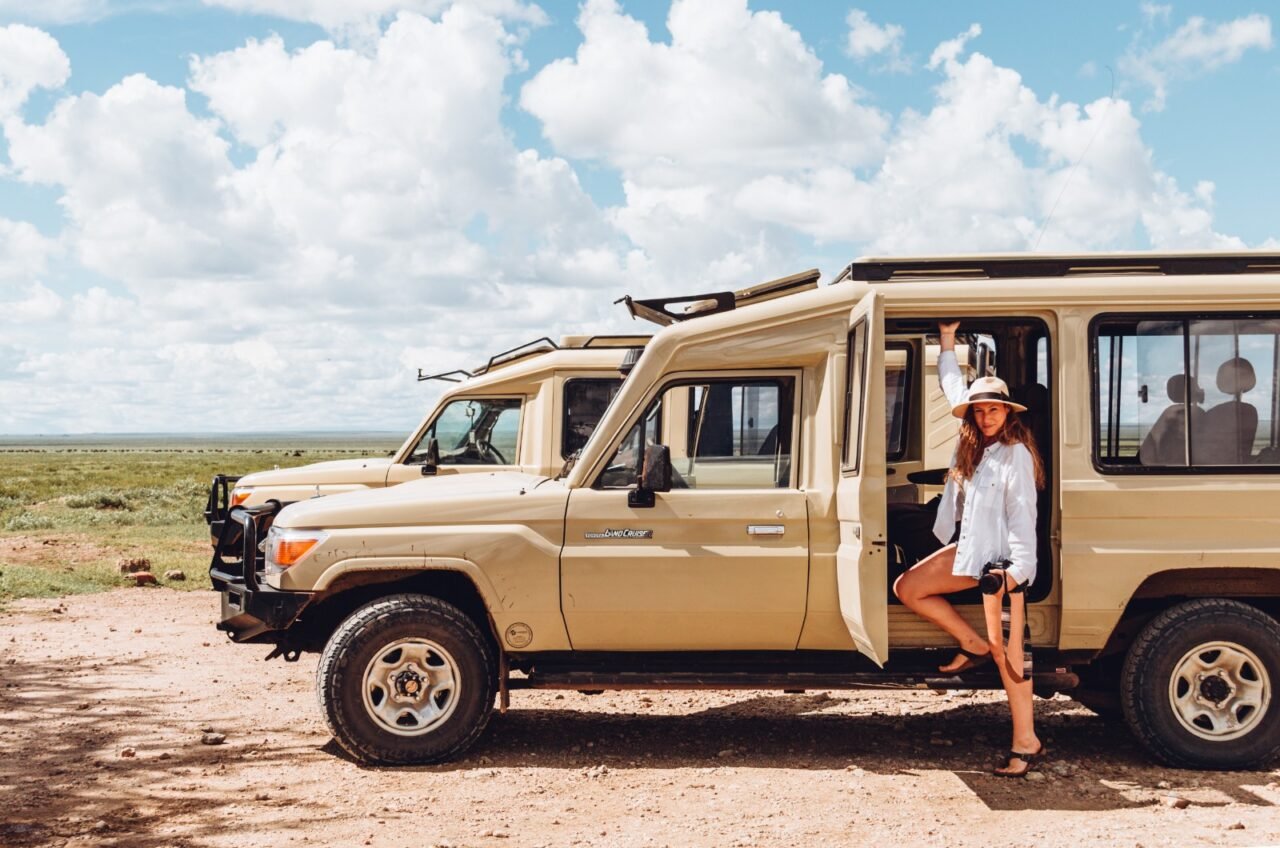
In Nyerere National Park, the standard vehicle for group joining safaris is a modified 4×4, typically a Toyota Land Cruiser, customized for game viewing. These vehicles are distinct from the transport vans you might encounter on the Zanzibar coast. They are generally open-sided with a heavy-duty canvas roof that can be raised or lowered. The design is intentional: it provides an unobstructed 360-degree view, which is critical in a park known for its dense vegetation and varied predator activity.
When you board the vehicle for your first game drive, take a moment to understand the seating arrangement. You will likely be assigned a seat for the duration of the trip to ensure fairness, but every seat in a properly configured safari vehicle offers a different vantage point. The “window” seats are not just for comfort; they are your primary observation stations. If you are seated in the middle row, utilize the open sides to scan the periphery. If you are in the front near the driver, you have the advantage of being the first to hear the engine cut or the guide’s initial commentary on tracks or alarm calls.
Terrain and Visibility: The Nyerere Landscape
Nyerere is not a vast, flat, treeless plain like the Serengeti. It is characterized by expansive Miombo woodlands, riverine forests, and seasonal floodplains. This terrain creates a unique “hide and seek” dynamic for wildlife viewing. Because the vegetation can be denser, animals are often camouflaged by the dappled light and tree cover. This is where your patience as an observer is tested. Do not expect to see wildlife immediately upon leaving the airstrip. The best sightings in Nyerere often come from scanning the edges of the bush where the tree line meets the open road or the riverbanks.
The terrain also influences the vehicle’s movement. You will experience off-road driving in designated areas, but your guide will prioritize established tracks to minimize environmental impact and vehicle wear. When the vehicle stops, it is usually because the guide has spotted something or heard an alarm call—a bird’s frantic chirping or a baboon’s bark. This is the moment to freeze. Sudden movements inside the vehicle or loud whispers can disturb the wildlife, particularly shy predators like leopards or wild dogs, which are prevalent in Nyerere.
Active Spotting Techniques
To maximize your 48 hours, you must become an active participant in the search. A common mistake is to rely solely on the guide to spot everything. While professional guides have trained eyes, they are also managing the vehicle and communicating with other drivers. You can assist by adopting a scanning pattern. Divide your view into sectors: look at the base of the trees for movement, the branches for birds or resting leopards, and the horizon for larger game like elephants or giraffes.
Binoculars are your most important tool. Even if you have a high-end camera with a telephoto lens, keep a pair of binoculars around your neck. They allow for faster, more comfortable scanning of the bush than peering through a camera viewfinder. If you spot something, point it out to your guide using the “clock face” method—for example, “Impala at 2 o’clock, about 50 meters in the shade.” This saves precious seconds of searching time, which is invaluable when wildlife is on the move.
Managing the “Bush Facial” and Comfort
Because the vehicles are open-sided, you will be exposed to the elements. In December, this means a combination of heat, wind, and dust. This is often jokingly referred to as the “bush facial.” While it may feel uncomfortable, embrace it as part of the authentic Nyerere experience. The dust is a byproduct of the dry-to-wet transition, and the wind is a natural relief from the heat. To manage this, ensure your camera gear is protected with a dust cover or a simple cloth when not in use. Keeping your lens cap on between sightings is the single most effective way to prevent dust from damaging your equipment during your two-day excursion.
Ethical Wildlife Photography in a Shared Vehicle
On a 2-day group safari, your photographic success is inextricably linked to the social dynamics of your 4×4. Unlike a private safari where you dictate the stop duration and vehicle positioning, a group departure requires compromise. The most successful photographers in this environment are those who prioritize “shutter discipline” and spatial awareness. Because you are sharing the vehicle’s viewing space, avoid using bulky tripods or monopods, which are cumbersome and can obstruct your fellow travelers. Instead, use a beanbag filled with beans or rice—these are standard, highly effective tools that can be draped over the vehicle’s roll bar or door frame to stabilize your camera, providing a rock-solid platform for telephoto lenses without taking up floor space.
Respecting your seatmates is paramount. If you are using a DSLR or mirrorless camera with a high burst rate, be mindful of the noise and the vibration transferred to the vehicle. If the group stops for a leopard or a pride of lions, resist the urge to “spray and pray” with your shutter. A continuous, rapid-fire clicking can be distracting to others trying to enjoy the silence of the bush. Furthermore, be conscious of your lens. If you have a long lens, ensure you are not blocking the view of the person sitting next to you. If you are seated on the left, focus your shots on the left side of the vehicle, and coordinate with the person on the right to ensure everyone gets a clear line of sight. If you do capture a rare or particularly beautiful shot, offer to share the digital file with your group members; it fosters a collaborative atmosphere that often leads to a more enjoyable trip for everyone.
The Post-Safari Transition: Returning to the Zanzibar Coast
Returning to Zanzibar after 48 hours in Nyerere often produces a distinct psychological “whiplash.” You will move from the high-alert, sensory-rich environment of the bush—where your brain is constantly scanning for movement, listening for alarm calls, and processing the raw intensity of the landscape—back to the slow, rhythmic pace of the island’s coastline. This transition is a tangible experience, and acknowledging it can help you manage the “safari hangover” that many travelers feel upon arrival.
The flight back from the Nyerere airstrip to Zanzibar serves as the perfect decompression chamber. As you ascend, the vast, unbroken Miombo woodlands give way to the turquoise gradient of the Indian Ocean. Use this time to process your memories; the rush of a short, 2-day trip can often leave you feeling like you have seen a month’s worth of life in a few hours. When you land at Kisauni Airport, the humidity and the sound of the ocean will feel different than they did 48 hours prior. You may find yourself instinctively scanning the roadside for wildlife—a phenomenon known as “safari eyes”—which is a natural, temporary result of your brain’s heightened state of awareness. Allow yourself a few hours of quiet upon returning to your beach accommodation. Avoid rushing into a high-energy activity immediately after landing. The physical exertion of the bush, combined with the heat and the early starts, means your body will likely need a period of rest. Hydrate well, as the transition from the arid bush to the coastal humidity can be dehydrating. By the evening, the “bush rhythm” will naturally fade, allowing you to settle back into the island’s relaxed, tide-dependent pace with a renewed appreciation for the contrast between Tanzania’s two most iconic landscapes.
The Logistics of the Departure Window: Managing Your Final Morning
The final morning of your 2-day Nyerere safari is often the most overlooked component of the itinerary, yet it is where the most logistical friction occurs. Many travelers assume that the second day is a full day of activity, but because you are flying back to Zanzibar—a process governed by strict bush-flight schedules—your time in the field on Day 2 is finite and must be managed with precision. Most bush flights operate in the mid-morning or early afternoon to avoid the most intense heat of the day and to align with the return schedules of the light aircraft carriers.
You should anticipate that your final game drive will be a “morning express” session. Unlike the previous day, where the afternoon drive might stretch until sunset, the Day 2 drive is designed to position you closer to the airstrip. Do not be surprised if your guide begins navigating toward the airstrip area well before your flight time. This is not because the safari is over, but because the airstrip itself is located within the park boundaries. The drive to the airstrip is often treated as a final, high-value game drive. Keep your camera accessible and your “safari eyes” sharp; some of the most memorable sightings—such as lions on a morning patrol or wild dogs moving through the Miombo woodlands—frequently occur during this transit phase.
Before leaving your lodge, ensure your “check-out” is complete. This means having your luggage packed and placed at the designated collection point before breakfast. In the rush of a final morning, it is easy to leave chargers or small items in the tent or lodge room. Because you are on a tight schedule, there is rarely time to turn the vehicle around once you have cleared the camp perimeter. Treat your final morning as a “clean exit” strategy: pack, double-check your room, and ensure you have your passport and essential documents in your day bag before you head to the breakfast table.
The Airstrip as a Micro-Safari: Why the Transfer Matters
The airstrip transfer is often dismissed as “dead time” by inexperienced travelers, but seasoned safari-goers recognize it as a unique opportunity. In Nyerere, the airstrips are not fenced-in commercial zones; they are essentially clearings in the bush. This means that the wildlife does not stop at the runway edge. It is not uncommon to see giraffes browsing near the airstrip or baboon troops crossing the gravel runway shortly before or after a plane lands.
When you arrive at the airstrip, you will likely have a short wait—usually 20 to 40 minutes—before your flight arrives. This is the perfect time to “debrief” with your guide. Ask them about the species you missed, clarify the behavior you observed, or simply take a moment to record your final notes in a journal. The airstrip is also the place where you will share final goodbyes with your group members. If you have exchanged contact information for photo sharing, do it here while you are still in the “safari zone.”
Be aware that the flight departure process is informal. When the plane approaches, you will hear it long before you see it. Your pilot will typically perform a low-altitude flyover to ensure the runway is clear of wildlife before landing. This is a standard safety procedure, not a tour. Once the plane touches down and taxis to a stop, the transition is rapid. The pilot will signal for boarding, and the engine will remain running to maintain the schedule. Have your soft-sided luggage ready for the ground crew to load. By viewing the airstrip not as a point of exit, but as the final “hide” of your safari, you ensure that your 2-day experience remains in-depth until the very moment you lift off the ground and return to the coastal horizon.
The Auditory Experience: Tuning into the Nyerere Soundscape
When transitioning from the coastal environment of Zanzibar to the interior of Nyerere, your primary sensory input will shift dramatically. On the island, the environment is dominated by the rhythmic, constant sound of the Indian Ocean—a white noise that eventually fades into the background. In Nyerere, however, the soundscape is far more complex, layered, and, crucially, informative. Learning to interpret the “bush audio” is one of the most effective ways to enhance your 2-day safari, as it often alerts you to wildlife long before it becomes visible.
The most important auditory skill to cultivate is recognizing the “alarm call.” Impala, baboons, and various bird species—most notably the fork-tailed drongo and the oxpecker—have distinct, frantic vocalizations they emit when a predator is nearby. If you hear a sudden, high-pitched chatter or a repetitive, sharp bark from a primate while the vehicle is stationary, pause your conversation. Ask your guide if that sound indicates a leopard, lion, or wild dog in the vicinity. By actively listening rather than simply looking, you transform from a passive observer into an active tracker.
You will also notice that the “silence” of the bush is rarely silent. During the heat of the day, the insect hum—particularly the sound of cicadas—can be deafening. This is a natural acoustic barrier that predators often use to their advantage, as the noise masks the sound of their movement through the underbrush. Understanding this layer of the soundscape helps you appreciate why game viewing can sometimes feel quiet; the wildlife is still there, but the acoustic environment is concealing them. During your game drives, encourage your guide to switch off the engine frequently. Even a 30-second window of total engine silence allows the bush to “reset.” Often, it is during these quiet intervals that you will hear the snap of a branch or the soft rustle of grass that signals a large mammal is moving toward a water source.
As night falls, the soundscape undergoes a total transformation. In your wilderness lodge, the environment shifts from the visual to the auditory. You may hear the deep, resonant grunts of hippos wandering away from the river to graze, or the eerie, high-pitched “whoop” of a hyena. These sounds are a fundamental part of the Nyerere experience. While they can be startling if you are accustomed to the quiet of a beach resort, they are a sign of a healthy, active ecosystem. Embrace these sounds as the heartbeat of the wilderness; they serve as a reminder that you are a visitor in a dynamic, untamed environment where the rhythm of life is dictated by the sun and the moon, not the clock.
Managing the Dietary and Hydration Logistics in the Bush
While your safari package includes full board—breakfast, lunch, and dinner—the reality of a 2-day fly-in trip in December requires a slightly different approach to nutrition and hydration than what you might be accustomed to at a coastal resort in Zanzibar. In the heat of the Nyerere bush, your metabolic demands increase significantly, even if you are spending much of your time seated in a 4×4 vehicle. The combination of high humidity, physical activity (even light walking), and the intense equatorial sun means that your body loses fluids much faster than you might realize.
Most reputable operators provide bottled water in the safari vehicle and at the lodge. However, do not wait until you feel thirsty to drink. Thirst is often a lagging indicator of dehydration. Make it a habit to drink water at every stop, even if you only take a few sips. If you are prone to electrolyte imbalances or find that plain water isn’t sufficient, consider packing electrolyte replacement tablets or powders. These are lightweight, easy to pack in your carry-on for the bush flight, and can make a substantial difference in how you feel by the end of your second day. Avoiding caffeine and alcohol during the daylight hours is also highly recommended, as both can accelerate dehydration in the field.
Regarding meals, the schedule on a 2-day safari is dictated by wildlife activity rather than a traditional hotel dining clock. You may find yourself eating an early breakfast before dawn to catch the predators while they are still active, or having a late lunch after a morning game drive that stretched longer than anticipated. Embrace this flexibility. If you have specific dietary restrictions—such as being vegetarian, vegan, or gluten-intolerant—it is imperative that you communicate these to the booking agent well before your departure from Zanzibar. Because your lodge is in a remote location, the kitchen staff cannot simply pop out to a grocery store to accommodate a last-minute request. Providing this information at the time of booking ensures that your meals are prepared and ready, allowing you to focus on the safari rather than navigating logistics upon arrival.
The Role of the Safari Guide: Beyond Just Driving
On a 2-day group joining safari, the quality of your experience is heavily dependent on the rapport you build with your guide. It is easy to view the guide merely as a driver who navigates the vehicle through the Miombo woodlands, but they are, in fact, the most critical component of your 48-hour trip. Your guide is a tracker, an educator, a safety officer, and a mediator for the group’s interests. Understanding how to interact with them can significantly elevate the depth of your safari.
When you first meet your guide, take a moment to express your specific interests. If you are particularly keen on birding, or if you are hoping to see specific mammals like wild dogs or leopards, let them know early on. While they cannot control wildlife movements, they can prioritize certain habitats or terrain that increase your probability of those sightings. Furthermore, be respectful of their professional judgment. If your guide suggests moving to a different area because the current spot is quiet, or if they advise staying inside the vehicle for safety reasons, follow their lead without pushback. They are constantly processing information—from radio chatter with other drivers about recent sightings to analyzing animal behavior and weather patterns—that you cannot see or hear.
Remember that your guide is also managing the social dynamics of the group. If there is a conflict of interest—for example, one passenger wants to spend an hour watching an elephant herd while another wants to keep moving to find lions—the guide has to balance these desires. You can make their job much easier by being collaborative rather than demanding. Being a proactive, observant passenger who helps scan the bush—as discussed in our section on active spotting techniques—is the best way to earn your guide’s respect and ensure they go the extra mile for your group.
Navigating the Arrival and Departure Window: The Reality of Time Management
On a 2-day fly-in safari, the most common source of traveler frustration is a misunderstanding of how the “2 days” are actually allocated. Because you are dependent on shared bush flight schedules—which are dictated by weather, aircraft availability, and the needs of other passengers—your time in the park is rarely a full 48-hour block. Understanding this rhythm is essential to managing your expectations and ensuring you don’t feel rushed.
Typically, your arrival on Day 1 is synchronized with the mid-morning bush flight from Zanzibar. Upon landing at the Nyerere airstrip, you are not immediately in the heart of the game viewing area; you must first complete the transfer to your camp, check in, and enjoy a lunch. This means your first “active” safari experience often begins in the early afternoon, around 3:00 PM or 3:30 PM. While this may seem like a late start, it is strategically timed. The afternoon heat begins to dissipate, and wildlife—particularly predators—start to become more active as the sun dips lower. View this first afternoon not as a “partial day,” but as an intense, high-impact drive that sets the tone for your overnight stay.
Conversely, your second day is defined by the departure flight. Most bush flights out of Nyerere operate in the morning to avoid the midday thermal turbulence. This necessitates an early start. You will likely be woken before dawn for a quick coffee and a light breakfast, followed by a “sunrise drive” on your way back to the airstrip. This is arguably the most productive time of the day for wildlife viewing, as the bush is cool and animals are moving before the heat of the day sets in. Do not view this as a “rushed exit”; view it as a final, concentrated game drive that happens to terminate at the runway.
Understanding the Group-Joining Dynamics: Managing Shared Interests
Since you are booking a group-joining safari, you are entering a shared ecosystem of expectations. One of the primary logistical challenges in a 4×4 vehicle is the variation in interests among passengers. You may be in a vehicle with a professional photographer who wants to sit stationary for an hour waiting for the perfect light on a lion, while another traveler may be more interested in ticking off a checklist of bird species.
To ensure the group remains harmonious, adopt a mindset of “rotating priorities.” If you are the one who wants to linger, be mindful of the time and offer to move on after a reasonable period. If you are the one who wants to keep moving, be patient with those who are capturing images. Your guide will often facilitate this by checking in with the group periodically. If you have a specific, non-negotiable goal—such as seeing a specific type of raptor or observing a hippo pod—communicate this to the guide at the very beginning of the drive. They can then plan a route that hits the diverse habitats required for these sightings, balancing the group’s needs throughout the journey.
The Psychology of the Short-Duration Safari
A 48-hour trip to Nyerere is a “sprint” rather than a “marathon.” The psychological transition from the leisure-focused, horizontal lifestyle of a Zanzibar beach resort to the vertical, alert, and sensory-heavy environment of the African bush can be jarring. Many travelers spend the first few hours of Day 1 still “decompressing” from the coast, which can lead to missed sightings.
To combat this, practice “pre-safari mindfulness” during your flight from Zanzibar. As you watch the landscape shift from the turquoise waters of the Indian Ocean to the rugged, brownish-green hues of the Miombo woodlands, consciously shift your focus. Start scanning the ground from the air. By the time the wheels touch the dirt strip, you should already be in “spotting mode.” This mental preparation helps you bypass the adjustment period, allowing you to fully engage with the wilderness from the moment you step out of the aircraft.
Navigating Pre-Departure Coordination for Group Joining Safaris
Because your December 13th safari is a group-joining departure, the period between booking your seat and the actual flight is critical. Unlike a private safari where you dictate the itinerary, a group trip relies on the operator’s ability to synchronize multiple travelers who may be arriving from different parts of Zanzibar. The most successful group-joining experiences are built on clear, proactive communication with your ground handler in the weeks leading up to your departure.
First, clarify your pickup logistics immediately upon booking. Zanzibar’s geography can be deceptive; a resort on the northern tip of Nungwi requires a significantly earlier departure for a flight out of Zanzibar International Airport (ZNZ) than a hotel in Stone Town. Ensure your operator has your exact location and contact details, and ask for the confirmed pickup time at least 48 hours before your flight. Do not assume your hotel front desk has communicated this; always verify directly with the safari company to ensure you are not left waiting for a transfer vehicle that has gone to the wrong resort.
Second, finalize your dietary and health requirements well in advance. In a shared vehicle and camp setting, the kitchen staff needs time to prepare for specific needs—be it vegetarian, vegan, halal, or allergy-related requirements. Because you are flying into a remote area, supplies are often flown in with you or sourced from limited local stocks. Providing these details a week before your December departure allows the operator to stock the camp appropriately, ensuring you are not left with limited options when you arrive in the bush.
Finally, understand the nature of the “joining” confirmation. Group-joining safaris often have a minimum number of participants required to make the vehicle and flight economically viable. While you may have paid your deposit, the trip is often only “guaranteed” once that minimum threshold is met. Maintain an open line of communication with your booking agent to confirm the status of your group. If the minimum hasn’t been met as your date approaches, ask the operator about their policy: will the trip be upgraded to a private departure for a supplement, or will they assist in rebooking you on a different date? Being prepared for these logistical contingencies transforms a potential point of stress into a manageable part of the travel process.
Navigating the Specifics of Nyerere’s Ecosystem: The Miombo Woodland Challenge
While much of the safari literature focuses on the vast, open savannahs of the Serengeti or the Maasai Mara, Nyerere National Park presents a fundamentally different landscape: the Miombo woodland. For a 2-day visitor, understanding this specific biome is crucial for managing your expectations regarding wildlife visibility. Unlike the short-grass plains where animals are visible from kilometers away, the Miombo is a dense, deciduous forest ecosystem. In December, as the short rains encourage new growth, this canopy becomes lush and thick. This presents a unique challenge for the first-time safari-goer: the “hide and seek” nature of the bush.
In the Miombo, you are not looking for silhouettes on a horizon; you are looking for flickers of movement, changes in texture, or the subtle shift of shadow against the tree line. This environment requires a shift in your visual focus. Rather than scanning the distance, you must train your eyes to scan the mid-ground and the tree canopy. Your guide, accustomed to these woodlands, will often look for specific clues—a twitching ear, a tail swish, or a break in the vegetation pattern—that indicate an animal’s presence. Understanding this helps you appreciate why, even when the park is teeming with life, there may be moments of apparent quiet. The animals are there, but they are masters of concealment within the woodland structure.
The Critical Role of the “Sundowner” in Nyerere’s 48-Hour Cycle
On a short 2-day fly-in safari, the “sundowner”—the traditional late-afternoon break for drinks in the bush—is more than just a tourist ritual; it is a vital psychological and logistical anchor. After a long afternoon of game viewing, navigating the bumpy, dusty tracks of Nyerere, the sundowner provides a necessary reset. It is the moment when the intensity of the search for wildlife gives way to the sensory appreciation of the African sunset.
For a group-joining safari, this is also where the social dynamics of your vehicle settle. You have spent the last few hours in close proximity with fellow travelers, likely strangers at the start of the day. The sundowner offers a relaxed, neutral environment to discuss what you have seen, compare photographs, and share the excitement of the day’s sightings. Furthermore, it serves as a crucial transition point before the drive back to camp in the twilight hours. This is often the time when nocturnal activity begins to stir, and being stationary and quiet allows you to tune into the changing soundscape of the park—the transition from the day-active birds of prey to the night-active predators and insects.
Understanding the Impact of the December Short Rains on Park Accessibility
A critical, often overlooked aspect of a December safari in Nyerere is the logistical impact of the “short rains.” While these rains are typically intermittent and rarely wash out entire days, they do alter the accessibility of certain park sectors. Unlike the peak dry season, where tracks are hard-packed and predictable, December tracks can become muddy or flooded in low-lying areas. This is why the choice of a reputable operator who utilizes robust, well-maintained 4×4 vehicles is non-negotiable.
You may find that your guide has to adjust the planned route on the fly. A track that was passable yesterday might be waterlogged today. For the traveler, this requires a degree of flexibility. Do not view a detour or a change in route as a “missed” opportunity; in Nyerere, the detour is often where the best sightings occur. The water-filled depressions often attract different species of birds and smaller mammals that you wouldn’t see on the main, dusty thoroughfares. Embrace the unpredictability of the terrain; it is a testament to the fact that you are visiting a wild, functioning ecosystem, not a controlled wildlife park.
Navigating Flight Delays and Itinerary Slippage: The 48-Hour Reality
Because your 2-day Nyerere safari is a high-intensity, short-duration experience, the logistical margin for error is significantly thinner than on a week-long expedition. In the world of bush aviation, schedules are rarely as rigid as commercial airline timetables. Flights from Zanzibar to Nyerere are often part of a “circuit” that includes stops at other airstrips or connections from Dar es Salaam. When you encounter a delay—whether caused by the December short rains, air traffic control congestion, or a mechanical issue—it creates a ripple effect that can compress your time in the park.
For the traveler, this necessitates a shift in mindset: view your itinerary as a flexible framework rather than a fixed clock. If your flight arrives two hours late, your first game drive will be shortened. While this can be frustrating, it is an inherent reality of remote-area travel. The most effective way to mitigate the stress of potential slippage is to decouple your safari from your onward international flight. Never book your flight home from Zanzibar for the same evening you are scheduled to return from the bush. The risk of a delayed bush flight causing you to miss an international connection is real, and the cost of rebooking long-haul flights far outweighs the cost of an extra night in a Zanzibar hotel.
Decoding “Group Joining” Terms: Guaranteed vs. Minimum Pax
When booking a group joining safari for December 13th, you will likely encounter two different types of “group” offerings. Understanding the distinction between them is the single most important step in protecting your travel plans. The first is a “Guaranteed Departure,” where the operator commits to running the safari regardless of whether they have one passenger or a full vehicle. The second is a “Minimum Pax” (minimum passenger) requirement, where the trip is only confirmed if a specific number of travelers (usually two, three, or four) book the same slot.
If you are a solo traveler or a couple, you must explicitly ask the operator: “Is this a guaranteed departure, or is it subject to a minimum number of participants?” If the trip requires a minimum number of people and that threshold is not met, the operator may cancel the departure or ask you to pay a supplement to “buy out” the remaining seats. To avoid the disappointment of a last-minute cancellation, prioritize operators who can confirm your seat on a guaranteed departure basis. Furthermore, ensure your booking voucher clearly states the cancellation policy regarding minimum passenger counts. If you are booking through an agency, verify that the “group joining” status is confirmed with the actual camp or ground handler, not just the booking agent, to ensure there is no miscommunication about the status of your safari slot.
The River Safari Transition: Logistics and Sensory Shift
While the 4×4 game drive is the workhorse of your Nyerere experience, the river safari on the Rufiji River represents a profound shift in both logistics and sensory input. For a 2-day traveler, this transition often occurs on the afternoon of the first day or the morning of the second. Understanding the mechanics of this shift is essential, as the boat safari is not merely a scenic cruise; it is a tactical change in how you engage with the ecosystem. Unlike the vehicle, where you are elevated and protected by a chassis, the boat places you at the water level. This perspective changes your view of hippos and crocodiles from ‘downward-looking’ to ‘eye-level,’ which can be psychologically intense for the uninitiated.
Logistically, the transfer from vehicle to boat requires a rapid recalibration of your gear. If you are carrying camera equipment, the boat environment is significantly more unstable than the 4×4. Vibration from the boat’s outboard motor can wreak havoc on long-lens photography, and the lack of a stable ‘beanbag’ rest—which you might use on the vehicle door—means you must rely on monopod stability or higher shutter speeds. Furthermore, the light dynamics on the water are unforgiving. The reflection of the equatorial sun off the Rufiji creates significant glare, making polarized sunglasses essential for spotting wildlife along the banks. When packing for your river leg, ensure your gear is in a waterproof dry bag; splashes are common, and the fine, silty dust of the riverbanks can easily infiltrate sensitive electronics.
Adapting to the ‘Lodge Rhythm’: The 24-Hour Cycle in Nyerere
Travelers arriving from the Zanzibar coast often arrive with a ‘resort mindset’—an expectation of flexible dining hours, late-morning wake-ups, and continuous service. The 2-day Nyerere safari operates on a completely different temporal architecture, governed by the movement of wildlife and the necessity of avoiding the midday heat. Understanding this ‘lodge rhythm’ is the key to preventing friction with your group and your guides.
The standard Nyerere 24-hour cycle is aggressive. Wake-up calls typically occur between 5:00 AM and 5:30 AM. This is not arbitrary; it is the ‘golden hour’ when predator activity is highest and the temperature is bearable. If you choose to linger in your tent, you are not just missing breakfast; you are missing the most productive wildlife viewing window of the day. By 9:00 AM, the heat index in the Miombo woodland climbs rapidly, and wildlife activity drops off as animals retreat to the shade. This leads to the ‘midday gap’—a period between 11:00 AM and 3:30 PM where you will likely be back at the lodge. Many first-time bush travelers view this time as ‘wasted’ or ‘downtime,’ but in the context of a 2-day trip, it is the crucial period for rest, hydration, and equipment maintenance. Use this time to clean your camera lenses, download your photos, and physically recover from the bumpiness of the morning drive. Attempting to force extra activity during these peak heat hours is usually counterproductive, as the animals themselves are inactive and the visibility is hampered by heat haze.
Furthermore, dining in the bush is a communal, synchronized event. Unlike a hotel where you might order a la carte at your leisure, safari lodges often run on a set schedule to ensure all guests are ready for their respective game drives. If your group is scheduled for a departure, the kitchen will have prepared breakfast for a specific window. Respecting these times is a courtesy to both the staff and your fellow travelers. Being ‘on time’ in the bush is a social contract; when one person is late, the entire vehicle is delayed, potentially missing the window for a rare sighting or a river crossing before the heat sets in.
Managing Power and Connectivity in the Remote Bush
Coming from a Zanzibar resort, you are likely accustomed to 24/7 electricity, universal sockets, and reliable high-speed Wi-Fi. The Nyerere wilderness, however, operates on a different grid. Most camps in the park rely on solar power systems supplemented by generators, which are typically active only during specific hours of the day—often early morning and late evening. For a 2-day visitor, this creates a distinct logistical challenge: you have a very narrow window to charge your camera batteries, phone, and power banks. Do not assume your tent will have a standard wall outlet; many eco-camps utilize low-voltage systems that may not support high-draw devices like laptops or hair dryers. Plan to charge your essential gear during the ‘midday gap’ when the camp generator is most likely running, or utilize the common area, which is usually the first to receive power.
The Photographer’s Power Strategy: A 48-Hour Plan
If you are a photographer, your power management strategy is as critical as your game-viewing technique. On a 2-day fly-in safari, you cannot afford to have a dead camera battery during the prime light of the second morning. The most effective strategy is to treat your power supply as a finite, non-renewable resource for the duration of the trip. First, arrive in the bush with all batteries fully charged; do not rely on the expectation of finding a plug in your tent immediately upon arrival. Second, carry a dedicated high-capacity power bank that can charge your phone and, if compatible, your camera via USB. Third, if you are using a DSLR or mirrorless camera with proprietary batteries, bring at least two spares. In the field, switch your camera to ‘airplane mode’ or turn off unnecessary features like image review on the LCD screen, which drains battery life significantly faster than the shutter mechanism itself. By managing your power consumption proactively, you avoid the frustration of being tethered to a communal charging station in the lodge lobby while your group is out on a drive.
The Reality of Digital Connectivity
Manage your expectations regarding connectivity immediately upon departure from the coast. While some lodges offer satellite-based Wi-Fi in the main guest area, it is rarely stable enough for streaming, large file uploads, or video calls. Treat this as a true digital detox. Pre-download any offline maps, reading materials, or music you might need before leaving Zanzibar. If you have urgent business or family obligations, inform them that you will be unreachable for the 48-hour duration. This “digital severance” is not a flaw of the safari, but a necessary component of the experience, allowing you to fully engage with the auditory and visual stimuli of the Miombo woodland without the constant ping of notifications. If you must send a quick update, do so during the midday rest period at the lodge, as this is when the connection is least likely to be strained by other guests attempting to upload large photo galleries.
Related Guides and Packages
Check Availability for Dec 13, – 2 Day Nyerere Fly-In Group Safari From Zanzibar 2026
Ready to compare dates, prices, and the best option for your group? Send the package name and travel month so the team can reply with a clear quote, availability, and what is included.
Oct 25, – 1 Day Nyerere Fly-In Group Safari From Zanzibar 2026
Secure your spot for the October 25, 2026, group fly-in safari to Nyerere National Park. A professional, time-efficient wildlife experience from Zanzibar.
View package details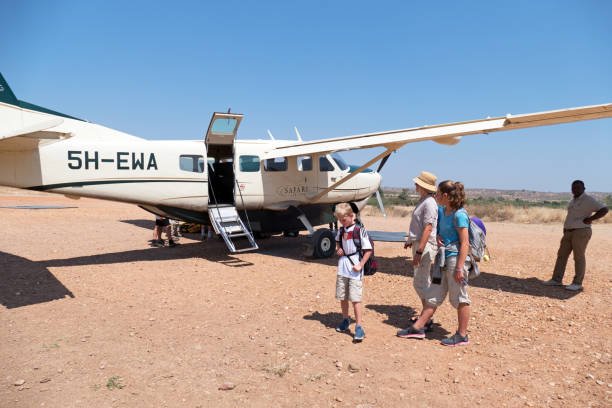
2-Day Nyerere Safari From Zanzibar: Flight-Inclusive Package Prices 2026-2027
An expert guide to planning a 2-day Nyerere safari from Zanzibar, covering flight-inclusive package structures, cost drivers, and the practical rhythm of a short-stay wildlife adventure.
View package details1-Day Nyerere National Park Safari From Zanzibar By Flight: 2026-2027
Planning a one-day fly-in safari to Nyerere from Zanzibar? Understand the logistics, travel times, and wildlife expectations for a 2026 or 2027 trip.
View package details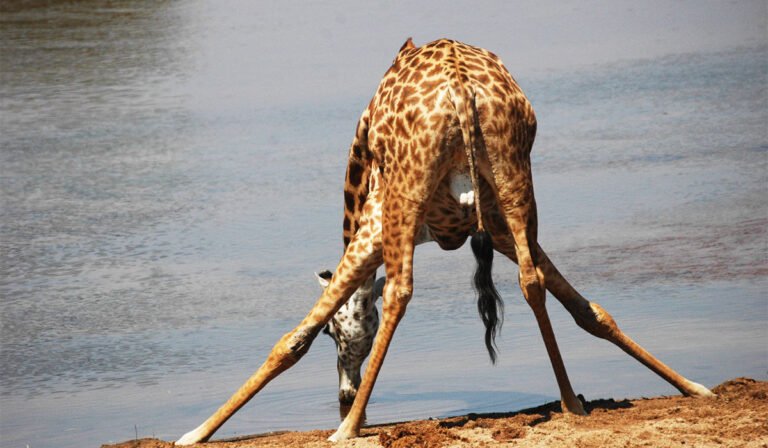
Nov 15, – 2 Day Mikumi Fly-In Group Safari From Zanzibar 2026
A practical guide and booking overview for the November 15, 2026, group fly-in safari to Mikumi National Park, departing from Zanzibar.
View package details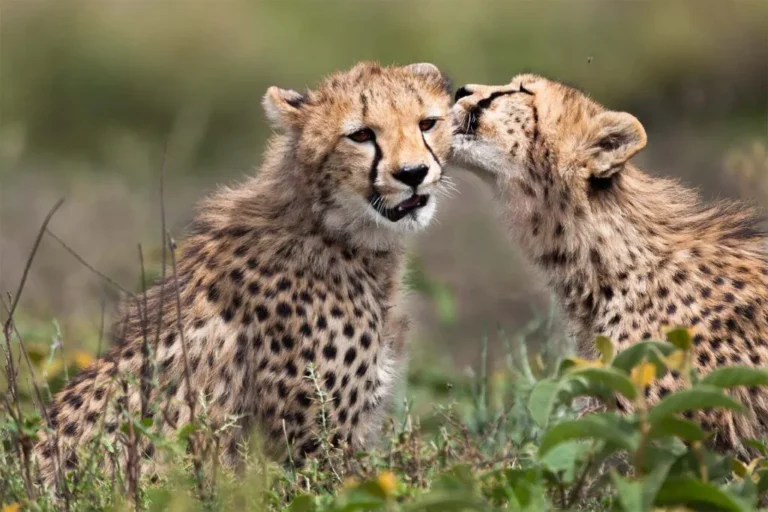
Nov 28, – 3 Day Fly-In Serengeti Group Safari From Zanzibar 2026
A detailed look at the 3-day fly-in Serengeti group safari departing November 28, 2026, including logistics, itinerary highlights, and travel tips for your Tanzania adventure.
View package details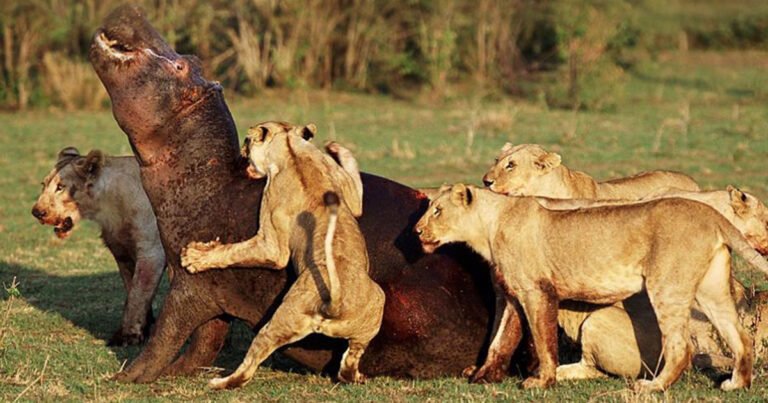
Dec 5, – 1 Day Mikumi Fly-In Group Safari From Zanzibar 2026
A practical guide to the December 5, 2026, group fly-in safari to Mikumi National Park. Learn about the itinerary, group logistics, and how to book your seat.
View package details2-Day Serengeti Safari From Zanzibar By Flight: Price & Booking Guide
A practical guide to booking a 2-day Serengeti safari from Zanzibar by flight, covering itinerary logistics, cost considerations, and how to maximize your short time in the bush.
View package details2-Day Tarangire & Ngorongoro Safari From Zanzibar: Flight Package Cost 2026
A detailed guide on the logistics, cost factors, and itinerary realities for a 2-day fly-in safari from Zanzibar to Tarangire National Park and the Ngorongoro Crater.
View package details
3-Day Serengeti & Ngorongoro Safari From Zanzibar By Flight 2027
3-Day Serengeti & Ngorongoro Safari From Zanzibar by Flight is explained with current 2027 planning, price, itinerary and booking information.
View package details
3-Day Serengeti Fly-In Safari From Zanzibar: All-Inclusive Package Prices 2027
Plan your ultimate Tanzanian adventure, combining Zanzibar's beaches with the Serengeti's wildlife. This guide details all-inclusive package pricing and logistics for a 3-day fly-in safari...
View package details
Luxury Fly-In Safari From Zanzibar: Private Packages For 2026-2027
Experience the ultimate Tanzanian getaway with a luxury fly-in safari from Zanzibar. Discover private, all-inclusive packages tailored for smooth wildlife encounters.
View package detailsBudget Fly-In Safari From Zanzibar: Best Packages & Prices 2026-2027
Discover how to plan a budget-friendly fly-in safari from Zanzibar to Tanzania's top parks without sacrificing the quality of your wildlife experience.
View package detailsNo related package matches those filters. Clear one or more filters to see the other topic-matched options.



