
A 1-day Nyerere National Park safari from Zanzibar by flight is an intensive, single-day excursion designed to maximize wildlife viewing time by utilizing light aircraft instead of ground transport. Because Nyerere (formerly known as the Selous Game Reserve) is geographically the closest large-scale safari destination to Zanzibar, this trip is feasible in a single day, typically involving a morning flight, a 4-6 hour game drive, and an evening return to the island, making it the most popular choice for travelers who have limited time but want to see big game.
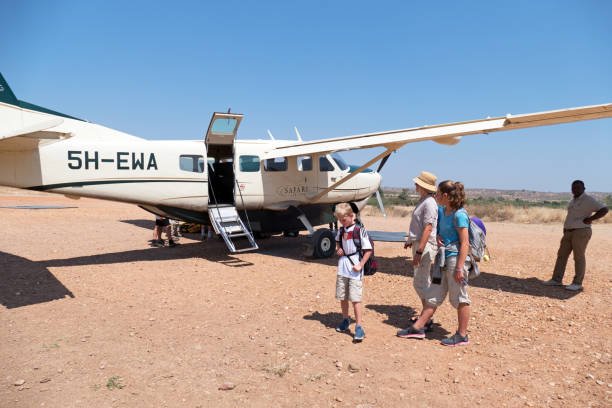

When you are based on the coast of Zanzibar, the idea of adding a safari can feel logistically daunting. Most travelers assume that a safari requires a multi-day commitment involving long drives or complex connections. However, the 1-day fly-in option to Nyerere National Park changes that calculus. By bypassing the ferry and the lengthy road travel required for mainland parks, you can effectively move from the beach to the bush in roughly an hour of flight time.
It is important to manage expectations: a single-day trip is not a substitute for a comprehensive 3- or 4-day safari. It is a condensed, high-paced experience. You are trading relaxation for intensity. If your primary goal is to see elephants, giraffes, and potentially lions in a raw, uncrowded environment without spending multiple days away from your Zanzibar resort, this is the most practical route available for the 2026 and 2027 seasons.
The Logistics of Flying to Nyerere
The primary advantage of choosing Nyerere over other destinations like the Serengeti is the proximity. When you search for 1-Day Serengeti Safari From Zanzibar by Flight, you quickly realize that the flight time alone eats into your game viewing hours significantly. Nyerere, conversely, is a short hop from Zanzibar’s Kisauni Airport (ZNZ) to the airstrips within the park, such as Mtemere or Siwandu.
A typical itinerary for this trip follows a consistent rhythm:
- Early Morning Departure: Flights usually depart Zanzibar early, often between 7:00 AM and 8:00 AM, to ensure you land before the heat of the day truly sets in.
- The Arrival: Upon landing, you are met by a local guide and a 4×4 safari vehicle. There is no time wasted on check-in procedures at the park gate that you would encounter on a road safari.
- The Game Drive: You get approximately 4 to 6 hours of active game viewing. This is where you cover ground, stop for sightings, and have a bush lunch, usually served at a lodge or a designated picnic site inside the park.
- The Afternoon Return: The return flight is scheduled for the late afternoon, typically departing around 3:30 PM or 4:00 PM, putting you back in Zanzibar in time for dinner.
The flight itself is part of the experience. These are light aircraft—usually Cessna Caravans—which fly at lower altitudes than commercial jets. You get a perspective of the coastline, the delta, and the bush that you simply cannot get from the ground.
Is Nyerere the Right Choice for Your 1-Day Trip?
Choosing between destinations can be confusing. We often see travelers struggling to decide between Nyerere and Mikumi. If you are comparing options, you can read our breakdown on Is Mikumi or Nyerere Better for a Safari from Zanzibar? to understand the landscape differences.
Nyerere is expansive. It is one of the largest protected areas in Africa. Because it is so vast, wildlife can be more dispersed than in a smaller, fenced park. However, the Rufiji River system provides a lifeblood for the park, and during the dry season, wildlife congregates near the water, making sightings much more predictable. If you are traveling during the peak season (June to October), Nyerere is an excellent choice for a one-day trip because the animals are active and visible near the riverbanks.
If you are looking for a more compact experience where you are almost guaranteed to see a high density of animals in a shorter window, Zanzibar to Mikumi Safari by Flight is an alternative to consider, though Nyerere offers a wilder, more remote aesthetic.
Planning Your 2026-2027 Safari
When booking for future seasons, pricing and availability are the primary variables. We do not use fixed, static pricing because flight costs to Nyerere fluctuate based on fuel surcharges, the specific airline operating the route, and the number of passengers sharing the flight. When you contact us to plan, we provide a quote that covers:
- Return flights from Zanzibar.
- Airport transfers on both ends.
- Park entrance fees and conservation levies.
- The private or shared 4×4 vehicle with a guide.
- Lunch and bottled water.
It is vital to understand that flight-based safaris are non-refundable or have strict cancellation terms once the tickets are issued. Because the airlines operate small planes, they have limited inventory. We recommend finalizing your booking at least 3-4 months in advance if you are traveling during the peak months of July, August, or September.
What to Pack for a Single Day
Because you are flying, you are subject to strict luggage weight limits. Most light aircraft operators allow only 15kg in soft-sided bags. For a one-day trip, you should not be bringing large suitcases. Pack a daypack with:
- Binoculars: Essential for spotting wildlife at a distance.
- Sun Protection: High-SPF sunscreen, a hat with a brim, and sunglasses. The sun in the bush is stronger than on the beach.
- Camera Gear: A zoom lens is helpful, but remember that you are in a moving vehicle, so a fast shutter speed is your best friend.
- Light Layers: Even if it is hot, the early morning flight can be chilly, and the vehicle may have an open roof, exposing you to the wind.
Avoid heavy, dark-colored clothing that attracts tsetse flies, which can be present in certain parts of the Selous ecosystem. Neutral colors like khaki, tan, or light olive are standard for a reason.
Decision Guidance: The Trade-offs
A 1-day safari is a high-reward, high-effort choice. It is perfect for:
- Couples or families who want a “taste” of the safari experience without losing 2-3 days of beach time.
- Photographers who want specific shots of the Rufiji river landscape.
- Travelers with limited vacation time who cannot afford a longer multi-day itinerary.
It is not the best choice if you are seeking a slow, in-depth wildlife experience. You will not have time for walking safaris, boat safaris (which are a specialty of Nyerere), or early morning and late evening game drives, which are the best times for predator activity. If you want those experiences, you must look at a 2-day or 3-day itinerary.
Booking Your Safari
To move forward with a 1-day Nyerere safari, you need a partner who understands the local flight schedules and the current park entry regulations. At Climb 4 Africa, we handle the coordination between the airline and the ground operators in Nyerere to ensure that your driver is waiting for you the moment you land. We do not believe in “standardized” packages that don’t account for your specific travel dates or group size.
When you reach out, please provide your travel dates, the number of people in your group, and any specific wildlife interests you have. You can contact our team directly to get the most accurate pricing for 2026 or 2027:
- WhatsApp: +255 747 477 898
- Email: climb4africa@gmail.com
- Backup Email: info@climb-4-africa.com
We will verify the flight availability for your chosen dates and provide a clear, itemized quote. There are no hidden fees, and we prioritize clear communication regarding what is included and what you need to prepare before you leave your hotel in Zanzibar.
The Reality of Your 1-Day Game Drive
When you touch down on the bush airstrip—typically Mtemere or Siwandu, depending on the operator and the specific lodge location—the transition from the Zanzibar beach environment to the Nyerere bush is immediate. Unlike larger international airports where you clear customs and navigate terminals, a bush airstrip is often just a cleared stretch of hard-packed earth. Your driver-guide will be waiting with a 4×4 safari vehicle, usually a modified Land Cruiser with an open roof or pop-top, ready to begin the game drive the moment you step off the aircraft.
It is important to understand the structure of these 4-to-6-hour game drives. Because your time is compressed, the drive is rarely a leisurely, aimless wandering. Your guide will likely focus on the areas with the highest probability of wildlife sightings, which, in the Nyerere ecosystem, almost always means the proximity to the Rufiji River and its surrounding tributaries. During the heat of the day, wildlife tends to retreat into the thicker Miombo woodlands or the riverine forests to escape the sun. A skilled guide will focus on these shade-heavy corridors, where elephants, giraffes, and impalas often congregate.
The game drive itself is usually broken into two segments separated by a lunch break. Most 1-day itineraries include lunch at a safari lodge located within or on the boundary of the park. This is a critical component of the day, as it provides a reprieve from the heat and the dust. These lodges offer a chance to relax, view the river from a deck, and use proper facilities before heading back out for the final leg of the game drive before your flight back to Zanzibar. Do not underestimate the value of this hour-long break; the fatigue of an early morning flight combined with the bouncing of a 4×4 on uneven tracks can be physically demanding.
Navigating the Ecosystem: What You Will See
Nyerere National Park is distinct from the Serengeti or the Ngorongoro Crater. While the Serengeti is characterized by vast, open plains that make spotting wildlife from a distance relatively easy, Nyerere is defined by its complex mosaic of Miombo woodlands, swamps, and riverine vegetation. This makes the landscape more visually diverse but also more challenging for wildlife viewing. You are not looking for animals on a flat horizon; you are looking for them within a dense, multi-layered habitat.
Because of this density, the role of your guide becomes the most important variable in your 1-day success. They are not just drivers; they are trackers who know the specific habits of the local pride of lions or the current location of elephant herds based on the season. In the dry season, wildlife is more concentrated around water sources, making sightings more predictable. In the wet season, the park becomes lush and green, and while the scenery is spectacular, wildlife disperses, and the tall grass can make spotting smaller predators significantly more difficult.
You should adjust your expectations regarding “Big Five” sightings on a single-day trip. While Nyerere is home to a massive population of elephants, lions, leopards, and buffalo, a 1-day itinerary does not guarantee seeing all of them. The park is vast—it is one of the largest protected areas in Africa—and you are only covering a small fraction of its territory. Treat the day as a high-intensity wildlife viewing session rather than a checklist exercise. The beauty of Nyerere lies in its raw, uncrowded atmosphere. You may find yourself alone at a sighting, without the congestion of other vehicles that is common in more tourist-heavy parks. This solitude is one of the primary reasons travelers choose Nyerere, even for a short duration.
Wildlife Behavior and Mid-Day Dynamics
A frequent question from travelers is why they might not see lions actively hunting or cheetahs running during their midday game drive. Wildlife behavior is dictated by biology, not by our travel schedules. During the heat of the day (roughly 11:00 AM to 3:00 PM), most predators are inactive. Lions, in particular, are masters of energy conservation and will spend the hottest hours of the day sleeping in the shade of a tree or a thicket. This is not a failure of the guide or the park; it is the natural state of the ecosystem.
However, this is also when the riverbanks become the center of activity. Elephants frequently come to the Rufiji River to drink and bathe during the heat, and hippos and crocodiles are almost always visible in the water or basking on the mudbanks. If you are hoping to see large mammals in action, focus your attention on the riverbanks rather than the deep bush. Your guide will likely spend the majority of the game drive navigating these river corridors, as they offer the most consistent opportunities for high-quality sightings during the limited window of a day trip.
Environmental Realities: Health and Safety in the Bush
While the logistics of your flight and the thrill of the game drive dominate the planning phase, understanding the specific environmental challenges of Nyerere National Park is essential for a successful day trip. Because Nyerere is a vast, untamed wilderness—distinct from the more managed, manicured environments of other East African parks—your physical preparation must account for the reality of the bush, particularly regarding insect activity and heat management.
Managing the Tsetse Fly Presence
One of the most frequently overlooked aspects of a Nyerere safari is the prevalence of tsetse flies. Unlike mosquitoes, which are most active at dawn and dusk, tsetse flies are active during the day and are particularly attracted to movement and dark colors. In Nyerere, you may encounter these flies in wooded areas, especially near the riverine vegetation. A bite from a tsetse fly is notably sharper and more painful than a mosquito bite, and the psychological distraction of being swarmed can significantly detract from your ability to focus on wildlife.
To mitigate this, your wardrobe choice is your first line of defense. Avoid wearing dark blue or black clothing, as these colors are scientifically proven to attract tsetse flies. Instead, opt for light-colored, long-sleeved shirts and trousers in khaki, tan, or olive drab. These neutral tones help you blend into the environment and are far less attractive to the flies. Additionally, while insect repellent is standard for mosquitoes, it is only moderately effective against tsetse flies. Physical barriers—such as tight-weave fabrics that the flies cannot bite through—are your best protection. If you are prone to allergic reactions, consider carrying a basic antihistamine, as the site of a tsetse bite can swell and itch more aggressively than a typical insect sting.
The Physiological Toll of a Single-Day Excursion
A 1-day flight-in safari is physically demanding. You are compressing a high-energy experience into a short window, often involving an early morning departure from Zanzibar and a full afternoon of navigation across rugged, dusty terrain. The Rufiji River basin, where most game drives take place, often experiences higher humidity and higher temperatures than the coastal breeze of Zanzibar. By midday, the heat in the open-sided safari vehicle can become intense.
Dehydration is a subtle but significant risk. Because you are constantly scanning the horizon for wildlife, you may forget to drink water until you feel thirsty—by which point you are already mildly dehydrated. Make it a habit to drink water throughout the drive, regardless of your thirst level. Furthermore, the combination of heat, dust, and the vibration of the vehicle on unpaved roads can lead to fatigue. If you are sensitive to motion sickness, ensure you have appropriate medication, as the game drive often involves navigating uneven tracks at low speeds to follow animal movements.
Malaria Prophylaxis and Health Precautions
A common question among travelers is whether malaria prophylaxis is necessary for such a short duration. Nyerere National Park is a malaria-endemic area. While your exposure time is limited to a single day, the risk is not zero. Consult your travel clinic or physician well before your trip to discuss the necessity of antimalarial medication. Many travelers assume that because they are only in the park for six hours, the risk is negligible; however, medical guidelines generally prioritize safety regardless of the duration of exposure.
Beyond medication, your health strategy should focus on the “dusk and dawn” principle. Even though you are flying out in the evening, the time spent waiting at the airstrip for your return flight can occur during the late afternoon—a peak time for mosquito activity. Ensure you have high-DEET repellent applied to all exposed skin, including ankles and wrists, before you leave the vehicle or arrive at the airstrip. By combining these proactive health measures with the right clothing choices, you ensure that your focus remains entirely on the landscape and the wildlife, rather than on physical discomfort or preventable health concerns.
The Safari Vehicle: Understanding Your Mobile Observation Platform
In Nyerere National Park, the vehicle you occupy for your 1-day safari is not merely transportation; it is your primary observational platform. Most operators utilize modified 4×4 Land Cruisers specifically engineered for the rugged, often unpredictable terrain of the Rufiji River basin. Unlike standard passenger vehicles, these safari cruisers are typically open-sided with canvas covers or pop-up roofs. This design is intentional, prioritizing visibility and photography over climate control. You will be exposed to the elements, including wind, sun, and the pervasive red dust of the park. Understanding this design is vital for your comfort; the open sides mean that while you have an unobstructed view of the Miombo woodlands, you also have no barrier against the environment. If you are sensitive to dust, a buff or light scarf is indispensable for covering your nose and mouth while the vehicle is in motion between sightings.
The seating configuration is usually tiered or bench-style, designed to allow all passengers to stand or lean out for a better view. Because your 1-day itinerary is compressed, you will likely spend several hours in this vehicle. The suspension is rugged, designed to handle deep ruts and sandy riverbanks, but the ride will be bumpy. If you have any history of back or neck issues, it is prudent to discuss this with your driver at the very beginning of the drive. They can often adjust their speed or choose slightly smoother, albeit longer, routes to accommodate your comfort, though this may come at the expense of time spent searching for specific game.
Maximizing Your Time: Guide Etiquette and Communication
Your guide is the single most important variable in the success of your 1-day safari. Because you are on a strict “flight-in, flight-out” schedule, you have a limited window—usually between four and six hours—to experience the park. Effective communication with your guide within the first ten minutes of meeting them is critical. Do not assume the guide knows your personal priorities. If you have a specific interest, such as seeing elephants, tracking big cats, or simply observing the birdlife along the Rufiji River, state this clearly before the engine starts.
A common mistake for 1-day visitors is being passive. If you want to stop for photography, ask. If you feel you are spending too much time in an area with no animal activity, politely suggest moving on. However, maintain a balance; constant movement can also be detrimental. Allow your guide to use their expertise to read the bush—they are trained to listen for alarm calls, spot tracks in the dust, and interpret the behavior of other animals that might signal a nearby predator. If the guide stops the vehicle and cuts the engine, remain quiet and patient. These moments of stillness are often when the most rewarding wildlife encounters occur. Remember that the guide is also managing the clock; they are acutely aware of your flight departure time and will need to position you strategically to ensure you reach the airstrip with sufficient time for your flight, which may necessitate cutting a game drive short if you have wandered deep into the park.
The Reality of Light Aircraft Contingencies
The transition from the safari vehicle to the light aircraft is the final, and often most overlooked, phase of your 1-day journey. It is crucial to understand that bush aviation does not operate with the same rigid, automated precision as international commercial airlines. Flights into Nyerere are heavily weather-dependent and subject to the logistics of “bush time.” While your itinerary will have a scheduled return flight, these times are frequently adjusted based on pilot discretion, weather conditions, or the coordination of multiple pickups across different airstrips.
If you arrive at the airstrip and your flight is not immediately waiting, do not panic. This is normal. The airstrips in Nyerere are often small, remote clearings with minimal infrastructure—sometimes nothing more than a windsock and a small hut. You may be required to wait in the open air. This is why packing water and sun protection is essential, as shaded waiting areas are rarely available. Furthermore, be prepared for the possibility of minor schedule shifts. If the weather closes in or a technical check is required, your departure may be delayed. This is the nature of remote wilderness travel. Approach your 1-day safari with the mindset that the journey, including the flight and the potential for minor logistical fluidity, is part of the experience. By maintaining flexibility, you avoid the unnecessary stress that can overshadow the memories of the wildlife you have just seen.
The Rufiji River Experience: Boat Safari vs. Game Drive
When finalizing your 1-day itinerary, you may be presented with a choice between a traditional 4×4 game drive and a boat safari on the Rufiji River. It is a common misconception that one is inherently superior to the other; rather, they offer fundamentally different ways to experience the Nyerere ecosystem. Understanding this distinction is vital because, in a 1-day timeframe, you generally do not have the luxury of doing both extensively without sacrificing depth in either.
A boat safari offers a unique, water-level perspective that is impossible to replicate from a vehicle. The Rufiji is one of the largest river systems in East Africa, and it acts as a magnet for wildlife, particularly during the drier months when inland water sources evaporate. From the deck of a shallow-draft boat, you can approach large pods of hippos and basking Nile crocodiles with a level of intimacy that would cause them to submerge or retreat if approached by a noisy Land Cruiser. Furthermore, the boat safari is significantly quieter. The absence of engine vibration and the slow, drifting pace allow for superior birdwatching. You are far more likely to spot Malachite Kingfishers, African Fish Eagles, and various heron species along the riverbanks than you are while navigating the dusty, noisy interior roads.
However, the trade-off is mobility. A boat is tethered to the river’s path; you cannot pursue a predator that has been spotted in the distance, nor can you traverse the diverse Miombo woodlands where elephants and giraffes are frequently sighted. If your primary objective is to see the “Big Five” or to track lions, the vehicle-based game drive remains the more strategic choice. Conversely, if you have already experienced land-based safaris elsewhere or if you prioritize the atmospheric, serene beauty of the riverine landscape, the boat safari is a compelling alternative. If your itinerary permits a hybrid—perhaps two hours on the river and three hours in a vehicle—be aware that the time spent transitioning between the boat landing and the vehicle will reduce your total observation time. Ensure your operator clearly defines how much time will be spent on the water versus on land to avoid disappointment.
The Post-Safari Transition: Returning to Zanzibar
The conclusion of your 1-day safari is often a blur of sensory overload. You will likely find yourself boarding a light aircraft as the sun begins to dip, leaving the raw, untamed atmosphere of the bush for the humid, tropical environment of Zanzibar. It is critical to manage your expectations for this final leg of the journey. The return flight is not merely a transit; it is a physical and psychological decompression period.
Upon landing at Zanzibar’s Kisauni Airport (ZNZ), you will immediately notice the contrast. The bush is silent, vast, and dusty; the airport is often bustling, warm, and distinctly urban. You will likely be tired, dehydrated, and covered in a fine layer of red dust—a permanent souvenir of Nyerere’s terrain. Do not schedule dinner reservations or social plans immediately upon your return. The “safari fatigue” that sets in once the adrenaline of the game drive fades is very real. You will need time to shower, rehydrate, and recalibrate your internal clock.
Furthermore, be prepared for potential delays in the return flight schedule. Just as bush aviation is subject to minor logistical fluidity on the way out, the return leg can be affected by air traffic control at Zanzibar or the coordination of multiple bush pickups. If you arrive back at your resort later than anticipated, do not let this overshadow the day. The logistical reality of flying into a remote wilderness means that the schedule is an estimate, not a guarantee. Approach the return journey with the same flexibility you brought to the morning flight, and you will find that the transition back to your beach holiday is far smoother.
Frequently Asked Questions
- Is a boat safari better than a game drive for a 1-day trip?
- Neither is objectively better; it depends on your priorities. A boat safari is superior for birdwatching, photography of aquatic life, and a relaxing, quiet experience. A game drive is superior for tracking predators and covering more ground to find a wider variety of terrestrial mammals like elephants and giraffes.
- Do I need to be a strong swimmer for the boat safari?
- No, swimming skills are not required. You will be provided with a life jacket, and the boats are stable, shallow-draft vessels designed specifically for these waters. The operators are experienced in navigating the river safely.
- What happens if my return flight is delayed until after sunset?
- Light aircraft are generally restricted from flying after sunset due to safety regulations and the lack of lighting at remote bush airstrips. If a significant delay occurs, your operator is responsible for coordinating with the aviation company to ensure you are safely accommodated or that the flight is prioritized to depart before the final cut-off. Always ensure you have a contact number for your ground handler.
- Will I be able to wash the dust off before my return flight?
- Most lodges near the airstrips allow day-trip visitors to use their facilities to freshen up. You can typically use a restroom to wash your face and hands, but do not expect a full shower facility unless you have specifically booked a day-use room, which is rarely included in standard 1-day packages.
Navigating the Administrative and Operational Reality of Day-Guest Status
While the allure of a 1-day safari is the speed of transition from beach to bush, it is vital to understand that you are entering Nyerere National Park as a “day-guest.” This status carries specific operational implications that differ significantly from those staying at the lodges. Nyerere is a massive, largely undeveloped wilderness, and the infrastructure—roads, airstrips, and visitor facilities—is designed primarily to support multi-day lodge guests. As a day visitor, your movement is not entirely dictated by your whims, but by the logistical constraints of your flight schedule and park zoning.
Most day-trip itineraries are restricted to the sectors of the park closest to the airstrips, such as the Mtemere or Siwandu sectors. This is not necessarily a disadvantage, as these areas are often the most wildlife-dense, but it does mean you are operating within a tighter geographic “bubble” than overnight guests who might venture into the deeper, quieter reaches of the reserve. Furthermore, you will encounter “park entry protocols” that feel more administrative than those in smaller, more tourist-heavy parks. Because you are only in the park for a fraction of the 24-hour conservation fee period, your ground operator must ensure your permits are processed efficiently at the gate. Any delay here—often caused by incomplete paperwork or administrative bottlenecks at the park entrance—directly eats into your limited game-viewing hours. Ensure your operator has handled all digital or pre-arrival registration to avoid standing in queues at the park gate, which can be sweltering and crowded during peak season.
It is also important to recognize that you are sharing the park’s resources with high-end lodge guests who may have priority for certain viewing spots or river access points. While Nyerere is vast enough that you rarely feel “crowded” in the traditional sense, your guide will often prioritize routes that balance wildlife density with the necessity of getting you back to the airstrip on time. If you find yourself in a traffic jam of vehicles—a rare but possible occurrence at a major predator sighting—trust your guide’s decision to move on. They are calculating the “cost” of that wait against the risk of missing your return flight window.
Strategic Photography: Managing Gear and Light in a Compressed Timeline
For many, the 1-day safari is a high-stakes photography mission. You have one chance to capture the iconic imagery of the Rufiji River basin, and the conditions are rarely ideal. The most common mistake day-trippers make is bringing excessive, cumbersome gear. You are working from a moving 4×4, often on rough, corrugated tracks, and space in the vehicle is at a premium. A heavy, full-sized tripod is virtually useless in a safari vehicle; it takes up valuable floor space, is difficult to stabilize on the vibrating metal floor, and is too slow to deploy when a leopard is spotted in a tree.
Instead, prioritize versatility and stabilization. A monopod can be useful if you have a seat with extra legroom, but a “bean bag” is the gold standard for safari photography. Most reputable operators provide these, but confirming this in advance is wise. A bean bag allows you to rest your lens securely on the window frame or the vehicle’s roof rail, providing rock-solid stabilization without the footprint of a tripod. Given that you will be shooting during the harsh midday light—the period when most 1-day flights are active—you will need to be aggressive with your camera settings. Use a fast shutter speed to compensate for the vibration of the engine and the movement of the vehicle, and do not be afraid to increase your ISO; modern sensors handle noise better than a blurry photo can be fixed in post-production.
Finally, dust management is the single most critical factor for your equipment. Nyerere is notoriously dusty during the dry season. The fine, red-brown silt of the river basin will infiltrate every crevice of your camera body and lens mount. Never change lenses while the vehicle is moving or when you are in an open, dusty area. If you must change a lens, do it inside your closed camera bag, protected from the swirling air. Bring a dedicated microfiber cloth and a blower bulb, and keep your camera covered with a protective cloth or a dedicated rain/dust sleeve when you are not actively shooting. The “dust-off” phase of your day should happen before you board the return flight; use a soft brush to clean your gear before it enters the cabin of the light aircraft, as the vibration of the flight can shake loose dust that has settled on your sensor, potentially ruining the rest of your trip’s photos.
The Ethics and Etiquette of the Rapid-Access Safari
When you transition from the relaxed, permissive environment of a Zanzibar beach resort into the raw wilderness of Nyerere National Park, you are entering a space governed by a completely different set of social and behavioral norms. As a 1-day visitor, you are a transient presence in a complex, fragile ecosystem. Understanding the ‘unspoken rules’ of the bush is not just about politeness; it is about ensuring the safety of the wildlife, the efficiency of your guide, and the quality of the experience for everyone else in the park.
The most critical element of safari etiquette is noise discipline. Many travelers arrive from the coast accustomed to the ambient noise of a resort—music, conversation, and the general hum of activity. In the bush, however, sound travels differently. Predators like lions and leopards are highly sensitive to human voices. If you are in a vehicle and spot a predator, the ‘safari whisper’ is mandatory. Shouting, pointing aggressively, or standing up suddenly in the vehicle can spook an animal, causing it to retreat into the dense Miombo woodlands, effectively ending the sighting for you and anyone else in the vicinity. Your guide is trained to read animal behavior; if they ask for silence, it is not a suggestion—it is a requirement to maintain the safety of the encounter.
The Sighting Queue: Managing Vehicle Congestion
Nyerere is not the Serengeti; it does not have the same density of roads, meaning that when a major sighting occurs—such as a lion kill or a pack of wild dogs—multiple vehicles will converge on the location quickly. This is where the ‘Day-Guest’ status requires a high degree of maturity. You may find yourself behind three or four other vehicles. The etiquette here is strict: you must wait your turn. Do not pressure your driver to cut off other vehicles or move into a position that blocks the view of those who arrived earlier. Experienced guides in Nyerere adhere to a ‘rotation’ system where vehicles take turns at the prime viewing spot. By remaining patient and trusting your guide to navigate this social contract, you ensure that the viewing remains ethical and that the wildlife is not surrounded or harassed.

The ‘Day-Guest’ Footprint: Respecting Lodge Operations
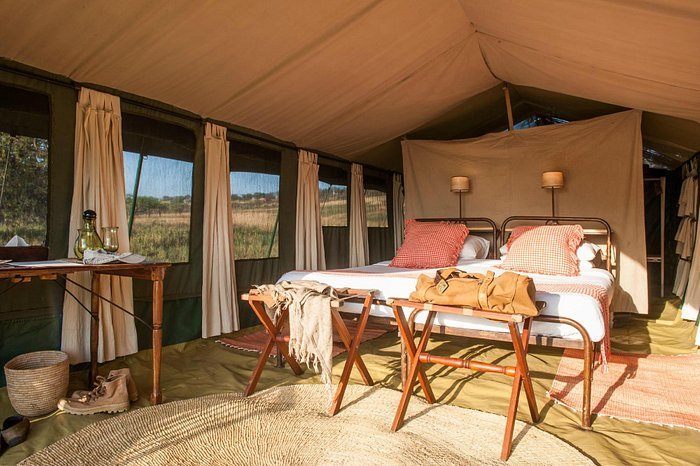
You will likely stop at a lodge or a designated picnic site for lunch or a bathroom break. It is vital to remember that these lodges are primarily operating for guests who are paying for multi-day stays. These guests are often on a completely different schedule—early morning drives, afternoon naps, and evening sundowners. As a 1-day visitor, your presence can sometimes feel disruptive if you are loud or demanding at the lodge facilities. Use the provided amenities quietly, respect the privacy of the long-term guests, and avoid monopolizing the lodge staff. You are a guest in their ‘home’ for only a few hours; treating the lodge environment with the same respect you would accord a private residence helps maintain the professional relationship between the park operators and the transport companies that facilitate your day trip.
Environmental Stewardship and Waste Management
In a 1-day excursion, the temptation to treat the park as a ‘drive-through’ experience can lead to careless behavior regarding waste. Nyerere is a protected wilderness, and there is no municipal waste collection system in the bush. Everything you bring into the park—water bottles, snack wrappers, tissues—must leave with you. Never throw anything out of the vehicle, even if it seems biodegradable. Human food waste can attract animals to the roadside, altering their natural foraging behaviors and creating dangerous habits. Furthermore, avoid the urge to ‘help’ the environment by feeding wildlife. It is strictly prohibited and carries severe penalties, but beyond the legal aspect, it is ecologically damaging. A 1-day safari is a privileged window into a wild world; the goal is to leave the environment exactly as you found it, with no trace of your passage.
The Synchronized Hand-off: Bridging the Gap Between Flight and Ground Operations
The primary source of anxiety for many 1-day travelers is the fear of being “left behind” by the return flight. It is essential to understand that the bush pilot and your safari guide operate within a unique, highly localized communication loop that differs entirely from commercial aviation. In the bush, flight times are fluid, often adjusted based on passenger arrivals, localized weather patterns, or even wildlife blocking an airstrip. Your safari guide is not just a driver; they are an active node in a communication network that includes the airstrip manager and the pilot. This network relies on VHF radio or mobile signal, which, while spotty, is sufficient for the essential “hand-off.”
When you are deep in the park, perhaps tracking a pride of lions or watching a herd of elephants near the Rufiji River, the guide is constantly monitoring the time against the “wheels-up” requirement. If you are running 15 minutes behind schedule, the guide is not simply driving recklessly to make up time; they are actively communicating the delay to the airstrip. This is a critical operational safety net. The pilot, in turn, is often managing a multi-stop route, picking up guests from different lodges or airstrips. If you understand that your guide is in constant contact with the airstrip, you can relax into the game drive without the constant, nagging fear of missing your connection. The “hand-off” occurs at the airstrip, where the guide ensures you are checked in and your luggage is accounted for before departing. Trusting this system is paramount; the operators have a vested interest in ensuring you are on that plane, as the logistical cost of an overnight stay for a stranded guest is a complication they are highly motivated to avoid.
Navigating the Micro-Climate: The Shift from Coastal to Inland Heat
The transition from Zanzibar to Nyerere is not merely a change in location; it is a fundamental shift in atmospheric conditions that requires a different physiological approach. Zanzibar, as an island, is defined by the Indian Ocean’s moderating influence, where the sea breeze keeps the humidity high but the temperature relatively stable. Nyerere, however, sits in a vast, inland basin where the topography and vegetation create a distinct micro-climate. By midday, the air is not just hot; it is radiating heat from the sandy soil and the dense Miombo woodland, which traps warmth.
This creates a “dry heat” that can be deceptively dangerous. On the Zanzibar coast, the humidity makes you feel hot and sweaty, which is an immediate, obvious signal to drink water. In the dry, radiating heat of the Nyerere bush, your sweat evaporates almost instantly. You may not feel as visibly “wet” as you do on the beach, but your rate of dehydration is significantly higher. This is the primary reason why day-trippers often feel a sudden, intense fatigue or mild headache by 2:00 PM. It is not necessarily the “effort” of the safari, but the silent, rapid loss of fluids. Furthermore, the dust in Nyerere is fine and pervasive. Unlike the salt-air environment of the coast, which can cause corrosion to electronics, the Nyerere dust is abrasive and seeks out the smallest crevices in camera lenses and smartphone ports. When you return from your game drive, treat your equipment as if it has been exposed to a sandstorm; use a blower or a soft brush to remove particulates before packing your gear away, as the fine silt of the Rufiji basin can permanently damage delicate seals if left to settle.
The Anatomy of the “Airstrip Experience”
For the 1-day traveler, the airstrip is the most critical interface of the entire journey. Unlike the grand, structured terminals of international airports, Nyerere’s airstrips are essentially clearings in the bush. There are no departure lounges, no duty-free shops, and certainly no climate-controlled waiting areas. Understanding the “Airstrip Experience” is vital to maintaining your composure during the transition. When you arrive at the airstrip, you are essentially waiting in a natural environment. Depending on the specific strip, you may have a small, thatched-roof structure, or you may be waiting under the shade of a nearby tree. This is not a failure of service; it is the nature of the ecosystem.
During this waiting period, it is important to remain alert. You are still in the park, and wildlife often traverses the airstrip area. It is common to see impala or even warthogs grazing near the runway. Do not wander off into the bush to take photos while waiting for the plane. The airstrip manager is responsible for clearing the runway of animals before the pilot initiates the landing sequence. By staying within the designated area and following the instructions of the ground staff, you facilitate a faster, safer turnaround. If the aircraft is delayed—which can happen due to air traffic in other parts of the park or weather—view this as an extension of your safari. You are in a remote, pristine wilderness; enjoy the quiet, the sounds of the bush, and the unique perspective of seeing the landscape from the ground-level vantage point of the airstrip.
The Aerial Perspective: Interpreting the Landscape from Transit
The flight from Zanzibar to Nyerere is often categorized merely as a logistical necessity—a means to bypass the arduous road and ferry crossings. However, for the observant traveler, this transit is an integral part of the safari experience, offering a geographical and ecological overview that is impossible to replicate from the ground. As your light aircraft ascends from Kisauni Airport, you are afforded a unique perspective on the transition between the Indian Ocean coastal environment and the interior wilderness of the Rufiji Basin.
The initial leg of the flight takes you over the Zanzibar Channel, where the turquoise shallows give way to the deeper, darker blues of the open water. As you approach the Tanzanian mainland, the landscape undergoes a dramatic transformation. You will fly over the Rufiji Delta, one of the most extensive mangrove ecosystems in East Africa. From the air, the complex, serpentine network of tidal channels and dense, dark green mangrove forests is striking. This delta is the lifeblood of the Nyerere ecosystem, and seeing it from above provides the necessary context for the vast, water-dependent wilderness you are about to enter.
As the aircraft moves further inland, the vegetation changes rapidly. The coastal scrub and palm-dotted terrain recede, replaced by the characteristic Miombo woodlands that dominate Nyerere National Park. The canopy here is thicker and more uniform, a vast, undulating carpet of green that masks the complex terrain below. This aerial vantage point helps you appreciate the sheer scale of the park. Unlike the open savannahs of the Serengeti, where wildlife is often visible from miles away, the Nyerere landscape is defined by its density. Recognizing this from the air prepares you for the reality of the game drive: this is an environment of concealment, where the thrill of the hunt is tied to the difficulty of the search. When you finally descend toward the bush airstrip, watch for the shift in light and shadow; the transition from the bright, reflective coastal sun to the dappled, filtered light of the Miombo forest floor is a sensory shift that marks the true beginning of your safari.
Seasonal Dynamics: Adjusting Expectations for the 1-Day Itinerary
A frequent oversight for 1-day safari participants is the assumption that the park environment remains static throughout the year. In reality, the Nyerere experience is dictated by a strict seasonal pulse, and your 1-day excursion will be fundamentally different depending on when you choose to travel. Understanding these seasonal shifts is essential for managing your expectations regarding wildlife visibility, accessibility, and the overall “feel” of the day.
The Dry Season, which typically spans from June through October, is the most popular time for 1-day fly-in safaris. During these months, the park receives little to no rainfall, and the vegetation thins significantly. This is the optimal time for wildlife viewing. As water sources across the park dry up, animals are forced to congregate around the remaining permanent water holes and the Rufiji River. For a 1-day visitor, this concentration is a major advantage; your guide does not have to travel as far or search as intensely to find significant wildlife activity. The trade-off, however, is the intensity of the heat and the prevalence of dust. By mid-day, the heat haze can distort your view, and the constant presence of dust requires diligent protection for camera gear and personal comfort.
Conversely, the Green Season—roughly November through May—offers a completely different experience. Following the short and long rains, the park undergoes a dramatic transformation. The landscape becomes lush, vibrant, and incredibly dense with foliage. For the 1-day traveler, this creates a more challenging environment for game viewing. Animals are no longer tethered to specific water sources, as water is abundant throughout the park. They are dispersed, and the thick, tall grass and dense foliage provide excellent camouflage, making sightings more elusive. However, the reward is a landscape of unparalleled beauty, free from the crowds that characterize the peak season. You will see the park in its most productive state, with birdlife in abundance and the bush teeming with new life. If you are traveling during this time, adjust your expectations: prioritize the experience of the landscape and the raw beauty of the wilderness over the checklist of “Big Five” sightings. The guide’s role becomes even more critical during the Green Season, as they must rely on subtle tracks and signs rather than the easy visual cues provided by the sparse vegetation of the dry months.
The Bush Picnic: Operational Reality and Wildlife Etiquette
Within the tight constraints of a 1-day itinerary, the “bush picnic” serves as both a logistical necessity and a significant pivot point in your day. Unlike multi-day lodge guests who return to camp for a sit-down meal, the 1-day visitor typically consumes lunch at a designated picnic site or a scenic overlook within the park. This is rarely a leisurely affair; it is a carefully managed operational break that requires specific traveler awareness.
First, it is vital to recognize that you are eating in an active wildlife corridor. While picnic sites are selected for their relative security, they are not fenced enclosures. You are sharing this space with the local ecosystem. This means that baboons, vervet monkeys, and various bird species—particularly hornbills—are highly attuned to the presence of human food. They are opportunistic scavengers that have learned to associate the sight of a safari vehicle with the possibility of a meal. You must be hyper-vigilant: never leave food unattended on a table or a vehicle hood, and avoid feeding wildlife under any circumstances. Not only does this encourage aggressive behavior, but it also disrupts the natural diet and health of the animals you have traveled so far to observe.
The “bush toilet” situation is a frequently unspoken anxiety for 1-day travelers. In Nyerere, there are no public restrooms scattered throughout the wilderness. When nature calls, you will be using a “bush toilet,” which essentially means finding a secluded spot behind your vehicle or a thicket, under the guidance of your driver-guide. It is a humbling, raw experience that reinforces the reality of your status as a temporary guest in a wild environment. Always consult your guide before wandering away from the vehicle to find a spot; they are responsible for ensuring the area is clear of predators or dangerous terrain before you step away.
Finally, consider the picnic as a variable in your time management. Because you are on a strict flight schedule, a long, drawn-out lunch can significantly eat into your limited game-viewing hours. If your priority is maximizing sightings, communicate this to your operator during the booking phase. You can often request a “light lunch” or a “grab-and-go” box, allowing you to eat quickly and return to the tracks sooner. Conversely, if you view the picnic as a critical moment to soak in the silence of the bush, ensure your guide knows you prefer a relaxed pace. This simple communication can fundamentally alter the rhythm of your afternoon.
The Digital Vacuum: Navigating Connectivity and Communication Constraints
A critical, yet frequently underestimated, aspect of the 1-day Nyerere safari is the sudden, total cessation of digital connectivity. For the modern traveler accustomed to the pervasive Wi-Fi networks of Zanzibar’s beach resorts and the robust cellular coverage of the island’s populated areas, entering the Nyerere ecosystem is akin to stepping into a digital vacuum. Understanding this environment is not merely about managing expectations; it is a vital component of your day’s operational success.
Within the boundaries of Nyerere National Park, cellular signal is erratic at best and non-existent at worst. While your mobile phone may display a bar or two of service near the park entrance or high-elevation ridges, you should operate under the assumption that you will be entirely offline from the moment your light aircraft touches down on the bush strip until you are back in the air for your return flight. This is not a service failure; it is a geographical reality. The park’s vastness, combined with its dense Miombo woodland and the deep basins of the Rufiji River, creates a landscape where signal propagation is physically blocked by terrain and foliage.
For the 1-day traveler, this disconnection creates a specific set of operational and psychological challenges. You are, by definition, on a tight schedule. The anxiety of potentially missing a flight, or the need to coordinate with hotel staff back in Zanzibar regarding dinner plans or evening excursions, can be amplified by the inability to send a quick text or check an email. You must accept that your ability to self-manage through digital tools is suspended. Any communication regarding your status, your location, or your flight timing must be funneled through your guide. Your guide is your sole link to the outside world, utilizing VHF radio systems installed in the safari vehicle or, in more remote areas, satellite-based communication devices to relay information to lodge managers and flight operators.
To mitigate the stress of this digital silence, adopt a ‘pre-departure communication ritual’ before leaving your resort in Zanzibar. Ensure that any essential messages—confirming your return time, notifying family of your temporary unavailability, or managing any pending digital tasks—are finalized before you board your morning flight. Treat your departure from the Zanzibar airstrip as a ‘digital hand-off.’ Once you land in the bush, the most effective strategy is to consciously relinquish the need to be connected. This is not just a logistical necessity; it is a functional requirement for the safari experience. Constantly checking your phone for a signal not only drains your battery in an environment where charging opportunities are limited to the vehicle’s cigarette lighter, but it also physically and mentally removes you from the environment you have traveled so far to witness.
Furthermore, understand that the ‘radio silence’ you experience is a protective measure for the ecosystem. The park’s management and the safari operators prioritize minimal electronic interference to maintain the wilderness character of the reserve. Your guide’s radio usage is strictly regulated and reserved for operational coordination—tracking wildlife sightings, communicating with other vehicles to avoid congestion, and managing flight logistics. Do not expect your guide to use their radio for your personal communication needs. If there is a genuine emergency, your guide is trained in the specific protocols to escalate the situation, but for all non-emergency matters, you are effectively on your own. Embracing this disconnection can transform the day from a stressful, time-crunched mission into a rare, in-depth experience where your focus is entirely on the landscape, the wildlife, and the immediate sensory details of the bush, rather than the constant, low-level hum of digital obligations.
Navigating Gratuity and Tipping Protocols for the 1-Day Safari
One of the most frequent sources of post-safari anxiety for 1-day travelers is the ambiguity surrounding tipping etiquette. In the context of a multi-day safari, tipping is straightforward: it is calculated on a per-day basis, often as a percentage of the safari cost or a flat daily rate. However, when you are only in the park for a few hours, the standard ‘daily rate’ logic fails, and many travelers find themselves unsure of how to appropriately acknowledge the service provided by their guide and driver.
First, it is important to recognize that your guide and driver have dedicated their entire day to your excursion, even if the game drive itself lasts only four to six hours. They have managed the vehicle logistics, navigated the airstrip hand-offs, and potentially waited for your arrival and departure times, which often fall outside standard working hours. Consequently, while the duration of your game viewing is compressed, the labor involved in facilitating your trip is significant. A common mistake is to tip as if you are paying for a short taxi ride; instead, view the tip as a contribution to a professional service that includes wildlife tracking, safety management, and logistical coordination.
Regarding currency, carry your tips in cash. While digital payments and credit cards are increasingly common in Zanzibar’s resorts, the bush environment operates almost exclusively on a cash economy. Small denominations of US Dollars (printed after 2009) or Tanzanian Shillings are preferred. Avoid the assumption that you can settle tips via your booking agent or credit card upon returning to your hotel in Zanzibar; by the time you return, your guide and driver will likely have already moved on to their next logistical task or returned to their base, making it impossible to ensure the gratuity reaches them directly.
The question of ‘who to tip’ is also distinct for day-guests. In a multi-day safari, you might tip the lodge staff separately from your guide. On a 1-day trip, your primary interaction is with your guide and driver (often the same person). If you stop at a lodge for lunch or use their facilities, you are technically a guest of that lodge for an hour, but you are not expected to tip the lodge staff in the same manner as an overnight resident. Your primary focus should be the guide who has facilitated your experience. If you wish to acknowledge the lodge staff, a small, collective tip left at the lodge’s designated central tipping box is appropriate, but do not feel pressured to distribute individual tips to every staff member you encounter during a brief lunch stop.
Finally, avoid the temptation to over-calculate based on the ‘success’ of the sightings. If you see the ‘Big Five,’ you might feel inclined to tip more; if you see very little wildlife, you might feel inclined to tip less. This is a poor metric for a safari guide. A guide’s value lies in their ability to navigate the terrain, ensure your safety, and provide interpretation of the landscape, regardless of whether a lion decides to cross your path. Tip based on the professionalism of the service, the clarity of their communication, and their commitment to your safety, rather than the unpredictability of wildlife movements.
Demystifying the Financial Architecture: Park Fees and Permit Logistics
For the 1-day traveler, the financial structure of a Nyerere National Park safari is frequently misunderstood. When you receive a quotation for your trip, the total figure is rarely a simple sum of flight costs and vehicle rental; it is a complex aggregation of third-party levies, administrative fees, and regulatory charges imposed by the Tanzania National Parks Authority (TANAPA) and the Tanzania Civil Aviation Authority (TCAA). Understanding how these costs are constructed is essential for managing your expectations regarding the price point of a 1-day excursion.
The Anatomy of Your Safari Quote
The primary reason a 1-day safari from Zanzibar carries a premium is the concentration of fixed costs. Regardless of whether you spend four hours or four days in the park, the operational requirements remain constant. Your quote typically aggregates four distinct financial pillars: the aviation component, the ground logistics, the park entry fees, and the operator’s administrative overhead. The aviation component covers the charter or seat-in-plane flight, which includes fuel, pilot remuneration, and, crucially, the landing fees at the specific bush airstrip you are using. These landing fees are non-negotiable and are levied by the airstrip management to maintain the gravel or dirt runways that light aircraft require to land safely in the wilderness.
The ground logistics cover the 4×4 Land Cruiser, the guide’s time, and the fuel required for your game drive. It is a common misconception that because you are only in the park for a few hours, the fuel costs are negligible; however, the vehicle must be maintained at a high standard of mechanical readiness specifically for the rugged terrain of the Rufiji River basin, and your guide is a licensed professional whose expertise is factored into this daily rate. The third component—the park entry fees—is where most confusion arises. These are not arbitrary numbers set by your tour operator; they are strictly regulated government fees that fluctuate based on your residency status (resident vs. non-resident) and the specific conservation area you are entering.
Understanding TANAPA Fee Structures for Day-Guests
Nyerere National Park operates under a tiered fee structure. As a day-guest, you are subject to a “single-entry” fee. This fee is designed to cover your access to the park for a 24-hour window, even if you are only utilizing a fraction of that time. It is vital to recognize that you are paying for the privilege of entry, which funds anti-poaching initiatives, habitat management, and the maintenance of the park’s road network. Because these fees are calculated on a per-person basis, any change in the number of travelers in your party will necessitate a recalculation of the total cost, as the park authority does not offer group discounts for day-trippers in the same way they might for large, multi-day institutional groups.
Furthermore, there is often a “vehicle entry fee” associated with the safari truck. Even if you are a single passenger, the vehicle itself incurs an entry cost. This is why solo travelers often find 1-day safaris to be disproportionately expensive; the fixed cost of the vehicle entry and the guide’s daily fee is spread across fewer participants. When reviewing your booking, ensure that these fees are clearly itemized or that your operator provides a transparent “all-inclusive” breakdown. Never assume that a “low-cost” quote includes all park levies; occasionally, operators may present a base price that excludes mandatory government taxes, leading to unpleasant surprises upon arrival at the park gate.
The Role of the Operator in Permit Validation
The administrative burden of a 1-day safari is significant, and it is almost entirely handled by your operator. You are not expected to interact with the park authorities directly; your guide acts as your liaison. Before your flight even departs Zanzibar, your operator must have already secured your park permit. This process involves submitting your passport details to the TANAPA digital system to generate an electronic permit linked to your name. This is why you will be asked to provide high-quality scans of your passport well in advance of your travel date.
If your passport details are incorrect or missing, you risk being denied entry at the gate. This is not a bureaucratic formality; it is a strict regulatory requirement. The gate rangers at Nyerere have the authority to turn away any guest whose documentation does not match the pre-registered permit. Consequently, the “synchronized hand-off” mentioned in earlier sections extends to the administrative realm: your guide will have your permit ready, but they rely on you to have provided accurate information. Do not attempt to “walk in” and pay at the gate. The park entry system has moved toward a cashless, digital-first operation, and on-site payment is rarely, if ever, an option for day-guests.
Why You Should Never Attempt Independent Payment
A frequent error made by independent travelers is the attempt to book the flight separately from the ground safari in an effort to save money. While this may seem like a logical way to cut out the “middleman,” it almost always results in a logistical failure. If you book a flight and a safari vehicle independently, you are responsible for the coordination between the two. If the flight is delayed by thirty minutes—a common occurrence in bush aviation—the safari vehicle may have already left the airstrip, or the guide may not have received your permit. By booking a unified package, you are paying for the operator’s accountability. If the flight is delayed, the operator is contractually obligated to adjust the ground itinerary to ensure you still get your game drive. If you book independently, you are left to negotiate the consequences of that delay on your own, often resulting in a truncated or cancelled safari with no recourse for a refund on the non-refundable park fees you have already paid.
Related Guides and Packages
Check Availability for 1-Day Nyerere National Park Safari From Zanzibar By Flight: Expert Planning
Ready to compare dates, prices, and the best option for your group? Send the package name and travel month so the team can reply with a clear quote, availability, and what is included.
2-Day Nyerere Safari From Zanzibar: Flight-Inclusive Package Prices 2026-2027
An expert guide to planning a 2-day Nyerere safari from Zanzibar, covering flight-inclusive package structures, cost drivers, and the practical rhythm of a short-stay wildlife adventure.
View package details
Is Mikumi Or Nyerere Better For A Safari From Zanzibar? 2027
Is Mikumi or Nyerere Better for a Safari from Zanzibar? is explained with current 2027 planning, price, itinerary and booking information.
View package details1-Day Serengeti Safari From Zanzibar By Flight: Cost & Itinerary 2026-2027
Is a 1-day Serengeti safari from Zanzibar feasible? Get the expert breakdown on the flight logistics, cost factors, and how to manage your expectations for this intense, one-day wildlife...
View package detailsZanzibar To Ruaha National Park Fly-In Safari: Prices & Booking Guide
A practical guide to planning a fly-in safari from Zanzibar to Ruaha National Park, covering flight logistics, itinerary choices, and how to book with Climb 4 Africa.
View package details2-Day Serengeti Safari From Zanzibar By Flight: Price & Booking Guide
A practical guide to booking a 2-day Serengeti safari from Zanzibar by flight, covering itinerary logistics, cost considerations, and how to maximize your short time in the bush.
View package detailsZanzibar To Mikumi Safari By Flight: Prices & Travel Options 2026-2027
A practical guide to the logistics, costs, and planning steps for flying from Zanzibar to Mikumi National Park.
View package details2-Day Tarangire & Ngorongoro Safari From Zanzibar: Flight Package Cost 2026
A detailed guide on the logistics, cost factors, and itinerary realities for a 2-day fly-in safari from Zanzibar to Tarangire National Park and the Ngorongoro Crater.
View package details4-Day Serengeti Safari From Zanzibar With Return Flights: A Planning Guide
A deep look at planning a 4-day fly-in safari from Zanzibar to the Serengeti, covering flight logistics, itinerary structures, and the critical decisions needed for a successful 2026 or...
View package detailsZanzibar To Serengeti Safari By Flight: Prices & Packages 2026-2027
A practical guide to booking a Zanzibar to Serengeti safari by flight in 2027, covering route options, baggage logistics, and how to choose the right itinerary length.
View package detailsZanzibar To Tarangire Safari By Flight: Prices & Travel Options 2026-2027
A detailed breakdown of the logistics, flight connections, and road transfers required to travel from Zanzibar to Tarangire National Park for a safari.
View package details
3-Day Serengeti & Ngorongoro Safari From Zanzibar By Flight 2027
3-Day Serengeti & Ngorongoro Safari From Zanzibar by Flight is explained with current 2027 planning, price, itinerary and booking information.
View package detailsZanzibar To Ngorongoro Crater Safari By Flight: Price & Travel Options 2027
A deep look at the logistics, costs, and planning decisions required for flying from Zanzibar to start your Ngorongoro Crater Safari, designed for the experienced traveler.
View package detailsNo related package matches those filters. Clear one or more filters to see the other topic-matched options.



