
A Zanzibar to Mikumi Safari by flight is the most time-efficient way to experience a mainland Tanzanian wildlife reserve, cutting travel time from a full day of driving and ferry crossings to a short, scenic 1-hour flight. This route is ideal for travelers who want to maximize their time on the beach in Zanzibar while still experiencing an authentic “Big Five” safari environment. Prices for these packages depend heavily on your group size, the time of year (peak vs. low season), and whether you choose a 1-day whirlwind trip or a more relaxed 2-day overnight stay. Because flight schedules and availability fluctuate, we recommend finalizing your dates 3-6 months in advance to secure the best rates and aircraft seats.
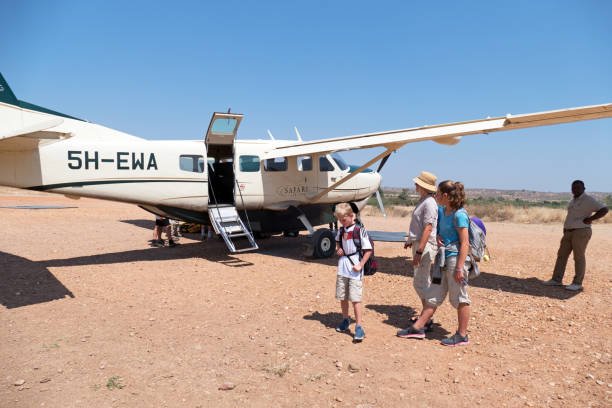

For many visitors, the allure of Tanzania lies in the contrast between the white sands of Zanzibar and the rugged bush of the mainland. However, the logistics of bridging that gap can be daunting. If you are staying on the island and looking for a safari, Mikumi National Park stands out as the most accessible destination. Unlike the northern circuit parks, which often require complex flight connections via Arusha, Mikumi is positioned perfectly for a direct, efficient link from Zanzibar.
At Climb 4 Africa, we frequently advise travelers that a Zanzibar to Mikumi safari by flight is less of a “long-haul expedition” and more of a precision-planned excursion. You are essentially trading a tedious travel day for an hour in the air, landing directly in the heart of the park.
The Strategic Advantage of Flying to Mikumi
Why do most of our clients choose to fly rather than attempt a road-and-ferry transfer? The answer is simple: time and energy. A road journey from Dar es Salaam to Mikumi takes several hours, and getting from Zanzibar to the Dar es Salaam ferry terminal, navigating the city traffic, and then driving to the park entrance can turn a simple safari into a 10-to-12-hour ordeal each way.
By opting for a flight, you bypass the ferry and the Dar es Salaam transit entirely. You leave Zanzibar’s Kisauni Airport in the morning and, in many cases, are spotting elephants or giraffes within an hour or two of touchdown. This efficiency makes Mikumi one of the few places where a 1-day safari is genuinely enjoyable rather than purely exhausting.
Understanding the Cost Factors
When searching for a Zanzibar to Mikumi safari by flight, you will notice a range of prices. It is important to understand that there is no “fixed” price because your quote is an accumulation of several variable costs. When you contact us for a quote, these are the components that build your total:
- Flight Costs: These are highly seasonal. Flights operate on smaller bush planes, and prices rise during peak tourist months (June to October and late December) due to high demand.
- Park Entrance Fees: These are set by the Tanzania National Parks Authority (TANAPA) and are non-negotiable. They cover your entry to Mikumi and contribute to conservation efforts.
- Vehicle Hire & Fuel: Once you land, you need a 4×4 safari vehicle with a driver-guide. This cost is shared if you join a group tour, or fully yours if you book a private safari.
- Guide Services: A professional, experienced guide is the difference between a drive and a discovery. Their daily rate is included in your package.
- Meals and Refreshments: Depending on whether you choose a 1-day or 2-day itinerary, this includes lunch in the park or full board accommodation.
If you are comparing quotes, always ask if the price includes the Airstrip Transfer. Occasionally, budget packages omit the transfer from the Mikumi airstrip to the park gate, which can leave you stranded. We ensure these logistics are handled from the moment you land until you are safely back on your return flight.
Pro Tip: The 1-Day vs. 2-Day Decision
Deciding between a one-day trip and an overnight stay is the biggest choice you will make. A 1-day safari is high-energy. You land, you game drive, you eat lunch, you game drive again, and you fly back. It is perfect if you are on a strict schedule. A 2-day safari, however, allows you to experience the park at dawn and dusk—the times when predators are most active. You also avoid the “rush” feeling, allowing you to settle into the rhythm of the bush. If your budget allows, the overnight stay offers a much higher quality of wildlife viewing.
Planning Your 2026-2027 Safari
As we look toward the 2026 and 2027 travel seasons, the demand for short, high-impact safaris is increasing. Because Mikumi is smaller than the Serengeti or Nyerere (formerly Selous), it can feel intimate, but it also means that accommodation options inside or near the park can book out quickly. We recommend checking our group departure list if you are traveling solo or as a couple, as joining a pre-arranged group can significantly reduce your per-person costs compared to a private, tailor-made safari.
Logistics and What to Expect
Flying into a national park is a unique experience. Unlike international airports, the Mikumi airstrip is a dirt or gravel strip located right within or adjacent to the park boundaries. When you land, you are not met by terminal buildings and baggage carousels; you are met by your driver and your safari vehicle.
Packing for the Flight: Because you are flying on small, light aircraft (such as Cessnas or Caravans), there are strict baggage limits. We advise our clients to travel with soft-sided bags. Hard-shell suitcases are often difficult to fit into the cargo holds of these small planes. If you are staying in Zanzibar and flying to Mikumi, leave your heavy luggage at your Zanzibar hotel and take only what you need for the safari in a small daypack.
Why Mikumi?
Mikumi National Park is often described as a “mini-Serengeti.” It features the Mkata Floodplain, which is the park’s most productive area for game viewing. You will find large herds of buffalo, zebra, wildebeest, and impala. It is also one of the best places in Tanzania to spot lions and leopards, as the terrain is relatively open, making it easier to track predators. For a short trip from Zanzibar, it provides an incredible density of wildlife that you simply cannot get without flying into more remote areas like the Nyerere National Park or the Serengeti.
| Factor | 1-Day Safari | 2-Day Safari |
|---|---|---|
| Pace | Fast-paced, high energy | Relaxed, in-depth |
| Wildlife Viewing | Daytime only | Dawn, dusk, and night |
| Cost | Lower (no accommodation) | Higher (includes lodging/meals) |
| Best For | Time-pressed travelers | Wildlife enthusiasts |
Booking Your Trip: How to Proceed
We do not use an automated booking system because every safari we arrange is slightly different based on your flight times and accommodation preferences. To get the most accurate and up-to-date pricing for your specific dates in 2026 or 2027, we need to coordinate with the current flight availability.
What to send us:
- Your preferred travel dates (and flexibility).
- The number of travelers in your group.
- Whether you prefer a 1-day or 2-day experience.
- Any specific wildlife or photography interests.
You can reach our team directly via WhatsApp at +255 747 477 898 or email us at climb4africa@gmail.com. Alternatively, you can use our backup contact at info@climb-4-africa.com. We will look at the flight schedules, verify the vehicle availability for your dates, and provide a transparent breakdown of the costs so you can make an informed decision.
If you are also considering other safari options from the island, you might find it useful to compare this with a Zanzibar to Serengeti safari, which offers a different landscape and wildlife experience, or a Zanzibar to Nyerere safari, which is known for its boat safaris and diverse ecosystems. We are happy to help you weigh the pros and cons of each based on your personal travel style.
Frequently Asked Questions
Do I need a visa to fly from Zanzibar to Mikumi?
No. Both Zanzibar and Mikumi are within Tanzania. As long as you have already cleared immigration to enter Tanzania, there are no additional visa requirements for domestic travel.
Is the flight from Zanzibar to Mikumi safe?
Yes. The flights are operated by reputable domestic carriers that adhere to Tanzania Civil Aviation Authority standards. These flights are a standard way to travel for safari-goers and are well-managed.
What happens if the flight is canceled due to weather?
Weather in the tropics can be unpredictable. While rare, flights can be delayed or rescheduled. As your tour operator, we handle all communication with the airline and adjust your safari itinerary accordingly. This is why we always recommend having a buffer day in your schedule if possible.
Can I bring my camera equipment?
Yes, but keep the weight limits in mind. Most small aircraft have strict limits on total luggage weight (often 15kg including carry-on). If you have heavy professional camera gear, let us know in advance so we can ensure the aircraft can accommodate the extra weight, which may require booking an extra seat.
Preparing for Your Bush Flight: Practical Considerations
While the Zanzibar to Mikumi route is a popular and efficient choice, the mechanics of bush flying differ significantly from the commercial aviation experience travelers are accustomed to. Preparing for this leg of your journey requires a shift in mindset, specifically regarding how you pack and how you manage your transition from the coast to the bush.
The Luggage Reality: Why Soft-Sided Bags Matter
One of the most frequent points of confusion for first-time safari travelers is the strict luggage policy on bush planes. While our previous advice touched on weight limits, the type of luggage you bring is equally critical. Small aircraft, such as the Cessna Caravans often used for these transfers, feature small, uniquely shaped cargo pods. Rigid, hard-shell suitcases are often impossible to fit into these spaces. Even if your bag is under the 15kg limit, a hard-shell suitcase may be rejected by the pilot because it cannot be molded to fit the cargo bay configuration.
We strongly advise all our clients to use soft-sided duffel bags. These bags can be compressed and stacked efficiently, ensuring that your gear fits securely without compromising the balance of the aircraft. If you are traveling with professional camera equipment, please inform us during the planning phase. We can often arrange for a dedicated seat for your equipment, which is a safer and more reliable option than attempting to force heavy, delicate cases into a cargo hold.
The Airstrip Arrival Experience
It is important to manage your expectations regarding the “arrival” process. When you land at Mikumi, you are not arriving at a commercial terminal with jet bridges, baggage carousels, or climate-controlled waiting areas. The Mikumi airstrip is a remote, unpaved runway located within or adjacent to the park. Upon landing, you will step directly from the aircraft onto the dirt or grass runway. There are no restrooms, cafes, or shops at the airstrip itself. Your safari guide will meet you at the side of the runway, and your transfer to the lodge or the start of your game drive begins immediately. We recommend ensuring you have used the restroom facilities before departing Zanzibar and that you have all your essential items—sunscreen, hat, water, and camera—easily accessible in your day pack, as you will not have time to reorganize your luggage once you touch down.
Health and Clothing Strategy for the Bush
Traveling from the coastal environment of Zanzibar to the interior bush of Mikumi involves a change in climate and potential health considerations. While Zanzibar is largely coastal and breezy, Mikumi can be significantly hotter and drier, with a different insect profile. Malaria prophylaxis is strongly recommended for all visitors to the mainland, regardless of the length of your stay. Consult your travel clinic well in advance of your trip to ensure your medication is appropriate for the Tanzanian interior.
Regarding your attire, avoid wearing dark blue or black clothing. These colors are known to attract tsetse flies, which are present in certain parts of the park. Opt for neutral colors—khaki, tan, olive, or light grey—which are not only cooler in the direct sun but also less attractive to biting insects. Furthermore, the temperature inside a small bush plane can fluctuate; while it may be sweltering on the ground, the cabin can feel chilly at cruising altitude. Dressing in light, breathable layers is the most effective way to stay comfortable throughout the flight and the subsequent game drive.
Documenting Your Trip
Because you are moving between regions, keep your identification documents and your Tanzania entry permit or visa copy in your carry-on bag, not your checked luggage. While this is a domestic flight, random spot checks by park authorities or local officials can occur, and having your paperwork readily available ensures that your transition from the plane to the safari vehicle remains smooth and stress-free.
Optimizing Your Game Drive Timing: The Fly-In Advantage
The primary benefit of a fly-in safari is the elimination of transit fatigue, but it also fundamentally alters your game drive strategy. Because you are not spending hours on a road transfer to reach the park gate, you arrive with your energy levels high and your schedule compressed. This allows you to focus entirely on the “golden hours” of wildlife activity, provided you understand how your flight schedule dictates your viewing potential.
The Morning vs. Afternoon Arrival Dynamics
Most bush flights from Zanzibar aim to land in Mikumi between mid-morning and early afternoon. Understanding the implications of your specific flight window is crucial for managing your wildlife expectations. If your flight arrives in the early morning, you are effectively stepping into the final, high-energy hours of the morning game drive. This is often when predators are still active before seeking shade, and herbivores are grazing in the open plains. If you are booked on a flight that lands in the early afternoon, you are arriving during the “heat of the day,” when wildlife activity naturally dips. In this scenario, your guide will likely focus on waterholes and riverbanks where animals congregate to drink and cool off, rather than expecting high-speed hunts.
Navigating the Mkata Floodplain
The Mkata Floodplain is the heart of Mikumi’s ecosystem. Whether you arrive in the morning or the afternoon, your game drive will almost certainly prioritize this area. However, the strategy shifts based on the time. In the morning, vehicles often traverse the open grasslands to spot lions or leopards lounging in the sun. In the afternoon, the focus shifts to the peripheral woodlands and the edges of the floodplain, where elephants and buffalo seek relief from the sun under the acacia canopies. Being aware of this rhythm helps you communicate better with your guide; if you have a preference for seeing specific animals, mention it as soon as you land, as the guide can adjust the route to prioritize those habitats within the limited window of your stay.
Transitioning from Bush to Beach: The Return Leg
The conclusion of your Mikumi safari is often less structured than the arrival, which can cause anxiety for travelers accustomed to the rigid protocols of international airports. Unlike the departure from Zanzibar, where you navigate security checkpoints and boarding gates, the departure from Mikumi is a fluid, manual process. You will typically be driven back to the airstrip approximately 45 to 60 minutes before your scheduled flight time. This is not for security screening, but to ensure you are present when the aircraft arrives, as bush pilots often operate on a “visual flight rules” (VFR) basis, meaning they may adjust their arrival time slightly based on real-time weather conditions over the park.
Upon arriving at the airstrip, do not expect a terminal building or a departure lounge. You will likely wait in your safari vehicle or near the shade of a nearby tree. This is the moment to finalize your logistics with your driver-guide. If you have any remaining questions about the wildlife you saw or need assistance with your luggage transfer back to the Zanzibar ferry or your hotel, this is the time to ask. Your pilot will typically approach the vehicle or call out when the aircraft is ready for boarding. Ensure your personal belongings are gathered well before the aircraft touches down, as turnaround times on these remote strips are often brief; the aircraft may only remain on the ground for ten to fifteen minutes before departing for the next leg of its journey.
Safari Etiquette: Maximizing Your Limited Time
Because your fly-in safari is likely compressed into a single day or a short overnight stay, your behavior within the park significantly influences the quality of your sightings. The most critical rule in a safari vehicle is noise discipline. Animals in Mikumi, while accustomed to the presence of vehicles, are highly sensitive to sudden, high-pitched sounds or erratic movements. When your guide stops the engine to observe a lion, leopard, or elephant, silence is your greatest tool. Even a whisper can carry across the savanna, potentially causing a predator to lose interest or a herd to move away from the road. For the duration of your game drive, treat the vehicle as a mobile observation deck where stillness is expected.
Furthermore, understand the “camera down” principle. Many first-time visitors spend the entire game drive looking through a viewfinder or a smartphone screen. While documenting your trip is important, this approach often causes you to miss the context of the sighting—the social interactions between animals, the subtle changes in the wind, or the alarm calls of birds that signal a nearby predator. Commit to spending at least half of your game drive with your camera lowered. By observing with your naked eye, you will develop a better sense of animal behavior, which will actually make you a better photographer; you will learn to anticipate movement rather than just reacting to it. If you are traveling with a group, coordinate your photography spots. Do not crowd one side of the vehicle, as this shifts the weight and balance, potentially startling the wildlife or obscuring the view for others. Allow your guide to manage the vehicle’s position; they are trained to anticipate the animal’s path and will place you in the best possible position for a clear, unobstructed view without encroaching on the animal’s comfort zone.
Tipping and Gratuity Norms in the Bush
A common point of confusion for travelers on short-term safari packages is the standard for tipping. Because your driver-guide is the single most important factor in the success of your day, it is standard practice to show appreciation for their expertise, safety, and effort. While tipping is always discretionary, a general guideline for a full-day safari is to tip between $15 and $25 USD per person, depending on the level of service and the duration of your stay. If you are on a 1-day trip, it is customary to provide this tip at the end of the day, just before you board your return flight. If you are staying overnight, you might tip the lodge staff separately, but the tip for your driver-guide remains a distinct gesture for their specific role in managing your transit and game viewing. Always carry small denominations of USD or Tanzanian Shillings, as change is rarely available in the bush. Providing a tip is not just a financial transaction; it is a recognition of the guide’s role in keeping you safe and helping you navigate the complexities of the floodplain.
Navigating Vehicle Types and Seating Arrangements
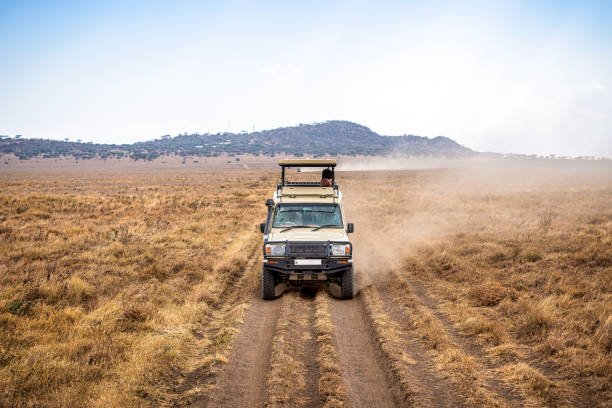
While the focus of your trip is the flight, the ground component—your safari vehicle—is equally critical to your overall comfort and success. In Mikumi, the standard for fly-in packages is the modified 4×4 Land Cruiser. Unlike the vehicles used for airport transfers in Zanzibar or city tours, these are purpose-built machines. Understanding the configuration of these vehicles helps you prepare for the reality of a game drive. Most vehicles are equipped with a pop-up roof or an open-sided design, which allows for 360-degree viewing. However, not all seats offer the same experience. If you are traveling as part of a group, it is helpful to understand that the “middle” seats, often located over the wheel arches, can be more susceptible to bumps and vibrations on the park’s unpaved tracks. If you have any back issues or physical limitations, communicate this to your operator during the booking phase so they can ensure your vehicle is equipped with appropriate cushioning or that you are allocated a seat with better suspension.
Furthermore, the communication between you and your driver-guide relies heavily on the vehicle’s internal setup. Many of the 4x4s used in Mikumi are fitted with open-top hatches that allow you to stand up while the vehicle is stationary. This is the optimal way to view wildlife, as it provides an elevated perspective, allowing you to see over the tall grasses of the Mkata Floodplain. When you are standing, ensure your center of gravity is low and that you are holding onto the vehicle’s frame. Avoid leaning out of the vehicle or placing your hands on the metal roof frame while the vehicle is in motion, as the terrain can be uneven and sudden stops or bumps are common.
The Cultural Component: Respecting Local Communities
While Mikumi National Park is primarily a wilderness destination, your journey to and from the airstrip may bring you into contact with local communities bordering the park. The relationship between the park and the surrounding villages is a delicate ecosystem of conservation and livelihood. As a visitor, you are a guest not just of the park, but of the region. When your driver takes you from the airstrip to the park gates, you may pass through settlements where daily life is vibrant and distinct from the tourist-centric atmosphere of Zanzibar. It is respectful to keep your camera equipment tucked away if you are passing through residential areas, or to ask your guide for permission before taking photographs of people or their homes. This is a matter of basic travel ethics; treating local residents with the same respect you would afford fellow travelers ensures that tourism remains a positive force in the region. Your guide is your cultural liaison; if you are curious about the local agricultural practices or the history of the nearby communities, feel free to ask. Many guides are proud to share insights into how the local population coexists with the wildlife, which adds a profound layer of depth to your safari experience that goes beyond simply checking off the “Big Five” from your list.
Managing Connectivity and Power in the Bush
One of the most common anxieties for modern travelers is the prospect of being “off the grid.” When you fly from the highly connected environment of Zanzibar to the remote airstrip in Mikumi, you are entering an area where cellular coverage can be intermittent and electricity is not always guaranteed. If you are on a 1-day trip, this is rarely an issue, as you are only away from your resort for a short window. However, for those opting for an overnight stay, it is vital to be prepared. Most lodges in the vicinity of Mikumi are designed to offer comfort, but they may rely on solar power or generators. This means that high-drain devices, such as hair dryers or heavy-duty laptops, may not be supported by the room’s power outlets. Always carry a portable power bank for your phone and camera batteries. Charge all your devices fully before leaving your Zanzibar hotel. If you have urgent business or need to stay reachable, discuss this with your operator beforehand; they can advise on which lodges offer the most reliable Wi-Fi or cellular signal, though you should always set expectations for a “digital detox” while inside the park itself. The goal of the flight is to isolate you in nature, and embracing the temporary break from connectivity is often the most rewarding part of the experience.
Seasonal Wildlife Dynamics: What to Expect in Mikumi
While the fly-in safari model offers a consistent level of convenience regardless of the date, the wildlife experience within Mikumi National Park is dictated by the rhythm of the seasons. Understanding these shifts is essential for managing your expectations, particularly if you are booking your trip outside of the peak dry season. Mikumi’s ecosystem, centered on the Mkata Floodplain, undergoes a dramatic transformation that influences both animal behavior and visibility.
The dry season, spanning roughly from June through October, is widely considered the prime window for game viewing. During these months, the vegetation thins out, and water sources become scarce, forcing wildlife to congregate around the remaining waterholes and the Mkata River. This makes spotting the park’s resident lions, leopards, and large herds of buffalo significantly easier. For photographers, this period offers the classic “dusty bush” aesthetic and high-contrast light. Because you are flying in, you are shielded from the long, dusty road transfers that other visitors endure, meaning you arrive at the prime viewing hours—early morning or late afternoon—with maximum energy to capitalize on these concentrated sightings.
Conversely, the “green season”—which includes the short rains in November and December and the long rains from March through May—presents a different, yet equally rewarding, experience. While the dense, tall grasses can make spotting stealthy predators like leopards more challenging, the park transforms into a lush, emerald landscape. This is the peak time for birdwatchers, as migratory species arrive and local birds are in their most vibrant plumage. Furthermore, the green season is the calving period for many ungulates. Watching herds of impala and wildebeest with their young against a backdrop of wildflowers is a unique privilege. If you are flying in during this time, be aware that while the flight itself remains smooth, the ground conditions in the park may be softer. Your driver-guide will be highly experienced in navigating these conditions, but you should anticipate a slightly slower pace of movement to ensure both safety and optimal wildlife spotting.
The Zanzibar Transit Factor: Coordinating Your Airport Transfer
A frequently overlooked logistical detail for travelers heading from Zanzibar to Mikumi is the distance between their beach resort and the Zanzibar International Airport (ZNZ). Because the bush flight to Mikumi typically departs in the early morning to maximize your time in the park, the timing of your transfer from your hotel to the airport is the most critical variable in your itinerary. Zanzibar’s geography can be deceptive; while the island is relatively small, road conditions and traffic—particularly near Stone Town—can cause significant delays.
If you are staying at a resort on the northern tip of the island, such as Nungwi or Kendwa, you must factor in a transfer time of approximately 90 minutes to two hours to reach the airport. If you are staying on the east coast, the transit time is similarly substantial. Many first-time visitors underestimate this, assuming that a short flight implies a short travel morning. We strongly recommend that you coordinate your hotel pickup time directly with your transport provider, ensuring they are aware of your specific flight departure time. A good rule of thumb is to be at the airport check-in desk at least 60 to 90 minutes before your bush flight. This buffer is not just for security—though domestic security is generally efficient—but to allow for the pre-flight briefing, baggage weighing, and the potential for a slightly earlier departure if the pilot decides to beat incoming weather patterns.
When booking your Zanzibar accommodation, consider the proximity to the airport if you have an early morning safari flight scheduled. While staying in Nungwi is ideal for beach relaxation, staying closer to Stone Town or the central part of the island the night before your safari can drastically reduce your stress levels. If moving hotels is not an option, ensure your transfer is private and pre-booked. Relying on ad-hoc taxi services at 5:00 AM can be a source of unnecessary anxiety. By treating the transfer from your hotel to the ZNZ runway as a formal part of your safari itinerary, you ensure that your transition from the Indian Ocean coast to the heart of the Tanzanian bush remains smooth and entirely focused on the wildlife experience ahead.
Navigating Dietary and Special Needs in the Bush
Transitioning from the highly serviced environment of a Zanzibar beach resort to a remote bush camp in Mikumi presents a unique logistical challenge regarding dietary requirements. In Zanzibar, resorts are accustomed to catering to diverse international palates, often with extensive buffets and on-demand kitchen services. In contrast, the bush environment operates on a different supply chain. Most lodges and camps in or near Mikumi rely on deliveries from larger towns, sometimes several hours away. Consequently, the “all-inclusive” nature of your safari package does not imply the same level of spontaneous, à la carte flexibility you might enjoy at your coastal hotel.
If you have strict dietary requirements—such as severe allergies, celiac disease, veganism, or specific religious dietary laws—it is imperative that you communicate these to your tour operator at the time of booking, ideally at least 14 days before your departure. Because the kitchens in the bush are smaller and inventory is managed with precision to avoid waste, a “last-minute” request upon arrival at the airstrip is often impossible to accommodate. When you notify your operator, be specific. Instead of simply stating “vegetarian,” clarify if you consume eggs and dairy, or if you require strictly plant-based meals prepared without cross-contamination. Most reputable camps are well-equipped to handle these requests if they have advance notice, but they cannot pivot on the day of your arrival.
Furthermore, consider the hydration and snacking aspect of your game drive. Your safari vehicle will typically be stocked with bottled water, but if you have preferences for specific electrolyte drinks, specialized snacks, or personal medical supplies, you should plan to bring these from Zanzibar. While the lodges provide lunch, often packed as a picnic to allow you more time in the field, these meals are standardized. If you have a sensitive stomach or specific nutritional needs, carrying your own non-perishable supplements is a prudent strategy that ensures your physical comfort remains a priority throughout the day.

Understanding Wildlife Sighting Realities: Beyond the Brochure
A common pitfall for first-time visitors is the “checklist mentality.” Marketing materials often use the term “Big Five” to describe the allure of Tanzanian parks. While Mikumi offers spectacular wildlife viewing—particularly of lions, leopards, elephants, and buffalo—the “Big Five” (which includes the rhinoceros) is a historical hunting term rather than a guarantee of your daily sightings. Managing your expectations is the single most effective way to ensure a satisfying trip. Mikumi is not a zoo; it is a vast, open ecosystem where animals move according to their own biological rhythms, not a schedule.
The “Fly-In” advantage provides you with more time in the park, but it does not grant you control over the wildlife. You may spend your first hour witnessing a pride of lions, or you may spend it traversing the floodplain observing the rich birdlife and grazing ungulates. Understanding that the *search* is part of the experience is crucial. A successful game drive is defined by the quality of the observation—watching a behavior, such as a hunt, a grooming session, or a territorial display—rather than the quantity of species checked off a list. Your driver-guide is your most valuable asset in this regard. They are trained to interpret the “language of the bush”: the alarm calls of birds, the nervous behavior of impala, and the tracks left in the dust. Engaging with your guide, asking questions about the ecosystem, and allowing them to focus on the terrain rather than pressuring them to find a specific animal will almost always yield a more rewarding experience.
A point of frequent confusion involves the rules regarding vehicle movement. You may see images of safari vehicles driving right up to animals, leading some travelers to expect that their driver will drive off-road to get the perfect photograph. In Mikumi, as in most Tanzanian national parks, off-road driving is strictly prohibited to protect the fragile soil and vegetation of the floodplain. Your driver will remain on established tracks. While this might occasionally mean you are viewing a leopard from 30 meters rather than 5 meters, it is a non-negotiable aspect of conservation. Respecting these boundaries ensures the long-term health of the park. If you are a photographer, this reality makes a longer telephoto lens—ideally 400mm or greater—far more valuable than a wide-angle lens, as you will need to bridge that distance optically rather than physically.
Finally, remember that the “silence” of the bush is a tactical advantage. When your vehicle stops for a sighting, the engine is cut. This is the moment to stop talking. Animals are highly sensitive to human voices, which can carry across the open plains and cause them to move away. By maintaining absolute quiet, you allow your guide to listen for the sounds of predators or the rustle of movement in the bush, and you increase the likelihood of the animals remaining in your vicinity. A fly-in safari is a compressed experience; by aligning your behavior with the rhythm of the environment, you maximize the impact of every hour you spend in the wild.
The Physical and Sensory Transition: Re-entering Coastal Life
The transition from the Mikumi interior back to the Zanzibar coast is a sudden shift in both climate and sensory intensity. While the logistics of the flight are smooth, the biological impact on the traveler is often overlooked. After a day spent in the open-air environment of a 4×4, exposed to the intense sun, wind, and the fine dust of the Mkata Floodplain, your body undergoes a specific type of fatigue. This is often referred to by seasoned travelers as the “safari hangover.”
Understanding the “Safari Hangover” Phenomenon
The “safari hangover” is a combination of mild dehydration, sun exposure, and the adrenaline crash that follows a day of high-focus wildlife spotting. Even if you have been vigilant about drinking water, the dry, arid air of the mainland bush—which contrasts sharply with the humid, salt-heavy air of the Zanzibar coast—can leave you feeling physically drained. When you step off the small bush plane back onto the tarmac at Zanzibar International Airport (ZNZ), you may find that your energy levels drop significantly. Expecting to immediately pivot back into the high-energy environment of a Zanzibar beach resort or a late-night Stone Town excursion is a common planning error that can compromise the enjoyment of your final days in Tanzania.
Strategic Scheduling: The “Buffer Evening”
To maximize your enjoyment, we strongly advise against booking high-impact activities for the evening of your return. If you are returning from a 1-day or 2-day safari, your schedule should prioritize recovery. This means planning a “buffer evening” at your accommodation. Instead of dinner reservations in a busy part of the city or a late-night cultural performance, choose a quiet meal at your resort. This allows you to process the experiences of the safari—reviewing photos, writing in a journal, or simply decompressing—without the pressure of further logistics or social commitments. The physical act of transitioning from the rugged, dusty environment of the bush to the refined, coastal atmosphere of your hotel is best accomplished with a few hours of downtime.
The Sensory Contrast: From Dust to Salt Air
Beyond the physical fatigue, there is a distinct sensory shift. The Mikumi bush is characterized by its earthy, dry, and often pungent scents—the smell of sun-baked grass, animal musk, and dust. Zanzibar, by contrast, is dominated by the scent of cloves, salt air, and humidity. This abrupt change can sometimes cause a brief period of sensory disorientation. Many travelers find that a long, cool shower immediately upon returning to their resort is the most effective way to “reset” after the bush. Furthermore, because your clothing will likely be impregnated with the fine, red dust of the Mkata Floodplain, having a dedicated laundry service or a change of clothes ready upon your return is a practical detail that significantly improves comfort. Avoid packing your safari clothes directly into your luggage with your beachwear; use a plastic bag or a separate compartment to keep the red dust contained until you can wash your gear.
Navigating the ZNZ Domestic Terminal: Operational Nuances
While the Zanzibar International Airport (ZNZ) has undergone significant modernization with the opening of its newer international terminal, the experience of boarding a bush flight to Mikumi operates under a distinct set of protocols. First-time travelers often make the mistake of heading toward the main international departure gates, only to realize that domestic bush flights—typically operated by smaller carriers—utilize a specific, dedicated area of the airport infrastructure. Understanding this distinction is vital to avoiding last-minute stress.
Unlike international commercial flights that require rigid, multi-hour check-in windows, the domestic bush flight experience is more fluid but also more reliant on direct communication. Upon arrival at the designated domestic check-in area, you will often find that the process is manual rather than digital. Expect your luggage to be weighed on scales that may appear antiquated compared to those in the international terminal, and be prepared for the pilot or ground crew to conduct a direct, face-to-face manifest check. This is not merely a formality; the pilots of these small aircraft are responsible for the weight and balance of the plane, and they often need to confirm passenger weights and luggage distribution personally before clearing the aircraft for takeoff.
Furthermore, amenities within the domestic terminal area are sparse compared to the international departure lounges. You will not find the same range of duty-free shops, extensive dining options, or high-speed Wi-Fi hubs. Plan to have your water, snacks, and any necessary travel documents (such as your park permit or digital boarding pass) organized in your carry-on before you reach the terminal gates. Because the transit time from the island to the mainland is short, the flight is essentially a “commuter” service; there is no in-flight service, so ensuring you are hydrated and prepared before you board is a standard practice for seasoned safari-goers.
Dust Mitigation Strategies for Safari Photography
The Mkata Floodplain, which serves as the primary game-viewing area in Mikumi, is characterized by a specific, fine red dust that becomes airborne the moment a vehicle drives across the savanna. This dust is remarkably pervasive and poses a significant risk to high-end camera equipment. While the Zanzibar coast is humid and salty—requiring protection against moisture and corrosion—the Mikumi interior requires a completely different approach to gear maintenance.
The most common error travelers make is attempting to change lenses while inside an open-sided safari vehicle. Even if the vehicle is stationary, the slightest breeze can carry the red dust into the sensor cavity of your camera body. Once this dust settles on your sensor, it can create permanent spots on your images that are difficult to remove in post-production. The golden rule for your Mikumi game drive is to keep your lens configuration static. If you must carry two lenses, utilize two camera bodies if possible, or accept the limitation of a versatile zoom lens rather than risking an open-body swap in the field.
When not actively shooting, keep your equipment in a dust-proof bag or a dedicated camera case rather than leaving it exposed on the seat. The fine particles in Mikumi can also infiltrate the focus rings and zoom mechanisms of lenses, leading to a “gritty” feeling that can damage the internal components over time. After your game drive, do not simply wipe your lens with a cloth; this can act like sandpaper, scratching the glass coating. Instead, use a manual air blower to dislodge the dust particles first. If you are staying overnight, a soft-bristle brush can be used to clean the exterior crevices of your camera body, but be extremely careful never to touch the sensor or the rear element of the lens with anything other than professional cleaning tools.
The Unique Pilot-Passenger Dynamic in Bush Aviation
Transitioning from the highly regulated, impersonal nature of commercial aviation to the intimate environment of a bush flight requires a shift in how you perceive your role as a passenger. In a commercial jet, you are a passive observer, managed by a team of cabin crew and separated from the flight deck by a reinforced door. On the route from Zanzibar to Mikumi, the dynamic is fundamentally different. You are not merely a passenger; you are an active participant in a small-aircraft operation where the pilot acts as the sole authority, navigator, and safety officer.
Understanding this dynamic is essential for a smooth experience. Because there are no cabin crew members to fetch refreshments or manage passenger behavior, the responsibility for personal comfort and safety falls directly on you. The pilot is managing complex variables—from fluctuating wind speeds over the Zanzibar Channel to the specific landing conditions at the unpaved Mikumi airstrip—and they require a focused, cooperative environment to operate effectively.
The Pilot as the Sole Authority
In the world of bush aviation, the pilot’s decision-making process is transparent and immediate. Unlike commercial airlines, where a flight might be delayed for hours due to administrative bottlenecks, a bush pilot’s decision to delay, divert, or change an altitude is usually based on immediate, visible, or meteorological data. When a pilot informs you that the flight path is changing due to cloud cover or that a landing is being aborted due to wildlife on the runway, their word is absolute. Travelers who attempt to debate or question these decisions often fail to realize that the pilot is the only person on the aircraft with the necessary real-time data to ensure safety. Trusting this authority is the cornerstone of a successful safari flight.
In-Flight Communication and the “Open Cabin” Reality
One of the most striking differences you will encounter is the lack of a physical barrier between the cockpit and the cabin. In many of the Cessna Caravans or similar light aircraft used for the Zanzibar-Mikumi route, you are essentially sitting in the same space as the pilot. This creates a unique opportunity to witness the mechanics of flight, but it also imposes a strict code of conduct. Noise discipline is critical. While it may be tempting to lean forward to ask questions about the terrain or the flight path, doing so during critical phases—such as takeoff, approach, and landing—is a significant distraction.
If you have questions about the flight, wait for the cruise phase, when the pilot is not actively navigating or communicating with ground control. Even then, keep your interactions brief. The pilot is constantly monitoring engine gauges, fuel levels, and weather patterns. By keeping your interactions limited, you allow the pilot to maintain the situational awareness required to navigate the bush environment safely.
The Sensory Reality: Managing Noise and Vibration
Bush planes are utilitarian machines. They are designed for durability and short-field performance, not for soundproofing or climate-controlled comfort. The noise level inside the cabin during takeoff and cruise is significantly higher than in a commercial jet. Most operators provide noise-canceling headsets, and it is standard practice to wear them for the duration of the flight. These headsets are not just for your comfort; they allow you to hear the pilot’s safety announcements, which are often delivered over the intercom rather than through a pre-recorded system.
If you find the noise or the vibration of the aircraft uncomfortable, do not hesitate to use the headsets, even if you are not listening to music or a podcast. The constant drone of the engine can be fatiguing, and for travelers prone to sensory overload, wearing the provided hearing protection can significantly reduce the “safari hangover” effect upon arrival. Furthermore, if you are prone to motion sickness, the vibration of a small aircraft can exacerbate the condition. Keep your eyes on the horizon, avoid reading, and ensure that your seat ventilation is directed toward your face. If you feel unwell, signal the pilot during the cruise phase rather than waiting until the descent begins.
Decoding the Bush Flight Safety Briefing
Because there is no video screen to guide you, the safety briefing in a bush plane is a verbal, face-to-face interaction that occurs before boarding or immediately after you take your seat. Do not skip this. In a commercial setting, the safety demo is often treated as background noise, but in a bush plane, the information provided is vital. The pilot will explain how to open the emergency exits, where the fire extinguisher is located, and how to operate the door mechanism. Pay close attention to these instructions, as the layout of these aircraft can be complex, and in an emergency, you will need to operate the equipment without assistance. If you have any doubt about how the seatbelt functions—which are often different from the standard airline buckle—ask the pilot before the engine starts. This level of engagement is not just polite; it is a fundamental part of responsible bush travel.
Navigating the Airstrip-to-Lodge Transfer Logistics
One of the most critical, yet frequently overlooked, aspects of your Mikumi fly-in safari is the transition from the airstrip to your accommodation. Unlike major international airports where you simply exit the terminal to find a row of taxis or pre-arranged shuttles, a bush airstrip is a remote, often unpaved clearing. Your transfer is not a public service; it is a vital component of your safari package that requires precise coordination.
When you land at the Mikumi airstrip, you are not merely arriving at a destination; you are entering the operational sphere of your specific lodge or tour operator. In almost every instance, your transport will be a safari-modified 4×4 vehicle that has been waiting for your flight’s arrival. It is imperative to understand that this vehicle is usually dedicated solely to your party or the small group arriving on that specific flight. If you have booked through an agency, verify that the “meet and greet” service is confirmed. The driver-guide who meets you at the airstrip is often the same person who will conduct your game drives, meaning this first interaction is your primary opportunity to establish a rapport and communicate any specific wildlife interests or physical limitations.
The “Dry Run” Transfer Reality
Do not expect a direct, high-speed transfer to your lodge. The drive from the Mikumi airstrip to your accommodation—whether it is a luxury tented camp or a mid-range lodge—is effectively your first game drive. The airstrip is often located within or adjacent to the park boundaries, meaning that the moment you step off the plane and into the vehicle, you are in a wildlife-prone area. Experienced travelers treat this transfer as a “warm-up” session. Keep your binoculars accessible and your camera ready, even if you are eager to reach your room to freshen up.
Furthermore, be prepared for the road conditions. The tracks connecting the airstrip to the various lodges in and around Mikumi can be rugged, sandy, or muddy, depending on the season. A transfer that looks like a short distance on a map may take significantly longer than anticipated due to the terrain. If you are arriving with heavy luggage, ensure your driver has securely lashed it down before departing the airstrip. The jolting motion of a 4×4 on uneven tracks can easily cause shifting, which could damage delicate equipment or personal items.
Handling Last-Minute Schedule Adjustments
Flight times in the bush are subject to change based on weather conditions or operational requirements of the charter companies. If your flight arrives early or is delayed, your lodge transfer will need to adapt. This is why having a direct line of communication with your lodge or tour operator is essential. While the pilot will often radio ahead with your estimated time of arrival (ETA), having the contact number for your lodge manager in your phone can save hours of uncertainty. If you find yourself waiting at the airstrip for your transfer, stay near the aircraft or the designated waiting area if one exists. Do not wander off; even if the area appears calm, you are in an unfenced wilderness where wildlife movement is unpredictable.
The Psychology of the “Bush-to-Beach” Reversal
The return journey—from the Mikumi bush back to the Zanzibar coast—often carries a different psychological weight than the arrival. You are transitioning from the intensity of the safari environment, where your senses are heightened by the potential for wildlife sightings, back to the relative predictability of coastal life. This transition can be jarring if not managed with intentionality.
Many travelers report a feeling of “safari decompression” during the return flight. The adrenaline of the game drive begins to fade, replaced by the physical exhaustion of a day spent in the sun and dust. To manage this, we recommend viewing the return flight not as a chore, but as a final, elevated perspective of the Tanzanian landscape. From the air, you can often see the transition from the arid interior to the lush, water-logged plains and eventually the turquoise expanse of the Indian Ocean. It is a visual summary of the vast geographical diversity you have just traversed.
Managing the Post-Safari Transition at ZNZ
Upon landing back at the Zanzibar International Airport (ZNZ), you may experience a sensory overload. The shift from the quiet, vast spaces of the bush to the bustling activity of an island airport can be intense. You will likely be dusty, potentially dehydrated, and carrying the gear you used for the safari. Use the time during the short taxi ride from the airport to your resort to hydrate and mentally shift gears. Do not rush into your next activity. If possible, plan your return to coincide with a quiet evening at your hotel, allowing you to process the experiences of the last 24 to 48 hours before diving back into the social or beach-focused activities of your holiday.
Navigating the Specifics of Multi-Leg Internal Connections
While the direct Zanzibar to Mikumi flight is the primary focus of your itinerary, travelers often overlook the complexity of multi-leg internal connections if they are combining their safari with other Tanzanian destinations, such as Ruaha or Nyerere (formerly Selous). If your itinerary involves a “circuit” approach—flying Zanzibar to Mikumi, then Mikumi to a secondary park, and finally returning to the coast—you are no longer dealing with a simple point-to-point transfer. You are entering the realm of bush aviation “hub-and-spoke” logistics.
In these multi-leg scenarios, the primary challenge is the synchronization of flight times. Unlike commercial aviation where you have a single ticket covering all legs, bush flights are often operated by different charter companies or independent pilots who may not share a centralized reservation system. If your flight from Mikumi to a secondary destination is delayed, it can create a cascading effect on your subsequent transfers. To mitigate this, ensure your tour operator provides a consolidated “master itinerary” that explicitly lists the operator for each leg. Verify that the ground handlers at each airstrip are aware of your full flight path, not just your immediate arrival.
The “Airstrip Transfer” Bottleneck
When you are flying between internal parks, the airstrip is rarely a transit hub with amenities. It is often just a cleared strip of dirt or grass. You will not find lounges, cafes, or even basic seating areas. If you are waiting for a connecting flight, you are effectively waiting in the wilderness. This makes it crucial to coordinate with your pilot and lodge manager regarding the exact timing of your arrival and departure. Do not assume that a flight “connecting” to another park will have a synchronized handover. If your first flight lands at 10:00 AM and your second departs at 11:00 AM, you are responsible for communicating this tight window to both pilots. In many cases, the pilot of the second leg will be tracking the first flight, but personal confirmation is the only way to guarantee a smooth transition.
Managing Luggage Weight Across Multiple Stops
A significant, often underestimated, factor in multi-leg safari travel is the cumulative weight limit. While you may have been careful to pack light for your Zanzibar to Mikumi flight, adding a second or third bush flight increases the risk of being “offloaded” if the aircraft is at maximum capacity. Bush planes have strict weight and balance requirements that are calculated based on the total load of passengers and cargo for that specific flight leg. If you are carrying extra gear for a longer, multi-stop expedition, you must confirm that your luggage allowance is consistent across all legs. A weight limit that is acceptable for a short hop to Mikumi might be flagged as excessive on a smaller, six-seater aircraft used for a remote bush connection.
Understanding the Anatomy of Your Safari Quote
When reviewing quotes for a Zanzibar to Mikumi fly-in safari, it is common for travelers to be confused by the wide variance in pricing between different operators. A fly-in package is rarely a singular “off-the-shelf” product; it is a bundle of distinct services, each with its own cost structure. Understanding this anatomy is essential for comparing quotes accurately and avoiding “sticker shock” when final invoices arrive.
The “Hidden” Variables in Safari Pricing
Most safari quotes are built on a base rate, but the final price often shifts due to statutory fees that are outside an operator’s control. The most significant of these are the Tanzania National Parks Authority (TANAPA) fees. These are strictly regulated, per-person, per-day costs that cover park entry, vehicle transit fees, and often a “concession fee” if you are staying at a lodge inside the park boundaries. These fees are subject to annual revisions and are mandatory. When comparing quotes, ensure that your operator has itemized these fees; if one quote is significantly cheaper than another, it may be because they have omitted the park entry fees or calculated them based on outdated 2024 or 2025 rates rather than current 2026-2027 projections.
Furthermore, many travelers fail to account for the “Flying Doctor” insurance. In Tanzania, reputable safari operators mandate that guests have coverage through the AMREF Flying Doctors service. This is not a standard travel insurance policy; it is a specific medical evacuation coverage that ensures you can be airlifted from a remote bush airstrip to a hospital in Dar es Salaam or Nairobi in the event of a medical emergency. While some premium packages include this as a line item, others treat it as an add-on. Always verify whether your quote includes this, as it is a non-negotiable safety requirement for bush aviation.
Seat-in-Plane vs. Private Charter: Cost Implications
The most substantial factor in your quote is the flight itself. There are two primary ways to access Mikumi by air, and they differ drastically in price. The “Seat-in-Plane” (or “Scheduled Flight”) model is the most cost-effective. In this scenario, you are purchasing a single seat on a flight that is already operating on a set route, likely stopping at other airstrips to pick up or drop off other passengers. Because the cost of the flight is shared among multiple travelers, the price per person is significantly lower. However, this model is rigid; you are bound to the flight times of the airline, and you have no control over the aircraft’s routing or departure time.
A “Private Charter,” by contrast, is significantly more expensive but offers total control. You are paying for the entire aircraft, regardless of whether you fill all the seats. This is the preferred option for groups of four or more, or for travelers who have strict time constraints and cannot accommodate the multi-stop nature of scheduled “puddle jumper” flights. When evaluating a quote, if the price seems unusually high, check if you have been quoted for a private charter. If you are a solo traveler or a couple, you should almost always be looking for a “Seat-in-Plane” rate. If an operator is trying to push you toward a private charter without a clear logistical need, you are likely paying for unnecessary exclusivity.
The Zanzibar-Side Transfer Discrepancy
A frequent point of friction in safari billing is the “transfer” component on the Zanzibar side. Because the Zanzibar International Airport (ZNZ) is often an hour or more away from the primary beach resorts in Nungwi or Kendwa, the cost of the road transfer to the airport is substantial. Many safari operators are based in Dar es Salaam or Arusha and do not have their own vehicles on Zanzibar. Consequently, they may exclude the ZNZ airport transfer from the safari quote, assuming you will arrange your own taxi. This can lead to a surprise expense of $50 to $100 USD on the morning of your departure. Always ask your operator: “Does this quote include the transfer from my hotel to the ZNZ terminal?” If the answer is no, you must factor this into your total budget to avoid a scramble on the morning of your flight.
Why “All-Inclusive” is Not Always All-Inclusive
In the context of coastal Zanzibar resorts, “all-inclusive” usually means unlimited drinks and meals. In the bush, “all-inclusive” usually means meals, accommodation, and game drives. It rarely includes alcoholic beverages, laundry services, or gratuities. When you receive a quote for a 1-day or 2-day Mikumi trip, be aware that while your lunch in the park is likely included, your dinner and drinks at the lodge on the evening of your return—or your pre-safari breakfast—might not be. If you are budget-conscious, ask for a “fully inclusive” breakdown that specifically lists what is covered in terms of beverages and extras, as these can add 15-20% to your final bill if purchased on-site at premium lodge prices.
Navigating Accessibility and Comfort Constraints on Light Aircraft
The transition from a commercial jet to a bush plane involves more than just a change in cabin size; it necessitates a realistic evaluation of physical accessibility. The Cessna Caravans and similar light aircraft that service the Zanzibar-Mikumi route are utilitarian, designed for rugged airstrips and short-field performance rather than passenger ergonomics. For travelers with limited mobility, chronic back pain, or those traveling with young children, this transition can present significant hurdles that are often glossed over in standard booking brochures.
The most immediate physical challenge is the boarding process. Unlike the jet bridges or standardized staircases at Zanzibar International Airport (ZNZ), bush airstrips lack ground-level boarding infrastructure. You will typically board the aircraft via a steep, narrow ladder—often only two or three steps—that requires a degree of agility and balance. If you or a member of your party has knee or hip issues, this “climb” into the fuselage is not trivial. There is no ground staff to assist with boarding beyond the pilot, who is preoccupied with pre-flight checks. If mobility is a concern, you must communicate this to your tour operator during the booking phase. While they cannot change the aircraft’s design, they can ensure the pilot is aware of the need for extra time or assistance during the boarding and disembarkation process.
Once inside, the cabin environment is intentionally cramped to maximize payload capacity. The seating is typically arranged in a single-aisle configuration, and legroom is minimal. For taller travelers, this can be physically taxing, particularly on the one-hour flight. Furthermore, these aircraft are not equipped with onboard lavatories. While the flight duration is relatively short, the cumulative travel time—from hotel check-out to airport transit, flight, and the subsequent transfer to your lodge—means there is a significant window where access to facilities is impossible. For families with toddlers or travelers with specific medical needs, this necessitates strict pre-flight planning: utilize the restroom facilities at the ZNZ terminal immediately before boarding, and ensure that you have managed hydration levels strategically in the hours leading up to departure.
Finally, consider the temperature regulation inside the cabin. Bush planes rely on basic ventilation systems that are often less effective than those in commercial airliners. During the descent into the humid, lower-altitude environments of the mainland, the cabin can become noticeably warmer. Dressing in layers—which you are likely already doing for the safari—is essential, but keep in mind that you will not have the ability to adjust the airflow at your seat. By acknowledging these physical constraints in advance, you can adjust your expectations and prepare appropriately, ensuring that the logistical transition does not detract from the excitement of your arrival in the bush.
Related Guides and Packages
Check Availability for Zanzibar To Mikumi Safari By Flight: Prices & Travel Options 2026-2027
Ready to compare dates, prices, and the best option for your group? Send the package name and travel month so the team can reply with a clear quote, availability, and what is included.
Is Mikumi Or Nyerere Better For A Safari From Zanzibar? 2027
Is Mikumi or Nyerere Better for a Safari from Zanzibar? is explained with current 2027 planning, price, itinerary and booking information.
View package detailsZanzibar To Tarangire Safari By Flight: Prices & Travel Options 2026-2027
A detailed breakdown of the logistics, flight connections, and road transfers required to travel from Zanzibar to Tarangire National Park for a safari.
View package details2-Day Nyerere Safari From Zanzibar: Flight-Inclusive Package Prices 2026-2027
An expert guide to planning a 2-day Nyerere safari from Zanzibar, covering flight-inclusive package structures, cost drivers, and the practical rhythm of a short-stay wildlife adventure.
View package detailsZanzibar To Serengeti Safari By Flight: Prices & Packages 2026-2027
A practical guide to booking a Zanzibar to Serengeti safari by flight in 2027, covering route options, baggage logistics, and how to choose the right itinerary length.
View package details
Zanzibar To Ngorongoro Crater Safari By Flight: Price & Travel Options 2027
A deep look at the logistics, costs, and planning decisions required for flying from Zanzibar to start your Ngorongoro Crater Safari, designed for the experienced traveler.
View package detailsZanzibar To Lake Manyara Flights: Prices & Safari Transfers 2026-2027
Zanzibar to Lake Manyara Flights: Prices & Safari Transfers is explained with current 2026-2027 planning, price, itinerary and booking information.
View package details2-Day Serengeti Safari From Zanzibar By Flight: Price & Booking Guide
A practical guide to booking a 2-day Serengeti safari from Zanzibar by flight, covering itinerary logistics, cost considerations, and how to maximize your short time in the bush.
View package detailsBudget Fly-In Safari From Zanzibar: Best Packages & Prices 2026-2027
Discover how to plan a budget-friendly fly-in safari from Zanzibar to Tanzania's top parks without sacrificing the quality of your wildlife experience.
View package detailsZanzibar To Ruaha National Park Fly-In Safari: Prices & Booking Guide
A practical guide to planning a fly-in safari from Zanzibar to Ruaha National Park, covering flight logistics, itinerary choices, and how to book with Climb 4 Africa.
View package details1-Day Nyerere National Park Safari From Zanzibar By Flight: 2026-2027
Planning a one-day fly-in safari to Nyerere from Zanzibar? Understand the logistics, travel times, and wildlife expectations for a 2026 or 2027 trip.
View package details2-Day Tarangire & Ngorongoro Safari From Zanzibar: Flight Package Cost 2026
A detailed guide on the logistics, cost factors, and itinerary realities for a 2-day fly-in safari from Zanzibar to Tarangire National Park and the Ngorongoro Crater.
View package details4-Day Serengeti Safari From Zanzibar With Return Flights: A Planning Guide
A deep look at planning a 4-day fly-in safari from Zanzibar to the Serengeti, covering flight logistics, itinerary structures, and the critical decisions needed for a successful 2026 or...
View package detailsNo related package matches those filters. Clear one or more filters to see the other topic-matched options.



