
A 2-day Nyerere safari from Zanzibar is a flight-inclusive getaway designed to maximize wildlife viewing time by eliminating long ground transfers. These packages typically cover return regional flights, park entrance fees, full-board accommodation, and guided game activities. While exact 2-Day Nyerere Safari From Zanzibar: Flight-Inclusive Package Prices fluctuate based on seasonal flight availability and your choice of lodge tier (mid-range to luxury), you can expect the cost to reflect the convenience of direct bush-airstrip access, which saves nearly 12 hours of travel time compared to road-based alternatives.

If you are staying in Zanzibar and want to experience the raw, untamed wilderness of southern Tanzania, the 2-day Nyerere National Park safari is arguably the most efficient way to do it. Unlike a 1-day trip, which can feel rushed due to the constraints of flight times and gate openings, a 2-day itinerary allows you to settle into the pace of the bush. It transforms the experience from a “check-the-box” excursion into a genuine safari where you can actually spend time on the water and deep in the park.
At Climb 4 Africa, we often see travelers choosing between Nyerere and other destinations like Mikumi or even the northern parks. Nyerere stands out because it offers a diversity of terrain—riverine forests, savannah, and lakes—that you can explore by boat. When you book a flight-inclusive package, you aren’t just paying for a seat on a plane; you are paying for the logistical coordination that makes a 48-hour trip to the bush feasible.
Understanding the Price Components of Flight-Inclusive Packages
When you look at quotes for a 2-day Nyerere safari, it is easy to get lost in the bottom-line number. To understand what you are actually paying for, it helps to break the costs down. The price isn’t a flat fee; it is a composite of several variables that change depending on when you travel in 2026 or 2027.
- Regional Flight Costs: This is the most significant variable. Flights from Zanzibar (ZNZ) to airstrips like Mtemere or Stiegler’s operate on smaller aircraft. Prices spike during the peak season (July–October) when demand is high and seats are limited.
- Park and Concession Fees: Nyerere National Park has specific entry fees for non-residents. These are non-negotiable and are usually bundled into your package.
- Accommodation Tier: Whether you stay at a tented camp or a permanent lodge changes the price drastically. Mid-range lodges offer comfort and excellent proximity to game areas, while luxury options provide premium service and exclusive dining.
- Activity Inclusions: A standard 2-day package usually includes at least one boat safari and one game drive. If you want to add walking safaris, which are a highlight in Nyerere, ensure they are included in your quote, as they require specialized guides.
For the most accurate quote, it is best to provide us with your travel dates and preferred level of comfort. You can reach out via WhatsApp at +255 747 477 898 or email us at climb4africa@gmail.com for a breakdown of current availability.
The Rhythm of a 2-Day Nyerere Itinerary
The main advantage of the 2-day package is the pacing. A 1-day trip often forces you to fly in, do a quick drive, and fly out before the sun sets. With two days, you have time to breathe.
Day 1: Arrival and The River Experience
Your journey typically begins with a morning flight from Zanzibar. The flight itself is part of the experience, offering aerial views of the Indian Ocean and the transition from island life to the dense bush. Upon landing at the bush airstrip, you are met by your safari vehicle. After a short transfer to your lodge and a quick lunch, the afternoon is usually dedicated to a boat safari on the Rufiji River. This is unique to Nyerere; you will see hippos, crocodiles, and elephants coming to the water’s edge, all from the safety and tranquility of a boat.
Day 2: The Deep Bush Game Drive
After an early breakfast, you head out for a morning game drive. This is when the predators are most active. Because you stayed overnight, you can venture deeper into the park than a day-tripper could. You are searching for the Big Five, but also for the African Wild Dog, which is a particular specialty of the Nyerere ecosystem. After a packed lunch or a late brunch back at the lodge, you transfer back to the airstrip for your afternoon flight to Zanzibar, arriving back at your beach resort by the evening.
Nyerere vs. Mikumi: Why Choose the Longer Flight?
Travelers often ask us if they should fly to Mikumi instead to save on costs. While Mikumi is closer to the coast and can be cheaper, Nyerere offers a fundamentally different experience. If you are looking for that “classic” safari feel with diverse landscapes—and specifically the boat safari—Nyerere is the superior choice. You can read more about the differences in our guide: Is Mikumi or Nyerere Better for a Safari from Zanzibar?. If your priority is budget over the variety of landscapes, Mikumi might fit, but for a 2-day trip, the extra flight time to Nyerere is almost always worth the investment in the quality of the sightings.
Practical Logistics for Your 2027 Safari
Planning a safari in 2026 or 2027 requires understanding the seasonal shifts in Tanzania. Nyerere is accessible year-round, but the experience changes.
- Dry Season (June to October): This is the prime time for game viewing. Vegetation is thin, making animals easier to spot as they congregate around water sources. Flights are in high demand, so booking 3–6 months in advance is recommended.
- Green Season (November to May): The landscape is lush and beautiful, and birdlife is incredible. While wildlife can be harder to spot in the tall grass, the lodges are often quieter and more affordable.
Regardless of the season, packing is key. Even in the heat, early morning game drives can be chilly in an open-sided vehicle. A light windbreaker or fleece is essential. Also, remember that bush flights have strict luggage weight limits—usually 15kg in soft-sided bags. If you are staying on Zanzibar, leave your main luggage at your hotel and travel to the safari with a smaller, lighter bag.
Why Book Through a Local Specialist?
Booking a flight-inclusive safari involves coordinating multiple entities: the airline, the park authorities, and the lodge. When you book with Climb 4 Africa, we handle the synchronization of these elements. If a flight schedule changes or weather affects landing times, we have the local support infrastructure to adjust your itinerary on the fly. You aren’t just buying a ticket; you are buying the assurance that if something goes wrong, you have a local team to navigate the solution.
For those interested in extending their trip or combining it with other adventures, we also organize mountain treks and longer safari circuits. You can explore our other options at our full list of group departures and shared tours. If you are ready to start planning your 2-day Nyerere safari, send us your tentative dates and the number of travelers to info@climb-4-africa.com, and we will provide you with a transparent quote that includes all necessary flight and ground arrangements.
Frequently Asked Questions
- Are the flights included in the price reliable? Yes, we work with established local carriers that service the safari airstrips. However, weather can occasionally cause delays, which is why having an operator handle the booking is safer than doing it yourself.
- Is a 2-day safari enough time to see the Big Five? It is possible, but never guaranteed. Nyerere is vast. A 2-day trip gives you a great overview and excellent wildlife sightings, especially of hippos and crocodiles, but wildlife is wild and unpredictable.
- Can I do this trip with children? Many lodges in Nyerere are family-friendly, but always check age restrictions for walking safaris. We can recommend lodges that cater well to families.
- What happens if my flight is canceled? As your tour operator, we handle the rebooking and communication with the airline and lodge. This is the primary reason to book a package rather than individual components.
Whether you are looking to escape the beach for a few days or you want to add a high-impact wildlife experience to your Zanzibar holiday, the 2-day Nyerere flight-inclusive package offers the best balance of time and immersion. It is a compact, efficient, and deeply memorable way to see the heart of Tanzania’s southern wilderness without spending your vacation on a bus.
The Reality of Bush Plane Transfers and Luggage Limits
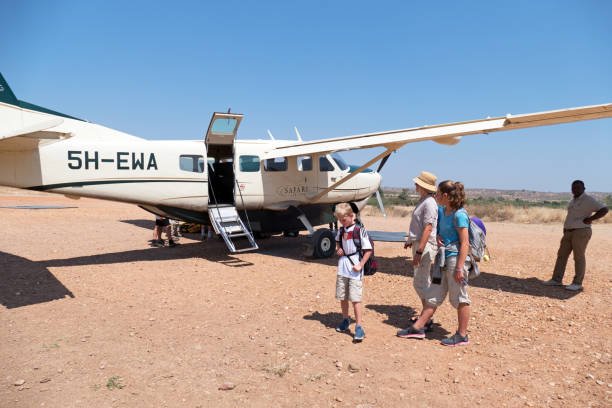
One of the most frequent points of confusion for travelers booking a 2-day Nyerere safari from Zanzibar is the strict nature of bush plane logistics. Unlike commercial jetliners that service Zanzibar International Airport, the regional aircraft used to fly into the Nyerere bush airstrips—typically Cessna Caravans—are smaller, lighter, and operate under significantly different weight and balance constraints. When you pay for a flight-inclusive package, you are paying for a seat on an aircraft designed for short-field performance, not for heavy cargo capacity.
Most bush flight operators enforce a strict luggage limit, usually capped at 15 kilograms (approximately 33 pounds) per person. This limit is not merely a policy; it is a safety requirement dictated by the physics of landing on dirt or gravel runways that are often shorter than those found at major airports. Exceeding this weight can compromise the pilot’s ability to take off safely or land within the designated runway markers. Furthermore, the cargo holds on these aircraft are designed for specific dimensions. Hard-shell suitcases, which are standard for international travel, are often impossible to load into the narrow, uniquely shaped cargo compartments of a bush plane. If you arrive at the Zanzibar departure lounge with a rigid, oversized suitcase, you may be forced to leave it behind or pay for an extra seat, which is rarely available on short notice.
To navigate this, your package logistics should always include instructions on how to handle your luggage. The most common and stress-free solution is to store your main luggage at your Zanzibar hotel—most reputable properties offer secure storage for guests heading out on short safari excursions—and pack only the essentials into a soft-sided duffel bag for the 48-hour trip. This approach simplifies the boarding process, ensures your gear fits into the aircraft, and allows for much easier transport in the safari vehicle once you land. When evaluating the price of your package, consider that the convenience of these flights necessitates a minimalist approach to packing; it is a small trade-off for the ability to land directly in the heart of the wilderness.
Dissecting Accommodation Tiers: Tented Camps vs. Safari Lodges
The price variance in 2-day Nyerere packages is largely driven by the type of accommodation included. Understanding the distinction between a “tented camp” and a “safari lodge” is essential, as these terms are often used interchangeably in marketing, but they offer vastly different experiences that directly impact your budget and your level of immersion in the bush.
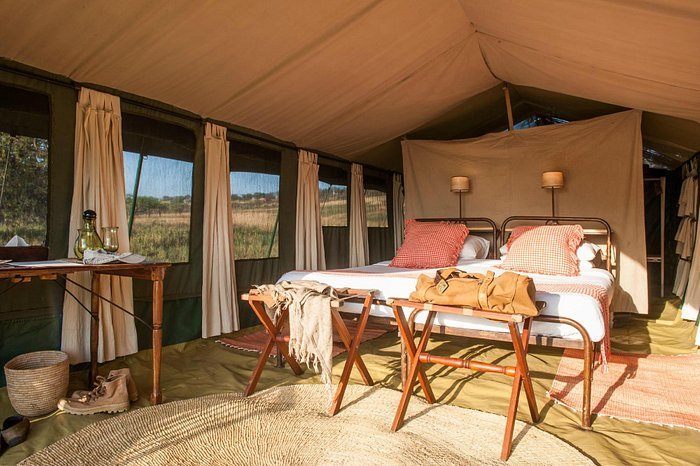
Tented camps in Nyerere are the hallmark of an authentic safari experience. These are not camping tents in the traditional sense; they are usually permanent, spacious structures built on raised wooden platforms with en-suite bathrooms, hot running water, and proper beds. The “tent” aspect refers to the walls, which are made of high-quality canvas. This design creates a unique auditory experience—you will hear the distant roar of lions or the rustle of elephants passing by, separated from the wildlife only by canvas. Because these camps are often smaller and more remote, they provide a higher staff-to-guest ratio, which often translates into more personalized service, private dining experiences, and expert-led walking safaris. These properties typically command a premium price because of their exclusivity and their ability to offer a more profound connection to the surrounding environment.
Safari lodges, conversely, are more permanent, brick-and-mortar structures. They often resemble small boutique hotels, complete with solid walls, larger communal areas, and occasionally amenities like swimming pools or viewing decks overlooking the Rufiji River. Lodges are often larger and located closer to the main airstrips or park gates, which can make logistics slightly more efficient. They are an excellent choice for travelers who prefer the security of solid walls and perhaps a bit more “creature comfort” after a long day in the heat. When you are comparing quotes for your 2-day trip, clarify which tier you are being quoted. A mid-range package might utilize a larger lodge, while a luxury-tier quote will almost certainly feature a high-end tented camp. Neither is objectively “better,” but knowing the difference ensures that your expectations align with the experience you are purchasing.
Navigating the Impact of Conservation Fees and Park Access Costs
A frequently overlooked element when reviewing the price of a flight-inclusive package is the structure of Tanzania’s park entrance and conservation fees. Unlike domestic travel where entry tickets are flat, Nyerere National Park operates under a tiered fee system that changes based on the season and the specific classification of the traveler (e.g., resident vs. non-resident). Because your 2-day safari requires entry into the park for two separate calendar days, these fees are effectively doubled compared to a day-trip itinerary. When you see a price quote, it is vital to confirm whether these “park fees” are quoted per person or per group, as they are non-negotiable costs set by the Tanzania National Parks Authority (TANAPA) that every operator must pass on to the client.
Conservation fees also differ from general entrance fees. Conservation fees are often earmarked for anti-poaching initiatives and infrastructure maintenance within the Selous ecosystem. For a 2-day safari, these are typically calculated on a 24-hour basis. If your flight schedule results in you staying in the park for more than 24 hours total—for example, arriving at 10:00 AM on Day 1 and departing at 2:00 PM on Day 2—you may be subject to an additional fee for the second day. Professional operators factor this “overstay” into their initial quote to avoid mid-trip surprises. When comparing quotes, ask specifically if the park fees are “all-inclusive” for the duration of the 48-hour window or if there are supplementary charges should your return flight be delayed or scheduled late in the afternoon.
The Hidden Cost of Private vs. Shared Game Drives
The price of your 2-day Nyerere safari is heavily influenced by the exclusivity of your game drives. This is a critical distinction that often separates a “budget” package from a “premium” one. In a shared game drive arrangement, you are placed in a vehicle with other travelers—potentially from different lodges—who are also visiting the park. This lowers the individual cost significantly because fuel, guide wages, and vehicle maintenance are split among a larger group. However, it also means you are subject to the preferences and pace of others. If you want to spend an hour photographing a specific bird or waiting for a pride of lions to wake up, you must reach a consensus with the other passengers.
Conversely, a private game drive package ensures the vehicle and the guide are dedicated solely to you and your party. This is not just a luxury; it is a strategic advantage for wildlife viewing. With a private vehicle, you control the itinerary. You can choose to leave the lodge earlier than everyone else to catch the sunrise, or stay out longer in the evening. This flexibility is particularly valuable in Nyerere, where the park is vast and the best sightings often require patience and the ability to move quickly between sightings without waiting for other passengers to finish their lunch or bathroom breaks. When evaluating package prices, look for the term “private safari vehicle” or “exclusive use.” If this is not explicitly stated, assume the package is based on shared game drives, which is the industry standard for lower-cost, flight-inclusive packages.
Understanding the “Full-Board” Versus “All-Inclusive” Distinction
In the context of Nyerere safari pricing, the terms “full-board” and “all-inclusive” are often confused, leading to potential budget miscalculations. A “full-board” package typically includes your accommodation, three meals (breakfast, lunch, and dinner), and sometimes tea and coffee. However, it often excludes alcoholic beverages, premium spirits, laundry services, and sometimes even bottled water beyond a set allowance. In the remote bush, these items carry a premium price due to the high cost of transporting supplies to the camp.
An “all-inclusive” package, by contrast, covers almost everything except perhaps tips for your guide and staff, or specific high-end imported wines and spirits. For a 2-day trip, the difference in cost might seem negligible at the time of booking, but it can manifest as a significant “surprise” bill upon checkout. Since you are in a remote area, you cannot simply walk to a store to buy a bottle of water or a soda; you are a captive consumer of the lodge’s bar and kitchen. If you are traveling with a group or have specific preferences for wine or specific soft drinks, clarify exactly what is included in the beverage package. Operators providing transparent quotes will usually provide a clear breakdown of what is covered under the “full-board” rate to ensure you can budget appropriately for your personal extras.
Tipping Etiquette and Service Gratuities in the Bush
One of the most frequently overlooked budget line items for a 2-day Nyerere safari is the allocation for gratuities. Because these packages are often sold as “all-inclusive” or “full-board,” many travelers mistakenly assume that all service staff have been adequately compensated through the tour price. In reality, the safari industry in Tanzania operates on a dual-compensation model: a base salary for staff and a performance-based gratuity system that is culturally and economically significant. Understanding this dynamic is crucial for budgeting your final costs, as failing to account for tips can lead to awkward situations in the remote bush where ATM access is nonexistent.
The tipping culture in Nyerere is distinct from the hospitality standards you might experience at a beach resort in Zanzibar. For a 2-day safari, your primary interactions will be with your safari guide—who is often your driver, wildlife spotter, and educator—and the camp staff, which includes waiters, room stewards, and kitchen personnel. It is industry standard to tip your safari guide separately from the general lodge staff. Because the guide spends the most time with you and directly influences the quality of your wildlife sightings through their expertise and spotting skills, their tip is typically the most substantial. A common benchmark for a private 2-day safari guide is approximately $15 to $25 USD per day, per vehicle, though this can vary based on the level of service provided. If you are on a shared game drive, the per-person tip is naturally lower, but the expectation remains that you contribute to a collective tip for the guide at the end of the trip.
For the lodge or tented camp staff, a communal tip box is the standard practice. This ensures that the “back-of-house” employees—the cooks, cleaners, and groundskeepers who work tirelessly to maintain your camp experience but remain unseen—receive a fair share of the gratuities. A general guideline for a 2-day stay is to contribute between $10 and $15 USD per guest, per day, into the communal box. It is advisable to bring this cash in small, crisp denominations of USD, as older notes or those with tears are frequently rejected by local banks and businesses, making them difficult for staff to exchange.
It is also important to consider the “pre-paid” nature of your package. When you book a flight-inclusive safari, your operator may suggest or offer to include tips in your invoice. While this can simplify your logistics, it can also lead to uncertainty regarding whether the money actually reaches the staff on the ground. If you choose to handle tips yourself, which is the preferred method for many experienced safari-goers, you must secure these funds in Zanzibar before you board your bush plane. Once you land at the airstrip in Nyerere, you are effectively cut off from banking services. Do not expect to use credit cards or digital payment platforms for tips; cash is the only currency that matters in the bush. By planning this expense into your total budget, you not only avoid the stress of being underprepared but also ensure that your contribution directly rewards the specific individuals who made your 48-hour adventure memorable.
Navigating Currency and Cash Requirements in Remote Camps
While your safari package is paid in advance, your need for cash does not end upon arrival. Remote camps in Nyerere National Park often operate on a “cashless” system for major items like bar bills or laundry, which can be settled via card at the end of your stay. However, this system is heavily reliant on satellite internet connectivity, which can be notoriously unstable in the deep bush. If the internet goes down, the card machine becomes a paperweight. Consequently, having a small “emergency” cash reserve in USD is a vital safety net for any 2-day traveler.
Furthermore, if you intend to visit local villages or purchase genuine handicrafts from community-run stalls near the park gates, US Dollars are often accepted, but Tanzanian Shillings (TZS) are preferred for smaller transactions and often yield better value for the seller. However, for the specific 2-day flight-inclusive traveler, the primary use of cash will be for tipping and the occasional “extra” item not covered by your package, such as a premium bottle of wine or a specific souvenir from the lodge boutique. Keep your cash in a secure, waterproof travel wallet, and carry it with you on your game drives rather than leaving it in your tent or room, even if the camp provides a safe. The goal is to ensure that your financial logistics are as smooth as your flight transfers, allowing you to focus entirely on the wildlife rather than worrying about missing change or payment methods.
Health and Safety Protocols: The Hidden Pre-Trip Investment
While your financial budget for a 2-day Nyerere safari is often focused on flights, lodges, and park fees, there is a critical, non-negotiable cost component that many travelers overlook until the last minute: health and medical preparedness. Because Nyerere National Park is located in a malaria-endemic region, your “price” for the trip effectively includes the cost of preventative measures. Unlike a beach holiday in Zanzibar where malaria risk is significantly lower, the deep bush environment necessitates a proactive health strategy that must be factored into your pre-departure timeline.
This entails more than just packing repellent. You should consult a travel clinic at least six weeks before your flight to Nyerere to discuss appropriate anti-malarial prophylaxis. These medications are not included in any safari package price and can be a significant out-of-pocket expense depending on your home country’s healthcare system and the specific drug prescribed. Furthermore, while Nyerere is not a yellow fever zone, if you are traveling from or transiting through a country with risk of yellow fever transmission, you will be required to present a valid vaccination certificate upon entry into Tanzania. Failing to have this documentation can lead to denied entry or forced quarantine, rendering your pre-paid safari package entirely void. Do not assume your standard travel insurance covers these specific medical compliance costs; verify your policy’s “trip cancellation” clauses to see if they apply to medical entry requirements.
The Impact of Dietary Requirements on Safari Logistics
A frequently underestimated logistical variable in 2-day flight-inclusive packages is the management of dietary restrictions. In a remote bush camp, the supply chain is fragile. Unlike a hotel in Stone Town that can run to a local market to source gluten-free or vegan ingredients, a safari lodge in Nyerere often relies on scheduled supply flights or trucks arriving from distant hubs. When you book your package, you are essentially paying for a “menu-locked” experience. If you have specific allergies—such as severe nut, shellfish, or gluten sensitivities—you must communicate these at the time of booking, not upon arrival.
Specialized dietary requests can sometimes influence the “all-inclusive” nature of your package price. While most reputable operators will accommodate dietary needs without an extra charge, some high-end luxury camps may require advance notice for specific imported items. If you fail to notify your operator, you may find yourself with limited dining options, as the kitchen simply will not have the necessary stock on hand. Consider the “cost” of this oversight not just in terms of potential price surcharges, but in the degradation of your safari experience. Ensuring your dietary needs are documented in your booking contract is a vital step in guaranteeing that the “full-board” value you paid for is actually deliverable in the remote wilderness.
The “Turnaround” Logistics: Managing Your Final Afternoon
A frequently overlooked component of the 2-day Nyerere safari package is the management of the final afternoon. Because you are flying back to Zanzibar, your second day is not just about wildlife viewing; it is about the transition from the wild back to the island. Travelers often assume the itinerary ends the moment they leave the vehicle, but the logistics of the “turnaround”—the period between your final game drive and your flight departure—can significantly alter your satisfaction with the package.
In most standardized 2-day itineraries, standard checkout times at lodges are around 10:00 AM or 11:00 AM. However, bush flights back to Zanzibar frequently depart in the late afternoon, often between 3:00 PM and 4:00 PM. This creates a “dead zone” of several hours where your room is no longer yours, but you are still in the park. How this time is managed is a differentiator between budget and value-added packages. In a basic, low-cost package, you may find yourself waiting in a communal reception area or a lodge lounge with limited facilities. While this is acceptable, it can feel restrictive after a morning of active game viewing in the heat.
When reviewing your package inclusions, specifically look for “day use” provisions or late-checkout arrangements. Some premium operators include access to a “day-use” room or a dedicated hospitality area where you can shower and change out of your safari clothes before the flight. This is not merely a comfort issue; it is a logistical necessity. Flying back to Zanzibar in dusty, hot safari gear is uncomfortable, and having a facility to freshen up—or even store your luggage securely while you enjoy a final lunch—is a significant component of the service value. If your package does not explicitly state these provisions, inquire whether the lodge offers a “day use” rate, which is usually a fraction of the full nightly rate but provides the same access to amenities.
Furthermore, consider the location of your final lunch. Some operators will drive you directly to the airstrip for an early departure, effectively cutting your second day short. Others will include a final lunch at the lodge or a picnic in the bush before the transfer. This is a critical point of negotiation: ensure your package specifies that the transfer to the airstrip is timed to maximize your time in the park, rather than to accommodate the airline’s earliest possible departure slot. A package that “saves money” by booking you on an earlier flight essentially reduces the actual safari time you are purchasing, making the “per-hour” cost of the safari significantly higher.
Navigating Connectivity and Digital Disconnect in Nyerere
One aspect of a 2-day Nyerere safari that frequently catches travelers off guard is the reality of digital connectivity. When budgeting for your trip, you are paying for an escape into a protected ecosystem, and this comes with a deliberate reduction in modern infrastructure. While many luxury and mid-range camps in Nyerere National Park have upgraded their facilities to include Wi-Fi in communal areas, relying on this for critical tasks—or assuming smooth mobile data coverage—is a strategic error that can impact your safari experience.
In the deep bush, mobile data signals are intermittent at best. Even if your roaming plan claims international coverage, the distance from cellular towers means you should expect significant downtime. This has a direct impact on how you manage your logistics. If you are a remote worker or someone who needs to stay in contact with family or business, you must treat your 48-hour safari window as a period of enforced offline time. Trying to force a connection by moving to different areas of the camp or draining your battery by searching for a signal is a common source of traveler frustration that detracts from the experience you have paid for.
Furthermore, the reliance on satellite-based Wi-Fi in some remote camps means that bandwidth is often throttled or prioritized for lodge operations. Do not plan to upload high-resolution video files or participate in video conference calls. If you have time-sensitive commitments—such as needing to confirm a flight or manage a banking transaction—it is essential to complete these tasks in Zanzibar before you board your bush plane. If you absolutely must be reachable, inquire with your booking agent about which specific camps in your package offer reliable Wi-Fi, though be aware that even ‘reliable’ in the bush is vastly different from ‘reliable’ in an urban setting.
The Role of Photography Gear and Power Management
A 2-day safari is an intensive photography window. Because you are flying, you are limited by the strict luggage weight restrictions of bush planes, which often cap total weight at 15kg (including hand luggage) in soft-sided bags. This creates a logistical tension between bringing the gear you want and staying within the limits. Many travelers overlook the power requirements of their gear, assuming that standard international adapters will work universally in the bush. While most camps offer charging stations in the rooms or communal areas, these are often solar-powered or generator-fed, meaning they may not be available 24/7.
To ensure you do not run out of power during a game drive, carry a high-capacity power bank that has been fully charged before you leave your hotel in Zanzibar. Do not rely on being able to charge your camera batteries or phone inside the safari vehicle itself, as most vehicles used for 2-day packages are not equipped with universal power outlets. If photography is a primary motivation for your trip, prioritize bringing extra memory cards over extra lenses. Changing lenses in the dusty environment of Nyerere is a high-risk activity for your camera sensor; it is often better to have a versatile zoom lens that stays attached to your body throughout the two days, minimizing the time your sensor is exposed to the fine, red dust of the park.
Navigating the Transfer from Bush Airstrip to Camp: What to Expect
While most travelers focus on the flight time from Zanzibar to Nyerere, the secondary transfer—the drive from the remote bush airstrip to your specific lodge or tented camp—is a distinct logistical phase that impacts your actual time spent in the park. This final leg is often underestimated in terms of duration and physical environment. Upon landing, you are not immediately in the heart of the game-viewing area; you are often at a gravel or dirt strip located on the periphery of the reserve. The transfer to your accommodation can range from 20 minutes to over an hour, depending on the camp’s proximity to the airstrip.
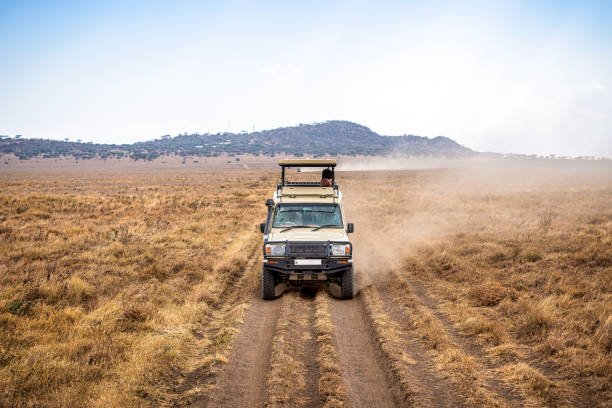
This transfer is rarely just a “taxi ride.” It is almost always conducted in an open-sided safari vehicle, meaning your safari experience effectively begins the moment you step off the plane. Unlike a standard airport transfer in a city, this journey is subject to the terrain, wildlife movements, and the pace of the bush. It is common for the transfer driver to stop for wildlife sightings along the way to camp. While this is an exciting introduction to Nyerere, it means that your scheduled arrival time at the lodge for lunch or check-in is fluid. If you are on a tight schedule or have specific dietary needs that require you to be at the lodge by a certain hour, communicate this clearly with your driver upon landing.
Furthermore, the infrastructure of these airstrip-to-camp roads varies significantly by season. During the dry season, these tracks can be dusty and bumpy, while in the shoulder seasons, muddy patches may necessitate slower navigation. It is essential to manage expectations: this transfer is an integral part of the wilderness experience, not a separate commute. Ensure that your carry-on luggage—containing your camera, sun protection, and essential medications—is easily accessible, as you will be transferring these items from the small bush plane directly into the safari vehicle. Do not expect to have access to your checked luggage until you reach your accommodation, as it will be secured in the back of the safari vehicle or transferred by a separate support vehicle.
The Ethics of Wildlife Viewing: Understanding ‘Off-Roading’ and Distance Protocols
A frequently misunderstood aspect of Nyerere safaris, particularly for those booking shorter 2-day trips, is the regulatory framework governing game drives. Travelers often arrive with expectations shaped by nature documentaries, assuming that vehicles can drive right up to any animal at any time. In Nyerere National Park, however, there are strict rules regarding vehicle positioning to ensure both animal welfare and human safety. Understanding these rules helps manage your expectations when you see other vehicles or when your guide declines to pursue a specific sighting.
Nyerere, like many Tanzanian parks, enforces “stay-on-the-track” policies in high-traffic zones to prevent soil erosion and habitat destruction. While some private concessions or specific areas may allow limited off-roading for high-profile sightings (like a leopard or wild dog hunt), this is not a universal right. If your guide refuses to drive off the main track to get a closer photo of an elephant, it is usually because they are adhering to park regulations designed to minimize the human footprint. Respecting these boundaries is part of responsible tourism; forcing a guide to break these rules not only risks fines for the operator but also disrupts the natural behavior of the wildlife you came to observe.
Additionally, distance protocols are in place to prevent habituation—the process where wild animals become overly comfortable with humans, which can lead to dangerous interactions. Your guide is trained to read animal body language. If an animal shows signs of distress, such as pacing, ear-flicking, or changing direction, the vehicle will be moved back. While it might be tempting to request a closer approach for a better photograph, the ethical choice is to prioritize the animal’s comfort. By understanding these constraints, you can better appreciate the skill of your guide, who is balancing your desire for a great view with the long-term conservation of the ecosystem.
Navigating the Single Supplement in Flight-Inclusive Pricing
When reviewing the price of a 2-day Nyerere safari, solo travelers often encounter a significant pricing shift that isn’t always immediately obvious in the headline rate. Most flight-inclusive packages are quoted based on “double occupancy” or “per person sharing.” This pricing structure is not merely a marketing preference; it is a fundamental reflection of the fixed costs involved in booking seats on regional bush planes and securing accommodation in remote camps.
The “single supplement” is the additional fee added to the base rate to cover the cost of the unused space in a room and, crucially, the underutilization of the vehicle and the flight. In a 2-day package, the cost of the pilot, the fuel for the flight, the safari vehicle, and the guide’s salary are spread across the passengers. When you travel alone, you effectively absorb the cost of the “missing” second passenger. While some operators may offer a specific “solo traveler” rate, it is rarely half the price of a double-occupancy package because the core logistics—the plane seat and the vehicle access—remain constant regardless of how many people are occupying the space.
For those looking to mitigate these costs, the most effective strategy is to inquire about “guaranteed departure” dates or “seat-in-vehicle” (shared) options. By joining an existing group, you are essentially sharing the fixed costs of the vehicle and guide with other travelers, which can lower your overall expenditure. However, flight costs are harder to share; unless the operator has a pre-existing group booking on the same flight, you may still be required to cover the full seat cost. When requesting a quote, explicitly ask if the single supplement is mandatory or if there are specific departure dates where the operator has already confirmed other passengers, which can sometimes help negotiate the financial burden of the single supplement.
The Dynamics of ‘Last-Minute’ vs. Advance Booking for Flight-Inclusive Packages
While travelers often perceive flight-inclusive safari packages as standardized products, the pricing structure for a 2-day Nyerere excursion is highly sensitive to the booking lead time. This is not merely a matter of supply and demand; it is a direct consequence of how regional airlines and bush camps manage their inventory. Understanding this dynamic can be the difference between securing a mid-range package and being forced into a premium tier simply because the more affordable options were booked out.
Regional bush planes servicing Nyerere operate with limited seating capacity—often as few as 12 to 14 passengers per aircraft. When you book a flight-inclusive package, you are essentially purchasing a seat on a scheduled flight that may be servicing multiple airstrips within the Selous Game Reserve. If you book months in advance, your operator can often secure a seat on a ‘scheduled’ or ‘shared’ flight path, which is significantly more cost-effective. These flights are subsidized by the volume of passengers and the predictability of the schedule. However, as the travel date approaches, these shared seats fill up rapidly.
If you attempt to book a 2-day Nyerere safari on short notice—typically less than 30 days before departure—you may find that the ‘scheduled’ flight seats are fully booked. At this stage, your options shift from a cost-effective shared flight to a ‘private charter’ or a ‘seat-on-charter’ arrangement. This is a common point of confusion for travelers who see a price jump of several hundred dollars for the same 2-day itinerary. The price increase is not a markup by the tour operator; it is the cost of securing a seat on a smaller, dedicated plane or buying out the remaining capacity on a flight to ensure you can reach the park on your required dates. In some cases, if the standard flight routes are full, the only way to facilitate your 2-day trip is to charter a plane entirely, which drastically changes the price profile of the package.
Furthermore, accommodation inventory in Nyerere is strictly limited by conservation regulations that cap the number of beds in the park to preserve the wilderness experience. The most competitively priced lodges often have the highest turnover and are the first to be fully booked. When these are unavailable, you are forced to pivot to ‘luxury’ or ‘premium’ lodges that may have higher nightly rates. While the service level is higher, the jump in the total package price is often driven more by the necessity of finding an available bed within the park’s limited capacity than by a desire for a luxury upgrade. To mitigate these ‘last-minute’ cost spikes, it is advisable to confirm your dates at least 60 to 90 days in advance, especially during the peak season (June to October), when flight availability is at its lowest and demand for park access is at its highest.
Understanding the ‘Bush-to-Bush’ Flight Leg: Why Multi-Stop Flights Impact Your Timing
A critical, yet often misunderstood, element of the 2-day flight-inclusive price is the route the plane takes to get you to Nyerere. When you book your package, you might assume you are on a direct flight from Zanzibar to your specific camp’s airstrip. However, regional airlines often optimize flight paths to serve multiple camps, meaning your flight might involve one or two intermediate stops at other airstrips within the park before arriving at your destination.
This ‘bush-to-bush’ routing is standard practice to keep flight costs manageable. If you were to demand a direct, non-stop flight, the cost would effectively double, as you would be paying for the entire flight path to be dedicated solely to your party. While these stops add time to your journey, they are an integral part of the logistical ecosystem that keeps 2-day packages affordable. It is important to clarify with your booking agent whether your flight is a ‘direct’ transfer or a ‘multi-stop’ service. If you are on a multi-stop flight, your arrival time at the camp might be slightly delayed, which can impact your ability to participate in an afternoon boat safari or game drive on your first day.
When reviewing your package itinerary, look closely at the flight timings. A flight that departs Zanzibar early in the morning might appear to offer ‘more time’ in the park, but if it is routed through two other airstrips, you may not reach your camp until midday. Conversely, a slightly later flight might be a direct service, getting you to the camp at the same time. These nuances are rarely reflected in the headline price but are crucial for managing your expectations regarding the actual hours available for wildlife viewing. Always ask if your flight is a ‘direct’ or ‘multi-stop’ service to ensure you are not paying for perceived time in the park that will be spent sitting on a plane at a remote airstrip waiting for other passengers to disembark.
The Price Impact of Seasonal Demand: Understanding Low vs. High Season Shifts
While the core components of your 2-day Nyerere safari—flights, park fees, and accommodation—remain consistent in structure, the total package price fluctuates significantly based on the season. This is not merely a matter of lodge pricing; it is a complex intersection of flight charter rates and park conservation fee tiers. Understanding these seasonal shifts is crucial for budget planning, as the variance between a low-season and a peak-season package can be substantial.
During the peak season (typically June to October), demand for limited bush-airstrip flight slots and high-quality lodge inventory hits its zenith. Because airlines operating these routes have a finite number of aircraft, they do not offer “last-minute” discounts; instead, they operate on a dynamic pricing model where the remaining seats become more expensive as the travel date approaches. When booking a 2-day package, your operator is essentially securing a seat on a flight that may have already been partially sold to other travelers. In the peak months, these flight costs can account for a significantly higher percentage of your total package price than they would in the off-season.
Conversely, the “green” or low season (typically November through March, with a break in the rains) offers a different pricing dynamic. During these months, lodge rates often drop as occupancy levels decrease, and airlines may offer more competitive “resident” or “shoulder season” rates to keep their aircraft flying. However, it is vital to understand that park entrance fees in Nyerere National Park are fixed by the Tanzania National Parks Authority (TANAPA) and do not fluctuate with the season. Therefore, while you may see a reduction in the accommodation portion of your package price, the “floor” of your total cost is protected by these non-negotiable government fees.
Another factor often missed by travelers is the impact of “group departures” on flight-inclusive pricing. Some operators aggregate bookings to fill specific flight charters. If you are traveling during the low season, you might find that your preferred dates are unavailable because the operator has not met the minimum passenger threshold to make a specific charter route cost-effective. In such cases, you may be offered a choice: pay a premium to “buy out” the remaining seats on the plane to guarantee your departure, or shift your travel dates to align with a more popular flight schedule. This is a critical “hidden” variable in low-season pricing that is rarely advertised but frequently encountered during the booking process.
Finally, consider the “value-add” inclusions that become more prevalent during the low season. Because lodges are eager to attract guests when demand is lower, a 2-day package booked during the shoulder season might include extras like complimentary bush breakfasts, sundowners, or even private vehicle upgrades at no additional cost. These perks can significantly enhance the value proposition of your trip, even if the headline price is not drastically lower than a peak-season quote. When comparing quotes, do not just look at the bottom-line number; assess the total value of inclusions, as these can offset the perceived “savings” of booking during the cheapest time of year.
Navigating Cancellation and Refund Risks in Flight-Inclusive Packages
One of the most critical, yet frequently overlooked, financial aspects of booking a 2-day Nyerere safari from Zanzibar is the complexity of cancellation and refund policies. When you pay for a flight-inclusive package, you are rarely entering into a single, monolithic contract. Instead, you are typically purchasing a bundled service that combines the liability of a ground-based safari operator with the distinct, and often more rigid, terms of a regional aviation carrier. Understanding how these two entities interact is essential for protecting your investment.
The Dual-Liability Structure of Your Booking
In the standard flight-inclusive model, the safari operator acts as the primary coordinator, but they are often acting as an agent for the flight portion of your trip. When you review your booking terms, you will often find that the safari operator’s cancellation policy—which might allow for a partial refund or credit if you cancel 30 days before departure—does not apply to the flight component. Regional bush airlines in Tanzania operate under their own independent terms of carriage. Because these flights are often booked as part of a block-space arrangement or a specific charter, the cost of the seat is frequently treated as non-refundable from the moment of booking, regardless of the lodge’s own flexibility.
This creates a “dual-liability” scenario. If you need to cancel your trip, you might receive a partial refund for the lodge and game drive portion of your package, but the flight portion may be forfeited entirely. It is imperative to clarify this distinction during the booking phase. Ask your operator specifically: “If I cancel, what percentage of the flight cost is recoverable?” The answer will often reveal that the flight portion is the most “at-risk” capital in your 2-day itinerary.
The “Rescheduling vs. Refunding” Industry Norm
It is important to manage expectations regarding “refunds” in the safari industry. Unlike a standard hotel booking in Europe or North America, where a refund to your credit card is the standard remedy for a cancellation, the safari industry in Tanzania operates heavily on a “rescheduling” model. Because of the logistical difficulty of filling seats on bush planes and the high fixed costs of maintaining lodges in remote areas, operators are significantly more likely to offer you a credit for future travel rather than a cash refund.
When you book a 2-day package, this policy is even more pronounced. If you are forced to cancel due to unforeseen personal circumstances, the operator will almost always prioritize shifting your dates rather than processing a cancellation. If you are locked into a specific timeframe—such as a short holiday in Zanzibar—this “rescheduling” policy may effectively function as a total loss if you cannot find a new date that aligns with your travel plans. Always confirm the validity period of any “credit” offered by the operator; some may be valid for 12 months, while others may be more restrictive.
The “Force Majeure” and Weather-Related Cancellation Gap
A specific area of confusion in flight-inclusive pricing is the distinction between a “cancellation” (initiated by the traveler) and a “logistical disruption” (initiated by the environment). Nyerere National Park is subject to seasonal weather patterns, and bush airstrips are unpaved. If heavy rains make an airstrip unsafe for landing, the airline will cancel the flight. In this specific “force majeure” scenario, the operator is typically not liable for a cash refund, as the event is beyond their control.
However, the way this is handled varies wildly. A reputable operator will immediately attempt to re-route your flight to a different, operational airstrip or arrange a road transfer if feasible (though this is rarely practical for a 2-day trip). If no alternative is available, you may be left in a position where you have paid for a flight that did not occur. It is vital to ask your operator: “In the event of a weather-related flight cancellation, what is your policy for compensation or re-booking?” A transparent operator will have a clear, written “disruption policy” that details exactly when they will refund the flight cost versus when they will only offer a credit for future use.
The Role of Specialized Travel Insurance
Given the risks outlined above, standard travel insurance policies are often insufficient for a 2-day Nyerere safari. Many “off-the-shelf” insurance products have specific exclusions for “adventure travel” or “small aircraft flights.” When you are booking a package that relies on bush planes, you must ensure your policy includes “trip cancellation and interruption” coverage that specifically recognizes the non-refundable nature of regional flight bookings. Furthermore, look for policies that include “missed connection” coverage. If your international flight into Zanzibar is delayed, causing you to miss your morning bush flight to Nyerere, you need a policy that will cover the cost of re-booking that bush flight, as the safari operator will not be liable for your travel delays. When evaluating the total cost of your 2-day safari, consider the premium for a high-quality, comprehensive travel insurance policy as a mandatory “hidden cost” of the trip, rather than an optional add-on.
The ‘Bush-to-Beach’ Transition: Managing Zanzibar Arrival and Departure Logistics
A critical, often overlooked logistical challenge for those booking a 2-day Nyerere safari from Zanzibar is the smooth transition between the international terminal and the domestic bush-flight terminal. While your package price covers the flight, it rarely accounts for the inherent friction of navigating Zanzibar’s airport (ZNZ) during peak seasonal hours. Because your bush flight typically departs early in the morning—often between 7:00 AM and 9:00 AM to maximize your time in the park—you are essentially operating on a schedule that is dictated by the domestic carrier’s slot allocation, not your hotel’s breakfast service. This requires a precise synchronization of your ground transfer from your Zanzibar hotel to the airport.
When budgeting for your trip, ensure you account for the cost of a private transfer from your accommodation to the domestic terminal. Relying on generic taxi apps or hotel shuttles can be risky; if your driver is late by even 15 minutes, you risk missing the “check-in” window for your bush plane. Unlike major international airlines that allow for late check-ins, bush flight operators are notoriously strict. If you are not at the desk when the manifest is closed, the plane will depart without you. A professional, pre-booked private transfer is not just a luxury; it is a critical insurance policy against losing your flight and, by extension, your entire first day in the bush.
Furthermore, consider the “return” leg of this transition. On your second day, you will likely land back in Zanzibar in the late afternoon. Travelers often make the mistake of booking international flights out of Zanzibar on the same evening as their safari return. This is a high-risk strategy. If your bush flight is delayed by even an hour—due to weather, a late-departing incoming flight, or minor technical checks—you may find yourself in a frantic race against your international flight’s check-in deadline. The most prudent approach, which should be factored into your total trip “cost” of time and stress, is to book your return to Zanzibar for the late afternoon and plan your international departure for the following day. This provides a necessary buffer, allowing you to enjoy your final game drive without the anxiety of “what if” scenarios clouding your experience.
The Hidden Cost of Airport Taxes and Terminal Fees
While your flight-inclusive package price almost always covers the base airfare, there is a recurring point of confusion regarding airport taxes and infrastructure fees at the Zanzibar domestic terminal. In recent years, Zanzibar has introduced various “infrastructure development fees” and “passenger service charges” that are sometimes excluded from the advertised “all-inclusive” safari price. While these amounts are relatively small (often ranging between $10 and $30 per person), they must be paid in cash or via specific local digital payment methods at the airport terminal. Do not assume your tour operator has pre-paid these specific local government levies. Always clarify with your operator: “Does the package price include all local airport taxes and departure fees, or should I carry extra cash for these at the terminal?” Having this clarity prevents an awkward, last-minute scramble at the security checkpoint where card machines may be offline or unavailable.
Navigating the Variable Costs of ‘Park-in-Park’ Transfers
While most flight-inclusive packages focus on the primary transit—the flight from Zanzibar to the Nyerere airstrip—a significant, often unadvertised cost variable is the “park-in-park” transfer. Nyerere National Park is vast, covering over 30,000 square kilometers, and the location of your specific lodge or tented camp in relation to the airstrip dictates the complexity and cost of your ground logistics. A common oversight for travelers budgeting for their 2-day trip is the assumption that the “safari” begins the moment the plane touches the runway. In reality, your lodge might be located 45 minutes to two hours away from the landing strip, and this distance is not merely a matter of time; it is a financial component of your package.
When you book a package, operators often bundle these transfers into the total price. However, if you are choosing between two different lodges—one located near the Mtemere airstrip and another deeper into the Selous Game Reserve sector—the transfer costs differ significantly. Lodges further afield require longer vehicle transit times, which consume more fuel and demand more driver hours. In some cases, if a package is quoted as “entry-level,” it may exclude the specific transfer cost for remote properties, or worse, relegate you to a shared transfer vehicle that waits for other flights to arrive. This can lead to waiting at the airstrip for 60 to 90 minutes while the operator consolidates passengers, effectively cutting into your limited 48-hour window. To avoid this, explicitly ask your operator if the transfer to the lodge is private or shared, and whether the transfer duration is included in the “game viewing” time or treated as a separate logistical transfer.
The Hidden Economic Impact of ‘Bush-to-Bush’ Multi-Stop Flights
A frequently misunderstood element of the 2-day flight-inclusive price is the route the plane takes to get you to Nyerere. When you book your package, you might assume you are on a direct flight from Zanzibar to your specific airstrip. In practice, regional bush carriers often operate “milk runs”—multi-stop flights that pick up and drop off passengers at various airstrips across the Selous ecosystem before reaching your destination. While this is a standard industry practice to maximize aircraft occupancy, it has a direct impact on the “value” of your 2-day itinerary.
If your flight includes three intermediate stops, your travel time can easily double, turning a scheduled 45-minute flight into a 2-hour aerial tour. While this offers excellent low-altitude views of the Rufiji River basin, it reduces the time available for your first afternoon game drive. When reviewing quotes, inquire if the flight is “direct” or “multi-stop.” Some premium packages offer direct charters or priority routing, which, while more expensive, ensure you land at the airstrip closest to your lodge at the earliest possible hour. Understanding this distinction is vital for managing your expectations regarding your arrival time in the bush; a package that appears cheaper may simply be utilizing a less efficient flight route that eats into your wildlife viewing hours.
Evaluating the ‘Guide-to-Guest’ Ratio in Package Pricing
The price of a 2-day Nyerere safari is often heavily influenced by the guide-to-guest ratio, a factor rarely detailed in marketing brochures but critical to the quality of your experience. In budget-oriented packages, you may find yourself in a vehicle with up to six other guests. This is not just a comfort issue; it is a logistical one. A vehicle with seven people requires a consensus on when to stop, how long to stay at a sighting, and when to return to camp. If you are a photography enthusiast hoping to wait for the perfect light or a specific behavior, being in a shared vehicle with guests who have different priorities can be frustrating.
When analyzing price differences, look for packages that specify a “private vehicle” or a “low-density” guarantee. A private vehicle allows you to dictate the pace of your game drives, which is invaluable on a 2-day trip where every hour counts. Furthermore, the quality of the guide is a hidden cost. Established, high-end lodges employ senior guides who are experts in tracking and animal behavior, whereas lower-cost packages may utilize junior guides or drivers who focus purely on transportation. While you cannot always “see” the guide’s quality in the price, it is often reflected in the lodge’s brand tier. If the price difference between two packages is significant, ask the operator specifically if the guide and vehicle are dedicated solely to your booking, or if they are shared with other guests at the property.
FAQ: Understanding Package Inclusions
- Does a ‘Full-Board’ package include alcohol?
- Generally, no. In the context of Nyerere safari pricing, ‘full-board’ strictly refers to accommodation, three meals per day, and often tea/coffee/water. Alcoholic beverages, sodas, and premium bottled water are almost always charged as extras. Always verify if your package includes a ‘drinks package’ if you prefer an all-inclusive experience.
- Are park fees included in the flight-inclusive price?
- Most reputable operators include Tanzania National Park Authority (TANAPA) fees in their packages, but you must confirm this. These fees are subject to government change and are often the largest single variable cost. Ensure your invoice breaks down these fees so you know exactly what is being paid to the park and what is being paid for services.
- Can I request a private flight for my 2-day safari?
- Yes, but it significantly increases the cost. Private charters are available for those who want to avoid the ‘milk run’ multi-stop flights. This is a common choice for travelers who want to maximize their time in the bush, but it is a luxury service and is rarely included in standard flight-inclusive packages.
The Impact of Child Policies and Age Restrictions on Package Pricing
When booking a 2-day Nyerere safari as a family, the “per person” price listed on many travel websites can be misleading due to specific child policies that are often buried in the fine print. Many safari lodges in the Nyerere ecosystem operate with strict minimum age requirements, often set at 6, 8, or sometimes 12 years old. This is not merely a policy preference; it is a safety requirement dictated by the open-sided nature of the safari vehicles and the immediate proximity to wildlife. If you are traveling with young children, your choice of accommodation is immediately narrowed, which often eliminates the “budget” tier options and forces a shift toward family-friendly lodges that may carry a significantly higher price tag.
Furthermore, the flight component of your package is rarely discounted for children. Unlike commercial airlines where “lap infants” or reduced “child fares” might exist, bush planes operate on strict weight-and-balance protocols. Every passenger, regardless of age, occupies a seat that could otherwise be sold to an adult, and therefore, you will almost always be charged full price for a child’s seat on the bush flight. When you combine this with the fact that many lodges do not offer significant discounts for children sharing a room—due to the limited supply of family-sized tents or interconnected units—the total price for a family of four can be substantially higher than a simple multiplication of the advertised “per person” rate.
Finally, consider the logistical cost of “private vehicle” requirements. If you are traveling with a toddler or a young child, most reputable operators will mandate a private vehicle for your game drives, regardless of whether you booked a group package. This is to ensure that other guests are not disrupted by the specific needs of your child, such as the need for more frequent breaks or shorter, less intense drives. This mandatory private vehicle upgrade is a significant, yet often unadvertised, add-on cost that must be factored into your total 2-day budget before you commit to the booking.
FAQ: Family Safari Logistics
Related Guides and Packages
Check Availability for 2-Day Nyerere Safari From Zanzibar: Flight-Inclusive Package Prices…
Ready to compare dates, prices, and the best option for your group? Send the package name and travel month so the team can reply with a clear quote, availability, and what is included.
1-Day Nyerere National Park Safari From Zanzibar By Flight: 2026-2027
Planning a one-day fly-in safari to Nyerere from Zanzibar? Understand the logistics, travel times, and wildlife expectations for a 2026 or 2027 trip.
View package details
Is Mikumi Or Nyerere Better For A Safari From Zanzibar? 2027
Is Mikumi or Nyerere Better for a Safari from Zanzibar? is explained with current 2027 planning, price, itinerary and booking information.
View package details
3-Day Serengeti Fly-In Safari From Zanzibar: All-Inclusive Package Prices 2027
Plan your ultimate Tanzanian adventure, combining Zanzibar's beaches with the Serengeti's wildlife. This guide details all-inclusive package pricing and logistics for a 3-day fly-in safari...
View package details2-Day Serengeti Safari From Zanzibar By Flight: Price & Booking Guide
A practical guide to booking a 2-day Serengeti safari from Zanzibar by flight, covering itinerary logistics, cost considerations, and how to maximize your short time in the bush.
View package details2-Day Tarangire & Ngorongoro Safari From Zanzibar: Flight Package Cost 2026
A detailed guide on the logistics, cost factors, and itinerary realities for a 2-day fly-in safari from Zanzibar to Tarangire National Park and the Ngorongoro Crater.
View package details
3-Day Serengeti & Ngorongoro Safari From Zanzibar By Flight 2027
3-Day Serengeti & Ngorongoro Safari From Zanzibar by Flight is explained with current 2027 planning, price, itinerary and booking information.
View package detailsZanzibar To Mikumi Safari By Flight: Prices & Travel Options 2026-2027
A practical guide to the logistics, costs, and planning steps for flying from Zanzibar to Mikumi National Park.
View package detailsZanzibar To Serengeti Safari By Flight: Prices & Packages 2026-2027
A practical guide to booking a Zanzibar to Serengeti safari by flight in 2027, covering route options, baggage logistics, and how to choose the right itinerary length.
View package detailsZanzibar To Tarangire Safari By Flight: Prices & Travel Options 2026-2027
A detailed breakdown of the logistics, flight connections, and road transfers required to travel from Zanzibar to Tarangire National Park for a safari.
View package detailsZanzibar To Lake Manyara Flights: Prices & Safari Transfers 2026-2027
Zanzibar to Lake Manyara Flights: Prices & Safari Transfers is explained with current 2026-2027 planning, price, itinerary and booking information.
View package detailsBudget Fly-In Safari From Zanzibar: Best Packages & Prices 2026-2027
Discover how to plan a budget-friendly fly-in safari from Zanzibar to Tanzania's top parks without sacrificing the quality of your wildlife experience.
View package detailsZanzibar To Ruaha National Park Fly-In Safari: Prices & Booking Guide
A practical guide to planning a fly-in safari from Zanzibar to Ruaha National Park, covering flight logistics, itinerary choices, and how to book with Climb 4 Africa.
View package detailsNo related package matches those filters. Clear one or more filters to see the other topic-matched options.



