
Flying from Kilimanjaro International Airport (JRO) to Zanzibar (ZNZ) is the most efficient way to transition from your mountain trek to your beach holiday, with flights typically lasting between 90 minutes and 2 hours. Major airlines operating this route include Precision Air, Coastal Aviation, Auric Air, and Regional Air. Ticket prices are dynamic and fluctuate based on the season, how far in advance you book, and whether you choose a scheduled commercial jet or a smaller bush-plane carrier. For most travelers, booking this connection at least 3-4 months in advance for 2026 or 2027 travel dates ensures better availability and more predictable pricing.

The journey from the slopes of Mount Kilimanjaro to the white sands of Zanzibar is a classic Tanzanian itinerary. However, the logistics of getting from the mountain to the coast often cause confusion for first-time visitors. The key is understanding that you are essentially bridging two very different types of aviation infrastructure: the international hub of Kilimanjaro (JRO) and the island destination of Zanzibar (ZNZ).
Many climbers mistakenly assume that all flights to Zanzibar depart from the same place. In reality, you have two distinct airport options in the Arusha/Kilimanjaro region, and choosing the wrong one can lead to expensive last-minute taxi rides or missed connections. We clarify these nuances below to help you plan a smooth transition.
Understanding Your Departure Point: JRO vs. ARK
Before you even look at ticket prices, you must confirm your departure airport. Most international climbers land at Kilimanjaro International Airport (JRO). This is the main hub for international carriers. However, there is a second, smaller airport closer to Arusha town called Arusha Airport (ARK).
Some bush-plane operators (like Coastal Aviation or Auric Air) run flights to Zanzibar from both JRO and ARK. If you have finished your climb and your hotel or transfer is near the Kilimanjaro region, JRO is your primary choice. If you are spending time in Arusha town before your beach holiday, ARK might be more convenient. Do not assume your flight departs from JRO without double-checking your specific itinerary, as the difference between these two airports is a one-hour drive.
Pro Tip: If you are unsure which airport your flight departs from, check your booking confirmation carefully. If you are still in the planning phase for 2026 or 2027, Climb 4 Africa can help you align your post-climb transfer with the most efficient flight departure point, saving you unnecessary road travel time.
Airlines Operating the Kilimanjaro to Zanzibar Route
The route between Kilimanjaro and Zanzibar is serviced by a mix of larger commercial airlines and smaller bush-plane operators. Each serves a different traveler profile.
Precision Air
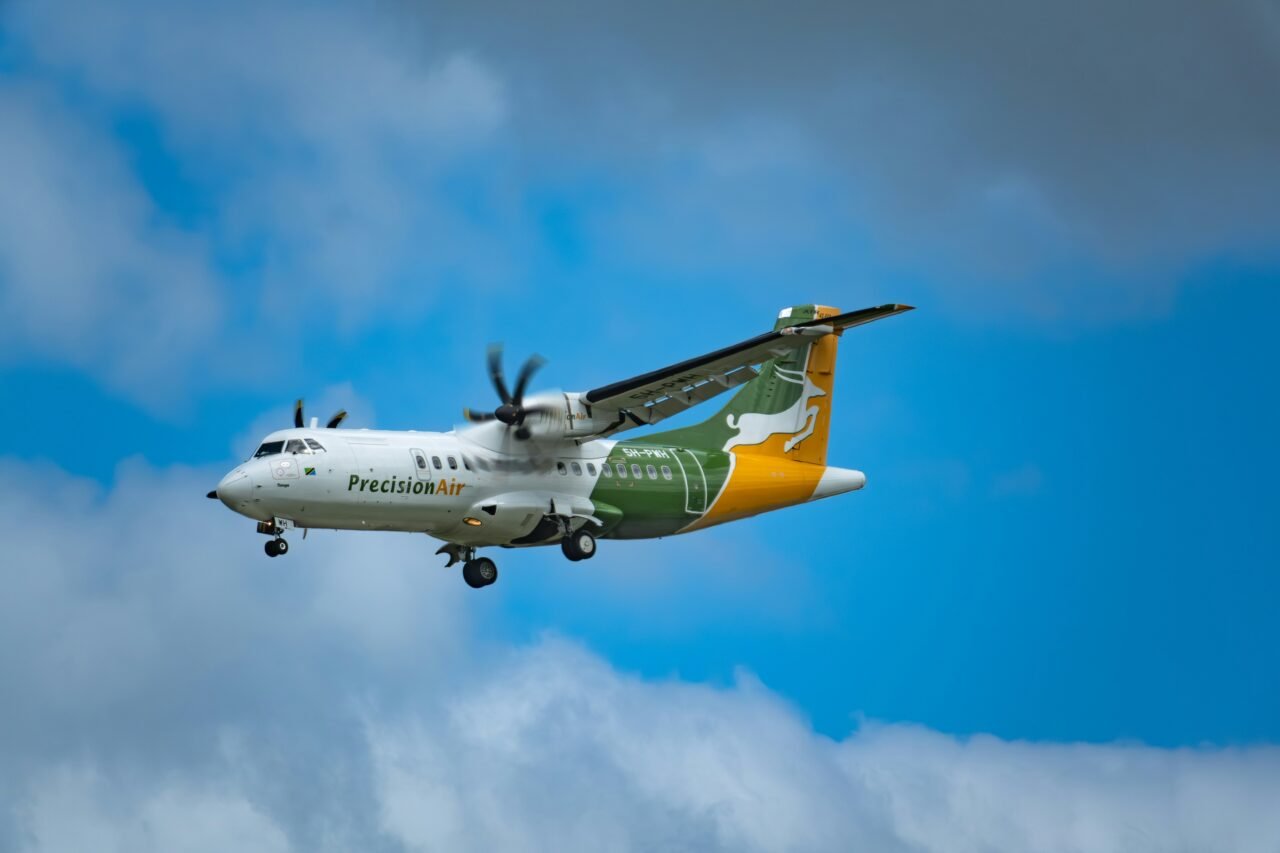
Precision Air is the primary commercial airline that operates larger ATR-72 turboprop aircraft. These planes are more akin to what you might expect on regional flights in Europe or North America. They offer a more traditional flight experience, including standard check-in counters and higher baggage allowances compared to the smaller bush planes. They are generally the most reliable choice for travelers who prefer a standard commercial airline experience.
Bush Plane Operators (Coastal, Auric, Regional Air)
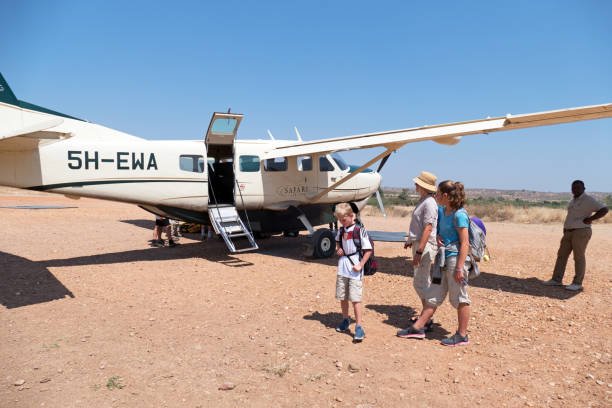
Operators like Coastal Aviation, Auric Air, and Regional Air typically fly smaller Cessna Caravan aircraft. These flights are an experience in themselves, offering low-altitude, scenic views of the Tanzanian landscape. However, they operate on strict weight and baggage policies. These flights are ideal if you want a direct, adventurous transfer, but they require strict adherence to luggage guidelines.
Comparison: Commercial Jet vs. Bush Plane
When selecting your flight, weigh these factors to decide which suits your travel style best.
| Feature | Commercial Airline (e.g., Precision Air) | Bush Plane (e.g., Coastal, Auric) |
|---|---|---|
| Aircraft Type | Larger ATR-72 (Usually 50+ seats) | Small Cessna Caravan (Usually 12-14 seats) |
| Baggage Limit | Typically 20-23kg (check with operator) | Strict 15kg soft-sided bags |
| Comfort | Standard seating, more space | Smaller seats, louder, very scenic |
| Reliability | Higher frequency, less weather-dependent | Weather-dependent, can have delays |
| Best For | Travelers with heavy climbing gear | Travelers wanting a scenic, direct transfer |
If you are coming off a Kilimanjaro climb, you likely have a large duffel bag full of specialized gear. The 15kg baggage limit on bush planes is often a dealbreaker. If you exceed this, you may be forced to pay significant excess baggage fees or, in some cases, be denied boarding if the flight is full. Always verify your specific airline’s policy before booking, especially if you are carrying heavy trekking equipment.
Ticket Prices and Booking Strategy
There is no single “fixed price” for flights from Kilimanjaro to Zanzibar. Prices fluctuate based on several variables:
- Seasonality: Flights are significantly more expensive during the high season (July–September and late December). Booking during the shoulder months can yield better value.
- Advance Booking: Unlike major international routes, last-minute flights in Tanzania can be exorbitantly expensive or completely sold out. We recommend securing your flights at least 4 months in advance.
- Flight Connectivity: Some flights are direct; others have a short stopover in Dar es Salaam or Arusha. Direct flights are always priced at a premium.
For those planning a trip in 2026 or 2027, the best approach is to bundle your flight with your broader travel arrangements. We often assist clients in managing these connections as part of a comprehensive Tanzania holiday package. This ensures that if a flight is delayed or rescheduled—a common occurrence in regional aviation—you have local support to handle the rebooking, rather than spending your holiday on the phone with a call center.
Practical Logistics for Your Departure
When you finish your Kilimanjaro climb, your focus is usually on rest and recovery. The last thing you want is a logistical headache on your way to the airport. Here are a few practical considerations:
- Airport Transfers: Ensure your transfer from your hotel to JRO is confirmed for at least 2.5 to 3 hours before your flight departure. While JRO is not massive, security and check-in procedures for domestic flights can be unpredictable.
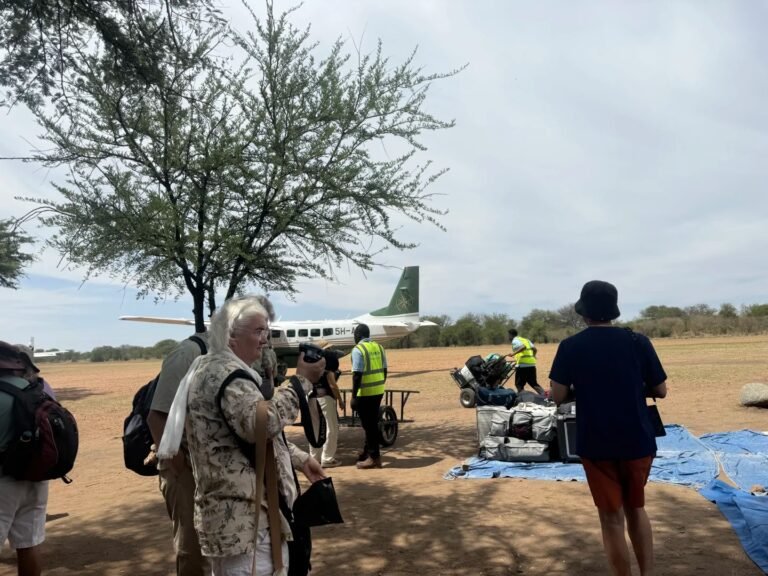
- Baggage Handling: If you are flying with a bush plane operator, you must use soft-sided duffel bags. Hard-shell suitcases are often prohibited on small aircraft because they cannot fit into the cargo pods.
- Connectivity: Zanzibar is a major hub, but regional flights can be subject to change. Always provide your local operator with your flight number and airline details so they can track your status.
If you are looking to combine your Zanzibar beach time with a wildlife experience before or after the beach, consider that many of our clients also explore safari flights from Zanzibar to parks like Tarangire or the Serengeti. The infrastructure is well-connected, but it requires precise planning to avoid unnecessary travel days.
Booking Assistance and Support
Navigating the various airline websites, understanding baggage restrictions, and matching flight times with your post-climb schedule can be complex. At Climb 4 Africa, we specialize in making these logistics invisible for our guests. We don’t just book your climb; we manage the transition from the mountain to your next destination.
If you are planning your 2026 or 2027 adventure and want to ensure your flights, transfers, and accommodations are perfectly synchronized, reach out to us. We can provide up-to-date availability and help you select the airline that best fits your luggage and comfort needs.
You can reach our team for planning assistance via WhatsApp at +255 747 477 898 or email us at climb4africa@gmail.com. For detailed inquiries, you can also use our backup contact at info@climb-4-africa.com. When you contact us, please let us know your approximate travel dates, the number of travelers, and whether you are carrying significant amounts of climbing gear, as this helps us recommend the right flight operator for your group.
Frequently Asked Questions
How early should I arrive at JRO for my flight to Zanzibar?
For domestic flights within Tanzania, arriving 2 hours before departure is standard. If you are flying with a bush-plane operator, they may have specific check-in requirements, but arriving 90 minutes to 2 hours early is safe to handle security and baggage check-in.
Are there direct flights from Kilimanjaro to Zanzibar?
Yes, there are direct flights, but they are not always daily. Depending on the schedule and the operator, some flights may include a short stopover in Dar es Salaam. Always check if your flight is “direct” or “via” another airport when booking.
Can I book my flight on the day of my Kilimanjaro climb descent?
We strongly advise against this. Climbs can occasionally be delayed by weather or health, and unexpected mountain logistics are common. It is far safer to book your flight for the day *after* you descend, allowing you time to rest, recover, and handle any unexpected delays before heading to the airport.
Is it cheaper to fly from Arusha (ARK) or Kilimanjaro (JRO)?
Prices are generally comparable, but JRO often has more capacity and a wider selection of airlines. Arusha (ARK) is convenient if you are staying in town, but flights from ARK can sell out faster due to smaller aircraft capacity. Choose based on your proximity to the airport rather than price, as the cost difference is usually negligible compared to the cost of a private transfer to the wrong airport.
Managing Excess Climbing Gear and Luggage Restrictions
One of the most significant logistical challenges for travelers moving from a Kilimanjaro expedition to a Zanzibar beach vacation is the drastic difference in baggage requirements. You are effectively transitioning from a high-altitude mountaineering trip, which requires heavy boots, thermal layers, and specialized trekking equipment, to a tropical island environment that demands light, breathable clothing. The aviation logistics of this transition are often overlooked until travelers reach the check-in counter.
Commercial airlines like Precision Air, which utilize larger aircraft such as the ATR-72, generally follow standard airline policies. They typically allow a checked baggage allowance of 20kg to 23kg, with the option to purchase additional weight if you have gear bags. However, the smaller bush-plane operators—Coastal Aviation, Auric Air, and Regional Air—operate under much stricter regulations. Because these Cessna Caravans have limited cargo capacity, they often enforce a strict 15kg limit per passenger, and this usually includes your carry-on luggage. Furthermore, these operators almost universally require that luggage be packed in soft-sided bags. Hard-shell suitcases are often prohibited because they cannot be easily manipulated into the small, irregularly shaped cargo holds of these smaller aircraft.
If you have finished your climb and find yourself with two large duffel bags of trekking gear, you have three primary options to manage this before your flight to Zanzibar:
- Storage at your Arusha or Moshi Hotel: Most reputable hotels in the Kilimanjaro region are accustomed to climbers leaving excess luggage behind. If you are returning to the mainland after Zanzibar, or flying out of JRO internationally, you can often store your climbing gear at your hotel for a small fee or even for free if you are booked for a return stay. This is the most cost-effective and secure method.
- Shipping Excess Gear: If you are not returning to the Kilimanjaro region, some logistics companies or your tour operator can arrange to have your excess gear shipped to your home country or your next destination. This is significantly more expensive than storing it locally and requires coordination well before your descent.
- Pre-purchasing Extra Weight: If you must fly with your gear, you can sometimes pre-purchase extra weight allowance with bush-plane operators. However, this is subject to space availability on the aircraft. Even if you pay for extra weight, if the flight is full, the airline may prioritize passenger weight over cargo, meaning your bags might arrive on a later flight. Always communicate your total luggage weight to your booking agent at the time of reservation to avoid surprises at the airstrip.
For travelers who are unsure about their total weight, a useful rule of thumb is to weigh your bags at your hotel before heading to the airport. If you are significantly over the limit, it is almost always cheaper to store the items at your hotel than to pay the heavy excess baggage fees charged by regional carriers, which are calculated per kilogram and can quickly exceed the cost of an extra night’s hotel stay.
Navigating Airport Transfers and “Last Mile” Logistics
Once you land in Zanzibar (ZNZ), the logistical journey is not over. Zanzibar International Airport is a busy hub, and the transfer to your hotel can be a significant part of your travel day. Unlike the Kilimanjaro region, where many hotels offer complimentary shuttles, transport in Zanzibar is often handled by private taxi services or pre-arranged hotel transfers. It is crucial to have your transfer confirmed before you land, especially if you are arriving on a late-afternoon or evening flight.
If you have booked a bush-plane flight, be aware that these flights often land at smaller airstrips on the island, such as the Zanzibar main airport (ZNZ) or sometimes smaller airstrips depending on your specific island destination (such as Pemba or Mafia Island, though these are separate routes). Ensure your driver knows exactly which airport you are landing at. If you are staying on the northern tip of the island (Nungwi or Kendwa), the drive from the airport can take up to 90 minutes. Traffic on the island can be unpredictable, particularly during peak tourist seasons, so allow ample time for your transfer, especially if you have a scheduled boat connection to another island or a sunset excursion planned for your arrival day.
Understanding the “Via” Flight: The Dar es Salaam Stopover
A frequent source of confusion for travelers booking the Kilimanjaro to Zanzibar route is the distinction between a “direct” flight and a “non-stop” flight. Many itineraries listed as direct will include a scheduled stop at Julius Nyerere International Airport (DAR) in Dar es Salaam. This is common practice for regional carriers operating smaller turboprop aircraft, which may need to offload or board passengers at the country’s main aviation hub before continuing to the island.
If your itinerary lists a stop in Dar es Salaam, it is important to clarify the procedure with your airline or booking agent. In most cases, you will remain on the aircraft while new passengers board and others disembark. However, on some specific flight codes, the airline may require all passengers to disembark and wait in the transit lounge while the aircraft is serviced or refueled. If you are required to disembark, ensure you keep your boarding pass visible, as you will need to present it to re-board the same aircraft. Always ask the cabin crew upon landing in Dar es Salaam whether you are required to leave the plane, as procedures can change based on the specific aircraft rotation for that day.
Navigating the Zanzibar (ZNZ) Arrival Terminal
Upon arrival at Zanzibar International Airport (ZNZ), you will likely land at the newer Terminal 3, a modern facility designed to handle the island’s increasing tourism traffic. Because you are arriving on a domestic flight from Kilimanjaro, you will not need to pass through immigration or customs; you are treated as a domestic traveler. This significantly speeds up the arrival process compared to international arrivals.
Once you exit the aircraft, follow the signs for “Domestic Arrivals.” You will be directed to the baggage claim area. It is important to note that baggage handling at ZNZ can be leisurely. If you are traveling with specialized climbing gear, check if your airline has a separate “oversized luggage” drop-off point, as these items often do not appear on the standard carousel. Once you have your luggage, you will pass through a final security exit into the public arrivals hall. This area is often crowded with hotel representatives and taxi drivers holding placards. If you have pre-arranged a transfer, this is where your driver will be waiting. If you have not arranged transport, avoid the informal touts approaching you inside the terminal and proceed directly to the official taxi dispatch desk located just outside the exit doors to ensure you are quoted a fair, regulated rate for your hotel transfer.
Health, Hydration, and Altitude Considerations During Transit
While flight logistics are often the primary focus for travelers moving from the mountain to the coast, the physiological transition from high altitude to sea level requires careful management. After spending several days at altitudes exceeding 4,000 meters, your body undergoes significant stress. Flying shortly after descent—even though it is technically a move to lower altitude—can exacerbate certain symptoms if you are not adequately prepared. Hydration remains the single most critical factor during your transit day. The air inside both commercial jets and smaller bush planes is notoriously dry, and cabin pressurization can further dehydrate a body already depleted from the physical exertion of a Kilimanjaro climb. Aim to consume water consistently from the moment you leave your lodge until you arrive at your beach accommodation, avoiding excessive caffeine or alcohol in the airport lounges, which can act as diuretics.
Furthermore, be mindful of ear pressure equalization. After a climb, your sinuses and eustachian tubes may still be slightly inflamed or congested due to the dusty conditions on the mountain trails. When flying, particularly in smaller bush planes that fly at lower altitudes and may experience more turbulence, the descent into Zanzibar can be uncomfortable. If you are experiencing residual congestion, consider over-the-counter decongestants, but consult with your travel doctor before your trip to ensure they are appropriate for your specific health profile. Chewing gum or practicing the Valsalva maneuver (gentle ear popping) during the descent is highly recommended to mitigate potential discomfort.
Understanding Flight Disruptions and Weather Buffers
Travel in East Africa, particularly involving regional bush-plane operators, is subject to a unique set of operational variables that differ significantly from international commercial aviation. Weather conditions, while generally favorable for tourism, can shift rapidly. In the Kilimanjaro region, localized cloud cover or high winds can occasionally cause groundings for smaller aircraft, which are more sensitive to weather patterns than larger jets. Because these bush planes operate on “visual flight rules” (VFR) in many instances, they require clear visibility to land and take off safely.
If a flight is delayed or cancelled due to weather, the protocol for regional carriers often involves rebooking on the next available flight, which might be later that same day or the following morning. This is why having a “buffer day” between your mountain descent and your flight is not just a suggestion—it is a critical safety net. If you are booked on a through-ticket that includes a connection, the airline is generally responsible for your rerouting. However, if you have booked separate tickets (for example, a bush plane to Dar es Salaam and a separate commercial flight to Zanzibar), you are responsible for any missed connections. Always ensure your travel insurance covers “trip interruption” or “missed connection” scenarios, and keep the customer service contact number for your specific airline saved in your phone. Most regional operators communicate via WhatsApp or SMS, so ensure your mobile device is active and roaming-enabled upon arrival in Tanzania.
The “Last Mile” Experience: Managing Expectations on the Island
Upon arriving in Zanzibar, the transition from the airport to your final destination—whether it is the historic Stone Town or the beaches of Nungwi or Kendwa—can take anywhere from 30 minutes to over an hour and a half, depending on traffic and location. It is helpful to understand that Zanzibar roads vary in quality. While the main arteries are paved, the secondary roads leading to many beach resorts can be narrow, unlit, and bumpy. If you are arriving on a late-afternoon flight, your transfer will likely take place during twilight or darkness. This is perfectly safe, but it is a different experience than a daytime drive. Ensure your hotel or transfer provider has your flight details, including the airline and flight number, so they can track potential delays. If you are hiring a taxi independently at the airport, agree on the fare before putting your bags in the trunk. Most reputable hotels offer a flat-rate transfer service which, while sometimes slightly more expensive than a random taxi, provides the peace of mind of a known driver and a vehicle that is maintained to a higher standard.
Navigating Transit Procedures and Security Protocols
While the flight time between Kilimanjaro and Zanzibar is relatively short, the procedural steps during your transit—especially if your itinerary includes a stopover in Dar es Salaam—can be a source of anxiety for travelers unaccustomed to regional aviation. Understanding the flow of these procedures helps minimize stress and prevents common mistakes that can lead to missing your connection.
The “Via” Stopover: Staying Onboard vs. Deplaning
When you book a flight that is labeled “via Dar es Salaam” (DAR), you are generally on a flight that continues to its final destination after a short ground stop. If you are flying on a larger commercial turboprop like an ATR-72, the flight crew will announce whether transit passengers must disembark. Often, if you are continuing on the same aircraft with the same flight number, you may be permitted to remain onboard. However, for cleaning or refueling purposes, the crew may ask all passengers to deplane and proceed to a designated transit lounge.
If you are asked to deplane, do not exit the terminal building or attempt to leave the secure area. Follow the signs for “Transit” or “Domestic Connections.” You will typically be held in a waiting area before being called to re-board. Keep your boarding pass easily accessible, as you will likely need to show it again to re-enter the aircraft. If you have a separate ticket for a connecting flight—meaning you are switching airlines or flight numbers—you will need to collect your luggage at the carousel, exit the secure area, and re-check your bags at the departure counter for your second flight. This is why we advise against “self-connecting” itineraries unless you have at least a four-hour window between flights.
Mandatory Identification and Document Checks
A common misconception among international travelers is that because the flight is domestic, passport checks are less rigorous. This is incorrect. In Tanzania, your passport is the primary form of identification required for all air travel. You must present your original passport at both the initial check-in counter at JRO and again at the boarding gate. Photocopies or digital scans are generally not accepted by airline staff. Ensure your passport is easily accessible in your carry-on luggage, rather than buried deep in your checked bags.
Security Screening Variations
The security screening process varies significantly between the two airports. Kilimanjaro International Airport (JRO) operates with standard international security protocols. You will go through an X-ray scanner for your carry-on items and a metal detector or body scanner. Be prepared to remove laptops, tablets, and liquids from your bag. Conversely, security at Zanzibar International Airport (ZNZ) can feel more fluid and, during peak arrival times, significantly more crowded. At ZNZ, security screening for domestic departures often happens at the gate immediately before boarding, rather than at a centralized checkpoint. This can lead to queues that build up quickly. Arriving at your gate at least 45 minutes before departure is essential to ensure you are not caught in a bottleneck as the boarding process begins.
Navigating the ZNZ Arrival Hall: Currency, Connectivity, and Transport
Upon clearing the arrivals area at Zanzibar International Airport (ZNZ), you will immediately enter a high-energy environment. For travelers arriving directly from the quiet, isolated environment of a Kilimanjaro expedition, this transition can be overwhelming. Before exiting the terminal to meet your transfer, there are three critical logistical tasks to address: securing local currency, establishing mobile connectivity, and finalizing your ground transportation.
Securing Local Currency
While many hotels and larger tourist establishments in Zanzibar accept US Dollars (specifically notes printed after 2009), having Tanzanian Shillings (TZS) is essential for smaller transactions, tips, and local markets. The arrival hall at ZNZ features several currency exchange booths and ATMs. It is generally advisable to use the official ATM machines inside the terminal rather than the exchange booths, as ATM exchange rates are typically more favorable. Note that some ATMs may experience connectivity issues or run out of cash during peak arrival times; carrying a small emergency stash of crisp, clean USD bills is a prudent backup.
Establishing Mobile Connectivity
If you did not purchase an eSIM before arriving, the airport is the most efficient place to secure a local SIM card. Several mobile network operators, such as Vodacom and Airtel, maintain kiosks in the arrivals hall. These providers offer “tourist SIMs” that come pre-loaded with data packages. Having this set up before you leave the airport is highly recommended, as it allows you to coordinate with your hotel or taxi driver via WhatsApp—the primary communication tool used throughout Tanzania—if your driver is delayed or if you need to share your live location for safety.
Ground Transportation: Official Desks vs. Independent Taxis
The area immediately outside the ZNZ arrivals exit is a hub for taxi drivers and transport touts. If you have not pre-booked a transfer through your hotel or tour operator, you will be approached by many independent drivers. To avoid confusion and potential overcharging, proceed directly to the official taxi desk located inside or just outside the terminal building. These desks operate with fixed-rate cards for various zones on the island (e.g., Stone Town, Nungwi, Kendwa). By paying at the official desk, you receive a voucher that you then hand to the driver, eliminating the need for negotiation and ensuring a transparent price. If you have pre-booked a transfer, look for a driver holding a sign with your name; verify the company name on their vehicle or uniform before handing over your luggage, as the arrival area can be chaotic.
Navigating the Zanzibar Stone Town vs. Beach Resort Transit
Once you have successfully navigated the arrival hall at Zanzibar International Airport (ZNZ) and secured your transport, your next logistical hurdle involves understanding the significant travel time differences between the airport and your final accommodation. Travelers often group all of Zanzibar into a single destination, but the island is geographically diverse, and your transit time from ZNZ can range from 15 minutes to nearly two hours. This is critical to factor into your post-climb plans, as you will likely be fatigued and eager to settle in.
Stone Town Proximity
If your accommodation is located in Stone Town, the transit is straightforward and relatively short. The airport is located approximately 7–10 kilometers from the historic center. In light traffic, this drive takes roughly 15 to 20 minutes. Stone Town roads are narrow, and the final approach to many boutique hotels often involves a short walk because vehicles cannot navigate the labyrinthine alleys. Ensure you confirm with your hotel whether they provide a “porter service” to meet your taxi at the nearest vehicle-accessible drop-off point, as hauling heavy luggage through the winding, uneven streets of the old city can be arduous immediately after a Kilimanjaro trek.
The Northern and Eastern Beach Resorts
Many travelers head directly from the airport to the popular beach areas of Nungwi and Kendwa in the north, or Paje and Jambiani on the east coast. These journeys are significantly longer than the trip to Stone Town. A transfer to the northern beaches (Nungwi/Kendwa) typically takes between 90 minutes and 2 hours, depending on the time of day and road conditions. The roads leading north are major arteries but can become congested as you approach the tourist hubs. When booking your transfer, check if your driver intends to take the “new road” or the older, more scenic routes, as this can impact both travel time and comfort levels.
Managing the “Last Mile” Fatigue
After the physical exertion of climbing Kilimanjaro, the “last mile” of your journey to your beach resort is often where travelers feel the most exhausted. If you are prone to motion sickness, be aware that the roads in Zanzibar are often winding and can be bumpy, particularly as you move away from the main airport access roads toward the coastal villages. It is highly recommended to have a small “transit kit” in your carry-on luggage—including water, light snacks, and any necessary motion sickness medication—accessible before you leave the airport. Do not rely on finding open shops or convenience stores along the rural stretches of the drive, as these areas are often sparse and do not cater to tourist needs in the way that the airport or the hotels do.
Communication During the Drive
While you may have secured a local SIM card at the airport, signal strength can fluctuate as you leave the airport zone and head into more rural parts of the island. If you are meeting a hotel-arranged transfer, ensure you have the emergency contact number for the hotel or the transport company saved in your phone before leaving the terminal. Relying solely on a data connection for WhatsApp communication can sometimes be unreliable in remote coastal areas. Having a voice-call-capable phone number for your driver or the hotel front desk is a practical safety net that ensures you are not left stranded if your driver is delayed or if there is a misunderstanding regarding your pickup location.
The Return Journey: Zanzibar (ZNZ) to Kilimanjaro (JRO)
While the focus for most travelers is the initial journey from the mountain to the beach, the return leg from Zanzibar back to Kilimanjaro (JRO) requires equal, if not greater, logistical planning. This is particularly critical if your flight from JRO is an international departure connecting you home. The operational realities of regional aviation mean that delays can cascade, and the transition from the island back to the mainland should never be treated as a tight connection.
Strategic Buffer Times for International Connections
If you are flying from Zanzibar to Kilimanjaro to catch an international flight home, it is a significant mistake to book a connection with less than a four-to-six-hour buffer. Domestic flights within Tanzania, especially those operated by smaller bush-plane carriers, are susceptible to weather-related delays or minor mechanical adjustments that are common in regional aviation. Unlike major international hubs, there is often limited redundancy in flight schedules; if your mid-day flight from ZNZ to JRO is canceled or significantly delayed, there may not be another flight available that day. Always aim to arrive at JRO at least five hours before your international flight is scheduled to depart. This provides a safety net for any potential disruptions and allows you ample time to reclaim your luggage, navigate the terminal transfer, and re-check your bags for your international carrier.
Understanding the ZNZ Domestic Departure Flow
The departure experience at Zanzibar International Airport (ZNZ) for domestic flights is distinct from the international terminal flow. When you arrive at the airport for your flight back to the mainland, you will typically be directed to the domestic check-in area. It is vital to confirm which terminal your airline operates from, as the airport layout has expanded significantly in recent years. Most bush-plane operators (such as Coastal, Auric, and Regional Air) have dedicated counters or specific representatives in the domestic hall. Be aware that these desks often open precisely two hours before the flight and may close 45 minutes prior to departure. Unlike larger airports, there is rarely a 24-hour check-in service for these smaller operators.
Luggage Re-Check Procedures
A frequent point of friction for returning travelers is the handling of luggage. If you are flying on a regional carrier from ZNZ to JRO and then transferring to an international airline (such as KLM, Qatar, or Ethiopian) for your journey home, your luggage will not be interlined. You must collect your baggage at the arrival carousel at JRO, exit the domestic arrivals area, and physically walk to the international departures terminal to check in again. This process can be time-consuming, especially if multiple flights arrive at once. Do not assume your bags will be transferred automatically; treat the JRO arrival as a full exit and re-entry process. Ensure your luggage is packed with this “re-check” requirement in mind, keeping essential documents and valuables in your carry-on, as you will be responsible for your bags during the entire transfer window at JRO.

Managing Flight Cancellations and Re-routing Procedures
While the previous sections have outlined the preventative measures—such as building in buffers and understanding weather patterns—that you can take to avoid disruption, the reality of regional aviation in East Africa is that cancellations do occur. When a flight is cancelled, the experience is fundamentally different from what you might expect on a major international carrier. Regional airlines operating between Kilimanjaro and Zanzibar often lack the automated, app-based re-booking systems that travelers rely on in Europe or North America. Consequently, the process of getting re-routed requires a manual, proactive approach.
The Immediate Steps Following a Cancellation
If your flight is cancelled or indefinitely delayed, your first priority is to locate the airline’s ground staff or the airport representative desk immediately. Do not wait for an automated notification or email, as these are frequently delayed or not sent at all. In the context of regional bush-plane operators, the ground staff at the airport are your primary point of contact. They hold the physical flight manifests and have the authority to place you on the next available flight. If you are at Kilimanjaro (JRO), head directly to the airline’s check-in counter. If you are at Zanzibar (ZNZ), navigate to the domestic check-in hall where the airline maintains its office or desk. Be prepared to present your physical ticket or booking reference number, and remain in the terminal area; often, flights are re-instated or moved to different aircraft on short notice, and staff will call out names of passengers who are physically present.
The Role of Your Tour Operator in Re-routing
For the vast majority of climbers, the flight to Zanzibar is part of a larger tour package. This is a critical advantage when disruptions occur. If you booked your flight through a tour operator, they are effectively your travel agent and your advocate. As soon as you learn of a cancellation, contact your tour operator’s emergency line or your specific ground handler. They often have dedicated relationships with the regional airlines and can negotiate priority re-booking more effectively than an individual passenger can. In many cases, the tour operator will handle the entire re-routing process, including arranging temporary accommodation if an overnight stay is required, meaning you do not have to navigate the booking process yourself at the airport desk. Always ensure you have the contact details of your ground handler’s emergency support team saved in your phone before you depart for the airport.
Navigating Re-booking at JRO vs. ZNZ
The logistical difficulty of re-routing varies significantly depending on your location. Kilimanjaro International Airport (JRO) is a major hub with multiple carriers, meaning if one airline cancels, there is often a possibility—though not a guarantee—of finding a seat on a competitor’s flight, though this usually requires purchasing a new ticket. Zanzibar (ZNZ) presents a different challenge. As a destination airport, the outgoing flights are often full, especially during peak tourism seasons. If your flight from ZNZ is cancelled, the airline may not have capacity on the next flight. In these scenarios, you must be prepared for the possibility of a delay. If the airline cannot accommodate you on the same day, ask them to provide a written statement of the delay; this document is essential for any potential travel insurance claims you may file later for the costs of additional hotel nights or missed international connections.
Realistic Expectations for Regional Carrier Compensation
It is vital to manage your expectations regarding compensation. Unlike the stringent passenger rights regulations found in regions like the European Union (EU 261), regional aviation in Tanzania operates under different legal frameworks. When a flight is cancelled due to weather or operational necessity, airlines are generally not obligated to provide financial compensation, hotel vouchers, or meal allowances. While reputable airlines will often assist in re-booking you on the next available flight at no extra cost, they are rarely liable for the downstream costs of your trip, such as a missed international connection or a pre-paid hotel night in Zanzibar. This reinforces the necessity of comprehensive travel insurance that includes “trip interruption” or “travel delay” coverage specifically tailored to include regional air travel. Do not expect the airline to cover your hotel or taxi costs if you are stranded overnight; this is almost always a cost that you, or your travel insurance, must absorb.
The Waitlist Culture
If you are told that the next flight is full, do not immediately accept this as the final answer. Ask the staff to place you on the “waitlist” for that flight. In the regional aviation sector, “no-shows” are common, and schedules can shift fluidly. By remaining visible and polite at the airline desk, you significantly increase your chances of being called if a seat opens up at the last minute. This is a common practice in East Africa, and the ground staff are accustomed to managing these informal waitlists. Persistence, combined with a calm and courteous demeanor, is the most effective tool in your kit for securing a seat when capacity is tight.
Navigating Accessibility and Mobility Needs on Regional Carriers
For travelers who have completed a Kilimanjaro expedition, physical exhaustion is a given, but for those managing reduced mobility, pre-existing injuries, or specific medical requirements, the transition from the mountain to the coast requires a higher level of logistical preparation. Regional aviation in Tanzania, particularly when utilizing smaller bush-plane operators like Coastal or Auric Air, does not operate with the same accessibility infrastructure as major international carriers. Understanding these limitations is critical for a safe and comfortable transit.
The Physical Reality of Bush Plane Boarding
The most significant difference between your international flight and your regional hop to Zanzibar is the boarding process. Regional bush planes—typically Cessna Caravans or similar turboprops—do not utilize jet bridges, mobile stairs with handrails, or enclosed corridors. Boarding involves climbing a set of steep, narrow steps directly into the fuselage. There is no ramp access, and the aisles inside the aircraft are extremely narrow, often requiring passengers to crouch or maneuver sideways to reach their seats.
If you are traveling with a walking aid, a knee brace, or are experiencing significant post-climb fatigue, you must be prepared for this physical hurdle. Ground staff at JRO and ZNZ are generally helpful, but they are limited by the design of the aircraft. If you have limited mobility, you should contact the airline’s customer service desk at least 72 hours before your flight to request ground assistance. While they cannot modify the aircraft, they can often arrange for a priority boarding slot, allowing you to board the aircraft first before the cabin becomes crowded, or provide a private vehicle to drive you directly to the aircraft steps to minimize walking distances on the tarmac.
Communicating Medical and Mobility Requirements
Unlike major commercial airlines that have standardized “Special Assistance” forms during online booking, regional carriers in Tanzania often require manual confirmation for any special needs. Do not assume that a note in your booking reservation will be seen by the ground crew. You should follow up your booking with a direct email or phone call to the airline’s operations department. Clearly state the nature of your mobility requirement—whether it is the need for a wheelchair to the aircraft steps, assistance with luggage, or specific seating requirements due to a medical condition.
If you are traveling with a medical device, such as a CPAP machine or an oxygen concentrator, you must verify the aircraft’s power capabilities. Most regional bush planes do not have in-seat power outlets. If your device requires continuous power, you must ensure it is battery-operated and that the battery type (typically lithium-ion) complies with the airline’s safety regulations for carry-on luggage. Always carry a copy of your medical prescription or a doctor’s note in English; while rarely requested, it can be essential for explaining your equipment to security personnel who may be unfamiliar with specialized medical hardware.
Managing Post-Climb Mobility and Injury
It is common for climbers to finish their descent with minor injuries—swollen ankles, knee pain, or general muscular fatigue. While this is not “disability” in the clinical sense, it significantly impacts your ability to navigate airport terminals and aircraft boarding. If you have sustained an injury on the mountain, do not attempt to “tough it out” during the airport transit. Request wheelchair assistance at JRO well in advance of your flight. The walk from the check-in counters to the departure gates at Kilimanjaro International Airport can be deceptively long, and navigating the arrival hall at Zanzibar requires walking through potentially crowded areas to reach your transport.
Furthermore, if you are wearing a brace or have a bandage, be prepared for additional scrutiny during security screenings. Security personnel may ask you to remove or adjust the support to ensure no prohibited items are concealed beneath it. By being proactive, dressing in layers that allow easy access to your injury, and informing security staff of your condition before they ask, you can significantly reduce the time and stress of the screening process.
Navigating the Specifics of Regional Aircraft Luggage Weight Limits
While standard international carriers flying into Kilimanjaro (JRO) typically allow generous baggage allowances—often two checked bags of 23kg each—the regional carriers operating the onward leg to Zanzibar (ZNZ) operate under much stricter, non-negotiable weight limits. This discrepancy is the most common cause of stress and unexpected costs for post-climb travelers. Because bush planes like the Cessna Caravan are weight-sensitive, they impose strict limits on both the total weight of your luggage and the physical dimensions of your bags.
Most regional operators enforce a maximum baggage allowance of 15kg (33 lbs) per passenger, which includes both your checked luggage and your carry-on items. This limit is strictly enforced for safety reasons, as the center of gravity and total payload capacity of these smaller aircraft are critical. If you arrive at the check-in desk at JRO with the same luggage you used for your international flight, you will almost certainly exceed this limit. It is standard practice for these airlines to charge a per-kilogram “excess baggage fee” if you are over the limit, but space is never guaranteed. Even if you are willing to pay, the airline may refuse to transport your extra weight if the flight is at its maximum payload capacity for that day.
To mitigate this, you must plan for a “luggage split” strategy. Many climbers choose to store their heavy mountain gear—such as trekking boots, cold-weather layers, and duffel bags used for the climb—at their hotel in Arusha or Moshi, or with their tour operator, rather than flying it to the coast. Only pack what you need for the beach into a soft-sided bag. Hard-shell suitcases are often prohibited on smaller bush planes because they cannot be easily manipulated into the confined cargo holds. If you must bring a hard-shell bag, check the airline’s specific policy beforehand, as they may require you to leave it behind or pay for a seat to accommodate it.
The Critical Importance of Soft-Sided Luggage
The requirement for soft-sided luggage is not merely a suggestion; it is a structural necessity for regional aviation in Tanzania. The cargo compartments on bush planes are often irregular in shape, designed to maximize every cubic inch of space. A rigid, hard-shell suitcase, regardless of its weight, often fails to fit into these specialized compartments. When you arrive at the regional check-in counter at JRO, airline staff will frequently inspect your bags for both weight and flexibility. If your bag is rigid, they may inform you that it cannot be loaded, leaving you with the difficult choice of abandoning items or missing your flight.
If you are traveling with a large international suitcase, consider bringing a separate, high-quality, collapsible duffel bag specifically for the Zanzibar leg. Before arriving at JRO, transfer your beach essentials into the soft duffel and consolidate your heavy gear into the hard suitcase for storage. This ensures you comply with the technical requirements of the regional flight while keeping your belongings secure. Furthermore, ensure that your soft-sided bag does not have rigid frames or wheels that take up significant space, as these can also be problematic during the loading process.
Navigating the Zanzibar Transit Tax and Entry Requirements
While most international visitors focus on the flight logistics and luggage constraints, a frequently overlooked administrative hurdle is the Zanzibar Infrastructure Tax and the specific entry requirements for domestic travelers arriving from the mainland. Even though you are flying within Tanzania, Zanzibar maintains a semi-autonomous status that impacts your arrival procedures. Travelers often assume that because they have already cleared immigration at their international point of entry (such as Kilimanjaro or Dar es Salaam), they are exempt from further scrutiny. This is not the case.
Upon arrival at Zanzibar International Airport (ZNZ), regardless of whether you arrive on a commercial jet or a smaller bush plane, you will be required to show your passport. While you will not go through a full customs and immigration check in the traditional sense, airport officials often conduct random identity verification checks. Ensure your passport is readily accessible in your carry-on bag, not buried in your checked luggage, as you will need it to exit the arrivals terminal area.
Furthermore, travelers should be aware of the Zanzibar Infrastructure Tax. This is a mandatory fee for all visitors staying in hotels or resorts on the island. While many high-end resorts and tour operators now include this in their pre-booked packages, some independent travelers are surprised to find it added to their hotel bill upon checkout. It is a per-person, per-night fee. If you booked your accommodation independently, clarify with your hotel or property host via email before you depart for the island whether this tax is included in your quoted rate. Having this information in writing avoids confusion during the final settlement of your hotel account, where currency conversion rates and language barriers can sometimes complicate the explanation of additional line items.
Documenting Your “Multi-Leg” Journey for Smooth Transit
Because the flight from Kilimanjaro to Zanzibar is often the second or third leg of a larger journey, keeping your documentation organized is critical. You should maintain a digital or physical folder containing your international flight itinerary, your Kilimanjaro climb certificate (if applicable, as it sometimes serves as proof of recent travel), and your regional flight ticket. This is particularly relevant if you are transiting through Dar es Salaam. In the event of a flight disruption, having a printed copy of your original booking reference—not just a mobile screenshot—can be the difference between a swift re-booking and a prolonged wait at the airline desk. Ground staff in regional airports often prioritize passengers who can present clear, printed documentation, as it allows them to manually input your details into their system without relying on potentially unstable internet connections to pull up your reservation.
Managing Dietary and Hydration Needs During the Connection
The transit window between your Kilimanjaro descent and your arrival in Zanzibar is a period of high vulnerability for your digestive system. You have likely just spent a week on the mountain eating expedition-style meals, and you are about to transition to the varied, often spice-heavy cuisine of Zanzibar. The flight itself, typically lasting 90 minutes to two hours, rarely offers more than a basic snack or a bottle of water. Do not rely on finding healthy, substantial food options at the JRO departure terminal or during a potential stopover in Dar es Salaam.
Airport food courts at regional hubs are often limited. If you have specific dietary restrictions—such as being gluten-free, vegan, or having severe food allergies—you must bring your own provisions for the travel day. Pack non-perishable snacks like protein bars, nuts, or dried fruit. When flying on smaller bush planes, there is no galley service, and you will not have the ability to purchase food on board. Dehydration is also a significant risk during this transit. The combination of high-altitude recovery, the dry air in pressurized cabins, and the tropical heat upon landing in Zanzibar can lead to rapid fluid loss. Carry a reusable water bottle that you can fill after passing through security, as this will be your most valuable asset until you reach your resort.
Understanding the Multi-Stop Bush Plane Model
When booking regional flights from Kilimanjaro (JRO) to Zanzibar (ZNZ) via bush-plane operators like Coastal Aviation, Auric Air, or Regional Air, it is essential to distinguish between a truly non-stop flight and a multi-stop “circuit” flight. Unlike commercial jets that operate on point-to-point schedules, bush planes often function like airborne buses. A flight listed as JRO to ZNZ may include intermediate stops at other airstrips—such as Arusha (ARK), Manyara, or even smaller bush strips—to pick up or drop off other passengers.
This is not a technical stop for fuel, but an operational necessity to maximize aircraft utility. When you book your ticket, the itinerary may not explicitly highlight these stops in a way that is obvious to first-time travelers. If your priority is speed, look for flights specifically designated as “direct” or “non-stop.” However, be aware that even “direct” bush flights can sometimes be subject to last-minute scheduling changes if the operator needs to accommodate cargo or passengers at a nearby airstrip. Always verify the total flight time during the booking process; if a flight that should take 90 minutes is listed as taking three hours, you are almost certainly on a multi-stop route.
In-Flight Etiquette and Environmental Realities
Flying on a small turboprop aircraft, such as the Cessna Grand Caravan, is a significantly different experience from flying on a commercial jet. Understanding the specific etiquette and physical realities of these aircraft can prevent frustration and ensure a smoother journey.
The Weight and Balance Protocol
On small aircraft, weight distribution is a matter of flight safety, not just convenience. Before boarding, the pilot will often weigh both your luggage and the passengers. Do not be surprised if the pilot asks you to sit in a specific seat, or if you are asked to move to a different seat after boarding to balance the plane. This is mandatory, and passengers must comply without hesitation. Never attempt to change seats during the flight or move heavy items from the cargo hold without explicit permission from the crew.
Noise and Cabin Environment
Bush planes are loud. The engine noise is constant and high-pitched, which can be exhausting over a 90-minute flight. While some operators provide earplugs, you should bring your own high-quality noise-canceling headphones or foam earplugs. The cabin is also not pressurized in the same way as a commercial jet, and temperature control can be rudimentary. Expect the cabin to be warm on the ground and potentially cool at cruising altitude. Dressing in layers is the most effective way to manage your comfort.
The Absence of Facilities
It is critical to remember that there are no lavatories on board these aircraft. There is no galley service, no seat-back entertainment, and no cabin crew to assist with personal needs. You must use the airport restroom facilities immediately before boarding. If you have a medical condition that requires frequent restroom access or specific seating, you must communicate this to the airline at the time of booking, though be aware that on a 10-to-12-seater plane, options for accommodating these needs are extremely limited.
The Scenic Advantage
Despite the lack of amenities, the small aircraft experience offers a unique vantage point that commercial jets cannot match. Because these planes fly at lower altitudes, you will often have an unobstructed view of the Tanzanian landscape, including the Rift Valley, Mount Meru, and the coastline as you approach Zanzibar. Keep your camera accessible, but ensure that your device is secured and not blocking the aisle or the pilot’s view. While the flight may be less comfortable than a jet, the visual experience of flying over the East African landscape is often cited as a highlight of the trip.
The Operational Reality: Scheduled vs. Charter-Style Regional Aviation
For many international travelers, the concept of a “scheduled flight” implies a rigid adherence to a timetable, standardized procedures, and a distinct separation between crew and passengers. However, when you step onto a regional carrier in Tanzania—particularly for the flight from Kilimanjaro to Zanzibar—you are entering a hybrid aviation environment that functions more like a shared charter service than a commercial jet operation. Understanding this operational model is key to managing your expectations and maintaining a stress-free journey.
The Pilot-Passenger Dynamic
On a commercial jet, the flight crew is separated from the cabin by a reinforced, locked door. On the small turboprop or piston aircraft used for your transit to Zanzibar, this dynamic is entirely different. The cockpit is often open or separated only by a low curtain or a simple door, meaning you are essentially sitting in the pilot’s workspace. The pilot acts not just as the operator of the aircraft, but as the de facto flight attendant, baggage handler, and safety officer.
Because of this proximity, the communication style is direct and informal. You will often receive your safety briefing verbally from the pilot before the engines start, rather than through an automated video or a pre-recorded announcement. Do not be alarmed if the pilot asks you to assist in moving a bag or asks you to confirm your weight; this is part of the standard operational procedure for small aircraft. This closeness also means that your behavior directly impacts the pilot’s ability to focus. While you are free to ask questions about the flight path or the scenery, avoid engaging the pilot during critical phases of flight, such as takeoff, landing, or while they are communicating with air traffic control.
Managing Personal Electronics and Power Needs
A frequent point of friction for travelers accustomed to long-haul international travel is the assumption that the aircraft will provide the amenities of a modern jet. It is vital to understand that regional bush planes—such as the Cessna Grand Caravan or the smaller aircraft often deployed on these routes—rarely, if ever, feature seat-back power outlets, USB ports, or onboard Wi-Fi.
Because the flight duration from Kilimanjaro to Zanzibar is relatively short (typically under two hours), these amenities are not standard. If you rely on your phone for navigation, booking confirmations, or hotel contact details, ensure your devices are fully charged before you leave your hotel or the Kilimanjaro airport terminal. Furthermore, the cabin environment is not designed for working or high-intensity device usage. The vibration of the aircraft and the lack of stable tray tables make using a laptop or tablet difficult. Treat this flight as a “digital detox” window; keep your essential documents in a physical folder or have them saved for offline access, and use the time to enjoy the unparalleled views of the Tanzanian landscape rather than attempting to catch up on emails or media.
The “Flexible” Nature of Regional Timetables
While you may have a ticket with a designated departure time, regional carriers often operate on a “flexible schedule” system. This does not mean the flights are unreliable, but rather that they are optimized for efficiency. If all passengers for a particular flight arrive early, or if there is a shift in weather conditions, the pilot may elect to depart slightly ahead of schedule to avoid potential delays later in the day. Conversely, if a connecting flight is slightly delayed, the regional operator may hold the departure for a short window to accommodate those passengers. Always remain in the immediate vicinity of the boarding gate or the airline’s designated waiting area. Do not wander off to explore the airport shops or terminal restaurants once your flight is approaching, as you will not be paged in the same manner as you would be at a major international hub.
Navigating the JRO Transit Wait: Lounges and Facilities
For many travelers, the transition from the mountain to the coast involves a significant waiting period at Kilimanjaro International Airport (JRO). Because your international flight home or your previous connection may not align perfectly with the regional bush plane schedule, you may find yourself with several hours to spend in the terminal. Understanding the environment of JRO is crucial, as it is a compact facility that can become quite congested during the peak afternoon hours when multiple international flights arrive and depart.
The primary facility available for travelers seeking respite is the Tanzanite Lounge. For those who have just completed a grueling multi-day climb, this lounge is often considered an essential investment rather than a luxury. It provides a quiet, air-conditioned environment separated from the main public terminal, which can be noisy and crowded. The lounge offers comfortable seating, complimentary Wi-Fi, and basic snack and beverage services. More importantly for the post-climb traveler, it is one of the few places within the airport perimeter that offers shower facilities. If you have checked out of your hotel early and spent the day traveling, the ability to freshen up before boarding your flight to Zanzibar can significantly improve your comfort during the subsequent flight, particularly as bush planes lack the climate control and space of larger aircraft.
However, it is vital to manage your expectations regarding these facilities. While the Tanzanite Lounge provides a much-needed upgrade over the standard waiting area, it is not comparable to the flagship lounges found in major global hubs like Dubai or Doha. The food selection is typically limited to light snacks and beverages, and the shower facilities are basic—you will likely need to provide your own toiletries and towel, though some services may offer these for an additional fee or as part of a premium package. It is advisable to check the current access policies, as they can change based on the airline you are flying with or your credit card lounge memberships.
Outside of the lounge, the JRO terminal amenities are functional but sparse. There are a few small duty-free shops and a basic café, but these areas are not designed for long-term comfort. Furthermore, because regional carriers (such as Coastal Aviation or Auric Air) often operate from a separate area or handle their own check-in processes, you must remain vigilant regarding your flight status. You will not necessarily hear announcements for your bush plane flight inside the main international terminal or the lounge. You are responsible for keeping an eye on your boarding time and ensuring you move toward the regional boarding gate—which may be a short walk across the tarmac or through a specific, smaller security checkpoint—at least 45 to 60 minutes before your scheduled departure. Do not get so comfortable in the lounge that you miss the specific coordination required for the smaller aircraft, as these flights are strictly scheduled and rarely hold for passengers who have lost track of time in the terminal.
Related Guides and Packages
Check Availability for Kilimanjaro Airport To Zanzibar Flights: Ticket Prices & Airlines 2026-2027
Ready to compare dates, prices, and the best option for your group? Send the package name and travel month so the team can reply with a clear quote, availability, and what is included.
Zanzibar To Kilimanjaro Airport Flights: Detailed Ticket Prices And Travel
This guide provides comprehensive details on the cost, options, and logistics of flying from Zanzibar to Kilimanjaro Airport (JRO), helping you plan your transition from island relaxation...
View package details
Direct Flights To Tanzania: Airlines, Airports & Ticket Prices For 2027
Planning a trip to Tanzania in 2027? Discover the most convenient ways to get there with direct flight options, key airports, and insights into ticket prices. Learn which airlines serve...
View package details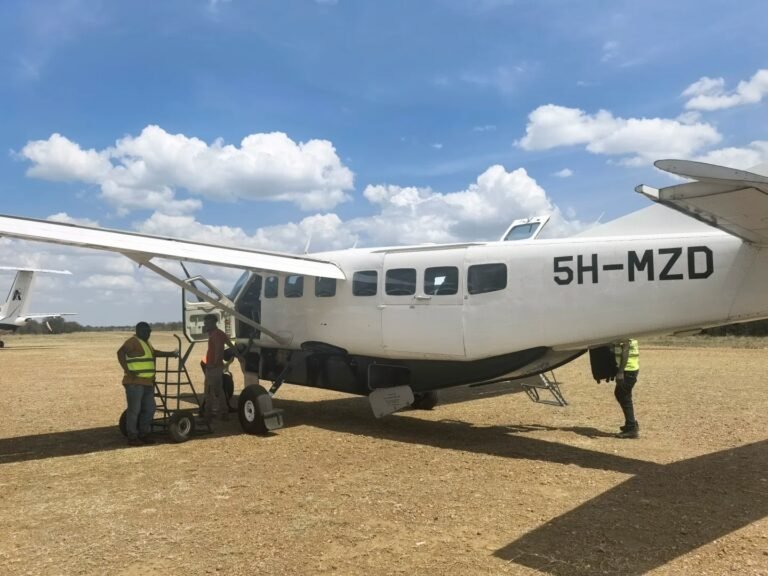
Flights To Dar Es Salaam Vs Kilimanjaro Vs Zanzibar: Which Is Cheaper For ?
Deciding where to fly into Tanzania can significantly impact your travel budget. This guide compares the typical flight costs to Dar es Salaam (DAR), Kilimanjaro International Airport...
View package details
Flights To Zanzibar After A Kilimanjaro Climb: Prices & Booking Guide 2027
Flights to Zanzibar After a Kilimanjaro Climb: Prices & Booking Guide is explained with current 2027 planning, price, itinerary and booking information.
View package detailsArusha To Zanzibar Flight Price : Airlines, Tickets & Booking Guide 2027
Essential guide for booking flights from Arusha to Zanzibar in 2027. Learn about typical prices, available airlines, how to find the best tickets, and essential booking advice for a smooth...
View package details
Best Airport To Fly Into Tanzania For Safari, Kilimanjaro & Zanzibar 2027
Planning a Tanzanian adventure combining wildlife safaris, the iconic Mount Kilimanjaro, and the tropical paradise of Zanzibar requires choosing the right entry point. This guide clarifies...
View package details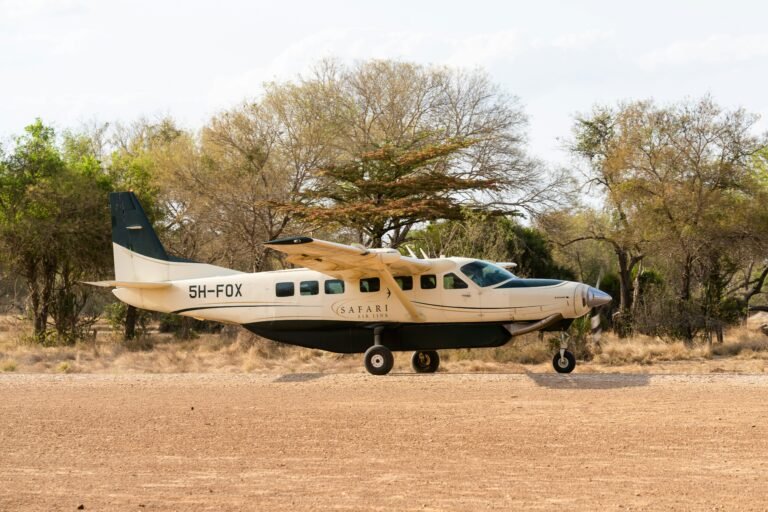
One-Way Flights To Tanzania: Your Guide To Prices And Airlines 2027
Navigating one-way flights to Tanzania requires understanding airline options, potential costs, and strategic booking. This guide breaks down what to expect for your 2027 travels, whether...
View package detailsArusha To Zanzibar Vs Kilimanjaro To Which Flight Is Better For Your Trip?
A detailed comparison of the flight options from Arusha and Kilimanjaro to Zanzibar, helping you choose the most practical and efficient route for your African adventure.
View package detailsMoshi To Zanzibar: Flight Options, Prices & Transfers Guide 2027
Planning the transition from the Kilimanjaro region to Zanzibar requires understanding flight options and ground transfers. This guide provides expert details on how to make the journey.
View package detailsKilimanjaro To Zanzibar Flight Price 2027
Kilimanjaro to Zanzibar Flight Price 2026–2027 is explained with current 2027 planning, price, itinerary and booking information.
View package details
Tanzania Kilimanjaro And Safari Holiday Packages 2027
An expert, long-form guide to combining Kilimanjaro treks with Tanzania safaris and Zanzibar experiences, with practical planning and booking guidance for 2027.
View package detailsTanzania Flight Costs By Month: Cheapest And Most Expensive Seasons 2027
Planning your trip to Tanzania involves understanding the ebb and flow of flight prices throughout the year. Knowing when to book can significantly impact your budget for adventures in...
View package detailsNo related package matches those filters. Clear one or more filters to see the other topic-matched options.



