
Climbing Kilimanjaro in 2027 requires strategic planning 6 to 12 months in advance to secure preferred dates, especially during the peak dry seasons of January-February and June-October. There is no single universal price for a Kilimanjaro expedition; instead, costs are dictated by the route duration, the standard of safety equipment, the ratio of support staff to climbers, and the level of personalized service. To ensure a successful summit, you should prioritize routes with longer acclimatization profiles, such as the 7-day Lemosho or Machame routes, over shorter, budget-optimized alternatives.
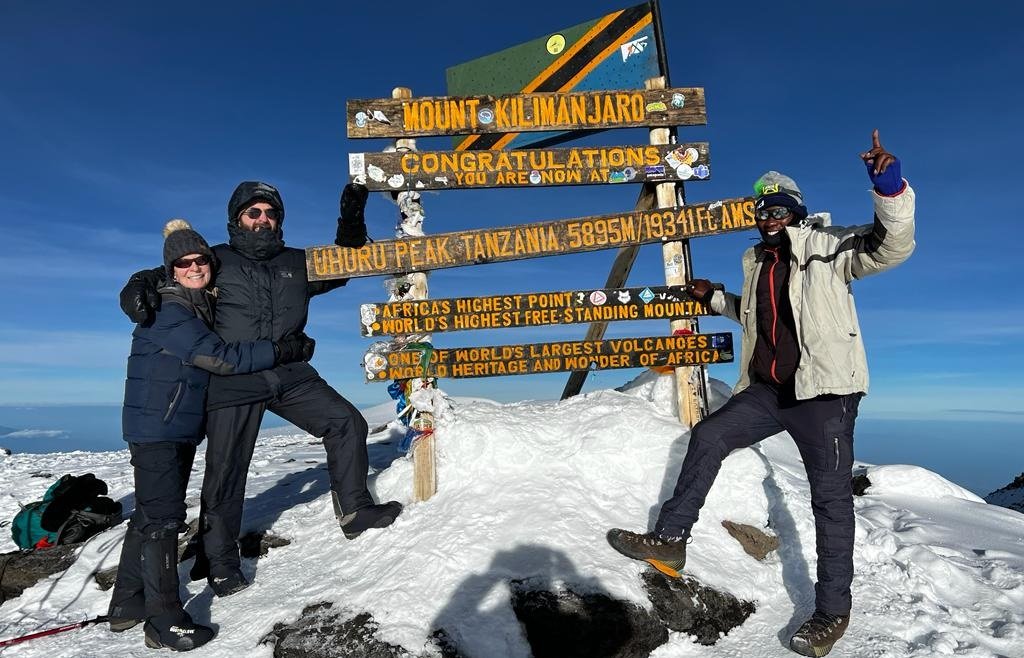
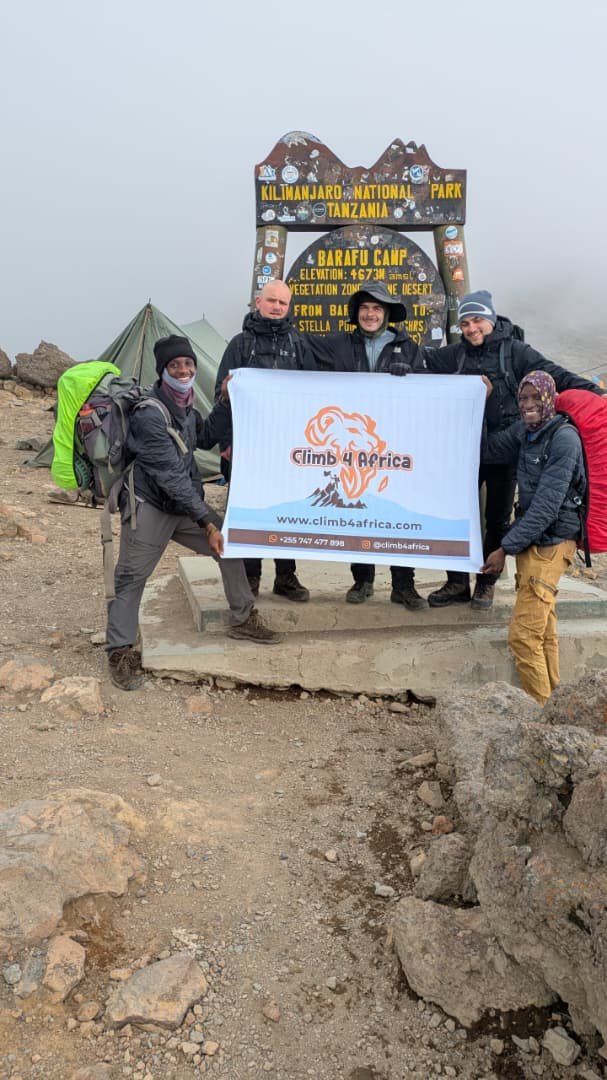
The decision to summit Mount Kilimanjaro in 2027 is one that balances physical preparation with logistical foresight. Unlike many other mountain treks, Kilimanjaro requires a highly orchestrated operation involving park permits, specialized crews, and strict safety protocols. By planning for 2027 now, you move beyond the stress of last-minute availability and into a phase of deliberate preparation, allowing you to choose the route that genuinely fits your fitness level and mountain goals.
Understanding the Route-Duration Trade-off
The most common mistake prospective climbers make is focusing exclusively on the price tag without analyzing the correlation between the number of days on the mountain and the probability of reaching the summit. On Kilimanjaro, time is your most valuable asset. The mountain is unforgiving to those who rush; altitude sickness is the primary reason for failed summit attempts, and it is almost always linked to ascending too quickly.
The 6-Day vs. 7-Day Logic
While some operators offer 5-day or 6-day itineraries, these are often physically taxing and carry a statistically higher risk of altitude-related issues. A 7-day itinerary, conversely, provides that crucial extra day for ‘climb high, sleep low’ acclimatization. This is not just a marketing suggestion; it is physiological necessity for the average hiker.
- 6-Day Itineraries: These are fast-paced. They are suited for experienced high-altitude hikers who know how their bodies react to low oxygen. They leave very little room for recovery or weather delays.
- 7-Day+ Itineraries: These allow for a more gradual ascent. You spend more time in the high-altitude zones, which encourages your body to produce more red blood cells and adapt. For most climbers, the 7-day route is the sweet spot between physical feasibility and summit success.
Route Specifics: Choosing Your Path
Your choice of route determines the scenery you see, the crowds you encounter, and the acclimatization profile you experience. Each route has a distinct personality, and none is ‘best’ for everyone.
The Machame Route
Often called the ‘Whiskey Route,’ this is arguably the most popular and scenic path. It is physically demanding because of the ‘up and down’ nature of the terrain, which ironically helps with acclimatization. If you enjoy diverse ecosystems—from rainforests to alpine deserts—and don’t mind sharing the trail with other hikers, this is a classic choice.
The Lemosho Route
Lemosho is widely regarded by professional guides as the superior route for acclimatization. It approaches the mountain from the west, beginning in a remote area, which means the first two days are quieter and less crowded than the southern approaches. It eventually joins the Machame trail, but by then, you are already well-adapted to the altitude.
The Rongai Route
This is the only route that approaches from the north, near the Kenyan border. It is generally drier than the southern routes and is often preferred by those climbing during the wetter months. It is less steep, making it a viable option for those who want a steady, consistent ascent rather than the sharp ups and downs of Machame.
Pricing Factors: What You Are Actually Paying For
When you request a quote for 2027, you will notice significant price variations between operators. It is vital to understand that a low-cost climb often compromises the safety and well-being of the very people who make your summit possible: the crew.
A transparent, ethical price includes:
- Park Fees: These are non-negotiable government fees that cover conservation, rescue services, and camping/hut permits. These often constitute a large portion of the total cost.
- Crew Welfare: A safe climb requires a ratio of at least 3-4 support staff (porters, cooks, assistant guides) per climber. Fair wages, proper gear, and adequate nutrition for these staff members are the foundation of a reputable company.
- Safety Equipment: This includes medical-grade oxygen cylinders, oximeters, pulse monitors, and comprehensive first-aid kits. In 2027, never book a climb that does not explicitly state these are included.
- Logistics: This covers the transportation from your hotel to the park gate, the quality of the food (which must be calorie-dense and fresh), and the tents and sleeping mats provided.
If a price seems too good to be true, it almost certainly is. It usually means cutting corners on porter pay, food quality, or safety equipment, all of which directly impact your chance of reaching the summit.
The 2027 Booking Timeline
Planning for 2027 is already relevant. While you do not need to book years in advance, securing your spot 6 to 9 months ahead of your intended departure date is standard practice. This gives you time to:
- Coordinate Flights: International flights to Kilimanjaro International Airport (JRO) can be more affordable when booked early.
- Prepare Physically: A 6-month training window is ideal for conditioning your cardiovascular system and joints for the descent.
- Handle Documentation: Tanzania visa requirements and health recommendations (such as Yellow Fever certificates if you are traveling from endemic areas) should be reviewed well before your trip.
If you are planning for a specific window, such as the peak seasons of January or September, early booking ensures that you get the best guides and the most experienced support teams, as these high-demand periods fill up first.
Group Departures vs. Private Climbs
One of the first decisions you will make when contacting a local operator is whether to join a group or book a private expedition. There is no right answer, only the answer that fits your travel style.
Group Climbs are excellent for solo travelers or pairs who want to share the experience and reduce costs. You join a set departure with others, which can be a great way to build camaraderie. However, you are tied to the group’s pace and schedule.
Private Climbs offer complete flexibility. You set your own pace, you can change your itinerary if you feel unwell (or particularly strong), and you have the undivided attention of your guide team. For families, couples, or friends who want a bespoke experience, this is the preferred option.
Safety and Altitude: The Non-Negotiable Elements
Regardless of the route you choose, your safety is the primary metric of success. The mountain environment is unpredictable. At Climb 4 Africa, we emphasize that the mountain guides are your primary safety officers. A professional guide does not just show you the path; they monitor your oxygen saturation levels, check your heart rate, and assess your mental state twice daily.
If you are concerned about your ability to handle the altitude, discuss this with your operator during the initial inquiry. They can advise on the best route for your specific fitness level and explain how they manage altitude sickness on the trail. You can read more about our approach to safety, oxygen, and rescue protocols to understand the standard you should expect.
Next Steps for Your 2027 Expedition
Starting the planning process for 2027 is a straightforward conversation. You do not need to have every detail finalized today. The most effective way to begin is to contact a local operator who can provide current information on park fee structures and route availability.
When you reach out, be prepared to share a few key details to get the most accurate guidance:
- Approximate Timeframe: What month or season are you looking at?
- Group Size: Are you traveling solo, as a couple, or with a larger group?
- Route Preference: Do you have a preference, or would you like a recommendation based on your fitness?
- Additional Travel: Are you interested in combining your climb with a wildlife safari or a trip to Zanzibar?
For direct planning assistance, you can reach out to the Climb 4 Africa team via WhatsApp at +255 747 477 898 or send an inquiry to climb4africa@gmail.com. You may also use our backup contact address at info@climb-4-africa.com. We are here to help you navigate the logistics, compare the routes, and ensure that your 2027 climb is planned with the precision and local support it deserves.
Remember, the mountain will be there in 2027, but the quality of your experience depends entirely on the preparation you do today. Whether you are looking for a full all-inclusive package or a custom-tailored itinerary, starting the conversation early is the best way to ensure your summit dream becomes a reality.
The Physiological Reality: Understanding Altitude Acclimatization in 2027
As you prepare for your 2027 expedition, it is critical to move beyond the logistical aspects of permits and packing lists to understand the physiological demands of the mountain. Kilimanjaro is not merely a long hike; it is a high-altitude expedition that forces your body to adapt to a hypobaric hypoxic environment—a fancy way of saying there is significantly less oxygen available for your muscles and brain to function. By 2027, the standard for successful summiting will rely more heavily than ever on scientific approaches to acclimatization, moving away from the “conquer the mountain” mentality toward a “respect the physiology” approach.
The primary challenge you will face is Acute Mountain Sickness (AMS). While it is common to hear climbers discuss “toughing it out,” AMS is a physiological response, not a lack of willpower. At 5,895 meters (19,341 feet), the atmospheric pressure is roughly half that of sea level. Your body must undergo a complex process of acclimatization, primarily involving increased ventilation, increased cardiac output, and, over time, an increase in red blood cell production to carry oxygen more efficiently. This process cannot be rushed. When you choose a route or itinerary for 2027, you are essentially choosing the speed at which you allow your body to undergo these cellular-level changes.
The “Climb High, Sleep Low” Protocol
The most effective strategy for any Kilimanjaro climber is the “climb high, sleep low” protocol. This is why longer routes are consistently recommended by medical professionals and experienced mountain guides. By ascending to a higher altitude during the day to stimulate the body’s acclimatization response and then descending to a lower altitude to sleep, you allow your body to recover and consolidate those adaptations. In 2027, if you are selecting an itinerary, look specifically for routes that maximize this vertical oscillation. If a proposed itinerary shows a linear ascent with no “dip” or plateau in elevation, you are at a significantly higher risk for altitude-related complications.
Furthermore, hydration and nutrition play a secondary but equally vital role. At high altitudes, your body loses fluid rapidly through respiration and sweat, often without you noticing the thirst. Dehydration thickens the blood, making it harder for your heart to pump oxygenated blood to your extremities and brain—a compounding factor for altitude sickness. In 2027, high-quality expedition operators will emphasize not just the quantity of water you drink, but the electrolyte balance, which is crucial for cellular function under stress. Expect to be encouraged to consume more calories than you think you need, as your basal metabolic rate increases significantly at altitude, even while you are resting.
Identifying Warning Signs: When to Descend
One of the most important aspects of your 2027 preparation is mental preparation regarding the “turn-around” decision. Successful summiting is often defined by the ability to recognize when the body has reached its limit. Early symptoms of AMS include headache, nausea, loss of appetite, and fatigue. These are often dismissed as “just the mountain,” but they are the body’s early warning system. If these symptoms persist or worsen, the only effective treatment is descent. A professional, ethical guide team will have established protocols for this, and you should view a recommendation to descend not as a failure, but as a critical safety intervention.
It is worth noting that fitness levels, while beneficial, do not guarantee immunity to altitude sickness. A professional athlete can be just as susceptible to AMS as a casual hiker. The mountain does not discriminate based on VO2 max. Therefore, your 2027 training should focus on aerobic endurance and mental resilience rather than just raw strength. Training at lower altitudes helps prepare your muscles, but it cannot prepare your lungs for the thin air of the upper slopes. Respecting the pace—often described by guides as “pole, pole” (slowly, slowly)—is the single most effective tool you have in your arsenal.
The Economic Impact of Sustainable Trekking
As we look toward 2027, the conversation around pricing is increasingly intertwined with sustainability and fair labor practices. When you pay for a Kilimanjaro expedition, your funds are distributed across park fees, equipment maintenance, logistics, and, most importantly, the wages and support for your crew. A “budget” price often correlates directly with corners cut in these areas. It is important for 2027 travelers to understand that low-cost operators may compromise on the fair treatment of porters, who are the backbone of your expedition.
The Kilimanjaro Porters Assistance Project (KPAP) and similar organizations advocate for ethical treatment, including proper weight limits for loads, adequate clothing, and fair pay. When you inquire about prices for your 2027 trip, ask specifically about the operator’s commitment to these standards. Investing in an operator that prioritizes fair labor practices not only ensures a more ethical journey but often results in a more motivated, professional, and reliable team. A well-treated crew is a team that is better equipped to look after your safety, prepare nutritious meals, and manage the complex logistics of your climb, directly impacting your overall success rate.
Strategic Gear Selection and Load Management for 2027
While route selection and acclimatization protocols dominate the planning phase, the practical reality of what you carry—and what you ask your porters to carry—is a significant operational factor for 2027. Kilimanjaro trekking requires a precise balance between comfort and necessity. Because you will be moving through five distinct ecological zones, your gear needs to be modular. A common error is over-packing based on the assumption that you will need access to everything at all times. In reality, your duffel bag, which is carried by the porters, will likely only be accessible at the end of each day’s trek. This necessitates a rigid separation between your daypack and your main luggage.
Your daypack is your lifeline. It must contain everything you need to survive a sudden weather shift, handle a minor injury, or manage hydration without stopping the group. For 2027, focus on a pack with a capacity of 30 to 35 liters, featuring a hydration bladder sleeve and a rain cover that is tested for high-alpine precipitation. This bag should house your waterproof shell, an insulating mid-layer, your camera equipment, snacks, and personal medical kit. If you find yourself constantly needing to access your main duffel bag during the day, you have likely mismanaged your packing strategy, which causes delays and can disrupt the group’s rhythm.
The Ethics of Weight Restrictions
The conversation around gear is not purely logistical; it is deeply ethical. The Kilimanjaro National Park Authority (KINAPA) enforces strict weight limits for porters, typically capped at 20kg per porter, including their own personal gear. When you pack for your 2027 expedition, you are directly impacting the physical burden placed on the mountain crew. Reputable operators will provide you with a strict weight limit for your duffel bag—often 15kg—to ensure they remain within legal and ethical bounds. Adhering to this limit is not merely a suggestion; it is a critical component of sustainable trekking.
Consider the “less is more” philosophy. Many climbers bring excessive toiletries, multiple pairs of boots, or heavy electronics that are rarely used. Every kilogram you remove from your bag is a kilogram that a porter does not have to carry up steep, uneven terrain. Before finalizing your gear list for 2027, review it against the “essential-only” criteria. If an item does not serve a clear purpose for safety, hygiene, or essential warmth, leave it behind. This discipline reduces your footprint and demonstrates respect for the human labor that makes your summit attempt possible.
High-Altitude Footwear and Break-in Protocols
Footwear is the single most critical piece of equipment where compromise is impossible. By 2027, the market will offer increasingly lightweight, synthetic materials, but the fundamental requirement remains: ankle support and broken-in soles. Do not arrive at the trailhead with brand-new boots. The combination of steep ascents and rugged, volcanic scree will shred new boots and, more importantly, create blisters that can end a trek prematurely. Your boots should have at least 50 to 100 kilometers of use on varied terrain before you even board your flight to Tanzania.
Furthermore, ensure your footwear accommodates the “thick sock” rule. At higher altitudes, feet tend to swell slightly. If your boots fit perfectly while you are at home, they may become restrictive on the mountain, leading to circulation issues and cold toes. Test your boots with the exact sock layering system you intend to use on the mountain. If you feel any pressure points during your training hikes, address them immediately with insoles or lacing adjustments. On Kilimanjaro, your feet are your only means of transport; if they fail, the expedition fails.
The Nutrition and Hydration Paradigm for 2027 Expeditions
While physical training and gear selection often dominate pre-expedition discussions, the physiological management of fuel and fluids remains the most overlooked variable in summit success. By 2027, sports nutrition science has evolved, yet the unique challenges of high-altitude metabolism on Kilimanjaro—where appetite suppression is a common side effect of hypoxia—require a deliberate, almost clinical approach to consumption. Climbers often assume they can rely on standard trail mix and hydration bladders, but the reality of trekking at 4,000 meters and above demands a sophisticated strategy that balances caloric density with digestive ease.
Caloric Intake in Hypoxic Environments
At high altitudes, the body’s basal metabolic rate increases, while the digestive system slows down. This creates a physiological paradox: you need more energy to fuel the ascent, but your body is less efficient at processing food. For your 2027 climb, do not plan to rely solely on the meals provided by your mountain crew. While reputable operators will provide nutritious, hot meals, these are communal and may not align with your specific metabolic needs or taste preferences when you are suffering from altitude-induced nausea. Instead, cultivate a personal supply of ’emergency calories’—foods that are calorie-dense, easy to chew, and palatable even when your appetite has vanished. Focus on complex carbohydrates that offer sustained energy release, such as energy gels, electrolyte-infused chews, or dehydrated fruit bars. Avoid heavy, high-protein snacks that require significant digestive energy to break down, as these can exacerbate bloating and lethargy.
The Science of Hydration at Altitude
Hydration is the single most effective tool for mitigating the symptoms of Acute Mountain Sickness (AMS). However, the ‘drink until you are full’ approach is dangerous at high altitudes. Because the air is extremely dry, your body loses significant moisture through respiration—you are effectively ‘exhaling’ your hydration. By the time you feel thirsty, you are already dehydrated. For a 2027 expedition, your hydration strategy must be proactive and quantitative. Aim for a baseline of 3 to 4 liters of fluid per day, regardless of your thirst levels. This fluid intake should be a mix of plain water and electrolyte solutions. Electrolytes are not optional; they are essential for maintaining nerve function and muscle contraction under stress. When you sweat, you lose sodium, potassium, and magnesium, and replacing these is critical to preventing muscle cramps and headaches, which are often misdiagnosed as altitude sickness.
Managing Liquid Intake and Cold-Weather Logistics
A common failure point in hydration is the logistical difficulty of drinking in freezing temperatures. In 2027, as you prepare for your trek, invest in insulated hydration systems. Standard hydration bladders are prone to freezing in the tube, rendering them useless during the summit night. If you use a bladder, ensure the tube is insulated with a specialized sleeve and that you clear the water from the tube after every sip by blowing air back into it. Alternatively, carry wide-mouth Nalgene bottles. These are less prone to mechanical failure than bladders and can be filled with warm water at night, which can then be used as a hot water bottle in your sleeping bag—a dual-purpose strategy that keeps you warm and ensures you have unfrozen water for the morning. Always keep your water bottles upside down; since water freezes from the top down, this ensures the lid remains functional even if the water begins to slush.
The Role of Supplements and Pre-Hydration
While no supplement can replace proper acclimatization, some climbers choose to integrate hydration-enhancing supplements into their training regimen months before the trip. Consult with a medical professional regarding the use of oral rehydration salts or specific magnesium supplements to aid in muscle recovery. More importantly, begin your hydration protocol before you even arrive in Tanzania. Arriving in Arusha or Moshi already dehydrated—due to international travel, jet lag, and caffeine consumption—puts you at an immediate disadvantage. Commit to a strict hydration routine during your flight and the days leading up to your trek. This ‘pre-loading’ helps your blood volume remain stable, which is crucial for efficient oxygen transport as you begin your ascent.
Monitoring Your Output
Finally, the most reliable indicator of your hydration status is the color of your urine. It is a simple, non-invasive metric that you must monitor daily. Pale, straw-colored urine indicates adequate hydration. Darker, concentrated urine is a warning sign that your body is struggling to maintain fluid balance. Do not ignore this. If you notice your output decreasing or darkening, increase your electrolyte intake immediately and report this to your lead guide. In the high-stakes environment of Kilimanjaro, self-awareness and honest communication with your support staff are just as vital as your physical fitness. By treating your nutrition and hydration as a core component of your 2027 expedition strategy, you significantly increase your physiological resilience, turning a grueling challenge into a manageable, successful ascent.
The Psychological Architecture of the 2027 Expedition
While physical training and gear preparation are frequently documented, the psychological architecture of a Kilimanjaro expedition is rarely addressed with the same rigor. By 2027, the mountain will continue to be a test of mental fortitude as much as physical capacity. The “summit fever” phenomenon—the desperate, often irrational desire to reach the top regardless of physical warning signs—is a genuine safety risk. Understanding your own mental triggers before you arrive in Tanzania is essential. For many, the ascent is not a continuous climb but a series of micro-goals. Breaking the mountain down into digestible segments, rather than focusing on the 5,895-meter summit, prevents the psychological fatigue that often sets in around the third or fourth day when the novelty of the trek wears off and the monotony of the trail begins.
Managing the “Tarmac to Trail” Transition
The logistical transition from the comfort of international travel to the rugged reality of the Kilimanjaro National Park gates can be jarring. In 2027, successful climbers will be those who manage their “transition window” effectively. Upon arrival in the Moshi or Arusha region, you will likely face a period of forced inactivity while final permits are processed and gear checks are completed. This is not downtime; it is a critical acclimatization period. Avoid the temptation to over-exert yourself with pre-trek sightseeing or intense exercise. Your primary goal during these 24 to 48 hours is sleep hygiene and caloric stability. The “Tarmac to Trail” transition also involves a mental recalibration: you are moving from a world of instant gratification—where water, electricity, and connectivity are guaranteed—to an environment where every resource is finite and manual labor is the primary driver of logistics. Accepting this shift early reduces the cognitive load during the first two days of trekking.
The Social Dynamics of Group Expeditions
If you have opted for a group departure rather than a private climb for your 2027 trip, you are entering a high-pressure social ecosystem. The social dynamics of a small group confined to a mountain environment for a week can significantly impact your summit success. Conflict resolution and group cohesion become part of your survival strategy. It is rare, but not unheard of, for group morale to collapse due to individual grievances, differing paces, or conflicting expectations regarding the trek. To mitigate this, establish a communication baseline with your fellow climbers early. Discuss your “why”—the reason you are climbing—and acknowledge that everyone will have low points. A supportive group dynamic acts as a buffer against the physical stressors of the mountain. If you are a solo traveler joining a group, prioritize operators who explicitly vet their group compositions or maintain a high ratio of guides, allowing the group to split if necessary, ensuring that faster hikers do not inadvertently force a pace that is unsustainable for others.
Navigating the “False Summit” and Mental Plateaus
The mental challenge of Kilimanjaro is punctuated by the infamous “false summits” and the notorious Barranco Wall. These features are not just physical obstacles; they are psychological checkpoints. The Barranco Wall, for instance, requires a level of focused scrambling that forces you to be entirely present, momentarily stripping away anxieties about the summit night. Use these moments to reset your mental state. When you encounter a false summit—a common occurrence on the final ascent day—the mental drop can be severe. Prepare for this by assuming that the first “peak” you see is rarely the end. By mentally budgeting for the extra hour or two of effort, you neutralize the disappointment that causes many climbers to quit when they are, in fact, within striking distance of the true Uhuru Peak.
The Role of Digital Detox in Altitude Adaptation
In 2027, the urge to remain connected will be stronger than ever, but the psychological benefits of a digital detox on Kilimanjaro are profound. The constant ping of notifications creates a spike in cortisol, a stress hormone that is already elevated due to hypoxia. While you may want to capture photos, consider putting your phone in airplane mode or leaving it in your duffel bag for the duration of the hike. The “always-on” mindset is antithetical to the meditative, slow-paced rhythm required for successful acclimatization. By disconnecting, you allow your brain to focus entirely on the present environment, which improves your spatial awareness, your ability to monitor your own breathing, and your capacity to engage with the mountain’s unique landscape. This sensory immersion is not just a luxury; it is a tool for mental endurance that keeps you present, reducing the overwhelming feeling of the long road ahead.
The Micro-Climates and Ecological Transitions of the Kilimanjaro Ascent
While most climbers focus on the summit night and the physical demands of altitude, the true majesty of a 2027 Kilimanjaro expedition lies in the rapid ecological transition that occurs over the course of the ascent. Kilimanjaro is often described as a “walk through the world’s climate zones,” but this is more than a poetic observation; it is a critical environmental factor that dictates your gear strategy, your daily health, and your psychological engagement with the mountain. Understanding these zones is essential for maintaining comfort and preventing unnecessary fatigue.
Navigating the Cultivated Zone and Montane Forest
The journey begins in the Cultivated Zone (800m to 1,800m), where the air is thick, humid, and rich with the scent of coffee plantations and banana groves. As you move into the Montane Forest (1,800m to 2,800m), you enter a dense, vibrant ecosystem. Many climbers overlook the importance of pacing here. The humidity in the forest is high, and the incline is often deceptively steep. It is tempting to push hard because you feel strong at lower elevations, but this is a mistake. The Montane Forest is where your body begins the initial phase of acclimatization. High humidity can lead to excessive sweating, which, if not managed by wearing moisture-wicking layers, will leave you chilled the moment you stop for a break. Keep your rain gear accessible here, not because of a storm, but because the forest canopy often drips with condensed mist long after the rain has stopped.
The Moorland and Alpine Desert: The Zone of Extreme Contrast
As you exit the forest and enter the Moorland (2,800m to 4,000m), the landscape shifts dramatically. The dense trees give way to giant heathers and the iconic Giant Groundsels (Dendrosenecio kilimanjari). This is a critical zone for 2027 climbers to understand because of the intense UV exposure. At these altitudes, the atmosphere is thinner, and the sun’s rays are significantly more powerful. Many climbers neglect sun protection, believing the cooler temperatures mean the sun is less intense. This is a primary cause of exhaustion; your body spends precious energy repairing sunburned skin and managing heat regulation that could have been preserved for climbing. Wear a wide-brimmed hat and apply high-SPF sunscreen every morning, regardless of cloud cover.
Transitioning into the Alpine Desert (4,000m to 5,000m) is perhaps the most jarring change. Here, life becomes sparse. The ground is rocky, dusty, and volcanic. This zone tests your respiratory system. The air is dry—parched, even—and you will likely notice your lips cracking and your throat feeling raw. This is not necessarily the onset of illness, but a reaction to the extreme lack of humidity. Invest in a high-quality lip balm with SPF and consider using a buff or bandana over your nose and mouth to humidify the air you breathe. This simple, often overlooked technique can significantly reduce the “Khumbu cough” (a dry, hacking cough common at high altitudes) that plagues many climbers.
The Summit Zone: Glacial Relics and High-Altitude Ethics
Finally, you reach the Arctic Zone (5,000m+). This is the realm of ice and rock. The most important detail here is the fragility of the remaining glaciers. While the summit is the goal, the glaciers themselves are receding at an alarming rate. As a visitor in 2027, you are witnessing a disappearing landscape. This imposes a silent, ethical responsibility on every climber: strictly adhere to the “Leave No Trace” principles. Even small items like energy gel packets, tissues, or discarded batteries can persist for decades in the frozen, anaerobic environment of the summit zone. Furthermore, be conscious of your footprint on the fragile ice fields. Guides will instruct you to stick to established paths, and this is not just for safety; it is to prevent the erosion of the delicate, frozen soil and ice structures that define the summit experience.
The Unspoken Role of Support Staff Dynamics
The success of your 2027 expedition rests almost entirely on the shoulders of your support crew—the porters, cooks, and assistant guides. Too often, climbers view these individuals as mere service providers. However, treating the support staff with genuine respect and understanding their working conditions is a vital component of a successful, ethical trek. The porters are the engine of your expedition; they carry the tents, the food, the water, and the gear that allow you to survive the mountain. In 2027, the industry has seen a push toward more transparent porter welfare standards. Before you book, inquire not just about the price, but about the operator’s commitment to the Kilimanjaro Porters Assistance Project (KPAP) or similar ethical guidelines. When you are on the mountain, take the time to learn the names of your crew. Acknowledging their effort and expertise fosters a collaborative atmosphere rather than a transactional one. This dynamic shift—from “client-service provider” to “team member”—can significantly boost morale during the difficult, high-altitude days. If the crew feels valued, they are more likely to go the extra mile to ensure your comfort, whether that means bringing you hot water for a wash or checking on you during a sleepless night at high camp.
Technological Integration and Digital Navigation in 2027
As we move deeper into the 2027 climbing season, the traditional “analog” experience of a Kilimanjaro expedition—relying solely on paper maps and guide intuition—is being augmented by a new wave of low-power, high-reliability digital tools. While the mountain remains a place to disconnect, the smart climber now utilizes specific technological advantages to manage safety and logistics. The challenge, however, is balancing the utility of these devices against the harsh realities of high-altitude battery drainage and the psychological need to remain present in the environment.
The Rise of Satellite-Linked Biometric Monitoring
For the 2027 climber, the most significant shift in safety is the integration of wearable biometric monitors that sync with satellite communication devices carried by lead guides. In years past, monitoring oxygen saturation (SpO2) and heart rate was a manual, sporadic process performed during morning and evening check-ins. Today, high-end expedition operators are increasingly using real-time, cloud-synced pulse oximeters. This allows for a continuous data stream, meaning that if a climber’s resting heart rate spikes unexpectedly during the night—a key indicator of early-stage Acute Mountain Sickness (AMS)—the guide is alerted via a handheld device before the climber even wakes up to report symptoms. For the trekker, this means you are no longer solely responsible for “self-reporting” your condition, which can be notoriously unreliable when one is suffering from hypoxia-induced confusion.
Navigating the Digital-Analog Hybrid
While digital navigation tools like offline topographical maps and GPS-enabled smartwatches are ubiquitous, they present a specific vulnerability on Kilimanjaro: cold-induced battery failure. Lithium-ion batteries, the standard for almost all modern personal electronics, lose significant capacity once temperatures drop below freezing, which is a certainty above the Barranco Camp. By 2027, the best practice for climbers has shifted from relying on a single device to a tiered power management system. This involves carrying a primary device for navigation, a secondary analog backup (physical map and compass), and a ruggedized, high-capacity power bank kept in an insulated pouch close to the body’s core heat. The goal is not to be glued to a screen, but to use technology to verify progress and maintain situational awareness, especially during the nocturnal summit push where visibility can drop to near zero.
The Ethics of Connectivity and the “Summit Selfie” Culture
There is a growing tension between the desire to document the 2027 ascent and the preservation of the mountain’s sanctity. As mobile signal coverage has improved in certain sectors of the mountain, the temptation to live-stream, post, or communicate in real-time has increased. However, many expedition leaders are now establishing a “digital etiquette” policy. This is not merely about bandwidth; it is about the psychological immersion required to succeed. Constant engagement with a digital device prevents the brain from fully transitioning into the “expedition mindset,” which is essential for managing the physical stress of the climb. Furthermore, the persistent use of devices can disrupt the social cohesion of the group. Climbers are encouraged to designate specific “connectivity windows” rather than treating the trek as an extension of their daily digital lives. This discipline helps maintain the group’s focus on the primary objective—the summit—and ensures that the human connections formed on the trail remain the priority over virtual ones.
Data-Driven Post-Climb Analysis
The 2027 climbing season also sees a rise in the use of post-expedition data analysis. Many climbers now use their wearable data to debrief with their guides after the descent. By reviewing heart rate variability, sleep quality, and elevation gain profiles, climbers can gain a deeper understanding of how their specific physiology reacted to the altitude. This data is invaluable for those planning future high-altitude endeavors, such as treks in the Andes or the Himalayas. It transforms the Kilimanjaro experience from a singular, isolated event into a learning opportunity, providing a quantifiable baseline of your own physical capacity that can be used to refine training programs for years to come.
Navigating Common Misconceptions in 2027 Expedition Planning
As the Kilimanjaro tourism landscape evolves toward 2027, a significant gap has emerged between the romanticized portrayal of the climb on social media and the practical, gritty reality of high-altitude trekking. Misconceptions are not merely nuisances; they are critical factors that contribute to failed summit attempts and, in severe cases, dangerous medical evacuations. Addressing these myths requires a departure from the “bucket list” mentality and a shift toward an objective, risk-mitigated approach to expedition planning.
The Myth of Fitness Equivalence
A prevalent misunderstanding among prospective 2027 climbers is that athletic prowess in low-altitude environments—such as marathon running, CrossFit, or cycling—directly translates to high-altitude success. While cardiovascular fitness is undeniably beneficial, it does not confer immunity to Acute Mountain Sickness (AMS). In fact, highly athletic individuals are often prone to “summit fever,” where they push their bodies too hard during the initial days of the climb, ignoring the physiological necessity of slow adaptation. The reality is that the most successful climbers on Kilimanjaro are often those who embrace a slow, steady pace regardless of their perceived fitness level. By 2027, the gold standard for preparation involves specific altitude-simulation training or, at minimum, a focus on “slow-twitch” endurance rather than explosive power, ensuring the body is conditioned to operate efficiently under hypoxic stress.
The “Budget Operator” Fallacy
Many climbers seek to optimize their 2027 budget by selecting the lowest-priced operators, operating under the assumption that the mountain experience is uniform regardless of the company. This is a dangerous simplification. The cost differential between budget and premium operators is rarely about luxury; it is primarily about safety infrastructure, staff welfare, and equipment quality. A budget operator may cut costs by reducing the number of guides, skimping on fresh food supplies, or utilizing substandard medical kits. In 2027, professional guides are increasingly trained not just in navigation, but in advanced wilderness first aid and oxygen administration. When you pay for a reputable operator, you are paying for the redundancy of their safety systems—the ability to deploy a rescue stretcher, the presence of a pulse oximeter that is calibrated correctly, and the ethical treatment of porters who are the backbone of your expedition. Choosing based on price alone often negates the months of training you have invested.
The “Summit or Bust” Mentality
Perhaps the most damaging misconception is the binary view of the expedition: that the climb is only a success if the summit is reached. This perspective ignores the intrinsic value of the ecological zones traversed and the physiological challenge of the ascent. This “summit or bust” mindset often leads to climbers suppressing symptoms of altitude sickness, hiding their distress from guides, and taking unnecessary risks to reach Uhuru Peak. By 2027, the industry is pushing for a “summit as a bonus” philosophy. Guides are trained to facilitate an environment where turning back—if medically necessary—is viewed as a responsible, brave decision rather than a failure. Embracing this mindset actually increases your statistical probability of success, as it reduces the cortisol-spiking anxiety that can hinder acclimatization.
Logistical Missteps: The Importance of “Buffer Days”
A recurring logistical error is the failure to account for “buffer days” on either side of the climb. Many itineraries are built on the assumption of perfect transit, perfect baggage arrival, and perfect immediate acclimatization. However, 2027 travel logistics remain subject to the unpredictability of regional flight networks and potential gear delays. Arriving in Tanzania with zero margin for error—heading to the trailhead immediately after a long-haul flight—is a recipe for fatigue and compromised immunity. The most strategic climbers now factor in at least 48 hours of acclimatization in Moshi or Arusha before the trek begins. This time is not for leisure; it is for final gear checks, local hydration, and allowing the circadian rhythm to reset, which is vital for the sleep quality required to recover during the climb.
The Reality of Trail Congestion and Seasonality
There is a lingering belief that selecting a specific route guarantees solitude. While some routes, like the Rongai or Northern Circuit, are historically quieter than the Machame or Marangu, the concept of a “private” mountain experience is largely outdated. Climbers must adjust their expectations regarding trail traffic. During peak 2027 windows, even the most remote trails will host multiple groups. Misunderstanding this can lead to frustration, particularly when waiting at camp checkpoints or navigating narrow sections of the trail. Experienced climbers learn to view the presence of other groups as a community resource—a network of support and shared camaraderie—rather than an intrusion. Managing your expectations regarding solitude is a crucial component of the psychological preparation for a successful 2027 expedition.
FAQ: Common Concerns for 2027 Climbers
- Q: Does my previous experience at high altitude guarantee I will summit Kilimanjaro?
A: No. Altitude affects every individual differently, and susceptibility can change based on hydration, fatigue, and even your health status on the day of the climb. Previous success does not provide immunity to AMS. - Q: Is it possible to “train” for altitude at sea level?
A: While you cannot fully replicate the hypoxic environment, you can improve your aerobic capacity and mental resilience. Some climbers use hypoxic masks or spend time in simulated altitude centers, but these are supplements to, not replacements for, a slow, well-paced ascent profile. - Q: Why do some operators offer 5-day climbs if they are discouraged?
A: Some operators cater to market demand for shorter, cheaper trips, even if they carry higher risks. Responsible operators prioritize safety protocols, which generally mandate a minimum of 6 to 7 days for proper acclimatization. - Q: What happens if I am forced to descend due to altitude sickness?
A: Professional operators have established evacuation protocols. If you are symptomatic, your guides will facilitate a descent to a lower altitude. This is standard safety procedure, and reputable companies will have pre-arranged logistics for such events.
The Demographic Shift: Tailoring the 2027 Kilimanjaro Experience
As we approach the 2027 climbing season, the demographic of those summiting Kilimanjaro has shifted significantly from the traditional “young adventurer” profile to a more diverse range of ages and physical backgrounds. This shift has necessitated a more nuanced understanding of personal limitations and comfort requirements. The mountain is no longer just a challenge for the elite mountaineer; it has become a bucket-list destination for retirees, families, and professionals seeking a mid-career reset. Consequently, the definition of a “successful” climb has evolved to include not just reaching Uhuru Peak, but doing so with an appropriate level of support that respects individual physiological and comfort thresholds.
Defining Your “Comfort Baseline”
Before booking a 2027 expedition, it is critical to audit your own comfort baseline. On Kilimanjaro, comfort is relative, yet it directly impacts your ability to acclimatize. If you are accustomed to high-quality sleep, private facilities, and specific dietary needs, opting for a “bare-bones” budget operator will likely lead to psychological burnout before you even reach the higher camps. In 2027, top-tier operators have moved toward “luxury-lite” offerings—not necessarily glamping, but structured environments that prioritize hygiene, sleep quality, and nutritional consistency.
Consider the logistical impact of your choices. A private chemical toilet, for instance, is no longer a luxury but a standard request for many groups. This is not about vanity; it is about sanitation and energy conservation. At 4,000 meters, every calorie burned is precious. Walking to a shared, often unsanitary, public long-drop toilet in the middle of a freezing night is an unnecessary expenditure of energy and a disruption to the sleep cycle. When reviewing operator packages, look for explicit mentions of private toilet tents and sleeping tent specifications. A four-season tent with a thick, high-density foam mattress is a non-negotiable for anyone over the age of 40 or those with back sensitivity, as the ground temperature at high altitude can sap body heat rapidly.
Age-Specific Considerations and Mobility
Climbers in their 50s and 60s face different physiological challenges than those in their 20s. While older climbers often possess superior mental discipline and pacing—two vital traits for a slow ascent—they may require more recovery time. If you fall into this demographic, you must prioritize routes that offer shorter daily distances, even if the total trip duration extends to 8 or 9 days. The Northern Circuit, for example, is increasingly favored by older cohorts because it allows for a more gradual elevation gain over a longer period, reducing the intensity of the daily trek.
Furthermore, mobility limitations—such as knee issues or previous joint surgeries—must be disclosed to your operator during the booking phase. The descent from Kilimanjaro is notoriously brutal on the knees. In 2027, the best operators will pair you with a guide who is specifically trained in “descent management,” which involves the correct use of trekking poles and the implementation of “step-saving” techniques. If you have any history of joint pain, you should proactively request a private porter or a “sweeper” guide whose sole job is to monitor your descent speed, ensuring you do not over-exert your joints on the loose scree slopes.
Dietary Customization and Gut Health
One of the most overlooked aspects of mountain comfort is the gastrointestinal impact of high-altitude trekking. In 2027, the expectation for standardized “mountain food” (often pasta, rice, and stew) has been replaced by a demand for personalized nutrition. Altitude suppresses appetite, and the last thing you want is a diet that is heavy, greasy, or difficult to digest. When evaluating your 2027 operator, ask about their ability to accommodate specific dietary needs beyond basic vegetarianism. Can they provide high-protein, easily digestible snacks? Do they have a protocol for managing “mountain belly,” a common ailment caused by poor hygiene or water contamination?
The best operators now utilize vacuum-sealed, pre-prepared meals that are reheated on-site, reducing the reliance on complex, multi-step cooking processes that are prone to contamination in windy, dusty camps. If you have specific gut sensitivities, consider bringing your own supply of shelf-stable, high-calorie supplements or freeze-dried meals that you have tested at home. Relying entirely on camp food is a gamble; having a “known-safe” caloric backup provides a significant psychological safety net.
The Role of “Personalized Pacing”
The industry standard of “pole pole” (slowly, slowly) is often misinterpreted as a group speed. However, your group’s speed may not be *your* speed. In 2027, if you are joining a group departure, you must ensure the operator has a “multi-guide” policy. A single guide cannot effectively manage a group of 10 people with varying fitness levels. A high-quality operation will have at least one lead guide and one assistant guide for every 3-4 climbers. This ratio allows the group to split if necessary, with faster climbers proceeding ahead while those needing a slower pace are supported without feeling like they are holding the group back. This flexibility is the single greatest predictor of summit success for mixed-ability groups.
Ultimately, your 2027 climb should be tailored to your specific needs. Do not let the marketing of “summit success rates” distract you from the reality of your own body. A successful expedition is one where you reach the top, but also one where you maintain your health, dignity, and enjoyment throughout the process. Choose an operator who listens to your concerns about comfort and mobility rather than one who pushes a “one-size-fits-all” itinerary.
The Evolution of Environmental Stewardship in 2027 Expedition Logistics
As we approach 2027, the operational landscape of Kilimanjaro has shifted from merely ‘leave no trace’ to ‘active restoration.’ The increasing volume of foot traffic on the mountain necessitates a more sophisticated approach to waste management and ecological preservation. For the prospective climber, understanding your role in this ecosystem is no longer optional; it is a critical component of your expedition’s integrity. High-end operators are increasingly adopting ‘carry-in, carry-out’ protocols that extend beyond basic litter collection, encompassing the management of human waste and greywater filtration systems that prevent contamination of the fragile alpine watersheds.
When selecting your 2027 operator, inquire about their specific ‘Zero-Waste’ certification or internal policy. In the past, operators might simply pack out trash; today, the gold standard involves the use of portable, sealed waste management systems for all human waste, which is then transported off the mountain entirely. This is a significant logistical undertaking that increases the porter load and, consequently, the expedition cost. While this may seem like an abstract environmental concern, it directly impacts the quality of the trail experience. Routes where operators prioritize these rigorous sanitation standards are cleaner, smell better, and contribute to a healthier mountain environment, which indirectly supports the physical well-being of the climbers themselves.
The Logistics of ‘Leave No Trace’ 2.0
The modern Kilimanjaro climber must recognize that the mountain’s fragile flora, particularly the Giant Groundsels and Lobelias, are highly sensitive to soil compaction and trampling. By 2027, the park authorities have implemented stricter trail-widening prohibitions. This means your guide’s adherence to single-file trekking is not just a safety measure; it is a conservation requirement. You will notice that in high-traffic zones, guides are now mandated to enforce strict path discipline. If you find yourself in a group that constantly strays from the marked trail to take photos or gain a slight advantage, you are contributing to erosion that will take decades to heal. Choose operators who explicitly include ‘environmental ethics training’ as part of their pre-climb briefing for staff and clients alike.
The Critical Role of ‘Buffer Days’ in Your 2027 Itinerary
The concept of a ‘buffer day’—an extra day built into your itinerary before or after the climb—is frequently misunderstood as a luxury or a waste of time. In 2027, with global travel patterns becoming increasingly volatile, this is a strategic necessity. A buffer day before your trek allows for the ‘Tarmac to Trail’ transition, providing you with 24 hours to recover from long-haul flights, recalibrate your sleep schedule, and perform a final gear check with your guides in a low-pressure environment. It allows you to address missing equipment or minor health issues (like a common cold picked up during transit) before you are committed to the mountain.
Furthermore, consider the logistical reality of the 2027 mountain experience. Weather patterns are notoriously unpredictable. A buffer day at the end of your trip, after you return to Moshi or Arusha, is equally vital. Many climbers underestimate the sheer physical toll of the descent. You will be exhausted, your joints will be fatigued, and your immune system will be temporarily suppressed. Attempting to catch an international flight mere hours after descending from 5,895 meters is a recipe for post-climb illness and extreme travel stress. A buffer day allows you to properly rehydrate, enjoy a celebratory meal, and ensure you are truly ready for the rigors of international travel.
The ‘Buffer’ as a Hedge Against Travel Disruptions
Beyond personal comfort, the buffer day is your insurance policy against the unpredictable. Luggage delays, local transit strikes, or sudden changes in park regulations are logistical realities. If your gear doesn’t arrive on your flight, having that 24-hour window can mean the difference between a successful climb with rented or borrowed equipment and an aborted expedition. When planning your 2027 calendar, treat your ‘arrival day’ and ‘departure day’ as non-negotiable fixed points, and then add at least one full day on either side of the actual mountain trekking dates. This is the most effective way to insulate your investment from the inevitable friction of global logistics.
Strategic Gear Selection: The ‘Modular Layering’ Approach for 2027
The gear required for Kilimanjaro has evolved. While the core principle of layering remains, the 2027 standard emphasizes weight-to-warmth ratios that were previously reserved for professional mountaineers. The most common error in gear selection is ‘over-packing’ for the lower zones and ‘under-packing’ for the summit. You are traversing five distinct climate zones; your kit must be modular enough to handle 25°C (77°F) in the rainforest and -10°C (14°F) at the summit, often within the same 24-hour cycle.
Invest in a high-quality, lightweight down or synthetic ‘puffy’ jacket that compresses into a small footprint. In 2027, the focus is on technical fabrics that are breathable yet windproof. Avoid heavy, bulky cotton or wool layers that retain moisture; once these get wet from sweat or precipitation, they become a liability, drawing heat away from your core. Your base layer should be high-performance merino wool or synthetic moisture-wicking material. Mid-layers should be adjustable—think quarter-zip fleeces or light soft-shells that allow you to vent heat quickly while hiking uphill and seal in warmth during rest breaks.
Finally, your footwear choice should be based on ‘breaking in’ protocols that start months before your trip. Do not arrive in Tanzania with brand-new, stiff leather boots. By 2027, many experienced trekkers are opting for high-quality, supportive trail runners or ‘approach shoes’ for the lower sections, switching to sturdier, waterproof boots only for the final summit push. This reduces the weight on your feet—a critical factor when you are taking tens of thousands of steps over several days. Consult with your operator regarding their specific terrain recommendations, as some routes are rockier and demand more ankle support than others.
The Due Diligence Framework: Vetting Your 2027 Operator Beyond the Brochure
As you approach the 2027 season, the market for Kilimanjaro expeditions is increasingly saturated with digital-first operators. While high-quality marketing materials and polished websites are standard, they are not proxies for operational competence or ethical reliability on the mountain. To secure a safe and successful expedition, you must shift your inquiry process from passive consumption of marketing copy to an active audit of the operator’s logistical framework. This due diligence process is the single most effective tool you have to mitigate risk and ensure your investment supports sustainable, high-standard practices.
The Transparency Audit: Quantifying Staff Welfare
The most significant ethical and operational differentiator in 2027 is how an operator manages their human capital. A reputable operator will not just claim they treat porters well; they will be able to provide specific, verifiable metrics. When vetting, move beyond vague corporate social responsibility statements. Ask directly if the operator is a partner of the Kilimanjaro Porters Assistance Project (KPAP) or an equivalent independent oversight body. These organizations provide third-party verification that porters are paid fair wages, receive proper equipment, and are not overloaded.
Ask specifically about the load-limit policy. While park regulations set a maximum weight per porter, top-tier operators often enforce a stricter internal limit to ensure the health and longevity of their team. If an operator cannot clearly articulate their weighing procedures at the park gate, it is a red flag. Furthermore, inquire about the sleeping arrangements and dietary provision for the crew. A crew that is well-fed, adequately clothed against the cold, and sleeping in proper tents is a safer crew, which directly translates to a more attentive and stable support system for your climb.
Safety Infrastructure: Moving Beyond the First-Aid Kit
In 2027, the standard for safety has evolved. A basic first-aid kit is no longer the benchmark; you are looking for a comprehensive medical protocol. When speaking with operators, ask for the specific “evacuation protocol.” Do not accept answers like “we have a rescue plan.” Press for details: What is the specific trigger point for an emergency descent? Is it based on a pre-defined score on a Lake Louise Symptom Score (LLSS) chart, or is it at the guide’s discretion? The latter is often too subjective and potentially dangerous.
Inquire about the medical monitoring equipment. A pulse oximeter should be used at least twice daily—morning and evening—by the lead guide, with results logged in a dedicated tracking sheet. Ask if the operator carries supplemental oxygen and, crucially, the type of delivery system. Is it a portable, high-flow tank, or a lighter, less effective system? For 2027 expeditions, the gold standard includes access to a Gamow bag (a portable hyperbaric chamber) on all high-altitude routes. If they do not carry one, ask what their alternative strategy is for managing severe altitude sickness. Understanding these technical specifics allows you to gauge whether the operator prioritizes safety or merely compliance with minimum park requirements.
The Operational Inclusion Audit: Defining “Full Service”
The phrase “full service” is frequently used in 2027 marketing, but its definition varies wildly. You must audit what is included to avoid hidden costs and logistical friction. Start with hydration: How is water sourced and treated? In 2027, the only acceptable standard is high-volume filtration or boiling. Chemical treatment alone is often insufficient for the high-turbidity water found in some mountain streams. If an operator relies on tablets, inquire about their efficacy in cold water and the taste profile, which can sometimes discourage proper hydration.
Next, examine the food logistics. Ask for a sample menu and inquire about the kitchen team’s experience with high-altitude nutrition. The ability to prepare nutrient-dense, palatable meals in a hypoxic, cold environment is a specialized skill. If the operator cannot explain how they maintain the “cold chain” for fresh ingredients during the first few days of the climb, or how they manage caloric density in the later stages, your nutritional plan may be at risk. Finally, clarify the “buffer” inclusions. Does the operator provide airport transfers? Are there emergency hotel bookings included if the climb finishes early or is delayed? These logistical “friction points” are where most independent travelers find themselves spending unexpected funds. A transparent operator will have a clear policy on these variables, ensuring your budget remains as predictable as your itinerary.
The Post-Expedition Integration: Managing the Physiological and Psychological ‘Re-Entry’
The successful summit of Kilimanjaro is often marketed as the climax of the journey, but for the 2027 climber, the descent and the immediate post-climb period represent a critical phase of physical and psychological integration. Neglecting this phase can lead to prolonged recovery times and a diminished sense of achievement. Upon returning to the lowlands—specifically the transition from the high-altitude environment of 4,000+ meters back to the humid, oxygen-rich air of Moshi or Arusha—your body undergoes rapid physiological recalibration. You will likely experience significant fluid retention, commonly known as ‘re-entry edema,’ as your body adjusts its fluid balance from the hypoxic state. Planning for at least 48 hours of low-intensity activity post-climb is not merely a luxury; it is a physiological necessity to allow your cardiovascular and pulmonary systems to stabilize.
The ‘Summit Hangover’ and Mental Reframing
Beyond the physical recovery, there is the phenomenon often termed the ‘summit hangover.’ After months of singular focus on training, logistics, and the goal of reaching Uhuru Peak, the sudden removal of that objective can leave climbers feeling disoriented or lethargic. This is a common psychological plateau. To mitigate this, successful 2027 expeditions often incorporate a ‘debriefing’ element into the final day. This is not just a perfunctory tipping ceremony; it is a structured opportunity to process the experience with your guide team. Asking your lead guide for an honest assessment of your performance—where you struggled, where you excelled, and how you managed the ascent—can turn a transient memory into a long-term lesson in resilience. This mental reframing helps bridge the gap between the intensity of the mountain and the return to professional or daily life.
Sustainability Beyond the Slope: Assessing Your Operational Footprint
As you reflect on your 2027 expedition, it is worth evaluating the sustainability of the operation you chose. The mountain ecosystem is fragile, and the increased foot traffic projected for 2027 places immense pressure on waste management systems. A responsible operator does not just claim ‘eco-friendly’ status; they demonstrate it through granular logistics. Did your operator utilize portable toilets (porta-loos) for the duration of the trek, or did they rely on shared, often unsanitary park facilities? Did they source water from local communities in a way that respects local usage rights, or did they tap into limited resources? By scrutinizing these operational choices, you contribute to a more sustainable future for Kilimanjaro, ensuring that your climb supports, rather than depletes, the Tanzanian highlands.
The Geopolitical and Economic Resilience of Kilimanjaro Tourism
While often viewed solely through the lens of adventure travel, the Kilimanjaro ecosystem is deeply intertwined with the broader economic stability of the Tanzanian tourism sector. As you finalize your 2027 expedition, it is critical to understand that your presence acts as a direct economic lever. The industry has shifted significantly toward higher-value, lower-impact tourism models. By opting for operators who maintain long-term, stable employment contracts for their porters—rather than relying on casual, daily-hire labor—you are participating in a system that stabilizes the local economy of the Chagga and Meru communities surrounding the mountain. This is not merely a philanthropic choice; it is a quality-control mechanism. Guides and porters who are treated as permanent, valued staff are more likely to prioritize your safety and the integrity of the expedition over the pressure to rush through the itinerary.
The Evolution of ‘Off-Peak’ Strategy in 2027
Many climbers obsess over the ‘perfect’ weather windows of January-February and July-September, creating artificial bottlenecks on the trails. However, the 2027 climate modeling suggests that shoulder seasons—specifically late May and early November—are increasingly viable options for those seeking solitude. While these periods carry a higher risk of precipitation, they offer a fundamentally different experience. You trade the reliability of dry, dusty trails for the profound silence of a mountain that is not congested with hundreds of other trekking groups. For the 2027 traveler, this requires a shift in mindset: you must prioritize waterproof gear technology and psychological resilience against damp conditions over the desire for panoramic, cloudless summit vistas. The benefit is an intimate, unfiltered connection with the mountain’s ecological zones, free from the ‘conga line’ effect that plagues the peak seasons.
Future-Proofing Your 2027 Ascent: The Role of Adaptive Itineraries
The most sophisticated climbers of 2027 will not adhere to rigid, pre-set schedules. Instead, they will negotiate ‘adaptive itineraries’ with their operators. This means building in the capacity to alter the pace based on real-time biological feedback. If your blood oxygen saturation drops below established norms, or if your heart rate variability (HRV) indicates significant strain, your itinerary should allow for an unplanned rest day at a specific altitude. This is the ultimate hedge against the ‘Summit or Bust’ mentality. By pre-agreeing to these parameters with your lead guide, you remove the emotional burden of the decision-making process when you are hypoxic and exhausted. You are effectively outsourcing the logic of your safety to a pre-defined framework, ensuring that the decision to pause is seen as a strategic success rather than a failure of will.
Related Reading
Check Availability for Climbing Kilimanjaro : Prices, Dates, And Routes 2026-2027
Ready to compare dates, prices, and the best option for your group? Send the package name and travel month so the team can reply with a clear quote, availability, and what is included.



