
A Kilimanjaro climb in August 2027 places you in the heart of the peak dry season, offering the most stable weather and clearest summit views, but requiring early planning due to high demand for park permits and logistics. Costs for your expedition are primarily driven by the duration of your chosen route, the size of your group, and the level of service—specifically regarding local support, safety equipment, and food quality—rather than seasonal fluctuations alone. For the best balance of safety and success, most trekkers should budget for a 7-day minimum itinerary, which provides the necessary acclimatization time to adjust to the altitude.
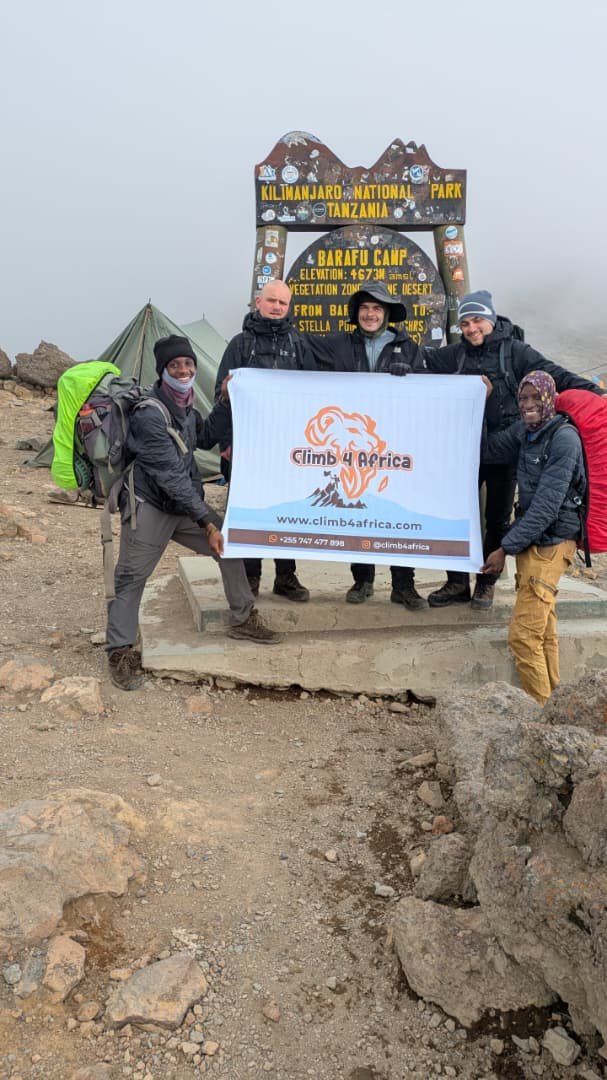
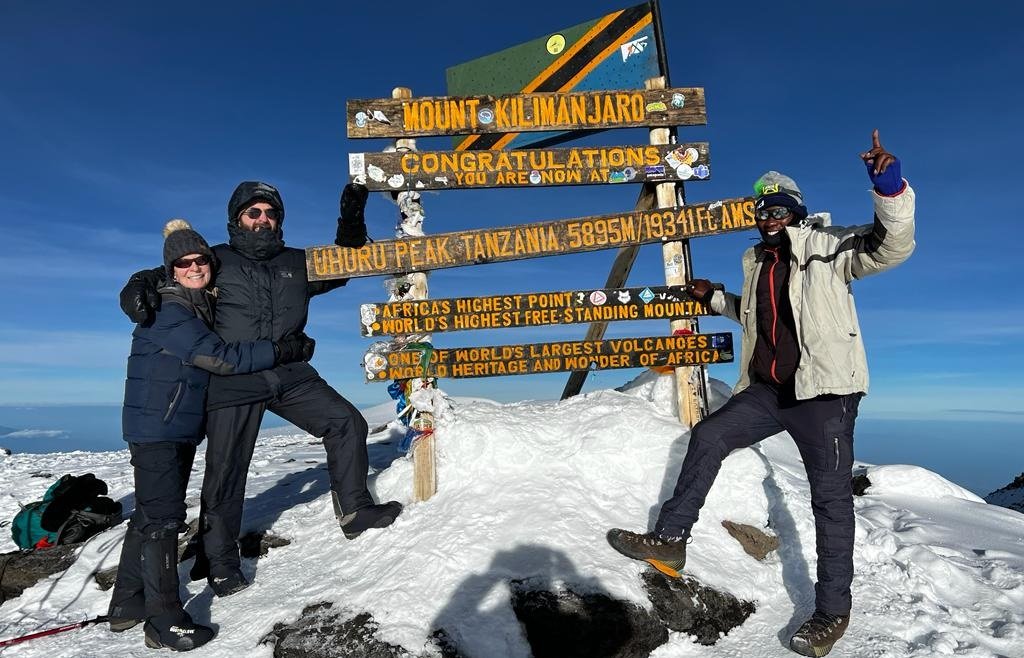
Planning for a Kilimanjaro expedition in August 2027 requires a different mindset than planning for a local holiday. You are not just booking a hotel; you are coordinating a high-altitude logistical operation that involves dozens of people and strict environmental regulations. August is widely considered the prime month for trekking, but this popularity creates a specific set of challenges regarding trail density and accommodation availability that you must account for years in advance.
Why August is the Peak Window for Kilimanjaro
August falls squarely within the long dry season in Tanzania. From a mountaineering perspective, this is the most predictable time of year. You can expect cold, crisp nights and clear, sunny days, which drastically improve your chances of reaching Uhuru Peak. While you will encounter sub-zero temperatures at the summit, the lack of heavy rain and mud makes the trekking conditions underfoot far more manageable than during the wet seasons.
However, popularity comes with a trade-off. Because August is the preferred window for international climbers, the most popular routes—specifically the Machame Route—will be busy. If you prefer solitude, this may not be your ideal month. Alternatively, if you want the highest probability of good weather and are comfortable sharing the trail with other groups, August is objectively the best time to go.
The Reality of Trail Traffic
Many travelers worry about crowds on Kilimanjaro. While the main camps like Barranco or Karanga can feel busy in August, the actual trail between camps is often spread out. The pace of the climb is dictated by the slowest member of your group, and with the “pole pole” (slowly, slowly) technique, you will rarely feel rushed by other climbers. The main impact of peak season is on the mountain infrastructure; popular campsites fill up, and the best-located tent spots are claimed early by the lead guides.
Understanding Your Climbing Costs
When searching for a Kilimanjaro trip for 2027, you will notice a wide variance in advertised prices. It is vital to understand that a significant portion of your payment goes toward non-negotiable costs set by the Tanzanian government and the Kilimanjaro National Park Authority (TANAPA).
Fixed costs that every operator must pay:
- Park Entrance Fees: These are daily fees charged per person, per day, for entry and camping.
- Rescue Fees: Mandatory fees paid to the park for mountain rescue services.
- Camping/Hut Fees: Fees paid for the use of the designated campsites or the Huts (on the Marangu route).
- Crew Wages: A reputable operator like Climb 4 Africa ensures that porters, cooks, and guides are paid fair wages, which often exceed the government-mandated minimums.
If you see an extremely low-priced package for an August 2027 climb, ask yourself where the operator is cutting costs. Are they skimping on food quality? Is the guide-to-climber ratio insufficient? Are the porters being paid fairly? At Climb 4 Africa, we prioritize transparency in our pricing to ensure that our crew is taken care of and that your safety on the mountain is never compromised for the sake of a discount. We encourage you to reach out via WhatsApp at +255 747 477 898 or email us at climb4africa@gmail.com to discuss a custom quote that reflects your specific needs.
Route Selection: The 6-Day vs. 7-Day Dilemma
The duration of your climb is the single biggest factor influencing both your success rate and your total cost. While 6-day itineraries are available, they are often physically demanding and provide less time for the body to acclimatize to the thin air above 4,000 meters.
| Feature | 6-Day Route | 7-Day Route |
|---|---|---|
| Acclimatization | Limited; faster ascent | Better; allows “climb high, sleep low” |
| Success Rate | Lower; higher risk of AMS | Higher; more time to adapt |
| Physical Demand | Intense daily mileage | Moderate daily pacing |
| Cost | Lower (fewer days of fees) | Higher (more days of fees/food) |
For most climbers, the 7-day option is the superior choice. The extra day on the mountain is not just about walking; it is about giving your body the physiological time it needs to produce more red blood cells and adjust to the lower oxygen levels. If you are investing the time and money to fly to Tanzania in 2027, do not compromise on the one factor that has the biggest impact on whether you stand on the summit or turn back at Stella Point.
Integrating a Safari
Most travelers do not fly to Tanzania just for the mountain. August is also the peak time for the Great Migration in the Serengeti. Integrating a safari after your Kilimanjaro climb is a popular and practical choice. After the physical exertion of the mountain, a few days in a safari jeep is the perfect way to recover. You can explore the Northern Circuit, including the Ngorongoro Crater and Tarangire National Park, with much less physical effort.
We specialize in combined safari and trekking packages. Coordinating these logistics well in advance for 2027 is crucial, as the best lodges in the Serengeti book up quickly during the peak August season. When you contact us, mention if you are interested in a safari extension, and we can build a cohesive itinerary that transitions you from the slopes of Kilimanjaro to the plains of the Serengeti seamlessly.
Logistics and Preparation for 2027
Planning for a 2027 expedition means you have the luxury of time. This is an advantage you should use. Most climbers underestimate the training required for Kilimanjaro. Even though it is a non-technical climb, it is a test of endurance.
Your Pre-Departure Checklist
- Physical Training: Start a cardiovascular program at least 6 months before your departure. Focus on hiking with a weighted backpack to simulate the daily trek.
- Gear Audit: You do not need to buy everything new. Focus on high-quality boots, a warm sleeping bag (rated to -10°C or lower), and effective layering systems.
- Medical Check: Consult your doctor about altitude sickness medication. While not a guarantee, it is a tool that many climbers use to assist with acclimatization.
- Flight Booking: Kilimanjaro International Airport (JRO) is the primary gateway. Aim to arrive at least one day before your climb starts to account for potential flight delays.
One of the common mistakes we see is travelers arriving on the same day their climb begins. This is risky. If your flight is delayed or your luggage is lost, you jeopardize the start of your expedition. We always recommend arriving at least 24 hours early. This allows you to meet your lead guide, do a final gear check, and adjust to the local time zone and climate before the real work begins.
How to Secure Your Spot
Because August is our busiest month, group departures fill up quickly. If you have specific dates in mind for August 2027, there is no benefit to waiting. Securing your spot early allows you to lock in the logistics and gives you a clear target for your training.
Whether you are a solo traveler looking to join a group or a private group planning a customized expedition, we have the local expertise to manage the variables. Our team is based in Tanzania, which means we have real-time access to park status, trail conditions, and staffing. We do not outsource our operations to third parties; we manage the climb from start to finish.
For a detailed breakdown of costs, to check the availability of specific routes for August 2027, or to discuss a bespoke itinerary, please reach out to us. You can contact us directly via WhatsApp at +255 747 477 898 or email info@climb-4-africa.com. Let us help you map out a climb that focuses on safety, success, and a genuine experience of the mountain.
The Physiology of Altitude: Respecting the “Pole Pole” Philosophy
While your training plan for August 2027 will likely focus on cardiovascular endurance and leg strength, the true challenge of Kilimanjaro is physiological: your body’s ability to adapt to declining oxygen levels. The Swahili phrase “pole pole” (slowly, slowly) is not merely a cultural suggestion or a catchy tourism slogan; it is the most effective tool for preventing Acute Mountain Sickness (AMS). As you ascend from the lush rainforest zone at 1,800 meters to the arctic summit zone at 5,895 meters, the partial pressure of oxygen drops significantly. By the time you reach the crater rim, the available oxygen is roughly half of what you experience at sea level.
Many climbers, fueled by adrenaline and excitement on the first few days, make the mistake of setting a pace that is too aggressive. This leads to early fatigue and, more dangerously, prevents your body from acclimatizing to the thinning air. Your heart rate will naturally increase even at rest as your body attempts to compensate for the lower oxygen saturation in your blood. By forcing a slower pace, you allow your respiratory system to adjust, which is critical for success. In 2027, as you prepare, consider that the most successful expeditions are those where climbers feel almost bored by the pace during the first three days. This intentional slowness is your insurance policy against altitude-related failure.
Furthermore, understanding the symptoms of altitude sickness is non-negotiable. While mild headaches or nausea are common, you must be able to distinguish these from the onset of High Altitude Pulmonary Edema (HAPE) or High Altitude Cerebral Edema (HACE). Your guides are trained to monitor your blood oxygen saturation and heart rate daily. However, you are the primary sensor. You must be honest with your team about how you feel. There is no shame in pausing or taking an extra day of acclimatization; in fact, it is the hallmark of an experienced mountaineer.
The Human Cost: Ethical Porter Support in 2027
When analyzing the costs of your Kilimanjaro expedition, you will inevitably encounter a vast disparity in pricing between operators. It is tempting to choose the lowest bidder, but in the context of Kilimanjaro, price is almost always a direct reflection of how the local mountain crew is treated. An ethical expedition is not just about your comfort; it is about the welfare of the dozens of porters, cooks, and guides who make your summit possible. In 2027, as the industry continues to professionalize, you should prioritize operators who adhere to the standards set by organizations like the Kilimanjaro Porters Assistance Project (KPAP).
Ethical operators do not cut costs by compromising on the basics of human dignity. This means they ensure that porters have proper mountain gear, including boots, jackets, and sleeping bags, rather than relying on inadequate clothing. It also means they enforce strict weight limits per porter—typically 20 kilograms—to prevent spinal injuries and exhaustion. Beyond physical safety, ethical operators ensure fair wages and transparent payment structures. When you pay a premium for a reputable operator, that capital is directly funneled into these support systems. It ensures that the crew is well-fed, healthy, and capable of assisting you during the most difficult stretches of the climb. If an operator cannot or will not disclose their porter welfare policies, you should view that as a significant red flag.
Nutritional Strategy for High-Altitude Performance
Your nutritional intake is a critical, yet often overlooked, component of your expedition budget and success. At high altitudes, the human body undergoes significant metabolic changes. Your digestive system slows down, and your appetite often vanishes—a phenomenon known as altitude-induced anorexia. Despite this, your body is burning an immense amount of calories, often upwards of 4,000 to 5,000 per day, to combat the cold and the physical exertion of the climb.
A high-quality expedition service will provide fresh, nutrient-dense meals rather than relying solely on dehydrated, processed rations. In 2027, look for itineraries that emphasize complex carbohydrates, which are easier for the body to process at altitude, and incorporate high-protein options to support muscle recovery. Hydration is equally vital. Dehydration exacerbates the symptoms of altitude sickness and thickens the blood, making it harder for your heart to pump oxygen to your muscles. You should aim to drink at least three to four liters of water daily. Many climbers find that adding electrolyte tablets or flavoring to their water helps them hit these targets when they otherwise wouldn’t feel thirsty. Your goal should be to maintain a consistent caloric intake, even when you don’t feel hungry, to ensure you have the fuel necessary for the final push to Uhuru Peak.
Navigating the Gear Dilemma: Rental vs. Personal Equipment for 2027
As you solidify your budget for an August 2027 Kilimanjaro expedition, one of the most significant financial and logistical decisions involves your gear. The debate between bringing your own technical equipment and relying on rental services from your operator is not merely about cost; it is about performance, familiarity, and the environmental impact of your travel footprint. Given that you will be trekking during the dry season, you may be tempted to minimize your luggage, but mountain conditions are notoriously fickle, and having gear that you trust is paramount.
For many international trekkers, the temptation to rent high-altitude gear—such as four-season sleeping bags, heavy-duty trekking poles, or sub-zero rated parkas—is driven by the desire to avoid excess baggage fees and the hassle of hauling specialized equipment across continents. However, by 2027, the standard for rental gear among top-tier operators has shifted. Reputable companies have invested heavily in high-quality, sanitized, and regularly maintained rental fleets. When opting for rentals, you must ask for specific details during the booking phase: What is the temperature rating of the sleeping bags? Are the trekking poles carbon fiber or aluminum? Do they provide gaiters, and are they compatible with your boots? Relying on rental gear is often the most cost-effective strategy for a one-off trip, but it requires you to trust the operator’s maintenance logs implicitly.
Conversely, bringing your own gear offers the distinct advantage of proven comfort. Your boots, for instance, should never be rented; they must be broken in over months of training before you set foot on the Marangu or Machame trails. Blisters are one of the most common reasons climbers fail to reach the summit, and wearing unfamiliar, rented boots in 2027 is a risk that is entirely avoidable. Similarly, while you might rent a sleeping bag, bringing your own liner is a non-negotiable hygiene and comfort practice. A high-quality, silk or fleece liner adds significant warmth and provides a personal barrier between you and the rental equipment, which is essential for restful sleep at high altitude.
The Hidden Costs of Technical Clothing
When budgeting for August 2027, do not underestimate the cost of the “layering system.” Kilimanjaro is a mountain of five distinct climatic zones, ranging from cultivated farmland and rainforest to the arctic summit zone. You are not just packing for one climate; you are packing for four. Your budget must account for high-quality technical layers: moisture-wicking base layers, insulating mid-layers (fleece or synthetic down), and a reliable, windproof, and waterproof outer shell.
Many trekkers mistakenly prioritize the outer shell while ignoring the base layers. However, in the dry, windy conditions of August, moisture management is the true key to warmth. If your base layer traps sweat, you will freeze the moment you stop walking. In 2027, look for reputable outdoor brands that utilize merino wool or high-performance synthetics. These items are expensive, but they are durable investments that will serve you well beyond the mountain. If your total budget is tight, prioritize spending on your footwear and your base layers—these are the two most critical points of contact between you and the mountain environment.
Strategic Packing: The Weight Limit Reality
Regardless of whether you bring your own gear or rent, you must adhere to strict weight limits. Most Kilimanjaro operators have a hard limit of 15 to 20 kilograms for the duffel bag that your porter will carry. This limit is not just for the porter’s health; it is a logistical necessity for the team to navigate the steep terrain efficiently. If your personal gear, combined with the sleeping bag provided by the operator, exceeds this limit, you will be forced to leave items behind at the hotel or pay for an additional porter—an added cost that can be significant during peak season.
To manage this, create a “weigh-in” station at home weeks before your departure. Weigh your full kit, including your daypack, which you will carry yourself. Your daypack should contain your water bladder, extra layers, camera gear, and emergency supplies. By 2027, many experienced climbers are utilizing ultralight backpacking principles to ensure they stay well under the weight limit, allowing them to carry more personal comfort items, such as extra camera batteries or reading material, without compromising the safety of their support crew.
The Dynamics of Group Dynamics: Solo vs. Private vs. Open-Group Expeditions
As you refine your planning for an August 2027 ascent, one of the most significant variables affecting both your budget and your overall satisfaction is the structure of your group. The industry standard has moved toward three distinct models: private climbs, open-group climbs, and solo expeditions. Understanding which model aligns with your personal trekking philosophy is as crucial as selecting the right route. Because August is a peak month, the availability of these group types fluctuates dramatically, and the cost implications are often misunderstood.
Private climbs remain the gold standard for those who prioritize autonomy. In this model, you pay for the entire support team—guides, porters, and cooks—exclusively for your party. This allows for a flexible pace. If you are a photographer who needs to stop frequently or a trekker who requires a slower, more deliberate acclimatization pace, a private climb removes the social pressure of keeping up with a faster group. However, the cost is significantly higher because you are absorbing the fixed costs of the expedition (permits, crew wages, and equipment transport) entirely on your own. For August 2027, booking a private climb requires securing your guides well in advance, as the most experienced lead guides are often booked by private groups nearly eighteen months prior.
Open-group climbs, conversely, are the most cost-effective solution. In this scenario, you join a pre-formed group of strangers. The costs are shared across all participants, making this the preferred option for solo travelers or couples looking to minimize expenses. The drawback, however, is the lack of control over the pace. In an open group, the group moves at the speed of the slowest member. While this can sometimes be a blessing for acclimatization, it can also lead to frustration if you feel physically capable of moving faster but are held back by the group’s collective pace. Furthermore, the social dynamic can be unpredictable. You will be spending 6 to 8 days in intimate proximity with people you have never met. For August, where trail density is high, the camaraderie of a group can provide a safety net, but it requires a high degree of social flexibility.
Navigating the Tipping Economy: A Critical Budgetary Component
A frequently overlooked element of your 2027 Kilimanjaro budget is the tipping culture, which operates on a scale distinct from other tourism sectors. In Tanzania, tipping is not merely a gesture of appreciation; it is a fundamental part of the support crew’s compensation structure. When planning your budget, you must account for this as a fixed expense, not an optional one. Many trekkers make the mistake of calculating their trip costs based solely on the operator’s quote, failing to realize that a significant percentage of the crew’s total income is derived from these gratuities.
By 2027, expectations regarding transparency have increased. Reputable operators will provide a recommended tipping scale per day, per climber, for each role in your support team (lead guide, assistant guide, cook, and porters). It is standard practice to prepare these tips in clean, crisp US dollars (dated 2009 or later) or Tanzanian Shillings, placed in sealed envelopes to be distributed at the final summit celebration or the exit gate. Failing to budget for this will not only cause significant personal stress at the end of your trip but can also create friction within your support team. A helpful strategy is to divide your total anticipated tip amount by the number of days, and then by the number of crew members, so you can track your cash requirements throughout the climb. Always carry slightly more than you think you need, as the number of porters assigned to your group may change based on the specific gear requirements or the size of the total expedition load.
The Hidden Risk of “Last-Minute” Booking in Peak Season
The allure of booking a last-minute Kilimanjaro trip can be tempting, particularly when faced with fluctuating flight prices or changing personal schedules. However, August 2027 is a period where the “last-minute” approach is effectively obsolete. The Kilimanjaro National Park Authority manages a finite number of daily permits, and during the peak dry season, these permits sell out months in advance. Attempting to secure a spot within 90 days of your intended departure date is not only risky—it is likely to result in being forced onto less desirable routes or having to compromise on the quality of your operator.
Furthermore, the logistical infrastructure—specifically the mountain huts on the Marangu route and the campsites on the more popular Machame and Lemosho routes—operates at near-maximum capacity in August. When you book early, you are not just paying for a spot on the mountain; you are paying for the logistical guarantee that your operator has secured the necessary permits and established a support chain. Last-minute bookings often force operators to scramble for freelance porters or secondary guides who may not have the same level of training or familiarity with your specific operator’s safety protocols. For a high-altitude expedition, where safety is inextricably linked to the experience of your crew, this is a compromise you should avoid at all costs.
The Psychological Weight of High-Altitude Persistence
While physical training—cardiovascular endurance and strength conditioning—is the most discussed aspect of Kilimanjaro preparation, the mental component is frequently the deciding factor between a successful summit and a premature descent. In August, the clear, dry weather can create a deceptive sense of ease. When the sun is shining at the lower elevations of the rainforest or the heather and moorland zones, the summit of Uhuru Peak feels like an achievable, almost leisurely goal. However, once you cross the threshold into the alpine desert and the arctic zone, the physiological reality of thin air sets in. By August 2027, the standard expectation for climbers should be to prepare for a profound psychological shift: the transition from “hiking” to “endurance management.”
The “Pole Pole” (slowly, slowly) philosophy is not just a pace; it is a mental discipline. Many climbers, feeling strong on days two or three, instinctively want to push the pace to beat the crowds or reach camp early. This is a strategic error. The mental challenge lies in suppressing the ego. You must embrace a pace that feels frustratingly slow. If you are not breathing comfortably and able to hold a conversation, you are moving too fast. This requires a level of patience that is difficult to maintain when fatigue, headache, or nausea begins to manifest. Mental fortitude on Kilimanjaro is about the ability to remain calm and objective when your body is screaming for rest or, conversely, when you feel a false burst of energy that could lead to overexertion.
Managing the “Summit Night” Psychological Barrier
The final ascent, typically starting around midnight, is the most intense psychological test of the entire expedition. You are walking in the dark, in sub-zero temperatures, with significantly reduced oxygen levels. The monotony of the trek—watching the boots of the person in front of you for six to eight hours—can lead to sensory deprivation and a dangerous decline in motivation. Experienced climbers recommend breaking this night into micro-goals. Do not think about the summit; think about the next switchback, the next break for tea, or simply reaching the next hour marker.
In August, while the sky is often clear, the wind chill on the crater rim can be brutal. This is where your mental preparation pays off. If you have spent months conditioning yourself to endure discomfort, you will be less likely to succumb to the “I can stop here” mentality. It is vital to have a “why” that goes beyond just reaching the top. Whether it is a personal milestone, a charity commitment, or a promise to yourself, having a deeply rooted motivation will be your primary fuel when the physical reserves run low. Relying solely on the external motivation of “reaching the peak” is often insufficient when the altitude begins to impair cognitive function.
The Role of Group Synergy in Avoiding Burnout
Your mental state is also influenced by the collective energy of your group. In an open-group expedition, you are essentially living in a high-pressure environment with strangers. In August, when the mountain is crowded, the proximity to other groups can either be a source of motivation or a source of stress. If you find yourself in a group with mismatched fitness levels or disparate attitudes toward the challenge, it can create friction.
To mitigate this, prioritize communication with your lead guide early in the trip. If you feel the group pace is unsafe or that the group dynamic is negatively impacting your morale, speak up privately. A professional guide will have strategies to manage group energy, such as splitting the group into smaller sub-teams if the logistics allow, or facilitating a “check-in” session at dinner. Being proactive about your mental comfort is just as important as monitoring your hydration or oxygen saturation levels. Remember, the mountain does not care about your schedule; it only cares about your physiological response to the altitude. By managing your mental energy as carefully as your physical resources, you increase the likelihood of not just summiting, but enjoying the profound, memorable nature of the experience.
The Unseen Ecosystem: Understanding the Ecological Impact of Your August Ascent
While your focus remains on the summit, the Kilimanjaro ecosystem in August—the peak of the dry season—is under significant environmental stress. As a visitor planning for 2027, it is critical to understand that the mountain is not merely a backdrop for your personal challenge; it is a fragile, multi-layered environment that reacts to the influx of thousands of climbers. In August, the vegetation at the lower elevations is tinder-dry, and the high-altitude flora, such as the iconic Giant Groundsels (Dendrosenecio kilimanjari), are particularly vulnerable to trampling and climate shifts. Recognizing your role in this ecosystem transforms you from a consumer of the experience into a steward of the landscape.
The “Leave No Trace” Reality in High-Traffic Months
The concept of “Leave No Trace” is often discussed in abstract terms, but in August, it becomes a logistical imperative. Because the trails are at their maximum capacity, the cumulative effect of hundreds of climbers using the same campsites creates a significant waste management challenge. When you are packing for 2027, consider the lifecycle of every item you bring. Single-use plastics are strictly regulated within the Kilimanjaro National Park, but the enforcement of these rules relies heavily on individual compliance. Avoid bringing unnecessary plastic packaging that will inevitably become trash that must be carried off the mountain by your support crew. Every gram of waste your crew has to carry down is a gram of energy they cannot use to support your ascent.
Furthermore, the water sources on the mountain are finite. During the dry season of August, some of the lower springs can become sluggish or even dry up, forcing camps to rely on water transported from lower elevations or strictly rationed supplies. Respecting water conservation is not just about personal hygiene; it is about ensuring that the entire mountain operation remains sustainable for the duration of your trip. Be prepared for “bucket baths” that use minimal water, and understand that your guide’s insistence on water conservation is a necessity, not a cost-cutting measure.
The Flora of the Alpine Desert: A Fragile Frontier
As you ascend through the various climatic zones, you will encounter the alpine desert, a landscape that looks barren but is actually home to specialized plant life found nowhere else on earth. The Giant Groundsels and Lobelias are slow-growing wonders that can live for decades. Because August is dry and windy, these plants are already struggling to retain moisture. Stepping off the designated trail—even just a few inches to get a better photo—can damage these plants, which may take years to recover. In 2027, park authorities are increasingly using strict path enforcement to protect these areas. Staying on the trail is not just about safety; it is a mandatory ethical guideline for anyone visiting the mountain during peak season.
Supporting Local Conservation Efforts
Beyond your direct footprint, consider the legacy you leave behind. Many reputable operators in 2027 are partnering with local conservation initiatives that focus on reforestation on the lower slopes of Kilimanjaro. The mountain’s lower forest belt is a critical water catchment area for the surrounding communities. By choosing an operator that transparently invests a portion of your climbing fee into these local ecological projects, you are directly contributing to the long-term viability of the region. When vetting your operator, ask specifically about their environmental policy: Do they provide solar chargers for their crew to reduce battery waste? Do they have a policy for packing out all non-biodegradable waste? These questions are just as important as those regarding safety equipment.
The Cultural Intersection: Engaging with the Chagga Heritage
A Kilimanjaro trip is incomplete without acknowledging the Chagga people, whose ancestral lands encompass the slopes of the mountain. In August, as you descend, you will likely pass through the verdant, cultivated lower slopes where coffee and banana plantations thrive. This is a vital part of the Tanzanian experience. Instead of rushing back to your hotel in Moshi or Arusha immediately after your descent, consider engaging with the local culture. Supporting local coffee cooperatives or visiting cultural heritage sites provides an economic alternative to the tourism-heavy model of the mountain itself. This creates a more balanced economic impact, spreading the benefits of your visit to the communities that sustain the mountain environment year-round.
The Financial Architecture of Altitude: Decoding Your Expedition Invoice
When reviewing quotes for an August 2027 Kilimanjaro expedition, the disparity between budget operators and luxury outfitters can seem baffling. A common mistake is assuming that price differences are merely a reflection of profit margins or brand reputation. In reality, the cost structure of a high-altitude climb is a precise reflection of operational integrity. When you analyze your invoice, you are essentially purchasing a complex safety net. The most significant variable is not the guide’s salary alone, but the ratio of support staff to climbers. A premium operator will maintain a ratio of at least 3:1 (porters, cooks, and assistant guides per climber). This is not a luxury; it is the fundamental mechanism for emergency evacuation, carrying supplemental oxygen, and ensuring that no climber is ever left alone during a medical crisis. If a quote appears significantly lower than the industry standard, it often signals a compromised ratio, which directly increases the risk to your personal safety.
The Hidden Cost of ‘Fixed’ vs. ‘Variable’ Logistics
Your expedition costs are divided into fixed park fees—which are non-negotiable, government-mandated charges—and variable operational costs. Park fees for Kilimanjaro include conservation fees, camping or hut fees, rescue fees, and crew entrance fees. These are constant regardless of which company you choose. Therefore, if you receive a quote that is suspiciously low, it is mathematically impossible for the operator to be paying their staff fair wages, purchasing high-quality, fresh food, or maintaining top-tier safety gear while still covering those mandatory government fees. In 2027, reputable operators are increasingly transparent about this breakdown. When evaluating your options, request a clear separation of costs. If an operator cannot or will not provide a breakdown showing how much goes to park fees versus operational support, it is a significant red flag.
Equipment Lifecycle and Safety Standards
Another often overlooked component of your budget is the lifecycle of technical gear. High-altitude environments are brutal on equipment. Tents, sleeping bags, and specialized cooking gear undergo extreme UV degradation, high winds, and freezing temperatures. A premium operator in 2027 will replace their primary trekking tents every two to three seasons to prevent structural failure during storms—a critical safety factor during the high-wind conditions of August. Cheaper operators may push gear beyond its usable lifespan. When you pay for a premium expedition, you are subsidizing the constant reinvestment in safety equipment. Furthermore, consider the food quality. Nutrition is your fuel at altitude. High-quality operators source fresh produce from local markets daily (for the lower camps) and utilize high-calorie, scientifically balanced meal plans designed to combat altitude-induced appetite suppression. Budget operators often rely exclusively on shelf-stable, low-nutrient dried goods, which can leave you feeling depleted and more susceptible to altitude sickness.
The Insurance Nexus: Mandatory vs. Recommended Coverage
Your budget must also account for specialized travel insurance. Standard travel policies almost universally exclude trekking above 3,000 or 4,000 meters. For an August 2027 ascent, you must secure a policy that specifically covers high-altitude mountaineering, including emergency helicopter evacuation and search-and-rescue operations. Do not assume your credit card’s travel insurance or standard health plan is sufficient. This is a non-negotiable cost that should be factored into your total budget planning. Some operators may offer “rescue insurance” as part of their package, but verify exactly what this covers; often, it only covers the transport to the nearest road head, not the full medical evacuation to a hospital in Nairobi or home. Assessing the gap between what your operator provides and what your personal policy covers is a critical step in finalizing your 2027 financial plan.
The Myth of the ‘All-Inclusive’ Expedition
A persistent and dangerous misconception surrounding Kilimanjaro planning for 2027 is the assumption that a high-priced, “all-inclusive” package covers every contingency. Many prospective climbers view a premium price tag as a total insurance policy against logistical friction, yet this often leads to a false sense of security. In practice, the “all-inclusive” label is frequently a marketing term rather than a legal guarantee. It often fails to account for the “shadow costs” that only materialize once you are on the mountain. For example, many standard packages include park fees but exclude the mandatory gratuities that effectively double your daily operational budget for support staff. Failing to budget for these “hidden” cash requirements—which are best paid in local currency or crisp, recent-issue US dollars—can lead to awkward and stressful final days on the mountain when you are physically exhausted and mentally drained.
Furthermore, travelers often conflate “luxury” with “summit success.” There is a pervasive myth that paying for a more expensive, “five-star” camping experience—featuring solar showers, private toilets, and gourmet dining tents—increases your physiological probability of reaching Uhuru Peak. While comfort certainly aids recovery, altitude physiology remains an equalizer. Your ability to acclimatize is dictated by your ascent profile, your hydration levels, and your body’s reaction to hypobaric hypoxia, not by the quality of the mattress or the freshness of the morning coffee. By focusing too heavily on the creature comforts of the expedition, climbers often neglect the more critical “hidden” logistical variable: the operator’s actual track record for emergency medical intervention and their specific, documented relationship with the Kilimanjaro Search and Rescue (SAR) services. A luxury tent does not replace a well-trained guide with a pulse oximeter who knows exactly when to initiate a descent.
The ‘Acclimatization Shortcut’ Fallacy
Perhaps the most detrimental misunderstanding for August 2027 climbers is the “acclimatization shortcut” fallacy. With August being the peak of the dry season, many climbers feel pressured to condense their itinerary to save money or maximize vacation time, opting for five- or six-day routes. This is a critical error in judgment. The mountain’s geography is unforgiving, and the physiological reality of high-altitude adaptation is non-negotiable. The extra day spent on a seven- or eight-day route is not merely a “leisurely pace”; it is a biological necessity for the majority of trekkers to produce the necessary red blood cells and adapt to the reduced oxygen partial pressure.
When you choose a shortened route, you are not just “climbing faster”; you are effectively gambling with your success rate. Statistics consistently show that success rates drop precipitously on routes shorter than seven days. The misunderstanding here is the belief that “I am fit, so I can go fast.” High-altitude mountaineering is not a cardiovascular contest; it is an endurance challenge against the body’s inability to process oxygen. Even elite marathon runners have been known to succumb to Acute Mountain Sickness (AMS) because they ascended too quickly. In 2027, the most prudent financial decision you can make is not to save money on a shorter route, but to invest that extra budget into an additional day of acclimatization. You are paying for the time to succeed, not just the transport to the base.
Navigating the Tipping Culture: Avoiding the ‘Surprise’ Budget
Another area of profound confusion is the tipping economy, which operates on a different logic than standard service industries. In many Western contexts, tipping is discretionary and based on the quality of service. On Kilimanjaro, tipping is essentially the “second salary” for the crew, a system that is culturally ingrained and expected. The misunderstanding often arises when climbers arrive with a budget that does not explicitly set aside this substantial amount, leading to friction between the guest and the crew during the final descent. This can turn a triumphant summit experience into a sour negotiation.
To avoid this, you must treat your tip budget as a fixed, non-negotiable line item, similar to your park fees. Do not wait until you are at Mweka Gate to calculate what you owe. Reputable operators in 2027 will provide clear, per-day, per-staff-member guidelines. Calculate this total before you leave your home country. Furthermore, ensure you have the correct denominations. Tipping with old, damaged, or “pre-2009” US dollar bills is often impossible, as local banks and currency exchanges in Tanzania frequently reject them. This logistical oversight can leave you unable to tip your guides and porters, causing significant distress for the crew who rely on these funds for their families’ needs. Preparing your “tip envelope” months in advance is not just good manners; it is a critical part of your expedition logistics.
The Reality of ‘Guaranteed’ Departures
Finally, be wary of the term “guaranteed departure.” In the competitive market of 2027, many agencies advertise guaranteed dates to secure bookings, only to merge groups or cancel them if they fail to meet a certain headcount. While this is standard industry practice, it can wreak havoc on your international flight arrangements and safari bookings. The misunderstanding is assuming that a “guaranteed” date is a fixed, immutable event. Always ask your operator for their cancellation policy specifically regarding “under-booked” groups. What happens if you are the only person on your trek? Will they cancel, or will they charge a significant “private group” supplement? Getting this in writing is essential. Never book your international airfare until your operator confirms that your specific group size and departure date are locked in, or until you have a signed contract that covers your losses in the event of a forced itinerary change.

The Invisible Burden: Managing Personal Hygiene and Sanitation at Altitude
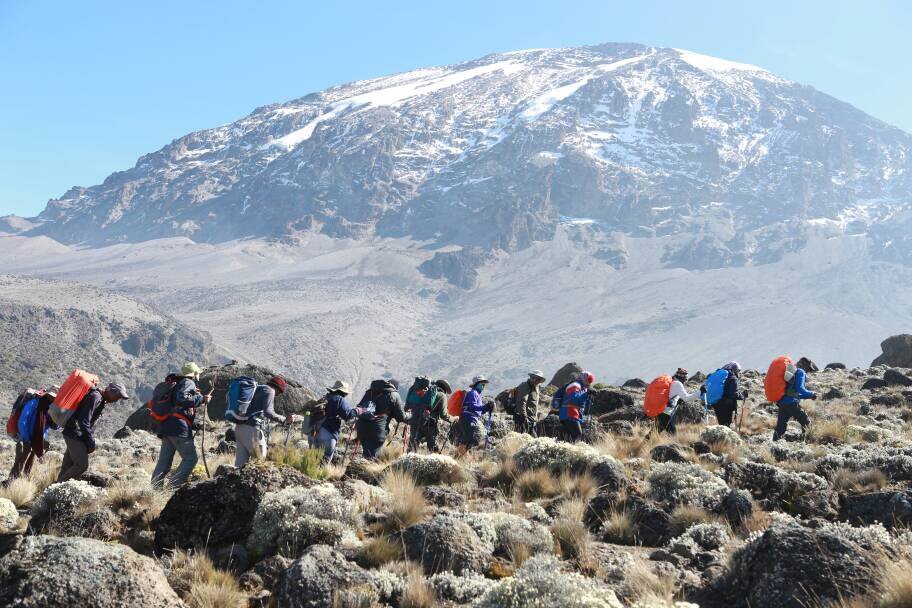
One of the most frequently underestimated variables in your August 2027 Kilimanjaro budget and preparation is the logistical cost of maintaining personal hygiene in an environment where water is a finite, precious commodity. While your expedition operator will provide basic washing water—usually a single bowl of warm water in the morning and evening—this is strictly for cleaning your face and hands. The reality of high-altitude trekking is that you are operating in a semi-arid, dust-prone environment where the accumulation of sweat, sunscreen, and trail grit is unavoidable. Planning for this requires a shift in expectations and, crucially, a shift in your packing list.
Many first-time climbers arrive with the assumption that they can maintain a level of cleanliness comparable to a standard camping trip. This is a fallacy. On the mountain, water is carried up by porters from the lower slopes. Every liter of water provided for your comfort is a liter that must be hauled up steep inclines by human labor. Consequently, the “luxury” of a hot shower is non-existent until you return to your hotel. Budgeting for high-quality, biodegradable wet wipes is not merely a convenience; it is a necessity for skin health. You should calculate for at least two to three packs of large, heavy-duty wipes per person for the duration of the trek. These are essential for managing the “dust layer” that will inevitably coat your skin, which, if left unchecked, can lead to chafing and skin irritation that becomes exacerbated by the cold, dry air.
The Sanitation Infrastructure: What Your Fees Actually Cover
A critical, often unadvertised component of your expedition cost is the provision of private toilet tents. In 2027, the standard for reputable operators is the inclusion of a portable toilet system. If your quote seems suspiciously low, investigate whether this service is included. Without a private toilet tent, you are reliant on the public “long-drop” toilets provided by the Kilimanjaro National Park (KINAPA) at each campsite. During the peak month of August, these public facilities face immense pressure. The queues can be long, and the cleanliness levels often deteriorate rapidly as thousands of trekkers pass through the camps.
Paying the premium for a private toilet tent is an investment in both your hygiene and your psychological well-being. It provides a clean, sanitized, and accessible space that eliminates the need to trek across a crowded campsite in the middle of a freezing night. When evaluating your invoice, verify if the “toilet service” is a standard inclusion or an optional add-on. If it is an add-on, it is almost always worth the extra cost. It reduces your exposure to communal sanitation risks and ensures you can maintain a consistent routine, which is vital for your digestive health—a factor that directly impacts your ability to perform on summit night.
The “Dry Wash” Strategy: Minimizing Your Ecological Footprint
Beyond personal comfort, your hygiene strategy has an ecological dimension. As a trekker in August, you are part of a massive influx of visitors during the dry season. The mountain’s ecosystem is fragile, and the disposal of non-biodegradable waste is a major challenge for park authorities. When selecting personal hygiene products, prioritize items that are strictly biodegradable. Avoid heavy, chemical-laden soaps or lotions that could contaminate the limited water sources near the camps.
Furthermore, consider the “dry wash” strategy: utilize high-quality, alcohol-free cleansing wipes for your body and a small bottle of hand sanitizer for pre-meal hygiene. Avoid bringing aerosol sprays or heavy perfumes, as these can be overwhelming in the confined space of a shared tent and are unnecessary in the mountain environment. By streamlining your hygiene kit, you not only reduce your pack weight—a crucial factor when porters are managing strict load limits—but you also demonstrate a respectful approach to the mountain’s delicate ecosystem. This mindful approach to sanitation is a hallmark of the experienced Kilimanjaro climber and will significantly improve your overall comfort throughout the week-long ascent.
The Financial Architecture of the 2027 Expedition: Avoiding the “Quote Gap”
Planning for an August 2027 ascent involves navigating a financial landscape that is distinct from standard travel bookings. When you receive a quote for a Kilimanjaro expedition, it is rarely a static figure; it is a snapshot of current operational costs, which are subject to inflationary pressures, shifting park fee structures, and global supply chain volatility. A common pitfall for trekkers booking years in advance is the “Quote Gap”—the delta between the price agreed upon at the time of deposit and the final invoice settled closer to the departure date. To mitigate this, you must scrutinize the fine print of your contract regarding currency fluctuations and potential surcharge clauses. Reputable operators often include a clause detailing how they handle unexpected increases in park entry fees or government-mandated service levies. If your contract is silent on these variables, you are essentially absorbing the risk of future government policy changes, which can be significant in the Tanzanian tourism sector.
To secure your financial position, prioritize operators who offer a “price-lock” guarantee upon payment of a specific percentage of the total fee. This provides a hedge against the inevitable operational cost increases that occur in the lead-up to the peak August season. When reviewing your quote, distinguish between “fixed costs” (permits, park fees, and rescue fees, which are non-negotiable and set by the Kilimanjaro National Park Authority) and “variable costs” (guide-to-client ratios, food quality, private transport, and supplemental oxygen availability). If an operator offers a suspiciously low price, it is rarely because they have found efficiencies; it is usually because they are compromising on the variables that directly impact your safety and comfort.
The “August Premium” and the Reality of Staff Retention
The August window is not merely a busy time for tourists; it is the most competitive period for human resources on the mountain. Top-tier mountain crews—the guides who hold advanced wilderness first responder certifications and the porters who consistently demonstrate high morale—are in extremely high demand. In August 2027, the best operators will be paying a premium to retain their top talent. When you pay a higher expedition fee for an August climb, a portion of that cost is effectively a “retention premium.” This ensures that your expedition is led by an experienced lead guide rather than a junior guide who may lack the nuanced decision-making skills required for complex altitude management.
Understanding this dynamic changes how you view your invoice. If you are choosing between two operators, look beyond the itinerary and examine the staff-to-climber ratio and the operator’s reputation for fair wages. An operator who cuts costs in August is often forced to hire casual, temporary labor to meet the surge in demand. This creates a cascade effect: less experienced staff are more prone to errors in hydration management, pace setting, and campsite sanitation. By paying the “August premium,” you are essentially purchasing a layer of operational stability that protects you from the chaos of the high season.
Stress-Testing Your Budget: The 20% Contingency Principle
For a high-altitude expedition, a rigid budget is a liability. You should apply the “20% Contingency Principle” to your total planned expenditure for 2027. This buffer is not for luxury upgrades; it is for the practical realities of the mountain. This fund should cover three specific categories: the Tipping Economy, mandatory insurance upgrades, and emergency evacuation logistics. The tipping economy on Kilimanjaro is complex and often standardized by the Kilimanjaro Porters Assistance Project (KPAP); however, expectations can fluctuate based on the size of your group and the duration of your trek. Having liquid cash available for these tips—ideally in clean, crisp, newer-series US dollar bills—is essential to maintaining the morale of your support team.
Furthermore, your contingency fund must account for the reality of “last-minute” logistical adjustments. If your flight is delayed or if you require an extra night of hotel accommodation due to unforeseen travel disruptions, having a pre-allocated buffer prevents these minor inconveniences from becoming financial crises. Finally, review your travel insurance policy with a fine-tooth comb. Many standard policies exclude high-altitude trekking above 4,000 or 5,000 meters. If your current policy requires an upgrade to cover “adventure sports” or “high-altitude trekking,” factor that premium into your initial budget. By treating your budget as a dynamic, rather than static, entity, you insulate yourself from the stress of unexpected costs and ensure that your focus remains entirely on the summit attempt.
The Verification Protocol: Essential Inquiries for Your 2027 Operator
In the lead-up to your August 2027 ascent, the gap between a successful, ethical expedition and a disorganized, high-risk climb is often found in the quality of the vetting process. Many prospective climbers fall into the trap of evaluating operators based on flashy websites or generic price points. However, because August is the peak season, the market becomes saturated with “pop-up” trekking companies that capitalize on high demand by subcontracting logistics to inexperienced teams. To protect your investment and your safety, you must move beyond the brochure and demand specific, verifiable answers to technical operational questions before signing any contract.
The “Subcontracting Chain” Audit
The most critical question you can ask an operator is: “Do you operate your own climbs, or do you subcontract to a local partner?” Many international travel agencies act as booking middlemen. While this is not inherently problematic, it introduces a layer of separation that can obscure accountability. If an agency subcontracts your climb, you need to know exactly who is on the ground. Ask for the name of the local operating company and request their KPAP (Kilimanjaro Porters Assistance Project) partner status. A reputable operator will be transparent about their direct employment model. If they cannot provide clear details on how they hire, train, and pay their mountain crew, you are essentially purchasing a blind service where the quality of your support team is left to chance.
Defining the “Safety Equipment” Standard
Do not accept “we carry first aid kits” as a sufficient answer. In the context of 2027, the standard for a responsible operator has evolved. You should explicitly ask for a detailed inventory of their safety equipment. A professional operator should be able to confirm the presence of the following on every single climb, regardless of route: pulse oximeters for twice-daily monitoring, supplemental oxygen systems (not just a small canister, but a flow-regulated system for emergency descent), and a portable stretcher (often a Gamow bag or a specialized rescue stretcher). Ask if their guides are Wilderness First Responder (WFR) certified and how often they conduct refresher training. The presence of this equipment is a non-negotiable cost factor; if an operator’s price seems suspiciously low, it is highly likely they are omitting these critical safety investments.
Operational Transparency on Porter Welfare
The ethics of your climb are not just a moral consideration; they are a direct indicator of service quality. A porter who is well-fed, properly clothed, and fairly paid is a porter who will perform better and be more attentive to your needs. When vetting your 2027 operator, ask for their specific policy on porter load limits. KPAP guidelines dictate a maximum weight, but some operators push these limits to save on staff costs. Ask how they weigh loads at the park gate. Furthermore, inquire about the sleeping conditions provided for the crew. Do they provide proper mountain tents and sleeping bags for the staff, or are the porters left to fend for themselves in cramped, inadequate conditions? An operator that treats their staff with dignity is one that will, by extension, provide a more stable and professional environment for your expedition.
The Communication Contingency
In the remote high-altitude zones of Kilimanjaro, communication is your lifeline. Ask your operator specifically about their communication infrastructure. How do they maintain contact with the base office? Do they rely solely on mobile network signals, which are notoriously spotty on the mountain, or do they carry satellite phones or high-frequency radios? In an emergency, a 30-minute delay in communication can be the difference between a successful evacuation and a critical health complication. Request confirmation that the lead guide is equipped with a functional, tested communication device that is checked daily. This is a technical detail that separates professional operators from those who are merely “getting by” during the busy August season.
Clarifying the “Summit Night” Ratio
The summit push is the most physically and mentally demanding portion of the climb. Ask your operator for their climber-to-guide ratio specifically for the final ascent. While park regulations require a certain ratio of guides to climbers, the best operators often voluntarily increase this ratio for the summit night to ensure that if a climber needs to descend, the group does not have to turn around prematurely. Knowing that your operator has a “split-group” protocol—where one guide can safely descend with a struggling climber while the rest of the group continues with another guide—provides significant peace of mind. This level of planning is the hallmark of an organization that prioritizes your success over its own logistical convenience.
The Post-Summit Descent: Negotiating the Final 48 Hours
While the ascent to Uhuru Peak receives the lion’s share of attention in expedition planning, the descent is where the majority of physical injuries occur. For the August 2027 climber, the terrain will be at its driest and most compact, which presents a unique set of challenges. The dust levels on the descent from Barafu or Mweka camp are often severe, and the lack of moisture in the soil can make the trail surface slick with loose scree. Your budget and physical preparation must account for the reality that the final two days are not a victory lap, but a sustained period of eccentric muscle loading that can easily lead to knee, ankle, and hip strain if not managed with the same focus applied to the ascent.
A critical oversight for many trekkers is failing to allocate energy for the ‘descent phase.’ By the time you reach the summit, you will have been trekking for several days, and your glycogen stores will be depleted. The descent requires a different type of muscular control—braking forces that shock the joints. When vetting your operator, ask how they manage the descent pace. An operator that allows climbers to rush down to the lower camps often sees higher rates of injury. The best operators enforce a ‘pole-pole’ (slowly-slowly) rhythm even on the way down, utilizing trekking poles as a mandatory safety tool rather than an optional accessory. If you are prone to joint issues, ensure your 2027 gear list includes high-quality knee braces or compression sleeves specifically for this phase of the journey.
The Financial Reconciliation: Calculating the ‘After-Climb’ Budget
Tipping is the most significant ‘hidden’ variable in your Kilimanjaro budget, and it is a logistical operation in itself. In August 2027, you must prepare for the tipping economy long before you arrive in Tanzania. Unlike your expedition deposit, which is paid electronically, tips are universally expected in cash—specifically, in US Dollars. The banking reality in Tanzania means that your guides and porters prefer ‘crisp’ bills printed after 2009. Attempting to tip with older, worn, or marked bills can cause significant distress for your staff, as local banks and currency exchanges will often refuse them. This is a subtle but vital aspect of your logistical planning: you must source these specific banknotes from your home bank weeks in advance.
Beyond the cash, you must account for the ‘transition costs’ of your return to civilization. After 6 to 8 days on the mountain, your body will undergo a period of rapid caloric and hydration adjustment. Many climbers find that their appetite is suppressed at altitude, only to have it return with a vengeance upon reaching the hotel. Budget for high-quality, post-climb nutrition. Do not rely on the hotel’s standard buffet; plan to secure access to fresh, nutrient-dense meals that help repair the muscle tissue broken down during the climb. Furthermore, ensure your budget includes a ‘buffer’ for the final day—often, climbers find they need an additional night of accommodation or a private vehicle transfer to the airport because they are simply too exhausted to adhere to a rigid, multi-leg travel itinerary. Treating the final 48 hours as a recovery period, rather than a transit period, is the hallmark of a veteran climber.
The August 2027 Climber’s Recovery Protocol
The transition from the thin, dry air of the Kilimanjaro massif to the humid, lower-altitude climate of Moshi or Arusha is a physiological shock. For August expeditions, where the temperature differential between the summit and the base can exceed 30 degrees Celsius, this transition is particularly taxing on the cardiovascular system. Your recovery strategy should begin the moment you exit the park gate. Avoid the temptation to immediately celebrate with alcohol, which acts as a diuretic and will exacerbate the dehydration you likely accumulated during the summit push. Instead, prioritize electrolyte-rich fluids and high-protein intake to facilitate muscle repair.
Furthermore, consider the ‘Post-Expedition’ timeline. Many climbers attempt to fly out of Kilimanjaro International Airport (JRO) the same day they descend. This is a high-risk strategy. Not only does it increase the likelihood of missing your flight due to unforeseen delays on the mountain, but it also denies your body the essential 24-hour ‘static’ recovery window. Budgeting for an extra night in Moshi or Arusha serves as an insurance policy. It allows you to clean your gear, reconcile your tipping obligations with your lead guide in a calm environment, and ensure you are medically fit for air travel. This buffer is not just about comfort; it is about respecting the physiological toll that high-altitude exertion takes on your body, ensuring you arrive home healthy rather than depleted.
The Hidden Cost of ‘Logistical Friction’
In peak season months like August, the sheer volume of climbers can lead to ‘logistical friction’—bottlenecks at park gates, crowded campsites, and delayed service at water points. When you are reviewing your 2027 proposal, look for evidence of how the operator mitigates this. A premium operator will often schedule their movements to avoid the ‘rush hour’ of the trekking day. This might mean starting earlier or later than the standard group to avoid the crush of hikers at the mess tent or the latrines. While this seems like a minor detail, in a high-traffic month, it is the difference between a smooth, focused experience and one characterized by constant waiting and frustration. Ask your potential operator: ‘How do you structure your daily departure times to avoid the main trail congestion?’ Their answer will tell you more about their operational maturity than any brochure photo.
The August 2027 Macro-Economic Landscape: Understanding Tanzanian Tourism Inflation
While your primary budgetary focus is often limited to the direct costs of your expedition—permits, park fees, and operator services—it is critical to contextualize your 2027 climb within the broader macroeconomic environment of Tanzania. August is the zenith of the peak season, and this creates a specific inflationary pressure on the entire tourism value chain. Unlike off-peak travel, where service providers may offer incentives or discounted rates to fill capacity, August operates on a supply-and-demand model where resources are finite. Park entry fees, which are mandated by the Tanzania National Parks Authority (TANAPA), are non-negotiable and subject to periodic adjustments. When budgeting for August 2027, you must account for the possibility of ‘government-led’ price increases that can be announced with relatively short notice. A reputable operator will have a clause in their contract regarding these fee adjustments; ensure your financial planning includes a 10-15% buffer specifically for potential government-imposed tax or permit hikes that occur between your booking date and your departure.
Beyond the fixed permit costs, the ‘August Premium’ extends to the logistics of getting to the mountain. International flights to Kilimanjaro International Airport (JRO) and internal regional transfers experience significant price volatility during the Northern Hemisphere’s summer holidays. By August 2027, global travel patterns suggest that demand for East African adventure tourism will remain robust. If you are planning to link your climb with a safari or a coastal retreat in Zanzibar, you are competing for limited domestic flight seats and high-demand lodge inventory. The ‘Hidden Cost of Availability’ is a real financial factor; booking last-minute in August often forces climbers into higher-tier accommodation simply because the mid-range options are fully committed. To mitigate this, treat your travel logistics as part of the expedition budget, not as an afterthought. Securing your internal regional transport six to nine months in advance is not just a logistical necessity; it is a financial strategy to lock in rates before the peak-season surge.
The Valuation of ‘Soft’ Services: Defining Operator Quality
When comparing proposals for August 2027, you will inevitably encounter a wide range of price points. It is tempting to view these variations solely through the lens of profit margins, but in the context of a high-altitude expedition, price is almost always a proxy for the ‘soft services’ that determine your safety and success. In the peak month of August, the best guides, the most experienced cooks, and the most reliable support staff are in high demand. Operators who pay their staff competitive, above-market wages and invest in ongoing training (such as Wilderness First Responder certification) will naturally have higher overheads than budget operators who rely on casual, day-labor crews. When you pay a premium for a top-tier operator, you are essentially paying for the retention of a high-performing team that has the experience to navigate the specific congestion challenges of August.
Consider the ‘Operational Redundancy’ factor. A budget operator may run on a ‘just-in-time’ model, where equipment is sourced or maintained only when a booking is confirmed. In contrast, a premium operator maintains an inventory of high-quality, high-altitude gear—tents, sleeping mats, and communication radios—that are serviced specifically for the harsh conditions of the mountain. In August, when the park is at its busiest, the risk of equipment failure is compounded by the lack of available backup gear in the field. A premium operator’s higher fee covers the cost of having redundant systems in place: extra oxygen cylinders, satellite phones, and, crucially, a higher guide-to-climber ratio. This ratio is vital during the summit push; if a group member needs to descend early, a robust team ensures that the safety of the remaining group is not compromised while the descending climber is escorted down. This level of operational maturity is the true ‘value’ behind the price tag.
Evaluating the Cost of ‘Ethical Integrity’
Finally, the financial architecture of your trip must account for the ethical treatment of your support crew. In recent years, the Tanzanian trekking industry has seen increased scrutiny regarding porter welfare. An operator that claims to be ‘budget-friendly’ while simultaneously providing ‘luxury’ service is often cutting corners on the very staff that makes your climb possible. When reviewing your invoice, look for transparency regarding porter pay, weight limits, and sleeping arrangements. Ethical operators in 2027 will explicitly detail how they adhere to the Kilimanjaro Porters Assistance Project (KPAP) guidelines. If an operator cannot provide clear documentation on how they support their staff—including fair wages, proper gear, and adequate nutrition—you should factor in the ‘moral cost’ of your expedition. A truly sustainable Kilimanjaro trip is one where the financial investment trickles down to the community, ensuring that the people who carry the burden of your gear are treated with dignity and compensated fairly for their essential role in your success.
Related Reading
Check Availability for Kilimanjaro Climb August : Dates And Costs Planning Guide 2026-2027
Ready to compare dates, prices, and the best option for your group? Send the package name and travel month so the team can reply with a clear quote, availability, and what is included.
Climbing Kilimanjaro : Prices, Dates, And Routes 2026-2027
A comprehensive guide to planning your 2027 Kilimanjaro expedition, covering route choices, cost factors, and the essential logistics for a successful summit.
View package detailsNo related package matches those filters. Clear one or more filters to see the other topic-matched options.



