
The Kilimanjaro Lemosho Route 8 Days Guided Tour is a highly sought-after ascent, offering a more gradual, scenic entry point into the mountain compared to other routes. This itinerary provides excellent opportunities for acclimatization over eight days, starting from the Western side of the park, and is ideal for experienced trekkers seeking a well-managed, slower-paced experience with detailed logistical support.
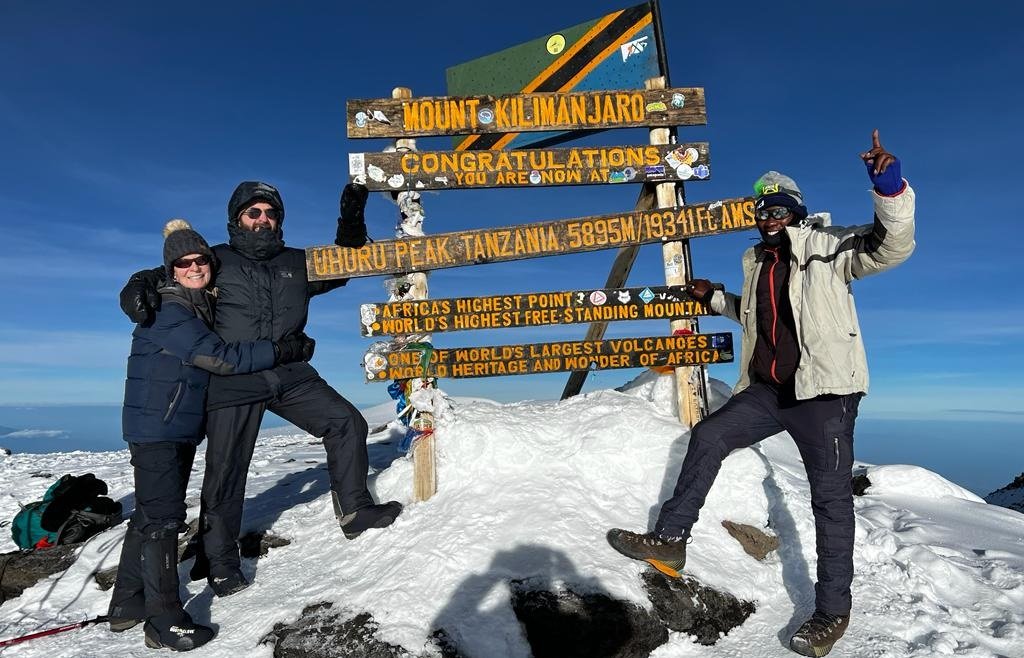
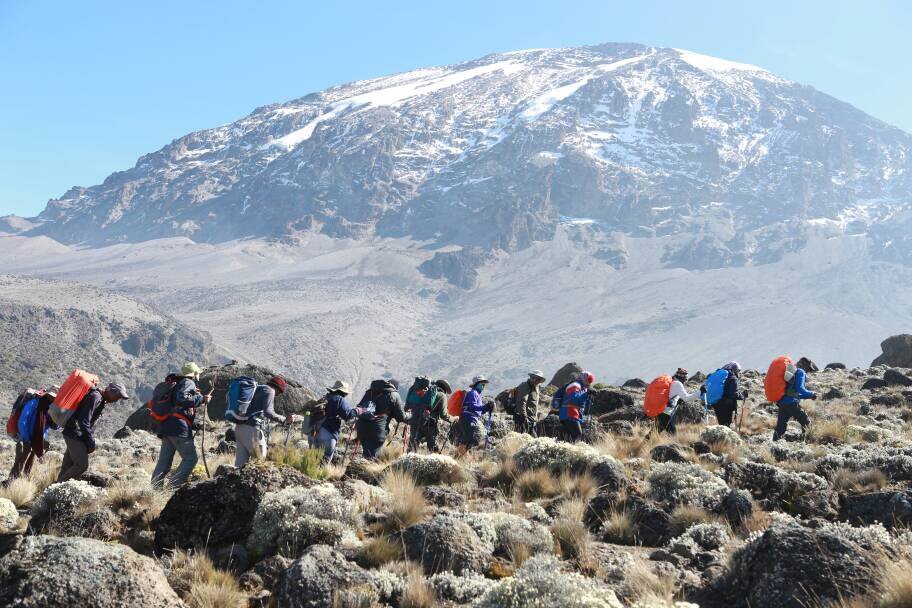
Choosing a route for Kilimanjaro is perhaps the most critical decision in the planning phase. While many climbers are drawn to the familiarity of the Marangu Route, the Lemosho Route—and specifically the 8-day variation—offers a fundamentally different experience. It is known for its stunning biodiversity, varied landscapes, and, crucially, its slower ascent profile. This pace is the single most important factor in mitigating altitude sickness, making the Lemosho an excellent choice for those who want a high probability of summiting without rushing the crucial acclimatization process.
As you plan your 2026 or 2027 ascent, understanding the nuances of the 8-day Lemosho itinerary is key. This isn’t just a different path; it’s a different way to approach the mountain, requiring specific preparation and logistical awareness. We will explore everything from the geography of the climb to the practical considerations of booking your guided tour with local expertise.
Understanding the Lemosho Advantage: Why Choose This Route?
The Lemosho Route, often described as the ‘Gate to Kilimanjaro,’ begins in the western part of the park. Unlike routes that start deep within the volcanic slopes, Lemosho takes you through diverse ecosystems, transitioning from lowland rainforests to moorland, and finally into the alpine desert. This gradual progression is what gives the route its reputation for being less strenuous initially and more rewarding visually.
The primary advantage of the 8-day Lemosho over shorter options (like the 6-day version) is the extra day dedicated to higher-altitude trekking. This extra day significantly boosts the acclimatization window. Altitude sickness, or Acute Mountain Sickness (AMS), remains the number one concern for any Kilimanjaro climber. By extending the time spent at intermediate altitudes, your body has a greater chance to adjust, significantly increasing your chances of reaching Uhuru Peak.
For travelers who are relatively fit but perhaps not completely acclimatized to high altitudes, or those who simply prefer a more deliberate, less rushed journey, the 8-day Lemosho is the prudent choice. It balances the desire for a comprehensive, scenic trek with the absolute necessity of a slow ascent.
Lemosho vs. Other Routes: A Quick Decision Guide
While every route has its merits, understanding the trade-offs helps solidify your choice. The Lemosho balances scenery and acclimatization, unlike the Marangu Route, which is often criticized for its more direct and less varied ascent profile, or the Machame Route, which, while excellent, can feel more intense in its initial stages.
For those who prioritize acclimatization and varied scenery over the most direct path, the Lemosho Route 8 Days is a strong contender. Always confirm the exact route logistics and pace with your chosen operator, as trail conditions and pacing can vary seasonally.
The 8-Day Lemosho Itinerary: A Deep look at the Daily Progression
While specific logistics can be adjusted by the operator based on weather and conditions, the general flow of the 8-day Lemosho Route is predictable and designed for maximum physiological adaptation. This itinerary showcases the gradual elevation gain, which is the core strength of this specific tour duration.
Days 1–3: Lowland and Mid-Altitude Adaptation
The initial days are often spent moving through the lush, cooler rainforest zones. The elevation gain here is manageable, allowing the body to begin the process of adapting to the thinner air without immediate stress. These days are often visually the most spectacular, with dense vegetation, streams, and the feeling of being truly deep in the African wilderness. The guides ensure the pace here is steady, focusing on hydration and proper nutrition. This initial gentle climb sets the stage for the more challenging, high-altitude sections later on.
The transition from the lush forest to the more open moorland environment is a noticeable change, signaling that the climb is progressing. This transition is vital because it introduces the body to the next layer of atmospheric challenge, allowing for minor adjustments before the significant elevation gains begin.
Days 4–6: The Crucial Acclimatization Plateau
This phase is where the 8-day itinerary really starts to deliver its value. As the trek moves into higher elevations, the daily climb is often managed to include ‘acclimatization days’ or very slow, deliberate ascents. The goal here is not speed, but adaptation. The guides monitor the group closely, ensuring that the pace remains sustainable. The landscape shifts dramatically here, becoming rugged, rocky, and more exposed. This is the environment where the physical demands of the trek become most apparent, but the steady pace allows the body to respond effectively.
Proper pacing at this stage is non-negotiable. It requires communication between the trekkers and the guides, acknowledging fatigue and communicating any signs of discomfort immediately. This is a critical learning point for every climber.
Days 7–8: Summit Push and Descent
The final days involve the ascent to the mountain’s highest point, Uhuru Peak. The timing of the summit push—often starting in the pre-dawn hours—is a logistical detail that the operator manages meticulously. The altitude reached during the summit push is extreme, so the prior acclimatization achieved over the first six days is what makes this final push possible. After reaching the peak, the descent is often a relief, allowing the body to recover from the extreme exertion of the summit attempt. The final days bring the trek back down to lower elevations, a necessary period of recovery before departure.
Logistical Realities: What to Confirm Before Booking Your Tour
Booking a guided Kilimanjaro tour is a complex logistical decision. Because the experience relies so heavily on external factors—weather, park conditions, and the physical condition of the group—it is essential to approach the planning with a clear understanding of what needs confirmation before any commitment is made.
Pacing and Trekking Style
The Lemosho 8-day route is generally considered a slower, more sustainable pace than many alternatives. However, “slow” is relative. You must clarify with your operator exactly what pace they maintain and how they handle inevitable slowdowns due to weather or fatigue. A good local operator will prioritize safety and acclimatization over hitting a rigid schedule, especially in the critical upper sections.
Transfer Logistics and Starting Points
The Lemosho Route requires specific transfer logistics, as the starting point is generally on the western side of the park, often involving travel from Arusha or Moshi. Confirming the exact transfer method (private vehicle vs. shared transport) and the timing of the arrival in the park is part of the overall package detail. This is a detail that can impact the first day’s energy levels.
Guide-to-Client Ratio
A high-quality guided tour depends heavily on the ratio of guides and porters to clients. A lower ratio means more personalized attention, better monitoring of health, and more efficient logistical support. When reviewing tour packages, look for operators who maintain a high standard for their local support staff, as they are the frontline of your safety and comfort.
Key Planning Checklist for Lemosho 8 Days
- ✔ Confirm the specific 8-day itinerary includes sufficient acclimatization time (especially days 4-6).
- ✔ Verify the guide-to-client ratio offered by the tour operator.
- ✔ Understand the transfer logistics from Arusha/Moshi to the Lemosho starting point.
- ✔ Clarify the included support services (e.g., porters, cooks, medical support).
- ✔ Review the operator’s policy on summit attempts and decision-making regarding health.
Managing Altitude: Practical Acclimatization Advice
No amount of route planning can replace the biological reality of climbing Kilimanjaro. Altitude sickness is not a matter of willpower; it is a physiological response to low oxygen. The Lemosho Route helps, but it does not guarantee immunity. Successful acclimatization is a partnership between the mountain, the route, and your body.
Beyond the slow pace of the Lemosho, several practical steps can significantly aid your body’s adjustment:
- Hydration: Dehydration significantly exacerbates altitude symptoms. Maintaining a high intake of fluids (water, electrolyte solutions) is paramount, far more so than you might think.
- Dietary Choices: Consuming light, high-carbohydrate meals is generally better tolerated at altitude than heavy, fatty foods.
- Ascent Rate: Never push yourself to maintain a brisk pace. “Pole pole” (slowly, slowly) is the guiding mantra of Kilimanjaro climbing. The guides will enforce this, but you must commit to it.
- Pre-Climb Health: Ensure you are in peak physical condition before you leave. Any pre-existing conditions should be discussed openly with your doctor and the tour operator.
If you have any concerns about your ability to handle altitude, consulting specialized resources on Kilimanjaro acclimatization before you book is highly recommended.
The Practicalities of the Climb: Gear, Weather, and Safety
The range of environments on the Lemosho Route means that you will encounter every type of weather imaginable, from lush, warm tropical rain to freezing, dry alpine conditions. Packing and preparation must account for this extreme variability.
Packing for Extremes: Layering is Everything
The most common mistake climbers make is packing for only the summit day. You need layers for every stage of the climb.
- Lowlands (Days 1-3): Expect humidity and warmth. Light, breathable, moisture-wicking layers are key.
- Mid-Altitudes (Days 4-6): Temperatures drop, and wind increases. Fleece layers, softshell jackets, and waterproof outer shells become necessary.
- High Altitudes (Days 7-8): Extreme cold, wind chill, and unpredictable weather. High-quality down jackets, insulated pants, and specialized summit gear are mandatory.
Do not skimp on headwear (warm beanie and sun hat), gloves, and high-quality hiking boots. Proper footwear is arguably the most important piece of gear.
Regarding weather, while the rainy seasons do exist, the mountain itself is always unpredictable. Operators must be prepared for sudden changes in conditions, which influences daily trekking decisions. This is another reason why selecting an experienced, locally based operator is crucial—they have the real-time knowledge of local weather patterns and park conditions.
Cost Factors and Investment: What Your Guided Tour Includes
Since specific prices fluctuate based on the year, group size, and the level of service selected (e.g., standard vs. premium), it is impractical to provide a fixed quote here. However, understanding the factors that influence the investment in the Kilimanjaro Lemosho Route 8 Days Guided Tour is essential for making a confident decision.
The cost is primarily driven by three elements: 1) The quality and experience of the local support team (guides and porters); 2) The quality and standard of the camping and food provisions; and 3) The level of logistical support (e.g., private transfers, higher quality gear rental).
A high-quality guided tour should include more than just trekking permissions. It must encompass reliable camping equipment, nutritious meals prepared by experienced cooks, and, most importantly, experienced, knowledgeable guides who are trained not only in trekking but also in emergency response and altitude awareness.
When contacting an operator like Climb 4 Africa, you should ask for a detailed breakdown of inclusions: what specific meals are provided, the quality of the tents/sleeping bags, and what medical support is included in the package. This allows you to compare apples to apples between different providers.
Essential Inclusions (General Expectations)
A comprehensive, expert-level guided tour should typically include:
- Park entry permits and fees.
- Accommodation (camping) and all meals during the trek.
- Experienced, certified local guides and porters.
- Transfer logistics (e.g., from Arusha to the starting point).
- Basic trekking equipment setup (tents, cooking gear).
It is vital to confirm the exclusions, which usually cover international flights, travel insurance (non-negotiable for this trek), and personal gear purchases.
Moving Towards a Booking Decision: Why Local Expertise Matters
Trekking Kilimanjaro is not a casual holiday; it is a serious expedition. While you can find many providers online, choosing an operator with deep local knowledge provides tangible benefits that cannot be overstated. A local specialist understands the micro-climates, the best timing for certain sections, the nuances of the park regulations, and, most importantly, the local population dynamics and safety protocols.
They are the ones who will manage the unexpected—the sudden downpour, the unexpected road closure, or the need to adjust the pace because one member of the group is feeling slightly unwell. This proactive management is the value you are paying for when you select an expert tour operator.
If you are serious about the Lemosho Route 8 Days in 2026 or 2027, the next step is to gather specific, up-to-date quotes based on your exact travel window and group size. Rather than relying on general estimates, reaching out to Climb 4 Africa allows you to discuss your specific needs—whether you require a fully private, customized experience or a well-managed shared group trek—and receive a precise package tailored to your profile. You can start the conversation via Email or through WhatsApp at +255 747 477 898.
We recommend providing your intended travel month and your preferred trekking style (e.g., highly cautious/slow pace) when making contact. This ensures the quotes you receive are relevant and grounded in practical, experienced advice. Planning this ascent requires confidence in your support system, and partnering with a seasoned local expert is the best way to secure that confidence.
Comparing Lemosho 8 Days vs. Machame 7 Days
As you finalize your choice, it is useful to compare the Lemosho 8-day profile against a comparable alternative, such as the Machame Route 7 Days. Both are excellent, but their characteristics differ:
| Feature | Lemosho Route (8 Days) | Machame Route (7 Days) |
|---|---|---|
| Acclimatization Pace | Very gradual, excellent for AMS mitigation. | Gradual, but often perceived as more intense early on. |
| Scenery & Variation | Highly varied; transitions through rainforests and moorlands. | Known for beautiful views, often more direct ascent profile. |
| Duration Benefit | The extra day offers a significant physiological buffer. | Efficient use of time, good for fit trekkers. |
| Best Suited For | Those prioritizing safety and a slower, scenic introduction. | Fit trekkers who want a strong, classic route experience. |
This comparison highlights that while the Machame is a phenomenal route, the 8-day Lemosho provides a marginal but crucial advantage in terms of physiological safety and a broader range of environmental experiences. When making your final decision, always weigh the extra time against the added comfort and the increased probability of a successful summit.
Should you be interested in other aspects of your Tanzanian journey, such as combining the climb with a wildlife safari, Climb 4 Africa offers extensive Tanzania safari tour options that can be seamlessly integrated around your trekking dates. Planning the entire trip together ensures logistical harmony and minimizes travel stress.
The Lemosho Route 8 Days is more than just a trek; it is a carefully managed ascent designed for the serious, thoughtful traveler who values sustainable pacing and comprehensive support. Take the time to gather detailed quotes and discuss your concerns with a local specialist to ensure your journey to Uhuru Peak is as smooth and successful as possible.
The Physiological Philosophy: Why “Pole Pole” Isn’t Just a Saying
In the context of the 8-day Lemosho route, the Swahili phrase pole pole (slowly, slowly) is often treated as a cultural trope, but on this specific itinerary, it is a physiological necessity that dictates your success. When you choose an 8-day profile over the more common 6 or 7-day alternatives, you are essentially purchasing time—time for your body to facilitate the complex process of erythropoiesis, the production of red blood cells, which is the primary mechanism for adapting to lower oxygen partial pressure. On the Lemosho route, this extra day is not merely for leisure; it is strategically placed to allow for “climb high, sleep low” profiles that are impossible on shorter, steeper routes.
The 8-day structure allows for a more nuanced approach to the “Shira Plateau phase.” While other routes might force a rapid transit through this high-altitude zone, the 8-day Lemosho itinerary allows for a deliberate, measured traversal. This is where your body begins to understand the new oxygen reality. By spending additional time at elevations between 3,500 and 4,000 meters, you are allowing your kidneys to adjust the bicarbonate levels in your blood, a chemical balancing act that prevents the onset of Acute Mountain Sickness (AMS). If you rush this phase, you are essentially gambling with your body’s ability to regulate its own pH levels. On an 8-day trek, you are giving your biology the best possible odds to win that gamble.
The “Western Advantage”: Biodiversity and Human Density
Beyond the physiological benefits, the Lemosho route offers a distinct geographical advantage that is often overlooked in favor of purely technical discussions. The route begins on the western flank of the mountain, a region that is historically less trafficked than the southern or eastern approaches. This is significant for two reasons: environmental integrity and the psychological impact of solitude.
Because the Lemosho route starts in the remote rainforests of the west, the initial days of your trek are characterized by a profound sense of isolation. You are not jostling for space at campsites or dealing with the “conga line” effect that can plague the Machame or Marangu routes during peak season. This solitude is not just an aesthetic benefit; it is a critical component of the trekking experience. High-altitude exertion is mentally taxing. The constant noise and visual saturation of hundreds of other climbers can lead to sensory overload, which, when combined with the physical fatigue of the climb, can exacerbate stress and anxiety. The Lemosho route’s design naturally filters out the crowds, providing a quieter, more meditative environment that allows you to focus entirely on your breathing, your pacing, and the mountain itself.
Furthermore, the western approach encompasses a wider range of the mountain’s unique flora. Because you are traversing an area that is less disturbed by heavy foot traffic, the biodiversity—from the Giant Lobelias to the ancient Senecios—remains remarkably pristine. You are seeing Kilimanjaro in a state that feels closer to its wild, natural origin, rather than a manicured tourist trail. This connection to the environment can be a powerful motivator during the challenging final days of the ascent.
Navigating the “Summit Push”: The Psychological Shift
The final push to Uhuru Peak on the 8-day Lemosho route is a masterclass in endurance management. By the time you reach the final high camp—typically Barafu or Kosovo, depending on your operator’s strategy—you have already spent a week acclimatizing. This is the ultimate payoff of the 8-day schedule. Many climbers on shorter routes reach the high camp already suffering from mild to moderate altitude symptoms. Because you have taken the extra time, you are more likely to arrive at the high camp with your appetite, energy, and mental clarity intact.
This mental state is the deciding factor between a successful summit and a turnaround. The summit night begins around midnight. You are walking into the dark, into temperatures that can plummet to -15°C or lower, and into an environment where oxygen is roughly 50% of what it is at sea level. If your body is already fighting a deficit from a rushed ascent, your mental resilience will be the first thing to crumble. However, with the 8-day advantage, you are not just physically stronger; you are psychologically equipped to handle the “doldrums” of the night climb. You are not fighting for survival; you are executing a plan. That shift in perspective—from endurance as a struggle to endurance as a process—is what the 8-day Lemosho route facilitates.
The Mechanics of Altitude: Why 8 Days Specifically Changes Your Physiology
While the marketing of the Lemosho Route often emphasizes its scenic beauty and relative solitude, the most profound impact of the 8-day itinerary is physiological. Altitude sickness, or Acute Mountain Sickness (AMS), is not a moral failing or a lack of physical fitness; it is a biological reaction to a rapid decrease in partial pressure of oxygen. On shorter routes like the 6-day versions of other trails, the body is often forced to skip critical adaptation phases. By choosing an 8-day progression, you are essentially buying time for your kidneys to adjust your blood pH levels, which is the primary mechanism for acclimation.
When you ascend too quickly, your blood becomes too alkaline because your body is exhaling carbon dioxide faster than it can compensate. The kidneys attempt to correct this by excreting bicarbonate, but this process takes time—typically 24 to 48 hours to show significant improvement. On a 7-day or shorter itinerary, you are often moving to a new, higher campsite before your kidneys have finished this critical adjustment. The 8-day Lemosho schedule provides a “buffer day” in the mid-altitude zones, typically around the Shira Plateau or Moir Camp. This is not merely for rest; it is for active physiological compensation. During this window, your red blood cell production begins to ramp up, and your body learns to operate more efficiently with lower oxygen saturation levels. By the time you reach the higher camps, your body is no longer in a state of emergency; it is in a state of adaptation.
The Importance of the “Climb High, Sleep Low” Protocol
A hallmark of the 8-day Lemosho route is the rigorous application of the “climb high, sleep low” principle. This is not just a suggestion; it is a clinical necessity for success. Throughout the middle days of your trek, your guides will lead you on acclimatization hikes that take you several hundred meters higher than your intended sleeping altitude for the night. This serves a dual purpose. First, it exposes your body to the stress of higher altitude for a short duration while you are active and alert. Second, it allows your body to “preview” the oxygen levels you will encounter the following day. When you return to a lower altitude to sleep, your body uses the recovery time to consolidate those physiological gains.
On the 8-day route, this protocol is integrated into the itinerary naturally rather than forced. Because the route traverses the expansive Shira Plateau—a high-altitude desert—you are already spending significant time at an elevation that acts as a natural training ground. Shorter routes often bypass this plateau or rush through it to get to the base of the summit push. The 8-day Lemosho route allows you to linger in this environment, giving your body the necessary “soak time” at 3,500 to 4,000 meters. This is the sweet spot where most of the critical acclimatization happens. If you rush through this zone, you enter the high-altitude camps (4,500m+) with a deficit that is almost impossible to recover from once you are already struggling for breath.
Monitoring Your Metrics: What Guides Look For
During an 8-day guided tour, the role of your lead guide extends far beyond navigation and camp logistics. They are, in effect, your health monitors. You should expect your guide to perform twice-daily checks using a pulse oximeter. While a blood oxygen saturation (SpO2) reading is not the only indicator of your health, it provides a crucial data point that, when combined with your heart rate and subjective symptoms, helps the team make informed decisions. An 8-day itinerary gives the guide more data points to establish your “baseline.” They will learn how your body reacts to the first day of walking versus how it reacts after three days. This longitudinal understanding of your physiology allows them to spot the early warning signs of AMS—such as a persistent headache, loss of appetite, or lethargy—long before they become dangerous.
This is where the 8-day pacing offers a significant advantage in safety. If you show signs of struggling on day four, the team has the flexibility to adjust the next day’s pace, incorporate an extra rest period, or even plan a slightly shorter trekking distance for the following day. On a condensed itinerary, the schedule is often so rigid that there is no room to maneuver. If you start feeling ill, the only option is often to descend or push through, both of which are suboptimal. The 8-day Lemosho route creates a margin of error, transforming the trek from a race against the clock into a managed, controlled ascent.
Understanding the “Summit Night” Physiological Load
The final ascent on the 8-day Lemosho route is physically demanding, but it is fundamentally different from the final ascent on shorter routes. By the time you reach the summit night, your body has had seven days of gradual exposure. Your heart rate variability, a key indicator of stress, will be significantly better than if you had rushed the mountain. This means that during the grueling climb from Barafu or Kosovo camp to Uhuru Peak, your body is better at managing the increased demand for oxygenated blood. You are less likely to experience the “thumping headache” that plagues so many climbers, and your ability to maintain a steady, slow, and rhythmic pace—the famous *pole pole*—is physically sustainable rather than just a mental effort. The 8-day route effectively prepares your metabolic systems to handle the extreme environment of the summit, ensuring that your final push is defined by endurance rather than exhaustion.
The Mechanics of Recovery: Sleep Quality and Metabolic Preservation at Altitude
While much of the discourse surrounding the 8-day Lemosho route focuses on the physical act of trekking—the “pole pole” rhythm and the gradual gain in elevation—the silent, critical component of success is often overlooked: metabolic preservation during the sleeping hours. On an 8-day itinerary, you are not just spending more time on the mountain; you are spending more time in a state of rest at altitudes that are increasingly hostile to restorative sleep. Understanding how your body manages this recovery is essential for anyone attempting the summit.
As you ascend past 3,000 meters, your body enters a state of physiological stress that fundamentally alters your sleep architecture. At these elevations, the brain’s respiratory center becomes hypersensitive to carbon dioxide levels. During sleep, your breathing rhythm naturally slows, which can cause a slight rise in CO2 levels in the blood. In a normal environment, this is inconsequential. At altitude, however, this triggers a rapid, reflexive increase in ventilation—a phenomenon known as Periodic Breathing. You may wake up gasping or feeling as though you have stopped breathing entirely. On shorter, 5- or 6-day routes, this sleep deprivation compounds rapidly, leading to cognitive impairment, poor decision-making, and a weakened immune response before you even reach the high camps.
The 8-day Lemosho schedule mitigates this by providing “cushion” days where the sleep altitude remains stable for longer periods. When you are not constantly pushing to a new, higher altitude every single night, your body has a window to acclimatize to the specific atmospheric pressure of your current camp. This allows your autonomic nervous system to stabilize, reducing the frequency of sleep-disrupting episodes. By prioritizing this stabilization, you preserve glycogen stores and reduce the systemic inflammation that often plagues climbers on faster, more aggressive itineraries.
The Role of Nutrition in Sustaining the 8-Day Pace
Fueling for an 8-day trek is distinct from fueling for a shorter, high-intensity push. On a 7-day or shorter itinerary, many climbers lose their appetite entirely due to acute mountain sickness (AMS) and simply “run on fumes” until the summit. Because the 8-day Lemosho route allows for a more measured metabolic adaptation, you have a better chance of maintaining a functional appetite for a longer duration. This is critical. Your body is burning an immense amount of calories just to maintain homeostasis in the cold, thin air; failing to replace those calories leads to rapid muscle catabolism and an inability to thermoregulate.
A well-managed 8-day tour operator will prioritize high-density, easily digestible carbohydrates and monitor your electrolyte balance. The goal is to avoid the “caloric deficit trap.” If you consume fewer calories than you burn for three consecutive days, your body begins to break down muscle tissue for fuel. This process releases ammonia and other metabolic byproducts that can exacerbate the symptoms of altitude sickness. By spreading the ascent over 8 days, you are essentially buying yourself more time to eat, digest, and recover. If you feel slightly off on day four, you have the luxury of choosing lighter, more palatable foods from the support team’s supply without the pressure of a looming, aggressive summit schedule.
Hydration Dynamics: Beyond the “Drink More Water” Advice
Hydration at altitude is frequently misunderstood. It is not merely about consuming liters of water; it is about maintaining fluid homeostasis in an environment that actively strips moisture from your body. At high altitudes, the air is extremely dry. Every breath you take exhales a significant amount of water vapor. Furthermore, the body undergoes a process called “altitude-induced diuresis,” where the kidneys increase urine production to help concentrate the blood and increase oxygen-carrying capacity. This makes you lose fluid faster than you would at sea level.
The 8-day Lemosho route provides a distinct advantage here: time. On shorter, faster routes, climbers often over-hydrate in a panic, diluting their electrolytes (hyponatremia) or under-hydrate, leading to thickened blood and decreased oxygen transport. Over 8 days, you have the opportunity to find a sustainable rhythm. You can monitor your urine color and volume more effectively, adjusting your intake based on your output rather than following a generic “4 liters a day” rule that may not fit your specific body mass or exertion level. A slower, 8-day pace allows for this “dialing in” process, ensuring that by the time you reach the higher, more demanding camps, your hydration strategy is already a proven, stable habit rather than a guessing game.
Psychological Resilience: The Benefit of the Slower Burn
Finally, consider the psychological load of the 8-day itinerary. The mountain environment is inherently monotonous: walking, eating, sleeping, repeating. On a condensed schedule, the rapid change in scenery and the constant pressure to move up can create a sense of frantic urgency. This stress response releases cortisol, which suppresses the immune system and can increase blood pressure—both detrimental to high-altitude performance.
The Lemosho 8-day route, by design, feels less like a forced march and more like an expedition. The extra time allows for genuine engagement with the environment. You have time to pause, to observe the transition from giant heathers to alpine desert, and to interact with your crew. This reduction in the “hurry-up” mentality lowers cortisol levels, allowing your body to remain in a parasympathetic (rest and digest) state for longer periods. This is not just a mental luxury; it is a physiological necessity for long-term endurance. You are essentially pacing your nervous system just as much as you are pacing your legs, ensuring that when the final, most difficult day arrives, you are not mentally or physically depleted by the strain of the previous week.
Navigating the Terrain: Understanding the Micro-Climates and Trail Dynamics
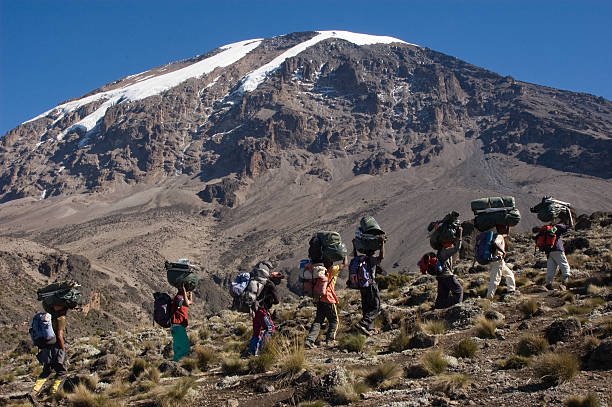
The Lemosho route is not merely a path to the summit; it is a vertical traverse through five distinct climatic zones, each demanding a different trekking strategy and footwear management. Understanding the specific trail dynamics of the Lemosho path—especially the transition points between the rainforest, the heath, and the alpine desert—is essential for the 8-day climber. Unlike the Southern Circuit routes, which often involve rapid elevation gain in the first 48 hours, Lemosho’s unique entry point from the West requires a strategic approach to terrain management that directly influences your physical output.
The Rainforest Transition: Managing Mud and Traction
The initial days of the Lemosho route are characterized by a dense, montane rainforest. While visually spectacular, this section presents a significant practical challenge: the trail surface. Because the Western side of Kilimanjaro receives substantial rainfall, the path is frequently muddy, slick, and uneven. This is not just a cosmetic issue; it is a major factor in caloric expenditure and joint stress. When trekking through the rainforest, your foot placement must be deliberate. Inexperienced climbers often waste energy by slipping or over-compensating for balance. On an 8-day itinerary, you have the luxury of time, which means you should prioritize stable, rhythmic movement over speed. Using trekking poles is non-negotiable here; they act as a tripod, providing the necessary stability to navigate the root-tangled paths without placing undue strain on your knees and ankles before you even reach the higher altitudes.
The Heath and Moorland: Navigating the Giant Heather and Lobelias
As you emerge from the rainforest into the heath and moorland zone, the terrain changes dramatically. The path becomes more exposed, and the vegetation shifts to giant heathers and lobelias. This is where the “8-day advantage” becomes physically apparent. The trail here is often rocky and can be surprisingly steep in short, sharp bursts. Because the air begins to thin, your cardiovascular system is already working harder to supply oxygen to your muscles. The mistake many climbers make is treating this section like a brisk hike in the countryside. Instead, the smart approach is to utilize the “rest step” technique—locking your back knee for a split second with each step to take the load off your quadriceps. The moorland is also where wind exposure begins to increase. You will find yourself constantly adjusting your outer layers. Managing your micro-climate—stripping down during a steep ascent and layering up the moment you stop for a break—is a skill that saves energy for the summit push.
The Alpine Desert and the Saddle: The Psychological Shift of Landscape
Perhaps the most profound terrain change occurs when you reach the alpine desert. Here, the landscape turns into a stark, lunar environment of volcanic scree and dust. This is the “Saddle” between Kibo and Mawenzi peaks. The trail becomes less defined, often turning into a loose, shifting surface of volcanic rock. Walking on scree is physically exhausting; for every two steps forward, you may slide half a step back. This is where your footwear choice—specifically, a boot with a stiff sole and good ankle support—becomes critical. Soft-soled shoes will lead to foot fatigue and potential injury on these uneven, sharp rocks. Furthermore, the lack of visual landmarks in the alpine desert can be disorienting. The 8-day itinerary allows you to traverse this section with a manageable daily distance, ensuring you arrive at camp before the afternoon winds pick up, which can often whip up dust and significantly drop the “feels-like” temperature.
Practical Trail Decisions: Why Route Timing Matters
The Lemosho 8-day itinerary is specifically designed to allow you to reach camps during the optimal window of time. By arriving in the mid-afternoon, you avoid the most intense sun exposure and the worst of the daily weather patterns that frequent the mountain. This timing is not accidental; it is a tactical decision. For instance, the approach to the Shira Plateau offers one of the most stunning vistas on the mountain, but it is also a high-exposure area. By pacing your day to arrive before the afternoon cloud cover rolls in, you maximize your visibility and minimize the risk of becoming chilled by sudden temperature drops. Your guides will be monitoring these micro-climates constantly. If they suggest a slower pace, it is often because they are anticipating the terrain ahead—perhaps a steep, rocky section or a high-wind ridge—and they want to ensure you have the energy reserves to tackle it safely without rushing.
Adapting to the Scree: The Technique of Energy Conservation
As you approach the higher camps, the terrain shifts to loose gravel and scree. This is the most energy-intensive surface to walk on. To maintain your energy levels over the 8 days, you must adapt your gait. On hard, packed earth, a normal walking stride is fine. On loose scree, you must shorten your stride. By taking smaller, more frequent steps, you reduce the likelihood of sliding backward and decrease the eccentric load on your muscles. This is a subtle adjustment, but over the course of several hours, it makes a massive difference in your cumulative fatigue. Experienced trekkers view the terrain not just as a path to follow, but as a surface to interact with—shifting their weight, using their poles for leverage, and adjusting their stride to match the ground beneath them. This level of engagement is what separates those who struggle to the summit from those who arrive with enough reserve to enjoy the experience.
Comparing Duration Profiles: Why the 8-Day Lemosho Stands Apart
While the Lemosho route is synonymous with a gradual, scenic ascent, it is frequently offered in varying durations, typically ranging from 6 to 9 days. Understanding why the 8-day itinerary is often touted as the ‘sweet spot’ requires a comparative analysis of how each duration profile impacts the climber’s physiology, social experience, and overall success rate. The choice of duration is not merely about how many days you spend on the mountain; it is about the specific physiological stresses you are willing to endure and the type of experience you seek.
The 6-Day Lemosho: A High-Intensity Challenge
The 6-day Lemosho is the most compressed version of this route. It essentially removes one or two days of acclimatization, forcing the body to adjust to elevation gains at a much faster rate. This option is generally suited only for highly experienced mountaineers who have proven their ability to acclimatize quickly at altitude. The primary risk here is not necessarily fitness, but the biological reality of altitude sickness. On a 6-day schedule, the ‘climb high, sleep low’ protocol is severely abbreviated. Climbers often spend less time at the mid-altitude camps, which means the body has fewer hours to produce the necessary red blood cells to compensate for lower oxygen levels. If you choose a 6-day itinerary, you are prioritizing efficiency over safety and comfort, and you should be prepared for a significantly higher risk of symptoms like headaches, nausea, or insomnia that could necessitate an early descent.
The 7-Day Lemosho: The Standard Compromise
The 7-day variation is the industry standard for many operators. It offers a balanced approach that provides enough time for most reasonably fit individuals to acclimatize successfully. It generally follows the same path as the 8-day route but accelerates the passage through the Shira Plateau or combines two of the lower-altitude days into one. This is a popular choice for those who are constrained by time but still want to avoid the extreme intensity of the 6-day option. However, the 7-day itinerary does sacrifice some of the ‘leisure’ time found in the 8-day version. There is less time for photography, less time for the body to recover from the physical exertion of the day, and a slightly higher daily mileage. For the average trekker, the 7-day is manageable, but it requires a higher baseline level of cardiovascular fitness to compensate for the faster pace.
The 8-Day Lemosho: The Gold Standard for Success
The 8-day itinerary is widely considered the superior choice for the vast majority of climbers, regardless of their previous mountain experience. The core advantage is the inclusion of an extra day of acclimatization, often spent in the Shira Plateau or near the Lava Tower. This additional 24 hours of exposure to mid-to-high altitude allows the body to undergo physiological adaptation without the pressure of moving to a higher camp the following morning. This extra day is not ‘down time’ in the traditional sense; it is active recovery. It allows for shorter daily trekking distances, which keeps the heart rate lower and the body less fatigued. When you are less fatigued, your immune system functions better, your appetite remains more stable, and your sleep quality—which is notoriously poor at altitude—is significantly improved. By choosing the 8-day route, you are effectively buying a higher probability of reaching the summit and, perhaps more importantly, enjoying the process rather than merely enduring it.
The 9-Day Lemosho: Luxury and Maximum Acclimatization
The 9-day itinerary is the least common and typically reserved for those who prioritize maximum safety, comfort, or those who are particularly sensitive to altitude. This itinerary adds an extra camp or a longer, more relaxed pace through the rainforest and moorland zones. While it offers the highest success rate of all, it can sometimes feel ‘slow’ for very fit, younger trekkers who might feel they have an abundance of energy. However, for older climbers or those who have struggled with altitude in the past, this extra time can be the difference between a successful summit and an aborted attempt. It allows for a more contemplative experience, with ample time to explore the unique flora of the mountain, such as the Giant Senecios and Lobelias, which are often rushed past on shorter itineraries.
Selecting Your Duration: A Decision Matrix
When deciding between these durations, reflect on your personal goals and physical history. If your primary objective is to ‘get it done’ and you have a strong track record of high-altitude trekking, the 7-day route may suffice. However, if your goal is to minimize risk, maximize your enjoyment, and ensure the best possible chance of reaching Uhuru Peak, the 8-day Lemosho is the industry-recommended path. It removes the ‘rush’ factor, which is the leading cause of both physical exhaustion and psychological burnout on the mountain. Remember that on Kilimanjaro, speed is rarely your friend; patience and deliberate pacing are the true keys to the summit.
The Invisible Support System: Understanding the Porter Dynamic on Lemosho
The success of an 8-day Lemosho trek is fundamentally tied to the logistical infrastructure that supports it. Unlike independent trekking in other mountain ranges where self-sufficiency is the norm, Kilimanjaro is a fully supported mountain environment. On the Lemosho route, the porter-to-climber ratio is significantly higher than on the faster, more crowded routes. Because the 8-day itinerary involves more time on the mountain, the sheer volume of supplies required—fresh food, cooking fuel, water, and waste management equipment—necessitates a larger support team. For a typical small group, you might be accompanied by a team of 10 to 15 staff members, including a lead guide, assistant guides, a cook, and a dedicated porter team.
It is vital to understand that these porters are the backbone of the expedition. They do not merely carry personal gear; they transport the entire mobile infrastructure of your camp. This includes the mess tents (which serve as your dining and briefing room), the kitchen tent, all cooking gas canisters, fresh water containers, and sleeping tents. On the 8-day Lemosho route, the logistical weight is distributed across the team to ensure that no individual is overburdened, adhering to strict weight limits enforced by the Kilimanjaro National Park authorities. When selecting a tour operator, inquire about their commitment to the Kilimanjaro Porters Assistance Project (KPAP). A reputable operator ensures that their porters are provided with adequate clothing, fair wages, and proper equipment, which directly correlates to the morale and safety of the entire expedition.
Life Under Canvas: The Reality of Camping Logistics
Unlike the Marangu Route, which offers dormitory-style huts, the Lemosho Route is exclusively a camping experience. This is a defining characteristic of the trail. For eight days, your existence is tethered to the rhythm of setting up and breaking down camp. This might sound daunting, but it is actually a significant contributor to the route’s success. Camping allows for greater flexibility in camp placement, ensuring you are sleeping in the most advantageous locations for altitude acclimatization, rather than being forced to reach specific, pre-built hut locations that may be too high or too far for a given day.
Your tent becomes your sanctuary. On the 8-day itinerary, you will spend considerable time in your tent due to the longer acclimatization periods. High-quality, four-season mountain tents are standard. They are designed to withstand the high winds of the Shira Plateau and the sub-zero temperatures of the Barafu camp. A crucial part of your gear strategy should involve ensuring you have a high-quality sleeping mat—often provided by the operator—and a sleeping bag rated for at least -15°C (5°F). The ground in the alpine zones is often frozen, and the insulation provided by your sleeping system is the only barrier between you and the cold. The mess tent serves as the social hub of the expedition. Here, you will consume meals, receive daily health checks from your guides, and participate in the evening briefings where the next day’s terrain and weather expectations are discussed.
The Logistics of Waste and Sustainability
As the Lemosho Route gains popularity, the environmental impact of trekking has become a central focus for park management. The 8-day itinerary requires a disciplined approach to “Leave No Trace” ethics. Because there are no permanent facilities in the higher camps, your tour operator must carry out everything they carry in. This includes human waste. Many high-end 8-day tours now include the option of a private, portable chemical toilet. This is not a luxury; it is a significant hygiene advantage. Public toilets at high-altitude campsites can become severely congested and unsanitary. Having a private, managed facility reduces the risk of gastrointestinal illness, which is one of the most common reasons climbers are forced to abandon their summit attempts. When vetting your tour, ask explicitly about their waste management protocols and whether they utilize private toilet tents, as this is a major factor in maintaining your physical health throughout the week-long ascent.
Pacing the Support Team: The 8-Day Advantage
The 8-day duration is not just for the climber; it is also for the support team. A rushed, 6-day ascent places immense pressure on the porters to move quickly between camps, often meaning they arrive at the next site long before the climbers, only to have to work immediately to set up the infrastructure. On an 8-day itinerary, the pace is more balanced. The porters have more time to navigate the terrain safely, set up the camp properly, and prepare fresh, nutritious meals that are vital for your energy levels. This more relaxed pace creates a more stable, less frantic camp environment. You will notice the difference in the atmosphere: the staff is less exhausted, the food is often more thoughtfully prepared, and the overall energy of the expedition is one of calm, sustained effort rather than a high-stress scramble to the summit.
Navigating Health Realities: The Spectrum of Altitude Symptoms
While the 8-day Lemosho itinerary is designed to maximize acclimatization, altitude sickness—clinically referred to as Acute Mountain Sickness (AMS)—remains a biological reality that no amount of planning can entirely eliminate. Understanding the distinction between benign symptoms and critical physiological distress is the most vital safety skill a climber can possess. The human body is not designed to function efficiently at 5,000+ meters, and your awareness of your own “baseline” metrics is your first line of defense.
Most climbers will experience some degree of mild AMS. This is not a failure of the itinerary; it is a normal physiological response to rapid changes in barometric pressure and oxygen partial pressure. Common, manageable symptoms include mild headaches, a slight loss of appetite, and disrupted sleep patterns. These are often treated with hydration, rest, and the “climb high, sleep low” protocol inherent to the Lemosho route. However, the threshold between “manageable discomfort” and “medical emergency” is often subtle. Climbers must be vigilant for the “red flag” symptoms that indicate the transition from AMS to more severe conditions like High Altitude Cerebral Edema (HACE) or High Altitude Pulmonary Edema (HAPE).
Identifying the Red Flags: When to Seek Professional Intervention
Professional mountain guides are trained to monitor specific physiological markers, but they cannot feel what you feel. You are the primary monitor of your own health. You must be prepared to report the following symptoms immediately, regardless of how “minor” you think they are:
- Ataxia: If you find yourself walking with a staggering gait, as if you are intoxicated, this is a classic sign of neurological impairment related to HACE. This is a non-negotiable indicator that you must descend immediately.
- Persistent Dry Cough or Frothy Sputum: While a “Khumbu cough” (a dry, hacking cough caused by cold, dry air) is common, a cough that produces pink, frothy sputum or is accompanied by severe shortness of breath at rest is a hallmark of HAPE, where fluid accumulates in the lungs.
- Disorientation or Confusion: If you struggle to answer simple questions, forget where you are, or exhibit irrational behavior, your brain may be suffering from oxygen deprivation.
- Unrelenting Headache: A headache that does not respond to standard over-the-counter medication (like ibuprofen or paracetamol) and is accompanied by vomiting is a significant warning sign.
The safety culture on a well-managed 8-day Lemosho tour relies on radical transparency. Some climbers attempt to “mask” symptoms, fearing that reporting a headache will lead to being sent down the mountain. This is a dangerous misconception. Early reporting allows guides to implement minor adjustments—such as slowing the pace further, administering supplemental oxygen, or allowing for an extra rest period—before a situation escalates into a full-scale evacuation. When you hide symptoms, you rob your guide of the ability to manage your safety effectively.
The Role of Prophylactics and Medical Kits
The debate surrounding Acetazolamide (Diamox) is a common topic in pre-trip forums. While it is not a “summit pill” that guarantees success, it is a tool that helps the body acclimatize faster by inducing a mild metabolic acidosis, which stimulates breathing. If you choose to use Diamox, it is essential that you have tested it at home before your trip to ensure you do not have an adverse reaction. Your guide will likely carry a comprehensive medical kit, but you should never rely solely on theirs. Your personal kit should include:
- Symptom Management: High-quality ibuprofen for inflammation and headache, anti-nausea medication, and basic digestive aids.
- Blister Care: Compeed or specialized blister bandages. Foot pain often leads to poor gait, which can cause knee and hip issues that mimic altitude fatigue.
- Personal Prescription Meds: Always bring an extra supply of any daily medications, packed in your carry-on luggage, not your checked gear.
- Pulse Oximeter: While guides will have professional-grade equipment, carrying your own lightweight finger-clip oximeter can provide peace of mind and a tangible way to track your oxygen saturation levels (SpO2) throughout the day.
The Psychological Component of Safety
Physical safety is inextricably linked to mental state. The 8-day Lemosho route requires a “marathon mindset.” In the final days, as you approach the summit, the temptation to push through physical pain is high. However, the most responsible climbers are those who understand the difference between “tired” and “compromised.” Professional guides look for “the thousand-yard stare”—a loss of focus and engagement—as a sign that a client is nearing their limit. If your guide suggests you stop or turn back, it is not a judgment on your character or your fitness; it is a clinical decision based on the mountain’s unforgiving nature. Accepting this reality before you arrive at the trailhead is the best way to ensure that your Kilimanjaro experience remains a memory of achievement rather than a cautionary tale.
The Meteorological Reality: Navigating Kilimanjaro’s Seasonal Variability
Climbers often approach the Kilimanjaro Lemosho route with a binary view of weather: the ‘dry’ season and the ‘wet’ season. However, this simplification is a dangerous oversight for an 8-day expedition. Because the Lemosho route begins on the western slopes, it traverses a dense, high-precipitation rainforest belt that acts as the mountain’s primary moisture trap. Understanding the nuance of these micro-climates is not just about comfort; it is about energy conservation. When you are wet, you are cold, and when you are cold, your body burns precious glycogen stores just to maintain core temperature—energy that is essential for the summit push.
The Myth of the Static Season
There is no such thing as a guaranteed weather window on Kilimanjaro. While January, February, and the period from late June to October are statistically drier, the mountain is a massive, isolated landmass that generates its own weather systems. The ‘dry’ season does not preclude sudden, intense thunderstorms in the afternoon, particularly as you transition through the moorland. Conversely, the ‘wet’ seasons—the ‘long rains’ of March to May and the ‘short rains’ of November—do not mean continuous, unrelenting downpours. They often manifest as localized, heavy precipitation that clears quickly, leaving behind saturated trails. For an 8-day itinerary, you must prepare for the probability of encountering every climate zone’s worst-case scenario within a single week: tropical humidity, freezing fog, high-altitude wind, and arid, sun-scorched scree.
The Lemosho Corridor and Moisture Dynamics
The Lemosho route’s western starting point is visually spectacular, but it is also one of the most humid entry points to the mountain. In the first three days, as you move through the rainforest and into the heather zone, the trail can become a quagmire. This is not just a nuisance; it is a tactical challenge. Muddy, slick trails increase the physical exertion required for every step, changing your gait and increasing the strain on your knees and ankles. Furthermore, moisture management is critical here. If your boots or base layers become saturated in the first 48 hours, they may not dry out until you descend. This persistent dampness can lead to foot maceration and fungal issues, which, while seemingly minor, can become debilitating by day five or six. Your kit strategy must prioritize non-absorbent materials—synthetics or merino wool—over cotton, which loses all insulating value when wet and takes days to dry in the thin, cool air of the higher camps.
Tactical Gear Adjustments Based on Seasonality
Seasonality should dictate the ‘weight’ of your kit, not just the quantity. If you are climbing during the shoulder seasons (the transition periods in late May or early December), your focus must shift from ‘cold-weather insulation’ to ‘moisture-barrier integrity.’ During these times, your outer shell layer is the most important piece of equipment you own. It must be truly breathable; if you are wearing a waterproof jacket that does not vent effectively, you will become just as wet from your own perspiration as you would from the rain. This internal moisture buildup is the silent enemy of the Kilimanjaro trekker. When you stop for a break, that sweat cools rapidly, creating a ‘chill cycle’ that can trigger early-stage hypothermia if you are not vigilant about layering down during active movement and layering up immediately upon arrival at camp.
The Psychological Load of Whiteouts and Fog
Beyond the physical gear, weather dictates the psychological rhythm of the 8-day Lemosho climb. There will likely be days when you are trekking through a thick, featureless ‘whiteout’ or heavy cloud cover. This sensory deprivation is disorienting and can sap morale, especially when you are already dealing with the physiological stress of altitude. On the Lemosho route, the landscape is a massive motivator—the changing vistas are a reward for the effort. When those vistas are obscured by fog, you must rely on internal motivation. Experienced trekkers prepare for this by focusing on ‘micro-goals’: reaching the next rock formation, the next rest stop, or the next water break. Do not allow the lack of a view to diminish your sense of progress. The mountain is still there, and the physiological adaptation is still happening, regardless of visibility.
Managing the ‘Summit Night’ Weather
The final ascent from Barafu or Kosovo camp is the most weather-sensitive portion of the 8-day itinerary. At 4,600+ meters, the wind chill factor can drop temperatures to well below freezing, even if the base of the mountain is temperate. The Lemosho route, by the time it reaches the summit approach, is fully exposed. You must be prepared for the ‘summit night’ to be the coldest, windiest, and most physically taxing experience of the trip. Your guide will monitor the wind speeds and cloud cover, but your personal responsibility is to have your ‘summit kit’—the warmest, most wind-resistant layers you possess—organized and accessible at the top of your daypack. Never leave your summit gear at the bottom of your duffel or buried under layers you won’t need until the final hour. The transition from the warm, sheltered tent to the freezing, dark mountain slope is abrupt; your gear must be ready to deploy instantly.
Technical Footwear Dynamics: Beyond the Standard Hiking Boot
While the general advice for Kilimanjaro often centers on simply wearing “broken-in boots,” the 8-day Lemosho itinerary requires a more nuanced approach to footwear. The terrain on this route is exceptionally varied, transitioning from the mud-slicked rainforest floor to the sharp, volcanic scree of the upper alpine desert. Your footwear choice must bridge the gap between heavy-duty support and long-distance comfort. For the lower elevations, where the trail is often wet, a boot with a high-traction outsole is non-negotiable. Many trekkers make the mistake of choosing a boot that is too stiff; while stiffness helps on ice, it can cause premature fatigue during the long, gentle approach days of the Lemosho route. A medium-flex boot is generally superior here, providing enough torsional rigidity for rocky sections while remaining flexible enough for the multi-hour, lower-altitude treks.
Furthermore, the Lemosho route features extended stretches of “dust-bowl” terrain in the higher camps. Fine volcanic dust is a constant companion, and it will inevitably work its way into your socks. This is not just a comfort issue; it is a foot-health necessity. Grit inside your sock acts like sandpaper against your skin, leading to blisters that can derail your summit bid. Many experienced guides recommend using gaiters—not just for the rainforest mud, but specifically for the high-altitude dust. A lightweight, breathable gaiter keeps your socks clean and prevents debris from accumulating in your boots, which significantly reduces the friction that causes hot spots. When packing, prioritize a two-sock system: a thin synthetic liner sock to wick moisture away from the skin, and a thicker merino wool outer sock to provide cushioning. This combination is far more effective at preventing blisters than a single, thick sock, as the friction occurs between the two layers of fabric rather than between your skin and the boot.
The Mechanics of Hand and Extremity Protection
The summit push on the Lemosho route is a study in thermal management. You start in the dark, usually around midnight, in temperatures that can drop well below -10°C, compounded by the wind chill factor on the exposed crater rim. Most trekkers focus heavily on their core warmth, often neglecting the specific requirements of hand protection. For the summit night, a standard pair of “ski gloves” is often insufficient because they lack dexterity. You will need to manipulate your trekking poles, adjust your headlamp, and perhaps fumble with a water bottle or camera. This requires a two-tier system: a thin, windproof glove liner that stays on at all times, and a heavy, insulated mitten or glove that goes over the top. The mitten is generally warmer because it allows your fingers to share heat, but the liner is essential for those moments when you must expose your skin to the biting air.
It is also critical to understand the role of circulation in extremity warmth. If your jacket cuffs are too tight, they can restrict blood flow to your hands, making them impossible to keep warm regardless of the quality of your gloves. Ensure that your layering system allows for a “loose” transition at the wrist. Additionally, many climbers find that using chemical hand warmers is a psychological and physical boost, but they should be treated as a backup, not a primary heat source. If your circulation is restricted or your gloves are damp, even the best hand warmers will struggle to keep up. Always keep your spare batteries for your headlamp in an inside pocket, close to your body heat; lithium batteries are notorious for losing charge rapidly in the extreme cold of the summit push, and there is nothing more demoralizing than your light failing while you are navigating the steep, dark scree slopes of the final ascent.
Tactical Pole Usage: Reducing Joint Impact Over 8 Days
On an 8-day itinerary, the accumulation of impact stress on your knees and ankles is significant. The Lemosho route includes a long descent from Mweka, which is notoriously hard on the joints. Trekking poles are not merely an accessory; they are a vital piece of biomechanical equipment. On the ascent, properly adjusted poles allow you to engage your upper body, effectively distributing the workload away from your legs. This is particularly important during the long, steady climbs through the moorland where the trail can be uneven. To maximize the benefit, adjust your pole length so that your elbows are at a 90-degree angle when the pole tips are on the ground. If you are climbing a steep section, shorten the poles; if descending, lengthen them. This simple adjustment ensures that you are always using your poles for maximum leverage rather than just as balance aids. On the final descent, which can last several hours, the poles act as shock absorbers, significantly reducing the load on your patellar tendons and helping you maintain a rhythm that prevents the “jelly-leg” fatigue that often plagues trekkers on the final day.
Related Guides and Packages
Check Availability for Kilimandscharo Lemosho Route 8 Tage – Geführte Tour 2026-2027
Ready to compare dates, prices, and the best option for your group? Send the package name and travel month so the team can reply with a clear quote, availability, and what is included.
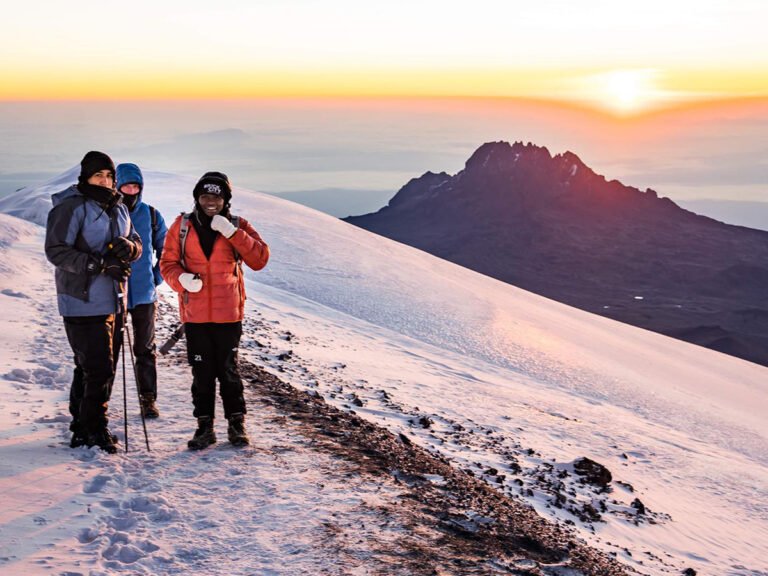
Kilimanjaro Machame Route 7 Days: A Practical Guide To Itinerary And Costs
A deep look at the 7-day Machame Route on Kilimanjaro. Understand the itinerary, why the extra day matters for your summit success, and how to plan your 2026-2027 expedition.
View package details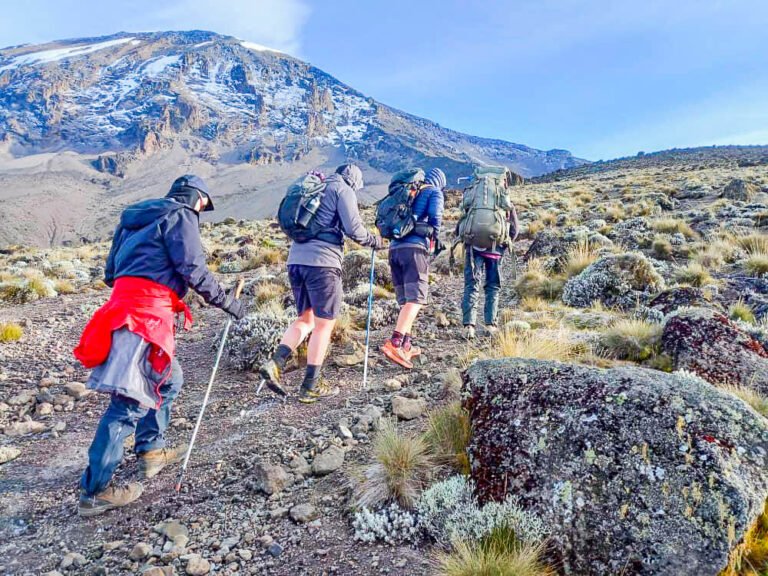
Climbing Kilimanjaro : Prices, Dates, And Routes 2026-2027
A comprehensive guide to planning your 2027 Kilimanjaro expedition, covering route choices, cost factors, and the essential logistics for a successful summit.
View package details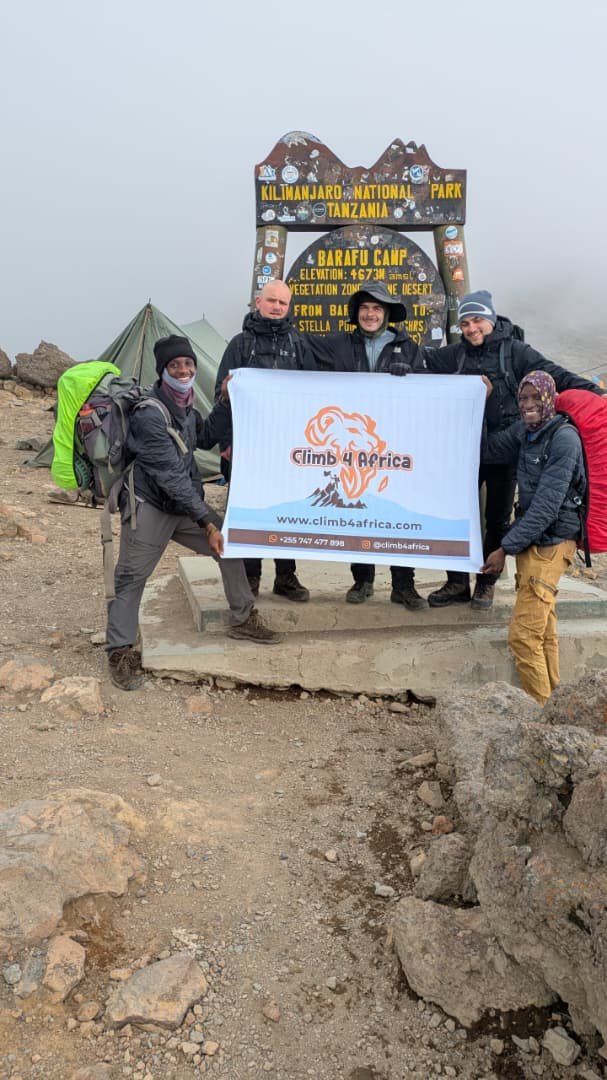
Kilimanjaro Climb : Guided Group Tours & Planning Guide 2026-2027
A deep look at planning your 2027 Kilimanjaro expedition. Learn why guided group tours are the preferred choice for safety, logistics, and shared camaraderie on the roof of Africa.
View package details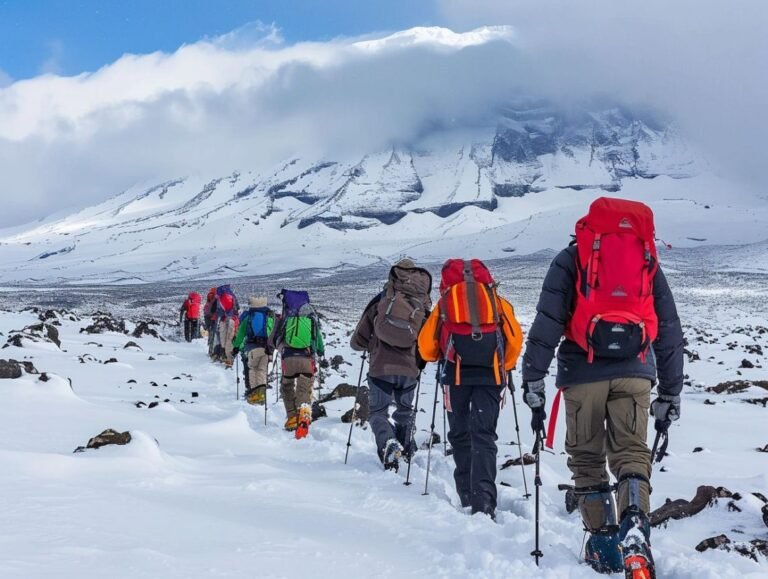
8 Day Lemosho Route – 20 February Kilimanjaro Departure With Climb 4 Africa
This article details the 8-day Lemosho Route Kilimanjaro climb scheduled for February 20, 2027, focusing on planning, itinerary, and what makes this departure a unique opportunity with...
View package detailsLemosho Route – 7 August Summer Group Climb: Your Kilimanjaro Adventure 2027
start a memorable Lemosho Route – 7 August 2027 Summer Group Climb up Mount Kilimanjaro. This guide covers the itinerary, acclimatization, and preparation for your ascent.
View package details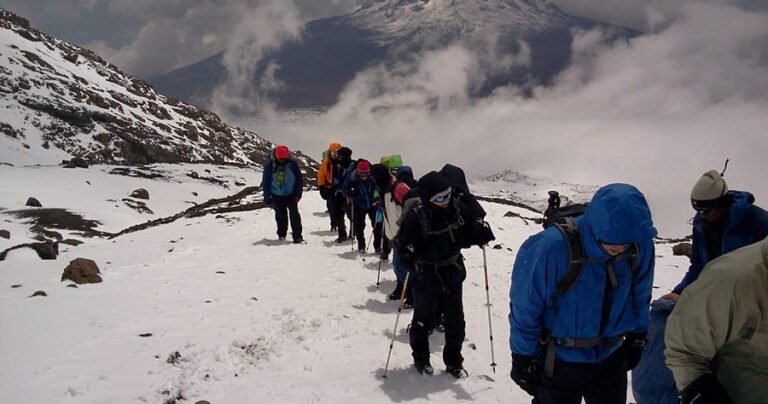
Mount Meru 4-Day Climb: The Complete Guide To Tanzania’s Hidden Peak 2026-2027
A deep look at the 4-day Mount Meru climb, covering the Momella route, altitude considerations, park logistics, and why this peak is the ultimate preparation for Kilimanjaro.
View package detailsKilimanjaro Climb August : Dates And Costs Planning Guide 2026-2027
Expert guide to planning a Kilimanjaro expedition in August 2027. We break down the logistics, cost factors, route choices, and seasonal weather patterns for your summit attempt.
View package detailsMount Meru And Kilimanjaro Combo Trip : The Ultimate Acclimatization Strategy
Maximize your Tanzanian trekking success by combining Mount Meru and Kilimanjaro. Get expert planning advice for your 2027 expedition.
View package details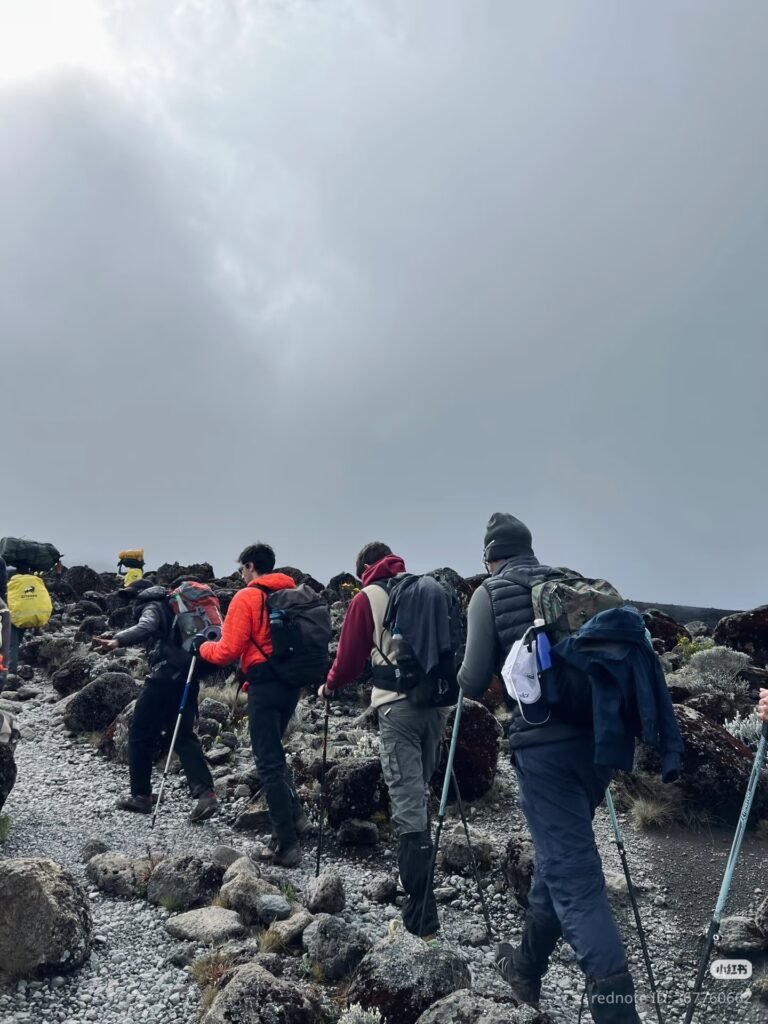
From USA, Best Kilimanjaro Climbing Packages : Routes, Prices & Planning 2027
A practical guide for US travelers planning a Kilimanjaro expedition in 2027, covering route selection, seasonal logistics, and booking transparency.
View package detailsCheap Flights To Tanzania: Best Airlines, Routes & Ticket Deals For 2027
Securing affordable airfare is key to planning a memorable Tanzanian adventure. This guide reveals the best airlines, routes, and strategies for finding cheap flights to Tanzania in 2027...
View package details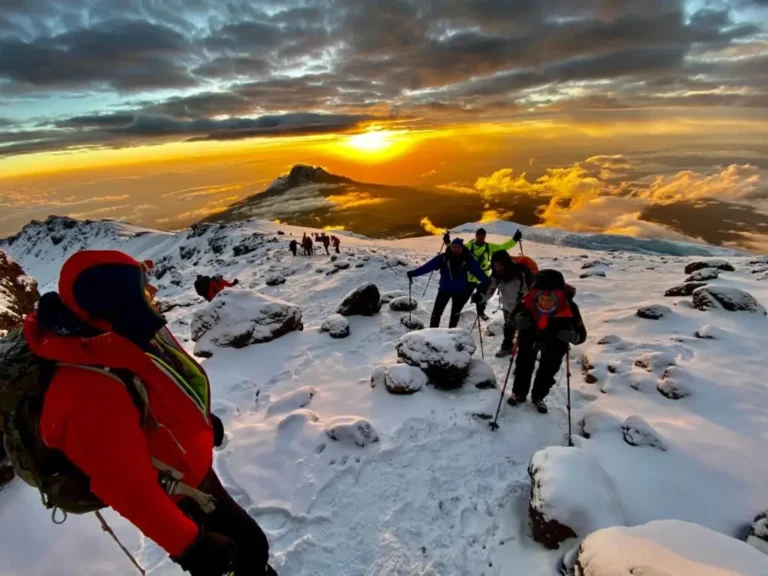
Marangu Route – 26 June Kilimanjaro Group Climb 2027
Marangu Route – 26 June 2027 Kilimanjaro Group Climb is explained with current 2027 planning, price, itinerary and booking information.
View package details7 Day Machame Route – 19 June Kilimanjaro Group Departure 2027
Planning to climb Kilimanjaro on the Machame Route in a group setting? This 7-day departure on June 19, 2027, offers a balanced approach to acclimatization and scenery. Learn what to...
View package detailsNo related package matches those filters. Clear one or more filters to see the other topic-matched options.



