
A 4-day trek up Mount Meru is the standard and recommended duration for this climb, utilizing the Momella Route. It involves ascending 4,562 meters (14,968 ft) through diverse ecological zones, requiring an armed ranger escort throughout the journey. This duration is strategically designed to balance pace with necessary altitude acclimatization, making it both a standalone challenge and an ideal warm-up for a subsequent Kilimanjaro expedition.
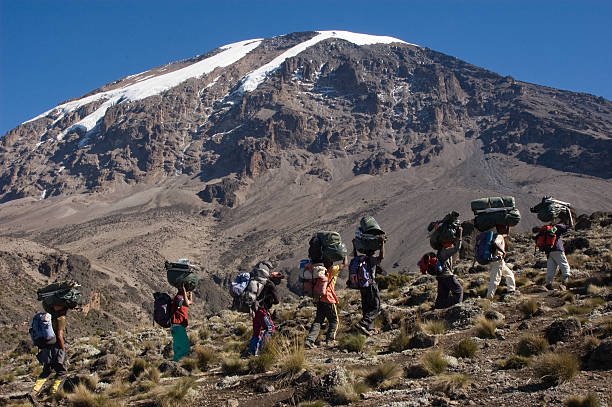

Mount Meru is often described as the “little brother” of Kilimanjaro, a label that does a disservice to the mountain’s character. While it lacks the sheer scale of its neighbor, it offers a far more intimate and technically engaging trekking experience. Choosing the 4-day itinerary is not just a scheduling preference; it is a tactical decision for climbers who want to maximize their chances of summiting without sacrificing safety or enjoyment.
At Climb 4 Africa, we see many travelers who treat Meru as a quick warm-up. While that is true, the mountain deserves respect in its own right. The ascent takes you through the lush Arusha National Park, where the first day of your trek is essentially a walking safari. By the time you reach the summit—Socialist Peak—you are standing on the rim of a massive volcanic crater, looking across at Kilimanjaro in the distance. Here is how the 4-day route breaks down from an operational and physical perspective.
The Momella Route: The Only Path to the Top
Unlike Kilimanjaro, which boasts several distinct routes, Mount Meru has only one official path for trekkers: the Momella Route. This is a blessing for logistics. Because it is the only route, the infrastructure is focused, and the mountain culture is more concentrated among the few groups trekking at any given time.
The 4-day structure follows a specific rhythm:
Day 1: Momella Gate to Miriakamba Hut
The journey begins at the Momella Gate (approx. 1,500m). This day is deceptive. You are not just walking; you are trekking through Arusha National Park. It is mandatory to be accompanied by an armed ranger because of the wildlife density. You will likely see giraffes, buffalo, and colobus monkeys within the first few hours. The trail winds through savannah and then into a lush montane forest. The ascent to Miriakamba Hut (2,500m) is steady but manageable, allowing your body to begin adjusting to the elevation without the immediate pressure of high-altitude symptoms.
Day 2: Miriakamba Hut to Saddle Hut
This is the day where the landscape shifts dramatically. You leave the forest behind and enter the alpine moorland. The trail becomes steeper, often referred to as the “staircase” section, as you climb towards Saddle Hut (3,500m). By the time you reach the hut, the air is visibly thinner. This afternoon is critical; it is not for resting in your tent but for active recovery. Many climbers take a short, optional hike to Little Meru (3,820m) to further aid acclimatization. This is a common strategy we recommend to ensure you are ready for the summit push.
Day 3: The Summit Push (Socialist Peak)
Summit day on Meru is intense. You start shortly after midnight to reach the summit by sunrise. The terrain is a mix of loose scree and rocky ridges. The highlight—and the most challenging part—is the walk along the crater rim. It is a narrow, exposed path that requires focus. Reaching Socialist Peak (4,562m) as the sun hits the Kilimanjaro ice fields is a defining moment for most climbers. After the summit, you don’t just stay there; you descend back to the Saddle Hut for a quick rest and then continue all the way down to Miriakamba Hut. It is a long, demanding day, but the lower altitude of the second camp makes for a much better night’s sleep than staying at the Saddle.
Day 4: Descent to Momella Gate
The final day is a straightforward descent back through the forest. By this point, your legs will be tired, but the path is gentle. You will exit through the park gate, sign the logbook, and receive your certificate. It is the perfect time to reflect on the contrast between the lush, wildlife-rich start and the harsh, volcanic summit.
Why the 4-Day Duration Matters
You may encounter operators offering 3-day versions of this climb. While physically possible for very fit individuals, we generally advise against it. The 4-day itinerary provides a vital extra night at Miriakamba Hut on the descent. This allows for a more controlled transition in altitude and prevents the exhaustion that often sets in when trying to cram the descent into a single, grueling push from the summit to the gate.
If you are planning to continue on to a Kilimanjaro expedition, the 4-day Meru trek is the perfect acclimatization tool. It teaches you how to manage your pace, monitor your hydration, and handle the mental aspect of mountain trekking before you face the much larger challenge of the higher peak.
Logistics and Park Rules: What You Must Know
Operating a trek in Arusha National Park is different from operating on Kilimanjaro. The park rules are strictly enforced, and there are specific requirements that affect your planning:
- Armed Ranger Requirement: Because of the wildlife in the lower sections of the park, you cannot hike without an armed park ranger. This is non-negotiable and included in the park entry protocols.
- Park Fees: Mount Meru is part of Arusha National Park, and entry fees are calculated per 24-hour period. This is why the timing of your entry and exit is strictly managed by your guides.
- Group Sizes: Unlike Kilimanjaro, where you might see hundreds of people, Meru feels exclusive. However, accommodation at the huts (Miriakamba and Saddle) is limited. Booking in advance is essential to secure your spot, especially during the peak months of January, February, and July through October.
When you are requesting a quote or checking dates, ensure the operator includes the ranger fees, park entry, and rescue fees in their breakdown. These costs can fluctuate, so getting a transparent quote is the first step to avoiding surprises.
Physical Preparation and Altitude
Do not underestimate Meru just because it is not Kilimanjaro. The trail is steep, and the summit day is a significant endurance test. A 4-day climb requires you to be in good cardiovascular shape. You should be comfortable walking 6 to 8 hours a day with a daypack. If you are training, focus on stair climbing and incline treadmill walking. The “staircase” section on Day 2 is exactly what you will be training for.
Regarding altitude, while 4,562m is lower than Kilimanjaro’s 5,895m, it is still high enough to cause altitude sickness. Hydration is your best defense. We always emphasize the “pole, pole” (slowly, slowly) approach. Your guides are there to monitor your oxygen saturation levels and heart rate, but your job is to communicate how you feel. Never hide symptoms of altitude sickness.
Planning Your 2026-2027 Trek
Planning for 2026 or 2027 requires looking at the seasonality of the park. The best weather is generally found during the dry seasons: January to February and June to October. While you can climb in the shoulder seasons, be prepared for rain and mud, which can make the forest sections of the lower trail quite slippery.
If you are combining this with a safari or a Kilimanjaro climb, the logistics become more complex. You need to align your flight arrivals, park permits, and internal transfers. This is where local support becomes invaluable. We handle the coordination of your transport from Arusha or Kilimanjaro International Airport (JRO), the procurement of your park permits, and the organization of your mountain crew, which includes your lead guide, assistant guides, cook, and porters.
Book Your Mount Meru Expedition
A 4-day climb on Mount Meru is a serious undertaking that rewards you with one of the most spectacular crater views in East Africa. It is a mountain that demands respect, offers incredible wildlife sightings, and provides the perfect testing ground for your high-altitude fitness.
If you are ready to start planning your 2026 or 2027 adventure, we are here to help you navigate the logistics. Whether you are a solo traveler, a couple, or a private group, we can tailor the arrangements to suit your experience level. Please reach out to us to discuss your preferred dates, your fitness goals, and any questions you have about the gear or the route.
Get in touch with the Climb 4 Africa team:
- WhatsApp: +255 747 477 898
- Email: climb4africa@gmail.com
- Backup Email: info@climb-4-africa.com
When you contact us, let us know if you are planning to add a safari or a Kilimanjaro climb to your itinerary. We can create a smooth, integrated travel plan that ensures you are properly acclimated and fully supported from the moment you land in Tanzania to the moment you fly home.
Ecological Verticality: Understanding the Meru Climate Zones
To truly appreciate the 4-day trek on Mount Meru, one must understand that it is essentially a microcosm of East African geography. Unlike Kilimanjaro, which can feel like a sprawling, multi-day slog through repetitive terrain, Meru is a dense, compressed vertical journey. In just four days, you pass through ecological zones that would typically require thousands of kilometers of travel across the African continent. This rapid transition is not merely a scenic backdrop; it is a critical factor in your physical experience. The humidity of the lower rainforest gives way to the temperate montane forest, which then dissolves into the alpine moorland and, finally, the stark, volcanic landscape of the summit cone. Recognizing these zones helps trekkers manage their gear and expectations, as the temperature swings can be extreme, often shifting from 25°C (77°F) in the humid forest to freezing temperatures on the final summit push.
The Lower Forest: The Realm of the Colobus Monkey
The first day, starting from Momella Gate, plunges you immediately into the lush montane forest. This is arguably the most biodiverse section of the entire climb. Because Meru is located within Arusha National Park, the lower slopes are teeming with life. While you are trekking, you are not just a climber; you are an intruder in a complex wildlife habitat. It is common to see giraffe, buffalo, and various antelope species in the clearings near the gate. However, the most distinctive inhabitants are the Colobus monkeys. Their black-and-white coats are unmistakable as they move through the canopy above the trail. This section is generally humid and can be muddy, particularly if you are trekking during the shoulder seasons. The canopy is thick, providing shade but also trapping moisture, making breathable, moisture-wicking layers essential even at these lower elevations.
The Alpine Moorland: Where the Vegetation Thins
As you ascend toward the Saddle Hut on the second day, the forest canopy recedes, replaced by the iconic giant heathers and lobelias of the alpine moorland. This is the zone where the mountain begins to reveal its true, rugged character. The air becomes noticeably thinner and crisper. This transition is vital for your acclimatization. The vegetation here is hardy and adapted to the frequent mists that roll in from the crater. Trekkers often find this section to be the most visually striking, as the lack of dense tree cover offers sweeping views of the Ash Cone and the inner walls of the crater. It is a stark reminder of the volcanic violence that created this massif. The ground here is often loose scree or rocky soil, requiring careful foot placement, especially as you approach the Saddle Hut, which sits in the basin between the main peak and Little Meru.
The Volcanic Desert: The Summit Cone
The final push to Socialist Peak enters the high-altitude volcanic zone. This is a landscape stripped of almost all vegetation, dominated by rock, dust, and ice. The ground is characterized by volcanic ash and jagged basalt, which can be slippery and unstable. This is the most challenging environment on the mountain, not just because of the altitude, but because of the exposure. There is no shelter from the wind here. The transition from the moorland to this lunar landscape happens quickly, and the psychological shift is just as rapid. You move from the vibrant, living world of the lower slopes to a place that feels primordial and indifferent to human presence. It is here that the importance of your guide becomes most apparent; navigating the rocky path in the dark, pre-dawn hours requires precise knowledge of the terrain to ensure safety.
The Technical Reality of the “Armed Ranger” Requirement
A unique, non-negotiable aspect of the Mount Meru trek is the mandatory presence of an armed park ranger. Unlike Kilimanjaro, where the primary risk is altitude, Meru presents a wildlife risk. The lower slopes of the mountain are home to large mammals, including buffalo and elephant, which are known to be unpredictable. The ranger is not there to guide you in the traditional sense—that is the role of your lead mountain guide—but rather to provide security. This requirement highlights the wild nature of Arusha National Park. It is a reminder that you are trekking through a protected ecosystem, not a manicured path. Trekkers should view the ranger not as an inconvenience, but as a vital part of the Tanzanian conservation effort. Their presence ensures that human-wildlife conflicts are minimized, allowing the park to remain a safe haven for the animals while facilitating safe passage for visitors.
Little Meru: The Acclimatization Secret
Many 4-day itineraries include an optional afternoon hike to the summit of Little Meru (3,820m) on the second day. While it is tempting to skip this to rest at the Saddle Hut, it is highly recommended that you participate. This short, steep climb is one of the most effective acclimatization tools available on the mountain. By gaining that extra altitude and then returning to the lower elevation of the hut to sleep, you are essentially training your body to process oxygen more efficiently. Furthermore, the view from Little Meru provides an unparalleled perspective of the main summit and the massive crater rim. It offers a “dry run” for the final summit push, allowing you to test your gear and your breathing rhythm in a controlled, non-urgent setting. The descent back to the hut is relatively quick, and the rest you get afterward is generally higher quality because your body has been primed for the higher altitude.
The Dynamics of Altitude: Why Meru Outperforms Kilimanjaro for Acclimatization
While often marketed as a standalone objective, the 4-day Mount Meru trek functions as a sophisticated physiological primer for high-altitude mountaineering. The primary reason trekkers struggle on Kilimanjaro is often a lack of “climb high, sleep low” conditioning. Meru provides this in a compressed, efficient format. Because the summit of Meru reaches 4,562 meters, it sits comfortably within the range where altitude sickness symptoms can manifest, yet the duration of the trek is short enough that a climber can complete the descent before chronic mountain sickness becomes debilitating.
During a standard 4-day ascent, you are forcing your body to adapt to significant pressure changes in under 96 hours. This creates a “stress-test” environment. If you feel the effects of altitude on the second day at Saddle Hut, you have the immediate opportunity to evaluate your response—headaches, nausea, or lethargy—without the immense pressure of a 7-day expedition. Learning how your body reacts to these specific elevation markers allows you to adjust your hydration, electrolyte intake, and walking pace. When you eventually transition to Kilimanjaro, you are not guessing how you will handle the thin air; you have already collected the data.
The Psychological Architecture of the 4-Day Trek
Beyond the physiology, the 4-day timeline imposes a specific psychological rhythm that differs significantly from longer, multi-week expeditions. In a longer trek, there is often a sense of leisure that can lead to complacency. On a 4-day Meru trek, the urgency is built into the itinerary. From the moment you leave Momella Gate, there is a clear, linear progression toward a singular goal. This intensity helps maintain focus. You are not waiting for “acclimatization days” in the same way; every hour of movement is directed toward the summit push.
This brevity also minimizes the “camp fatigue” that often sets in during longer treks. By the time you might start to feel the monotony of tent life or the repetition of mountain meals, the trek is already concluding. This keeps morale high. For many climbers, the 4-day structure is the sweet spot: it is long enough to feel like a genuine mountain expedition, but short enough that the novelty of the environment—the shifting flora, the wildlife, the dramatic volcanic views—does not wear off.
Comparative Analysis: 3-Day vs. 4-Day Expeditions
While the 4-day itinerary is the industry standard for safety and success, some operators offer a 3-day “speed” ascent. It is critical for prospective trekkers to understand why the 4-day duration is almost universally preferred by reputable mountain guides and park authorities. A 3-day ascent effectively removes the buffer time required for proper acclimatization. On a 3-day trip, climbers often skip the crucial acclimatization hike to Little Meru and move directly from the lower forest to the Saddle Hut, then straight to the summit push.
This aggressive schedule significantly increases the risk of Acute Mountain Sickness (AMS). When you ascend too quickly, your body cannot produce enough red blood cells to compensate for the reduced oxygen saturation. The 4-day itinerary provides that essential extra night at the Miriakamba Hut, allowing for a more gradual physiological adjustment. Furthermore, the 3-day itinerary often forces a grueling, extended descent on the final day, covering the distance from the summit back to the gate in a single push. This puts immense strain on the knees and ankles, increasing the risk of injury when fatigue is already at its peak. The 4-day structure, by contrast, allows for a more controlled descent, ensuring that you finish the trek with your physical integrity intact.
The Volcanic Geology: Understanding the Crater Rim
The summit of Mount Meru is not merely a peak; it is the remnant of a massive volcanic caldera. The “Socialist Peak” sits on the northern rim of this crater. When you stand there, you are looking down into one of the most spectacular geological formations in East Africa. The inner wall of the crater drops nearly 1,500 meters vertically, creating a sheer cliff face that is a stark contrast to the gentle, sloping outer flanks of the mountain.
This geological history dictates the nature of the final ascent. The trek from the Saddle Hut to the summit is essentially a ridge walk. You are navigating the edge of this volcanic structure, which is why the path is so narrow and exposed. The rock here is volcanic ash and scree—loose, shifting, and unforgiving. This terrain requires a specific gait: short, deliberate steps to prevent sliding. It is a technical environment that demands total concentration, especially in the dark. The geology also influences the micro-climates; the crater acts as a wind tunnel, which is why even on a clear day, the summit can be significantly colder and windier than the surrounding plains below.
The Physiology of the Ascent: Managing Oxygen Debt and Fatigue
While the 4-day itinerary is often marketed as a standard, the physiological reality of the Mount Meru climb is far more demanding than the elevation gain alone suggests. Unlike Kilimanjaro, where the climb is a slow, methodical trudge over many days, Mount Meru forces a rapid transition through ecological zones. In just four days, you move from the tropical savanna of Arusha National Park, through dense Afromontane forests, into the thin air of the alpine moorland, and finally onto the jagged volcanic rock of the summit ridge. This compressed timeline means your body undergoes significant stress, particularly during the second and third days when the elevation gain becomes pronounced.
The primary physiological challenge on Meru is not merely altitude—it is the rate of ascent. By the time you reach the Saddle Hut (3,570 meters), you have gained a significant amount of vertical distance in a relatively short window. This is where the “climb high, sleep low” principle becomes vital. The inclusion of the hike to Little Meru (3,820 meters) on the second day is not a casual side excursion; it is a critical acclimatization strategy. By ascending to this peak and then retreating to the Saddle Hut to sleep, you force your body to begin the process of upregulating hemoglobin production while still benefiting from the thicker air at the lower altitude of the hut. Neglecting this acclimatization hike, or treating it as optional, often leads to the onset of Acute Mountain Sickness (AMS) symptoms such as nausea, headaches, and insomnia before the final summit push even begins.
The Role of Hemoglobin and Oxygen Saturation
At 4,562 meters, the oxygen saturation in the air is roughly 60% of what it is at sea level. Your body’s ability to manage this “oxygen debt” is what separates a successful summit from a failed attempt. During the 4-day trek, your respiratory rate will naturally increase, and your heart rate will remain elevated even during periods of rest. This is a normal compensatory mechanism. However, the 4-day structure mitigates the risk of this becoming pathological. By spending the second night at the Saddle Hut, you allow your autonomic nervous system to stabilize. It is essential to recognize that hydration plays a multiplicative role here; dehydration thickens the blood, making it harder for the heart to pump oxygenated cells through the body. On Meru, where the air is exceptionally dry, you may not feel the need to drink as much as you would in a humid environment, but aggressive, disciplined fluid intake is arguably as important as your physical fitness in preventing altitude-related issues.
The “Summit Push” Energy Expenditure
The final ascent to Socialist Peak begins in the pre-dawn hours, often around 1:00 AM or 2:00 AM. This is not arbitrary; it is a safety measure to ensure climbers reach the summit before the clouds roll in, which typically occurs by mid-morning, and to avoid the loose, unstable scree that becomes more dangerous as the sun warms the mountain surface. This push is a massive energy expenditure, often covering over 1,000 meters of vertical gain in the dark. Because you have already completed two full days of trekking, your glycogen stores are likely depleted. Proper nutrition on the trail—focusing on complex carbohydrates rather than simple sugars—is crucial. The mental component here is equally significant; you are navigating a narrow, exposed ridge with steep drops on either side. The adrenaline spike during the summit push can mask physical exhaustion, which is why your guides will insist on a “pole-pole” (slowly, slowly) pace. Ignoring this advice to “power through” the climb is a common mistake that leads to early burnout or, worse, a dangerous loss of coordination on the technical, rocky sections of the crater rim.
Navigating the Micro-Climates: How Trail Surfaces Dictate Pacing
The 4-day Mount Meru expedition is defined as much by its shifting terrain as by its altitude. Understanding the geological transition from the lower montane forest to the volcanic ash cone is essential for pacing. Unlike Kilimanjaro, where the landscape changes are often gradual and broad, Meru’s topography is compressed. You are climbing the inner wall of a caldera, and the trail surface changes significantly every few hours, requiring constant adjustments to your gait, footwear choice, and energy management.
The Transition from Forest Floor to Volcanic Grit
On the first day, the trail is dominated by soft, organic soil, often covered in leaf litter and tangled roots. This surface provides excellent traction but demands high ankle stability due to the uneven, root-laden ground. Hikers often make the mistake of wearing heavy, stiff-soled boots that are meant for high-altitude rock, only to find them cumbersome and exhausting on the forest floor. The forest section is deceptively steep, with a consistent incline that requires a steady, rhythmic cadence. Because the canopy is dense, the ground holds moisture, making the path slippery even without rain. Here, trekking poles should be set to a slightly longer length to provide leverage on the steeper switchbacks.
As you exit the forest and enter the heather and moorland zones on the second day, the surface transitions into a combination of compacted volcanic soil and volcanic rock. The grip changes entirely. You are no longer navigating soft mud but hard-packed, dusty earth that can become slick when dry. This is where the “pole-pole” (slowly, slowly) pace is not just a cultural suggestion but a mechanical necessity. Rapid movement on this dry, loose surface leads to micro-slips, which, while rarely dangerous, waste significant energy through constant muscular stabilization. By shortening your stride length on these sections, you minimize the risk of foot slippage and conserve the precious glycogen stores needed for the final summit push.
The Crater Rim: Technical Exposure and Scree Management
The most critical transition occurs on the final morning, moving from the Saddle Hut to the summit. You are no longer on a trail in the traditional sense; you are traversing the knife-edge rim of a massive volcanic crater. The surface here is a treacherous mixture of loose scree—small, volcanic rock fragments—and solid, jagged basalt outcrops. This is the most technically demanding portion of the entire 4-day trek.
When walking on scree, the standard trekking technique of “heel-strike” is counterproductive. Heel-striking causes the loose stones to slide backward, forcing you to expend double the effort to gain the same forward momentum. Instead, climbers must adopt a “flat-footed” approach, placing the entire sole of the boot on the slope to maximize surface area and friction. On the steepest sections of the rim, guides will often direct you to zig-zag across the slope rather than taking a direct vertical line. This is done to mitigate the steepness of the grade and to prevent the “two steps forward, one step back” phenomenon common on unstable volcanic terrain.
Furthermore, the exposure on the crater rim is significant. To your left, the sheer drop into the Ash Cone is vertical and unforgiving; to your right, the outer slope of the mountain descends rapidly toward the plains. This environment changes the psychological requirements of the hike. The wind speeds on the rim are often significantly higher than in the sheltered forest zones below, and the combination of high wind, loose footing, and thin air requires absolute focus. This is why the 4-day itinerary, which ensures you are well-rested before this final push, is statistically safer than attempting to rush the ascent.
Managing Gear Transitions in Variable Environments
A successful 4-day Meru trek requires a modular approach to gear. Because you traverse three distinct climate zones in under 48 hours, your clothing layers must be accessible without stopping for long periods. The “layering system” is often discussed in theory, but on Meru, it is a practical logistical challenge. You will likely start your morning in the forest in a base layer, only to find yourself adding a fleece and shell jacket within an hour as the trail gains elevation and the wind picks up.
Many climbers fail to account for the “heat-dumping” effect. When you are moving uphill, your body generates immense heat; however, as soon as you stop for a break, your sweat begins to cool rapidly in the high-altitude air. On Meru, the humidity in the lower zones makes this effect even more pronounced. The strategy is to strip layers *before* you feel warm and add them *before* you feel cold. This prevents the cycle of excessive sweating followed by rapid chilling, which is a primary cause of fatigue and susceptibility to altitude sickness. Your pack organization should reflect this: waterproof shells, gloves, and insulating layers should be at the top of your daypack, not buried beneath sleeping gear or extra water supplies.
The Impact of Wildlife Interactions on Route Speed
Unlike Kilimanjaro, where wildlife is sparse above the tree line, Mount Meru is a living ecosystem. The presence of buffalo, giraffes, and occasionally leopards in the lower forest zones necessitates the armed ranger escort. Practically, this affects your pace. Ranger-led groups move with a different cadence; there are frequent pauses to scan the surroundings and ensure safety. Rather than viewing these as interruptions, treat them as vital recovery periods. The ranger’s knowledge of the terrain allows for “tactical pauses” in areas where the trail is particularly steep or eroded. Accepting the ranger’s lead is essential; they understand the animal behavior patterns in Arusha National Park and will adjust the group’s speed based on the likelihood of encountering wildlife on the path ahead. Trying to push a faster pace than the ranger dictates is not only against park regulations but ignores the ecological reality of the mountain.
The Anatomy of the 4-Day Trek: Strategic Pacing and Recovery Cycles
The 4-day itinerary on Mount Meru is often misunderstood as a simple “fast climb.” In reality, it is a highly calibrated physiological exercise. Unlike Kilimanjaro, where the sheer volume of climbers and the variety of routes can sometimes mask the individual’s pace, the 4-day Meru trek forces a specific rhythm. This rhythm is dictated by the steepness of the terrain and the necessity of vertical gain. When you commit to a 4-day schedule, you are not merely hiking; you are engaging in a deliberate process of metabolic management.
The first two days are characterized by significant elevation gain in a relatively short distance. This is deceptive. While the mileage may seem low compared to high-altitude treks in the Himalayas or the Andes, the incline is relentless. A 4-day trek forces the body to adapt to rapid changes in barometric pressure. The transition from the humid, oxygen-rich environment of Arusha National Park to the thin air of the Saddle Hut (3,570m) happens in under 48 hours. This is why the 4-day duration is the absolute minimum recommended for safety; it allows just enough time for the body to initiate the production of additional red blood cells without the exhaustion of a multi-week expedition.
The Role of “Active Recovery” in Mountain Logistics
One of the most critical aspects of the 4-day Meru trek that often goes overlooked is the concept of “active recovery.” In the context of this mountain, this does not mean sitting still. Because the route is short and steep, there is very little time for “rest days” as one might find on a 7-day Kilimanjaro route. Instead, active recovery happens during the trek itself. This involves maintaining a pace that is strictly aerobic. If you are breathing so heavily that you cannot hold a conversation, you are moving too fast. On the steep slopes leading to Miriakamba, it is common for climbers to fall into a trap of pushing too hard to “get it over with.” This creates an oxygen debt that the body cannot repay effectively at higher altitudes, leading to the early onset of mountain sickness symptoms such as headaches and nausea.
By pacing yourself during the ascent, you are effectively using the lower-altitude hours to train your cardiovascular system for the final summit push. This is why guides often emphasize the “pole-pole” (slowly, slowly) methodology. It is not just a cultural catchphrase; it is a physiological imperative. On a 4-day schedule, your recovery happens while you are moving—by keeping your heart rate consistent and your exertion level below the anaerobic threshold.
The Summit Push: Managing Energy Expenditure
The summit day on Mount Meru is physically demanding in a way that differs significantly from the rest of the trek. You begin your ascent from the Saddle Hut in the middle of the night, often around 1:00 or 2:00 AM. This is not arbitrary. The goal is to reach the Rhino Point and the subsequent crater rim before the sun creates instability in the volcanic scree and before the afternoon clouds roll in. This push involves scrambling over rocky outcrops and navigating the narrow, exposed ridge of the crater rim.
Energy management on this final day is a game of caloric precision. You are burning calories at an accelerated rate due to the cold, the altitude, and the technical nature of the path. Most trekkers make the mistake of over-relying on heavy, complex meals. At 4,000 meters, your digestion slows down significantly. The 4-day structure dictates that you must fuel with simple, high-glycemic carbohydrates that are easily processed by the body. Relying on heavy proteins or fats during the summit push can lead to gastrointestinal distress, which, when combined with altitude, can be debilitating. The most successful climbers on the 4-day route are those who graze on small, frequent amounts of energy-dense food—nuts, dried fruit, and electrolyte-rich gels—rather than attempting to digest a full meal during the climb.
Psychological Resilience and the 4-Day Constraint
There is a unique psychological pressure inherent in a 4-day trek. Because the window for success is narrow, there is little room for mental fatigue. On longer expeditions, you have the luxury of “bad days” where you can mentally reset. On a 4-day Meru trek, every day is a significant push toward the goal. This creates a high-intensity environment that requires a specific mental framework. You must be prepared for rapid changes in environment and physical capability. The mental transition from the lush forest to the stark, volcanic desert occurs so quickly that it can be disorienting. Successful trekkers often report that the 4-day duration feels like a “compressed adventure,” where the intensity of the experience is heightened by the lack of downtime. This intensity is part of the appeal, but it requires a level of mental discipline to stay focused on the objective—the summit—without becoming overwhelmed by the rapid changes in terrain and climate.
Ultimately, the 4-day structure is a partnership between the climber and the mountain. It demands that you respect the altitude, adhere to the pacing of your guides, and maintain a consistent energy supply. When these elements are managed correctly, the 4-day trek is not just a viable way to climb Mount Meru—it is the most efficient and rewarding way to experience one of East Africa’s most technical and impressive volcanic summits.
The Dynamics of Mountain Support: Understanding the Porter and Guide Hierarchy
While the 4-day Mount Meru trek is often viewed through the lens of individual physical endurance, the expedition is fundamentally a logistical operation that relies on a well-defined hierarchy of support staff. Unlike casual hiking, trekking in Arusha National Park requires adherence to strict park regulations regarding personnel. Each expedition is supported by a team that typically includes a lead guide, an assistant guide, a cook, and a crew of porters. Understanding the roles of these individuals is crucial for the trekker, as it fosters a more respectful and efficient dynamic on the trail.
The lead guide is the ultimate authority on the mountain. Their primary responsibility is not merely navigation, but the constant assessment of climber health. On a 4-day itinerary, where the ascent profile is aggressive, the guide’s role in monitoring “pulse oximetry” and checking for symptoms of Acute Mountain Sickness (AMS) is the difference between a successful summit and an emergency evacuation. They dictate the pace—often slower than a fit hiker might naturally prefer—to ensure the body can adapt to the rising elevation. It is a common mistake for trekkers to attempt to set their own pace; doing so often leads to premature exhaustion or altitude-related illness, forcing the guide to intervene.
Porters are the engine of the expedition. On Mount Meru, the logistics of portering are distinct from Kilimanjaro. Because the route is shorter and more compact, the turnaround time for the crew is faster. Porters are responsible for transporting camping equipment, food supplies, and the personal gear of the trekkers. It is important to note that porters operate under specific weight regulations set by the park authorities and the Kilimanjaro National Park (KINAPA) guidelines, which often extend to Arusha National Park. A professional operation ensures that porters are not overloaded, which is a critical ethical consideration for any climber. When packing for the trek, trekkers must adhere to the weight limits provided by their operator—usually 15kg per bag—to maintain this balance of safety and logistical efficiency.
The Role of the Armed Ranger
Perhaps the most distinct logistical element of Mount Meru is the mandatory armed ranger. Unlike other mountains in East Africa where rangers might only patrol, on Meru, they are integral to every trekking party. This is necessitated by the high concentration of wildlife, particularly Cape buffalo, elephants, and occasionally leopards, which inhabit the lower slopes of Arusha National Park. The ranger is not a guide; they are a security expert. They possess the knowledge of animal behavior and the authority to ensure that trekkers do not inadvertently enter dangerous proximity to wildlife. During the first day of the trek, particularly through the wooded savannah and lower montane forest, the ranger will often walk at the front or rear of the group, scanning for tracks and signs of animal movement. Their presence is a constant reminder that the mountain is a living ecosystem, not just a climbing objective.
Nutritional Logistics in High-Altitude Environments
Nutrition during a 4-day Meru trek requires a departure from standard dietary habits. As you ascend, the metabolic demand on your body increases, yet your appetite often decreases due to the physiological suppression of the digestive system caused by altitude. The goal of the expedition cook is to provide calorie-dense, easily digestible meals that minimize the workload on your gut.
Breakfasts on the mountain are designed to be high in complex carbohydrates to provide sustained energy for the day’s trek. Porridge, toast, eggs, and local fruits like bananas are standard. These foods are selected because they are gentle on the stomach. Lunch is often a packed affair, as the group is usually on the move between huts. This is where the “grazing” strategy becomes vital. Instead of one large meal, climbers are encouraged to consume small amounts of nuts, dried fruits, and high-energy snacks throughout the hike. This keeps blood sugar levels stable, preventing the “bonking” or sudden energy crashes that occur when the body runs out of glycogen.
Dinner is the most significant caloric intake event of the day. The cooks are adept at preparing nutrient-rich soups, stews, and pasta dishes that provide both hydration and essential electrolytes. Hydration is the unsung hero of altitude management; you should aim for 3 to 4 liters of water per day. The kitchen staff typically uses boiled water, which is treated and safe for consumption. It is essential to communicate any dietary restrictions—such as vegetarianism or specific allergies—well in advance, as the supplies are carried up the mountain from the gate and cannot be easily restocked once the trek begins.
The Architecture of the Mountain Huts
The 4-day itinerary relies on two primary sets of huts: Miriakamba Hut and Saddle Hut. These structures provide the necessary shelter from the plummeting temperatures at higher altitudes, but they are not hotels. They are functional, communal spaces designed for efficiency and safety. Miriakamba Hut, located at approximately 2,500 meters, is set within a lush forest clearing. It is generally the most comfortable of the stops, offering bunk beds and basic washroom facilities. The environment here is temperate, and it serves as the critical recovery point after the first day’s hike.
Saddle Hut, at 3,500 meters, is a different experience. The environment is harsh, the air is thin, and the temperature drops rapidly as the sun sets. The huts here are more utilitarian. The “saddle” refers to the ridge between the summit of Meru and Little Meru. This is the staging ground for the summit push. The psychological impact of sleeping at this altitude cannot be overstated; it is the first true test of how your body handles the hypoxic environment. The huts at Saddle Hut are designed to keep the wind out, but trekkers should be prepared for cold nights. A high-quality four-season sleeping bag is not just a recommendation; it is a necessity for a restful night’s sleep, which is paramount for the early start on summit day.
Frequently Asked Questions About Meru Logistics
Navigating Altitude Sickness: Early Detection and Safety Protocols
While Mount Meru is often lauded for its superior acclimatization profile compared to Kilimanjaro, the ascent to 4,562 meters remains a physiological stressor that demands respect. Altitude sickness, medically classified under the umbrella of Acute Mountain Sickness (AMS), occurs when the body struggles to adapt to the reduced partial pressure of oxygen at higher elevations. On a 4-day Meru trek, the ascent is rapid. Recognizing the symptoms of AMS early is not merely a safety precaution; it is a critical skill that determines the success of your expedition.
The symptoms of mild AMS often mimic a severe hangover or the onset of a cold: a dull, throbbing headache, loss of appetite, nausea, and mild insomnia. These are common and often manageable with hydration, rest, and patience. However, the line between mild discomfort and a dangerous physiological response can blur quickly. Trekkers must cultivate a culture of radical honesty with their guides. Downplaying a headache to avoid missing the summit push is a common, yet potentially life-threatening, error. Guides are trained to perform daily health checks, including monitoring pulse oximetry readings, but they rely on your subjective reporting to make informed decisions.
Understanding the “Red Flags” is essential. If symptoms like persistent vomiting, ataxia (a loss of coordination often described as walking like a drunk person), or a resting heart rate that remains dangerously elevated occur, immediate descent is the only effective treatment. High Altitude Cerebral Edema (HACE) and High Altitude Pulmonary Edema (HAPE) are the two severe manifestations of altitude illness. HAPE typically presents as extreme fatigue, shortness of breath even at rest, and a persistent, wet cough. HACE, conversely, involves neurological impairment—confusion, irrational behavior, or hallucinations. These conditions are rare on Meru due to the limited time spent at extreme altitude, but they are not impossible. Safety on the mountain is predicated on the “climb high, sleep low” principle, which the 4-day itinerary respects by keeping the summit push as a singular, intense effort followed by immediate descent.
The Role of Pharmacological and Non-Pharmacological Interventions
Many climbers inquire about the use of Acetazolamide (Diamox) as a prophylactic measure. While this medication can assist the body in acclimatizing by stimulating respiration and promoting bicarbonate excretion, it is not a substitute for proper pacing. It does not “mask” altitude sickness; rather, it facilitates the physiological processes required to adjust to lower oxygen levels. If you plan to use such medication, it is imperative to consult with a travel medicine specialist or your personal physician at least six weeks before your departure. Never start a medication regimen on the mountain without prior testing, as allergic reactions or unexpected side effects—such as tingling in the fingers or a change in taste perception—can be distressing in a remote environment.
Non-pharmacological strategies are equally vital. The most effective tool you possess is your breathing rhythm. At higher elevations, trekkers often subconsciously take shallow, rapid breaths. This is inefficient. Practicing “pressure breathing”—a technique involving a forceful exhale through pursed lips—helps to clear carbon dioxide from the lungs and improve oxygen uptake. Furthermore, the psychological management of altitude is often overlooked. Anxiety can mimic the physical symptoms of altitude sickness, causing rapid heart rate and shortness of breath. By maintaining a steady, slow pace—often referred to in Swahili as “pole pole” (slowly, slowly)—you keep your heart rate in a sustainable zone, which reduces the overall metabolic demand on your body and minimizes the risk of altitude-induced distress.
Professional Medical Intervention: When to Turn Back
There is a persistent myth in mountaineering culture that turning back is a failure. On Mount Meru, this narrative is dangerous. Professional medical intervention is limited; while rangers are trained in first aid and evacuation protocols, they are not doctors. The mountain is a remote environment, and evacuation—whether by foot or, in extreme emergencies, by helicopter—is complex and time-consuming. Understanding your own “turn-around point” is a mark of a seasoned climber.
If a member of your party exhibits symptoms that do not resolve with rest and hydration, the guide’s decision to turn them back is final and non-negotiable. This is not a punishment; it is a clinical necessity. The goal of the 4-day trek is to return safely. If you are struggling, consider that the summit is a fixed point—it will remain there for your next attempt. The health of the individual takes precedence over the group’s objective. In the event of a medical emergency, the armed ranger and lead guide will coordinate the descent, often utilizing a “buddy system” where a porter assists the affected climber, while the rest of the group continues or retreats based on the severity of the situation. Preparation involves carrying a comprehensive personal medical kit, including blister care, rehydration salts, and basic pain relief, but rely on your guide’s professional judgment above all else.
Meteorological Dynamics: Navigating the Seasonal Shifts of Mount Meru
While the 4-day Mount Meru itinerary remains structurally consistent, the meteorological context in which you execute this climb shifts dramatically throughout the year. Understanding the interplay between the two distinct rainy seasons and the dry windows is critical, as these patterns dictate everything from the density of the forest undergrowth to the friction coefficient of the volcanic scree near the summit cone. Meru is not merely a mountain; it is a weather-maker that influences local microclimates, meaning that even during “dry” months, localized precipitation on the upper slopes is a statistical probability rather than a rare anomaly.
The Long Rains vs. The Short Rains: Strategic Timing
Tanzania experiences two primary rainy seasons. The “Long Rains” typically descend from late March through May, characterized by persistent, heavy precipitation that turns the Momella Route’s trails into saturated mud channels. During this period, visibility on the crater rim is often reduced to mere meters, and the risk of hypothermia during the summit push escalates significantly. Conversely, the “Short Rains”—occurring in November and early December—are generally more sporadic, manifesting as sharp, intense afternoon thunderstorms followed by clear, crisp mornings. For the 4-day trekker, the Short Rains are technically manageable, provided you are prepared for rapid gear transitions. However, the optimal windows for the Meru ascent are January through February and June through October. These months offer the highest probability of stable atmospheric pressure, which is essential for minimizing the accumulation of ice on the chain-assisted sections near the summit.
Thermal Stratification and Gear Selection
The 4-day climb forces you to traverse an immense thermal gradient in a compressed timeframe. You begin in the humid, tropical heat of the Arusha National Park foothills and end in the sub-zero, wind-scoured environment of the Socialist Peak. This vertical movement requires a modular approach to gear. It is a common error to over-prepare for the summit and under-prepare for the initial forest trek. In the humid lower zones, synthetic, moisture-wicking fabrics are non-negotiable; cotton is dangerous here, as it retains moisture and induces rapid heat loss once you transition above the cloud line into the alpine moorland.
As you ascend, the ambient temperature drops by approximately 0.6°C for every 100 meters of elevation gain. By the time you reach the Saddle Hut, the temperature can fluctuate by 20°C between high noon and midnight. Your kit must include a high-quality layering system: a base layer for moisture management, an insulating mid-layer (down or synthetic fleece), and a windproof, breathable outer shell. Furthermore, the volcanic grit of the upper cone is notoriously abrasive. Gaiters are not merely an accessory for the summit push; they are essential for preventing the fine, volcanic ash—which can act like sandpaper—from infiltrating your boots and causing severe friction blisters that could compromise your ability to complete the final day of descent.
The Impact of Cloud Cover on Navigation and Morale
Mount Meru is frequently capped by the “Meru Cloud,” a dense, persistent layer of moisture that clings to the crater walls. This phenomenon is most prevalent during the transition months between dry and wet seasons. While the cloud cover provides a reprieve from the intense equatorial sun, it also obscures landmarks, making the navigation of the Rhino Point section more psychologically taxing. For the 4-day trekker, this means that your rhythm must be flexible. You cannot rely on visual cues to gauge your progress toward the summit. Instead, you must rely on the cadence of your guide and the physical sensations of your own exertion. When the cloud descends, the world narrows to the few feet of trail illuminated by your headlamp; in these moments, maintaining a steady, rhythmic pace is the only defense against the disorientation that can lead to fatigue-induced errors.
Wind Exposure on the Crater Rim
The final ascent from the Saddle Hut to the Socialist Peak is exposed to the prevailing southeasterly winds. Unlike the sheltered valleys of the lower forest, the crater rim offers no protection. During the dry season, these winds can be desiccating, rapidly stripping moisture from your skin and respiratory tract. Hydration management becomes significantly more difficult because the dry air tricks your body into feeling less thirsty than it actually is. You must adhere to a strict hydration schedule, regardless of your thirst levels, to maintain blood volume and prevent the onset of altitude-related complications. The wind also carries fine particulates of volcanic ash; having a buff or a lightweight neck gaiter to cover your nose and mouth during the summit push is a small but vital detail that prevents the irritation of your airways, which can exacerbate the already challenging breathing conditions at 4,500 meters.
Strategic Footwear Selection: Navigating Volcanic Scree and Verticality
The transition from the lush, soft forest floor of Arusha National Park to the jagged, unforgiving volcanic rock of the upper cone presents a unique challenge for footwear. Many trekkers arrive with heavy, expedition-grade mountaineering boots, often assuming that the altitude necessitates the stiffest, most insulated footwear possible. However, the 4-day Meru itinerary involves significant trekking distances on uneven, soft, and occasionally muddy terrain before the summit push. A boot that is too rigid or heavy will induce premature fatigue and shin splints long before you reach the Saddle Hut. The optimal choice is a mid-weight, waterproof trekking boot with a Vibram or similar high-traction sole, providing enough ankle support for the uneven crater rim while remaining flexible enough for the long, steady ascent through the lower zones.
The critical factor often overlooked is the specific friction requirement of the summit push. The final ascent to Socialist Peak is characterized by loose, volcanic “scree”—small, jagged rocks that slide underfoot. This terrain demands a boot with aggressive, multi-directional lug patterns. Smooth-soled hiking boots or trail runners, while popular on flatter trails, are dangerous on the Meru crater rim. You need a sole that bites into the ash and debris to prevent backsliding. Furthermore, because the descent from the summit back to the Saddle Hut and eventually down to the Miriakamba Hut is rapid and high-impact, the midsole cushioning of your boot must be robust enough to absorb the shock of a thousand small, jarring impacts. If your boots are older, the EVA foam midsoles may have compressed; testing them for “bottoming out” before your trip is essential, as the descent from the summit involves a significant vertical drop that will amplify any weakness in your footwear’s shock absorption.
Gaiter Technology and Ash Mitigation
The volcanic ash on Mount Meru is not merely a nuisance; it is a mechanical hazard to your gear. The dust is extremely fine, abrasive, and persistent. Without proper gaiters, this grit acts as an internal grinding agent inside your boots. It works its way into your socks, creating friction points that inevitably lead to blisters within hours. On a 4-day trek, where recovery time is limited, a single blister can be the difference between a successful summit and an early descent. High-quality, breathable gaiters that create a tight seal around the boot and the calf are non-negotiable. Avoid low-profile trail gaiters, which are designed for dirt paths; you require full-coverage, over-the-calf gaiters that physically block the volcanic dust from entering the boot cuff. This simple piece of equipment effectively turns your footwear into a closed system, protecting your feet from the abrasive nature of the mountain’s unique geology.
Trekking Pole Dynamics: Managing the Vertical Load
Trekking poles are frequently viewed as optional accessories on many hikes, but on Mount Meru, they are essential tools for energy management. The 4-day itinerary forces a relatively rapid gain in elevation, putting sustained stress on the quadriceps and knees. Using poles converts a portion of your vertical load into horizontal force, distributing the stress across your upper body and core. During the ascent to the Saddle Hut, where the trail is steep and often slippery due to moisture or loose dirt, poles provide the necessary tripod stability to prevent slips that could result in ankle sprains.
However, the utility of poles changes drastically on the summit day. During the climb to Socialist Peak, the trail becomes a narrow, rocky ridge where your hands may occasionally need to be free for balance or stability against wind gusts. Telescopic poles that can be collapsed and stowed quickly onto the side of your backpack are superior to fixed-length poles. When choosing your equipment, ensure the locking mechanism is reliable and easy to operate with gloved hands. On the descent, adjusting your poles to a longer length is a critical, often neglected adjustment. By lengthening the poles, you allow your body to remain more upright, which shifts your center of gravity and prevents the “leaning forward” posture that puts excessive strain on the patellar tendons during the long, steep descent back toward the Momella Gate.
The Logistics of Arrival: Bridging the Gap to Arusha National Park
While the physical act of trekking Mount Meru is the primary focus of your preparation, the operational logistics of reaching the Momella Gate are the silent determinants of a successful 4-day itinerary. Because the 4-day schedule leaves very little margin for error, your transit strategy must be precise. The mountain is situated within Arusha National Park, and your “approach” is not merely a transfer; it is a critical synchronization point where transport, park registration, and ranger deployment intersect.
Pre-Trek Staging: Arusha versus Moshi
A common point of confusion for international trekkers is the geographical distinction between Arusha and Moshi. While both cities are major hubs for the northern Tanzania circuit, they serve different logistical functions. Arusha is the gateway to Mount Meru, located approximately 45 to 60 minutes from the Momella Gate, depending on traffic and vehicle type. Moshi, by contrast, is the established base for Kilimanjaro operations and sits significantly further away—often requiring a 2.5 to 3-hour drive to reach the Meru trailhead.
For a 4-day Meru expedition, basing your pre-trek staging in Arusha is the only prudent choice. Arriving in Moshi the morning of your trek forces an early departure (often pre-dawn) that introduces unnecessary fatigue before you have even laced up your boots. By staging in Arusha, you allow for a more measured morning routine, ensuring you reach the gate by mid-morning. This timing is essential because it aligns with the park’s operational flow, allowing you to begin your first day’s hike to Miriakamba Hut with sufficient daylight hours to navigate the lower forest zones comfortably.
The Transfer Protocol: Navigating the Road to Momella
The road leading to the Momella Gate undergoes a distinct transition. You will likely begin on paved secondary roads, but the final approach to the park entrance involves gravel and dirt sections. These roads are susceptible to heavy washboarding and, during the rainy seasons, deep mud. It is a fundamental error to assume that standard sedan transport is sufficient for this leg. Your logistics provider must utilize a 4×4 vehicle with appropriate suspension. This is not just for comfort; it is for reliability. A breakdown on the approach road, while minor, can compress your first day’s trekking window, forcing you to rush the ascent to Miriakamba Hut, which jeopardizes your initial acclimatization phase.
Furthermore, ensure your transfer is private and dedicated to your group. Shared shuttle services or public transit are not viable options for an expedition that requires the timely coordination of a guide, a cook, and an armed ranger. The “just-in-time” arrival of support staff is a complex dance; if you are delayed by inefficient transport, you risk missing the ranger window, which can delay your entry until the following morning.
Operational Synchronization at the Park Gate
Upon arrival at the Momella Gate, the reality of the “armed ranger” requirement becomes immediately apparent. You cannot simply walk to the trailhead. The gate serves as a high-security checkpoint where your identity is verified against your permits, and the park authorities assign your mandatory armed ranger. This is not a static process; it is an active administrative bottleneck. During peak trekking seasons, there may be multiple groups registering simultaneously, leading to a queue at the park office.
Your logistical strategy should account for this “registration friction.” Experienced guide teams will handle the paperwork while you perform a final gear check or consume a pre-hike meal. However, you must remain present for the formal briefing. The ranger will provide specific instructions regarding wildlife protocols—what to do if you encounter buffalo or elephant—and these instructions are legally binding for your safety. Do not attempt to bypass the gate or expedite the registration process; the time spent here is a necessary buffer. Use this period to finalize your water intake and ensure your daypack is perfectly balanced, as the first day of the Meru trek is deceptively steep and requires your full attention from the moment you pass the gate sign.
Deconstructing the Cost Structure: Understanding Value vs. Price
When analyzing the investment required for a 4-day Mount Meru expedition, it is critical to distinguish between the immutable park costs and the variable service components. Unlike Kilimanjaro, where route options create vast price discrepancies, the Meru cost structure is relatively transparent because of the singular route and fixed park regulations. A significant portion of your budget is non-negotiable, dictated directly by Tanzania National Parks (TANAPA). These mandatory fees include park entry permits, camping or hut fees, and the specific daily rate for the armed ranger, which is a specialized cost not found on most other East African treks. When comparing quotes from different operators, ensure that these ‘hard costs’ are clearly itemized. An operator offering a suspiciously low price may be undercutting the safety budget—specifically by skimping on the quality of the support staff or the nutritional standards required for high-altitude exertion.
The variable component of your expenditure centers on logistics, equipment, and labor. The ‘armed ranger’ mandate is not merely a bureaucratic checkbox; it is a labor cost that must be covered for all four days, regardless of group size. Consequently, solo trekkers often face a higher per-person cost because these fixed overheads—ranger fees, guide wages, and transport—cannot be amortized across a larger group. When evaluating service providers, scrutinize the inclusions beyond the basic permit. Does the package include high-quality, four-season sleeping bags, or are you expected to rent these? Is the nutritional plan designed for high-altitude metabolic demands, or does it rely on generic, low-cost staples? The difference between a ‘budget’ trek and a ‘professional’ expedition on Mount Meru is rarely the path itself; it is the quality of the support team’s ability to manage the specific physiological and safety challenges of the mountain.
The Critical Role of Local Employment and Ethical Porterage
A responsible Mount Meru trek requires an acknowledgment of the labor hierarchy. The support team—porters, cooks, and assistant guides—are the engine of your expedition. Ethical operators adhere to the guidelines set by organizations like the Kilimanjaro Porters Assistance Project (KPAP), which, while focused on Kilimanjaro, sets the gold standard for porter welfare across Tanzania. When budgeting for your trek, consider that a fair-wage model directly impacts the quality of your experience. Porters who are paid fairly, provided with adequate gear, and given proper nutrition are more capable of navigating the demanding terrain of the crater rim and managing the rapid gear transitions required as you move from the forest zone to the alpine desert. Avoiding ‘ultra-cheap’ operators is not just about your comfort; it is a commitment to the sustainability of the trekking industry in the Arusha region. Always confirm that your operator provides clear evidence of their labor practices, as this is the single most effective indicator of a well-run, safe, and successful 4-day expedition.
Related Reading
Check Availability for Mount Meru 4-Day Climb: The Complete Guide To Tanzania’s Hidden Peak…
Ready to compare dates, prices, and the best option for your group? Send the package name and travel month so the team can reply with a clear quote, availability, and what is included.
Kilimanjaro And Mount Meru Trekking Packages : Expert Guide 2027
A comprehensive guide for serious trekkers planning Kilimanjaro and Mount Meru climbs in 2027, detailing route choices, logistical considerations, and essential preparation advice.
View package detailsMount Meru Trekking Tours Tanzania – Prices & Dates 2027
- Mount Meru Trekking Tours Tanzania – Prices & Dates is explained with current 2027 planning, price, itinerary and booking information.
View package detailsMount Meru And Kilimanjaro Combo Trip : The Ultimate Acclimatization Strategy
Maximize your Tanzanian trekking success by combining Mount Meru and Kilimanjaro. Get expert planning advice for your 2027 expedition.
View package detailsMount Kilimanjaro Guided Tours : Planning Your Trek From The Usa 2027
A comprehensive guide for US travelers planning a Kilimanjaro expedition in 2027, focusing on route selection, local operator logistics, and travel preparation.
View package details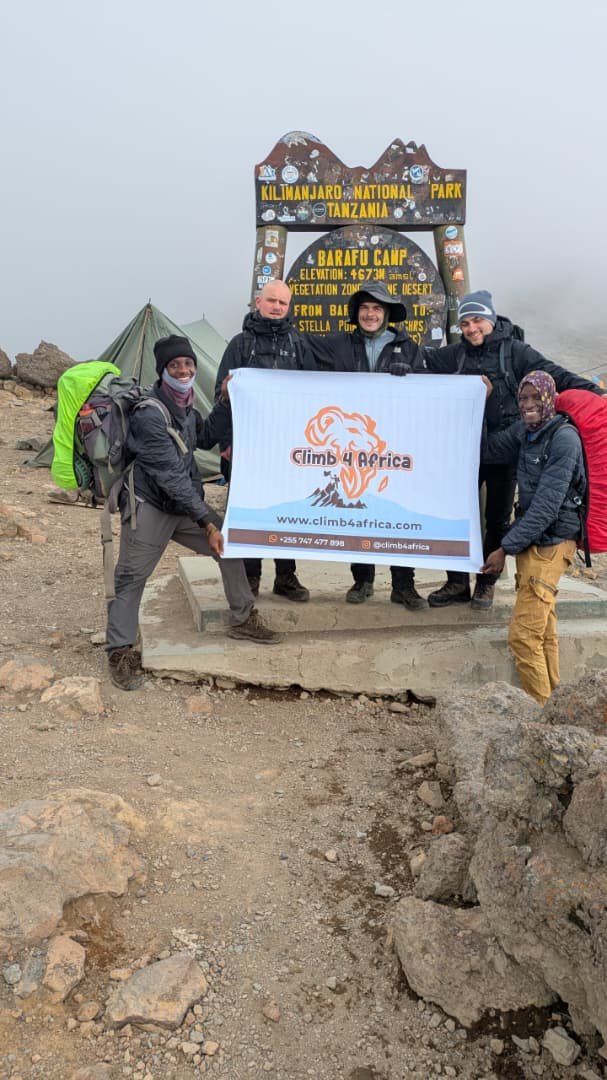
Kilimanjaro Climb : Guided Group Tours & Planning Guide 2026-2027
A deep look at planning your 2027 Kilimanjaro expedition. Learn why guided group tours are the preferred choice for safety, logistics, and shared camaraderie on the roof of Africa.
View package details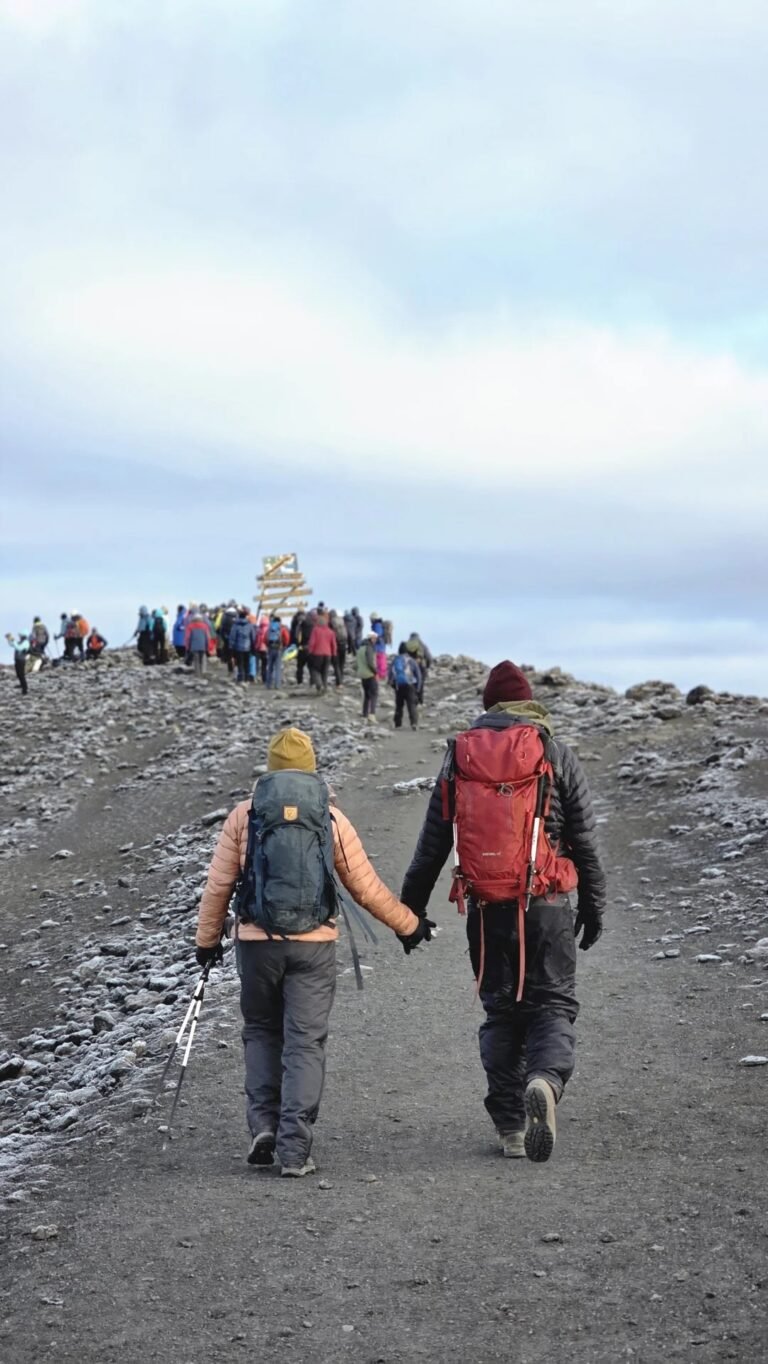
Ireland — Book Kilimanjaro Trekking 2027
A practical, field-guide style guide for Irish travelers planning Kilimanjaro trekking in 2027 with Climb 4 Africa, covering routes, planning, inclusions, and booking steps.
View package details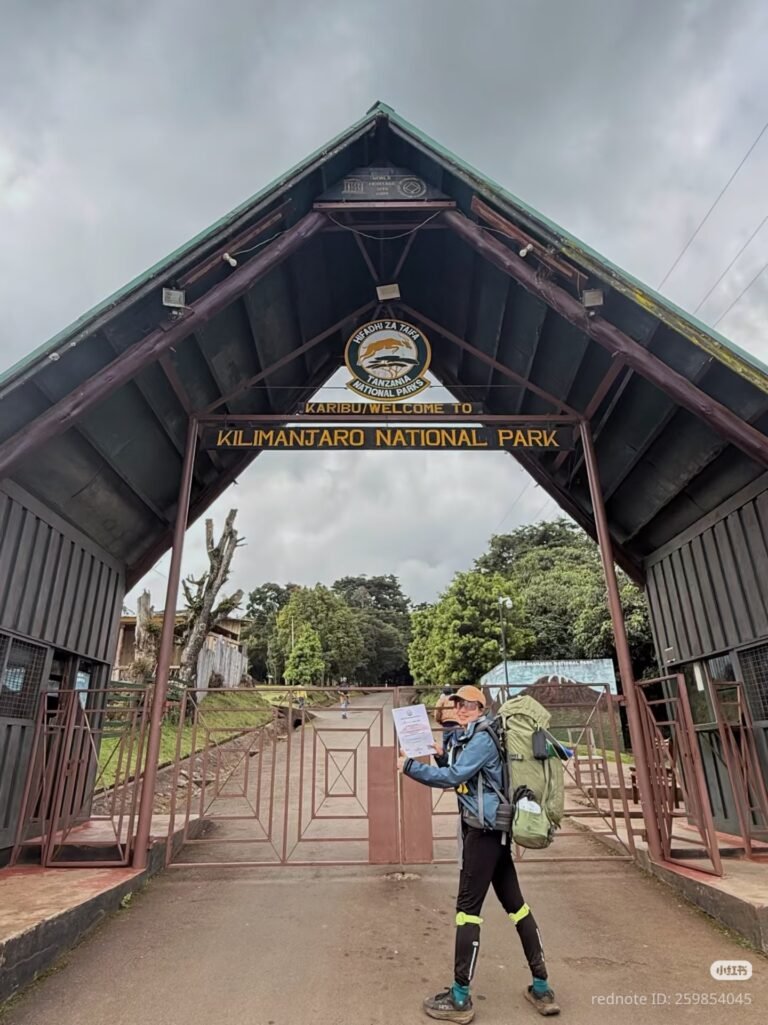
🇦🇺 Australia & 🇳🇿 New Zealand — Book Kilimanjaro Trekking 2027
🇦🇺 Australia & 🇳🇿 New Zealand — Book Kilimanjaro Trekking 2027 is explained with current 2027 planning, price, itinerary and booking information.
View package details
Canada To Kilimanjaro Trekking : Your Complete Guide To Booking With Climb 4
A practical, expert guide for Canadians planning Kilimanjaro trekking in 2027 with Climb 4 Africa, covering routes, durations, and planning steps without pressure.
View package detailsKilimanjaro Trekking Holidays From Ireland : Expert Planning Guide 2027
A comprehensive guide for Irish travelers planning their Mount Kilimanjaro ascent in 2027, covering route selection, logistics, and essential planning steps.
View package detailsKilimanjaro Group Trekking Holidays 2027
- Kilimanjaro Group Trekking Holidays 2027 is explained with current 2027 planning, price, itinerary and booking information.
View package detailsKilimanjaro Trekking Tours From Australia – Packages 2027
- Kilimanjaro Trekking Tours from Australia – 2027 Packages is explained with current 2027 planning, price, itinerary and booking information.
View package detailsKilimanjaro Trekking Packages For Canadian Travellers 2027
- Kilimanjaro Trekking Packages for Canadian Travellers is explained with current 2027 planning, price, itinerary and booking information.
View package detailsNo related package matches those filters. Clear one or more filters to see the other topic-matched options.



