
Mount Kilimanjaro guided tours for travelers departing from the USA in 2027 require a clear focus on flight logistics into Kilimanjaro International Airport (JRO) and the selection of a locally-based trekking operator that manages the entire supply chain—permits, mountain crew, and ground support—directly. For the most reliable experience, US travelers should prioritize operators that offer end-to-end coordination, as this minimizes the risk of logistical failures that can occur when relying on third-party international agencies that lack a physical presence on the mountain.
The Local Operator Advantage
When you start researching your 2027 Kilimanjaro expedition, you will quickly notice a divide between international travel agencies and local Tanzanian operators. For travelers coming from the USA, the temptation to book with a large, recognizable international brand is high, often driven by a sense of security. However, in the context of Kilimanjaro, the most effective strategy is to contract directly with a locally-based company like Climb 4 Africa.
The primary reason is accountability. When you book through an international agency, they are essentially acting as a middleman. They receive your payment, take a commission, and then subcontract the actual work—the guides, the porters, the food, the tent logistics—to a local Tanzanian operator. If something goes wrong on the mountain, you are often left navigating a communication chain that spans two continents. By booking directly with a local operator, you are cutting out the middleman. You are dealing with the people who actually own the gear, employ the guides, and manage the mountain permits. This direct line of communication is invaluable, especially when coordinating complex logistics like airport transfers, dietary requirements, or last-minute itinerary adjustments.
Furthermore, local operators have a deeper, more nuanced understanding of current park regulations, which change frequently. Whether it is a shift in park gate fees, new camping restrictions, or updated safety protocols, a local team is the first to know and the first to implement these changes. When you choose a local partner, you are also ensuring that a higher percentage of your travel budget stays within the Tanzanian economy, which supports the local guides and mountain crews who make your summit possible.
The 2027 Booking Window
Planning for 2027 might feel distant, but for Kilimanjaro, lead times are critical. Popular dates—specifically those coinciding with the full moon or the dry season months of January, February, July, August, and September—often book out 12 to 18 months in advance. The “full moon” climbs are particularly popular because they provide the best visibility during your summit night, which is a major factor for many climbers.
If you are aiming for a 2027 summit, the best time to start your planning process is now. Securing your dates early ensures that you get your preferred route and, if you are joining a group, ensures you are matched with a compatible team. It also gives you ample time to manage the logistical complexities of an international trip, such as flight bookings and the necessary physical training. We often see travelers who wait until six months out find themselves forced into routes they didn’t want or, worse, find their preferred operator fully booked for their target window. For those looking for specific experiences, such as a Valentine’s Day climb or a full moon trek in August, early booking is the only way to guarantee availability.
Choosing the Right Route for Your 2027 Climb
There is no “best” route for everyone; there is only the best route for *you*. Your choice should be dictated by your experience level, your time constraints, and, most importantly, your need for acclimatization. The most common mistake we see is travelers choosing a route based on speed rather than success rates.
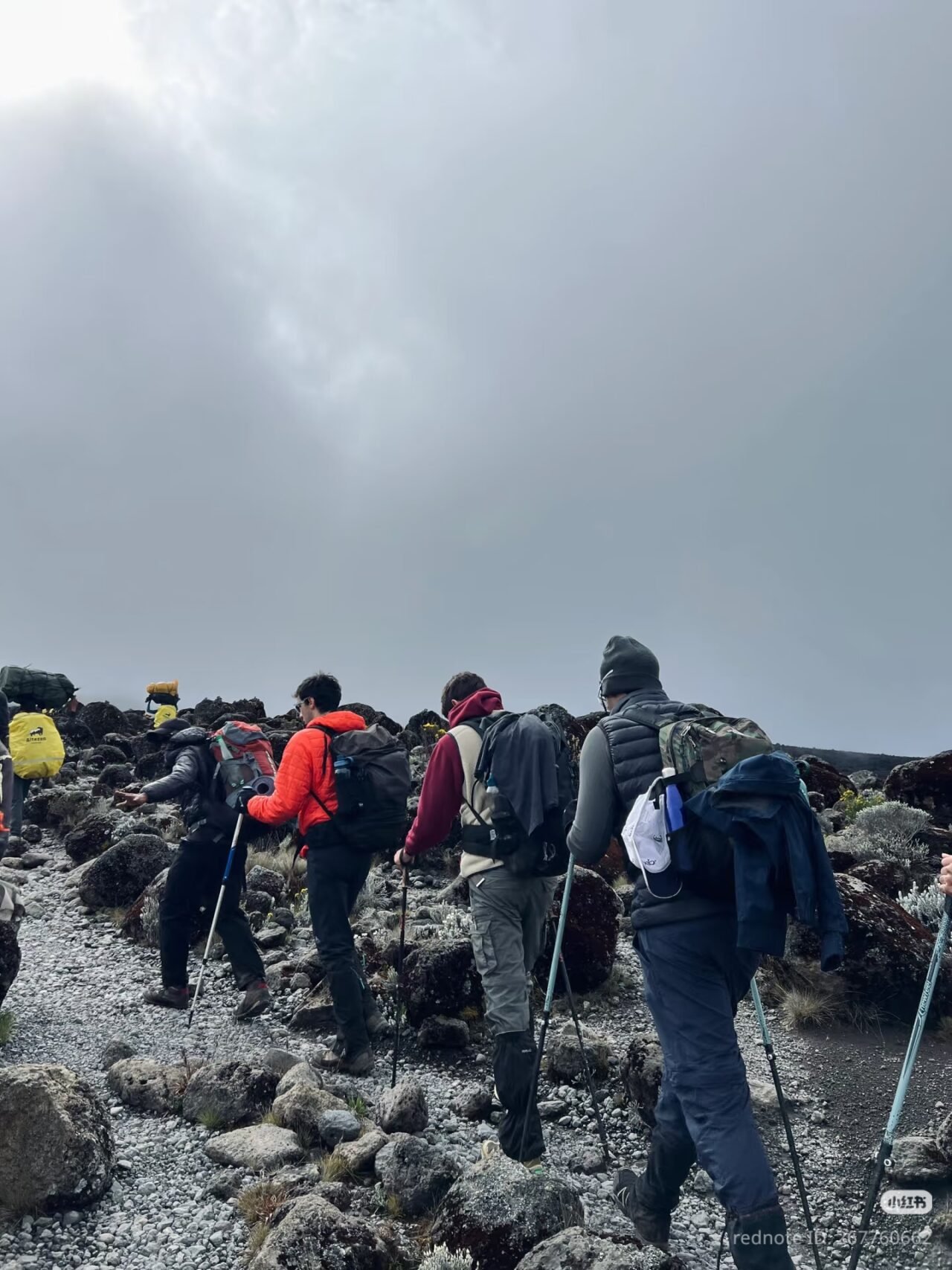
The Machame Route, often called the “Whiskey Route,” is popular for its scenic diversity. It takes you through lush rainforests, heath, and alpine desert. It is physically demanding, and while it can be done in 6 days, we strongly recommend a 7-day itinerary for better acclimatization. The extra day allows your body to adjust to the altitude, which significantly increases your chances of reaching Uhuru Peak.
For those who have more time and want the highest probability of success, the Lemosho Route is the gold standard. It is longer, which means more time on the mountain, more time to adapt to the lower oxygen levels, and, usually, fewer crowds. It approaches the mountain from the west, offering stunning, less-traveled vistas. We frequently organize 8-day Lemosho expeditions because the pace is steady and sustainable. If you are debating between routes, ask yourself: is the goal to get up and down as fast as possible, or is the goal to enjoy the journey and maximize your summit chances? If it is the latter, opt for a longer, slower route.
Logistics: From the USA to Kilimanjaro
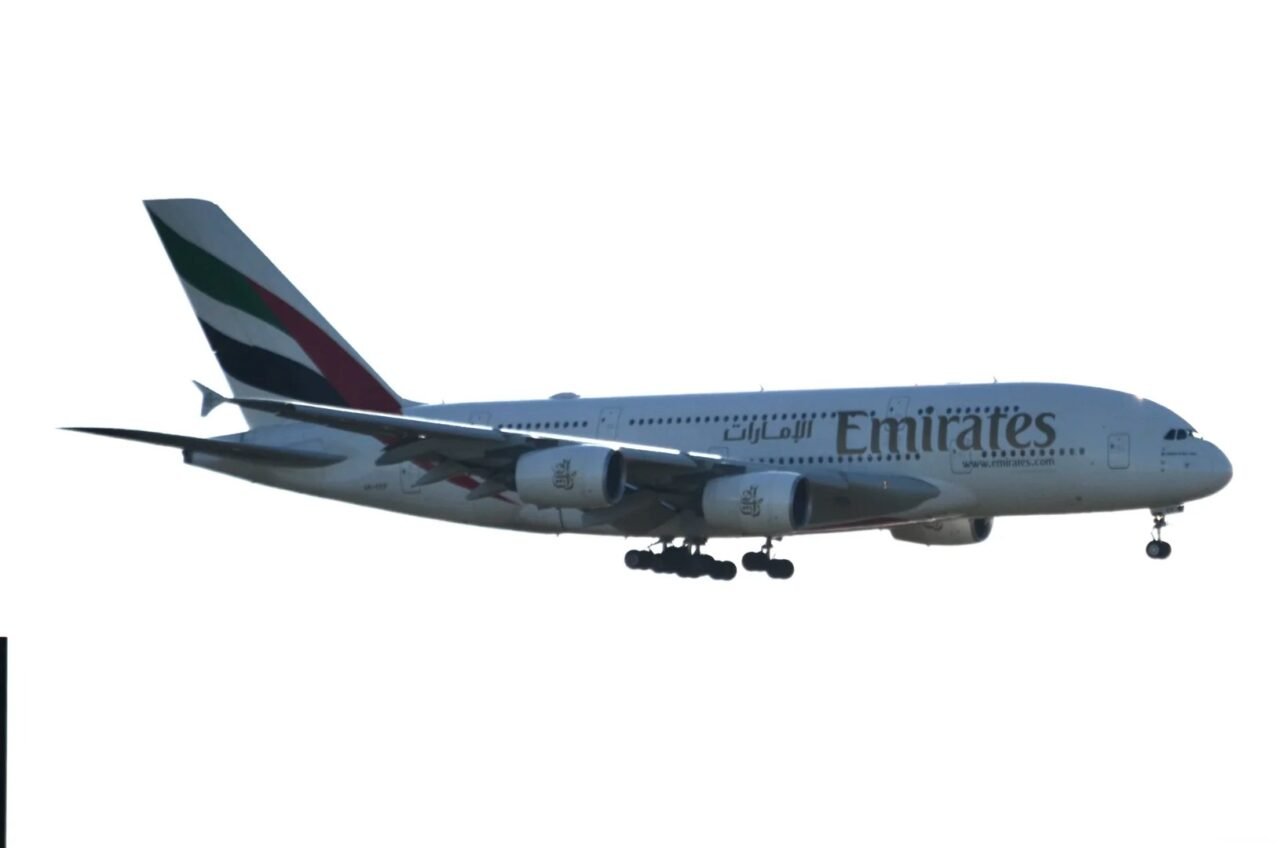
The journey from the United States to Tanzania is an endurance event in itself. Most US travelers will fly into Kilimanjaro International Airport (JRO). The most common flight paths involve a connection in a major international hub like Doha (Qatar Airways), Amsterdam (KLM), or Addis Ababa (Ethiopian Airlines).
When planning your 2027 trip, we recommend building in a buffer day on either side of your trek. Arriving a day early allows you to recover from the long-haul flight, deal with potential lost luggage (which is a reality of international travel), and attend your pre-climb briefing. This meeting is crucial—it is where your guides check your gear, explain the safety protocols, and answer any final questions. Trying to do this on the same day you land after 20+ hours of travel is a recipe for exhaustion.
Regarding visas, US citizens require a visa for Tanzania. While you can apply online, some travelers prefer to get it on arrival. We always advise checking the current Tanzanian immigration requirements closer to your departure date, as these rules can change. If you have questions about current flight connectivity or visa processes, feel free to reach out to our team at WhatsApp +255 747 477 898 or email us at climb4africa@gmail.com.
Combining Kilimanjaro with Safaris and Zanzibar
One of the unique advantages of planning a trip to Tanzania is the ability to combine your mountain climb with a safari or a beach holiday in Zanzibar. It is the perfect “reward” after the physical exertion of the climb. Many of our clients choose to do their safari *after* the climb. Why? Because after spending days on the mountain with limited showers and basic amenities, the comfort of a safari lodge or a Zanzibar beach resort feels like true luxury.
If you are interested in a safari, you have two primary options: the Northern Circuit (Serengeti, Ngorongoro Crater, Tarangire, Lake Manyara) or the Southern Circuit (Ruaha, Nyerere). For first-time visitors, the Northern Circuit is iconic. It is easily accessible from Arusha, which is where you will end your climb. If you prefer the beach, flights from Kilimanjaro to Zanzibar are frequent and short, making it an easy transition. We can help you integrate these experiences into your 2027 itinerary, ensuring that your ground transport and accommodation are as smooth as your climb.
Physical Preparation and Gear
Many US travelers underestimate the physical requirement of Kilimanjaro. It is a high-altitude hike, not a technical climb, meaning you don’t need ropes or harnesses, but you do need endurance. Your training should focus on cardiovascular health and leg strength. Start hiking with a weighted backpack 3-6 months before your trip. This helps you get used to the weight you will be carrying and helps condition your legs for the steep descents, which are often harder on the knees than the ascent.
Regarding gear, do not overpack. You will have porters carrying the bulk of your equipment, but your daypack should be light and efficient. Focus on high-quality layering systems. The temperature on Kilimanjaro ranges from tropical heat at the base to sub-zero temperatures at the summit. You need gear that can handle both. Renting specialized equipment in Tanzania is a viable option for many items (like sleeping bags or specialized trekking poles), which saves you the hassle of lugging them from the US. If you are unsure about what to bring, we provide a detailed packing list to all our climbers upon booking.
Contacting Climb 4 Africa
Choosing the right partner for your 2027 Kilimanjaro adventure is the most important decision you will make. You need a team that understands the specific needs of international travelers, respects the mountain environment, and provides the logistical support necessary to make your trip successful. At Climb 4 Africa, we specialize in tailor-made experiences, whether you are looking to join a small group departure or organize a private expedition for your family or friends.
We are ready to help you map out your 2027 plans. If you have questions about specific routes, group availability, or how to integrate a safari into your trek, don’t hesitate to reach out. You can contact us directly via WhatsApp at +255 747 477 898 or send an inquiry to climb4africa@gmail.com. Let’s start planning your ascent to the Roof of Africa.
Check Availability for Mount Kilimanjaro Guided Tours : Planning Your Trek From The Usa 2027
Ready to compare dates, prices, and the best option for your group? Send the package name and travel month so the team can reply with a clear quote, availability, and what is included.
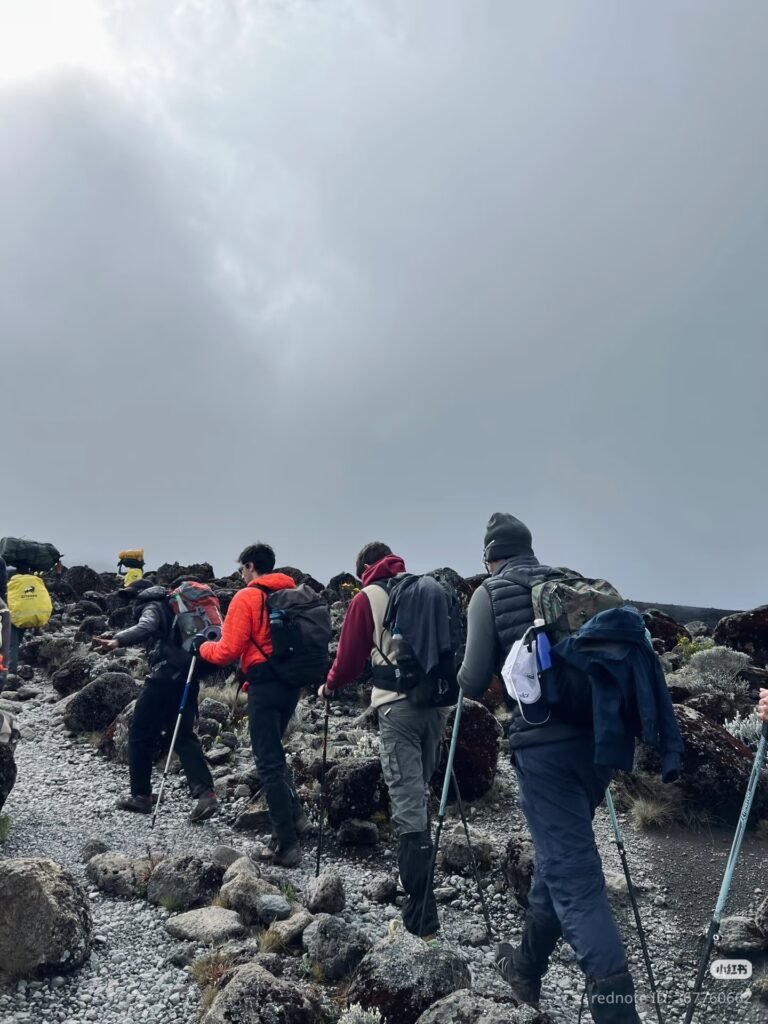
Kilimanjaro And Mount Meru Trekking Packages : Expert Guide 2027
A comprehensive guide for serious trekkers planning Kilimanjaro and Mount Meru climbs in 2027, detailing route choices, logistical considerations, and essential preparation advice.
View package details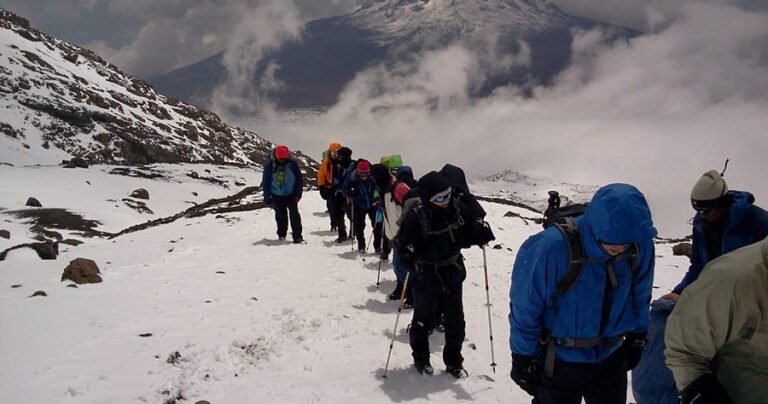
Mount Meru 4-Day Climb: The Complete Guide To Tanzania’s Hidden Peak 2026-2027
A deep look at the 4-day Mount Meru climb, covering the Momella route, altitude considerations, park logistics, and why this peak is the ultimate preparation for Kilimanjaro.
View package details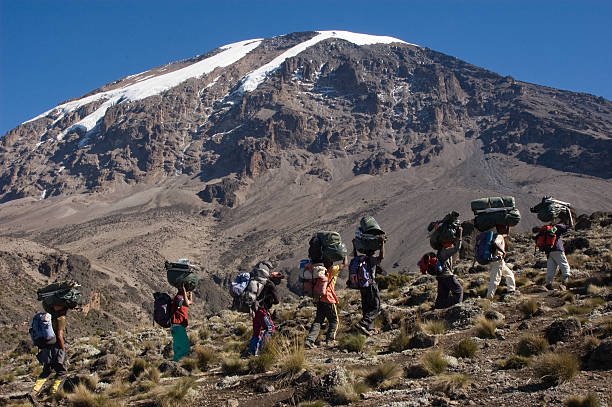
Mount Meru And Kilimanjaro Combo Trip : The Ultimate Acclimatization Strategy
Maximize your Tanzanian trekking success by combining Mount Meru and Kilimanjaro. Get expert planning advice for your 2027 expedition.
View package details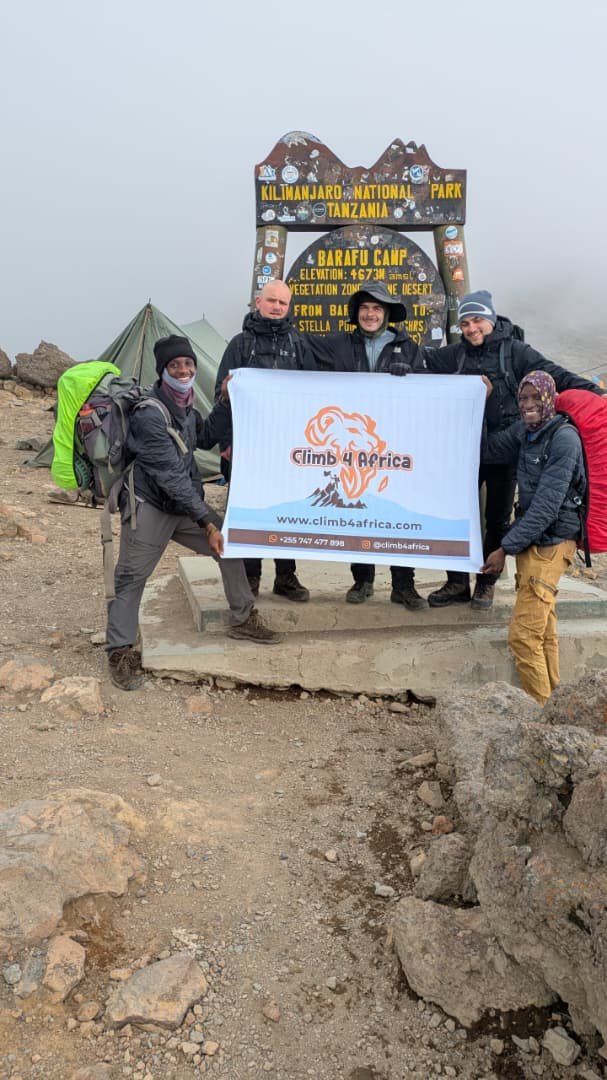
Kilimanjaro Climb : Guided Group Tours & Planning Guide 2026-2027
A deep look at planning your 2027 Kilimanjaro expedition. Learn why guided group tours are the preferred choice for safety, logistics, and shared camaraderie on the roof of Africa.
View package details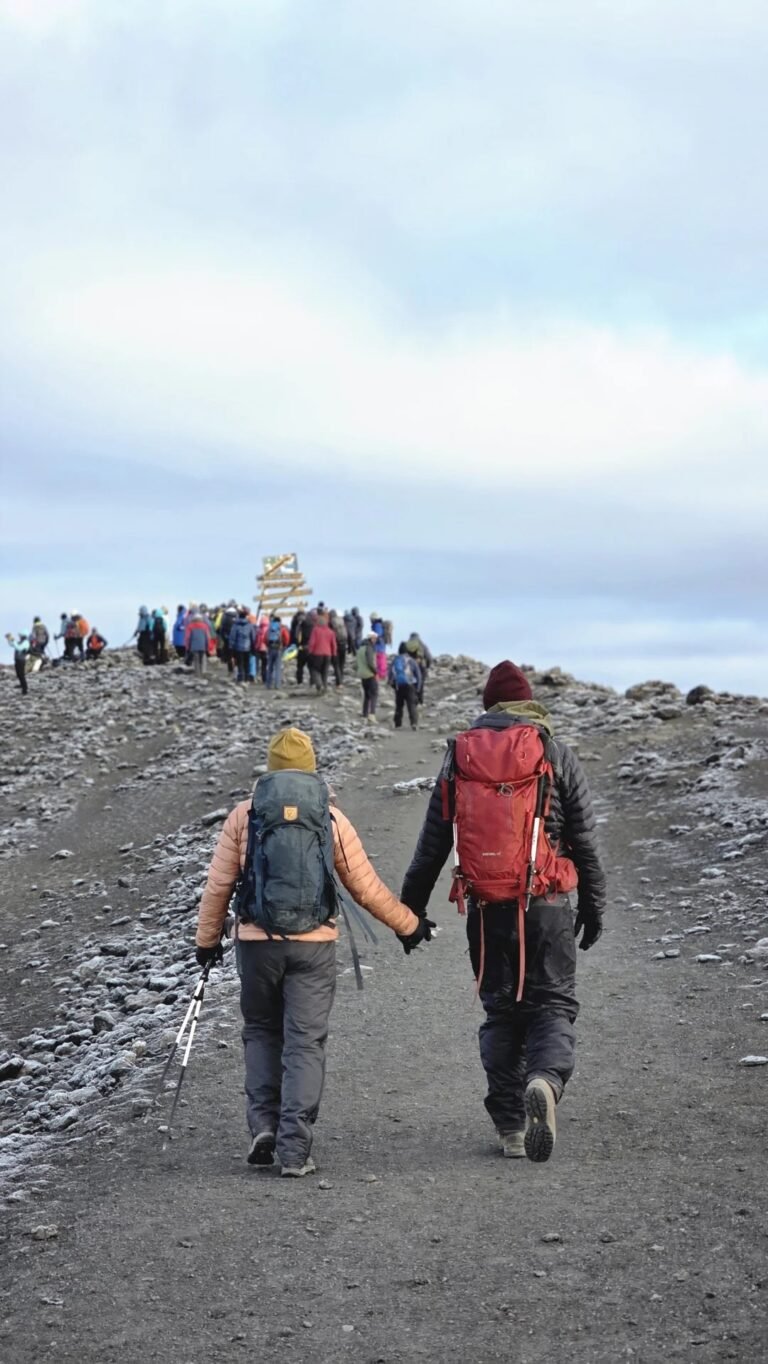
Ireland — Book Kilimanjaro Trekking 2027
A practical, field-guide style guide for Irish travelers planning Kilimanjaro trekking in 2027 with Climb 4 Africa, covering routes, planning, inclusions, and booking steps.
View package details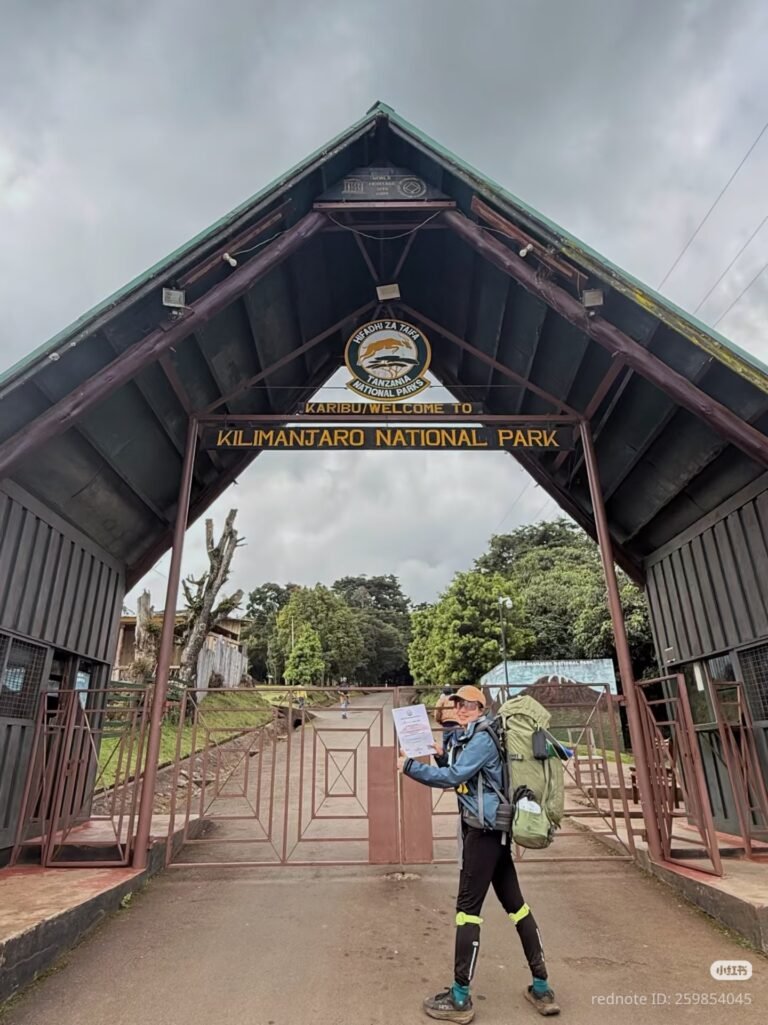
🇦🇺 Australia & 🇳🇿 New Zealand — Book Kilimanjaro Trekking 2027
🇦🇺 Australia & 🇳🇿 New Zealand — Book Kilimanjaro Trekking 2027 is explained with current 2027 planning, price, itinerary and booking information.
View package details
Canada To Kilimanjaro Trekking : Your Complete Guide To Booking With Climb 4
A practical, expert guide for Canadians planning Kilimanjaro trekking in 2027 with Climb 4 Africa, covering routes, durations, and planning steps without pressure.
View package detailsKilimanjaro Trekking Holidays From Ireland : Expert Planning Guide 2027
A comprehensive guide for Irish travelers planning their Mount Kilimanjaro ascent in 2027, covering route selection, logistics, and essential planning steps.
View package detailsKilimanjaro Group Trekking Holidays 2027
- Kilimanjaro Group Trekking Holidays 2027 is explained with current 2027 planning, price, itinerary and booking information.
View package detailsKilimanjaro Trekking Tours From Australia – Packages 2027
- Kilimanjaro Trekking Tours from Australia – 2027 Packages is explained with current 2027 planning, price, itinerary and booking information.
View package detailsKilimanjaro Trekking Packages For Canadian Travellers 2027
- Kilimanjaro Trekking Packages for Canadian Travellers is explained with current 2027 planning, price, itinerary and booking information.
View package details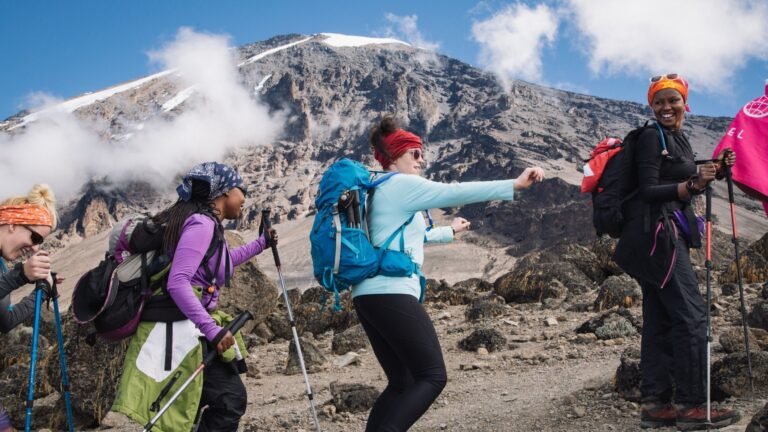
Kilimanjaro 1 May : Your Day Mountain Adventure Awaits 2027
start an unforgettable Kilimanjaro 1 May 2027 adventure. This guide details everything you need to know for a successful May Day climb, from route selection to essential preparation.
View package detailsNo related package matches those filters. Clear one or more filters to see the other topic-matched options.



