
Kilimanjaro Trekking Packages for Canadian Travellers refer to guided expeditions designed specifically for North American hikers aiming to summit Mount Kilimanjaro in Tanzania. The most critical decision is choosing a route that allows sufficient time for acclimatization—typically 7 days or more—with popular options including the Lemosho and Machame routes, which offer excellent paths for gradual ascent, rather than the shorter, steeper options.
Understanding the Climb: Beyond the Summit
When planning a major undertaking like climbing Kilimanjaro, especially from a distance like Canada, the focus must shift from simply reaching the peak to managing the entire journey. The mountain is not just a vertical challenge; it is a complex environmental, physiological, and logistical undertaking. For many Canadian travellers, this journey is a significant personal investment, requiring thorough preparation that goes far beyond packing hiking boots.
The goal of a quality trekking package is not just to get you to Uhuru Peak; it is to manage risk, ensure adequate acclimatization, and provide reliable local support every step of the way. A reputable operator will guide you through the nuances of the terrain, the subtle signs of altitude sickness, and the specific park regulations. This holistic approach is what separates a successful, rewarding experience from a stressful, dangerous one. We are talking about a multi-day commitment in a high-altitude, tropical environment.
Route Selection: The Acclimatization Tradeoff
The most crucial factor in a Kilimanjaro ascent is the route chosen, and the choice is fundamentally dictated by the principle of “slow and steady wins the race.” Acclimatization—the body’s slow process of adapting to lower oxygen levels—cannot be rushed. The trade-off every traveller faces is between the convenience of a shorter itinerary and the significantly higher probability of success offered by a longer, more gradual ascent profile.
Short routes, often five to six days, might appeal to travellers looking for efficiency. However, they force the body to ascend too quickly, dramatically increasing the risk of Acute Mountain Sickness (AMS) or more severe complications. For the Canadian traveller prioritizing safety and a high chance of summiting, the minimum recommended duration is generally 7 days, with 8 or even 9-day options providing the most robust acclimatization window.
Routes that traverse the mountain from different sides, such as Lemosho or Machame, are often preferred over direct, single-side climbs because they allow for a more varied ascent profile and better staging points for acclimatization. They naturally incorporate longer stages at intermediate altitudes, giving the body crucial time to adjust before pushing into the severe altitude zone. This planning logic is what a seasoned local operator understands and implements.
Comparing Major Routes: A Logistical View
While every route has its own unique charm, understanding their logistical differences is key for making a confident booking decision. These routes are not interchangeable; they offer different challenges, different scenery, and different time commitments.
Key Differences in Trekking Profiles
The choice often boils down to the desired level of remoteness, the speed of ascent, and the time commitment. Here is a general comparison of the most popular options, keeping in mind that specific itinerary details must always be confirmed with the operator you choose.
- Machame Route: Known for its relatively steady profile and beautiful forest sections early on. It’s a popular, classic route that offers good acclimatization if the 7-day version is chosen. It is often considered one of the most balanced options for first-time climbers.
- Lemosho Route: This route is often praised for its gradual, almost circuitous path, which maximizes acclimatization time. It offers incredible diversity in landscape and is ideal for those who want a less crowded, more expansive experience. It tends to be longer than Machame but offers unparalleled scenery.
- Rongai Route: This route approaches the mountain from the northern side, often involving a different set of logistics and environmental exposures. It can be a good alternative for those seeking a less traditional climb profile, but requires careful planning regarding weather patterns.
- Northern Circuit: This is typically the longest and most complex option, offering a truly comprehensive traverse of the mountain. It is best suited for highly experienced trekkers with significant time to dedicate, maximizing the acclimatization window.
When comparing 6-day versus 7-day options, the additional day on a 7-day itinerary is rarely a day spent hiking in intense elevation; rather, it is often a crucial acclimatization day spent at a mid-altitude camp, allowing the body to process the ascent without immediate, severe stress. This difference, though small in duration, represents a massive difference in summit success probability.
What Is Included and Excluded in Your Package?
A comprehensive Kilimanjaro trekking package must clearly define what is covered, as the scope can vary significantly between operators. For Canadian travellers, understanding the inclusions helps manage expectations and budget effectively.
Typical Package Inclusions (What to Expect)
- Local Guiding Team: Experienced, certified mountain guides and porters who are local experts in the terrain and weather patterns. Their knowledge is invaluable.
- Camping and Meals: All meals (typically breakfast, lunch, dinner) and camping accommodations throughout the trek.
- Equipment: Provision of essential camping gear, cooking equipment, and sometimes supplemental safety equipment.
- Park Fees and Permits: All necessary fees required by the Kilimanjaro National Park authority.
- Transfers: Ground transportation from Kilimanjaro International Airport (JRO) to the starting point and back.
- Local Support: Water, basic medical supplies, and logistical coordination throughout the climb.
It is equally important to be crystal clear on exclusions. Generally, packages do not cover international flights (from Canada to Tanzania), travel insurance (which is absolutely essential for this type of high-altitude adventure), personal gear (sleeping bags rated for high altitude, specialized boots, layering system), tips/gratuities for guides and porters, and any personal medical expenses incurred during the trek.
A Note on Cost Factors: Since specific rates fluctuate based on the season, group size, and the chosen route, it is best to view the cost qualitatively: packages are typically categorized as Budget (shared, smaller groups), Mid-Range (more comfortable gear, better support), or Premium (private guiding, highest level of comfort and service). Always request a detailed quote that itemizes the fees to ensure transparency.
Planning for the Canadian Traveller: Logistics & Health
The planning process for a Canadian traveller requires attention to specific logistical points, particularly concerning travel from North America, health considerations, and timing. Getting the logistics right minimizes stress before and during the climb.
Health and Medical Preparation
Altitude sickness is the single greatest non-environmental risk. Consultation with a physician regarding altitude sickness prophylaxis (like Diamox) is a necessary step. The medical advice you receive should be in consultation with a specialist familiar with high-altitude trekking. Furthermore, maintaining peak physical fitness in the months leading up to the trip—focusing on cardio and endurance—is not optional; it is a fundamental requirement for a successful climb. A high level of fitness significantly aids the body’s ability to cope with reduced oxygen.
Visa and Travel Documentation
Canadian citizens will require a Tanzanian visa, which is typically arranged upon arrival or online prior to the trip. Ensure your passport is valid for at least six months beyond your intended departure date from Tanzania. Travel insurance that explicitly covers high-altitude trekking and emergency helicopter evacuation is non-negotiable. This is a critical safeguard for any long-distance adventure.
Climate and Gear Considerations
Tanzania presents a highly variable climate. You will experience tropical heat and humidity at the base, transitioning dramatically to freezing temperatures above the tree line. Your gear must be a highly effective layering system. It is not enough to bring one heavy coat; you need base layers (wicking), mid-layers (insulation), and outer layers (waterproof/windproof). Researching appropriate high-altitude gear is a substantial part of the pre-trip preparation.
Making the Booking Decision and Next Steps
When comparing different operators, the decision should not hinge solely on the price tag. It must be based on demonstrated local expertise, safety protocols, and the quality of the support structure. A top-tier operator understands that Kilimanjaro is a mountain, not a vacation spot, and their focus should be on managing the variables of altitude, weather, and human endurance.
For Canadian travellers, choosing a partner like Climb 4 Africa, with deep local operational knowledge in Tanzania, ensures that you are not just buying a trek, but accessing a highly specialized logistical network. They can provide the critical local insights regarding trail conditions, current park regulations for 2027, and the specific strengths of different guiding teams.
Your Next Steps for Planning 2027
Since exact prices and availability are dynamic, the most practical next step is to initiate a detailed consultation. To receive a customized proposal that fits your desired route (Machame, Lemosho, etc.), desired duration (7-day, 8-day, etc.), and budget, please contact the experts directly. Providing them with your intended travel window in 2027 allows them to check the most accurate local operational schedules.
To discuss your Kilimanjaro Trekking Packages for Canadian Travellers, please reach out to Climb 4 Africa via WhatsApp at +255 747 477 898 or via email at climb4africa@gmail.com. They can provide the necessary clarity on inclusions, logistical steps, and tailored route recommendations.
Remember, the best package is the one that aligns your physical preparation with the mountain’s demands. By working with a local specialist, you gain a layer of expertise that transforms a high-risk endeavor into a profoundly rewarding, well-managed adventure. If you are also interested in extending your African journey with wildlife safaris or relaxing in Zanzibar after your climb, the same local team can help orchestrate smooth transitions, such as flights from Kilimanjaro to Zanzibar, ensuring the entire trip flows perfectly.
Related Guides and Packages
Check Availability for Kilimanjaro Trekking Packages For Canadian Travellers 2027
Ready to compare dates, prices, and the best option for your group? Send the package name and travel month so the team can reply with a clear quote, availability, and what is included.
Ireland — Book Kilimanjaro Trekking 2027
A practical, field-guide style guide for Irish travelers planning Kilimanjaro trekking in 2027 with Climb 4 Africa, covering routes, planning, inclusions, and booking steps.
View package details
🇦🇺 Australia & 🇳🇿 New Zealand — Book Kilimanjaro Trekking 2027
🇦🇺 Australia & 🇳🇿 New Zealand — Book Kilimanjaro Trekking 2027 is explained with current 2027 planning, price, itinerary and booking information.
View package details
Canada To Kilimanjaro Trekking : Your Complete Guide To Booking With Climb 4
A practical, expert guide for Canadians planning Kilimanjaro trekking in 2027 with Climb 4 Africa, covering routes, durations, and planning steps without pressure.
View package details
Kilimanjaro And Mount Meru Trekking Packages : Expert Guide 2027
A comprehensive guide for serious trekkers planning Kilimanjaro and Mount Meru climbs in 2027, detailing route choices, logistical considerations, and essential preparation advice.
View package detailsKilimanjaro Trekking Holidays From Ireland : Expert Planning Guide 2027
A comprehensive guide for Irish travelers planning their Mount Kilimanjaro ascent in 2027, covering route selection, logistics, and essential planning steps.
View package detailsKilimanjaro Group Trekking Holidays 2027
- Kilimanjaro Group Trekking Holidays 2027 is explained with current 2027 planning, price, itinerary and booking information.
View package detailsKilimanjaro Trekking Tours From Australia – Packages 2027
- Kilimanjaro Trekking Tours from Australia – 2027 Packages is explained with current 2027 planning, price, itinerary and booking information.
View package detailsMount Kilimanjaro Guided Tours : Planning Your Trek From The Usa 2027
A comprehensive guide for US travelers planning a Kilimanjaro expedition in 2027, focusing on route selection, local operator logistics, and travel preparation.
View package details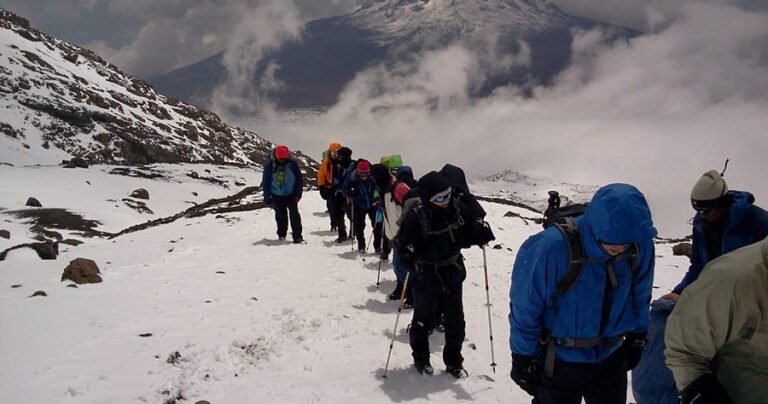
Mount Meru 4-Day Climb: The Complete Guide To Tanzania’s Hidden Peak 2026-2027
A deep look at the 4-day Mount Meru climb, covering the Momella route, altitude considerations, park logistics, and why this peak is the ultimate preparation for Kilimanjaro.
View package details
Kilimanjaro Climb August : Dates And Costs Planning Guide 2026-2027
Expert guide to planning a Kilimanjaro expedition in August 2027. We break down the logistics, cost factors, route choices, and seasonal weather patterns for your summit attempt.
View package details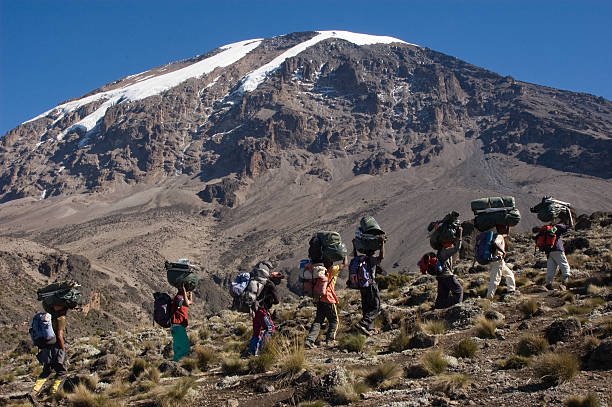
Mount Meru And Kilimanjaro Combo Trip : The Ultimate Acclimatization Strategy
Maximize your Tanzanian trekking success by combining Mount Meru and Kilimanjaro. Get expert planning advice for your 2027 expedition.
View package detailsKilimanjaro Climb : Guided Group Tours & Planning Guide 2026-2027
A deep look at planning your 2027 Kilimanjaro expedition. Learn why guided group tours are the preferred choice for safety, logistics, and shared camaraderie on the roof of Africa.
View package detailsNo related package matches those filters. Clear one or more filters to see the other topic-matched options.



