
Canada to Kilimanjaro trekking in 2027 means choosing a Kilimanjaro climb package through Climb 4 Africa that starts from Canada (your travel origin) and ends with a supported ascent via a chosen route in Tanzania. The practical answer: expect a 6–8 day trekking itinerary on Kilimanjaro with a pre-departure briefing, airport transfers in Tanzania, park fees, guides, porters, and Sherpa-style support, plus acclimatization days and flexible departure options. Exact dates, group size, and inclusions depend on the specific package you request; contact Climb 4 Africa for a live quote and tailored itinerary.
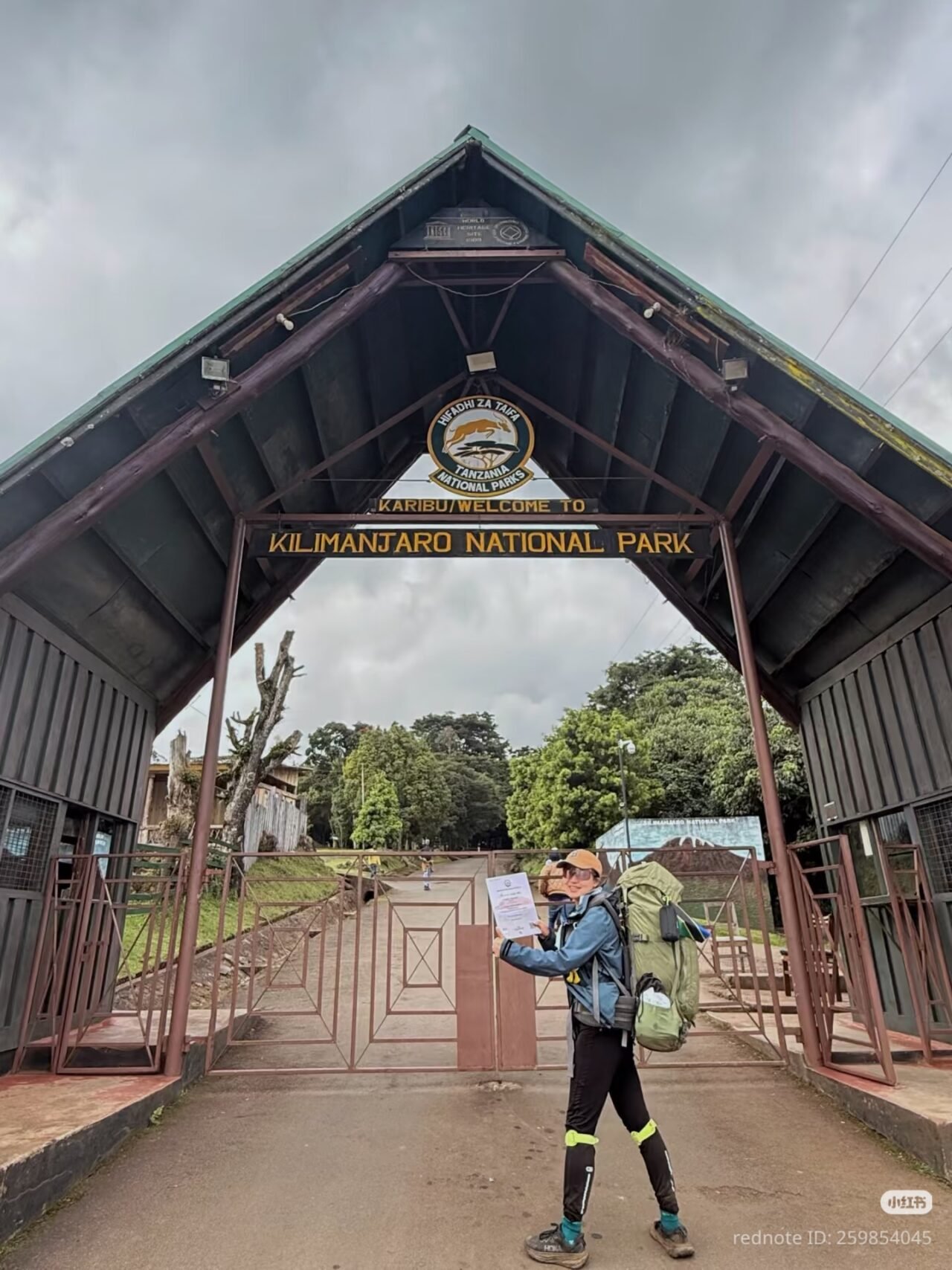
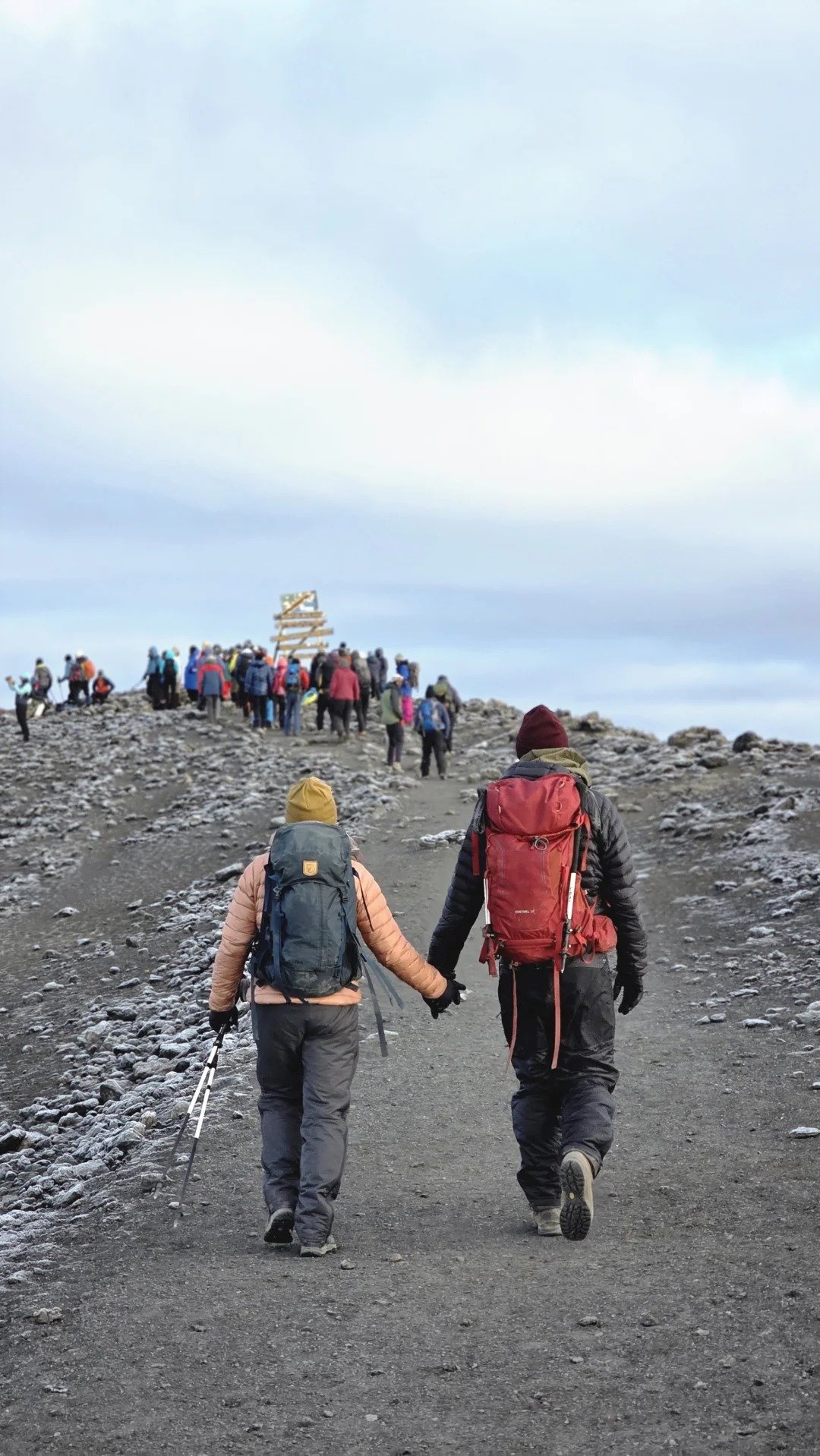
Why Canadians Choose Kilimanjaro Trekking in 2027 with Climb 4 Africa
Canadians seeking a reliable, well-supported Kilimanjaro climb have a distinct set of priorities: consistent logistics, clear acclimatization guidance, and a responsible operator that keeps local support central. Climb 4 Africa positions itself as a Tanzanian-led, Canada-facing operator offering tailored climbs, wildlife safaris, and Zanzibar extensions with on-ground assistance in 2027. The focus here is practical planning: getting you from a Canadian origin to the mountain with transparent inclusions, fair pricing logic, and a realistic acclimatization plan that reduces risk.
Key decision factors for Canadians include flight routing (direct or one-stop options), Tanzanian entry requirements, visa processes, transfer logistics from Kilimanjaro International Airport to Moshi or Arusha, and choosing a route that balances acclimatization with summit probability. Climb 4 Africa emphasizes small to medium group sizes, trained local guides, support staff, and privacy options when needed, all without price-guarantee fantasies or inflated claims.
Direct Answer to the Topic: Booking Kilimanjaro Trekking 2027 from Canada
What you’re looking for is a live, tailored quote that packages flights (Canada–Tanzania), ground transfers, Kilimanjaro permit fees, park fees, guiding, porters, meals, and the chosen route in Tanzania. Start with a Canadian traveler’s planning frame: determine the route (Machame, Lemosho, Shira, Rongai, or Northern Circuit), the number of trekking days (typically 6–8 days on the mountain), and whether you want Zanzibar or wildlife extensions after Kilimanjaro. The direct answer structure you’ll want from Climb 4 Africa includes:
- Starting point and route options (clear pros/cons for acclimatization and summit success).
- Estimated duration (6–8 days on the mountain, plus 1–2 days for travel and acclimatization in Tanzania).
- Inclusions and exclusions (accommodation before/after, meals on the climb, permits, rescue, insurance).
- Flight routing considerations from Canada (major hubs, layovers, total travel time).
- Next steps for a live quote tailored to 2027 planning (dates, group size, departure city in Canada).
To obtain the most accurate live quote and itinerary, contact Climb 4 Africa with your preferred departure city in Canada, travel dates in 2027, and any preferences for route and extensions. Reach them via WhatsApp at +255 747 477 898 or email climb4africa@gmail.com.
Why Canadians Choose Kilimanjaro Trekking in 2027
Canadian travelers bring a preference for clear planning, daylight-friendly itineraries, and strong on-ground support. Kilimanjaro’s altitude and weather patterns demand a thoughtfully paced ascent with acclimatization days. Climb 4 Africa responds to this with itineraries that balance elevation gain, rest periods, and the option to add wildlife safaris or Zanzibar extensions after the climb. Acclimatization is not optional; it is a core determinant of success. Routes that weave longer acclimatization blocks, like the Lemosho or Northern Circuit, often require more trekking days but can yield higher success rates for first-time hikers. In Canada’s winter-to-spring planning cycles, pricing windows can shift; thus, a live quote is essential to lock in availability while avoiding last-minute surcharges.
For Canadians, a structured departure from major hubs such as Toronto, Vancouver, or Montreal is typical. Climb 4 Africa assists with flight routing options, visa guidance, and practical Tanzania-wide logistics, ensuring a smoother, more predictable adventure.
Direct Booking Guide: Kilimanjaro Trekking 2027 from Canada
Direct booking guidance focuses on three core decision areas: route choice, duration, and inclusions. A typical Canadian-led planning path looks like this:
- Pick a route with acclimatization in mind (Lemosho or Machame as common starting points for first-timers, Rongai for a slightly quieter approach, Northern Circuit for longer acclimatization windows).
- Choose a 6–8 day mountain itinerary to include acclimatization days and a realistic summit window.
- Confirm inclusions: permits, park fees, guides, porters, meals on track, accommodation before/after, transfers, and emergency arrangements.
Climb 4 Africa can tailor the package around your Canadian departure city, travel dates in 2027, and any post-climb safari or beach extension you want. Since exact prices and dates depend on live schedules, a published table is not provided here. Instead, request a live quote that reflects your precise itinerary and group size.
Choosing the Kilimanjaro Route for a Canadian Trekker
Route selection hinges on acclimatization, scenery, and overall pace. Here’s a quick, practical comparison to help you discuss options with Climb 4 Africa:
- Lemosho (7–8 days): Excellent acclimatization, high success potential, scenic approach with forest and moorland transitions. Often preferred for first-timers willing to add a day or two for better acclimatization.
- Machame (6–7 days): Popular and lively route with good scenery; faster ascent can mean tighter acclimatization if not scheduled with rest days. Strong option for Canadians seeking a balance of pace and scenery.
- Mara Rongai (6–7 days): Slightly drier with more gradual slopes; a good choice if you’re sensitive to altitude but still want a solid summit chance.
- Northern Circuit (8 days or more): The longest acclimatization window and fewer crowds; higher chance of comfortable ascent for first-timers, with expansive views and a slower, steadier pace.
All routes require a minimum acclimatization day and a second such day on most itineraries. For Canadians, the best approach is to align route choice with available flight dates, the ability to spend an extra day in Moshi/Marekani for acclimatization, and the option to add wildlife or Zanzibar extensions after the climb.
Planning Steps for a 2027 Kilimanjaro Climb
- Decide on your travel year: 2027 planning requires flexible windows to match flight and park permit availability.
- Choose a route that aligns with acclimatization needs and walk pace. Discuss preferred scenery and photo opportunities with your guide team.
- Set a rough date range and contact Climb 4 Africa for a live quote that includes Canadian departure logistics and Tanzania-ground arrangements.
- Confirm inclusions and exclusions in writing: permit fees, park fees, guides, porters, meals on trek, accommodation pre/post, transfers, insurance, and rescue arrangements.
- Plan post-climb options: wildlife safaris in Tanzania or Zanzibar coastal stays to unwind after the mountain.
Tip: communicating your Canadian contact details, preferred departure city, and any altitude sensitivity helps Climb 4 Africa tailor the plan with accuracy. Use WhatsApp or email to start the conversation described near the opening block.
Acclimatization Logic and Kilimanjaro Weather Realities
Kilimanjaro’s climate shifts dramatically with elevation. The higher you go, the more critical proper pacing becomes. Expect cool to cold nights on the Machame route and potential rain or mist in the forest zones. A longer itinerary, such as Lemosho or Northern Circuit, naturally provides more opportunities for the body to adapt. In practice, expect a morning start, steady elevation gains, and a gradual approach to the summit corridor. Planning in Canada should account for jet lag and time-zone adjustment, so a longer buffer before or after your climb is helpful for dealing with travel fatigue.
What Should Be Included in Your Quote
A clear Kilimanjaro quote for Canadians should cover the following elements, with explicit inclusions and exclusions:
- International and domestic flights (if included in the package) or a price contour that leaves flights to be booked by the traveler.
- Airport transfers and ground transfers to Moshi/Arusha and back to the airport.
- All Kilimanjaro park and trekking permits, rescue insurance, and emergency support.
- Experienced English-speaking guides and the required number of porters for the chosen route and group size.
- Meals on trek, drinking water, and essential gear guide notes; pre/post-climb accommodation in Tanzania.
- Post-climb safari or Zanzibar extension options, with separate pricing if desired.
Ask for a detailed inclusions list in USD or your preferred currency and specify any dietary needs in advance. If something seems unclear, request explicit confirmation before booking.
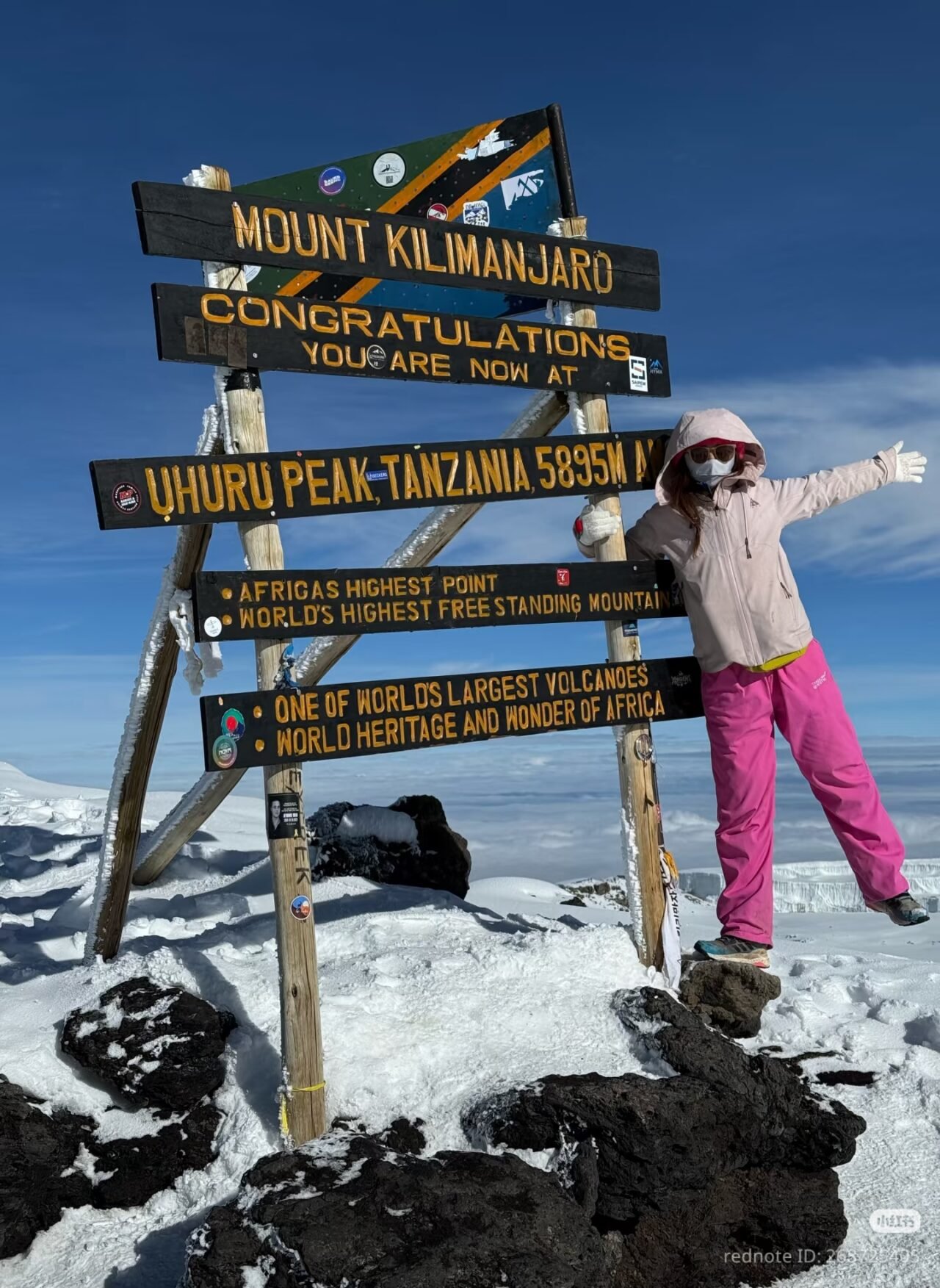
How to Book with Climb 4 Africa
The booking flow for Canadians is straightforward but relies on live availability. Here’s a practical sequence to follow:
- Reach out with your preferred departure city in Canada, target 2027 dates, route interest, and group size.
- Receive a tailored itinerary and live quote; review inclusions, route details, and acclimatization plan.
- Confirm your details in writing (passport name, date of birth, emergency contact, dietary needs).
- Deposit to hold slots if required by the operator; finalize balance according to the agreed schedule.
- Receive a pre-departure briefing and packing checklist; confirm transfer times and airport meet-arrangements in Tanzania.
Remember: Climb 4 Africa emphasizes practical support and clear communication. Avoid any commitment before you have confirmed the live quote and a written itinerary tailored to your Canada-to-Tanzania travel plan.
Pricing Logic and Currency Considerations for Canadian Travelers
Pricing for Kilimanjaro climbs from Canada in 2027 is not published in a universal table. Instead, Climb 4 Africa builds quotes around route choice, group size, season, and inclusions. Here are factors that influence cost and how Canadians can budget:
- Route and days: Longer routes with more acclimatization days typically cost more but may reduce risk and improve summit success.
- Group size: Smaller groups can increase per-person cost; larger groups often reduce unit cost but require careful planning to maintain service quality.
- Seasonality: Peak periods may have higher demand and pricing; shoulder seasons can offer better value and fewer crowds.
- Inclusions: A comprehensive package including permits, guides, porters, meals, and transfers will be simpler but may carry a higher upfront price than a “land-only” option.
For Canadians, the most reliable way to understand cost is to request a live quote from Climb 4 Africa; they can present the amount in CAD or USD and explain what it covers. Always ask for a clear breakdown to avoid hidden charges in Tanzania or at the park gates.
Gear Guide for Canadian Trekkers
Proper gear matters more than flashy purchases. Kilimanjaro’s altitude and weather mandate layers, waterproof gear, and reliable footwear. A practical Canadian packing approach includes:
- Layered clothing for rapid temperature changes: base layers, fleece, insulated jacket, waterproof outer shell.
- Sturdy trekking boots with good ankle support and grip; bring gaiters for sand and dust in the lower zones.
- Warm accessories: hat, gloves, neck gaiter; sun protection including sunglasses and high-SPF sunscreen.
- Headlamp with extra batteries for early summit starts or late return from campsites.
- Small daypack, water bottle or hydration system, and travel insurance with mountain evacuation coverage.
Climb 4 Africa can provide a detailed packing list aligned with your chosen route and the season you plan to trek. If needed, they can advise on rental gear availability in Tanzania to minimize luggage.
Safety, Health, and Rescue on Kilimanjaro
Safety is a core concern for Kilimanjaro treks. Expect trained local guides with altitude acclimatization experience, emergency plans, and established rescue protocols. Always verify that your operator includes emergency evacuation coverage and that the guides are licensed and experienced with the specific route you choose. For Canadians, it’s also wise to ensure your travel insurance explicitly covers high-altitude trekking and emergency medical evacuation.
FAQ for Canadians Trekking Kilimanjaro in 2027
- Do I need a visa to Tanzania from Canada?
- Yes. Canadians typically require a visa to Tanzania, which can be arranged in advance or on arrival depending on current regulations. Your operator can provide guidance and ensure you have the right documentation for your dates.
- Can I combine Kilimanjaro with a safari?
- Yes. Climb 4 Africa often offers wildlife safaris or Zanzibar extensions as post-climb options. These can be scheduled before or after the Kilimanjaro ascent depending on your preferences and flight connections.
- What is the typical duration from Canada to Kilimanjaro summit?
- Travel from Canada typically involves international flights to Tanzania, a pre-climb stay in Moshi/Arusha, the 6–8 day trek, and a post-climb transfer. The total trip duration will depend on your chosen extension and flight routing.
- How far in advance should I book?
- Given 2027 planning cycles, start discussions at least 6–9 months in advance for peak periods. Live quotes will reflect current availability and permit windows.
Booking contacts for Climb 4 Africa: WhatsApp +255 747 477 898; Email climb4africa@gmail.com. When you reach out, include your preferred Canadian departure city, target 2027 dates, route interest, and whether you want a safari extension after Kilimanjaro.
Related Guides and Packages
Check Availability for Canada To Kilimanjaro Trekking : Your Complete Guide To Booking With Climb 4
Ready to compare dates, prices, and the best option for your group? Send the package name and travel month so the team can reply with a clear quote, availability, and what is included.
Ireland — Book Kilimanjaro Trekking 2027
A practical, field-guide style guide for Irish travelers planning Kilimanjaro trekking in 2027 with Climb 4 Africa, covering routes, planning, inclusions, and booking steps.
View package details
🇦🇺 Australia & 🇳🇿 New Zealand — Book Kilimanjaro Trekking 2027
🇦🇺 Australia & 🇳🇿 New Zealand — Book Kilimanjaro Trekking 2027 is explained with current 2027 planning, price, itinerary and booking information.
View package details
Kilimanjaro And Mount Meru Trekking Packages : Expert Guide 2027
A comprehensive guide for serious trekkers planning Kilimanjaro and Mount Meru climbs in 2027, detailing route choices, logistical considerations, and essential preparation advice.
View package details
Kilimanjaro Trekking Holidays From Ireland : Expert Planning Guide 2027
A comprehensive guide for Irish travelers planning their Mount Kilimanjaro ascent in 2027, covering route selection, logistics, and essential planning steps.
View package detailsKilimanjaro Group Trekking Holidays 2027
- Kilimanjaro Group Trekking Holidays 2027 is explained with current 2027 planning, price, itinerary and booking information.
View package detailsKilimanjaro Trekking Tours From Australia – Packages 2027
- Kilimanjaro Trekking Tours from Australia – 2027 Packages is explained with current 2027 planning, price, itinerary and booking information.
View package detailsKilimanjaro Trekking Packages For Canadian Travellers 2027
- Kilimanjaro Trekking Packages for Canadian Travellers is explained with current 2027 planning, price, itinerary and booking information.
View package detailsMount Kilimanjaro Guided Tours : Planning Your Trek From The Usa 2027
A comprehensive guide for US travelers planning a Kilimanjaro expedition in 2027, focusing on route selection, local operator logistics, and travel preparation.
View package details
Flights To Zanzibar After A Kilimanjaro Climb: Prices & Booking Guide 2027
Flights to Zanzibar After a Kilimanjaro Climb: Prices & Booking Guide is explained with current 2027 planning, price, itinerary and booking information.
View package details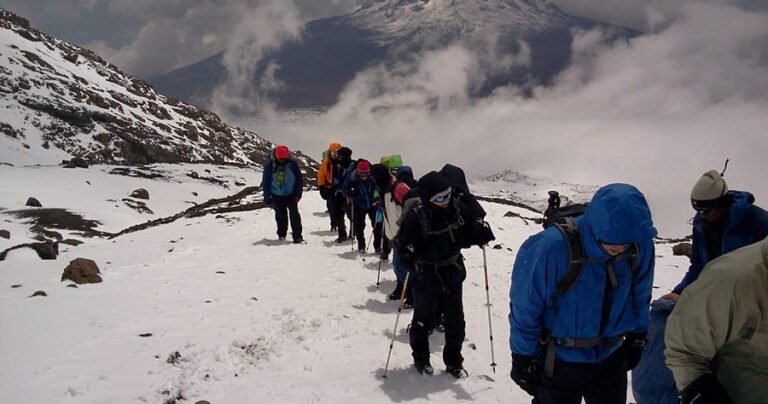
Mount Meru 4-Day Climb: The Complete Guide To Tanzania’s Hidden Peak 2026-2027
A deep look at the 4-day Mount Meru climb, covering the Momella route, altitude considerations, park logistics, and why this peak is the ultimate preparation for Kilimanjaro.
View package details
Kilimanjaro Climb August : Dates And Costs Planning Guide 2026-2027
Expert guide to planning a Kilimanjaro expedition in August 2027. We break down the logistics, cost factors, route choices, and seasonal weather patterns for your summit attempt.
View package details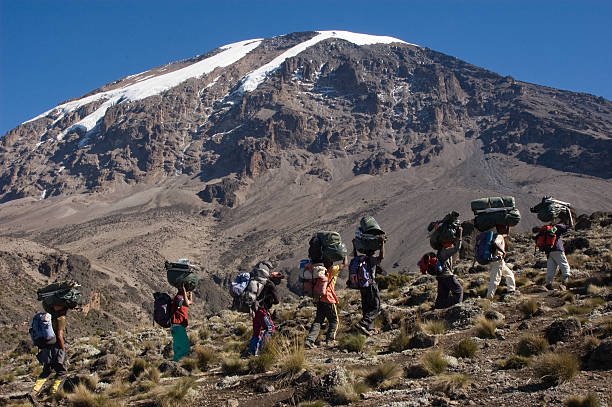
Mount Meru And Kilimanjaro Combo Trip : The Ultimate Acclimatization Strategy
Maximize your Tanzanian trekking success by combining Mount Meru and Kilimanjaro. Get expert planning advice for your 2027 expedition.
View package detailsNo related package matches those filters. Clear one or more filters to see the other topic-matched options.



