
Planning Kilimanjaro climbing tours from Canada for 2027 requires focusing on the right route duration and preparation, as the journey involves significant travel time and altitude adjustment. The most common and highly recommended starting point is Arusha, Tanzania, and successful climbs typically require 6 or 7 days to maximize acclimatization. Choosing a reputable local operator, like Climb 4 Africa, is essential for coordinating the complex logistics of international flights, visa processing, and ground transfers from Canada to the Tanzanian trailhead.
Understanding the Journey from Canada to Kilimanjaro
For a traveler based in Canada, the Kilimanjaro trek isn’t just a mountain adventure; it’s a major international undertaking that requires meticulous planning, especially when targeting a specific year like 2027. The journey itself—from your home base in Canada to the slopes of Mount Kilimanjaro in Tanzania—is a multi-stage logistical puzzle. It demands careful coordination of international flights, internal transfers, and local preparation.
The primary gateway for almost all Kilimanjaro trekking is Kilimanjaro International Airport (JRO) in Arusha, Tanzania. While there are other entry points to Tanzania, Arusha is the established hub for all major climbing operations. Therefore, the initial phase of your trip involves securing flights from your Canadian city (be it Vancouver, Toronto, or Montreal) to JRO. This can be a complex routing, often involving layovers in major international hubs.
When planning this trip, it is crucial to understand the distinction between booking the entire package and booking the components separately. A full package includes flights (international and domestic), visas, park permits, guides, porters, and camping gear. Booking the entire package through a specialized operator streamlines the entire process, managing the transitions between the airport, Arusha accommodations, and the final trek start point. If you prefer to handle the international flights yourself, you must ensure the arrival time allows for sufficient time to complete visa formalities and transfer to the operator’s office before the trek begins.
Pro Tip for Canadian Trekkers: Because of the significant time difference and the need for adequate rest before altitude exposure, aim to arrive in Arusha at least 3-5 days before your scheduled trek start date. This buffer time allows for necessary acclimatization in the lower altitudes, final gear checks, and any pre-trek briefing sessions.
Choosing Your Climb Route and Duration: Acclimatization is Key
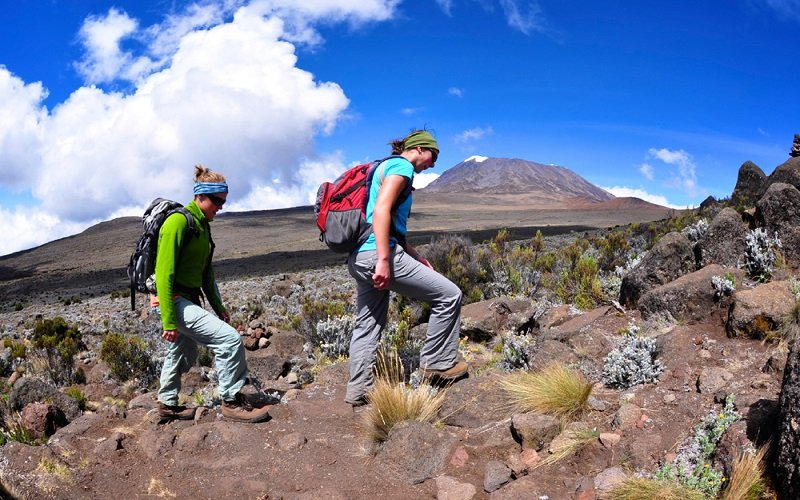
The single most important factor determining success on Kilimanjaro is not physical fitness alone, but the rate of ascent—the principle of “pole pole” (slowly, slowly). This is where route selection and duration become critical decision points. Different routes take hikers through different ecological zones, offering varied scenery and different acclimatization profiles.
When comparing routes, the decision often boils down to a trade-off between directness and safety. Shorter routes are faster and might be more challenging physiologically, while longer routes provide more time for the body to adjust to the thinning air, significantly increasing the chances of reaching the summit safely.
The Duration Decision: 6 Days vs. 7 Days and Beyond
For most first-time climbers, the comparison between 6-day and 7-day treks is the most immediate decision. While a 6-day itinerary is possible, it is significantly more demanding on the body. A 7-day itinerary, which is often the minimum recommended for a comfortable and safe climb, allows for an extra day of slow ascent and acclimatization, particularly crucial as you move into the higher, more challenging elevations.
Some advanced travelers may consider 8-day or even 9-day options. These extended treks—like the Lemosho or Northern Circuit—are designed for those who prioritize the highest chance of summiting, even if it means a longer commitment. The extra time is not just about leisurely walking; it allows the body to process altitude stress incrementally, reducing the risk of altitude sickness (AMS).
An Overview of the Major Routes
While the Machame Route is perhaps the most famous, there are several other options, each suited to a different type of traveler and offering unique experiences:
- Machame Route: Known for being relatively well-trodden and offering good views, it is a popular choice. Its profile is often steeper than some alternatives, making the pacing critical.
- Lemosho Route: This is often cited as one of the best routes for acclimatization. It is longer and more gradual, taking you through diverse landscapes before reaching the main ascent points, which is excellent for those concerned about altitude.
- Northern Circuit: This is the longest and most comprehensive route, often taking several days. It offers a much deeper immersion into the Tanzanian wilderness and diverse ecosystems, making it ideal for travelers who want a trekking adventure combined with deep wildlife exposure.
- Machame/Uhuru Gate Route: While Machame is the route, the ultimate goal is reaching Uhuru Peak. Understanding the overall structure—the starting point, the main climb, and the summit destination—is vital for planning.
Altitude Warning: Regardless of the route chosen, ascending to over 5,895 meters (19,341 ft) requires respect. Altitude sickness is a real risk. It is not a sign of weakness to descend if you feel unwell; it is the smartest and safest decision. Always consult your physician regarding altitude sickness prevention strategies before your journey.
The Climb Experience: Machame vs. Lemosho vs. Northern Circuit
To help a Canadian traveler make a concrete decision, let’s compare the experience profiles of the three most popular routes, focusing on what each offers in terms of environment, pacing, and overall feel.
Machame (The Popular Choice): This route is efficient and highly utilized. It offers a strong sense of camaraderie due to the number of people who take it. It provides a clear, relatively direct path to the higher elevations. If you are a fit, motivated hiker who is comfortable with a more direct climb and wants to minimize trekking days while maximizing the mountain experience, Machame is a strong candidate. However, the pacing must be disciplined.
Lemosho (The Acclimatization Specialist): Lemosho is often the preferred choice for those whose primary concern is altitude management. It takes a wider loop, allowing for multiple acclimatization days at lower, intermediate elevations. The scenery is arguably more varied and pristine than the heavily trafficked Machame section. This route suits the thoughtful, cautious traveler who values a slow, methodical approach to the climb.
Northern Circuit (The Explorer’s Choice): This route is for the seasoned adventurer who views the trek as an expedition, not just a summit push. It takes you away from the main tourist paths, traversing vast, beautiful wilderness areas. It demands more time and often requires a greater tolerance for varied terrain, but the reward is a much deeper cultural and environmental experience. If your goal is a comprehensive African adventure that includes the mountain, this is the route to consider.
Understanding the Trade-offs
The choice is not about which route is ‘better,’ but which route matches your personal trekking philosophy. Do you want the direct efficiency of Machame, the cautious, gradual ascent of Lemosho, or the vast, expansive exploration of the Northern Circuit? Each choice dictates the itinerary, the required preparation, and the overall cost structure.
A crucial logistical point to confirm with any operator is the specific itinerary structure for the 2027 season. While the general flow is known, exact day-by-day timings, specific campsite locations, and guide-to-porter ratios can change based on park regulations and weather, so always request the most current itinerary.
Logistical Planning for Canadian Travelers: Pre-Trek Checklist
Since you are starting from Canada, the logistical hurdles are more complex than for travelers already in the region. Proper preparation spans several months, not just weeks.
Essential Pre-Trip Checklist for Canadians
- Passport Validity: Ensure your passport is valid for at least 6 months beyond your planned return date from Tanzania.
- Tanzanian Visa: Arrange the necessary e-Visa or traditional visa well in advance. Many operators can assist with this process.
- Health Consultation: Consult your doctor about altitude sickness (AMS) and necessary vaccinations. Discuss any required preventative medications.
- Flight Logistics: Book your international flights (Canada to JRO) and consider booking a buffer day or two around your arrival to manage jet lag before the trek starts.
- Insurance: Secure comprehensive travel insurance that explicitly covers high-altitude trekking and emergency evacuation from Kilimanjaro. This is non-negotiable.
- Gear Acquisition: Start sourcing technical gear (down jackets, thermal layers, sturdy boots) well in advance, considering shipping logistics and lead times.
The gear required for Kilimanjaro is specialized. You need clothing that works in extreme temperature swings—from hot, humid days at the base to freezing nights above the tree line. Layering is the only way to manage this temperature volatility effectively.
Booking Window Advice: For a 2027 trek, you should aim to solidify your plans with a reputable operator at least 9 to 12 months in advance. This allows the operator time to secure permits and manage guide availability, especially for peak seasons.
What to Expect on the Mountain: Altitude, Weather, and Trekking
The reality of climbing Kilimanjaro differs greatly from the idealized images. It is a challenging, slow, and rewarding physical experience. Understanding the environment is key to managing expectations.
Navigating Altitude: The Human Element
The primary physical challenge is altitude. As you ascend, the atmospheric pressure drops, meaning there is less oxygen available for your body. This is not just “being tired”; it is a systemic physiological stress. The gradual ascent (the “pole pole” philosophy) is the body’s way of adapting. When symptoms of altitude sickness appear—headache, nausea, dizziness, shortness—they must be taken seriously. The guides are highly trained in recognizing these signs, but the traveler must also be diligent in monitoring their own body.
The feeling of exhaustion on the mountain is normal, but severe symptoms require immediate attention and descent. Staying hydrated is perhaps the simplest, yet most overlooked, piece of advice for high-altitude trekking.
Weather and Trail Conditions
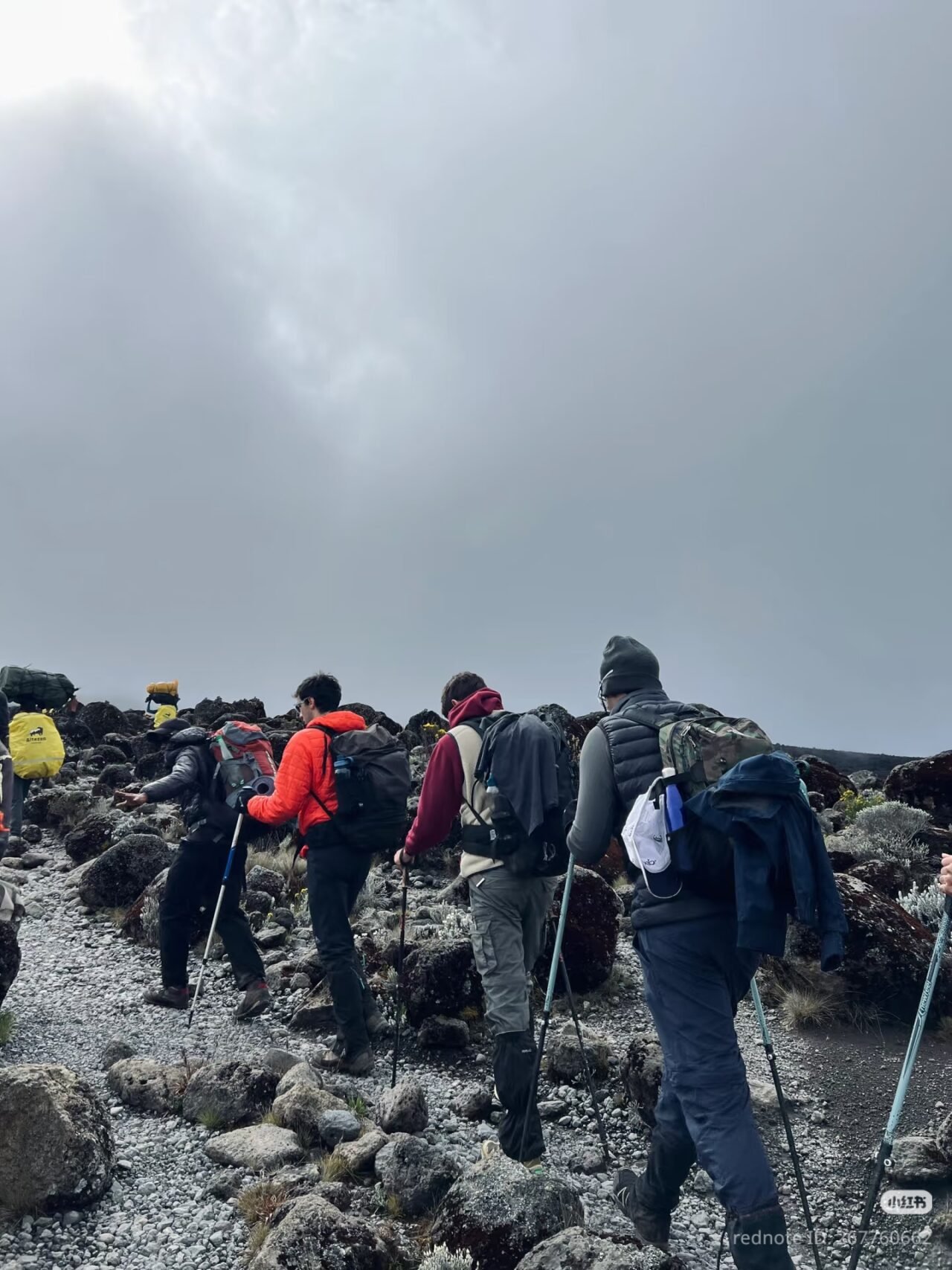
Kilimanjaro’s weather is notoriously unpredictable. You can experience brilliant sunshine, heavy fog, driving rain, and near-freezing temperatures all within a single 24-hour period, especially above 3,000 meters. Trail conditions vary seasonally; the wet season can make trails muddy and slippery, while the dry season can bring intense sun exposure and rockiness.
The trails are generally well-maintained, but the terrain shifts from lush rainforest at the base to alpine desert near the summit. This transition is dramatic and requires robust, supportive footwear.
Making the Right Operator Choice: Finding Your Partner
Selecting the right trekking partner is arguably as important as choosing the right route. You are entrusting your safety, logistics, and comfort to this company for the entire duration of your time in Tanzania. For a Canadian traveler, the operator must be competent in handling international logistics as well as mountain safety.
Criteria for Vetting a Kilimanjaro Operator
- Guide-to-Client Ratio: Look for operators who maintain a low ratio. A smaller group ensures more personalized attention and faster decision-making in emergencies.
- Porter Welfare: A professional operator prioritizes the welfare and fair compensation of their local support staff (porters and guides). This reflects a higher standard of operation.
- Acclimatization Expertise: Ensure the company is experienced in running routes that prioritize slow ascent profiles, not just the fastest route to the top.
- Logistical Support: Check their capability to handle complex international travel coordination from outside of East Africa.
When reviewing operators, look for clarity in their inclusions and exclusions. Some packages may seem cheap initially but omit crucial elements like park fees, which can add significant, unexpected costs.
To get the most accurate and personalized planning advice for your 2027 trek, it is best to consult with experts who specialize in the specific logistical demands of international travelers. Companies like Climb 4 Africa provide detailed support, from initial route discussion to managing the complex travel pieces.
Final Steps and Booking Guidance for 2027
As you move toward the 2027 planning cycle, the focus shifts from general research to concrete action. The final phase involves selecting your preferred route, confirming your travel dates, and securing the booking.
Before committing to any booking, gather all your finalized details: your preferred duration (7-day Lemosho vs. 6-day Machame, for example), your target start month, and your overall budget level (which dictates whether you choose a shared group trek or a private guiding service). This detailed information allows the operator to provide a precise, transparent quote.
The process of coordinating Kilimanjaro climbing tours from Canada is streamlined when you partner with a local expert who understands both the Tanzanian regulations and the needs of international travelers. They handle the permit acquisition, the ground logistics from JRO, and the on-mountain support, allowing you to focus solely on the ascent.
If you have specific questions regarding the nuances of the Machame versus Lemosho route, or need a detailed quote based on your Canadian departure and 2027 timeline, the best next step is to connect directly with a specialist. You can reach the Climb 4 Africa team via email at climb4africa@gmail.com or through WhatsApp at +255 747 477 898. They can help tailor the perfect expedition for your ambitions and timeline.
Related Guides and Packages
Check Availability for Kilimanjaro Climbing Tours From Canada – Guide 2027
Ready to compare dates, prices, and the best option for your group? Send the package name and travel month so the team can reply with a clear quote, availability, and what is included.
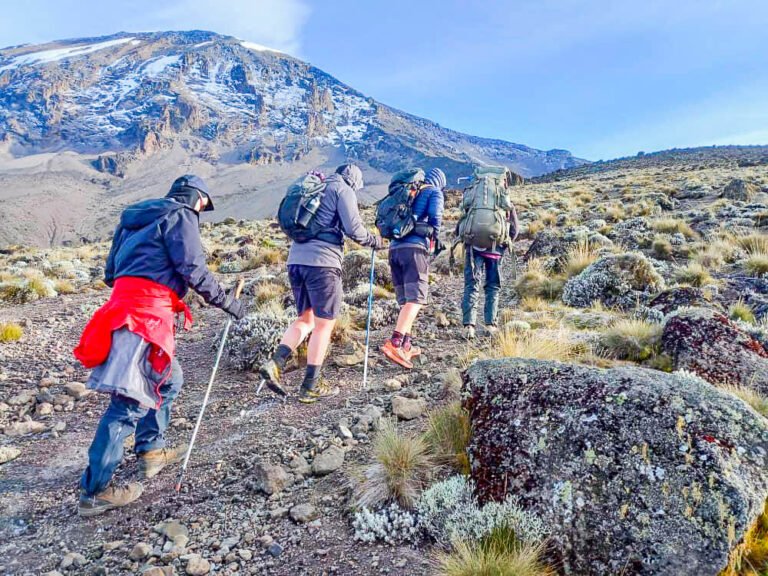
Climbing Kilimanjaro : Prices, Dates, And Routes 2026-2027
A comprehensive guide to planning your 2027 Kilimanjaro expedition, covering route choices, cost factors, and the essential logistics for a successful summit.
View package details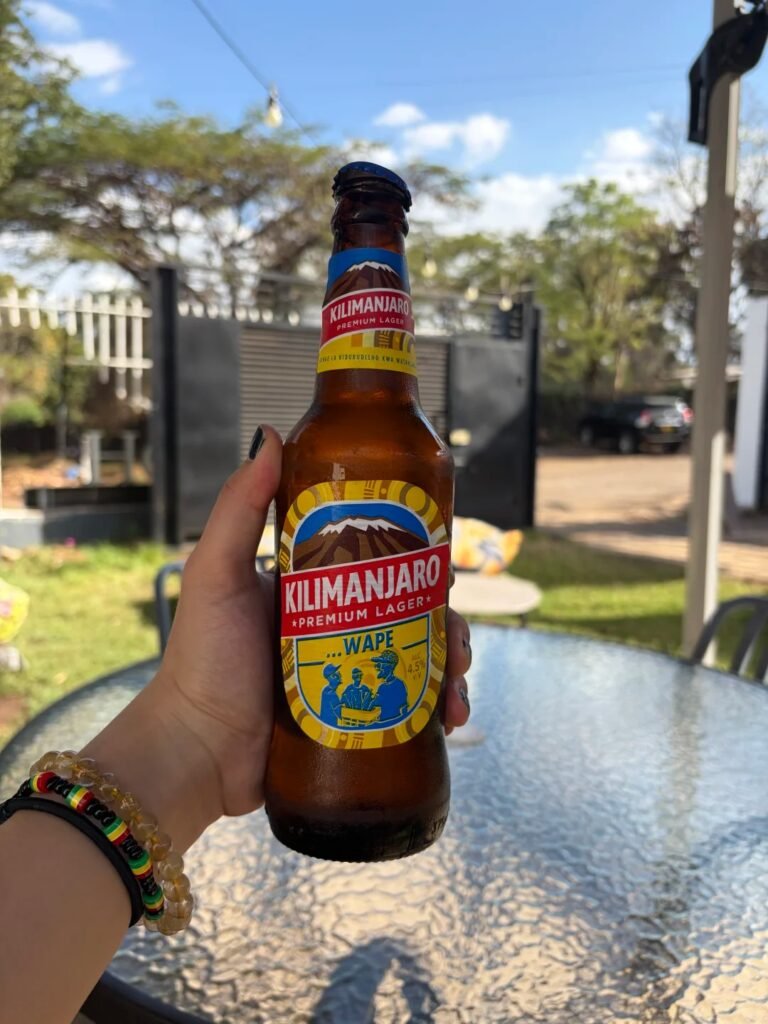
Kilimanjaro January And February Climbing Tours 2027
Plan a Kilimanjaro climb in the dry season window of January–February 2027 with Climb 4 Africa. Learn route options, acclimatization tips, packing lists, and how to book wisely.
View package detailsCanada To Kilimanjaro Trekking : Your Complete Guide To Booking With Climb 4
A practical, expert guide for Canadians planning Kilimanjaro trekking in 2027 with Climb 4 Africa, covering routes, durations, and planning steps without pressure.
View package details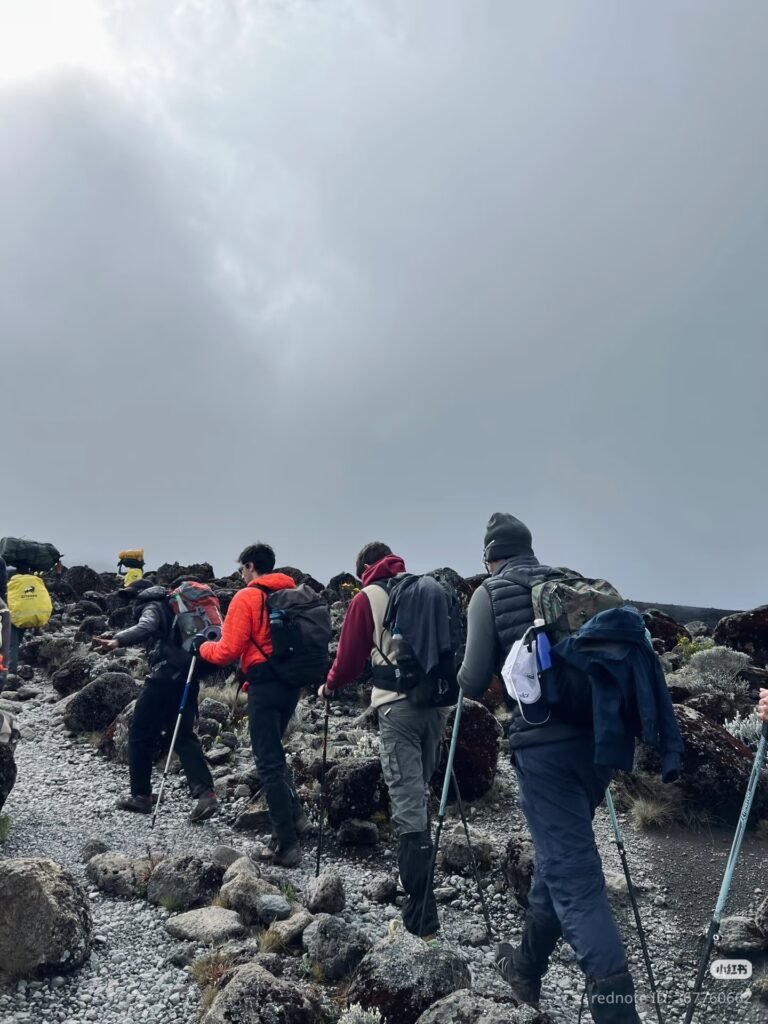
Kilimanjaro Group Climbing Tours : Join Scheduled Departures 2027
A guide for US travelers planning a Kilimanjaro climb in 2027, focusing on the logistical, financial, and social advantages of joining scheduled group departures.
View package detailsFrom USA, Best Kilimanjaro Climbing Packages : Routes, Prices & Planning 2027
A practical guide for US travelers planning a Kilimanjaro expedition in 2027, covering route selection, seasonal logistics, and booking transparency.
View package detailsKilimanjaro Climb August : Dates And Costs Planning Guide 2026-2027
Expert guide to planning a Kilimanjaro expedition in August 2027. We break down the logistics, cost factors, route choices, and seasonal weather patterns for your summit attempt.
View package details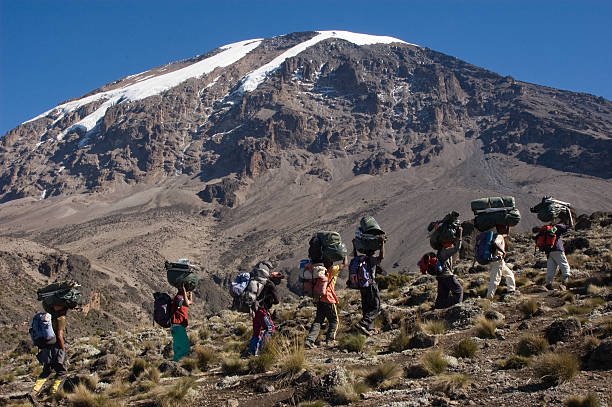
Mount Meru And Kilimanjaro Combo Trip : The Ultimate Acclimatization Strategy
Maximize your Tanzanian trekking success by combining Mount Meru and Kilimanjaro. Get expert planning advice for your 2027 expedition.
View package details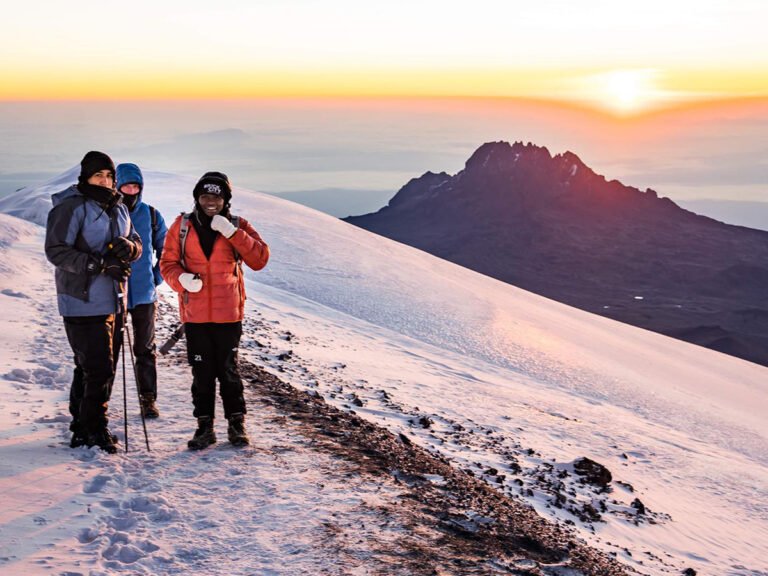
Kilimanjaro Machame Route 7 Days: A Practical Guide To Itinerary And Costs
A deep look at the 7-day Machame Route on Kilimanjaro. Understand the itinerary, why the extra day matters for your summit success, and how to plan your 2026-2027 expedition.
View package detailsKilimanjaro Climb : Guided Group Tours & Planning Guide 2026-2027
A deep look at planning your 2027 Kilimanjaro expedition. Learn why guided group tours are the preferred choice for safety, logistics, and shared camaraderie on the roof of Africa.
View package details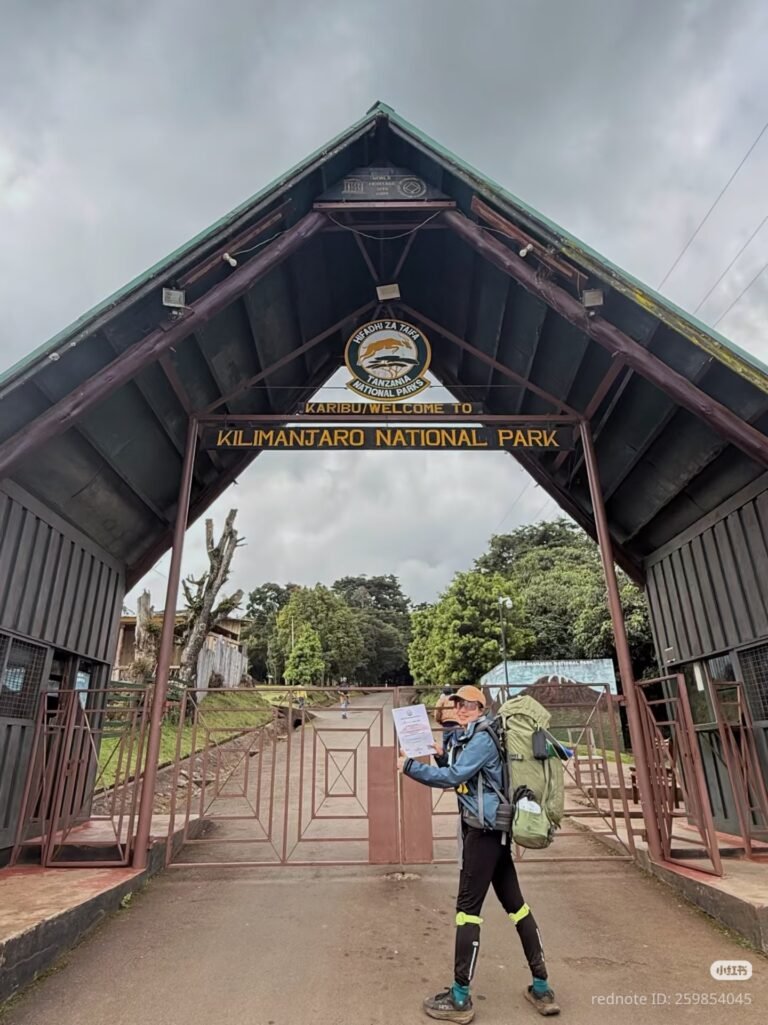
Kilimanjaro And Serengeti Safari Holiday : Your Ultimate Tanzania Adventure
Discover how to combine the challenge of climbing Kilimanjaro with the majesty of the Serengeti safari in 2027. Practical advice for planning your perfect Tanzanian journey.
View package details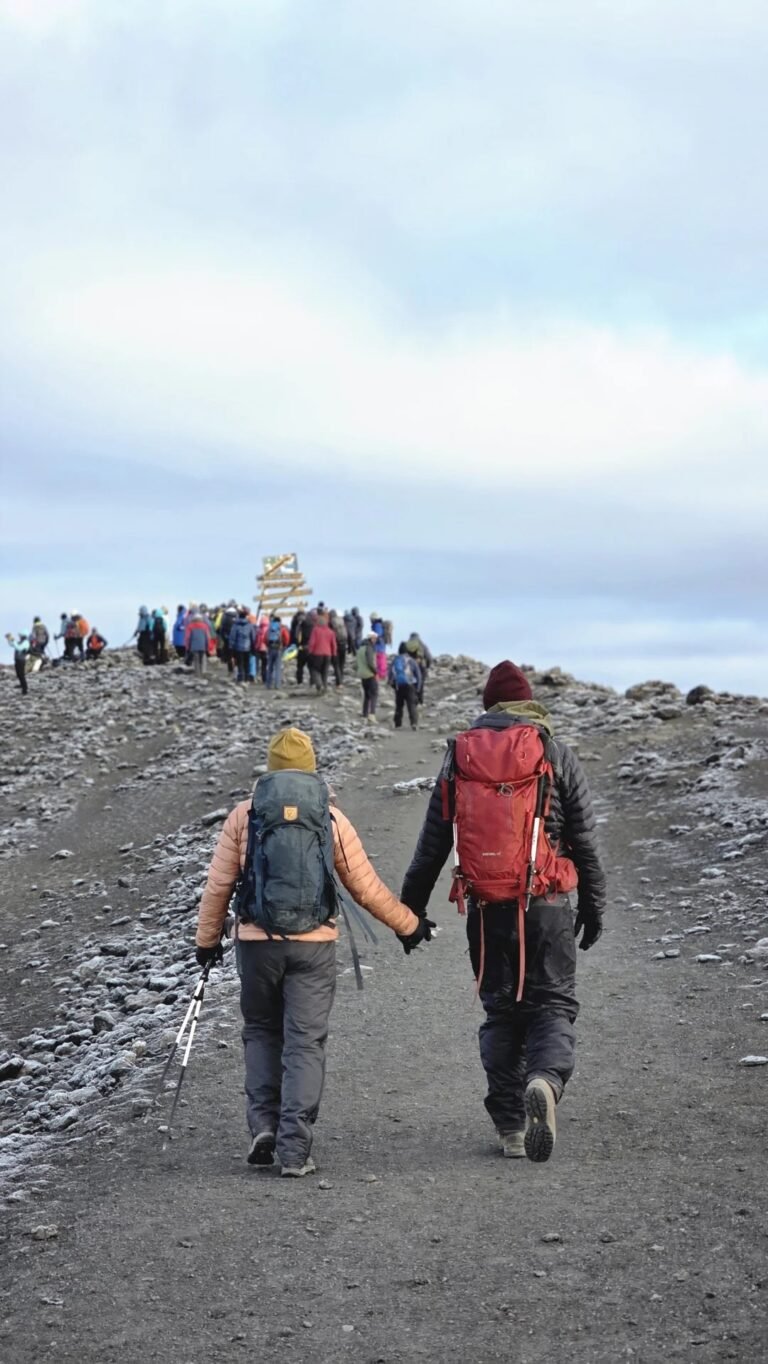
Ireland — Book Kilimanjaro Trekking 2027
A practical, field-guide style guide for Irish travelers planning Kilimanjaro trekking in 2027 with Climb 4 Africa, covering routes, planning, inclusions, and booking steps.
View package detailsTanzania Kilimanjaro And Safari Holiday Packages 2027
An expert, long-form guide to combining Kilimanjaro treks with Tanzania safaris and Zanzibar experiences, with practical planning and booking guidance for 2027.
View package detailsNo related package matches those filters. Clear one or more filters to see the other topic-matched options.



