
A Kilimanjaro climb 2027 guided group tour is a structured expedition where you join a pre-scheduled team of international climbers, sharing the costs of logistics, professional mountain guides, and support crew while benefiting from fixed departure dates and established acclimatization profiles. For 2027, these group tours are the most efficient way to balance safety and budget, as they allow you to tap into pre-negotiated park fees and group-shared equipment, provided you select an operator with robust local Tanzanian support.
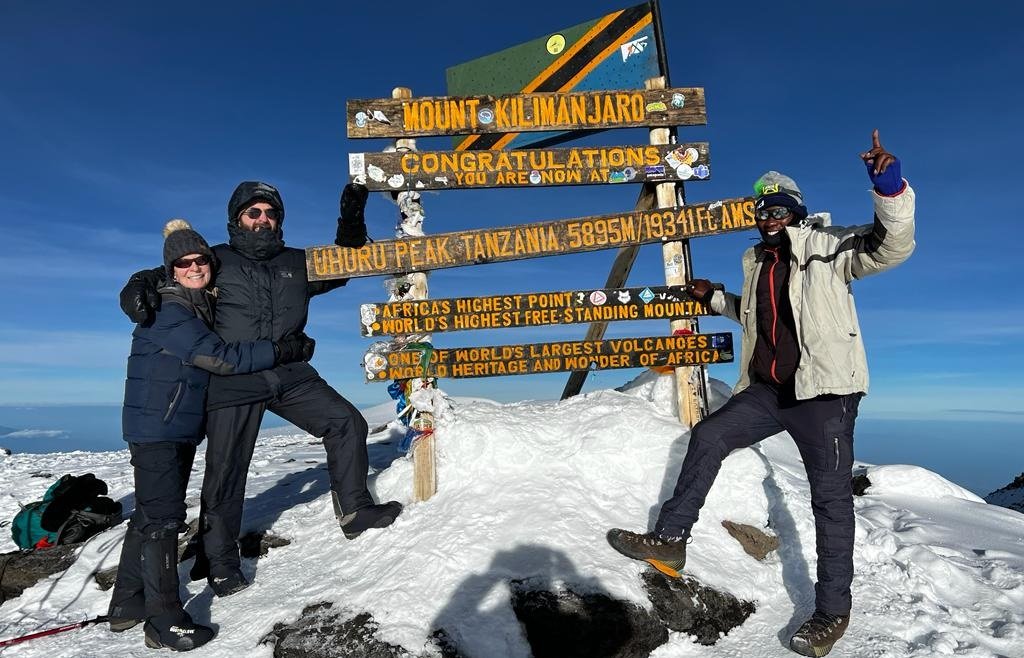
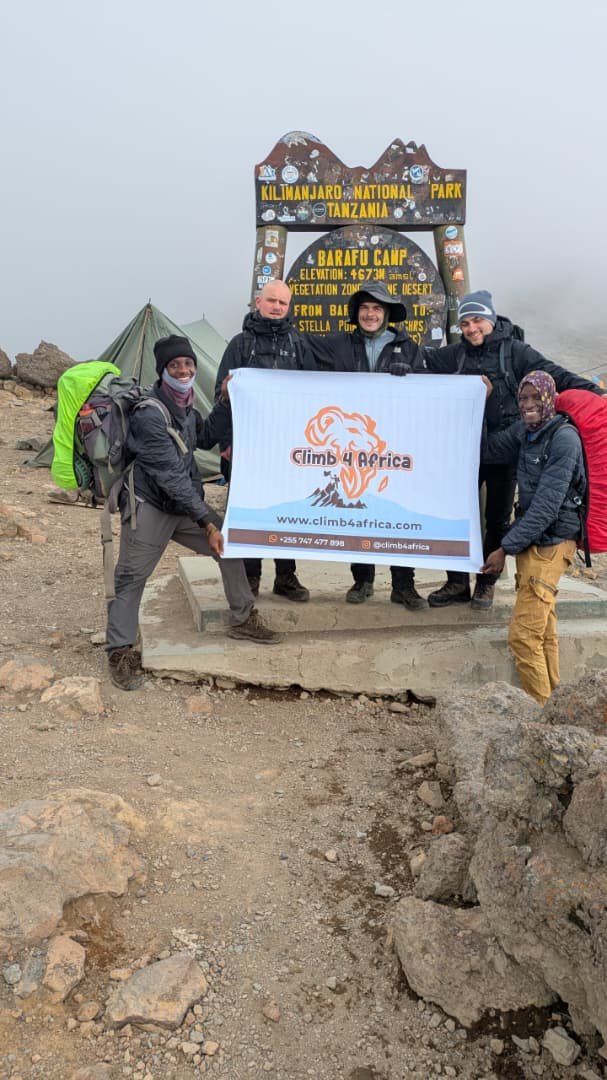
Planning an ascent of Mount Kilimanjaro for 2027 involves more than just physical training; it requires a strategic approach to timing, route selection, and the logistical realities of Tanzanian mountain operations. Joining a guided group tour is the most common and often the most successful way to reach the summit, as it removes the heavy lifting of organizing permits, food, tents, and safety gear individually.
As you look toward your 2027 expedition, your primary decision isn’t just about dates, but about the structure of your support team. A high-quality group departure doesn’t just put you on the mountain; it provides a framework of acclimatization, professional medical monitoring, and cultural exchange that solo travel simply cannot replicate.
The Value of Group Departures for 2027
Why do most climbers opt for group tours rather than private climbs? It usually comes down to three factors: cost efficiency, social dynamics, and logistical stability. When you join a group departure with Climb 4 Africa, you are effectively splitting the overhead costs of the expedition—guides, porters, cooking staff, and transport—across several participants. This significantly lowers the individual price point compared to a bespoke private climb.
Beyond the budget, there is the undeniable benefit of the “team spirit.” The climb is physically demanding and mentally taxing. Having a group of like-minded individuals from around the world who are going through the same challenge creates a unique camaraderie that often lasts long after the descent. When the trail gets steep or the air gets thin, having companions who are sharing the experience can be the difference between pushing through and turning back.
How Group Logistics Work
Group tours operate on fixed dates, which is a major advantage for planning. By choosing a departure date well in advance, you lock in your spot and ensure that your park permits are handled early. For 2027, we anticipate high demand for popular trekking months. Our group logistics typically include:
- Comprehensive Support: A full crew including lead guides, assistant guides, and a dedicated mountain chef.
- Equipment Management: Shared high-altitude tents, mess tents, and kitchen infrastructure.
- Safety Protocols: Group tours are equipped with centralized medical kits, pulse oximeters, and emergency oxygen supplies that are shared across the team.
- smooth Transfers: Group transport from the airport to the hotel and directly to the trailhead, ensuring everyone arrives together.
If you are planning your trip, feel free to reach out to our team via WhatsApp at +255 747 477 898 or email us at climb4africa@gmail.com to discuss our projected 2027 departure calendar.
Selecting Your Route: The 2027 Decision Matrix
Not all routes are created equal. When booking a group tour, the route is your most critical choice. It dictates your success rate, the scenery you see, and the difficulty of the climb. We generally advise our group tour participants to look at three main options:
Popular Route Comparisons
Machame Route: Often called the “Whiskey Route,” this is the classic choice for group tours. It offers excellent acclimatization and spectacular scenery. It is a 6-to-7-day trek that balances challenge with success.
Lemosho Route: The preferred choice for those wanting a longer, more gradual ascent. It starts in the lush rainforest and approaches from the west, offering some of the best acclimatization profiles on the mountain. Usually an 8-day itinerary.
Rongai Route: The only route approaching from the north. It is generally drier and less crowded, making it a great alternative for those who prefer solitude or are climbing during the potentially wetter seasons.
For a detailed breakdown of what these routes entail, you can explore our Machame route group departures page. Choosing the right route is about matching your fitness level and your desire for solitude versus social interaction.
The Importance of Professional Local Support
One of the biggest pitfalls in planning a Kilimanjaro climb is underestimating the role of the local support team. Your guides are not just pathfinders; they are the architects of your success. They monitor your health, adjust the pace to ensure acclimatization, and manage the logistics of the camp.
At Climb 4 Africa, we emphasize that a 2027 climb is only as good as the team on the ground. A professional local operator provides:
- Acclimatization Expertise: Guides who know when to slow the group down and when to push. This is critical for managing altitude sickness.
- Ethical Treatment: Ensuring fair wages and proper gear for all porters. This isn’t just an ethical choice; it affects the morale and safety of the entire mountain crew.
- Emergency Readiness: Knowing exactly how to handle evacuations or medical emergencies if they arise.
When you book a group tour, verify that your operator has a permanent, physical office in Tanzania. This ensures that if a problem occurs—whether it’s a flight delay or a need for extra gear—there is a local team ready to resolve it immediately. You can reach our local office at info@climb-4-africa.com for any specific inquiries regarding our operational standards.
Preparing for Your 2027 Expedition: A Timeline
Success on Kilimanjaro is built months before you step onto the trail. If you are targeting 2027, here is a logical way to structure your planning:
12 Months Out: Research and Route Selection
This is the time to decide on your route and your preferred season. Do you want to climb during the clearer, colder months of January/February, or the slightly warmer but busier months of July/August? Check our resources on Kilimanjaro in July or January to see which fits your travel style.
6 Months Out: Booking and Training
Once you book your group tour, you should begin your physical training. This doesn’t require elite-athlete fitness, but it does require stamina. Focus on hiking with a weighted pack, cardiovascular health, and building leg strength. Refer to our guide on Kilimanjaro training and preparation to structure your workouts.
3 Months Out: Gear and Logistics
Review your packing list. You don’t need to buy everything new, but you do need to ensure your boots are broken in and your cold-weather gear is adequate. Group tours often provide some shared gear, but your personal layers are your responsibility.
Common Questions About 2027 Group Departures
Travelers often have specific concerns about joining a group. Here are the most practical answers to help you decide.
How large are the groups?
Group sizes vary, but for the best experience, we typically cap them at a size that allows for efficient movement on the trail and personal attention from the lead guide. This usually means keeping groups between 6 and 12 people. This size is large enough to be social, but small enough to move as a cohesive unit.
What if I am a solo traveler?
Solo travelers are the backbone of group departures. You will be paired with others, often in shared tents (unless a single supplement is booked). It is a fantastic way to meet people from all over the world who share the same ambition.
Is a group tour cheaper than a private one?
Yes, almost exclusively. By sharing the cost of the mountain crew, transport, and permit-related logistics, you significantly reduce the per-person price. Private climbs offer more flexibility in pace, but they come with a higher price tag to cover the fixed costs of the support team.
How do I handle the deposit and booking?
Booking a group departure involves selecting your date, confirming availability, and placing a deposit to secure your spot. Because park permits are often limited, we recommend finalizing your booking at least 6 months before your intended departure. Contact us to discuss your preferred timeline.
Why Plan Your 2027 Trip Now?
While 2027 might seem distant, the best guides and the most popular routes book up well in advance. Planning early allows you to choose the exact window that fits your schedule, train properly, and spread out the financial investment of the trip. Additionally, it gives you time to integrate your climb with other adventures, such as a wildlife safari or a relaxing post-climb holiday in Zanzibar.
When you are ready to start the conversation, remember that we are here to offer practical, honest advice. Whether you have questions about the physical demands, the specific route logistics, or how to combine your climb with a safari, our team is ready to assist. You can call or WhatsApp us at +255 747 477 898, or send your questions to climb4africa@gmail.com. Let’s make your 2027 Kilimanjaro dream a reality with a team that knows the mountain inside and out.
The Physiological and Psychological Reality of Group Climbing
While the logistics of a 2027 Kilimanjaro expedition are critical, the actual experience of a group climb is defined by the unique interplay between physical endurance and group dynamics. Understanding how your body and mind will react within a group setting is just as important as selecting your route. Unlike a solo hike, where you dictate every pause, a group departure requires a collective rhythm. This is not a hindrance, but rather a strategic advantage for acclimatization. The most common mistake amateur climbers make is walking too fast; group tours, by necessity, enforce the ‘pole-pole’ (slowly, slowly) pace that is essential for reaching the summit.
Managing Altitude and Pace as a Collective
In a guided group environment, the lead guide sets a pace that is designed for the slowest member of the group, not the fastest. This might feel frustrating if you are a high-level athlete, but it is the single most effective safety mechanism on the mountain. When you climb in a group, you are constantly monitored by the support team, who look for signs of Acute Mountain Sickness (AMS) in every participant. If you are part of a group, you are more likely to be honest about your symptoms because you see others doing the same. This ‘normalization of caution’ creates a culture where checking your oxygen saturation levels or admitting to a headache is seen as responsible team behavior rather than a sign of weakness.
The Mental Shift: From Individual Goal to Team Success
The psychological arc of a Kilimanjaro climb typically follows a distinct pattern: high energy and optimism on the first two days, a mid-trip slump as the altitude begins to impact sleep and appetite, and a surge of adrenaline on summit night. In a group setting, this emotional cycle is shared. You will find that on the days when your motivation wanes, a conversation with a fellow climber about their home, their motivation for the trip, or simply a shared joke over a cup of tea in the mess tent can be the catalyst that keeps you moving. Group departures foster a unique camaraderie; you are collectively enduring the cold, the thin air, and the physical discomfort, which creates bonds that often last long after the expedition ends.
Navigating Personal Space and Group Energy
One of the practical realities of group travel is the management of personal space. You will be spending significant time in close proximity to people you have only recently met. Respecting the shared environment—keeping your gear organized in the tent, being mindful of noise during rest periods, and maintaining a positive attitude during challenging weather—is vital. The most successful groups are those that communicate openly. If you need a moment of solitude, it is perfectly acceptable to walk at the back of the group or sit quietly in the mess tent. Experienced guides facilitate this by ensuring that there is enough space for everyone to recharge mentally, recognizing that the social aspect of the climb is a resource, but one that requires balance.
The Role of the Support Crew in Group Dynamics
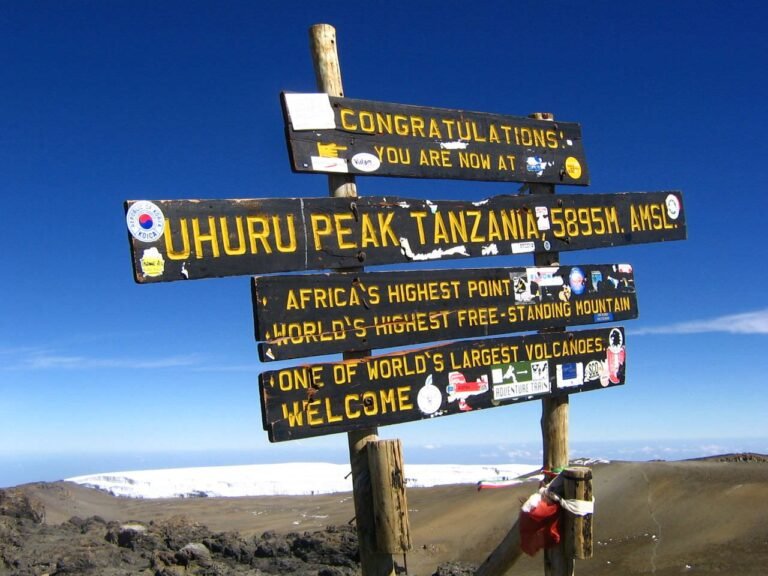
Your Tanzanian support crew—the assistant guides, the cooks, and the porters—are the silent architects of your group experience. They do not just carry gear; they manage the morale. You will notice that as the trip progresses, the crew will often introduce songs, local Swahili phrases, or small celebrations if it is someone’s birthday or a milestone day on the mountain. This is a deliberate effort to keep spirits high. When selecting a 2027 group departure, look for operators who emphasize the well-being of their crew. A happy, well-supported crew is significantly more effective at supporting a group of climbers than one that is overworked or under-resourced. The energy of the crew is infectious; when they are smiling and singing, it is difficult for the group to remain discouraged, even during the grueling final ascent to Uhuru Peak.
Assessing Your Baseline: Physical and Medical Readiness for 2027
Before you commit to a specific 2027 group departure, you must perform an honest audit of your physical and medical readiness. The mistake many climbers make is equating general gym fitness—such as spin classes or weightlifting—with the specific demands of high-altitude trekking. Kilimanjaro requires endurance, not explosive power. Your training needs to prioritize aerobic capacity and, crucially, the ability to hike comfortably for five to eight hours a day with a weighted pack. If you live at sea level, you cannot train for the thin air, but you can train your legs to handle the repetitive, eccentric load of thousands of downhill steps, which is often where climbers experience the most fatigue and injury.
From a medical perspective, a pre-trip consultation with a travel medicine specialist is not optional. You must disclose your intent to reach 5,895 meters. Certain pre-existing conditions, particularly those involving cardiovascular or respiratory function, require a doctor’s sign-off. Furthermore, if you are planning to utilize altitude-mitigation medications like acetazolamide, you need to test them months in advance to ensure you do not have adverse reactions. Do not wait until you are on the mountain to discover that a medication makes you feel nauseous or dizzy; these symptoms are indistinguishable from altitude sickness and could result in an unnecessary or forced evacuation.
The Gear Acquisition Strategy: Rental vs. Ownership
A common pitfall for 2027 planners is the urge to over-purchase equipment. You do not need to buy every piece of high-end gear listed on a retail website. In fact, heavy, brand-new gear can be a liability. The most critical item you must purchase and break in yourself is your footwear. Never arrive at the trailhead with boots that have not seen at least 50 kilometers of trail use. Blisters are the single most common reason climbers struggle, and they are entirely preventable with proper boot fitting and testing.
For items like sub-zero sleeping bags, high-quality trekking poles, and specialized duffel bags, consider the rental ecosystem provided by your operator. Many reputable Tanzanian companies maintain fleets of high-quality, professional-grade equipment that is serviced after every climb. Renting these items not only saves you significant money but also reduces the weight and hassle of international travel. When selecting a group departure, ask specifically about the age and brand of the rental equipment. A good operator will be transparent about their inventory, allowing you to focus your budget on the items that touch your skin—base layers, socks, and gloves—where comfort and moisture-wicking properties are paramount.
Insurance and Risk Mitigation: The Non-Negotiable Pre-Trip Check
The insurance landscape for high-altitude trekking is complex and often misunderstood. Many standard travel insurance policies include an automatic exclusion for activities above 3,000 or 4,000 meters. Before you book your 2027 expedition, verify that your policy specifically covers “high-altitude trekking” up to 6,000 meters. This is a technical distinction that can mean the difference between full coverage and a denied claim.
You are looking for two distinct types of coverage: medical evacuation and trip cancellation. Medical evacuation is the most critical; it covers the cost of a helicopter or ground transport to get you off the mountain and to a hospital in Moshi or Arusha. Ensure your policy includes “search and rescue” provisions. Trip cancellation insurance, while secondary to safety, protects your financial investment in the event of an emergency that prevents you from traveling. Do not rely on credit card insurance or basic travel policies without explicit written confirmation that they cover Kilimanjaro. If your provider cannot give you a definitive answer, look for specialized adventure travel insurance providers who understand the specific risks associated with Tanzanian mountain operations.
The Mechanics of Acclimatization: Why Your 2027 Itinerary Choice Dictates Success
The most common error among prospective Kilimanjaro climbers is viewing the route selection as a mere choice of scenery. In reality, the route is your primary medical intervention. For your 2027 expedition, the specific trail you choose dictates the rate of ascent, which is the single most significant factor in whether you reach the Uhuru Peak. When evaluating group departures, you must look past the marketing brochures and analyze the ‘acclimatization profile’ of the itinerary. A route that rushes the ascent to save time is mathematically less likely to result in a summit success than one that prioritizes a ‘climb high, sleep low’ profile.
The physiological reality of altitude is unforgiving. As you ascend, the partial pressure of oxygen decreases, forcing your body to adapt by increasing ventilation and red blood cell production. This process takes time. Group itineraries that offer seven, eight, or nine days on the mountain provide the necessary buffer for these physiological changes to occur. If a 2027 group departure advertises a five-day ascent, be wary; these are rarely recommended for anyone without extensive high-altitude experience. The extra days on longer routes like the Lemosho or Northern Circuit are not just for leisure—they are safety margins that allow your body to process the altitude before you hit the critical 4,000-meter threshold.
Understanding the ‘Climb High, Sleep Low’ Principle in Group Settings
In a guided group environment, the lead guide will often incorporate ‘acclimatization hikes’ into the daily schedule. These are short, afternoon excursions where the group climbs a few hundred meters above the current campsite before descending back to sleep. This is not busywork; it is a vital strategy. By exposing your body to higher altitudes briefly, you trigger the release of erythropoietin and encourage the body to begin its adaptive response, while sleeping at a lower, more oxygen-rich altitude allows for better recovery and deeper sleep.
When selecting your 2027 group, inquire specifically about how the itinerary handles these acclimatization hikes. A high-quality operator will build these into the program rather than treating them as optional add-ons. Furthermore, consider the group’s pace. A cohesive group that moves slowly—often described as ‘pole pole’ (slowly, slowly)—is statistically more successful than a group that attempts to rush. Because group tours move at the pace of the slowest member, choosing a group with a generous day-count ensures that the collective pace remains sustainable even for the least experienced member.
The Nutritional Strategy: Fueling for High-Altitude Performance
Many climbers underestimate the caloric deficit that occurs above 3,000 meters. At high altitude, your appetite naturally suppresses, yet your caloric expenditure skyrockets due to the cold and the physical exertion of trekking. In a group setting, you are dependent on the kitchen crew’s ability to provide nutrient-dense, palatable food. This is where the logistics of a group tour become a logistical challenge for the operator.
For your 2027 trip, look for operators who prioritize fresh, locally sourced ingredients over dehydrated, pre-packaged meals. While some freeze-dried food is inevitable, the best expeditions utilize the lower mountain zones to transport fresh vegetables, fruits, and proteins. Carbohydrates are your primary fuel source on the mountain; they are easier to digest than fats or proteins at altitude and provide the immediate glucose required for muscle function. A well-planned group menu will be high in complex carbohydrates—oats, rice, pasta, and potatoes—which provide sustained energy release.
Hydration is the silent partner to nutrition. You must consume between 3 and 4 liters of water daily. In a group setting, this is often managed through a communal water supply that is filtered and boiled by the support staff. Ensure your operator has a clear protocol for water purification. Relying on chemical tablets alone is often insufficient; boiling is the gold standard for killing pathogens in the Tanzanian mountain environment. If you have specific dietary restrictions—such as vegan, gluten-free, or allergen-sensitive diets—communicate these at the time of booking, not at the trailhead. Professional operators can accommodate these needs, but they require lead time to adjust the supply chain for the entire group’s provisions.
Managing Energy Levels on Summit Night
The final ascent, known as ‘Summit Night,’ is the most extreme exertion of the trip. You will typically start around midnight to reach the crater rim by sunrise. This requires a specific nutritional strategy. You need easily digestible energy sources that you can consume while moving—energy gels, electrolyte chews, or dried fruits. Avoid heavy, high-fat snacks that will sit in your stomach. Your group guide will likely pause every hour or so; use these moments to hydrate and take in small amounts of calories, even if you do not feel hungry. The ‘summit push’ is a mental game, but it is fueled entirely by your ability to keep your blood glucose levels stable throughout the dark, freezing hours of the ascent.
The Role of Cultural Exchange in Group Success
While the physical goal is the summit, the ‘group’ aspect of your 2027 expedition offers a unique cultural immersion. You are not just climbing with other international travelers; you are interacting with a Tanzanian support team that often includes guides, assistant guides, porters, cooks, and tent crew. This team is the backbone of your success. Respecting their role and understanding their culture is a vital part of the experience.
Tipping is a standard and expected practice on Kilimanjaro, but it is often a source of confusion for international travelers. For your 2027 group trip, research the recommended tipping guidelines well in advance. Most reputable operators will provide a clear breakdown of how much is expected per climber for each role (guide, assistant guide, porter, cook). It is common practice to pool the group’s tips and present them to the head guide at the end of the expedition, who then distributes them according to the established hierarchy. Bringing small denominations of local currency or US dollars for this purpose is essential. This transaction is not merely a financial one; it is a moment of gratitude that acknowledges the immense physical labor the crew has performed to help you reach the summit.
The Dynamics of Group Composition and Social Pacing
One of the most overlooked variables in planning a 2027 Kilimanjaro expedition is the social composition of your group. Unlike a private climb where you dictate the pace, a group departure functions as a dynamic social ecosystem. Your success on the mountain is inextricably linked to the collective energy of the team. When you sign up for a group trip, you are essentially agreeing to a social contract: you will adhere to the group’s pace, support the morale of your teammates during low points, and respect the decision-making authority of the lead guide, who must balance the needs of many rather than one.
Understanding this dynamic is crucial for success. In a group of ten, you will inevitably have different fitness levels, acclimatization speeds, and mental thresholds. Professional operators manage this by utilizing a ‘lead guide and sweep guide’ system. The lead guide sets a pace that is intentionally slow—often described as pole pole (slowly, slowly)—to ensure the slowest member of the group can maintain the rhythm. This is not a delay; it is a safety mechanism. If you are a faster hiker, you must resist the urge to push ahead. Breaking the group formation can compromise safety protocols, as it spreads the support crew too thin and complicates the medical monitoring process. Embracing the group pace is, ironically, the fastest way to reach the summit.
Navigating Personality Clashes at High Altitude
High-altitude environments act as a magnifying glass for personality traits. Fatigue, oxygen deprivation, and the physical discomfort of camping can fray nerves. In 2027, as you evaluate group options, consider that the best groups are often those that share a common objective or background, but diversity in age and experience can also be a strength. If you find yourself in a group with varying personalities, adopt a strategy of radical patience. Conflicts often arise from trivialities—a snoring tent-mate, a disagreement over tent organization, or differing opinions on when to take breaks. Anticipate these friction points before you leave. Bringing high-quality earplugs and an eye mask is not just for comfort; it is a tool for maintaining your own mental equilibrium, which in turn prevents you from projecting irritation onto others.
Furthermore, the ‘summit fever’ that hits many climbers on the final days can cause group cohesion to fracture. Some individuals may start to prioritize their personal summit goals over the safety of the group. As a participant, your role is to foster an environment where everyone feels encouraged. A simple gesture—sharing a snack, offering an encouraging word, or simply maintaining a positive attitude—can be the difference between a teammate quitting and pushing through to the crater rim. Remember, the mountain is indifferent to your individual pace; it only responds to the collective stability of the team.
The Silent Language of the Support Crew
While climbers focus on each other, the true glue of the group is the support crew. Their role extends far beyond carrying bags and setting up tents. They are the masters of group psychology. A skilled Tanzanian guide will read the group’s morale like a barometer. If the energy is low, they might inject humor, share stories about the mountain, or adjust the schedule to allow for an extra rest period. They are trained to identify the early warning signs of Acute Mountain Sickness (AMS) in individuals, often before the climber themselves realizes they are struggling. Trusting their judgment is non-negotiable. If a guide suggests that a team member needs to descend or that the group needs to halt, that decision is based on years of experience managing similar groups in volatile weather conditions.
For your 2027 trip, view the crew not as service staff, but as essential partners in your expedition. Engaging with them respectfully—learning their names, asking about their lives in the villages surrounding the mountain, and acknowledging their labor—transforms the trip from a commercial transaction into a shared human experience. This connection often pays dividends; a crew that feels respected and appreciated will go the extra mile to ensure the group’s success, whether that means preparing a special meal or providing extra encouragement during the grueling midnight summit ascent.
Post-Climb Decompression: The Final Group Hurdle
The journey does not end when you step off the mountain. The transition back to civilization after a week of high-altitude living is often jarring. You will be physically exhausted, likely dehydrated, and mentally drained. Most 2027 group itineraries include a final night or a post-climb celebration. This is a critical time for group processing. You have shared a profound, life-altering experience. Many climbers find that the bonds formed on the mountain are surprisingly deep. Use this time to celebrate, but also to debrief. Share the photos, exchange contact information, and acknowledge the shared struggle. The post-climb dinner is often where the true realization of what you have accomplished settles in. It is the final piece of the group puzzle, cementing the memories and the friendships that make the logistical effort of a group climb worthwhile.
The Unspoken Ethics of the Mountain: Navigating Local Interactions
As you prepare for your 2027 expedition, it is easy to become hyper-focused on the logistics of the climb—the gear, the altitude, and the physical training. However, one of the most significant, yet frequently overlooked, aspects of a guided group tour is the complex social and ethical landscape you are entering. Kilimanjaro is not merely a mountain; it is the economic and cultural lifeblood for thousands of people living in the Moshi and Arusha regions. When you join a group tour, you are not just a client; you are an active participant in a local ecosystem. Understanding the nuances of these interactions can profoundly change the quality of your experience and your impact on the communities you pass through.
The Tipping Culture and Economic Realities
Perhaps the most anxiety-inducing aspect of a group climb for many international travelers is the tipping protocol. While your tour operator will likely provide guidelines, the reality on the ground is more nuanced. Tipping is not just a gratuity; it is a critical component of the support crew’s income. In a group setting, this can sometimes lead to confusion or awkwardness. It is vital to coordinate this with your fellow climbers well before you reach the final camp. Discussing the collective tip as a group rather than approaching it as individuals prevents disparities and ensures that the entire team—including the porters, who often remain in the background—is fairly compensated. Avoid the temptation to tip only the lead guide, as the success of your summit attempt is built upon the labor of the entire crew, from the cooks who manage your nutrition to the camp crew who ensure your tents are dry and warm.
Respecting the ‘Leave No Trace’ Ethos in a Group Context
While the concept of ‘Leave No Trace’ is standard advice for hikers, its application on Kilimanjaro is uniquely challenging due to the sheer volume of climbers and the limited infrastructure. In a group tour setting, you have a collective responsibility that exceeds individual efforts. When you are part of a larger team, small habits become amplified. If one person leaves a candy wrapper or a plastic bottle behind, it sets a precedent. Conversely, a group that is diligent about waste management—carrying out all trash, minimizing the use of single-use plastics, and respecting the fragile alpine vegetation—sets a standard for others on the trail. Your support crew is responsible for the waste, but your cooperation in organizing your own gear to minimize trash production is a gesture of immense respect for the Tanzanian landscape. For your 2027 trip, consider bringing reusable, high-quality containers for your snacks and toiletries, reducing the burden on the crew who must pack out everything that is brought up.
The Nuance of Cross-Cultural Communication
Communication on the mountain often suffers from a language barrier, even when guides speak excellent English. Misunderstandings can arise, particularly regarding physical comfort or fatigue. A common mistake in group tours is assuming that a nod or a smile from a porter or guide implies total understanding of a complex request. When you have a specific need—be it a medical concern or a request for a different pace—use clear, direct, and polite language. Avoid the tendency to use complex idioms or slang, which can lead to confusion. Furthermore, take the time to learn basic Swahili greetings. Simple phrases like ‘Jambo’ (hello), ‘Asante’ (thank you), and ‘Pole’ (sorry/slow down) go a long way in bridging the gap between client and crew. These small linguistic efforts are recognized and appreciated, often softening the hierarchy that inevitably exists between the climber and the support staff.
Understanding the Porter Welfare Standards
In recent years, there has been a growing global awareness regarding the welfare of the mountain crews on Kilimanjaro. As a 2027 climber, you have the power to vote with your feet by selecting operators that adhere to strict ethical guidelines, such as those set by the Kilimanjaro Porters Assistance Project (KPAP). Before you book, do not hesitate to ask your operator specific questions about their porter welfare policies. Do they provide adequate sleeping gear for the crew? How are the porters’ loads weighed and monitored? Is the crew paid a fair, living wage? By choosing an operator that prioritizes these standards, you are ensuring that your presence on the mountain contributes positively to the local economy rather than exploiting it. This is not just a moral imperative; it is a practical one. A crew that is well-treated, well-fed, and well-equipped is a motivated crew, and their motivation is directly linked to your safety and the success of your group’s summit bid.
The Role of the ‘Summit Day’ Gift
Many groups choose to leave behind functional gear—such as warm jackets, gloves, or boots—at the end of the climb for the crew. While this is a generous gesture, it requires thoughtfulness. Instead of dumping worn-out, unusable gear, consider bringing high-quality items specifically to donate, or coordinate with your guide to see what is actually needed. Often, the crew has specific needs for their families or for their work on the mountain. A collaborative approach, where the group discusses what to leave behind, ensures that the donation is genuinely helpful rather than just a way to lighten your luggage for the flight home. This final interaction is often the most poignant moment of the trip, marking the transition from a group of strangers to a team that has shared an extraordinary, life-changing challenge.
Dissecting the Spectrum of Group Departures
When you begin researching Kilimanjaro group departures for 2027, it is easy to view ‘group travel’ as a singular category. However, the reality on the mountain is a spectrum. Understanding where your chosen expedition sits on this spectrum is critical to managing your expectations and your safety. Broadly, these groups can be categorized by size, pacing, and the depth of their support infrastructure.
Large group departures, often defined as 15 to 20+ participants, operate on a scale that creates a different social dynamic. These groups often benefit from economies of scale, making them the most cost-effective option. From a social perspective, they offer a diverse mix of backgrounds, ages, and nationalities, which can be incredibly enriching. However, the logistical ‘footprint’ of a large group is significant. Moving twenty people through a narrow mountain trail requires meticulous coordination. You will find that the pace is dictated by the slowest member of the group, and the time spent at checkpoints—signing in, organizing gear, or taking breaks—is naturally longer due to the sheer volume of personnel involved. If you are a social butterfly who thrives on a party-like atmosphere, this may be your ideal environment. If you prefer a quieter, more meditative experience, the large group dynamic might feel overwhelming.
Conversely, boutique group departures, typically capped at 6 to 10 participants, offer a more intimate experience. These groups move with greater agility, allowing for more flexible scheduling on the trail. With fewer people to manage, the support crew can provide more personalized attention, and the group dynamic often forms faster and more deeply. While the per-person cost is generally higher due to the inability to spread fixed costs across a larger cohort, the trade-off is a more smooth, less congested experience on the mountain. For the 2027 climber, the choice between these two styles should be based on your personal tolerance for group size and your preference for social versus logistical efficiency.
The Economic Reality: Value-Driven vs. Cost-Cutting Expeditions
A significant point of confusion for many prospective climbers is the vast disparity in pricing for seemingly identical itineraries. A 7-day Lemosho route might be priced at $2,000 with one operator and $4,000 with another. It is vital to understand that this price gap is rarely about profit margins; it is almost exclusively about the ‘safety redundancy’ built into the operation.
A value-driven expedition—what we might call the ‘standard-plus’ tier—invests heavily in the hidden elements of the climb. This includes a higher guide-to-climber ratio (often 1 guide for every 2 or 3 climbers), which is essential for monitoring individual health metrics like oxygen saturation and heart rate. It includes high-quality, fresh food supplies flown or carried up to maintain nutritional intake, which is the primary fuel for altitude performance. Furthermore, it covers the cost of backup equipment: extra oxygen cylinders, comprehensive medical kits, and, in some cases, the cost of standby rescue vehicles or helicopter evacuation insurance premiums.
Cost-cutting operators, by necessity, must trim these areas. They might use a single guide for a larger group, reducing the frequency of medical checks. They might rely on dried, shelf-stable rations that are harder to digest at altitude, or they might skimp on the quality of tents and sleeping mats, which are your only barrier against the sub-zero temperatures of the higher camps. When evaluating a group departure for 2027, look past the brochure photos. Ask specifically about the staff-to-climber ratio, the menu variety, and the medical equipment carried by the lead guide. The extra investment in a value-driven group is, quite literally, an investment in your ability to summit safely.
Itinerary Pacing: The Physiological Trade-Off
The most consequential decision you will make for your 2027 expedition is the length of your itinerary. The industry has seen a push toward shorter, faster climbs—some as brief as 5 or 6 days—often marketed as ‘efficient.’ While it is physically possible to summit in this timeframe, it is statistically less likely to be successful and significantly more dangerous from an altitude-sickness perspective.
When comparing group departures, prioritize the ‘climb high, sleep low’ principle. An 8-day or 9-day itinerary is not ‘slower’ because the operator is inefficient; it is slower because it is engineered to allow your body the necessary time to produce more red blood cells and adapt to the thin air. In a group setting, this is even more critical. In a 6-day group, the pressure to maintain a brisk pace to reach the next camp before dark is palpable. This pressure can force climbers to ignore early symptoms of Acute Mountain Sickness (AMS), such as mild headaches or nausea, because they do not want to be the person who slows the group down.
An 8-day or longer itinerary changes the psychology of the group. With an extra day or two, the ‘rush’ is removed. There is time for mid-day acclimatization hikes, longer rest periods at camp, and more thorough daily health briefings. This pacing is the single greatest predictor of summit success. If you are comparing two group departures, always opt for the longer itinerary, even if it requires more vacation days. The cost difference is often negligible compared to the cost of a failed summit attempt due to altitude issues.
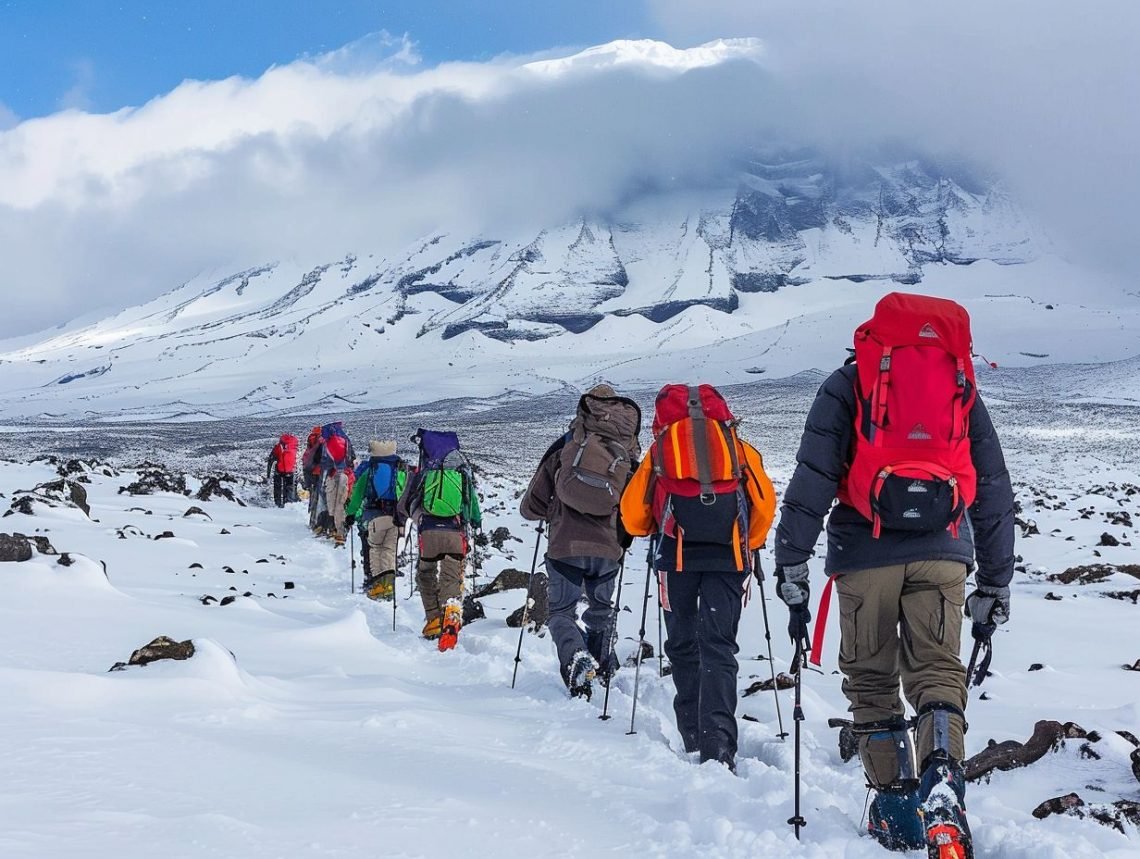
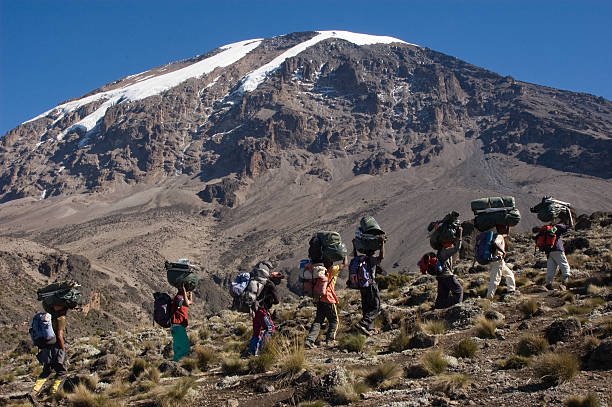
The Evolution of Safety Protocols in 2027
By 2027, the standard for medical monitoring on Kilimanjaro has evolved. The days of relying solely on the guide’s intuition are largely behind us. Modern group departures now integrate digital health tracking. Many reputable operators now require daily logging of pulse oximeter readings and Lake Louise Score assessments (a standardized clinical tool for AMS). This data is not just for show; it creates a paper trail of your physiological state over the course of the week.
When selecting your 2027 group, inquire about their ‘data-driven’ approach. Do they have a protocol for when a climber’s oxygen saturation drops below a certain threshold? Do they have a clear, pre-defined ‘turn-around’ policy? A professional group departure will have these protocols written into their operating procedures. This removes the emotional weight from the decision to descend; if the data indicates that continuing is unsafe, the decision is made objectively, not based on the climber’s desire to push through. This systematic approach to safety is the hallmark of a world-class group expedition and provides a level of security that independent or poorly organized group climbs simply cannot match.
Debunking Myths: The Reality of 2027 Group Expeditions
As you refine your plans for 2027, it is critical to separate marketing narratives from the operational realities of mountain climbing. The Kilimanjaro industry is rife with misconceptions that can lead to poor decision-making, particularly regarding the trade-offs between group size, perceived difficulty, and the actual experience on the trail. Understanding these nuances is not just about logistics; it is about calibrating your expectations to ensure your 2027 ascent is both safe and enjoyable.
The Myth of the ‘Harder’ Route
A persistent misunderstanding in the 2027 planning landscape is the belief that certain routes are inherently ‘too hard’ for group departures while others are ‘easy.’ Climbers often gravitate toward the Marangu Route, erroneously labeled as the ‘Coca-Cola’ or ‘easy’ route, assuming it is the safest option for a group. In reality, route selection should be dictated by acclimatization potential, not perceived ease. The Marangu Route, while offering hut accommodation, often results in a shorter, more compressed acclimatization profile compared to the Lemosho or Northern Circuit routes. For a group dynamic, a route that allows for a gradual, steady gain in altitude is infinitely superior to a shorter, steeper trail. Do not let the ‘easy’ label fool you; a 5-day route on any path is physiologically more demanding and carries a higher risk of altitude sickness than an 8-day route on a ‘harder’ trail. When vetting your 2027 group, look for itineraries that prioritize days on the mountain over the specific path taken.
The Solo Traveler’s Social Paradox
Many solo travelers join group departures expecting an instant, harmonious community. The reality is that a group is a collection of individuals with varying physical capabilities, mental resilience, and social expectations. A common friction point arises when groups are formed by ‘open’ booking, where participants have not met prior to arrival. You may find yourself paired with individuals whose climbing philosophy—such as ‘pushing through the pain’ versus ‘listening to the body’—clashes with your own. The most successful groups are those that actively manage these expectations before the first day of hiking. Reputable operators in 2027 are increasingly facilitating pre-trip virtual meet-ups or group forums. If your operator does not offer a mechanism to connect with your team beforehand, consider initiating this yourself. Establishing a rapport with your fellow climbers, discussing goals, and setting a tone of mutual support can mitigate the social friction that often occurs at high altitude, where stress levels are elevated and patience is thinned.
The ‘Summit Day’ Expectation Gap
Perhaps the most dangerous myth concerns the summit itself. Many climbers view the final ascent as the culmination of a physical challenge, failing to realize it is primarily a test of psychological endurance. There is a widespread, false belief that the guide’s primary job is to ‘get you to the top.’ In a professional 2027 expedition, the guide’s primary job is to ‘get you to the top safely and back down.’ This distinction is vital. If you encounter a group departure that promises a 100% success rate, view it as a red flag. A 100% success rate often implies that the operator is ignoring safety protocols and allowing compromised climbers to push beyond their limits. A professional operator will have a clear, non-negotiable threshold for when a climber must turn back. Understanding that your guides are mandated to prioritize your long-term health over your immediate summit ambition is essential for managing your own disappointment should you be advised to descend. The summit is a bonus; the descent is the objective.
The Hidden Cost of ‘All-Inclusive’ Pricing
When reviewing 2027 group pricing, distinguish between ‘all-inclusive’ and ‘comprehensive.’ Many packages appear all-inclusive but exclude critical components that you will inevitably need to pay for on the ground, such as specific park entry fee surcharges, mandatory emergency rescue insurance, or the expected tipping pool. A common frustration for climbers is arriving in Tanzania only to find their budget depleted by ‘hidden’ extras. Before booking, request a line-item breakdown of what is excluded. Specifically, ask about the ‘mountain staff gratuity’ expectations. Tipping is not merely a custom; it is a fundamental part of the local economy and the financial structure of the porter community. An operator who does not provide clear guidelines on tipping is failing both you and their staff. A transparent operator will provide a recommended tipping structure based on the number of staff, ensuring that you can budget accurately for this significant, yet often overlooked, expense.
Managing Physical Readiness in a Group Context
There is a prevalent misconception that group training is unnecessary if you are ‘fit.’ Fitness is relative. A marathon runner may struggle on Kilimanjaro if they have not trained specifically for the unique demands of high-altitude trekking, which involves long, slow, daily exertion rather than short, explosive bursts of energy. In a group setting, your level of physical preparation directly impacts the group’s collective pace. If you are significantly less fit than your group mates, you will feel the pressure to keep up, which leads to overexertion and increased susceptibility to altitude sickness. Conversely, if you are the strongest, you may find yourself waiting at junctions, which can lead to cooling down and muscle stiffness. The goal is to arrive with a balanced level of conditioning. If your operator provides a training plan, follow it. It is designed to prepare your body for the specific, repetitive strain of the mountain, not just general cardiovascular health.
The Psychological Architecture of Altitude: Managing Expectations vs. Reality
While physical preparation dominates the conversation surrounding 2027 Kilimanjaro expeditions, the psychological architecture of the climb is frequently the deciding factor between a successful summit and an early descent. In a group setting, this is amplified. You are not merely managing your own mindset; you are navigating the collective emotional frequency of a team. The reality of the mountain often clashes with the idealized version of the trek, and understanding this gap is critical for your 2027 planning. The ‘summit fever’ that grips many climbers creates a high-pressure environment where the goal of reaching Uhuru Peak can overshadow the process of acclimatization. When you join a group, you must be prepared for the ‘ebb and flow’ of morale. There will be days when the group energy is infectious and high, and days when silence dominates the trail—a natural response to the physiological strain of oxygen deprivation.
It is vital to recognize that the mountain is a great equalizer. High-altitude environments strip away social pretenses. In 2027, as you prepare, consider that your group members may experience significant mood swings, irritability, or withdrawal—all common symptoms of mild hypoxia. Understanding that these behaviors are often biological rather than personal can prevent unnecessary friction. A successful group dynamic relies on the ‘buddy system’ philosophy, where checking in on your neighbor’s well-being becomes as important as managing your own hydration and energy levels. If you find yourself in a group where the pace is set by the strongest member, the psychological burden on the slower climbers increases, leading to anxiety and exhaustion. Conversely, the strongest climbers may feel stifled or bored. The best groups are those that foster a culture of ‘inclusive pacing,’ where the slowest member sets the tempo, ensuring that the collective arrives at camp with enough reserves for the following day.
The Critical Role of Personal Space and Sensory Management
One of the most overlooked aspects of high-altitude group travel is the management of sensory input and personal space. On a Kilimanjaro expedition, you are in close proximity to your team for 24 hours a day. For many, this is a significant departure from their daily lives. In 2027, when selecting your group, consider the logistical setup of your operator regarding tent configurations and dining arrangements. Some operators prioritize communal dining in large tents, which fosters social cohesion but can be overwhelming for introverts or those needing deep recovery time. Others allow for more flexible downtime. Recognizing your own need for solitude is not a sign of poor team spirit; it is a vital recovery strategy.
Furthermore, the ‘sensory overload’ of the mountain—constant wind, the flapping of tent fabric, the snoring of tent-mates, and the relentless altitude-induced headache—can erode your patience. Strategies to mitigate this include bringing high-quality noise-canceling earplugs, a dedicated power bank for a personal music player, and a small, lightweight journal. These are not luxuries; they are psychological tools. When you are confined to a tent during a storm or during an acclimatization afternoon, having a personal sanctuary, even a mental one, is essential. Operators who acknowledge this need by providing sufficient downtime in the itinerary are often those who have the highest success rates, as they understand that a rested mind is as crucial as a trained body.
Navigating the ‘Summit Day’ Emotional Threshold
Summit night is the climax of your 2027 expedition, but it is also the most volatile point for group dynamics. By the time you reach the final ascent, sleep deprivation, cold, and the cumulative fatigue of the previous days have left your emotional defenses thin. It is here that the ‘expectation gap’ becomes most apparent. Climbers often arrive at the base camp with a singular, rigid vision of the summit experience. When the reality involves sub-zero temperatures, nausea, and an agonizingly slow pace, that vision can shatter. The role of the group here is subtle but profound. You are not climbing together in a conversational sense; you are climbing in a ‘shared silence.’
The most successful groups on summit night are those that have established a non-verbal communication protocol. If you are struggling, a simple nod or a thumbs-up to your guide or teammate is often enough. Do not feel compelled to engage in forced positivity. Many climbers report that the ‘pressure to perform’—the feeling that they must look and act strong for their teammates—is an unnecessary drain on their limited energy. Give yourself permission to be vulnerable. If you are struggling, communicate it to your guide immediately. Do not wait until you are incapacitated. In 2027, the best operators will train their lead guides to monitor the group for ‘micro-signals’ of distress—a change in gait, a vacant stare, or uncharacteristic silence—and intervene before the climber reaches a point of no return.
The Ethics of Support: Beyond Tipping
While much of the pre-trip advice focuses on the climber, the 2027 perspective must include a deeper look at the ethics of your interaction with the support crew. The porter-to-climber ratio, the weight limits enforced per porter, and the provision of adequate clothing for mountain staff are not just logistical details; they are moral imperatives. When you choose a group departure, you are implicitly endorsing the operator’s labor practices. Inquire specifically about the ‘Porter Welfare’ certifications. Does the operator belong to a recognized association that audits the treatment of staff? Are porters provided with proper sleeping bags and boots? Do they have a clear path to medical care if they fall ill on the mountain?
The ‘Summit Day Gift’ is another area where ethics and custom intersect. While tipping is standard, some groups choose to provide additional gifts—clothing, equipment, or supplies—to the crew at the end of the trek. This should be done with caution. Dumping unwanted gear on the mountain can create waste management issues. A more ethical approach is to coordinate with the operator beforehand to see if there is a specific, needed item that the crew has requested, or to simply stick to the established tipping pool, which allows the staff to purchase what they need in their local communities. By respecting the dignity of the support crew, you enhance the overall culture of your expedition, creating a more harmonious environment that benefits everyone on the mountain.
The Anatomy of a High-Performance Group Itinerary
For the 2027 climbing season, the industry has shifted significantly toward longer, more acclimatization-focused itineraries. Gone are the days when five-day ‘sprint’ climbs were the standard for budget-conscious travelers. Modern group departures are now structured around the ‘eight-day minimum’ rule for optimal success rates. When you evaluate an itinerary for your 2027 expedition, you must view it not merely as a timeline, but as a physiological architecture. A high-performance itinerary is characterized by a gradual, tiered ascent that minimizes the ‘shock’ to your cardiovascular system. In a group setting, this architecture serves a dual purpose: it maximizes the biological adaptation to altitude and provides the necessary social ‘buffer’ time that prevents group fatigue.
In shorter itineraries, the pressure to meet daily altitude gains often creates a high-stress environment where group members are forced to push beyond their comfort zones prematurely. Conversely, an eight- or nine-day itinerary allows for ‘active recovery’ days—shorter hiking segments where the group can socialize, observe the changing flora, and allow the support crew to manage camp logistics without rushing. This deliberate pacing is the single most effective tool for maintaining group morale. When the pace is forced, communication breaks down, and the ‘summit fever’ sets in, leading to poor decision-making. By selecting a longer itinerary, you are effectively buying yourself a higher probability of reaching the crater rim while ensuring that the group dynamic remains collaborative rather than competitive.
The 2027 Pre-Departure Audit: A Strategic Planning Scenario
As you approach your 2027 climb, you should conduct a rigorous ‘Pre-Departure Audit.’ This is not a fitness test in the traditional gym-based sense, but a comprehensive assessment of your readiness for the specific realities of a guided group environment. Divide your audit into three distinct pillars: Physical Readiness, Social Pacing, and Equipment Logistics.
1. The Physical Readiness Baseline
Physical training for Kilimanjaro is often misunderstood as pure cardiovascular endurance. While running and stair-climbing are essential, the 2027 climber must also train for ‘eccentric loading’—the impact on joints during the long, steep descents. Your audit should include a focus on unilateral strength (single-leg squats, lunges) to protect your knees, which are the first point of failure for many climbers. Furthermore, you must assess your ability to function at a ‘conversation pace.’ If you cannot maintain a steady, slow conversation while walking uphill, you are moving too fast. In a group, the guide will set a pace that is often slower than your natural gait; training to move slowly is a skill that many high-intensity athletes struggle to master.
2. The Social Pacing Contract
Before you even arrive in Tanzania, you must mentally sign a ‘social pacing contract.’ This involves accepting that your success is tethered to the slowest member of your group. If you are an experienced hiker, you will likely feel the urge to push ahead. You must resist this. The group dynamic is fragile; when one member surges ahead, it creates a ‘chase’ mentality that can lead to rapid exhaustion for the entire team. Your role in a 2027 group is to be a stabilizer. Practice patience in your training. Use your local hiking sessions to deliberately walk at a pace that feels ‘too slow’ for you, and learn to appreciate the sensory details of the trail that you would otherwise miss if you were focused purely on speed.
3. The Equipment Audit: Rent vs. Own
The 2027 landscape for gear has changed, with many operators now offering high-specification rental equipment that rivals professional-grade retail gear. For the international traveler, the decision to rent versus own should be based on the ‘logistical footprint.’ If you are traveling through multiple countries, dragging a massive duffel of specialized cold-weather gear is a liability. Conduct an audit of your existing gear: items that directly touch your body (boots, socks, base layers, sleeping bag liner) should be your own, as they are non-negotiable for comfort and hygiene. Items that are bulky or specialized (four-season sleeping bags, heavy-duty trekking poles, insulated parkas) are prime candidates for rental. Renting from your operator also ensures that the gear has been vetted for the specific conditions of Kilimanjaro, and it significantly reduces your airline baggage stress.
Managing the ‘Summit Day’ Emotional Threshold
Summit night is the ultimate test of the group’s collective resilience. By 2027, the standard operating procedure for most professional groups will involve a ‘buddy system’ check every sixty minutes. As you approach the final ascent, the environment becomes sensory-deprived and physically punishing. The most successful groups are those that have pre-agreed on a ‘non-verbal communication’ protocol. Agree with your teammates before the climb that if you stop, you don’t need to explain why. A simple thumbs-up or a nod to the guide is sufficient. This removes the social burden of having to ‘perform’ or justify your fatigue. Remember that the summit is only half the journey; the descent is where most injuries occur. By keeping your emotional energy in reserve during the ascent—avoiding unnecessary chatter and focusing on your internal rhythm—you ensure that you have the mental capacity to safely navigate the descent, which is the final, often overlooked, hurdle of the group experience.
The Verification Protocol: Vetting Your 2027 Operator
As you narrow down your choices for a 2027 Kilimanjaro expedition, the abundance of marketing materials can obscure the technical realities of what an operator actually provides. To move beyond the brochure, you must conduct a specific verification audit. Do not accept generic promises of ‘safety’ or ‘quality.’ Instead, request concrete documentation on three specific pillars: medical evacuation protocols, porter welfare certification, and equipment maintenance cycles. A reputable operator for 2027 should be able to provide, upon request, their specific evacuation plan for the route you have chosen. This is not a vague policy statement but a logistical document detailing how they coordinate with helicopter services or ground-based stretcher teams, and at which specific camps they have satellite communication devices. If an operator cannot articulate their rescue chain, they are relying on the park service’s generic emergency response, which may not be sufficient for your specific needs.
The Porter Welfare Audit: Beyond KPAP Compliance
While Kilimanjaro Porters Assistance Project (KPAP) membership is the industry benchmark for ethical treatment, the 2027 climber should look deeper. Ask your operator specifically about their ‘porter load management’ policy. Standard regulations cap porter loads at 20kg, but high-performance, ethical operators often impose internal caps of 15-18kg to improve safety and pace. Ask how they manage the transition of gear from the trailhead to the high camps. Do they utilize a relay system? How are porters outfitted with personal protective equipment (PPE) for the Barranco Wall or the freezing temperatures of the summit night? A company that treats its crew with dignity—providing proper boots, warm clothing, and adequate sleeping quarters—is one that will inherently run a safer, more reliable expedition for you. You are looking for a culture of care, not just a badge of compliance.
Technical Equipment Maintenance Cycles
When inquiring about group gear, ask for the ‘age and rotation’ policy of their tents and sleeping bags. High-altitude environments, specifically the UV exposure at 4,000 meters and above, degrade nylon and tent poles rapidly. A tent that is three years old in a high-altitude, high-wind environment is fundamentally different from a three-year-old tent used in a temperate climate. Ask: ‘What is the replacement cycle for your high-altitude tents?’ A professional operator will have a clear answer, often citing a 12-to-24-month rotation for primary shelter equipment. If they respond with ‘we inspect them as needed,’ this is a red flag for deferred maintenance. Similarly, for sleeping bags, inquire about their professional cleaning and insulation-relofting schedule. These details are the difference between a restful night that aids acclimatization and a shivering, sleepless night that jeopardizes your summit attempt.
The ‘Hidden’ Inclusions: Analyzing the Full Cost
Comparison shopping for 2027 group departures often falls into the trap of comparing ‘headline prices’ rather than ‘total cost of ownership.’ When you receive an itinerary, look for the ‘excluded’ list. Does the operator include the mandatory park rescue fees? What about the specific Tanzanian government taxes that were updated for the 2025-2027 fiscal cycle? Some operators bundle these into the ‘all-inclusive’ price, while others list them as ‘local payments.’ A transparent operator will provide a breakdown of these costs upfront. Furthermore, inquire about the ’emergency oxygen’ policy. Is oxygen carried on every climb, or is it only available upon request? For a 2027 expedition, you should prioritize operators who carry oxygen as a standard medical safety requirement for all group departures, regardless of the route, as a precautionary measure for altitude sickness.
Managing the Communication Gap
Finally, test the responsiveness of the operator’s office staff. If it takes five days to get a clear answer regarding their porter welfare policy or their emergency evacuation plan during the booking phase, imagine the communication lag during a crisis on the mountain. Your pre-departure interaction is a microcosm of their operational efficiency. A professional team will have a dedicated operations manager who can answer technical questions about route pacing and safety, rather than just a sales representative reading from a script. Your 2027 expedition requires a partner who treats your logistical queries with the same level of seriousness that they treat your safety on the mountain.
Check Availability for Kilimanjaro Climb : Guided Group Tours & Planning Guide 2026-2027
Ready to compare dates, prices, and the best option for your group? Send the package name and travel month so the team can reply with a clear quote, availability, and what is included.
Kilimandscharo Besteigung Im Januar – Gruppenreisen 2026-2027
Kilimandscharo Besteigung im Januar 2027 – Gruppenreisen is explained with current 2026-2027 planning, price, itinerary and booking information.
View package detailsNo related package matches those filters. Clear one or more filters to see the other topic-matched options.



