
The nearest international gateway for reaching the Ngorongoro Crater is Kilimanjaro International Airport (JRO), located approximately 200 kilometers (125 miles) away. There is no commercial airport inside the crater itself; the closest regional bush airstrip is Lake Manyara Airstrip, which serves as the primary landing point for fly-in safari itineraries. Most travelers arrive via JRO and proceed by a 3-to-4-hour private road transfer to the crater rim, or by a 45-minute light aircraft flight to the regional airstrip followed by a short drive.
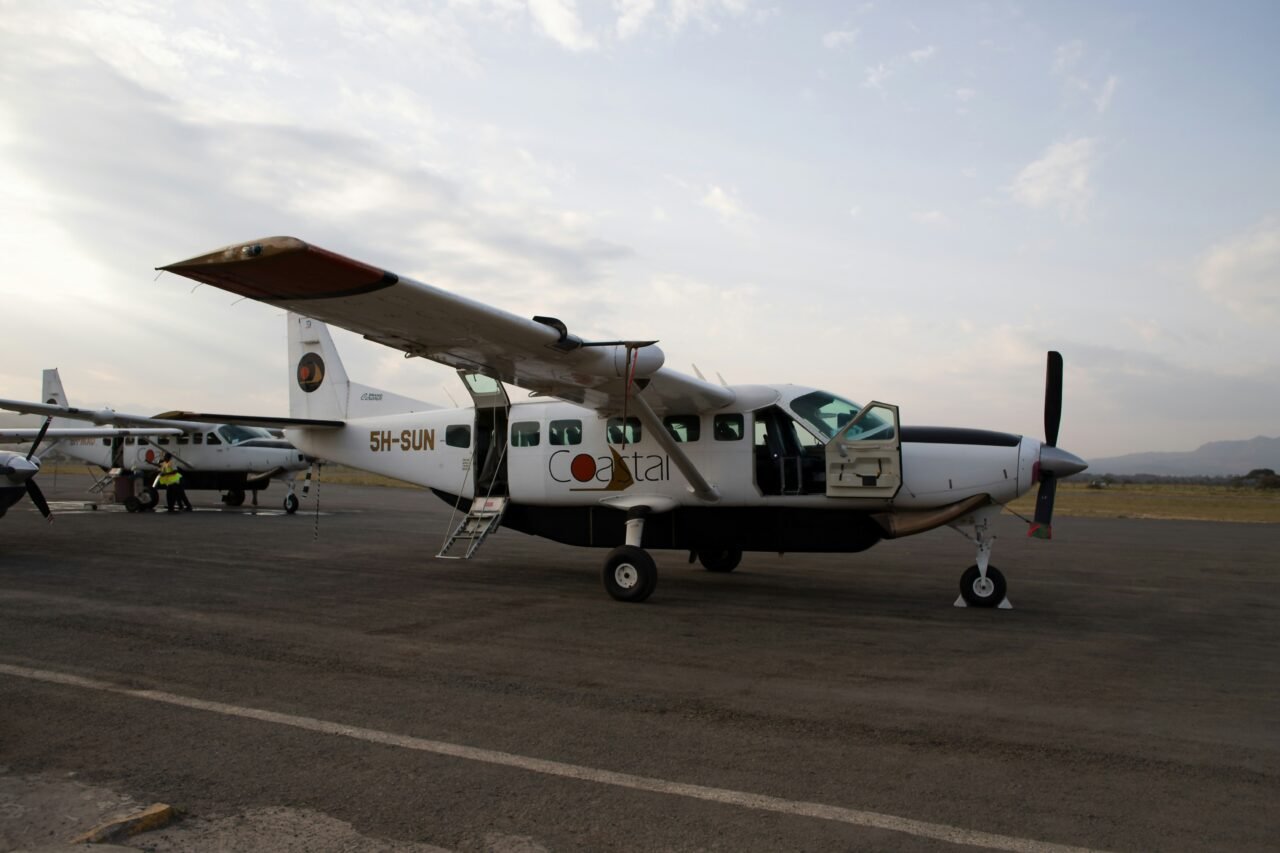
When planning a safari in Northern Tanzania, the logistics of “getting there” are often the most misunderstood part of the itinerary. A common misconception is that visitors can fly directly to the Ngorongoro Crater floor. In reality, the crater is a protected conservation area, and the only way to arrive is by road from the surrounding regional hubs or by light aircraft to a nearby airstrip followed by a transfer vehicle. Understanding this two-stage journey is essential for managing your travel time and comfort levels during your 2026 or 2027 trip.
The International Gateway: Kilimanjaro International Airport (JRO)
For the vast majority of international travelers, Kilimanjaro International Airport (JRO) is the only practical entry point. While Julius Nyerere International Airport (DAR) in Dar es Salaam is an option, it requires a long domestic connection, which adds unnecessary complexity to a Northern Circuit safari.
JRO is the central hub for the Kilimanjaro region and the gateway to the Northern Circuit, which includes the Serengeti, Tarangire, Lake Manyara, and the Ngorongoro Conservation Area. Because it is located near the city of Arusha, it serves as the staging ground for almost all safari operators. When you book your flights, aim for an arrival at JRO. This keeps your logistics straightforward: you land, you clear customs, and your guide is ready to meet you at the terminal.
If you are planning to combine your safari with a beach holiday in Zanzibar, we often coordinate flights that connect JRO to Zanzibar (ZNZ) or vice versa, allowing you to fly directly between the bush and the beach without backtracking to Dar es Salaam. For more details on these multi-leg trips, you can review our Zanzibar to Ngorongoro Crater flight and road transfer breakdown.
Regional Airstrips vs. Road Transfers
Once you are in the region, you have two primary methods to reach the Ngorongoro area: the classic road transfer or the fly-in safari option. Each serves a different travel style and budget.
The Road Transfer (The Standard Approach)
The drive from Arusha or Kilimanjaro Airport to the Ngorongoro Conservation Area is a staple of the Tanzania safari experience. It typically takes between 3 to 4 hours depending on traffic and your specific lodge location. This is not just “transit time”; it is part of the experience. You will pass through the bustling town of Mto wa Mbu, witness the changing landscape from coffee plantations to the Rift Valley escarpment, and gradually climb in elevation.
Why choose road transfer:
- Acclimatization: A slow climb in elevation is better for your body than jumping straight to the high altitude of the crater rim.
- Cost-Effective: This is significantly cheaper than a private charter or scheduled bush flight.
- Flexibility: You can stop for photos, cultural visits, or supplies along the way.
The Fly-In Safari (The Premium Approach)
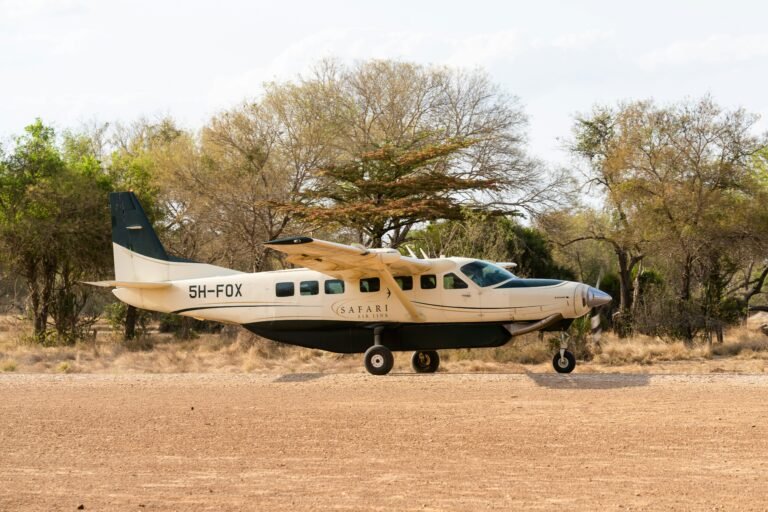
For those short on time or seeking a more exclusive experience, flying into the region is the preferred choice. Light aircraft operate scheduled flights from Arusha Airport (ARK) or JRO to the Lake Manyara Airstrip. From the airstrip, your safari guide will meet you with a 4×4 vehicle for the final 60-to-90-minute drive to the crater rim.
Why choose a fly-in safari:
- Time Efficiency: You skip the bumpy, dusty roads and spend more time on game drives.
- The View: Seeing the Great Rift Valley from the air is a highlight of any trip to Tanzania.
- Comfort: It is less fatiguing than a half-day drive, especially if you have just finished a multi-day Kilimanjaro climb.
For a detailed breakdown of how these flights connect, see our guide on fly-in safaris to Ngorongoro and Serengeti.
Planning Your Route: 2026 and 2027 Considerations
As we look toward the 2026 and 2027 seasons, safari logistics remain consistent, but booking lead times are changing. The Ngorongoro Conservation Area is one of the most popular destinations in Africa, and the road infrastructure—while improving—is still subject to the realities of East African weather. During the long rains (typically April and May), road conditions can change rapidly, making 4×4 vehicles essential.
When you work with a local operator like Climb 4 Africa, we manage these variables for you. You don’t need to worry about which road is currently undergoing repairs or which airstrip is optimal for your specific lodge location. We handle the vehicle maintenance, the driver logistics, and the flight bookings. Whether you are doing a 3-day short safari or a full 10-day expedition, we align the transport method with your itinerary flow. If you are interested in how this fits into a larger trip, our Ngorongoro Conservation Area travel guide offers more depth on what to expect once you arrive.
Connecting to Other Destinations
The “nearest airport” question often arises because travelers are trying to link the crater with other iconic spots. The Ngorongoro Crater is rarely a standalone destination; it is usually part of a larger chain. Here is how we typically structure the flow:
- Serengeti Connection: If you are moving between the crater and the Serengeti, you have two options. You can drive (which allows for game viewing through the Ngorongoro Conservation Area transit road) or fly from the Manyara Airstrip to Seronera Airstrip.
- Zanzibar Connection: Many travelers conclude their safari with a beach holiday. We often arrange a flight from the regional bush airstrip back to Arusha, and then a connecting flight to Zanzibar. This avoids the long drive back to JRO and allows for a smooth transition. For those looking for a specific itinerary, our 3-day Serengeti & Ngorongoro safari from Zanzibar is a popular template for this route.
If you are planning an even more extensive trip, such as an Etosha, Serengeti, Ngorongoro, and Zanzibar itinerary, the flight logistics become even more critical to maximize your time. We specialize in these complex connections, ensuring you aren’t spending your precious vacation days in transit.
Practical Booking Guidance
When you are ready to plan your travel, keep in mind that “nearest” does not always mean “best.” The right choice depends on your group size, your budget, and how much of the Tanzanian landscape you want to see. A road transfer provides a slow, in-depth introduction to the country, while a flight provides immediate access to the wildlife.
At Climb 4 Africa, we do not believe in one-size-fits-all logistics. When you contact us, we ask for your total travel duration, the other parks on your list, and your preference for comfort versus adventure. We then recommend the most efficient route. You can reach out to us directly for personalized advice:
WhatsApp: +255 747 477 898
Email: climb4africa@gmail.com or info@climb-4-africa.com
We can help you determine whether a private road transfer or a fly-in package aligns better with your 2026 or 2027 travel dates. We provide the vehicle, the guide, and the logistical support so that once you land at JRO, your only job is to enjoy the safari.
Frequently Asked Questions
Is there a public bus to Ngorongoro?
While public transport exists in Tanzania, it does not enter the Ngorongoro Conservation Area in the way required for a safari. You need a dedicated safari vehicle to navigate the park gates, pay the correct conservation fees, and conduct game drives. We strongly advise against attempting to reach the crater via public bus.
Which airstrip is best for my lodge?
This depends entirely on where your accommodation is located. Lodges on the crater rim are best served by the Manyara Airstrip, but some remote lodges in the northern part of the Conservation Area may have closer, private airstrips. When you book with us, we confirm the specific airstrip based on your accommodation booking.
Do I need to book my domestic flights separately?
You can, but we recommend letting your safari operator handle it. When we book your flights, we synchronize them with your safari schedule. If a flight is delayed, we are already aware of it and can adjust your safari guide’s pickup time accordingly. This integrated approach is much safer than managing separate bookings.
Is the drive from Arusha to Ngorongoro dangerous?
The road is generally safe, but it is a primary route for heavy transport trucks. It requires an experienced driver who is accustomed to the local driving style and the winding roads of the Rift Valley. This is why we provide professional drivers for all our transfers.
Navigating the Rift Valley: The Overland Journey Experience
While the allure of a 45-minute flight into the bush is undeniable, the overland journey from Arusha to the Ngorongoro Conservation Area remains the most popular way to reach the crater. This transit is far more than a simple transfer; it is a vital acclimatization period. Travelers who choose the road transfer often find that the gradual transition from the bustling, coffee-scented streets of Arusha into the rugged, high-altitude landscape of the Ngorongoro Highlands provides a deeper sense of place than an abrupt flight arrival.
The journey typically spans three to four hours, depending on traffic and your specific lodge location. The route takes you out of Arusha, past the sprawling coffee plantations that define the region’s agricultural economy, and into the Great Rift Valley. As you climb the escarpment, the scenery undergoes a dramatic transformation. You will move from the flat, arid plains near Lake Manyara into the lush, mist-shrouded forests that cling to the crater rim. This elevation gain is significant, often rising over 1,500 meters (roughly 5,000 feet) from the valley floor to the rim, which is why many travelers experience a noticeable drop in temperature upon arrival.
The Practicalities of the Road Transfer
Because the road transfer is a multi-hour commitment, the quality of your vehicle is paramount. A standard safari vehicle is not merely a mode of transport; it is your mobile observation deck. These vehicles are modified with pop-up roofs, suspension upgrades for rough terrain, and high-clearance chassis to handle the varied conditions of the Northern Circuit. When you book a private transfer, you are paying for the flexibility to stop. Unlike a public shuttle, a private driver allows you to pull over at scenic viewpoints along the Great Rift Valley escarpment—a perfect opportunity for photography and stretching your legs before the final ascent.
It is important to understand the road conditions. While the main highway connecting Arusha to the Ngorongoro Conservation Area is paved, the final stretches leading to specific lodges or the entry gates can be gravel or dirt. During the rainy seasons—typically April, May, and November—these roads can become muddy and challenging. A professional safari driver is trained to navigate these seasonal fluctuations, ensuring that the “getting there” portion of your trip remains safe and reliable, regardless of the weather.
Understanding the Wildlife Transit Corridors
A unique aspect of the drive to Ngorongoro is that you are often traveling through, or adjacent to, important wildlife corridors. It is not uncommon to spot giraffes, zebras, or even elephants while still on the transit route, particularly as you approach the Loduare Gate (the main entrance to the Ngorongoro Conservation Area). Many travelers make the mistake of treating the drive as “dead time” where they simply wait to arrive. In reality, your safari begins the moment you leave Arusha. Keep your camera accessible and your eyes on the horizon; the landscape between Arusha and the crater is part of the broader ecosystem, and wildlife sightings on the approach are a frequent, delightful prelude to the main event.
Logistical Considerations for the Return Trip
When planning your departure, the same logic applies in reverse. If you have an international flight departing from JRO in the evening, you must account for the full drive time back from the crater rim. A common pitfall for independent travelers is underestimating the time required to descend from the highlands and navigate the traffic returning to Arusha. We generally recommend leaving the Ngorongoro area at least six hours before your flight departure time. This buffer accounts for the descent, potential road construction, and the inevitable traffic congestion as you re-enter the Arusha metropolitan area. If your flight is early in the morning, it is standard practice to overnight in Arusha or at a lodge near the airport to eliminate the stress of a long, early-morning drive.
Why Your Choice of Vehicle Matters
Not all transfers are created equal. When researching your logistics, you will encounter a range of vehicle types, from standard 4×4 land cruisers to smaller minivans. For the Ngorongoro region, a 4×4 Land Cruiser or Land Rover is the industry standard for a reason. The terrain leading up to the crater is steep and can be uneven. Smaller, non-4×4 vehicles may struggle with the incline or the gravel paths near the rim lodges. Furthermore, the higher seating position of a Land Cruiser provides a better vantage point for viewing wildlife during the transit. If you are booking a package, ensure your operator specifies a 4×4 vehicle for the transfer, especially if your itinerary includes off-road game drives within the conservation area.
Navigating the Ngorongoro Conservation Area (NCA) Entry Protocols
While much of the pre-trip planning focuses on the logistics of the flight to JRO and the subsequent road transfer, the final, and often most critical, phase of your journey is the formal entry into the Ngorongoro Conservation Area (NCA) at the Loduare Gate. Unlike national parks where entry might be a fluid process, the NCA functions as a multiple-use conservation area where human habitation and wildlife coexist. Consequently, the entry protocol is more rigorous and administrative than most travelers anticipate.
The Loduare Gate is the primary entry point for visitors arriving from the Arusha and Lake Manyara direction. Upon arrival, your vehicle must stop for mandatory registration. In recent years, the Ngorongoro Conservation Area Authority has shifted toward digital permit management. While most reputable safari operators will handle these permits in advance, the physical verification process at the gate remains a manual, time-consuming step. During peak tourist seasons—particularly July, August, and September—it is not uncommon to encounter queues of safari vehicles, each waiting for their documentation to be scanned and verified by park officials. This is an essential “hidden” component of your transit time that should be factored into your day’s schedule.
The Administrative Bottleneck: Why Registration Takes Time
Understanding the nature of the entry permit is key to managing expectations. When your vehicle reaches the gate, the driver must present the park permit, which is typically tied to the specific vehicle and the number of passengers. The officials at the gate cross-reference this with the official digital portal. Any discrepancy in passenger count, vehicle registration number, or permit validity can result in significant delays. Furthermore, because the NCA is a UNESCO World Heritage site with strict conservation mandates, the gate serves as a control point for ensuring that no unauthorized materials or prohibited items enter the protected zone.
Travelers should be prepared for the vehicle to be stationary for anywhere from twenty minutes to over an hour during peak traffic times. While the gate area has basic amenities, it is not a luxury lounge. It is advisable to have your passport and any relevant physical paperwork easily accessible, even if your guide is handling the primary communication. If you are traveling independently, be aware that you cannot simply “show up” and buy a ticket at the gate; pre-arrangement of permits through the official NCAA portal is a prerequisite for entry.
The Transition: Ascending to the Crater Rim
Once the administrative formalities are complete, the journey from the Loduare Gate to the crater rim is an experience in itself, characterized by a dramatic change in geography and microclimate. You are essentially transitioning from the dry, lowland plains of the Great Rift Valley floor into the high-altitude, lush rainforests that cling to the crater’s outer slopes. This ascent is not merely a change in elevation; it is a rapid shift in temperature and humidity.
As you climb the winding road toward the rim, you will notice the vegetation shifting from acacia woodlands to dense, moss-covered montane forests. This transition zone is often shrouded in mist, particularly in the early morning or late afternoon. The temperature drop can be significant—often 5 to 10 degrees Celsius (10 to 18 degrees Fahrenheit) cooler than the temperature at the gate. This is a critical logistical detail for your packing strategy. Many travelers arrive at the gate in light, warm-weather clothing, only to find themselves shivering by the time they reach their lodge on the rim. Having a windbreaker or a fleece accessible in your day bag before you reach the gate ensures you are prepared for the immediate change in conditions upon your arrival at the rim.
The “Transit” vs. “Stay” Distinction
It is important to understand that your permit type dictates your movement within the conservation area. There is a distinct difference between a “transit permit” and a “stay permit.” If your itinerary involves simply driving through the NCA to reach the Serengeti, you are on a transit route. This limits your ability to deviate from the main roads or stop for extended game viewing. Conversely, a stay permit, which is required for those visiting the crater floor, grants you broader access to the conservation area. Ensure that your operator has secured the correct permit type for your specific itinerary, as attempting to “game drive” on a transit permit can lead to significant fines and delays at the gate or internal checkpoints.
Managing Expectations: The Reality of Crater Wildlife Logistics
While the logistics of reaching the Ngorongoro Crater are heavily focused on transport, permits, and elevation changes, the most critical element of your arrival strategy is managing your expectations regarding the wildlife experience itself. Many travelers arrive at the crater rim with a mental image of a crowded, zoo-like spectacle where animals are perpetually posing for photos. While the density of wildlife within the caldera is indeed among the highest in Africa, it is a wild, unfenced ecosystem that operates on its own schedule, not a pre-programmed attraction. Understanding the limitations of your transit and game-drive windows is essential to avoiding disappointment.
The “Safari Luck” Factor and Transit Constraints
Because the crater is a contained caldera, there is a common misconception that game viewing is guaranteed to be effortless. While it is true that you are highly likely to see the “Big Five” within a single day, the logistics of your entry time can significantly impact your encounter quality. The crater floor is subject to strict entry and exit times—usually, vehicles must descend early in the morning and begin their ascent by mid-afternoon. If your transfer from JRO or the regional airstrip lands you at the gate later than planned, your time on the floor is compressed. A shorter window on the floor forces guides to cover more ground quickly, which can turn a leisurely observation into a hurried circuit of the main tracks.
Furthermore, wildlife behavior is dictated by water availability, grazing patterns, and predator-prey dynamics, not by the location of your lodge or the route your driver takes. You may spend hours tracking a pride of lions, only for them to move into tall grass, or you might find yourself in a bottleneck of vehicles near a popular sighting. Experienced safari-goers understand that “game drive expectations” must be tempered: the best sightings often occur when you allow your guide to deviate from the primary thoroughfares, though this is only possible if you have allocated sufficient time for your stay.
Why Exclusive Access is Not Guaranteed
It is important to recognize that the Ngorongoro Conservation Area (NCA) is a multi-use landscape. Unlike a private concession where vehicle numbers are strictly limited, the crater floor is a shared public resource. During peak tourism seasons—typically mid-year and around the holidays—you will likely be sharing the experience with many other vehicles. Your arrival logistics, such as which gate you use and how early you depart your lodge, play a role in how much of this congestion you encounter. Staying at a lodge on the immediate crater rim allows for an earlier descent than staying in the outlying Karatu area. If you are based in Karatu, your morning drive to the gate eats into the prime early-morning hours when predators are most active. Choosing your accommodation location is, therefore, a strategic logistical decision that directly influences your wildlife viewing potential.
The Myth of the “Guaranteed” Sightings
No logistics plan can guarantee the sighting of specific animals. While the Black Rhino is the crown jewel of the Ngorongoro Crater, they are elusive and often traverse the more remote sections of the caldera. Travelers often ask if there is a “best” route to ensure a rhino sighting, but the reality is that these animals are constantly moving. A successful sighting is a combination of your guide’s expertise, the vehicle’s position, and sheer chance. When planning your trip, view the crater as a wild, unpredictable habitat rather than a curated experience. This perspective shift is vital: it transforms a missed sighting from a logistical failure into a natural reality of the African bush, allowing you to appreciate the broader landscape, birdlife, and the unique geology of the caldera regardless of the specific animals encountered that day.
The Calculus of Travel Fatigue: Balancing Arrival Logistics
The journey from the tarmac at Kilimanjaro International Airport (JRO) to the rim of the Ngorongoro Crater is rarely a simple A-to-B transit. It is a transitional experience that shifts from the controlled environment of international aviation to the unpredictable, rugged reality of the Tanzanian highlands. When planning this leg, many travelers make the mistake of viewing the transfer as a mere logistical chore—a box to check before the “real” safari begins. In reality, the transit day is a significant component of your overall energy budget. The road journey, while scenic, is physically taxing. It involves navigating the bustling outskirts of Arusha, transitioning onto the Great North Road, and eventually climbing the steep escarpments that lead into the Ngorongoro Conservation Area. This is not a high-speed highway experience; it is a gradual ascent through changing biomes, from dusty plains to lush, mist-covered montane forests.
The Impact of Arrival Timing on Safari Stamina
Your choice of arrival time at JRO dictates the quality of your first night and, by extension, your readiness for the crater descent. Flights arriving in the late afternoon often necessitate an overnight stay in Arusha or at a lodge near the airport. While this might feel like a delay, it is often a strategic necessity. Attempting a long-haul flight followed immediately by a four-hour drive on potentially uneven roads can leave travelers depleted. The altitude change is also a factor; as you move from the lowlands toward the crater rim, the elevation increases significantly, which can exacerbate the effects of jet lag. By choosing to buffer your arrival with an overnight stay in the Arusha area, you allow your body to acclimatize to the environment and the time zone before tackling the final stretch to the Ngorongoro region.
Analyzing the Trade-offs: Direct Transfers vs. Staged Arrivals
When evaluating the “nearest airport” logistics, consider the trade-off between continuity and comfort. A direct transfer from JRO to the crater rim is efficient in terms of calendar days, but it is intense. The route passes through diverse zones—industrial areas, small villages, and finally, the wilder outskirts—each with its own traffic patterns and pace. These routes are subject to the ebb and flow of regional commerce, school traffic, and agricultural transport. There is no “fast lane.” Conversely, a staged arrival—where you spend a night in the Karatu area or at a gateway lodge before entering the Conservation Area—breaks the journey into manageable segments. This approach offers a more gradual immersion into the landscape. You arrive at the crater rim refreshed, having already adjusted to the Tanzanian pace of life, rather than arriving in a state of travel-induced exhaustion that might cloud your appreciation of the first game drive.
The Complexity of Transitioning Landscapes
As you approach the Ngorongoro region, the topography shifts from the flat savannahs of the lower plains to the dramatic, rugged terrain of the Rift Valley escarpment. This transition is not just visual; it is logistical. The roads change from well-maintained tarmac to gravel tracks, and the vehicle requirements become more specialized. If your transfer is booked through a standard operator, ensure the vehicle is equipped for the specific terrain of the highlands. The “nearest airport” concept is somewhat deceptive because, while JRO is the only international hub, the final 50 kilometers of the journey often take as long as the first 150 kilometers due to the terrain. This is a critical nuance for travelers to grasp: distance on a map does not equate to time on the ground. The final push toward the crater rim involves winding roads, potential wildlife crossings, and strict speed regulations within the conservation zones, all of which serve to extend the duration of the final leg.
The Logistical Impact of Accommodation Placement
While the nearest airport remains a fixed geographical point, the logistical experience of your arrival is heavily dictated by your choice of accommodation. In the context of the Ngorongoro Conservation Area (NCA), where you choose to sleep is not merely a preference for comfort or scenery; it is a fundamental component of your transit schedule. The distance from the airport or airstrip is only the first half of the equation; the second half is the distance from your lodge to the crater floor. This often-overlooked variable can add or subtract hours from your daily safari experience.
The Rim-Stay Advantage: Eliminating the Daily Commute
Lodges situated directly on the crater rim offer the most significant logistical advantage for travelers aiming to maximize their time in the wild. When you stay on the rim, you are effectively already inside the conservation zone. This eliminates the need for the early morning transit from the outside world. By being positioned on the periphery of the caldera, you bypass the daily influx of vehicles that must travel from external towns to the entry gates. For the traveler, this means that the “nearest airport” transit ends not at a hotel, but at the threshold of the destination itself. The primary benefit here is the ability to access the crater floor immediately at opening hours, avoiding the peak congestion that occurs at the main entry points as the morning progresses.
The Karatu Buffer: Navigating the Gateway Towns
A significant portion of safari travelers opt for accommodations in the Karatu area, which lies just outside the Lodoare Gate—the main southern entrance to the NCA. While Karatu offers a wider range of lodge styles and often more competitive pricing, it introduces a mandatory daily commute. From these properties, the “nearest airport” logic is extended by an additional 45 to 90 minutes of driving each way, depending on the specific lodge location and traffic at the gate. This is not merely a matter of extra fuel or time; it is a matter of administrative processing. Every morning, vehicles departing from Karatu must queue at the Lodoare Gate to process park fees and registration. If you are staying in this buffer zone, your “arrival” at the crater is effectively delayed by the time it takes to clear these bureaucratic hurdles, which can be significant during the peak safari season.
The Lodoare Gate Bottleneck and Administrative Timing
The Lodoare Gate serves as the primary administrative funnel for the majority of visitors entering the Ngorongoro region. Understanding this bottleneck is essential for managing your expectations regarding your arrival day. Even if your road transfer from the airport is efficient, arriving at the gate mid-morning can result in substantial wait times. This is where the distinction between “transit” and “arrival” becomes critical. If you are staying outside the conservation area, your transfer vehicle must navigate this administrative stop before your safari can officially begin. Conversely, travelers arriving via light aircraft to the Lake Manyara Airstrip or other regional strips often find themselves transferred directly to the crater rim, bypassing the most congested sections of the external road network. Choosing a lodge inside the NCA effectively moves your administrative “check-in” point, allowing you to wake up within the conservation zone and proceed directly to the crater access road.
How Lodge Selection Dictates Vehicle Requirements
The final segment of your journey—from the airport or airstrip to your lodge—often requires different vehicle specifications based on the terrain surrounding your chosen accommodation. Lodges located deep within the highlands or near the rim may require vehicles with higher clearance and more robust suspension systems compared to those located on the main tarmac routes leading to Karatu. When finalizing your booking, it is worth confirming with your operator whether your transfer vehicle is optimized for the final stretch of your specific route. A vehicle suitable for the smooth transit from the airport may not be the same vehicle that provides the most comfortable experience once you enter the rugged, high-altitude terrain of the Ngorongoro highlands. This distinction is particularly relevant for those choosing fly-in options, as the transfer from the airstrip to a remote lodge can involve navigating steep, winding, and sometimes uneven paths that are vastly different from the conditions found on the main transit arteries.
The Micro-Climate Factor: How Altitude Influences Your Transit
While most travelers focus on the distance between Kilimanjaro International Airport (JRO) and the Ngorongoro Crater, the dramatic shift in elevation—often referred to as the ‘highlands transition’—is a logistical factor that significantly dictates travel comfort and vehicle performance. The Ngorongoro Conservation Area sits at an altitude ranging from approximately 1,500 to over 2,300 meters (5,000 to 7,500 feet) above sea level. This rapid ascent from the low-lying plains around Arusha creates a distinct micro-climate that can turn a smooth road transfer into a challenging navigation exercise, particularly during the wet seasons.
When planning your transit, recognize that the final two hours of your journey involve a steep climb up the Rift Valley escarpment. This is not merely a change in scenery; it is a change in mechanical requirements. Engines that perform flawlessly on the flat, paved roads leading out of Arusha may struggle with the constant incline and shifting gear ratios required for the winding, steep ascent toward the rim. Professional safari operators account for this by ensuring that the vehicle assigned to your transfer is not just a standard tourist van, but a 4×4 unit capable of handling sustained high-altitude torque. If your itinerary involves a transfer immediately following a long international flight, the physical impact of the altitude gain—often compounded by the winding nature of the roads—can exacerbate jet lag and motion sickness. Travelers prone to travel sickness should prioritize booking a private transfer that allows for multiple, flexible stops, rather than a shared shuttle service that adheres to a rigid, non-negotiable schedule.
The Seasonal Road Dynamics: Navigating the ‘Black Cotton’ Soil
A critical, often overlooked variable in your journey to the crater is the composition of the soil on the approach roads. Much of the region surrounding the Ngorongoro Conservation Area is characterized by ‘black cotton’ soil (vertisol). During the dry season, these roads are dusty but firm, allowing for relatively high-speed travel. However, during the rainy seasons—typically March to May and November to December—this soil transforms into a thick, slippery, and highly adhesive mud.
This environmental shift changes the logistics of your ‘nearest airport’ strategy entirely. A route that takes three hours during the dry season can easily balloon into a five- or six-hour ordeal during heavy rains, even if the distance remains identical. When booking your transfer, do not assume that the standard transit time applies year-round. Operators with deep local knowledge will proactively suggest alternative routes or different departure times to avoid the worst of the mud-prone sections. If you are flying into a regional airstrip like Lake Manyara, the ‘last mile’ of your journey is particularly susceptible to these conditions. The transfer from the airstrip to the crater rim often traverses unpaved secondary roads that are the first to become impassable. If you are traveling during the ‘green season,’ it is prudent to verify with your lodge or operator whether they have contingency plans for road closures or if they recommend a specific type of high-clearance vehicle that is better suited for deep mud navigation.
The Psychological Transition: Why the ‘Rim’ Feels Like a Different Country
The journey to the Ngorongoro Crater is as much a psychological transition as it is a physical one. As you ascend from the Karatu gateway toward the Lodoare Gate and beyond, the landscape shifts from agricultural farmland to dense montane forest and eventually to the open, windswept grasslands of the crater rim. This transition is important for your arrival logistics because it marks the point where you must shift your mindset from ‘transit’ to ‘safari.’
Many travelers make the mistake of attempting to squeeze a half-day game drive into the same day they arrive from the airport. Given the bureaucratic requirements at the gate, the potential for traffic, and the physical toll of the ascent, this is rarely successful. The most smooth arrivals occur when the day is treated as a ‘transit day,’ allowing for a relaxed check-in at your lodge. This allows you to acclimatize to the altitude and the environment before the early morning start required for the crater floor descent. By decoupling your arrival day from your safari day, you effectively eliminate the pressure to ‘make up time’ due to flight delays or road congestion, ensuring that your first real encounter with the crater is not marred by the lingering exhaustion of your transit.
The Role of Communication in Transit Success
Because the logistics of reaching the crater involve multiple stakeholders—your international airline, your ground handler, the park authorities at the gate, and the lodge staff—communication is your most valuable asset. The ‘nearest airport’ is only the starting point of a chain of events. A delay at JRO or a missed connection has a ripple effect that extends all the way to the park gate. Unlike city-based travel, where a missed flight simply means a later taxi, a delay in Northern Tanzania can mean arriving at the park gate after closing hours or missing the window for your lodge’s dinner service. Always ensure that your ground operator has your live flight tracking information and a direct line to your lodge. In the event of an unforeseen delay, having a proactive operator who can communicate with the gate authorities to adjust your entry permits or inform the lodge of your revised arrival time is what separates a smooth transit from a logistical headache.
Seasonal Dynamics and the Logistics of Transit Reliability
While travel literature often cites the road transfer from Kilimanjaro International Airport (JRO) to the Ngorongoro Crater as a standard three-to-four-hour journey, this figure is a statistical average that fails to account for the volatile environmental variables inherent to Northern Tanzania. The reliability of your transit is inextricably linked to the seasonal cycle, and treating your arrival logistics as a static, year-round constant is a frequent error in itinerary planning. Understanding how seasonal weather patterns physically alter the transit environment is critical for managing your expectations—and your schedule—when arriving for your 2026 or 2027 safari.
The ‘Black Cotton’ Soil Factor in Arrival Planning
The final leg of the journey, particularly as you approach the Karatu gateway and the Lodoare Gate, involves traversing terrain characterized by ‘black cotton’ soil (vertisols). During the dry season, this soil is hard, cracked, and stable, allowing for predictable transit times. However, during the long rains (typically March to May) and the short rains (November to December), this soil exhibits high shrink-swell capacity. When saturated, it transforms into a thick, adhesive mud that can render even robust 4×4 vehicles immobile. This is not merely an inconvenience; it is a logistical hazard that can add hours to a transit or, in extreme cases, necessitate a reroute.
For the traveler, this means that the ‘transfer time’ you were quoted in a dry-season itinerary is functionally useless during the wet season. If your flight arrives at JRO in the late afternoon during a rainy month, you are essentially gambling against the road conditions. A delay of two hours in the transit due to mud or water-logged roads can push your arrival at the crater rim well past the safety threshold for night driving, which is strongly discouraged—and often prohibited by lodge safety protocols—due to the danger of wildlife encounters on the road and the lack of visibility.
Wildlife-Induced Transit Delays: A Reality of the Northern Circuit
A common misconception among first-time visitors is that the ‘safari’ begins only once they have formally entered the Ngorongoro Conservation Area (NCA). In practice, the transit route itself—particularly the approach through the agricultural buffer zones and the transit corridors leading to the gate—is an active wildlife habitat. It is not uncommon for transit vehicles to be delayed by elephant herds or buffalo groups crossing the main transit arteries. While these encounters are often a highlight for the traveler, they are a source of significant logistical tension for the driver.
When planning your arrival, you must factor in the ‘wildlife variable.’ Unlike a highway in Europe or North America, where traffic is governed by infrastructure, the transit route to the crater is governed by biological movement. An elephant crossing the road near the gate can pause traffic for thirty minutes to an hour. If you have scheduled a tight arrival window, this ‘natural traffic jam’ can cause a cascading delay that impacts your lodge check-in, dinner service, and, consequently, your readiness for the following morning’s crater floor descent. Experienced travelers treat the transit not as a commute, but as an extension of the safari, allowing for a buffer of at least 90 minutes in their schedule to accommodate these unpredictable, yet inevitable, natural occurrences.
The Daylight Window and the Risk of Late-Afternoon Arrivals
In the equatorial latitudes of Tanzania, the sun sets with remarkable consistency, typically between 6:15 PM and 6:45 PM year-round. This creates a hard logistical deadline for all transit operations. Because there is no ambient lighting on the roads leading to the crater rim, and because the risk of wildlife-vehicle collisions increases exponentially after dusk, most reputable ground operators will refuse to drive the final, steep ascent to the crater rim after dark. If your international flight lands at JRO at 3:00 PM, you are already operating on a razor-thin margin. By the time you clear customs (which can take 60–90 minutes), retrieve luggage, and clear the Arusha traffic, you are often departing for the crater after 4:30 PM.
This leaves you roughly 90 minutes of daylight to cover a journey that, under perfect conditions, takes three hours. If you encounter a single delay—a flat tire, a heavy downpour, or a wildlife road block—you are suddenly facing the prospect of being stranded in the dark or forced to overnight in a gateway town like Karatu rather than your booked lodge on the rim. To mitigate this, the most prudent arrival strategy is to aim for a flight that touches down at JRO before 12:00 PM. This provides a generous buffer for customs, road transit, and the potential for the aforementioned seasonal or wildlife-related delays, ensuring you arrive at the crater rim with sufficient time to settle in before sunset.
Strategic Buffer Management for Seasonal Variability
The most effective way to manage these uncertainties is through ‘buffer-based planning.’ If you are traveling during the shoulder or rainy seasons, do not rely on the optimistic transit times provided in brochures. Instead, apply a ‘seasonal multiplier’ to your travel planning. If the stated transit time is four hours, assume six. If you have an afternoon flight arrival, consider booking a night in an Arusha or Karatu hotel rather than attempting to reach the crater rim on the same day. While this may seem like an unnecessary expense, it acts as an insurance policy against the reality of the landscape. It removes the stress of the ‘race against the sun’ and allows you to begin your crater experience from a position of rest, rather than the exhaustion of a high-stakes, delayed transit.
The Mechanics of Vehicle Compliance and Guide Licensing in the Conservation Area
Beyond the logistical challenge of reaching the Ngorongoro Conservation Area (NCA), travelers must understand the specific administrative ecosystem governing vehicle entry and guide conduct. The NCA is not a national park; it is a multiple-land-use area where wildlife, pastoralists, and tourism coexist. This unique status mandates that your transit is not merely a taxi service but a regulated entry process. Every vehicle entering the crater must possess specific permits that are often tied to the individual driver-guide’s credentials and the vehicle’s registration status. When you select a safari operator, you are essentially vetting their ability to navigate these specific bureaucratic hurdles, which can vary based on the vehicle’s specific classification—whether it is a standard 4×4 safari cruiser, a luxury modified Land Cruiser, or a larger group-transit vehicle.
The vehicle itself is subject to strict mechanical and safety inspections at the entry gates. While guests rarely see the paperwork, the “Transit” vs. “Stay” distinction mentioned previously often hinges on the vehicle’s compliance status. A vehicle must be equipped with specific communication gear, functional pop-up roof mechanisms, and fire safety equipment to clear the gate. If a vehicle fails a spot check, the delay is absolute; there is no “fast track” for tourists. Furthermore, the guide is required to present valid identification and a current, government-issued professional guide license. This is why the continuity of your guide is critical. A “transfer driver” who drops you at the gate and hands you off to a “crater guide” is a common practice, but it introduces a point of failure. If the second guide’s documentation is incomplete or missing, your entry window can be compromised, potentially forcing you to miss your scheduled morning descent time.
Navigating the Lodoare Gate and Seneto Descent Protocol
The Lodoare Gate, the primary southern entry point for those arriving from Karatu, serves as the main administrative bottleneck. The process here is a multi-step verification: vehicle registration, passenger permit processing, and fee reconciliation. This is where the “paperwork gap” often occurs. Even with pre-booked entry, the physical processing of manifests can be slowed by connectivity issues with the digital payment systems. Travelers should observe the administrative process with patience, as the gate officials are strictly adhering to protocols designed to prevent overcrowding on the crater floor.
Once clear of the gate, the transit protocol shifts to the descent. The Seneto Descent is the primary route into the crater, and it is strictly one-way for traffic descending in the morning. Understanding this is vital for your expectations: you cannot change your mind or turn back once the descent begins. The descent itself is a steep, winding road that tests the suspension of the vehicle and the nerves of the driver. Because of the incline, vehicles must maintain a specific speed and spacing. If your driver is inexperienced with the specific steep-grade requirements of the crater rim, the descent can be uncomfortable. This is a subtle but important differentiator in operator quality—experienced guides know how to manage the descent to minimize the “jostling” effect, ensuring that the transition from the rim to the floor is smooth rather than jarring.
The Role of the ‘Radio-Check’ and Guide Communication
Communication infrastructure within the NCA is a critical component of a successful transit. Because mobile network coverage is spotty and often nonexistent once you drop below the rim, guides rely heavily on VHF radio communication. This is not just for wildlife spotting; it is a vital safety tool for managing vehicle flow. If a vehicle breaks down or encounters a wildlife-related obstruction on the ascent or descent, the radio network is the only way to alert other vehicles and park authorities.
As a passenger, you may hear your guide engaging in constant, rapid-fire radio chatter. This is rarely idle conversation; it is active coordination. Experienced guides are constantly “polling” the route ahead, checking for traffic bottlenecks at the Seneto descent or reporting current road conditions on the crater floor. This communication loop is what allows a high-quality operator to pivot if a particular area of the crater becomes too congested. If you notice your driver frequently adjusting the route or timing based on radio input, you are witnessing the “Safari Intelligence” network in action. This is the difference between a transit that feels like a chaotic scramble and one that feels orchestrated and purposeful. When selecting your travel dates and times, prioritize operators who emphasize the technical proficiency and communication capability of their field teams, as this is the unseen layer of logistics that ensures your arrival at the crater is timely and stress-free.
The Social Logistics of Transit: Private vs. Group Vehicle Dynamics
When evaluating the transit phase from your accommodation to the crater floor, the decision between a private vehicle and a group-shared safari vehicle is not merely a budgetary choice; it is a fundamental shift in your logistical autonomy. The transit experience—which involves navigating the highland forest, managing the Lodoare gate protocols, and negotiating the Seneto descent—is significantly altered by the nature of your vehicle occupancy. Understanding these dynamics is crucial for travelers who prioritize specific transit goals, such as maximizing early morning light or minimizing time spent in stationary traffic.
In a private vehicle arrangement, the transit timeline is entirely at your disposal. This is the primary advantage for those attempting to manipulate the “gate rush.” During peak season, the Lodoare Gate experiences a predictable surge of traffic between 6:30 AM and 7:30 AM. Private travelers can, in consultation with their guide, opt for an ultra-early departure to beat the queue or, conversely, a delayed departure to avoid the congestion entirely. Because you are not coordinating with other passengers, the guide can adjust the speed of the transit to optimize for your specific interests—whether that involves stopping for photography in the lush highland forest or maintaining a steady pace to ensure maximum time on the crater floor.
Conversely, group or shared vehicles operate on a “communal consensus” model. The transit timeline is dictated by the slowest common denominator: the departure time of the lodge, the breakfast preferences of other passengers, and the collective desire for stops. In a shared vehicle, the guide must manage the expectations of multiple parties, which often means that the transit becomes a fixed-schedule event. If a fellow passenger is delayed or requires additional time for morning preparations, the entire vehicle misses the “optimal window” for the crater entry. This is particularly relevant at the Seneto descent, where arriving even thirty minutes later than planned can result in being caught behind a slow-moving convoy of other tourist vehicles, turning a scenic descent into a frustrating exercise in stop-and-start traffic.
The impact of vehicle type also extends to the physical comfort of the transit. The journey from the Karatu gateway or the crater rim to the descent point involves traversing steep, uneven terrain. In a private vehicle, the guide is focused exclusively on your comfort and can adapt the driving style to your preferences. If you find the winding, steep roads of the Ngorongoro highlands jarring, a private guide can adjust the vehicle’s suspension management and speed accordingly. In a group vehicle, the guide must balance the comfort of five or six different passengers, which often necessitates a “middle-ground” driving style that may not align with your personal tolerance for the rougher sections of the transit route.
Furthermore, the “Safari Intelligence” network—the communication between guides via VHF radio—functions differently depending on your vehicle status. In a private setup, the guide can relay information about traffic bottlenecks directly to you, allowing you to make real-time decisions about whether to push through a queue or detour to a scenic viewpoint while waiting for the traffic to dissipate. In a group vehicle, these decisions are made unilaterally by the guide to serve the majority, meaning you have less agency in how you navigate unforeseen transit delays. For travelers who view the transit as a significant part of the safari experience rather than a mere commute, the private vehicle offers the only pathway to a truly customized, stress-free arrival.
Deciphering the Cost Structure of Crater Logistics
When reviewing safari proposals, the line item for “transportation” or “transit” is frequently the most opaque aspect of the budget. Travelers often assume that the cost of reaching the Ngorongoro Crater is a flat fee, but in reality, it is a complex aggregate of several distinct fiscal drivers. Understanding these components is essential for transparency. A professional, itemized quote should clearly delineate between the “vehicle hire” (the daily rate of the car), “fuel levies” (which fluctuate based on distance from the Arusha hub), and the “NCA transit fees” (which are distinct from the crater entry fees). When these costs are bundled into a vague “transportation” package, you lose the ability to verify if you are paying for efficient, direct routing or if you are inadvertently subsidizing a less-than-optimal itinerary.
A critical budget driver often overlooked is the “empty leg” or “repositioning” cost. Because the Ngorongoro Conservation Area is not a standalone destination but part of a larger circuit, your vehicle may be arriving from Serengeti or Tarangire, or returning to Arusha after your drop-off. If your itinerary requires a specialized vehicle configuration—such as a long-range Land Cruiser with specific pop-top clearance or photographic modifications—the cost of repositioning that vehicle to the Lodoare Gate is higher than utilizing a standard fleet vehicle. A transparent quote will explicitly state if the vehicle is based in Arusha or if it is being “dead-headed” from another park. If you are booking a fly-in safari, the budget complexity shifts from road fuel to “landing fees” and “airside transfers.” You should expect a breakdown that separates the flight cost (which is per seat) from the ground transfer (which is per vehicle). Comparing these as a single lump sum is a common error that masks the true cost of your ground logistics.
The Hidden Fiscal Impact of Vehicle Compliance
The regulatory environment of the Ngorongoro Conservation Area imposes strict compliance standards on vehicles, which directly influences your bottom line. Every vehicle entering the crater must be registered with the NCA authority and adhere to specific mechanical standards. Operators who maintain their fleets to a high standard—ensuring optimal tire tread for the ‘black cotton’ soil and reliable cooling systems for the steep ascent—incur higher maintenance overheads. When you see a “budget” transit quote, it is often a signal that the operator is running older, higher-mileage vehicles. While this may lower your upfront cost, it increases the risk of mechanical failure during the transit. A breakdown in the remote highlands is not merely an inconvenience; it can result in significant “recovery costs,” where you are required to pay for a rescue vehicle to be dispatched from Karatu or Arusha. A prudent budget analysis should factor in the cost of “reliability insurance”—paying a slight premium for an operator with a robust, well-maintained fleet and a clear backup protocol.
Analyzing the ‘Driver-Guide’ Daily Rate vs. Transit Fee
Another area of fiscal confusion is the distinction between the driver-guide’s daily wage and the transit fee. In professional safari operations, these are separate. The transit fee covers the operational costs of the vehicle, while the guide’s daily rate covers their expertise, navigation skills, and the critical role they play in managing the complexities of the Lodoare Gate protocols. Be wary of quotes that lump these together, as it can hide the fact that the driver is being underpaid. An underpaid guide is less likely to advocate for your interests when negotiating entry queues or managing traffic bottlenecks at the crater rim. When evaluating your proposal, look for a structure that separates the professional service fee from the operational transit costs. This transparency is a hallmark of reputable operators and ensures that the logistics of your journey are handled by a motivated, fairly compensated professional who understands that your transit experience is just as valuable as the wildlife viewing itself.
The Physical Reality of the Safari Cabin: Endurance and Etiquette
While the administrative and logistical hurdles of reaching the Ngorongoro Crater are significant, the physical reality of spending prolonged periods inside a safari vehicle is often the most overlooked aspect of transit planning. Whether you are traversing the long, dusty roads from Arusha or navigating the steep, winding descent into the crater floor, your vehicle is not merely a transport vessel; it is your primary environment for the duration of the trip. Understanding the physical constraints and the unwritten code of conduct within this space is vital for maintaining comfort and ensuring a respectful experience for both the wildlife and your fellow travelers.
Managing the Cabin Climate: Altitude and Ventilation
The Ngorongoro Conservation Area is defined by its dramatic topography, which creates a volatile micro-climate within the confines of a safari vehicle. The crater rim sits at an altitude of approximately 2,300 meters (7,500 feet), where temperatures can drop sharply, particularly during the early morning hours or in the shoulder seasons. Conversely, the descent into the crater floor often brings a rapid shift in temperature and humidity as you drop into a contained, sun-drenched basin. Travelers frequently make the mistake of dressing for the temperature at the gate, only to find themselves either shivering during the pre-dawn transit or overheating by midday.
The solution is a layered approach to clothing that allows for rapid adjustment without requiring the vehicle to stop unnecessarily. Because the vehicle’s windows are the primary interface between you and the environment, you must also be prepared for the “dust-wind” cycle. On dry, sunny days, the roads leading to the crater are notoriously dusty. Keeping windows closed is often necessary to avoid inhaling fine volcanic silt, but this can quickly turn the cabin into a greenhouse. High-quality safari vehicles are equipped with pop-up roofs that provide overhead ventilation without the direct blast of wind and dust. Utilizing this feature effectively is a skill; learn to open the roof as soon as you clear the dustier sections of the transit road, and keep a light windbreaker accessible for the sudden drops in temperature that occur when cloud cover rolls over the crater rim.
The Etiquette of the Observation Hatch
The “pop-up” roof is the signature feature of the East African safari vehicle, yet it is also a source of significant friction if not managed with courtesy. When you are in the conservation area, your vehicle is effectively a mobile viewing platform. Etiquette dictates that you must be mindful of your physical footprint. Avoid standing on the seats, which can damage the upholstery and create unstable footing. Instead, utilize the built-in step-ladders or footholds provided by the operator. More importantly, be conscious of your camera gear and elbows. In a shared vehicle, space is at a premium. Extending long lenses or leaning aggressively over the roof line can obstruct the view for those seated on the opposite side. Establish a rotation system early in the trip, ensuring that everyone has equal time near the “best” viewing corners of the roof hatch.
Furthermore, noise discipline is paramount. While it is tempting to vocalize excitement upon spotting a lion or rhino, sudden shouting can startle wildlife, causing them to retreat or behave defensively. Your driver-guide is trained to position the vehicle for optimal viewing; trust their positioning. If you are obstructing the view of another vehicle, be prepared to shift your position or ask your guide to adjust the vehicle’s angle. The Ngorongoro Crater floor can become crowded, and the “courtesy of the road” is what keeps the experience from becoming chaotic.
The Physiology of the Long-Haul Safari
The transit to and from the crater is not a passive activity; it is a physical commitment. The roads leading into the Ngorongoro Conservation Area are a mix of paved highways and rough, corrugated tracks. Even in a well-maintained vehicle, the constant vibration and swaying can lead to “safari fatigue.” This is a real physical condition, characterized by dehydration, stiffness, and sensory overload. To mitigate this, hydration is non-negotiable. The dry, high-altitude air of the crater rim dehydrates the body faster than you realize, and the excitement of the safari often suppresses the thirst reflex.
Additionally, understand the limitations of the “safari seat.” Most vehicles are designed for off-road durability, not ergonomic luxury. If you have specific physical requirements, such as lower back support or knee sensitivity, bring a travel cushion. Do not rely on the vehicle to provide ergonomic seating. Furthermore, utilize the designated rest stops—typically located at the Lodoare Gate or the designated picnic sites on the crater floor—to stretch thoroughly. These stops are not just for administrative paperwork; they are essential for resetting your posture and circulation. Ignoring these opportunities to move your body can lead to significant discomfort by the time you reach your evening accommodation, potentially ruining your ability to enjoy the sunset or the evening wildlife activity around the lodge.
Wildlife Viewing Etiquette: The Silent Observer
Finally, remember that you are a guest in a fragile ecosystem. The animals of the Ngorongoro Crater are habituated to vehicles, but this does not mean they are indifferent to human presence. The most common breach of etiquette is the “baiting” or “luring” request. Never ask your driver to drive off-road to get a closer shot, or to rev the engine to provoke a reaction from a sleeping predator. These actions are illegal within the conservation area and disrupt the natural behavior of the wildlife. A true safari experience is about observation, not participation. If you find yourself wanting to get closer, use your camera’s zoom or your binoculars rather than pressuring the driver to breach the safety distance. Respecting these boundaries ensures that the wildlife remains undisturbed, which ultimately leads to better, more authentic viewing opportunities for everyone.
Luggage Logistics: The Hidden Constraint of the Transit
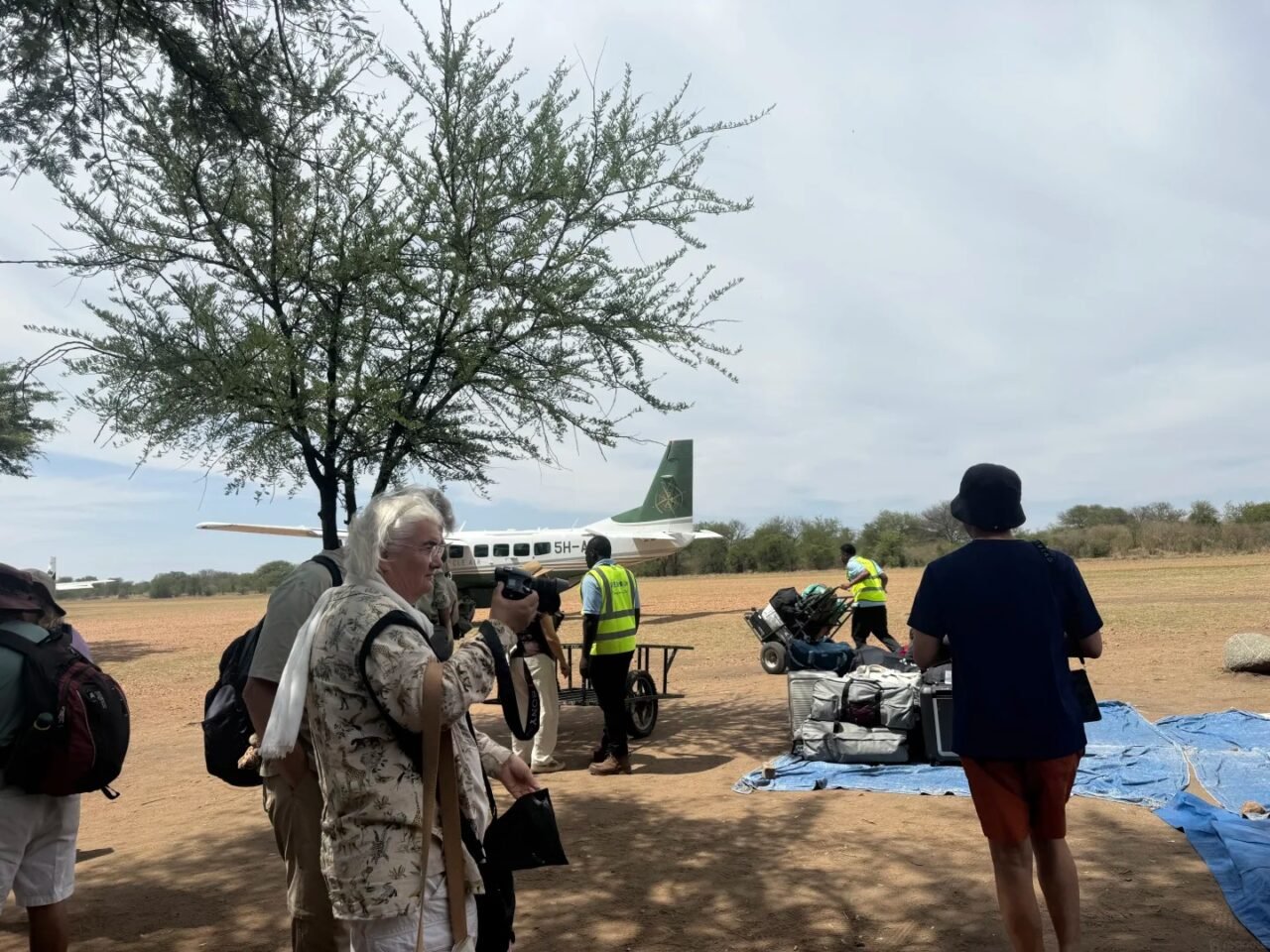
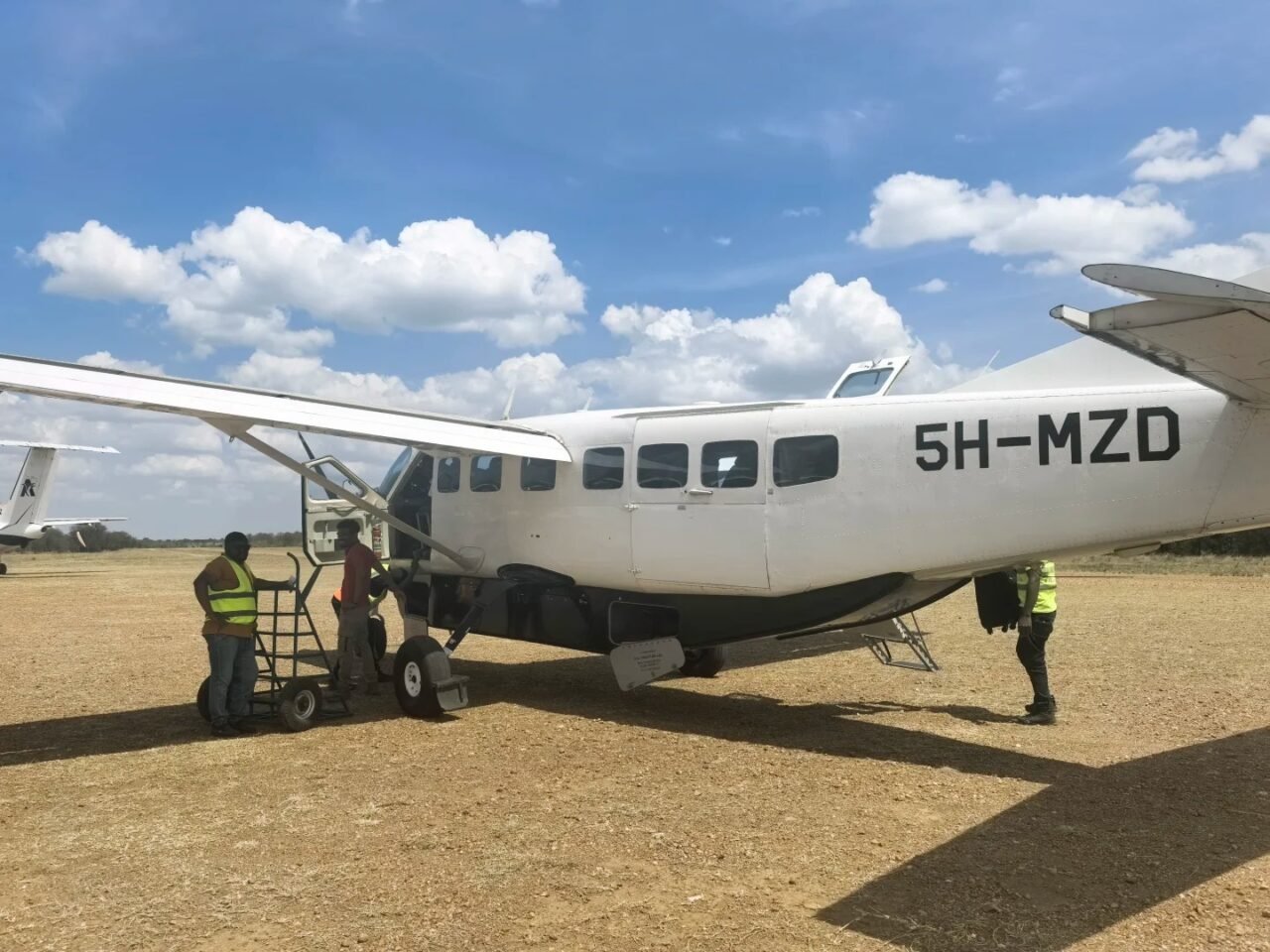
While logistical planning often focuses on flight times, vehicle types, and entry permits, the physical composition of your luggage is perhaps the most significant, yet overlooked, variable in your transit success. Whether you are arriving at Kilimanjaro International Airport (JRO) for a road transfer or connecting to a light aircraft for a fly-in safari, your baggage dictates the ease of your movement. If your itinerary involves a bush flight to a regional airstrip near the Ngorongoro Conservation Area, you are subject to strict weight and dimension limits. Light aircraft, such as the Cessna Grand Caravan, have limited cargo holds with specific weight distribution requirements. Hard-shell suitcases are the primary enemy of these flights; they are rigid and cannot be compressed to fit into the uniquely shaped, narrow luggage compartments of bush planes. Always opt for soft-sided duffel bags, which allow ground crew to manipulate the shape of the luggage to maximize the aircraft’s internal volume.
Even if you have opted for a private road transfer from JRO directly to the crater rim, luggage management remains critical. Safari vehicles, while rugged, possess finite boot space. When a vehicle is fully occupied by passengers, the storage area is often shared with spare tires, recovery gear, and picnic supplies. Bringing excessive, bulky luggage not only creates physical clutter in the passenger cabin—which leads to the aforementioned ‘safari fatigue’—but can also impede the driver’s ability to quickly access emergency equipment or cooling systems. Before departing your home country, audit your packing list to ensure you are prioritizing functionality over volume. If you are traveling with camera gear, ensure it is in a dedicated, padded, but non-rigid bag that can be kept at your feet rather than stored in the boot, allowing you constant access during the transit.
The ‘Meet and Greet’ Protocol at JRO
The transition from the JRO arrival hall to your safari vehicle is the first ‘moment of truth’ in your Northern Circuit journey. The arrival hall can be a high-stimulation environment, often crowded with porters, taxi drivers, and tour operators. For travelers unaccustomed to East African logistics, attempting to navigate this independently can be overwhelming. The most effective strategy is to ensure your safari operator provides a dedicated ‘meet and greet’ service. This means having a representative waiting specifically for you, holding a sign with your name or your group’s name, immediately upon clearing customs.
This service is not merely a convenience; it is a security and efficiency measure. A professional meet-and-greet representative understands the nuances of the airport’s layout, knows exactly where your transfer vehicle is parked, and can assist with the loading of your luggage. They act as a buffer against the chaotic atmosphere of the terminal, allowing you to transition directly from the sterile environment of the airport into the context of your safari. If you are arriving late in the day, this is especially vital, as it minimizes the time spent in the airport precinct and gets you on the road toward the Ngorongoro buffer zone (such as Karatu) before nightfall. Avoid the temptation to negotiate with independent taxis outside the terminal, as these vehicles may not meet the safety and insurance standards required for the long-distance transit to the crater rim.
Check Availability for Nearest Airport To Ngorongoro Crater: Logistics & Planning For 2026-2027
Ready to compare dates, prices, and the best option for your group? Send the package name and travel month so the team can reply with a clear quote, availability, and what is included.
How To Fly To Ngorongoro Crater: Nearest Airports & Transfer Prices 2026-2027
Planning a trip to the Ngorongoro Crater? Discover the reality of air access, why there is no airstrip inside the crater, and how to coordinate your ground transfers.
View package detailsLake Manyara Airstrip Vs Arusha Airport: Which Is Best For Ngorongoro In ?
Deciding between Lake Manyara Airstrip and Arusha Airport for your Ngorongoro Crater safari? We compare the transfer times, costs, and travel styles to help you choose the right gateway for...
View package details
Zanzibar To Ngorongoro Crater: Flight And Road Transfer Costs ( Guide)
A detailed guide on navigating the logistical chain between Zanzibar and the Ngorongoro Crater, covering flight options, airport choices, and the cost variables involved.
View package details
Zanzibar To Ngorongoro Crater Safari By Flight: Price & Travel Options 2027
A deep look at the logistics, costs, and planning decisions required for flying from Zanzibar to start your Ngorongoro Crater Safari, designed for the experienced traveler.
View package details
Fly-In Safari To Ngorongoro And Serengeti: Flights & Transfer Costs 2026-2027
Discover the logistics and cost breakdown for a fly-in safari to Ngorongoro and the Serengeti, including airstrip transfers, baggage limits, and vehicle positioning.
View package details3-Day Serengeti & Ngorongoro Safari From Zanzibar By Flight 2027
3-Day Serengeti & Ngorongoro Safari From Zanzibar by Flight is explained with current 2027 planning, price, itinerary and booking information.
View package detailsIs Serengeti Or Ngorongoro Better For A First Tanzania Safari? 2027
Is Serengeti or Ngorongoro Better for a First Tanzania Safari? is explained with current 2027 planning, price, itinerary and booking information.
View package details
Direct Flights To Tanzania: Airlines, Airports & Ticket Prices For 2027
Planning a trip to Tanzania in 2027? Discover the most convenient ways to get there with direct flight options, key airports, and insights into ticket prices. Learn which airlines serve...
View package details
Best Airport To Fly Into Tanzania For Safari, Kilimanjaro & Zanzibar 2027
Planning a Tanzanian adventure combining wildlife safaris, the iconic Mount Kilimanjaro, and the tropical paradise of Zanzibar requires choosing the right entry point. This guide clarifies...
View package details
Kilimandscharo Reise Mit Safari In Tansania 2026-2027
Kilimandscharo Reise mit Safari in Tansania is explained with current 2026-2027 planning, price, itinerary and booking information.
View package detailsLake Manyara To Serengeti Flight Price & Safari Connections 2026-2027
A practical guide to connecting Lake Manyara and the Serengeti by air, covering flight pricing factors, logistical trade-offs, and how to optimize your safari schedule.
View package detailsZanzibar To Tarangire Safari By Flight: Prices & Travel Options 2026-2027
A detailed breakdown of the logistics, flight connections, and road transfers required to travel from Zanzibar to Tarangire National Park for a safari.
View package detailsNo related package matches those filters. Clear one or more filters to see the other topic-matched options.



