
A Mount Meru and Kilimanjaro combo trip is a strategic two-peak expedition where you first ascend Mount Meru (4,562m) to acclimatize and experience unique wildlife, followed by the ascent of Mount Kilimanjaro (5,895m) to reach the ‘Roof of Africa’. This itinerary is highly recommended for trekkers who want to improve their physiological adaptation to altitude, as the extra days on Meru provide a critical buffer that significantly increases the likelihood of a successful summit on Kilimanjaro.
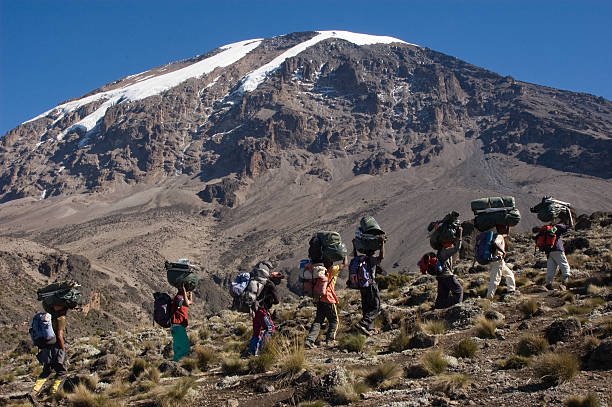
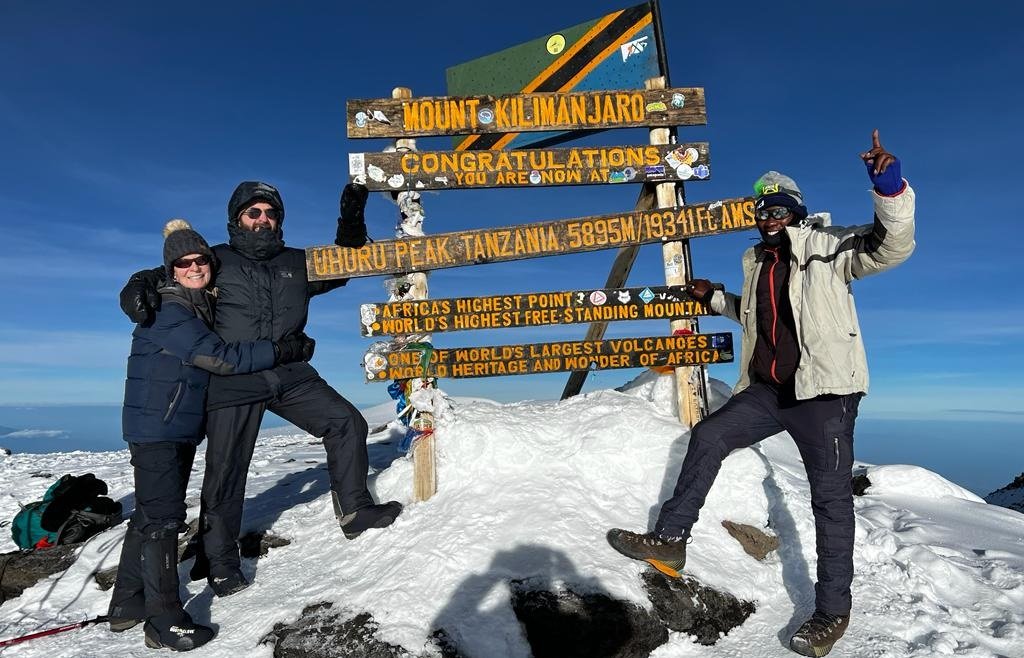
When planning a high-altitude expedition in Tanzania, the most common mistake is rushing the ascent. Many travelers treat Kilimanjaro as a standalone challenge, ignoring the fact that altitude sickness is the primary reason for turning back. A Mount Meru and Kilimanjaro combo trip changes the dynamic of your expedition. You are not just doing two hikes; you are using the first mountain as a high-altitude training ground. By the time you start your Kilimanjaro ascent, your body has already experienced prolonged time above 3,000 meters, which makes the thinner air on the higher peak feel far more manageable.
The Acclimatization Advantage
Physiologically, the climb-high, sleep-low strategy is the gold standard for mountaineering. Mount Meru is perfectly suited for this. Because you climb it before Kilimanjaro, you are essentially pre-acclimatizing. The trek up Meru typically takes three to four days, and it forces your body to produce more red blood cells and adjust to lower oxygen saturation levels.
When you transition to Kilimanjaro—whether you choose the Machame Route or a longer, more gradual path like Lemosho—your starting point is not from sea level or a low-altitude hotel. You are starting from a position of already being mountain-fit. This reduces the fatigue often associated with the first few days of Kilimanjaro, allowing you to focus on the summit push rather than fighting early symptoms of altitude sickness.
Mount Meru: The Wildlife-Rich Warm-Up
One of the distinct benefits of choosing Mount Meru for your combo trip is the nature of the terrain. Unlike Kilimanjaro, where you are largely focused on the ascent and the changing vegetation zones, Meru sits inside Arusha National Park. This means that for the first section of your climb, you are trekking through a protected wildlife area.
It is standard procedure on Meru to be accompanied by an armed ranger for the initial stages of the trek. You are walking through forests where buffalo, giraffes, and colobus monkeys are common sights. This adds a layer of engagement that breaks the monotony of a long, grueling trek. It transforms the “acclimatization” phase of your trip from a chore into a genuine wildlife safari experience. By the time you reach the higher, more barren volcanic slopes, you have already had a complete, in-depth Tanzanian experience.
Planning Your 2027 Itinerary
For travelers looking at 2027, the planning window is open. Booking early is not just about securing a spot; it is about securing the right support team. A combo trip requires complex logistics: two separate sets of park permits, two different trail support teams, and a critical rest-and-transition day in between.
We advise our clients to treat the transition day as sacrosanct. After descending Meru, your muscles will be fatigued, and your energy reserves will be depleted. Attempting to jump straight into the Kilimanjaro trailhead the next morning is a recipe for burnout. At Climb 4 Africa, we build in a buffer day—often spent in Moshi or Arusha—to allow for gear maintenance, laundry, and, most importantly, rest. This is the difference between a successful expedition and a miserable struggle.
The 2027 Logistics Checklist
- Permit Coordination: Park fees for Meru and Kilimanjaro are distinct. Ensure your operator handles both sets of paperwork in advance to avoid delays at the park gates.
- Gear Rotation: You will likely need different gear for the wildlife-heavy lower slopes of Meru compared to the arctic conditions of the Kili summit. A reliable operator will help you store excess gear in a secure location during your transition.
- The Rest Buffer: Never skip the rest day between climbs. It is the most vital component of a combo trip.
- Flight Timing: Arrive at least one day before your Meru climb starts. The travel fatigue combined with high altitude is a dangerous mix.
Choosing Your Kilimanjaro Route After Meru
Once you have completed your Meru ascent, you have a unique freedom: you can choose your Kilimanjaro route based on preference rather than just safety. Because you are already acclimatized, you might be tempted by the shorter, steeper routes, but we generally advise sticking to the 7-day or 8-day options. Why? Because the scenery on the longer routes is superior, and your goal should be to enjoy the mountain, not just to race to the top.
If you prefer a rugged, challenging climb, the Machame route is a fantastic pairing with Meru. If you prefer a more scenic, less crowded approach, the Lemosho route provides a broader view of the mountain’s different faces. Regardless of which path you choose, the physical base you built on Meru will be your greatest asset.
Practical Support for Your Expedition
Planning a multi-mountain expedition requires clear communication. We handle the intricacies of local logistics—from the necessary ranger bookings in Arusha National Park to the complex coordination of porters and guides for your Kilimanjaro summit.
If you are in the early stages of planning for 2027, the best approach is to reach out directly to discuss your fitness level and your goals. We don’t believe in one-size-fits-all itineraries. A combo trip is a significant commitment of time and money, and it should be tailored to your pace. Whether you are coming from the USA, Europe, or elsewhere, we provide the ground support to make the transition between peaks smooth.
You can reach our team directly via WhatsApp at +255 747 477 898 or send your specific requirements to climb4africa@gmail.com. For general inquiries or to review our standard protocols, you can also reach us at info@climb-4-africa.com. When you contact us, please specify if you have previous high-altitude experience, as this helps us refine your training and preparation advice.
Common Questions About Combo Trips
Is it too exhausting to do both?
It is physically demanding, yes. However, it is not necessarily more exhausting than a single, poorly planned, rushed Kilimanjaro climb. The key is the rest day. If you respect the recovery time, most reasonably fit individuals can handle the combo.
Do I need different gear for Meru?
The lower slopes of Meru are warmer, but the summit of Meru is cold. You will need a similar layering system to Kilimanjaro, but you might find you need slightly less heavy-duty equipment for the Meru ascent. We provide a full gear list once you book your trip, which covers both environments.
What if I get sick on Meru?
That is the primary reason for the rest day. If you show signs of altitude issues on Meru, it is a warning. We monitor your health closely throughout the Meru climb. If you have trouble there, we can adjust your Kilimanjaro plans, rest longer, or change your route to a more gradual ascent path.
When is the best time to go?
The best trekking seasons for Tanzania are generally January to March and June to October. These months offer the driest conditions, which is crucial for both Meru and Kilimanjaro. Attempting this combo during the rainy season (April, May, November) is not recommended unless you are an experienced mountaineer who is comfortable with mud, rain, and slippery conditions.
How do I handle the extra luggage?
Our team manages logistics for your extra baggage. You can leave your city clothes and non-essential gear in secure storage at our base in Moshi while you are on the mountains. You only take what you need for each specific climb.
The Physiological Evolution of a Two-Peak Expedition
While the logistical benefits of a combo trip are often the first point of discussion, the physiological evolution that occurs between Mount Meru and Kilimanjaro is the true differentiator for success. When you ascend Mount Meru (4,562m), you are not merely hiking; you are engaging in a specific form of high-altitude conditioning that is rarely replicated in standard gym training. The human body is remarkably adaptable, but it requires the right stimulus to trigger the necessary hematological changes. By spending three to four days on Meru, you force your body to increase erythropoietin (EPO) production, the hormone responsible for stimulating red blood cell synthesis. This physiological ‘priming’ is the secret weapon of elite mountaineers.
The transition period between the two peaks—typically a 24 to 48-hour window spent at lower elevations in Moshi or Arusha—serves a critical function. This is not just ‘down time’; it is a recovery phase where your body consolidates the adaptations made during the Meru ascent. During this window, your muscles repair micro-tears, glycogen stores are replenished, and your body stabilizes the new blood chemistry. When you then step onto the Kilimanjaro trailhead, your baseline oxygen saturation is higher than it would have been had you arrived directly from sea level. You are essentially bypassing the ‘shock’ phase that many Kilimanjaro trekkers experience on their first two days, allowing your metabolic rate to remain more efficient throughout the higher reaches of the mountain.
The Psychological Edge: Conquering the Mental Barrier
Beyond the biological mechanics, the mental advantage of a combo trip cannot be overstated. Kilimanjaro is a formidable psychological challenge. The sheer scale of the mountain, the length of the trek, and the daunting summit night can weigh heavily on a climber’s mind. By completing Mount Meru first, you have already navigated the rhythms of high-altitude trekking: the early wake-up calls, the constant monitoring of your own breath, the discipline of hydration, and the routine of camp life. You arrive at the Kilimanjaro trailhead not as a novice, but as a seasoned participant in your own expedition.
This familiarity reduces the ‘decision fatigue’ that often plagues climbers during the middle stages of a long expedition. Because you have already proven to yourself that you can handle the cold, the altitude, and the physical exertion of Meru, you approach Kilimanjaro with a quiet confidence. This mental state is crucial. Anxiety and stress are known to exacerbate the symptoms of altitude sickness; by removing the fear of the unknown, you are physically and mentally better equipped to listen to your body and make calm, rational decisions as you climb higher.
Terrain and Ecosystem Transitions: A Comparative Study
One of the most enriching aspects of a combo trip is the stark contrast in terrain. Mount Meru is often described as a ‘mini-Kilimanjaro’ but with a distinct, rugged personality. Its lower slopes pass through Arusha National Park, offering a wildlife-rich experience that is entirely absent from the standard Kilimanjaro routes. You are likely to encounter giraffes, zebras, and colobus monkeys in the initial stages of your Meru climb, providing a dynamic and engaging start that keeps your spirits high.
The topography of Meru is also steeper and more technical in places, particularly the final push to Socialist Peak. This technicality requires a level of focus and footwork that prepares you well for the varied terrain of the Kilimanjaro trails. While Kilimanjaro is primarily a trek—a long, arduous walk against gravity—Meru requires more engagement with the rock and the path. This ‘active’ climbing style keeps your body alert and agile. When you transition to the Kilimanjaro trails, you will find that your trekking technique is more polished, your gait is more efficient, and your ability to navigate uneven surfaces is significantly improved. You are not just walking; you are moving with the efficiency of someone who has already found their mountain legs.
Strategic Pacing: Avoiding the ‘Rush’ Trap
The most dangerous element in high-altitude mountaineering is the urge to rush. Many commercial Kilimanjaro itineraries are compressed into five or six days to reduce costs, which forces the body to adapt at an unnatural, often unsafe speed. A combo trip inherently forces a slower, more deliberate pace. By committing to the two-mountain itinerary, you are effectively mandating a longer total duration for your high-altitude exposure. This structural necessity is your greatest safety net.
When you integrate Meru, you are spreading the stress of altitude over a longer timeline. You are not forcing your body to reach 5,895 meters in a frantic, compressed sprint. Instead, you are building a foundation. The days spent on Meru are days that you are not spending in the ‘danger zone’ of rapid altitude gain on Kilimanjaro. By the time you reach the higher camps on Kilimanjaro, such as Barafu or Karanga, you have already spent more cumulative time at altitude than a climber on a standard six-day route ever will. This deliberate, paced approach is the single most effective way to maximize your chances of a successful summit while minimizing the risks of acute mountain sickness (AMS).
The Gear Dynamics: Managing Dual-Environment Logistics
The logistical challenge of a combo expedition lies in the stark contrast between the ecosystems of Mount Meru and Kilimanjaro. While they are geographically proximate, their demands on your gear are distinct. Mount Meru, situated within the lush, lower-altitude Arusha National Park, requires gear that prioritizes breathability and moisture management. You are trekking through montane forests and moorlands where the humidity can be high, and the daytime temperatures are moderate. Conversely, Kilimanjaro’s summit zone is a high-alpine desert, followed by an arctic-like summit night. Packing for a combo trip is an exercise in modularity; you cannot simply pack for the coldest day, or you will be burdened by unnecessary weight during your Meru ascent.
A critical strategy for 2027 expeditions is the ‘base camp storage’ method. Most reputable operators facilitate the storage of your high-altitude summit gear at a secure location in Arusha while you are on Mount Meru. This allows you to climb Meru with a lighter pack, focusing on agility and comfort. You only retrieve your specialized sub-zero gear—heavy-duty down jackets, insulated mittens, and high-altitude boots—after you return from Meru and prepare for the Kilimanjaro leg. This separation prevents the common mistake of ‘gear creep,’ where hikers attempt to carry their entire kit for both mountains, leading to exhaustion during the initial phase of the trip.
Footwear Strategy: The Meru-Kilimanjaro Divide
Perhaps the most debated piece of equipment is footwear. For Mount Meru, which involves steeper, rockier sections and potentially more technical scrambling, a sturdy, supportive hiking boot with excellent traction is essential. However, for Kilimanjaro, you need boots that can accommodate thick, thermal socks without constricting circulation—a major factor in preventing frostbite. Many climbers make the mistake of wearing their ‘summit boots’ for the entire trip. If your boots are too stiff or too insulated, you will likely develop blisters during the Meru climb, which will become debilitating once you reach the multi-day slog of Kilimanjaro.
The optimal approach is to break in your Kilimanjaro boots well before the trip, but consider using a slightly lighter, more flexible pair of trail boots for the Meru ascent if you are confident in your ankle stability. If you prefer to use one pair for both, ensure they are thoroughly broken in and offer enough volume to accommodate different sock thicknesses. Your feet will swell at altitude; having a boot that feels perfect at sea level often means it will be too tight by the time you reach Kibo Hut on Kilimanjaro. A combo trip gives you a ‘test run’ on Meru to identify any hot spots or pressure points in your footwear before you face the ultimate test on Kilimanjaro.
The Nutritional Pacing Strategy
On a standard Kilimanjaro climb, appetite suppression is a well-documented side effect of altitude. By the time many climbers reach the higher camps, the desire to eat vanishes, yet the caloric demand remains astronomical. A combo trip introduces a unique variable: you are essentially extending your high-altitude ‘eating challenge’ by several days. You must treat your nutrition on Mount Meru not just as fuel for that specific climb, but as a training period for your digestive system.
Use your days on Meru to experiment with high-calorie, easily digestible foods that you can tolerate even when you feel nauseous. If you discover that standard trail mix or energy bars make you feel bloated at 3,500 meters on Meru, you have the opportunity to adjust your supply for Kilimanjaro. This is the ‘nutritional dry run.’ By the time you start your Kilimanjaro ascent, you should have a dialed-in menu of foods that you know you can force down even when your body is screaming for rest. This is often the difference between summit success and failure, as the body cannot sustain the energy output required for the Kilimanjaro summit push without consistent caloric intake.
Hydration Discipline: The Cumulative Effect
Hydration is the single most important factor in altitude adaptation, yet it is rarely mastered in the short timeframes of a standard climb. On a combo trip, you are forced to maintain high hydration levels for a longer duration. This creates a physiological habit. By the time you begin the Kilimanjaro trek, drinking four to five liters of water a day will feel like a routine, rather than a chore. This habit is critical. Many climbers on short Kilimanjaro itineraries fail to hydrate properly because they are focused on the exertion of the hike. The combo trip builds this discipline into your rhythm, ensuring that when you reach the thin, dry air of Kilimanjaro’s upper slopes, your blood volume is optimized, and your body is primed to handle the physiological stress.
The Temporal Buffer: Why Sequential Ascent Reduces Cumulative Fatigue
The core philosophy of a Mount Meru and Kilimanjaro combination is not merely about stacking two summits; it is about manipulating the temporal landscape of your expedition to favor biological adaptation. When climbers attempt Kilimanjaro as a standalone endeavor, they are often subjected to a compressed schedule. Even on the longer routes, the body is forced to adjust to altitude in rapid, aggressive increments. By inserting Mount Meru into the timeline, you effectively break this compressed curve. You introduce a ‘temporal buffer’—a period where your body remains at significant altitude, performs physical work, and recovers, all before the main event begins.
This sequential approach changes the metabolic demand of the journey. In a standalone Kilimanjaro ascent, the first two days are often characterized by a ‘shock’ phase, where the body struggles to reconcile the rapid gain in elevation with the need for sustained physical output. On a combo trip, Meru acts as the shock absorber. By the time you reach the Kilimanjaro trailhead, your respiratory rate, hemoglobin response, and autonomic nervous system have already navigated the initial turbulence of high altitude. You are essentially entering the Kilimanjaro environment at an ‘acclimatized baseline’ rather than a ‘sea-level baseline.’ This shift is subtle but profound: it transforms the first few days of Kilimanjaro from a period of physiological struggle into a period of steady, managed progress.
The Mechanics of Pacing: Avoiding the “Rush” Trap
One of the most persistent issues in high-altitude trekking is the tendency to prioritize the summit over the process. In a standard itinerary, the pressure to reach the top can lead climbers to ignore the signals their bodies are sending. They may push too hard, sleep too little, and neglect hydration, all in the service of maintaining a schedule. The combo trip inherently discourages this ‘rush’ mentality. Because you have already secured a successful summit on Mount Meru, the psychological desperation to ‘get to the top’ is tempered by the knowledge that you have already achieved a significant mountaineering goal.
This shift in mindset is critical for pace management. On the trails of Kilimanjaro, the most successful climbers are those who master the art of the ‘pole pole’ (slowly, slowly) rhythm. When you are not plagued by the anxiety of a single-peak expedition, you are more likely to adhere to the recommended, slower pace. You are more observant of your own heart rate, more disciplined about your rest stops, and more willing to prioritize sleep quality over social interaction in the camp. This intentional slowing down is not just a preference; it is a vital strategy for preserving energy for the final, grueling push to Uhuru Peak.
Defining the ‘Recovery Window’ Between Peaks
A critical, often overlooked component of the combo trip is the transition period between Mount Meru and Mount Kilimanjaro. This window—typically 24 to 48 hours—is not merely for rest; it is a strategic recovery phase. During this time, the goal is to stabilize your physiological state before re-engaging with the higher, more demanding environment of Kilimanjaro. This is the time to address minor ailments that might have surfaced on Meru, such as small blisters, early signs of respiratory congestion, or muscle fatigue.
Effective use of this recovery window involves three key pillars: active recovery, nutritional replenishment, and psychological resetting. Active recovery does not mean strenuous exercise; it means gentle movement, hydration, and maintaining a consistent sleep-wake cycle. Nutritional replenishment is crucial because the body has likely depleted its glycogen stores during the Meru ascent. This is the time to prioritize nutrient-dense, easily digestible foods that restore systemic balance. Finally, the psychological reset involves detaching from the intensity of the first climb and preparing the mind for the longer, more endurance-focused challenge ahead. Treating the transition as a professional ‘debrief’ rather than just a day off at a hotel ensures that you enter the Kilimanjaro phase with a clean slate.
Synchronizing Route Selection with Acclimatization Gains
Once you have completed the Mount Meru ascent, your choice of route on Kilimanjaro should be informed by your new, higher baseline of fitness. While many climbers choose the Lemosho or Northern Circuit routes to maximize acclimatization, the combo trip provides you with the flexibility to consider routes that might otherwise be deemed ‘too aggressive’ for a sea-level arrival. However, the most sensible approach remains prioritizing the longest possible duration on the mountain. Your acclimatization gains from Meru are not a license to rush Kilimanjaro; they are a tool to enhance your comfort and safety while on a slower, more gradual route.
By pairing the pre-acclimatization of Meru with a seven- or eight-day Kilimanjaro route, you are essentially creating the safest possible environment for your ascent. You are layering safety upon safety. If you were to choose a shorter route, you would be negating the physiological advantage you worked so hard to build on Meru. The goal should always be to allow your body to adapt to the higher reaches of Kilimanjaro at the most natural, gradual rate possible. This combination—the Meru ‘warm-up’ plus a long-duration Kilimanjaro route—is the gold standard for maximizing summit potential while minimizing the risks associated with high-altitude exposure.
Navigating the Volcanic Divergence: Terrain and Trail Dynamics
The transition from the razor-sharp ridge of Mount Meru to the expansive, rolling moorlands of Kilimanjaro is more than a change in altitude—it is a fundamental shift in trekking biomechanics. For the 2027 trekker, understanding the distinct trail surfaces and topographical demands of these two peaks is essential for managing physical energy and preventing injury. While both mountains are volcanic in origin, their trail profiles offer contrasting experiences that dictate how you must move your body.
Mount Meru is, by definition, a caldera climb. The terrain is defined by its verticality and narrowness. As you ascend toward the summit, particularly after passing the Miriakamba and Saddle huts, the trail narrows into a ridge walk. This section is characterized by loose volcanic scoria, sharp rock outcroppings, and, in specific segments, the need for hand-over-hand scrambling. The trail on Meru is unforgiving in its steepness; it demands constant core engagement and precise foot placement. You are rarely walking on flat ground, which means your stabilizer muscles—the ankles, calves, and lower core—are under constant, acute tension. This technical requirement acts as a rigorous ‘shakedown’ for your gear and your balance. If your boots are not broken in or if your trekking poles are not adjusted correctly, Meru will expose these weaknesses within hours.
Conversely, the Kilimanjaro experience is one of horizontal and multi-zonal endurance. Once you move past the initial rainforest belt, the terrain on Kilimanjaro is characterized by long, sustained, and relatively gentle gradients. While the ‘Barranco Wall’ on the popular Southern Circuit routes provides a brief scramble, the vast majority of your time on Kilimanjaro is spent on wide, well-trodden paths that favor a rhythmic, long-distance gait rather than technical climbing. The challenge here is not the terrain’s technical difficulty, but its monotony and length. The ground surface changes from the spongy, root-heavy paths of the forest to the dusty, shifting scree of the higher alpine desert. By completing Meru first, you have already acclimated your feet and tendons to the unpredictable nature of volcanic scree, which makes the final, grueling ascent to Uhuru Peak on Kilimanjaro feel like a familiar, albeit longer, iteration of the work you have already completed.
The Gait Shift: Technical Scrambling vs. Endurance Rhythm
The most significant practical adjustment you will make between these two peaks involves your gait. On Mount Meru, your movement is often ‘staccato’—short, deliberate steps, frequent pauses for balance, and constant shifts in weight distribution to accommodate the narrow, rocky ridge. You are using your upper body more frequently to navigate the chain-assisted sections. This technical focus keeps the mind sharp and engaged with the immediate environment. When you arrive at Kilimanjaro, you must deliberately transition to a ‘pole-pole’ (slowly-slowly) rhythm. Attempting to tackle the Kilimanjaro ascent with the same intensity or ‘scrambling’ mindset used on Meru will result in premature fatigue. The terrain on Kilimanjaro demands a steady, rhythmic cadence that allows for metabolic efficiency over long, multi-hour stretches. Recognizing this shift is critical: Meru is about precision; Kilimanjaro is about persistence.
Micro-Climatic Exposure and Gear Management
The differences in terrain also influence how you manage your micro-climate and gear. Because Meru is a more compact mountain, the transition between climate zones is rapid. You can start the day in a humid forest and be in the cold, exposed alpine zone by the afternoon. This rapid environmental shift requires you to be highly efficient with your layering strategy, as you will likely be adding and removing layers multiple times throughout the day. Your pack management skills are tested here.
Kilimanjaro, with its massive girth and height, offers a much slower environmental transition. You might spend an entire day within a single climate zone, such as the moorland or the alpine desert. This allows for a more stable, predictable layering strategy. By the time you reach Kilimanjaro, the experience gained on Meru—knowing exactly how your body reacts to the cold at 4,000 meters and how quickly you overheat during a steep ascent—allows you to be far more proactive with your clothing. You are no longer guessing; you are executing a proven system. This reduction in ‘decision fatigue’ regarding your gear is one of the most underrated benefits of the combo trip. When you are not constantly fiddling with zippers, gloves, and hats, you can conserve that mental and physical energy for the climb itself.
The Impact of Surface Variability on Joint Health
Finally, the variance in trail surface—from the muddy, root-entangled trails of Meru’s lower slopes to the hard, frozen ground of Kilimanjaro’s summit night—places different demands on your joints. Meru’s descent is notoriously tough on the knees, often involving long stretches of steep, jarring terrain. Using your trekking poles effectively on the Meru descent is a masterclass in joint protection. By the time you reach Kilimanjaro, your technique for using poles to absorb impact will be refined. This is vital, as the descent from Kilimanjaro is significantly longer and can be equally taxing. The combo trip provides a crucial window to dial in your pole-usage technique, ensuring that by the time you reach the higher, more demanding altitudes of Kilimanjaro, your joints are already conditioned to handle the impact of a multi-day descent.
The Duration Divide: Tailoring Your Combo Trip to Your Fitness and Time Constraints
While the Mount Meru and Kilimanjaro combo trip is universally praised for its acclimatization benefits, the actual duration of the journey varies significantly based on route choices, personal pacing, and physical preparedness. Understanding these duration options is not merely about scheduling—it’s about matching your physiological readiness and time availability to a realistic, sustainable plan. The standard combo itinerary typically spans 10 to 14 days, but this range encompasses two distinct experiential pathways: the accelerated version and the extended, recovery-integrated version.
Option 1: The Accelerated 10-Day Combo (For the Time-Pressed, Physically Trained)
For experienced trekkers with prior high-altitude experience and strong aerobic conditioning, a 10-day combo is viable. This version usually involves a 3-day Meru ascent (including acclimatization rest on Day 2), followed by a 7-day Kilimanjaro route—most commonly the Machame or Rongai—starting immediately after. The shortened window between peaks means the recovery window is compressed, relying heavily on pre-trip fitness and mental resilience. While this format offers a tight, efficient timeline, it provides minimal margin for fatigue, illness, or unexpected delays. It is not recommended for first-time high-altitude climbers or those with limited endurance training. The psychological pressure of moving quickly from one peak to the next without a buffer can negate some of the acclimatization advantages of Meru, especially if the summit push on Kilimanjaro begins before full physiological adaptation is consolidated.
Option 2: The Extended 12–14 Day Combo (For the Strategic, Recovery-Focused Traveler)
The 12- to 14-day version is the gold standard for maximizing the combo’s benefits. It allows for a deliberate 4-day Meru trek (including an acclimatization day at mid-elevation), followed by a 7–9 day Kilimanjaro ascent—typically via the Lemosho or Northern Circuit routes. This structure creates a meaningful recovery window: 2–3 days between peaks, during which the body consolidates red blood cell production, restores glycogen stores, and resets mental focus. This is especially critical for those who may have experienced mild altitude discomfort on Meru. The extended timeline also permits slower pacing on Kilimanjaro, enabling more effective use of the climb-high, sleep-low principle. The extra days are not wasted—they are spent in Tanzania’s highlands, allowing for subtle, ongoing acclimatization through light hiking, hydration maintenance, and sleep optimization. This version is ideal for climbers aged 40+, those with moderate fitness levels, or those prioritizing summit success over speed.
Who Should Choose Which Duration?
There is no one-size-fits-all answer. The decision hinges on three factors: fitness history, time availability, and summit ambition. A 10-day combo suits a climber who has previously summited peaks above 4,500m, has trained consistently for 6–12 months, and is traveling on a tight schedule—perhaps combining the trip with a safari. In contrast, a 14-day itinerary is better suited for a first-time Kilimanjaro aspirant, a solo traveler seeking mental clarity, or someone with a history of altitude sensitivity. The extended version also accommodates those who wish to include wildlife viewing in Arusha or the Ngorongoro Crater as part of the broader experience, without rushing.
Crucially, the duration choice affects not just the physical load but the cognitive load. A shorter trip demands constant decision-making under fatigue, while a longer trip allows for routine, habit formation, and energy conservation. The extended model fosters a rhythm: climb, rest, reflect, repeat. This is not about adding days—it’s about creating space for adaptation. The most successful climbers on this combo are not necessarily the fastest, but those who understand that time at altitude is not just spent moving—it is spent adjusting.
The Logistical Divergence: Huts, Tents, and Sleeping Dynamics
One of the most distinct logistical shifts in a Mount Meru and Kilimanjaro combo is the fundamental change in accommodation standards. Mount Meru operates exclusively on a hut system—specifically Miriakamba and Saddle Huts. These structures provide a consistent, rigid sleeping environment that offers protection from wind and temperature fluctuations, which can be psychologically comforting during the first phase of an expedition. However, when you transition to Kilimanjaro, the accommodation strategy depends entirely on the route selected. If you choose the Marangu Route, you will continue with a hut-based experience. If you select the more common, high-success routes like Lemosho, Machame, or the Northern Circuit, you will transition to tent-based camping.
This shift requires a mental and physical recalibration. In a hut, you are essentially living in a communal dormitory; you have space to organize gear, and the structure itself retains heat better than a thin tent wall. Transitioning to a tent environment on Kilimanjaro means you must become adept at managing your personal micro-climate. You will need to master the art of the ‘tent-life’—managing condensation, organizing sleeping bags to maximize warmth, and navigating the logistics of changing clothes in confined, non-heated spaces. For many climbers, the move from Meru’s huts to Kilimanjaro’s tents acts as a ‘rite of passage’ that reinforces the increasing intensity and isolation of the second peak.
Operational Continuity: The Role of the Support Crew
A critical decision in your 2027 planning involves the continuity of your support crew. On a combo expedition, you have the option of retaining the same lead guide and core team for both mountains or opting for a fresh team for the second leg. There are distinct advantages to both. Retaining the same team builds a psychological rapport; your guides will already understand your pace, your hydration habits, and your specific physiological response to altitude. They will have observed your gait, your ability to handle early starts, and your appetite levels on Meru, allowing them to tailor their coaching and support on Kilimanjaro with high precision. This continuity reduces the ‘getting to know you’ phase and allows for immediate, high-trust communication when you reach the challenging higher altitudes of Kilimanjaro.
Conversely, some logistics providers may swap teams to ensure fresh energy for the longer Kilimanjaro trek. If this occurs, it is essential to have a detailed ‘handover’ brief. Ensure your Meru team communicates your medical profile, any minor injuries sustained, and your acclimatization progress directly to your incoming Kilimanjaro team. Regardless of the crew structure, the support staff—porters, cooks, and assistant guides—remain the lifeblood of the expedition. They are the ones who manage the complex logistics of moving supplies between two disparate mountain environments, ensuring that your transition day is smooth rather than stressful.
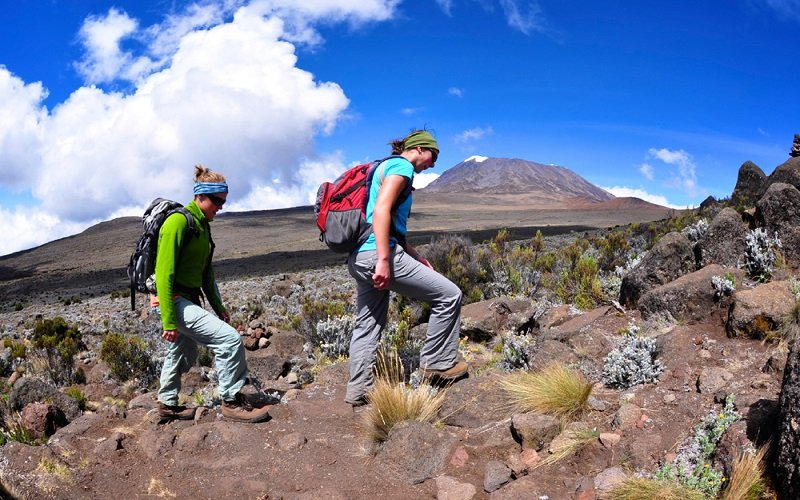
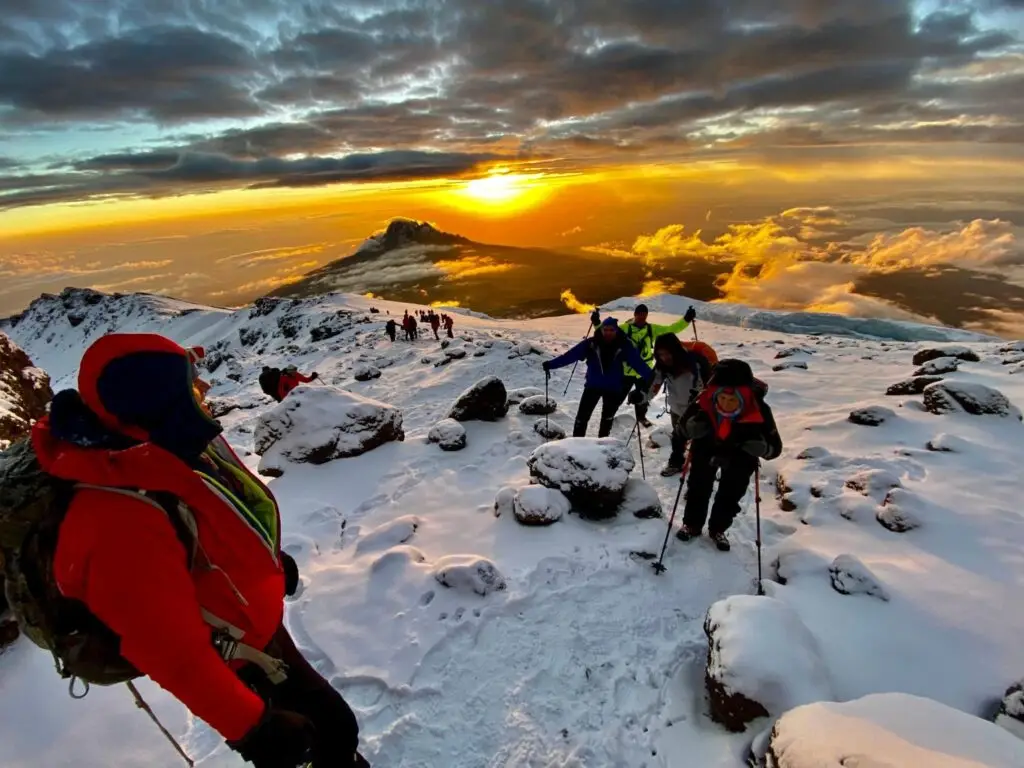
The Staging Strategy: Gear Management Between Peaks
Effective gear management is the hallmark of a veteran combo climber. You cannot, and should not, carry your entire Kilimanjaro kit up Mount Meru. Doing so adds unnecessary weight and clutter to a trek where agility and speed are beneficial for acclimatization. Instead, implement a ‘staging strategy.’ Most reputable logistics providers allow you to store your heavy Kilimanjaro-specific gear—such as extreme-cold weather boots, high-altitude sleeping bags, and specialized camera equipment—at a base hotel or a secure storage facility in Arusha or Moshi while you are on the mountain.
This staging allows you to pack for Meru with a lighter, more focused kit. When you return from the Meru summit, you can ‘swap’ gear. This is also the ideal time to inspect your equipment for wear and tear. Use the transition day between mountains to restock consumables, dry out any damp gear, and perform a final check of your Kilimanjaro-specific clothing layers. Treat this transition day as a strategic reset. Do not rush to the next trailhead; use the time to sanitize your gear, charge electronic devices, and mentally prepare for the longer, more demanding climb ahead. A well-organized gear transition prevents the ‘chaos factor’ that often plagues climbers who are scrambling to reorganize bags on the morning of their Kilimanjaro departure.
Nutritional Pacing and Supply Chain Logistics
Nutrition on a dual-mountain expedition is not just about calorie intake; it is about managing digestive comfort and energy consistency over a long duration. On Meru, the kitchen crew is often working with a shorter supply chain. As you move to Kilimanjaro, particularly on longer routes, the logistical complexity increases. The kitchen team must manage fresh produce carefully, as the ability to resupply is nonexistent once you are on the mountain. Expect a transition in the menu: while fresh fruits and vegetables are common in the early days of both climbs, the menu will naturally shift toward high-energy, easy-to-digest carbohydrates—rice, pasta, and porridge—as you gain altitude.
The key for the climber is to maintain a consistent nutritional rhythm. Do not treat the days between mountains as a ‘cheat day’ or a time to overindulge in heavy, processed foods. Your body is in a state of high metabolic demand, repairing muscle tissue and continuing to produce red blood cells. Prioritize hydration and electrolyte replenishment during the transition day. If your guide service offers a menu selection, prioritize foods that you know settle well in your stomach. The goal is to keep your digestive system calm and predictable, as gastrointestinal distress is a major, yet preventable, cause of failure on the higher slopes of Kilimanjaro.
Clinical Vigilance: Managing Altitude Health on Dual-Peak Expeditions
While the strategy of ascending Mount Meru before Kilimanjaro is mathematically and physiologically sound for acclimatization, it introduces a specific challenge: the accumulation of subtle physiological stress. In a standard single-peak climb, a trekker might notice the early signs of Acute Mountain Sickness (AMS) and treat them as an isolated event. In a combo expedition, the boundary between ‘normal’ high-altitude fatigue and the onset of clinical pathology becomes blurred. Because your body has been working at altitude for several days on Meru before even setting foot on the Kilimanjaro trailhead, you are potentially carrying a ‘fatigue debt’ that can mask the early, critical warnings of altitude-related illness.
The Symptom Spectrum: Distinguishing Fatigue from Pathology
To navigate a two-peak itinerary safely, climbers must develop a heightened awareness of the difference between expected exertion and physiological distress. Standard fatigue—characterized by muscle soreness, elevated heart rate, and general lethargy—is a natural byproduct of the trek. However, AMS is a distinct clinical condition that does not resolve with a simple night’s rest. The danger in a combo trip is that a climber may dismiss a persistent, throbbing headache on the final day of the Meru descent as mere exhaustion, only to carry that underlying inflammation into the Kilimanjaro ascent.
You must monitor for the ‘Triad of Concern’:
- Persistent Headache: A headache that does not respond to standard over-the-counter analgesics or hydration, particularly if it worsens upon waking.
- Gastrointestinal Distress: Nausea or a complete loss of appetite is often an early, specific marker of altitude intolerance, rather than just ‘bad food’ or nerves.
- Cognitive Dissonance: Difficulty concentrating, irritability, or a sense of ‘apathy’ toward the climb are often early signs that the brain is struggling with hypoxia.
If these symptoms emerge on Meru, they must be addressed before moving to Kilimanjaro. Do not assume that a lower-altitude hotel stay between peaks will ‘reset’ your system; if you are symptomatic on Meru, you must consult with your guide team immediately to determine if the Kilimanjaro portion of the trip needs to be delayed or if your ascent profile requires modification.
Pharmacological Management and the ‘Prophylactic’ Myth
The use of acetazolamide (commonly known as Diamox) is a standard topic in expedition planning, but its role in a dual-peak trip requires nuance. Many climbers treat it as a ‘summit pill,’ taking it only when they feel unwell. In the context of a 2027 expedition, the current best practice is to view it as a prophylactic tool that requires consistent, supervised usage. If you choose to utilize medication, you must start the regimen under the guidance of a physician long before arriving in Tanzania to monitor for personal side effects. Taking a medication for the first time on the slopes of Meru is a significant risk; if you react poorly to the drug, you are introducing a new variable—a potential allergic reaction or severe dehydration—at a moment when your body is already under stress.
Furthermore, rely on your guides for dosage timing. Experienced operators often synchronize medication intake with the daily rhythm of the climb, ensuring that the drug is active in your system during the crucial hours of the summit push, rather than wearing off during the descent. Never self-medicate or alter your dosage based on advice from other trekkers on the trail; your physiology is unique, and the cumulative nature of a two-peak climb requires a tailored approach.
The Psychological Barrier: Why Climbers Conceal Symptoms
The greatest threat to safety on a long-duration expedition is often the climber’s own desire to succeed. There is a profound ‘summit fever’ mentality that develops when a trekker has invested time, money, and emotional energy into a two-mountain goal. This leads to the dangerous practice of concealing symptoms from the lead guide. You might tell yourself, ‘I’ll just push through this headache; it will go away once I get lower,’ or ‘I don’t want to hold up the group.’ This behavior is statistically linked to more severe incidents of High Altitude Pulmonary Edema (HAPE) and High Altitude Cerebral Edema (HACE).
Your guide is not an adversary attempting to keep you from the summit; they are a medical monitor. On a combo trip, you have more contact time with your crew than on a single-peak trek. Use this to your advantage. Be aggressively honest about how you feel. If you are experiencing mild dizziness, report it early. It is far easier for a guide to manage a minor altitude issue with a rest day or a temporary descent on Meru than it is to manage a medical evacuation on the upper slopes of Kilimanjaro.
Standardizing Safety Protocols for the 2027 Season
As you evaluate operators for your 2027 trip, look for those who implement ‘Check-In’ protocols that go beyond simple pulse-oximetry. While oxygen saturation levels are a useful data point, they are not the sole arbiter of your health. An effective safety protocol should include:
- Daily Symptom Scoring: A standardized questionnaire used by the head guide to track your health trends from Day 1 of Meru through the final descent of Kilimanjaro.
- Descent Contingencies: Clear, pre-planned exit strategies for both mountains. Know where the ‘abort points’ are before you start walking.
- Evacuation Readiness: Confirmation that the operator has direct, verified communication links to emergency medical services that can operate at the specific altitudes of both peaks.
Ultimately, the safety of a combo trip relies on the ‘cumulative awareness’ of the climber. By viewing the entire 10-to-14-day window as a single, continuous medical event, you shift your focus from merely ‘surviving’ the climb to ‘managing’ your physiology. This proactive stance is what separates successful, high-altitude mountaineers from those who rely on luck.
Meteorological Synchronicity: Navigating Tanzania’s Dual-Peak Weather Systems
While Mount Meru and Mount Kilimanjaro share the same East African geographic corridor, they are not meteorologically identical. Climbers often treat the two peaks as a singular weather event, but doing so ignores the distinct micro-climates created by their differing topography. Meru, being a massive volcanic crater with a broken rim, acts as a funnel for air currents, often resulting in higher wind exposure during the ascent than the more massive, dome-like structure of Kilimanjaro. Understanding these nuances is vital for the 2027 climber, as your gear strategy must account for both the narrow, ridge-based exposure of Meru and the expansive, high-altitude cold of Kilimanjaro.
The Seasonal Duality: Managing the Shoulder Months
Tanzania experiences two primary dry seasons: the cooler, dry period from June to October, and the shorter, warmer window in January and February. When planning a combo trip, the ‘shoulder’ months—specifically late November or March—present a unique paradox. These periods often see fewer climbers on the trails, which can be an advantage for those seeking solitude. However, they also introduce a higher probability of convective precipitation. In the context of a two-mountain itinerary, a weather delay on Meru is not merely an inconvenience; it can compress your recovery window before the Kilimanjaro ascent begins. For the 2027 season, prioritize the established dry windows to minimize the risk of ‘weather-stacking,’ where consecutive days of rain on the first peak leave you damp, cold, and fatigued before you even reach the Kilimanjaro trailhead.
Micro-Climatic Exposure: Meru vs. Kilimanjaro
The transition between these two peaks requires a tactical adjustment in how you perceive exposure. The ascent of Meru often involves traversing the ‘Knife Edge’ ridge and the Ash Cone, areas where you are fully exposed to high-velocity winds that can rapidly induce hypothermia if your layering system is not wind-proof. Because Meru is a smaller, more compact mountain, the weather can shift from clear to whiteout conditions with alarming speed.
Kilimanjaro, conversely, presents a different challenge: the ‘Arctic’ summit zone. Here, the primary threat is not necessarily wind, but the sustained, oxygen-depleted cold of the upper plateau. Your kit must be modular enough to handle the sheer, biting wind of the Meru ridge and the static, deep-freeze temperatures of the Kilimanjaro summit night. Many climbers make the mistake of packing for the mountain they are currently on, rather than the cumulative environmental demands of the entire 10-to-14-day trip.
The Modular Kit Strategy for Combo Expeditions
On a two-peak expedition, your gear is your lifeline, but excess weight is your enemy. The goal is to create a ‘unified kit’ that services both environments without requiring you to carry redundant items. This requires a shift in how you manage your load-out between the two climbs:
- The Outer Shell Hierarchy: Ensure your outer shell (hardshell) is highly breathable for the Meru ascent, where you will be physically working harder on technical scrambles. For Kilimanjaro, you will rely more on your down-filled mid-layers. Do not compromise on the quality of your wind-blocking layer; it is the most utilized piece of equipment on both mountains.
- Footwear Continuity: While you do not need mountaineering boots for either peak, your footwear must be broken in well before the Meru start. The terrain on Meru is often looser and more volcanic, which can be punishing on the ankles. If you choose to use different footwear for the two peaks, ensure you are not introducing a ‘new gear’ variable on the Kilimanjaro summit push.
- The ‘Between-Peak’ Reset: Use the transition day between Meru and Kilimanjaro to perform a comprehensive gear audit. This is the time to dry out any moisture trapped in your synthetic layers, re-waterproof your boots if necessary, and redistribute weight in your daypack. Moisture management is the greatest challenge in a combo trip; if your gear is damp from a rainy day on Meru, it will be significantly colder on the Kilimanjaro summit night.
Anticipating Volcanic Terrain and Its Impact on Gear
Both peaks are volcanic, but the surface dynamics differ. Meru’s trails, particularly the upper sections, involve significant scree and loose volcanic ash. This terrain is abrasive and notoriously hard on gear—specifically gaiters and the lower sections of trousers. By the time you complete the Meru descent, your equipment will have endured high-friction stress. A critical part of your 2027 logistics plan should be a simple ‘repair kit’ containing duct tape, seam sealer, and spare laces. Assuming your gear will emerge from Meru in ‘pristine’ condition for Kilimanjaro is a tactical error; expect wear and tear, and plan your maintenance accordingly.
The Psychological Impact of Variable Conditions
There is a distinct psychological shift when moving from the wildlife-rich, relatively lush slopes of Meru to the stark, lunar landscape of the Kilimanjaro high camps. Weather plays a significant role here. If you encounter poor weather on Meru, it can dampen morale early in the trip. Maintaining a mindset of ‘meteorological resilience’ is essential. Understand that the weather on the mountain is not an obstacle to be fought, but a condition to be managed. When you view the two peaks as a single, extended expedition, a day of bad weather on Meru becomes just one chapter of the story, rather than a failure of the entire trip. This mental pivot is what sustains high-altitude climbers through the final, grueling hours of the Kilimanjaro summit night.
Technical Apparel Systems: The Layering Logic for Dual-Peak Climates
The transition from Mount Meru to Kilimanjaro demands a sophisticated approach to clothing management. Unlike a single-peak expedition where you can afford to carry a bulky, redundant wardrobe, a combo trip mandates a modular clothing strategy. You are essentially packing for two distinct micro-climates that overlap but operate on different scales of intensity. The primary objective is to maintain a ‘dry-skin’ baseline; if you compromise your base layers on the lower slopes of Meru, you are carrying that moisture deficit directly into the high-altitude camps of Kilimanjaro.
The Base Layer Paradox: Managing Moisture Transfer
The most common error in dual-peak logistics is over-relying on heavy cotton or thick wool base layers during the initial Meru ascent. The lower slopes of Meru are humid, dense with montane forest, and prone to rapid temperature fluctuations. As you ascend, your metabolic heat generation will fluctuate wildly between steep, aerobic sections and cooler, shaded traverses. Your base layer must be synthetic or high-grade merino wool with a high surface-area-to-weight ratio to facilitate rapid wicking. For the 2027 season, prioritize ‘body-mapped’ base layers—garments that feature varying knit densities in areas prone to perspiration, such as the back and underarms. Because you are repeating the process on Kilimanjaro, you must be able to wash and dry these layers rapidly. If you cannot guarantee a dry base layer for the Kilimanjaro summit push, your risk of hypothermia increases exponentially, regardless of your physical fitness.
Mid-Layer Efficiency: The ‘Active Insulation’ Requirement
Moving between Meru and Kilimanjaro requires a mid-layer that performs as both a climbing garment and a camp garment. Standard fleece jackets, while durable, are often too bulky for the weight-conscious combo trekker. The current gold standard involves ‘active insulation’—synthetic jackets that allow for airflow while maintaining core warmth. This is critical for the Kilimanjaro summit night, where you will be moving slowly in sub-zero temperatures. On Meru, this same layer serves as your primary defense against the biting wind on the summit ridge. By selecting a mid-layer that can be compressed into a small volume, you free up critical space in your pack for the heavier down-fill layers required for the final push on Uhuru Peak. Ensure your mid-layer has a robust, snag-resistant face fabric; the volcanic rock on Meru is notoriously sharp and will shred delicate, ultralight nylon shells.
The Outer Shell: Balancing Breathability and Storm Defense
The outer shell is your final barrier, and in a combo trip, it faces two distinct types of stress. On Meru, you are likely to encounter dense vegetation and abrasive volcanic dust. On Kilimanjaro, you face high-velocity wind and potential snow or sleet. A heavy, multi-layered Gore-Tex shell is often overkill for the warmer days of Meru and can lead to internal moisture buildup, which then freezes when you stop moving. Conversely, a lightweight windbreaker will fail during a storm on the Kilimanjaro crater rim. The solution for the 2027 climber is a ‘hybrid shell’ approach: a jacket with mechanical venting (pit zips) and a durable water-repellent (DWR) finish. This allows you to dump heat during the humid ascent of Meru while retaining enough wind protection to handle the alpine conditions of Kilimanjaro. Always treat your shell with a fresh DWR coating before the trip; the cumulative moisture exposure over 10–14 days of climbing will overwhelm even the best factory-applied finishes.
Headwear and Extremity Protection: The Thermal Leak Points
Heat loss is not distributed evenly across the body, and the extremities are the first to suffer when fatigue sets in. On a combo trip, you are managing two sets of extremities: your hands and your feet, both of which will be subjected to high-friction, high-altitude environments. For your hands, a ‘two-tier’ system is non-negotiable. You need a pair of dexterous, breathable liner gloves for the initial Meru ascent and the lower Kilimanjaro slopes, paired with a heavy, waterproof, insulated mitten for the summit nights. Do not attempt to use a single ‘do-it-all’ glove; you will either be too hot and sweaty on the lower slopes or suffer from frozen fingers on the summit. The moisture trapped in a single, heavy glove will not dry out between the two peaks, creating a dangerous thermal bridge that will conduct heat away from your skin during the most critical hours of the entire expedition.
Strategic Sock Management
Footwear is only as effective as the sock system beneath it. On a combo trip, your feet are your most critical logistical asset. The sheer volume of steps taken across two mountains—often exceeding 150,000 steps—will test the integrity of your skin. Avoid the temptation to use thick, expedition-weight socks for the entire trip. Instead, utilize a ‘liner-plus-outer’ system. The liner sock reduces friction against the skin, preventing blisters, while the outer sock provides the necessary cushioning and thermal regulation. Rotate your socks daily; never wear the same pair of outer socks two days in a row without a full drying cycle. If you are climbing during a wet season, keep your ‘summit day’ socks in a sealed, waterproof dry bag deep within your pack, ensuring they are bone-dry for the final push on Kilimanjaro. This small act of discipline is often the difference between a summit success and a turn-back due to cold-induced pain.
The Transition Gap: Orchestrating the Inter-Peak Interval
The logistical space between descending Mount Meru and commencing your Kilimanjaro ascent is the most overlooked phase of a combo expedition. This is not merely a transfer; it is a critical administrative and physiological bridge. Successfully managing this gap—often referred to as the ‘reset day’—is what separates a smooth expedition from one plagued by fatigue and logistical friction. You are moving between two distinct administrative entities: Arusha National Park, which governs Mount Meru, and Kilimanjaro National Park (KINAPA), which manages the higher peak. Recognizing that these two parks operate under different regulations, permit systems, and gate protocols is essential for a smooth 2027 expedition.
The transition day should never be treated as a leisure day. While rest is vital, the primary objective is ‘logistical hygiene.’ This involves a comprehensive audit of your gear, your physical status, and your remaining supplies. Because Meru and Kilimanjaro offer vastly different environments—Meru being more technical and wildlife-focused, Kilimanjaro being an endurance-based high-altitude slog—your packing strategy must be fully recalibrated during this window. This is the time to offload excess weight that served you well on the lower, warmer slopes of Meru but is unnecessary for the biting, wind-scoured upper reaches of Kilimanjaro.
Administrative Divergence: Navigating Two Park Authorities
Climbers often assume that because both mountains are in Tanzania, the logistical experience is identical. This is a dangerous oversight. Mount Meru requires a different permit structure, and because it is situated within Arusha National Park, the gate procedures are notably different from the entry points of Kilimanjaro’s routes. Your logistics team must ensure that permits for both mountains are secured well in advance, and more importantly, that the handover of your expedition file from the Meru team to the Kilimanjaro team is synchronized. If you are using a single operator, they should handle this behind the scenes; however, if you are coordinating with local guides independently, ensure that your Kilimanjaro permit is physically stamped and validated before you even set foot on Meru. Attempting to resolve permit discrepancies while transitioning between peaks creates unnecessary cortisol spikes that can negatively impact your recovery.
Vehicle Logistics and the ‘Transit Buffer’
The drive between the Meru trailhead and your chosen Kilimanjaro starting point can range from one to three hours, depending on your route selection. Do not underestimate the toll of this transit. Road conditions in Tanzania are variable, and ‘African massage’—the local term for travel on rough, unpaved roads—can leave you physically drained if you are crammed into an unsuitable vehicle. For the 2027 season, prioritize a high-clearance 4×4 vehicle with reliable suspension. The goal is to arrive at your pre-Kilimanjaro base not just on time, but in a state of relative physical preservation. Avoid the temptation to use this transit time for high-intensity planning or stress-inducing phone calls; use the silence to practice box-breathing or mental visualization for the Kilimanjaro summit push.
The Psychological Reset: Preparing for the Shift in Scale
Beyond the physical and logistical, there is a profound psychological shift required when transitioning from Meru to Kilimanjaro. Meru is intimate; the trails are narrower, the wildlife encounters are frequent, and the forest canopy provides a sense of enclosure. Kilimanjaro, by contrast, is vast, exposed, and desolate. The psychological shock of moving from the vibrant, green slopes of Meru to the lunar, high-altitude landscape of Kilimanjaro can be jarring. Many climbers report a temporary dip in motivation during the first 24 hours of the Kilimanjaro trek, as the ‘summit fever’ of Meru fades and the reality of the longer, colder ascent sets in.
To combat this, utilize the transition gap to establish a new mental baseline. Acknowledge that the ‘Meru victory’ is behind you and that Kilimanjaro is an entirely new challenge. Do not carry the exhaustion of the first climb into the second. If you found the Meru ascent difficult, do not let that dictate your expectations for Kilimanjaro. Your body is now better adapted to altitude, meaning your physiological baseline is higher, but your mental game must reset to accommodate the longer duration of the second climb. By reframing the transition as the start of a ‘second phase’ rather than a ‘continuation,’ you maintain the mental freshness required to navigate the monotony and physical demands of the Kilimanjaro slopes.
Establishing Your ‘Base of Operations’
Regardless of whether you stay in a lodge or a dedicated transit camp between the two peaks, your base of operations must prioritize two things: laundry and nutrition. The humidity of the Meru rainforest often leaves gear damp, and if this moisture is carried into the cold environment of Kilimanjaro, it will freeze. Ensure your transition base has access to reliable, rapid drying facilities. Furthermore, your nutritional intake should shift from the ‘on-trail’ calorie density needed for the explosive, technical scrambling of Meru to the ‘slow-burn’ carbohydrates required for the endurance-heavy trekking of Kilimanjaro. Use this day to reset your gut health, focusing on easily digestible, high-quality proteins and hydration with electrolytes, rather than the heavy, calorie-dense snacks you relied on during the first climb.
Financial Transparency: Deciphering the Dual-Peak Cost Structure
When budgeting for a 2027 dual-peak expedition, travelers often conflate the total package price with the underlying cost drivers. Understanding the breakdown is essential to distinguishing between service-oriented value and fixed operational costs. The primary cost driver in any Tanzanian expedition is the park fee structure, which is non-negotiable and levied by the Tanzania National Parks Authority (TANAPA). Because you are entering two distinct national parks—Arusha National Park for Mount Meru and Kilimanjaro National Park for the larger peak—you are effectively paying two separate sets of conservation fees, camping or hut fees, and rescue fees. These are fixed costs that do not scale down with group size or service tier; they represent a significant portion of your total investment.
Beyond park entry, the logistical overhead for a combo trip is distinct from a single-mountain climb. You are essentially paying for two separate logistical mobilizations. This includes the transport of support crews, the redundancy of equipment staging, and the increased vehicle fuel and maintenance costs required to ferry personnel and supplies between the two disparate trailheads. When evaluating service proposals, look for transparency regarding the ‘inter-peak transit.’ Professional operators will separate the costs of the Meru ascent, the transit day, and the Kilimanjaro ascent. This allows you to identify whether the operator is providing a cohesive, integrated logistics plan or simply bundling two separate climbs with an added transport fee. A high-quality operator will demonstrate efficiency by utilizing the same core guiding team for both peaks, which reduces the need for redundant briefing sessions and fosters better continuity in health monitoring.
Service Tiering: Where Value Truly Resides
The variable portion of your budget lies in the service tier. Distinguish between ‘essential logistics’ and ‘value-added services.’ Essential logistics—park permits, certified guides, porters, and food supply chains—are non-negotiable safety requirements. Value-added services, however, are where the 2027 market will see the most differentiation. These include private chemical toilet tents, specialized nutritional support (such as fresh food resupplies delivered to the Kilimanjaro trailhead), and the provision of high-altitude communication equipment like satellite messengers. For a combo trip, prioritize budget allocation toward services that facilitate recovery during the transition day. If an operator offers a ‘recovery package’ that includes a professional massage, high-quality laundry services, and a dedicated nutritional consultation at your base of operations, this is often a better investment than luxury-tier camping gear, as it directly impacts your physical readiness for the second, more strenuous ascent.
Related Reading
Check Availability for Mount Meru And Kilimanjaro Combo Trip : The Ultimate Acclimatization…
Ready to compare dates, prices, and the best option for your group? Send the package name and travel month so the team can reply with a clear quote, availability, and what is included.
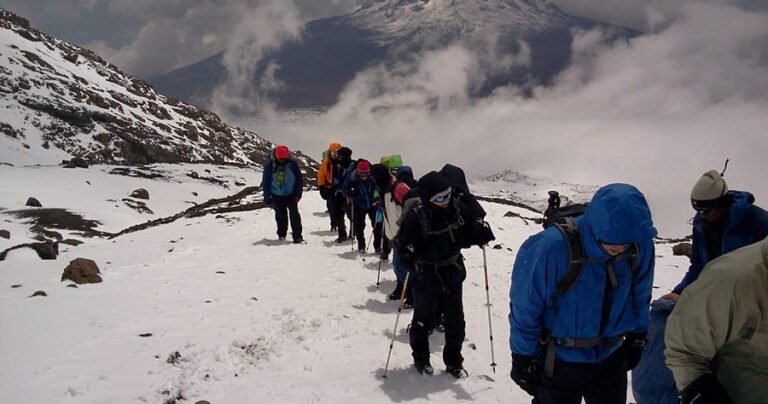
Mount Meru 4-Day Climb: The Complete Guide To Tanzania’s Hidden Peak 2026-2027
A deep look at the 4-day Mount Meru climb, covering the Momella route, altitude considerations, park logistics, and why this peak is the ultimate preparation for Kilimanjaro.
View package details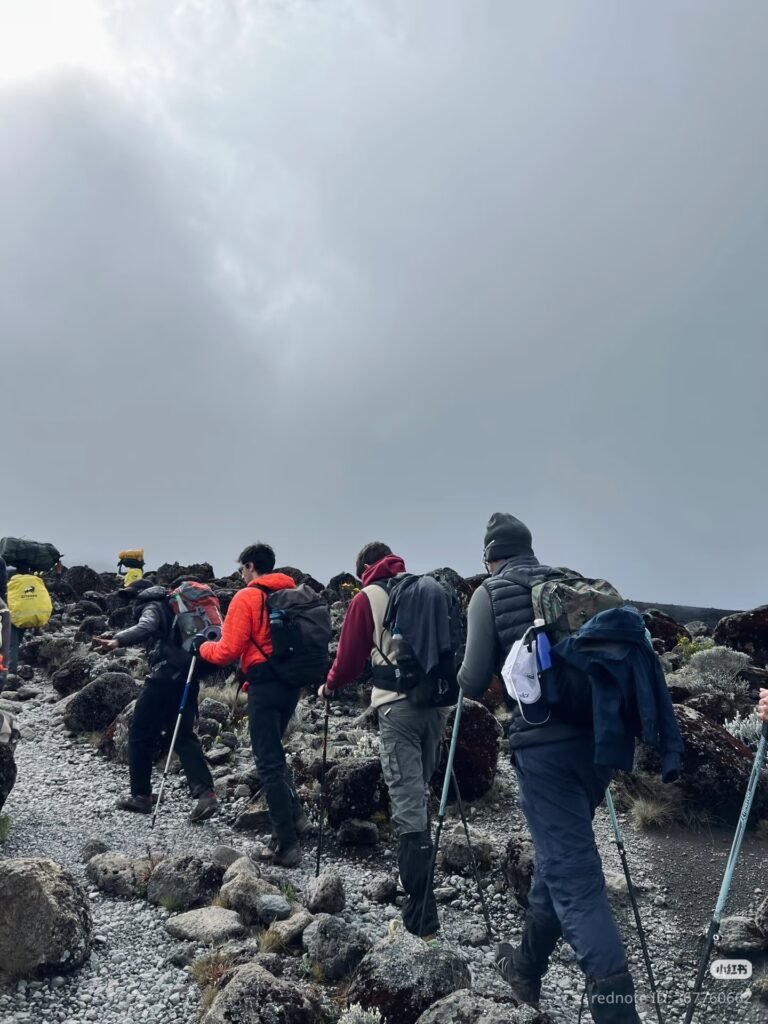
Kilimanjaro And Mount Meru Trekking Packages : Expert Guide 2027
A comprehensive guide for serious trekkers planning Kilimanjaro and Mount Meru climbs in 2027, detailing route choices, logistical considerations, and essential preparation advice.
View package detailsMount Meru Trekking Tours Tanzania – Prices & Dates 2027
- Mount Meru Trekking Tours Tanzania – Prices & Dates is explained with current 2027 planning, price, itinerary and booking information.
View package details
Kilimandscharo Lemosho Route 8 Tage – Geführte Tour 2026-2027
Kilimandscharo Lemosho Route 8 Tage – Geführte Tour is explained with current 2026-2027 planning, price, itinerary and booking information.
View package details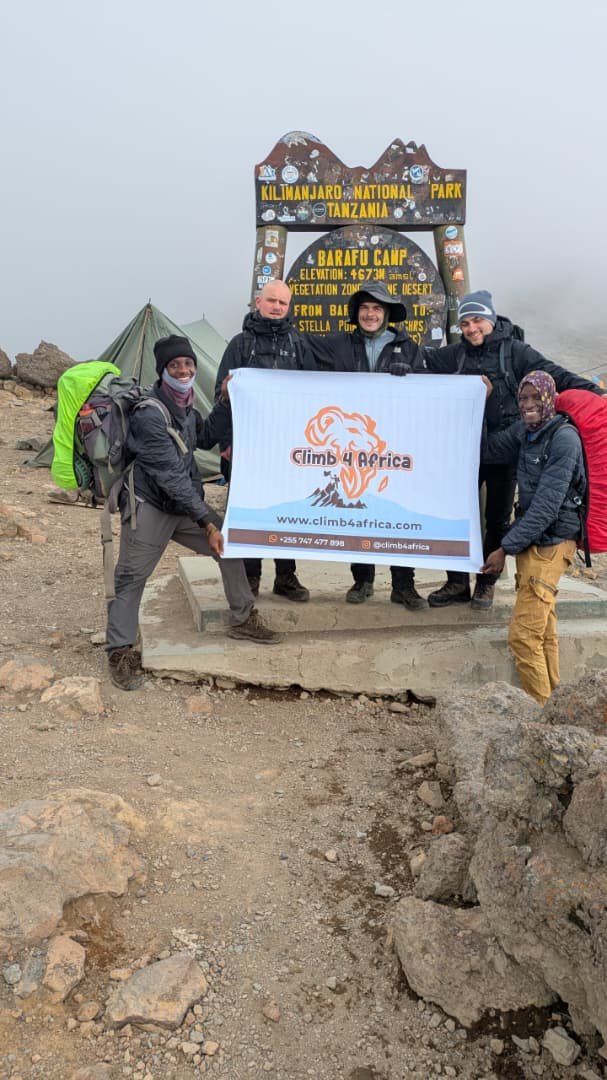
Kilimanjaro Climb August : Dates And Costs Planning Guide 2026-2027
Expert guide to planning a Kilimanjaro expedition in August 2027. We break down the logistics, cost factors, route choices, and seasonal weather patterns for your summit attempt.
View package details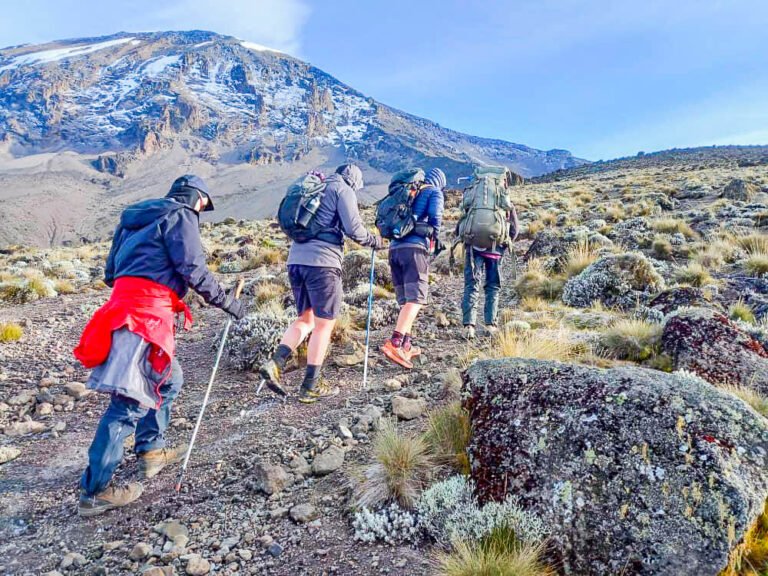
Climbing Kilimanjaro : Prices, Dates, And Routes 2026-2027
A comprehensive guide to planning your 2027 Kilimanjaro expedition, covering route choices, cost factors, and the essential logistics for a successful summit.
View package details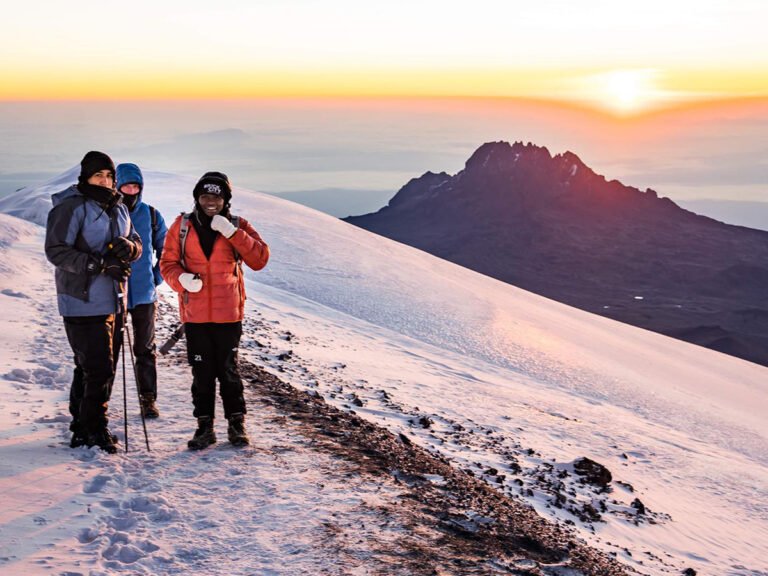
Kilimanjaro Machame Route 7 Days: A Practical Guide To Itinerary And Costs
A deep look at the 7-day Machame Route on Kilimanjaro. Understand the itinerary, why the extra day matters for your summit success, and how to plan your 2026-2027 expedition.
View package detailsKilimanjaro Climb : Guided Group Tours & Planning Guide 2026-2027
A deep look at planning your 2027 Kilimanjaro expedition. Learn why guided group tours are the preferred choice for safety, logistics, and shared camaraderie on the roof of Africa.
View package detailsMount Kilimanjaro Guided Tours : Planning Your Trek From The Usa 2027
A comprehensive guide for US travelers planning a Kilimanjaro expedition in 2027, focusing on route selection, local operator logistics, and travel preparation.
View package details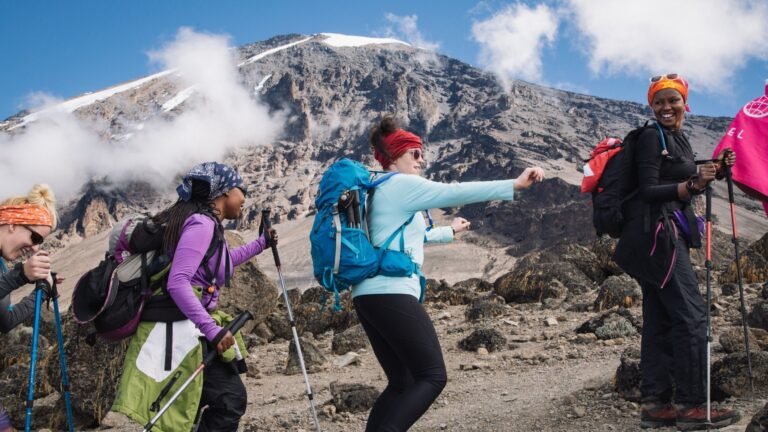
Kilimanjaro 1 May : Your Day Mountain Adventure Awaits 2027
start an unforgettable Kilimanjaro 1 May 2027 adventure. This guide details everything you need to know for a successful May Day climb, from route selection to essential preparation.
View package details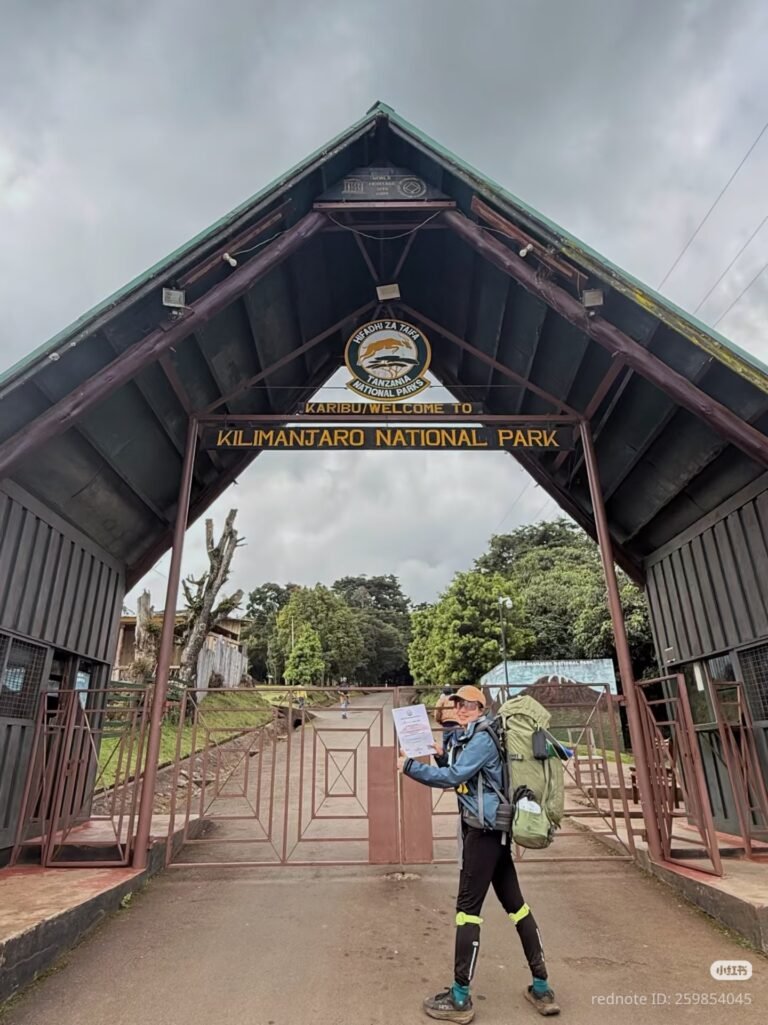
Kilimanjaro And Serengeti Safari Holiday : Your Ultimate Tanzania Adventure
Discover how to combine the challenge of climbing Kilimanjaro with the majesty of the Serengeti safari in 2027. Practical advice for planning your perfect Tanzanian journey.
View package details
Ireland — Book Kilimanjaro Trekking 2027
A practical, field-guide style guide for Irish travelers planning Kilimanjaro trekking in 2027 with Climb 4 Africa, covering routes, planning, inclusions, and booking steps.
View package detailsNo related package matches those filters. Clear one or more filters to see the other topic-matched options.



