
Kilimanjaro Guided Group Trips for Irish Travellers refer to pre-arranged, shared trekking packages departing from a starting point suitable for Irish visitors, offering comprehensive support and logistics for the climb. The practical answer is that selecting a suitable route (such as Lemosho or Machame for better acclimatization), committing to a sufficient duration (7+ days is highly recommended), and engaging an experienced operator like Climb 4 Africa early in the 2027 planning cycle is crucial for a successful and safe ascent.
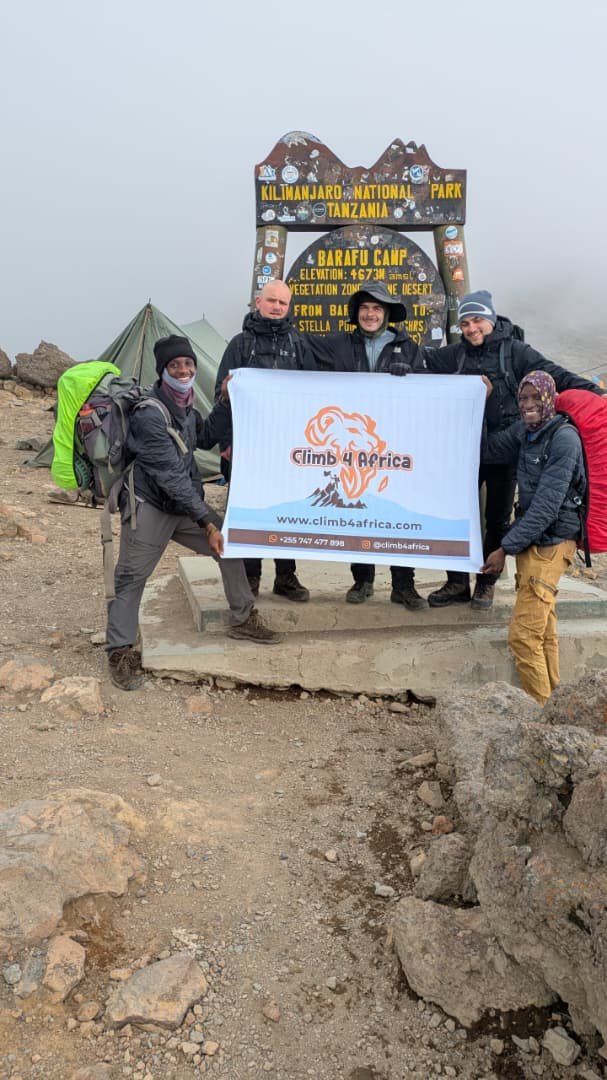
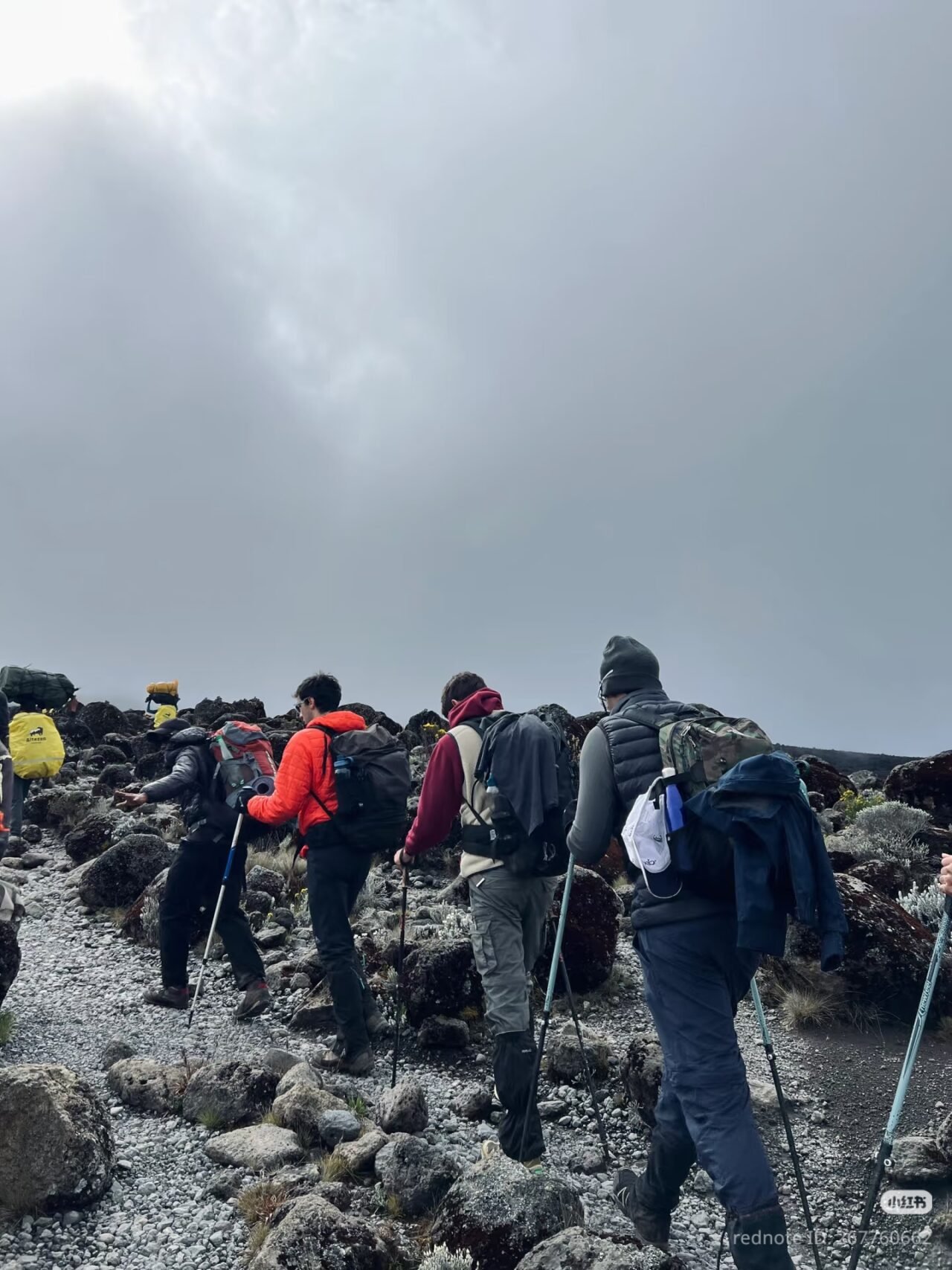
Understanding the Kilimanjaro Group Experience
When considering a Kilimanjaro trek, particularly as an Irish traveller planning a shared, guided group trip, you are committing to a structured, communal journey. This is fundamentally different from a self-guided hike or a highly personalized private expedition. The ‘group’ element means you share logistics—porters, guides, camping gear, and the pace—with other trekkers. For many travellers, this shared experience is a significant draw, offering a robust social element that can make the challenging trek more memorable and less isolating. However, it also requires a certain level of flexibility and patience, as the group pace is dictated by the slowest member, which is a necessary safeguard for safety at high altitudes.
The core purpose of a professional group trip is to provide a highly organized, reliable, and supported ascent. Your chosen operator manages the complex Tanzanian permits, coordinates local logistics, ensures the medical support chain is in place, and provides expert guides who manage the altitude risk. For a traveller coming from Ireland, who may be unfamiliar with the specific operational demands of East African trekking, this level of structured support is invaluable.
Group vs. Private Trekking: Weighing Your Options
The decision between a shared group trip and a private expedition is a key early planning point. Group trips offer considerable value efficiency; because costs are spread across multiple participants, the per-person price is generally lower. This model is perfect for travellers who prioritize budget efficiency without sacrificing professional guidance. The trade-off, as mentioned, is the loss of complete control over the pace and itinerary. If your priority is absolute customization, minimal interaction with other trekkers, or the ability to dictate every detail, a private trip would be the choice, but this comes with a substantially higher cost and requires much more detailed planning upfront.
For the majority of travellers seeking a genuine, supported experience, the group trek offers the optimal balance of cost, quality, and communal adventure. When looking at options from a reputable operator, the quality of the group—meaning the experience and training of the guides, the quality of the gear, and the chosen route—is far more important than the size of the group itself.
Pre-Trek Checklist: Group Planning Considerations
Before finalizing your decision, ensure you consider these practical points:
- Pace Philosophy: Are you comfortable adhering to a predetermined, safe pace dictated by the group?
- Budget vs. Control: Does the savings offered by a group trip outweigh the desire for complete itinerary control?
- Social Aspect: Do you seek a communal experience, or a more solitary challenge?
- Operator Reliability: Is the chosen operator highly reviewed for safety standards and logistical execution? (This is where a specialist operator like Climb 4 Africa comes into play.)
Choosing the Right Route for Your Trek
Kilimanjaro is not a single path; it is a massif with several established routes, each offering a distinct experience and, crucially, a different physiological challenge. For those planning group trips, the route selection must be intrinsically linked to the traveler’s fitness level, altitude tolerance, and desired experience. Simply choosing the shortest route is the most common and most dangerous mistake a trekker can make.
Acclimatization: The Most Critical Factor
Altitude sickness, or Acute Mountain Sickness (AMS), is the single biggest risk on Kilimanjaro. It is not a matter of luck; it is a matter of physiology and planning. The guiding principle is “Go Slow to Go High.” The route chosen must allow sufficient time for the body to adapt to the decreasing oxygen levels. This means longer itineraries are almost always superior to shorter ones, even if they cover similar distances.
When booking a group trip, always discuss the specific itinerary and the number of days with the operator. A 6-day trek, for instance, may feel sufficient on paper, but the acclimatization profile might be insufficient, increasing the risk of severe AMS. A 7-day or 8-day trek allows the body more time to adjust, significantly improving the chances of a successful summit.
Route Comparison: Machame vs. Lemosho
Two of the most popular and highly recommended routes for successful climbs are the Machame and Lemosho. They offer different perspectives and different logistical challenges. The choice between them is a classic trade-off between immediate access and gradual ascent.
Machame Route: This is often considered the most direct and popular path. It starts higher up the mountain, offering a quicker entry into the alpine environment. It is known for being rugged and demanding, but its shorter overall duration (though still best done over 7 days) makes it appealing for those with less time. It is a challenging but well-trodden path.
Lemosho Route: This route is significantly longer and offers a more gradual, meandering approach from the western side of the mountain. It is famous for its diverse scenery, passing through beautiful rainforests and diverse ecological zones before reaching the higher altitudes. Because of its extended length, it is often cited by experienced guides as providing an exceptional acclimatization profile, making it a favourite for those who want the highest probability of reaching the summit.
For travellers coming from Ireland, who might be approaching the mountain with varying levels of recent high-altitude experience, the Lemosho route’s extended nature often provides a safer, more measured ascent profile.
Planning Logistics for Irish Travellers
Planning a Kilimanjaro trip from Ireland requires meticulous attention to logistical details that extend far beyond booking the trek itself. While the operator handles the Tanzanian side, the preparation must begin at home. The goal is to ensure that every element—from passport validity to altitude-appropriate gear—is secured months in advance.
Visa and Permits: Essential Steps
Tanzania requires a visa for all foreign nationals. While many modern travel arrangements allow for e-visas, it is essential to confirm the specific requirements and processing times well ahead of your 2027 departure. Furthermore, the national park permits and climbing permits are managed by your chosen tour operator. They must secure these documents, which involve specific fees and regulatory checks. Do not assume these are automatic; confirmation of permit validity is a critical checkpoint before departure.
Additionally, factor in travel time. Depending on your departure city in Ireland, the journey to Kilimanjaro (usually via Arusha or Moshi) requires significant travel time, often involving international flights and then domestic transfers. The operator must coordinate these transfers flawlessly.
Operator Checklist: What to Confirm with Climb 4 Africa
When speaking with a specialist operator, ensure you clarify these points:
- Route & Duration: Which specific route (Machame, Lemosho, etc.) and how many days are included in the group package?
- Acclimatization Strategy: What is the planned ascent profile and how many rest days are factored in?
- Guide-to-Client Ratio: What is the ratio of guides/porters to trekkers? (A lower ratio usually means better support.)
- Inclusions Clarity: A detailed list of what is covered (meals, camping gear, guides, etc.) and what is excluded (international flights, personal gear).
- Emergency Protocols: What is the established medical evacuation plan and how is it coordinated?
Travel Insurance and Medical Preparation
This is non-negotiable. Standard travel insurance often excludes high-altitude trekking and emergency evacuation costs, which can run into tens of thousands of Euros. You must secure a specialized policy that specifically covers trekking up to 6,000 meters and includes comprehensive medical evacuation from the mountain. This is a necessary safeguard for any serious trekker.
Medically speaking, while physical fitness is important, mental preparation and understanding the signs of AMS are paramount. Discussing altitude sickness protocols with your doctor before you leave Ireland is a sensible precaution. Furthermore, start training relevant to high-altitude endurance several months before your planned 2027 trip.
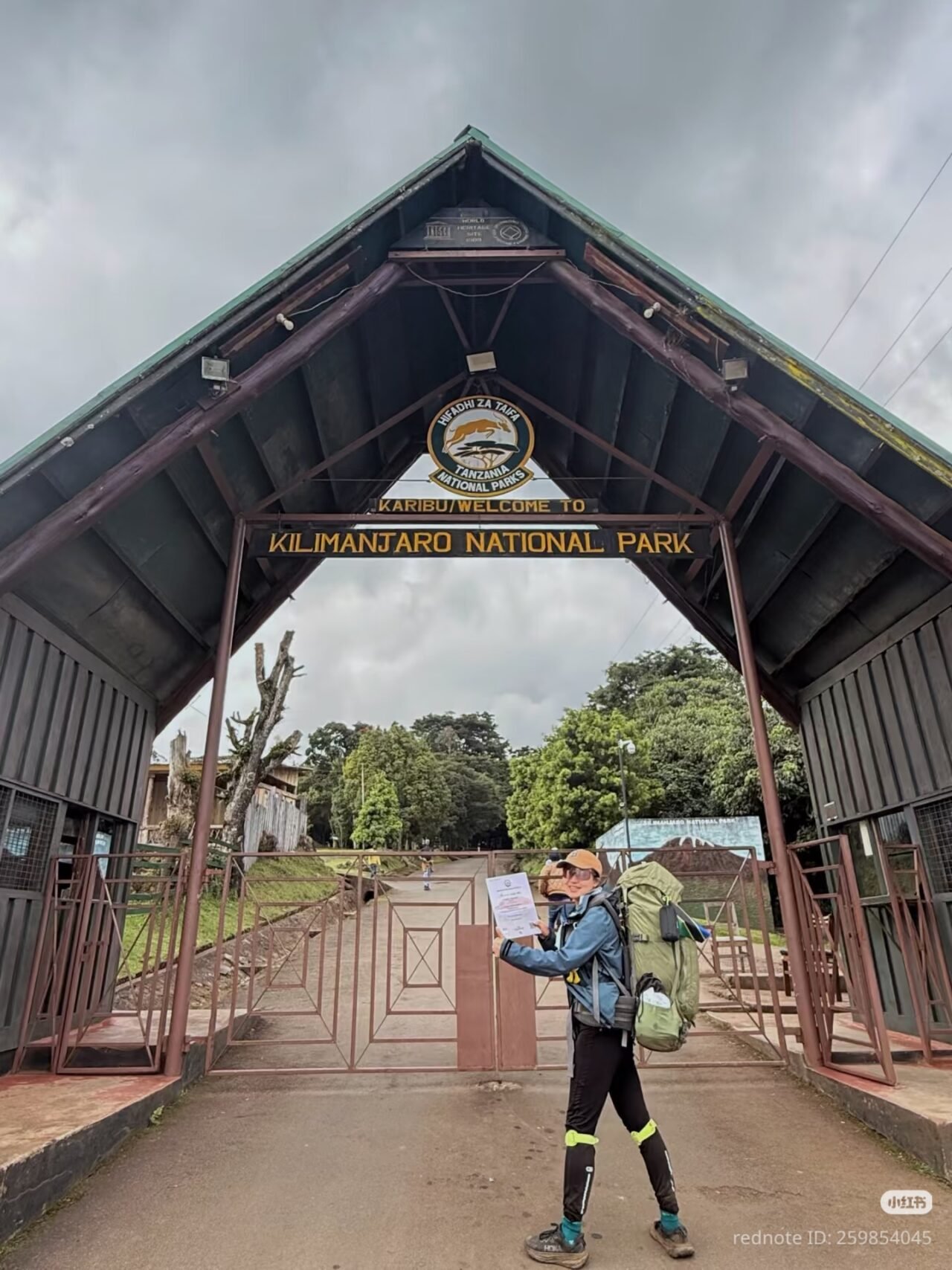
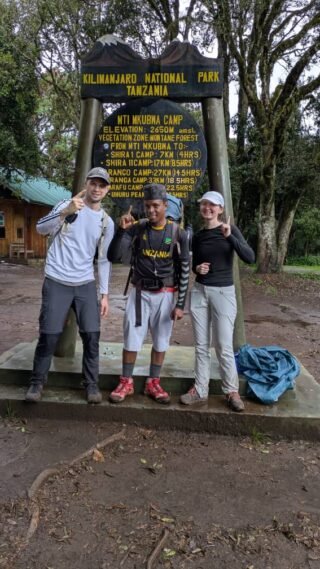
The Group Trip Lifecycle: From Booking to Summit
The journey is structured, but the process of booking and preparation is complex. Understanding the lifecycle helps manage expectations and timelines.
What is Included and What is Not
Group trip packages typically cover the core logistical necessities on the ground. This usually includes all park fees, camping equipment, food prepared by camp cooks, professional local guides, and support porters. They often include transfers between the airport and the starting point. However, they generally do not include international flights to Tanzania, specialized high-altitude clothing (though basic gear might be provided), tips for the crew, and personal medications. Clarity on these exclusions is vital when comparing packages.
Understanding Cost Factors
The cost of a Kilimanjaro group trip is not a fixed price; it is influenced by several variables. The primary factors are: 1) Duration (longer routes cost more due to more days of support); 2) Route Selection (some routes require more complex logistics); 3) Season (peak seasons are more expensive); and 4) Group Size (larger groups typically mean a lower per-person cost). When requesting a quote, ensure you are asking for the all-inclusive cost of the trek package only, excluding your flights from Ireland.
Cost Guidance: Planning for 2027
As costs fluctuate based on local economic factors and operator overhead, it is impossible to provide a guaranteed price range here. However, be prepared for a substantial investment. Always request a detailed breakdown from Climb 4 Africa, specifying what the price covers. For the most current and precise 2027 pricing for your desired group departure, contacting the team directly is the only way to get accurate figures. You can reach them via WhatsApp at +255 747 477 898 or email at climb4africa@gmail.com to start this process.
Trekking Season and Weather Considerations
The weather on Kilimanjaro is highly variable, dictated by altitude and the season. Understanding the climate allows you to choose the optimal window for your ascent.
The peak dry seasons—generally June to October—offer the most stable and pleasant weather conditions. However, these are also the busiest times, meaning group sizes may be larger. The shoulder seasons (March/April and November/December) offer fewer crowds and can sometimes provide excellent weather, though there is a slightly higher chance of rain. The wet season (January/February) brings more unpredictable rain and mud, which can make the trek significantly more challenging logistically, though some trekkers prefer the lush scenery this season provides. When planning your 2027 climb, always review the operator’s historical weather data for the specific time frame you are considering.
Packing and Gear: The Essential List
While your operator will handle the large-scale logistics, your personal gear is critical. The weather changes drastically from the humid rainforests at the base to the freezing temperatures of the summit night. You must pack in layers. Essential items include: high-quality waterproof outer layers, thermal base layers (merino wool is excellent), insulated mid-layers (down jackets are often recommended), sturdy waterproof hiking boots, and proper sun protection (hat, sunglasses, high-factor sunscreen). Do not skimp on these items; the comfort and safety at altitude depend heavily on being properly insulated.
Making the Final Decision and Next Steps
The decision to commit to a Kilimanjaro trek is a major life decision, involving significant financial and physical commitment. For Irish travellers looking at group options in 2027, the priority must be aligning your personal goals with the mountain’s realities.
If your goal is the highest probability of success, choose the longer, acclimatization-focused routes like Lemosho. If your priority is a more direct challenge with less time, Machame is an option, provided you are extremely well-conditioned. Whichever route you select, the support system provided by a specialist company is what transforms a high-risk endeavor into a managed, profound adventure.
Once you have reviewed the routes, assessed your fitness, and determined your ideal travel window for 2027, the next step is to initiate a detailed conversation with a local expert. The team at Climb 4 Africa is equipped to take your specific needs—whether you are looking at a Kilimanjaro trekking holidays from Ireland or perhaps a combined Kilimanjaro and Tanzania Safari Package—and build a tailored plan. Please reach out to them via WhatsApp at +255 747 477 898 or email climb4africa@gmail.com. They can provide the necessary, up-to-date information to move your plans from aspiration to reality.
Related Guides and Packages
Check Availability for Kilimanjaro Guided Group Trips – Irish Traveller Guide 2027
Ready to compare dates, prices, and the best option for your group? Send the package name and travel month so the team can reply with a clear quote, availability, and what is included.
Kilimanjaro Climb : Guided Group Tours & Planning Guide 2026-2027
A deep look at planning your 2027 Kilimanjaro expedition. Learn why guided group tours are the preferred choice for safety, logistics, and shared camaraderie on the roof of Africa.
View package details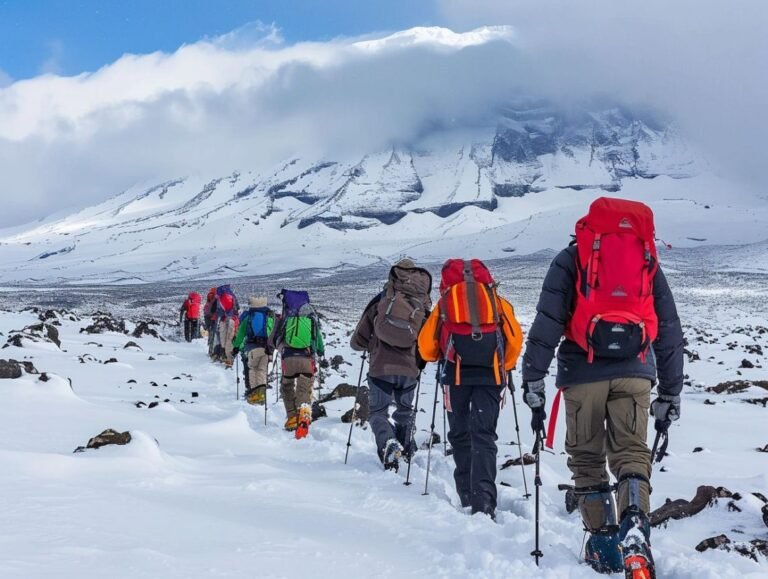
Solo Traveller Kilimanjaro August – Join A Peak-Season Group 2027
Solo Traveller Kilimanjaro August 2027 – Join a Peak-Season Group is explained with current 2027 planning, price, itinerary and booking information.
View package details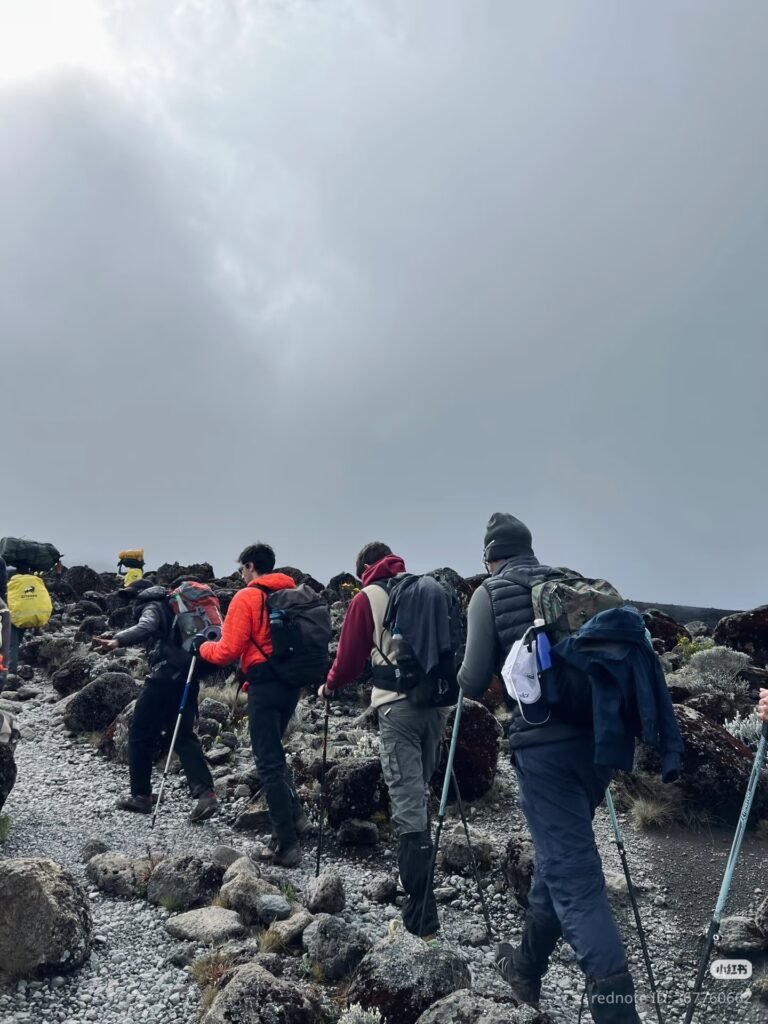
Kilimanjaro Group Departures July And August 2027
- Kilimanjaro Group Departures July and August 2027 is explained with current 2027 planning, price, itinerary and booking information.
View package detailsKilimanjaro Group Trekking Holidays 2027
- Kilimanjaro Group Trekking Holidays 2027 is explained with current 2027 planning, price, itinerary and booking information.
View package detailsKilimanjaro Group Climbing Tours : Join Scheduled Departures 2027
A guide for US travelers planning a Kilimanjaro climb in 2027, focusing on the logistical, financial, and social advantages of joining scheduled group departures.
View package details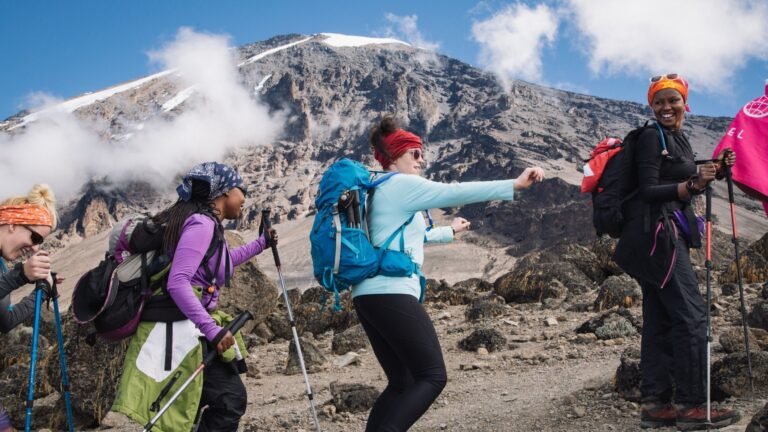
Last Minute Kilimanjaro August – Group Spaces And Availability 2027
Last Minute Kilimanjaro August 2027 – Group Spaces and Availability is explained with current 2027 planning, price, itinerary and booking information.
View package detailsKilimanjaro Climb July – Peak Dry-Season Group Departures 2027
Kilimanjaro Climb July 2027 – Peak Dry-Season Group Departures is explained with current 2027 planning, price, itinerary and booking information.
View package details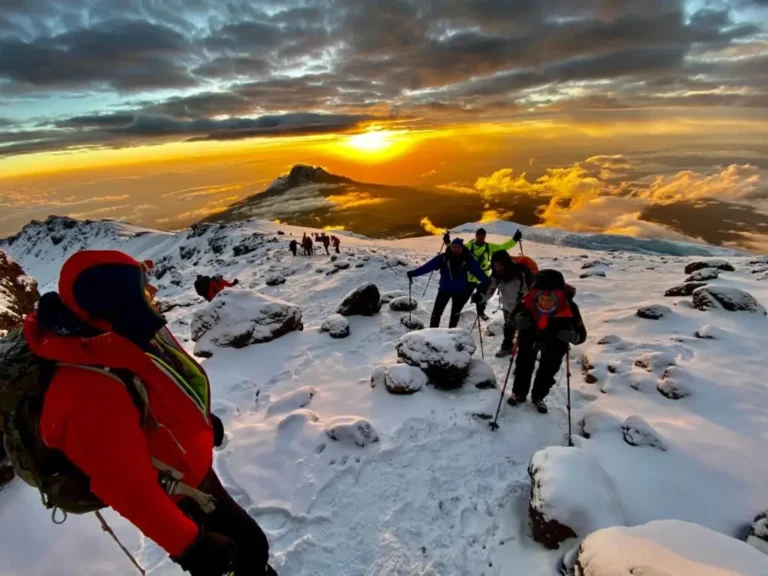
Marangu Route – 26 June Kilimanjaro Group Climb 2027
Marangu Route – 26 June 2027 Kilimanjaro Group Climb is explained with current 2027 planning, price, itinerary and booking information.
View package details7 Day Machame Route – 19 June Kilimanjaro Group Departure 2027
Planning to climb Kilimanjaro on the Machame Route in a group setting? This 7-day departure on June 19, 2027, offers a balanced approach to acclimatization and scenery. Learn what to...
View package detailsLemosho Route – 7 August Summer Group Climb: Your Kilimanjaro Adventure 2027
start a memorable Lemosho Route – 7 August 2027 Summer Group Climb up Mount Kilimanjaro. This guide covers the itinerary, acclimatization, and preparation for your ascent.
View package details
Kilimanjaro Trekking Packages For Canadian Travellers 2027
- Kilimanjaro Trekking Packages for Canadian Travellers is explained with current 2027 planning, price, itinerary and booking information.
View package detailsMount Kilimanjaro Guided Tours : Planning Your Trek From The Usa 2027
A comprehensive guide for US travelers planning a Kilimanjaro expedition in 2027, focusing on route selection, local operator logistics, and travel preparation.
View package detailsNo related package matches those filters. Clear one or more filters to see the other topic-matched options.



