
The Momella Route on Mount Meru is a 4-5 day trek that begins at Momella Gate in Arusha National Park, offering a unique blend of diverse wildlife viewing and challenging mountain climbing. It’s known for its lower altitude compared to Kilimanjaro, making it a viable option for acclimatization or as a standalone adventure, with 2026-2027 presenting excellent opportunities for planning this trek.
Understanding the Momella Route Mount Meru Experience
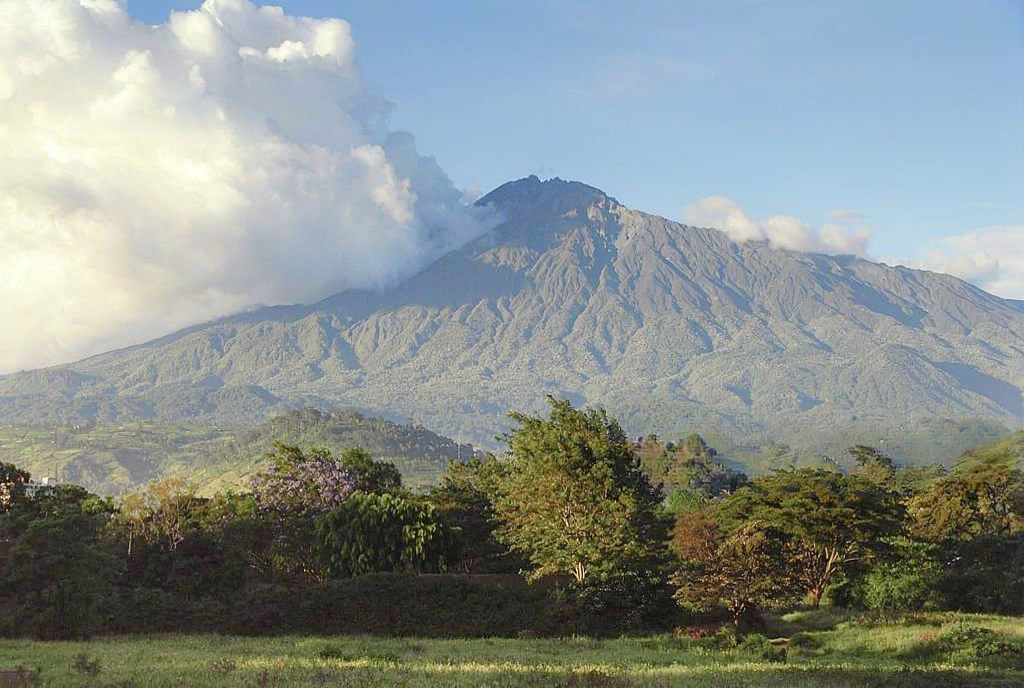
Mount Meru, Tanzania’s second-highest peak, stands majestically at 4,566 meters (14,980 feet). While not as globally famous as its neighbor Kilimanjaro, the Momella Route offers a distinct and rewarding trekking experience. This route is celebrated for its rich biodiversity, allowing trekkers to encounter a variety of wildlife within Arusha National Park, including zebras, giraffes, buffalos, and even colobus monkeys, often in the lower reaches of the climb. Unlike many other mountain treks, the Momella Route is typically undertaken with armed rangers accompanying the group, a crucial safety measure due to the presence of big game. The trek itself is steep and demanding, particularly the final ascent to the summit, often requiring a pre-dawn start. For those looking to trek in 2026 or 2027, understanding the nuances of the Momella Route is key to a successful and enjoyable expedition.
Momella Route Overview
The Momella Route is one of two main routes to ascend Mount Meru, the other being the more direct but less scenic Saddle Route. The Momella Route is generally considered the more popular choice, primarily due to its longer duration (typically 4-5 days) which allows for better acclimatization and a more in-depth experience within Arusha National Park. It starts at Momella Gate, located on the northern side of the park, at an elevation of approximately 1,500 meters (4,921 feet). The route winds its way through diverse landscapes, from lush montane forests teeming with wildlife to moorlands and the stark alpine desert near the summit.
The trek typically progresses through several stages:
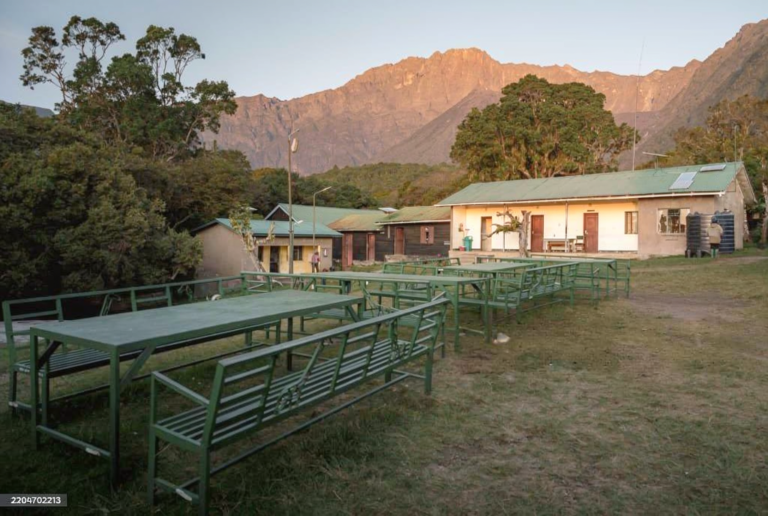
- Day 1: Momella Gate to Miriakamba Hut. This initial day involves a hike through dense forest, often with opportunities to spot various animals. The elevation gain is significant, taking you to Miriakamba Hut at around 2,100 meters (6,890 feet).
- Day 2: Miriakamba Hut to Saddle Hut. The trail continues upwards, transitioning from forest to heath and moorland. This day is crucial for acclimatization, reaching Saddle Hut at approximately 3,500 meters (11,483 feet).
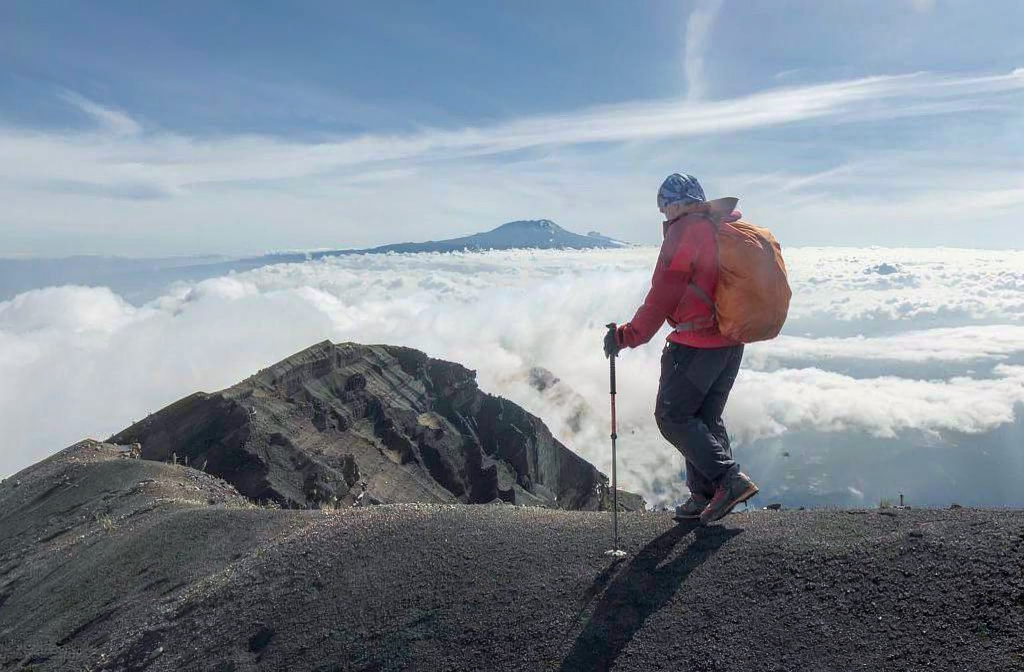
- Day 3: Summit Day. This is the most challenging day. An early morning start (often around 2 AM) takes climbers up a steep, scree-covered path to the summit, Socialist Peak (4,566 meters). The descent usually returns to Saddle Hut, or sometimes continues down to Miriakamba Hut to shorten the next day.
- Day 4: Descent to Momella Gate. The final day involves descending from Miriakamba Hut (or Saddle Hut if you descended there on Day 3) back to Momella Gate.
- Optional Day 5: Some itineraries extend the trek by adding an extra day at Saddle Hut or Miriakamba Hut for better acclimatization, or by splitting the descent over two days. This is particularly recommended for those who are less experienced with high-altitude trekking or who wish to enjoy the scenery more leisurely.
The Momella Route is often recommended as excellent preparation for climbing Mount Kilimanjaro, due to its similar environmental challenges and the critical importance of acclimatization. Planning your 2026-2027 trek with sufficient time for acclimatization is paramount for success.
Why Choose the Momella Route?
The Momella Route on Mount Meru offers a unique proposition for trekkers, distinguishing itself from other East African climbs in several key ways:
- Abundant Wildlife Viewing: Unlike most high-altitude treks where wildlife is scarce, the lower sections of the Momella Route traverse Arusha National Park, a haven for animals. Trekkers can realistically expect to see zebras, giraffes, buffalos, antelopes, and various bird species. The presence of armed rangers is a constant reminder that you are hiking through active wildlife territory. This makes the journey itself a significant part of the adventure.
- Excellent Acclimatization Training: Mount Meru’s summit at 4,566 meters is a significant altitude. The Momella Route’s 4-5 day duration provides a gradual ascent profile, ideal for acclimatizing to the thinning air. This makes it a superb training climb for Kilimanjaro, which is over 1,000 meters higher. Many climbers use Meru as a stepping stone to Kilimanjaro, and planning for 2026 or 2027 might involve combining both.
- Stunning Scenery and Diverse Landscapes: The route passes through a remarkable variety of ecosystems. You’ll trek through dense rainforests, open moorlands dotted with giant heathers and groundsels, and eventually into rocky, alpine desert terrain. The views, especially from the higher reaches and the summit, are spectacular, often offering panoramic vistas of Mount Kilimanjaro, the Great Rift Valley, and surrounding plains.
- Less Crowded than Kilimanjaro: While popular, the Momella Route is significantly less crowded than the main routes on Kilimanjaro. This offers a more intimate and less rushed trekking experience, allowing for a deeper connection with the mountain and its environment.
- Unique Summit Experience: The final ascent to Socialist Peak is a challenging, often technical, climb across a narrow crater rim. This adds an element of thrill and accomplishment that differs from the more straightforward pole-pole (slowly, slowly) ascent of Kilimanjaro’s Stella Point.
- Cost-Effectiveness: Generally, a trek on Mount Meru is more affordable than a Kilimanjaro climb. This makes it an accessible option for those with a more limited budget or for travelers looking to experience a high-altitude trek in Tanzania without the larger investment of Kilimanjaro.
For travelers considering expeditions in 2026-2027, the Momella Route presents a compelling case for its unique combination of adventure, wildlife, and preparatory value.
Momella Route Itinerary Options
While the standard Momella Route trek is typically 4 days, variations exist to cater to different fitness levels, acclimatization needs, and time constraints. The most common itineraries are 4-day and 5-day options. Choosing the right itinerary is a critical decision for your 2026-2027 climb.
The Standard 4-Day Momella Route Itinerary
This is the most common option, balancing ascent with descent over four days. It’s suitable for those with good fitness and some prior trekking experience.
- Day 1: Momella Gate (1,500m) to Miriakamba Hut (2,100m). Duration: 4-6 hours. Distance: Approx. 8 km. The trail winds through lush rainforest, with chances of spotting buffalo, giraffes, and monkeys.
- Day 2: Miriakamba Hut (2,100m) to Saddle Hut (3,500m). Duration: 3-5 hours. Distance: Approx. 4 km. The path steepens, moving through heath and moorland. This is a significant altitude gain and important for acclimatization.
- Day 3: Saddle Hut (3,500m) to Socialist Peak (4,566m) and descent to Miriakamba Hut (2,100m). Duration: 8-10 hours. Distance: Approx. 10 km (round trip to summit). This is the longest and most challenging day, involving a pre-dawn start for the summit, followed by a steep descent back to Miriakamba Hut.
- Day 4: Miriakamba Hut (2,100m) to Momella Gate (1,500m). Duration: 2-3 hours. Distance: Approx. 8 km. A relatively easy descent through the forest, often spotting more wildlife.
Pros: Shorter duration, more economical. Cons: Faster pace, less time for acclimatization, potentially more tiring summit day and descent.
The Extended 5-Day Momella Route Itinerary
This option provides an extra day, primarily for better acclimatization and a more relaxed pace, which can significantly increase summit success rates and overall enjoyment.
- Day 1: Momella Gate (1,500m) to Miriakamba Hut (2,100m). Same as 4-day itinerary.
- Day 2: Miriakamba Hut (2,100m) to Saddle Hut (3,500m). Same as 4-day itinerary.
- Day 3: Acclimatization day around Saddle Hut (3,500m). This day can be used for a shorter acclimatization hike to Little Meru (3,800m), allowing the body to adjust further to the altitude before the summit push. It’s a crucial addition for many trekkers.
- Day 4: Saddle Hut (3,500m) to Socialist Peak (4,566m) and descent to Miriakamba Hut (2,100m). Similar to Day 3 of the 4-day trek but with the benefit of an extra acclimatization day.
- Day 5: Miriakamba Hut (2,100m) to Momella Gate (1,500m). Same as Day 4 of the 4-day itinerary.
Pros: Significantly improved acclimatization, higher chance of summit success, more relaxed pace, reduced risk of altitude sickness. Cons: Longer duration, higher cost.
Alternative Itinerary (Descending to Momella Gate on Summit Day)
This is a less common but sometimes offered option for very fit and experienced trekkers. It involves summiting and then descending all the way to Momella Gate on the same day, making for an extremely long and exhausting day.
- Day 1: Momella Gate to Miriakamba Hut.
- Day 2: Miriakamba Hut to Saddle Hut.
- Day 3: Saddle Hut to Socialist Peak (4,566m) and descent to Momella Gate (1,500m). This day can be 12-16 hours of trekking.
Pros: Achieves the climb in the shortest time. Cons: Extremely demanding, high risk of exhaustion, significantly increased risk of altitude sickness due to rapid descent from summit, not recommended for most trekkers.
When planning for 2026-2027, consider your personal fitness, previous altitude experience, and how much time you have. The 5-day itinerary is often the most prudent choice for maximizing enjoyment and success on the Momella Route Mount Meru.
Physical Demands and Difficulty
The Momella Route Mount Meru is a challenging trek that demands a good level of physical fitness and mental resilience. While it is often recommended as preparation for Kilimanjaro, it is a serious mountain climb in its own right. The difficulty can be broken down into several factors:
- Altitude Gain: The trek involves a significant altitude gain from Momella Gate (1,500m) to Socialist Peak (4,566m). This rapid ascent, even over 4-5 days, puts considerable stress on the body.
- Steep Ascents and Descents: The trail is consistently steep, especially between Miriakamba Hut and Saddle Hut, and particularly on the final push to the summit. The descent can also be hard on the knees and joints due to the steep, often scree-covered slopes.
- Summit Day Intensity: The summit day is the most demanding part of the trek. It typically begins around 2 AM, involving 4-6 hours of climbing in the dark, often in cold conditions, up a steep scree slope. Reaching the summit requires sustained effort, and then there is the equally taxing descent back down to Miriakamba Hut.
- Technical Sections: While not technically climbing in the mountaineering sense, the final ascent involves navigating a narrow crater rim path with steep drop-offs. This requires careful footing and can be daunting for those with a fear of heights.
- Variable Terrain: You will encounter a range of terrains, from muddy forest paths to rocky and scree-covered slopes. Weather can also change rapidly, adding to the challenge.
Who is this trek for?
The Momella Route is best suited for individuals who:
- Have a solid foundation of cardiovascular fitness.
- Have previous trekking experience, ideally on multi-day hikes with significant elevation gain.
- Are mentally prepared for challenging conditions, including potential cold, wind, and early starts.
- Are committed to proper acclimatization and listening to their bodies.
- Are seeking a challenging trek that offers a high reward in terms of scenery and accomplishment.
Preparation is Key for 2026-2027
To prepare for the physical demands of the Momella Route, focus on:
- Cardiovascular Training: Engage in activities like hiking (especially with a backpack and on inclines), running, cycling, or swimming several times a week for at least 2-3 months prior to your trek.
- Strength Training: Focus on leg strength (squats, lunges) and core strength, which are essential for stability on steep terrain.
- Hiking Practice: Undertake at least one or two multi-day hikes if possible, or long day hikes with significant elevation gain to simulate trekking conditions. Practice hiking with the gear you intend to use.
While challenging, the Momella Route Mount Meru is achievable with adequate preparation. It’s important to be realistic about the demands and to consult with your tour operator about your fitness level.
Wildlife Encounters on the Momella Route
One of the most distinctive features of the Momella Route is the opportunity for significant wildlife encounters, particularly in the lower reaches of Arusha National Park. Unlike the barren landscapes often found on other high-altitude treks, the forest zones of Mount Meru are teeming with life, making the journey itself a mini-safari. Remember that while exciting, these are wild animals, and safety protocols, including the mandatory presence of armed rangers, are in place for a reason.
Commonly Spotted Wildlife:
- Mammals:
- Zebras: Often seen grazing in herds near Momella Gate and along the lower trails.
- Giraffes: Majestic Masai giraffes are a common sight, their long necks silhouetted against the acacia trees.
- Cape Buffaloes: These large, powerful bovines are frequently encountered, usually in herds. Rangers will ensure a safe distance is maintained.
- Various Antelope Species: Including bushbucks, duikers, and waterbucks, which can be more elusive but are often spotted in the forest.
- Monkeys: Black and white colobus monkeys are a highlight, known for their striking fur and acrobatic displays in the trees. Blue monkeys are also commonly seen.
- Wild Pigs: You might spot wild pigs, particularly in the denser forest areas.
- Elephants: While less common than other animals, elephants do inhabit the park, though sightings on the Momella Route itself are rare.
- Birds: Arusha National Park boasts a rich birdlife. Keep an eye out for various species of turacos, hornbills, sunbirds, and many others. The dense forest provides a rich habitat.
Important Considerations for Wildlife Safety:
- Mandatory Armed Rangers: For your safety, especially on the Momella Route, you will be accompanied by one or two armed park rangers. They are highly trained and experienced in handling wildlife encounters. Always follow their instructions implicitly.
- Maintain a Safe Distance: Never approach wild animals, even if they appear docile. Rangers will guide you on safe viewing distances.
- Do Not Feed Animals: Feeding wildlife can alter their natural behavior and make them dependent or aggressive.
- Noise Levels: While you might want to talk, excessive noise can disturb animals. Rangers will advise on appropriate behavior.
- Awareness: Be aware of your surroundings, especially in dense bush or when crossing streams.
The presence of wildlife adds a unique dimension to the Momella Route, transforming it from a mere mountain climb into a comprehensive wilderness experience. Planning your 2026-2027 trek with an operator who prioritizes safety and respects the park’s wildlife regulations is crucial.
Essential Preparation for Momella Route Trekking
Successfully trekking the Momella Route Mount Meru requires thorough preparation, encompassing physical fitness, mental readiness, and logistical planning. For those targeting 2026 or 2027, starting early is advisable.
Physical Fitness
- Cardiovascular Endurance: Engage in regular aerobic activities like hiking (with elevation gain and a backpack), running, cycling, or swimming for at least 2-3 months prior to your trek. Aim for 3-4 sessions per week.
- Strength Training: Focus on leg muscles (quadriceps, hamstrings, calves) and core strength. Exercises like squats, lunges, step-ups, and planks are beneficial.
- Hiking Practice: If possible, undertake longer hikes, especially those with significant elevation gain. Practice hiking with the gear you plan to use, including your backpack and hiking boots, to break them in and assess comfort.
Gear and Equipment
- Layering System: Pack clothing that can be layered to adapt to changing temperatures and conditions, from warm rainforests to cold summit nights.
- Waterproof and Windproof Outerwear: Essential for protection against rain and wind, especially at higher altitudes.
- Sturdy Hiking Boots: Well-worn-in, waterproof hiking boots with good ankle support are non-negotiable.
- Headlamp: Crucial for the pre-dawn summit ascent and for use in huts. Ensure you have spare batteries.
- Sun Protection: High SPF sunscreen, sunglasses, and a wide-brimmed hat are vital due to the strong equatorial sun at altitude.
- Trekking Poles: Highly recommended to reduce strain on knees during ascents and descents.
A detailed packing list is essential and should be provided by your tour operator. See the section on What to Pack for more.
Health and Vaccinations
- Consult Your Doctor: Visit your doctor or a travel clinic 4-6 weeks before your trip to discuss necessary vaccinations (e.g., Yellow Fever, Hepatitis A, Typhoid) and malaria prophylaxis.
- Travel Insurance: Ensure your insurance covers high-altitude trekking and emergency medical evacuation. This is critical for any mountain expedition.
- Personal First-Aid Kit: Include any personal medications, pain relievers, blister treatment, antiseptic wipes, and any preferred remedies for common trekking ailments.
Logistics and Booking
- Choose a Reputable Operator: Select a tour operator with a strong safety record and experienced guides. Climb 4 Africa can assist with planning your 2026-2027 Momella Route trek.
- Understand Inclusions/Exclusions: Clarify what your trek package covers (e.g., park fees, meals, accommodation, guides, porters) and what is not included (e.g., tips, personal gear, travel insurance).
- Visa Requirements: Check visa requirements for Tanzania well in advance.
- Travel Dates: Consider the best time to trek (see Best Time to Trek section) when booking for 2026-2027.
Thorough preparation is the foundation of a safe and enjoyable Momella Route Mount Meru trek. It’s not just about physical readiness; it’s about being informed and organized.
What to Pack for Your Momella Route Trek
Packing correctly for the Momella Route is crucial for comfort, safety, and success. The weather on Mount Meru can change rapidly, and you’ll experience a wide range of temperatures and conditions, from humid rainforests to cold, windy summit nights. For your 2026-2027 trek, ensure you have these essential items:
Clothing (Layering is Key)
- Base Layers: Moisture-wicking thermal tops and bottoms (synthetic or merino wool).
- Mid Layers: Fleece jacket or a warm, insulated jacket (down or synthetic).
- Outer Layer (Shell): Waterproof and windproof jacket and trousers.
- Trekking Trousers: Lightweight, quick-drying trousers (2 pairs). Avoid jeans.
- Hiking Shirts: Long-sleeved and short-sleeved moisture-wicking shirts (3-4).
- Warm Hat: Fleece or wool hat that covers your ears.
- Gloves: Warm, waterproof gloves or mittens, plus a thinner pair for dexterity.
- Socks: Several pairs of thick hiking socks (wool or synthetic) and liner socks.
- Camp Clothes: Comfortable, warm clothes for evenings in the huts (e.g., tracksuit, thermal leggings).
- Underwear: Moisture-wicking underwear.
Footwear
- Hiking Boots: Sturdy, waterproof, broken-in hiking boots with good ankle support.
- Camp Shoes/Sandals: Lightweight shoes or sandals for relaxing in the huts.
- Gaiters: Optional but recommended to keep mud, rocks, and water out of your boots.
Equipment
- Backpack: A comfortable daypack (25-35 liters) for essentials you carry during the day. Your main luggage will be carried by porters.
- Duffel Bag: A large, waterproof duffel bag (80-100 liters) for your main gear, to be carried by porters.
- Sleeping Bag: A warm, four-season sleeping bag (rated to at least -10°C or 0°F). Huts provide basic bedding, but a good sleeping bag is essential for warmth and comfort.
- Trekking Poles: Highly recommended for stability and reducing joint strain.
- Headlamp: With spare batteries. Essential for night ascents and camp.
- Water Bottles/Hydration Reservoir: At least 2-3 liters capacity.
- Water Purification Tablets/Filter: As a backup to boiled water.
Health and Personal Items
- Sunscreen: High SPF (30-50+).
- Lip Balm with SPF.
- Sunglasses: UV protection.
- Insect Repellent: Especially for the lower forest sections.
- Personal First-Aid Kit: Including blister treatment, pain relievers, antiseptic wipes, bandages, any personal medications.
- Hand Sanitizer.
- Toiletries: Biodegradable soap, toothbrush, toothpaste, wet wipes, toilet paper (for emergencies).
- Quick-Dry Towel.
- Camera: With spare batteries and memory cards.
- Power Bank/Portable Charger: For electronic devices.
- Snacks: Energy bars, nuts, dried fruit – your operator will provide meals, but personal snacks are useful.
- Passport and Visa: Plus copies.
- Cash: For tips and personal expenses.
Important Note on Porterage: Your main gear will be carried by porters. There is usually a weight limit per porter (often around 15kg/33lbs). Ensure your duffel bag is well-organized and clearly labeled. Your daypack should contain everything you need during the day: water, snacks, camera, extra layers, rain gear, sun protection, and your first-aid kit.
Packing smartly ensures you are comfortable and prepared for all conditions on the Momella Route Mount Meru, enhancing your overall trekking experience for 2026-2027.
Acclimatization and Altitude Sickness on Meru
Acclimatization is the most critical factor for success and safety when trekking at high altitudes, and Mount Meru is no exception. The Momella Route, with its 4-5 day duration, offers a reasonable acclimatization profile, but understanding the principles and symptoms of Altitude Sickness (Acute Mountain Sickness – AMS) is vital for anyone planning a trek in 2026-2027.
What is Altitude Sickness?
AMS occurs when your body cannot adjust quickly enough to the lower levels of oxygen at higher altitudes. Symptoms can range from mild to severe and can affect anyone, regardless of their fitness level.
Common Symptoms of AMS:
- Headache (often the first symptom)
- Nausea and vomiting
- Dizziness or lightheadedness
- Fatigue and weakness
- Loss of appetite
- Difficulty sleeping
- Shortness of breath, even at rest
More Severe Forms (requiring immediate descent):
- High Altitude Cerebral Edema (HACE): Swelling of the brain, characterized by confusion, impaired coordination (ataxia), drowsiness, and potentially coma.
- High Altitude Pulmonary Edema (HAPE): Fluid accumulation in the lungs, characterized by severe shortness of breath, coughing (sometimes with pink, frothy sputum), chest tightness, and blue lips or fingernails.
Strategies for Preventing and Managing AMS on the Momella Route:
- Ascend Slowly: The Momella Route’s gradual ascent, especially the 5-day itinerary with an extra acclimatization day, is designed for this. Avoid rapid ascents.
- Hydrate Adequately: Drink plenty of fluids (3-4 liters per day). Water, herbal teas, and clear broths are good. Avoid alcohol and excessive caffeine, which can dehydrate you.
- Eat Well: Consume high-carbohydrate meals. Your body needs fuel to cope with the altitude.
- Avoid Overexertion: Pace yourself. Walk slowly and steadily (‘pole pole’). Take breaks.
- Listen to Your Body: Do not ignore symptoms. If you feel unwell, inform your guide immediately.
- Descend if Necessary: The only cure for moderate to severe AMS is descent. If symptoms worsen, your guide will make the decision to descend, even if it means abandoning the summit attempt. This is a matter of safety, not failure.
- Medication (Consult Doctor): Acetazolamide (Diamox) is a prescription medication that can aid acclimatization. Discuss its use with your doctor well in advance of your 2026-2027 trek.
The Role of Your Guide: Your guides are trained to recognize the signs of AMS and to manage situations related to altitude sickness. They will monitor you closely throughout the trek. Trust their judgment and communicate openly with them about how you are feeling.
The Momella Route Mount Meru is a fantastic challenge, but respecting the altitude and prioritizing acclimatization is paramount for a safe and successful climb.
Guides, Porters, and Crew on Momella
The success and safety of your Momella Route Mount Meru trek hinge significantly on the quality of your support crew. Reputable tour operators employ experienced guides, reliable porters, and skilled cooks. Understanding their roles and responsibilities is key to a smooth expedition for your 2026-2027 adventure.
Guides:
- Qualifications: Mount Meru guides are typically certified by national park authorities and possess extensive knowledge of the mountain, its trails, flora, and fauna. They are trained in wilderness first aid and altitude sickness management.
- Responsibilities: Your lead guide is responsible for the overall safety of the group, route finding, pacing the trek, monitoring climbers for AMS, ensuring adherence to park rules, and managing the crew. Assistant guides may also be present on larger groups.
- Communication: Your guide is your primary point of contact. Communicate any health concerns, discomfort, or questions to them immediately.
Porters:
- Role: Porters carry the bulk of your equipment, including tents (if camping is an option, though huts are standard on Momella), food, cooking gear, and your personal duffel bag. They ensure you can focus on trekking.
- Weight Limits: To ensure their safety and well-being, porters adhere to strict weight limits for the gear they carry, typically around 15kg (33 lbs) of personal gear per trekker, plus communal equipment.
- Welfare: Ethical tour operators ensure porters are well-equipped, fed, and treated with respect. This includes fair wages and appropriate gear.
Cooks:
- Role: If your trek includes meals (which is standard), a dedicated cook will prepare nutritious and varied meals at the campsites or huts. They manage the food supplies and cooking equipment.
- Nutrition: Cooks are skilled at preparing meals that provide the necessary energy and nutrients for trekking at altitude.
The Support Team Structure:
A typical Momella Route trek might have:
- 1 Lead Guide
- 1-2 Assistant Guides (depending on group size)
- 1 Cook
- 2-3 Porters per trekker (this ratio ensures your gear is carried and also provides employment).
- Armed Rangers: Crucially, for the Momella Route, at least one armed park ranger will accompany the group from Momella Gate onwards due to wildlife. This is mandatory and arranged by the park.
Tipping the Crew:
Tipping is customary and a significant part of the crew’s income. Tour operators usually provide guidelines on recommended tip amounts per crew member. It’s best to have cash (USD is widely accepted) available in small denominations for tipping at the end of the trek. Tipping is typically done collectively at a debriefing session at the end of the climb.
Choosing a tour operator committed to fair treatment and ethical employment practices for their guides and porters is essential. This not only ensures a better experience for you but also supports the local community. For your 2026-2027 planning, inquire about the crew’s experience and the operator’s policies regarding crew welfare.
Park Fees and Permits for Mount Meru
Trekking the Momella Route Mount Meru involves mandatory park fees and permits, which are a significant component of the overall cost. These fees are set by Tanzania National Parks (TANAPA) and are essential for park conservation and maintenance. When budgeting for your 2026-2027 trek, ensure these are clearly understood.
Key Fees and Permits:
- Arusha National Park Entry Fee: This is a daily fee charged for every person entering the park. It’s usually calculated per 24-hour period.
- Camping/Hut Fees: Fees are charged per person per night for accommodation at the park’s designated huts (Miriakamba and Saddle Hut). These huts are basic but provide shelter.
- Mount Meru Climbing Permit: A specific permit is required for climbing Mount Meru, distinct from general park entry.
- Guide and Porter Fees: While not strictly park fees, the mandatory guides and porters you must hire through a registered company will have their own operational costs, which are passed on to you.
- Armed Ranger Fee: The mandatory escort of armed rangers on the Momella Route also incurs a fee, often calculated per day.
Typical Fee Structure (Subject to Change):
While exact figures can fluctuate and are best confirmed with your tour operator, here’s a general idea of what to expect:
- Park Entry Fee: Around $50-$60 USD per person per day.
- Hut Fees: Approximately $10-$20 USD per person per night.
- Climbing Permit Fee: Can range from $50-$100 USD per person.
- Armed Ranger Fee: Often around $20-$30 USD per day for the group.
Important Notes:
- Operator Inclusions: Most reputable tour operators will include these park fees and permits in their trek packages. It is crucial to confirm this when obtaining a quote. If they are not included, you will need to budget for them separately.
- Price Fluctuations: Park fees are subject to change by TANAPA, often annually. Operators usually update their pricing to reflect these changes, but for 2026-2027 treks, expect potential minor adjustments.
- Payment Methods: Park fees are typically paid in USD. Your tour operator will usually handle the payment of these fees to TANAPA on your behalf.
- Receipts: While you may not receive individual receipts for each fee, ensure your operator provides a clear breakdown of costs and confirms that all required permits and fees are covered.
For the most accurate and up-to-date information regarding park fees and permits for the Momella Route Mount Meru in 2026-2027, it is best to consult directly with your chosen tour operator. This ensures you have a clear understanding of your total trek cost.
Best Time to Trek the Momella Route
Choosing the right time to trek the Momella Route Mount Meru can significantly impact your experience, affecting weather conditions, trail accessibility, and wildlife viewing opportunities. For those planning their expedition in 2026 or 2027, understanding the seasonal patterns is key.
Mount Meru experiences two main seasons:
- The Dry Seasons: These are generally considered the best times to trek.
- The Wet Seasons: These periods bring rain, which can make trails challenging and reduce visibility.
Detailed Seasonal Breakdown:
- June to October (Long Dry Season): This is the peak trekking season for Mount Meru. The weather is typically clear, sunny, and dry, with cooler temperatures. Visibility is excellent, offering stunning views of Mount Meru and Kilimanjaro. This period is ideal for summit attempts. The cooler temperatures are welcome at lower altitudes but can be quite cold at the summit, so warm gear is essential. Wildlife viewing is also good, as animals tend to congregate around water sources.
- December to February (Short Dry Season): This period also offers good trekking conditions, though it can be warmer than the June-October window. Skies are generally clear, and rainfall is minimal. It’s another excellent time for a Momella Route trek, especially if you prefer slightly warmer conditions. This period can be popular, so booking in advance for 2026-2027 is recommended.
- March to May (Long Rains): This is the wettest season. Expect frequent and heavy rainfall, particularly in the afternoons. Trails can become muddy, slippery, and challenging. Visibility can be poor, significantly obscuring views. While it’s possible to trek during this time, it’s generally less recommended due to the challenging conditions and reduced scenic rewards.
- November to December (Short Rains): This period sees a transition with occasional rainfall. It’s generally less wet than the main rainy season, but showers can occur. It can be a good time for trekking if you are prepared for some rain and slightly lower visibility. Wildlife is still active, and the landscape is lush.
Summary of Best Times for Momella Route Trekking (2026-2027):
- Ideal: June to October (cooler, dry, clear views)
- Very Good: December to February (warmer, dry, clear views)
- Possible (with caution): November, March (transitional periods with some rain)
- Least Recommended: April to May (heavy rains, difficult trails)
When planning for 2026-2027, consider that peak seasons (June-October) may mean more trekkers on the mountain and potentially higher prices. The shoulder seasons can offer a good balance of decent weather and fewer crowds.
Comparing Momella Route with Other Meru Routes
When deciding to climb Mount Meru, the Momella Route is the most popular choice, but it’s helpful to understand its differences from the other available route, the Saddle Route. This comparison is key for making an informed decision for your 2026-2027 trek.
The Momella Route
- Duration: Typically 4-5 days.
- Starting Point: Momella Gate (1,500m).
- Scenery & Wildlife: Excellent. Passes through diverse ecosystems including rainforests, heath, moorland, and alpine desert. Significant wildlife viewing opportunities in the lower sections.
- Difficulty: Moderate to challenging. The ascent is gradual but long, with a steep and demanding summit day.
- Acclimatization: Good, especially on the 5-day itinerary, due to the slower pace and varied terrain.
- Summit Ascent: A steep, scree-covered path leading to the crater rim, then a narrow path along the rim to Socialist Peak.
- Popularity: The most popular route.
- Recommendation: Ideal for those seeking a scenic trek with wildlife, good acclimatization, and a rewarding challenge. Also serves as excellent preparation for Kilimanjaro.
The Saddle Route
- Duration: Typically 2-3 days.
Check Availability for Momella Route Mount Meru 2026-2027
Ready to compare dates, prices, and the best option for your group? Send the package name and travel month so the team can reply with a clear quote, availability, and what is included.
Mount Meru Trekking 3 Tage: Your Essential Planning Guide 2026-2027
A comprehensive guide to the 3-day Mount Meru trek, covering essential planning details for 2026-2027, including routes, preparation, what to expect, and booking advice.
View package details
Mount Meru Trekking Ab Arusha 2026-2027
Mount Meru Trekking ab Arusha is explained with current 2026-2027 planning, price, itinerary and booking information.
View package details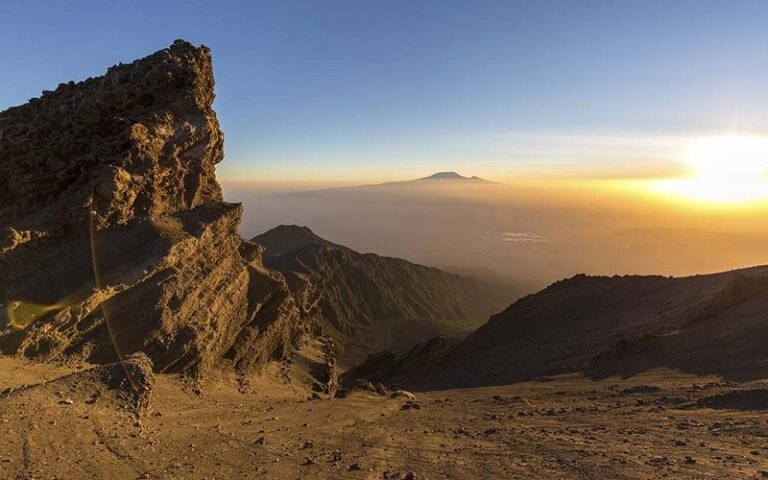
Ruta Momella Monte Meru: Your Complete Guide 2026-2027
Your comprehensive guide to the Momella Route on Mount Meru, covering everything from preparation and typical itineraries to what makes this climb a unique Tanzanian adventure, ideal for...
View package details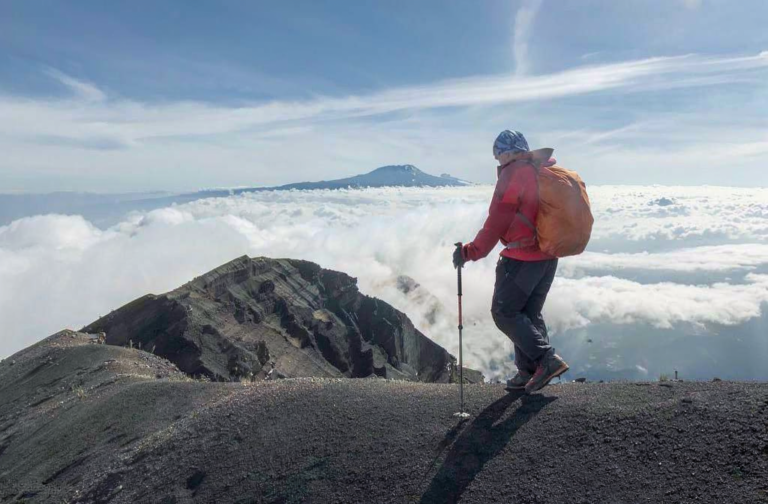
Trek Mont Meru 4 Jours: Your Complete Guide 2026-2027
start a 4-day trek up Mount Meru, a challenging yet rewarding climb near Kilimanjaro. This guide covers routes, preparation, gear, and essential tips for your 2026-2027 expedition.
View package detailsTrekking Monte Meru Desde Arusha: Your Ultimate Guide For 2026-2027
Your comprehensive guide to trekking Mount Meru from Arusha, covering everything from route options and difficulty to essential preparation and booking advice for climbs in 2026-2027.
View package detailsMonte Meru Y Kilimanjaro: Trekking En Tanzania 2026-2027
Discover the ultimate trekking experience in Tanzania by combining Mount Meru and Mount Kilimanjaro. This comprehensive guide covers everything from route selection and preparation to...
View package detailsMonte Meru Tanzania Trekking From Arusha: Your Essential Guide 2026-2027
start a trek up Mount Meru from Arusha, Tanzania's stunning dormant volcano. This guide covers everything from routes and difficulty to preparation and best times to go for your 2026-2027...
View package detailsKilimanjaro Climb Machame Route : Expert Guide For Your Trek 2026-2027
Discover the ultimate guide to climbing Mount Kilimanjaro via the Machame Route for your 2026 or 2027 adventure. This comprehensive resource covers everything from choosing an itinerary and...
View package detailsWhy Is Kilimanjaro One Of The World’s Most Famous Mountains? Your Planning
Kilimanjaro's fame stems from its status as the highest free-standing mountain, its accessibility to non-technical climbers, its iconic snow-capped summit, and its location in a biodiverse...
View package detailsKilimanjaro Routes: Which Is Best For Your Climb? 2026-2027
Choosing the right Kilimanjaro route is crucial for a successful and enjoyable climb. This comprehensive guide compares the main routes, helping you select the best option for your...
View package details10 Most Challenging Mountains To Climb In Africa 2026-2027
While Mount Kilimanjaro is Africa's most famous peak, the continent harbors a spectrum of formidable mountains that test even seasoned climbers. This guide details the 10 most challenging...
View package details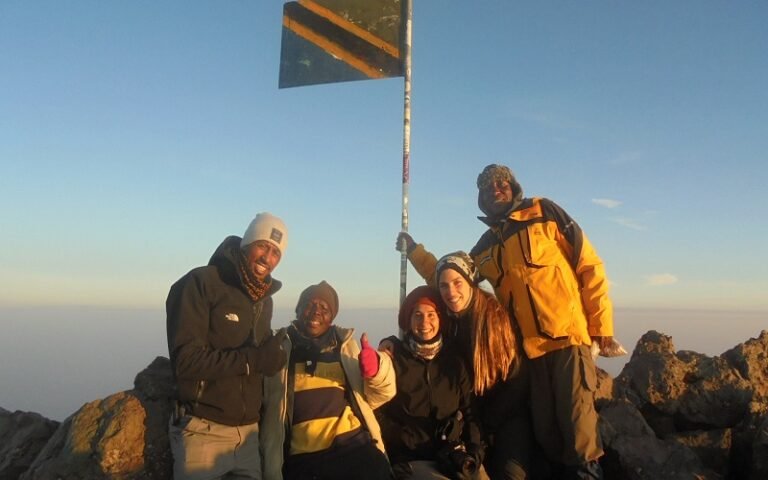
Trekking Monte Meru Tanzania: Precios, Ruta Y Consejos 2026-2027
Trekking Monte Meru Tanzania: precios, ruta y consejos is explained with current 2026-2027 planning, price, itinerary and booking information.
View package detailsNo related package matches those filters. Clear one or more filters to see the other topic-matched options.



