
A 4-day trek on Mount Meru is a feasible but demanding adventure, typically involving the popular Momella route. This itinerary focuses on reaching Socialist Peak (3,600m / 11,811ft) or, for the most ambitious, Meadow Mountain (3,800m / 12,467ft), rather than the summit of Mount Meru (4,566m / 14,980ft), which requires a longer duration. Expect challenging ascents, dramatic landscapes, and significant altitude gain, requiring good physical condition and acclimatization, especially if you plan to trek in 2026 or 2027.
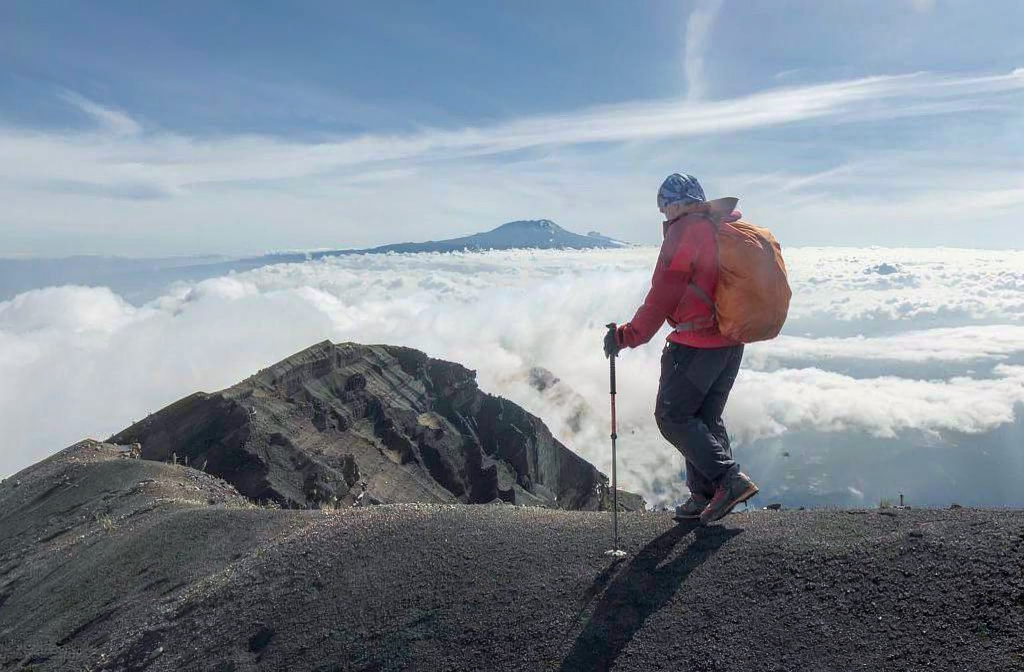
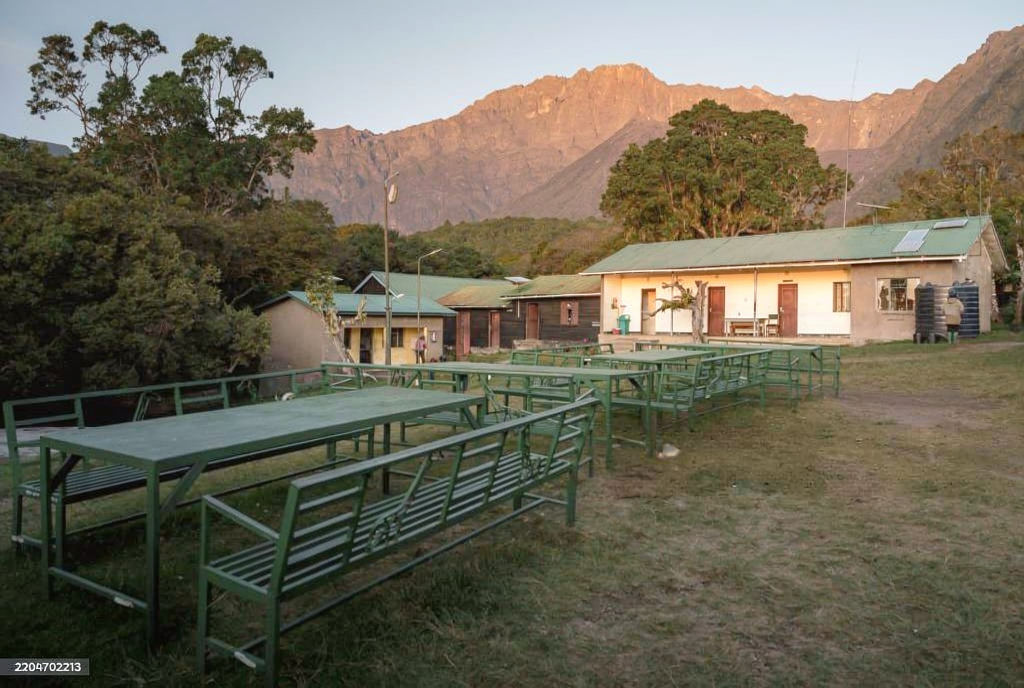
Understanding the 4-Day Mount Meru Trek
Mount Meru, standing proudly at 4,566 meters (14,980 feet), is Tanzania’s second-highest peak and a magnificent dormant volcano located within Arusha National Park. While it offers a formidable challenge for serious mountaineers, a 4-day trek on Mount Meru is a popular option for those seeking a significant mountain experience without committing to the full summit ascent, which typically takes 5 to 7 days. This shorter duration usually means focusing on reaching the outer rim or lower peaks rather than the true summit, particularly via the Momella route.
When considering a “trek Mont Meru 4 jours,” it’s crucial to understand what this entails. You’re not aiming for the main summit (Little Meru at 3,800m or the true summit at 4,566m) within these four days. Instead, the common goal for a 4-day trek is to reach either Socialist Peak (3,600m), which offers stunning views of the crater and Kilimanjaro on a clear day, or Meadow Mountain (3,800m), the highest accessible point on the outer crater rim for this shorter itinerary. This distinction is vital for managing expectations and ensuring you book the right kind of trek for your capabilities and time.
The 4-day trek is a fantastic introduction to high-altitude trekking in Tanzania. It provides a taste of the diverse ecosystems Meru offers, from lush montane forests teeming with wildlife to the stark, rocky alpine zones. The physical demands are substantial; you’ll experience rapid altitude gain, steep ascents, and potentially challenging weather conditions. This makes it an excellent preparatory climb for Kilimanjaro or a rewarding challenge in its own right for fit hikers.
For adventurers planning their trips in 2026 or 2027, understanding the nuances of a 4-day Mount Meru trek is key to a successful and enjoyable expedition. It requires careful planning regarding fitness, gear, and choosing the right tour operator who can guide you safely and effectively on this beautiful mountain.
The Momella Route: Your 4-Day Trek Itinerary
The Momella Route is the most common and practical choice for a 4-day trek on Mount Meru. It’s known for its scenic beauty and the opportunity to spot wildlife in the lower forest sections. While the full Momella route to the summit takes longer, a 4-day itinerary is designed to maximize the experience within the limited timeframe, typically reaching the crater rim. Here’s a sample itinerary that outlines the progression:
Day 1: Momella Gate to Miriakamba Hut (2,100m / 6,890ft)
Your trek begins at the Momella Gate of Arusha National Park. After completing park formalities and meeting your guides and porters, you’ll start hiking through dense montane forest. The trail is generally well-maintained, though can be muddy. Keep an eye out for colobus monkeys, giraffes, zebras, and various bird species. The ascent is steady, taking around 4-6 hours to reach Miriakamba Hut. You’ll settle in for the night, enjoying the sounds of the forest.
Distance: Approximately 10 km (6 miles)
Hiking Time: 4-6 hours
Accommodation: Miriakamba Hut
Day 2: Miriakamba Hut to Saddle Hut (3,500m / 11,483ft)
This is a significantly steeper and more challenging day. You’ll ascend out of the forest and into the heath and moorland zones. The views begin to open up, offering glimpses of Kilimanjaro on clear days. The terrain becomes more rugged. The goal is to reach Saddle Hut, a strategic campsite located between the two main peaks of Meru. This higher camp aids in acclimatization for the summit push. The hike typically takes 3-5 hours. You’ll have an early dinner and rest, preparing for the summit attempt.
Distance: Approximately 8 km (5 miles)
Hiking Time: 3-5 hours
Accommodation: Saddle Hut
Day 3: Summit Attempt to Socialist Peak (3,600m) or Meadow Mountain (3,800m) & Descent to Miriakamba Hut
This is the longest and most demanding day of the 4-day trek Mont Meru. You’ll wake up very early, typically around 1-2 AM, for a pre-dawn start. The climb to the crater rim and then to Socialist Peak is steep and challenging, involving scree slopes and rocky sections. Reaching the rim by sunrise offers spectacular views. For those on a 4-day itinerary, the typical objective is Socialist Peak. Some operators might offer an option to continue slightly further to Meadow Mountain (3,800m) if conditions and group fitness allow, but this is less common for a strict 4-day schedule. After celebrating your achievement at the highest point of your trek, you’ll descend back to Saddle Hut for a brief rest before continuing the long descent all the way back to Miriakamba Hut. This descent is often harder on the knees and can take 5-7 hours.
Hiking Time: 10-12 hours (total)
Accommodation: Miriakamba Hut
Day 4: Miriakamba Hut to Momella Gate & Departure
The final day involves a relatively easy and shorter descent from Miriakamba Hut back to Momella Gate. You’ll retrace your steps through the forest, enjoying the scenery from a different perspective. This descent usually takes 2-3 hours. Upon arrival at Momella Gate, you’ll be met by your vehicle and transferred back to your accommodation in Arusha or onward to your next destination. It’s a chance to reflect on your accomplishment and the incredible journey you’ve completed.
Distance: Approximately 10 km (6 miles)
Hiking Time: 2-3 hours
Accommodation: None (departure)
It’s important to note that this 4-day itinerary focuses on reaching the crater rim and nearby peaks. Attempting the true summit (4,566m) within 4 days is generally not recommended due to insufficient acclimatization time and the extreme physical demands. Always confirm the exact highest point you will reach with your tour operator when booking your trek Mont Meru 4 jours for 2026-2027.
Why Choose a 4-Day Mount Meru Trek?
Opting for a 4-day trek on Mount Meru is a strategic decision driven by several factors, making it an attractive option for a specific type of traveler. Understanding these reasons can help you decide if this shorter itinerary aligns with your goals for 2026-2027.
Time Efficiency
The most obvious advantage is time. For travelers with limited vacation days, a 4-day trek allows them to experience a significant African mountain challenge without requiring a full week. This is particularly useful if Mount Meru is an add-on to a safari or a Kilimanjaro climb, or if you have other commitments in Tanzania.
Physical Challenge Introduction
While not summiting, reaching Socialist Peak (3,600m) or Meadow Mountain (3,800m) still involves considerable altitude gain and strenuous hiking. It offers a substantial physical challenge that is less demanding than a full summit attempt but more intense than a day hike. This makes it an excellent stepping stone for those aspiring to climb higher mountains like Kilimanjaro in the future, providing valuable acclimatization and endurance testing.
Cost-Effectiveness
Shorter treks generally translate to lower costs. With fewer days on the mountain, you’ll have fewer days of guide, porter, and park fee expenses. This can make Mount Meru more accessible for budget-conscious travelers or those looking to allocate more funds to other aspects of their Tanzanian adventure, such as safaris or Zanzibar.
Wildlife and Scenery Immersion
The Momella route, often used for 4-day treks, is renowned for its rich wildlife encounters in the lower forest zone. You have a good chance of seeing elephants, buffalo, monkeys, and a variety of birds. The shorter duration still allows for appreciation of the dramatic ecological zones Meru passes through, from lush rainforest to stark alpine desert.
Manageable Altitude Gain
While still significant, the altitude reached on a 4-day trek (around 3,600m to 3,800m) is lower than the full summit (4,566m). This reduces the risk and severity of altitude sickness for many trekkers. It’s a good option for those who might be sensitive to extreme altitudes or have less time for acclimatization.
However, it’s crucial to be realistic. A 4-day trek Mont Meru does not offer the satisfaction of standing on the true summit. If your primary goal is to conquer the highest point, a longer itinerary is necessary. For those seeking a challenging, scenic, and time-efficient mountain experience, the 4-day trek is an excellent choice.
Essential Preparation for Your 4-Day Mount Meru Trek
Successfully completing a 4-day trek on Mount Meru, especially in the busy seasons of 2026 and 2027, requires diligent preparation. This mountain, while shorter than Kilimanjaro, presents its own set of challenges, primarily due to rapid altitude gain and steep terrain. Proper preparation ensures safety, enjoyment, and a higher chance of reaching your goal.
Physical Fitness
This is paramount. Mount Meru is steep, and the 4-day itinerary involves significant daily elevation gain, particularly on Day 2 and Day 3. You should aim for a fitness level that allows you to hike for 6-8 hours a day with a backpack, over varied terrain, and with significant ascents. Focus on cardiovascular exercises like running, cycling, and swimming. Crucially, incorporate hiking with a weighted pack on inclines and stairs into your training regimen. Practice hiking on uneven surfaces to prepare your ankles and knees.
Altitude Acclimatization Strategy
While a 4-day trek doesn’t allow for extensive acclimatization on the mountain itself, your strategy starts before you even arrive. If possible, spending a day or two at moderate altitude (e.g., Arusha at 1,400m) before starting the trek can be beneficial. Many trekkers combine their Meru climb with Kilimanjaro, where acclimatization is built into the longer route. However, for a standalone 4-day trek, arriving well-rested and avoiding strenuous activity for the first day is wise. Hydration is key throughout your trip.
Mental Preparedness
Mountain climbing is as much a mental game as a physical one. Be prepared for challenging conditions: cold temperatures, potential rain or wind, fatigue, and the psychological effort required to keep moving uphill. The early start on summit day (Day 3) can be particularly taxing. Understanding that discomfort is part of the process and maintaining a positive attitude are crucial.
Logistics and Booking
Booking with a reputable operator is essential. For a trek Mont Meru 4 jours in 2026 or 2027, ensure your operator handles park fees, permits, guides, porters, food, and accommodation. Confirm what is included and excluded. For instance, sleeping bags and trekking poles are often not included. Also, arrange your transport to and from the park gate. Travel insurance covering high-altitude trekking and emergency evacuation is highly recommended.
Health and Vaccinations
Consult your doctor or a travel clinic well in advance of your trip regarding necessary vaccinations and malaria prophylaxis. Ensure you have any personal medications you might need. A basic first-aid kit for blisters, headaches, and minor injuries is also a good idea.
Understanding the Route
Familiarize yourself with the Momella route’s progression. Knowing the daily distances, estimated hiking times, and elevation gains will help you set realistic expectations and prepare mentally for each stage of your 4-day Mount Meru trek.
Proactive preparation significantly enhances your chances of a successful and memorable Mount Meru experience. For personalized advice and to ensure all logistical aspects are covered for your 2026-2027 trek, consider reaching out to experienced operators like Climb 4 Africa.
Gear and Packing List for Mount Meru
Proper gear is critical for a comfortable and safe 4-day Mount Meru trek. Temperatures can vary dramatically from the warm, humid forest floor to freezing conditions at higher altitudes. Layering is key, and having the right equipment can make the difference between an enjoyable trek and a miserable one. Here’s a comprehensive list for your trek Mont Meru 4 jours:
Clothing (Layering System)
- Base Layers: Moisture-wicking thermal tops and bottoms (synthetic or merino wool). Avoid cotton.
- Mid Layers: Fleece jacket or synthetic insulated jacket for warmth.
- Outer Layer (Insulation): A warm down or synthetic insulated jacket for evenings and summit attempts.
- Waterproof/Windproof Shell: A breathable, waterproof and windproof jacket and trousers (Gore-Tex or similar). Essential for rain and wind protection.
- Trekking Trousers: Lightweight, quick-drying hiking trousers (2 pairs). Convertible trousers are useful.
- Shirts: Moisture-wicking T-shirts and long-sleeved shirts for sun protection.
- Headwear: Warm woolen hat or beanie, sun hat or cap with a wide brim.
- Gloves: Warm waterproof gloves or mittens, and a thinner pair of liner gloves.
Footwear
- Hiking Boots: Sturdy, waterproof, broken-in hiking boots with good ankle support. This is perhaps the most critical item.
- Camp Shoes: Comfortable trainers or sandals for use at the huts.
- Socks: Several pairs of warm, moisture-wicking hiking socks (wool or synthetic). Liner socks can prevent blisters.
Equipment
- Backpack: A comfortable daypack (25-35 liters) for essentials you need during the day (water, snacks, camera, rain gear). Porters will carry your main duffel bag.
- Duffel Bag: A sturdy, waterproof duffel bag (80-100 liters) for your main gear, carried by porters.
- Sleeping Bag: A warm, 4-season sleeping bag rated to at least -10°C (14°F). Many operators do not include this, so check your package.
- Sleeping Bag Liner: Adds warmth and keeps your sleeping bag clean.
- Trekking Poles: Highly recommended for steep ascents and descents, saving your knees.
- Headlamp/Torch: With extra batteries. Essential for early morning starts and navigating camp.
- Water Bottles/Hydration Reservoir: At least 2-3 liters capacity. A hydration reservoir can be convenient, but water can freeze at altitude, so bottles are often more reliable.
- Water Purification: Water purification tablets or a filter. While operators provide boiled water, having a backup is wise.
- Sunglasses: With UV protection.
- Gaiters: Useful for keeping mud, scree, and snow out of your boots.
Personal Items
- Sunscreen: High SPF.
- Lip Balm: With SPF.
- Insect Repellent: Especially for lower forest sections.
- Toiletries: Biodegradable soap, toothbrush, toothpaste, wet wipes.
- Personal First-Aid Kit: Include blister treatment (moleskin, Compeed), pain relievers (ibuprofen, paracetamol), antiseptic wipes, bandages, and any personal medications.
- Hand Sanitizer.
- Camera: With extra batteries and memory cards.
- Power Bank: For charging devices.
- Snacks: Energy bars, nuts, dried fruit. While food is provided, personal snacks can be comforting.
- Book/Journal: For downtime.
Important Note: Always confirm with your tour operator what is included in their package. Many operators for a trek Mont Meru 4 jours will provide meals, accommodation at huts, park fees, and guides/porters. Items like sleeping bags, trekking poles, and sometimes even rain gear might be for rent or need to be brought from home. Planning your gear for 2026-2027 should start early to allow time for purchasing or renting.
Altitude Considerations on Mount Meru
Mount Meru’s altitude presents a significant challenge, even on a 4-day trek. Reaching heights of 3,600m to 3,800m rapidly can trigger altitude sickness (Acute Mountain Sickness – AMS) in some individuals. Understanding the risks and how to mitigate them is crucial for a safe and successful experience, especially when planning for 2026 or 2027.
What is Altitude Sickness?
AMS is a condition caused by ascending too quickly to high altitudes. The lower air pressure means there’s less oxygen available for your body to absorb. Symptoms can range from mild headaches and nausea to severe, life-threatening conditions like High Altitude Pulmonary Edema (HAPE) and High Altitude Cerebral Edema (HACE). Mild symptoms are common, but they must be taken seriously.
Symptoms to Watch For:
- Headache (the most common symptom)
- Nausea and vomiting
- Dizziness or lightheadedness
- Fatigue and weakness
- Loss of appetite
- Difficulty sleeping
- Shortness of breath
More severe symptoms include confusion, unsteadiness, severe lethargy, and coughing up frothy sputum, which indicate HACE and HAPE respectively and require immediate descent.
Mitigation Strategies for Your 4-Day Trek Mont Meru:
- Ascend Slowly: While a 4-day trek is inherently fast-paced, the itinerary is designed to gain altitude progressively. The critical part is the ascent from Miriakamba Hut to Saddle Hut on Day 2, where you gain over 1,400 meters. Listen to your body.
- Hydrate: Drink plenty of water (3-4 liters per day). Dehydration can exacerbate altitude sickness symptoms.
- Avoid Alcohol and Smoking: These can hinder acclimatization.
- Eat Well: Maintain a good intake of carbohydrates, which are easier to digest at altitude.
- Listen to Your Guide: Your guides are trained to recognize AMS symptoms. They will monitor you closely and make crucial decisions about your trek. Report any symptoms immediately, no matter how minor they seem.
- Pace Yourself: Hike at a comfortable pace, “pole pole” (slowly, slowly), especially on the ascents. Don’t overexert yourself.
- Consider Diamox (Acetazolamide): This prescription medication can help speed up acclimatization. Consult your doctor about whether it’s appropriate for you well before your 2026-2027 trip. It’s not a substitute for proper acclimatization but can be a helpful aid.
- Descent is the Cure: If symptoms of AMS become moderate to severe, the only effective treatment is to descend. Your guide will make this call. Do not try to push through moderate or severe symptoms.
The 4-day trek on Mount Meru involves a rapid ascent to significant altitude. While the peak reached is not the summit, the altitude gain is substantial enough that AMS is a real concern. Being prepared, aware, and communicative with your guides is the best way to ensure safety and enjoyment.
Best Time to Trek Mont Meru 4 Jours
Choosing the right time of year for your 4-day Mount Meru trek is crucial for maximizing your chances of good weather, clear views, and an overall enjoyable experience. While Mount Meru can be climbed year-round, certain periods offer more favorable conditions.
Mount Meru experiences distinct wet and dry seasons. The best times for trekking are generally during the dry seasons:
- January to March: This period is typically dry and warm. It’s an excellent time for trekking, offering clear skies and good visibility. It’s also a popular time, so expect more trekkers on the trails, especially if you’re planning for 2026 or 2027. The higher slopes can still be cold, and occasional light showers are possible.
- June to October: This is another dry season, often referred to as the ‘long dry season’. The weather is generally stable, with sunny days and cooler temperatures, particularly at higher altitudes. This is considered one of the best times to climb, offering excellent views of Kilimanjaro. It’s also a peak season, so booking in advance for 2026-2027 is advisable.
The shoulder seasons can also be viable, though with more unpredictable weather:
- April and May: These are the months of the ‘long rains’. Expect significant rainfall, which can make trails muddy and slippery, and obscure views. While trekking is possible, it’s generally not recommended due to the challenging conditions and reduced visibility.
- November and December: These months mark the beginning of the ‘short rains’. You might experience brief, heavy showers, often in the afternoon, followed by clearer periods. Temperatures are usually mild. Trekking is possible, but be prepared for wet conditions and potentially less consistent views.
For a 4-day trek Mont Meru: The key is to have clear views, as the scenery is a major draw. Therefore, the dry seasons (January-March and June-October) are highly recommended. If you’re looking to avoid crowds and don’t mind a slightly higher chance of rain, the shoulder months of November or early December might be considered, but ensure your gear is fully waterproof.
When planning for 2026-2027, consider booking your trek during the peak dry months for the best overall experience. Always check weather forecasts closer to your departure date, as microclimates can occur on the mountain.
Comparing 4-Day vs. Longer Mount Meru Treks
Deciding between a 4-day trek and a longer itinerary for Mount Meru is a critical planning step. Each option offers a different experience, catering to distinct traveler needs, fitness levels, and goals. Understanding these differences is key to choosing the right adventure for your 2026-2027 trip.
4-Day Mount Meru Trek (Momella Route Focus)
- Objective: Typically reaches Socialist Peak (3,600m) or Meadow Mountain (3,800m) on the crater rim. Does NOT reach the true summit (4,566m).
- Pace: Fast and demanding. Rapid altitude gain.
- Physicality: High. Steep ascents, long day on summit day.
- Acclimatization: Minimal on the mountain. Relies on pre-trip fitness and good luck.
- Cost: Generally lower due to fewer days and park fees.
- Scenery: Excellent, especially forest wildlife and crater rim views.
- Summit Success: Not applicable as the true summit is not targeted. Reaching the rim is the goal.
- Ideal For: Time-constrained trekkers, those seeking a challenging but shorter mountain experience, as a preparatory climb for Kilimanjaro, or those prioritizing wildlife and rim views over the summit itself.
5-Day Mount Meru Trek (Momella Route)
- Objective: Reaches the true summit of Mount Meru (4,566m).
- Pace: Moderate. Allows for better acclimatization.
- Physicality: Very High. Still a strenuous climb, but spread over more days.
- Acclimatization: Improved. An extra day at Saddle Hut or a slower pace allows the body more time to adjust.
- Cost: Higher than the 4-day trek due to an additional day of park fees, guides, and porters.
- Scenery: Comprehensive, including the dramatic summit ascent.
- Summit Success: Higher probability of reaching the true summit due to better acclimatization.
- Ideal For: Trekkers whose primary goal is to summit Mount Meru, those seeking a more thorough acclimatization experience, and those with slightly more time available who want the full mountain challenge.
6-Day Mount Meru Trek (Optionally via Waterfall route, then Momella)
- Objective: Reaches the true summit (4,566m) with an even more relaxed pace and potentially incorporates different scenery. The Waterfall route is generally more scenic but can be wetter and more challenging logistically.
- Pace: Slower, allowing for excellent acclimatization.
- Physicality: High, but more manageable due to the extended duration.
- Acclimatization: Excellent. This is the best option for maximizing acclimatization and minimizing AMS risk.
- Cost: Highest due to the extended duration.
- Scenery: Can offer more diverse views, especially if incorporating the Waterfall route.
- Summit Success: Highest probability of success due to superior acclimatization.
- Ideal For: Those who want the best possible chance of summiting, have ample time, want to minimize altitude sickness risks, or seek a more in-depth mountain experience.
Key Trade-offs:
- Time vs. Summit Goal: The 4-day trek prioritizes time efficiency over reaching the true summit. Longer treks prioritize the summit goal and acclimatization.
- Cost vs. Success Rate: Higher cost for longer treks generally equates to a better acclimatization profile and a higher chance of summit success.
- Challenge Level: The 4-day trek is a condensed, intense challenge. Longer treks spread the challenge out, making it more manageable for some.
For those specifically searching for “trek Mont Meru 4 jours,” the choice is clear if time is the primary constraint and reaching the crater rim is sufficient. However, if summiting is the ultimate aim, it’s strongly recommended to consider the 5-day or 6-day options, especially for trips planned for 2026-2027 when booking flexibility might be important.
Booking Your 4-Day Mount Meru Trek in 2026-2027
Securing your 4-day Mount Meru trek for 2026 or 2027 requires careful consideration of tour operators. The quality of your experience, safety, and overall success hinges significantly on the operator you choose. As an expert Kilimanjaro and Tanzania travel company, Climb 4 Africa understands the intricacies of these mountain treks and can guide you through the booking process.
Choosing the Right Operator:
When looking for a company to arrange your trek Mont Meru 4 jours, prioritize those with a proven track record, experienced local guides, and a strong commitment to safety. Look for operators who:
- Employ certified, experienced guides who are trained in wilderness first aid and altitude sickness management.
- Use reputable porters and ensure fair treatment and adequate equipment for their staff.
- Provide clear, detailed itineraries and packing lists.
- Have excellent communication channels, especially for answering your pre-trip questions.
- Offer comprehensive packages that clearly state what is included (park fees, permits, accommodation, food, guides, porters, rescue fees) and what is not (tips, personal gear, travel insurance).
What to Confirm Before Booking for 2026-2027:
- Exact Itinerary and Highest Point: Confirm that the 4-day itinerary indeed targets Socialist Peak or Meadow Mountain and does not claim to reach the main summit.
- Inclusions and Exclusions: Double-check everything from meals and accommodation to emergency evacuation services and tips.
- Group Size: Understand if you’ll be in a private group or a join-as-you-go group.
- Payment Terms: Clarify deposit requirements, payment schedules, and cancellation policies.
- Emergency Procedures: Ask about their emergency protocols and how they handle medical evacuations.
Why Contact Climb 4 Africa for Your Trek?
Climb 4 Africa specializes in Tanzanian mountain expeditions and safaris. We offer practical local support and expertise, ensuring your 4-day Mount Meru trek is well-organized and safe. Our team is dedicated to providing an exceptional experience, from initial inquiry to your successful descent. We understand the nuances of altitude, the best routes, and the importance of local knowledge for a trek Mont Meru 4 jours.
To start planning your 2026-2027 adventure and get a personalized quote for a 4-day Mount Meru trek, please reach out to us:
- WhatsApp: +255 747 477 898
- Email: climb4africa@gmail.com
When you contact us, please mention your preferred dates for 2026 or 2027, the number of people in your group, and any specific requirements you may have. We’ll help you craft an itinerary that fits your needs and ensures a memorable journey up Mount Meru.
Booking your trek early, especially for popular seasons in 2026 and 2027, is always recommended. We look forward to helping you plan an unforgettable experience!
Check Availability for Trek Mont Meru 4 Jours: Your Complete Guide 2026-2027
Ready to compare dates, prices, and the best option for your group? Send the package name and travel month so the team can reply with a clear quote, availability, and what is included.
Trekking Monte Meru Tanzania: Precios, Ruta Y Consejos 2026-2027
Trekking Monte Meru Tanzania: precios, ruta y consejos is explained with current 2026-2027 planning, price, itinerary and booking information.
View package details
Trekking Monte Meru Desde Arusha: Your Ultimate Guide For 2026-2027
Your comprehensive guide to trekking Mount Meru from Arusha, covering everything from route options and difficulty to essential preparation and booking advice for climbs in 2026-2027.
View package details
Monte Meru Y Kilimanjaro: Trekking En Tanzania 2026-2027
Discover the ultimate trekking experience in Tanzania by combining Mount Meru and Mount Kilimanjaro. This comprehensive guide covers everything from route selection and preparation to...
View package details
Precio Trekking Monte Meru: ¿Cuánto Cuesta Tu Aventura En ? 2026-2027
Planifica tu aventura en el Monte Meru conociendo los costos detallados. Explora las opciones de rutas, duraciones y lo que influye en el precio para tu expedición 2026-2027.
View package details
Trekking Monte Meru 4 Días 2026-2027
Trekking Monte Meru 4 días is explained with current 2026-2027 planning, price, itinerary and booking information.
View package detailsTrekking Monte Meru 3 Días 2026-2027
Trekking Monte Meru 3 días is explained with current 2026-2027 planning, price, itinerary and booking information.
View package details
Monte Meru Tanzania Trekking From Arusha: Your Essential Guide 2026-2027
start a trek up Mount Meru from Arusha, Tanzania's stunning dormant volcano. This guide covers everything from routes and difficulty to preparation and best times to go for your 2026-2027...
View package detailsMount Meru Trekking 3 Tage: Your Essential Planning Guide 2026-2027
A comprehensive guide to the 3-day Mount Meru trek, covering essential planning details for 2026-2027, including routes, preparation, what to expect, and booking advice.
View package details
Mount Meru Trekking Ab Arusha 2026-2027
Mount Meru Trekking ab Arusha is explained with current 2026-2027 planning, price, itinerary and booking information.
View package detailsRuta Momella Monte Meru: Your Complete Guide 2026-2027
Your comprehensive guide to the Momella Route on Mount Meru, covering everything from preparation and typical itineraries to what makes this climb a unique Tanzanian adventure, ideal for...
View package detailsMonte Meru Y Safari En Tanzania: Guía Completa Para Tu Aventura Africana
Explora la combinación perfecta de trekking en Monte Meru y safaris inolvidables en Tanzania. Esta guía detallada te ayudará a planificar tu viaje de ensueño para 2026-2027, cubriendo...
View package detailsWhat To Expect On Your First Kilimanjaro Trek: A Comprehensive Guide 2026-2027
Planning your first climb up Kilimanjaro? This comprehensive guide covers everything you need to know, from choosing a route and preparing your body to what daily life on the mountain is...
View package detailsNo related package matches those filters. Clear one or more filters to see the other topic-matched options.



