
The 10 Days Kilimanjaro Trek and Tarangire Ngorongoro Tour follows a practical sequence: a Kilimanjaro ascent via a standard route with acclimatization days, then a Tarangire and Ngorongoro safari loop that prioritizes park movement efficiency, realistic wildlife viewing opportunities, and comfortable lodges or camping options. Exact departure dates, costs, and bed-night arrangements must be confirmed with Climb 4 Africa. You will get a documented day-by-day plan, transfer logistics, and guidance on what to pack, where to stay, and how to pace each stage to support acclimatization.
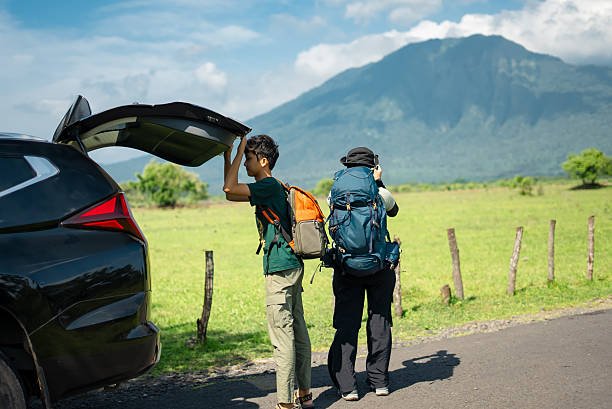
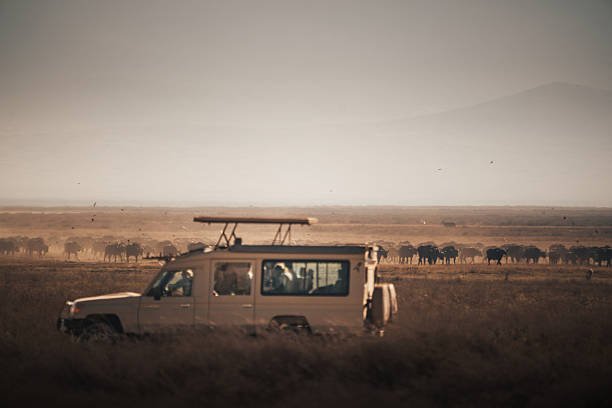
Introduction: how this bookable package is organized
Climb 4 Africa designs a single cohesive journey that begins on the Machame or Rongai approach to Kilimanjaro, balancing ascent goals with necessary acclimatization. After reaching Stella Point or summiting depending on conditions, the group transitions to a southern safari corridor for Tarangire and Ngorongoro. The Tarangire focus emphasizes tree-clad river corridors and the elephant herds typical of the Tarangire Ecosystem, while Ngorongoro Crater offers a high-central plateau safari experience with opportunities for viewing predators and endemic species in diverse habitats. The itinerary is built to minimize backtracking, maximize drive efficiency, and provide reliable lodging or camping options where appropriate.
Day 1: Arrival in Moshi or Arusha and transfer to the climb base
Arrive at Kilimanjaro region gateway towns and meet your local guide team. Transfer to your pre-trek accommodation near Moshi or Arusha, with a briefing on the coming days, kit check, and optional acclimatization stroll around town. The focus is comfort after travel and preparation for the first trekking day. Accommodations may be hotel rooms or basic guesthouses, depending on group size and availability.
Day 2: Trek begins—start of the Kilimanjaro ascent
Start from the trailhead with a gradual ascent through forests, establishing a sustainable pace for acclimatization. The day ends at a mountain hut or camp at a moderate altitude, with a focus on keeping hydration and nutrition on track. The route choice (such as Machame or Rongai) is determined by your permit and group logistics. Expect a steady climb with a few short breaks to reduce fatigue and pressure on your lungs as you gain altitude.
Day 3: Progress to higher camps and acclimatization pause
Climb to higher terrain with a planned acclimatization day or a short extra acclimatization hike if necessary. The emphasis is staying warm, maintaining energy, and drinking enough liquids. Lodging is at a mid-elevation camp or hut with shared dining facilities; the day builds fitness and altitude tolerance for the following push toward the summit.
Day 4: Mid-ascend stage with potential summit push preparation
Continue the ascent with care for altitude; this stage often includes a notable camp stop that marks a boundary toward the high alpine zone. Pack carefully for dry and cold conditions and maintain a steady walking pace. Your guide will adjust pace based on group dynamics and individual acclimatization status.
Day 5: Summit attempt or final acclimatization loop
The plan includes a summit attempt window if conditions are favorable, or a planned fallback to a lower altitude camp for safety. The day stresses energy management, weather awareness, and team pacing. After the summit or planned push, you descend to a lower camp where the group rests and recovers, preparing for the transition to safari days.
Day 6: Descent from Kilimanjaro and drive to Tarangire area
After completing the Kilimanjaro section, the team begins the journey toward Tarangire National Park. Driving times vary with road conditions; the route aims to minimize fatigue and maximize rest opportunities. Check-in at a lodge or tented camp near Tarangire, with a relaxed evening to adjust to safari rhythm and meal schedules.
Day 7: Tarangire National Park safari day
Full-day game drives in Tarangire, with a focus on elephants, baobabs, and riverine habitats. The itinerary prioritizes wildlife sightings that are feasible in a single day and acknowledges that actual animal behavior cannot be guaranteed. Lunch at a designated picnic site or lodge, followed by afternoon drives and a return to camp before sunset.
Day 8: Tarangire to Ngorongoro Highlands safari transition
Morning safari in Tarangire, then a scenic transfer to Ngorongoro conservation area. The drive typically traverses highland landscapes and coffee-growing zones, offering chances to observe local farming communities from a respectful distance. Check-in at a lodge or camp in the Ngorongoro region, with time to prepare for a crater day ahead.
Day 9: Ngorongoro Crater floor safari
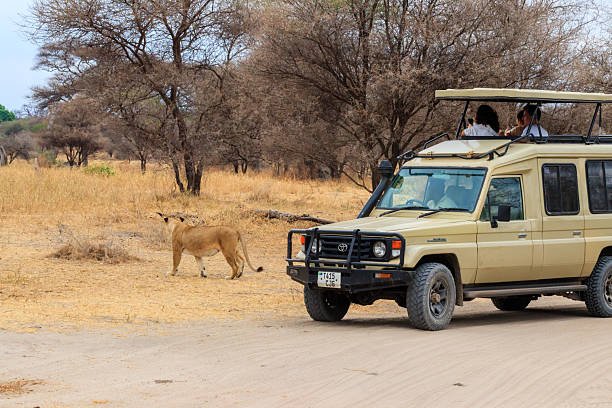
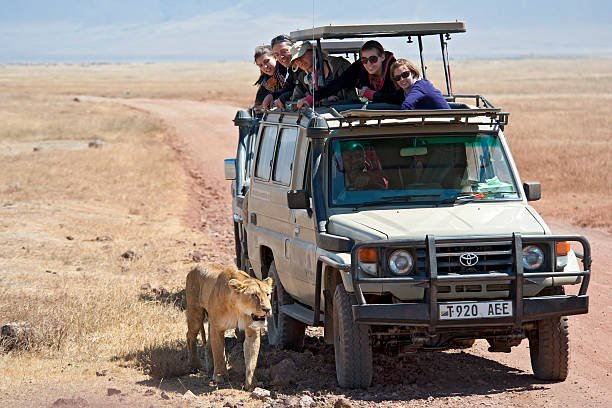
Ngorongoro Crater is approached with a morning descent and possible wildlife concentrations around the crater lake. The day emphasizes responsible wildlife viewing and comfortable lodge accommodations nearby, with the option to add a cultural visit to a neighboring Maasai village if desired. No wildlife guarantee is promised, but the crater floor commonly presents opportunities for diverse sightings.
Day 10: Return to Moshi/Arusha or extension options
Final corporate transfer back to Moshi or Arusha, depending on flight times and onward travel plans. If the schedule allows, a short unwind stop or a final market visit can be arranged. The itinerary ends with a guided debrief on equipment care, acclimatization lessons, and next-step Tanzania experiences.
Logistics and planning notes
- Altitude and acclimatization: The itinerary is designed with realistic acclimatization milestones; pace and optional extra days can be added depending on group responses.
- Accommodations: Lodges or camps vary by region and availability; the plan aims for comfortable, secure options with reliable meals.
- Safari optics: Binoculars, driver-guide expertise, and vehicle readiness are prioritized; wildlife sightings are not guaranteed but maximized through route planning.
- Transport: Road transfers between Kilimanjaro and safari parks are by private vehicle; driving times are estimates and depend on conditions.
- What to bring: Layered clothing for cold alpine nights, breathable daywear, sturdy hiking boots, rain gear, hat, sunscreen, and personal medications.
Booking considerations
Additional logistical nuance for a smooth 10-day Kilimanjaro trek and Tarangire–Ngorongoro safari
To complement the explicit day-by-day structure already established, this section adds targeted details that many travelers encounter as they finalize bookings. It does not alter the core sequence, but clarifies practicalities that influence pacing, safety, and comfort without venturing into unverified claims or speculative outcomes.
Timing and transfer realities between Kilimanjaro and safari components: The switch from high-altitude trekking to a wildlife-focused safari hinges on road conditions and distance. After descending Kilimanjaro, travelers typically travel by private vehicle to Tarangire or Ngorongoro, with journey times ranging from 2.5 to 5.5 hours depending on traffic, weather, and the chosen start point for the safari portion. Mid-morning departures from the climber village to the safari lodge or camp can be arranged to maximize rest opportunities, but groups should remain flexible for occasional delays. This flexibility pays dividends in early evenings, when comfortable lodges provide reliable meals, hot showers, and a calm environment to recover from altitude and exertion.
Acclimatization rhythm and daily pacing during the Kilimanjaro ascent: The article’s day-by-day outline reflects common acclimatization logic—alternating ascent days with rest or slower-progress days. In practice, the guide team continuously monitors group responses, adjusting the pace, especially if someone shows signs of altitude discomfort. This may translate into an extra acclimatization stroll near a mid-elevation camp or a deliberate slower descent to maintain a sustainable rhythm. Guests should anticipate temperature shifts, with alpine nights that demand layered clothing and energy-rich meals to sustain acclimatization momentum.
Gear and packing variances across environments: The Kilimanjaro portion demands warm, windproof, and moisture-wicking layers, along with sturdy trekking boots and head protection for sun and cold. For Tarangire and Ngorongoro, packing leans toward versatile safari attire, sun protection, neutral colors for wildlife viewing, and a compact camera kit. Your pre-trek briefing will confirm whether adapters and electrical outlets at your lodges align with your home-country standards. If you intend to capture distinctive wildlife moments, consider a light tripod or monopod for steady daytime shots, while respecting park regulations and safety guidelines.
Meals and hydration strategy across the journey: On Kilimanjaro, meals arrive with the trek team at base camps or mountain huts; hydration emphasis remains constant—water can be sourced from purified or boiled options provided by the crew. In safari lodges, meals are typically structured around early morning, midday, and evening dining, with opportunities to sample regional dishes. Given the physically demanding days, travelers often appreciate protein-rich options and snack provisions, but these should be discussed with the operator if there are dietary restrictions or allergies.
Safety and contingency planning: The itinerary assumes professional supervision by licensed Tanzania-based guides and support staff. In the unlikely event of weather-induced transport disruption, the operator’s contingency plan prioritizes guest safety, with alternative lodge arrangements and, if necessary, adjusted activity levels. Participants are advised to disclose any medical conditions, medications, or allergies during the kit check and briefing so the team can adapt meals, lodging, and transport arrangements accordingly.
Local community and cultural respect considerations: While the core focus is on trekking and safaris, guests often encounter local villages en route between destinations. Interactions should be respectful and brief, with appropriate dress and behavior. A simple gesture of appreciation, such as purchasing a small handicraft from a village stall or engaging in a short, guided cultural explanation from a community member, can enrich the overall experience while supporting responsible tourism practices.
Booking hygiene: what to confirm with the operator: Prior to finalizing travel, confirm the following with Climb 4 Africa or your chosen operator: (1) exact lodging partners for each night, (2) vehicle type and driver-guide credentials, (3) entrance fees or park fees included or excluded, (4) baggage allowances and any restrictions on hard-shell suitcases versus soft bags, (5) the policy for changes due to weather or health, and (6) whether any optional extensions or add-ons are available within the same booking window. A clear outline reduces the risk of last-minute surprises and helps manage expectations for the 10-day sequence.
What to expect from the transition between Kilimanjaro ascent and Tarangire–Ngorongoro safari: practical details that travelers often overlook
While the day-by-day structure provides a clear sequence, the practical realities of moving from a high-altitude mountain environment to the tarantula-green savannas and crater ecosystems can surprise first-time visitors. This section distills concrete, travel-ready details that influence comfort, timing, and morale, without altering the core itinerary.
Vehicle logistics and road conditions: After descent from Kilimanjaro, transfers to Tarangire typically rely on a well-maintained safari vehicle with a push-pull driver-guide team. Expect uneven rural roads for parts of the journey, and anticipate a time window of 2.5 to 5 hours depending on the choice of lodging and the exact trailhead drop. Drivers plan refueling and rest stops at reputable lodges or designated picnic sites. If the group size is large, a second support vehicle may be arranged to maintain traffic flow and reduce fatigue for smaller vehicles used later in the safari sequence.
Acclimatization mindset to safari pace: The shift from Kilimanjaro’s altitude to savanna microclimates requires attention to hydration and light exposure. Even though the safari days are physically less taxing than summit days, the long drives, elevated sun, and dusty wind can be tiring. Tour leaders often schedule early starts for morning game drives, a post-drive rest period, and nutrient-dense meals to stabilize energy levels after the mountain’s intense exertion. It is common to experience a temporary shift in sleep patterns as you adapt to new bedtimes and different climate conditions.
Clothing and packing adjustments: Pack for a rapid change of scenery. Warmer layers and a windproof shell remain essential for Kilimanjaro, while breathable fabrics, sun protection, and a light scarf or bandana become more relevant in Tarangire and Ngorongoro. Evening temperatures at safari lodges can still be cool, so a compact fleece or jacket is useful. For photography, a lightweight telephoto lens can capture distant wildlife without needing to crowd within close range—always align with park regulations and guide instructions.
Food and beverage expectations: Kilimanjaro meals emphasize caloric density and hydration, often with hot drinks at altitude. After the climb, safari meals shift toward regional offerings highlighting Tanzanian staples such as ugali, chapati, and fresh produce, with a focus on balanced nutrition to sustain long drive days. Packable snacks for mid-day safaris—nuts, dried fruit, and energy bars—are typically provided by the operator but can be customized for dietary restrictions.
Wildlife viewing etiquette and safety realities: In Tarangire and Ngorongoro, wildlife can appear unpredictably. Guides coordinate vehicle positioning to minimize disturbance and maximize viewing opportunities while adhering to park rules. The likelihood of spotted predators varies by season and weather; guides never guarantee sightings and use patience and region-specific knowledge to optimize chances. Respect for roped-off areas, quiet observation, and safe distances remains paramount for both animal welfare and guest safety.
Time management and flexibility: Safaris can include additional stops for photography, cultural interactions, or optional community visits. While operators design efficient routes, unplanned delays—such as wildlife blockages or road works—may occur. A practical mindset is to welcome gentle adjustments to meal times or rest breaks, which helps maintain energy and mood across long days.
Health considerations in transition: After Kilimanjaro’s altitude, it’s prudent to monitor for residual symptoms like fatigue or mild headaches. The safari phase’s lower altitude usually alleviates such issues, but guests should continue recognizing dehydration risk and edema symptoms. Carry a personal water bottle, take oral rehydration if advised by staff, and keep a simple first-aid kit handy. If any altitude-related concerns persist, inform your guide and follow their medical guidance for activity pacing.
Documentation and park fees: Tarangire and Ngorongoro are managed entities with specific entry requirements. Your operator will typically handle park permit payments and vehicle entries as part of the package, but travelers should keep receipts and be prepared to present them at gates if required. Any pre-arranged cultural visits or optional village tours will have separate approvals or minimal fees, clearly communicated by the lead guide prior to departure from Kilimanjaro bases.
Transition recap for planning certainty: By understanding the practical cadence of moving from high-elevation trekking to savannah safaris, travelers can align daily expectations with actual experiences. The core promise remains: a cohesive, sequential journey that minimizes backtracking while delivering high-quality lodge or camping experiences and responsible wildlife encounters within the Tarangire–Ngorongoro corridor.
Gaps and practical refinements for the transition and post-trek safari
Readers planning this 10-day Kilimanjaro trek and Tarangire–Ngorongoro safari often confront practical questions that sit between the mountain’s acclimatization rhythm and the savannah’s game-viewing tempo. This section adds concrete, booking-aware guidance to bridge the ascent–safari transition with a focus on timely logistics, lodge/camp choices, and safety considerations that are frequently underexplained in standard itineraries.
Ground transfer sequencing and downtime optimization: The drive from Kilimanjaro’s highland exits toward Tarangire typically involves several hours on sometimes variable roads. To protect energy levels and enable meaningful acclimatization rest, ensure the itinerary design allocates buffer time for overnight recovery immediately after descent. Where possible, request a direct transfer to a lodge with a private area for decompressing, rather than a mid-route stop with limited facilities. If road conditions are challenging, consider a pre-booked lounge or spa moment at the lodge to mitigate fatigue before evening meals and briefings for the safari days.
Acclimatization carryover in pace planning: Even after Kilimanjaro, residual fatigue or mild altitude symptoms can influence early safari drive times and morning start windows. In practice, operators may schedule a lighter first safari day in Tarangire to accommodate lingering sleep needs, with the option to shift to an earlier or later start depending on how guests awaken. Tour leaders commonly monitor hydration and rest at this juncture; travelers can support this by keeping a small, easily accessible hydration plan (water bottle, electrolyte sachets) and avoiding heavy, spicy meals immediately after the mountain section.
Wildlife-viewing expectations and ranger coordination: Tarangire’s elephants and riverine species are seasonal in behavior. Guides often plan a mix of morning and late-afternoon drives to align with animal movement patterns, but actual sightings cannot be guaranteed. If your group has a particular wildlife interest (elephants, simbas, or thereto rare birdlife), share this with the guide at the outset so the vehicle positioning and stop cadence can be adjusted within park regulations. Respect for distance, quiet observation, and no feeding remains essential for safety and welfare.
Food logistics and dietary accommodations: In lodging camps and some regional parks, meals may be communal and prepared to suit standard dietary frameworks. If you have specific needs—vegetarian, vegan, gluten-free, or allergies—advise the lead guide and lodge staff well ahead of the transition week. In Tarangire and Ngorongoro, a balanced plan typically includes a protein source, vegetables, and fruit with opportunities for hot meals after game drives. If a mid-day picnic is planned, confirm whether selections accommodate your dietary restrictions and any sanitation considerations for packed meals.
Communication and connectivity: Tarangire and Ngorongoro areas offer patchy mobile coverage. For travelers who rely on data for maps, translations, or emergency contacts, pre-load offline maps and lodge contact details, and carry a basic local SIM if permissible by your operator. The lead guide or camp manager often acts as the primary communication node for changes in schedule or delays, so maintaining a clear line of communication with them is beneficial.
Safety protocol continuity between environments: Transitioning from altitude to savannah entails different risk profiles. Sun exposure, hydration, and heat management become more prominent on safari days. Pack a lightweight sunhat, high-SPF sunscreen, biodegradable wet wipes for cooling, and a compact first-aid kit with blister care for long drives. On the vehicle, keep a small personal kit including snacks, a refillable water bottle, and any required medications within easy reach.
Village and cultural interaction planning: If cultural visits or local market stops are included, align these with safari days to minimize backtracking and vehicle turnover. Confirm whether cultural experiences occur en route or at the safari camp; pre-arrangement helps ensure guides secure the needed permissions and time slots. In some cases, cultural visits can provide meaningful insights into Maasai traditions or local farming practices, but they should be balanced with safari goals and drive times to avoid fatigue.
Park-fee logistics and receipts: Tarangire and Ngorongoro fees are typically handled by the operator, but it remains prudent for travelers to retain receipts and to know the general payment flow in case gates request verification. If you undertake a self-guided deviation or a post-safari extension, carry copies of your permit approvals and park fees. Familiarize yourself with the Ngorongoro Conservation Area Authority rules regarding crater access times and vehicle limits to avoid delays at gate checkpoints.
Weather-aware packing for the transition window: While Kilimanjaro’s high-country climate is cold and dry at altitude, the savannah weeks can bring heat, humidity, or occasional rain. A compact layer approach works well: base layers for early morning chill, a warm fleece layer for cool evenings, a lightweight rain shell, and breathable safari-appropriate clothing in neutral tones. Pack a small dry bag for electronics and a spare set of socks for game drives when vehicle interiors can become dusty or damp from dew or rain.
Extension options and how they influence planning: Some travelers consider a short extra day to explore Arusha National Park, Lake Manyara, or a community-based project near the Tarangire corridor. If you’re contemplating an extension, discuss with your operator how the additional days would affect gate timings, lodge availability, and transfer logistics back to Moshi or Arusha. A well-timed extension can provide a gentler wind-down between intense trekking and long-haul travel, but it requires careful alignment with flights and visas.
Checklist alignment to avoid duplications: Before the transition, revisit a compact checklist: confirm luggage handling between camps and safaris, verify weights or packaging limits for any internal transfers, confirm meal plans and dietary needs, reconfirm pick-up times with the safari camp, and ensure you have a copy of the day-by-day plan in a format that works offline. This reduces the chance of miscommunication across crew changes or new guides at different legs of the journey.
Gaps in transition logistics: ensuring a smooth handoff between Kilimanjaro ascent and Tarangire–Ngorongoro safari
Readers often encounter subtle frictions during the shift from the mountain phase to the savanna safari. This section identifies concrete, bookable-likelihood details that are frequently under-answered in standard itineraries, and provides precise steps to close those gaps without altering the core Day-by-Day structure.
1) Luggage handling between camps and safari transfers: Kilimanjaro trekking camps typically operate with limited luggage allowances per trekker, often dictating a small day-pack for the climb and a duffel that remains at the last camp. When transitioning to Tarangire and Ngorongoro, confirm with the operator which bags travel with the trekking team (to be forwarded directly to the safari lodge) and which are kept for the mountain region. Book a dedicated, clearly labeled luggage transfer service if your operator does not include it. This avoids last‑minute sorting at a gate or lodge and reduces fatigue during the vehicle handoff at the end of the Kilimanjaro segment.
2) Vehicle and guide handoffs at the boundary: Expect a two-step handoff: (a) the Kilimanjaro guides bring trekkers to a designated transfer point, and (b) a safari guide meets the group for the Tarangire/Ngorongoro portion. Confirm exact meeting times, meeting points, and the protocol if a guide arrives late due to weather or a summit contingency. A printed day-by-day plan with taxi numbers, camp contact details, and gate times helps ensure everyone is in the same communication loop.
3) Park and gate fee flow in practice: Tarangire and Ngorongoro park fees are usually settled by the operator, but travelers should carry copies of receipts and be aware of potential gate-by-gate verification. At Ngorongoro, some gates require vehicle and passenger counts to match pre-approved numbers. Request a pre-trip payment summary from your operator, including fee codes (e.g., Tarangire entrance, Ngorongoro crater access, vehicle permit) and the expected payment method (cash in the local currency or card). This reduces delays on the day of arrival at the reserves and keeps drive times predictable.
4) Meal planning and dietary continuity across transitions: A hike-intensive schedule reduces appetite for heavy meals, yet safari days demand robust midday nourishment. Coordinate with your guide team to align meal plans so that breakfast after the descent from Kilimanjaro seamlessly transitions into a hearty lunch in the safari vehicle or lodge. If combining a bush breakfast or picnic lunch, confirm designated sites, water availability, and contingency weather plans with the lodge kitchen or camp chef. Clear pre-arranged menus help prevent improvisation that can lead to dietary gaps or delays.
5) Acclimatization window versus safari drive rhythms: The itinerary hinges on acclimatization to high altitude early in the week and a different pace once in Tarangire and Ngorongoro. A practical approach is to schedule a buffer morning after the Kilimanjaro summit push (if successful) or the final acclimatization loop, allowing the group to rest, rehydrate, and reset before the long drive to Tarangire. For groups with mixed fitness, consider a flexible option: a light, optional walk near the lodge to release stiffness, followed by an early lunch and a planned departure time that aligns with park entry timetables. Booking such buffers in advance prevents fatigue from cascading into the safari days.
6) Weather contingency planning across the transition: High-altitude blue skies and cool mornings contrast with savannah humidity and heat. Prepare a compact, transition-focused kit: a lightweight rain shell, breathable neutral-toned safari clothing, and a compact layer set to adapt to sudden changes in temperature during long drives. The operator should reserve a surplus of bottled water and electrolyte sachets for the road, as dehydration risk rises when the day length extends and game-viewing sits in the vehicle for hours at a time.
7) Communication and offline access for the transition day: Ensure travelers have offline copies of the day-by-day plan and gate/transfer details. A small, purpose-built data plan or offline map with marked transfer points reduces dependence on sporadic mobile service, which is common in remote stretches between Moshi/Arusha and Tarangire. The guide team can share a single offline WhatsApp or SMS channel as a fallback, but the primary plan should be hard-copy or downloadable in a PDF format saved before departure from town accommodations.
8) Cultural-time considerations during the switch: On certain departures, the day-to-day rhythm may include a brief Maasai or coffee-farm observation stop en route to Tarangire. If so, confirm with your operator whether the stop is mandatory or optional, and how long the detour will add to drive times. If you prefer to minimize off-route travel, request a direct transfer with a shorter, more efficient path to the Tarangire corridor, while still preserving a reasonable acclimatization buffer on the Kilimanjaro end.
9) Safety briefings and briefing repetition: The handoff is an ideal moment for a concise, standardized safety briefing from the safari team, covering vehicle safety, wildlife viewing ethics, and emergency contact points. Request that the briefing be delivered in both English and a language understood by the entire group if needed, and confirm where the first-aid kit and satellite communication device are stored in the safari vehicle. A printed summary of safety guidelines appended to the day-by-day plan aids retention and compliance on the road.
10) Contingency fund and tipping protocol: While most operators include standard tipping guidelines, the transition involves multiple crews—mountain guides, lodge staff, and safari drivers. Agree on a clear tipping structure in advance, with totals broken down by segment and a part allocated for last-minute adjustments due to service quality or unforeseen delays. Carry a small reserve of cash for tips and incidental expenses encountered in transit, but avoid changing large sums at gates, which can be inefficient and unreliable.
By addressing these transition-focused gaps upfront in the booking process and again during pre-departure briefings, travelers gain a smoother, more predictable handoff between Kilimanjaro and the Tarangire–Ngorongoro safari. The practical details—luggage routing, gate fees, meal continuity, acclimatization buffers, weather readiness, and clear communication channels—form a compact framework that supports the bookable itinerary without altering the Day 1–Day 10 sequence.
Gaps in post-trek transition logistics: practical refinements for the Kilimanjaro-to-safari handoff
Readers often come away with a clear sense of the mountain phase and the safari phase as distinct experiences, but the transition between Kilimanjaro and Tarangire–Ngorongoro is where many trips falter in practice. This section identifies concrete, booking-aware refinements that sharpen the handoff without altering the 10-day sequence. The focus remains on realistic logistics, vetted steps, and on-the-ground choices you can confirm with your operator before departure.
1) Luggage routing and packing continuity: Kilimanjaro trekking gear tends to be bulkier and drier than safari gear. Confirm in advance which items return with the trekking crew and which are transferred with the safari vehicle. If a separate hand-carry bag is allowed for the flight from Moshi/Arusha to Tarangire, designate a single, lockable bag for the mountain portion containing only what you will need on the first safari day—layered clothing, a compact rain shell, a small personal kit, and any medications. This minimizes the risk of missing items during vehicle transfers. Ask the operator to provide a labeled, sealed kit list that is checked at the end of Day 5 and again before the safari transfer.
2) Gate fees, park buffer times, and driver alignment: Tarangire and Ngorongoro have different gate schedules and permit processing times than Kilimanjaro entry points. Request a confirmed driver schedule that aligns with gate opening times and keeps tight buffer periods for contingencies such as weather delays or late arrivals from the mountain. A pragmatic approach is to request a staggered arrival plan at Tarangire/Ngorongoro with a fixed dinner window and pre-reserved lodge dining times, so you never wait for meals after long drives. Ensure the safari driver has up-to-date contact details for the mountain team, in case a late summit or acclimatization delay shifts the transfer window by more than 60–90 minutes.
3) Weather-aware transfer planning: The transition day benefits from a flexible but predictable plan. In rainy seasons, road conditions between Moshi/Arusha and Tarangire can deteriorate quickly. Build a formal fallback: if travel time to Tarangire exceeds a set threshold (for example, 4.5–5 hours of estimated highway time plus detours), switch to a mid-range lodge along the Tarangire corridor with an extra overnight, rather than pushing through at night. This keeps energy budgets intact for the safari days and reduces fatigue-induced safety risks.
4) Off-route detours and optional cultural stops: The opening context notes optional Maasai or coffee-farm observations en route. If such stops are included, they should be flagged as optional with defined durations and a clear impact on drive times. For travelers prioritizing wildlife viewing, request a direct transfer with a guaranteed shorter route to Tarangire while scheduling a brief, pre-approved cultural stop only if it can be completed without compromising the next day’s early morning safari readiness.
5) Safety briefings tailored to the transition: Transition safety is about vehicle operation, wildlife viewing etiquette, and emergency communications. Ask for a concise dual-language briefing at the start of the safari portion, with a laminated one-page safety sheet that covers: vehicle entry/exit procedures, park-speed rules, passenger counts, seat-belt use, emergency radios, and the satellite communicator’s status check. Ensure the briefing includes a rapid-contact protocol for mountain guides in case of late summit news, so everyone knows who to reach and how to coordinate the handoff.
6) Contingency fund and tipping protocol across segments: The mountain crew, lodge staff, and safari drivers all contribute to the overall experience. Establish, in writing, a tipping plan that distributes totals by segment and clarifies whether tips are pooled or paid separately. Recommend a small, pre-allocated cash reserve for last-minute adjustments due to service variances. If the operator uses a tipping envelope or digital method, confirm the process and whether tips should reflect specific service milestones (end of Kilimanjaro, final safari day, etc.).
7) Communication channels for the handoff: A single, reliable communication channel minimizes confusion when timing shifts occur. Request a dedicated non-reliant-on-mobile-channel approach: a printed, institutionally standard handoff sheet that travels with the group, plus a single offline WhatsApp/SMS thread that both the mountain and safari teams monitor. In areas with patchy service, the printed sheet should carry the latest known times and contact numbers, with space to log any changes as they occur.
8) First-aid and medical readiness for the transition: The mountain team typically carries a robust first-aid kit and emergency oxygen. The safari vehicle should carry basic trauma supplies, a satellite phone, and a current medical contact card for the nearest facilities in Tarangire and Ngorongoro. Ensure the safari guide confirms the location of the first-aid kit and the medical evacuation plan, including estimated response times by air or ground transport from the crater region if needed. A brief, updated medical checklist for all travelers (allergies, medications, vaccination status) reduces delays at any point of the transition.
9) Cultural respect and interaction timing: If any cultural stops are included, pre-agree on respectful conduct guidelines, time limits, and the point at which guests consent or opt out. For Maasai villages or coffee farms, confirm whether the visit is educational, commercial, or simply scenic, and ensure that the schedule preserves morning or late-morning safari availability. Clear communication avoids feeling rushed and keeps safari mornings productive, especially when wildlife activity peaks at dawn.
10) Documentation and pre-trip confirmations: Because this is a bookable, logistics-heavy itinerary, ensure your final paperwork includes a single, consolidated day-by-day plan with explicit transfer times, vehicle numbers, guide names, and contact details. Request a PDF version of the plan—downloadable and accessible offline—and a hard-copy version kept with the lead guide. This redundancy reduces risk in case of device failure or network gaps in remote areas.
These transition-specific refinements complement the core Day 1–Day 10 sequence, providing a clearer, more actionable framework for travelers, guides, and operators. They do not alter the overall flow but improve predictability, safety, and comfort in the crucial handoff from Kilimanjaro to Tarangire–Ngorongoro safari environments. The aim is to reduce last-minute surprises without constraining the adventure’s spontaneity or the authenticity of wildlife encounters.
Related Guides and Packages
Check Availability for 10 Days Kilimanjaro Trek And Tarangire Ngorongoro Tour 2026-2027
Ready to compare dates, prices, and the best option for your group? Send the package name and travel month so the team can reply with a clear quote, availability, and what is included.

6 Days Machame Kilimanjaro Climb And 2 Tarangire Ngorongoro Safari
6 Days Machame Kilimanjaro Climb and 2 Days Tarangire Ngorongoro Safari.
View package details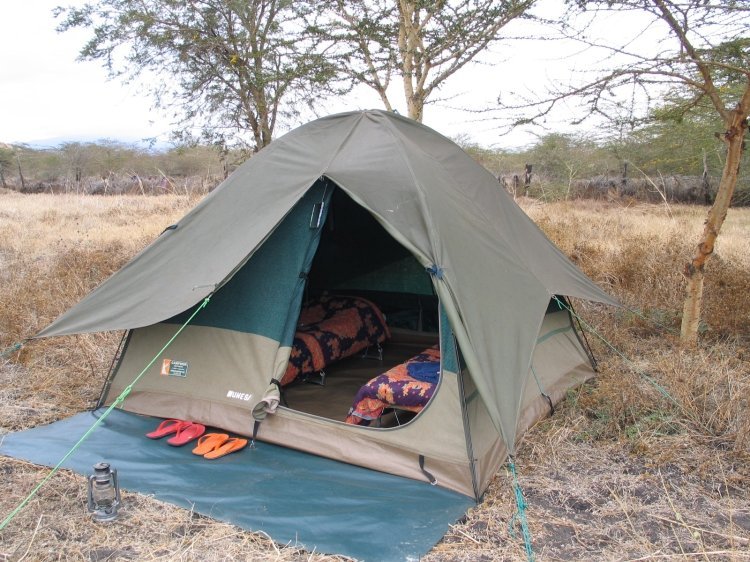
8 Days Kilimanjaro Lemosho Trek And 4 Serengeti Ngorongoro Safari
8 Days Kilimanjaro Lemosho Trek and 4 Days Serengeti Ngorongoro Safari.
View package details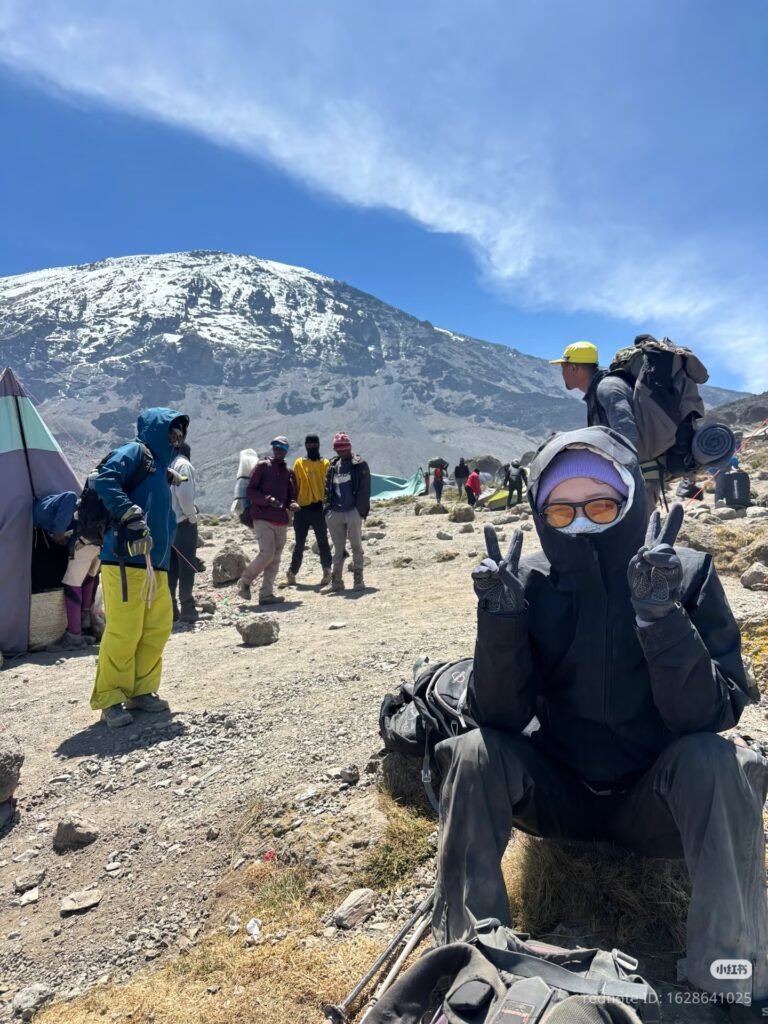
6 Days Marangu Kilimanjaro Climb And 3 Tarangire Safari: A Practical
A focused, bookable 6-day Marangu Kilimanjaro climb followed by a 3-day Tarangire safari. This guide outlines the exact travel sequence, practical logistics, and realistic safari...
View package details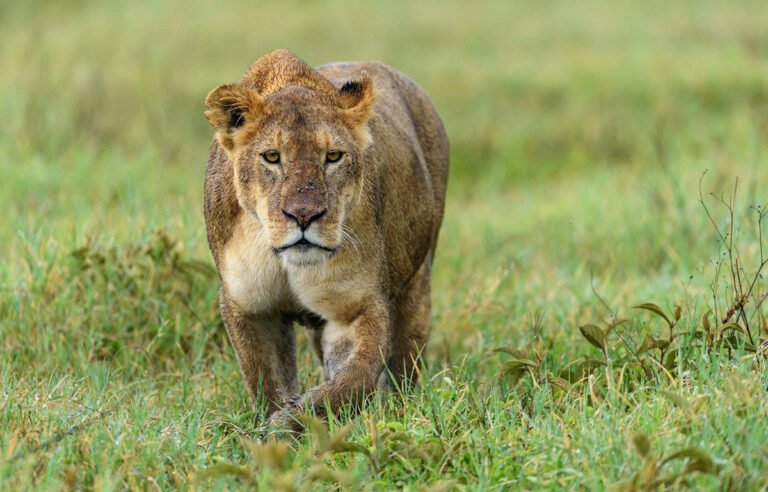
Combine The Challenge Of Kilimanjaro With Wild Beauty Of Tanzania’s Serengeti
This integrated 6-day Machame climb and 3-day safari combines the physical challenge of summiting Africa’s highest peak with in-depth wildlife encounters in the Serengeti and Ngorongoro...
View package details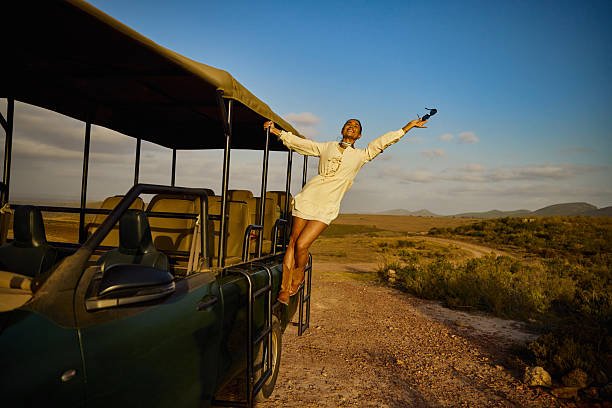
19 Days Kilimanjaro Trekking Safari And Zanzibar 2026-2027
19 Days Kilimanjaro Trekking Safari and Zanzibar.
View package details14 Days Kilimanjaro Trek And Northern Tanzania Safari 2026-2027
14 Days Kilimanjaro Trek and Northern Tanzania Safari.
View package details
12 Days Kilimanjaro Trekking and Tanzania Safari: A practical, day-by-day
A practical, bookable 12-day journey combining Kilimanjaro ascent with a Tanzania safari, outlining day-by-day route, acclimatisation strategy, park progression, and realistic safari...
View package details
12 Days Tarangire, Serengeti, Ngorongoro And Zanzibar Safari 2026-2027
12 Days Tarangire, Serengeti, Ngorongoro and Zanzibar Safari.
View package details
17 Days Kilimanjaro Climb Safari And Zanzibar Beach 2026-2027
17 Days Kilimanjaro Climb Safari and Zanzibar Beach.
View package details
14 Days Kilimanjaro Climb And Luxury Lodge Safari 2026-2027
14 Days Kilimanjaro Climb and Luxury Lodge Safari.
View package details
15 Days Northern Circuit Kilimanjaro And Safari 2026-2027
A practical 15-day plan weaving Kilimanjaro’s Northern Circuit climb with a Tanzania safari, detailing route progression, acclimatisation, driving logistics, and accommodation choices...
View package details15 Days Kilimanjaro Hiking And Big Five Safari 2026-2027
15 Days Kilimanjaro Hiking and Big Five Safari.
View package detailsNo related package matches those filters. Clear one or more filters to see the other topic-matched options.



