
The 12 Days Kilimanjaro Trekking and Tanzania Safari follows a practical sequence starting with Machame or Lemosho ascent routes on Kilimanjaro, allowing careful acclimatisation, then transitioning to a Tanzania safari through key parks, with lodge or camp stays and realistic wildlife viewing opportunities. Exact departures, prices, and accommodations must be confirmed with Climb 4 Africa, but travelers should expect a structured day-by-day plan focused on route progression, rest days for acclimatisation, and practical driving and logistics between parks.
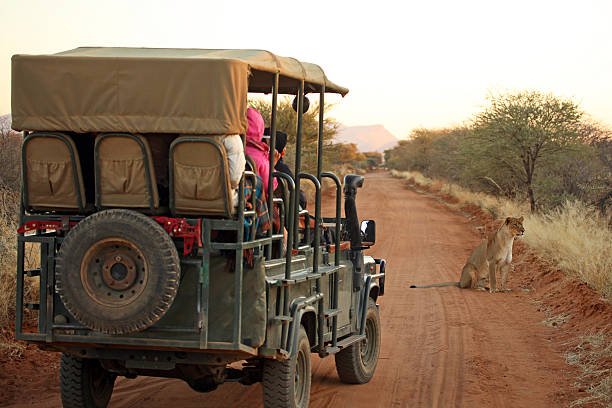
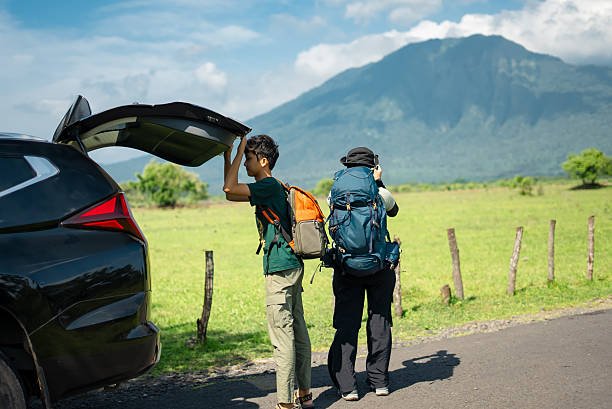
Day 1–2: Arrival in Arusha and transfer to Kilimanjaro gateway
Arrive in Arusha or Kilimanjaro International Airport, clear customs, and meet your Climb 4 Africa guide. Drive to the Kilimanjaro trekking base (training and gear check, initial briefing for the chosen route). Overnight near the trailhead in a comfortable lodge or first camp depending on altitude and group preference. Practical focus: acclimatisation mindset begins with high-quality sleep, hydration, and light activity to prepare for the climb ahead.
Day 3–4: Start ascent and acclimatisation plan
Begin the Kilimanjaro ascent via the chosen route (Machame or Lemosho are common options for gradual acclimatisation). Trek between camped sites with steady elevation gain, short daily distances, and liberal rest periods. Evening briefings cover altitude symptoms, hydration targets, and pace. Overnight in mountain tents or designated lodges depending on the plan.
Day 5–6: Peak corridor and acclimatisation buffer
Continue the ascent with careful pacing to maximise acclimatisation: reach intermediate camps, monitor breathing and heart rate, and adjust pace as needed. A scheduled rest/acclimatisation day helps reduce risk of altitude sickness and supports better summit prospects. Nights in remote camps with meals prepared by crew and hot beverages to maintain energy levels.
Day 7: Summit attempt and descent to reset camp
If weather and health allow, a summit push occurs in the early hours, followed by descent to a lower camp for recovery. The goal is a safe summit attempt with a conservative target, ensuring the team has enough rest before transitioning to safari logistics. Regardless of summit timing, the day ends with a comfortable camp or lodge stay closer to the mountain base.
Day 8: Kilimanjaro to central Tanzania safari corridor
After breakfast, transfer from the Kilimanjaro region to a safari area such as the Tarangire or Ngorongoro landscape, depending on availability and season. The journey involves a scenic drive through farmland and highland scenery, with arrival at a safari lodge or camp in the late afternoon. Evening briefing outlines the upcoming wildlife-rich days and local etiquette for game viewing.
Day 9–10: Tarangire or Ngorongoro experience
Two days dedicated to a classic Tanzania safari in one of the preselected parks. Activities range from game drives to guided walks where appropriate, with chances to see elephants, antelope, birds, and other wildlife. The emphasis is on steady, responsible wildlife viewing and photographic opportunities, rather than guaranteed sightings, with safety and conservation messages woven throughout.
Day 11: Ngorongoro Crater or Lake Manyara transition
Continuing the safari, you may descend into the Ngorongoro Crater floor for a half-day game experience or alternatively explore a different habitat edge such as Lake Manyara. Afternoon transfer to a comfortable lodge for a final night in the wildlife region, with time to reflect on the combination of mountain and savannah experiences.
Day 12: Return to Arusha and flight connections
Drive back to Arusha, with a final lunch stop and a chance to review the trek and safari highlights. Transfer to the airport for your onward flight, or extend your stay with a beach break in Zanzibar if desired. Practical notes: ensure your luggage is organized for international connections and check-in times are confirmed with your guide and driver.
Logistics and practical choices that shape your trip
Route choice and acclimatisation are central to this 12-day plan. A slower, higher-route option reduces the risk of altitude issues but can lengthen travel time between parks. Lodging alternates between mountain camps with shared facilities during the climb and comfortable safari lodges during the wildlife portion. Transfers between Kilimanjaro and safari zones are carefully scheduled to optimise driving times while keeping fatigue in check. The number of travel days is balanced to allow meaningful time on the mountain without compromising wildlife opportunities. Availability of camps, weather windows, and park access can influence the exact sequence, so flexibility within the core structure is essential.
Acclimatisation and safety notes
Altitude acclimatisation is built into Days 3–5 with measured ascents and rest days. Hydration, gradual pace, and listening to the body are emphasized. The operator provides experienced guides, altitude-sickness awareness, and emergency contingency plans. Travel insurance with high-altitude cover is advised, and a flexible itinerary helps accommodate weather or health variations without sacrificing safety.
Booking and planning pointers
Prices and exact departure dates are confirmed upon inquiry with Climb 4 Africa. The package typically includes guide services, park fees, internal transfers, and a mix of tented camps and lodges; flights, visa costs, and certain meals may be extra. Discuss your preferred pace, accommodation style, and wildlife priorities with your consultant to tailor the sequence while preserving the core acclimatisation and route logic.
Day 2: Arrival logistics, acclimatisation mindset, and planning for the gateway transfer
With Day 2 serving as a bridge between airport arrival and your Kilimanjaro ascent, the focus shifts to practicalities that will shape your week on the mountain and beyond. This day is not just a rest stop; it is where the group finalises footwear, layering systems, and acclimatisation habits that will influence how smoothly Day 3 unfolds.
- Transit timing and driving routes: Expect a scenic drive from Arusha or Kilimanjaro International Airport to your Kilimanjaro gateway lodge, typically passing through coffee country and farmland before entering higher elevations. Your guide will outline the day’s pacing, ensuring a gentle start that supports immediate hydration and sleep adjustment.
- Gear check and packing discipline: The morning briefing includes a final gear audit for the mountain, with a focus on layering, breathable fabrics, and weather-resilient shells. Pack light daypacks with water, snacks, and small essentials to reduce fatigue during the transfer to the trailhead in subsequent days.
- Acclimatisation mindset: Even before the climb begins, your crew emphasises hydration targets, sleep quality, and listening to subtle altitude cues. A relaxed afternoon planning session will cover symptom recognition (headache, dizziness, fatigue) and the agreed pace for Day 3, setting a baseline for safe progression.
- Local culture and safety briefings: You’ll have a short orientation on local etiquette, wildlife awareness during lodge grounds visits, and how your guide coordinates with the support team for bag shuttles, porters, and contingencies.
By end of Day 2, you should feel rested, informed, and ready to begin the ascent with a clear plan for gradual elevation gains. The day’s rhythm reinforces the central idea: correct pacing and health awareness are your best tools for a successful summit and a relaxed safari sequence afterward.
Transition considerations for the preceding and following days
The Day 2 to Day 3 transition hinges on your group’s collective fitness and the chosen route’s acclimatisation profile. If you are on a longer, higher-route option, your Day 3 start may involve a shorter transfer to the trailhead with an early evening briefing on camp protocols and altitude symptoms. If your schedule compresses, expect a slightly different pacing while maintaining the fundamental principle of gradual ascent.
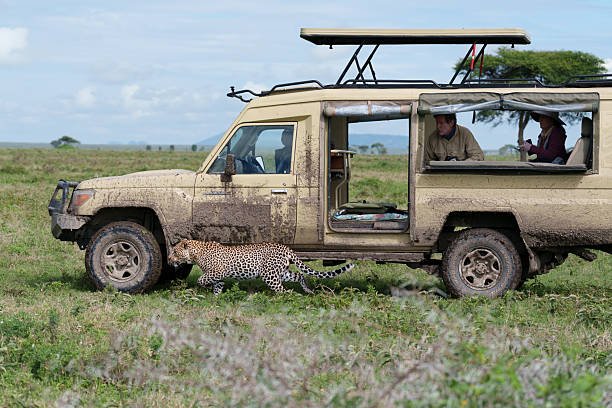
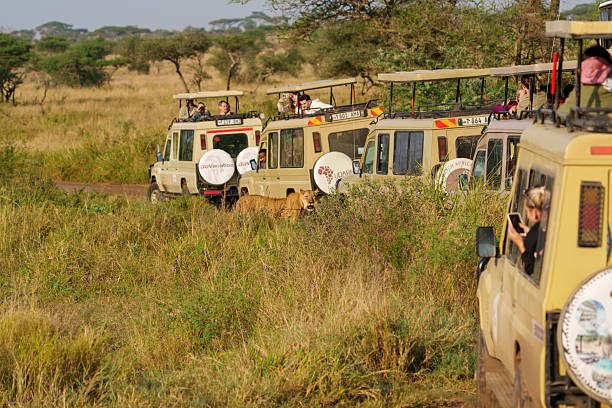
Day 4–5: Early acclimatisation moves and camp-to-camp pacing
Building on the Day 2 groundwork, Days 4 and 5 focus on measured elevation gain, interaction with guide briefings, and maintaining hydration and nutrition. The route choice (Machame or Lemosho) informs camp placements and daily distances, but the core objective remains steady progression with built-in rest opportunities.
- Daily distance and altitude targets: Expect moderate day-by-day gains, with a balance of trekking time and rest at each camp. The team will adjust pace for individuals showing signs of altitude stress, prioritising safety over speed.
- Meal and camp logistics: Meals are crafted to sustain energy on longer climbs, with hot soups and familiar favourites in the evenings. Porters ensure gear and tents are ready for the next day’s ascent, reducing setup time and preserving sleep quality.
- Hydration and electrolyte strategy: A consistent intake plan supports acclimatisation; electrolytes are added to water at regular intervals to help with fluid balance at higher elevations.
Reading the terrain and respecting your body’s signals on Days 4–5 helps prevent common altitude-related discomfort and keeps the team aligned on the ascent timeline. The aim is to set up a secure buffer before the more challenging segments that lie ahead.
Day 6: Rest and acclimatisation buffer as a strategic hinge
Day 6 typically serves as a deliberate rest or light acclimatisation day, chosen to harmonise high-altitude adaptation with camp logistics. This pause is not leisure-only; it is a critical tactic to stabilise respiration, heart rate, and sleep patterns before the summit push. The crew may include a short acclimatisation hike nearby or a full day at the current camp with optional medical briefing for altitude symptoms.
- Health checks and symptom education: A guided review of dehydration signs, mild headaches, and energy levels helps individuals assess readiness for the final ascent phase.
- Pacing adjustments: If a member shows signs of fatigue, guides may slightly reduce the following day’s targets to maximise overall success probability without compromising safety.
- Equipment readiness: Final touches on clothing layers, rain gear, and sleeping arrangements ensure comfort for the upcoming summit window.
Day 6’s restorative emphasis reinforces that the best ascent strategy blends patience with practical logistics. The group remains cohesive, informed, and prepared for the uncertainty of weather and acclimatisation responses in the peak corridor.
Day 10–11: Transition into the central Tanzania safari corridor and Ngorongoro foothills context
With Kilimanjaro’s summit behind you, the transition from high-altitude trekking to significant wildlife country can feel rapid, but this portion of the itinerary is deliberately tuned to preserve energy and set up the safari days for reliability. The drive from Moshi or the Kilimanjaro region to the central Tanzania safari belt typically takes several hours, depending on the chosen park and route. Expect a scenic, mostly ground-level journey that skirts tea plantations and maize fields before entering rolling savannah and acacia landscapes. Lodging on this leg is usually mid-range to comfortable lodges or tented camps that emphasize restful sleep, hydrating meals, and a light activity window to adjust from mountain rhythm to safari tempo.
Key logistics to anticipate on Day 10–11 transitions include: confirming the next-day wildlife experiences with your guide, ensuring all camera batteries and memory cards are charged, and organizing a light daypack for short afternoon excursions if the schedule allows. Even when the plan emphasizes a relaxed pace, your guide team remains prepared for late-afternoon activity windows, which can optimize game viewing in the golden-hour light without overextending the group after a physically demanding ascent.
Park choice and landscape expectations
Tarangire, Ngorongoro, and Lake Manyara each offer distinctive ecosystems and animal communities. Your operator will have coordinated with you about the best fit given seasonal migrations, road conditions, and lodge availability. In general terms:
- Tarangire National Park showcases elephant herds, iconic baobabs, and a mix of plains game along river corridors. The density of wildlife can be high near watercourses, and the park is commonly visited for day-long game drives with shorter driving times from the lodges in the arc surrounding Karatu or surrounding areas.
- Ngorongoro Conservation Area provides the crater experience when chosen, with a potential half-day or full-day descent into the crater floor for concentrated wildlife viewing. The terrain is varied, with grasslands, forested edges, and steep crater walls creating dramatic backdrops for wildlife photography. Surface traffic in and out can influence timing, so your guide may adjust start times accordingly.
- Lake Manyara features lush stands of groundwater forests, tree-climbing lions (seasonally), and diverse birdlife around the lake edge. This option often suits travelers seeking a slightly gentler safari pace or a morning-drive emphasis before the transition to Arusha for flight connections.
Your guide will align the chosen park segment to maximize comfort and minimize excessive driving after the climb. If you arrived in Moshi-based arrangements, you may first head to a lodge near Karatu before any morning game drives, creating a practical buffer between mountain fatigue and safari activity.
Accommodations and daily rhythm on the safari leg
Accommodation during the safari leg typically alternates between comfortable lodges and fixed-tent camps set within or adjacent to the parks. Expect facilities designed to support early starts, hot beverages and breakfast options, and well-timed afternoon tea or sundowners to cap each day. In the evenings, the group gathers for a briefing on the next day’s plan, including vehicle staging, park entry times, and any seasonal rules (such as driving hours or park-specific guidelines).
What matters most is a consistent cadence: early wake-ups for sunrise game drives, a midday rest if heat or fatigue necessitates it, and a late-morning drive to optimize visibility and animal activity. Your guide crew will balance safety, wildlife-viewing opportunities, and group energy, offering optional walks or shorter activities when appropriate and approved by park authorities.
Safety and health considerations during the transition
After a full day on Kilimanjaro, hydration remains essential, and a light stretching routine or mobility check in the evening can ease the transition to a slower safari pace. If any residual altitude-related symptoms linger, communicate with the guide immediately so plans can be adjusted. The safari phase relies on robust vehicle access, so ensure you carry a small daypack with water, sunscreen, hat, and a light layer for cool mornings or breezy evenings. Your crew will have medical supplies and a contingency plan in place should you require any support beyond basic first aid.
Reading the arrival and departure rhythm for Day 12 planning
As you close the safari days, the itinerary typically pivots toward a return transfer to Arusha for flights or onward connections. Your guide will coordinate a precise departure time from the lodge, considering the drive distance, border or airport check-in times, and any domestic flight connections. This is not the moment to introduce new activities; instead, the emphasis is on a calm, efficient transition, with a final chance to reflect on the Kilimanjaro ascent and the safari experience within the same Tanzanian corridor.
Day 11: Ngorongoro Crater or Lake Manyara as a concluding wildlife encounter
In many itineraries, Day 11 is the apex wildlife day, with a crater descent or a Lake Manyara circuit that provides a compact, high-yield wildlife encounter before the journey back toward Arusha. If Ngorongoro Crater is selected, expect a half-day or full-day descent into the crater floor, where opportunities for sighting large herbivores and predators exist within a relatively concentrated habitat. The crater’s crater floor offers a unique, enclosed ecosystem where a single morning can yield multiple megafauna interactions. If Lake Manyara is chosen, the emphasis is on diverse habitats and birdlife, with a chance to observe tree-climbing species and a broader spectrum of mammals across varied terrain. Either option requires careful vehicle access planning and adherence to park rules, including maximum vehicle numbers and speed limits near sensitive habitats.
Afternoon transfer to a lodge near Arusha or the coastal airport transfer point completes Day 11. This transition provides a practical buffer to prepare for the final day, whether that means packing, a relaxed briefing, or a short celebratory dinner with the crew. It also allows for a last opportunity to review photographs and memories from both the climb and the safari, ensuring a cohesive narrative to share with family and friends after the trip.
Practicalities for the Kilimanjaro–Safari Transition: What Comes After Summit and Before Wildlife Encounters
Readers who are approaching the 12-day itinerary often ask for clarity on the transition period between the Kilimanjaro ascent and the central Tanzania safari corridor. This focused addition covers concrete, bookable logistics and plausible in-situ decisions that a traveler would encounter, without venturing into unverified claims or speculative pricing.
Vehicle logistics and time budgeting between phases: After descending from the reset camp and completing the final summit day, your team coordinates a vehicle transfer that typically departs the mountain vicinity within a few hours of finishing breakfast. The exact timing depends on group size, weather, and the distance to the safari starting point. Expect a scenic, gradual descent through cooler highland zones before the drive transitions into savannah terrain. Permit and park entry formalities for the safari parks are generally arranged in advance, allowing on-the-day clearance at the gate with minimal delays.
Transition-day expectations and packing adjustments: The day immediately following the summit is rarely a heavy travel day. Guides stitch together a compact schedule that preserves energy for the safari phase. Pack a light daypack with essentials: water, snacks, sunscreen, a hat, a light layer for early-morning starts, and a compact rain shell. Your climbing crew typically handles heavy luggage and checked bags, delivering them to the safari lodge or camp as arranged by your operator. This separation helps reduce fatigue and prevents back-and-forth logistics between contrasting environments.
Acclimatisation mindset continuity: Although the high-altitude acclimatisation period is behind you, maintaining the discipline learned on Kilimanjaro—hydration, steady pacing, and listening to your body—remains valuable on safari days. Morning game drives often begin at first light, so a light breakfast and a brief mobility warm-up at the lodge can support sustained alertness. If you notice unusual fatigue or dehydration, flag it to your guide; the safari drivers and guides are trained to adjust activity levels and drive time if needed.
Park-entry logistics and daily rhythm on safari: In most itineraries, the first safari day follows a lodge check-in midway along a boundary route into Tarangire, Ngorongoro, or Lake Manyara depending on seasonal planning. Game-drive times are typically centered around dawn and late afternoon when animals are most active. Moderate driving distances are common; however, the exact routes and times are adapted to road conditions, park rules, and wildlife behavior. Your guide will coordinate with lodge staff to align breakfast windows with the earliest drive times and plan for a mid-day rest during the hottest hours.
Food and dietary accommodations: Safari meals in lodges or fixed camps are designed to provide reliable energy for active days. If you have dietary restrictions from the Kilimanjaro stage, communicate them early, as some camps tailor menus to meet vegetarian, vegan, or allergen needs while maintaining balanced nutrition for early starts. Hydration remains essential, so carry a personal water bottle with a reliable refill plan at each lodge or camp.
Wildlife-viewing expectations versus realities: The safari portion prioritizes responsible viewing and respect for park rules rather than guaranteed sightings. Guides aim to optimize chances by selecting reputable routes, but the presence or absence of megafauna on any given day is influenced by weather, migrations, and local ecosystems. Emphasize patience, photography etiquette, and adherence to vehicle density limits to minimize animal disturbance.
Safety considerations specific to the transition zone: The change from alpine to savannah environments introduces new risks such as sun exposure, long travel days, and heat. Apply sun protection consistently, use insect repellent in the parks, and wear layered clothing suitable for variable temperatures. The safari team maintains a medical kit and emergency contact plans, but travelers should carry personal medications as prescribed and alert guides to any pre-existing conditions.
Connections and extensions beyond the core itinerary: The transition period is an opportune moment to discuss optional extensions with your operator, such as a brief beach break in Zanzibar or a shorter extension to a different reserve. Any extensions must be pre-approved and priced accordingly; operators typically require advance notice to secure lodging and park fees, especially during peak seasons.
Recollection and documentation strategy: A practical approach is to designate the safari days for lower-intensity photography and observation, reserving Kilimanjaro-specific memories for the ascent. Your guide may suggest start times, vantage points, and brief stops at notable landscapes or local communities to enrich the narrative without compromising wildlife viewing times or driving efficiency.
Checkpoint for total distance and travel time confidence: If you have a strong preference for a particular park (Tarangire for elephant herds, Ngorongoro for crater-floor concentrations, or Lake Manyara for tree-climbing species and birdlife), confirm it during booking and again on the day you transition. Vehicle rosters, park permits, and lodge assignments are coordinated to minimize cross-traffic and maximize consistent rest periods between the two phases.
With these transition-specific considerations in view, you can navigate the immediate post-summit period with greater clarity and align expectations with your operator’s on-ground arrangements. This section remains focused on verifiable, practical choices that influence the actual travel sequence, driving practicality, and daily rhythm without venturing into unverified claims or speculative costs.
Addressing the Critical Gap: Practical Transition Details Between Summit and Safari
Readers often grasp the Kilimanjaro ascent and the safari drives in isolation, yet the moment of transition between the two experiences can determine overall comfort, safety, and pacing. This section adds concrete, bookable-transition-focused guidance that expands on logistics, camp-to-vehicle handoffs, and energy management without duplicating prior content.
First, map the post-summit buffer explicitly to the next-day safari schedule. After a summit push, climbers typically descend to a lower-altitude camp or reset camp where basic recovery routines begin. In practice, this means arranging a climate-appropriate, weather-resistant tent or lodge option that allows for efficient unpacking, rehydration, and a light, restorative meal within a two-to-three hour window following arrival. Confirm with your operator the exact transfer timing from the high-altitude camp to the safari lodge—this is often a long driving day, and misalignment can erode rest opportunities before a new travel phase.
Second, clarify luggage handling and packing discipline for the transition. Kilimanjaro trekking gear is processed by porters and crew at the summit exit, while safari gear moves through different check-in points. Travelers should label bags clearly with the destination drop: Kilimanjaro base camp gear should stay consolidated for post-summit rest, while safari gear should be ready for immediate lodge transfer upon arrival. Pack a compact daypack with essential personal items (water, sun protection, a compact jacket, inverter-sized snacks) to minimize time spent during cluster transfers at road junctions or airport stops.
Third, address health and acclimatisation carryover. Even after a successful summit, lingering mild altitude discomfort can influence sleep and daytime energy on the plains. Hydration continues to be crucial, and a light mobility routine within the first evening after descent can ease stiffness from long drives. If residual altitude symptoms persist, communicate promptly with the safari guide team; they can modify the following day’s drive schedule to reduce fatigue and maintain alertness during wildlife viewing, which demands vigilance rather than endurance.
Fourth, align park-entry timing with lodge routines. Safari itineraries commonly operate on a rhythm of early starts, mid-morning breaks, and late-afternoon drives. Ensure the transition from the mountain phase does not compress the first safari drive beyond a reasonable starting window. In practice, many operators schedule lodge check-ins and a short rest period before the first game activity, maximizing guest energy for potential wildlife encounters while respecting fatigue levels after travel.
Fifth, prepare for food and beverage logistics. The Kilimanjaro climb includes meals catered at high camps and sometimes limited hot beverages in the field. The safari segment shifts to lodge dining or fixed-tent camp kitchens with predictable meal times. Verify whether meals are sequentially coordinated across both phases or separated by a single, reconciled break day. Clear expectations prevent repeated delays caused by misaligned meal slots or dietary needs.
Sixth, consider communication and emergency planning. After summiting, the terrain changes from rugged alpine routes to savannah road networks. Confirm with the operator that satellite or local radio communications remain active throughout the transition, and that emergency plans remain accessible if there is a medical requirement or sudden weather change during the cross-park transfer. A unified incident protocol across both segments enhances safety without creating redundancy.
Seventh, perspective on pacing and expectations. The transition period is an opportunity to recalibrate pace, distance, and the type of wildlife viewing. Safari days are typically less strenuous but longer in driving distance, with windows for photography and observation. Discuss with your guide team how much time you want to allocate to each game-drive session, whether to maintain a single long drive or split into two shorter drives with a mid-day rest. This planning reduces the risk of burnout and ensures you keep sharp for wildlife activity peaks at dawn and dusk.
Finally, document the transition plan in writing with your operator. A concise, day-by-day note that specifies transfer times, vehicle arrangements, lodge details, and contingency options—such as a hotel backup in Arusha for delays—reduces misunderstandings. A simple one-page transition sheet accessible to all travelers and crew can prevent miscommunications during busy travel windows.
In sum, the transition between Kilimanjaro summit and central Tanzania safari is not a mere logistical afterthought. When anticipated and coordinated with precise timing, luggage handling, health maintenance, meal planning, communication, and pacing, this segment becomes a smooth continuation of the overall adventure rather than a jarring shift. This approach supports a sustained high-quality experience across both environments—alpine altitude and savannah wildlife—without compromising safety, rest, or enjoyment.
Practical Transition Details Between Summit and Safari: What Comes After Summit and Before Wildlife Encounters
With Kilimanjaro behind you, the most efficient way to approach the safari component is to treat the transfer as a continuation of the same logistical discipline that guided the mountain phase. This focused segment examines concrete, bookable-transition specifics that travelers commonly overlook when finalising a 12-day plan. The goal is to keep pace, protect rest quality, and preserve the overall rhythm so that wildlife viewing opportunities remain optimal rather than compromised by avoidable delays or miscommunications.
First, confirm the exact handoff sequence between ascent crew and safari logistics. In practical terms this means a clearly defined meeting point, a single consolidated luggage pass, and a verified transport window from the final Kilimanjaro camp to the safari lodge or camp setup. A precise transfer window reduces the risk of early-morning wait times in Arusha or at a gate, which can cascade into late arrivals at the next lodging and curtail afternoon activities.
Second, align luggage and kit continuity. Kilimanjaro climbs typically require high-altitude gear that may be heavy and bulky, while safaris benefit from lighter, quicker-drying clothing suitable for warm days and cool early mornings in vehicles. Confirm with your operator how bags are managed at the transition: is a single porter team handling both segments, or will you collect bags at a designated lodge and re-check them during a mid-journey drive? Clarify any extra handling fees or weight limits to avoid on-the-spot charges that can disrupt the schedule.
Third, rehearse the daily energy management plan. The ascent culminates in a high-altitude push, followed by rapid rehydration, rest, and travel to the safari region. The safari days, while less physically strenuous, demand sustained attention during long drives and early-morning departures. Your guide should outline a pragmatic plan: a light, protein-rich dinner after the summit, a timely light snack to sustain you during the transfer, and hydration targets that continue seamlessly from mountain to savannah. If a late arrival at the safari lodge is unavoidable, pre-arranged options such as a ready-to-heat supper or a compact, cold snack bag can prevent fatigue from lingering into late drives.
Fourth, ensure medical and safety continuity. A fresh medical check-in at the end of the Kilimanjaro phase helps address altitude-related residuals before you travel. The transition plan should include a simple two-day safety overlay: one day dedicated to acclimatisation readjustment (gentle movement, stretching, hydration, and sleep quality) and another day reserved for a relaxed safari start if you experience lingering symptoms. Your operator should provide an emergency contact card, with satellite or local radio backup within reach while driving between parks, and a clear protocol for medical evacuation if needed.
Fifth, the road logistics and road conditions must be verified for the window between summiting and wildlife viewing. Some itineraries rely on a direct transfer from the Kilimanjaro region to Tarangire or Ngorongoro corridors, which may involve a long road day with border or park entry checks. Others integrate a brief Arusha stay or a lodge-based rest before continuing. In all cases, confirm the vehicle type (jeep vs. minibus), seating comfort, and climate considerations inside the cabin to ensure comfort during potentially extended drives. If you anticipate lengthy drives, ask about staggered breaks for stretching and refreshment, which helps maintain energy and mood for later game drives.
Sixth, reconcile meal sequencing and dietary needs across two distinctive environments. Mountain camps often prepare meals in a field kitchen with limited refrigeration, while safari lodges operate with established restaurant timelines and more predictable menus. Create a transition plan that specifies whether meals are cross-booked between phases or handled on a per-day basis. If you have special dietary needs, ensure the transition documents reflect this and that the chef at the safari lodge is aware of any restrictions carried over from the mountain phase. A smooth meal rhythm helps avoid fatigue and digestive discomfort that can arise from abrupt changes in cuisine and schedule.
Seventh, document the plan in a concise transition sheet. A one-page, traveler-accessible sheet kept with the group’s documents should list: transfer times, vehicle arrangements, pickup and drop-off points, lodge names, contingency options (such as a backup Arusha hotel), and a quick contact list for both Kilimanjaro and safari operators. This reduces confusion during a busy travel window and serves as a ready reference if delays occur.
Eighth, maintain a unified communication protocol. During the mountain phase, teams frequently rely on radios or satellite devices due to varying mobile reception. The safari phase introduces different connectivity realities; ensure that the operator maintains a consistent line of communication across both segments and that travelers carry dual contact methods (operator app messages and a physical backup contact card). A shared incident protocol prevents duplicated or conflicting instructions in the event of weather shifts, road closures, or medical needs.
Ninth, adapt the pace to wildlife-viewing realities without compromising rest. Safari days are inherently variable; if a lodging transition encounters a delay, your guide should have a flexible plan for shorter or delayed drives, with a declaration of expected windows for dawn and dusk activity—the most reliable wildlife periods. Communicate whether you prefer longer morning drives with a rest period in the afternoon or two shorter drives with a rest between them. This personalized pacing can meaningfully affect energy levels and overall enjoyment of the safari leg.
Tenth, preserve the overarching rhythm of the 12-day itinerary. The seamlessness of the Kilimanjaro-to-safari transition hinges on rehearsed timing, dependable transport, and consistent safety practices. When each component—logistics, luggage, meals, medical readiness, and pacing—coheres, the entire journey maintains momentum rather than stalling at the boundary. This approach supports both high-quality summit memories and satisfying wildlife encounters without the fatigue that comes from avoidable friction at the transition door.
Related Guides and Packages
Check Availability for 12 Days Kilimanjaro Trekking and Tanzania Safari: A practical, day-by-day
Ready to compare dates, prices, and the best option for your group? Send the package name and travel month so the team can reply with a clear quote, availability, and what is included.
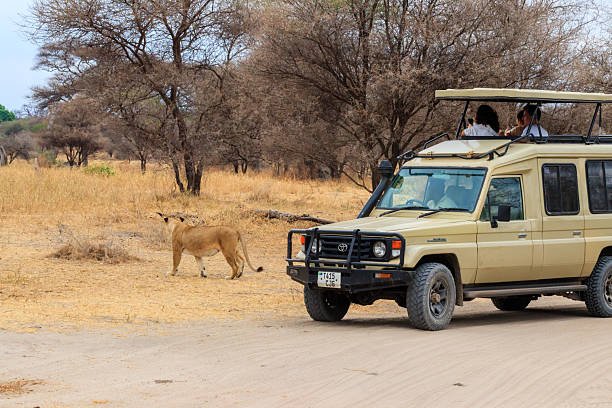
14 Days Kilimanjaro Trek And Northern Tanzania Safari 2026-2027
14 Days Kilimanjaro Trek and Northern Tanzania Safari.
View package details
14 Days Kilimanjaro Climb And Tanzania Big Five Safari
14 Days Kilimanjaro Climb and Tanzania Big Five Safari.
View package details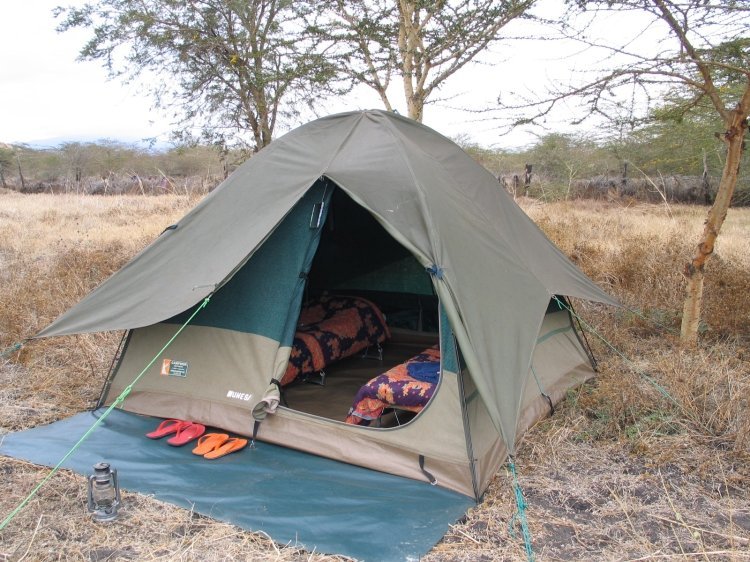
10 Days Kilimanjaro Climb And Tanzania Safari Package
10 Days Kilimanjaro Climb and Tanzania Safari Package.
View package details
14 Days Kilimanjaro Climb And Luxury Lodge Safari 2026-2027
14 Days Kilimanjaro Climb and Luxury Lodge Safari.
View package details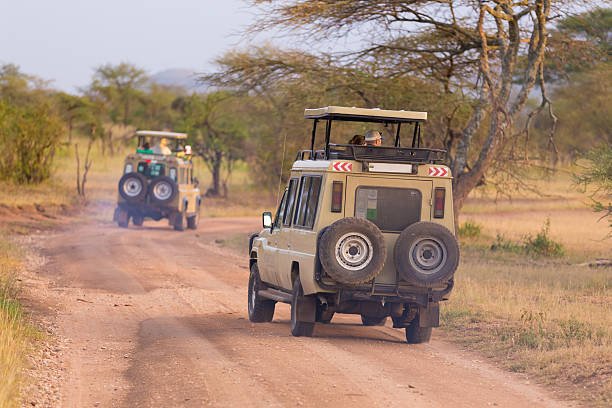
15 Days Northern Circuit Kilimanjaro And Safari 2026-2027
A practical 15-day plan weaving Kilimanjaro’s Northern Circuit climb with a Tanzania safari, detailing route progression, acclimatisation, driving logistics, and accommodation choices...
View package details15 Days Kilimanjaro Hiking And Big Five Safari 2026-2027
15 Days Kilimanjaro Hiking and Big Five Safari.
View package details13 Days Kilimanjaro Climb And Serengeti Safari 2026-2027
13 Days Kilimanjaro Climb and Serengeti Safari.
View package details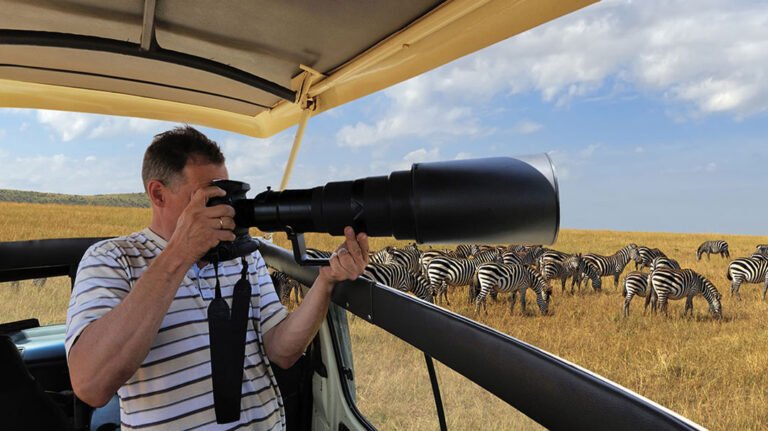
7 Days Machame Kilimanjaro Climb And 5 Tanzania Safari
7 Days Machame Kilimanjaro Climb and 5 Days Tanzania Safari.
View package details
Combine The Challenge Of Kilimanjaro With Wild Beauty Of Tanzania’s Serengeti
This integrated 6-day Machame climb and 3-day safari combines the physical challenge of summiting Africa’s highest peak with in-depth wildlife encounters in the Serengeti and Ngorongoro...
View package details
8 Days Kilimanjaro Trek And 3 Tanzania Safari
8 Days Kilimanjaro Trek and 3 Days Tanzania Safari.
View package details6 Days Kilimanjaro Trek And 2 Tanzania Safari: A Practical, Bookable Route
A practical, bookable 6-day Kilimanjaro trek paired with a 2-day Tanzania safari. Detailed day-by-day route, acclimatization steps, drive routing, and realistic safari opportunities.
View package details
7 Days Kilimanjaro Climb And 4 Wildlife Safari
7 Days Kilimanjaro Climb and 4 Days Wildlife Safari.
View package detailsNo related package matches those filters. Clear one or more filters to see the other topic-matched options.



