
The plan follows a structured, bookable sequence: seven days on Kilimanjaro via a proven ascent route with staged acclimatisation, then a four-day wildlife safari starting from Moshi/Arusha region. You will carry light packing on the mountain, stay in reviewed huts or lodge-style camps depending on the route, and transition to near-park lodges for the safari. Costs, departures, and exact accommodation are confirmed by the operator at booking, with emphasis on practical logistics and realistic expectations for trekking pace, altitude, and wildlife opportunities.
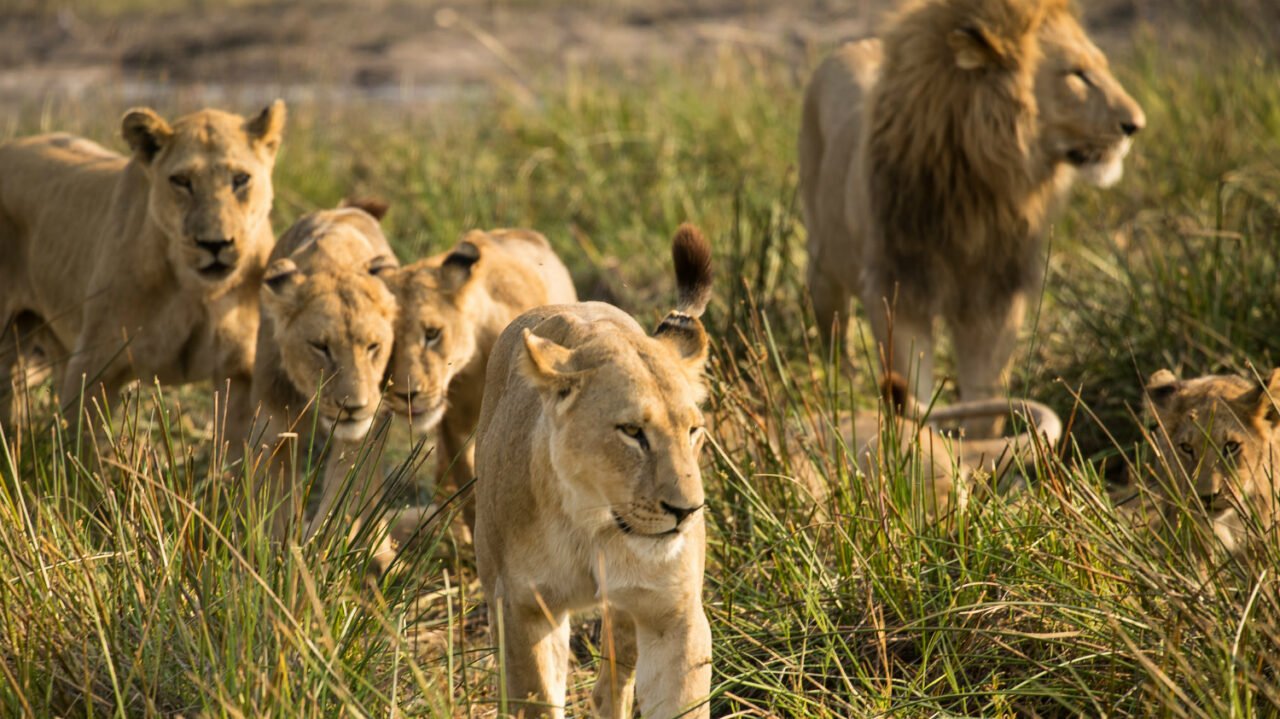
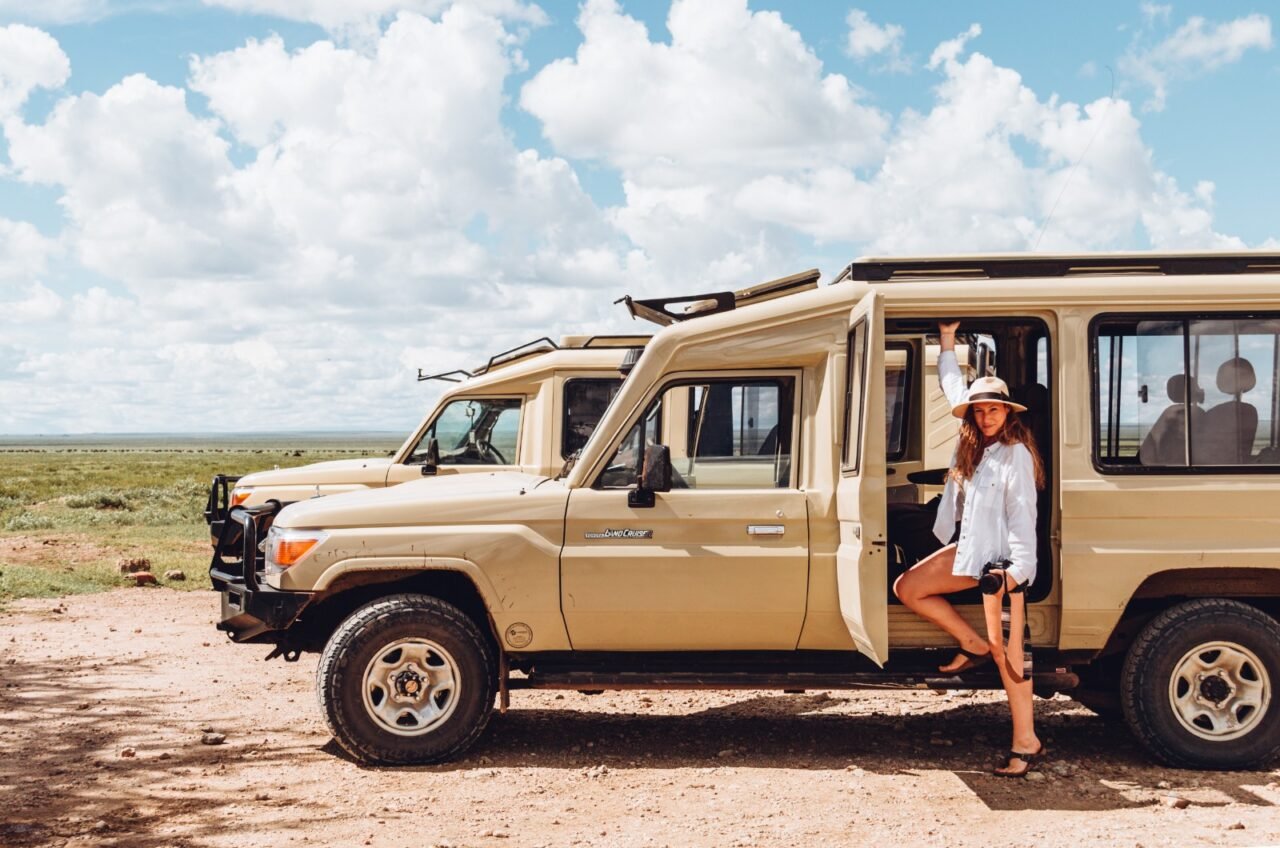
Climb 4 Africa crafts a two-part adventure that puts the climb first—where the route, acclimatisation, and pacing matter most—followed by a safari that transitions from highland scenery to classic East African wildlife corridors. The seven-day Kilimanjaro segment focuses on the chosen ascent route, with daily elevation gains and rest stops designed to improve success likelihood. The four-day safari emphasizes flexibility, park sequences, and practical driving times, without promising guaranteed wildlife sightings. Below is a practical, day-by-day structure you can expect to discuss with the operator when you book, including typical overnight stops and key logistics.
Part A: Kilimanjaro Climb — seven days
Day-by-day sequencing matters for acclimatisation and pace. The following outline uses a commonly offered combination of route and lodging patterns, but note that exact campsites, hut names, and drive times may vary by operator and departure date.
Day 1 — Moshi to Kilimanjaro foothills
Travel from Moshi to the gate, brief road transfer to the trailhead, and a short initial trek to a high camp or first hut depending on route. Acclimatisation begins with a gentle ascent and a briefing on gear, altitude, and daily rhythms. Evening meal and an early rest to support sleep quality before the first full day of trekking.
Day 2 — Trail to acclimatisation zone
Progress along established path with regular altitude gains, punctuated by a planned acclimatisation stop. Expect a moderate ascent with a focus on hydration, pacing, and short stints at strategic altitude checkpoints. Overnight at a mid-elevation camp or hut.
Day 3 — Mid-mountain ascent
Continue toward a higher camp or a second acclimatisation point. Trail conditions vary by route; the day is designed to ease the body into higher elevation while offering dramatic views and potential wildlife glimpses along lower slopes. Evening briefing on next day’s long pull and sleep schedule.
Day 4 — Crucial acclimatisation and high camp approach
The route climbs toward a high camp area with a longer day of trekking. The aim is to stabilise the body’s response to altitude; rest periods are built in, and meals focus on easily digestible nutrition. Overnight near the high camp or a nearby shelter as dictated by the route.
Day 5 — Summit push and descent to intermediate camp
A pre-dawn departure for summit attempt if conditions allow, followed by a controlled descent to a lower camp for recovery. The emphasis remains on safety, hydration, and conserving energy for the final push. Late afternoon at a lower-elevation camp for rest and meals.
Day 6 — Descent to park gate and transfer to lodge
Final descent along established trails to the park gate, then a transfer to your chosen lodging or a comfortable lodge near Moshi. Evening at leisure with a review of the climb, weather considerations, and the upcoming safari transition.
Day 7 — Rest day or transfer day to safari start
Leisure morning in Moshi with optional short excursions or a relaxed day at the lodge. Transfer arrangements arranged with the operator to begin the four-day safari portion, including briefing for the park drive schedule and expectations for wildlife viewing in coming days.
Part B: Wildlife Safari — four days
The safari segment aims to balance realistic wildlife viewing opportunities with efficient routing between key parks and lodges. Exact park choices depend on seasonal conditions, park rules, and the combined itinerary with Kilimanjaro. The sequence below reflects a practical flow commonly offered alongside Kilimanjaro climbs.
Day 1 — Moshi/Arusha to Tarangire or Lake Manyara area
Drive from Moshi or Arusha region to a central safari area. Afternoon game drive offers initial wildlife opportunities and a chance to see elephants, baobabs, and birdlife typical of the park’s edge habitats. Overnight at a lodge or tented camp near the park boundary.
Day 2 — Full day in a northern circuit park
Full-day game drives in Tarangire or Lake Manyara with picnic lunch. The plan focuses on practical driving times, experienced guides, and flexibility to adjust timings for optimal wildlife viewing windows. Evening at a lodge with a relaxed dinner and park-briefing notes for the next day.
Day 3 — Transfer toward Serengeti or Ngorongoro corridor
Morning departure with scenic countryside transitions, arriving at a Serengeti or Ngorongoro-based camp. Afternoon game drive tailored to the park’s current activity patterns. Overnight in a camp or lodge with opportunities to observe wide savanna horizons.
Day 4 — Morning safari and return to Moshi/Arusha
Early morning game drive for a final wildlife focus, followed by a transfer back toward Moshi or Arusha depending on flight or next travel plan. Arrival in the late afternoon or evening, with the option of a private airport transfer or extended stay if needed.
Logistics and practical planning
Key decisions you’ll face when booking: route selection on Kilimanjaro (Lemosho, Machame, Marangu, Rongai, or Northern circuit variants) and the safari park mix (Tarangire, Manyara, Serengeti, Ngorongoro). Your choice will impact acclimatisation pacing, elevation gain, transport times, and the balance of camping huts versus lodge-style stays. Climb 4 Africa’s team will map the exact sequence to match your departure date, fitness level, and preferred comfort standards, without guaranteeing wildlife sightings—only reliable, safe logistics and expert guiding.
What to
Extending the safari portion: practical sequencing and lodge-to-park transitions that travellers actually encounter
One practical gap readers often notice is the precise rhythm between Kilimanjaro’s high-altitude days and the cooler, sunlit days of the northern safari circuit. A thoughtfully staged transition helps prevent fatigue from the climb while maximizing wildlife-spotting opportunities in the parks. The following notes illuminate concrete, bookable sequencing details that operators commonly align with a seven-day Kilimanjaro ascent followed by a four-day safari, without introducing unverified specifics.
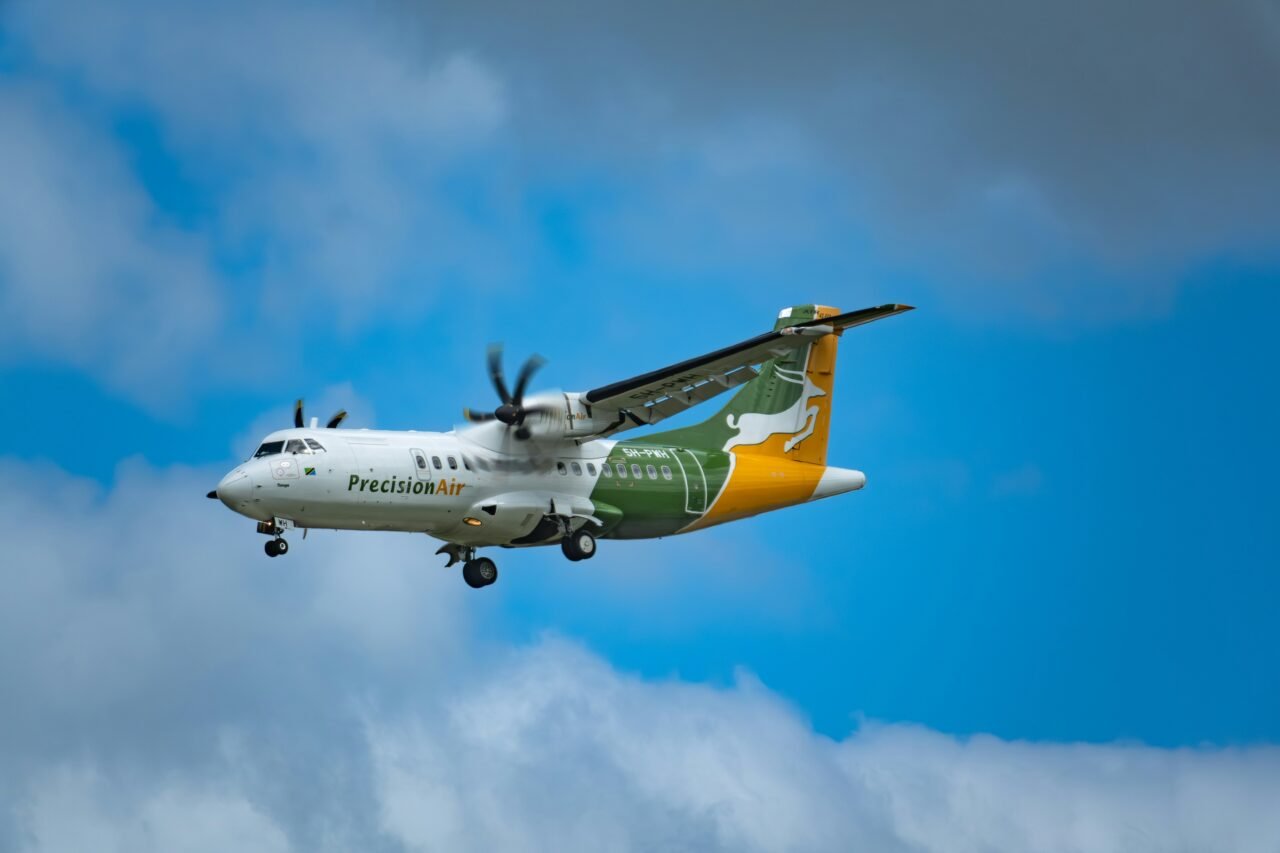
First, the handoff from mountain to savanna typically happens on Day 6 or Day 7, depending on the climb variant and the operator’s logistics. If the climb concludes with a descent to the gate on Day 6, guests usually have a private transfer to a lodge near Moshi or Arusha that evening, with a dawn departure planned for the safari. In some itineraries, the umbilical link is a late afternoon or early evening flight from Kilimanjaro International Airport or a land transfer to a lodge in the Moshi–Arusha corridor. For other routings, a short overnight in Moshi allows a restful buffer before the safari gates open the next morning. This flexibility is a core strength of the booking approach: operators configure the sequence to balance recovery, travel time, and park access windows.
Second, the choice of park for Day 1 of the safari is a direct function of flight times, drive distances, and seasonal wildlife patterns. Tarangire’s elephant herds and iconic baobabs offer a strong first impression for many travellers, while Lake Manyara affords a compact, high-contrast canvas of tree-clad slopes and reedbeds. Some operators, aiming to minimize long transfers after the climb, begin with an Arusha–Moshi region hotel transfer and then head to Tarangire or Manyara in the afternoon. Others prefer a fresh start at a northern circuit gate closer to Arusha, with a late-morning arrival to the park to align with the best afternoon light for photography. In all cases, the first afternoon safari focuses on habitat edge species and enlivens expectations for the subsequent full day in a northern circuit park.
Third, Day 2’s full-day safari is broadly shaped by the chosen park. In Tarangire, the day often emphasizes seasonal riverlines and dry-season concentrations, with lunch served at a scenic picnic site within the park. In Lake Manyara, the emphasis shifts toward tree-dwelling primates and birdlife along the lake edge, with options to linger at viewpoints that overlook the Rift Valley escarpment. The vehicle fleet, guide expertise, and radio coordination with lodge teams enable flexible pacing: if wildlife activity peaks earlier or later than expected, the schedule can skew toward wildlife-rich microhabitats, while preserving time for a comfortable return to camp before evening meals. This adaptability is a hallmark of responsible safari operations in the region.
Fourth, Day 3’s transfer toward Serengeti or Ngorongoro corridor is highly contingent on road conditions and park access rules. Transits are typically undertaken after a morning game drive in the current park, followed by a curated drive to the next lodge or camp that sits along the Serengeti–Ngorongoro corridor. In practice, guests may encounter scenic savanna glimpses, herd movements in open plains, and occasional short stops at lookout points that provide panoramic views of the East African landscape. The afternoon activity at the new base is a lighter game drive designed to acclimate travellers to a different rhythm and terrain, with the possibility of a short sundowner at a prime wildlife-viewing spot depending on the step-by-step plan for the day.
Fifth, Day 4—the final morning safari and return to Moshi or Arusha—depends on the traveler’s departure schedule. Some plans metricize a dawn drive followed by a relaxed brunch and a transfer that arrives in time for late-afternoon flights or onward travel. In other configurations, guests may complete a final morning drive, then consolidate checks at the lodge before a mid-day transfer to the airport or a longer stay option in Arusha. The emphasis remains on a safe, comfortable finish to the safari segment that aligns with flight or international connections, rather than forcing a rushed end to wildlife viewing.
Beyond day-to-day transitions, practical planning considerations include: keeping a modest gear load from the mountain to the plains (luggage typically moves with the group through a single, reliable bag arrangement), ensuring air-conditioned or well-ventilated vehicles for comfort during long drives, and maintaining water and snack provisions during transfers. A well-structured itinerary protects recovery time after summit fatigue, while still preserving meaningful wildlife experiences. Lodges and tented camps in the northern circuit are chosen for their accessibility to gate entries, reliable driving routes, and standard of service—without promising wildlife sightings as a guarantee—which aligns with the shared, responsible-tourism ethos of Kilimanjaro-climb-plus-safari itineraries.
Finally, the booking narrative often includes a concise “one-page” sequence that operators provide to guests after the Kilimanjaro descent. It maps each remaining day to a lodge or camp, the expected transfer times, and the likely order of activities, while noting that exact locations are confirmed closer to departure. This helps travellers visualize the practical rhythm from high altitude to lowland savanna without conflicting with the documented day labels in Part A and Part B. The practical aim is to deliver a smooth handover—logistically coherent, safety-conscious, and tuned to the realities of East African transport and park operation schedules.
Extending the safari portion: practical sequencing and lodge-to-park transitions—a focused gap you’ll actually notice on the ground
The transition between Kilimanjaro’s high-altitude days and the sunlit plains of the northern safari circuit is more than a calendar shift; it is a careful choreography of logistics, pacing, and comfort that experienced operators tune to real traveller rhythms. Readers who have followed the seven-day climb with its staged acclimatisation will recognize that the success of the safari segment hinges on how the handoff is scheduled at the lodge, how luggage is moved between vehicles, and how arrival times align with park gate opening hours and afternoon game-drive windows. A well-planned lodge-to-park sequence minimizes fatigue, reduces drive times after a summit fatigue day, and preserves prime wildlife viewing opportunities, especially for species that react to the cooler, changing light of late afternoon.
Key practical differences to anticipate when booking your combined itinerary include: (1) where you spend the night in Moshi/Arusha before the safari starts, (2) how far the first drive day sits from your Kilimanjaro descent, and (3) how the safari-partner lodge network routes guests into the northern circuit with minimum backtracking. Expect a two-part rhythm: a short, rest-conscious transition day immediately after the climb, followed by a deliberately paced two- to four-hour transfer to a northern circuit lodge. This early buffer helps travellers decompress, repack for the plains, and rehydrate after summit fatigue without feeling rushed toward a park gate.
Practical sequencing considerations you’ll encounter in real bookings
- Lodge buffering after descent: A typical Kilimanjaro descent ends mid-lort to early afternoon, leaving time for a vehicle transfer to a nearby lodge. A common approach is to schedule a half-day at the lodge for rest, short orientation, and gear reorganising, followed by an evening briefing about the four-day safari plan. This buffer is particularly valuable if weather, flight, or road conditions alter the plan on day seven of the climb.
- Transfer routing to the northern circuit: Operators frequently route travellers via Arusha or directly from Moshi to a northern circuit entry gate (Tarangire or Lake Manyara) with a night-stop at a lodge near the park boundary. The purpose is to consolidate drive times for the following day’s full-day or half-day game drives, avoiding early-morning, long transfers that would erase wildlife- viewing opportunities on day one of the safari.
- Vehicle and crew logistics: Expect the same vehicle for the transfer and the safari drives (with a possible vehicle swap at the park gate depending on operator practice). Guides usually accompany travellers from the Kilimanjaro region through the transfer, then switch to safari-licensed guides once inside the park network. This continuity reduces the number of handovers and keeps briefing notes consistent across transitions.
- Luggage handling and packing: The mountain-to-plains handover typically requires light packing for the safari, with larger bags kept in a secure transport arrangement. You’ll carry a daypack for the road transfer and safari drives; your main luggage moves with the support vehicle to the lodge or camp near the park. Confirm your operator’s luggage policy in advance, including weight limits and any charged extra for oversized bags.
- Scheduling around gate hours and driving windows: Parks open and close at specific times, and game-drive windows shift with season and dusk conditions. A well-timed transition places you at the gate just as it opens and allocates a full afternoon drive on day one of the safari, maximizing visibility during cooler, active periods for mammals and birds.
What to expect in the transition days from highlands to savanna
After you descend from high altitude, many travellers notice a distinct sensory shift: cooler, misty mornings give way to warmer, drier air; the scent of dry grasses and sunscreen replaces the piney aroma of mountain forests; and the pace of travel shifts from careful, measured steps to efficient, long-drive planning. Lodges near the gate or within the northern circuit tend to emphasize comfortable, predictable routines: early breakfast, a briefing on the day’s plan, and a mid-morning departure to the park entrance. The first safari day is often designed as a relaxed introduction—shorter drives that allow guests to acclimate to the new environment, with optional sunrise or late-afternoon drives depending on the season and path chosen by the guide.
Suggested pacing for a coherent seven-plus-four-day plan
- Post-climb day: Reserve this for rest and gear-down, not a heavy driving day. A light afternoon activity at a nearby wildlife-viewing site can help reset the senses without overexertion.
- Transfer day to lodge-on-route: Choose routes that connect Moshi/Arusha to Tarangire or Lake Manyara with a single overnight, reducing additional moves and allowing a smoother entry into safari routines.
- First safari day: Prefer a half-day or full day within a reachable circuit park, where the guide can plan flexible routes around animal activity and light conditions. A carefully timed return to the lodge for meals and rest supports recovery and anticipation for the next day’s drives.
- Progressive park sequencing: A typical, user-friendly flow moves from Tarangire or Lake Manyara into Serengeti/Ngorongoro corridor, or vice versa, ensuring that each transition saves drive time and maintains opportunities for meaningful wildlife experiences without overloading a single day with travel fatigue.
Booking notes that reduce risk and improve on-site experience
- Coordinate exact transfer times with your operator: Ask for a written schedule that includes gate opening times, park-entry permits, and the expected arrival time at the first lodge after the climb. This clarity reduces confusion during peak travel periods in high season.
- Ask about contingency plans: Inquire how the itinerary adapts to late arrivals from Moshi, flight delays, or weather-induced detours. A good operator will have a prepared backup route or a nearby alternative lodge stay to maintain the overall rhythm of the trip.
- Confirm inclusions and exclusions for the safari legs: Clarify which meals are included on transfer days, whether showers and laundry services are available at the first northern circuit lodge, and if park-entry fees or guides are included in the package for each day of the safari.
In sum, the most valuable practical insight for readers planning this combined itinerary is the recognition that the success of a Kilimanjaro climb followed by a wildlife safari rests on the calm, well-timed handover from mountain to plains. A traveler-friendly plan aligns descent timing with park-entry logistics, cushions the transition with a restorative lodge night, and preserves prime safari windows by minimizing unnecessary backtracking. When you review operator options, look for explicit references to: (a) the post-descent buffer day, (b) the transfer route and overnight lodge near the northern circuit, (c) the sequence of park visits across Tarangire, Manyara, Serengeti, and Ngorongoro, and (d) the luggage-forwarding arrangements that keep your weight and stress levels low during the handoff. These are the operational elements that translate a bookable plan into a comfortably executed experience in practice.
Related Guides and Packages
Check Availability for 7 Days Kilimanjaro Climb And 4 Wildlife Safari
Ready to compare dates, prices, and the best option for your group? Send the package name and travel month so the team can reply with a clear quote, availability, and what is included.
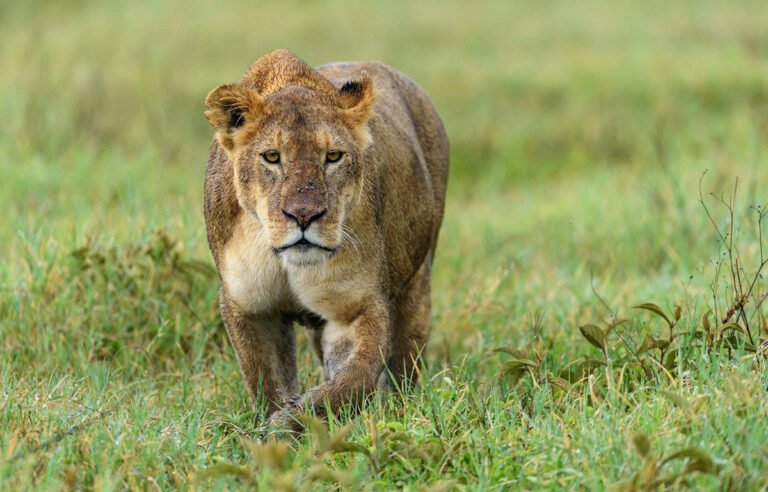
8 Days Kilimanjaro Group Climb And 4 Camping Safari
A practical, bookable 8-day plan combining Kilimanjaro Group Climb with a 4-day camping safari. Day-by-day route, acclimatisation logic, and realistic safari logistics without guaranteeing...
View package details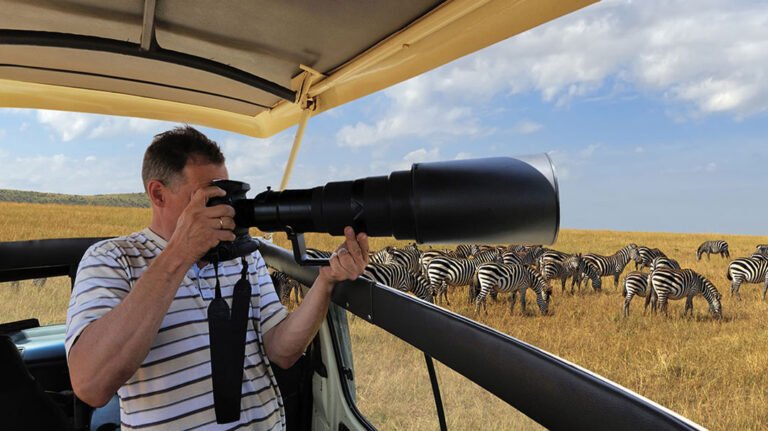
7 Days Machame Kilimanjaro Climb And 5 Tanzania Safari
7 Days Machame Kilimanjaro Climb and 5 Days Tanzania Safari.
View package details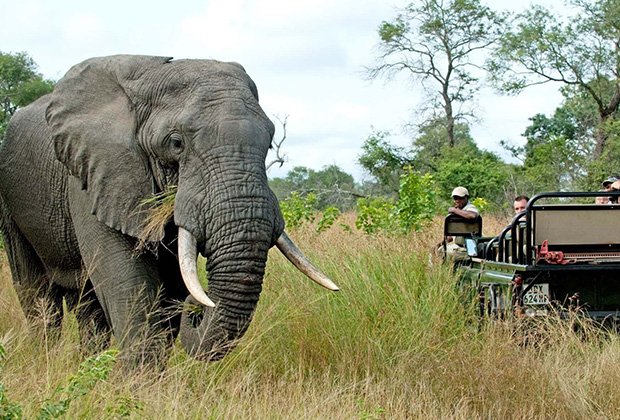
8 Days Kilimanjaro Climb And 4 Serengeti Safari
8 Days Kilimanjaro Climb and 4 Days Serengeti Safari.
View package details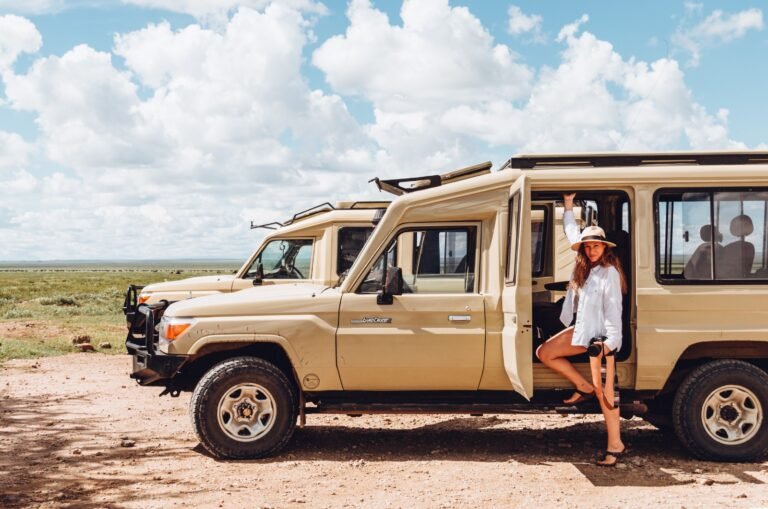
7 Days Kilimanjaro Group Joining Trek And 3 Safari
7 Days Kilimanjaro Group Joining Trek and 3 Days Group Safari.
View package details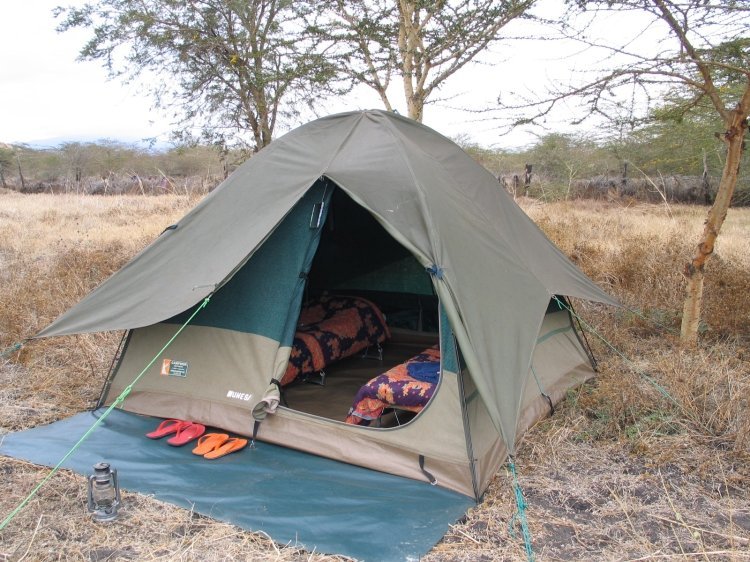
8 Days Kilimanjaro Lemosho Trek And 4 Serengeti Ngorongoro Safari
8 Days Kilimanjaro Lemosho Trek and 4 Days Serengeti Ngorongoro Safari.
View package details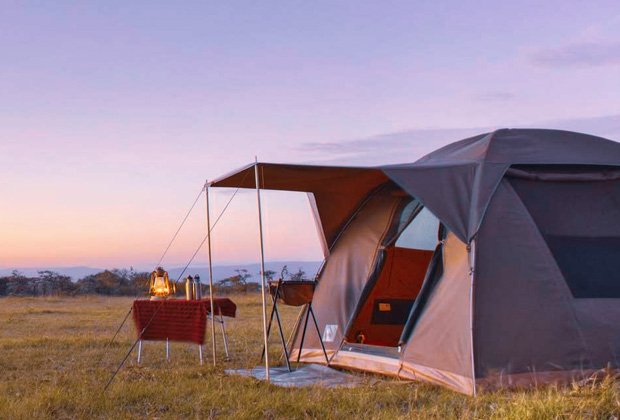
8 Days Kilimanjaro Trek And 3 Tanzania Safari
8 Days Kilimanjaro Trek and 3 Days Tanzania Safari.
View package details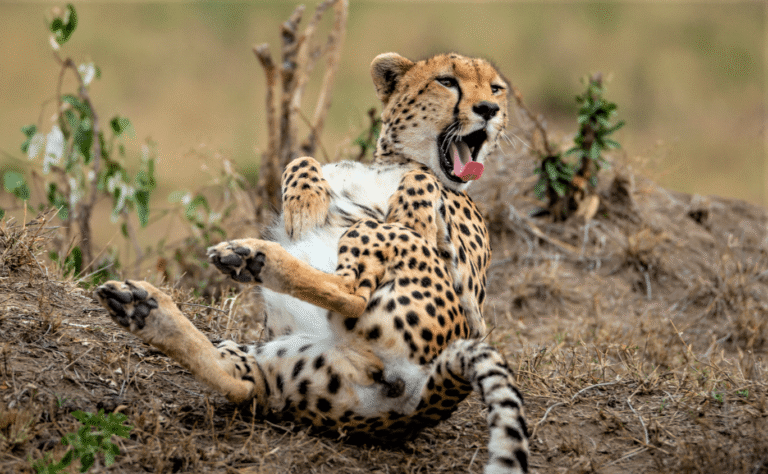
14 Days Kilimanjaro Climb And Tanzania Big Five Safari
14 Days Kilimanjaro Climb and Tanzania Big Five Safari.
View package details10 Days Kilimanjaro Climb And Tanzania Safari Package
10 Days Kilimanjaro Climb and Tanzania Safari Package.
View package details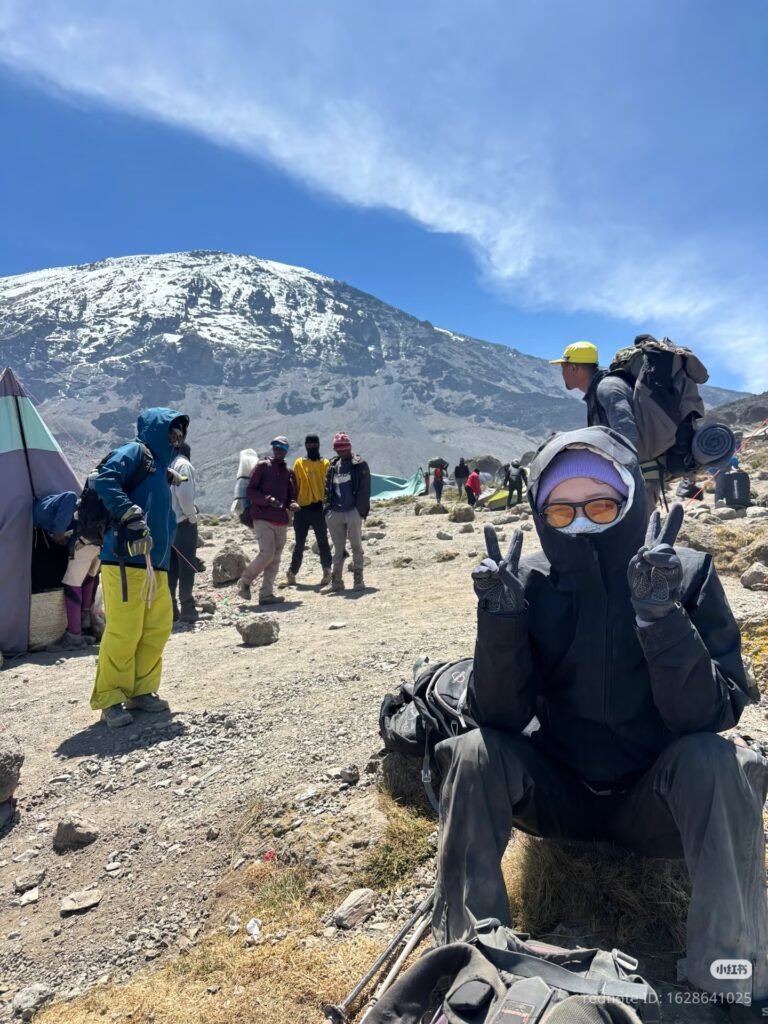
6 Days Marangu Kilimanjaro Climb And 3 Tarangire Safari: A Practical
A focused, bookable 6-day Marangu Kilimanjaro climb followed by a 3-day Tarangire safari. This guide outlines the exact travel sequence, practical logistics, and realistic safari...
View package details
6 Days Machame Kilimanjaro Climb And 2 Tarangire Ngorongoro Safari
6 Days Machame Kilimanjaro Climb and 2 Days Tarangire Ngorongoro Safari.
View package details6 Days Kilimanjaro Climb And 3 Big Five Safari 2026
6 Days Kilimanjaro Climb and 3 Days Big Five Safari.
View package detailsKilimanjaro Climb And Serengeti Safari: Flight & Transfer Planning
Kilimanjaro Climb and Serengeti Safari: Flight & Transfer Planning.
View package detailsNo related package matches those filters. Clear one or more filters to see the other topic-matched options.



