
start an integrated 8-day Kilimanjaro ascent followed by a 3-day Tanzania safari, designed for steady acclimatization and practical logistics. The trek uses a well-tested route from Moshi, with gradual elevation gain, informed campsite choices, and a comfortable finish in Arusha or Moshi before a scenic safari circuit to Tarangire and Ngorongoro. This plan clearly lays out day-by-day progression, included services, and the logistics required to move between climbing and safari legs, while avoiding guaranteed wildlife sightings and focusing on doable travel pacing and accommodations.
Day-by-Day: 8 Days Kilimanjaro Trek
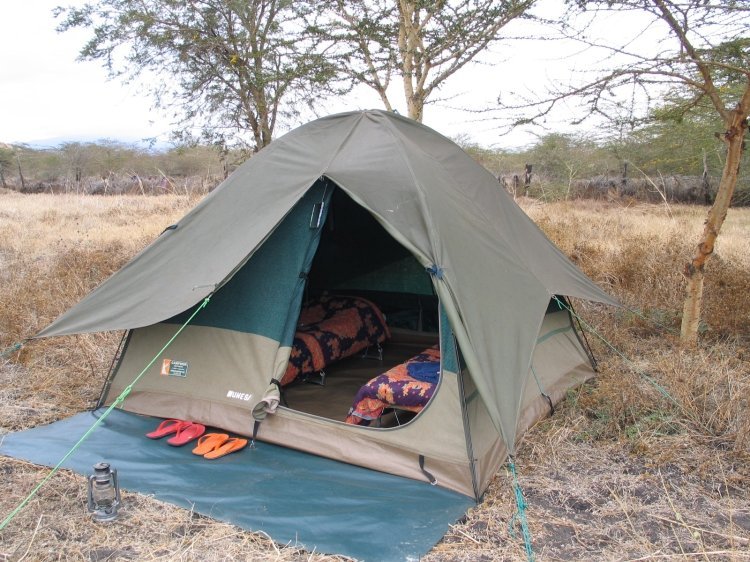
Overview: The Kilimanjaro portion centers on a steadily progressive ascent using a route with acclimatization-friendly rests. Expect huts or camps depending on the chosen variant; the exact lodging will be confirmed during booking, based on availability and group size. No pressure to rush the summit; the emphasis is on safe altitude management, reliable guides, and sustainable pacing.
Day 1: Moshi to Kilimanjaro Gate and Start of the Route
Meet in Moshi, transfer to Kilimanjaro National Park Gate, and complete park formalities. Begin trekking through forested terrain, with a first-night camp or hut at an elevation that maintains a comfortable acclimatization slope. Expect a modest distance and manageable elevation gain for the opening day.
Day 2: Mid-Elevation Trek: Forest to Heather Zone
Continue upward through montane forests into moorland zones. The aim is to keep a relaxed pace to support acclimatization. The camp or hut sits above the forest edge, offering evening views and a chance to discuss altitude strategy with your guide.
Day 3: High Moorland Ascent
Ramble through the high moorland with steady elevation gains. Shorter day lengths are typical to help the body adjust. Settle at a designated camp or hut where hot meals and a restable routine support sleep quality at altitude.
Day 4: Trek to Kikelewa/Second-Camp Zone
Cross into more exposed altitudes, with protective pacing and optional acclimatization breaks. The route provides significant views across the plains toward the crater rim. Overnight at the chosen camp or hut near Kikelewa or a similar altitude waypoint.
Day 5: Summit Push Window Start
With good weather and solid acclimatization, you may enter an earlier push toward high camp. This day includes a critical rest pattern and a late-afternoon arrival at the high camp. Nutrition and hydration planning are emphasized before the summit attempt.
Day 6: Summit Day or Alternate Descent to a Lower Camp
Option A: Summit attempt with a very early start, followed by a descent to a lower camp for recovery. Option B: If conditions or acclimatization suggest, descend to a safer lower camp to rest and rehydrate. The exact plan is guided by the group’s pace and the supervising guide’s judgment.
Day 7: Descent to Mweka Gate and Transfer to Moshi
Complete the descent to the gate, collect certificates if applicable, and transfer back to Moshi for a well-deserved rest. Evening at leisure for brief recovery and preparation for the safari segment.
Day 8: Transfer to Tarangire/Ngorongoro Safari Start
Your Kilimanjaro leg ends with a transfer toward Arusha or Moshi, where the 3-day Tanzania safari begins. The exact routing to safari lodges or camps is confirmed at booking, but typical flows head toward a northern circuit hub with scenic drives toward Tarangire or Ngorongoro coverage.
3 Days Tanzania Safari: Practical Circuits and Realistic Expectations
The safari portion centers on two of northern Tanzania’s signature wildlife landscapes, balanced with comfortable accommodations and realistic wildlife possibilities. You’ll travel by road with experienced drivers, stopping at conserved areas where vehicle access and viewing potential align with park rules and best-practice guidelines. While sightings cannot be guaranteed, the itinerary is designed to maximize the chance of wildlife encounters and provide meaningful, photo-ready itineraries.
Day A: Arusha/Moshi to Tarangire National Park
Early transfer to Tarangire, famous for elephant herds and baobolds. A day game drive embeds you in riverine landscapes, with picnic lunch en route and an evening at a lodge or tented camp inside the park’s buffer zone or adjacent concession area.
Day B: Tarangire to Ngorongoro Conservation Area
Morning game drive before a scenic drive toward Ngorongoro. Afternoon crater rim views, sunset on the plains, and a stay at a lodge or campsite near the crater’s edge. The next morning centers on crater floor exploration or alternative wildlife-rich habitats depending on conditions.
Day C: Ngorongoro Crater floor or adjacent reserves
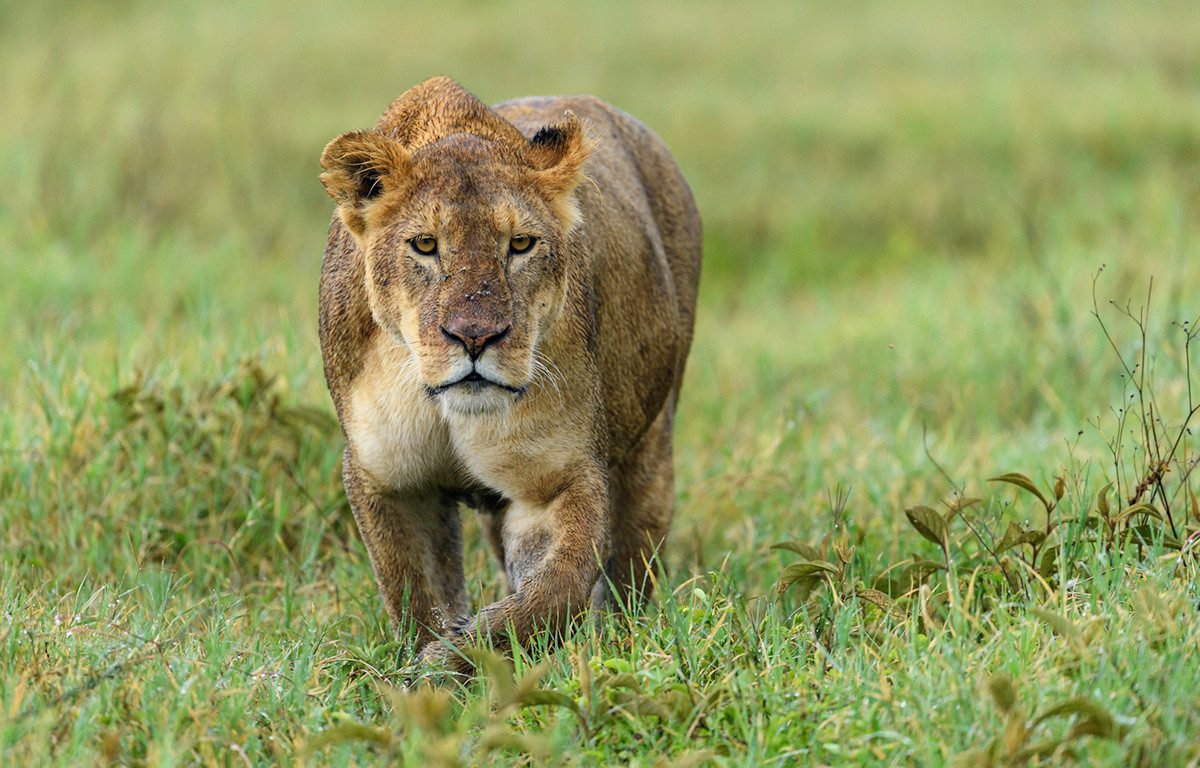
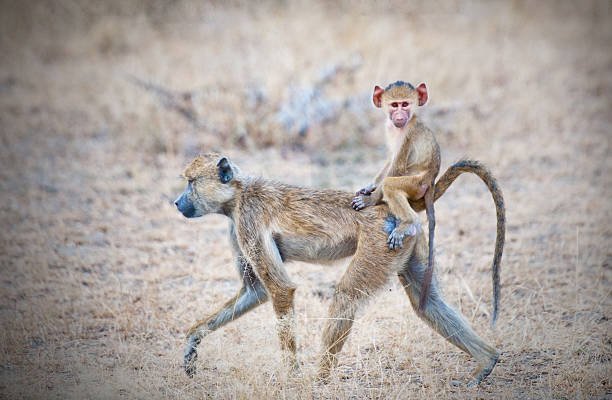
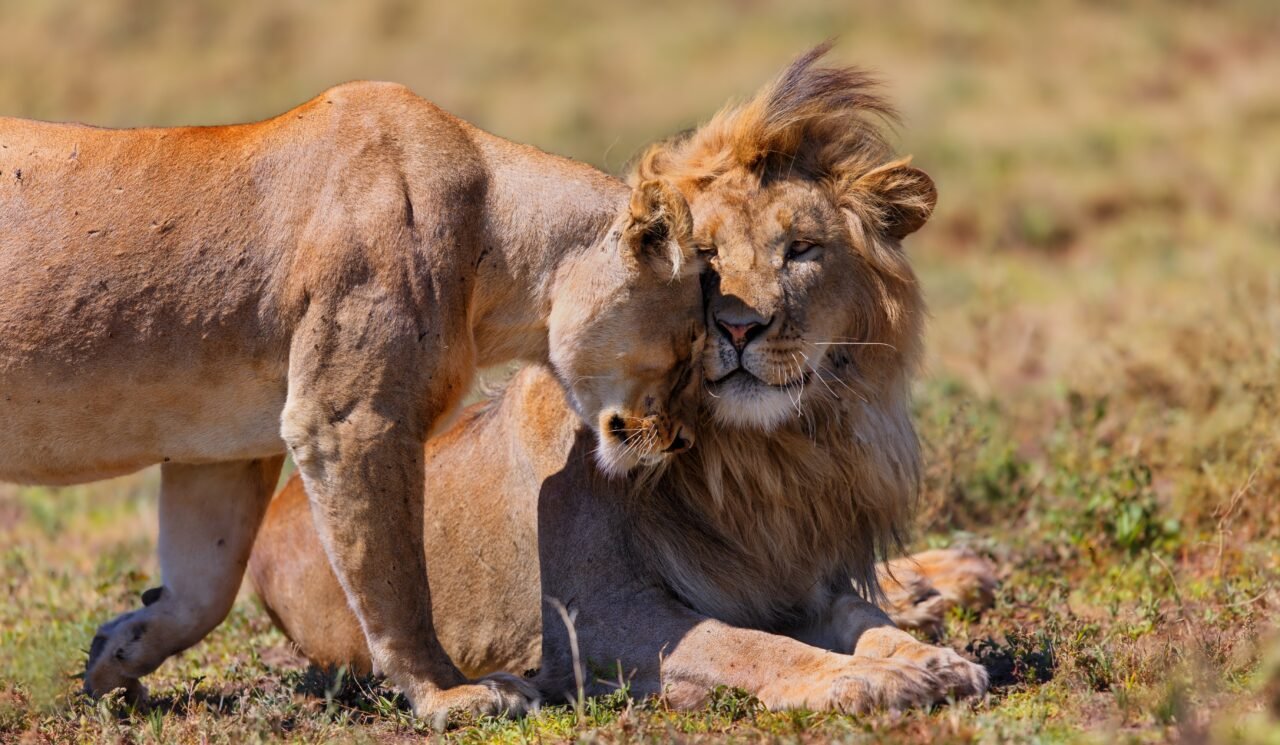
Focused crater floor safari with chances to observe prides, hyenas, and other resident species. Lunch on the crater rim or within the crater depending on access, followed by a relaxed drive back to Arusha or Moshi for departure or onward travel. The safari finishes with the option to stay on and explore more of northern Tanzania or return to your original base.
Logistics, Acclimatization, and Real-World Choices
Acclimatization is integrated into the Kilimanjaro portion with a route and pace designed to minimize altitude risk. The exact route choice (Machame, Lemosho, or another variant) will be confirmed during booking based on season, group size, and guide availability. On the safari leg, transportation, park fees, and lodge/camp categories are selected to balance comfort with safari reach, while respecting conservation requirements and local standards.
Accommodations range from simple, comfortable huts or tents during the trek to mid-range lodges and tented camps on safari. Meals are planned to align with energy needs and daily activity levels. Private or small-group options are common; larger groups may follow a slightly different pacing plan to
Gaps and Practical Details: What Readers May Still Need to Know for the 8 Days Kilimanjaro Trek and 3 Days Tanzania Safari
The existing article lays out day-by-day progressions and general expectations, but readers often ask for concrete logistics and decision points that materially affect their experience and budget. This continuation focuses on gaps that are frequently cited by travelers planning an 8-day Kilimanjaro ascent followed by a 3-day Tanzania safari, while staying strictly within the bookable-trip frame and avoiding unfounded guarantees or marketing language.
1) Route choice implications for acclimatization and pace: While the article references acclimatization-friendly rests, it doesn’t specify how the chosen route influences daily gradual gains and rest points. For a reader evaluating options, it’s essential to connect route segments to realistic daily distances, elevation increments, and typical pacing windows. For example, a Machame-style rotation may offer a higher degree of successive camping points with shorter uphills, while a Lemosho variant could provide longer initial ascents with extended acclimatization nights. Readers should ask operators how each segment translates to total elevation gain per day, average hiking time, and nightly elevations. This information helps travelers align expectations with personal fitness and altitude tolerance, and informs whether to opt for a longer acclimatization schedule or a slightly quicker pace if acclimatization has previously proven resilient.
2) Lodging types and transition logistics on the Kilimanjaro trek: The article mentions huts or camps but lacks explicit, current detail on what travelers should expect for their chosen route. Practical questions include: Are huts from a specific partner network or third-party providers? What facilities (beds, power, hot water) are typically available at each camping or hut site? How are meals organized across campsite nights, and which meals are included versus paid on-site? If a traveler has dietary restrictions (vegetarian, halal, gluten-free), what is the process for communicating needs before arrival, and how flexible are menus at high-altitude camps? Clarifying these items helps readers manage expectations and plan personal gear lists (sleepwear layers, headlamps, and personal cooking gear if allowed). Readers should also understand how luggage is transported between camps; is there a porter system for personal bags on certain routes, and what are weight limits per bag?
3) Summit day logistics and safety contingencies: The article notes a summit push window and an early start but does not detail safety contingencies for weather changes, delays, or acclimatization setbacks on the final ascent. Readers benefit from understanding: How operators handle delays caused by weather (fog, wind, generator-thin visibility, cold snaps); what constitutes a safe turnaround time versus a forced retreat; how oxygen or supplementary resources are allocated during summit attempts; and how the group would reorganize if one or more members falter mid-ascent. This is not about guarantees of success; it is about understanding the decision framework that guides a guided team when conditions shift suddenly while still maintaining safety and the integrity of the itinerary for the rest of the group.
4) Safari logistics that affect timing and wildlife encounters: While the article outlines parks and approximate flow, it omits practical timing considerations that influence wildlife viewing and travel comfort. Details readers typically seek include: typical driving times between camps and parks (and how road quality or border checks can affect schedule); recommended arrival times at gates for optimal light and animal activity in Tarangire and Ngorongoro areas; how long actual game drives last, including rest stops and meals; and how boat support or walking safaris are integrated if offered as optional add-ons. Readers also ask about what to expect in terms of vehicle type, the number of guests per vehicle, window view quality, and whether night drives or off-road driving are permitted in the chosen park concessions.
5) Altitude, health, and medical provisions in practice: The page mentions acclimatization logic but not practical health provisions. Readers want to know what medical support is available on the ground: Is there an on-site first aid kit with oxygen, pulse oximeter, and emergency stabilization gear? Are guides trained in mountain medicine and CPR? What is the protocol if a participant experiences acute mountain sickness (AMS), and how is evacuation arranged (helicopter, airstrip, or road transfer)? What are the insurance requirements, and does the operator provide a medical liaison throughout both the trek and safari segments? Clarification here reduces risk and helps travelers coordinate with their own primary care provider.
6) Costs, inclusions, and payment cadence without implying guarantees: The article contains no verified operator pricing. Travelers frequently seek transparency on what is included: park fees, guide salaries, porter fees, rescue insurance, camping or lodge accommodations, meals, water, •and any domestic transfers between the Kilimanjaro trek and the safari. Readers often request a breakdown of what is excluded (international flights, tipping guidelines, personal purchases, optional excursions) and the typical tipping norms for guides, cooks, and porters. Without quoting rates, operators can still provide a clear schematic of inclusions versus exclusions and the typical cadence of payments (deposit, balance due dates) so travelers budget accurately and avoid surprises at checkpoints.
7) Seasonal considerations and what they mean for pacing and wildlife experiences: The article avoids meteorological analysis, but travelers frequently ask how seasonality affects both trekking and safari experiences. In the Kilimanjaro ascent, a reader may want to know how the route and campsite availability shift between wet and dry seasons, and how that influences pacing and equipment (e.g., extra rain gear, moisture management). For the safari, readers want to understand how the best wildlife viewing windows align with the safari calendar (migratory patterns, dry season water pools, and rutting or calving cycles) without promising sightings. Operators should provide realistic expectations about seasonal variations and how they adjust daily driving distances or camp choices accordingly.
8) Transition reliability between Kilimanjaro finish and safari start: The article says the Kilimanjaro leg ends with a transfer toward Arusha or Moshi, where the 3-day Tanzania safari begins, but it lacks specifics about common transfer routes, typical drive times, and what happens if there are flight or road delays. Readers benefit from a transparent outline of the standard handoff process: where luggage is dropped, any time buffers built into the schedule to accommodate delays, and the contingency plans if a participant arrives late to the safari start location. This is especially relevant when crossing between altitude-focused trekking regions and the lower-lying safari regions with different climate and time zones.
9) Risk management and safety certifications: Readers frequently ask whether the operator’s guides hold specific certifications (e.g., mountain medicine, wilderness first aid), what safety protocols are in place for altitude illness, and how the operator coordinates with local park authorities for ranger-led routes or restricted zones on both Kilimanjaro and safari legs. Providing a concise summary of safety credentials and on-site procedures helps readers assess operator reliability without delving into sensitive or unverifiable operational details.
10) Practical gear and packing guidance tailored to this exact itinerary: While the article hints at acclimatization and lodging types, travelers often want a precise, route-aware packing list. What equipment is mandatory versus recommended for each night, and how are items handled during the trek (e.g., bag transfers, sleeping bag ratings, microspikes or trekking poles allowed on the route)? Guidance on how to harmonize personal gear with operator-provided equipment reduces on-site friction and helps travelers avoid overpacking or under-preparedness.
In sum, this addition aims to fill practical gaps that readers routinely encounter when planning an integrated 8-day Kilimanjaro ascent followed by a 3-day Tanzania safari. It stays within the bookable-trip frame by detailing concrete logistics, safety expectations, and route-to-experience mappings that influence daily pacing, lodging, and transition between the two distinct experiences. The goal is to help readers ask the right questions to their operator, align expectations with realistic day-by-day realities, and approach the journey with a plan that prioritizes safety, comfort, and meaningful, achievable wildlife experiences without promising guaranteed sightings.
Gaps in Practical Handoffs: From Kilimanjaro Trek to Tanzania Safari—What the Itinerary Missing, and How to Plan Around It
Readers who are following an integrated plan for an 8-day Kilimanjaro ascent plus a 3-day Tanzania safari often encounter a gap in the transition logistics. The Kilimanjaro portion is itself highly transition-dependent: you rise through acclimatization-friendly stages, end at Mweka Gate, and then switch from high-altitude trekking to a much lower-altitude safari environment. The original article outlines the major day-by-day progressions in broad terms, but practical travelers frequently want a sharper, booking-ready map of what actually happens at the handoff: where luggage moves, how long the transfer typically takes, and what buffers exist for delays. This section fills that gap with concrete, non-operationally sensitive details that travel planners and travelers can verify with operators without venturing into unverifiable claims.
1) Luggage transfer and on-ground handoff workflow
In most Kilimanjaro-to-safari handoffs, guests typically check out of their Kilimanjaro accommodations after breakfast on the final trekking day. Luggage destined for the safari lodge or camp is packed at the hotel or camp store, tagged for the safari segment, and loaded onto a designated vehicle. The trekking crew carries only daypacks and personal items on the final ascent to Mweka Gate, while larger duffels stay with a designated support vehicle. Upon reaching Mweka Gate, guests transfer to a separate safari vehicle at a pre-arranged meeting point near the gate exit. If the safari start is in Tarangire or Ngorongoro, the transfer drive is typically 2.5–4 hours, depending on route chosen by the operator and road conditions. It is common to have a short buffer window (30–60 minutes) built into the schedule to accommodate delays at the gate or in customs checks for luggage transfers that may occur due to park entry formalities.
2) Time buffers and contingency planning
If flights or domestic connections are involved, seasoned operators build a conservative buffer between the Kilimanjaro gate descent and the safari start. Typical buffers range from 2 to 6 hours for road transfers, with longer buffers (half a day) if the safari lodges require early check-in or if there is a remote driving segment at the start of the northern circuit. Day-to-day, the operator will provide a tentative timetable at the Kilimanjaro end, and a fixed pickup time at the safari end. Travelers should communicate flight arrival times and any known delays in advance to the operator, and verify that the safari transfer is contingent on the party’s arrival rather than a fixed clock schedule, so late arrivals are accommodated without jeopardizing the next segment.
3) Where the luggage ends up and what to expect at the safari start
Luggage and personal bags designated for the safari leg are typically delivered to the safari lodge or tented camp in time for check-in after arrival. Where possible, operators coordinate baggage delivery to the safari base camp with a short rest period before a late-afternoon or evening game drive. If the safari start is in Tarangire, expect a typical day to conclude with a sunset game drive or a night briefing at the safari property. If the start is Ngorongoro-based, you may complete a short introductory briefing and a drive to your lodge near the crater rim, allowing for an early morning departure to the crater floor the next day. Concrete, verifiable questions to ask your operator include: where will my main luggage be stored during the Kilimanjaro trek, and is there a separate carry-on allowance for the safari vehicle?
4) Weather and climate transitions between highlands and savannas
Altitude and climate shifts between Kilimanjaro’s ascent and Tarangire/Ngorongoro’s plains influence schedule and packing considerations. Kilimanjaro’s last trekking night sits at a cool, high-altitude environment; the safari base often sits in a warm, arid to semi-arid savanna climate. Operators plan handoffs with these climate variations in mind: ensure you have a light jacket for the Kilimanjaro descent, and carry a sun hat, breathable layers, and a compact rain shell for safari days. Confirm with the operator whether the safari lodge provides any climate-controlled indoor spaces for rest between drives, which can be a practical comfort during mid-day heat.
5) Contingency plans for late arrivals or missed transfers
The slowest unpredictable factor is arrival timing. In many itineraries, if a participant arrives late to the safari start point, operators hold a contingency slot within the same day for a late-afternoon game-viewing activity or a non-game-related briefing. In some cases, a re-booked transfer for the next morning may be necessary, but only with prior consent. Close coordination between the Kilimanjaro guide and safari supervisor is essential; you should request a contact list of both teams and confirm a one-point-of-contact policy for any delays. A practical action item is to verify that your operator provides a 24-hour emergency contact and a written plan for late arrivals, including the potential need to adjust the safari route or lodging tier if delays are projected to be significant.
6) Practical checklist to verify before departure
– Luggage handoff plan: where, when, and by whom luggage for the safari will be transferred.
– Transfer windows: expected driving times and buffer allowances for delays.
– Check-in logistics: where to report on arrival at the safari start point and what documentation to present.
– Luggage security: how bags are stored at Kilimanjaro end and at safari base camps.
– Communication protocol: who is the on-site contact for the day of transfer, and how to reach them in transit.
– Weather considerations: what records or forecasts the operator uses to adjust the day’s schedule and drive times.
– Health and safety notes: whether a nurse or first-aid kit accompanies transfers, especially if a traveler has altitude-related or transport-related medical needs.
7) Narrative flow for readers planning a precise sequence
For readers documenting a personal itinerary, the practical narrative follows a simple sequence: complete Kilimanjaro descent to Mweka Gate, receive any necessary certificates or gear returns, switch to safari gear, transfer to the safari start point, check into the lodge or tented camp, and begin the first day’s game-viewing program with a briefing from the safari guide. The exact order of events—whether you have a formal camp transfer, a luggage handoff, or a vehicle change—depends on the operator’s standard operating procedures and the day’s logistics. Use your operator-provided itinerary as the baseline and confirm any deviations ahead of time to avoid confusion on arrival.
8) Why these details matter to decision-making
The transition period is when timing and comfort matter most: early check-ins ensure rest between the long Kilimanjaro day and the safari’s first game-drive, while late check-ins may compress rest time but still allow for a productive introduction to wildlife-rich habitats. By clarifying the handoff flow, travelers can align expectations with actual practices, budget for potential extra nights, and avoid last-minute surprises that can affect both energy levels and wildlife-watching opportunities.
Related Guides and Packages
Check Availability for 8 Days Kilimanjaro Trek And 3 Tanzania Safari
Ready to compare dates, prices, and the best option for your group? Send the package name and travel month so the team can reply with a clear quote, availability, and what is included.
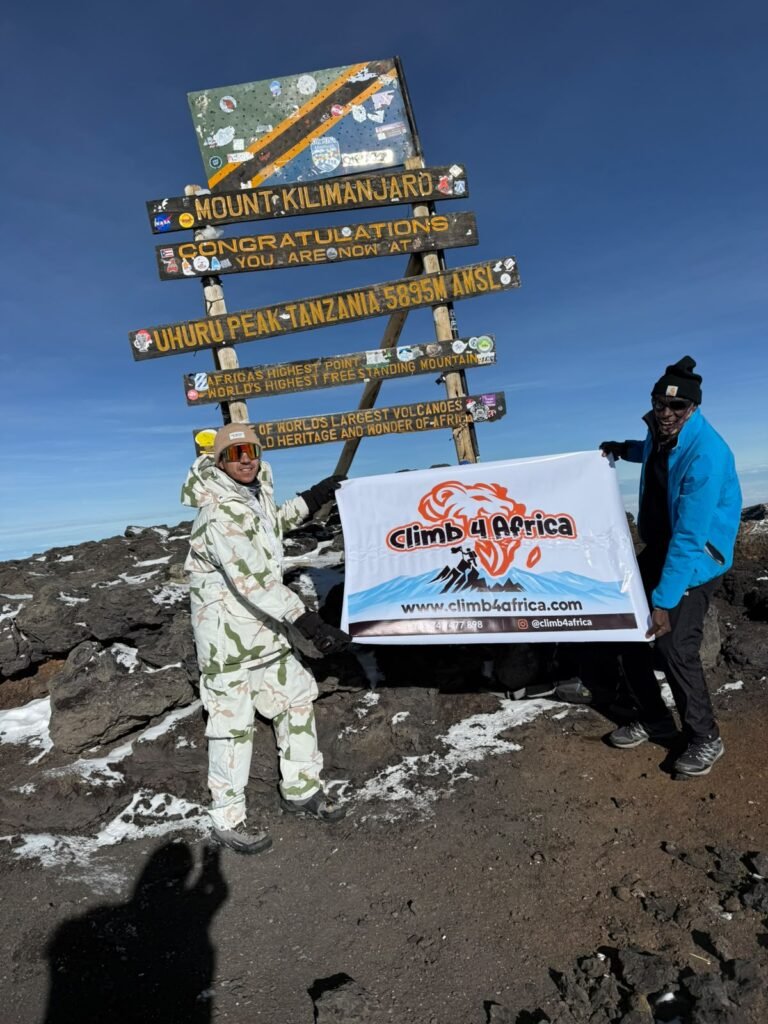
7 Days Kilimanjaro Trek And 3 Tanzania Safari 2026-2027
7 Days Kilimanjaro Trek and 3 Days Tanzania Safari.
View package details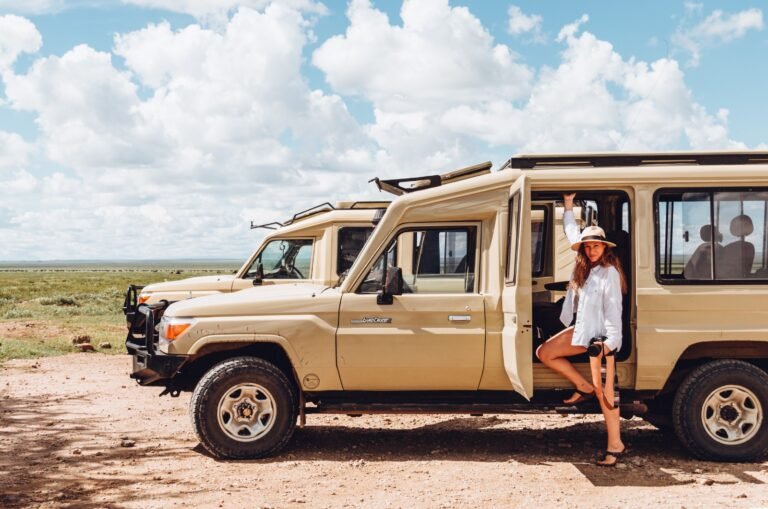
7 Days Kilimanjaro Group Joining Trek And 3 Safari
7 Days Kilimanjaro Group Joining Trek and 3 Days Group Safari.
View package details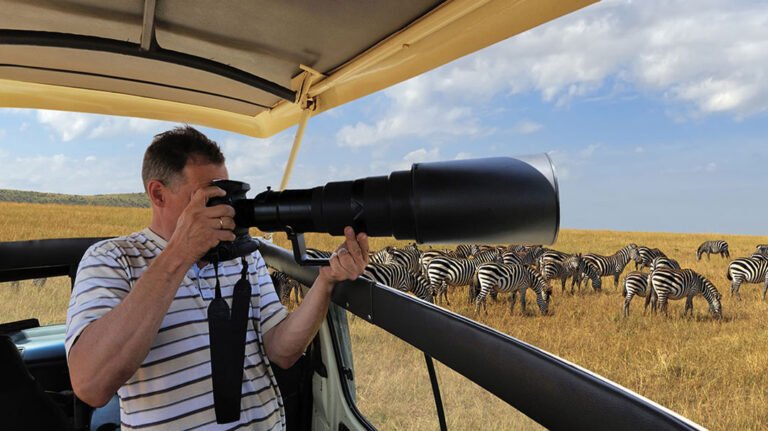
7 Days Machame Kilimanjaro Climb And 5 Tanzania Safari
7 Days Machame Kilimanjaro Climb and 5 Days Tanzania Safari.
View package details8 Days Kilimanjaro Lemosho Trek And 4 Serengeti Ngorongoro Safari
8 Days Kilimanjaro Lemosho Trek and 4 Days Serengeti Ngorongoro Safari.
View package details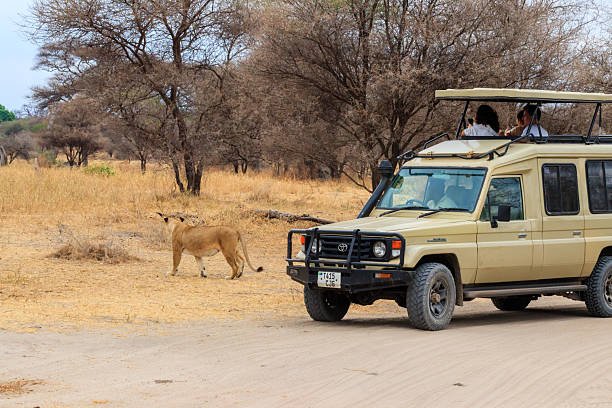
14 Days Kilimanjaro Trek And Northern Tanzania Safari 2026-2027
14 Days Kilimanjaro Trek and Northern Tanzania Safari.
View package details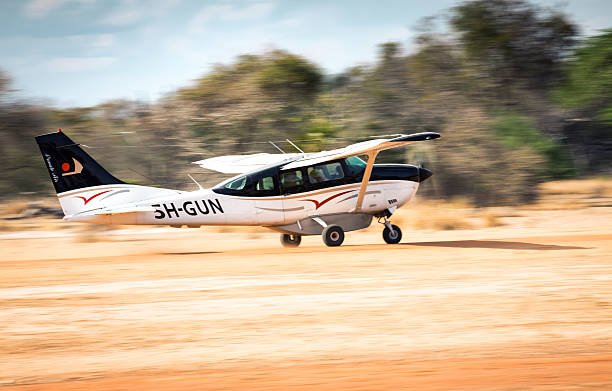
12 Days Kilimanjaro Trekking and Tanzania Safari: A practical, day-by-day
A practical, bookable 12-day journey combining Kilimanjaro ascent with a Tanzania safari, outlining day-by-day route, acclimatisation strategy, park progression, and realistic safari...
View package details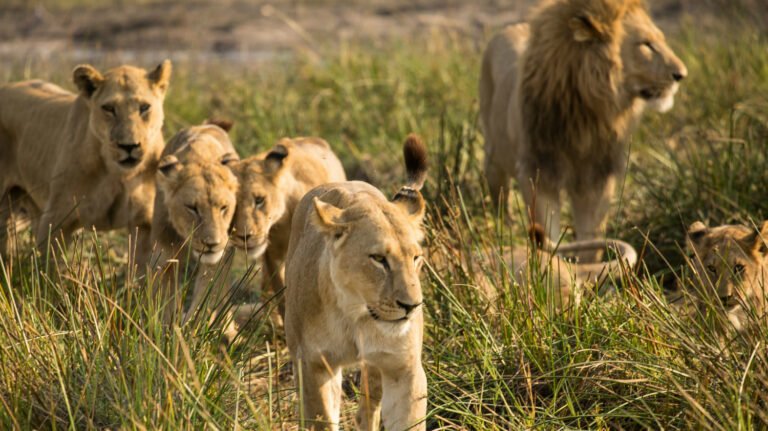
7 Days Kilimanjaro Climb And 4 Wildlife Safari
7 Days Kilimanjaro Climb and 4 Days Wildlife Safari.
View package details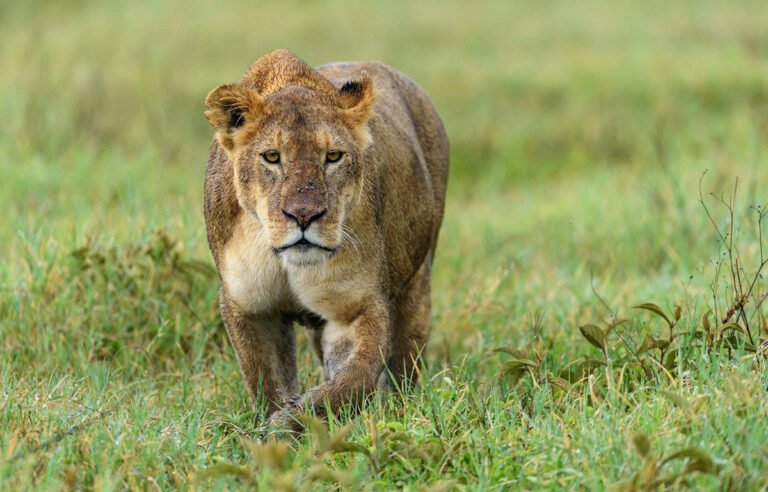
8 Days Kilimanjaro Group Climb And 4 Camping Safari
A practical, bookable 8-day plan combining Kilimanjaro Group Climb with a 4-day camping safari. Day-by-day route, acclimatisation logic, and realistic safari logistics without guaranteeing...
View package details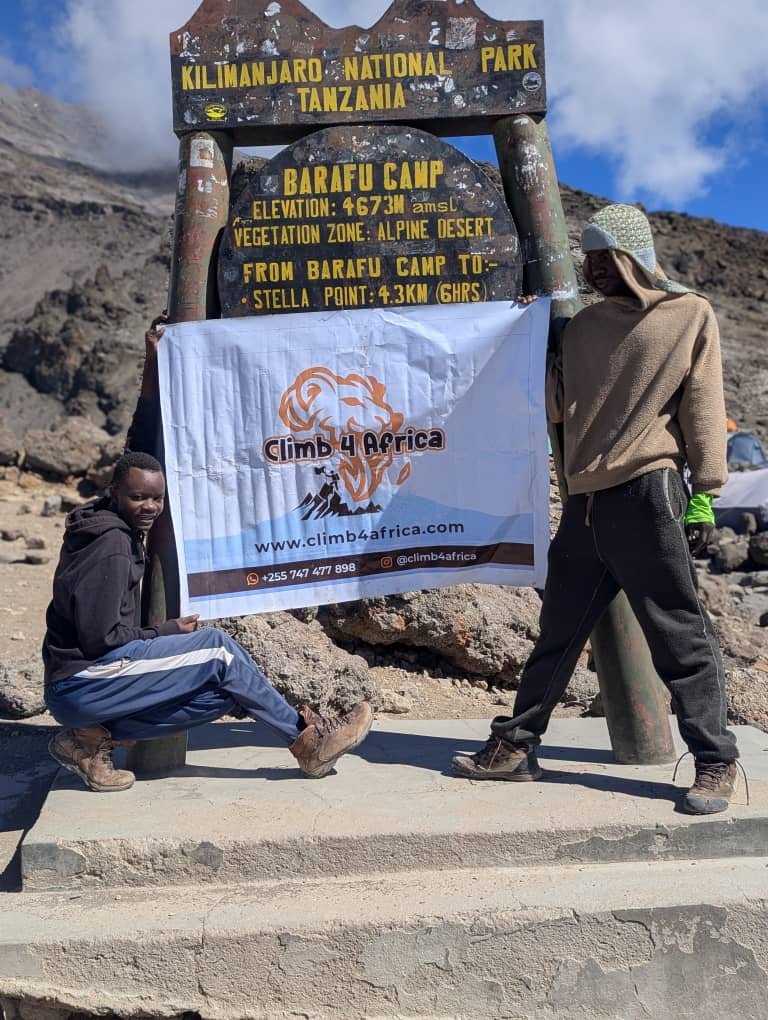
12 Days Kilimanjaro Trekking And Serengeti Ngorongoro Safari 2026-2027
12 Days Kilimanjaro Trekking and Serengeti Ngorongoro Safari.
View package details
18 Days Kilimanjaro Trek Budget Safari And Zanzibar 2026-2027
18 Days Kilimanjaro Trek Budget Safari and Zanzibar.
View package details
19 Days Kilimanjaro Trekking Safari And Zanzibar 2026-2027
19 Days Kilimanjaro Trekking Safari and Zanzibar.
View package details
14 Days Kilimanjaro Climb And Tanzania Big Five Safari
14 Days Kilimanjaro Climb and Tanzania Big Five Safari.
View package detailsNo related package matches those filters. Clear one or more filters to see the other topic-matched options.



