
The planned 12-day journey begins with an 8-day Kilimanjaro ascent via a balanced route chosen for acclimatization and realistic camp stops, followed by a 4-day Serengeti safari that prioritizes practical driving routes, lodge or camp options, and reliable wildlife experiences without promising sightings. Exact departure dates, prices, and accommodations must be confirmed with Climb 4 Africa, but the sequence, logistics, and packing considerations are laid out to guide your booking decisions.
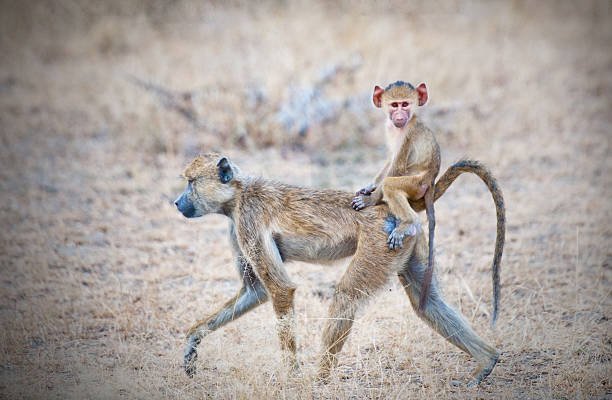
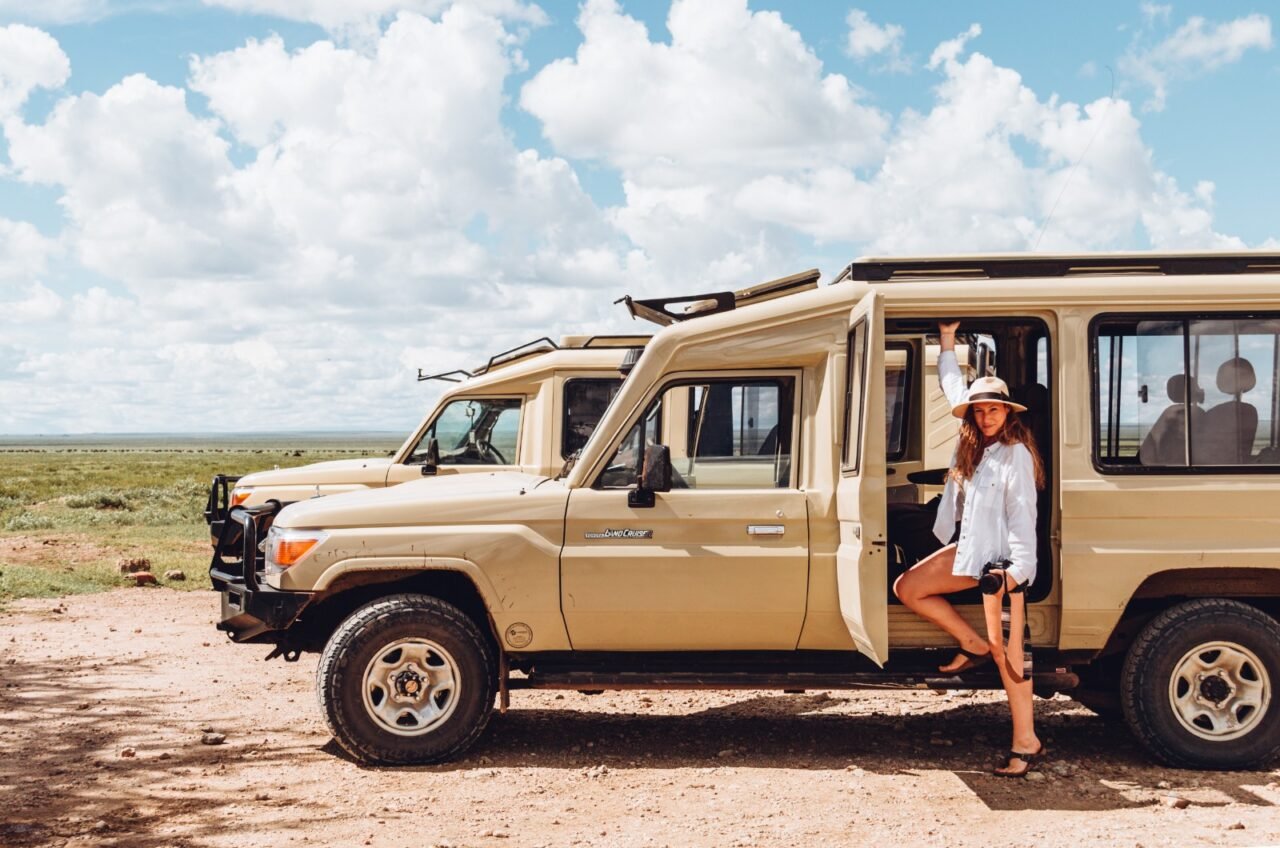
Day 1: Moshi to Kilimanjaro park gate and first acclimatization walk. You’ll meet your guide, check gear, and drive to the gate as permits are arranged. The route favors a gradual start with a short acclimatization hike near the gate to ease into high altitude, followed by dinner at the lodge or camp near the gate. Lodging is typically a comfortable hotel in Moshi or a lodge near the gate, depending on arrival time and group preference.
Day 2: Trek begins on the first proper route segment. Early morning drive to the trailhead, then the first stretch through forest with a steady elevation gain. Lunch is on the trail at a scenic vantage and you’ll eventually reach a designated camp near the midsection of your chosen route. Evenings are shorter, with a briefing on altitude symptoms and a careful early night to support acclimatization.
Day 3: High forest to moorland transition. The day involves a sustained climb through varied terrain, with a mid-afternoon rest and hot drinks at a sheltered campsite. The stop is chosen to balance altitude and pacing; your guide monitors pace and provides a realistic target for the next day. Evening camp facilities include basic dining and a secure tent site.
Day 4: Summit approach with deliberate pacing. Early departure to a high camp, long trekking segments with time allocated for slow ascents and occasional breaks. The goal is to reach a favorable acclimatization point while maintaining energy for the following day’s key ascent. Evening at camp includes a briefing about summit plans and a hot meal to replenish calories.
Day 5: Summit day or near-summit push depending on conditions. A very early start for the final push to the summit crest, with contingency time built in for weather or fatigue. If the weather blocks the summit, the group trades to a robust acclimatization and descent plan that preserves momentum for the next days. Descend to a lower camp for the night with a warm, nutritious dinner and a chance to reflect on the climb so far.
Day 6: Descent to the park gate and transfer to a nearby safari lodge. The descent is carefully paced, with stops to hydrate and stretch, and a celebration of the successful acclimatization while transitioning to the Serengeti corridor. Transfer is arranged to the safari lodge in a comfortable vehicle, typically with scenic views along the route depending on road conditions.
Day 7: Fly or drive to the Serengeti. Depending on the season and flights, you may take a morning transfer to a nearby airstrip or a relaxed land transfer to a Serengeti lodge/camp. The first Serengeti afternoon game drive offers a broad sense of the park’s vastness; your guide explains the ecosystem and the seasonal patterns that influence wildlife movement. Dinner is at the lodge or camp with options to share sightings and impressions from the climb.
Day 8: Full-day Serengeti safari. Two game drives maximize wildlife viewing opportunities in open savannahs, riverine zones, or kopje-studded landscapes. The day is structured around strategic drives and a picnic lunch at a scenic spot, followed by a late-afternoon drive back to your lodge or camp. The schedule emphasizes realistic wildlife opportunities rather than guarantees, with expert commentary on animal behavior you observe along the way.
Day 9: Serengeti to Ngorongoro or back toward Moshi depending on flight arrangements and park access. This day focuses on logistics and the best use of time for a safe transfer. You may have a final short game drive en route to the airstrip or roadhead, then a transfer to your chosen endpoint. Lodging is chosen to balance comfort with travel efficiency, often a lodge near the Ngorongoro area or back in Moshi for an overnight before onward travel.
Day 10–12: Optional add-ons or return to base. If you have time, you can extend with a short cultural visit, a hot springs soak, or a rest day in Moshi before your departure. This section is flexible to tailor to your flight schedules and energy levels after the Kilimanjaro climb and Serengeti safari. Practical notes weave together: pack lists, altitude symptoms, vehicle transfers, and park rules are all addressed throughout the journey.
What you’ll get by choosing this plan: a carefully paced ascent with acclimatization-friendly staging on Kilimanjaro, followed by a Serengeti safari sequence designed to maximize realistic wildlife experiences and practical logistics. You’ll be escorted by an experienced Climb 4 Africa guide team, with support for meals, accommodation, and transfers arranged to minimize backtracking. Actual prices, departures, and names of lodges or camps will be confirmed during booking, along with any seasonal adjustments.
Practical decisions you’ll make in this plan include: which Kilimanjaro route to choose for acclimatization balance (Lemosho, Shira, Machame, or Rongai), whether to stay in lodges or tents at different camps, and whether to fly between Serengeti and Moshi/Morogoro or drive where feasible. Each option has trade-offs in time, comfort, and cost, but the core sequence remains coherent: climb Kilimanjaro with a deliberate acclimatization rhythm, then transition to a Serengeti safari with two high-quality game-drive days and one or two transfer days. For booking, we’ll align flight connections, park entry fees, and camp or lodge categories with your preferred pace, budget, and travel dates, ensuring a smooth, practical experience without speculative guarantees about wildlife sightings.”
“,
“faq_schema”:[
Additional Practical Details for the 8 Days Kilimanjaro Climb and 4 Days Serengeti Safari
Building on the core sequence outlined in the article, this section adds process-driven specifics that help you understand how the day-to-day logistics unfold, without repeating the content already covered. The goal is to illuminate what makes each day feasible, focusing on pacing, acclimatization logic, and the practical transitions between Kilimanjaro trekking and Serengeti wildlife experiences.
Day-by-day pacing logic on Kilimanjaro: The eight Kilimanjaro days are structured to optimize acclimatization while maintaining steady progress along the central trekking segments. You begin with a gentle forest start at the gate area, where the first altitude cues are modest and the group size is kept manageable for pace control and safety. As you move into moorland zones, your guide will implement measured breaks and hydration checks, ensuring that a steady ascent is maintained without pushing too hard on any single day. Each camp stop is selected for a balance between elevation, shelter, and access to backup logistics in case of weather changes or minor altitude symptoms. The mid-section days emphasize lighter afternoon activity, allowing for rest and the opportunity to review symptoms, known as a building block for more challenging segments ahead. The final push to the summit involves a deliberate schedule that prioritizes early starts, decompressed ascents, and manageable time on the trail to reduce fatigue and maintain judgment—critical factors on the high-energy, exposed segments near the final staircase of the route variants.
Transitional planning between Kilimanjaro and Serengeti: After completing the Kilimanjaro summit approach and post-trek rest days near Moshi or at the park gate area, the group transitions to Serengeti safari logistics. The switch from trekking to wildlife viewing requires re-packing for a different climate and activity profile: lighter day packs for game drives, appropriate sun protection, and a camera-ready stance for a few long hours in the vehicle. The Serengeti portion is designed around practical driving routes that maximize potential wildlife encounters while respecting park rules and vehicle limits. Transfers between camps or lodges are scheduled to minimize backtracking and keep driving times within typical safari day expectations. Lodging choices along the Serengeti corridor are selected to balance comfort with reasonable drive times to key game-drive areas, recognizing that wildlife density and movement are unpredictable yet the route and timing are chosen to optimize realistic sightings opportunities, not guarantees.
Logistics of gear and packing discipline: Packing lists focus on clothing layers, altitude-adapted essentials, and gear that travels well across both climates and terrains. On Kilimanjaro, layering is essential: a breathable base layer, insulating mid-layer, and a weatherproof outer shell shield you from wind, cold, and potential precipitation. Footwear is prioritized for both rocky trail stabilization and long, gradual ascents; gaiters can help keep debris and moisture out of boots. For Serengeti game drives, the emphasis shifts to comfort and practicality: quick-dry clothing, a hat with a wide brim, sunglasses, and a compact rain shell for intermittent showers. A compact, 2–3 liter hydration system is recommended to stay well-hydrated during long drives and climbs alike. Your guide team coordinates daily distribution of meals, snacks, and hot beverages to maintain energy levels, particularly on higher-altitude days and during long scenic drives where breaks may be fewer but essential for morale and safety.
Acclimatization monitoring details: The itinerary embeds altitude awareness through routine checks, including self-reporting of typical symptoms such as mild headaches, fatigue levels, and appetite changes. Guides are trained to recognize the early signs of altitude discomfort and will adjust pace by reducing distance, adding rest periods, or slowing the ascent rate accordingly. Nightly briefings cover how to identify symptoms that warrant a more cautious approach, and emergency communication protocols are in place for rapid assistance. The aim is to maintain safety while preserving the natural rhythm of ascent as much as possible within the given days. Expect some days to include shorter treks with longer breaks to optimize acclimatization without sacrificing the sequence’s integrity.
Serengeti safari driving and wildlife observation approach: In Serengeti, the vehicle is the primary observation platform. Local guides interpret animal behavior, migration patterns, and habitat features during game drives while adhering to park rules about distance from wildlife. The route emphasizes efficiency and realistic wildlife viewing opportunities rather than promising sightings. Drivers balance time in preferred habitats (open plains, riverine zones, woodlands) with practical constraints such as road conditions, fuel availability, and integration with lodge check-ins. Evening drives may be shorter to align with twilight animal activity patterns and the cooler temperatures that can influence visibility and comfort. Lodging options reflect a spectrum from simple, intimate camps to more comfortable lodges, chosen to minimize travel fatigue while offering reliable access to morning and afternoon game drives.
Health, safety, and environmental stewardship: The plan integrates responsible travel practices, including staggered camp movement to minimize environmental impact, stick to established trails, and manage waste according to local guidelines. Hydration, sun protection, and insect prevention are emphasized on both Kilimanjaro and Serengeti segments. Your guide team carries a basic first-aid kit with altitude-relief supplies and routes for rapid evacuation if needed. While wildlife sightings cannot be guaranteed, the itinerary is designed to maximize realistic exposure to a variety of habitats and species in a sustainable manner that respects the ecosystem and local communities.
Booking and flexibility notes: The itinerary remains adaptable to seasonal variations, flight arrangements, and any changes in park access. Exact departure dates, prices, and accommodations are confirmed during booking, with seasonal adjustments communicated beforehand. The sequence—eight days on Kilimanjaro followed by four days in Serengeti—remains coherent, with day-by-day transitions and allocations tuned to practical travel logistics, altitude considerations, and wildlife viewing opportunities rather than guarantees.
A Gap-Driven Question: How the Kilimanjaro Route and Serengeti Safari Are Coordinated for Practical Logistics
Readers finishing the eight-day Kilimanjaro climb and four-day Serengeti safari often wonder how the two major segments align in practice without compromising acclimatization, pacing, or wildlife viewing opportunities. The most valuable clarification centers on how route choices, camp placements, and driving days interlock to produce a coherent, bookable plan while staying responsive to real-world conditions. This section explains, in concrete terms, how day-to-day logistics are sequenced, what remains fixed, and where flexibility lives, so you can evaluate the plan for your booking confidently.
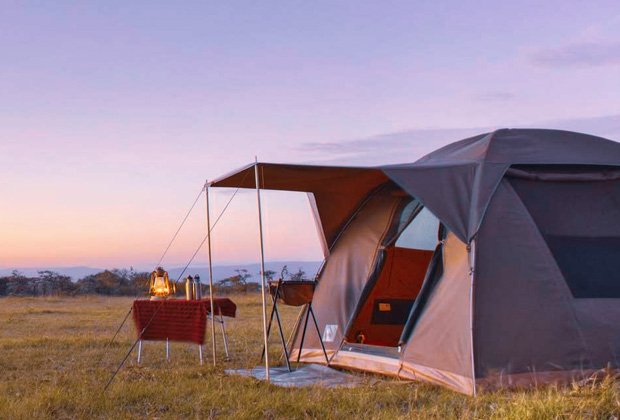
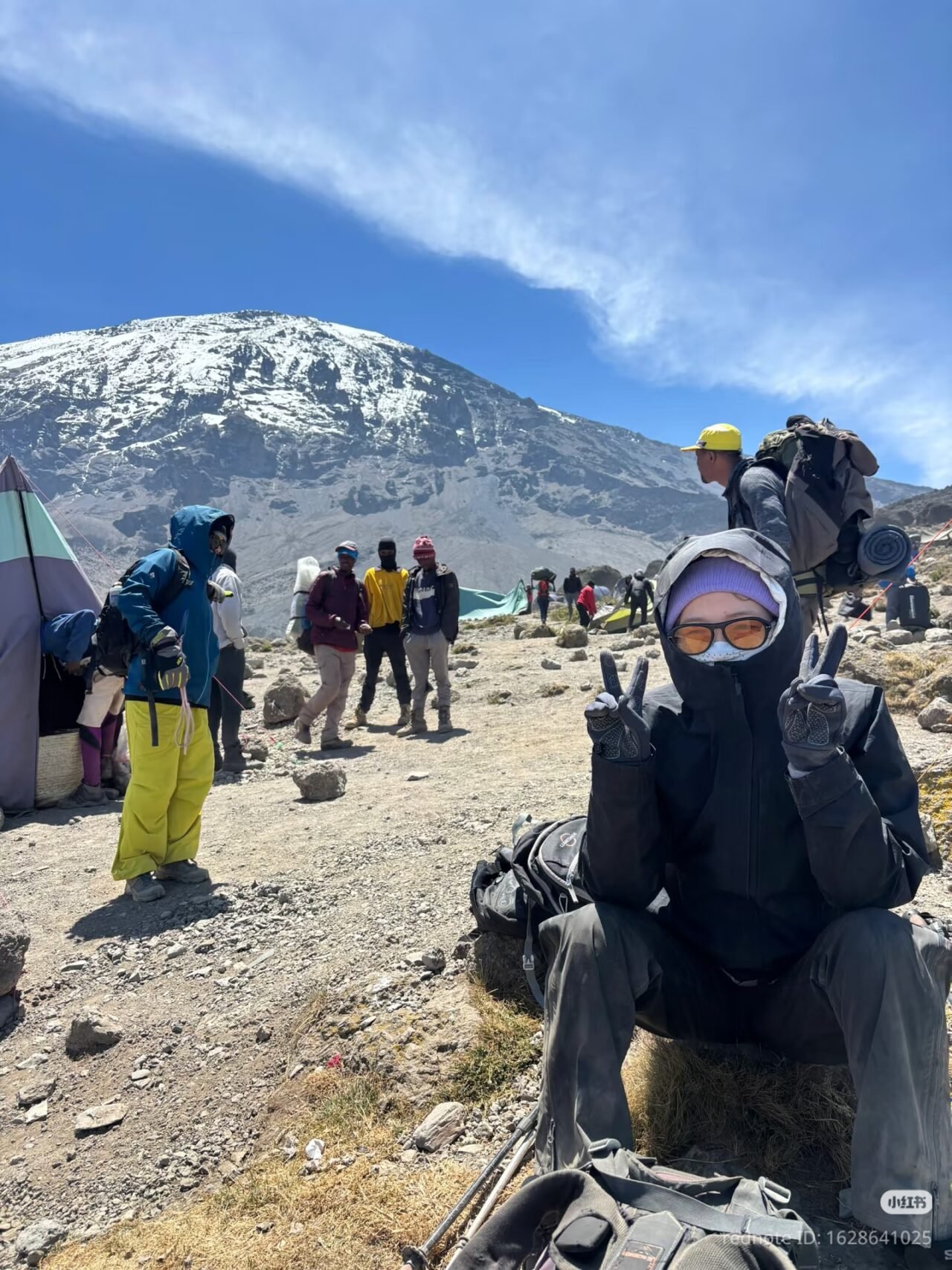
1) Route sequencing with acclimatization in mind. Kilimanjaro routes are chosen to balance elevation gain with sufficient rest and terrain variation. The eight-day sequence typically interleaves forest, moorland, and alpine zones, with occasional short treks followed by rest periods at designated camps. The Serengeti portion then begins from a controlled flight or transfer arrangement to a northern gate region, where the inaugural safari drives pick up within a few hours of arrival. This staggered approach keeps the overall program continuous without creating back-to-back long days that would disrupt acclimatization or fatigue management. For booking, operators verify the specific route segments and camp locations during the confirmation phase, ensuring they align with the expected day-by-day pacing described in the plan.
2) Transition logistics between Kilimanjaro and Serengeti. After summiting or coming close to the end of the Kilimanjaro ascent, teams descend to a chosen exit point and transfer arrangements are scheduled to minimize wait times. The Serengeti portion is then activated with a separate arrival step—often a domestic flight or road transfer to the safari start point. Operators typically reserve buffers in the schedule to accommodate flight delays, park access rules, and vehicle availability. This means some days on Kilimanjaro may end earlier, while Serengeti drives begin later in the day, with lodging staged to reduce fatigue and ensure participants can meet the next morning’s game drives refreshed and ready.
3) Vehicle logistics and game drive planning. In Serengeti, the vehicle serves as the primary observatory and transport unit. Guides plan drives around known migratory corridors, water sources, and strategic hot spots while accounting for road conditions and fuel logistics. Because wildlife sightings cannot be guaranteed, the plan emphasizes maximizing reliable access to varied habitats rather than promising specific species. This approach translates into a safari schedule with repeatable morning and afternoon drives, set rest periods, and lodge or camp check-ins that align with these drive times. When booking, travelers should expect the local operator to confirm vehicle types, driver-guide experience, and the sequence of drives rather than fixed animal encounter guarantees.
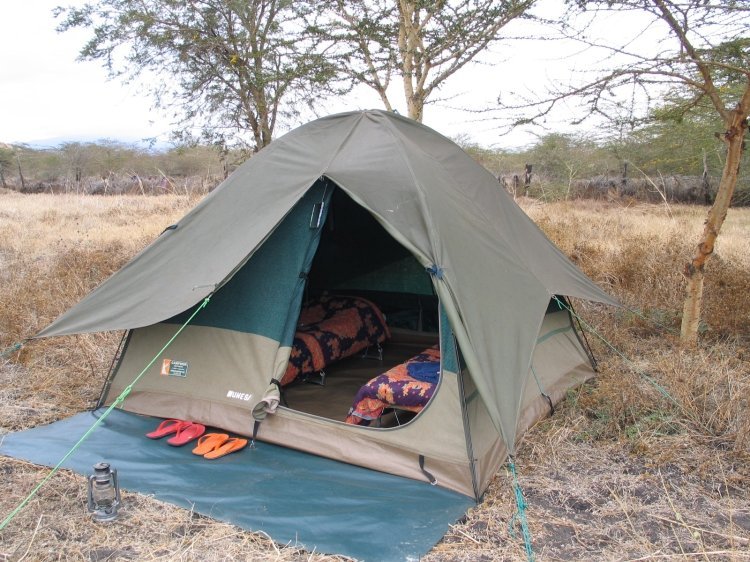
4) Accommodations and pacing parity. Kilimanjaro camps are chosen for safety, shelter, and acclimatization support, while Serengeti lodging options range from simple tented camps to more comfortable lodges situated near ideal driving routes. The planning philosophy preserves a consistent pacing rhythm: early starts for summit attempts or game drives, mid-day rests or scenic lunch breaks, and evening briefings or meals at the camp or lodge. This rhythm is essential to maintain stamina across the full 12 days and helps prevent washout after altitude exposure or long drive days. When you book, you’ll see a clear pairing of each Kilimanjaro camp with the nearby gate or footpath and each Serengeti lodge or camp with the day’s drive endpoints, so the sequence remains logical and coherent.
5) Contingency pathways and safety margins. The itinerary maintains built-in flexibility through staged acclimatization days, optional shorter treks, and alternative drive routes. In practice, this means if a camp location becomes unavailable or a gate changes access status, the operator can pivot to an adjacent trail segment or a nearby lodge with minimal disruption. For Serengeti, if park access windows shift due to weather, the plan allows additional time near the central or western zones with corresponding lodges that still satisfy the day-by-day drive sequence. This emphasis on practical adaptability is a core criterion in the booking process and in client communications, ensuring travelers are prepared for shifts without feeling unsettled by uncertainty.
6) What a traveler should confirm at booking time. To ensure the day-by-day sequence remains coherent, travelers should request, in writing, the following confirmations from the operator: the exact Kilimanjaro route and designated camps for each day, the anticipated summit day pacing notes (including rest stops), the Serengeti drives’ starting times and areas to be visited, the lodging list with approximate proximity to drive routes, and the expected transfer times between Kilimanjaro and Serengeti segments. Operators typically provide these details in the final itinerary document after a preliminary booking and again after any seasonal adjustments. This ensures you understand the practical flow and can prepare for the real-world movement between segments without duplicating content or overpromising wildlife outcomes.
7) Personal pacing and gear considerations. The successful execution of the plan hinges on personal pacing and gear readiness. Climbers should arrive with a understood baseline for daily ascent pace and a readiness to adapt to altitude symptoms. Pack lists are tailored to the sequence, with color-coded gear for easy identification at camps, and lightweight layers that transition from forest to alpine zones. Serengeti days demand reliable field gear for sun exposure, insects, and variable temperatures at dawn and dusk. In booking, you’ll see guidance on how gear is managed by the crew—whether there is a gear transfer, what is kept at camps, and how clothing layers are organized for quick changes between activities and rest periods. This practical attention to personal readiness makes the day-to-day sequence feasible even when weather or road conditions shift unexpectedly.
8) Communication and language within the journey. The operation’s day-to-day effectiveness relies on concise, pre-briefed communications among guides, cooks, and drivers. In Kilimanjaro, the briefing before each day clarifies route segments, altitude expectations, and safety signals. In Serengeti, guides coordinate with lodge staff to align meal times, checkpoint breaks, and adapt to wildlife movement patterns while maintaining the schedule’s overall flow. Travelers can expect a consistent reporting cadence—briefings at camp, quick check-ins after drives, and updates about any time changes that may affect the next day’s activity. This transparency helps travelers manage expectations and reduces stress about the sequence’s logistics.
9) Practical steps for last-minute changes. If a participant misses a flight, an illness arises, or a gate temporarily closes, the operator’s contingency plan typically prioritizes a smooth continuation of the itinerary by reassigning days to alternative routes or drive segments that preserve acclimatization and wildlife exposure. While this may shift camp locations or drive durations slightly, the essential logic—gradual ascent on Kilimanjaro, efficient Serengeti exploration, and stable lodging transitions—remains intact. When you book, confirm the operator’s policy on rescheduling, emergency contacts, and the conditions under which changes would occur, so you have a clear expectation for how flexibility is applied in practice.
In short, the most valuable practical takeaway is that the day-by-day sequence is designed to be cohesive on the ground, not only on paper. The Kilimanjaro ascent builds a gradual, patient acclimatization narrative that sets the stage for Serengeti exploration, while Serengeti driving logistics are built to maximize reliable wildlife access within a culture of safety, sustainability, and predictable transfers. By clarifying these coordination points during booking, travelers gain a precise sense of how the two segments connect, what portions stay fixed, and where operator flexibility preserves both safety and the possibility of rewarding wildlife experiences.
Related Guides and Packages
Check Availability for 8 Days Kilimanjaro Climb And 4 Serengeti Safari
Ready to compare dates, prices, and the best option for your group? Send the package name and travel month so the team can reply with a clear quote, availability, and what is included.
8 Days Kilimanjaro Lemosho Trek And 4 Serengeti Ngorongoro Safari
8 Days Kilimanjaro Lemosho Trek and 4 Days Serengeti Ngorongoro Safari.
View package details
Kilimanjaro Climb And Serengeti Safari: Flight & Transfer Planning
Kilimanjaro Climb and Serengeti Safari: Flight & Transfer Planning.
View package details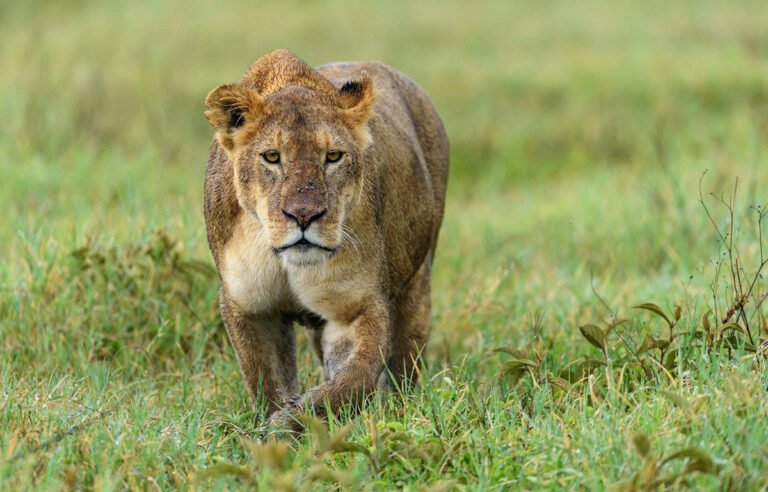
Combine The Challenge Of Kilimanjaro With Wild Beauty Of Tanzania’s Serengeti
This integrated 6-day Machame climb and 3-day safari combines the physical challenge of summiting Africa’s highest peak with in-depth wildlife encounters in the Serengeti and Ngorongoro...
View package details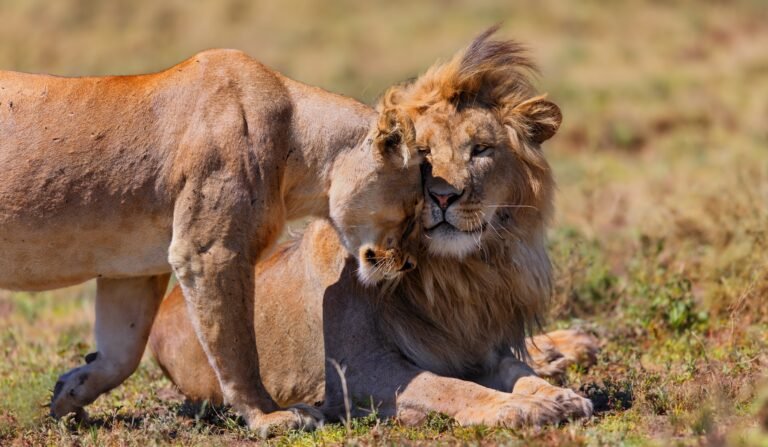
8-Day Lemosho Route And 5-Day Serengeti Safari: A Practical, Scenery-Rich
Conceive a two-part Tanzania adventure: an 8-day Lemosho ascent on Kilimanjaro paired with a 5-day Serengeti wildlife safari, designed for steady acclimatization and in-depth safari time.
View package details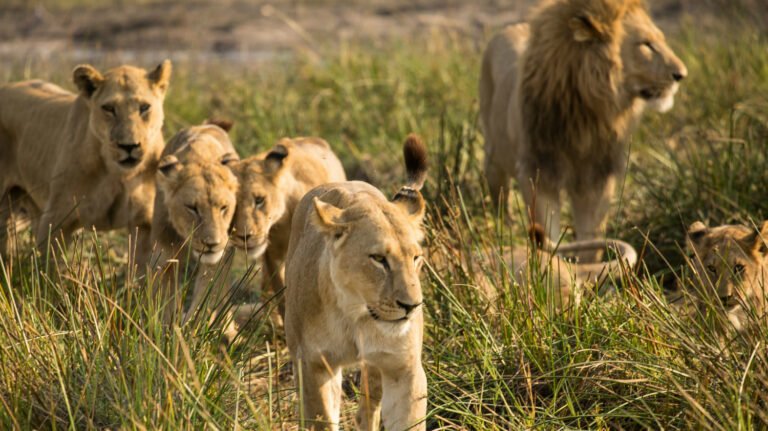
7 Days Kilimanjaro Climb And 4 Wildlife Safari
7 Days Kilimanjaro Climb and 4 Days Wildlife Safari.
View package details8 Days Kilimanjaro Group Climb And 4 Camping Safari
A practical, bookable 8-day plan combining Kilimanjaro Group Climb with a 4-day camping safari. Day-by-day route, acclimatisation logic, and realistic safari logistics without guaranteeing...
View package details
7 Days Machame Kilimanjaro Climb And 5 Tanzania Safari
7 Days Machame Kilimanjaro Climb and 5 Days Tanzania Safari.
View package details
7 Days Kilimanjaro Group Joining Trek And 3 Safari
7 Days Kilimanjaro Group Joining Trek and 3 Days Group Safari.
View package details8 Days Kilimanjaro Trek And 3 Tanzania Safari
8 Days Kilimanjaro Trek and 3 Days Tanzania Safari.
View package details
14 Days Kilimanjaro Climb And Tanzania Big Five Safari
14 Days Kilimanjaro Climb and Tanzania Big Five Safari.
View package details10 Days Kilimanjaro Climb And Tanzania Safari Package
10 Days Kilimanjaro Climb and Tanzania Safari Package.
View package details
6 Days Marangu Kilimanjaro Climb And 3 Tarangire Safari: A Practical
A focused, bookable 6-day Marangu Kilimanjaro climb followed by a 3-day Tarangire safari. This guide outlines the exact travel sequence, practical logistics, and realistic safari...
View package detailsNo related package matches those filters. Clear one or more filters to see the other topic-matched options.



