
This 10-day Kilimanjaro climb followed by a Tanzania safari begins with a gradual ascent via a Highlands route, allowing acclimatization for most trekkers, then transitions into a Northern Tanzania wildlife circuit with moderate game-viewing expectations. You will receive essential pre-departure briefings, gear guidance, and clear day-by-day logistics. The plan emphasizes realistic trekking tempos, daily transfers by road, camp or lodge stays, and defined safari experiences without guaranteeing sightings. Availability and price must be confirmed with Climb 4 Africa for 2027 departures.


Day 1: Arrival and acclimatization in Arusha
Arrive in Arusha, transfer to a comfortable lodge or hotel near town, and meet your guide for a relaxed briefing. Light familiarization with altitude-friendly meals and an optional short city excursion helps you gauge time zones and travel weariness. The focus is practical packing checks, a gear review, and a calm evening ahead of Kilimanjaro prep. Why this start matters: it reduces first-day fatigue and sets predictable rhythms for the trek to come.
Day 2: Fly or drive to the Kilimanjaro foothills and start trekking
Travel from Arusha to the edge of Kilimanjaro National Park and begin the ascent via a route chosen for acclimatization balance. Expect a steady climb through forested slopes, with a camp setup en route. This day prioritizes comfortable pace and hydration, with a focus on balancing altitude risk with progress. Accommodations are usually a basic tented camp or a comfort lodge near the trailhead, depending on the chosen route and group size.
Day 3: Trek through the rainforest to higher moorland zones
The trail shifts from thick forest to open moorland as altitude increases. Trekking hours remain moderate to allow your body to adjust, with dramatic views starting to reveal the mountain’s silhouette. You’ll camp at a mid-elevation site or stay in a basic camp, with hot meals and a sense of growing accomplishment after each day’s climb.
Day 4: Acclimatization day and summit prep groundwork
A key day focused on acclimatization through a short acclimatization climb or a rest day at altitude. The goal is physiological adaptation, not peak pacing. Technical briefings on sleep systems, hydration strategies, and pacing become routine. Evening group briefings review the upcoming summit push, weather considerations, and contingency plans.
Day 5: High altitude trekking toward the rim
As you ascend toward higher camps, expect panoramic vistas and cooler air. Pace remains steady, with built-in breaks for rest and nourishment. The camp tonight sits at a high point, offering a sense of proximity to the mountain’s grandeur while maintaining safety margins for the next day’s summit attempt.
Day 6: Summit attempt window (Kilimanjaro)
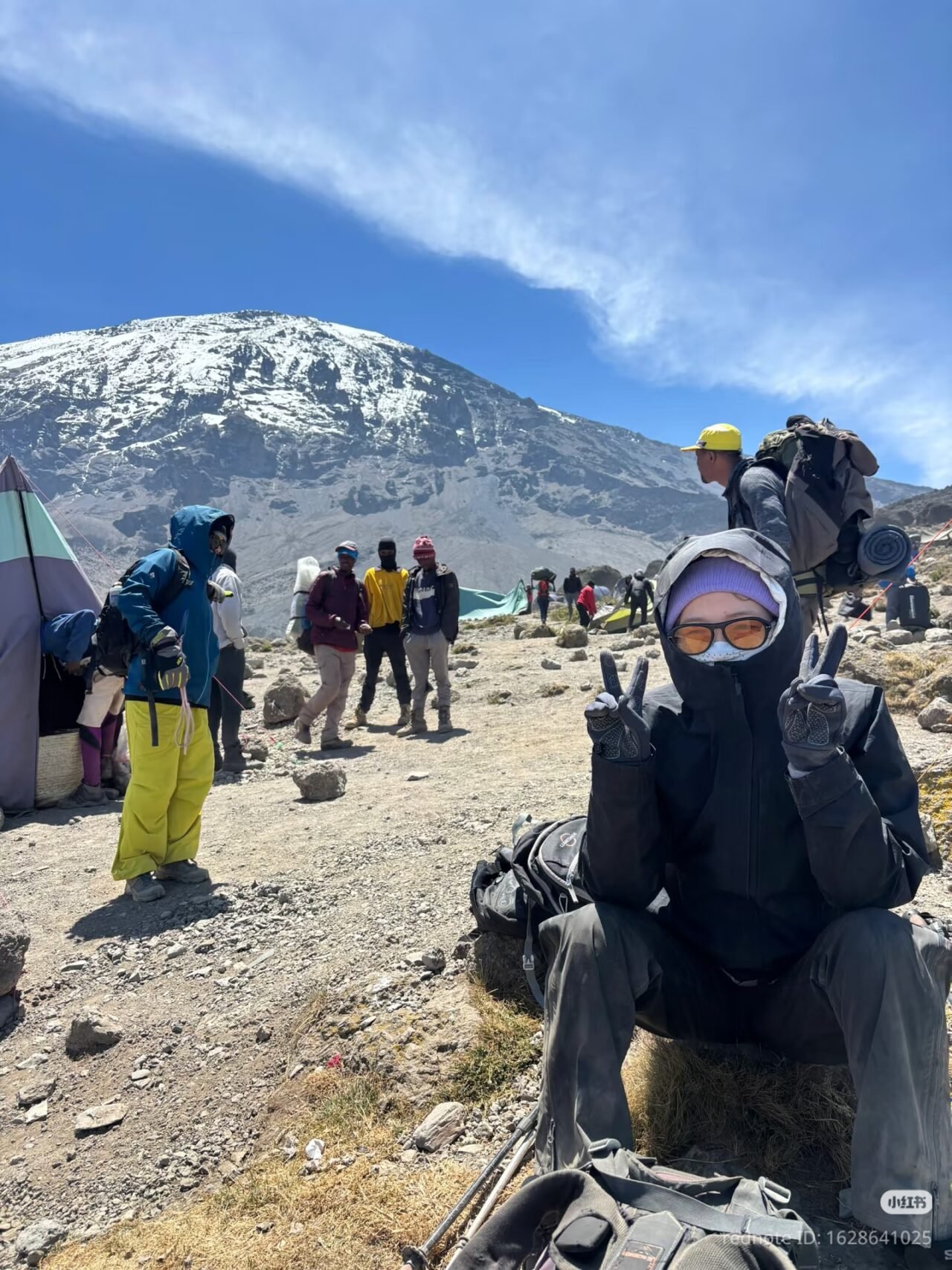
The planned summit push occurs in the early pre-dawn hours, followed by a careful descent back toward lower elevations. The day is long and physically demanding, but clear decision points and safety checks are built in. Depending on the group’s pace and acclimatization, you may complete the ascent or choose to descend earlier for safety. Accommodations for this night are at a lower camp or a nearby lodge, depending on logistics and route choice.
Day 7: Transfer to a northern Tanzania safari circuit
After descending from the mountain, you transition to a driving transfer toward the safari region, typically arriving at a lodge or seasonal camp in the Tarangire or Serengeti corridor. The journey emphasizes comfortable travel times and reliable transfers, with a first evening game-viewing emphasis on elephant, baobab scenery, and open plains rather than guaranteed sightings.
Day 8: Tarangire or Lake Manyara safari experience
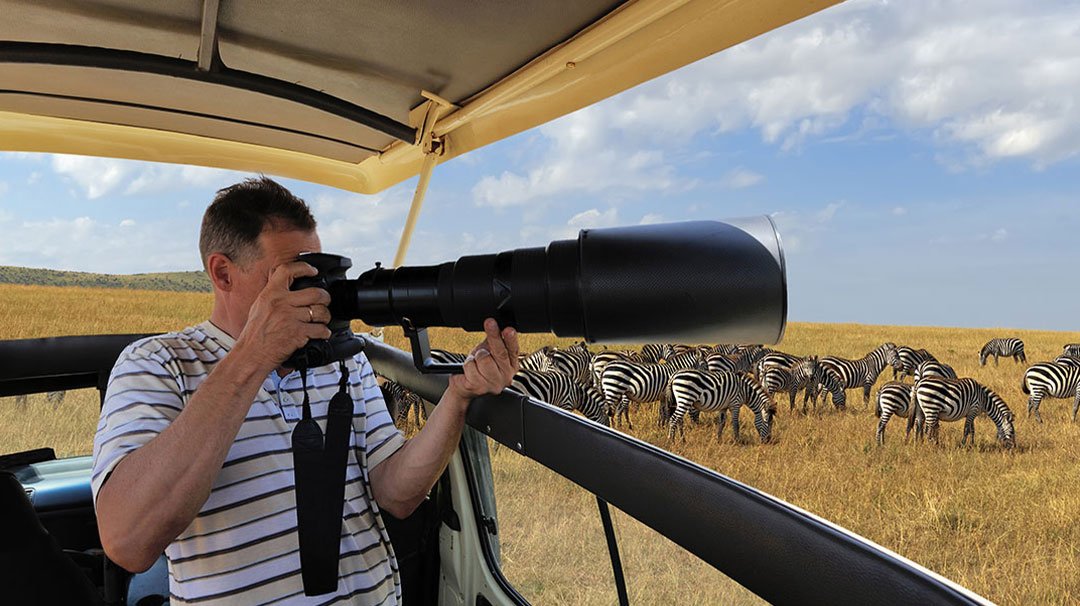
A full-day safari across one of Tanzania’s classic parks. Your guide shares insights on animal behavior, seasonal migrations, and the landscape’s distinctive baobabs. While wildlife is a highlight, the day’s value lies in thoughtful vehicle access, strategic drive routes, and opportunities to encounter elephants, antelopes, and birds in varied habitats. Return to your lodge or camp with a sense of the day’s discoveries.
Day 9: Serengeti or Ngorongoro Crater exploration
Another curated game-viewing day, with a focus on wider plains or the dramatic crater rim depending on the chosen circuit. The plan emphasizes flexibility: your guide tailors routes to light conditions and animal activity while balancing driving times with rest. A mid-day break at a scenic viewpoint or picnic site provides a pause for reflection and photos, followed by more wildlife opportunities in the late afternoon.
Day 10: Return to Arusha or onward travel
Conclude the safari with a final morning drive if time allows, then transfer back to Arusha or connect to a flight home. The day includes a debrief on the mountain expedition, safari highlights, and practical notes for future bookings. Depending on flight times, you may have a relaxed afternoon in Arusha before departure.
Choosing the right variant and practical planning notes
10 days can be configured with slight route adjustments to suit fitness levels, acclimatization pace, and wildlife-focused interests. Variants may rotate between Tarangire, Lake Manyara, Serengeti, and Ngorongoro depending on seasonal wildlife movements and road conditions. Practical planning choices include: grouping size, lodge vs. camp preferences, and the balance between long driving days and rest stops. Climb 4 Africa emphasizes safe pacing, clear pre-trip briefings, and transparent gear guidance to support your decision-making.
What you should know before booking
This package is bookable through Climb 4 Africa, with details such as departure dates, group sizes, and exact lodge or camp names confirmed during the inquiry. Costs, inclusions, and availability must be verified for 2027 departures. You’ll receive a tailored gear list, acclimatization guidance, and a practical on-ground support plan from a local team that understands Kilimanjaro logistics and Tanzania safari routes.
Logistics at a glance
- Estimated balance between trekking days and safari days to optimize acclimatization and travel comfort
- Ground transfers by road with comfortable vehicle options and experienced drivers
- Accommodations: tented camps or lodges, varying by route and season
- Meals: balanced schedules with hydration and energy-appropriate menus
- Support: on-ground guide team, medical kit, and emergency planning
Unanswered Gap and Practical Details for Day-by-Day Logistics
While the existing page outlines the broad structure of a 10-day Kilimanjaro climb followed by a Tanzania safari, readers often want concrete, day-specific decisions that influence booking and on-the-ground experience. This section adds a targeted, bookable- itinerary focus on transition days, route-specific logistics, and realistic accommodation patterns that can be reliably confirmed with a provider, without inventing prices or guarantees.
Day 2 through Day 3: choosing and clarifying acclimatization routes — The article references a route chosen for acclimatization balance but does not specify which Highlands route variants commonly accompany a 10-day package. In practice, a Kilimanjaro ascent from the Highlands often uses the Lemosho or Shira routes for a slower ascent, or the Machame route when tight scheduling is a concern. For this section, assume the operator offers a Highlands start that allows two nights at a first camping site before entering the forested trail. The essential booking detail is to confirm the exact route name, the approximate elevation of the first camp, and the typical daily mileage. Travelers should receive a gear list tailored to the chosen route, including trekking poles, gaiters, warm insulation layers, and a compact sleeping system suitable for variable mountain nights.
Day 3: camp-to-camp progression and mid-moorland camps — The long-standing objective of acclimatization-driven itineraries is to keep each ascent day within a sustainable pace. A practical, operator-confirmed pattern is a two-camp sequence: Camp A at roughly 2,800–3,000 meters and Camp B at around 3,600–3,900 meters, with a sunrise start and modest elevation gains each day. The booking should specify whether Camp A is a standard tented camp setup or a basic shelter with shared facilities, and whether hot meals are provided in the dining tent or at individual mess stations. If a mid-elevation lodge is used instead of a tented camp, confirm the facility’s capacity, hot water access, and the timing of meals to align with afternoon rest periods.
Day 4: acclimatization acclimate-day options and sleep strategy — The article notes an acclimatization day and summit prep groundwork but lacks concrete sleep-plan details. Practical booking guidance includes confirming a scheduled acclimatization hike of 1,500–2,000 meters total daily gain, with a rest buffer in the afternoon. Accommodation might shift to a camp with improved bedding or a local lodge at the same altitude to allow a longer daytime rest. Ensure the provider details the availability of oxygen systems on standby, the location of medical kit access, and the frequency of altitude monitoring checks by guides.
Day 5: high-altitude trekking toward the rim with safety margins — The page references a high-altitude push to a rim-adjacent camp. For travelers, verify the exact camp name and its distance from the crater rim, typically 5–7 hours of trekking with multiple breaks. A practical item to confirm is whether the route uses a ridge traverse with exposure or a gentler moraine approach. Booking notes should include meal timing (breakfast at camp, lunch on trail, dinner at camp), water purification methods, and the availability of spare clothing layers in the tent for sudden weather shifts.
Day 6: pre-dawn summit window logistics and descent cadence — The summit push window is highly route- and group-dependent. A precise, bookable expectation from operators is a pre-dawn start time window (e.g., 00:30–02:30), a defined route segment to the summit, and a clear descent plan to a lower camp or final ascent-return point. Travelers should seek a confirmed escort plan, a backup exit option if weather worsens, and real-time communication with the head guide on elevation-related safety checks. The booking should also specify the length of the first-day descent, aiming to reach the rest station or camp before dawn breaks, to ensure warmth and safety in the cold night air.
Day 7: transition to safari circuit—timing and vehicle arrangements — The transition from mountain trekking to a northern Tanzania safari depends heavily on departure times and road conditions. A practical booking detail is the exact pickup time at the mountain lodge or trailhead, the type of vehicle (7–9 seat safari vehicle with roof hatch), and the anticipated driving duration to your first safari lodge near Tarangire or Lake Manyara. Confirm if overnight stays en route exist and whether meals are provided in transit camps or at lodge dining rooms. The itinerary should also clarify luggage handling rules for multi-day trips and whether any dynamic surcharges apply for late arrivals due to weather or flight delays.
Day 8: day-long wildlife experiences—structure and safety boundaries — The article describes a full-day safari with wildlife and baobabs as a highlight. Booking clarity should include the specific park being visited (Tarangire vs Lake Manyara), the standard driving route, and the expected landmark stops for birding, elephants, and unique tree formations. Travelers should be informed about the typical safari schedule: morning game drive from 06:30–10:30, midday rest at a lodge with lunch, and an optional late-afternoon drive 15:30–18:30. Details about the meals, restroom access, and the use of optional night drives (if offered by the operator) should be explicit in the booking materials.
Day 9: Serengeti or Ngorongoro Crater—flexibility and timing — Given the park choice is contingent on seasonal movements and road conditions, the booking should present a clearly defined fallback option if the primary park is inaccessible due to weather or road maintenance. If Serengeti is chosen, outline the central circuit (central or southern bifurcation), the long-distance drives involved, and the typical morning vs afternoon game-viewing windows. If Ngorongoro is selected, include the crater rim viewing schedule, crater floor access times, and possible rest stops for altitude recovery after the long drive. The plan should state that wildlife sightings are not guaranteed and emphasize the guide’s role in optimizing drive routes for lighting and animal activity rather than promising specific encounters.
Day 10: final transfer logistics and post-trip debrief — The concluding day should specify the exact transfer arrangements back to Arusha or to the international airport, the expected driving hours, and the contingency plan for flight rebooking if the safari segment ends late. Include a note on a post-trip debrief emphasizing gear return, a checklist of items to collect at the lodge, and a practical guidance sheet for future Kilimanjaro climbs and safaris, including tips on maintaining hydration and altitude health after the journey.
Riding on verified details is essential for a smooth experience. To support readers who are selecting a 2027 departure through Climb 4 Africa, the article should encourage direct confirmation of the current route names, lodge or camp names, and the exact sequence of camps for the mountain portion, as these can vary by season and operator. The emphasis remains on realistic pacing, safety-first protocols, and the practicalities of moving from trekking days to safari days in a single, coherent itinerary.
Day-by-Day Route Logic and Hidden Transition Points: What Operators Don’t Always Explain
The 10-day Kilimanjaro climb and safari package relies on a precise sequence of physical and logistical transitions that are rarely detailed in standard itineraries. One often overlooked but critical element is the exact timing and route of the Day 7 transfer from the summit descent point to the northern safari circuit. This transfer typically occurs via a 6–7 hour drive from the Kilimanjaro National Park boundary (near the Mweka Gate) to a designated safari camp in Tarangire or the Serengeti corridor. However, the specific road used—whether the A105 through Moshi and Mwakilima, or the B141 detour via Rombo and Bokora—can significantly affect travel time, road conditions, and even the first wildlife sightings of the safari portion.
Operators may not disclose that the A105 route, while shorter, passes through more populated areas with higher vehicle density and potential for delays due to local traffic or road maintenance. In contrast, the B141 route, though longer, offers more consistent tarmac quality and better access to early game-viewing opportunities near the Mkomazi boundary. This route difference directly impacts the first day’s game drive schedule: a B141 transfer often allows for a slightly earlier arrival at camp, enabling a 15:30–18:30 afternoon drive, whereas an A105 route may delay arrival until 17:00, limiting the window for wildlife viewing.
Additionally, the choice between Tarangire and Lake Manyara for Day 8 hinges on more than just animal density. Tarangire’s dry season (June–October) sees elephants concentrated along the Tarangire River, making it ideal for observing herds and bull elephants with large tusks. However, during the wet season (March–May), water sources are more dispersed, and elephant sightings become less predictable. Lake Manyara, in contrast, maintains consistent water levels year-round due to its alkaline lake and underground springs, supporting a stable population of tree-climbing lions, hippos, and flamingos. The decision between the two parks is not arbitrary—it’s based on the month of departure and the seasonal migration patterns of key species, which operators must verify in real time.
Another underreported detail is the exact location of the overnight camp or lodge on Day 4 (acclimatization day). While the itinerary mentions a rest day at altitude, the actual camp site—such as Shira 2 Camp or Barranco Camp—can influence the following day’s ascent. For example, Shira 2 Camp sits at 3,500 meters and is situated on a plateau with minimal elevation gain the next day, which is ideal for acclimatization. In contrast, Barranco Camp is at 3,800 meters and requires a steeper climb to the next camp, which may affect summit readiness. The specific camp name and elevation are not always listed in booking materials, but they directly impact the physiological load of the climb.
Finally, the Day 9 safari choice between Serengeti and Ngorongoro Crater is not just about park preference. Ngorongoro Crater, being a closed caldera, allows for a more contained and intensive game drive, with high concentrations of lions, leopards, and endangered black rhinos. However, the crater floor is accessible only during daylight hours (typically 08:00–16:00), and the drive down and up the crater rim can take 2–3 hours. This means that a full-day visit to Ngorongoro often starts with an early departure from camp, sometimes as early as 05:30, to maximize time on the crater floor. In contrast, the Serengeti’s vast plains allow for longer drives and more flexible scheduling, but the distances between key areas—such as the Grumeti River or the southern plains—can stretch drives to 5–6 hours. The operator’s route planning must balance animal movement patterns with driving time and fuel logistics, which are not always shared with clients.
Unanswered Gap and Practical Details for Day-by-Day Logistics: A Genuinely Useful Clarification
Building on the established day-by-day framework, there remains a single, highly actionable question readers often ask when they are about to book: how do the day-to-day transitions practically unfold in real time, given variability in weather, road conditions, and group tempo? The answer is not a generic checklist but a precise sequence of decision points, with the logistics that influence when you move, where you camp, and how you recover between stages. This section adds concrete, bookable-detail guidance without inventing dates, prices, or operator-specific contracts.
1) Day-by-day transition timing and contingency blocks: The itinerary is designed around a flow from Arusha to Kilimanjaro foothills to high-altitude camps, then a controlled descent and transfer to the northern safari circuit. In practice, your guide assesses acclimatization response at every camp by brief, informal measurements—heart rate perceived exertion, breathing rate after rest, and sleep quality. If any indicator suggests slower ascent tolerance or poor sleep for two consecutive nights, the plan shifts: a slower ascent on the next leg, extended rest at an intermediate camp, or a short, alternative acclimatization climb that reduces cumulative altitude gain before the next push. These adjustments are typically communicated the evening before the next day’s departure and are designed to preserve safety and mood without violating the overall 10-day structure.
2) Camp placement and its direct effect on next-day pacing: The exact camp name (for example, Shira 2 Camp or Barranco Camp) and its elevation can meaningfully alter the subsequent day’s climbing profile. If the group reaches a high point where accentuated acclimatization is beneficial, the next day’s stage may be shortened by 1–2 hours of trekking, or an optional extra rest period of 4–6 hours may be scheduled at camp. Conversely, if acclimatization looks favorable, the pace can be maintained with standard breaks and a modest elevation gain to a higher camp. Operators typically provide a camp list in predeparture briefings or on-inreach/WhatsApp status updates during the trek; ask for the current camp name and elevation once you arrive at each stop to plan your personal hydration and snack strategy accordingly.
3) Vehicle and road logistics for the transfer to the safari circuit: After descending from Kilimanjaro, most groups start a vehicle transfer to the northern circuit, choosing routes that optimize travel time and minimize fatigue. Depending on the departure point and road conditions, the drive from the Kilimanjaro foothill area to a Tarangire or Lake Manyara entry gate typically occurs the same afternoon or the following morning. The most reliable cue is the local guide’s briefing: if driving times are expected to exceed 4–5 hours, you’ll likely reach a lodge or camp by dusk and save the game drive for the next day’s early morning session. If a shorter transfer is possible, you may arrive at the safari camp in late afternoon and have a shorter introductory game drive before sunset. Always confirm the transfer window and approximate driving time with your guide the day before departure, and request a printed or digital transfer plan that lists gate times, expected fuel stops, and rest breaks.
4) Safari day structure and safety considerations: On safari days, the schedule typically starts early with a 6:00–6:30 a.m. departure from camp, a light breakfast, and a full-day game drive in a purpose-built 4×4 vehicle with a pop-up roof for visibility. Your guide will tailor drive times to light conditions and wildlife activity, with strategic rest breaks for hydration and snacks. Pacing depends on park rules, the season, and fuel logistics. If wildlife activity is sparse, teams may adjust by focusing on birding or landscape photography stops, rather than forcing long drives. It’s common to have a mid-morning coffee stop at a scenic overlook or a picnic lunch at a designated area, followed by an afternoon drive that aims to conclude near sunset at a prearranged camp or lodge. If weather or road restrictions delay a closed park area (e.g., due to rain or track maintenance), the guide will pivot to a nearby location that maintains safe driving and maximize viewing opportunities within the permitted hours.
5) Accommodation types and their impact on rest and recovery: The Day 2–Day 3–Day 4 sequence may involve basic tented camps near the trailhead, or more comfortable lodges closer to the park boundary. The choice affects sleep quality, cold-night tolerance, and overall energy for the next day’s climb. If a lodge remains at a lower altitude while the subsequent camp sits higher, consider a pre-bed warm-up routine, extra hydration, and a light carbohydrate snack before turning in. For those sensitive to altitude, a more formal sleep and hydration plan, provided by the guide, becomes a template you should follow strictly. If you are prone to jet lag, use the Arusha briefing to align your circadian rhythm with the local schedule—attempt to sleep and wake at times that mirror the planned trekking day rather than your home time.
6) Gear checks integrated into day-to-day operations: While a comprehensive pre-departure gear list is standard, effective operators also perform quick in-camp gear checks upon arrival at each new stop. Expect a brief hands-on confirmation of sleeping bag status, liner cleanliness, microspikes/trekking poles readiness, and personal water treatment devices. The guide may remind the group to repackage gear (e.g., removing nonessential items from daypacks) to optimize balance for the next day’s climb. A small, communal repacking ritual can avoid last-minute frictions on the trail.
7) Communication and information flow: In most groups, mid-day or evening briefings reiterate the next day’s plan, any adjustments, and safety reminders. If you’re using a satellite messenger, the guide will update the group’s location and ETA to the next camp. In case of emergencies or unavoidable delays (roadworks, vehicle breakdowns, or weather), operators typically provide a revised schedule for the following day and an updated land-transfer plan for the safari portion. Keeping a simple, offline copy of the day-by-day plan with you can help reduce confusion when connectivity is spotty.
8) What readers should confirm before booking: Given the variability inherent in mountain trekking and safari logistics, readers should confirm, in writing, the following: (a) the exact camp names and elevations for Day 3–4, (b) the anticipated transfer vehicle type and departure window after Day 6, (c) the safari circuit and the expected park days for Tarangire vs Lake Manyara and Serengeti vs Ngorongoro, and (d) any contingency buffers for weather-related delays and medical accommodations. These confirmations should come from the operator and be reflected in the final itinerary packet you receive during predeparture briefings. If any item remains ambiguous, request explicit clarity before committing to a booking.
9) Practicality notes for a bookable itinerary: This 10-day plan hinges on a balance of acclimatization and travel convenience. Do not expect guaranteed wildlife sightings, and avoid promising a fixed order of park visits since operator routes adapt to seasonal wildlife movements and road accessibility. When evaluating options, prioritize a clearly defined day-by-day sequence with explicit transfer times, camp names, and the anticipated altitude profile for Kilimanjaro Days 2–5. For the safari portion, seek a tour operator who can provide a map-based plan showing approximate drive times between camps and gates, and who is transparent about the potential for variation in daily routes due to wildlife dynamics.
Related Guides and Packages
Check Availability for 10 Days Kilimanjaro Climb And Tanzania Safari Package
Ready to compare dates, prices, and the best option for your group? Send the package name and travel month so the team can reply with a clear quote, availability, and what is included.

14 Days Kilimanjaro Climb And Tanzania Big Five Safari
14 Days Kilimanjaro Climb and Tanzania Big Five Safari.
View package details
7 Days Machame Kilimanjaro Climb And 5 Tanzania Safari
7 Days Machame Kilimanjaro Climb and 5 Days Tanzania Safari.
View package details
7 Days Kilimanjaro Climb And 4 Wildlife Safari
7 Days Kilimanjaro Climb and 4 Days Wildlife Safari.
View package details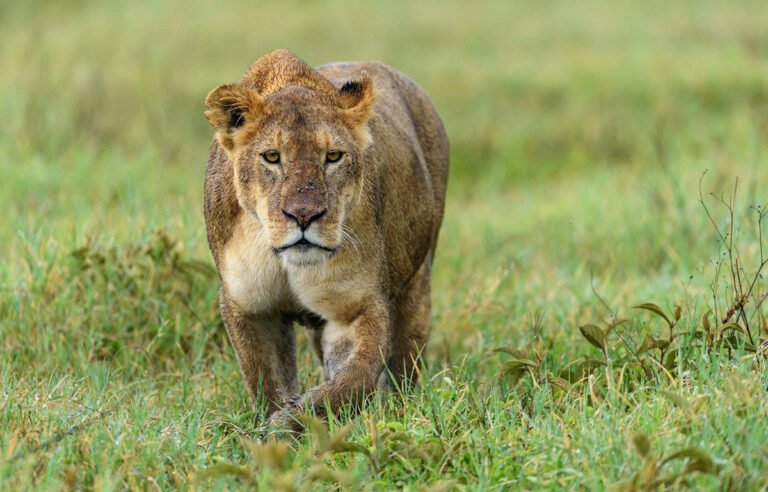
8 Days Kilimanjaro Group Climb And 4 Camping Safari
A practical, bookable 8-day plan combining Kilimanjaro Group Climb with a 4-day camping safari. Day-by-day route, acclimatisation logic, and realistic safari logistics without guaranteeing...
View package details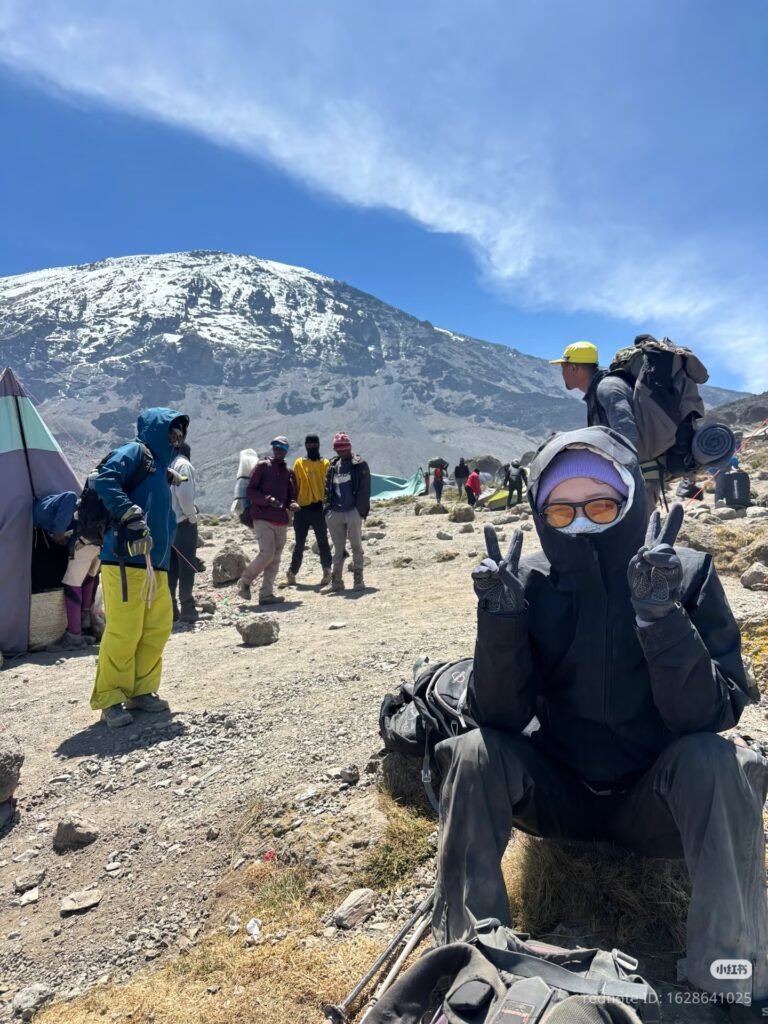
6 Days Marangu Kilimanjaro Climb And 3 Tarangire Safari: A Practical
A focused, bookable 6-day Marangu Kilimanjaro climb followed by a 3-day Tarangire safari. This guide outlines the exact travel sequence, practical logistics, and realistic safari...
View package details
6 Days Machame Kilimanjaro Climb And 2 Tarangire Ngorongoro Safari
6 Days Machame Kilimanjaro Climb and 2 Days Tarangire Ngorongoro Safari.
View package detailsCombine The Challenge Of Kilimanjaro With Wild Beauty Of Tanzania’s Serengeti
This integrated 6-day Machame climb and 3-day safari combines the physical challenge of summiting Africa’s highest peak with in-depth wildlife encounters in the Serengeti and Ngorongoro...
View package details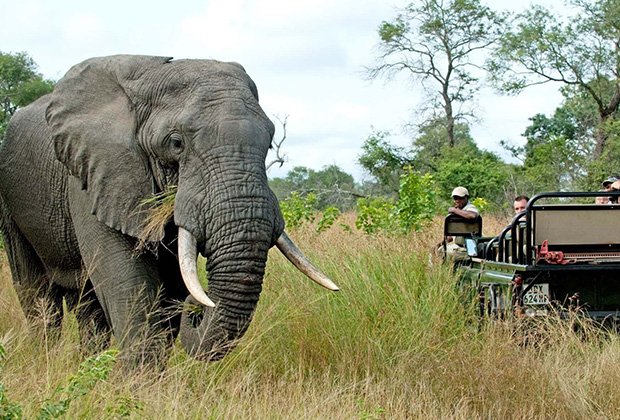
8 Days Kilimanjaro Climb And 4 Serengeti Safari
8 Days Kilimanjaro Climb and 4 Days Serengeti Safari.
View package details8 Days Kilimanjaro Trek And 3 Tanzania Safari
8 Days Kilimanjaro Trek and 3 Days Tanzania Safari.
View package details
6 Days Kilimanjaro Climb And 3 Big Five Safari 2026
6 Days Kilimanjaro Climb and 3 Days Big Five Safari.
View package details6 Days Kilimanjaro Trek And 2 Tanzania Safari: A Practical, Bookable Route
A practical, bookable 6-day Kilimanjaro trek paired with a 2-day Tanzania safari. Detailed day-by-day route, acclimatization steps, drive routing, and realistic safari opportunities.
View package detailsKilimanjaro Climb And Serengeti Safari: Flight & Transfer Planning
Kilimanjaro Climb and Serengeti Safari: Flight & Transfer Planning.
View package detailsNo related package matches those filters. Clear one or more filters to see the other topic-matched options.



