
start a 6-day Kilimanjaro ascent via a well-balanced route that prioritizes acclimatisation, followed by a 2-day Tanzania safari that concentrates on potential wildlife experiences and practical drives between Ngorongoro Conservation Area or Tarangire. The plan outlines day-by-day movement, lodging, and core logistics, with all costs and departures subject to confirmation by the operator. You will be guided, supported, and transferred between park gates and lodges with realistic expectations for sightings rather than guaranteed animals.
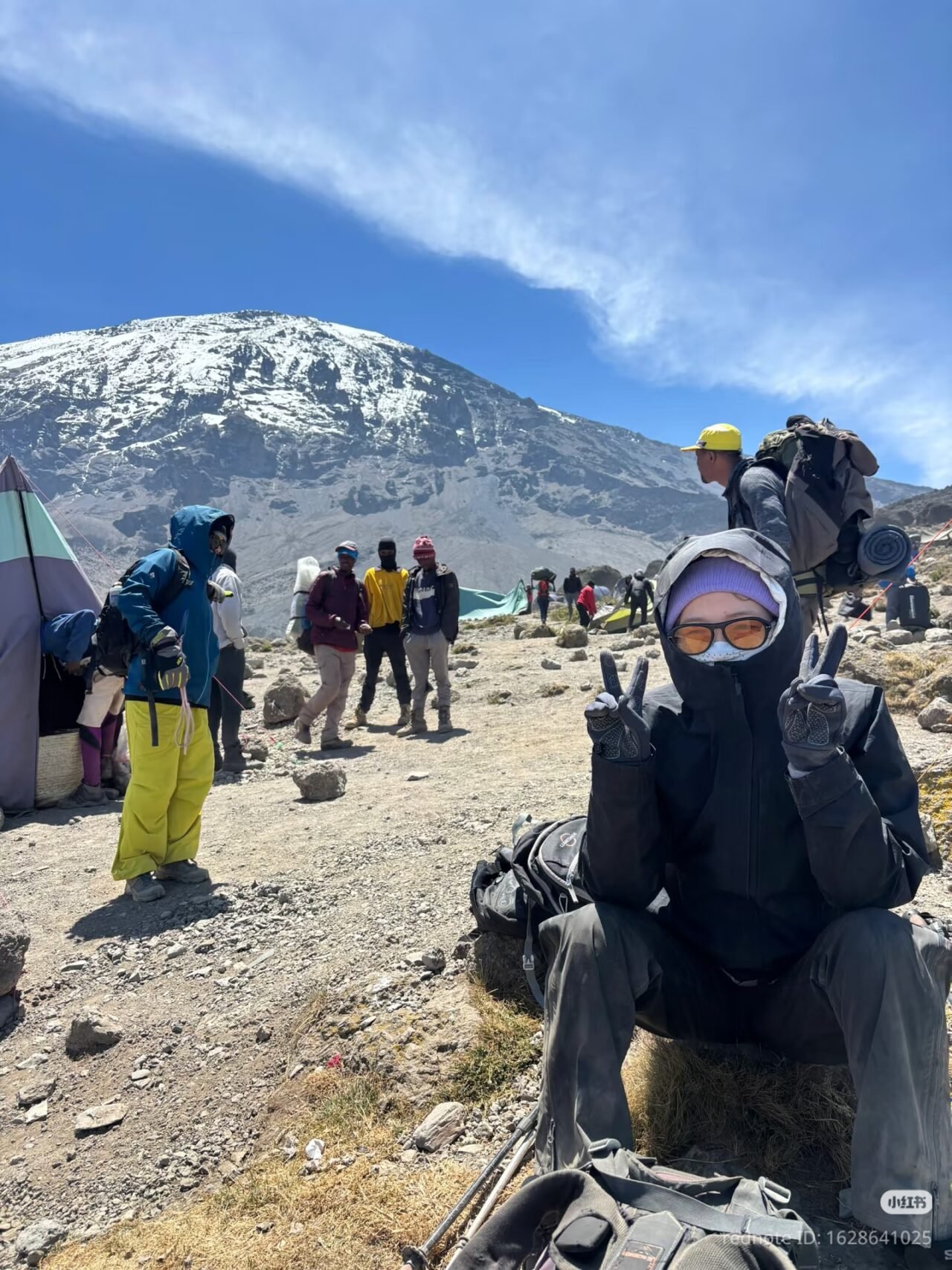
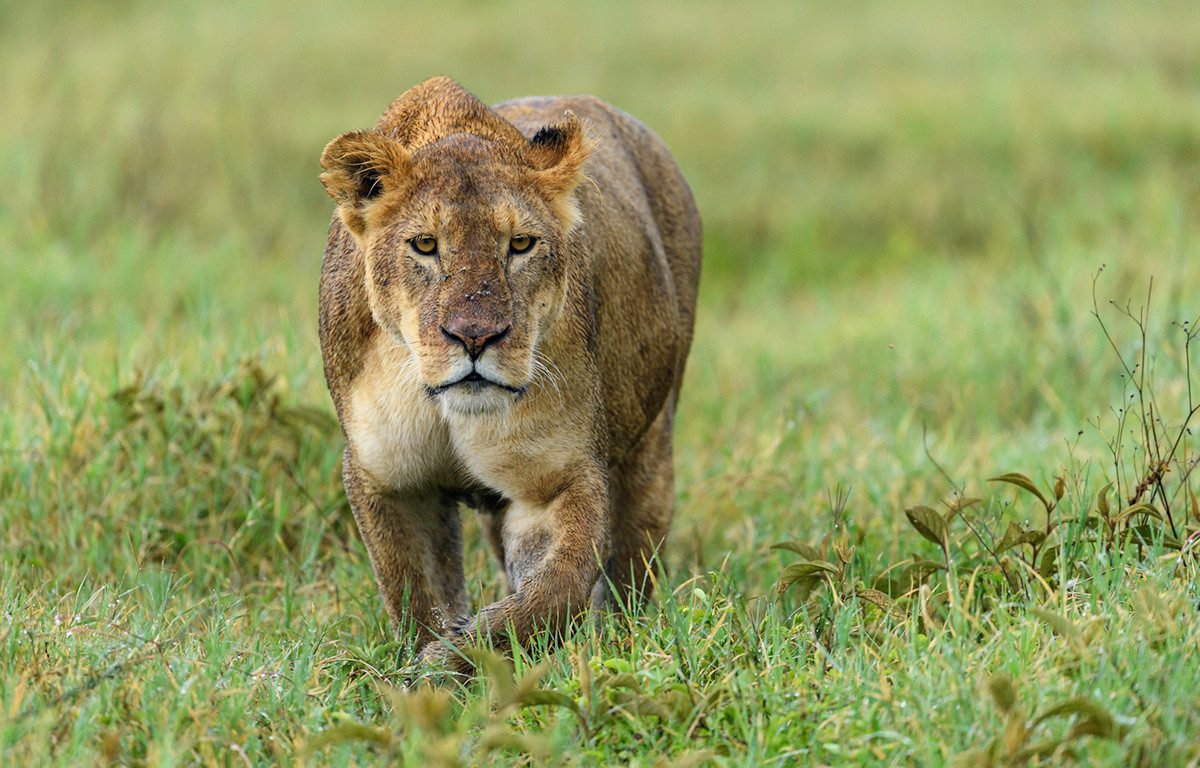
Day 1 – Moshi arrival and transfer to the gateway foothills
Arrive in Moshi, meet your Climb 4 Africa guide, and complete a pre-trek briefing. A short drive takes you to the park’s near-foothill area for a light acclimatization walk, gear check, and a welcome dinner at your lodge. This first night sets a practical baseline: you’re here to acclimatize gradually, not rush to altitude. Stay is a comfortable lodge or camp near the Machame or Marangu route start depending on your package.
Day 2 – Trek begins: route selection and first ascent segment
Begin the Kilimanjaro climb via your chosen route (for example, a northern or southern corridor depending on conditions). The day includes steady ascent with a curated pace to minimize altitude stress, regular water and snack breaks, and a tented camp or mountain hut as the first resting point. Acclimatization logic prioritizes shorter daily gains and a dinner at altitude-adapted lodging, with contingencies for weather or route adjustments.
Day 3 – Mid-ascend: gradual gain with deliberate rest points
The trail continues through forest or moorland zones, with a planned midday stop for rehydration and a light lunch. You’ll move to a higher camp or shelter, where a trained guide monitors pace and symptoms. Evening briefings cover next-day expectations and safe descending practices if clouds or wind necessitate a technical hold. Lodging is a mountain hut or camping site with shared facilities and hot water where available.
Day 4 – Altitude threshold and rest-focused ascent
As you approach a critical altitude, the route emphasizes controlled ascent and extra acclimatization time. A comfortable, moderate-miles day reduces stress on the body while still making meaningful progress toward the high camps. Evening accommodations sit within the high-altitude support zone, with meals designed to sustain energy and hydration strategies reviewed by staff.
Day 5 – Summit push and return to lower altitude base
This pivotal day focuses on reaching a feasible summit window. If weather or physiological cues require, the team pivots to a shorter final ascent and a safe retreat to the lower camp. After summit reflection, you descend back to a mid-migh-altitude camp or lodge and recover with a hot meal, rest, and a briefing on the following day’s transfer to the safari segment.
Day 6 – Summit completion and descent to Marangu/Moshi gate
Complete the descent to the park gate or designated finish point. A vehicle collects you for a comfortable transfer back to Moshi, some time to refresh, and a celebratory dinner. This night marks the conclusion of the trekking phase; the same driver and crew will transition with you to the next phase if you continue with a Tanzania safari.
Day 7 – Transition day: arid planes to Ngorongoro/Tarangire Safari starts
Travel from Moshi or Arusha toward your chosen safari base. Depending on your package, you’ll start with an afternoon game drive or a relaxed afternoon at a lodge overlooking savannah landscapes. This transitional day prepares you for realistic wildlife opportunities without promising specific sightings, while the route profile emphasizes practical logistics between Kilimanjaro and northern Tanzania parks.
Day 8 – Tanzania safari core: Ngorongoro or Tarangire perspectives
Early departure to Ngorongoro Crater or Tarangire National Park. Expect a full-day game-drive program with picnic lunch options, knowledgeable guides, and a focus on the ecosystem, predator-prey dynamics, and landscape variety. In both parks, the emphasis remains on conservation-informed viewing opportunities and safe, sustainable wildlife experiences rather than guarantees.
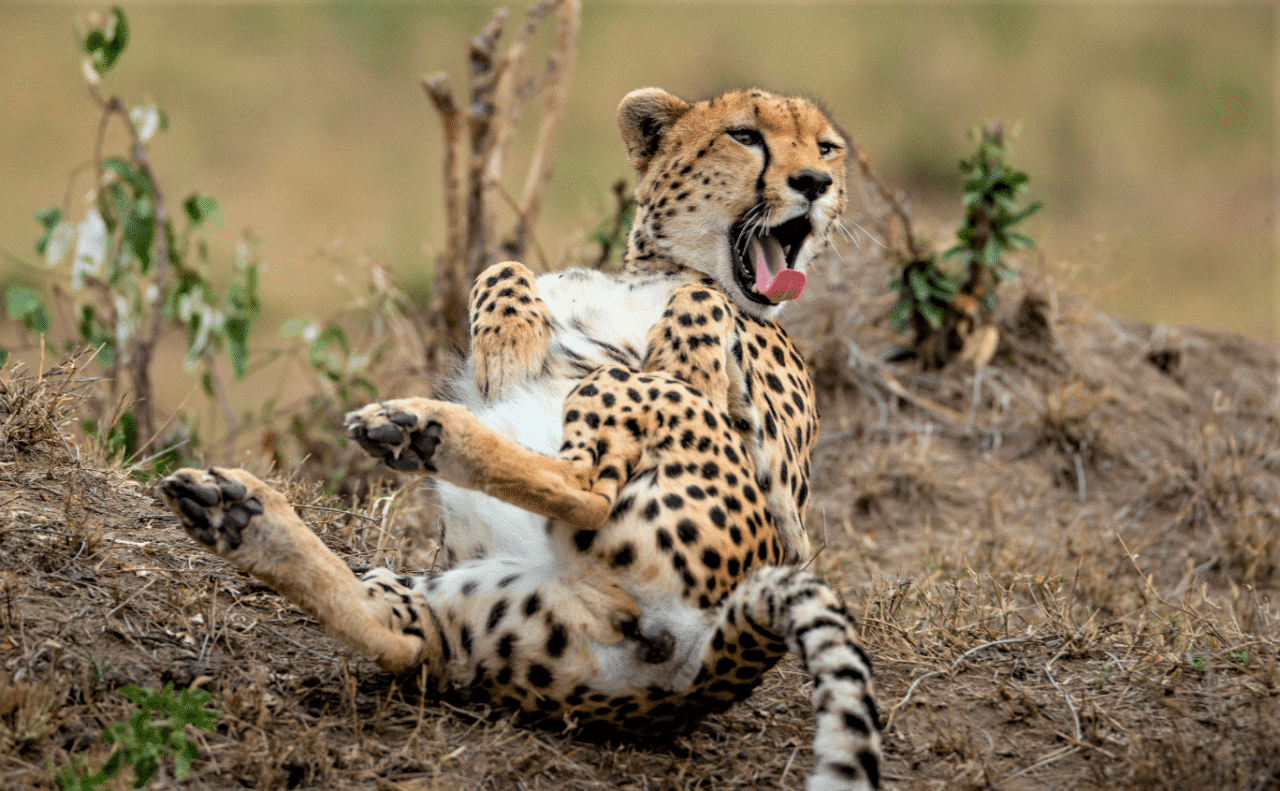
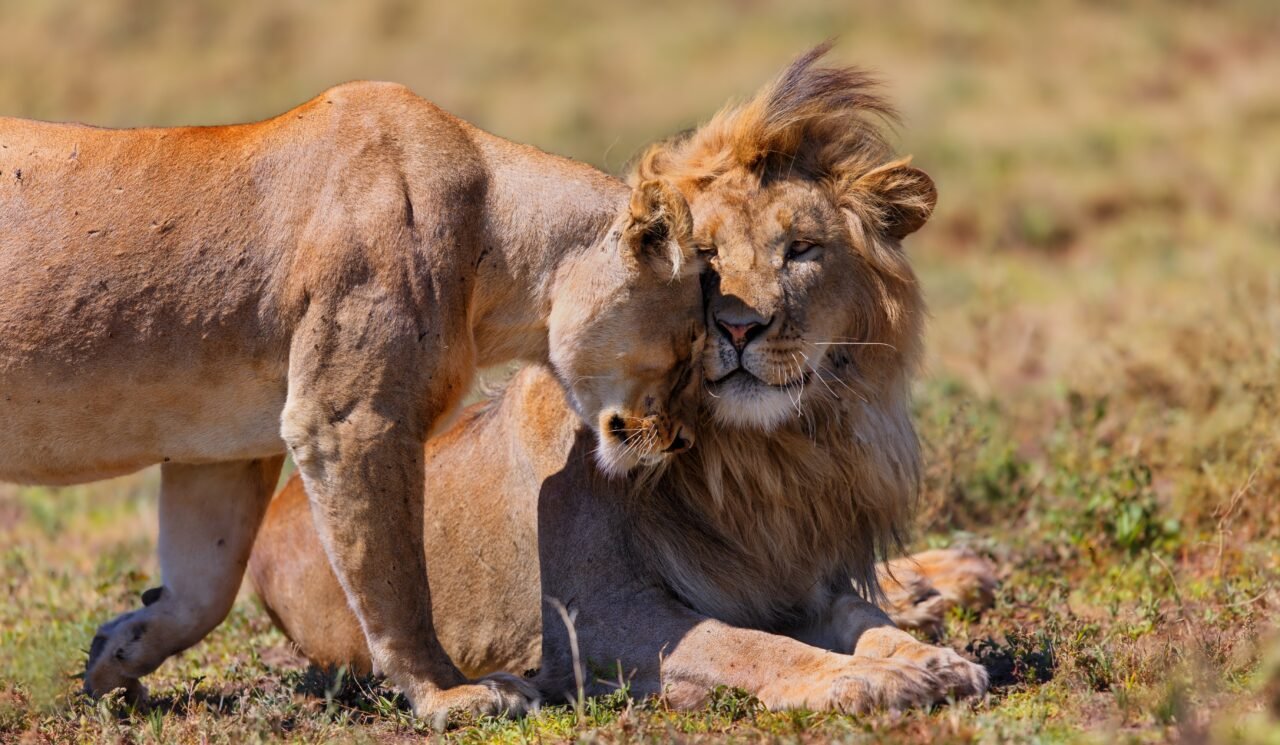
Practical planning notes and what to expect
This 6+2 itinerary hinges on balanced pacing for Kilimanjaro acclimatization and efficient overland mobility to northern Tanzania parks. Route choices depend on current conditions, group fitness, and permit timing. Lodges and camps are selected for reliability, accessibility, and local support; transfers between parks and lodging are planned to minimize backtracking while maximizing time in the fields. Costs, departures, and exact lodge names follow operator-supplied schedules and are confirmed upon booking.
Logistics to confirm when booking
- Route option on Kilimanjaro (e.g., Machame vs Marangu vs Northern routes) based on fitness and weather
- Car/driver arrangements for overland transfers between Moshi, Kilimanjaro gate, and Arusha or Ngorongoro base
- Accommodation types for both trek and safari segments (tented camps vs lodges) with meal provisions
- Park entry fees and permit arrangements, with any local guides’ inclusions
- Health and safety prerequisites, altitude symptoms guidance, and contingency plans
What this plan delivers in practice
You gain a carefully paced Kilimanjaro ascent with acclimatization-friendly days and predictable shelter options, followed by a Tanzania safari that prioritizes realistic wildlife viewing opportunities, safe travel between parks, and dependable lodging. The sequence keeps the two experiences integrated, avoiding long, grueling backtracking, while allowing comfortable rest days between travel legs. This is a bookable plan; exact costs and departure dates are confirmed at the time of inquiry and depend on group size, route, and accommodation choices.
Booking next steps
To proceed, request a detailed day-by-day with your preferred route and lodge options. The operator will provide a precise per-person price, inclusions, and a proposed departure window based on availability and your travel dates. If you’re aiming for a specific wildlife focus or a particular lodge style, share that in your inquiry so the plan can be tailored without compromising travel flow.
Unfolding the Kilimanjaro Core: Practical Variants Within the 6+2 Itinerary
The core Kilimanjaro experience in this plan hinges on careful pacing, but there are concrete, bookable variations that a traveler can discuss with the operator without altering the overall flow. This section names a few logistics-focused choices that influence day-to-day movement, acclimatization rhythm, and where you sleep, all while keeping the established sequence intact.
First, route flexibility within Day 2 and Day 3 can affect acclimatization progress. While the article notes a route choice at the outset, operators commonly offer a subset of feasible options that balance distance, altitude gain, and terrain. For instance, a Machame-style route might involve a longer first day with more forested sections, while an Marangu-style option could present a slightly shorter trek to the first camp but with more exposed sections later. In practice, you’ll decide between routes based on group fitness, current weather windows, and permit allocations, prior to departure. The effect is subtly different daily mileage and camp spacing, but the overall acclimatization arc remains: alternating climbs with rest and hydration, and deliberate pauses at intermediate camps to monitor symptoms.
Second, the day-to-day lodging pattern can be customized within the same framework. The plan references tented camps or mountain huts as the first resting points; you may elect closer-to-base-night stays at lodges for the first two evenings if you prefer more creature comforts before the higher camps. Conversely, some operators can shift from upgraded tents to traditional mountain huts with shared facilities near the mid-camp zones, preserving the same altitude-moderated schedule. The practical trade-off is comfort versus mobility: the more you stay at higher-altitude accommodations, the greater the potential acclimatization benefits, but the more you might constrain schedule flexibility in response to weather or illness symptoms.
Third, pacing adjustments during Day 3–Day 5 are a common booking conversation. If the group demonstrates robust acclimatization signs, guides may approve a slightly steeper ascent on Day 3 or 4, aiming for a higher camp the same day or the next, provided symptoms stay in control. If symptoms surface, the guides will enforce slower progress with additional rest, ensuring that the final summit push remains within a safe window. These decisions are data-driven, using pulse, breathing, and edema checks, and are communicated in real-time during the trek briefings.
Fourth, the Tanzania safari transition (Day 7–Day 8) offers comparable customization. Depending on the safari base selected by your operator, you may allocate more time in Ngorongoro Crater or Tarangire National Park, within the same two-day framework. Some travelers prefer an initial late-afternoon game drive on Day 7 to ease travel fatigue, followed by a full-day on Day 8; others opt for a morning start on Day 7 to maximize daytime wildlife viewing. Lodging can shift between perched lodges with panoramic savannah views to more secluded tented camps near water sources, always chosen to balance comfort, safety, and proximity to park gates. The policy remains: bookable components are constrained by permit timings and availability, but the sequence and essential logistics stay aligned with the plan’s core rhythm.
Fifth, health and safety contingencies receive practical enhancements in the booking phase. Operators typically provide a standard acclimatization checklist and a trained guide-ready first-aid kit, but you can request additional gear or services: supplemental oxygen, a satellite communication device for remote segments, or a mobile medical kit tailored to your group’s medical history. These requests must be coordinated with the trekking team in advance, are subject to weight and permit constraints, and do not alter the approved daily route structure. The objective remains safety-first, with a flexible guardrail that respects the established ascent cadence.
Sixth, the anchor points for contingency days are rarely needed but strategically planned. If weather or health concerns truncate a transfer or summit window, guides may substitute a shorter, safer alternative within the same day-by-day framework, or insert a light rest day at a lower elevation to recover. Such adjustments preserve the overall two-phase arc (Kilimanjaro ascent followed by a Tanzania safari) and prevent unnecessary backtracking, which is a key design principle of the itinerary.
Finally, the language of confirmation: when you request the booking details, expect a clear, itemized day-by-day slate that shows the exact camps or huts for each night, the approximate altitude for each stop, and the intended driving legs between stages. This transparency helps you compare offers between operators while maintaining the integrity of the 6+2 sequence. The core requirements—acclimatization-focused pacing, safe ascent, and reliable transitions to safari—remain non-negotiable anchors, with these practical variations offered as flexible levers to tailor the experience to your comfort and capabilities.
Deepening the Practical Gap: What Happens If Kilimanjaro’s Pace Jumpstarts the Safari Window?
Readers who have absorbed the six-plus-two framework often wonder how rigid the day-by-day rhythm can be while still honoring acclimatization and safety. A realistic gap-discovery perspective digs into the decision points that could adjust a traveler’s experience without breaking the core structure.
Two practical questions frequently surface at this stage: (1) what happens if your summit attempt window shifts because of weather or health signals, and (2) how flexible are the overland drives and lodge transitions when permit timings constrain exact camp or gate arrivals? The following details offer concrete, bookable considerations that maintain the itinerary’s integrity while clarifying the levers operators can adjust.
Adaptive timing around weather and health signals
In practice, guides monitor pulse, sleep quality, and symptoms such as headaches or dizziness against a standard acclimatization cadence. If alerts arise—say, a persistent headache extending across two wake cycles or a plateau in resting oxygenation—your team may extend a low-intensity acclimatization day at the same elevation, or insert a shorter, safer additional acclimatization reset before resuming higher climbs. This keeps the ascent within the original sequence (Day 2 through Day 6) while optimizing safety margins. For bookable impact, operators typically flag a preferred contingency: a one-night extension at a mid-elevation camp rather than a full reroute to a lower base. This preserves the overall arc and minimizes the risk of fatigue cascading into a failed summit attempt.
Overland driving and gate logistics when permits constrain timing
The safari portion relies on a sequence of drives between Moshi/Arusha, a Tanzania northern corridor gate, and the selected safari concessions. Permit timings at Ngorongoro and Tarangire often shape arrival times at lodge bases. A common, transparently bookable adjustment is to switch the order of the Day 7 transition and Day 8 game drives within the same fundamental framework. For example, you might begin with an afternoon game drive near a preferred lodge instead of a full morning start, then proceed with a full-day safari the next day, as weather or traffic permits. Lodges and camps are typically able to accommodate such timing swaps if requested at the time of booking and if the driver/guide schedule can be aligned with park permit windows. Importantly, these changes do not alter the core wildlife-watching intent; they simply adjust when you encounter the prime viewing hours while maintaining safety and comfort standards.
Accommodation roll-forward and alternative camp options
Across both segments, the itinerary often relies on a mix of tented camps and lodges that balance accessibility with acclimatization needs and wildlife viewing opportunities. If a particular camp is unavailable or weather requires a sheltered option, operators commonly substitute with a similar class of lodging within the same corridor (for example, a mid-range lodge near the same gate) rather than moving you to a radically different area. These substitutions are typically disclosed in the pre-trip briefing and confirmed in the revised day-by-day plan, ensuring you retain the familiar rhythm and predictable transfer times.
What this means for your booking conversations
When you engage with an operator, you can explicitly request the following bookable flexibilities while keeping the six-plus-two spine intact:
- One-night acclimatization extension at a mid-elevation point (without adding days to the overall itinerary).
- Option to swap Day 7 and Day 8 activities if permit timings or flight logistics favor an alternate order of safari drives, provided driving legs remain feasible within daylight hours.
- Substitution of lodging within the same price tier and within the same park corridor to preserve comfort levels and travel times.
- Confirmation that any contingency adjustments are documented in the day-by-day schedule and that altitudes, rest points, and driving legs are clearly listed for each night.
These practical levers help travelers balance the desire for wildlife exposure and summit success with the realities of permit schedules, weather unpredictability, and individual acclimatization responses. The essential guarantee remains: the itinerary’s two-phase arc—Kilimanjaro ascent anchored by acclimatization-friendly pacing, followed by a Tanzania safari focused on safe, efficient wildlife experiences and dependable lodge transfers—stays intact. The team you book with should be able to translate these flexibilities into concrete, written options that align with your travel dates and risk tolerance.
Clarifying the 6+2 Kilimanjaro-Tanzania Safari Gap: Practical Staffing and Timing Details
Readers often wonder about the practical staffing implications and exact timing that underpin the six-day Kilimanjaro ascent followed by two days of Tanzania safari. This section adds concrete, bookable-day-level clarity on how guide teams are deployed, how acclimatization goals influence daily pacing, and how safari logistics align with gate opening hours and permit windows without promising sightings or fixed departure dates.
Staffing: a stable core while allowing for adaptive team composition
- Most operators assign a dedicated expedition crew for the Kilimanjaro portion, typically including a lead guide, a second guide or scribe for pacing and safety, a cook or camp manager, and porters/kyu-keepers for gear and camp setup. The same team or a closely coordinated subset often continues into the safari portion, creating continuity in briefing style and safety culture across both phases.
- On Kilimanjaro, the pace is calibrated to each day’s altitude gain. Guides set a target average walking pace with built-in rest breaks and acclimatization pauses. If a member exhibits altitude symptoms, the guide team adjusts the day’s plan by lengthening rest periods or reducing ascent, even if that means a shorter final push on a given day. This has predictable downstream effects on camp location and evening briefings, but it preserves safety and acclimatization integrity.
- During the safari segment, a separate safari guide team with vehicle fleet and trackers is coordinated with the Kilimanjaro crew. The operators typically schedule drives to maximize daylight for game viewing, while ensuring transfer times between lodges or camps stay within park and gate operating hours. If a flight or gate timing constraint emerges, the team communicates early and shifts activities within the same park corridor rather than relocating parks mid-trip.
Timing logic: how the two phases stay aligned with practical constraints
- The Kilimanjaro days are structured around altitude acclimatization milestones rather than raw distance. Expect longer days with purposeful elevation gain but controlled total mileage, especially on Days 3–5, where rest, hydration, and acclimatization sessions are planned into the schedule. The aim is to reach the high camps in a safe manner while keeping windows for a potential summit attempt within the operator’s risk tolerance and the group’s physical readiness.
- Safari days are anchored by gate opening and closing times, typically around early morning departures. If the climbing phase ends earlier than planned due to weather or health signals, the operator will adjust the safari shift by reallocating Day 7 activities (e.g., moving an afternoon drive to Day 8) while preserving the overall two-day safari arc. Any such rearrangements are documented in the day-by-day plan before travel and reviewed during the pre-trip briefing.
- Vehicle logistics for safaris rely on a fleet of 4x4s with knowledgeable drivers. In practice, the schedule buffers driving time between Moshi/Arusha and the chosen northern corridor gates, allowing for contingencies like traffic or park permit checks. Guests are advised that drive times are approximate and can vary with road conditions and wildlife-spotting pauses, but the operator commits to safe, compliant transfers within daylight hours.
Accommodation and camp substitutions: how changes are communicated and enacted
- Camp-level substitutions are common when a preferred camp is unavailable due to weather, maintenance, or seasonal rotation. Substitutions stay within the same class (e.g., mid-range lodge for another mid-range lodge) and within the same park corridor to prevent introduces in drive times or altitude changes. Any substitution is listed in the revised day-by-day document and discussed at the pre-trip briefing so travelers understand the new transfer times and evening routines.
- On Kilimanjaro, tents or mountain huts may be alternated based on group size or weather conditions. The core acclimatization logic remains intact: the day’s destination is chosen to optimize rest and safety rather than to maximize distance climbed. Lodge or hut accommodations near gate areas provide predictable logistics for morning starts, breakfast timing, and gear checks.
Booking conversations: how to request practical flexibilities without altering the core rhythm
- Travelers can request explicit written flexibilities that do not compromise acclimatization pacing. Examples include: (a) a one-night acclimatization extension at a mid-elevation point without extending overall trip length; (b) a sanctioned swap of Day 7 and Day 8 activities if permit timings or flight logistics favor a different safari order; (c) substitution of lodging within the same price tier and park region to maintain comfort and travel times. These options are best discussed during the detailed quote stage and reflected in the day-by-day plan provided by the operator.
- Any changes must preserve the fundamental risk management framework: (i) acclimatization at defined mid-elevations, (ii) safe pacing on ascent, (iii) guaranteed gate-to-lodge transfer windows, and (iv) a two-phase arc that retains the Kilimanjaro ascent followed by a wildlife-focused safari sequence.
What this means for you as a booker
- Expect to review a finalized day-by-day that lists specific lodges or tented camps by night, with a note on the anticipated drive times between locations. Because the exact hotels, routes, and park gates can vary by operator and by date, the day-by-day schedule in your confirmed itinerary will reflect the actual choices made for your departure window and group composition.
- Understand that wildlife sightings are inherently unpredictable in Tanzania’s parks. The planning emphasis is on reliable logistics, consistent acclimatization, and safe, timely transfers. Your operator’s briefing should clearly explain what a typical safari day looks like, including start times, rest stops, and mealtimes, but avoid promising specific animal encounters.
Related Guides and Packages
Check Availability for 6 Days Kilimanjaro Trek And 2 Tanzania Safari: A Practical, Bookable Route
Ready to compare dates, prices, and the best option for your group? Send the package name and travel month so the team can reply with a clear quote, availability, and what is included.
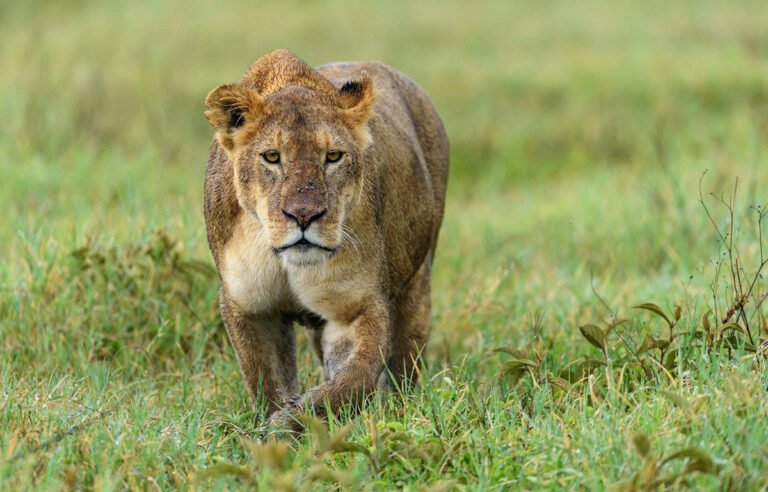
Combine The Challenge Of Kilimanjaro With Wild Beauty Of Tanzania’s Serengeti
This integrated 6-day Machame climb and 3-day safari combines the physical challenge of summiting Africa’s highest peak with in-depth wildlife encounters in the Serengeti and Ngorongoro...
View package details
8 Days Kilimanjaro Trek And 3 Tanzania Safari
8 Days Kilimanjaro Trek and 3 Days Tanzania Safari.
View package details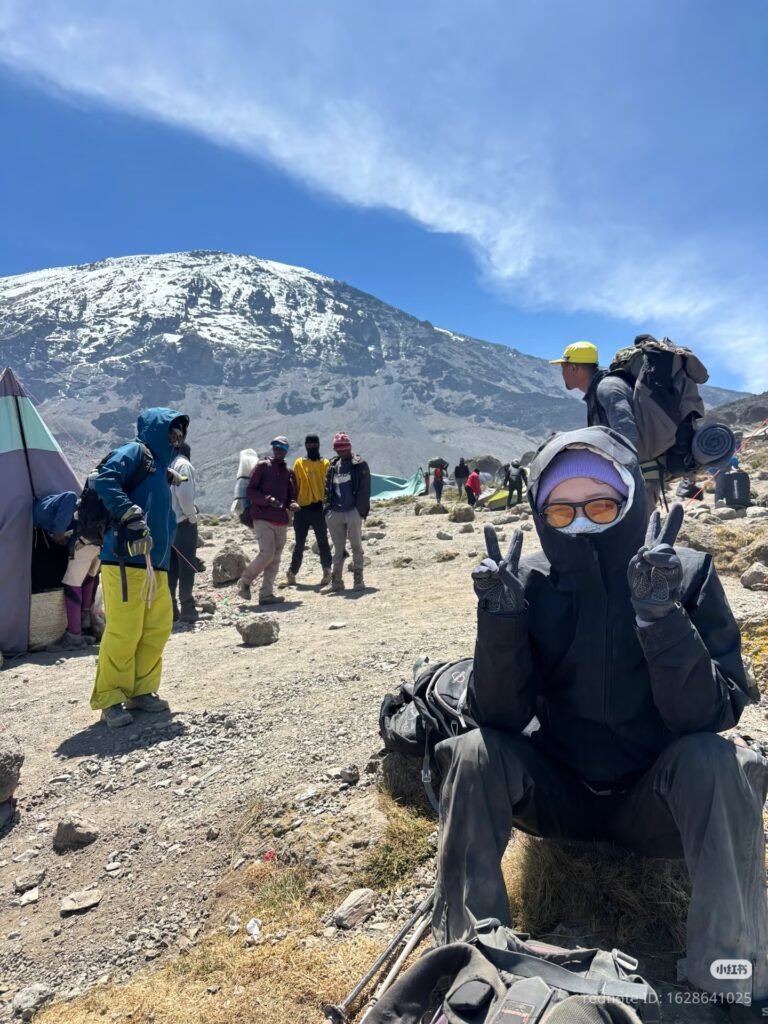
6 Days Marangu Kilimanjaro Climb And 3 Tarangire Safari: A Practical
A focused, bookable 6-day Marangu Kilimanjaro climb followed by a 3-day Tarangire safari. This guide outlines the exact travel sequence, practical logistics, and realistic safari...
View package details
6 Days Machame Kilimanjaro Climb And 2 Tarangire Ngorongoro Safari
6 Days Machame Kilimanjaro Climb and 2 Days Tarangire Ngorongoro Safari.
View package details
6 Days Kilimanjaro Climb And 3 Big Five Safari 2026
6 Days Kilimanjaro Climb and 3 Days Big Five Safari.
View package details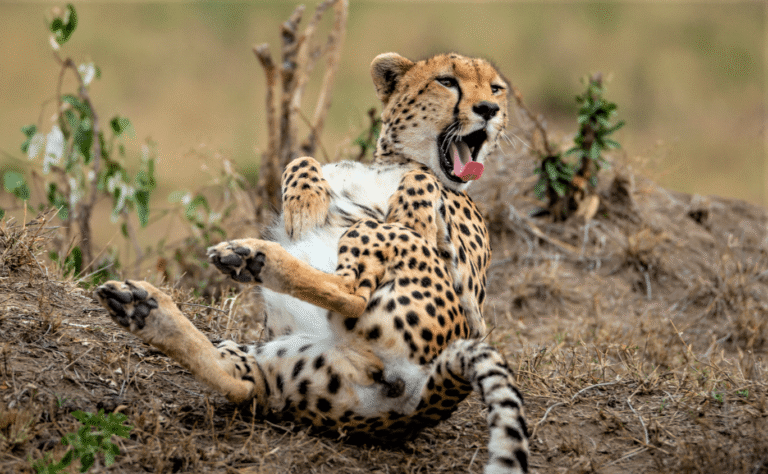
14 Days Kilimanjaro Climb And Tanzania Big Five Safari
14 Days Kilimanjaro Climb and Tanzania Big Five Safari.
View package details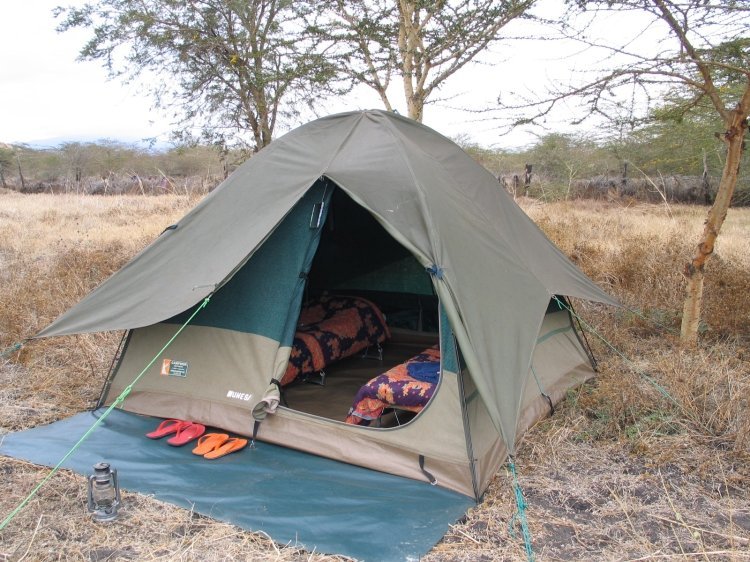
10 Days Kilimanjaro Climb And Tanzania Safari Package
10 Days Kilimanjaro Climb and Tanzania Safari Package.
View package details7 Days Kilimanjaro Group Joining Trek And 3 Safari
7 Days Kilimanjaro Group Joining Trek and 3 Days Group Safari.
View package details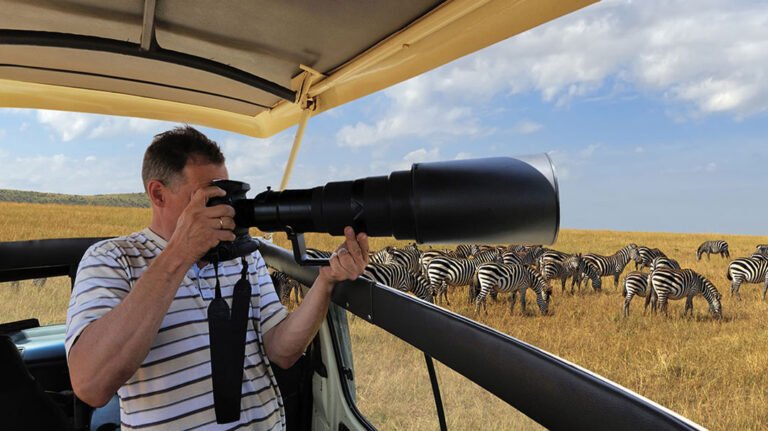
7 Days Machame Kilimanjaro Climb And 5 Tanzania Safari
7 Days Machame Kilimanjaro Climb and 5 Days Tanzania Safari.
View package details8 Days Kilimanjaro Lemosho Trek And 4 Serengeti Ngorongoro Safari
8 Days Kilimanjaro Lemosho Trek and 4 Days Serengeti Ngorongoro Safari.
View package details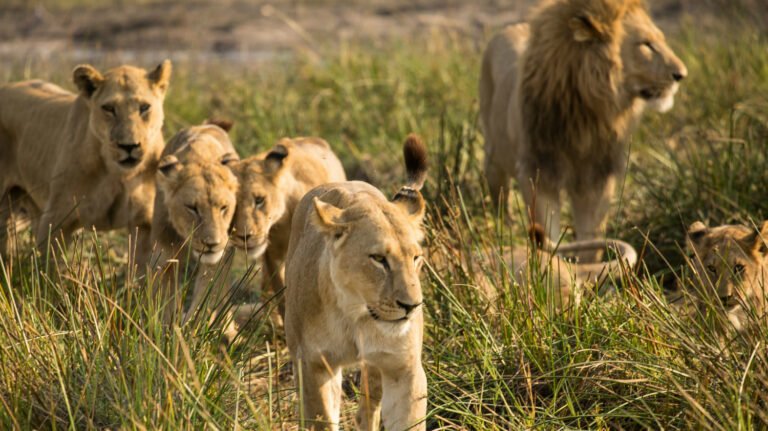
7 Days Kilimanjaro Climb And 4 Wildlife Safari
7 Days Kilimanjaro Climb and 4 Days Wildlife Safari.
View package details8 Days Kilimanjaro Group Climb And 4 Camping Safari
A practical, bookable 8-day plan combining Kilimanjaro Group Climb with a 4-day camping safari. Day-by-day route, acclimatisation logic, and realistic safari logistics without guaranteeing...
View package detailsNo related package matches those filters. Clear one or more filters to see the other topic-matched options.



