
For November 2026, Kilimanjaro climbers typically choose between Lemosho and Machame group departures based on terrain preference and pacing; Lemosho often offers a later-starting, slower-pace itinerary with a longer acclimatization window, while Machame is usually faster and more compact. Verify any specific 2026 group dates directly with Climb 4 Africa to confirm current departures, inclusions, and group sizes, as schedules can shift seasonally. To compare options, request a confirmed list of upcoming group departures with dates, duration, and meeting point, then align with your preferred pace and budget.
Context and intent
Climb 4 Africa specializes in Kilimanjaro climbs with a focus on practical local support. When you search for November 2026 Kilimanjaro Lemosho vs Machame group climbing dates, you’re weighing two popular routes with distinct rhythms. This article looks at how the dates are structured in practice, what you should expect on the ground, and how to approach booking without committing to a plan that may not yet be fully verified. The aim is to help you decide which group dates to request and how to secure a reliable itinerary from a reputable operator.
How the two routes tend to pace group departures in November
November sits at the shoulder of the dry season and into the early rainy period, depending on year-to-year patterns. Group departures for Lemosho and Machame are both common, but they tend to cluster around slightly different windows because of acclimatization strategies and day-by-day ascent pacing. Lemosho typically starts with a longer approach trek that allows more gradual altitude gain, which can influence the cadence of a group and the timing of summit push. Machame often compresses logistics into a tighter schedule, appealing to hikers who want a quicker overall climb but still expect solid acclimatization days. When you request verified dates, you’ll want to compare the exact day counts, the night-before-wakeup times at each camp, and the ascent day order to understand how your group’s rhythm will feel.
Understanding verified departures: what to ask
Because the calendar of group departures can shift, the most dependable step is to request a live schedule from Climb 4 Africa. Ask for:
- Actual start and end dates for upcoming Lemosho and Machame group departures in November
- Number of climbers per group and the lead guide ratio
- Included services (transfer, porters, meals, altitude acclimatization days)
- Estimated meeting point and transfer arrangements from Kilimanjaro International Airport
- Any season-specific considerations (weather windows, trail closures, or permits)
Having a confirmed departure calendar helps you compare costs, prepare for altitude changes, and align your travel window with work and personal schedules. If you’re flexible, you can ask for a few alternative start dates within November to maximize options.
Practical comparison: Lemosho vs Machame in November
Here is how you can think about the two routes when evaluating November group dates, without promising fixed itineraries until confirmed:
- <strongTerrain and acclimatization: Lemosho generally provides more gradual elevation gain and longer acclimatization, which can influence your comfort and success probability on a given start date. Machame tends to compress steps, which may be more demanding on shorter timelines.
- <strongPace and daily distance: Lemosho days are often longer at the start but spread out the altitude exposure, while Machame uses shorter days later in the route, culminating in a relatively quicker ascent to the summit.
- <strongGroup size and guide ratio: Confirm the current group size for November to gauge the level of personal attention and the pace you’ll experience.
- <strongInclusions and logistics: Inclusions (porters, meals, park fees, camping equipment) can vary by route and departure. Ensure your confirmed dates include all essential services so you can compare total costs more accurately.
In short, if you prioritize acclimatization and a steadier climb, Lemosho on a November date often fits that preference. If you want a shorter overall trekking window with a faster cadence, Machame might match your planning better. The real choice comes down to the exact verified dates you can secure and how those dates align with your schedule and budget.
Booking best practices for November 2026 group climbs
Start by reaching out with a clear window request and a few route preferences. A well-structured inquiry helps the operator pull together comparable itineraries quickly:
- Provide your preferred start range in November and any non-negotiables (e.g., rest days, acclimatization emphasis).
- Ask for a side-by-side summary of confirmed Lemosho and Machame group departures within that window, including durations, daily legs, and camp locations.
- Request details on porters, oxygen availability, emergency evacuation plans, and insurance recommendations.
- Clarify what equipment is included (tents, sleeping mats, meals) and what you should bring yourself.
When you receive the verified schedules, compare not just dates but the whole package: what you get for the price, the pace of each day, and how the acclimatization days are allocated. If a preferred start date sells out, ask about nearby options that preserve the same route’s essential pacing and acclimatization structure.
Realistic expectations for availability and prices
Because this article presents a planning guide rather than live itineraries, exact prices and current group capacity cannot be stated here. Availability and costs are best confirmed directly with Climb 4 Africa, which maintains updated group joining pages and schedules. Use the linked operator notes to navigate to the most relevant November 2026 updates and confirm the latest details before committing.
Next steps: how to proceed
1) Contact Climb 4 Africa with your November window and route preferences. 2) Request verified group departures for both Lemosho and Machame. 3) Review a consolidated comparison of dates, durations, inclusions, and costs. 4) Choose the option that aligns with your pacing needs, local support expectations, and travel timing. 5) Confirm your booking with a clear understanding of what’s included, what to bring, and the contingency plan if
Gaps to address: clarifying how to lock in a verified November 2026 schedule
Readers who are weighing Lemosho vs Machame in November 2026 often confront a core practical question that isn’t resolved by generic guidance: how to secure a truly verified start window, with confirmed dates, group size, and pacing that matches their needs. Because operator schedules shift with the season, a detached or incomplete schedule can leave climbers uncertain about what to expect on specific dates. The most valuable next step is to push for a live, verifiable roster from the operator that includes the exact start and end dates for November group departures on both routes, the number of climbers per group, and the lead guide assigned to each departure. Without those specifics, climbers risk aligning with a plan that may shift or be rescheduled, especially for a shoulder-season window where demand and logistics can change as the calendar progresses.
To operationalize this, readers should request: (1) confirmed November start dates for Lemosho and Machame within the same calendar window, (2) the expected group size and the ratio of climbers to guide, (3) the acclimatization pacing details for each verified itinerary (including rest days and the placement of acclimatization days), and (4) a plain-language note about any contingencies if weather or porters’ availability requires adjustments. A robust verified schedule will also specify the meeting point in Moshi or Arusha, the transfer timing, and what the group briefing covers prior to the ascent. This level of detail helps families and first-time Kilimanjaro climbers compare options on a like-for-like basis rather than relying on approximate or seasonally averaged expectations.
When evaluating the verified schedules you receive, focus on concrete distinctions that impact pacing and fatigue accumulation across the trek. For Lemosho, verify whether the longer approach trek translates into more gradual elevation gain and extra acclimatization days, or whether the itinerary compresses acclimatization while preserving a slower summit push. For Machame, confirm how the same November window handles day-to-day distances, the number of successive camping nights, and the intensity of summit-night efforts. A precise comparison should map each day’s altitude gain, sleep location, and expected daily mileage, then align with your own fitness level and preference for rest periods. Avoid abstractions; insist on actual daily leg lengths, ascent/descent minutes, and rough altitude profiles so you can visualize the physical rhythm of each itinerary.
Another critical piece is the inclusions and logistics that influence cost and sleep quality, which often differ subtly between Lemosho and Machame at the same operator. Request an itemized inclusions list tied to each verified start date: what tents or camping gear are provided, what meals are included for every day, whether extra oxygen or portable hyperbaric chambers are on hand, and how emergency evacuation coverage is structured. If the operator’s documents mention porters by a generic term, ask for the exact porter-to-climber allocation for the specific dates you’re considering, because this affects pace, fatigue, and safety during crucial days. A clear, date-specific inclusions sheet makes price comparisons meaningful rather than speculative.
Finally, use a verification-ready framework to compare options side by side. Create a simple matrix that captures: route, start date, end date, daily distance or time, acclimatization days, total days on the mountain, included gear, transfers and meeting points, group size, lead guide, and total quoted price. This matrix should reflect only confirmed schedules, not provisional plans or generic seasonality. If a preferred start date sells out, ask for alternatives that preserve the same route’s acclimatization design and pacing, rather than shifting to a different itinerary with a different cadence. By anchoring your decision to live, confirmed data, you reduce the risk of misaligned expectations and can proceed with confidence to booking.
As you gather verified schedules, keep notes of any red flags that would affect pacing or safety. For instance, if a Machame option advertises a condensed acclimatization pattern but reduces the length of the first acclimatization day, that could alter the overall fatigue profile. Conversely, if a Lemosho option advertises extra acclimatization days but inserts longer summit pushes without adequate rest, that might counterbalance the intended benefit. In both cases, confirm that the pacing aligns with your own readiness and the guidance provided by your lead guide on acclimatization. The ultimate goal is a plan that matches your preferred pace without compromising safety or comfort, and that is supported by a live, operator-verified schedule rather than a provisional calendar.
In short, for November 2026, the most valuable missing piece is a pair of fully verified, date-specific group itineraries for both Lemosho and Machame, with complete details on group size, pacing, and inclusions. Use those verified documents to perform a true apples-to-apples comparison, and then select the option that best fits your comfort with altitude, your budget, and your desired travel cadence. If you would like, I can help you draft a consolidated verification request to Climb 4 Africa that specifically asks for all five data points (dates, group size, lead guide, acclimatization structure, inclusions) for both routes within your preferred November window, along with a direct path to receiving the schedule in a shareable format.
Addressing a Practical Gap: How to Request and Verify a Truly Confirmed November 2026 Schedule That Matches Your Pace
In practice, the single most valuable clarification readers still seek is how to obtain a start window that is truly verified, with concrete dates, group size, and pacing that align with your acclimatization needs. The literature around Kilimanjaro group climbs often points to the existence of live schedules, but it stops short of detailing the exact steps a climber should take to receive an unambiguous, operator-validated plan for November 2026. This gap matters: without a confirmed schedule, a climber risks subscribing to a flexible, provisional calendar that could rearrange or collapse, potentially altering pacing, rest days, and overall experience.
To close this gap responsibly, you should pursue a documented, verifiable request process that yields a shareable, date-specific itinerary. The goal is to move from generic seasonality to a concrete, apples-to-apples comparison for both routes, anchored in live data rather than memory or rumor. Below are practical steps, framed as a concrete action plan you can adapt when engaging Climb 4 Africa or a similar operator.
- Prepare a unified inquiry packet. Include your preferred November start window (e.g., early, mid, or late November), maximum trip length, and your tolerance for longer acclimatization breaks. Specify that you want both Lemosho and Machame options with the same ground rules (group size cap, lead guide expectations, and meeting point).
- Ask for five exact data points per route. Start date, end date, typical group size, lead guide (or projected lead guide team), and the acclimatization structure (specifically which days are designated for acclimatization and the cadence of summit pushes). Also request a detailed inclusions list and the meeting place in Moshi or Arusha.
- Request a live, shareable document format. Ask the operator to provide the verified schedules as a plain, timestamped PDF or a dedicated itinerary page that is updated in real time if changes occur. A side-by-side comparison should be possible with a simple spreadsheet export that matches the five data points for each route.
- Seek confirmation of availability for your window. If your preferred date range sells out, request alternatives that preserve the same acclimatization design and pacing. Avoid substitutions that alter the cadence or length of high-altitude days, even if they maintain the same total days on the mountain.
- Get a written commitment on inclusions and ground transfer logistics. Clarify hotel transfers, airport pickup, pre-climb briefing location, and the exact meeting time on the first climb day. A verified schedule should lay these out unambiguously to prevent last-minute confusion.
Once you receive a verified schedule, there are two practical tests you can apply to ensure it truly matches your needs:
- Pacing alignment test. Map the daily ascent profile against your own fitness and acclimatization plan. If Lemosho’s longer acclimatization days are present, verify that the sequence of rest days and carry-over effects on summit pacing aligns with your comfort and recovery patterns. For Machame, confirm that the condensed schedule doesn’t compress frighteningly the first acclimatization day or the final summit push beyond what your body can manage responsibly.
- Red-flag checklist. Look for any discrepancy between the confirmed schedule and the inclusions. If a schedule claims extra acclimatization but adds a longer continuous summit push without rest, that can negate the intended benefit. If it claims a shorter first acclimatization day to fit a tighter window, verify the impact on fatigue and safety with your lead guide in advance.
With a verified schedule in hand, you can perform a true apples-to-apples comparison. Build a concise two-column matrix, one column for Lemosho and one for Machame, listing: start date, end date, daily pacing (distance or ascent time), acclimatization days, total days on mountain, lead guide, inclusions, transfer points, group size, and total price. This matrix should reflect only confirmed dates and capacities, not provisional calendars. If you must substitute a date, request an alternative that preserves the same pacing and acclimatization structure rather than shifting to a different itinerary with a different cadence. This disciplined approach reduces ambiguity and improves your confidence in the booking outcome.
Finally, document your communications for traceability. Save the verified schedule as a shareable file and attach any clarifications or caveats from the operator. If a discrepancy arises later, you will have a solid, verifiable baseline to reference when negotiating minor changes, whether that means adjusting a pickup time, swapping a meeting point, or confirming gear inclusions. By centering your decision around a live, verified dataset, you reduce the risk of misalignment between expectation and reality and create a clear path to a secure booking.
Clarifying the verification gap: what truly counts as a confirmed November 2026 plan
One of the thorniest questions readers bring to this topic is: what exactly constitutes a truly verified November 2026 schedule for Kilimanjaro group climbs? The answer hinges on the level of certainty the operator can commit to and how that certainty is documented for the climber. A defensible verification standard goes beyond a tentative calendar or a placeholder date; it requires a live, locked-in schedule that aligns with your chosen pace and acclimatization plan, plus explicit details about group size, meeting points, and inclusions that won’t change on short notice.
From a practical perspective, you should look for three embedded assurances in any verified plan:
- Concrete start and end dates for the group in November: not a range or a TBD, but a fixed window with specific days identified for arrival, briefing, start of the trek, acclimatization days, and summit attempt.
- Defined pacing and acclimatization structure: a day-by-day outline showing where longer acclimatization days appear on Lemosho versus where Machame compresses days, plus the expected impact on summit timing and fatigue management.
- Transparent inclusions and logistics: exact hotel transfers, park gate admissions, porter and guide ratios, gear allowances, and what happens if a date shift becomes necessary due to external factors. This should be documented in writing, not implied in a phone call or a generic policy.
Because schedules shift seasonally, the most reliable verification still centers on a direct, live confirmation from the operator. If your inquiry yields a static calendar only, or a page that lists “typical” dates without committing to an exact November 2026 window, you should treat it as provisional.
In practice, you can apply a simple test when you receive a candidate verified schedule. Compare the document against the three assurances above. If any element remains implied or unconfirmed, request an updated version or a formal addendum that codifies the agreed details. A verified document should be easily shareable and timestamped, so you can reference it if you need to negotiate adjustments later—such as changes to meeting points, pickup times, or the day-to-day pacing that matters to you and your acclimatization plan.
How to negotiate a truly verifiable November 2026 plan without overcommitting
Negotiation starts with a precise brief that mirrors your pacing needs and safety considerations. When you contact the operator, present:
- a specific November 2026 start window you’re targeting,
- your preferred route (Lemosho or Machame) and the corresponding acclimatization emphasis,
- your group size and preferred lead guide or pace category (e.g., slower, moderate, or faster),
- any non-negotiables about inclusions (meals, gear rental, porters, toilets, rescue support),
- your plan for backup dates if weather or logistics necessitate a shift, and
- a request for a formal verified schedule with corresponding dates, group size, meeting points, and contact details for the on-ground supervisor.
When you receive the updated document, perform a side-by-side check against your original brief. If the start date moved by more than a day or if the group size changes significantly, ask for a revised verification. You should not be pressured into accepting a last-minute rework that alters pacing or safety margins. A reliable operator will accommodate a transparent revision process and preserve the core acclimatization rhythm you chose.
For pace-alignment certainty, insist on a one-page addendum that explicitly maps each day’s ascent profile to your listed criteria (fitness test points, acclimatization days, and anticipated summit push timing). This makes it far easier to spot subtle deviations that could affect your experience, and it provides a straightforward reference if you need to compare two distinct verified itineraries side by side.
What to do next with a verified schedule you trust
Once you have a truly verified November 2026 schedule that matches your pace, store it alongside your communications in a dedicated file. Share it with your travel party and your medical or adventure-consulting advisor if you have one. Keep an eye on any subsequent updates from the operator—seasonal windows can still shift due to factors like weather patterns or regulatory changes—but use the verified document as your anchor and baseline for any changes you’re prepared to accept. This approach minimizes last-minute surprises and keeps your planning aligned with the actual on-ground rhythm of Kilimanjaro in November.
Related Guides and Packages
Check Availability for November Kilimanjaro Lemosho Vs Machame Group Climbing Dates
Ready to compare dates, prices, and the best option for your group? Send the package name and travel month so the team can reply with a clear quote, availability, and what is included.
7 Days Machame Route Kilimanjaro Group Joining – 27 November – 3 December
7 Days Machame Route Kilimanjaro Group Joining – 27 November – 3 December 2026.
View package details
8 Days Lemosho Route Kilimanjaro Group Joining – 27 November – 4 December
8 Days Lemosho Route Kilimanjaro Group Joining – 27 November – 4 December 2026.
View package details
7 Days Machame Kilimanjaro Group Joining – 14–20 November
Join a confirmed 7-day Machame Route Kilimanjaro climb with a small group, departing 14–20 November 2026. Plan, acclimatise and summit with practical logistics and local support.
View package details
8 Days Lemosho Route Kilimanjaro Group Joining – 7–14 November 2026
Plan an 8-day Lemosho climb on Kilimanjaro with a verified group joining window of 7–14 November 2026. This first installment breaks down the day-by-day itinerary, acclimatisation logic...
View package details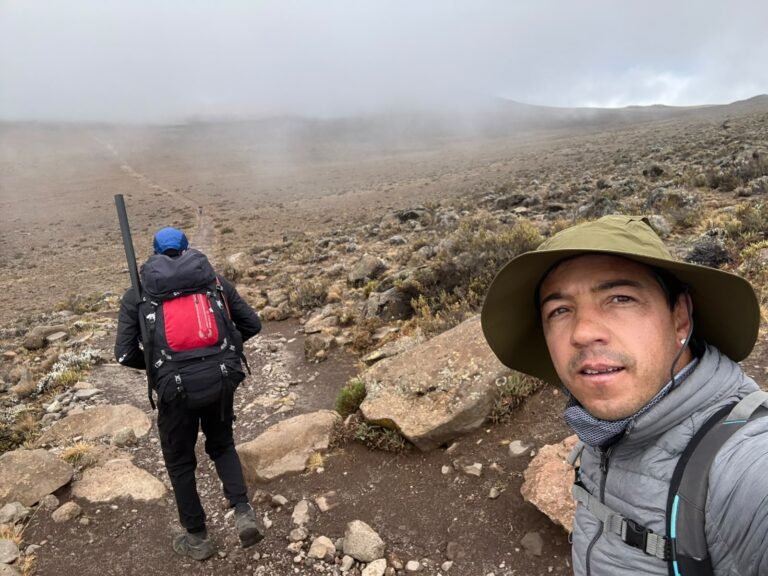
8 Days Lemosho Route Kilimanjaro Group Joining – 18–25 November 2026
8 Days Lemosho Route Kilimanjaro Group Joining – 18–25 November 2026.
View package details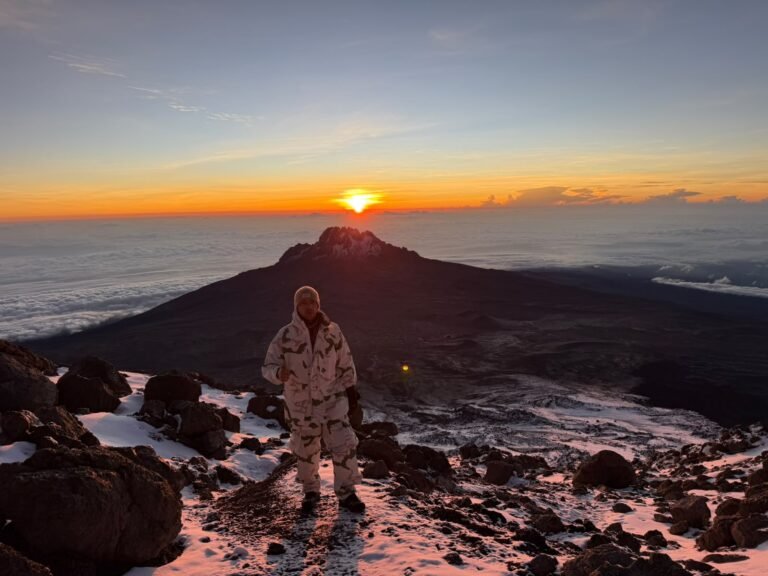
7 Days Machame Kilimanjaro Group Joining Price – 19–25 November 2026
7 Days Machame Kilimanjaro Group Joining Price – 19–25 November 2026.
View package details8 Days Lemosho Kilimanjaro Group Joining: 18–25 November 2026
Plan an 8-day Lemosho Kilimanjaro climb with a shared group from 18–25 November 2026. Learn the route, day-by-day logistics, and what a booked package typically includes.
View package details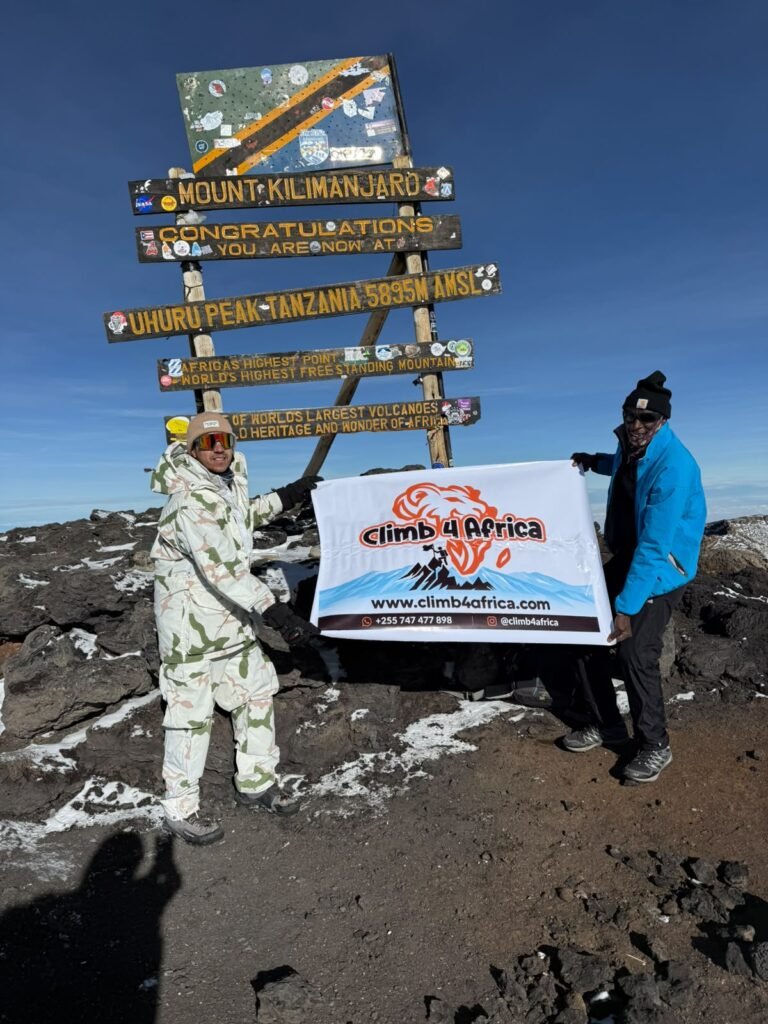
Kilimanjaro Group Joining Tours November, Dates, Routes And Prices 2026
Kilimanjaro Group Joining Tours November 2026 – Dates, Routes and Prices.
View package details7 Days Rongai Route Kilimanjaro Group Joining – 26 November – 2 December
Experience Kilimanjaro via the Rongai Route with a confirmed group departure for 26 November–2 December 2026. Read a practical, day-by-day plan focusing on route pacing, acclimatization...
View package details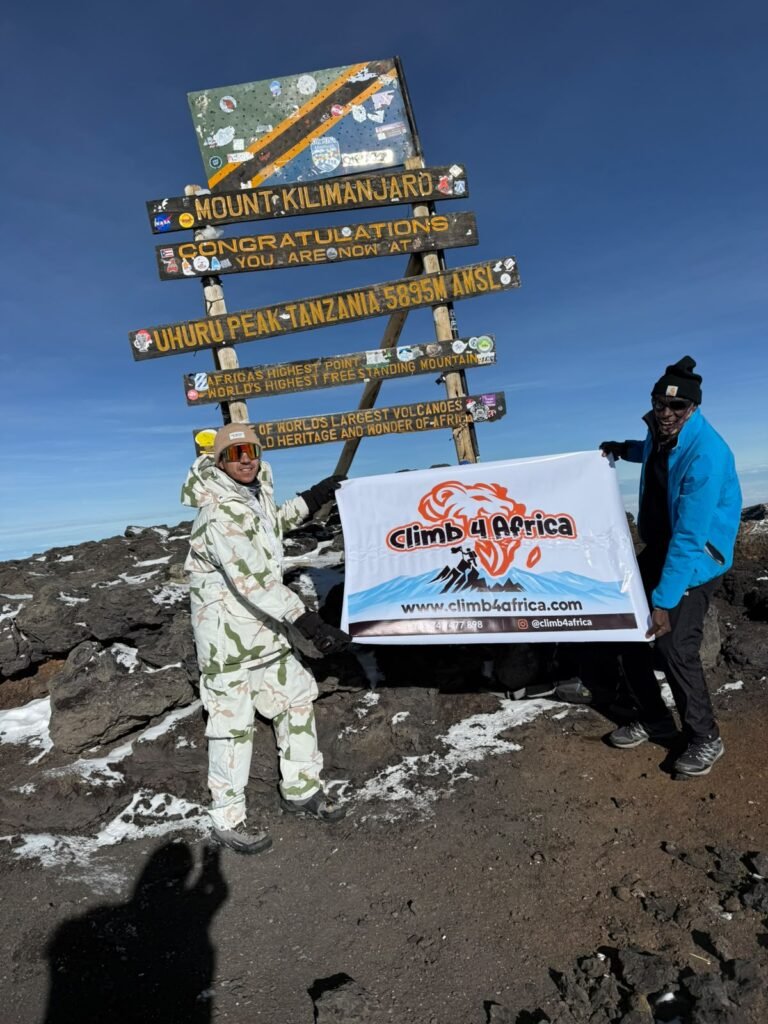
9 Days Northern Circuit Kilimanjaro Group Joining – 17–25 November
9 Days Northern Circuit Kilimanjaro Group Joining – 17–25 November 2026.
View package details6 Days Marangu Route Kilimanjaro Group Joining – 20–25 November
Bookable 6 days on the Marangu route with a verified group departure 20–25 November 2026. Day-by-day itinerary, acclimatization plan, hut-style accommodations, and how to request a...
View package details
Kilimanjaro Group Joining Tours Starting 27 November 2026
Kilimanjaro Group Joining Tours Starting 27 November 2026.
View package detailsNo related package matches those filters. Clear one or more filters to see the other topic-matched options.



