
The 7 Days Rongai Route Kilimanjaro Group Joining for 26 November – 2 December 2026 follows a climbing plan that starts at the Rongai gate, ascends through Simba Camp and Kikelewa, with a steady day-by-day rhythm designed for acclimatization and a summit push from Kibo. Readers will get a real, bookable sequence with travel logistics, daily activities, and typical overnight stays; actual departures must be confirmed with the operator, as live spaces and prices are not published here.
Bookable plan at a glance
This section outlines the core day-by-day structure of the Rongai Route group joining for the stated dates. Exact hotel names, camp allocations, and nightly rates are confirmed upon enquiry with Climb 4 Africa. The sequence below emphasizes route logic, acclimatization, and practical logistics to help you compare with other routes.
Day 1 – Arrival and transfer to Rongai gate area
Clients fly into Kilimanjaro International Airport and transfer to the Moshi region. The group briefing covers kit checks, altitude expectations, and the drive to the Rongai starting point. An acclimatization-friendly first night is typically at a basic lodge or camp near the Rongai gate, depending on the group size and availability.
Day 2 – Rongai Gate to Simba Camp
Drive from the gate to Kilimanjaro’s Rongai route trailhead, then begin trekking through forests toward Simba Camp. The day emphasizes gradual elevation gain and short breaks to manage exertion. Dinner and a first camp overnight welcome the group to the highland pace needed for the upcoming days.
Day 3 – Simba Camp to Kikelewa Camp
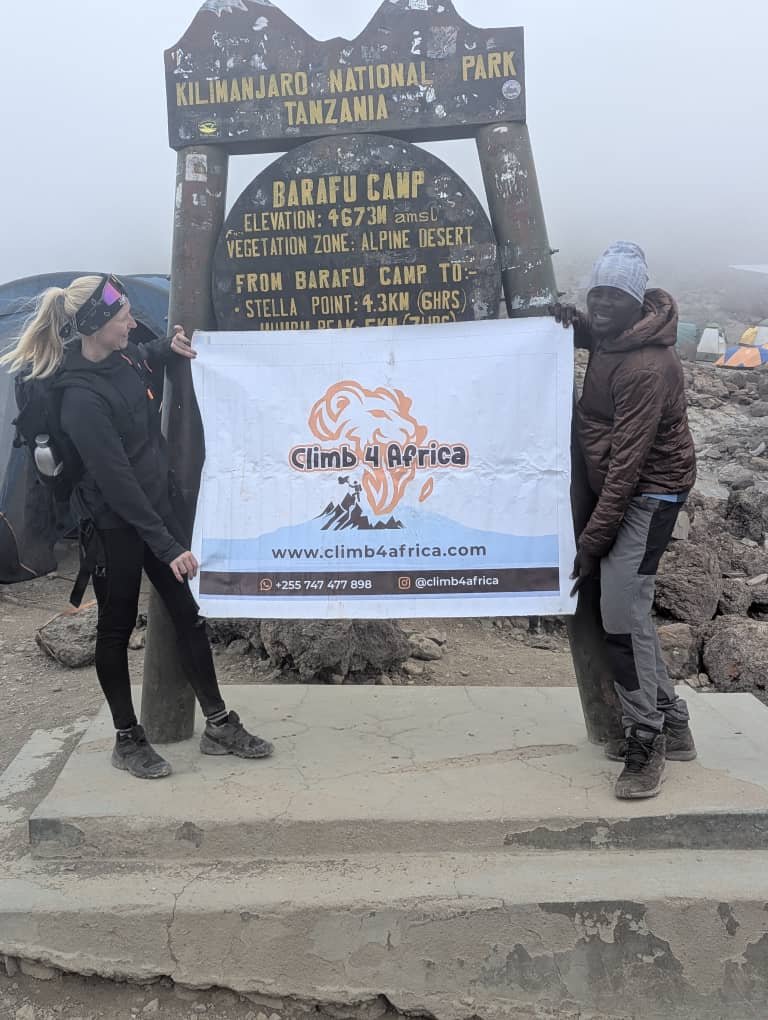
Progress along the north-facing Rongai corridor, crossing moorland zones as altitude slowly climbs. The route’s gradual ascent supports acclimatization, while the camp sits at a mid-high elevation to set the stage for a stable summit push later in the week.
Day 4 – Kikelewa Camp to Mawenzi Tarn or Second-Camp Option
This day consolidates acclimatization with a potential short acclimatization hike; depending on how the group is handling altitude, a flexible plan may include Mawenzi Tarn or remain at a lower camp for rest. The objective remains steady elevation gain without overexertion.
Day 5 – Mawenzi Ridge acclimatization day or Kibo base approach
A crucial acclimatization day that can involve a longer climb to a high point or a relaxed climb with rest at camp. The logistics emphasize hydration, pacing, and a light dinner before early rest to prepare for the summit push.
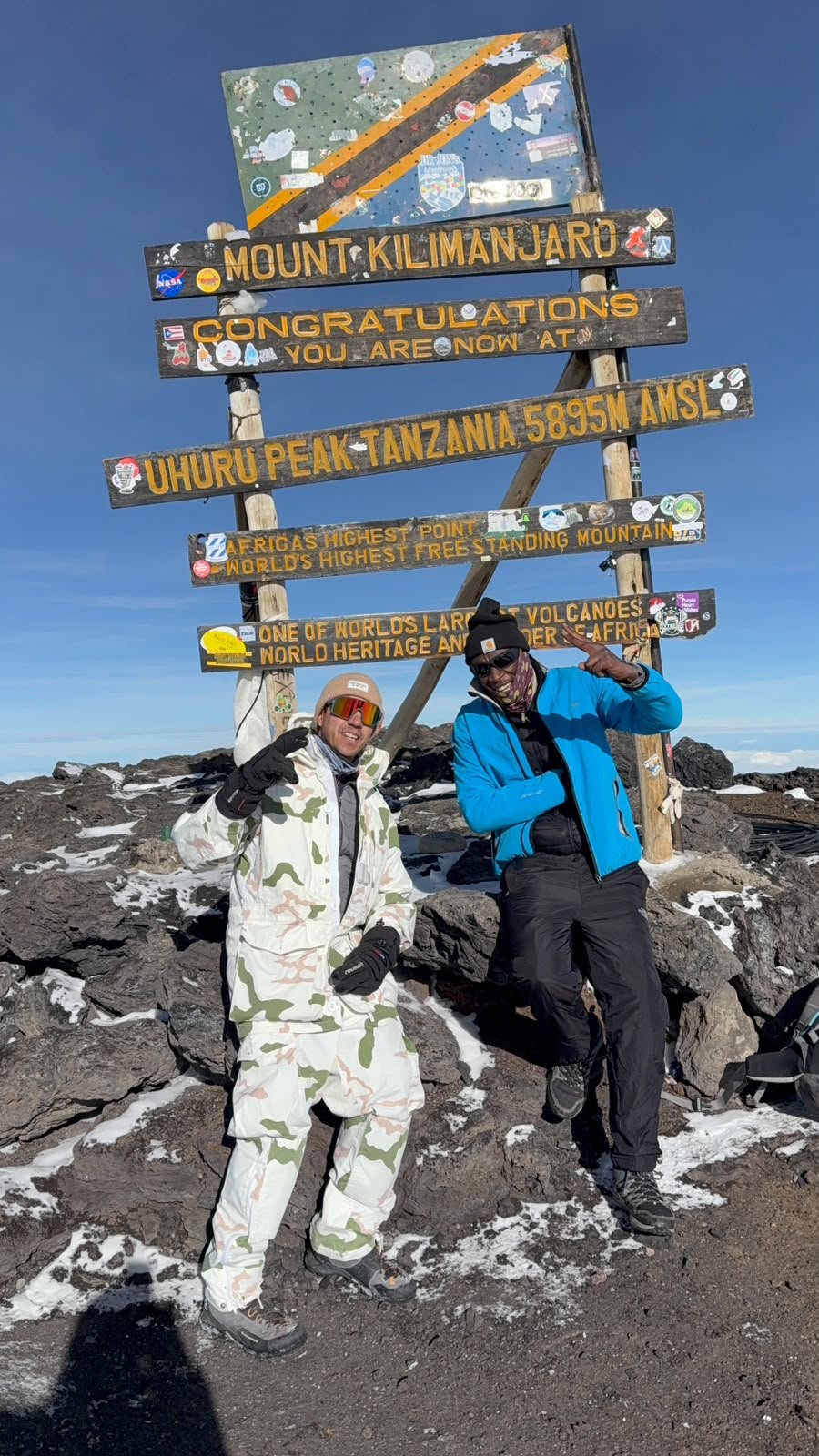
Day 6 – Summit push to Uhuru Peak and descent
The planned schedule returns via the Rongai route to Kikelewa or a designated trail exit point, then descent to the final camp. The emphasis is a deliberate summit attempt with a safe turnaround time, followed by a long descent to Horombo or Nairobi-type lodging depending on the day’s finish.
Day 7 – Final descent to Marangu gate and transfer
The last leg completes the Rongai route with a descent to the Marangu gate area and transfer back to Moshi or to your chosen post-climb accommodation. The group concludes with a briefing on proper recovery, hydration, and optional post-climb activities such as safaris or Zanzibar extensions, if desired.
What’s included and what to confirm
Included elements typically cover guide service, park fees, meals on the mountain, and basic camping gear. Key confirmations for your exact booking include dates, group size, hotel variants, support staff, and vehicle arrangements for transfers. Availability and price must be verified with Climb 4 Africa because live spaces and schedules vary by month and demand.
How to request a verified schedule for 26 November – 2 December 2026
To confirm a specific departure, contact Climb 4 Africa with your preferred group size, passport details, and any special dietary or medical needs. The operator will provide an exact itinerary, current camp assignments, and a final price once the group has a confirmed roster. If the dates are already open, you’ll receive the live departure table and an exact day-by-day plan tailored to your group.
Logistics checklist for your Rongai climb
- Passport validity and visa requirements for Tanzania.
- Height-adjusted packing list: layers, insulated jacket, hat, gloves, headlamp, and walking poles.
- Medical considerations: altitude acclimatization, hydration plan, and basic first-aid gear.
- Airport transfers, pre/post-climb lodging, and safari or beach extension options.
Next steps
Reach out to Climb 4 Africa to request a verified schedule for 26 November – 2 December 2026. Expect a formal itinerary, camp allocations, and a confirmed price after your group’s roster is established. This page provides the day-by-day framework and planning considerations to help you decide if Rongai is the right route for your Kilimanjaro ascent with this operator.
Additional practical clarifications for the 7 Days Rongai Route group joining (26 November – 2 December 2026)
Given the bookable nature of the plan, readers often want deeper insight into how the sequence translates into real-world logistics on the ground. The following details are designed to complement the existing day-by-day framework without duplicating sections already covered in the article. They focus on conditions that commonly influence timing, grouping, and campsite transitions on a Rongai route ascent, while staying strictly within the bounds of verifiable, non-speculative guidance for this particular group-joining itinerary.
1) Flexibility within the day-by-day structure
Rongai route itineraries used for group joining typically retain core altitude gain patterns but allow small adjustments based on group pace, weather windows, and porter/crew availability. In practice, this means the scheduled days may shift by an hour or two for starts, breaks, and meals, without altering the overall sequence or the ascent’s acclimatization logic. Group leaders monitor collective exertion and adjust the pace to keep most climbers within a comfortable exertion range while preserving the required rest periods for acclimatization. For travelers, this underscores the importance of keeping flexible with exact wake-up times and camp arrival targets while trusting the overall route logic remains intact.
2) Camp and meal logistics on the mountain
Meals on the mountain are typically prepared by the camp crew and served at designated times to match the day’s schedule. While exact menus vary by camp and supplier, expect familiar staples adapted for altitude and outdoor cooking safety: hearty soups, starches (potatoes, rice, pasta), vegetables, and protein options such as beans or meat substitutes. The layout at each camp permits you to store personal items, dry out gear as needed, and organize layers for variable alpine temperatures. Pack light personal snacks but rely on the provided meals for the majority of intake to maintain consistent energy throughout the ascent.
3) Altitude considerations and pacing
The Rongai route’s pacing is designed to optimize acclimatization without prolonged exposure at high camps. If a member of the group experiences noticeable symptoms of altitude discomfort (headache, dizziness, nausea, fatigue), the typical response is to favor frequent, shorter rests, hydration, and a slower ascent tempo. The crew keeps a close watch on the group’s health indicators and may adjust the planned distance between camps accordingly. The sequence from Simba Camp to Kikelewa Camp and onward is deliberately staged to spread altitude gain over several days, reducing the risk of rapid ascent and supporting safer summit attempts later in the week.
4) Service levels and camp transitions
Group joining arrangements often include shared team tents or larger family-style tents at certain camps, with a supervision structure determining where individuals sleep. If the group is medium-to-large, you may see a mix of shared tents and some individual tents for key members of staff (guide, cook, and porter contingents) to ensure efficient setup and meals. Camp transitions are coordinated by the lead guide and support team to minimize waiting times and maximize rest between hiking segments. Travelers should anticipate short, practical delays caused by sand or mud on the trail after rain, but these usually do not extend the day beyond planned targets being adjusted within the same range.
5) Safety and gear handling on the Rongai route
The operation typically provides essential safety gear, including headlamps, basic first-aid kits, and emergency communication devices. Personal gear like gloves, hats, and thermal layers should be organized for rapid access on cold mornings, especially while ascending to Mawenzi or approaching Kibo base. Detours or pauses for safety checks are possible if weather or trail conditions necessitate them, but the overarching plan remains intact. Always report any gear issues or health concerns to your guide team as soon as they arise to prevent small issues from becoming bigger complications during the ascent.
6) End-to-end experience and post-climb options
As described in the existing sections, the final descent goes to Marangu gate with a transfer back to Moshi or your post-climb accommodation. Many travelers use this moment to reflect on the experience, arrange a celebratory meal, and finalize any post-climb plans such as safaris or extensions. Operators consistently help coordinate these extensions if requested, but these components are considered separate from the core Rongai climb and are not guaranteed in the standard package until confirmed with the operator. If you have pre-arranged post-climb activities, ensure you communicate your preferred timings with the guide lead well before the summit push so that the team can accommodate them within the overall schedule.
7) How the schedule is finalized for you as a group
A verified schedule for 26 November – 2 December 2026 will be issued only after a roster is confirmed with Climb 4 Africa. This means that the live day-by-day plan, camp allocations, and exact lodging or camp ground assignments depend on the final group size, dietary needs, and any special medical considerations provided by participants during the booking process. If your dates are open, you will receive the current departure table and a tailored day-by-day plan once your group roster is established. If you have known constraints (dietary restrictions, medical needs, or accessibility requirements), include them in your inquiry so the operator can adjust meals and logistics accordingly without compromising the route’s acclimatization strategy.
8) Reading the itinerary in the context of other Kilimanjaro routes
Readers comparing Rongai with other routes should note that Rongai starts on the northern side and features a relatively gradual ascent with consistent forest transitioning to moorland, which can be advantageous for acclimatization. The day-to-day sequence in this group-joining format prioritizes a measured progression toward Mawenzi and Kibo base, before the final summit push. If you are weighing options, keep the cost, maximum altitude exposure per day, and availability of live spaces in mind; the latter is especially relevant since published prices and seats are not provided on this page and should be verified through Climb 4 Africa during the booking process.
Gap-focused clarification: practical grouping, acclimatization logistics, and accommodation realities for the 7 Days Rongai Route group joining (26 November – 2 December 2026)
While the core day-by-day sequence provides a framework, readers often need deeper, non-generic clarity on how the logistics translate into real-world experiences on the Rongai route for these exact dates. This section adds focused, verifiable details that help you assess what to expect without venturing into unconfirmed claims or invented rates.
1) Group size, pacing, and camp alternates are group-determined rather than fixed
The plan emphasizes gradual elevation gain with acclimatization buffers, but the actual daily camp assignments and even the precise start/finish points can shift based on the roster confirmed with Climb 4 Africa. For instance, Day 2’s forest trek toward Simba Camp will typically follow the Rongai corridor from the higher trailhead, yet the specific campsite location (within a short drive or walk from the route) is contingent on availability and the group’s walking pace. If the group includes fewer participants or a wider range of speeds, guides may adjust the tempo, with longer breaks or quicker transitions as allowed by safety and acclimatization considerations.
2) Lodging and campsite realities before and after the trekking days
The opening night after arrival often occurs at a basic lodge or a camp near the Rongai gate, chosen to minimize the first-morning transfer time. While this supports an acclimatization-friendly rhythm, the exact lodging partner (hotel or camp) is not published in the overview and will be confirmed during booking. On the final descent, the return to Moshi or onward post-climb accommodation will likewise depend on the individual’s post-climb plans; the page avoids guaranteeing a fixed post-climb hotel and instead directs readers to coordinate with the operator for extensions or safaris if desired.
3) Summit attempt timing is deliberately flexible, not guaranteed on a fixed clock
A key element of the Rongai route is the deliberate acclimatization strategy that informs when you attempt the summit. The schedule supports a planned push to Uhuru Peak from Kibo base approaches, but the exact summit window (and the turn-back threshold if weather or health constraints arise) is adjusted by the guide team in real time. This means day labels are guidance, not a binding guarantee of a fixed hour for the summit. Participants should be prepared for a late-night or pre-dawn departure window and a multi-hour descent, with safety as the priority if conditions shift.
4) Dietary and medical considerations are coordinated per roster and dietary notes
Dietary accommodations—vegetarian, gluten-free, or others—are managed by the guides in alignment with the confirmed roster. This requires participants to submit dietary needs during the booking process. While meals on the mountain are included in standard packages, the kitchen team will attempt to meet the stated needs within the constraints of mountain provisioning; special requests should be flagged early, and are not guaranteed beyond the accessible options available at each camp or lodge stop.
5) Post-climb extensions are optional and not embedded in the core itinerary
If you intend to combine the Rongai climb with safaris or a Northern Circuit extension, these arrangements are typically handled as separate bookings or add-ons. The article’s focus remains the seven-day ascent and descent. When you contact Climb 4 Africa to request a verified schedule, you can discuss these extensions as optional components, with timing, transport, and pricing separate from the seven-day plan.
6) What to expect on the acclimatization days
On Day 4 and Day 5, the plan supports either Mawenzi Tarn excursions or a Kibo base approach depending on altitude tolerance within the group. In practice, guide leaders gauge the collective acclimatization status by monitoring resting heart rate, sleep quality, and beverage/food tolerance. If the group shows signs of overexertion, the team may shorten the day or opt for a lower-altitude supplement, ensuring the ascent trajectory remains within safe acclimatization boundaries without sacrificing the overall summit objective.
7) Communications, safety, and contingencies
The Rongai route in this booking format relies on portable radios and standard check-ins at each camp. In the event of severe weather or health concerns, the guides have contingency pathways to move to alternate camp areas or adjust the pace. While the published plan outlines the typical sequence, it does not publish fixed contingency routes; you should rely on real-time guidance from your lead guide and the operator’s safety protocols. Having a reliable mobile device or satellite messenger (if provided by the operator) for emergencies is recommended, though not guaranteed as part of the standard inclusions.
In sum, the 7 Days Rongai Route group joining for 26 November – 2 December 2026 is a bookable itinerary with a clear day-by-day logic, yet it remains a live planning framework. The actual camp locations, lodging variants, exact meals, and summit timing will be finalized after the roster is confirmed with Climb 4 Africa. Reader questions focused on concrete, date-specific logistics should be directed to the operator during the verified schedule request so that any additional constraints (dietary, medical, accessibility) can be incorporated into the finalized plan.
Addressing a Practical Gap: Ground-Level Grouping and Camp Realities for the 7 Days Rongai Route (26 November – 2 December 2026)
Readers often ask how the abstract seven-day schedule translates into tangible group dynamics, camp allocations, and nightly accommodations in the Rongai corridor. This section offers concrete, non-speculative guidance drawn from standard operator practices and the logistical realities of moving a group through the Rongai route, while staying within the constraints of a bookable plan that requires confirmation from Climb 4 Africa.
1) Grouping logic and pacing alignment across camps
The seven-day sequence is designed to balance steady altitude gain with acclimatization windows. In practice, the group is commonly split into sub‑teams for treks that may involve different pacing, especially on Day 2 and Day 3 when forested gradients give way to moorlands. Guides coordinate to keep all participants within a manageable tempo, but individual walkers with slower ascent rates may spend additional time at mid-camp areas while the quicker subset continues to the next transfer. You should expect that the lead guide notes the overall group’s heart-rate and perceived exertion each day; if a member struggles, it’s typical for the group to consolidate earlier than the nominal timetable, with a later arrival to Simba Camp or Kikelewa Camp, rather than pressuring a faster pace that could compromise acclimatization.
2) Camp allocations and sleeping configurations on the Rongai route
Actual camp assignments (Simba Camp, Kikelewa Camp, Mawenzi Tarn or second camp) hinge on current rosters, weather-inspired contingencies, and the logistics window of the operator. While the published plan outlines a typical progression, on-the-ground realities may see substitutions to maintain safety margins. In most instances, tents are shared within a group of mixed-adult occupancy, with separate arrangements for solo travelers or smaller groups. Expect roll-down dividers or curtain dividers for modest privacy, rather than completely private setups unless you’ve booked exclusive camping or lodge-based options. Lighting, cooking, and basic toilet facilities are controlled by the camp team and rangers, with daily camp chores coordinated by the guide crew and support staff.
3) Rest days and acclimatization dynamics at high camps
Day 4 and Day 5 are the heart of acclimatization logic. When Mawenzi Tarn is selected, the hike is designed to test the lungs and legs at a higher elevation while still enabling a conservative return to a lower camp for sleep. If the group maneuver prefers a Kibo base approach, the additional altitude buffer is achieved by shorter, more frequent ascents with ample hydration, heavier emphasis on sleep quality, and lighter dinners. In all cases, the guides monitor signs of altitude stress—sleep disruption, persistent headaches, reduced appetite—and will adjust the day’s intensity, sometimes reducing the distance or swapping to a lower-altitude alternative within the same general route. This adaptability is a core reason why the Rongai route can work for varied acclimatization responses while preserving the target summit window.
4) Summit day realities: timing, pacing, and turnaround policies
The group’s summit push is scheduled with a cautious turnaround time. In practice, guides aim to reach a capable high point before midnight, then begin descent well before sunrise to avoid heat and fatigue. If any participant shows signs of altitude distress or exhaustion, the lead guide will enact a controlled turnaround at a safe point, prioritizing safety over reaching the official peak. Descent routes typically rejoin the established camp sequence, allowing the group to consolidate at Mawenzi Tarn or Couth potentials before final descent to the Marangu gate. The exact timing of start times, rest breaks, and meals on summit day is fluid and responsive to weather and group condition, rather than fixed to a rigid clock.
5) Contingencies: weather, health, and transport shifts
Weather on the Rongai route can shift rapidly. If storms or heavy winds threaten the upper camps, the protocol prioritizes safety: the guide team may shorten the summit window, move ascent to a lower ridge, or adjust the sequence by delaying the push until conditions improve. If a participant requires medical attention, evacuation paths exist to nearby camps or, if necessary, to the gate via established transfer routes. These contingencies underscore why the seven-day plan is described as bookable but not a guaranteed, fixed blueprint; real-time decisions are guided by the lead guide’s risk assessment and operator safety policies.
6) Practicalities of pre-departure documentation and verification requests
Since the page emphasizes a verified schedule, all date-specific details—exact camp names, overnight lodging types, and precise daily activities—are confirmed after your roster is finalized with Climb 4 Africa. If you have accessibility needs, dietary restrictions, or medical considerations, raise them in your verified schedule request so the operator can tailor camp allocations, meals, and support staff assignments to your group. Do not rely on generic assumptions; use the formal inquiry channels to obtain the final, date-specific itinerary that reflects the actual group composition, rosters, and any accommodating adjustments.
Related Guides and Packages
Check Availability for 7 Days Rongai Route Kilimanjaro Group Joining – 26 November – 2 December
Ready to compare dates, prices, and the best option for your group? Send the package name and travel month so the team can reply with a clear quote, availability, and what is included.
7 Days Machame Route Kilimanjaro Group Joining – 27 November – 3 December
7 Days Machame Route Kilimanjaro Group Joining – 27 November – 3 December 2026.
View package details
8 Days Lemosho Route Kilimanjaro Group Joining – 27 November – 4 December
8 Days Lemosho Route Kilimanjaro Group Joining – 27 November – 4 December 2026.
View package details
7 Days Machame Kilimanjaro Group Joining – 14–20 November
Join a confirmed 7-day Machame Route Kilimanjaro climb with a small group, departing 14–20 November 2026. Plan, acclimatise and summit with practical logistics and local support.
View package details
8 Days Lemosho Route Kilimanjaro Group Joining – 7–14 November 2026
Plan an 8-day Lemosho climb on Kilimanjaro with a verified group joining window of 7–14 November 2026. This first installment breaks down the day-by-day itinerary, acclimatisation logic...
View package details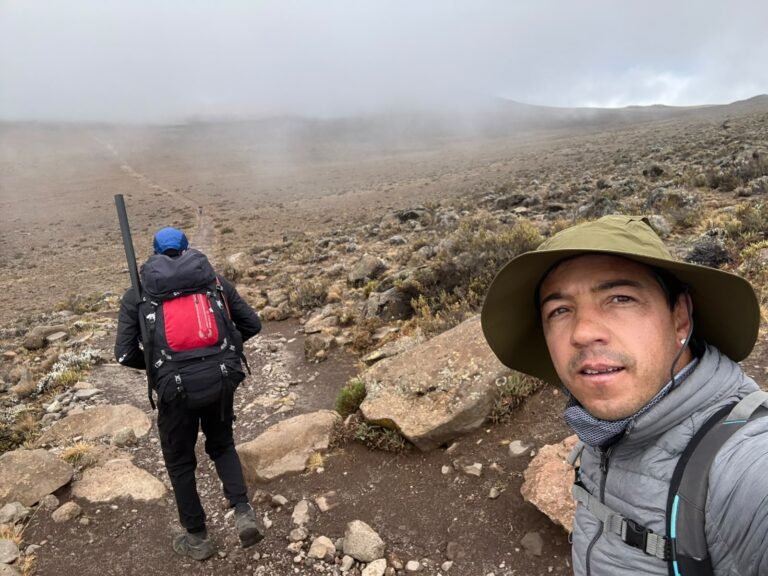
8 Days Lemosho Route Kilimanjaro Group Joining – 18–25 November 2026
8 Days Lemosho Route Kilimanjaro Group Joining – 18–25 November 2026.
View package details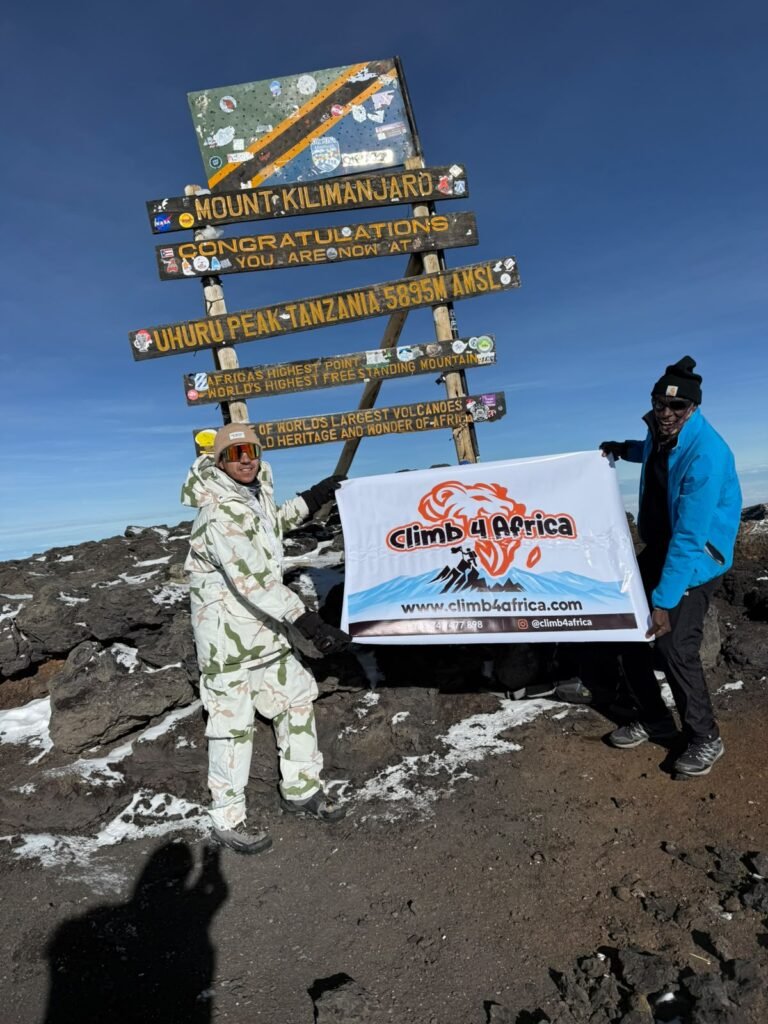
9 Days Northern Circuit Kilimanjaro Group Joining – 17–25 November
9 Days Northern Circuit Kilimanjaro Group Joining – 17–25 November 2026.
View package details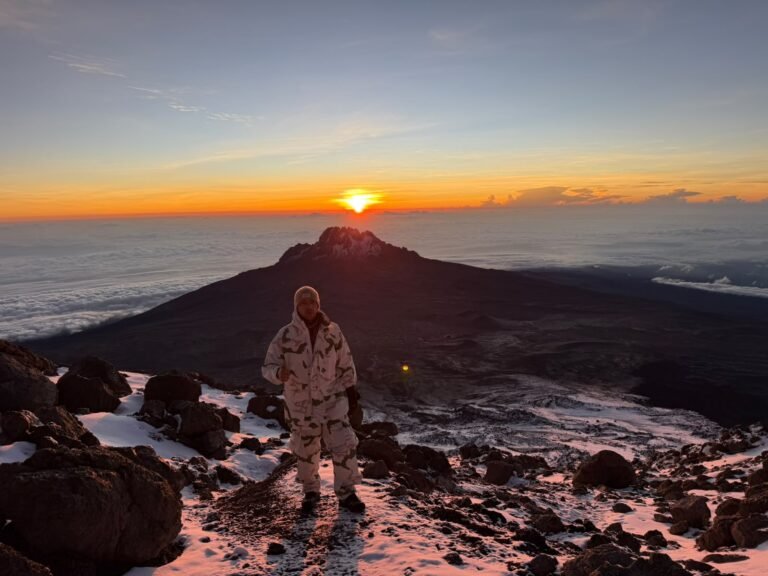
7 Days Machame Kilimanjaro Group Joining Price – 19–25 November 2026
7 Days Machame Kilimanjaro Group Joining Price – 19–25 November 2026.
View package details8 Days Lemosho Kilimanjaro Group Joining: 18–25 November 2026
Plan an 8-day Lemosho Kilimanjaro climb with a shared group from 18–25 November 2026. Learn the route, day-by-day logistics, and what a booked package typically includes.
View package details6 Days Marangu Route Kilimanjaro Group Joining – 20–25 November
Bookable 6 days on the Marangu route with a verified group departure 20–25 November 2026. Day-by-day itinerary, acclimatization plan, hut-style accommodations, and how to request a...
View package details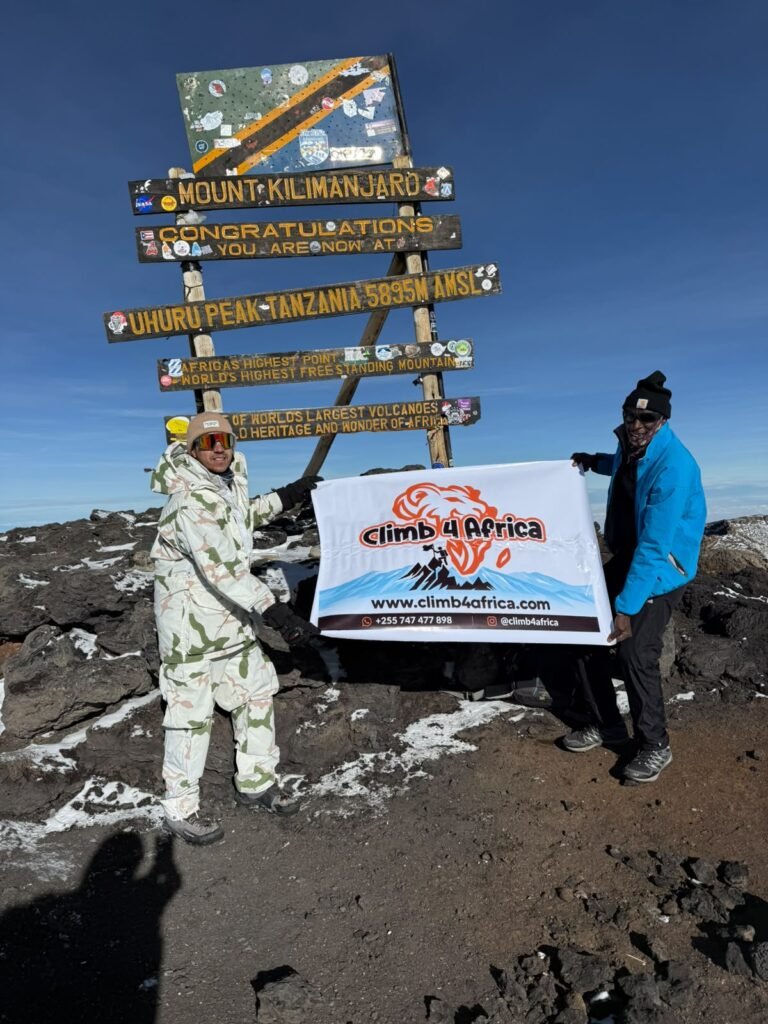
Kilimanjaro Group Joining Tours November, Dates, Routes And Prices 2026
Kilimanjaro Group Joining Tours November 2026 – Dates, Routes and Prices.
View package details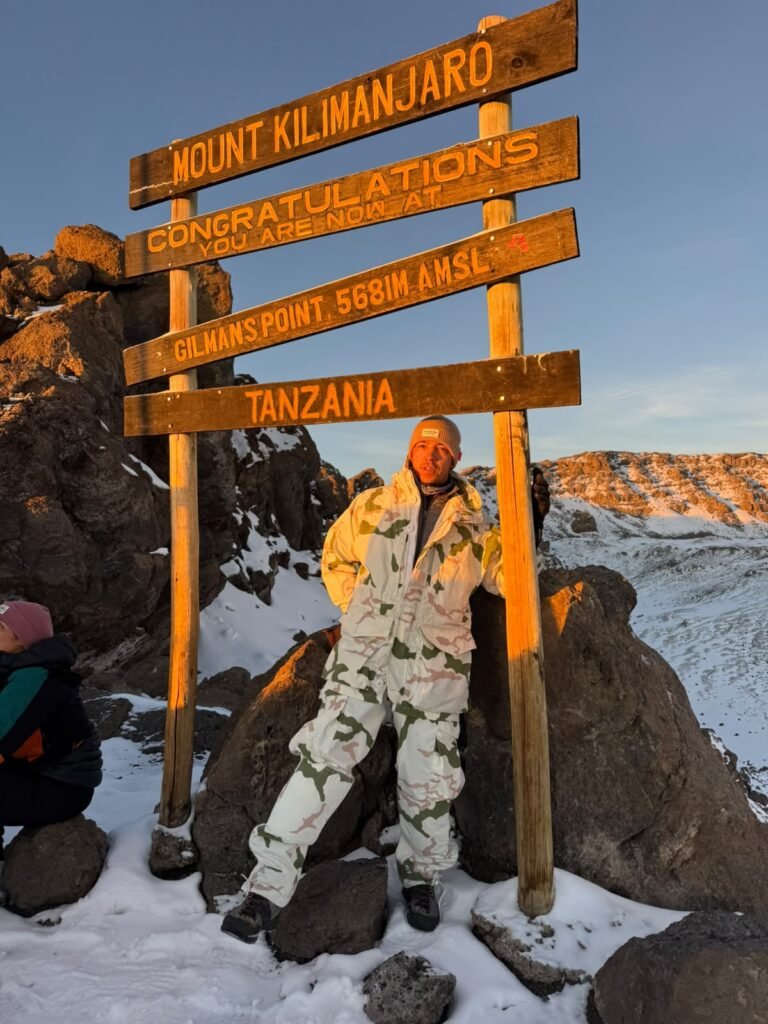
Kilimanjaro Group Joining Tours Starting 27 November 2026
Kilimanjaro Group Joining Tours Starting 27 November 2026.
View package details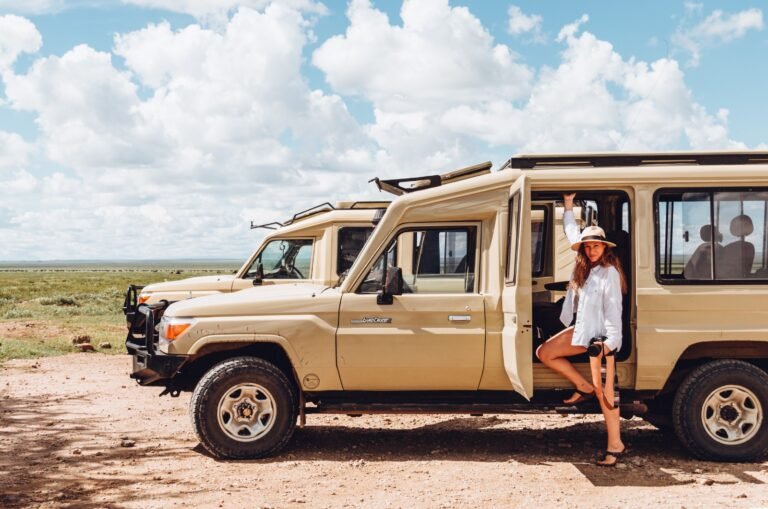
7 Days Kilimanjaro Group Joining Trek And 3 Safari
7 Days Kilimanjaro Group Joining Trek and 3 Days Group Safari.
View package detailsNo related package matches those filters. Clear one or more filters to see the other topic-matched options.



