
Verified Kilimanjaro group joining departures for November 2026 are scheduled with structured acclimatisation sequences and a choice of Machame-like or Lemosho-style routes. Availability, exact dates, and prices must be confirmed with Climb 4 Africa; prices include guide, park fees, porters, meals, and first-night hotel transfer, but vary by route, group size, and shuttle options. To secure a spot, request a formal schedule and quotation, and specify group size and preferred route. This page outlines how the schedule is built and what to expect on each day of a typical November group itinerary.
How to read Kilimanjaro group schedules in November 2026
Group departures for Kilimanjaro are built around two core route philosophies that balance pace, acclimatisation, and summit probability: a longer, gradual ascent with longer rest days, and a slightly shorter sequence with a quicker summit push. November is a shoulder-season window where mornings are often clear, with chance of cloud cover later in the day. Your exact dates, group size, and route choice will shape the daily pacing and the number of wet camp setups or tented camps used along the trail.
Choosing between two common route archetypes
- Longer acclimatisation loop (e.g., Lemosho/Shira start): more time at altitude, higher success probability, usually 7–8 days on trail.
- Quicker push option (e.g., Machame-style with Barranco to Summit): more intense days, typically 6–7 days, with a denser ascent profile.
For group joining, the operator normally blends elements of both to match small variations in start dates and group fitness levels. You should expect a pre-climb briefing and a shared pace among trekkers who are traveling together in the same booking window.
Typical day-by-day framework for November group departures
The following is a practical framework you’ll see adapted to real schedules. It highlights how the acclimatisation logic typically unfolds and where to expect rest days.
- Day 0: Arrival in Kilimanjaro region, transfer to hotel and briefing with equipment check.
- Day 1: Trek starts at rainforest or moorland, first camp, light day to ease into altitude.
- Day 2–3: Gradual altitude gain with a planned short day to a higher camp; acclimatisation hike optional in late afternoon.
- Day 4: Summit pre-acclimatisation walk and rest in the same camp to consolidate altitude gains.
- Day 5: Summit attempt (weather permitting) with a late descent to a mid-camp or final hut depending on route.
- Day 6–7: Descent to gate, transfer to lodge, and debrief; optional post-climb safari or Zanzibar extension can be arranged separately.
Actual day names, camp names, and driving times vary by the chosen route and permit constraints. Your booking will include a day-by-day itinerary with precise camp stops and backup options if weather shifts occur.
Routes commonly offered in November group joining packages
Expect two core route families to be available in a single group booking window, plus occasional hybrids tailored to very specific group needs. The operator will confirm the exact day-by-day plan after you confirm the group size and date.
- Lemosho/Shira-inspired long route: longer acclimatisation days, higher success probability, typically 7–8 days on trail.
- Machame-style rapid ascent: stronger pace with fewer rest days, often 6–7 days on trail.
In practice, a November group itinerary might begin on a Monday or Friday, with a fixed start window for the month. The exact sequence—camp locations, order of passes, and where the long acclimatisation day sits—depends on Permit allocations and the guide group’s fitness profile. Always request the operator to provide the confirmed route order once your group is formed.
Pricing framework and what a verified quote includes
Because live pricing fluctuates with group size, route choice, and seasonal park fees, you’ll receive a binding quotation only after your group size is known. A comprehensive quote typically includes:
- Guides and porters, their permits and insurance
- Park fees, sunrise allowances, and rescue contingencies
- Meals throughout the trek, camp or hut accommodations, and water
- Airport transfers and a pre-climb hotel briefing (or equivalent local support)
- Backup options and alternative departure dates if a date becomes unavailable
Prices will vary with route length, campsite type, and whether a private transfer option is chosen for arrival and departure. When you request a quote, be explicit about whether you want a shared group or a private element added to the package, as this can influence the overall cost and pacing.
How to request verified November 2026 departures and dates
To secure a real schedule, contact Climb 4 Africa with your preferred date window in November 2026, expected group size, and any accessibility needs. The operator will provide the current availability, exact departure dates, and a formal, itemised quote. If you already have a couple of potential dates, share them; this helps the team lock in a compatible group and route with the necessary permits in place.
Helpful details to include when you reach out:
- Number of climbers and any children or special requirements
- Preferred route style (long acclimatisation vs. faster summit)
- Arrival city and flight times; whether airport transfers are needed
- Any add-ons you want (safari, Zanzibar, or private extension)
Booking considerations and practical decisions
Choosing a group departure is a balance of pace, cost, and peer compatibility. A longer route will usually cost more upfront due to added days, guides, and porters, but it tends to improve acclimatisation and success rates. A shorter, more intense schedule can be cheaper but demands higher fitness and a strict daily rhythm. When you receive the verified quote, compare the inclusions carefully to ensure the same level of support and equipment across routes.
Additional considerations for November 2026 Kilimanjaro group joining departures
Beyond the core day-by-day pacing and route archetypes discussed earlier, there are several practical facets that can influence your experience in a November 2026 group climb. This section focuses on concrete decisions and arrangements that affect timing, logistics, and overall trek quality, without veering into speculative pricing or unavailable schedules.
Altitude acclimatisation sequencing in mixed-group itineraries
In group departures where participants arrive with varied acclimatisation histories, operators often optimize the sequence to balance safety with group momentum. Expect the following common approaches: a deliberate acclimatisation day that includes a short hike at a modest altitude gain (typically 800–1,200 meters above the previous camp) to consolidate physiological adaptation, followed by a rest night before continuing. The key practical takeaway is to look for groups that maintain a consistent daily altitude gain framework and preserve ample down-time after the crucial acclimatisation block. If your personal fitness or prior high-altitude experience differs from the majority, communicate this upfront so the guide team can align pace expectations and, where possible, offer a slightly gentler progression within the group’s shared schedule.
Equipment checks and contingency planning in November conditions
November weather on Kilimanjaro can present a mix of dry mornings and increasing cloud cover later in the day, with potential for cooler nights at higher camps. Group itineraries commonly incorporate a pre-climb equipment check and a mid-trek gear assessment at ensure everyone is equipped for shifts in temperature and wind. Practical tips you can expect to encounter: repeated reminders to layer clothing effectively, confirmation that sleeping bags meet minimum warmth ratings for the selected route, and a plan for backup shelter if weather disrupts the standard camp sequence. Clarify in advance whether the group’s lodge-to-trail transfer arrangements include contingency options such as alternative meeting points or flexible transport to rescue services if a late return is necessary.
Camp logistics: tents, meals, and water treatment specifics
Group operators often standardise on a mix of tent types (durable three-season tents for two-person occupancy and single-pole dining tents at larger camps) to streamline setup times and reduce waste. Meals are typically prepared by a dedicated kitchen crew, with a rotating duty roster among guides and porters for meal service. Water treatment protocols—such as boiling or portable water purification systems—are generally outlined in the pre-trek briefing. If you have dietary restrictions (vegetarian, vegan, gluten-free, or allergen avoidance), ensure your group is explicitly informed during the booking stage and that the operator confirms alternative menu options with the on-site kitchen team. In some groups, it may be possible to arrange additional snacks or special meals for summit day, subject to feasibility and the trek’s provisioning limits.
Porter and guide allocation: how group size affects pacing
Group size directly influences the distribution of guides and porters along the route. In larger groups, you may encounter a slightly slower pace on popular segments due to the need to maintain safety gaps and accommodate separate following teams. Conversely, smaller groups can experience tighter synchronization with a more uniform daily rhythm. If a particular departure window is near capacity, you might see staggered start dates for smaller subgroups within the same booking window. It’s useful to discuss in advance how the operator manages pace variations and whether there is a designated lead guide who coordinates the daily schedule to keep the group cohesive.
Pre- and post-trek logistics: briefings, transfers, and extensions
Verified schedules typically include a pre-climb briefing at a local hotel or lodge, where equipment checks and final route confirmations occur. Post-trek options—such as safari extensions or Zanzibar beach time—are frequently offered as add-ons; prices and availability depend on the overall package and seasonality. If you’re combining Kilimanjaro with a broader East African itinerary, coordinate your flight timings carefully to align with the group’s transfer windows and ensure you have the necessary visa and border documentation ready. Early planning for these segments can prevent last-minute schedule clashes and optimize overall travel flow.
Communication and safety: how the operator coordinates within the group
On group departures, a central briefing point is established, usually at the arrival hotel, with a dedicated point of contact for daily updates. Expect a whistle-blower style communications approach: a concise briefing at each camp outlining the next day’s plan, weather considerations, and any permit-related notices. The guide team will carry satellite communication devices or a regional support network for emergency responses, and your travel insurance details are typically reviewed during the pre-t trek meeting. If you have any special accessibility needs, such as mobility considerations or medical equipment requirements, make sure these are documented early so the team can plan a suitable support structure without compromising group safety and pacing.
What to verify when you request a verified November 2026 departure
When you ask Climb 4 Africa for a formal schedule, you should obtain a clear, itemised itinerary showing the day-by-day route order, expected camp locations, acclimatisation blocks, and a breakdown of inclusions. Important verifications include: the exact route name and start date, the number of days on trail, the designated rest days, the maximum daily elevation gain, and the round-trip transfers. If the operator can supply a map or elevation profile for the planned route during your group’s window, use it to compare with your personal pacing and take note of any potential bottlenecks where a longer acclimatisation day might be preferable for your comfort and safety. Finally, ensure the quote includes the same level of support (guides, porters, permits, insurance, meals, water, and accommodations) across all proposed options so you can make an apples-to-apples comparison.
Additional practical coordination for November 2026 group joining: pre-arrival details and on-site integration
Readers who are evaluating verified November 2026 Kilimanjaro group departures often seek concrete checkpoints beyond the day-by-day framework. This section adds actionable steps that align with the existing structure of the article while avoiding repetition of previously covered topics. It focuses on the moments before departure, the first 48 hours after arrival, and the subtle ways groups begin to move as a cohesive unit, even when individuals arrive with varied acclimatisation histories.
1) Confirming group start windows and mutual accessibility needs
Before departure, ensure the final agreed window is stated in an itemised schedule. Check that the start date aligns with your travel window, and that accessibility needs (mobility aids, dietary restrictions, medical equipment) are clearly documented and shared with the local guide supervisor. The operator typically assigns a single point of contact for these details, who consolidates requests and communicates them to the regional support team. This reduces last‑minute changes at the hotel or airport and preserves the group’s momentum into the transfer to the trekking zone.
2) Equipment confirmation aligned with the chosen route
A formal equipment check is usually conducted at the arrival hotel or lodge. Bring a spare inner layer and a compact rain shell, since November mornings can be cool and the higher camps may experience mist or light precipitation. The operator’s kit list is tailored to the route archetype chosen for the group (Lemosho-style or Machame-style). Cross-check hydration systems, gaiters, and headlamp batteries with the guide team’s recommendations. If a shared rental option is included in the package, confirm pickup locations, sizes, and any extra charges for late returns or equipment damage.
3) Daily briefing culture and safety signals
Expect concise daily briefings at the camp or trailhead that cover weather outlook, trail conditions, and any permit notices affecting the day’s pacing. In mixed-level groups, guides may explicitly outline a safety‑first signal (for example, a controlled halt after a certain elevation gain) to maintain group integrity without compromising the acclimatisation schedule. If you have a medical condition that requires on-day management, ensure you have an agreed signal and a plan for rapid assistance with the lead guide.
4) Food, water, and waste management expectations on the route
Confirmed itineraries include meals prepared by a dedicated kitchen crew and a prescribed water treatment protocol. If you follow a strict dietary requirement, confirm it in writing and verify whether the kitchen can accommodate it at each stop. Water treatments (boiling, filtration, or chemical disinfection) are standard, with refill points identified at each camp. Practically, carry a small, personal water-purification option as a backup for backup scenarios, ensuring it does not conflict with the group’s collective policy on water reuse and waste handling.
5) Transfer timing and contingency slots
Transfers from the international flight into Kilimanjaro region and from the ascent finish to post-trek extensions are arranged to align with the group’s first briefing. Build in a contingency 2–3 hour buffer for flight delays or luggage issues. The group’s lead coordinator will usually publish the revised transfer plan promptly if the schedule shifts, preserving the integrity of the day-by-day plan and enabling you to adjust personal pacing without feeling rushed.
What the new section adds to your decision-making
This addition specifically addresses practical pre-departure coordination, early on-site integration, and the subtle logistics that influence how smoothly a November group climb unfolds. It complements the existing content by translating the general route philosophy into concrete actions you can verify in a verified schedule request, without venturing into speculative pricing or unavailable dates.
Unpacking practical coordination nuances for November group departures
Beyond the core day-by-day pacing and route archetypes, a quiet layer of logistical detail often determines how smoothly a Kilimanjaro group climb unfolds in November. This section offers concrete, verifiable considerations that travelers can confirm when requesting a verified schedule, without drifting into speculative pricing or unavailable dates.
A) Pre-arrival coordination and documentation
- Ensure your passport details (full name as it appears on the passport, date of birth, gender) are accurately recorded in the booking. Small spelling errors can cause delays at permit checkpoints and during hotel check-ins in Moshi or Arusha.
- Confirm visa requirements and any recent changes to entry processes for your nationality. Some November group departures align with a specific airport transfer protocol, so the arrival flight details should be shared with the local team to arrange timely ground transportation.
- Request the exact meeting point for the pre-trek briefing, including the hotel name, room block, and any airport transfer arrangements. A written meeting time helps avoid the scramble that can occur after long international flights.
B) On-site integration and group cohesion
- Ask for the lead guide’s contact protocol upon arrival. A dedicated mobile line or WhatsApp group used specifically for day-to-day updates can reduce confusion, especially when weather or trail conditions prompt route tweaks at the last minute.
- Clarify the acclimatisation pacing tolerance for your particular fitness level. If you anticipate needing extra rest days or a slower ascent, confirm how that will be accommodated within the group’s vetted framework. In practice, small adjustments are usually possible within the registered day-by-day plan without compromising safety or permits.
- Confirm the availability of a contingency plan in case of flight delays. A 2–3 hour buffer in transfer timing is common; verify whether the plan includes alternate sleeping options near the arrival lodge and how late landings influence the following day’s start time.
C) Equipment and kit management
- Pre-climb equipment checks are standard; ensure you have the exact list of what the guide team expects you to bring, and confirm whether any rental items (gaiters, trekking poles, spare batteries) are available at the lodge or along the route. When rentals are included in a package, confirm pickup locations and return processes to avoid extra charges or misplacements.
- Validate water treatment expectations at each camp. If the itinerary specifies safe refill points and a group approach to water treatment, carry a compact personal water purifier as a backup, and understand how re-use and waste management are addressed in your group’s policy.
D) Medical planning and safety signals
- Provide a concise medical summary to the group leader before departure, including known allergies, medications, and emergency contact numbers. Ensure a plan for rapid assistance is established, with a clearly defined signal to halt for a medical issue without disrupting the acclimatisation sequence for others.
- Request a copy of the daily safety brief format used at camps. A predictable routine—weather outlook, trail status, and any permit notices—helps you anticipate changes and maintain pace without surprise pauses that can affect acclimatisation.
E) Post-trek extensions and transitional logistics
- If you’re considering safari or beach extensions after the climb, obtain a written outline of transfer timing from the finish point to the extension venue, including any intermediate rest stops. In November, weather can influence internal flight schedules or domestic transfers, so confirm the buffer built into these arrangements.
- Ask the operator for a concrete contact point who can coordinate both the trek and the post-trek extension, ensuring the handover is smooth and that your luggage is redirected correctly if you change hotels or destinations after the trek finishes.
F) Documentation of inclusions and exclusions
- Request a current, itemised quote that clearly lists what is included (guide/porter team, park fees, meals, first-night hotel transfer, and any equipment rentals) and what is not (personal insurance, international flights, visa fees, tips beyond a stated guideline). This helps prevent hidden costs surfacing later in the process.
- Ask for a copy of any group-specific terms and conditions, including cancellation windows and contingency policies, so you understand the risk profile should a date shift or group size change occur.
In practice, these practical checks sit alongside the day-by-day framework and route archetype choices. The aim is to lock in a reliable operational rhythm that keeps acclimatisation intact while enabling smooth coordination from arrival through the finish of the trek and into any post-trek plans.
Related Guides and Packages
Check Availability for Kilimanjaro Group Joining Tours November – Dates, Routes And Prices
Ready to compare dates, prices, and the best option for your group? Send the package name and travel month so the team can reply with a clear quote, availability, and what is included.
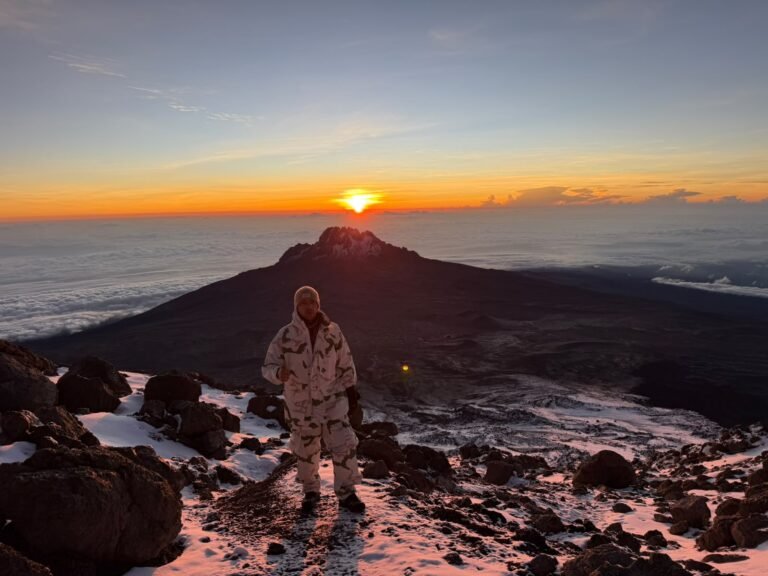
November Kilimanjaro Lemosho Vs Machame Group Climbing Dates
November 2026 Kilimanjaro Lemosho vs Machame Group Climbing Dates.
View package details
7 Days Rongai Route Kilimanjaro Group Joining – 26 November – 2 December
Experience Kilimanjaro via the Rongai Route with a confirmed group departure for 26 November–2 December 2026. Read a practical, day-by-day plan focusing on route pacing, acclimatization...
View package details
7 Days Machame Route Kilimanjaro Group Joining – 27 November – 3 December
7 Days Machame Route Kilimanjaro Group Joining – 27 November – 3 December 2026.
View package details
8 Days Lemosho Route Kilimanjaro Group Joining – 27 November – 4 December
8 Days Lemosho Route Kilimanjaro Group Joining – 27 November – 4 December 2026.
View package details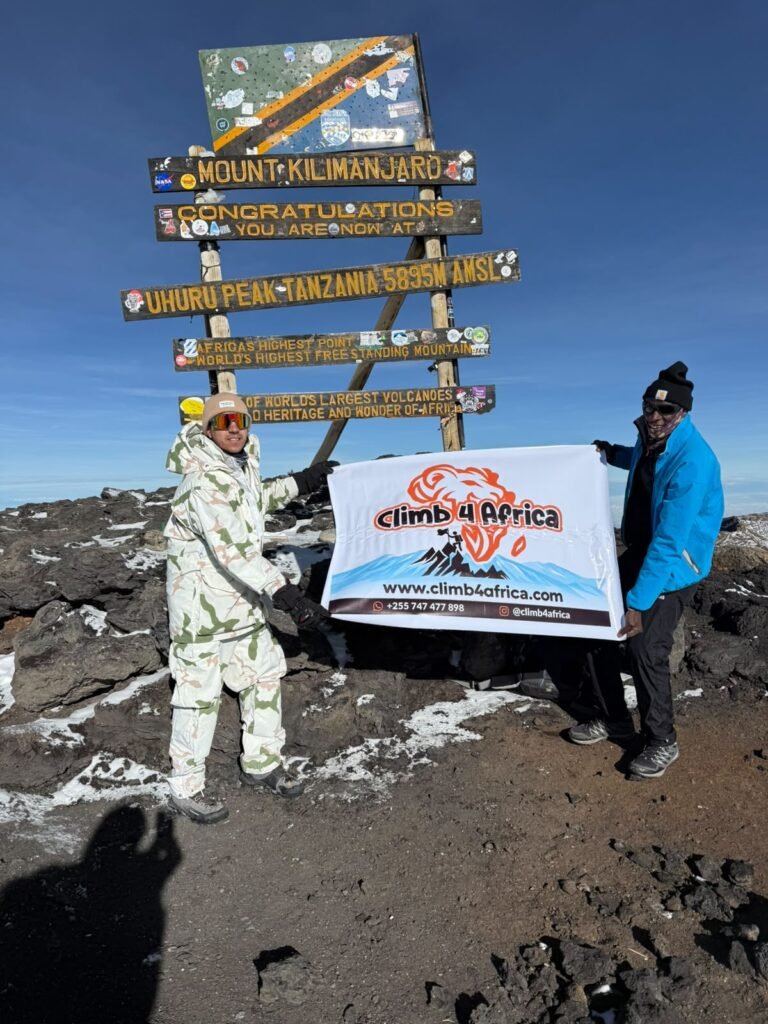
7 Days Machame Kilimanjaro Group Joining – 14–20 November
Join a confirmed 7-day Machame Route Kilimanjaro climb with a small group, departing 14–20 November 2026. Plan, acclimatise and summit with practical logistics and local support.
View package details
8 Days Lemosho Route Kilimanjaro Group Joining – 7–14 November 2026
Plan an 8-day Lemosho climb on Kilimanjaro with a verified group joining window of 7–14 November 2026. This first installment breaks down the day-by-day itinerary, acclimatisation logic...
View package details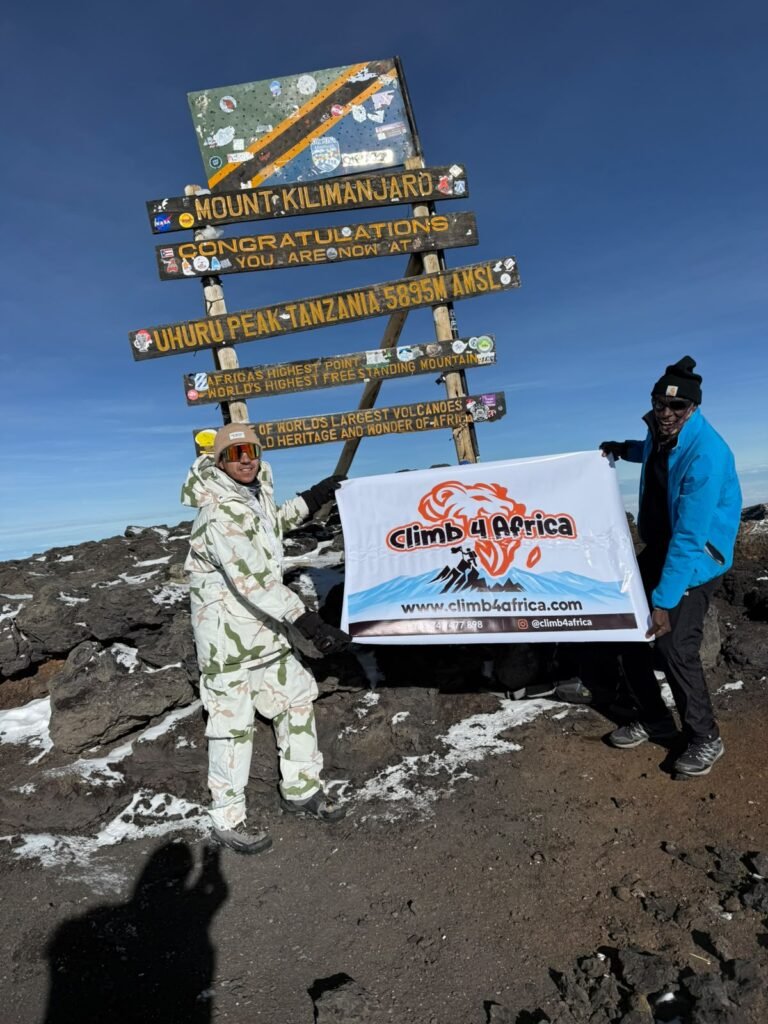
9 Days Northern Circuit Kilimanjaro Group Joining – 17–25 November
9 Days Northern Circuit Kilimanjaro Group Joining – 17–25 November 2026.
View package details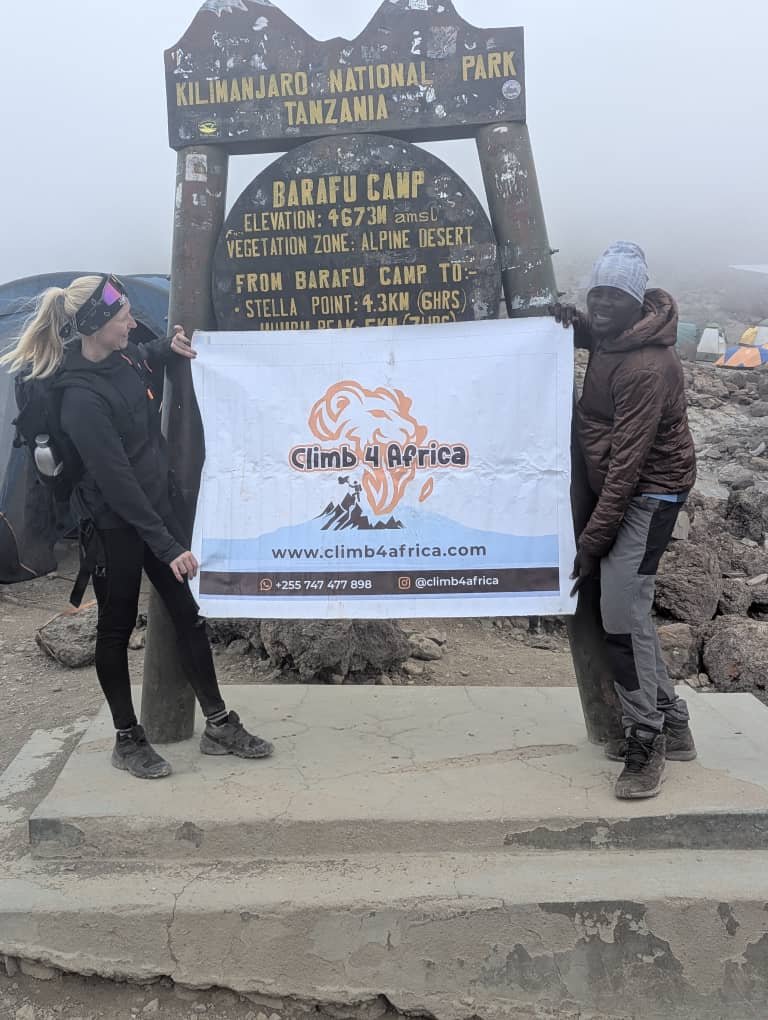
6 Days Marangu Route Kilimanjaro Group Joining – 20–25 November
Bookable 6 days on the Marangu route with a verified group departure 20–25 November 2026. Day-by-day itinerary, acclimatization plan, hut-style accommodations, and how to request a...
View package details
8 Days Lemosho Route Kilimanjaro Group Joining – 18–25 November 2026
8 Days Lemosho Route Kilimanjaro Group Joining – 18–25 November 2026.
View package details
Kilimanjaro Group Joining Tours Starting 27 November 2026
Kilimanjaro Group Joining Tours Starting 27 November 2026.
View package details7 Days Machame Kilimanjaro Group Joining Price – 19–25 November 2026
7 Days Machame Kilimanjaro Group Joining Price – 19–25 November 2026.
View package details8 Days Lemosho Kilimanjaro Group Joining: 18–25 November 2026
Plan an 8-day Lemosho Kilimanjaro climb with a shared group from 18–25 November 2026. Learn the route, day-by-day logistics, and what a booked package typically includes.
View package detailsNo related package matches those filters. Clear one or more filters to see the other topic-matched options.



