
When you begin researching a Kilimanjaro climbing package with airport transfers, it is easy to focus primarily on the final cost. However, for a successful expedition, the value of the package is often found in the logistics that occur before you ever set foot on the mountain trail. A professionally managed package does not just provide a guide; it provides a smooth connection from the moment you land at Kilimanjaro International Airport (JRO) until the moment you depart.
For climbers planning for 2027, understanding the pricing structure of these packages is essential. You aren’t just paying for a trek; you are paying for the coordination of permits, the hiring of a professional crew, mountain safety equipment, and the crucial, often overlooked, ground transportation that connects the airport to your accommodation in Moshi or Arusha.
Understanding the Price Drivers
It is important to be realistic: a Kilimanjaro climbing package is not a generic commodity. Prices vary significantly based on several non-negotiable factors. When comparing quotes from operators like Climb 4 Africa, you will notice that the “base” price often feels similar across reputable companies because a significant portion of that cost is fixed by the Tanzania National Parks Authority (TANAPA).
What Your Package Price Typically Covers
- Mandatory Park Fees: These include park entry fees, camping or hut fees, and mandatory rescue fees. These are non-negotiable and go directly to the park authorities.
- Professional Crew Wages: This covers the salaries for your lead guide, assistant guides, cook, and porters. Ethical operators prioritize fair wages, which is a significant component of your total cost.
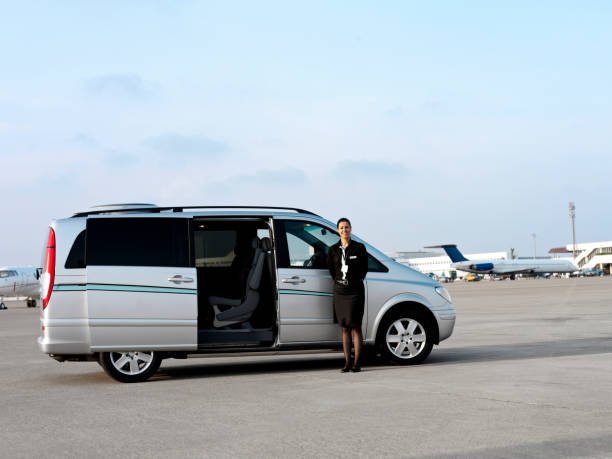
- Airport Transfers: A comprehensive package includes private, reliable transport from JRO to your hotel and back again.
- Mountain Logistics: This encompasses all food preparation, high-quality mountain tents, and safety gear like pulse oximeters and oxygen cylinders.
- Pre- and Post-Climb Accommodation: Most packages include nights in a hotel, which provides the necessary acclimatization and rest period.
The Importance of Airport Transfers in Your Package
Why is it so common to see “Airport Transfers Included” as a key selling point? The distance between Kilimanjaro International Airport and the base towns of Moshi or Arusha is roughly 45 to 60 minutes. While this may seem like a straightforward drive, navigating local taxi arrangements upon arrival after a long-haul flight can be unnecessarily stressful.
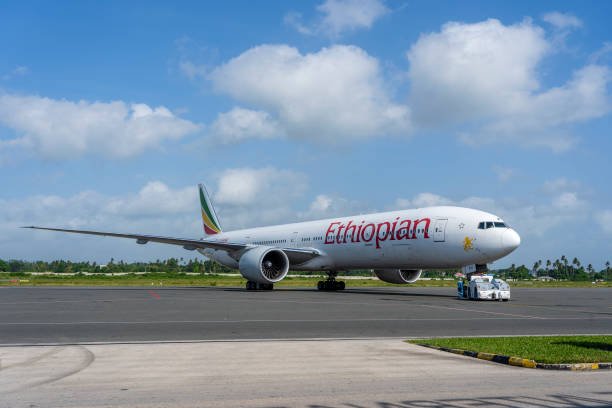
When your package includes transfers, your operator monitors your flight status. If your international flight is delayed—which happens frequently in long-haul travel—the driver is updated automatically. You are not left scrambling to find a reliable taxi in a foreign country. Furthermore, having a driver from your tour operator provides a level of security and local context that an independent taxi driver might not offer. This is particularly relevant if you are arriving late at night or early in the morning, which is common for flights connecting through hubs like Addis Ababa, Doha, or Nairobi.
Logistics Beyond the Airport
Your airport transfer is just the first step. A well-organized package also coordinates the transfer from your hotel to the mountain gate. This involves checking gear, ensuring you have the correct permit documentation, and verifying that the crew is ready. If you are interested in how these costs compare to booking independent transport, you can review our guide on Kilimanjaro Airport to Moshi transfer prices to understand the baseline costs of doing it yourself versus having it bundled in your tour.
Route Duration and Pricing
The duration of your climb is the second most significant variable in your package price. A 6-day route will naturally be cheaper than a 7-day or 8-day route. However, the price difference is not just about an extra day of food; it is about the additional park fees, the extra day of wages for the entire crew, and the increased safety margin. More days on the mountain generally lead to higher success rates due to better acclimatization.
For example, if you are considering the Machame route, a 7-day itinerary allows for a slower ascent compared to a 6-day version. When reviewing quotes, always check if the package includes an extra day for acclimatization. While it increases the total price, it significantly improves your chances of reaching Uhuru Peak.
Typical Itinerary Structure (Example: 7-Day Machame)
A standard 7-day package with an operator like Climb 4 Africa is structured to maximize safety and recovery. While specific departures depend on your travel dates, the operational flow generally looks like this:
- Day 1: Arrival. Transfer from JRO to your hotel in Moshi. Gear check and briefing.
- Day 2: Machame Gate to Machame Camp. The climb begins. The package covers the transport to the gate and the full crew support.
- Day 3: Machame Camp to Shira Camp. Moving through the rainforest and heath zones.
- Day 4: Shira Camp to Barranco Camp. This day is vital for acclimatization.
- Day 5: Barranco Camp to Karanga Camp. The “Barranco Wall” day.
- Day 6: Karanga Camp to Barafu Camp. Reaching the high camp.
- Day 7: Summit Day and Descent. The final push to Uhuru Peak and the descent to Mweka Camp, followed by the transfer back to your hotel.
Each of these days requires the support of your crew, which is why “package” pricing is inherently more efficient than trying to arrange individual services on the ground.
Hidden Costs and What to Clarify
When requesting a quote, transparency is key. Some operators advertise a “low price” that excludes critical items. Always ask your operator to confirm the following before you commit:
- Are park fees included in the advertised price? Some low-cost operators quote the service fee only, adding park fees as a “surcharge” later.
- Is the airport transfer private or shared? A private transfer is standard for reputable packages, but it is worth confirming.
- What is the policy on tips? While tips are separate from the package price, a reputable operator will provide clear guidelines on what is expected for the crew, so you aren’t guessing at the end of the climb.
- Does the package cover the return transfer to the airport? Ensure the departure transfer is included, not just the arrival.
If you are planning other parts of your trip, such as a safari or a trip to Zanzibar, consider booking these as part of a combined package. It is often more cost-effective and logistically sound to have one operator manage your entire Tanzania itinerary, from your Kilimanjaro climb to your Kilimanjaro climbing and Zanzibar package.
Planning Your 2027 Expedition
As you look toward your 2027 travel dates, the best approach is to start a conversation early. Pricing for Kilimanjaro climbs can fluctuate based on seasonal demand, with peak seasons (often July, August, and September) seeing higher demand for limited spots. Booking in advance allows you to secure your preferred dates and ensures that your logistics—including those essential airport transfers—are locked in.
Ready to Plan Your Climb?
If you have specific dates in mind or want to compare route options, the team at Climb 4 Africa is ready to assist. We specialize in tailoring itineraries that balance safety, cost, and personal goals. To receive an accurate quote that includes all logistics, please reach out to us directly.
Contact Us:
- WhatsApp: +255 747 477 898
- Email: climb4africa@gmail.com
- Backup Email: info@climb-4-africa.com
When you contact us, mention your preferred route and the number of climbers in your group so we can provide a detailed breakdown of what your specific package will cover.
Frequently Asked Questions About Climbing Packages
Is it cheaper to book each part of the trip separately?
While you might save a nominal amount by booking a local taxi or finding your own budget accommodation, you lose the safety net of an integrated package. If your flight is delayed, you are on your own. If your hotel is overbooked, you are on your own. A package ensures that your operator is accountable for your entire experience, which is invaluable in a foreign environment.
How far in advance should I book my Kilimanjaro climbing package?
For the best availability, especially if you are targeting specific weather windows, we recommend booking at least 6 months in advance. This ensures that you have time to prepare your gear, arrange your flights, and finalize your travel insurance.
Does my package price cover gear rental?
This depends on the operator. Most comprehensive packages include the basics (tents, mess equipment), but personal gear like sleeping bags, warm jackets, and trekking poles are often available for rent. Always ask your operator if they have a gear rental list and if these costs can be included in your package quote.
What if I need to change my travel dates?
Reputable operators have flexible policies for date changes, provided you give sufficient notice. When you request your quote, ask specifically about the booking terms and conditions, including deposit requirements and cancellation policies, so you are fully informed before making any payments.
The Economics of Group vs. Private Climbs
A significant factor influencing your Kilimanjaro package price—and one that is frequently misunderstood—is the distinction between joining an established group departure versus organizing a private climb. This decision ripples through your entire budget, affecting everything from your airport transfer logistics to the daily operational costs on the mountain.
Understanding Per-Person Pricing
When you request a quote for a package, the price you see is often built upon a “fixed-cost” model. Operators have to pay for the vehicle, the driver, the lead guide, and the cook regardless of whether there is one person or six people on the trek. In a private climb, you are solely responsible for these fixed costs. If you are a solo traveler, the “per-person” price will naturally be higher because you are absorbing the entire cost of the airport transfer vehicle, the hotel room, and the mountain crew’s wages. Conversely, in a group climb, these fixed costs are divided among all participants, which is why group departures are almost always more budget-friendly.
The Logistics of Shared Transfers
The airport transfer, which is a key component of your package, functions differently depending on your choice. If you book a private climb, your airport transfer is exclusive. You are picked up upon landing, and the vehicle goes directly to your hotel. This is efficient and minimizes your wait time. If you join a group departure, the operator must coordinate the arrival times of multiple climbers. You may find that your airport transfer includes waiting for other group members to clear customs before the vehicle departs for the hotel. While this might add an hour or two of waiting time, it is a standard operational procedure that keeps the overall cost of the package competitive.
The “Single Supplement” Explained
If you are traveling solo but prefer a private experience, be prepared to encounter a “single supplement” fee. This is not a penalty, but rather a reflection of the reality that certain costs—like your hotel room and the vehicle for your airport transfer—cannot be shared. When comparing quotes, ask your operator to clarify whether the price provided is based on a minimum number of participants. Some operators provide a price based on a group of four; if you are only two, that price may increase significantly once you finalize your booking. Transparency here is vital to avoid sticker shock when you move from the inquiry phase to the booking phase.
Optimizing Your Choice
To determine which model suits you, consider your priorities. If you value flexibility—such as being able to change your summit attempt time or adjust your pace on the trail—a private climb is worth the premium. If your primary goal is cost-efficiency and you are comfortable with the logistics of a shared itinerary, a group departure is an excellent choice. Regardless of which path you choose, always ensure your quote explicitly states the group size assumptions. A reputable operator will be happy to provide a comparative quote showing the price difference between a private expedition and a spot on a group departure, allowing you to make an informed decision based on your personal budget and travel style.
Evaluating the Quality of Your Inclusions
While understanding the logistics of your Kilimanjaro climbing package is essential, discerning the quality of those inclusions is equally important for your safety and comfort. When you compare quotes, you will often find that the ‘base’ inclusions—such as an airport transfer or a pre-climb hotel night—can mask significant variations in quality. A low-cost package may technically include these items, but the standard of service can differ drastically from a premium offering.
The True Standard of Airport Transfers
Not all airport transfers are created equal. When an operator includes a transfer from Kilimanjaro International Airport (JRO) to your accommodation, the price reflects the vehicle’s condition, the driver’s experience, and the company’s liability insurance. Reputable operators use modern, well-maintained vehicles that are regularly serviced and equipped with seatbelts and working air conditioning. In contrast, budget packages may outsource this service to third-party providers who utilize older, unmaintained vehicles. When auditing your quote, ask specifically about the type of vehicle used and whether the operator carries comprehensive commercial liability insurance for passenger transport. A reliable transfer is not just about convenience; it is the first step in a safe expedition.
Accommodation Tiers and Their Impact on Cost
The hotel included in your package is often a major price variable. The base towns of Moshi and Arusha offer a spectrum of accommodation, ranging from basic guesthouses to luxury mountain lodges. A ‘standard’ package might bundle a night at a clean but modest hotel, while a premium package often includes a stay at a resort with amenities like swimming pools, reliable Wi-Fi, and specialized pre-climb gear checks. If you are preparing for a grueling multi-day trek, the quality of your pre-climb rest—including the comfort of the bed and the nutritional value of the breakfast provided—can significantly impact your initial energy levels. If the quote seems unusually low, check the specific hotel name and verify its reputation, as this is often where budget operators reduce costs.
Crew Welfare as a Transparent Cost Factor
Perhaps the most significant component of your package price is the investment in your support crew. Ethical operators prioritize fair wages, adequate food rations, and proper gear for their porters, cooks, and guides. This commitment is a direct cost driver. When you see a package price that is significantly lower than the market average, it is often a red flag that the operator is cutting corners on crew welfare. A transparent operator will be able to explain their wage structure and adhere to the guidelines set by organizations like the Kilimanjaro Porters Assistance Project (KPAP). Investing in a package that pays fair wages not only supports the local economy but ensures that your crew is motivated, well-fed, and physically capable of supporting you during the challenging ascent.
Equipment Longevity and Safety
The final layer of your package quality is the mountain equipment itself. High-altitude environments are unforgiving on gear. Premium packages include high-quality, four-season tents that are regularly inspected for waterproofing and structural integrity, as well as high-grade mess tents and comfortable sleeping mats. Budget operators may use older, worn-out equipment that is prone to failure in harsh weather conditions. When reviewing your package, inquire about the age and brand of the tents and cooking equipment. The difference between a reliable, warm tent and a compromised one can be the difference between a successful summit attempt and an early, uncomfortable retreat.
Navigating Tipping Protocols as a Hidden Package Cost
While your package price covers the foundational logistics—transfers, permits, and crew wages—the custom of tipping remains a significant, often overlooked financial variable that you must budget for separately. In the context of Kilimanjaro expeditions, tipping is not merely a gratuity; it is an essential component of the crew’s income, which is why reputable operators provide clear, recommended guidelines. Failing to account for this in your pre-trip planning can lead to awkward situations or financial strain at the end of your trek.
Most professional operators provide a per-climber or per-group tipping suggestion based on the number of crew members assigned to your specific route. Because a 7-day Machame route requires a larger support team than a shorter, more direct route, your tipping budget will fluctuate accordingly. These guidelines usually suggest a daily amount per staff member, which you then multiply by the number of days and the number of crew. It is standard practice to hand these tips directly to the guides or the head of the crew in an envelope during the final morning ceremony at the mountain gate, rather than including them in your initial package payment.
Be wary of operators who claim that “tips are included” in their upfront package price. This is often a red flag. Ethical labor practices dictate that tips should remain discretionary and distributed directly from the client to the worker to ensure transparency and accountability. If an operator insists on collecting a “mandatory tip” upfront, it obscures the actual compensation the porters and guides receive. Instead, prioritize operators who provide a clear, transparent “tipping guideline” document, allowing you to prepare the correct amount in local currency or US dollars before you even leave home.
Managing Currency and Denominations for On-Ground Costs
Beyond the tipping budget, you must consider the logistics of currency. While your package price is typically paid in advance via wire transfer or credit card, your on-ground expenses—such as additional drinks at the hotel, gear rentals, or emergency cash—require careful planning. Kilimanjaro International Airport (JRO) and the base towns of Moshi and Arusha operate primarily on a mix of Tanzanian Shillings (TZS) and US Dollars (USD).
For your airport transfer and initial arrival, having a small amount of cash is useful, though your pre-paid package should cover the transit itself. When budgeting for your trip, ensure your USD bills are post-2009 series, as older notes are frequently rejected by local banks and businesses. Small denominations (1s, 5s, and 10s) are incredibly valuable for tipping and minor purchases, whereas large 100-dollar bills can be difficult to break. By organizing your “mountain cash” into separate, labeled envelopes before you depart, you eliminate the stress of calculating tips while exhausted after your descent, ensuring that your final interaction with your crew is respectful and appreciative.
Related Guides and Packages
Check Availability for Kilimanjaro Climbing Package With Airport Transfers: Prices & Logistics
Ready to compare dates, prices, and the best option for your group? Send the package name and travel month so the team can reply with a clear quote, availability, and what is included.
Kilimanjaro International Airport Flight Prices & Airlines: A Planning Guide
A deep look at planning your travel to JRO, understanding airline options, price variables, and how to coordinate your arrival for a successful Kilimanjaro climb.
View package detailsCheapest Airport To Fly Into For Climbing Kilimanjaro: A Guide
Is flying into Nairobi cheaper than Kilimanjaro for your trek? We break down the hidden costs of transfers, visas, and transit time to help you plan your 2027 trip.
View package details
Flights To Mount Kilimanjaro: Ticket Prices & Airport Guide
A comprehensive guide to flying into Kilimanjaro International Airport (JRO) in 2027. Learn how to secure the best flights, what to expect at the airport, and how to align your arrival with...
View package detailsKilimanjaro Climbing And Zanzibar Package With Flights: Pricing Guide
A detailed guide on how to structure a Kilimanjaro climb and Zanzibar beach holiday, covering cost drivers, flight logistics, and route selection for 2026-2027.
View package detailsNairobi To Kilimanjaro Airport Flight Cost Guide
A detailed look at the factors influencing the cost of flights from Nairobi to Kilimanjaro Airport, including comparisons with land transfers and essential planning advice.
View package detailsKilimanjaro Vs Arusha Airport: Which Should You Use For Your Trip?
A practical guide to choosing between Kilimanjaro International Airport (JRO) and Arusha Airport (ARK) for your Tanzania safari or Kilimanjaro climb.
View package detailsBest Flights For Kilimanjaro Climbing And Zanzibar Holidays: A Planning Guide
A professional guide to optimizing your international and domestic flight strategy for a combined Kilimanjaro trek and Zanzibar beach holiday in 2026-2027.
View package detailsKilimanjaro Airport To Arusha Transfer Cost & Booking Guide
A practical guide to navigating the transfer from Kilimanjaro International Airport (JRO) to Arusha, including cost factors, booking advice, and logistics for your 2027 trip.
View package details
Kilimanjaro Airport To Moshi Transfer Price : A Practical Guide
A practical guide to arranging your transfer from Kilimanjaro International Airport (JRO) to Moshi, covering price factors, vehicle options, and arrival logistics for 2027.
View package detailsFlying To Kilimanjaro From Europe: Expert Guide To Routes, Prices &
A comprehensive guide to flying to Kilimanjaro from Europe, covering the best airport choices, airline connections, and practical booking strategies for your 2027 climb.
View package details
Tanzania Flight Prices August : Kilimanjaro & Safari Travel Guide
A deep-dive guide into managing airfare costs and travel logistics for your August 2027 Kilimanjaro climb and Tanzania safari, including expert tips on timing, booking windows, and regional...
View package details
Kilimanjaro December Climbing Cost Including Park Fees: A Transparent
A detailed look at the financial structure of a Kilimanjaro climb in December 2026, focusing on mandatory park fees, ethical operator standards, and route-specific cost variables.
View package detailsNo related package matches those filters. Clear one or more filters to see the other topic-matched options.



