
When planning a Kilimanjaro climbing and Zanzibar package with flights, it is important to understand that there is no universal “off-the-shelf” price. Because your total cost depends on the specific mountain route, the duration of your trek, your choice of Zanzibar accommodation, and the timing of your internal flights, these packages are almost always built as custom, tailor-made itineraries. For most travelers, the price of a combined trip is driven by three primary factors: the number of days spent on the mountain (which dictates park and permit fees), the level of comfort at your post-climb beach resort, and the booking window for your domestic flights between Arusha/Kilimanjaro and Zanzibar.
Combining these two experiences—the intense physical challenge of the mountain and the relaxation of the Indian Ocean coast—is a logistical puzzle. Many travelers prefer a bundled approach to ensure their domestic flight timings align perfectly with their climb descent and their resort check-in times. When you work with an operator like Climb 4 Africa, the goal of a package is not just to bundle costs, but to guarantee that your transfer from the trail to the airport and then to the beach is smooth.
Understanding the Price Drivers
To evaluate the cost of your trip, you must break down the package into its two distinct components. A common mistake is to view the “climbing” portion and the “Zanzibar” portion as two separate entities that simply happen to be booked together. In reality, they are interconnected.
| Component | Key Cost Drivers | Impact on Total Package Price |
|---|---|---|
| Kilimanjaro Trek | Route duration (6 vs 7+ days), group size, gear rental, park fees. | Highest variable cost. Longer routes require more staff and food. |
| Internal Flights | Booking lead time, peak season demand, airline choice. | Significant impact if booked last minute; fluctuates by season. |
| Zanzibar Holiday | Resort star-rating, location (North vs. East), meal plan (HB vs. AI). | Variable; directly correlates to the luxury level you select. |
| Logistics/Transfers | Distance from airport to hotel, private vs. shared vehicles. | Minor, but adds up if you are on a strict budget. |
The Kilimanjaro Component: Route and Duration
The core of your pricing starts on the mountain. Whether you choose the Machame route, known for its scenic variety, or the Lemosho route, favored for its superior acclimatization, the number of days you spend on the mountain is the single biggest influence on your quote. A 6-day trek is naturally less expensive than an 8-day trek because you are paying for one fewer day of park fees, porter wages, and food provisions. However, choosing a shorter route solely to save money can be a strategic error if it compromises your success rate.
For those looking to balance cost and success, we often recommend comparing the 6-day versus 7-day options on routes like Machame. You can find more detail on how these choices affect your planning in our guide on cheapest Kilimanjaro climbing options for December 2026.
The Flight Connection: JRO to ZNZ
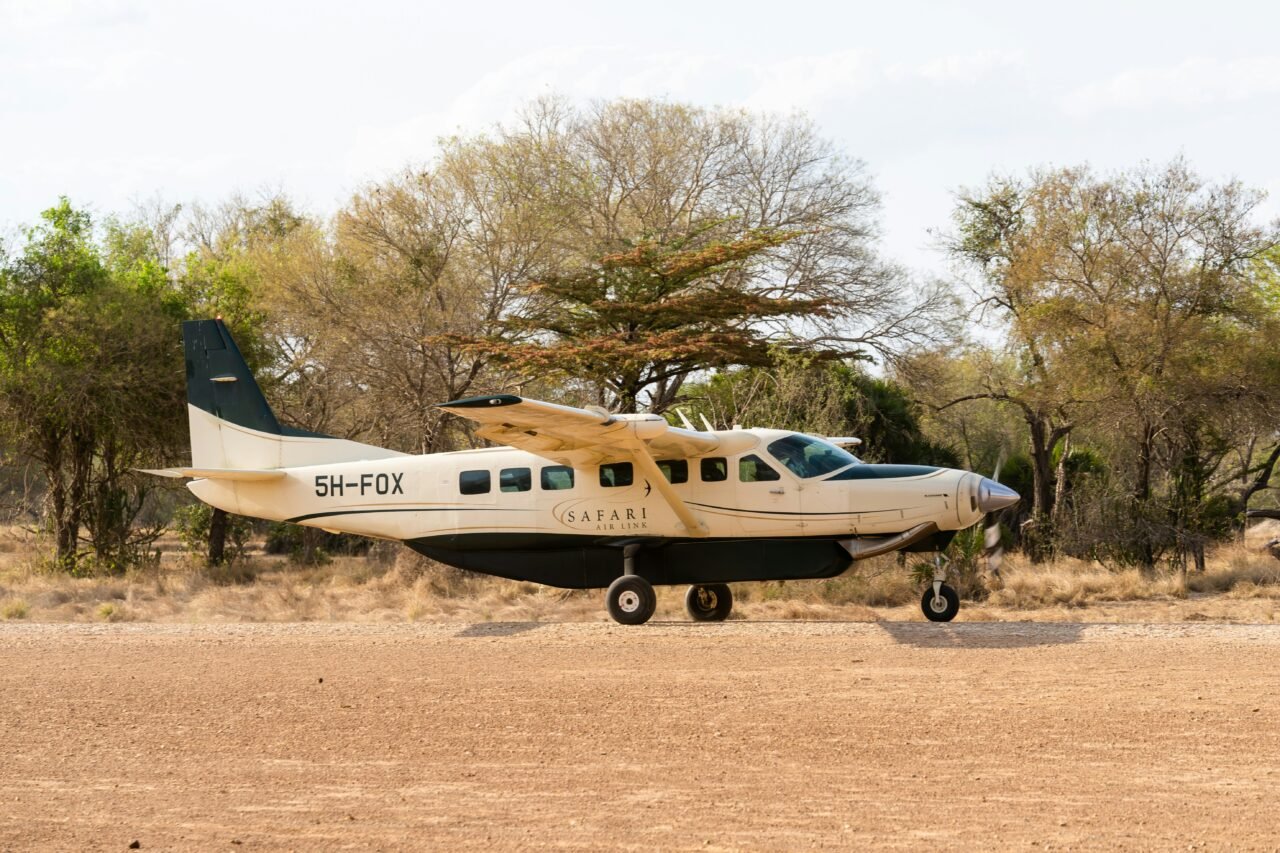
The flight from Kilimanjaro International Airport (JRO) to Zanzibar (ZNZ) is the “bridge” that makes the package work. Many travelers underestimate the complexity of this connection. You cannot simply book any flight; it must align with your descent schedule. If you finish your climb at 1:00 PM on a Saturday, you cannot feasibly make a 2:00 PM flight from JRO. You need a buffer.
Booking your flights as part of a package allows the operator to monitor your descent and ensure you are booked on a flight that gives you enough time to descend, shower, and reach the airport without rushing. For more information on navigating this specific leg of the trip, refer to our resource on Kilimanjaro Airport to Zanzibar flights.
Structuring Your Zanzibar Beach Holiday
Once the climb is behind you, your Zanzibar holiday is usually the reward. The price here is determined less by “packages” and more by your choice of beach. Zanzibar is not one homogenous destination; the experience in Nungwi (North) is vastly different from that in Paje or Michamvi (East Coast).
- Nungwi and Kendwa: These are the most popular areas. They offer the best swimming conditions as they are less affected by the extreme tidal changes found elsewhere on the island. Because of this popularity, resorts here often command a premium.
- East Coast (Paje, Bwejuu): Known for kitesurfing, a more laid-back vibe, and stunning low-tide walks. The accommodation here can be more varied, ranging from budget bungalows to high-end boutique hotels.
When we build your package, we factor in these differences. If you want a “fly-and-flop” experience where you don’t leave the resort, an All-Inclusive package in Nungwi is often the most cost-effective way to manage your total trip budget. If you prefer to explore, a Bed and Breakfast or Half-Board plan in a boutique hotel might be better, though you should factor in the cost of dining out.
Why Book a Package Instead of Separate Components?
It is tempting to try and save money by booking the climb through one company, the flight through an aggregator, and the hotel through a travel site. While this might appear cheaper on a spreadsheet, it introduces significant risks:
1. The “Missed Connection” Risk: If your climb is delayed by weather or a slower-than-expected pace, you might miss your flight to Zanzibar. If you booked that flight yourself, you are often on your own to rebook, which can be expensive at the last minute. A package operator manages this risk for you.
2. Baggage Logistics: You will likely have heavy mountain gear that you do not need on the beach. A good package operator will often arrange for you to leave your excess gear in a secure storage facility in Moshi or Arusha, allowing you to fly to Zanzibar with just your beach clothes. Trying to manage this yourself often leads to lugging heavy duffels through airport security and paying for excess baggage fees.
3. smooth Transfers: After 6 to 8 days of hiking, the last thing you want to do is navigate a taxi negotiation at Zanzibar airport. A pre-arranged package ensures a driver is waiting to take you directly to your hotel.
Planning for 2026-2027
As you look toward travel dates in 2026 and 2027, availability becomes the primary price driver, particularly for the mountain. The most popular dates (such as the Christmas/New Year period or the full moon climbs) fill up months in advance. Booking your Kilimanjaro climbing and Zanzibar package with flights early does not just guarantee you a spot; it often locks in flight prices before the peak season surcharges apply.
If you are considering a trip during these periods, we strongly recommend checking our Machame route Kilimanjaro group departures to see if your preferred dates align with existing groups. Joining a group can significantly reduce your per-person costs compared to a fully private expedition.

Practical Next Steps for Your Quote
To get a realistic price for your trip, you need to provide your operator with specific details. A generic request like “How much is a climb and beach trip?” will only yield a generic, unhelpful estimate. Instead, prepare the following information to receive an accurate, actionable quote:
- Preferred Climbing Route: Are you looking for the scenic Machame, the gentle Rongai, or the acclimatization-focused Lemosho?
- Group Size: Are you a solo traveler, a couple, or a larger group?
- Zanzibar Preference: Do you prioritize swimming (Nungwi), kitesurfing (Paje), or quiet seclusion (Matemwe)?
- Budget Range: Are you looking for budget-conscious guesthouses or luxury 5-star resorts?
- Travel Dates: Even if they are tentative, knowing the month helps us estimate flight and park fee seasonality.
By providing these details, you allow us to build a itinerary that avoids unnecessary costs and focuses your budget where it matters most to you. Whether you want to prioritize the quality of your mountain guides or the luxury of your beach resort, we can adjust the package to fit your needs.
Ready to start planning? We are here to help you navigate the logistics of your Tanzania adventure. You can reach our team directly via WhatsApp at +255 747 477 898 or send your specific trip requirements to climb4africa@gmail.com. For general inquiries, you can also reach us at info@climb-4-africa.com. Let us handle the coordination of your flights, transfers, and mountain logistics so you can focus on the climb.
Frequently Asked Questions
Is it cheaper to fly from Arusha or Kilimanjaro airport to Zanzibar?
Generally, flights from Kilimanjaro (JRO) are more convenient for climbers because you are already in the region. However, Arusha (ARK) sometimes offers different flight timings. It is rarely a significant price difference; the choice usually comes down to schedule alignment. You can read more in our guide: Is it cheaper to fly from Arusha or Kilimanjaro to Zanzibar?
Do I need to book my domestic flights in advance?
Yes. Domestic flights in Tanzania operate on smaller aircraft with limited seating. As the date approaches, prices rise sharply, and flights frequently sell out. Booking these as part of your package ensures you secure a seat at a predictable price.
Can I store my mountain gear while I am in Zanzibar?
Absolutely. This is a standard service for climbers moving on to a beach holiday. We arrange for secure storage of your excess mountain gear so you can travel to the coast light. This is a critical convenience that is almost always included when you book a full package with us.
What is the best time of year to combine a climb and beach holiday?
The best months are typically during the dry seasons: January to February and June to October. These months offer the clearest skies for your climb and the best weather for Zanzibar. December is also popular but can be busy, so booking well in advance is essential.
Beyond the Package: Managing Hidden Costs and Variable Expenses
While your Kilimanjaro and Zanzibar package covers the primary logistical pillars—mountain permits, guide services, internal flights, and resort accommodation—a truly accurate travel budget must account for the variable, out-of-pocket expenses that occur on the ground. Failing to factor these in can lead to mid-trip financial stress. When planning your total expenditure, consider these distinct categories that are almost never included in a standard operator quote.
The Kilimanjaro Tipping Culture
Tipping is an integral, expected, and highly structured component of the Kilimanjaro experience. It is rarely included in the initial package price because it is a direct gesture of gratitude from the climber to the crew. On the mountain, you will be supported by a team that typically includes a lead guide, assistant guides, a cook, and several porters. The total number of support staff often correlates with your group size; a larger group requires more porters, which in turn increases the total tipping pool.
It is standard practice to budget for this in cash (usually USD, as it is the most widely accepted currency). While your operator can provide a recommended tipping guideline—often expressed as a total per-group or per-climber amount per day—you must ensure you have this cash available in clean, post-2009 banknotes. Relying on an ATM at the mountain gate is not an option, and digital transfers to the operator often do not reach the individual porters directly in the way intended.
Visa Fees and Entry Requirements
Entry requirements for Tanzania and Zanzibar are subject to change, and these fees are almost universally excluded from tour packages. Most international travelers require a tourist visa, which is usually obtained as an e-visa or upon arrival. It is critical to verify the current cost for your specific nationality. Furthermore, Zanzibar has historically implemented an ‘Infrastructure Tax’ or a ‘Tourist Levy’ that is charged per person, per night, at the hotel level. While some high-end resorts may include this in their nightly rate, many mid-range and boutique properties collect this in cash or via card upon checkout. Always confirm with your operator whether your chosen Zanzibar accommodation includes the mandatory tourist levy in the quote or if it is a payable-on-arrival extra.
Gear Economics: Renting vs. Bringing
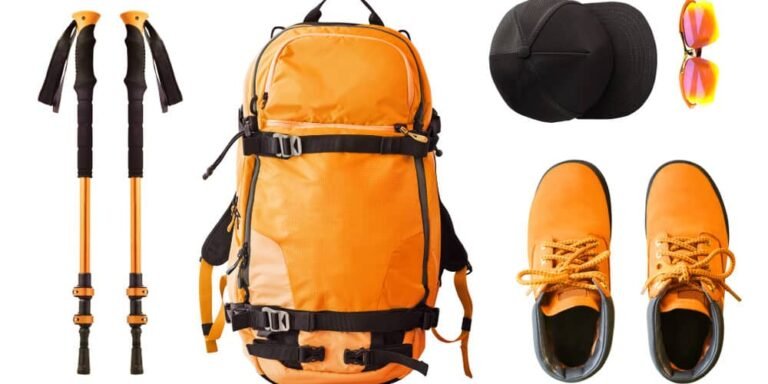
The decision to bring your own technical gear or rent it upon arrival has a direct impact on your budget and your flight logistics. Bringing your own sleeping bag, trekking poles, and specialized clothing eliminates rental fees, but it significantly increases your luggage weight. Because domestic flights between Arusha/Kilimanjaro and Zanzibar often have strict baggage allowances—frequently capped at 15kg to 20kg per passenger—heavy gear can lead to excess baggage fees that negate the savings of not renting. If you choose to rent, ensure your operator provides a clear price list for high-quality, sanitized gear. Renting locally is often the more cost-effective and convenient choice for items like -15°C sleeping bags or heavy-duty duffel bags, as it allows you to travel light for the beach portion of your trip.
The ‘Hidden’ Costs of Zanzibar Relaxation
Once you reach the coast, the nature of your spending changes. While your package may be ‘Half Board’ (breakfast and dinner included), you will likely incur daily costs for lunches, beverages (especially imported wines and spirits), and laundry services. Zanzibar’s remote beach areas, such as Matemwe or the quieter parts of the East Coast, often have fewer external dining options, meaning you will rely on the resort’s pricing for food and drink. Additionally, spontaneous excursions—such as a dhow boat trip, a spice farm tour, or a visit to Stone Town—are usually booked locally. Keep a ‘discretionary fund’ separate from your core package budget to cover these experiences, as well as the inevitable small tips for drivers, hotel staff, and local guides during your island stay.
Travel and Evacuation Insurance
While not a direct ‘cost of the trip,’ comprehensive travel insurance is a non-negotiable expense. Standard policies often exclude high-altitude trekking above a certain elevation (typically 4,000–5,000 meters). You must ensure your policy specifically covers Kilimanjaro up to the summit (5,895m) and includes emergency helicopter evacuation. If your current policy does not cover this, you will need to purchase an add-on or a specialist policy. This is an essential investment that protects your entire financial outlay; without it, a minor injury on the mountain could result in a catastrophic financial loss.
The ‘Buffer Day’ Strategy: Managing the Transition Logistics
A critical, often overlooked element in the pricing and planning of your Kilimanjaro and Zanzibar package is the ‘Buffer Day’—the night spent in Moshi or Arusha immediately following your descent. While it is tempting to optimize your budget by scheduling your flight to Zanzibar for the same afternoon you walk off the mountain, this approach introduces significant financial and physical risks that can jeopardize the entire trip.
From a logistical standpoint, the descent day is unpredictable. Even with a well-planned itinerary, factors such as mountain weather, individual acclimatization, or unexpected delays on the trail can push your arrival at the Mweka or Marangu gate into the late afternoon. Domestic airlines operating the JRO to ZNZ route typically enforce strict check-in windows. If you miss your flight because you are still on the mountain, most non-refundable ticket classes will not allow for a free change. Consequently, you may find yourself forced to purchase a last-minute, full-fare ticket at the airport, which can easily cost double or triple the original booking price.
Beyond the financial risk, there is the matter of physical recovery and hygiene. After six to eight days of high-altitude trekking, you will be physically exhausted, dehydrated, and in need of a proper shower. Arriving at a high-end Zanzibar resort covered in mountain dust, smelling of trail gear, and suffering from ‘summit fatigue’ is rarely the luxury experience most travelers envision. The buffer day allows for a full night of sleep in a comfortable bed, a proper meal, and a chance to repack your luggage. Most professional operators bundle this night into the package not merely as an upsell, but as a necessary component to ensure you reach the coast refreshed and ready to enjoy your resort, rather than spending your first 24 hours in Zanzibar sleeping off the effects of the climb.
When reviewing your quote, check whether the operator includes the ‘post-climb transfer’ and the ‘post-climb accommodation’ as standard. If they do not, you should explicitly request these. The cost of an extra night in a mid-range hotel in Moshi is negligible compared to the cost of a missed flight and the loss of a day of your pre-paid beach vacation. Furthermore, this extra day provides a buffer for your gear; it gives you time to drop off rental equipment to your operator and ensure your luggage is properly organized for the strict weight limits of the smaller aircraft often used for the island connection.
Related Guides and Packages
Check Availability for Kilimanjaro Climbing And Zanzibar Package With Flights: Pricing Guide
Ready to compare dates, prices, and the best option for your group? Send the package name and travel month so the team can reply with a clear quote, availability, and what is included.
Kilimanjaro Honeymoon Climbing And Zanzibar Beach Holiday: December Planning
A practical guide for couples planning a Kilimanjaro climb and Zanzibar beach holiday in December 2026, focusing on route selection, recovery logistics, and planning timelines.
View package details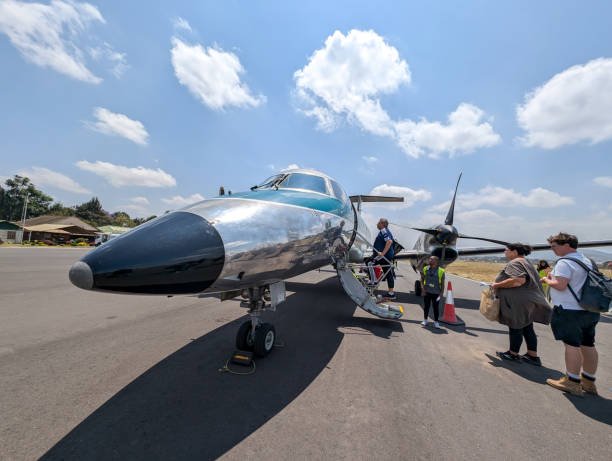
Is It Cheaper To Fly From Arusha Or Kilimanjaro To Zanzibar? A Planning Guide
Deciding between Arusha Airport and Kilimanjaro International for your Zanzibar flight involves more than just the ticket price. Discover how location, baggage rules, and transfer costs...
View package detailsAfcon Kilimanjaro Safari And Zanzibar Package: Expert Planning Guide
A comprehensive guide to coordinating your AFCON 2027 travel, including Kilimanjaro trekking, Northern Circuit safaris, and Zanzibar relaxation, with expert logistical advice.
View package details
Zanzibar Flights During Christmas And New Year: Expert Booking & Pricing Guide
Essential guide for booking Zanzibar flights during the high-demand Christmas and New Year season, covering pricing realities, route strategy, and logistics.
View package detailsTanzania Honeymoon Safari And Zanzibar With Flights: Package Prices
Tanzania Honeymoon Safari and Zanzibar With Flights: Package Prices.
View package details
Best Time To Book Flights To Zanzibar In : Planning Your Island Getaway
Expert advice on securing the best flight arrangements for your 2027 Zanzibar holiday, including seasonal booking windows and coordination with Tanzania safari itineraries.
View package detailsTanzania Flight Prices September : Serengeti And Zanzibar Planning
Expert advice on navigating domestic flight logistics, seasonal pricing, and the crucial 'bush-to-beach' connection for your September 2027 Tanzania itinerary.
View package detailsTanzania Flight Prices February : Safari & Zanzibar Routes
A detailed guide to navigating flight logistics and budget factors for Tanzania travel in February 2027, focusing on safari circuits and Zanzibar connections.
View package detailsTanzania Safari And Zanzibar Holiday With Domestic Flights: Costs Guide
A guide to understanding the costs, logistics, and planning strategies for combining a Tanzanian wildlife safari with a Zanzibar beach getaway using domestic flights.
View package detailsWhich Tanzanian Airport Is Best For A Safari And Zanzibar Holiday?
Which Tanzanian Airport Is Best for a Safari and Zanzibar Holiday?
View package detailsCan I Fly From Zanzibar To Serengeti And Return The Same Day? Guide
A professional assessment of the feasibility of same-day air travel between Zanzibar and the Serengeti, including logistical realities and better alternatives for your Tanzanian itinerary.
View package detailsHow Long Is The Flight From Serengeti To Zanzibar? ( Planning Guide)
Planning your bush-to-beach connection? Discover the actual flight durations, stopover logistics, and booking realities for traveling from the Serengeti to Zanzibar.
View package detailsNo related package matches those filters. Clear one or more filters to see the other topic-matched options.



