
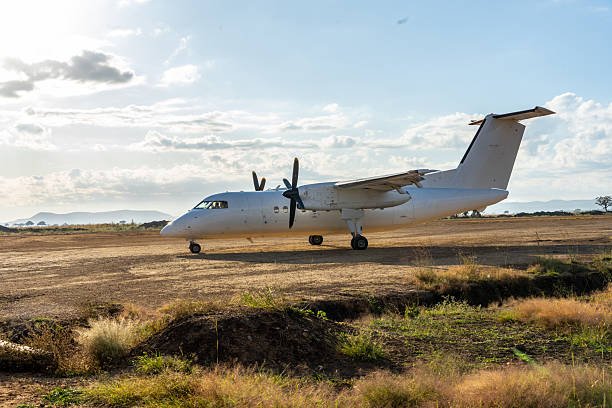
When choosing the best airline for your Tanzania safari, the “best” option is rarely about the brand name—it is about the specific route, connection timing, and luggage capacity. For 2027, the most reliable operators for bush flights into parks like the Serengeti, Ruaha, or Selous are Coastal Aviation and Auric Air. These carriers specialize in the “bush-to-bush” network, operating small Cessna Caravans that can land on short, dirt airstrips. While Precision Air remains a solid choice for transfers between major hubs (like Dar es Salaam to Kilimanjaro or Zanzibar), they generally do not service the remote park airstrips. Prices for these flights are dynamic; they fluctuate based on the season and how far in advance you book. To avoid logistical failures, we always recommend booking your flights as part of a wider fly-in safari package to ensure your ground transport is synced with your flight arrival.
Navigating the aviation landscape in Tanzania is a distinct part of the safari planning process. Unlike commercial international travel, where you choose an airline based on loyalty points or seat comfort, safari flights are utility-driven. You are paying for the privilege of skipping an 8-hour drive over bumpy, dusty roads in favor of a 45-minute flight that drops you directly into the heart of the wilderness.
Understanding the Safari Aviation Landscape
The domestic aviation market in Tanzania is split into two distinct categories: Scheduled Bush Carriers and Major Domestic Carriers. Understanding the difference is vital for your itinerary planning.
Scheduled bush carriers like Coastal Aviation and Auric Air operate a “milk run” model. A single plane might stop at three or four different airstrips in the Serengeti before reaching its final destination. This is efficient for the airline but requires passengers to be flexible with their schedules. If you are flying from the Serengeti to Zanzibar, for example, your flight might make a technical stop in Arusha or Dar es Salaam.
Major domestic carriers, such as Precision Air, operate larger turboprop aircraft (like the ATR 42 or 72). These are excellent for getting you between the main gateways—Kilimanjaro (JRO), Dar es Salaam (DAR), and Zanzibar (ZNZ)—but they cannot land on the gravel airstrips inside the national parks. If your itinerary involves a mix of city and bush travel, you will inevitably end up combining these two types of services.
Comparison of Top Tanzania Safari Airlines
The following table provides a high-level comparison of the carriers you will most likely encounter when booking your 2027 safari.
| Airline | Best For | Network Reach | Luggage Policy |
|---|---|---|---|
| Coastal Aviation | Extensive remote airstrip coverage; reliable schedules. | High (All major parks + Zanzibar) | 15kg (Soft bags only) |
| Auric Air | Frequent flights; excellent safety record; modern fleet. | High (Most safari circuits) | 15kg (Soft bags only) |
| Precision Air | Inter-city transfers; larger plane comfort. | Medium (Hubs only) | Standard (varies by class) |
| Regional Air | Reliable connections to northern circuit hubs. | Medium (Arusha/Serengeti) | 15kg (Soft bags only) |
Important Note on Luggage: Regardless of which bush airline you choose, the 15kg weight limit for soft-sided bags is non-negotiable. Because these planes are small, weight and balance are critical safety factors. If you arrive with a hard-shell suitcase, you may be forced to leave it behind or pay a significant surcharge to buy an extra seat for your luggage. Always check your flight-inclusive package details to see how we handle these transfers for our clients.
Pricing Dynamics and Why They Change
You will notice that domestic flight prices in Tanzania do not operate like major international routes. There are no “last-minute deals” on bush flights. In fact, the opposite is true: as flights fill up, prices often increase, or the flight simply becomes unavailable. For 2027, we strongly advise booking your internal flights at least 4 to 6 months in advance, especially if you are traveling during the peak season (June through October).
Several factors influence the price you pay:
- Seasonality: During the Great Migration (July to September), demand for flights into the Northern Serengeti skyrockets. Prices are at their highest during these months.
- Fuel Surcharges: Given the remote nature of bush flying, fuel prices can fluctuate, leading to occasional surcharges that are passed down to passengers.
- Route Complexity: A direct flight from Kilimanjaro to the Serengeti is more expensive than a multi-stop flight that hits several other camps along the way.
- Operator Exclusivity: Some remote camps have exclusive agreements with specific airlines, which can limit your choice but simplifies your logistics.
If you are looking for ways to manage your budget, read our guide on budget Tanzania fly-in safaris, which details how to optimize your routes to get the best value without compromising on the experience.
The Logistics of Connection: Kilimanjaro to the Bush
One of the most common questions we receive involves the transition from international arrival at Kilimanjaro International Airport (JRO) to the safari bush. Many travelers assume they can land in the morning and be in the heart of the Serengeti by lunch. While this is possible, it is tight.
If your international flight arrives after 11:00 AM, you will likely miss the scheduled bush flight connections. In this scenario, you have two options: overnight in Arusha or book a private charter. A private charter is significantly more expensive but offers total schedule flexibility. If you are on a standard schedule, we always recommend building in a buffer day in Arusha to recover from jet lag and ensure you don’t miss your connection due to an international flight delay.
For those traveling to the coast after their safari, the logistics are even more critical. Connecting from a bush flight to a regional flight to Zanzibar can be complex. We often recommend using a single operator for the entire leg if possible, or working with a local specialist who can manage the Kilimanjaro to Zanzibar flight logistics, as these connections often require changing airports in Arusha (moving from Arusha Airport to Kilimanjaro International).
Why Booking Through a Specialist Matters
When you book domestic flights independently, you are responsible for the entire chain of events. If your international flight is delayed, the bush airline may not be obligated to hold your seat or rebook you for free. This is the primary reason why we suggest booking your flights as part of a comprehensive safari package.
At Climb 4 Africa, we act as the bridge between you and the airline. If there is a schedule change—which is not uncommon in the bush aviation sector due to weather or runway conditions—we handle the rebooking. You avoid the stress of navigating Tanzanian flight operators directly, and we ensure your ground transfers are waiting for you at the airstrip, no matter what time your flight touches down.
We also have access to real-time availability that isn’t always reflected on third-party aggregator sites. If you are planning a trip for 2027, contact us via WhatsApp at +255 747 477 898 or email us at climb4africa@gmail.com. Let us know your preferred dates, the parks you wish to visit, and your approximate group size. We can then provide a tailored itinerary that includes the most reliable flight connections for your specific route.
Common Pitfalls to Avoid in 2027
As you finalize your plans, keep these three common mistakes in mind to ensure your trip remains smooth:
- The “Just Enough Time” Trap: Never book a connection with less than 3 hours between your arrival and your departure if you have to switch terminals or airports. Traffic in Arusha can be unpredictable, and international immigration queues at JRO can vary wildly.
- Ignoring Weather Constraints: During the “long rains” (typically April and May), some bush airstrips become unusable. If you are traveling during these months, check with your operator about which airstrips are reliable.
- Booking Flights Separately from Safaris: If you book your safari with one company and your flights with another, you create a “logistical gap.” If the safari company moves your game drive time, you might miss your flight. If you book them together, the operator manages the timing of both to ensure you never miss a moment of wildlife viewing.
For further reading on how to balance costs and convenience, see our comparison on whether Tanzania domestic flights are cheaper than private transfers. Sometimes, for groups of 4 or more, a private land transfer can be a cost-effective alternative to flying, though it does trade speed for road time.

Planning Your 2027 Safari Journey
The best time to start planning your 2027 safari is now. As availability for the best lodges and the most efficient flight paths fills up, having your logistics locked in early gives you the best choice of accommodations and routes. Whether you are aiming for a classic Northern Circuit safari or a more remote southern adventure, the right flight strategy is the foundation of a successful trip.
If you are ready to begin, reach out to our team at info@climb-4-africa.com. Provide us with your target travel dates and any specific wildlife interests, and we will build a proposal that integrates your international flight arrival with the most efficient and reliable bush aviation options available.
Navigating the Practicalities of Bush Flight Operations
Beyond the ticket price and the airline choice, the actual experience of flying into the Tanzanian bush differs significantly from commercial aviation. Understanding these operational realities is essential for a stress-free transition from the international terminal to the savanna. Most travelers are unprepared for the constraints of small-aircraft travel, which prioritizes safety and weight distribution over passenger comfort and convenience.
The Mandatory Soft-Bag Policy
The most common logistical failure for safari travelers is the luggage choice. Almost every scheduled bush carrier in Tanzania strictly enforces a 15kg (33 lbs) weight limit, which must be packed in soft-sided bags. This is not a suggestion; it is a structural necessity. The Cessna Caravans used for these routes feature narrow, pod-like cargo holds that cannot accommodate the rigid, rectangular frames of hard-shell suitcases. If you arrive at the airstrip with a hard-shell bag, you may be forced to leave it behind at the airport or pay for an additional seat to store it—a costly and avoidable expense. Beyond the physical constraints, soft bags are easier for ground crews to maneuver in and out of tight spaces, ensuring your flight departs on time.
The Airstrip Arrival Experience
Landing at a bush airstrip is a departure from the traditional airport experience. There are no jet bridges, security scanners, or baggage carousels. In most parks, an airstrip is simply a graded strip of dirt or grass, sometimes fenced, but often unfenced, allowing wildlife to wander across the runway. It is standard procedure for pilots to perform a low-level fly-over before landing to ensure the runway is clear of zebras, elephants, or other wildlife that might pose a hazard. Upon landing, you will typically step directly onto the tarmac and be met by your safari guide, who will be waiting with a 4×4 vehicle. Because these airstrips lack infrastructure, do not expect restrooms or cafes. Your arrival is a direct transition from the sky to the game drive.
Safety and Operational Oversight
Travelers often express anxiety regarding the size of the aircraft, particularly when flying into remote areas like the Selous (Nyerere) or the far reaches of the Serengeti. It is helpful to understand that the Tanzania Civil Aviation Authority (TCAA) maintains strict oversight of these operators. Pilots flying these routes are highly experienced in “bush flying,” which involves navigating rapidly changing weather patterns and visual flight rules (VFR). Unlike commercial flights that rely on complex instrument landing systems, bush pilots rely on their visual assessment of the airstrip conditions. If weather, such as heavy rain or low visibility, makes a landing unsafe, the pilot will divert to the nearest suitable airport or hold until conditions improve. This operational caution is the standard, not an exception, and is designed entirely for passenger safety.
Managing Flight Delays and Connectivity
Because bush flights operate on a “milk run” schedule—often visiting multiple camps to pick up or drop off passengers—your flight time may shift slightly depending on how quickly other passengers board or how long luggage loading takes. This is the nature of the ecosystem. If you are flying into a remote park, your flight might be scheduled for a morning departure, but weather or aircraft maintenance can sometimes cause delays. This is why booking your flights as part of a comprehensive safari package is so advantageous. If a flight is delayed, a coordinated operator can instantly adjust your game drive schedule or notify your lodge to hold dinner, ensuring the ripple effect of a 30-minute delay does not ruin your entire day of wildlife viewing.
Private Charters vs. Scheduled Flights: Choosing Your Mode of Travel
While the vast majority of safari travelers utilize the scheduled network—where you purchase individual seats on a multi-stop flight—a significant alternative exists: the private charter. For families, small groups, or travelers with highly specific time constraints, understanding when to upgrade to a private charter can transform the logistics of a safari from a rigid schedule into a bespoke experience.
When a Private Charter Makes Financial Sense
The primary misconception regarding private charters is that they are exclusively for the ultra-wealthy. In reality, the cost structure is based on the aircraft, not the seat. A typical Cessna Caravan charter is priced as a flat rate for the entire plane, which seats up to 12 passengers. If your travel party consists of six or more adults, the price per head for a private charter often aligns surprisingly closely with the cost of individual tickets on a scheduled flight. The advantage here is not just financial; it is the elimination of the “milk run.” When you charter, the aircraft flies directly from point A to point B. You dictate the departure time, allowing you to maximize your final morning game drive or arrive at your next destination before the heat of the day, avoiding the multi-stop delays that are inherent to scheduled bush carriers.
The Passenger Experience: Noise, Views, and Comfort
Regardless of whether you choose a scheduled flight or a private charter, you will likely be flying on a Cessna Caravan or a similar turboprop aircraft. These are utility aircraft, not commercial airliners, and it is essential to arrive with the right expectations. These cabins are not pressurized, and they are significantly louder than the jets you took to arrive in Tanzania. All operators provide noise-canceling headsets, which are mandatory for comfort. However, the trade-off is unparalleled. Because these planes cruise at a lower altitude than commercial jets, the flight itself becomes an extension of the game drive. You will often have clear, low-level views of the Rift Valley escarpment, the volcanic peaks of the Ngorongoro Conservation Area, or the vast, sweeping plains of the Serengeti. It is a visual experience that is fundamentally impossible from 30,000 feet.
Navigating the Transfer: The Luggage Hand-off
A frequently overlooked logistical hurdle is the physical transfer of luggage between your international arrival and your bush departure. Even when you book through a reputable operator, your bags are rarely “interlined” or automatically transferred from your international carrier (such as KLM, Qatar, or Ethiopian) to the domestic bush airline. You must clear customs, collect your bags at the international terminal, and physically escort them to the domestic terminal or the bush flight check-in desk. This is where a meet-and-greet service becomes invaluable. A ground handler will meet you at the international arrivals hall, assist with the luggage transfer, and navigate the security clearance for the domestic departure. Attempting to manage this transition alone—especially at busy hubs like Dar es Salaam or Kilimanjaro—can be a source of significant stress, particularly if your international flight arrives late and your window for the bush connection is tightening.
The Critical Exit: Managing Your Final Bush-to-International Connection
While much of the pre-safari anxiety centers on the arrival, the most common point of failure for travelers is the return journey—the transition from the bush back to the international departure terminal. This phase is deceptively complex because it involves compounding risks that do not exist when flying into the park. When you are flying from the bush to Kilimanjaro (JRO) or Dar es Salaam (DAR) for your flight home, you are no longer just managing your own timeline; you are at the mercy of the airline’s entire morning “milk run.”
Scheduled bush carriers often route a single aircraft to visit three or four different airstrips to collect passengers before heading to the major hub. If the first flight of the morning is delayed by heavy fog in the Serengeti or a slow-loading group at a remote camp, that delay cascades through every subsequent stop. By the time the aircraft reaches your airstrip, it may already be running 45 to 60 minutes behind schedule. If you have a tight connection to your international flight, this margin is razor-thin.
We advise applying a “Safety Buffer Rule” specifically for your departure day. While a 3-hour window is the bare minimum for arrivals, we strongly recommend a minimum of 5 hours between your scheduled bush flight arrival and your international flight departure. This buffer accounts for the potential delays mentioned above, as well as the time required to navigate the transfer process between the domestic bush terminal and the international check-in desks. Attempting to squeeze in a final morning game drive on the day of your departure is a high-stakes gamble; if the game drive runs long or the vehicle has a mechanical issue, you risk missing your flight entirely. For peace of mind, prioritize your flight connection over the final game drive, or ensure your camp is located within a 20-minute drive of the airstrip to minimize last-minute transit risks.
Furthermore, understand the distinction between “Airstrip-to-Airstrip” and “Airstrip-to-Terminal” tickets. When you book, confirm that your flight is ticketed all the way to the international hub. If you are flying from a remote airstrip to Arusha Airport (ARK) and then need to transfer to Kilimanjaro (JRO) by road, you have introduced a massive variable—traffic. Arusha city traffic is notoriously unpredictable. Always account for at least 90 minutes of road transit time if your bush flight lands at Arusha Airport but your international flight departs from Kilimanjaro. If your itinerary allows, prioritize flights that land directly at Kilimanjaro International Airport (JRO) to eliminate the road transfer entirely.
Check Availability for Best Airlines For Tanzania Safari Flights: Prices & Comparison ()
Ready to compare dates, prices, and the best option for your group? Send the package name and travel month so the team can reply with a clear quote, availability, and what is included.
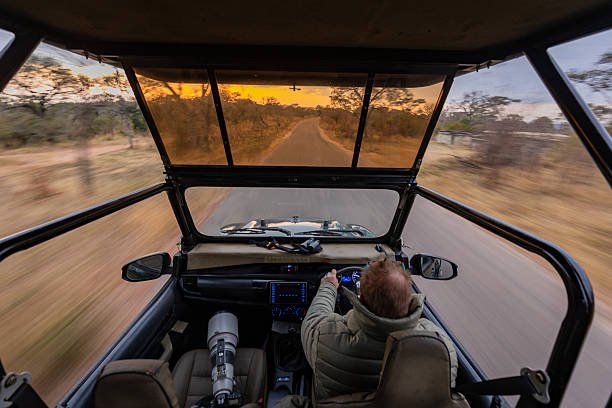
Tanzania Flight Ticket Prices: Economy Vs Safari Bush Flights Explained
A practical guide to understanding the cost and logistical differences between commercial economy flights and private-style bush flights in Tanzania.
View package details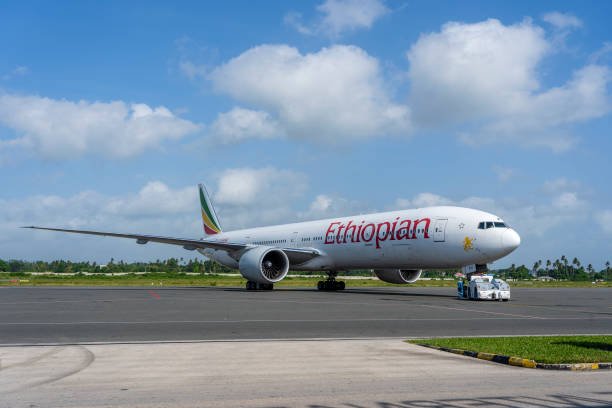
Tanzania Honeymoon Safari And Zanzibar With Flights: Package Prices
Tanzania Honeymoon Safari and Zanzibar With Flights: Package Prices.
View package details4-Day Tanzania Fly-In Safari With Return Flights: Prices & Planning
A deep look at the logistics and price factors for a 4-day Tanzania fly-in safari, helping you plan your 2027 wildlife adventure.
View package details
Kigali To Serengeti Flights: Prices & Safari Connections
A practical guide to connecting your Rwanda gorilla trekking with a Serengeti safari, focusing on flight routes, transit logistics, and expert booking advice.
View package details
Entebbe To Tanzania Flights: Ticket Prices And Route Guide
A comprehensive guide for travelers planning flights from Entebbe to Tanzania, covering ticket price factors, route options for Kilimanjaro and safari tours, and essential booking logistics...
View package detailsFlightlink Vs Coastal Aviation: Tanzania Safari Flight Prices Guide
A practical comparison of Tanzania's two leading bush airline operators, focusing on what drives prices, operational differences, and how to plan your inter-camp travel.
View package detailsCoastal Aviation Vs Auric Air: Comparing Tanzania Safari Flight Routes &
Deciding between Coastal Aviation and Auric Air for your Tanzania safari? We break down the differences in routes, reliability, and how to manage your bush flight logistics effectively.
View package details
Tanzania Flight Prices August : Kilimanjaro & Safari Travel Guide
A deep-dive guide into managing airfare costs and travel logistics for your August 2027 Kilimanjaro climb and Tanzania safari, including expert tips on timing, booking windows, and regional...
View package detailsTanzania Flight Prices July : Peak Safari Season Planning Guide
July is the absolute peak of the safari season in Tanzania. Here is how to navigate flight pricing, airline choices, and booking strategies for your July 2027 trip.
View package detailsTanzania Flight Prices June : Safari Season Airfares
A practical guide to navigating flight costs and logistics for Tanzania in June 2027, focusing on the seasonal shift from shoulder to peak.
View package detailsTanzania Flight Prices February : Safari & Zanzibar Routes
A detailed guide to navigating flight logistics and budget factors for Tanzania travel in February 2027, focusing on safari circuits and Zanzibar connections.
View package detailsTanzania Safari Flight-Inclusive Packages Vs Road Price Comparison
A deep look at the cost drivers and logistical differences between flying and driving on your Tanzanian safari. Learn which option fits your time and budget.
View package detailsNo related package matches those filters. Clear one or more filters to see the other topic-matched options.



